




Messor barbarus – poradnik hodowli żniwiarki, która robi mrówczy chleb

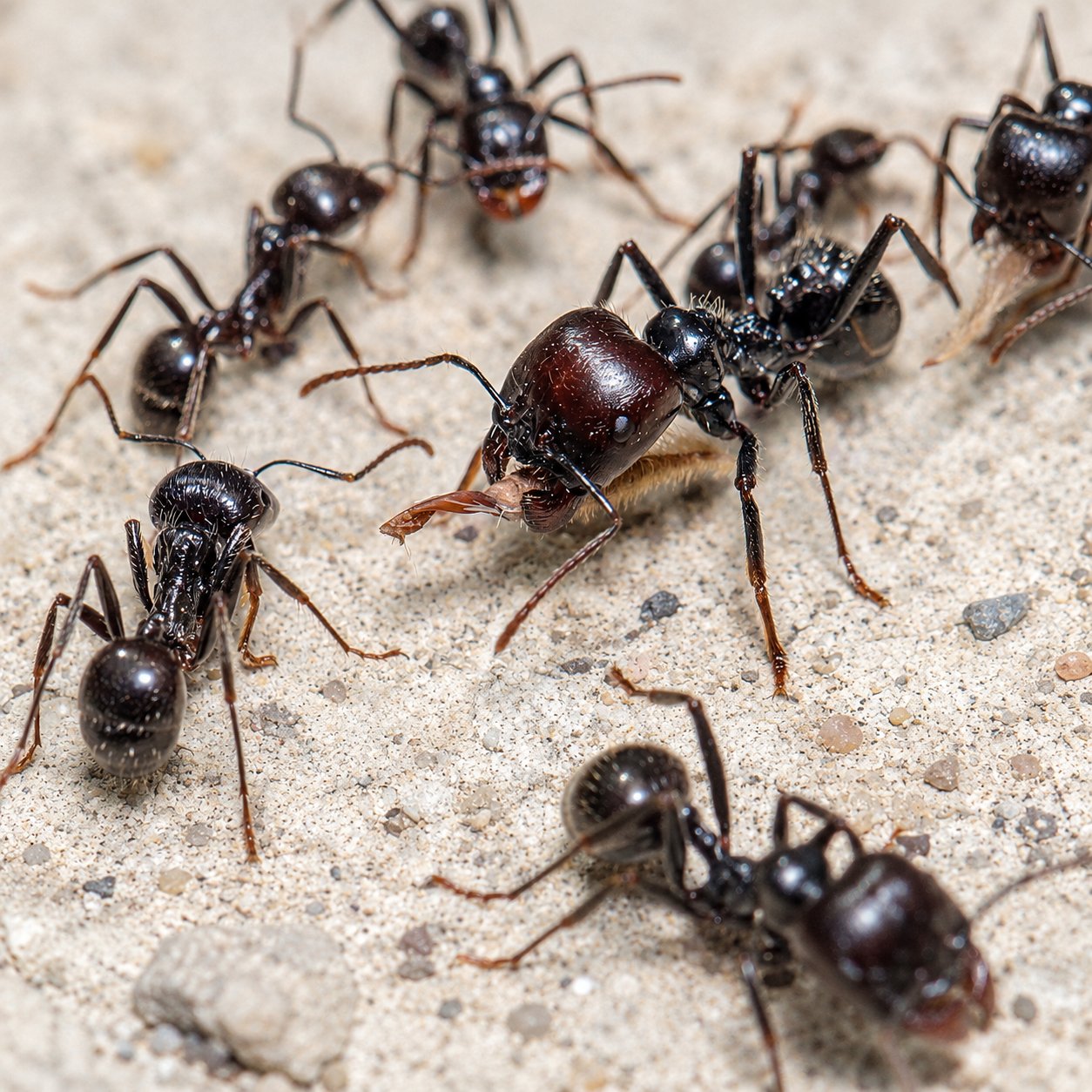
Większość mrówek dla początkujących je to samo nudne menu: wodę z cukrem i martwe owady. Messor barbarus robi coś dużo ciekawszego – zajmuje się rolnictwem. To żniwiarka, gatunek, który zbiera nasiona, magazynuje je w spichlerzach i miele na kaszkę, którą hodowcy pieszczotliwie nazywają „mrówczym chlebem”. Obserwowanie kolonii prowadzącej gospodarkę opartą na nasionach we własnym salonie nigdy się nie nudzi.
To także jeden z najlepszych gatunków startowych w Europie: odporny, szybko rosnący, tani w karmieniu i pełen wielkogłowych żołnierzy, którzy rozłupują nasiona jak małe dziadki do orzechów. Jeśli Lasius niger jest najbezpieczniejszą pierwszą mrówką, to Messor barbarus daje najwięcej frajdy. Poniżej wszystko, czego potrzebujesz do jej hodowli.
Krótka odpowiedź
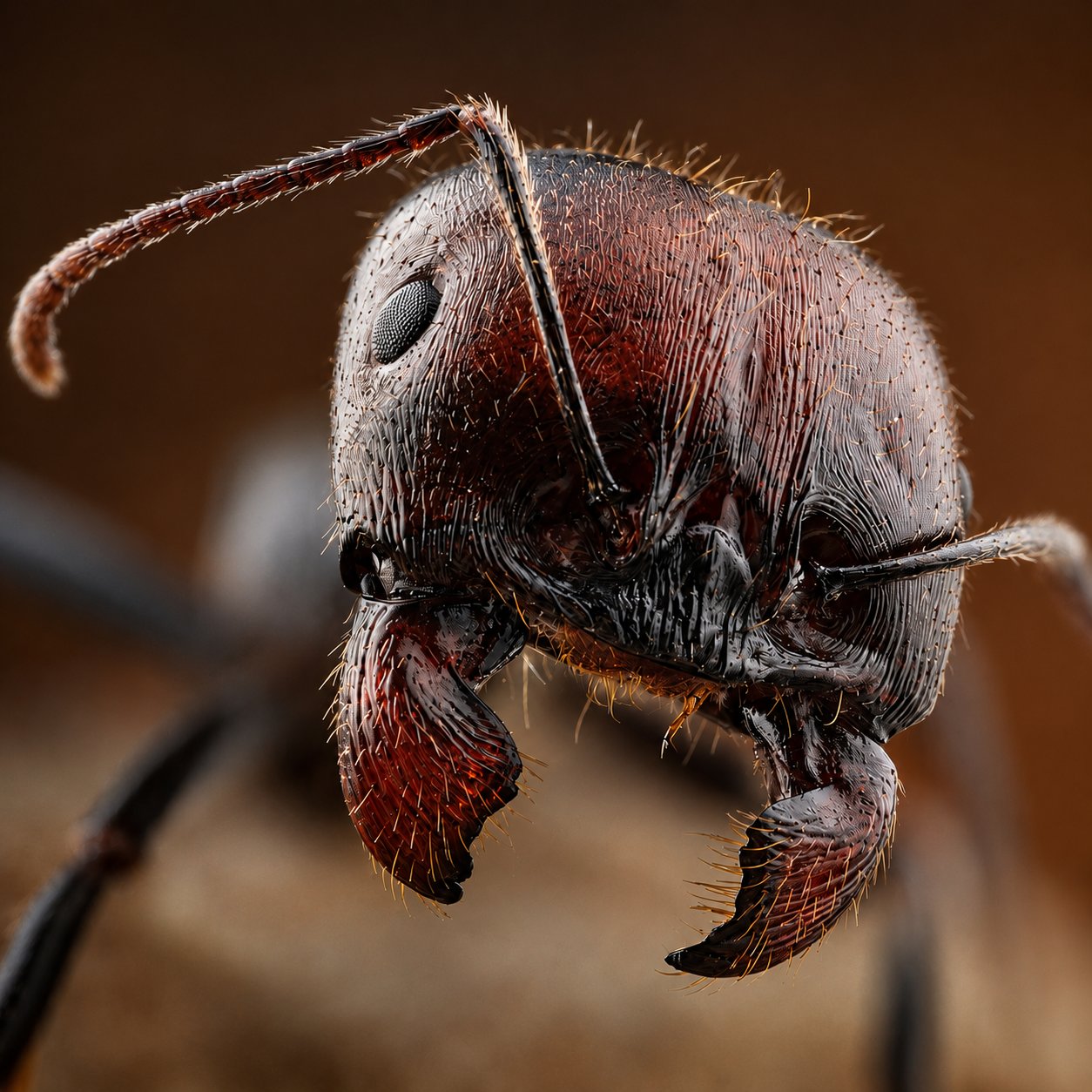
Messor barbarus to śródziemnomorska żniwiarka i jeden z najlepszych gatunków dla początkujących. Robotnice mierzą od 3 mm (minorki) do 14 mm (wielkogłowe majory), królowa efektowne 14-16 mm. Zakładanie jest w pełni klauzuralne, więc królowa nie potrzebuje karmienia, dopóki nie pojawią się pierwsze robotnice. Dieta opiera się na nasionach, dzięki czemu karmienie jest tanie i czyste. Trzymaj je w 24-28 °C, z suchą komorą na nasiona i wilgotną komorą dla czerwiu, daj im lekki zimowy odpoczynek, a szybko urosną w dużą, ruchliwą kolonię.
Poznaj żniwiarkę
Messor barbarus pochodzi z Półwyspu Iberyjskiego i zachodniej części basenu Morza Śródziemnego – z Hiszpanii, Portugalii, południowej Francji i Afryki Północnej, gdzie należy do najważniejszych roznosicieli nasion w całym ekosystemie.
Kolonia jest silnie polimorficzna:
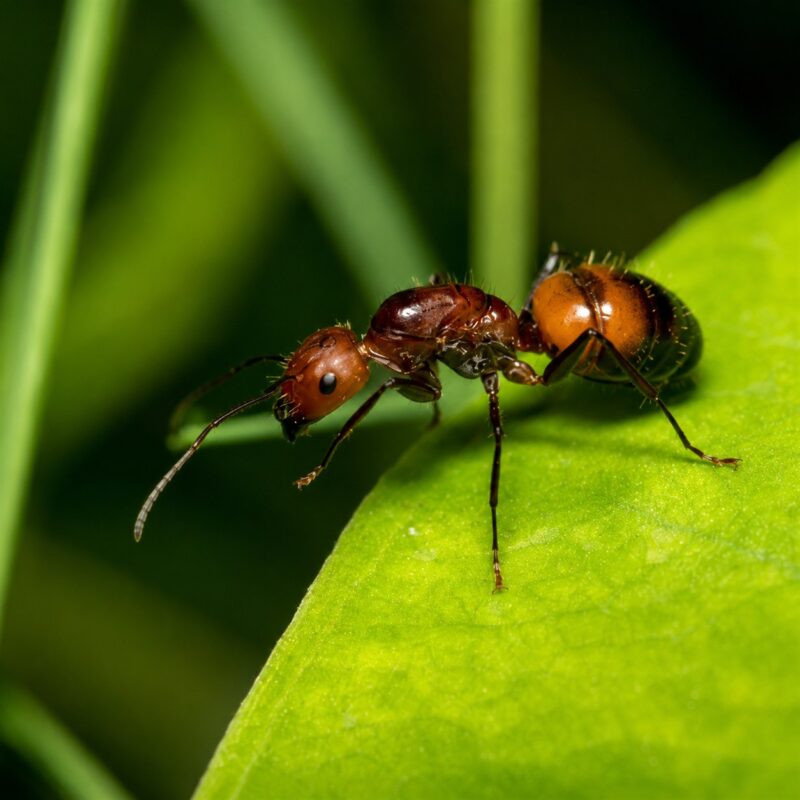
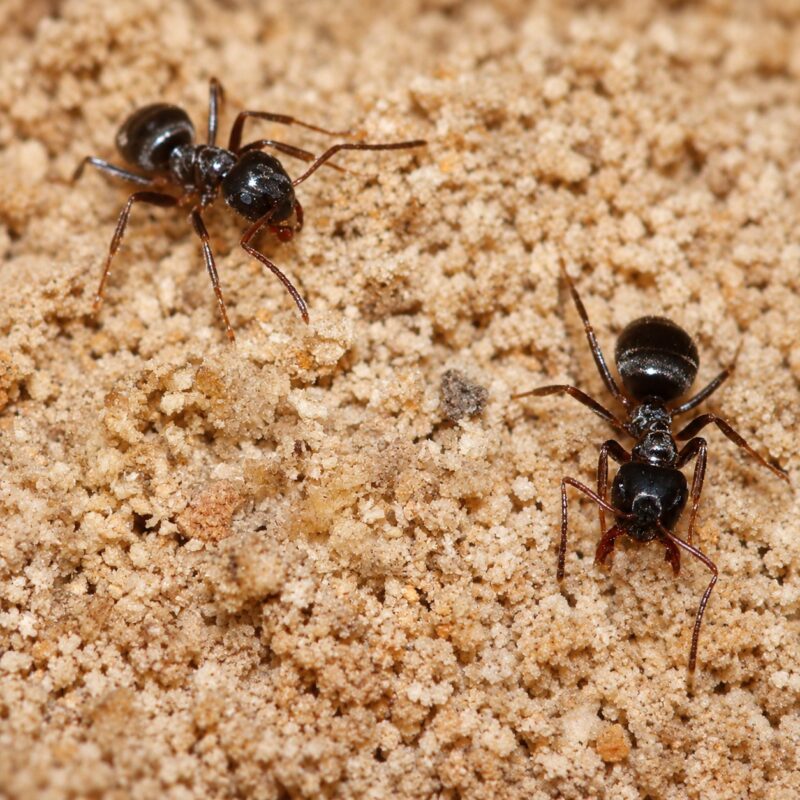
- Robotnice minor (~3-5 mm) wykonują codzienną robotę – żerują, opiekują się czerwiem, noszą nasiona.
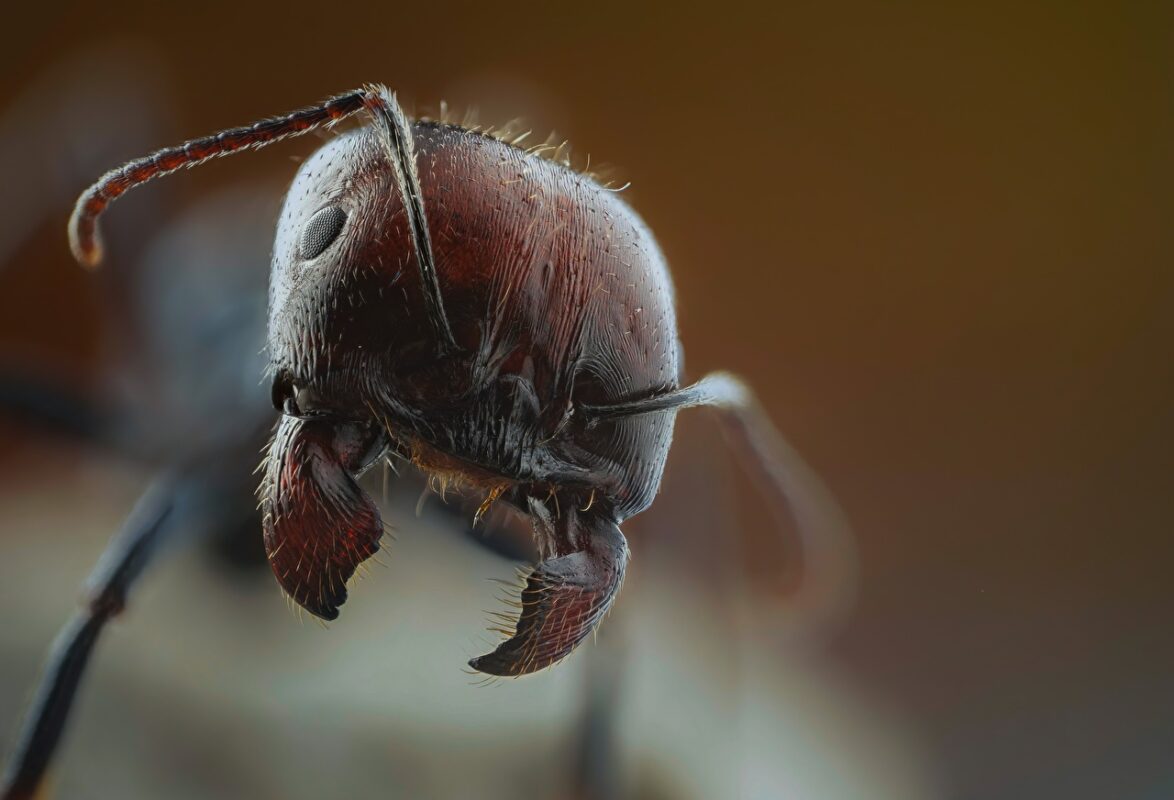
- Robotnice major (do ~14 mm) mają ogromne, mocne głowy stworzone do jednego zadania: rozłupywania i mielenia twardych nasion. Pełnią w kolonii rolę dziadków do orzechów.
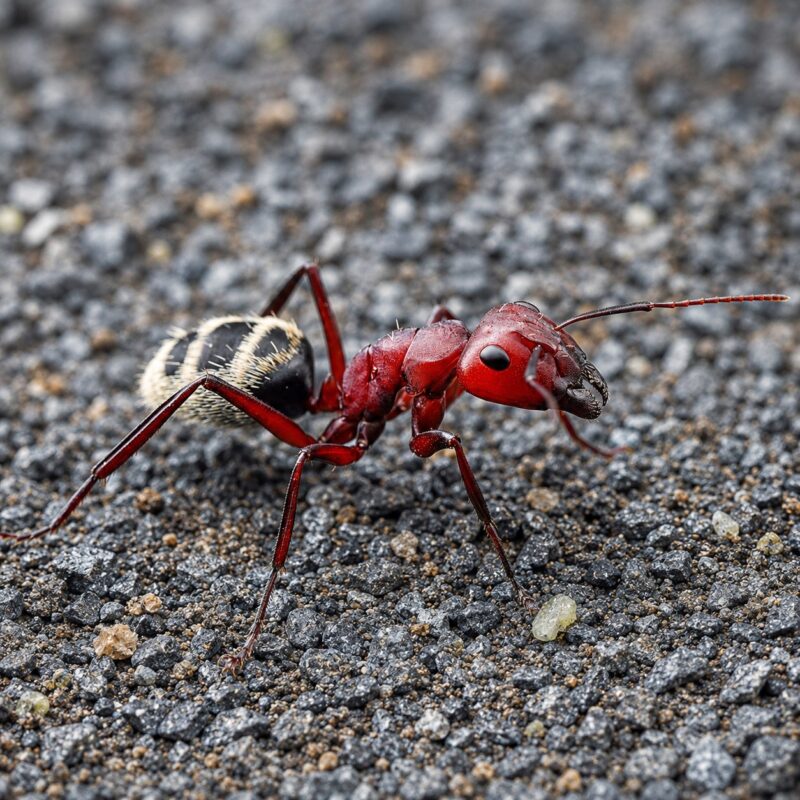
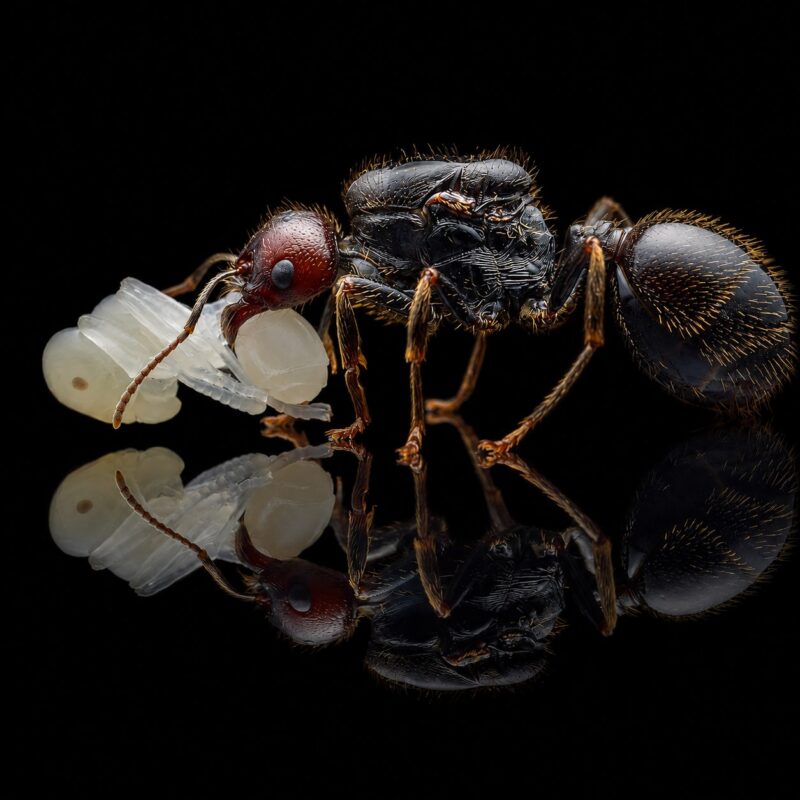
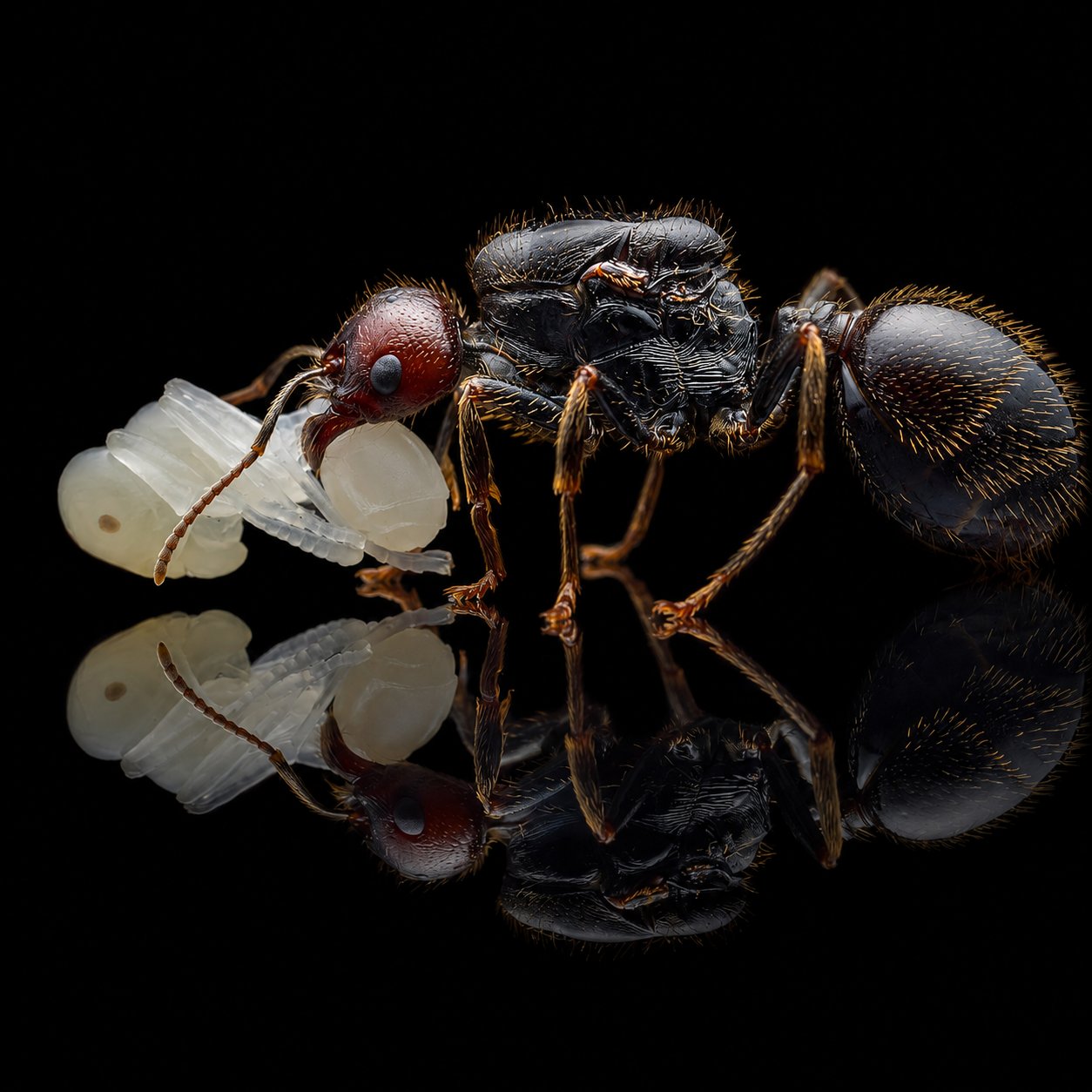
- Królowa jest duża (14-16 mm) i ładnie ubarwiona, często z czerwonawą głową i tułowiem przy ciemnym odwłoku.
Kolonie są monoginiczne (jedna królowa) i potrafią urosnąć do tysięcy robotnic. Królowa żyje długo – przy dobrej opiece grubo ponad dekadę.
Spichlerz, czyli jak jedzą żniwiarki
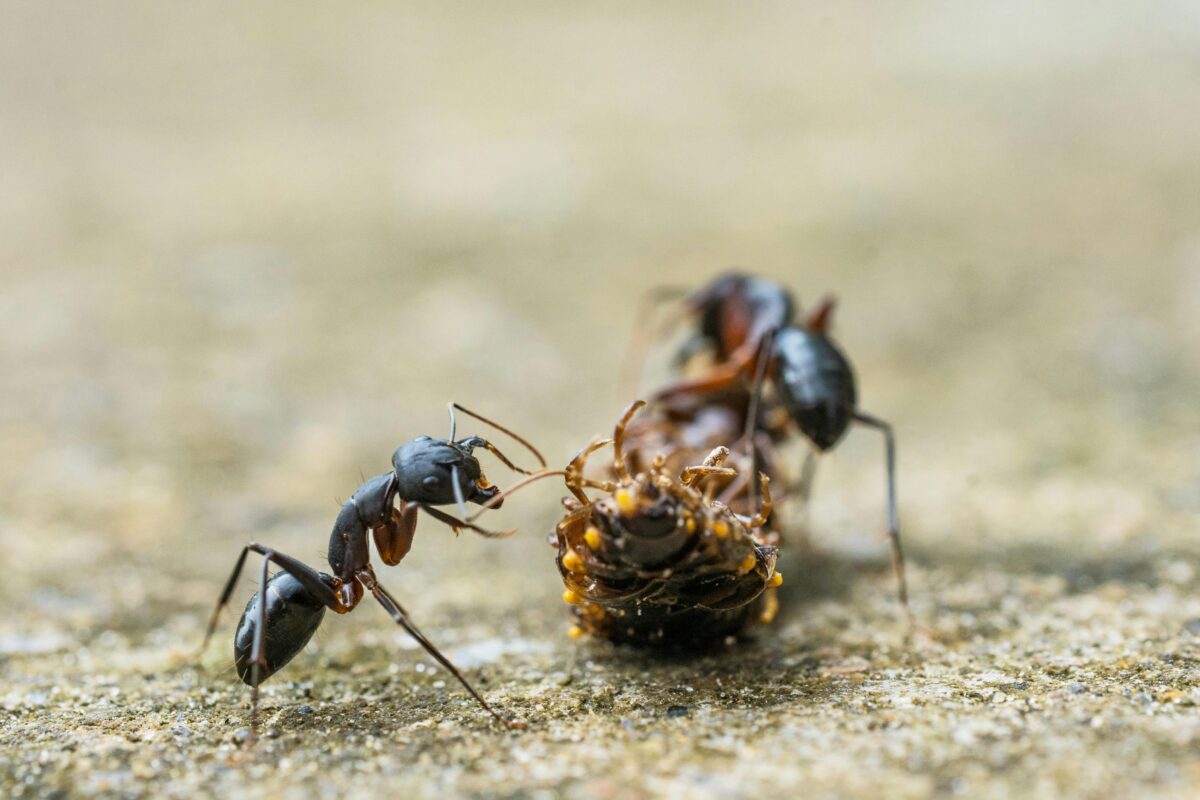
To zachowanie wyróżnia ten gatunek. Zbieraczki znoszą nasiona do gniazda i układają je w osobnych komorach-spichlerzach. Kiedy kolonia chce jeść, majory rozłupują nasiona, a robotnice przeżuwają zawartość na miękką, magazynowaną pastę – słynny „mrówczy chleb”. To prawdziwa gospodarka magazynowa, która po cichu działa w twoim formikarium.
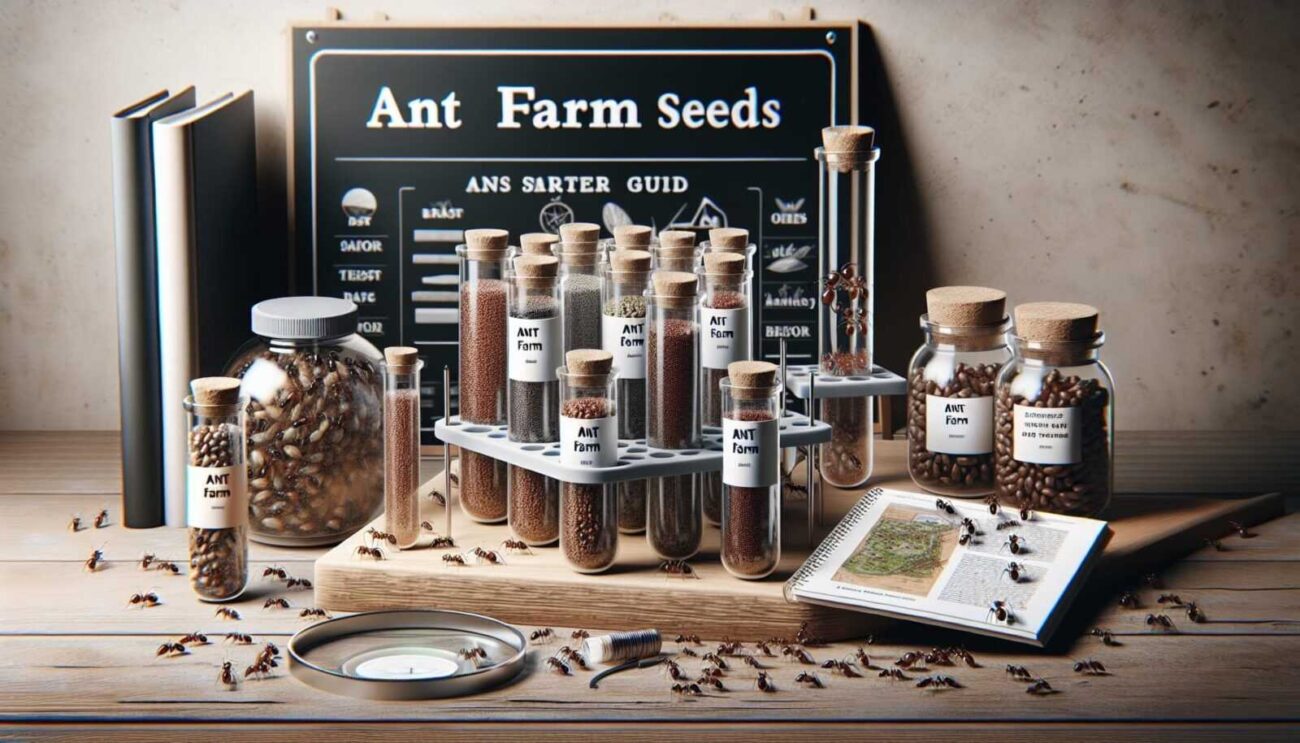
Dla ciebie, hodowcy, to dobra wiadomość. Nasiona są tanie, czyste, nie uciekają i nie gniją w jeden dzień jak owady. Podstawą jest mieszanka nasion dla żniwiarek (mak, proso, mniszek, trawy i podobne drobne nasiona). Możesz kupić gotową albo złożyć własną.
Złapać czy kupić królową
Messor barbarus odbywa loty godowe jesienią, często w dni po pierwszych deszczach, które przełamują letni upał. Jeśli mieszkasz w zasięgu tego gatunku, zapłodnione królowe łatwo wtedy znaleźć na ziemi. W reszcie Europy prostszą drogą jest kupno kolonii – i możesz zacząć o dowolnej porze roku, zamiast czekać na lot. Dostępność sprawdzisz na stronie kolonii Messor barbarus, a terminy w naszym kalendarzu lotów godowych.
Etap zakładania
Zakładanie jest łatwe i klauzuralne. Włóż królową do probówki – woda za korkiem z waty, królowa zamknięta w środku – i zostaw ją w ciemnym, w miarę ciepłym miejscu. Nie trzeba jej karmić; pierwsze robotnice wychowa wyłącznie z własnych zapasów.
Powstrzymaj się od codziennego zaglądania. Raz w tygodniu w zupełności wystarczy. W okolicach 26 °C pierwsze małe robotnice pojawiają się po mniej więcej czterech do sześciu tygodniach, a kiedy zaczną wychodzić i żerować, możesz podać pierwsze nasiona i kroplę wody z cukrem.
Urządzanie kolonii
Jest jedna rzecz, przez którą opieka nad Messor różni się od innych mrówek dla początkujących: potrzebują i suchej, i wilgotnej strefy.
- Czerw i królowa chcą wilgoci, jak u każdej mrówki.
- Spichlerz z nasionami musi pozostać suchy. Wilgotne nasiona kiełkują i pleśnieją, a pleśń to zabójca numer jeden kolonii żniwiarek w hodowli.
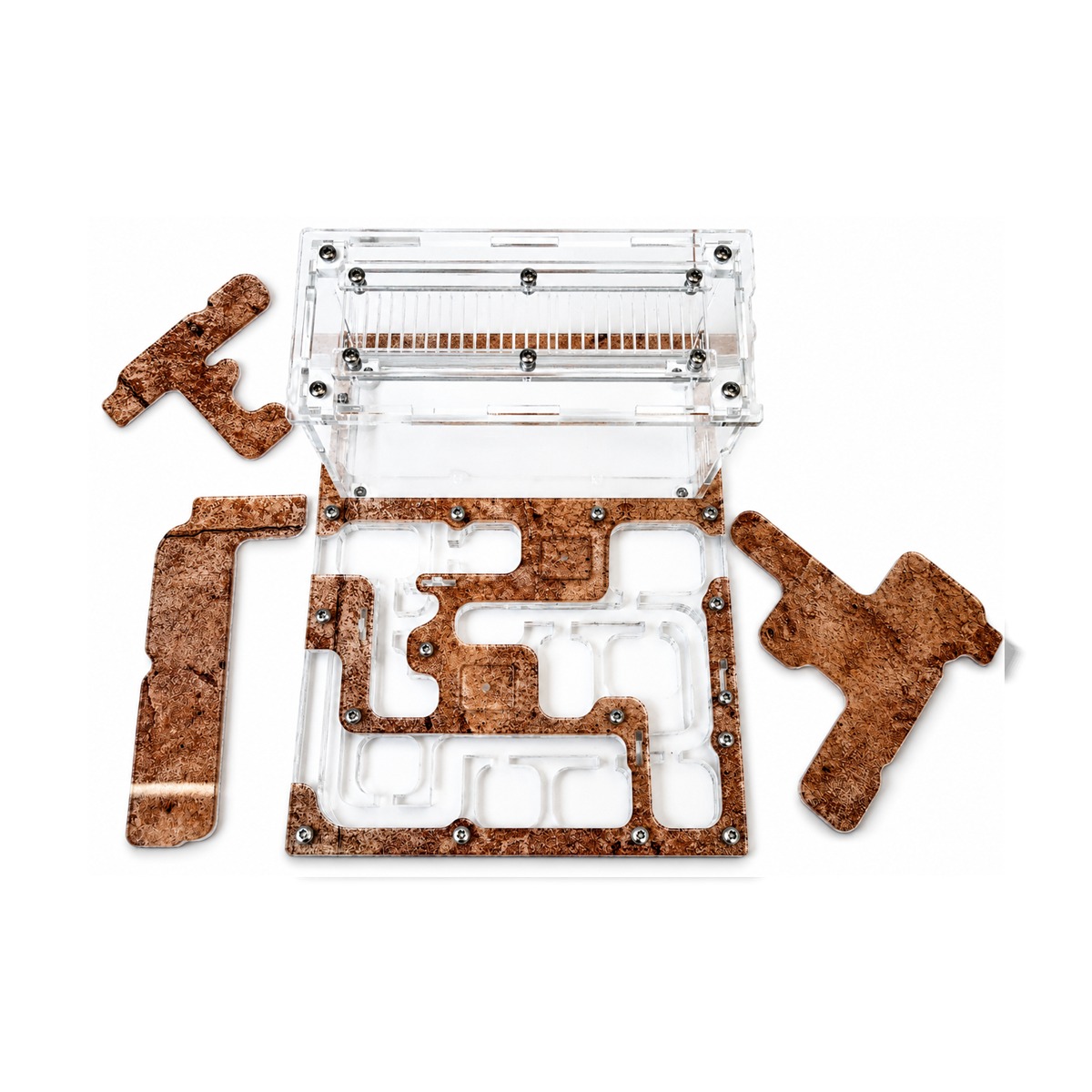
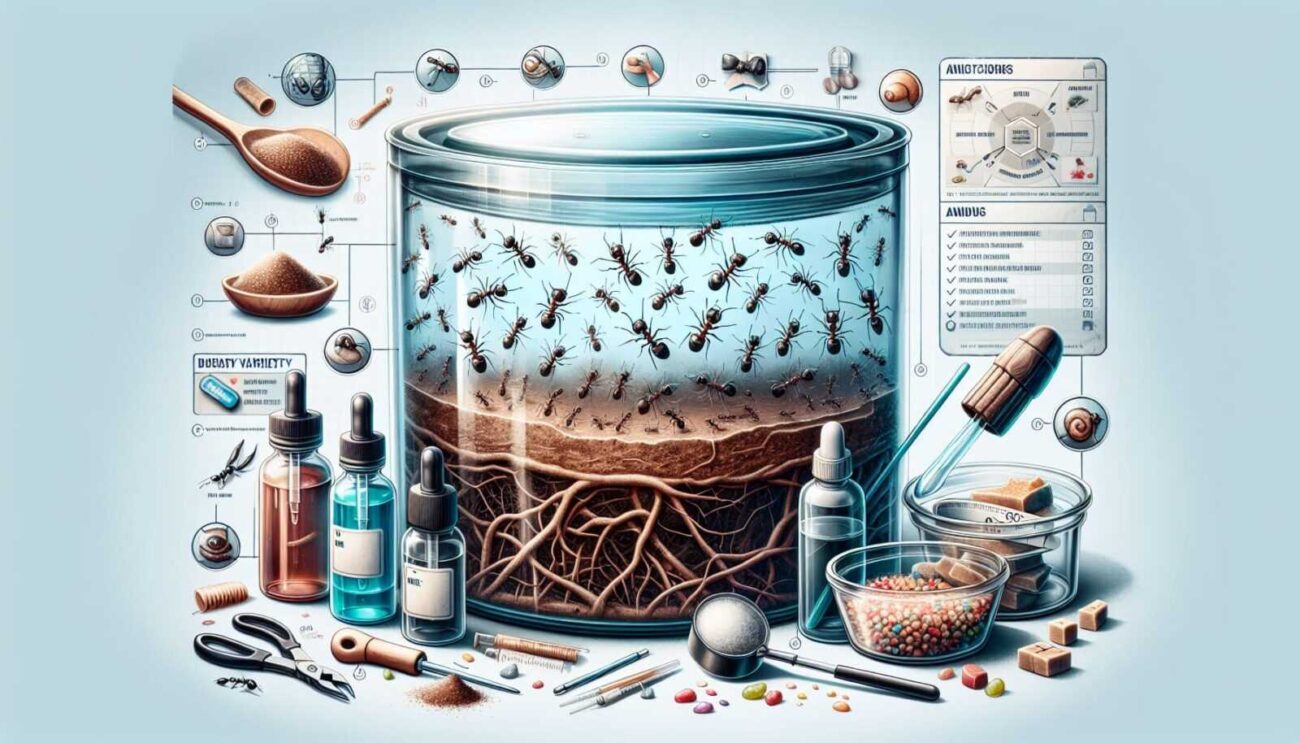
Dobre formikarium daje gradient wilgotności – wilgotny koniec i suchy koniec – żeby kolonia mogła magazynować nasiona z dala od wilgoci. Startowe formikarium sprawdza się, gdy kolonia ma 20-30 robotnic. Do tego czasu trzymaj ją w probówce; nie ma pośpiechu.
Jeśli chodzi o temperaturę, 24-28 °C utrzymuje je aktywne i rosnące. Specjalne grzanie nie jest konieczne, choć ciepłe miejsce przyspiesza sprawę. Cienki pasek Fluonu wokół areny utrzyma wszystkich w środku.
Karmienie
Prosto i tanio:
- Nasiona – podstawa. Mała mieszanka dla żniwiarek, zawsze dostępna w suchej części spichlerza. Same regulują ilość; wystarczy uzupełniać skromny zapas.
- Cukier – kropla wody z miodem albo żelek energetyczny od czasu do czasu na szybką energię.
- Okazjonalne białko – mały owad co tydzień lub dwa pomaga w produkcji czerwiu, choć większość roboty robią nasiona. Messor potrzebuje dużo mniej białka niż gatunki drapieżne.
Usuwaj nasiona, które kiełkują albo spleśniały. To właściwie jedyny stały obowiązek.
Zimowanie
Jako gatunek śródziemnomorski Messor barbarus korzysta na lekkim zimowym odpoczynku – kilku tygodniach w niższej temperaturze (około 10-15 °C) zimą. Jest to mniej rygorystyczne niż długie, zimne zimowanie, którego potrzebuje typowo północny gatunek jak Lasius niger, ale schłodzenie i tak przez lata utrzymuje królową w zdrowiu. Piwnica albo nieogrzewany pokój zwykle załatwiają sprawę.
Tempo wzrostu
- Miesiące 1-2: królowa zakłada kolonię, pojawiają się pierwsze robotnice, kolonia dochodzi do dwudziestu kilku.
- Miesiące 3-6: pierwsze setki robotnic, pojawiają się pierwsze prawdziwe majory, rozłupywanie nasion rusza na dobre.
- Lata 1-2: od kilkuset do ponad tysiąca robotnic, ruchliwa, w pełni działająca kolonia ze spichlerzem.
- Dalej: kilka tysięcy robotnic i jedna z najżywszych ekspozycji, jakie możesz mieć w domu.
Częste błędy
1. Wilgotne nasiona. Główny problem. Nasiona trzymane w wilgotnej strefie kiełkują i pleśnieją, a pleśń przenosi się na kolonię. Zawsze daj im suchą strefę spichlerza i usuwaj wszystko, co wykiełkuje.
2. Karmienie zakładającej królowej. Jest klauzuralna. Zostaw ją zamkniętą i bez jedzenia, dopóki nie wyjdą pierwsze robotnice.
3. Za dużo białka. Messor je nasiona. Dorzucanie owadów kończy się gnijącym jedzeniem. Odrobina białka od czasu do czasu w zupełności wystarczy.
4. Za wczesna przeprowadzka do dużego gniazda. Poczekaj na 20-30 robotnic, zanim przeniesiesz kolonię z probówki.
FAQ
Co jedzą Messor barbarus?
Głównie nasiona, które magazynują i mielą na „mrówczy chleb”. Uzupełniaj to okazjonalną kroplą wody z cukrem i małym owadem od czasu do czasu dla białka. Większość roboty robią nasiona.
Czy Messor barbarus nadaje się dla początkujących?
Tak – to jeden z najlepszych wyborów. Klauzuralne zakładanie, tanie karmienie nasionami, odporność i szybki wzrost, a do tego wielkogłowi żołnierze i widoczna gospodarka spichlerzowa.
Czy Messor barbarus potrzebuje suchego gniazda?
Potrzebuje obu stref: wilgotnej dla czerwiu i suchej na magazyn nasion. Wilgotne nasiona pleśnieją, a to główne ryzyko przy tym gatunku.
Czy Messor barbarus potrzebuje zimowania?
Zalecany jest lekki zimowy odpoczynek w około 10-15 °C przez kilka tygodni. Jest łagodniejszy niż zimowanie gatunków północnych, ale długofalowo służy królowej.
Jak duże są kolonie Messor barbarus?
Duże – kilka tysięcy robotnic w ciągu kilku lat, z pełnym zakresem wielkości robotnic, od drobnych minorek po 14-milimetrowe majory.
Gotowy na własny spichlerz? Kolonie Messor barbarus → · Startowe formikarium → · Porównaj gatunki dla początkujących →
Czy podobał Ci się ten artykuł?
Dziękujemy za opinię!