
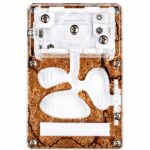
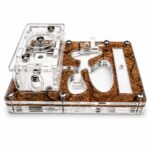
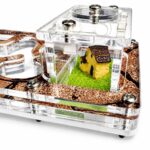

Formicarium Start
119,90 zł
Medium stock
Escape-Proof Design
Stable Humidity System
Find Your Perfect Fit
Clear Viewing
Same-Day Dispatch
Worldwide Shipping
Description
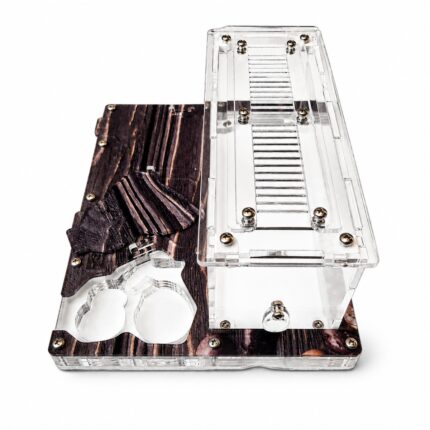
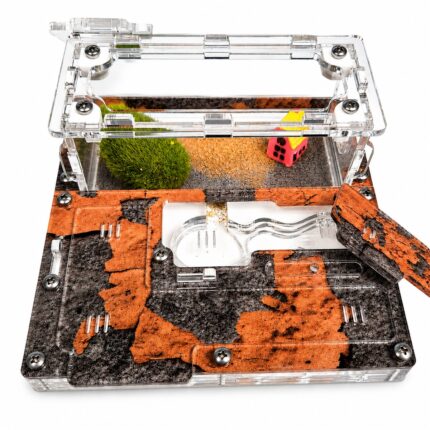
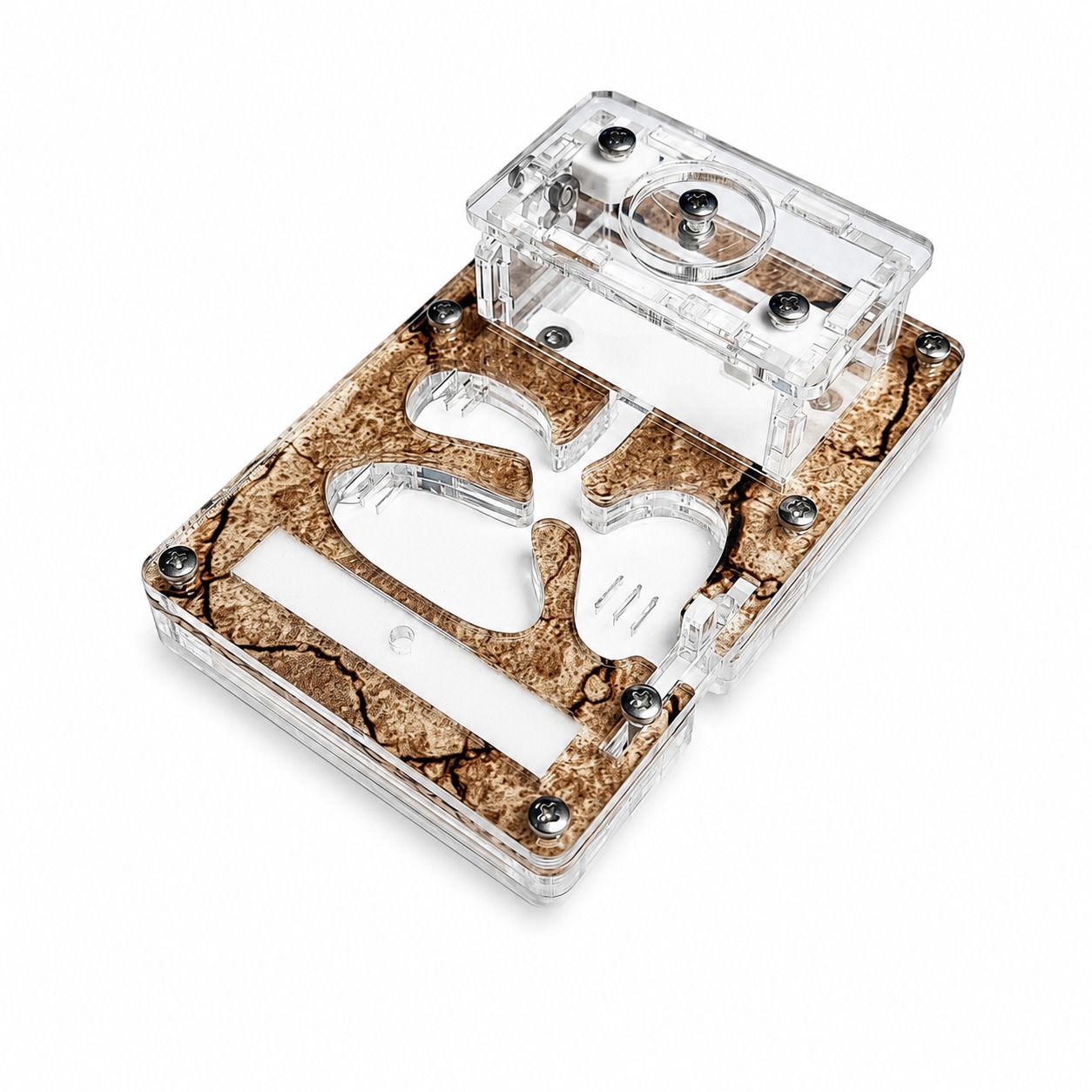
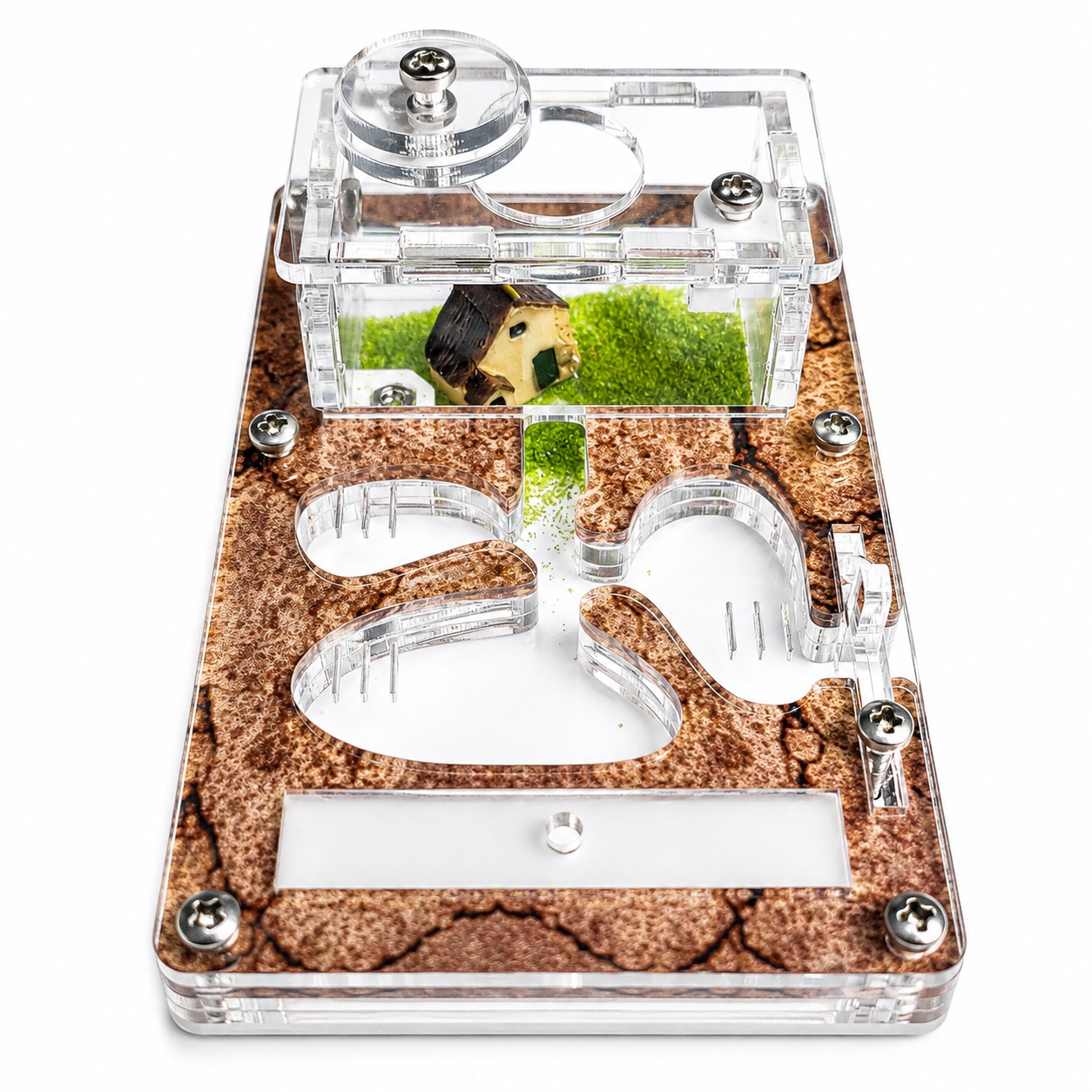
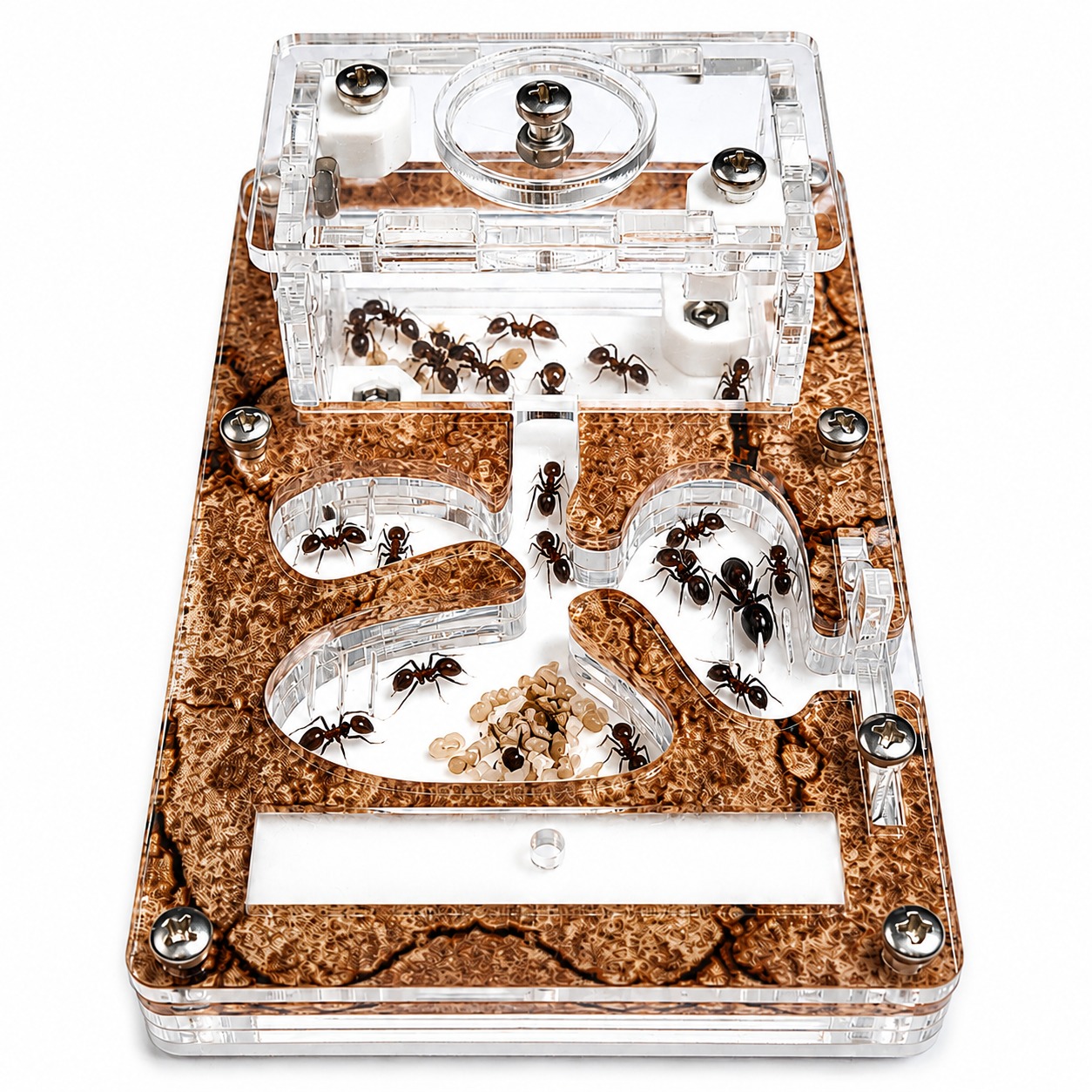
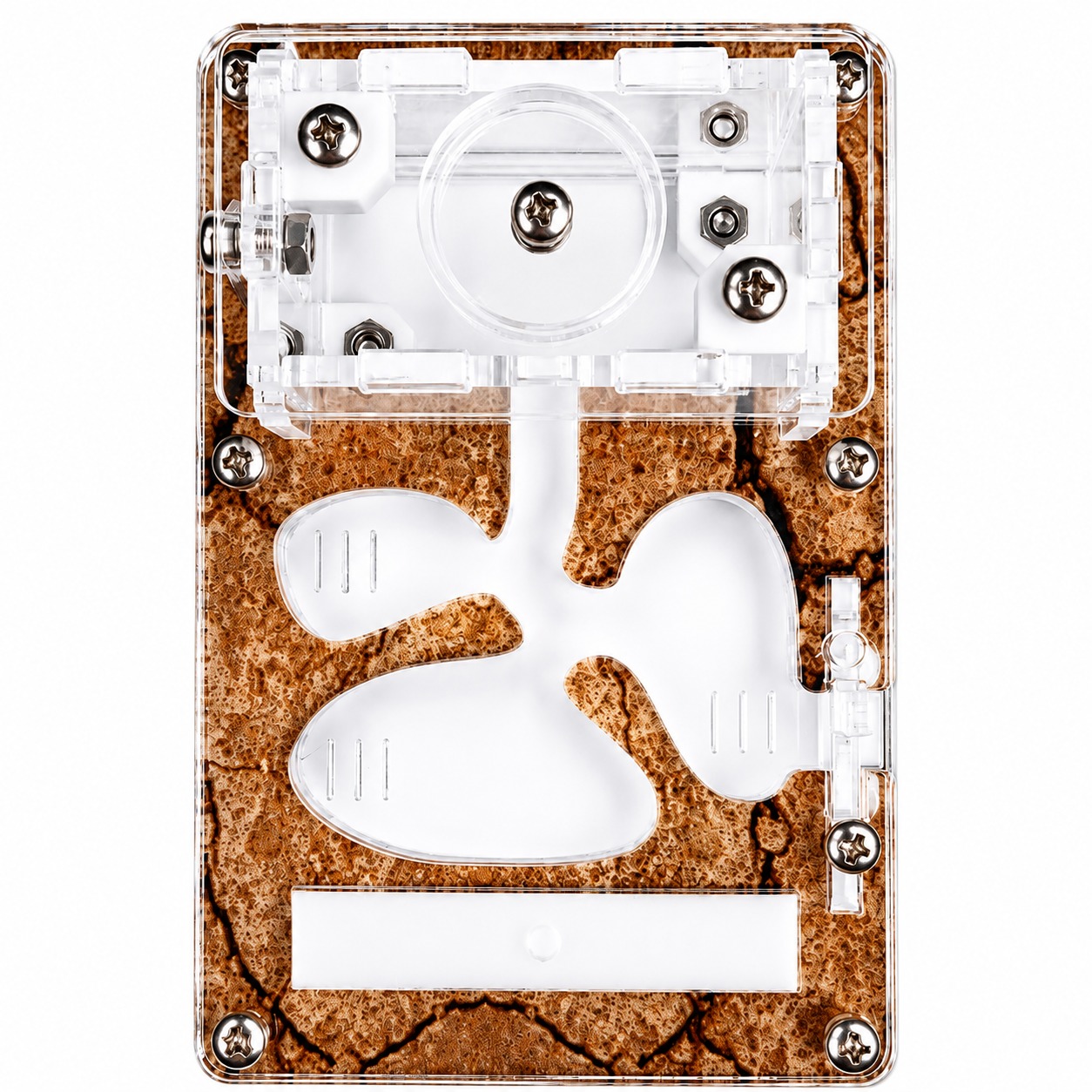
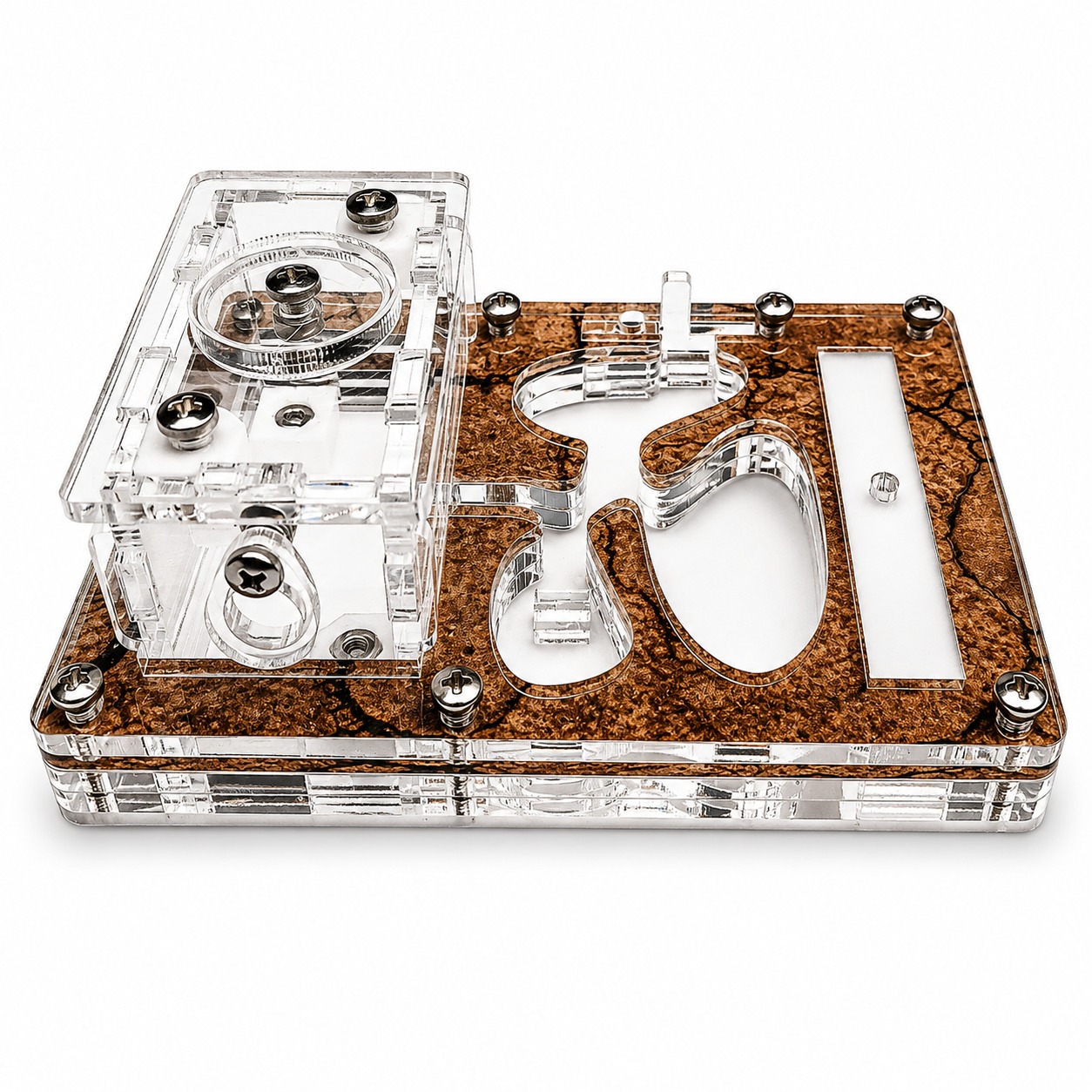
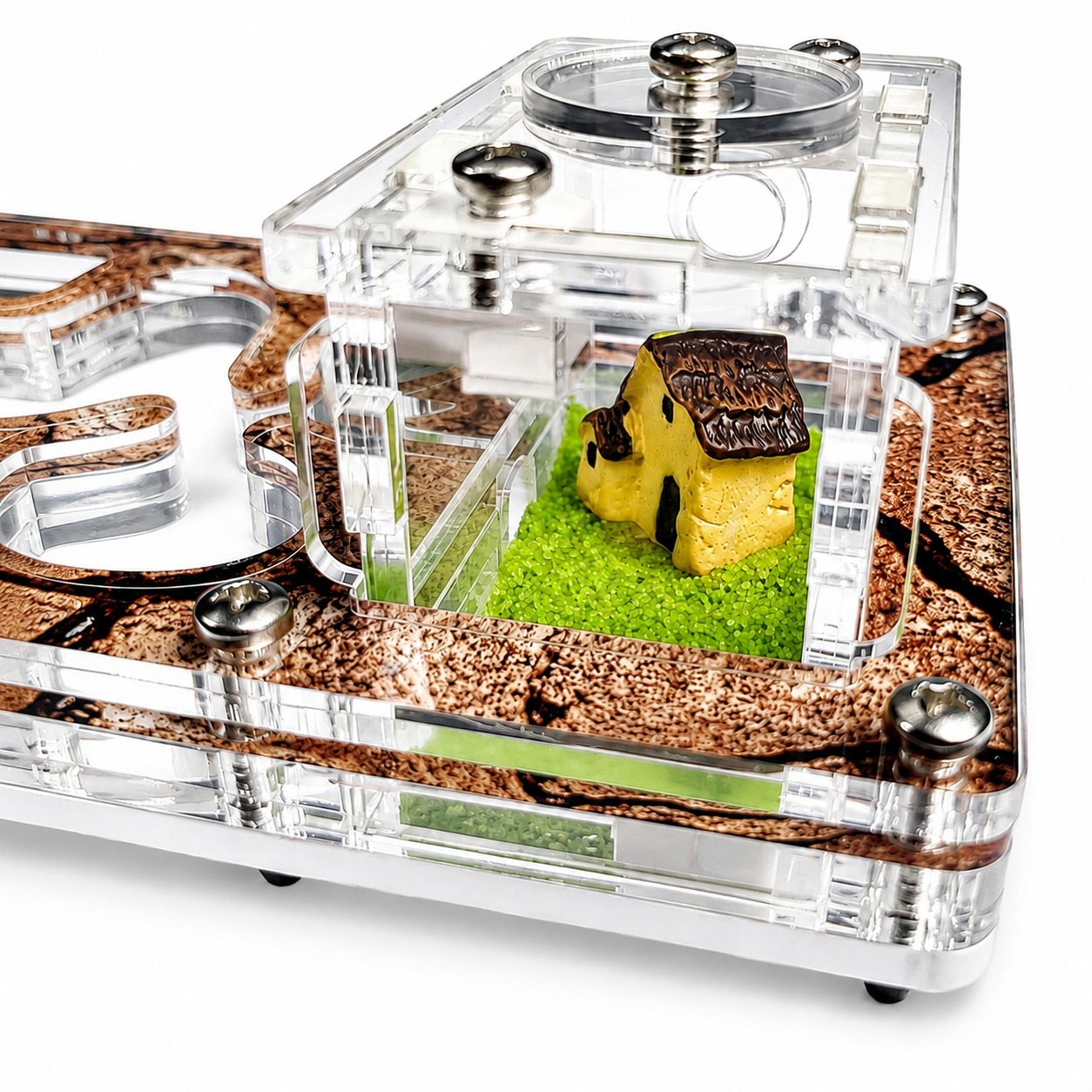
The fastest way to lose a first colony is to start it too big — empty chambers trap damp and stress the queen. The Start (11 × 7.5 cm) is small on purpose: a clear, precision laser-cut acrylic nest sized so a founding colony actually fills it. A 5.5 × 3 × 4 cm arena and 9 mm chamber suit 200–400 workers (move in from just 10), with a built-in humidity sponge, a ⌀8 mm port for modules and triple escape protection. Made in Poland, assembled in about 10 minutes.
Start your first colony the right way — order the Start today.
Additional information
| Dimensions | 11 × 7,5 × 4 cm |
|---|---|
| Material |
Acrylic (laser-cut) |
| Nest chamber |
9 mm height |
| Arena |
5.5 × 3 × 4 cm (integrated) |
| Colony capacity |
200–400 workers |
| Move in from |
10 workers |
| Hydration |
Built-in sponge |
| Connection port |
⌀ 8 mm |
| Suitable species |
Beginner / small species (Lasius, Tetramorium, Pheidole; founding Messor & Camponotus) |
| Made in |
Poland |
Formicarium Start — a compact acrylic ant nest and beginner ant farm for your first colony
The hardest part of keeping ants well is humidity, and the easiest way to get it wrong is to start too big: a founding colony rattling around an oversized nest cannot keep the air moist where it matters, and empty chambers turn into damp, stale pockets where mold takes hold. This compact acrylic ant nest is small on purpose. The Start (11 × 7.5 cm) is sized so a queen and her first workers actually fill it — a 5.5 × 3 × 4 cm arena and a 9 mm nest chamber for 200–400 workers, with room to move a colony in from as few as 10. A built-in humidity sponge keeps moisture steady, a ⌀8 mm port connects modules as the colony grows, and triple escape protection holds even small workers. Made in Poland, assembled in about 10 minutes with no glue, shipped with tracked EU and worldwide delivery.
Specifications
| Material | 3 mm precision laser-cut layered acrylic, stainless-steel screws (~15 parts) — made in Poland |
| Overall dimensions | 11 × 7.5 cm |
| Arena (outworld) | 5.5 × 3 × 4 cm |
| Nest chamber height | 9 mm |
| Worker capacity | 200–400 workers |
| Recommended start | from 10 workers |
| Ventilation | laser-cut micro-perforations throughout arena and nest (passive airflow, no drafts) |
| Humidity system | internal sponge in the humidity chamber; water spreads passively between the acrylic layers |
| Watering | one humidity chamber, filled through a ⌀3 mm port with a syringe, 1–2× per week |
| Expansion port | ⌀8 mm tubing port to an outworld or modules |
| Escape protection | interior slider door + exterior security door (nut + screw) + screw-secured nest lid |
| Assembly | ~15 acrylic parts, ~10 minutes, screws + nuts (no glue) |
| Made in | Poland |
| Suitable species | Messor structor, Lasius niger, Tetramorium caespitum, Camponotus nicobarensis, Pheidole pallidula |
| Colour / sticker | assorted as standard (specific on request) |
Why the Start works, and who it’s for
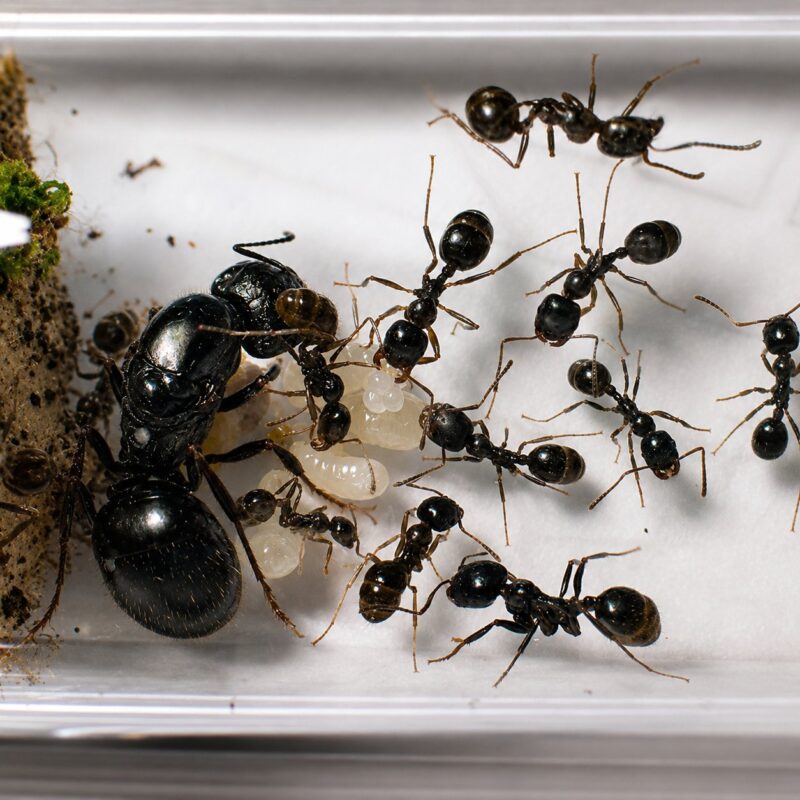
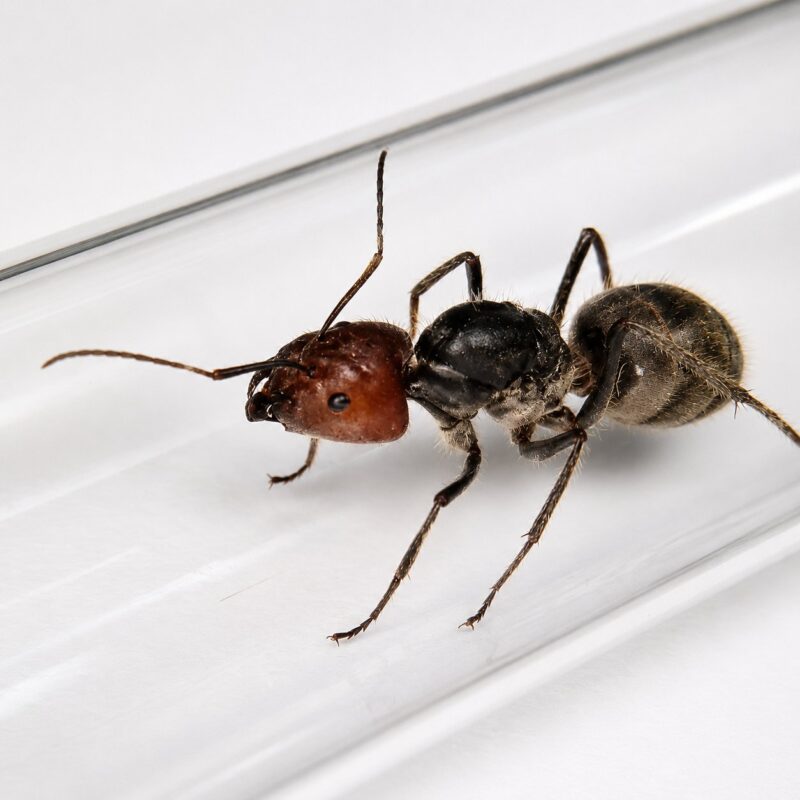
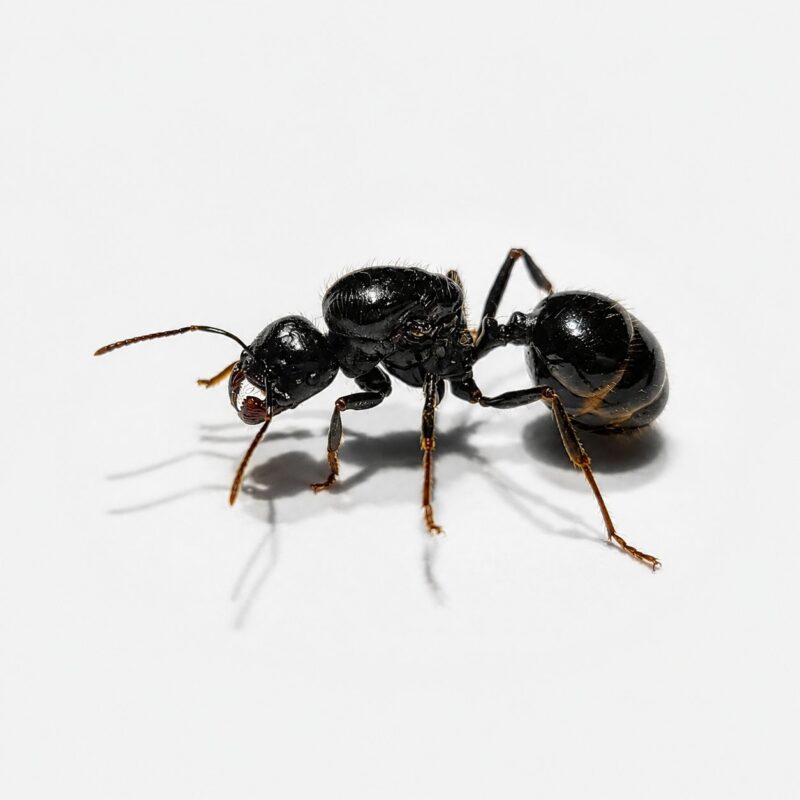
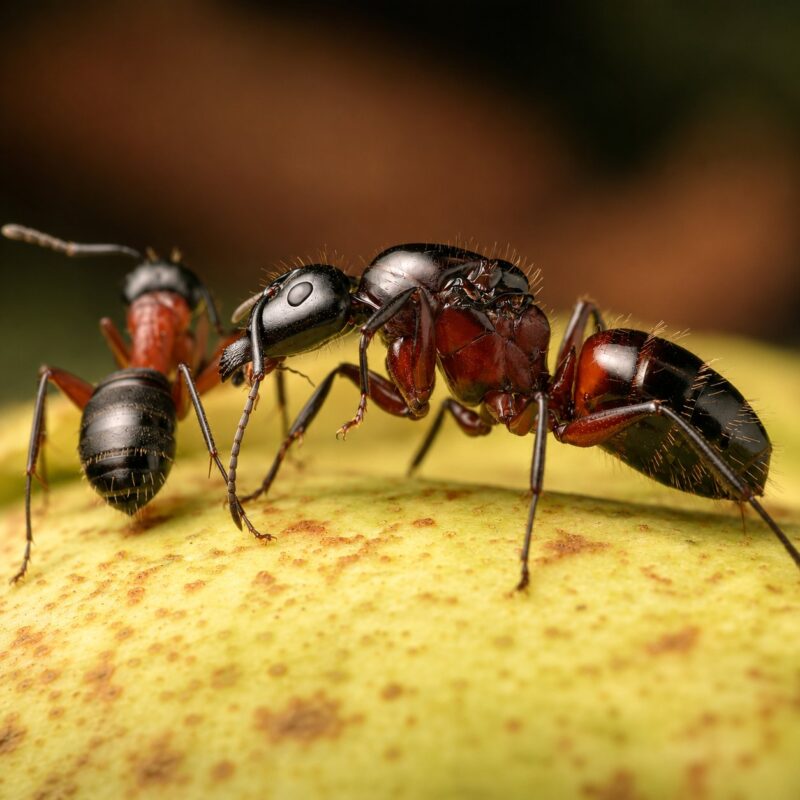
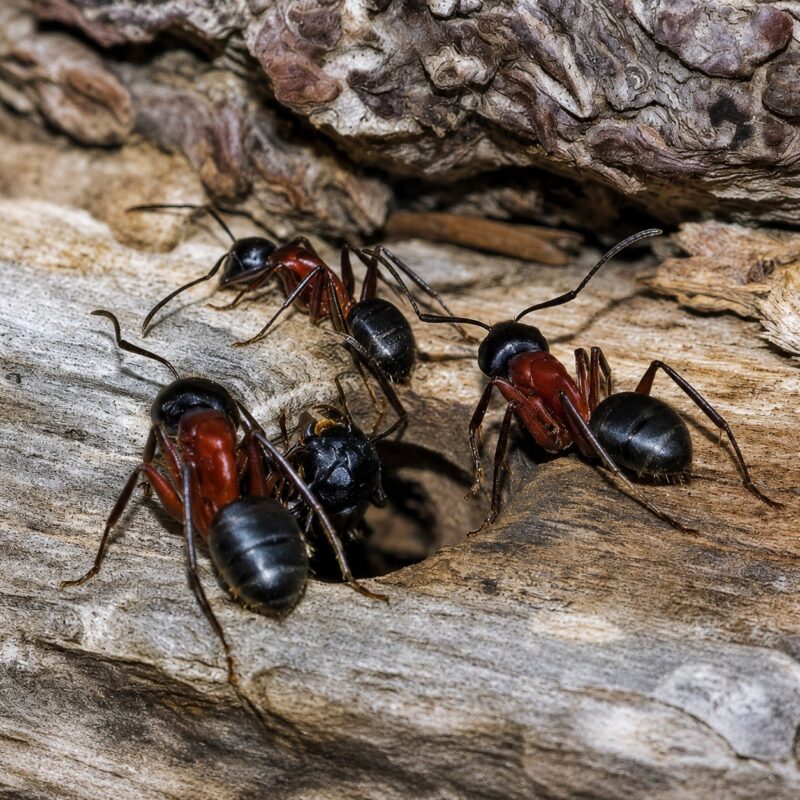
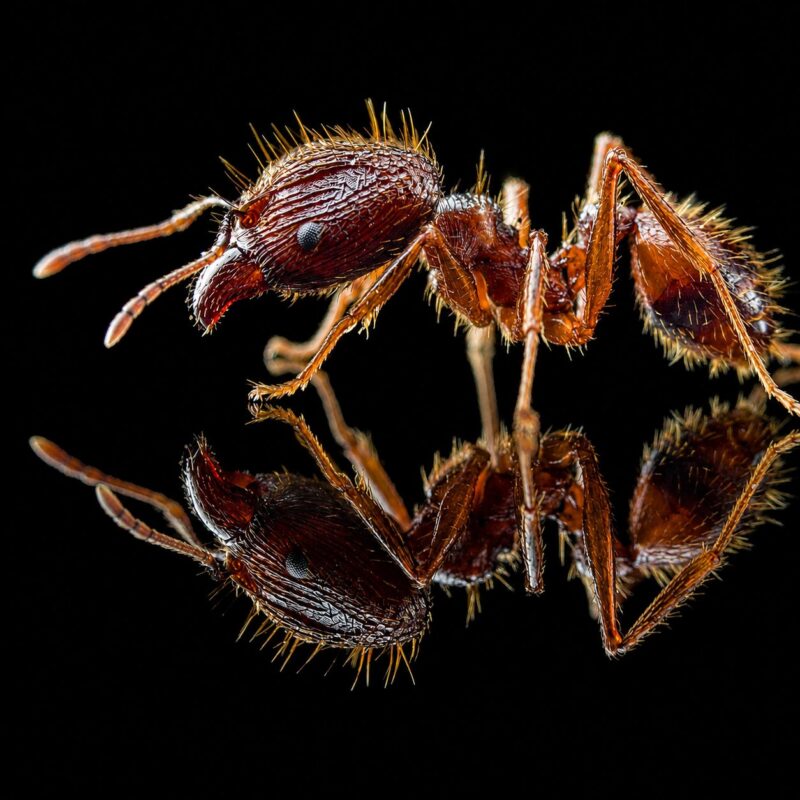
Size a nest so the founding colony fills it and the climate stays even, the corners stay clean, and the colony settles fast. That is the whole logic of the Start. A 9 mm chamber and a 5.5 × 3 × 4 cm arena keep a young colony snug, and the whole nest is cut from clear 3 mm acrylic, so you watch the queen, the brood and every forager without opening anything. It suits the founding stage of almost any colony and houses small species for the long term, around its 200–400 capacity. Popular starters here include Messor structor and Messor hebraeus harvester ants and Camponotus nicobarensis and Camponotus irritans carpenter ants. Small species you can keep for good include Lasius niger, Lasius flavus, Tetramorium caespitum (pavement ant), Pheidole, Myrmica rubra, Crematogaster (acrobat ants) and Temnothorax. Founding queens of larger ants — Messor harvesters and Camponotus such as Camponotus floridanus — start here happily; fast-growing giants like Messor barbarus outgrow a starter nest within a season, which is expected, so connect a larger nest through the ⌀8 mm port when they are ready.
Humidity and care
Fill the humidity chamber through the small ⌀3 mm port with a syringe once or twice a week, and the water spreads on its own between the layered sheets by capillary action, damp near the sponge and drier toward the arena, so the colony picks the spot that suits its brood without misting by hand. Top the sponge up before it dries completely and never flood it; a soaked nest is as bad as a dry one. Because it is screwed together, not glued, you can take it fully apart to reset it: move the colony out first, unscrew the layers, rinse in warm water only with no detergents, dry every part, then reassemble. Once the colony fills roughly 70–80% of the nest, or pushes toward the 150-worker mark, connect tubing to the ⌀8 mm port and link a larger arena or modular nest — the ants migrate over on their own.
Setup and escape protection
Your kit arrives flat as about 15 laser-cut acrylic parts, held by stainless screws and nuts with no glue, and goes together in about 10 minutes. One step matters most: peel the protective film off both faces of every part before you build. Leave it on and the nest looks cloudy; take it off and the acrylic is optically clear. The Start holds even small, determined workers with three barriers: an interior slider door, an exterior security door fixed with a nut and screw, and a screw-secured nest lid. Both arena and nest carry laser-cut micro-perforations for passive airflow with no drafts and no fans, your main defence against mold alongside the right-sized chamber.
Pairs well with
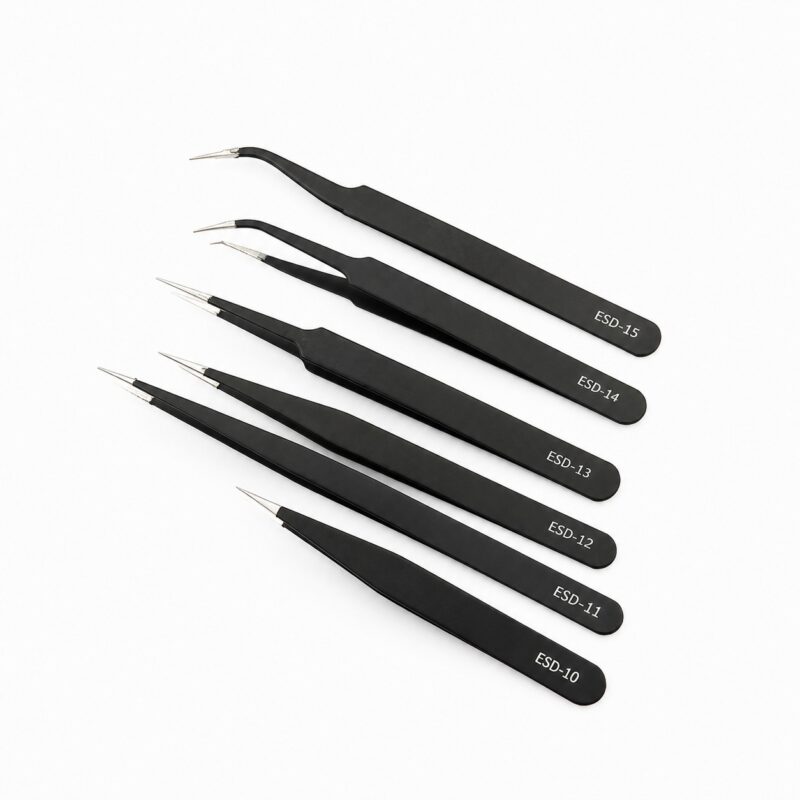
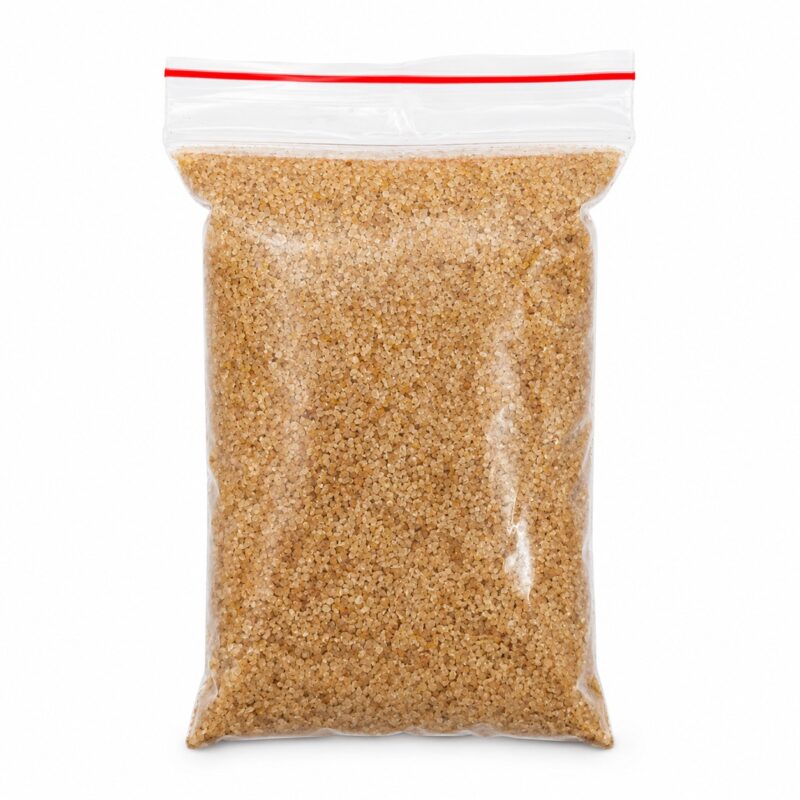
Soft tweezers move ants, brood and food without crushing anything, and a feeding plate or small dish keeps food off the sand so it does not spoil into the substrate. A syringe makes watering simple. For the arena, start with a thin layer of natural sand or coloured quartz for grip — mind the scale, since the arena is only 5.5 × 3 cm and 4 cm tall, so choose small pieces that clear the 4 cm height. When you scale up, the ⌀8 mm port connects compatible nests and arenas from our formicaria range.
FAQ
Is it safe for children and classrooms?
Yes — the acrylic is solid and the lid is screw-secured, so with adult setup it suits a child’s first colony or a classroom. Keep the assembly screws and small parts away from very young children during the build.
Do I need to add sand and decorations?
The nest works without them, but a layer of substrate sand and a few small decorations give the colony grip, cover and a more natural foraging space.
What if a part breaks — can I get spares?
Yes. Because the nest is built from individual screwed parts, single pieces can be replaced; contact ANTonTOP with your order and we’ll sort out a spare.
How do I connect it to other nests or arenas?
Use the ⌀8 mm port with a length of tubing to link a larger arena or modular nest. The colony migrates across on its own once it needs the space.
How fast does it ship?
Dispatched in 24 h from Poland with tracked EU and worldwide delivery, year-round in protective packaging with a live arrival guarantee.
A note on care: each item is built for a specific job — please use it only as intended. Responsibility for correct, safe use rests with the keeper; ANTonTOP accepts no liability for misuse or damage from improper use.

Victor D. (verified owner) –
Thought it be smaller