




What Do Ants Eat? Complete Feeding Guide for Beginners

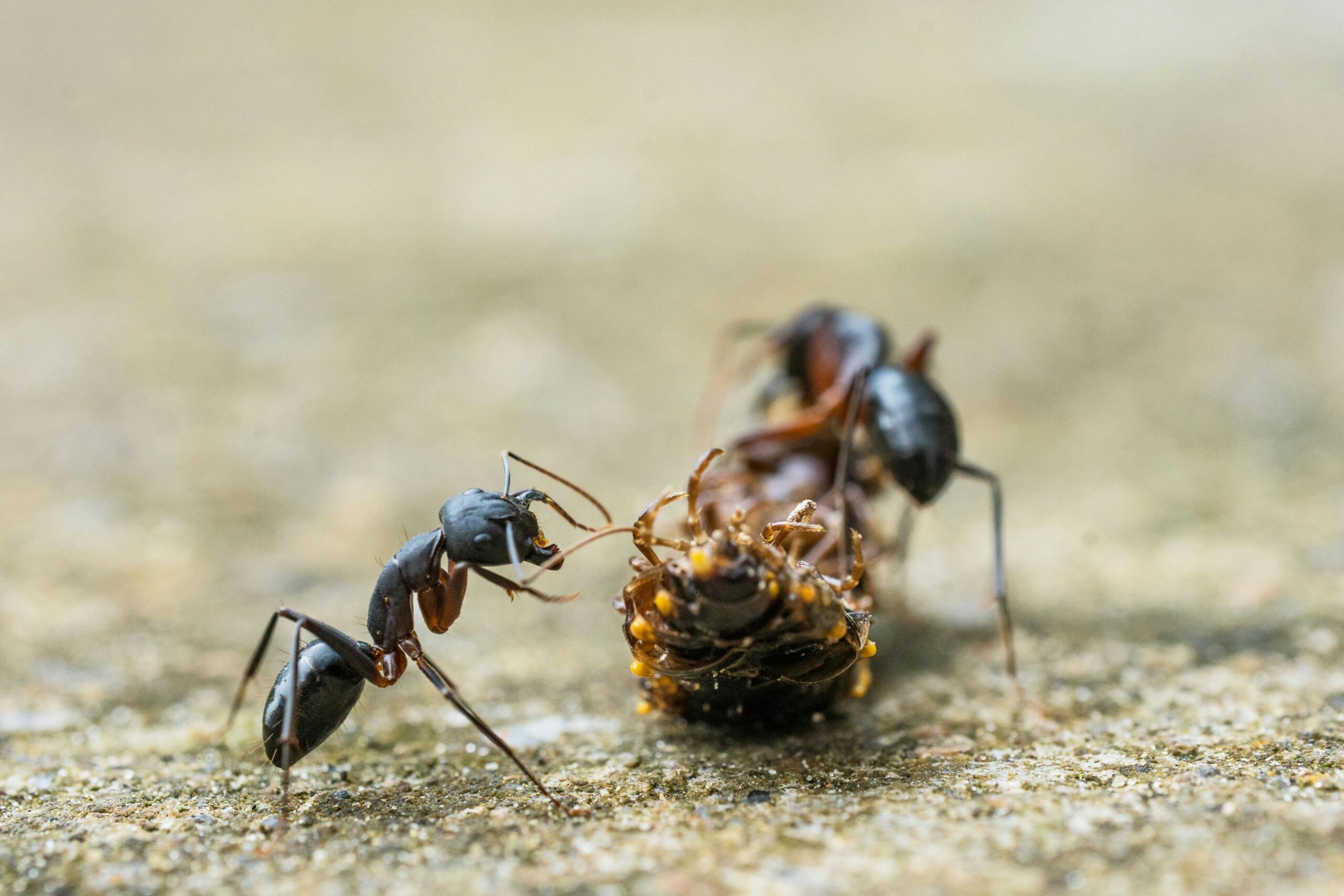
Most beginner advice about feeding ants is either too vague (“they eat protein and sugar”) or too specific to a single species. This guide gives you what they actually need, what to offer, and a weekly schedule you can follow without overthinking it.
The two macronutrients matter most. Get that ratio right, and almost everything else falls into place.
The two macronutrients — and which workers need which
Adult workers run almost entirely on carbohydrates. They have a narrow gut that does not handle solid protein well. Their metabolism is built for sugars: nectar, honey, aphid honeydew, fruit juice.
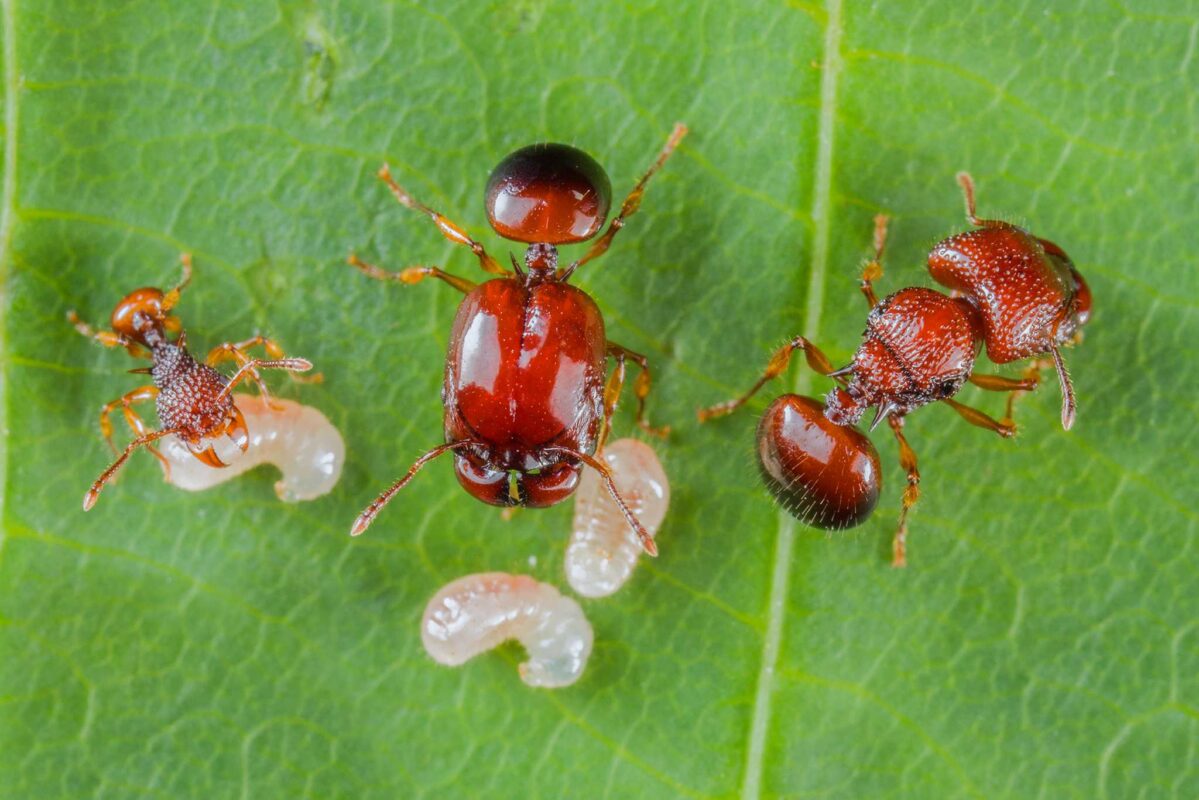
Larvae need protein. They are the colony’s only stage that can digest substantial solid food. Workers hunt prey, cut it up, feed it to larvae, and larvae return processed nutrients to the rest of the colony through a regurgitated liquid called trophallaxis.
This means: protein feeds growth (more eggs, more larvae, more workers). Carbohydrates fuel daily activity. A colony with no protein will not grow. A colony with no carbohydrates will run out of energy and stop foraging.
10 foods that work for almost every species
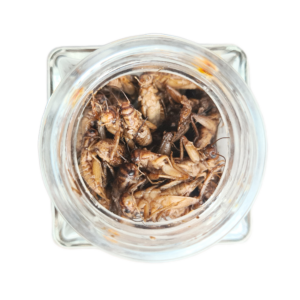
- Mealworm (Tenebrio molitor) — the universal protein. Sold live or freeze-dried. Cut into appropriate-sized pieces, offer 2-3 times per week.
- Cricket — larger than mealworm, more nutritionally complete. Use a single leg or thorax piece for small colonies, a whole nymph for larger ones.
- Fruit fly (Drosophila) — perfectly sized for small colonies. Drop one or two per feed.
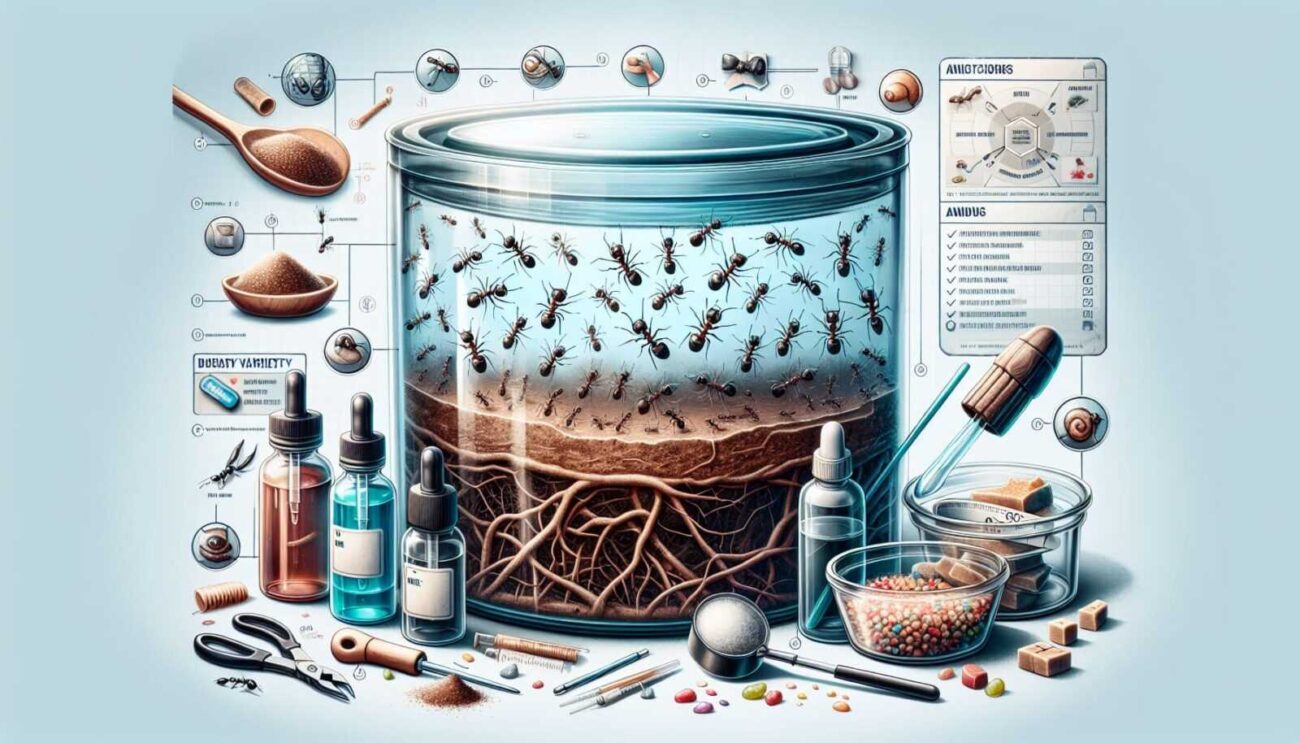
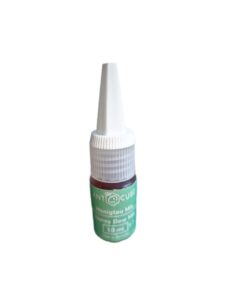
- Honey water — the universal carbohydrate. Mix 1 part honey, 3 parts water. Offer a small drop on a clean stone or feeding plate.
- Sugar water — cheaper alternative. 1 part white sugar, 4 parts water. Functionally equivalent for adult ants.
- Apple, banana, grape — small pieces, removed within 12 hours before they rot. The colony will swarm fresh fruit.
- Cooked egg yolk — small smear on a clean stone. Protein-rich, accepted by most species.
- Seeds (harvester species only — Messor) — pre-mixed harvester seed blends or single seeds (poppy, sesame, dandelion).
- Cockroach nymph — larger protein source for big species (Camponotus, Dinomyrmex).
- Bee pollen — high-quality protein-and-carb combo. Small pinch, offered weekly. Many species enjoy it.
Pick 4-5 foods from this list and rotate them. Variety prevents nutritional gaps and keeps you from running out of any single source.
How much, exactly?
Portion size by colony size:
- Founding queen (alone) — nothing. She is not feeding. Do not offer food.
- 1-15 workers — half a mealworm or 1 fly leg per feed. A drop of honey water the size of a rice grain.
- 15-50 workers — 1 mealworm or 1 cricket leg per feed. A drop of honey water the size of a small pea.
- 50-150 workers — 2-3 mealworms or a whole small cricket. A 5-mm drop of honey water.
- 150-500 workers — 4-6 mealworms or 1-2 small crickets. A 10-mm drop of honey water.
- 500+ workers — multiple prey items per feed; consider feeding daily rather than every 2-3 days.
These are starting points. Adjust by observation: if food is eaten within 6 hours, increase slightly. If food sits for 24 hours uneaten, decrease.
The weekly feeding calendar
A reliable rhythm for a stable colony of 50-150 workers in months 2-12:
| Day | What to offer | Notes |
|---|---|---|
| Monday | Protein (mealworm or cricket) | Remove uneaten by Tuesday |
| Tuesday | Honey water (small drop) | Lasts about a day |
| Wednesday | Rest day | Just check water reservoir |
| Thursday | Protein (different from Monday) | Variety |
| Friday | Honey water + fruit piece | Weekend treat |
| Saturday | Rest | Light arena clean if needed |
| Sunday | Rest or single protein | If brood is heavy, feed; otherwise skip |
This is the maintenance schedule. During heavy brood periods (typically months 4-8 of year 1), increase protein frequency. During slow periods or before hibernation, decrease both.
Species-specific deviations
Messor / harvester ants — replace most protein with mixed seed. Insects 1-2 times per week, seed always available in the arena.
Lasius niger — small portions. Sugar water more important than insect protein for the founding stage. Carbohydrate-rich diet during winter prep.
Camponotus — eats almost everything offered. Larger prey welcome. Honey water especially appreciated.
Pheidole — both seeds and insects in nature, both in captivity. Smaller pieces because of small worker size.
Harpegnathos / Gigantiops — almost pure insect diet. Skip the seeds entirely. Sugar water optional.
Polyrhachis — sweet tooth. Higher honey-water proportion than most species.
Dinomyrmex — large prey, infrequent feeds. Whole roach nymph every 4-5 days is realistic.
The five feeding mistakes that kill colonies
- Feeding too much. The most common mistake. Excess food rots, breeds mites, attracts parasites. If you remove untouched food daily, halve the portion.
- Feeding too sweet. Pure sugar without water dehydrates ants. Always dilute (1:3 or 1:4 ratio).
- Feeding inside the nest. Food goes in the arena, never in the nest chambers. Workers move it where they want it.
- Feeding live prey too large. A whole cricket in front of a 10-worker colony triggers panic and possibly injures workers. Cut prey to size or pre-kill.
- Forgetting to remove uneaten food. 24 hours is the rule. Mould develops within 36-48.
Signs the colony is well fed
The brood pile is visibly growing month over month. Workers look plump and active, not slim and slow. The queen is laying continuously. No piles of dead larvae in the arena. Foraging activity is steady — workers come for food within minutes of placement.
Signs of a feeding problem: shrinking brood, larvae visibly thinner, dead pupae in the arena (cause: colony cannot feed them adequately), foraging activity dropping for no other reason.
Browse foods: food category, protein, carbohydrates, seeds. The full daily care hub ties feeding together with humidity, temperature, and the rest of the maintenance routine.
Did you like this article?
Thanks for your feedback!