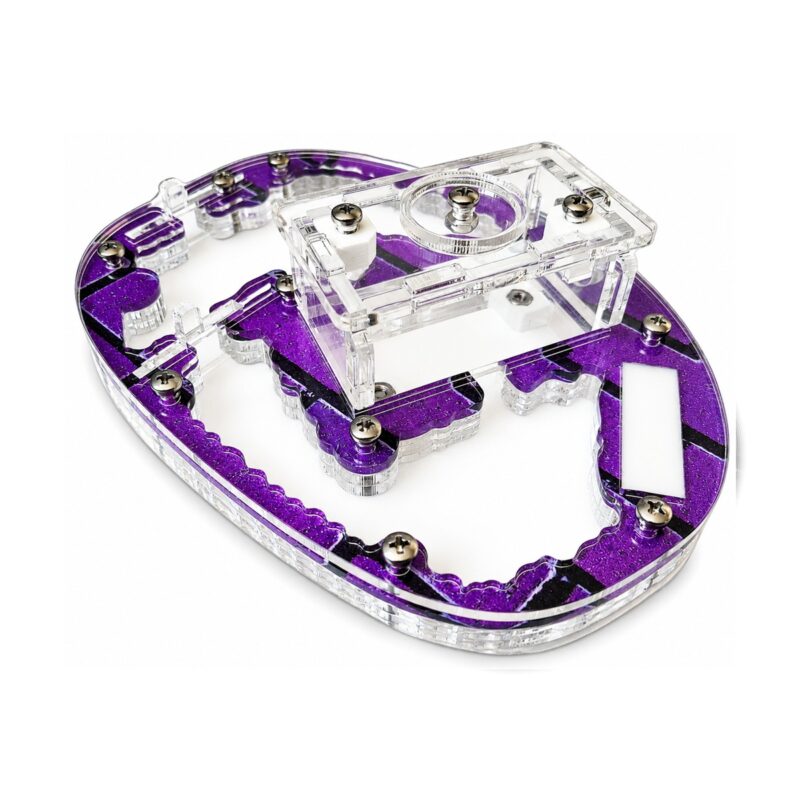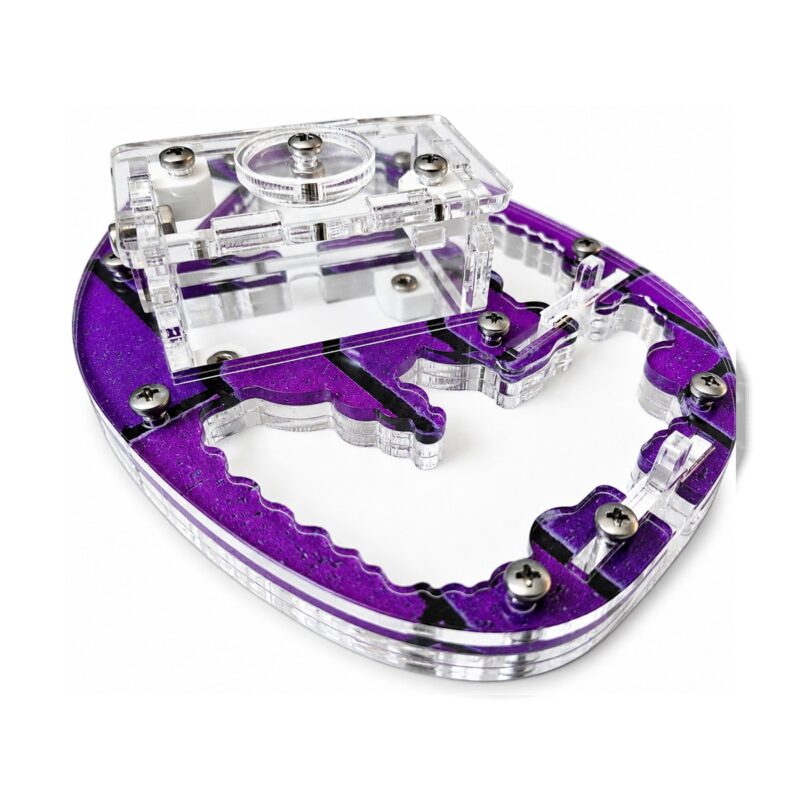


Modular Nest Zerg 20×10 cm.
179,90 zł
Low stock
Worldwide shipping
Free delivery over 999 PLN

The highest quality of goods
Live delivery guarantee

24/7 Personal Support

Fair Prices
Description
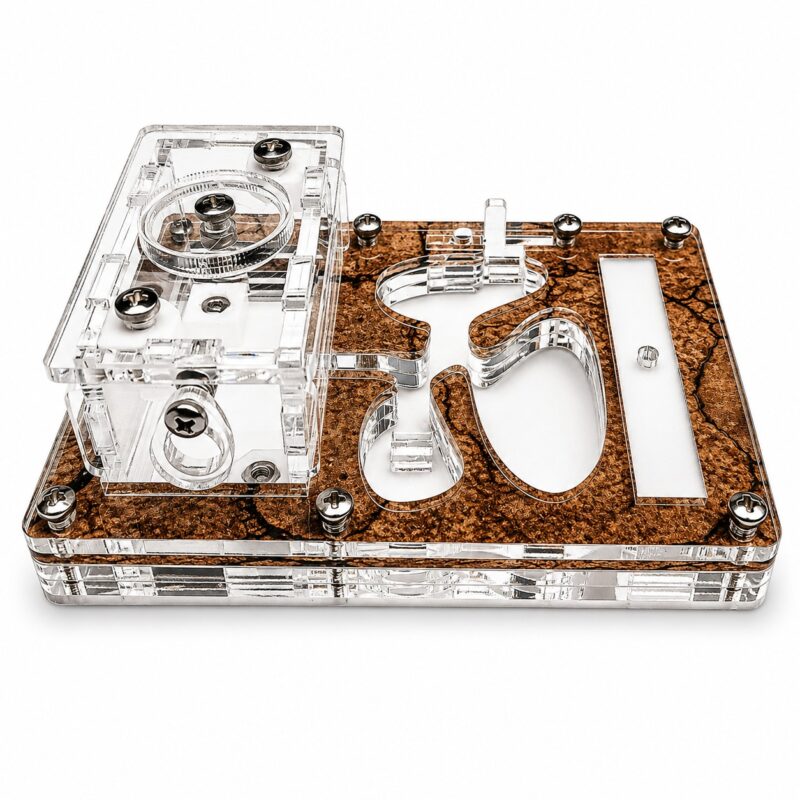
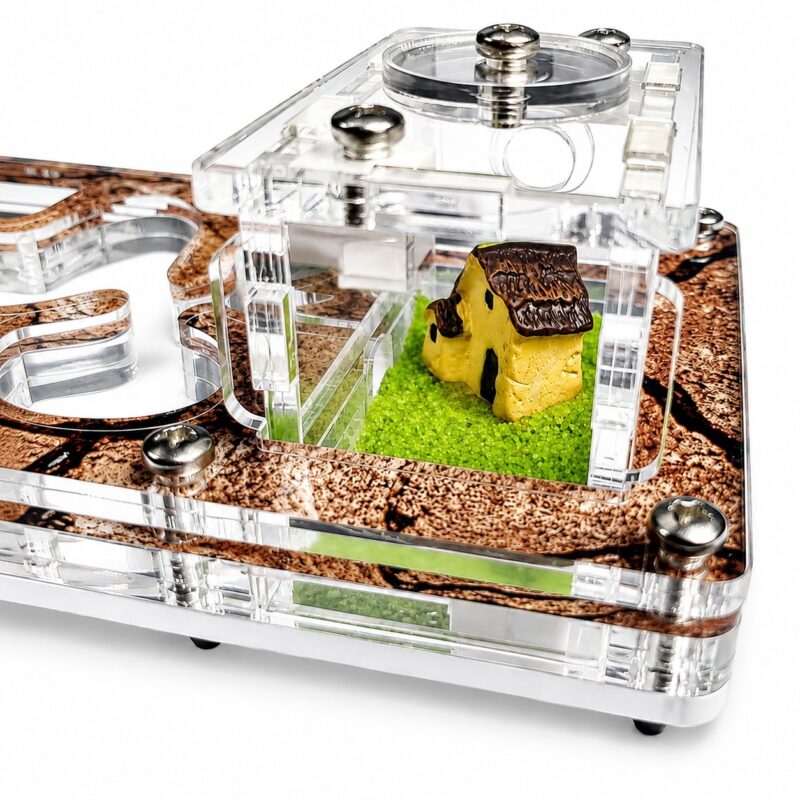
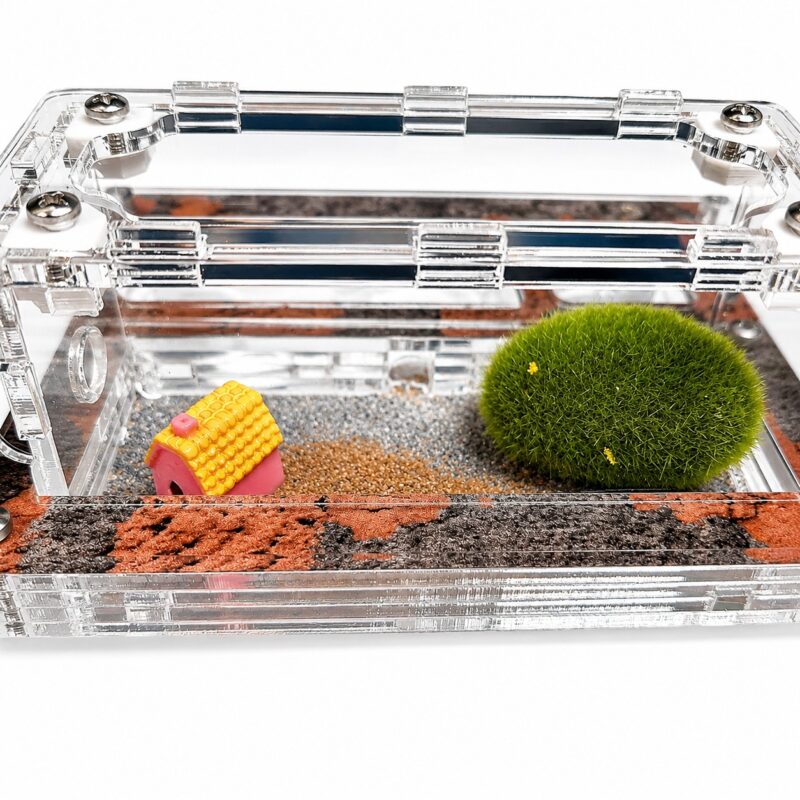
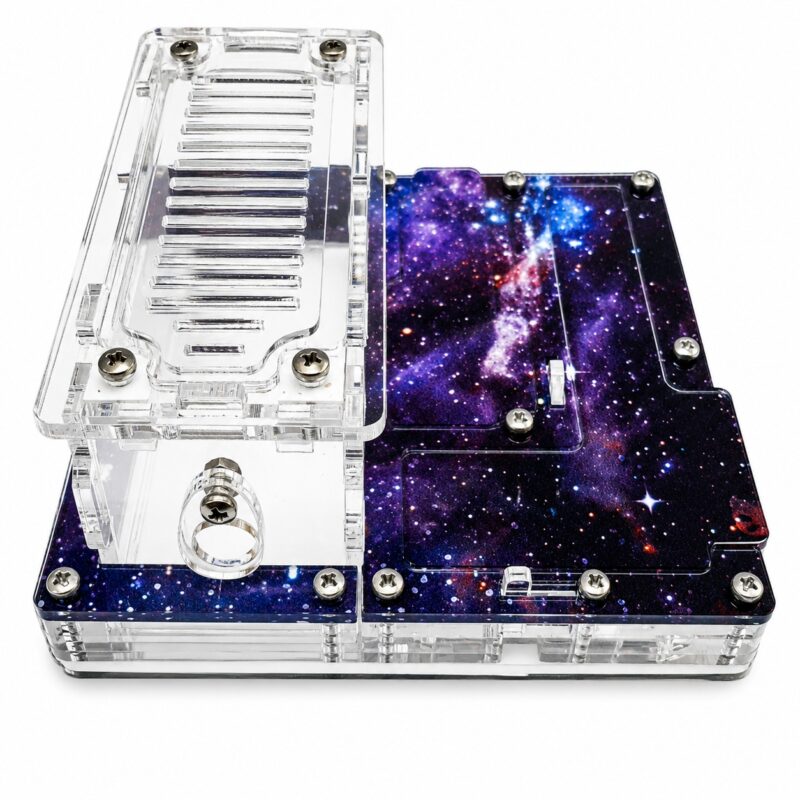
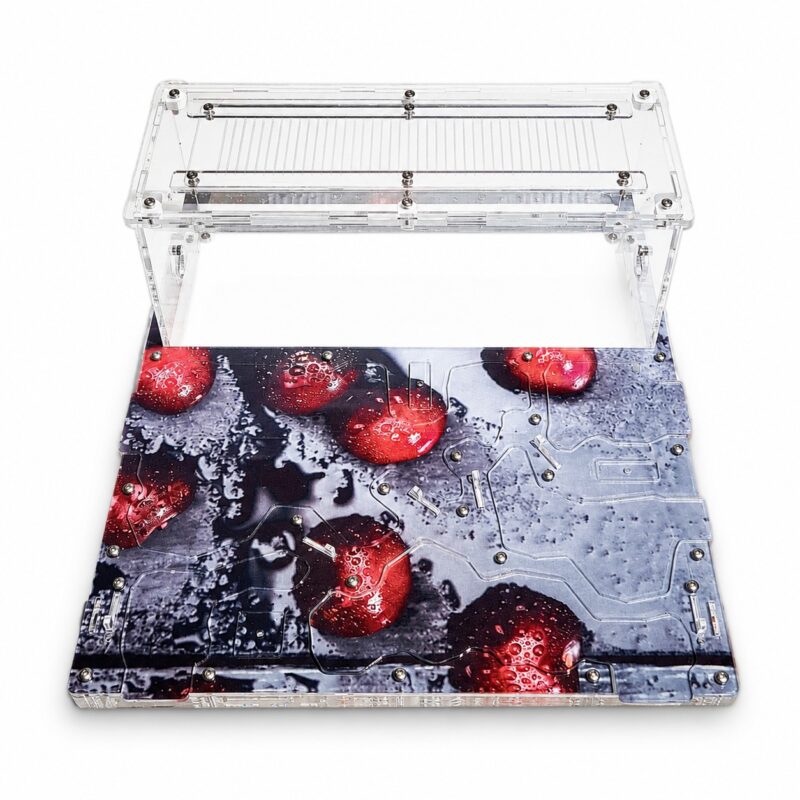
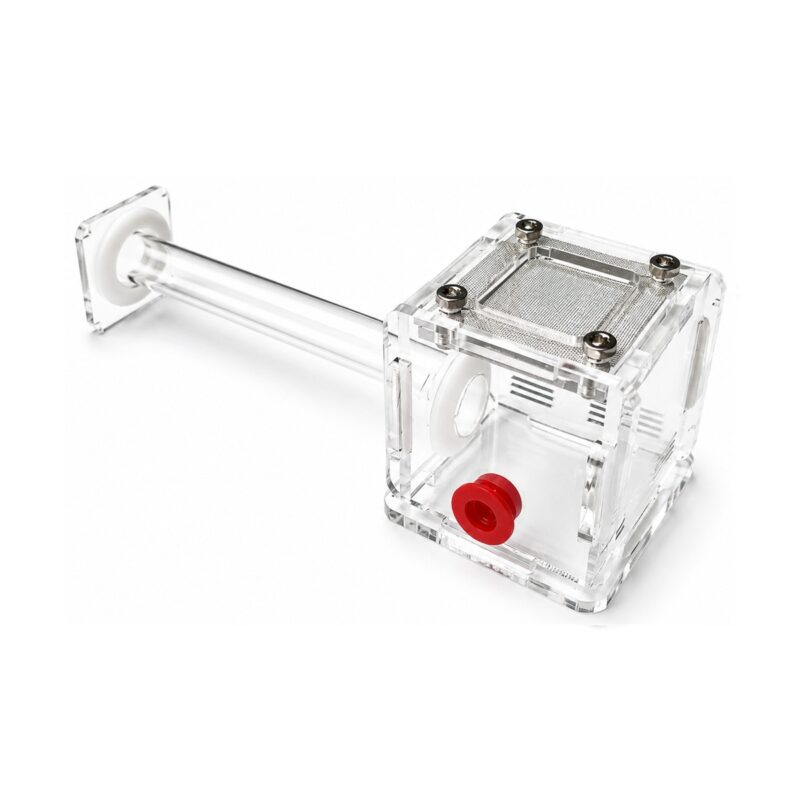
Modular acrylic ant nest, 20×10 cm, chamber height 9 mm. 6 lockable entrances with nut-and-screw closures. 2 humidification chambers — water via syringe, no direct contact with ants. 3 internal latches for precise zone management across the nest. Capacity approx. 400–800 ants. The Zerg features a multi-zone parallel chamber layout — the nest is divided into three clearly separated sections by internal walls, each with its own access latch, giving the keeper full control over which colony sections are open at any time. Connects to all ANTonTOP modules. Made in Poland.
Additional information
Modular Nest Zerg – 20×10 cm Acrylic Ant Nest
The Nest Zerg is a mid-size acrylic modular nest with a multi-zone parallel chamber layout. Three internal sections run side by side across the 20×10 footprint, each separated by a wall and controlled by its own latch. This gives the keeper more direct control over colony access and zone management than any other model in the 20×10 range — and makes the Zerg the most versatile nest for gradual introductions, staged expansion, and species that prefer enclosed, clearly separated nest sections. Capacity approx. 400–800 workers.
Key Specifications
- Dimensions: 20×10 cm
- Chamber height: 9 mm — suitable for Lasius, Tetramorium, Messor, Camponotus (small–medium), and most popular species
- Lockable entrances: 6 × nut-and-screw closures (screwdriver required)
- Humidification chambers: 2 — water added via 3 mm syringe port, no direct contact with nest chambers
- Internal latches: 3 — one per section, full zone control
- Tubing ports: 2 × 10 mm
- Colony capacity: approx. 400–800 workers
- Material: 3 mm layered acrylic, stainless steel screws
- Ventilation: laser-cut micro-perforations
- Made in Poland
What Makes Zerg Different
Where the Koło is built around open circulation, the Zerg is built around control. Three internal latches divide the nest into three parallel zones — you decide which sections are open, which are closed, and when the colony is allowed to move between them. This has practical advantages: you can start the colony in one zone and open the next only when the first is full, preventing the stress of an oversized empty nest. You can close off a zone to inspect it without disturbing the rest of the colony. And species that naturally prefer clearly partitioned nest structures — such as Messor harvesters, which often separate seed stores from brood areas — settle into a Zerg layout very naturally.
How the Humidification System Works
The Zerg has two separated humidification chambers covering the full 20 cm nest length. Water is added through a 3 mm syringe port. Moisture moves between the acrylic layers and raises humidity gradually throughout all three zones — without flooding or direct contact with the colony. Two chambers ensure balanced moisture distribution even when internal latches divide the nest. Water once or twice per week is sufficient. No plaster, no soil — clean acrylic with built-in sponge layers.
Escape Protection
- 6 lockable entrances — nut-and-screw mechanism, screwdriver required to open
- 2 × 10 mm tubing ports for connecting to an arena or other modules
- Tight module-to-module fit — no gaps between connected units
For extra security with escape-prone species, apply a thin layer of escape prevention barrier (fluon, mineral oil, or talc-water paste) to the upper inner walls of the arena.
WARNING: Do not open the nest entrances until the colony has settled. Introduce the colony into one zone first and open additional zones gradually.
Ideal Colony Size and Expansion
The Zerg suits colonies between 200 and 800 workers. Start the colony in a single zone and open the latches as the colony grows — this staged approach reduces stress and keeps the colony feeling secure. When all three zones are active and the colony approaches 800 workers, connect a second module or upgrade to a 20×20 nest such as the Nest Matrix or Nest Muta.
Recommended Species
- European species: Lasius niger, Lasius flavus, Lasius alienus, Tetramorium caespitum, Myrmica rubra, Manica rubida, Formica species
- Harvesters (especially recommended): Messor barbarus, Messor structor, Messor capitatus, Messor wasmanni, Messor ponticus, Messor muticus — the partitioned zones suit their natural habit of separating seed stores from brood
- Carpenter ants (small–medium): Camponotus lateralis, Camponotus piceus, Camponotus fallax, Camponotus cruentatus
- Other: Pheidole species, Crematogaster species, Cataglyphis species
Note: 9 mm chamber height suits workers up to approx. 7–8 mm. For larger species, choose a nest with 13 mm or 16 mm chambers.
Care and Maintenance
- Humidity: water via both syringe ports 1–2 times per week
- Sunlight: keep away from direct sunlight
- Feeding: feed in the connected arena only
- Cleaning: clean the arena regularly; never clean inside the nest
- Latches: use to stage colony expansion — open each zone only when the previous one is well-populated
What’s in the Box
- Modular Nest Zerg — 20×10 cm, fully assembled and ready to use
- Coloured identification sticker (colour on request when ordering)
- Stainless steel screws pre-installed
Ships assembled with a protective film. Connect to an arena using a 10 mm tube. Ants not included — browse at antontop.com/ants/.
Delivery and Support
Ships from Poland across Europe. All parts replaceable — contact us if anything arrives damaged. Videos at youtube.com/@AntOnTop.
Frequently Asked Questions
What are the 3 latches for?
Each latch controls access to one of three parallel zones. You can open them gradually as the colony grows, or close individual zones for inspection without disturbing the rest of the nest.
How is the Zerg different from the Koło?
Both are 20×10. The Koło has a ring-corridor for open circulation; the Zerg has three separate parallel zones — more control, more enclosed, better for species that prefer partitioned spaces.
Is it good for Messor harvesters?
Yes — Messor species naturally separate seed storage from brood areas, and the Zerg’s three-zone layout matches this behaviour well.
How many ants can it hold?
Approximately 400–800 workers. Expand with a second module or upgrade to 20×20 when approaching capacity.

Reviews
Clear filtersThere are no reviews yet.