





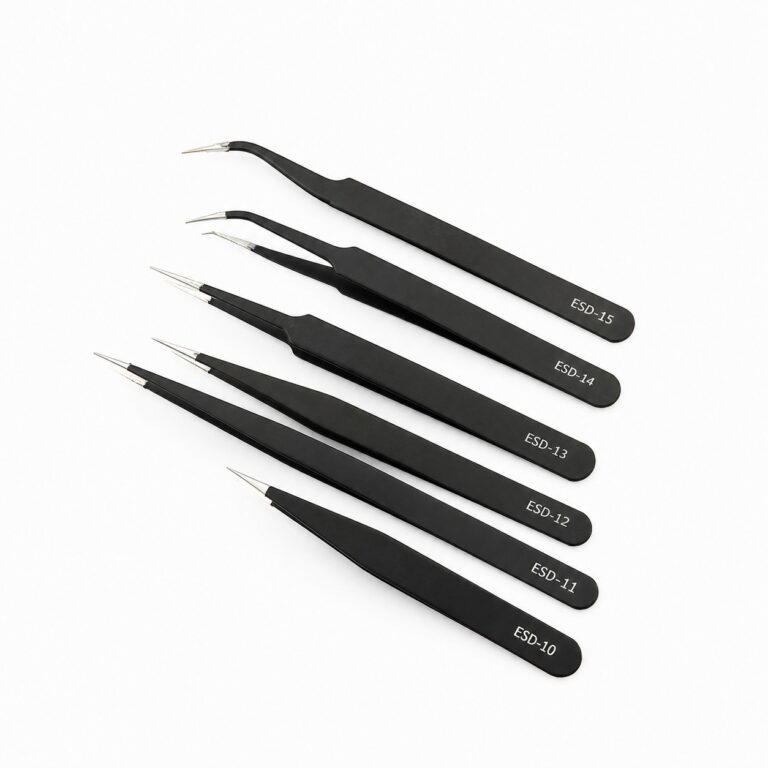
Buy ESD anti-static tweezers from ANTonTOP — 15 cm, stainless steel, ESD-safe coating. The right tool for direct contact with ant eggs, larvae, and freshly eclosed workers. Standard metal tweezers can deliver a static discharge that damages or kills brood; ESD construction removes that risk entirely.
Compact 15 cm length for precise control inside small formicaria and nest sections. Easy to sterilise between species.
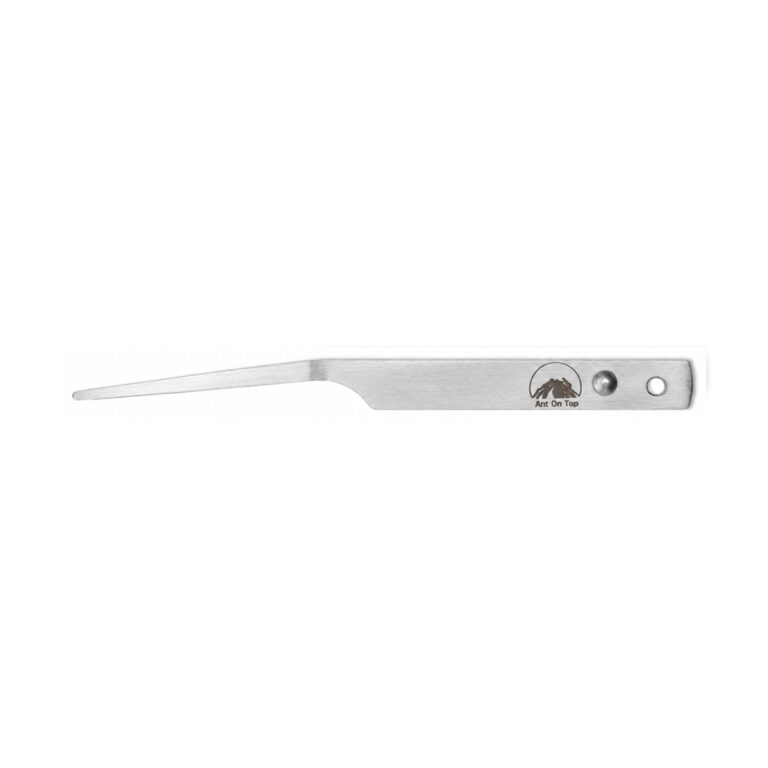
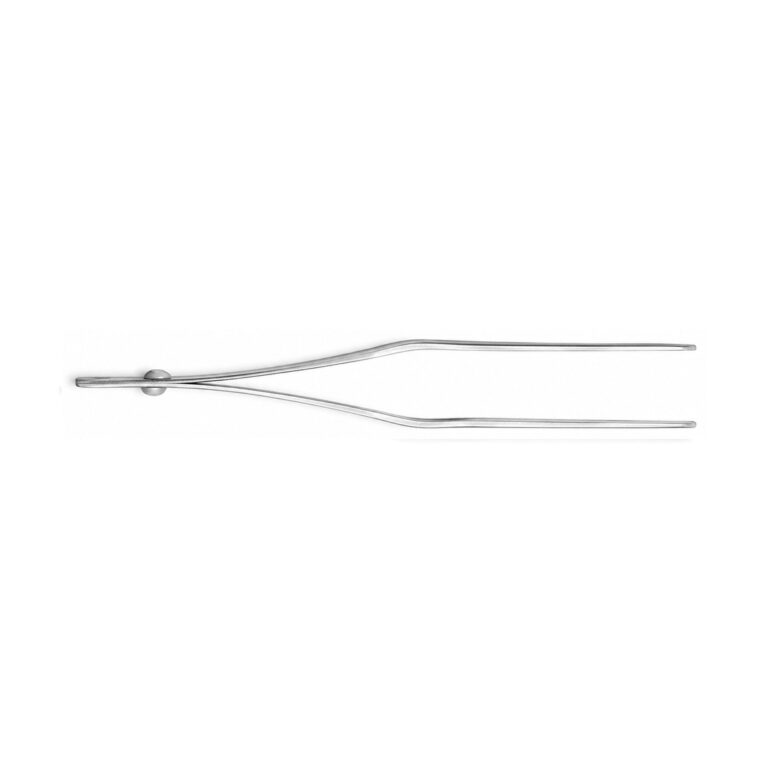
Buy Ultra-Soft Tweezers from ANTonTOP — the gentlest brood-handling tool in our range. Soft padded tips designed for the most fragile life stages: eggs, L1 / L2 larvae, and freshly eclosed workers whose cuticle has not yet hardened. With our ANTonTOP logo on the grip.
Where standard soft tweezers are safe for larvae and workers, the ultra-soft version takes the gentleness further — for keepers handling delicate species or performing detailed brood transfers.
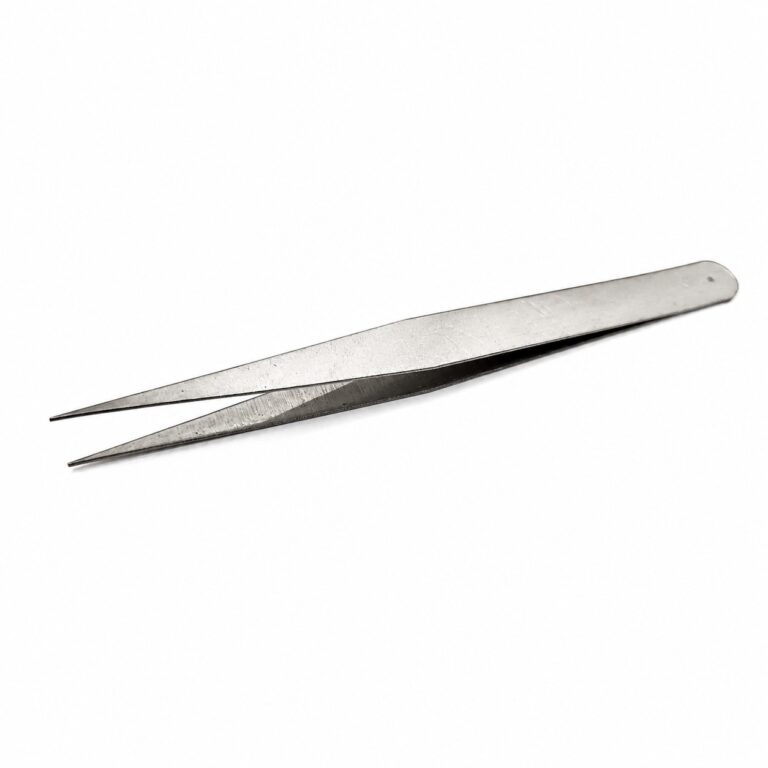
Buy Soft Tweezers from ANTonTOP — padded-tip tweezers designed for gentle handling of ant brood and live ants. Standard precision tweezers concentrate pressure at a hard point; soft tweezers distribute it across a padded tip, making them the safest tool for direct contact with brood.
Essential for any keeper who handles larvae, pupae, or living workers regularly. Pair with our magnifying loupe for precise transfers.
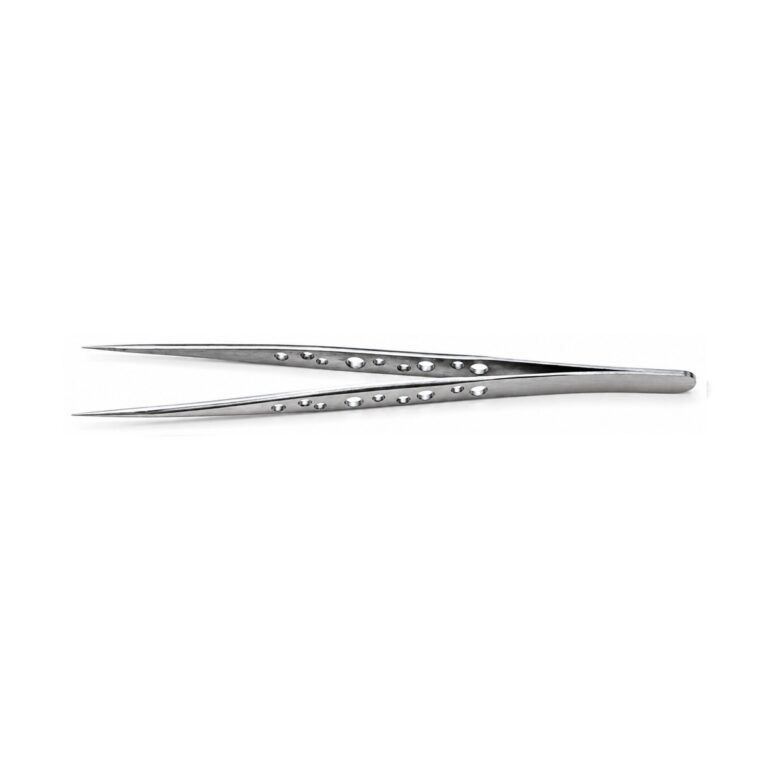
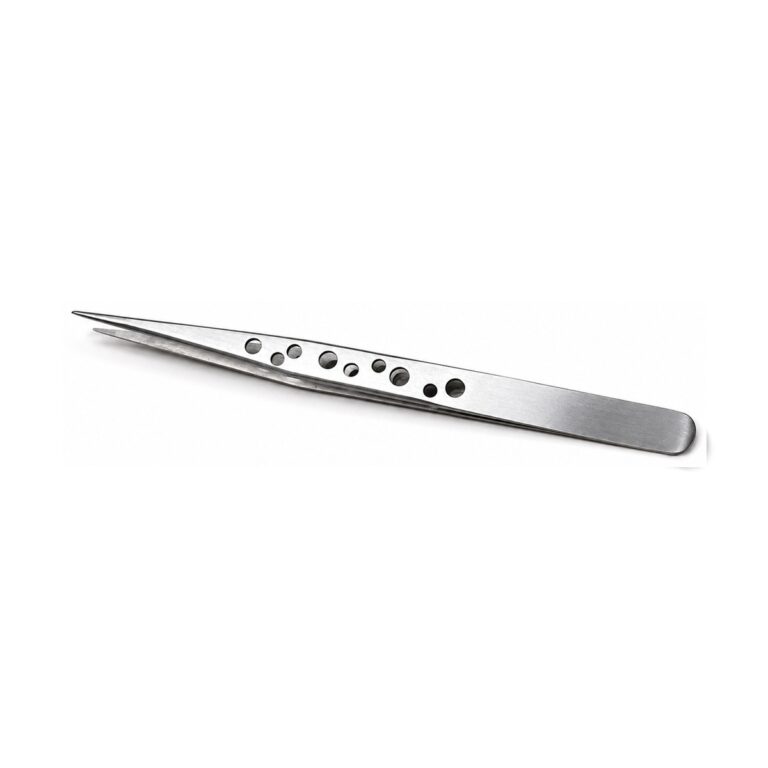
Buy Anti-Static Tweezers with straight fine tip from ANTonTOP — ESD-safe stainless steel construction. Designed to prevent static buildup during handling of brood and sensitive materials. The straight tip is best for forward-facing work — picking up brood on flat surfaces, placing food, working in open arena spaces.
Pair with the angled-tip version for tighter formicarium corridors.
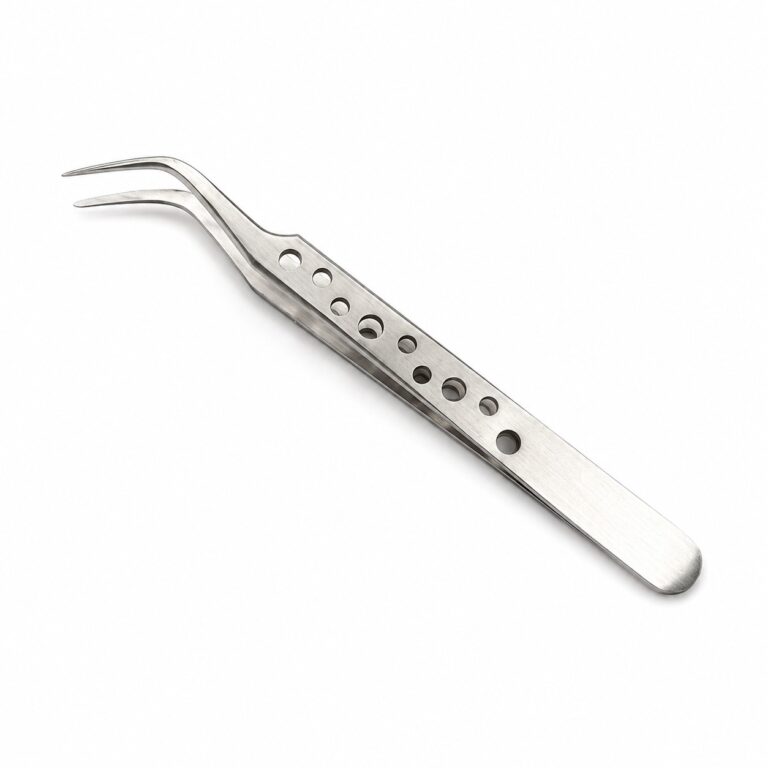
Buy Anti-Static Tweezers with angled tip from ANTonTOP — the same ESD-safe construction as the straight version, but bent at an angle to improve access in tight formicarium spaces, corners, and curved corridors. If you regularly work inside smaller formicaria or modular nests with narrow passages, the angled tip makes a noticeable practical difference.