
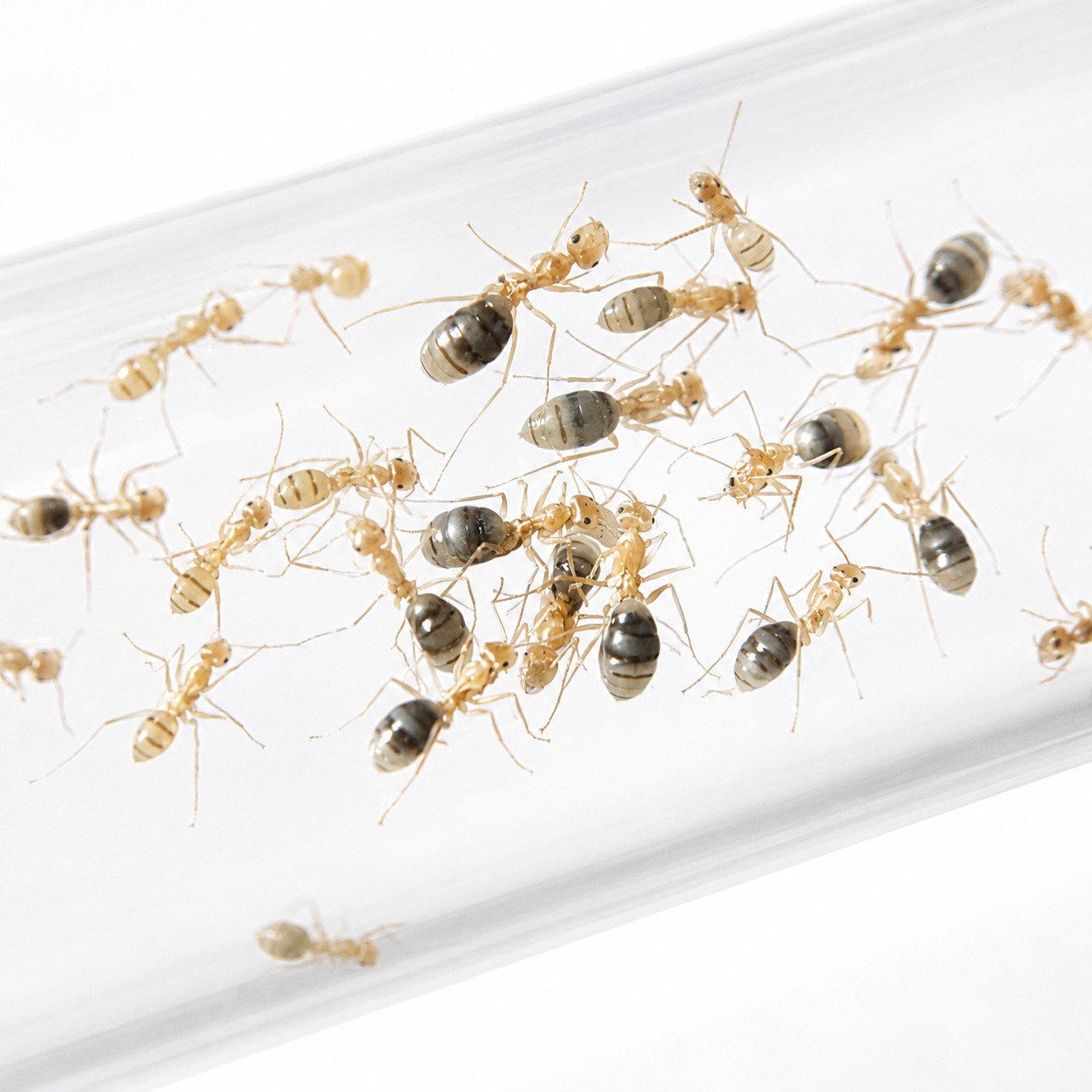
Cataglyphis pallida
679,90 zł – 759,90 złPrice range: 679,90 zł through 759,90 zł
Live Queen Guarantee
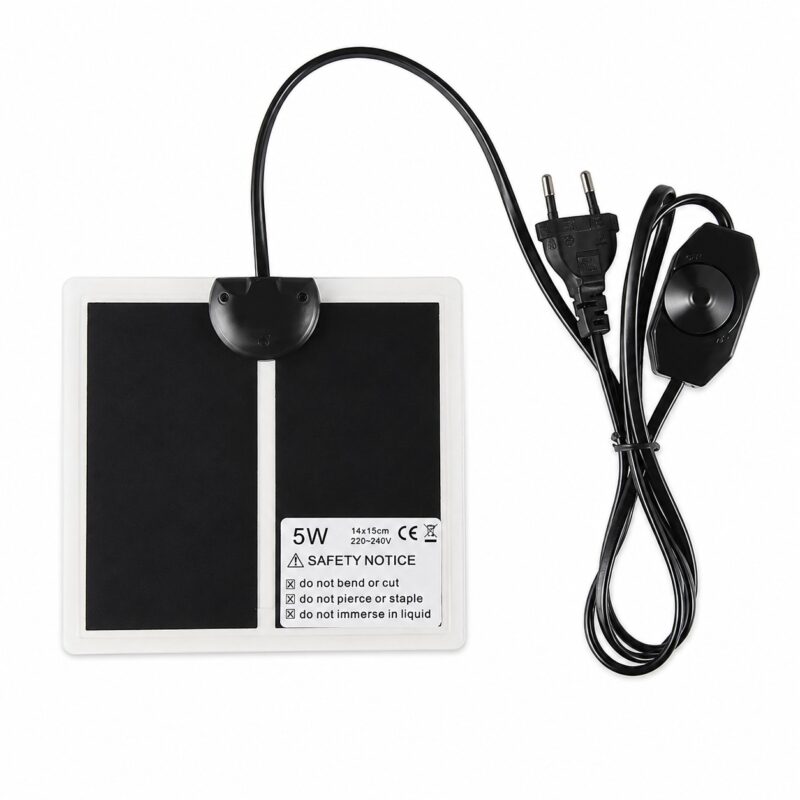
Heat Pack & Summer Cooling
Fertilised Queen in Every Colony
Ships Within 24 h
Free Care Guide
24/7 Expert Support
Description
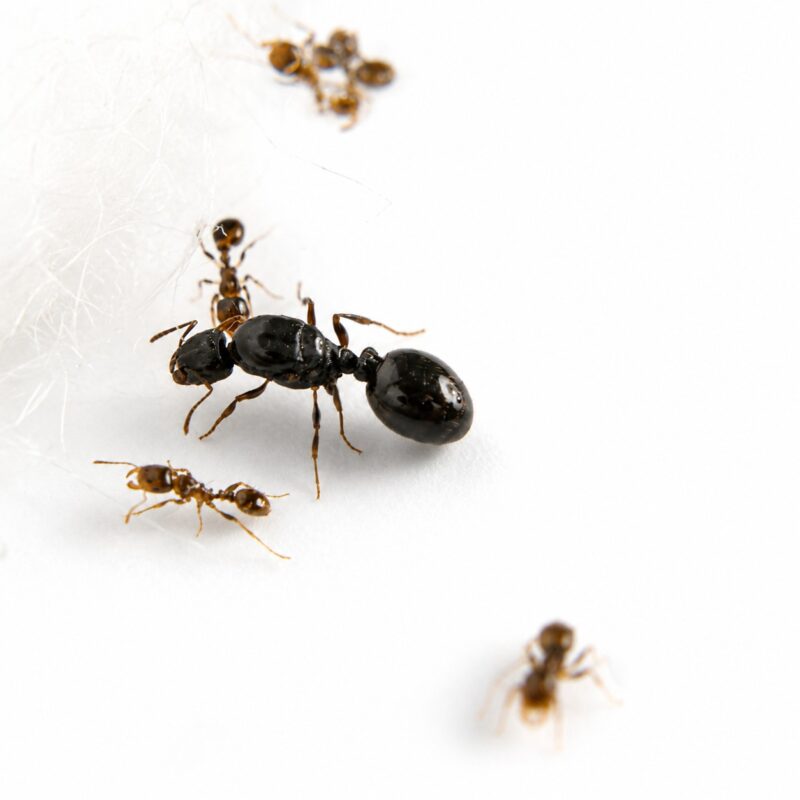
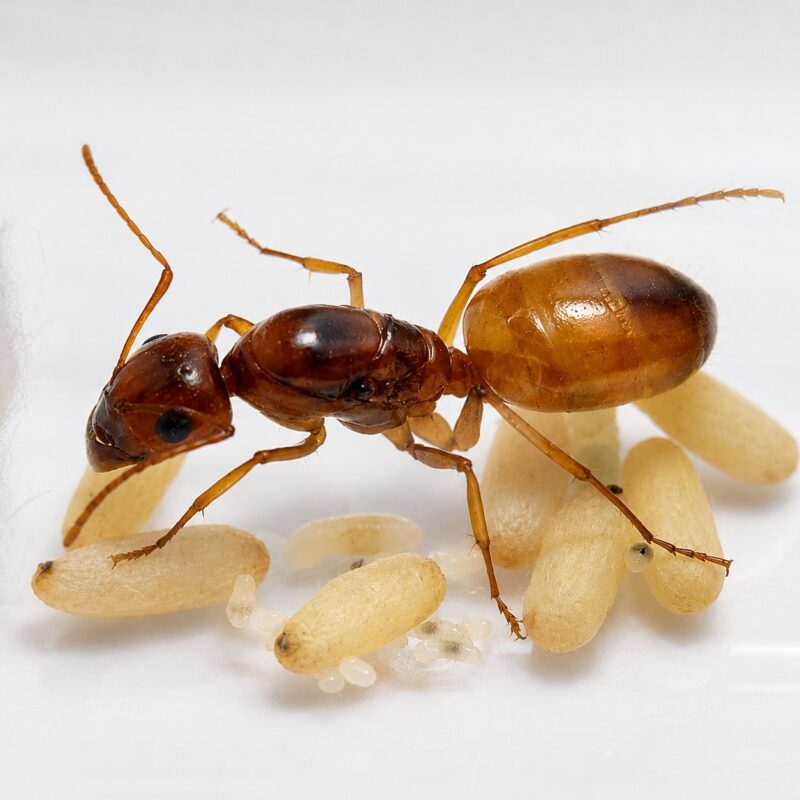
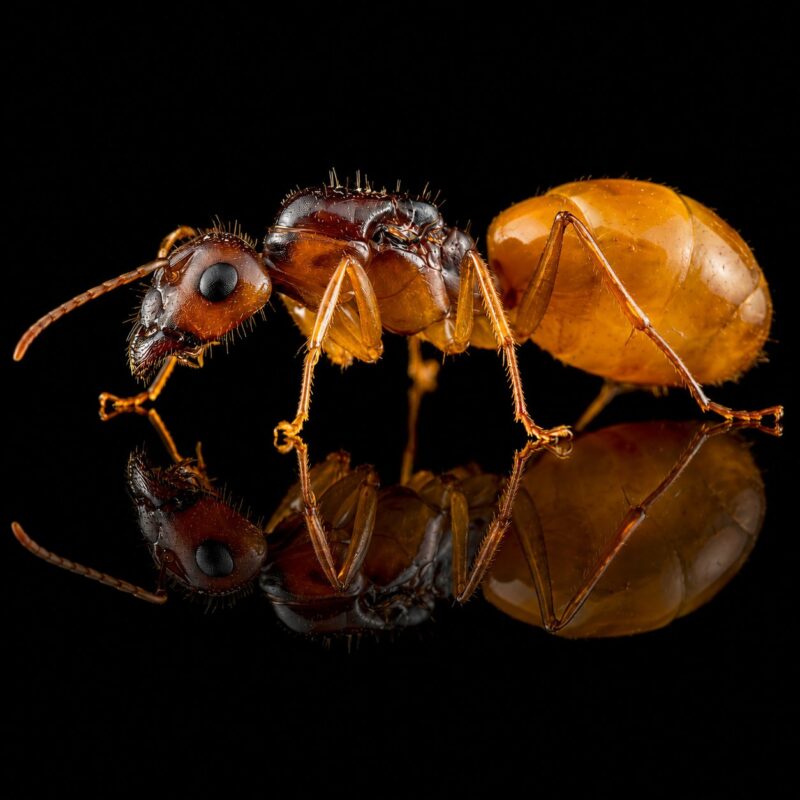
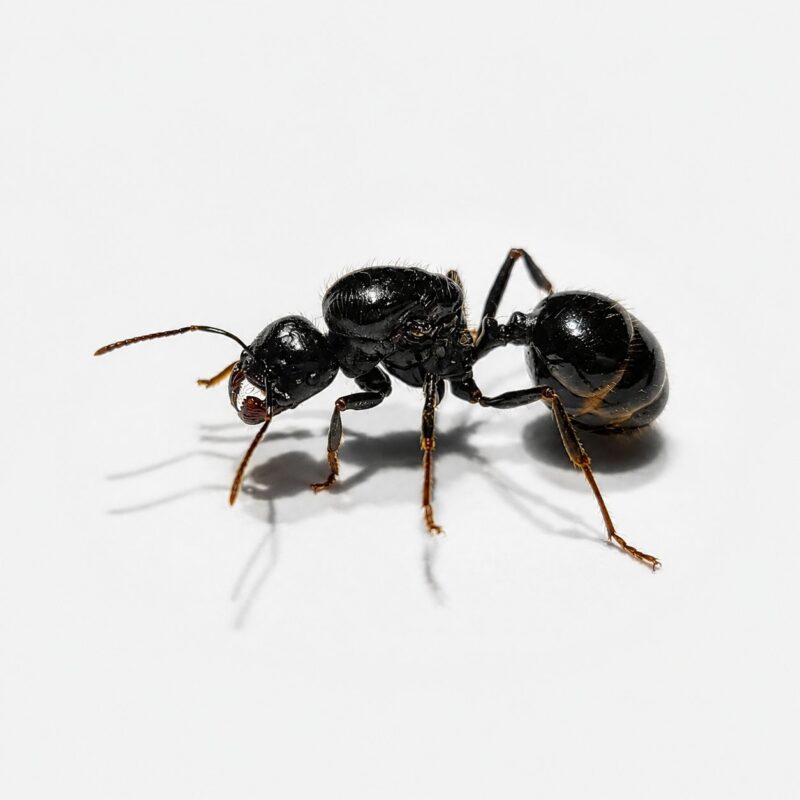
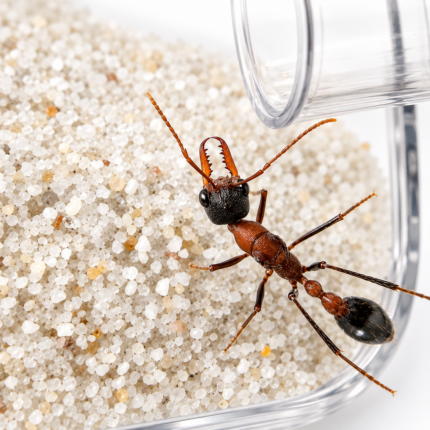
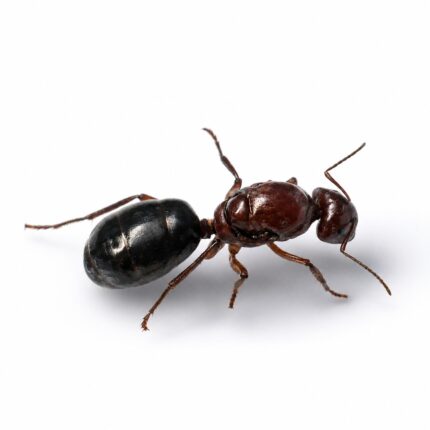
A pale desert runner that forages in full daylight heat, the Ghost Desert Ant is fast, alert and genuinely different to keep. Give it dry sand, a warm gradient and a tight barrier, and you get one of the most striking thermophiles in the hobby. Start your Cataglyphis pallida colony at ANTonTOP.
Free shipping across Europe over 1299 zł.
DHL / InPost / EMS · ships the EU & worldwide.
Intermediate · Q ~8 mm / W 3-5 mm · Small colony · No hibernation (optional mild cool rest) · Scavenger · Central Asian deserts · No sting, harmless bite
Additional information
| Origin | |
|---|---|
| Ant size | |
| Hibernation | |
| Behavior | |
| Sting |
No sting |
| Keeping difficulty |
Cataglyphis pallida — Ghost Desert Ant
| Origin | Central Asian deserts (Kazakhstan, Turkmenistan…) |
|---|---|
| Difficulty | Intermediate |
| Colony form | Monogyne (single queen) |
| Max workers | Small colony (hundreds to low thousands) |
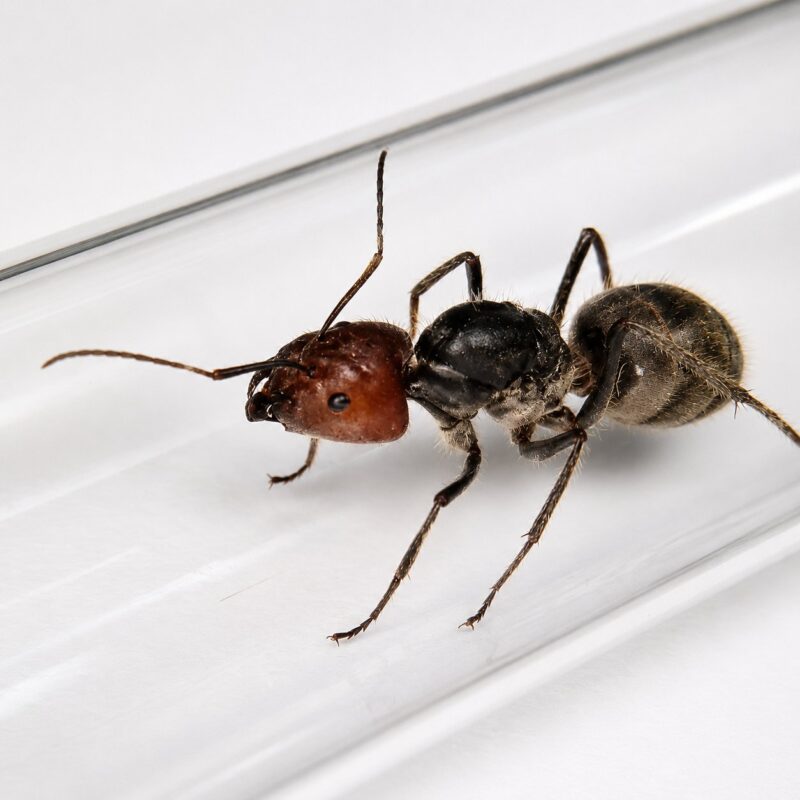
| Queen | ~8 mm |
| Worker | 3-5 mm |
| Soldier / major | No distinct soldier caste |
| Founding | Semi-claustral tendency (offer a little food) |
| Temperature | 25-28 °C, warm gradient |
| Humidity | ~40%, one damp corner |
| Hibernation | No hibernation (optional mild cool rest) |
| Diet | Scavenger / omnivore |
| Sting / bite | No sting; bite plus formic acid, harmless |
| Egg to first worker | 4-8 weeks when warm |
| Queen lifespan | 5-9 years (genus estimate) |
| Nuptial flight | Warm season (spring to summer) |
| Activity | Diurnal, active in daytime heat |
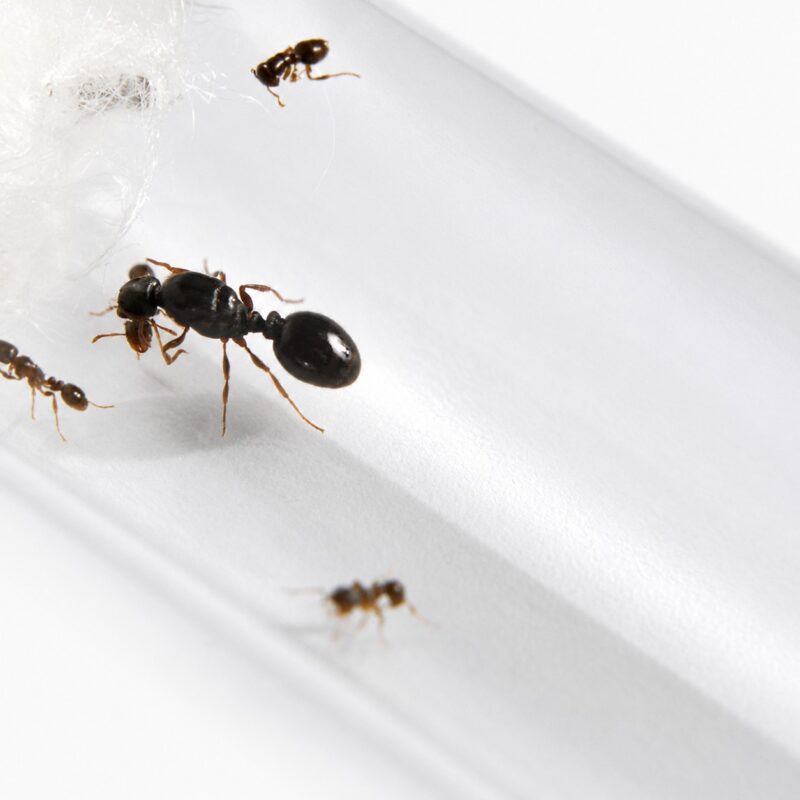
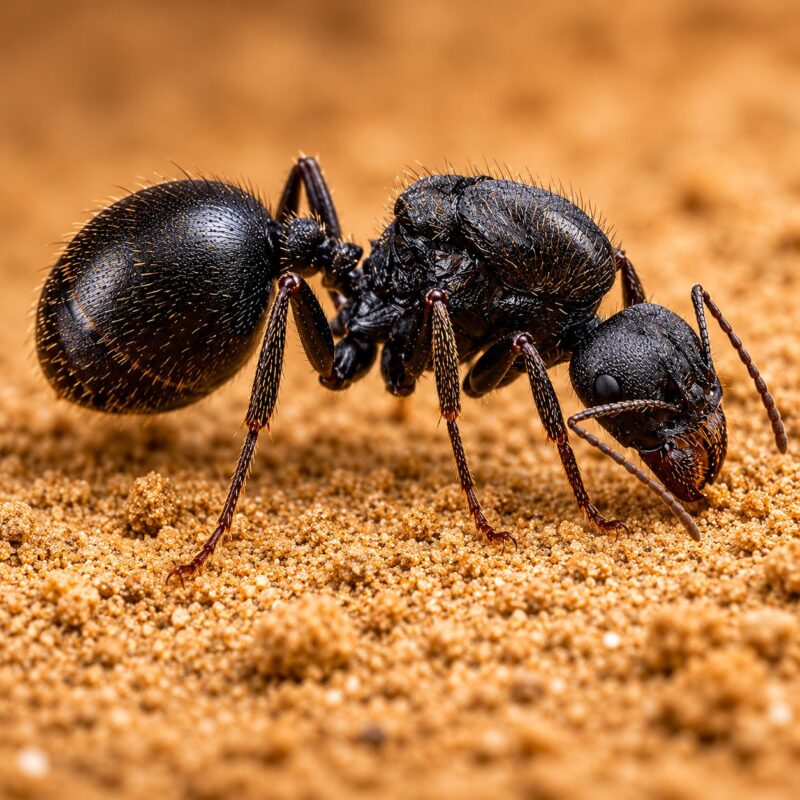
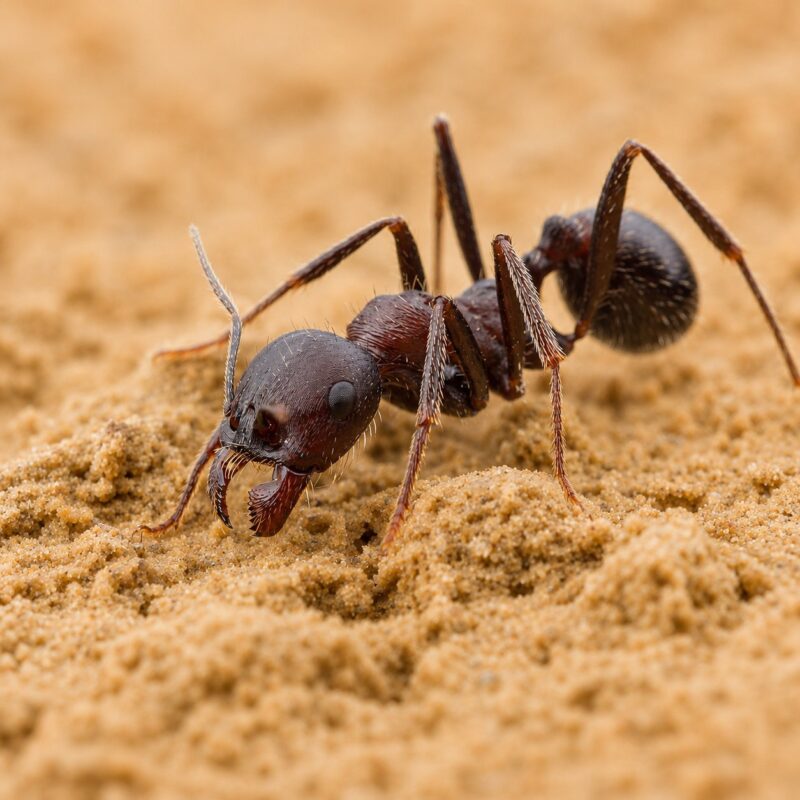
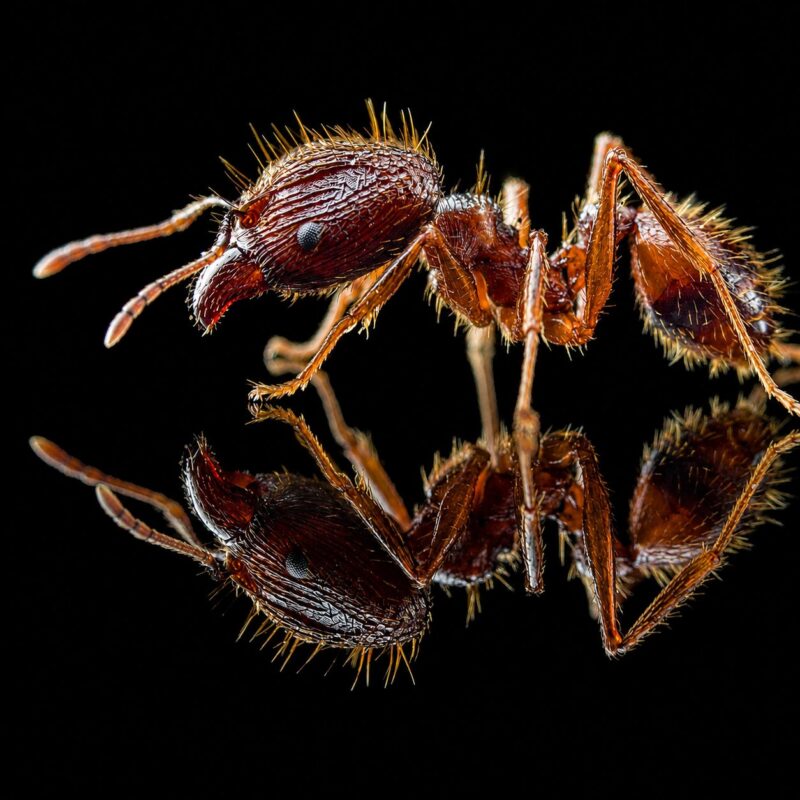
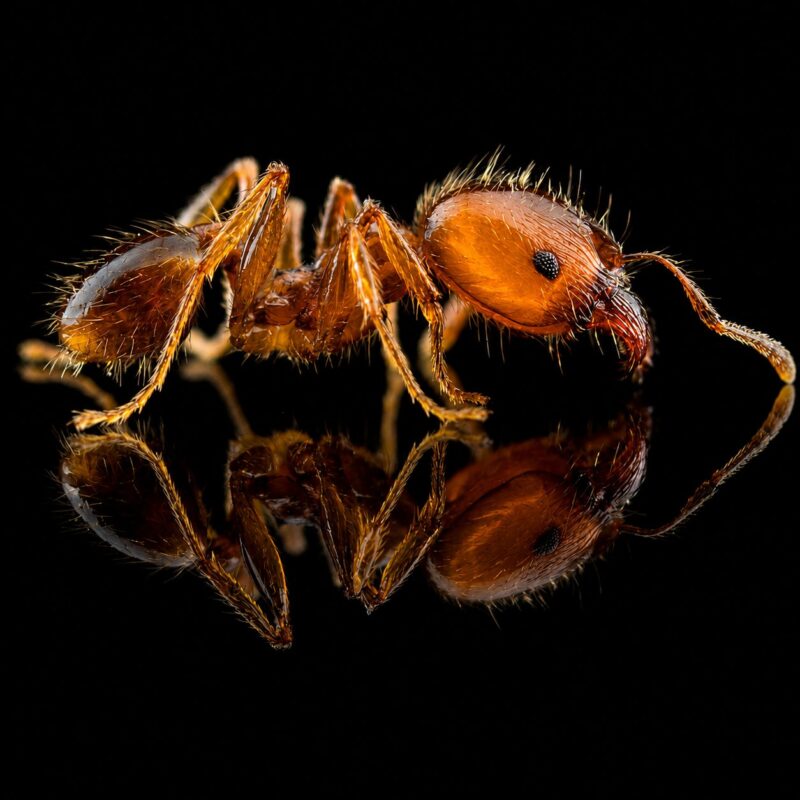
Cataglyphis pallida is a small, pale desert ant from the sands of Central Asia, a fast diurnal scavenger that lives on real dry heat and rewards keepers who can give it a proper warm, secure setup.
Why this species
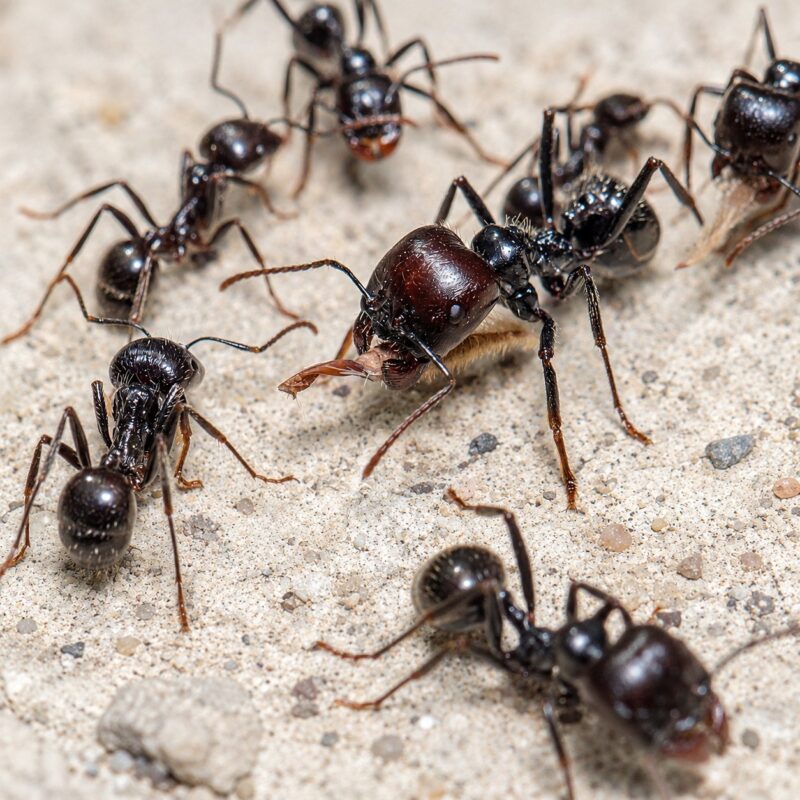
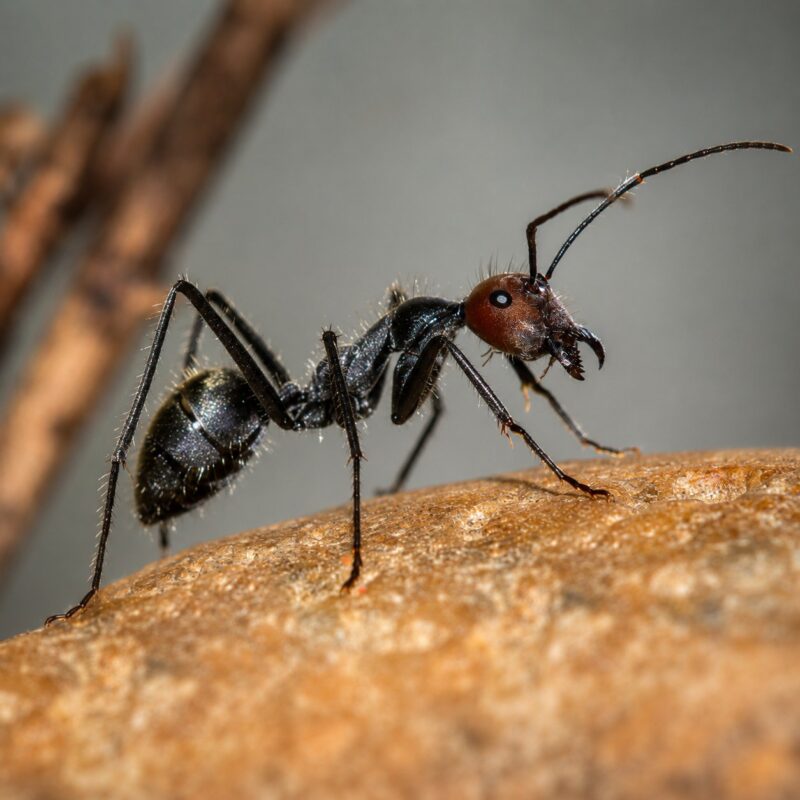
What sets this ant apart is the way it works. It is a heat specialist that comes out to forage in the middle of the day, running fast across hot sand while other insects hide, and it hunts by memory and the sky rather than by scent trails. The pale, almost translucent body is beautiful under light and gives it the trade name Ghost Desert Ant. This is not a beginner colony you leave on a shelf at room temperature; it wants dry conditions, a warm gradient and a barrier that actually holds, and it stays lively and quick the whole time you watch it. For a keeper ready to move past starter species into a proper desert thermophile, it is one of the most rewarding ants around.
Feeding
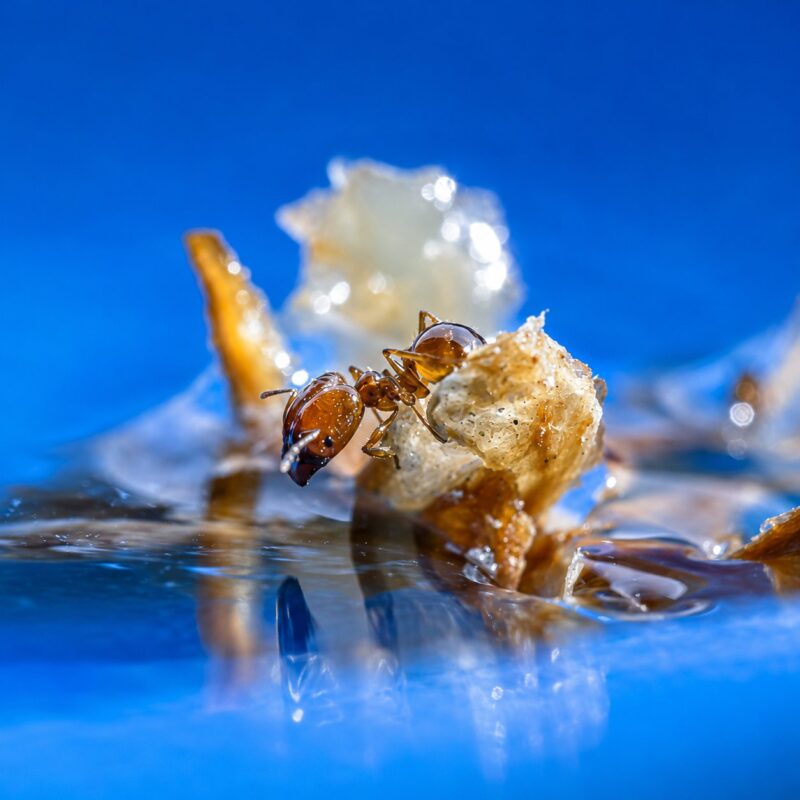
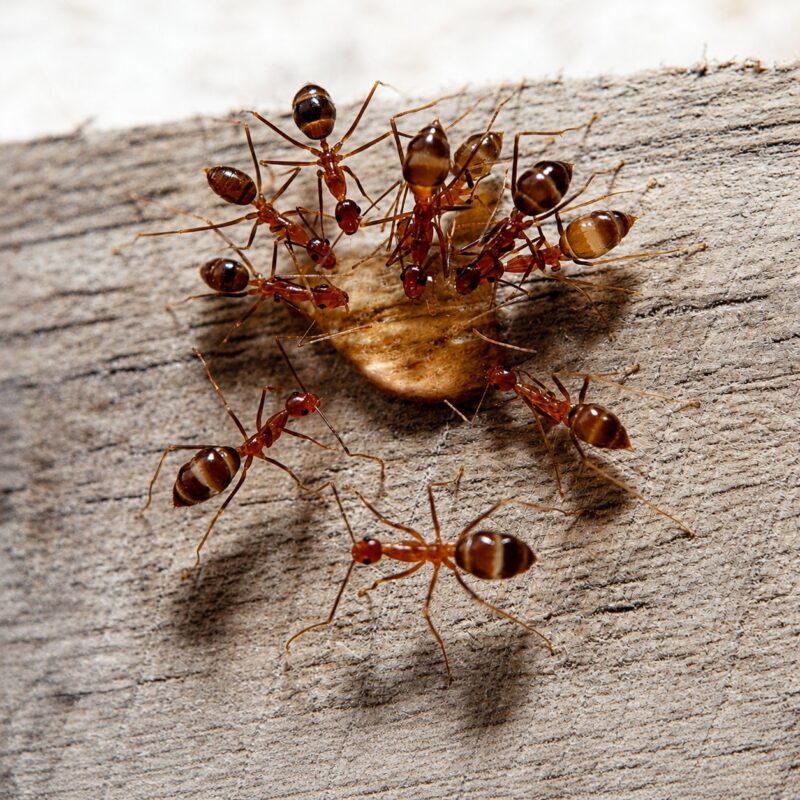
A thermophilic scavenger that collects heat-killed and dead arthropods in the wild and takes live prey when it can, so both fresh and pre-killed insects go down readily. Pair a steady sugar source with regular insect protein to keep brood moving. It is not a seed-eater, so grains stay untouched.
| Sugar water / honey water | ★★★ |
| Ant nectar / sugar jelly | ★★★ |
| Honey | ★★★ |
| Protein jelly | ★★★ |
| Crickets | ★★★ |
| Cockroaches (Dubia / Turkish) | ★★★ |
| Fruit flies (Drosophila) | ★★★ |
| Houseflies | ★★★ |
| Mealworms | ★★ |
| Locusts | ★★ |
| Dried insects | ★★ |
| Boiled egg yolk | ★★ |
| Superworms | ★ |
| Boiled lean chicken / shrimp / meat | ★ |
| Soft fruit (apple, pear, banana) | ★ |
| Soft seeds (poppy, sesame, chia) | ✗ |
| Hard seeds (canary, millet, sunflower) | ✗ |
★★★ readily · ★★ moderately · ★ occasionally · ✗ not eaten
Housing & formicarium
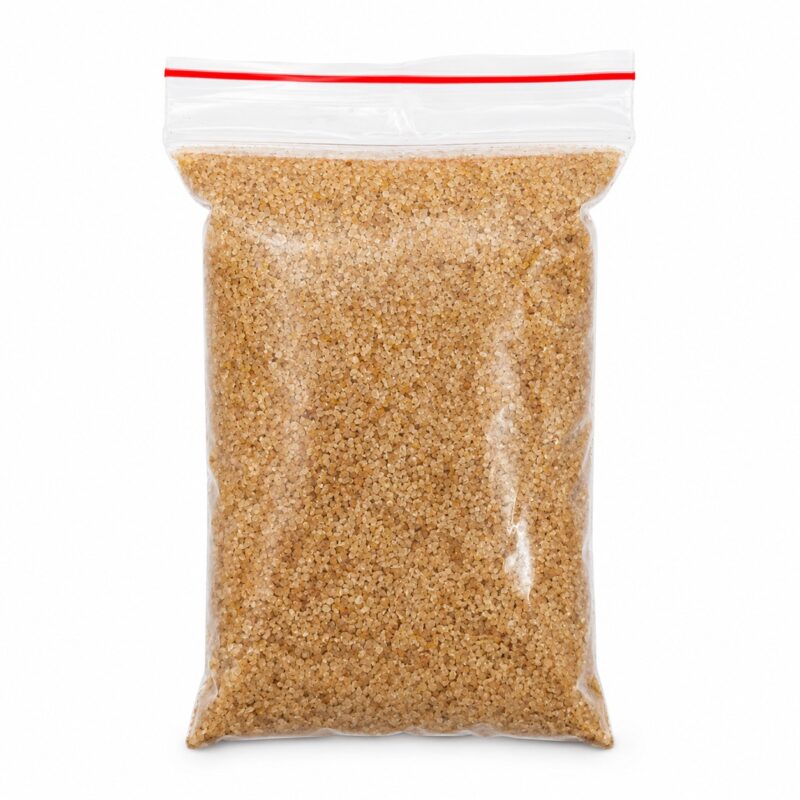
Begin in a test tube and keep the young colony there until founding workers fill the floor and the brood pile spreads. This is a dry-desert species, so the setup runs the opposite way to a tropical ant: use dry sand substrate and aim for low arena humidity around 40%, with just one humidified nest corner the colony can retreat to. Pair the nest with a warm, dry arena and seal the rim carefully with fluon (PTFE), oil, or a talc-and-water mix, because these are fast, nervous runners that test every gap. ANTonTOP formicaria and starter kits supply a correctly scaled nest plus arena and barrier in one ready set.
Climate & wintering
From the hot deserts of Central Asia, this ant likes it warm and dry, with the nest around 25-28 °C and a basking hot spot the foragers can use during the day. Heat one side only, so the colony can drift toward its preferred warmth rather than being held at a single fixed temperature, and keep humidity low overall. No true hibernation is needed; as a desert species it stays active in the heat, though a short, mild cool rest near 18-20 °C with lighter feeding for a few weeks is optional and can help the queen’s laying rhythm. Hard cold will harm it, so never chill it like a temperate ant.
Growth forecast + what you receive
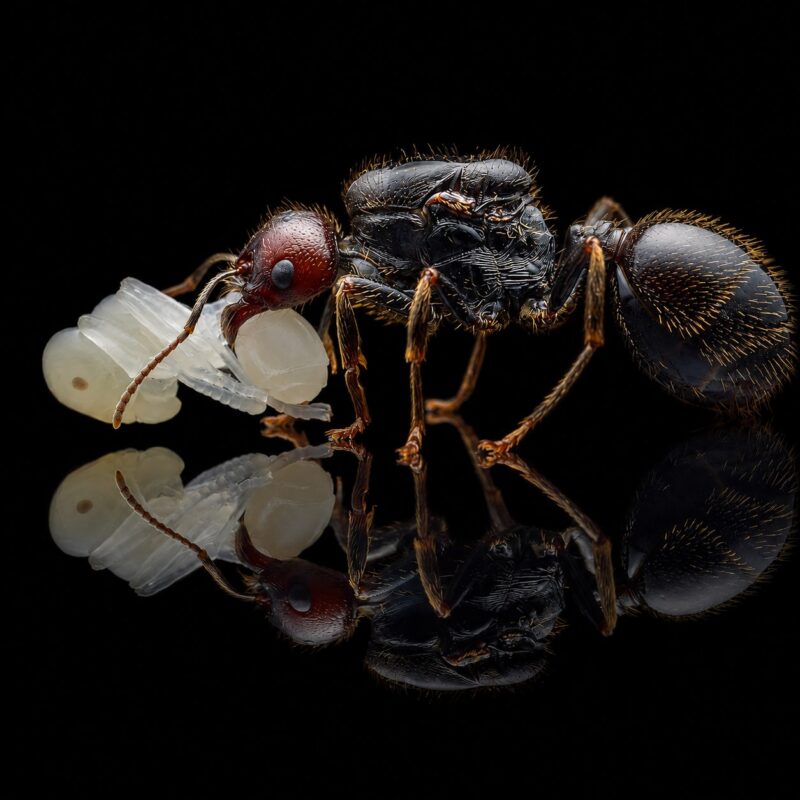
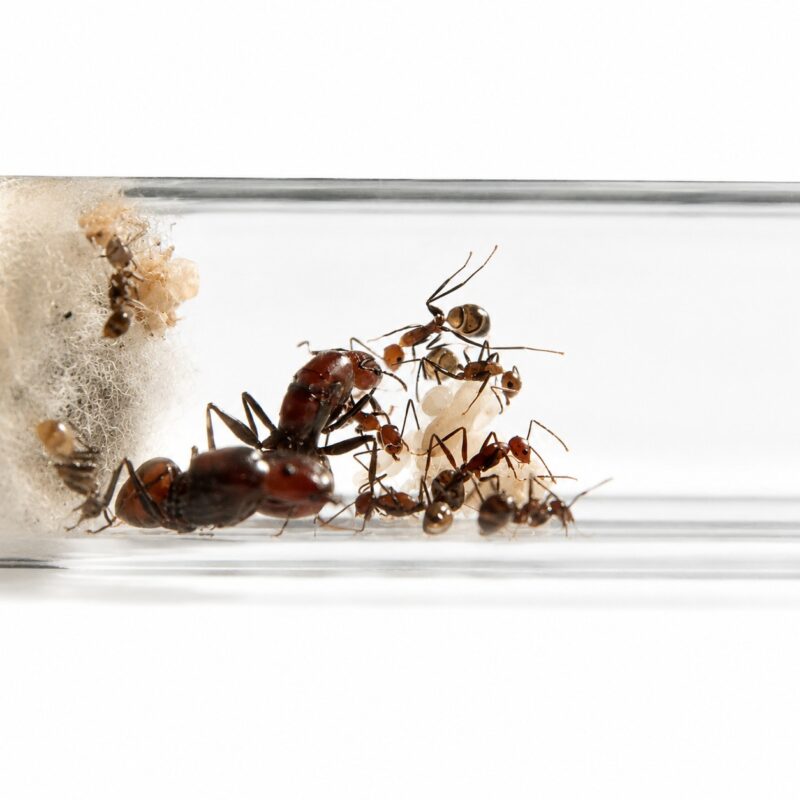
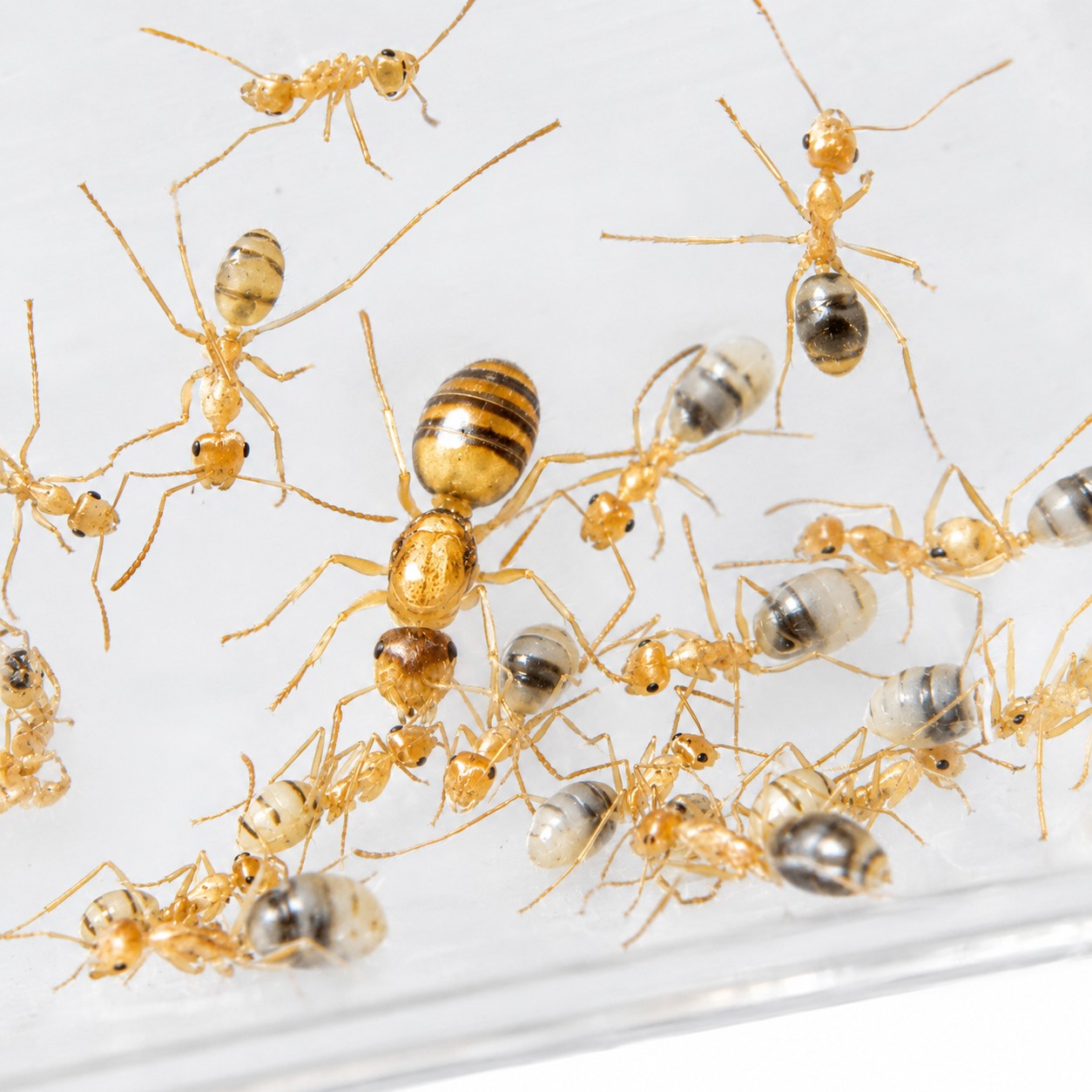
Growth is quick when the colony is kept genuinely warm, then levels off, as this stays a small-to-moderate desert species rather than a giant colony. What you receive is a laying queen with a group of workers and brood, a complete little colony ready to move into its first warm, dry nest and grow on.
Did you know
- Cataglyphis desert ants navigate by path integration, or dead reckoning: they track distance and direction on a winding outbound trip, then run a near-straight beeline home, because scent trails would evaporate on the hot sand.
- In a classic experiment on the related Cataglyphis fortis, ants fitted with stilts overshot the nest and ants with shortened legs undershot it, showing they count their strides like a built-in pedometer (Wittlinger, Wehner & Wolf, Science 2006).
- They read the polarization pattern of the blue sky through specialized eye regions as a celestial compass, holding a heading even with no landmarks around.
- Cataglyphis are among the most heat-tolerant insects known, foraging on surfaces well above 50 °C and collecting other insects killed by the same heat while predators shelter.
Frequently asked questions
Is Cataglyphis pallida good for beginners?
It is rated Intermediate, mainly because it needs real dry heat, a warm gradient and a secure barrier rather than room-temperature care.
Does Cataglyphis pallida need a winter rest?
No true hibernation is required. A short, mild cool rest is optional and can help laying, but hard cold will harm this desert species.
Does the Ghost Desert Ant sting or bite?
It has no functional sting. It defends itself with a bite and a spray of formic acid, which is harmless to people.
How big does a Cataglyphis pallida colony get?
It stays a small-to-moderate desert species, so a compact, dry setup suits it well.
How big is the queen?
The queen is around 8 mm, with workers at roughly 3-5 mm and no distinct soldier caste.
How warm and how dry should I keep it?
Aim for a nest around 25-28 °C with a warmer basking spot, dry sand, low humidity near 40%, and just one damp nest corner.
What should I feed it?
A steady sugar source plus insects such as crickets, roaches or flies, fresh or pre-killed. It does not eat seeds.
Will my colony arrive alive?
Yes, you receive a queen with workers and brood, shipped with a heat or cool pack and dispatched within 24 h with tracking.
Keeping & shipping essentials
Escape prevention. These are fast, alert diurnal runners that will find any weak point, so the barrier matters more than with a slow tropical ant. Coat the inner rim of every open arena with fluon (PTFE), or use talc-and-water or an oil barrier as a backup, and always keep a tight, fine-mesh lid on top. Check the barrier often, since dry desert dust, feeding debris and sand grains break a fluon line quickly. Keep tubing connectors tight and seal any gaps in the nest before you add the colony.
Keeping reminders. Keep the colony dry, with only one humidified nest corner and fresh water always available, and never let the whole setup turn damp. Give carbohydrates continuously and insect protein a few times a week, and remove uneaten prey within 24 hours before it moulds. Keep the formicarium out of direct sunlight and away from constant vibration, which stresses a young colony, and provide the warm gradient it needs to forage.
Before you buy – do not rehouse too early. Have a test-tube setup or a small formicarium with a warm, dry outworld and a working barrier ready before your colony arrives. A founding colony grows slowly at first, which is normal. Moving a small colony into a large nest too soon invites mould, mites and stress, and the workers die off one by one. Keep the colony in its test tube on the arena, plug the nest entrance with cotton, and open up the next chambers only once the colony fills its current space.
What we ship. Every colony ships with a live-arrival guarantee, backed by our 24h unboxing-video guarantee: if the queen does not arrive alive, we reship free. Parcels travel with DHL, InPost (PL) or EMS, with a heat or cold pack to suit the season, packed discreetly and securely. We ship across the EU and worldwide, with free shipping over the Europe threshold.
Care guide. See also our Cataglyphis aenescens care guide.
Category: Cataglyphis species (ID: 2971)
Video URL: none
Video ID: none
Product Video URL: none
Product Video ID: none
No video found for this product or category

Reviews
Clear filtersThere are no reviews yet.