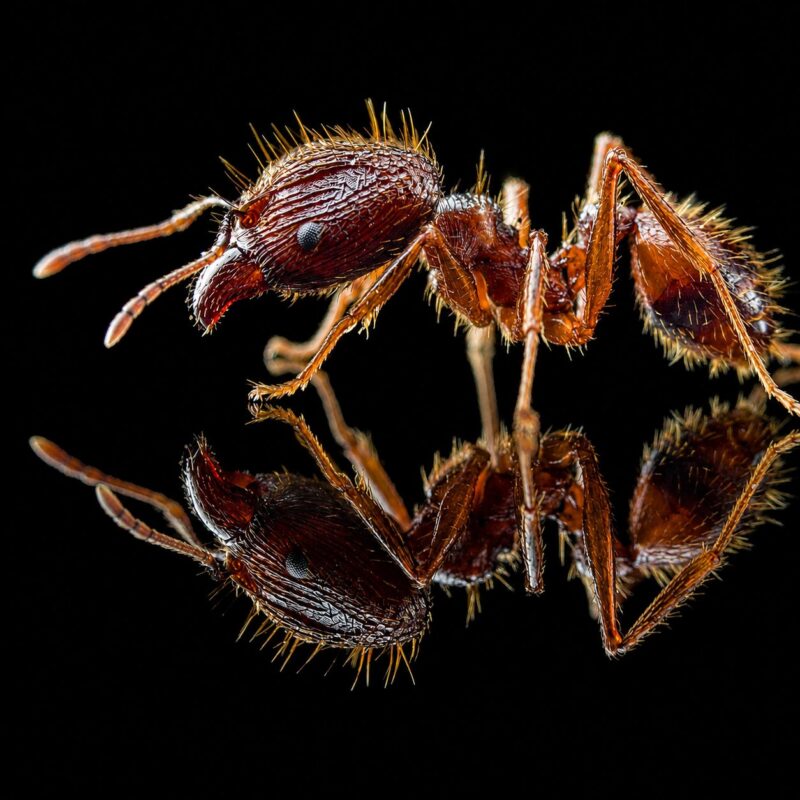

Messor arenarius
879,90 zł – 1299,90 złPrice range: 879,90 zł through 1299,90 zł
Live Queen Guarantee
Heat Pack & Summer Cooling
Fertilised Queen in Every Colony
Ships Within 24 h
Free Care Guide
24/7 Expert Support
Description
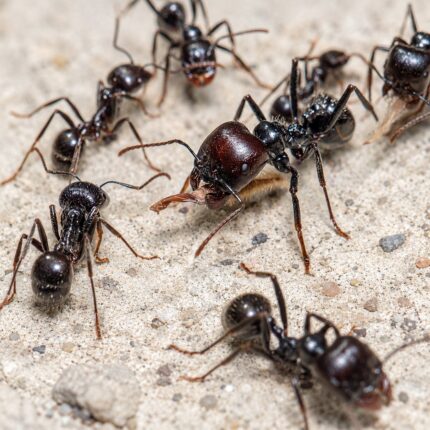
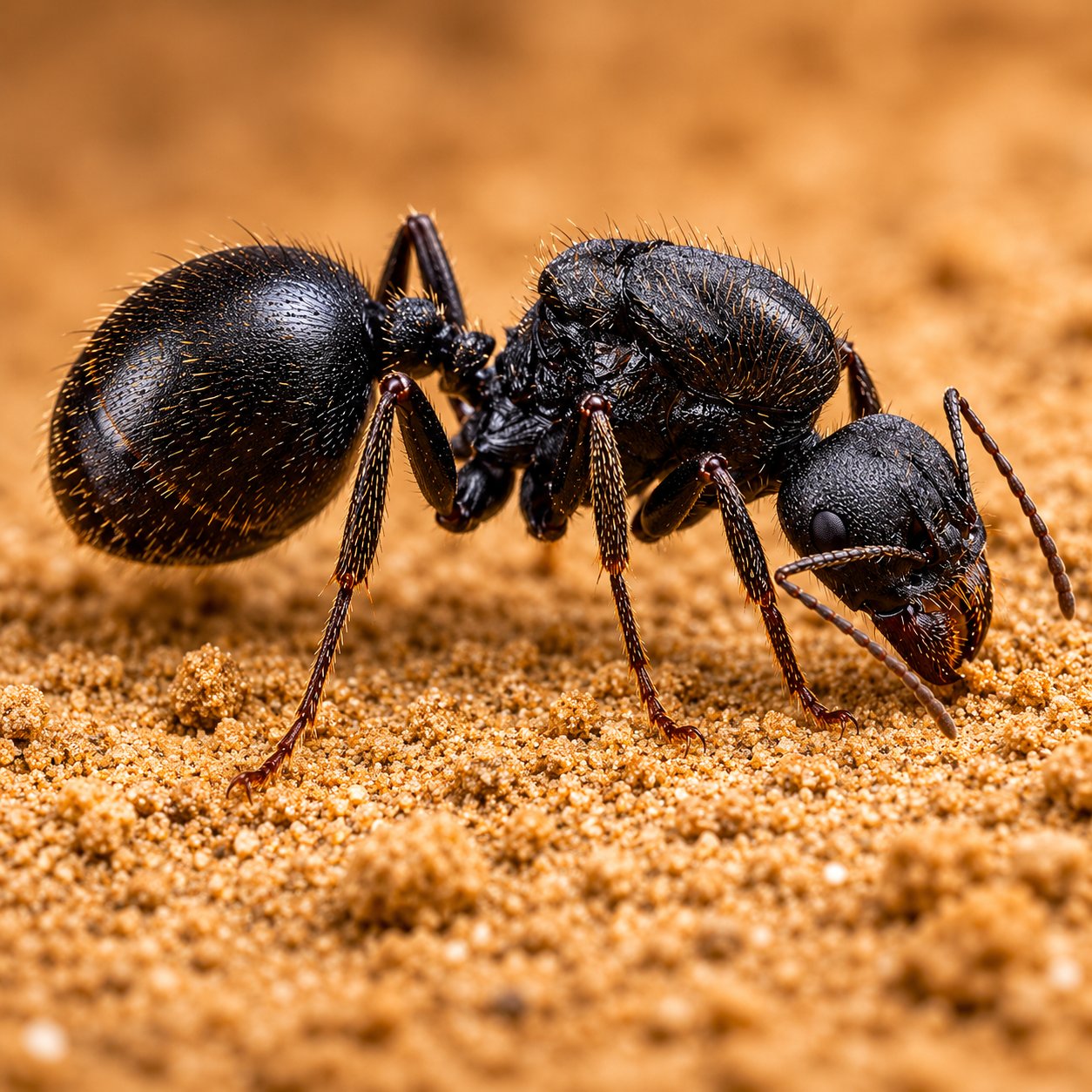
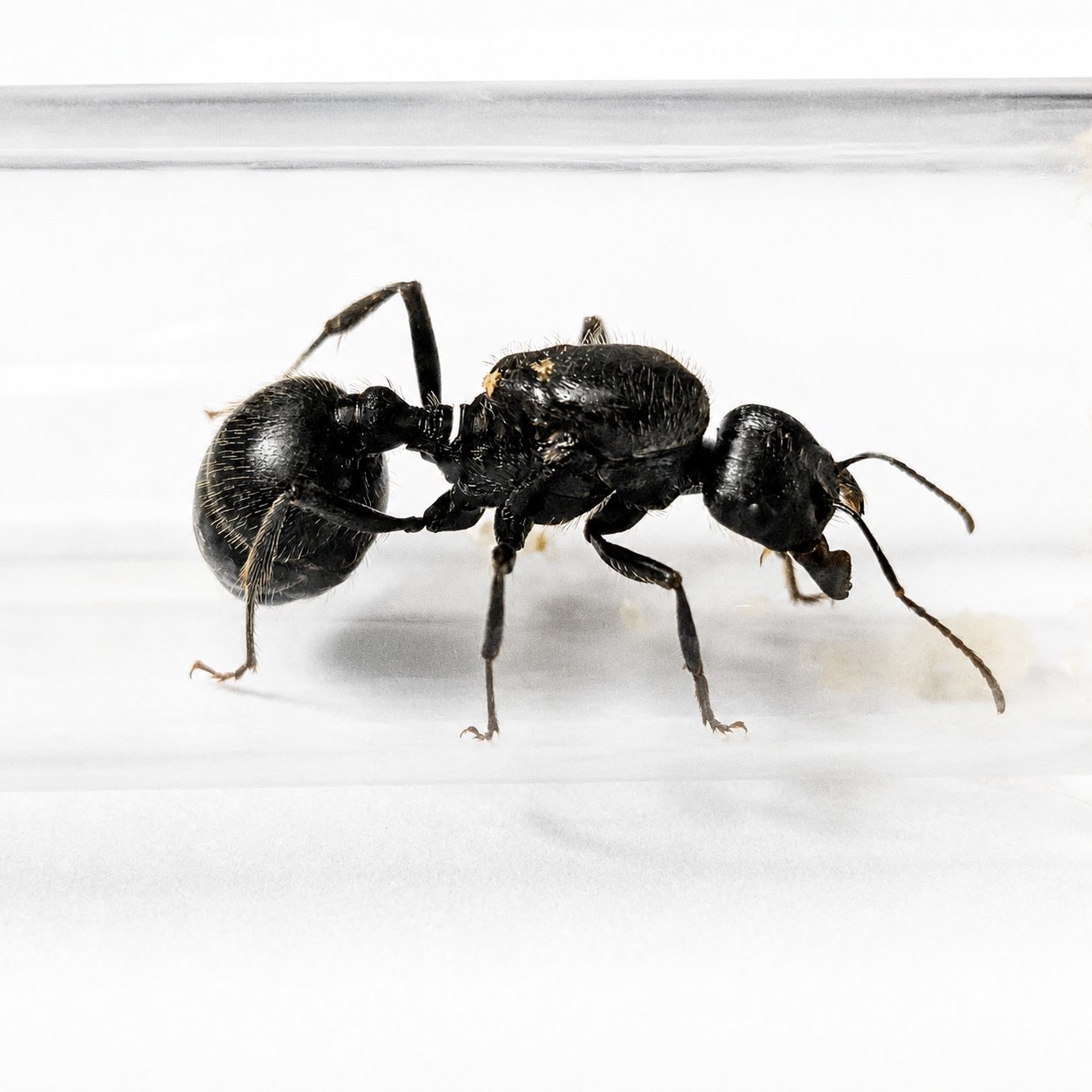
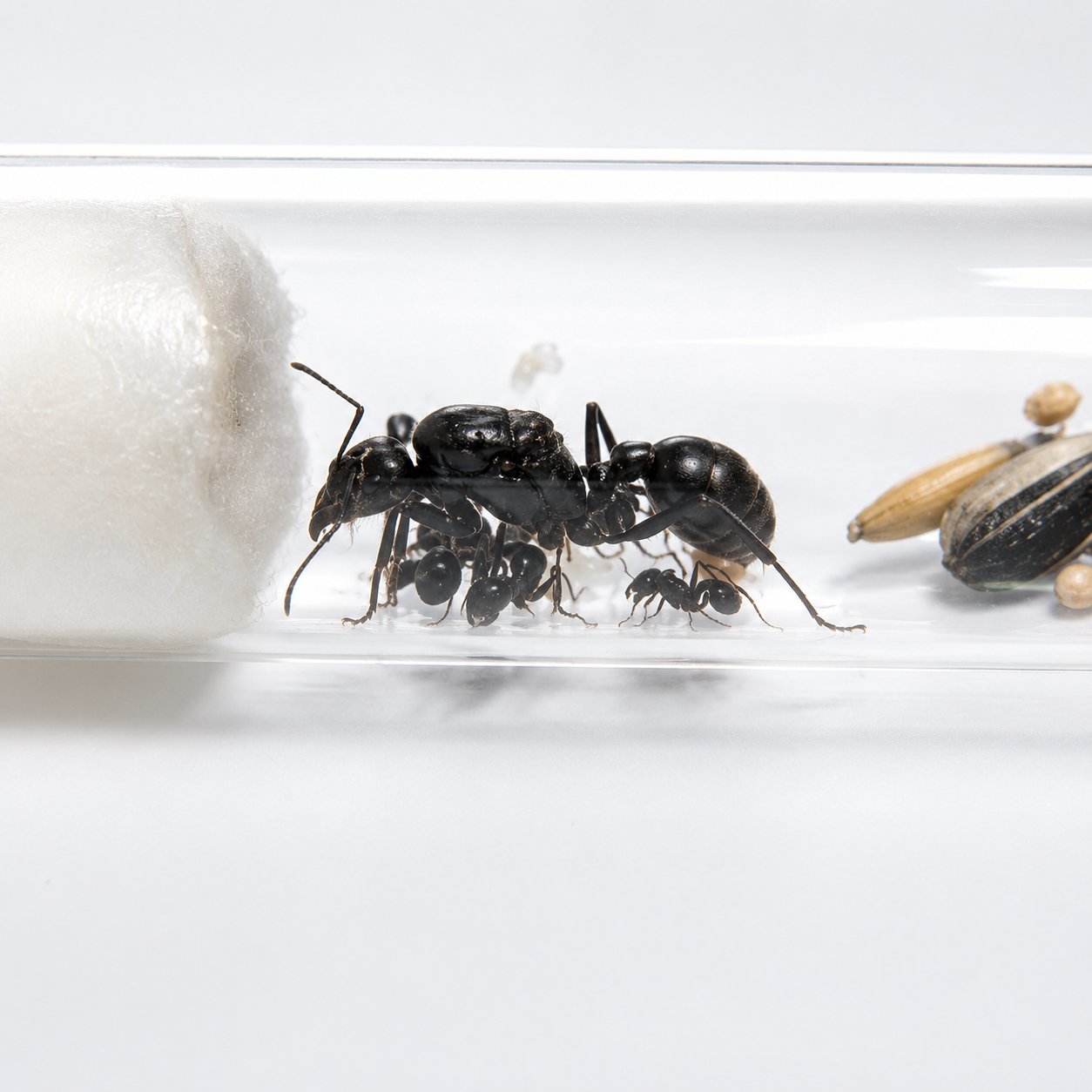
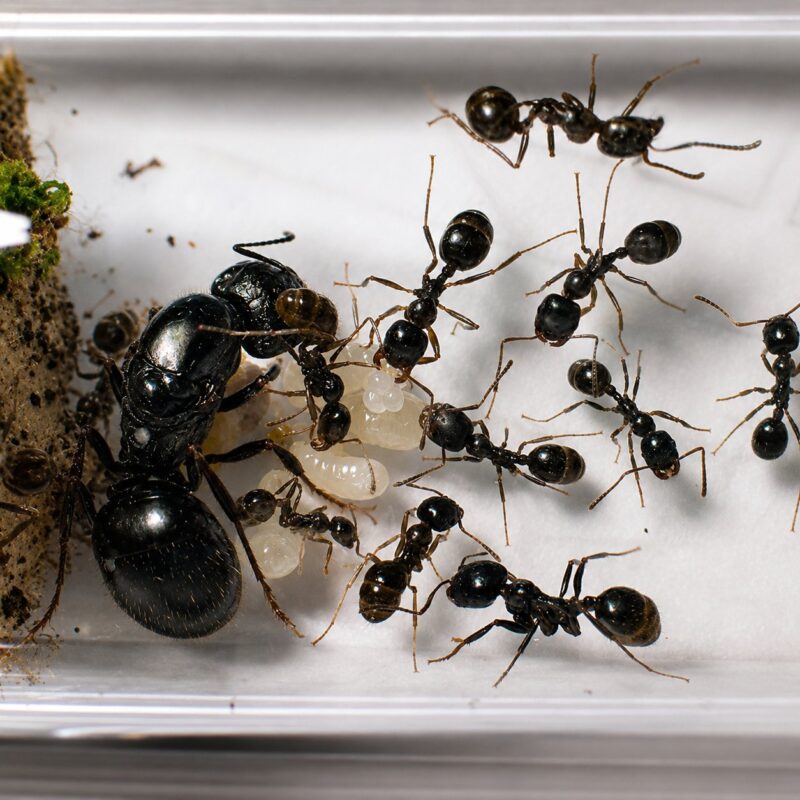
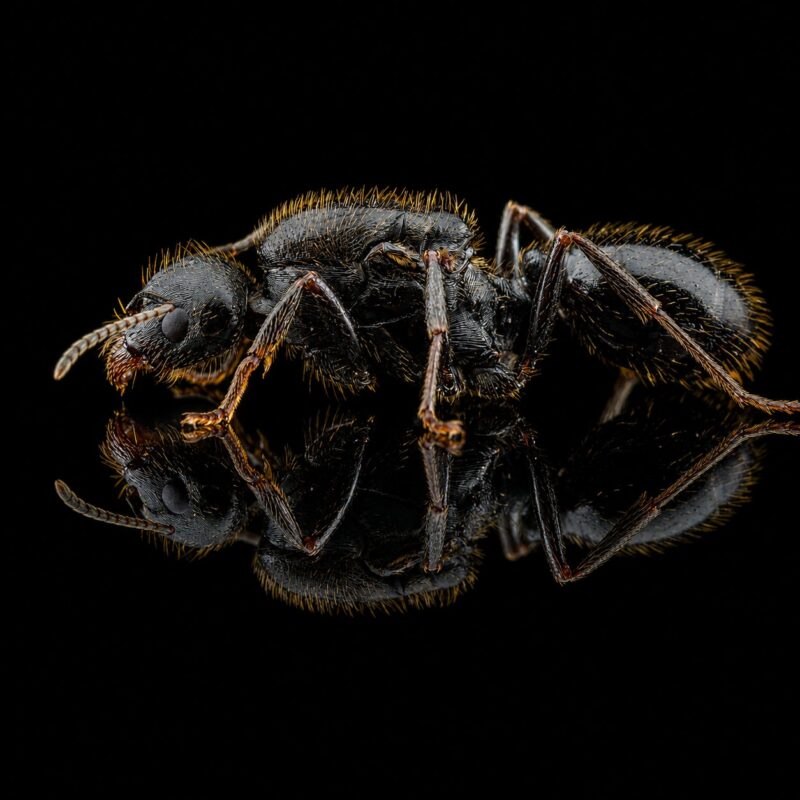
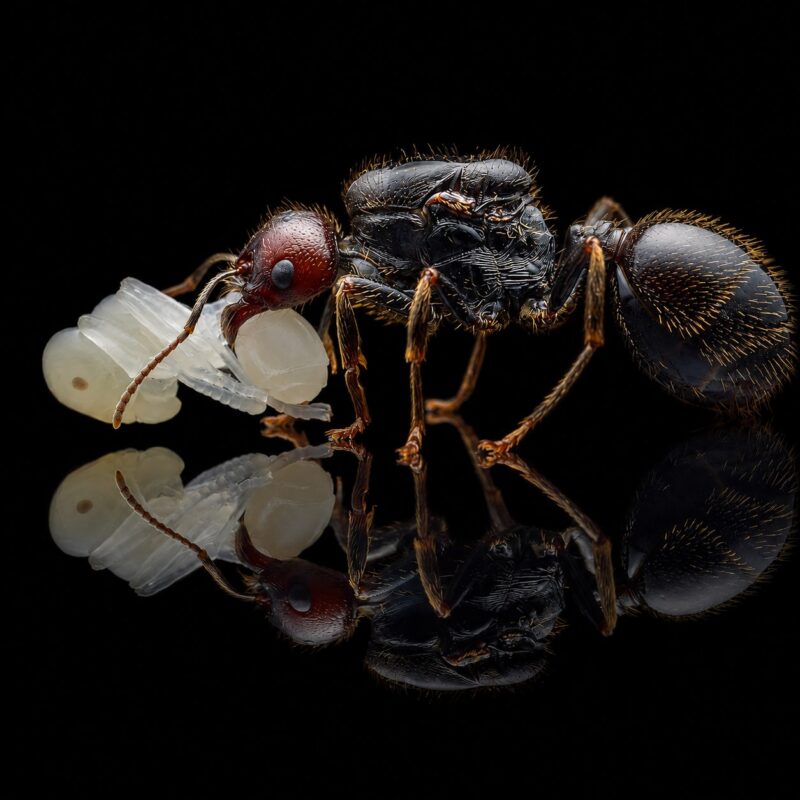
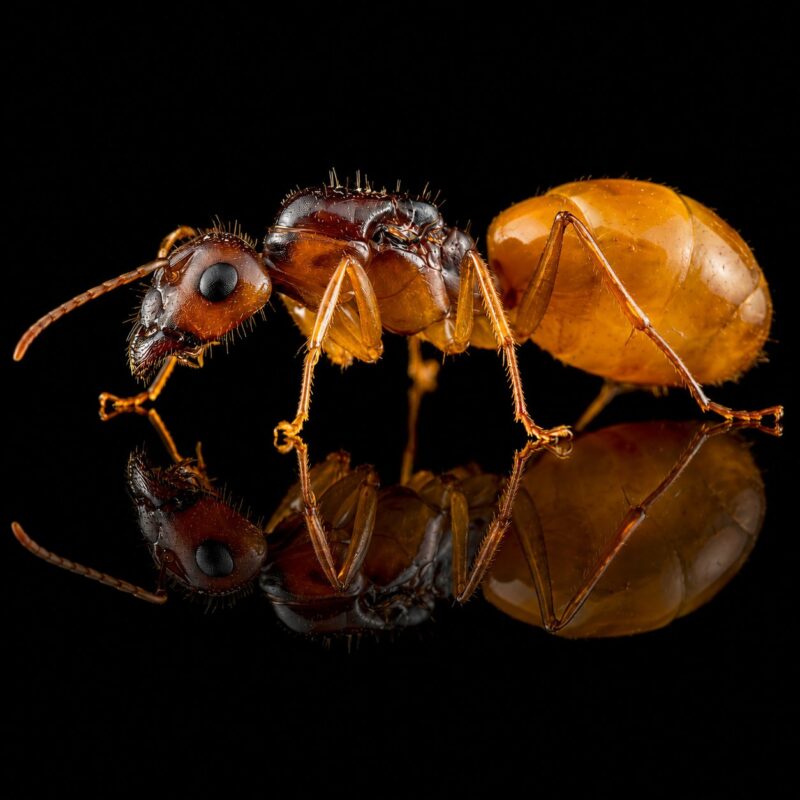
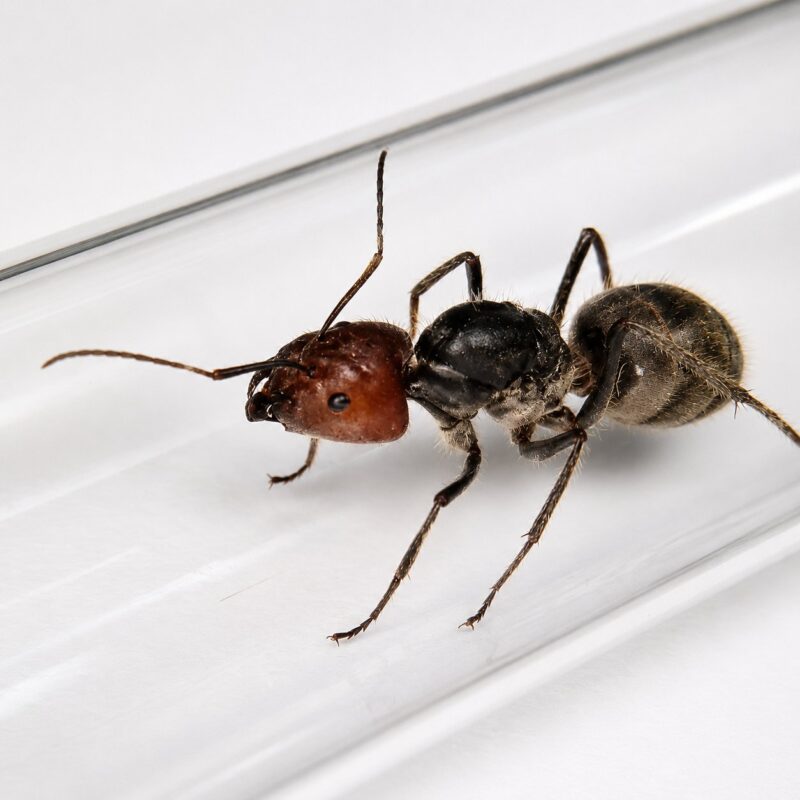
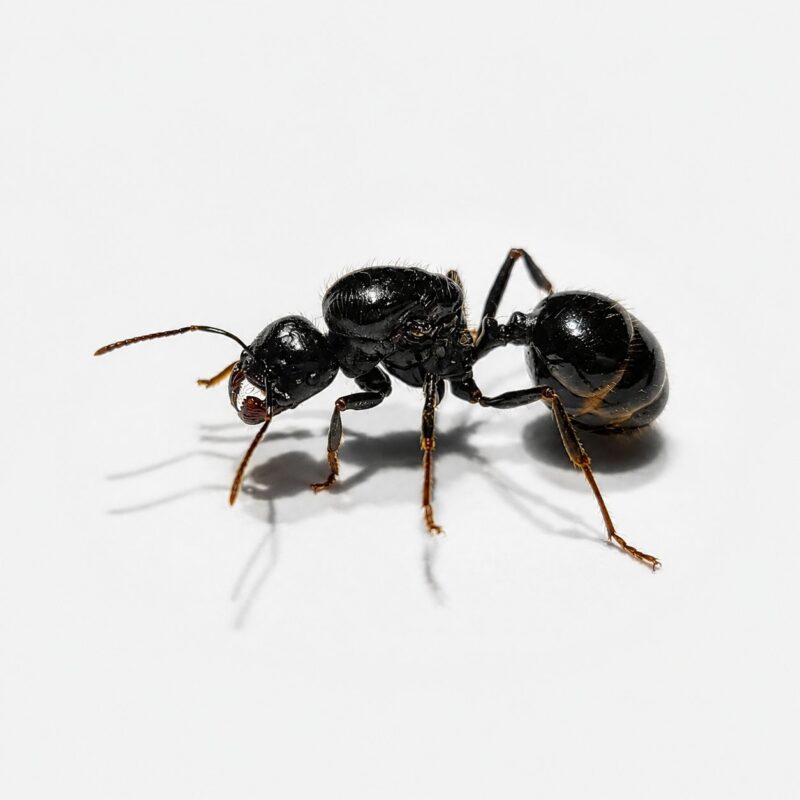
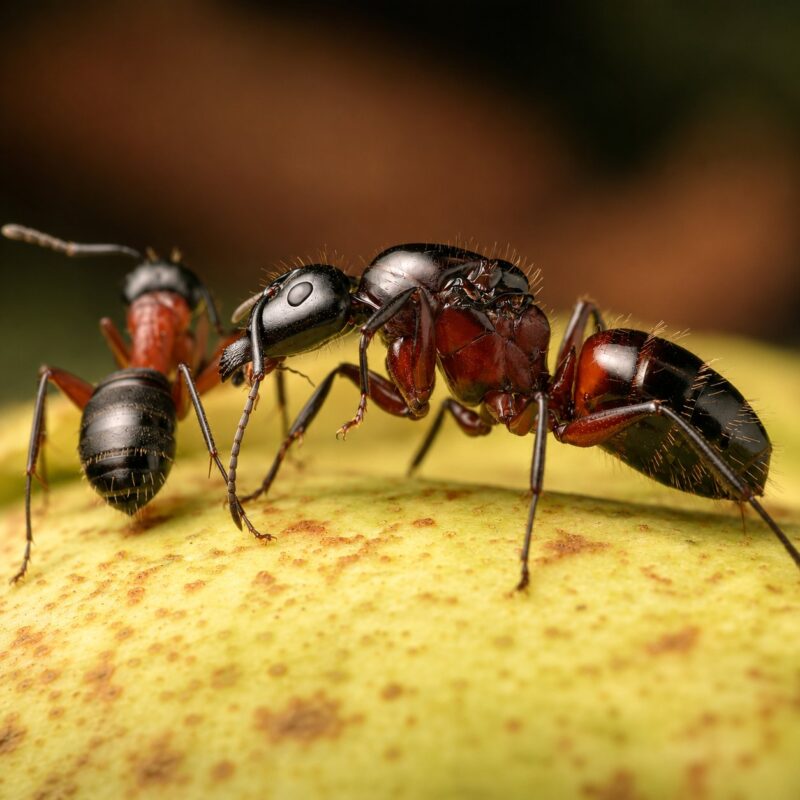
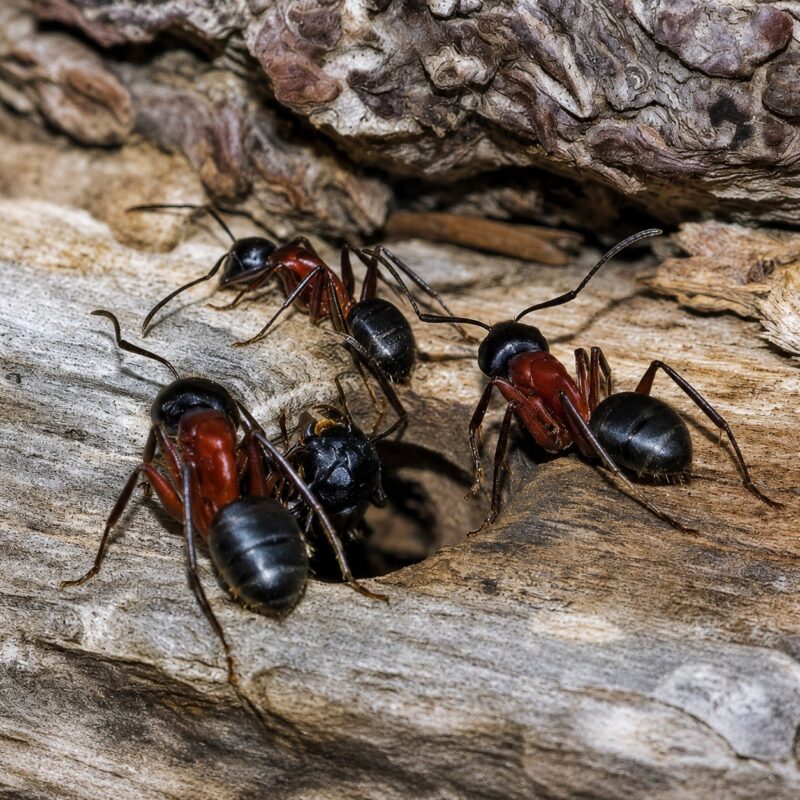
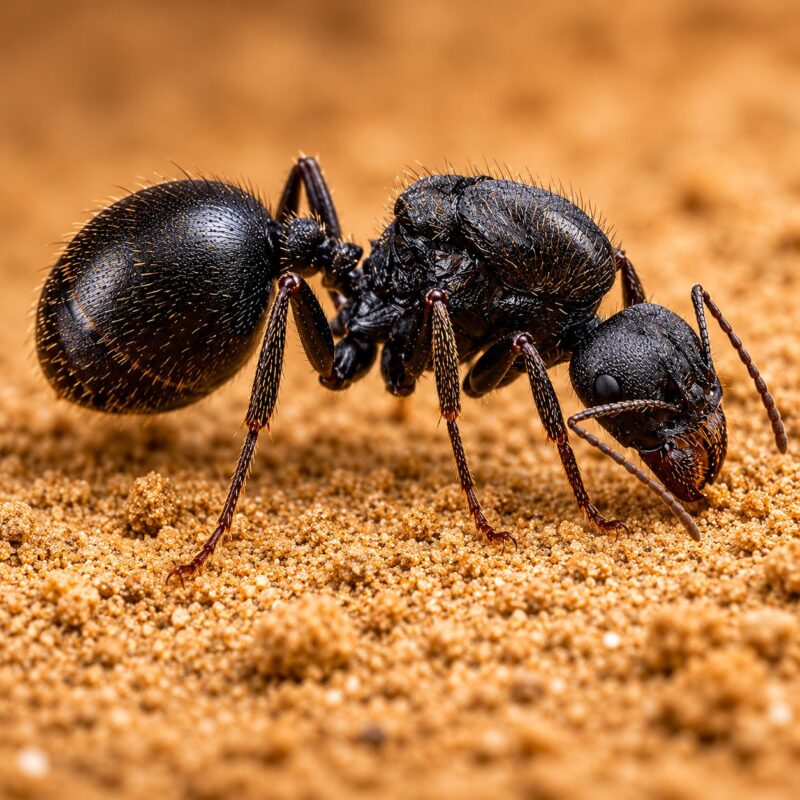
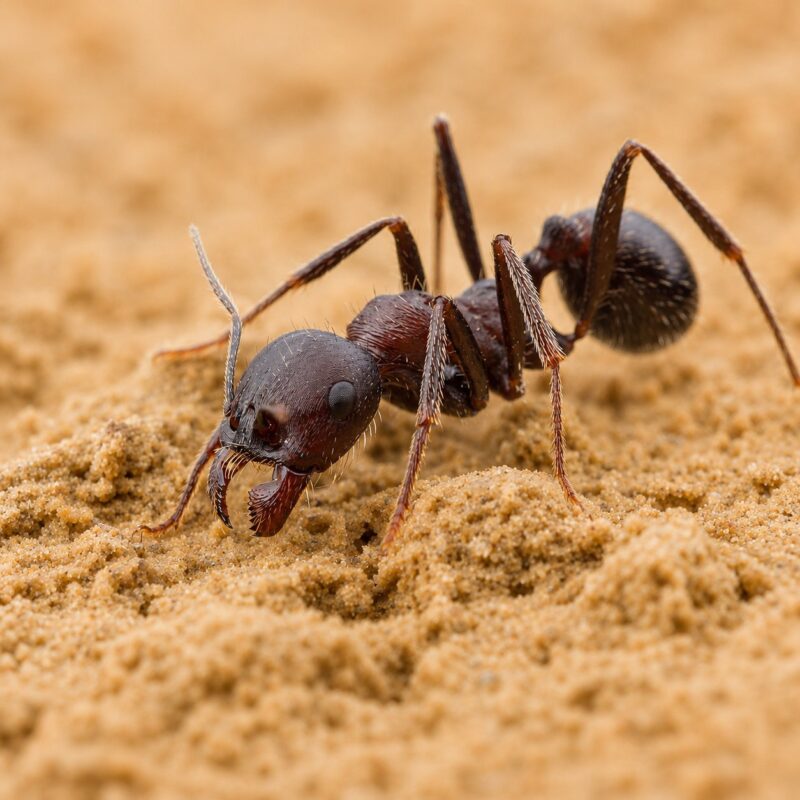
Queens reaching 24 mm and colonies that can pass 30,000 workers make Messor arenarius the giant of the desert harvesters, a showpiece you grow from one huge founding queen. Add a showpiece Messor arenarius colony at ANTonTOP.
Free shipping across Europe over 1299 zł.
DHL / InPost / EMS · ships the EU & worldwide.
Beginner · Q 18-24 mm / W 4-12 mm / S 10-18 mm · Up to 30,000 workers · Not required · Granivore · Egypt (North Africa and the Middle East) · Sting (mild), mild bite
Additional information
| Behavior | |
|---|---|
| Keeping difficulty | |
| Origin | |
| Ant size | |
| Hibernation | |
| Sting |
Has sting |
Messor arenarius – Harvester ant
| Origin | Egypt (North Africa and the Middle East) |
|---|---|
| Difficulty | Beginner |
| Colony form | Monogyne (1 queen) |
| Max workers | Up to 30,000 workers |
| Queen | 18-24 mm |
| Worker | 4-12 mm |
| Soldier / major | 10-18 mm |
| Founding | Claustral |
| Temperature | Nest 23-27 °C / Arena 25-30 °C |
| Humidity | Nest 35-50% / Arena 20-40% |
| Hibernation | Not required |
| Diet | Granivore |
| Sting / bite | Sting (mild), mild bite |
| Egg to first worker | ~6-10 weeks |
| Queen lifespan | up to ~20 years |
| Nuptial flight | Dec-Feb |
| Activity | both (nocturnal in hot summer, diurnal cooler) |
Messor arenarius is a giant desert harvester from Egypt, one of the largest you can keep: a beginner-friendly seed-miller that grows from a single big queen into a sizeable, showpiece colony.
Why this species
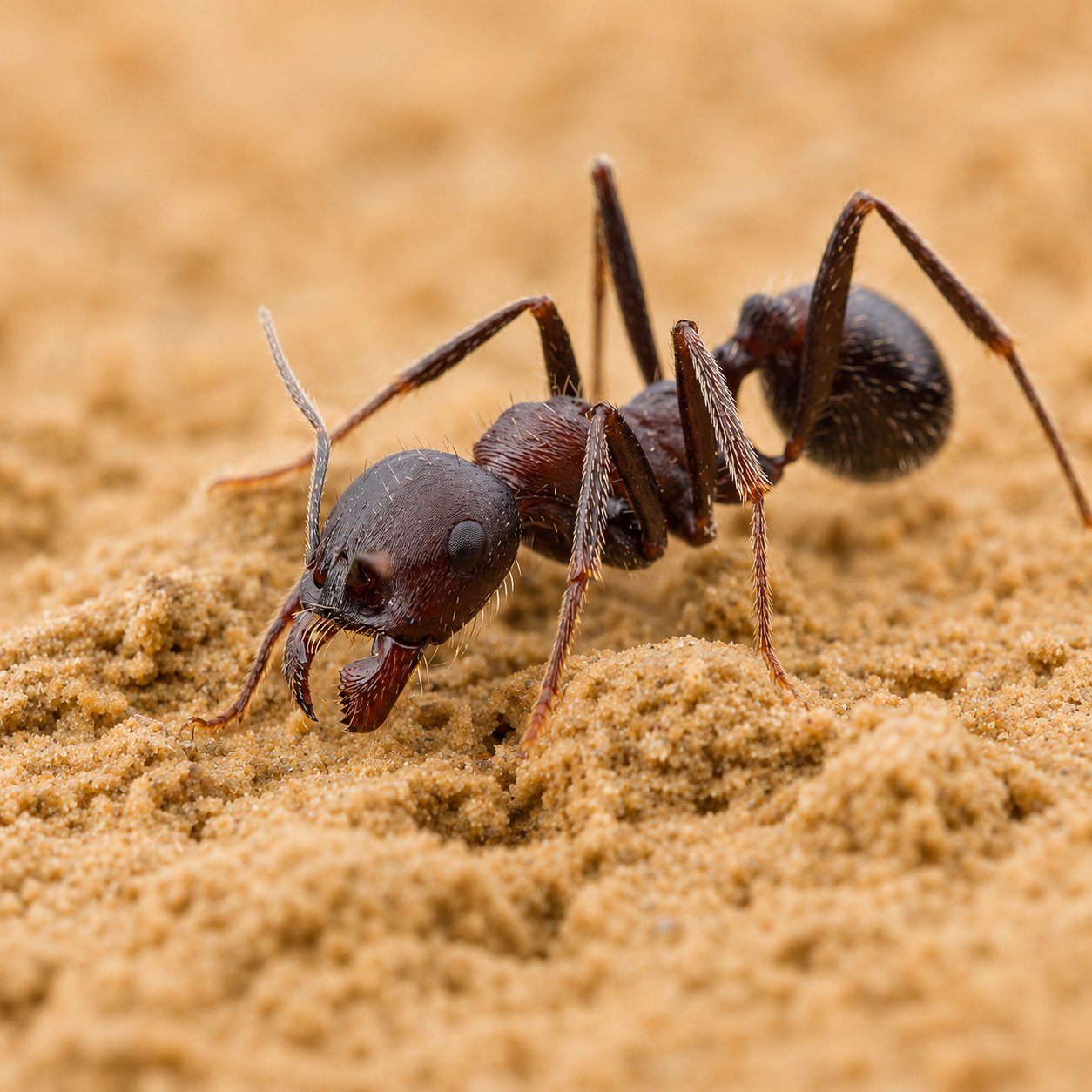
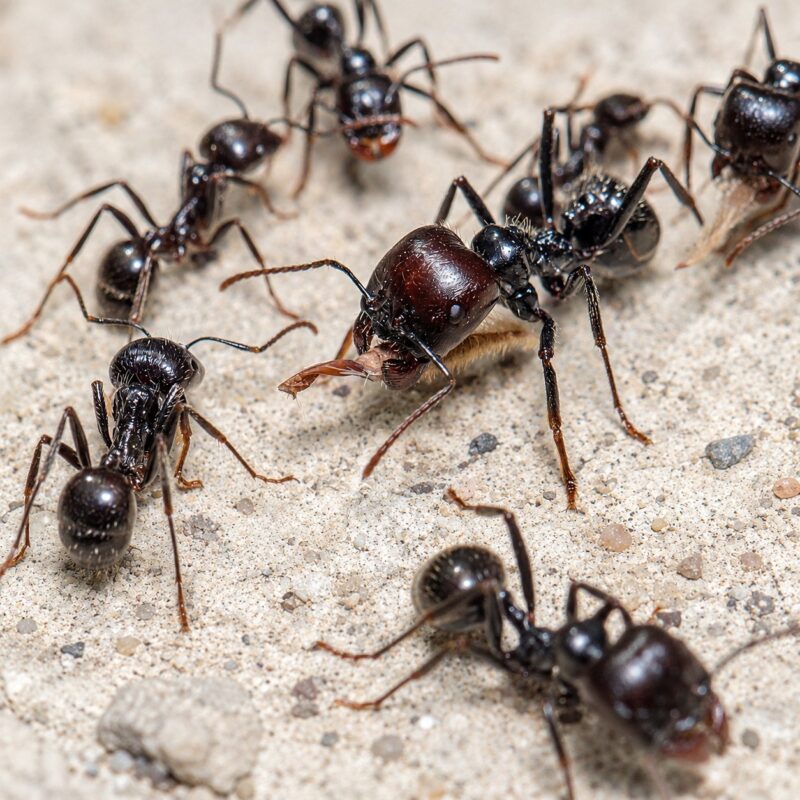
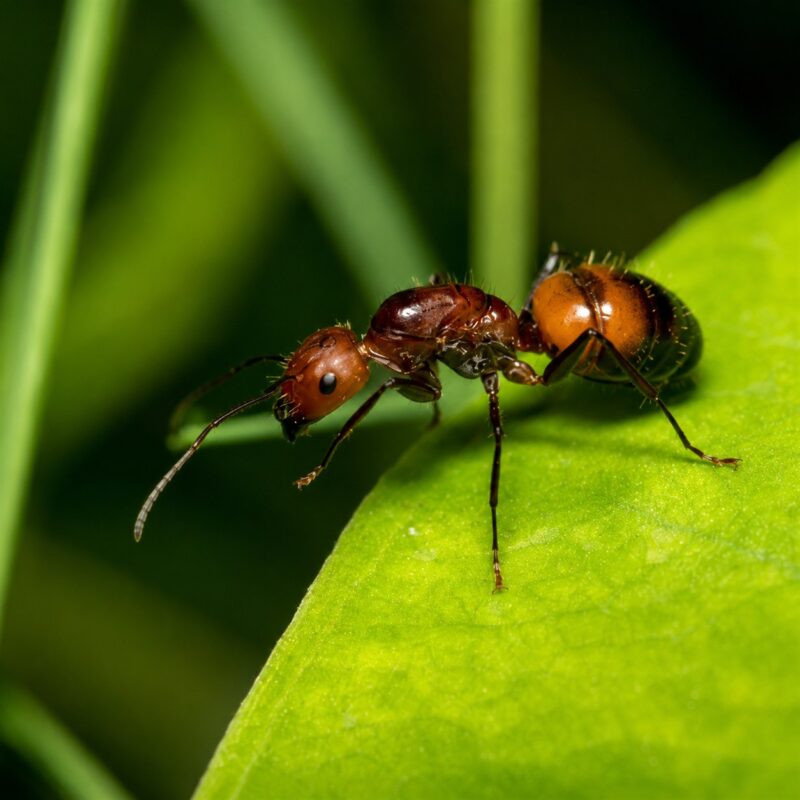
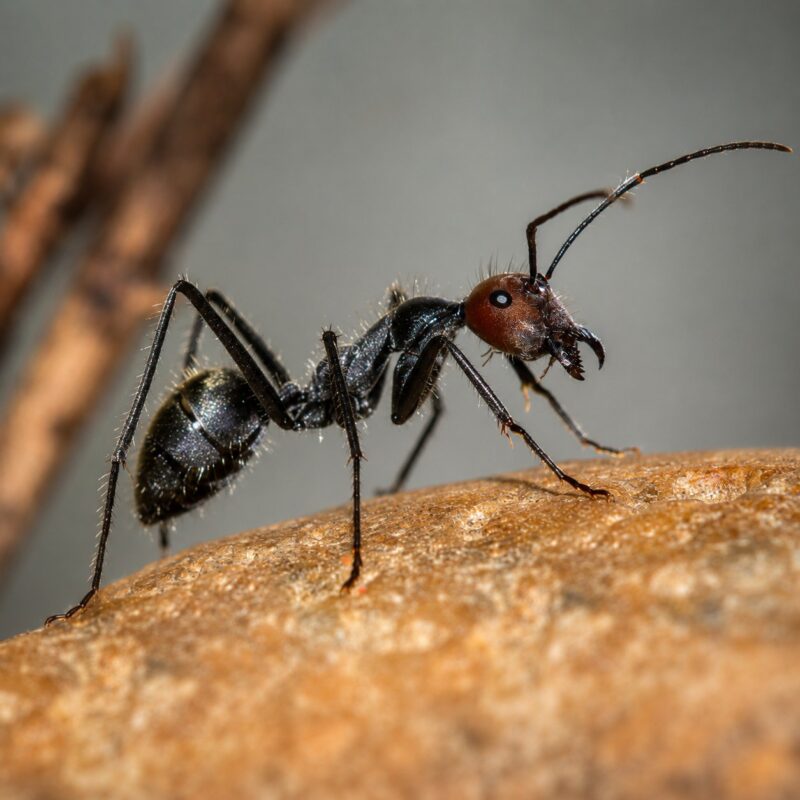
If you want scale, this is the harvester to chase. It is built for hot, dry desert country across Egypt and the wider region, which makes it tough and tolerant of the odd keeper mistake. The real draw is the workforce: a strongly polymorphic team running from tiny minors up to powerful soldiers that crack the toughest seeds, all working the arena at once. It stays a simple granivore with no winter rest to juggle, so the care never outgrows a beginner. Big numbers, big workers and easy handling make it a standout starter or a colony to graduate into.
Feeding
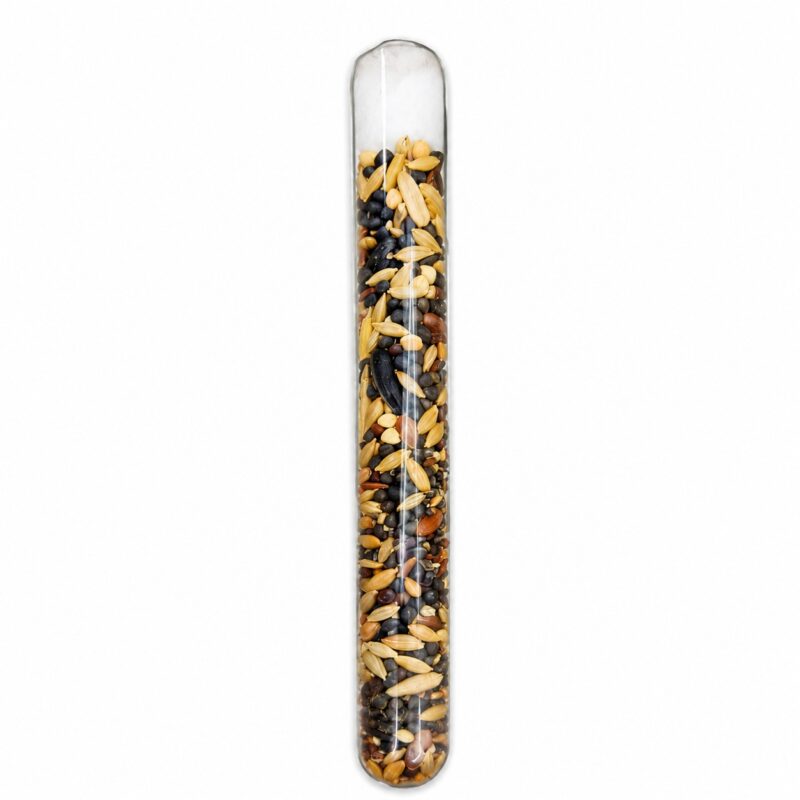
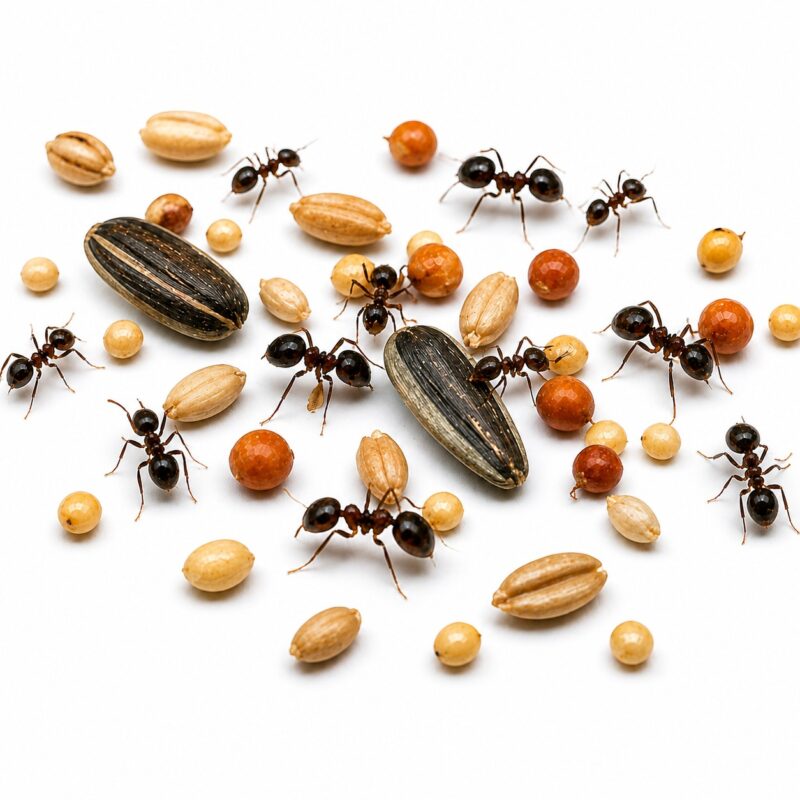
Messor arenarius is a granivore built for the desert. Its strongly size-varied workers gather seeds across a wide range and mill them into stored ant bread, with the biggest soldiers reserved for the hardest grains. Insect protein is taken occasionally to support brood.
| Soft seeds (poppy, sesame, chia, niger) | ★★★ |
| Hard seeds (canary, millet, grass, dandelion) | ★★★ |
| Quinoa / amaranth | ★★ |
| Crickets / flies (for brood) | ★★ |
| Sugar water / honey water | ★ |
| Mealworms | ★ |
| Boiled egg yolk | ★ |
| Soft fruit | ★ |
| Dried insects | ★ |
| Live plant matter | ✗ |
★★★ readily · ★★ moderately · ★ occasionally · ✗ not eaten
Housing & formicarium
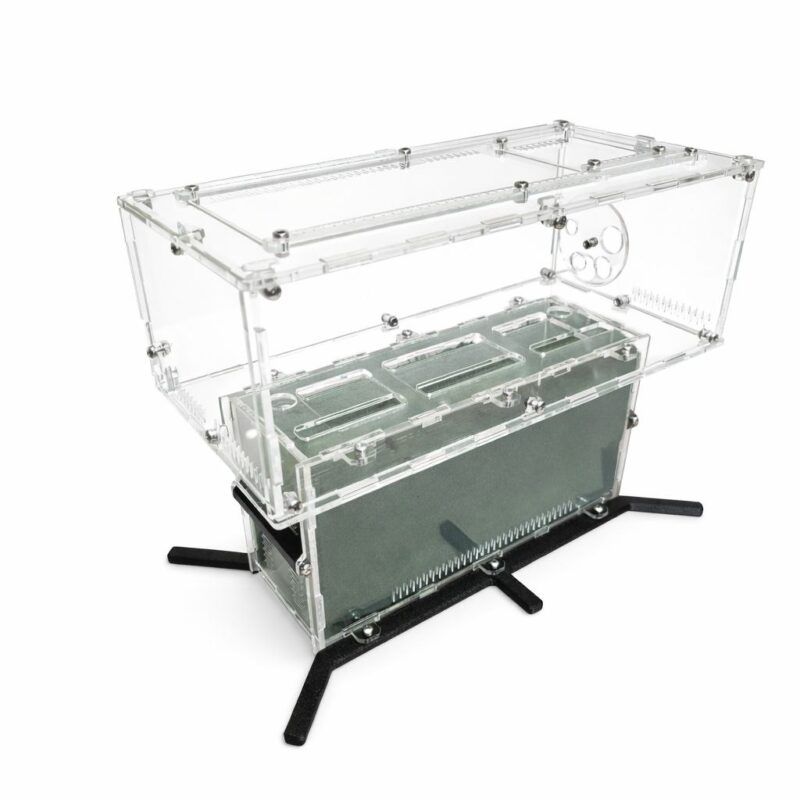
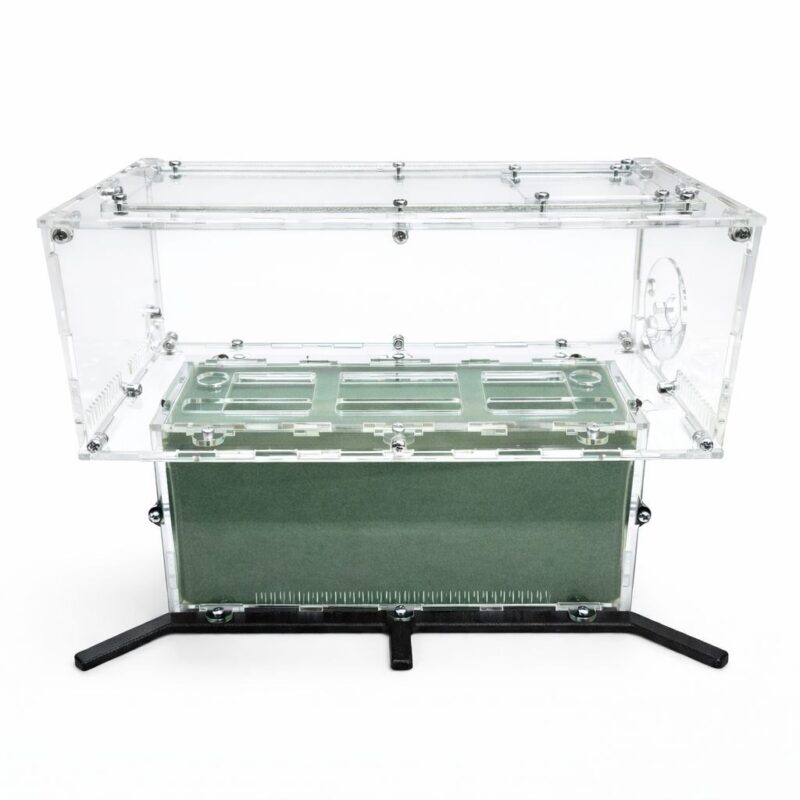
These big harvesters end up commanding tens of thousands, so start modestly in a test tube but plan the space generously. The seed store should stay distinctly dry to keep large grain stocks sound, paired with a damper brood area. A spacious gypsum, stone, or aerated-concrete nest copes with both the dryness and the scale. Given the size of the majors, keep the arena roomy and line its rim with fluon (PTFE), oil, or talc and water. An ANTonTOP formicarium or kit scales nest, arena and barrier with the colony.
Climate & wintering
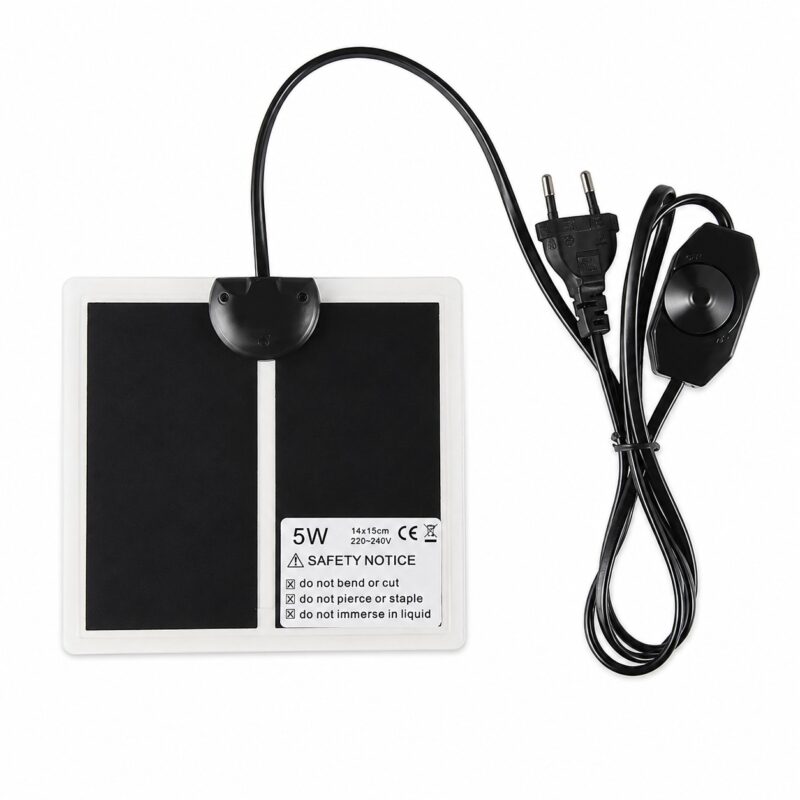
This is a desert ant through and through, so keep it warm and dry: nest at 23-27 °C, arena at 25-30 °C, with low humidity of 35-50% in the nest and 20-40% in the arena. Heat one side only so the colony can pick its spot. No winter rest is needed; keep it active and feeding all year.
Growth forecast + what you receive
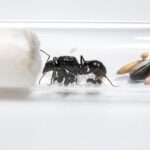
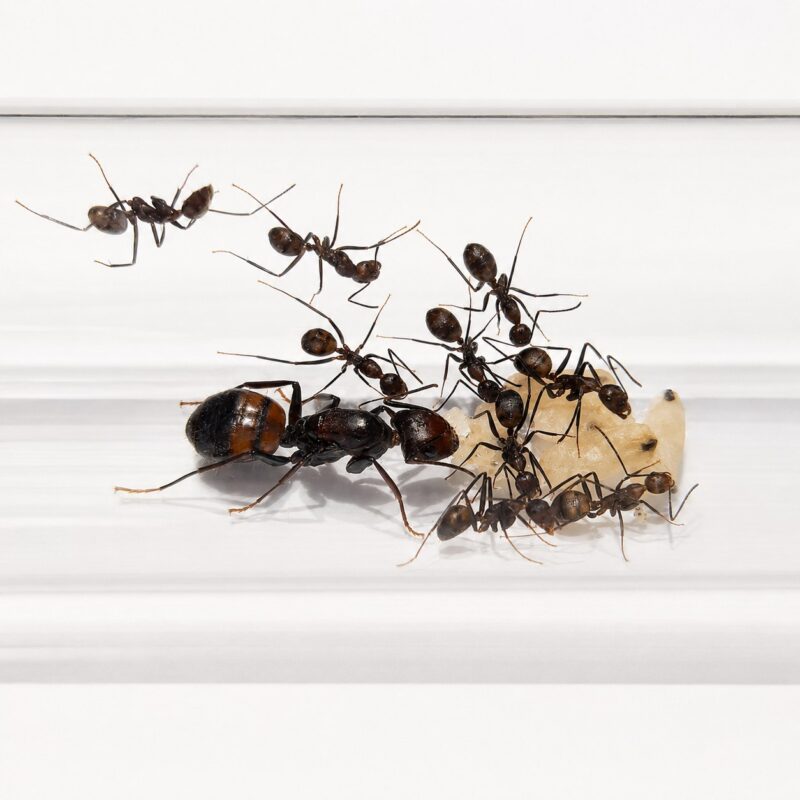
Early growth is steady and then accelerates with numbers, with brood in roughly six to ten weeks and a mature colony climbing toward 30,000 workers. Your colony arrives as a fertilised queen with workers and founding brood, ready to scale up.
Did you know
- Messor arenarius is one of the largest harvester ants in the Old World, and its queens are among the biggest you will see in the genus.
- It is a creature of open sandy desert, foraging across the dunes in the cooler hours and sheltering from the midday heat below ground.
- The strongly polymorphic workforce, from tiny minors to massive majors, lets a single colony exploit nearly every seed size in its habitat.
- In sparse desert vegetation these ants are major seed predators, and their deep, long-lived nests influence which plants grow nearby.
Frequently asked questions
Is Messor arenarius good for beginners?
Yes, it is beginner-rated, just plan for its large adult size.
Does Messor arenarius need a winter rest?
No, hibernation is not required; keep it warm and feeding all year.
Does this desert harvester sting or bite?
It has a sting and a mild bite, but it stays calm and the effect is minor.
How big does the colony get?
Up to about 30,000 workers at maturity.
How big is the Messor arenarius queen?
The queen reaches 18-24 mm, one of the largest Messor queens.
How fast does it grow?
Brood appears in roughly 6-10 weeks, then growth speeds up as numbers build.
What does it eat?
Mainly seeds, plus sugar water or jelly and insects for protein.
How is it shipped and will it arrive alive?
It ships as queen, workers and brood with a heat or cool pack, sent within 24 hours with tracking for a safe, live arrival.
Keeping & shipping essentials
Escape prevention. Coat the inner rim of every open arena with fluon (PTFE), or use talc-and-water or an oil barrier as a backup, and keep a tight, fine-mesh lid on top. Check the barrier regularly, since dust, condensation and feeding debris break a fluon line over time. Keep tubing connectors tight and seal any gaps in the nest.
Keeping reminders. Always offer fresh water and never let the nest dry out completely. Give carbohydrates continuously and protein a few times a week, and remove uneaten insect prey within 24 hours before it moulds. Keep the formicarium out of direct sunlight and away from constant vibration, which stresses a young colony. A water-filled test tube plugged with cotton makes an ideal spare incubator whenever you need one.
Before you buy – do not rehouse too early. Have a test-tube setup or a small formicarium with an outworld and a working barrier ready before your colony arrives. A founding colony grows slowly at first, which is normal. Moving a small colony into a large nest too soon invites mould, mites and stress, and the workers die off one by one. Keep the colony in its open test tube on the arena, plug the nest entrance with cotton, and open up the next chambers only once the colony fills roughly 10-15% of the space.
What we ship. Every colony ships with a live-arrival guarantee, backed by our 24h unboxing-video guarantee: if the queen does not arrive alive, we reship free. Parcels travel with DHL, InPost (PL) or EMS, with a heat or cold pack to suit the season, packed discreetly and securely. We ship across the EU and worldwide, with free shipping over the Europe threshold.
5 reviews for Messor arenarius
Clear filtersShow reviews in all languages (5)

Roman (verified owner) –
TOP ANTS FROM TOP ANT SHOP????
Mathieu (verified owner) –
All perfect, very healthy Queen.
Todo perfecto, reina muy sana y con muchas obreras. Paquete impecable.
Antonio (verified owner) –
That is my 10 Messor colony and in my opinion, looks much better than Messor cephalothes.
5 star to this seller
Niklas (verified owner) –
Ich bestelle hier regelmäßig Kolonien und bin jedes Mal sehr zufrieden. Die Ameisen sind einfach super!
Paweł (verified owner) –
Kolonia Messor arenarius dotarła w świetnym stanie – królowa aktywna, kilkadziesiąt robotnic i mnóstwo jajek. Od razu zabrały się za ziarna. Formikarium z gipsu doskonale trzyma wilgotność, co jest kluczowe dla żniwiarek. Najlepsza kolonia, jaką zamawiałem przez internet. Polecam antontop.com z całego serca!