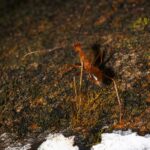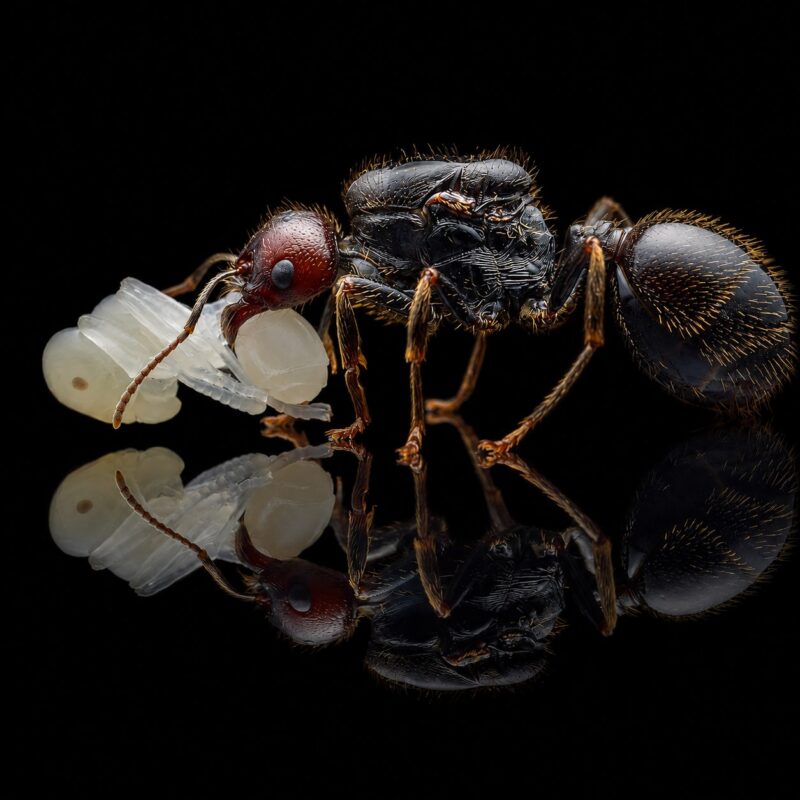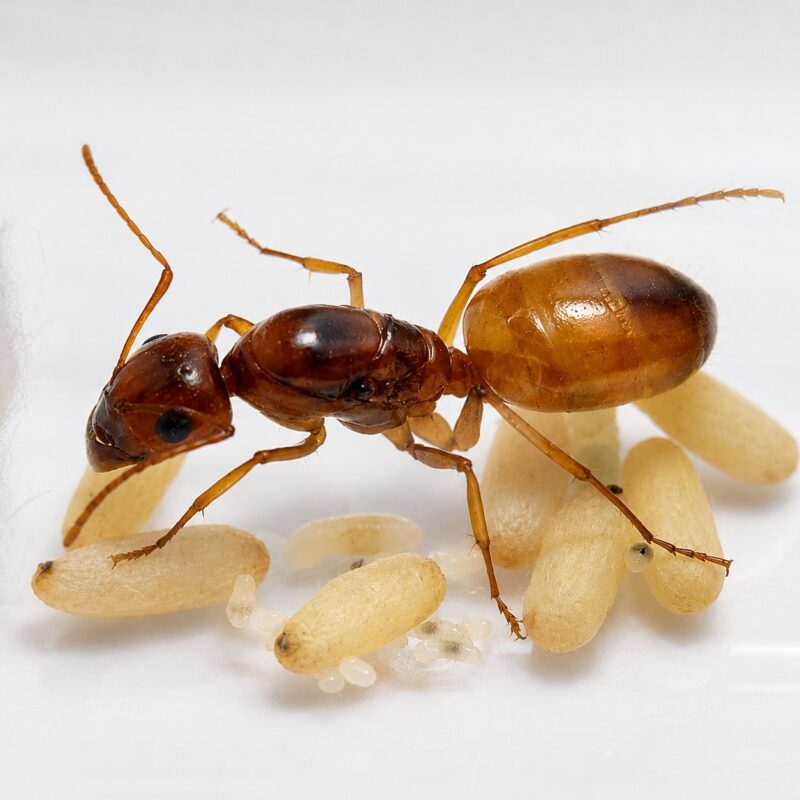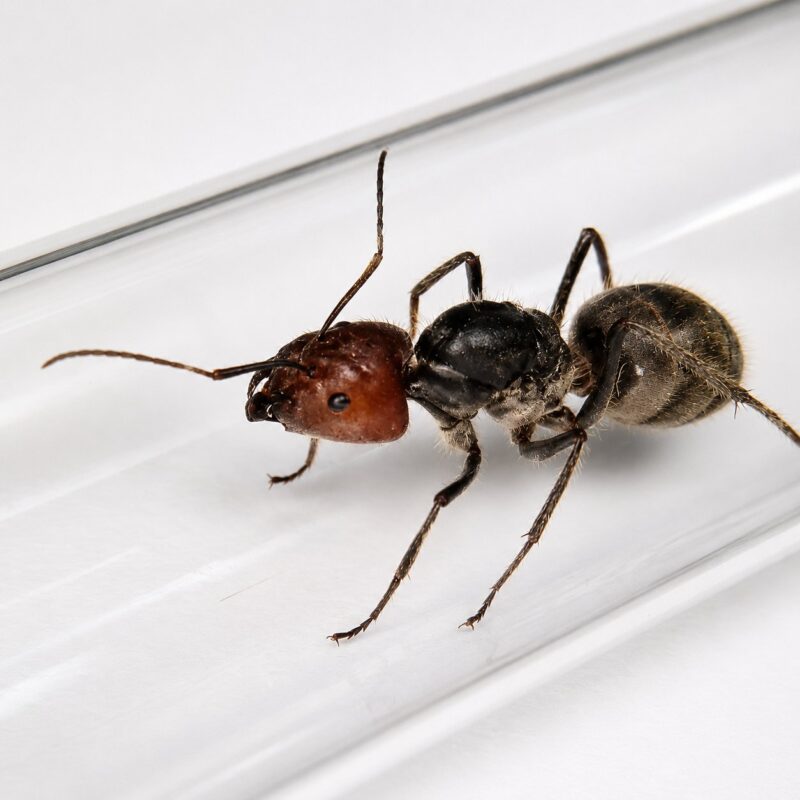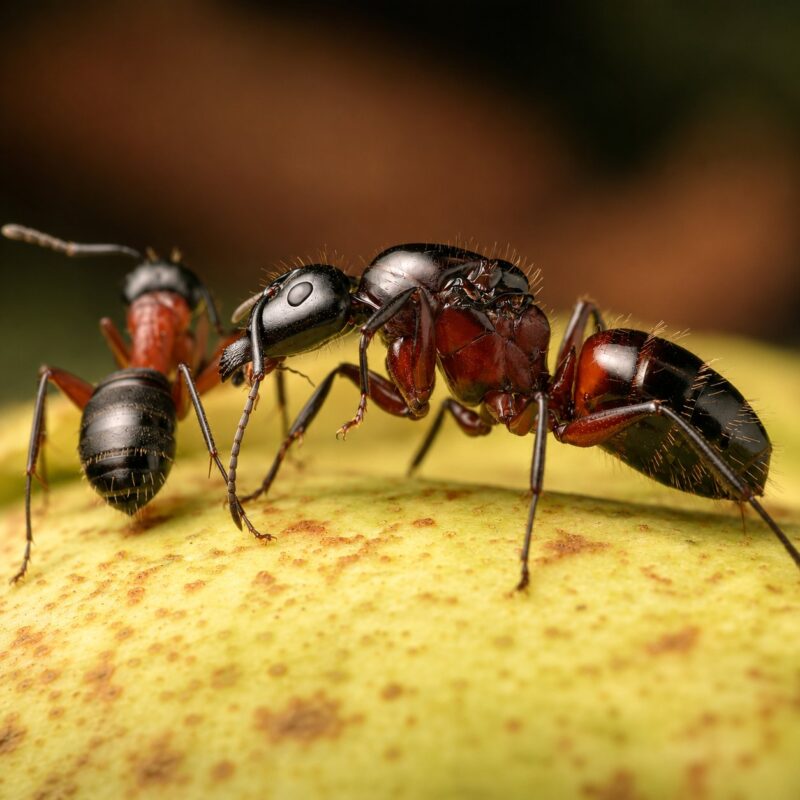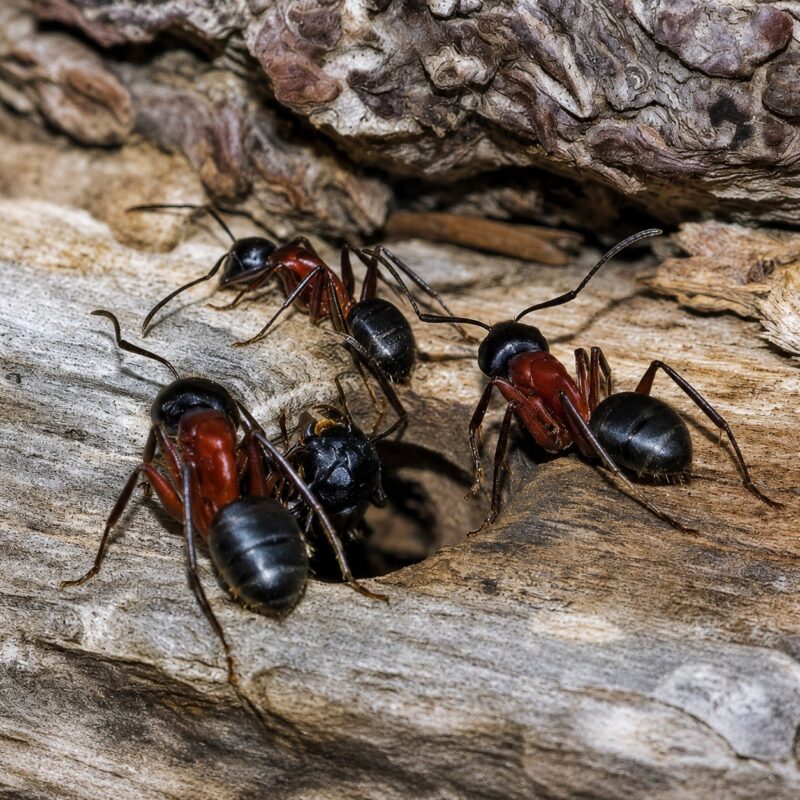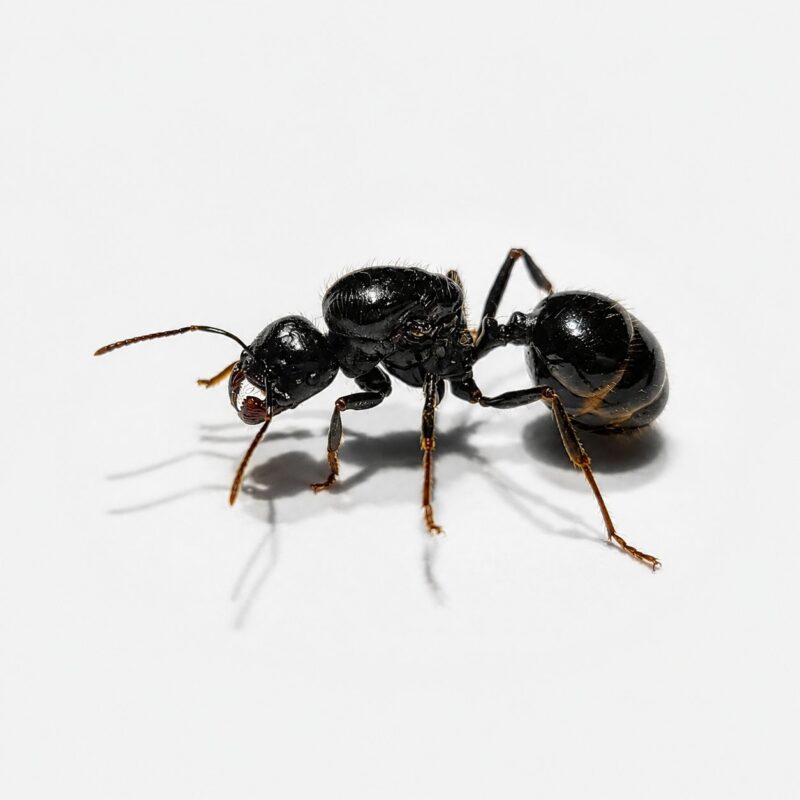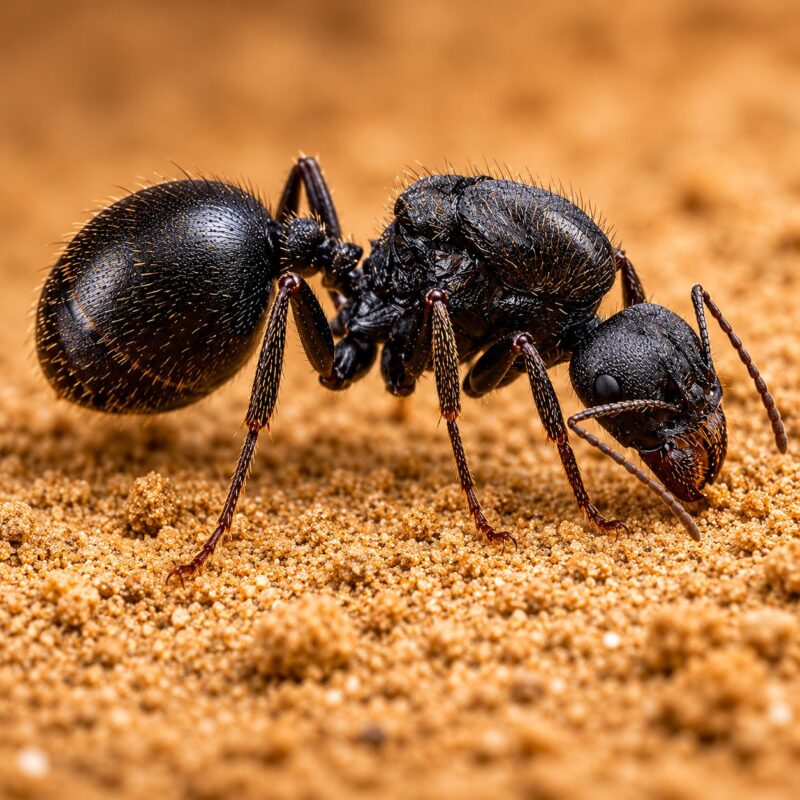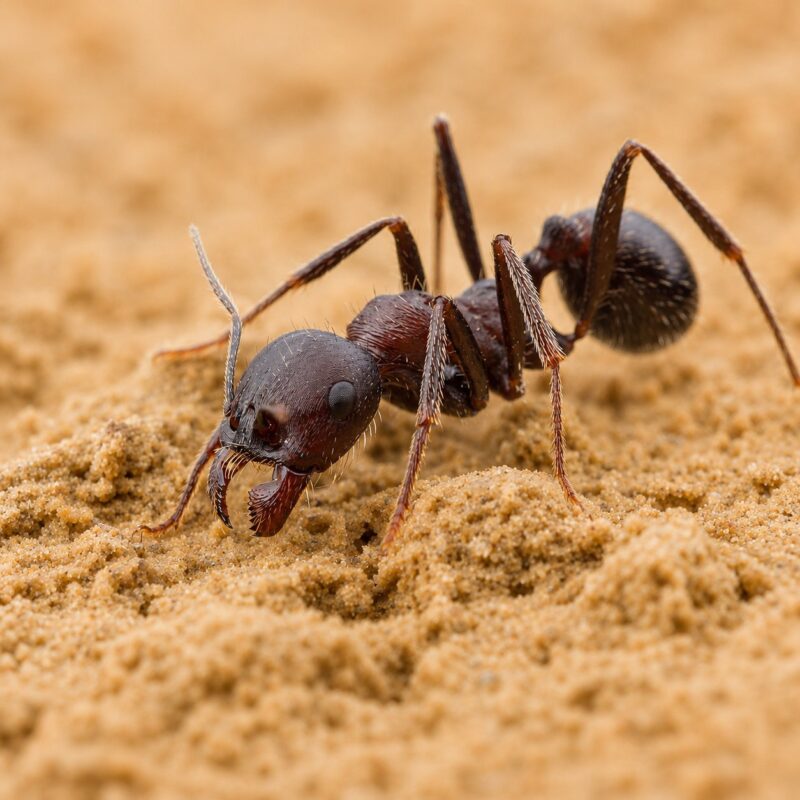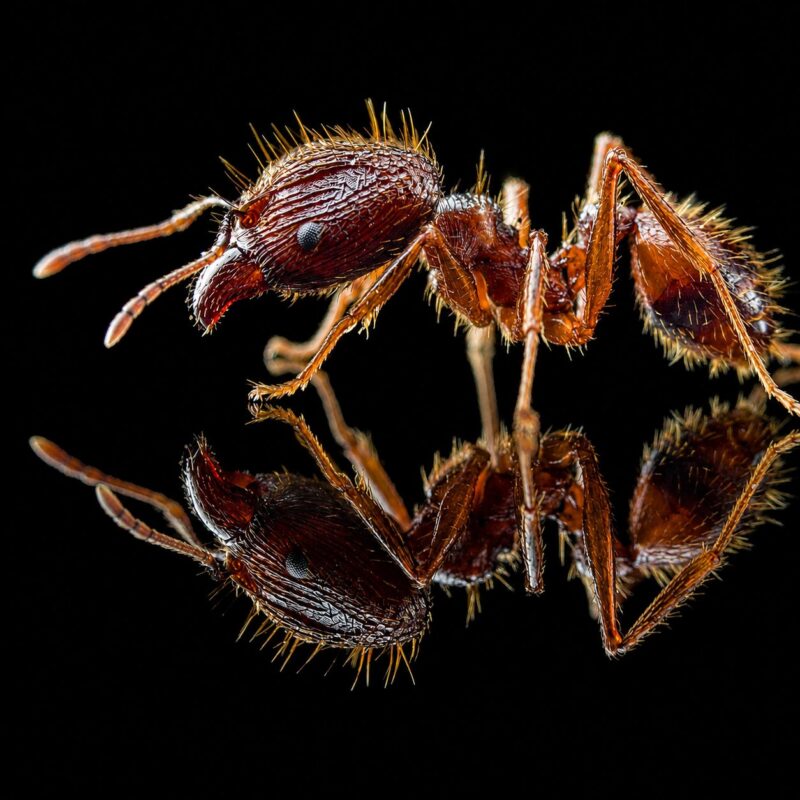

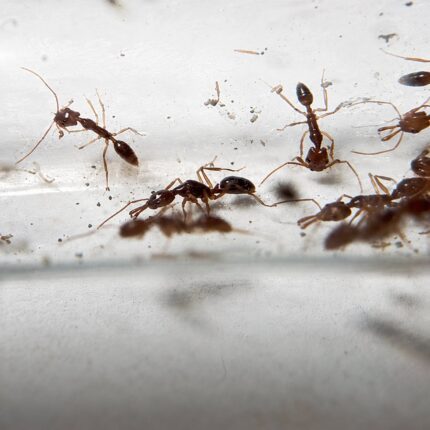
Anoplolepis gracilipes
199,90 zł – 819,90 złPrice range: 199,90 zł through 819,90 zł
Live Queen Guarantee
Heat Pack & Summer Cooling
Fertilised Queen in Every Colony
Ships Within 24 h
Free Care Guide
24/7 Expert Support
Description
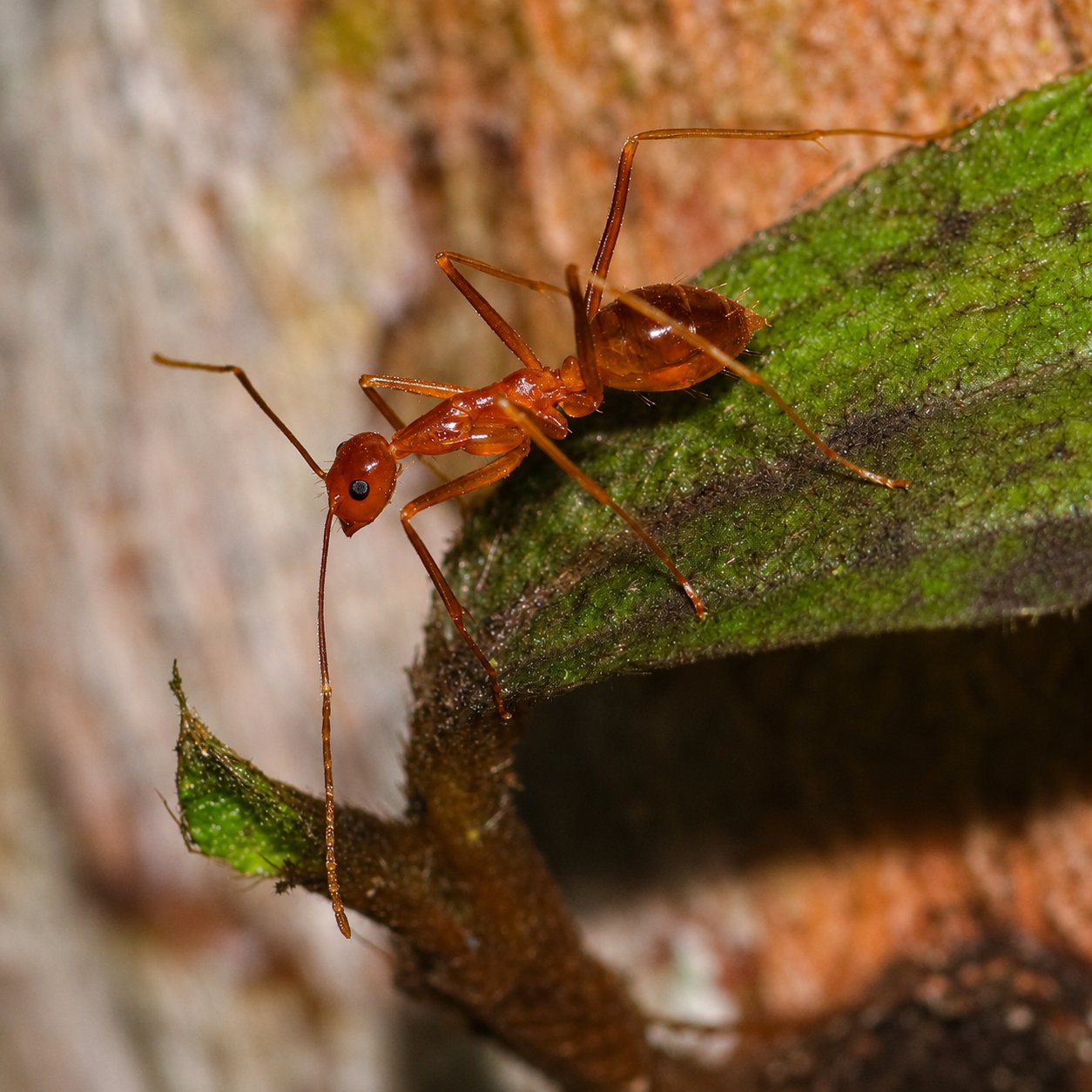
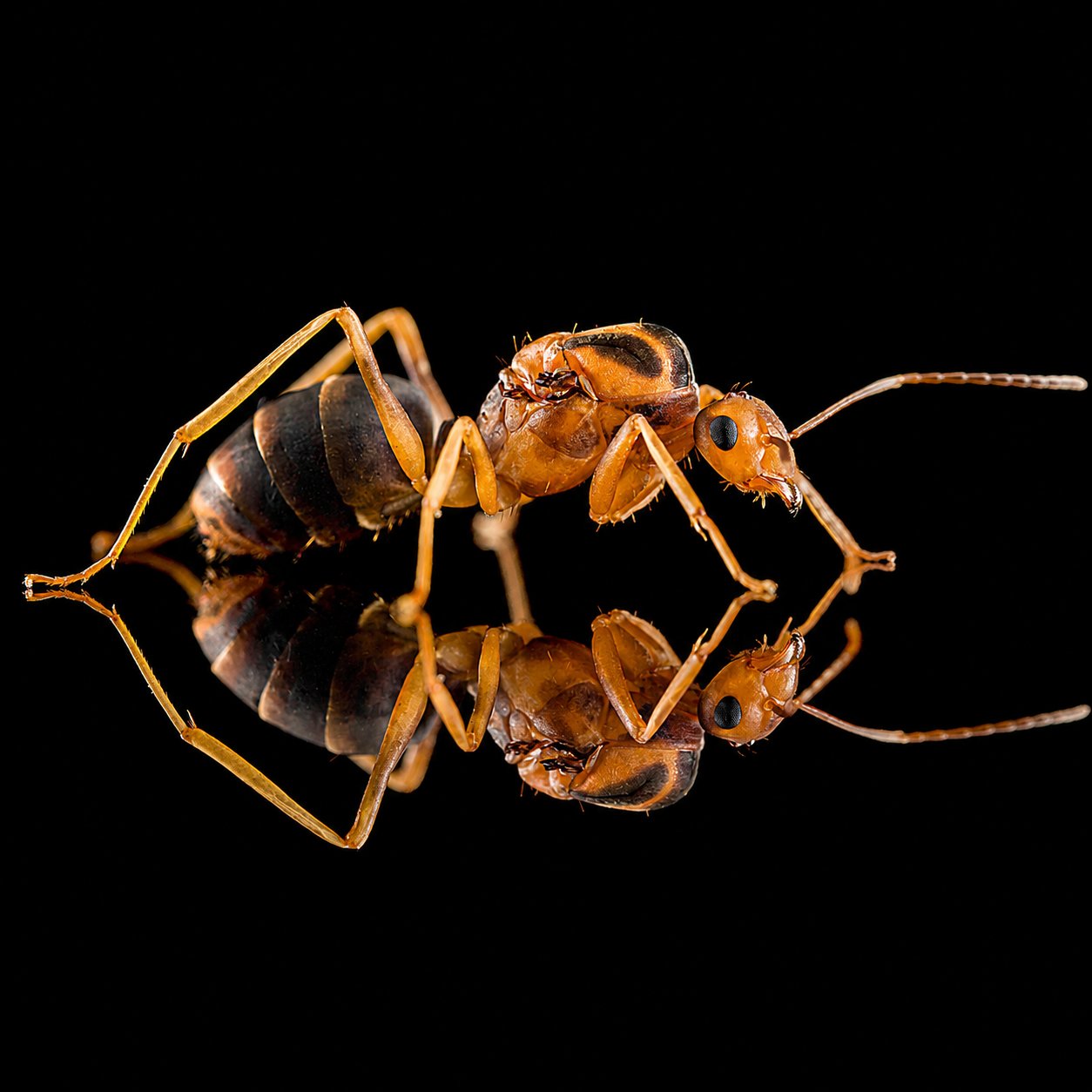
Watch the yellow crazy ant dart about in erratic, jerky bursts, its multi-queen colonies swelling into the hundreds of thousands. Add a showpiece Anoplolepis gracilipes supercolony at ANTonTOP.
Free shipping across Europe over 1299 zł.
DHL / InPost / EMS · ships the EU & worldwide.
Pro · Q 9-11 mm / W 4-6 mm · Up to 500,000 workers (supercolony) · No hibernation (tropical) · Omnivore · Singapore (Pantropical) · No sting, formic acid spray
Additional information
| Behavior | |
|---|---|
| Keeping difficulty | |
| Origin | |
| Ant size | |
| Hibernation | |
| Sting |
No sting |
Anoplolepis gracilipes – Yellow crazy ant
| Origin | Singapore (Pantropical) |
|---|---|
| Difficulty | Pro |
| Colony form | Polygyne (2+ queens) |
| Max workers | Up to 500,000 workers (supercolony) |
| Queen | 9-11 mm |
| Worker | 4-6 mm |
| Soldier / major | – |
| Founding | Claustral |
| Temperature | Arena: 21-30 °C, Nest: 23-27 °C |
| Humidity | Arena: 50-60%, Nest: 60-70% |
| Hibernation | No hibernation (tropical) |
| Diet | Omnivore |
| Sting / bite | No sting, formic acid spray |
| Egg to first worker | ~30-35 days at 26C (~4-5 weeks); 55-60 days at 20-22C |
| Queen lifespan | 2-4 years |
| Nuptial flight | 1-2 months before rainy season |
| Activity | nocturnal/crepuscular |
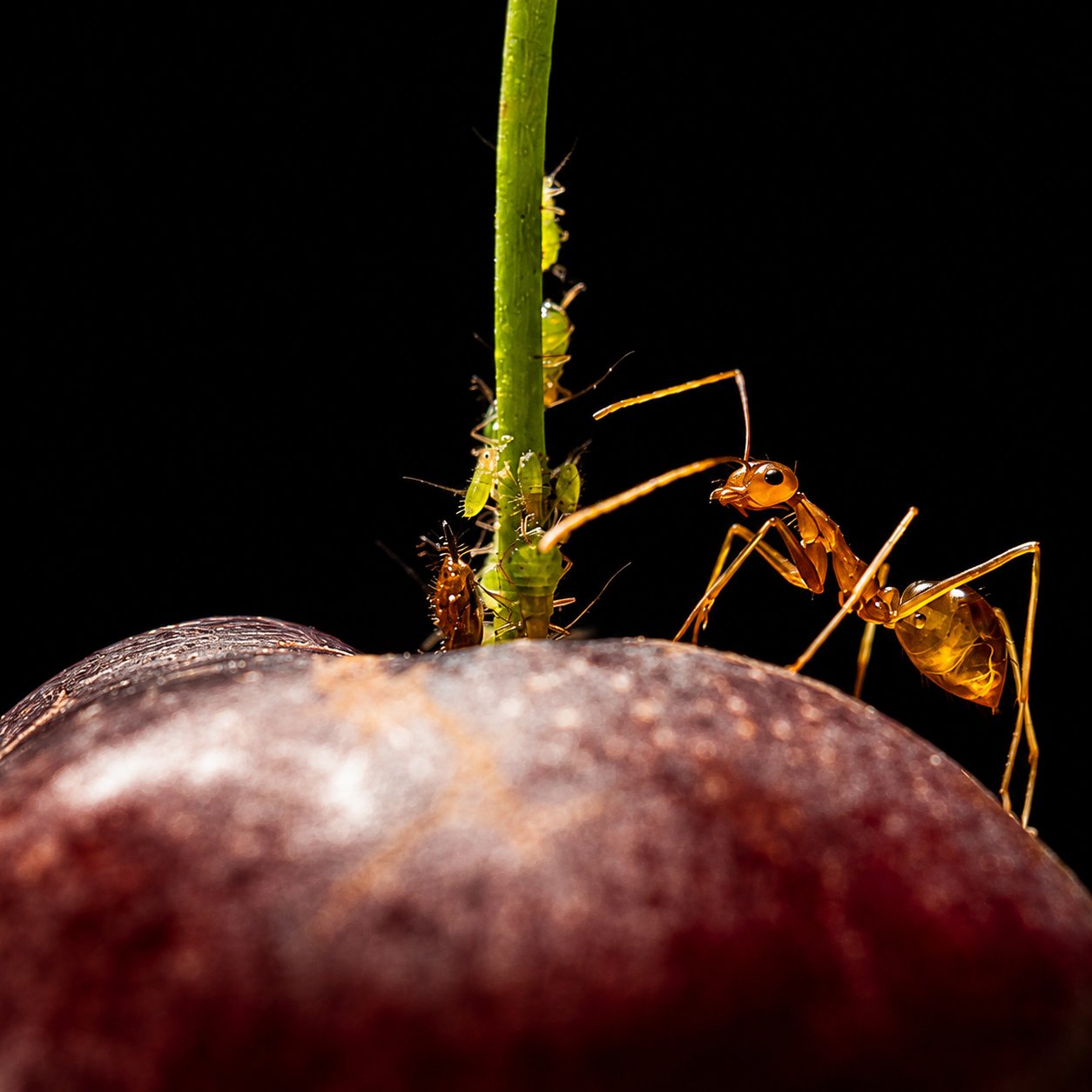
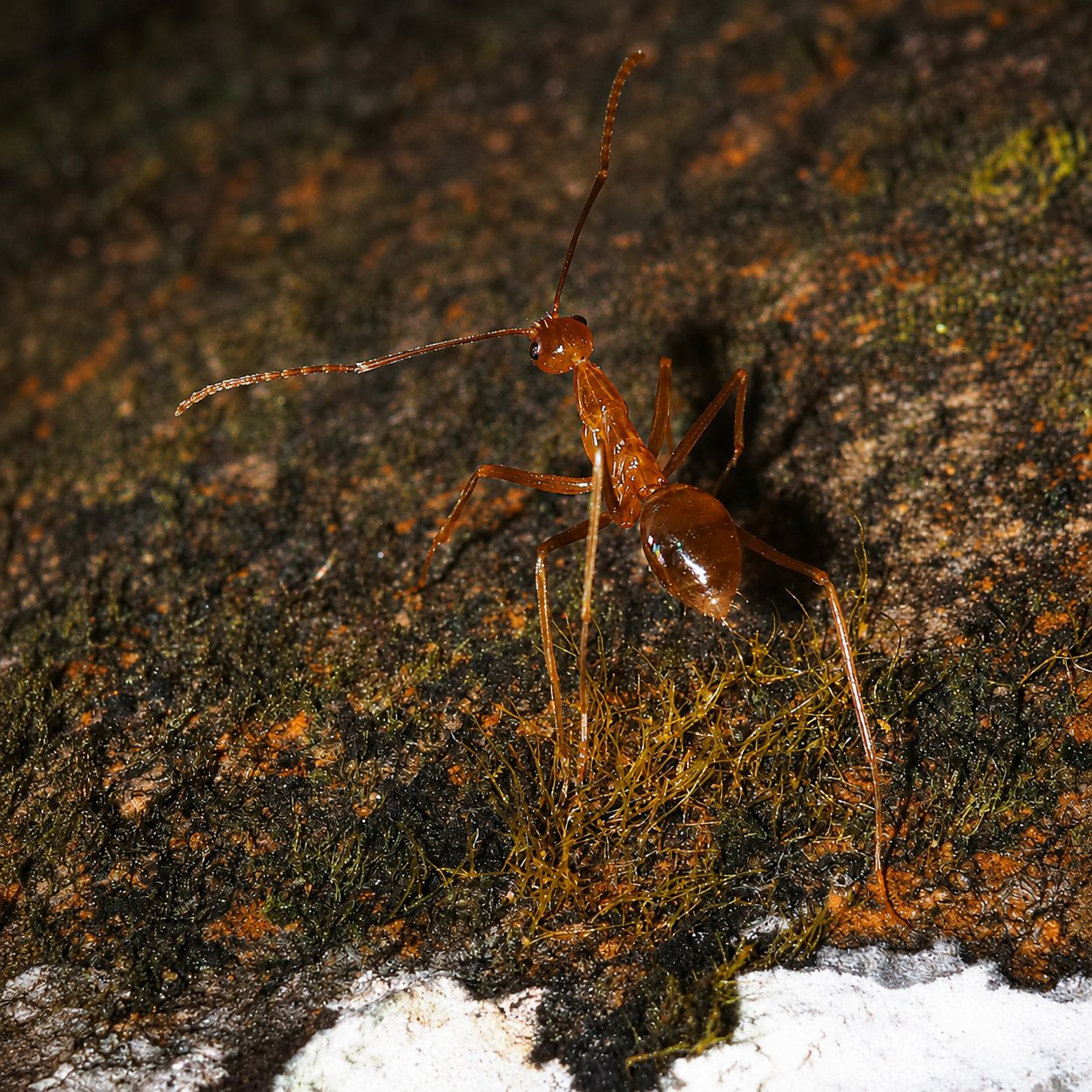
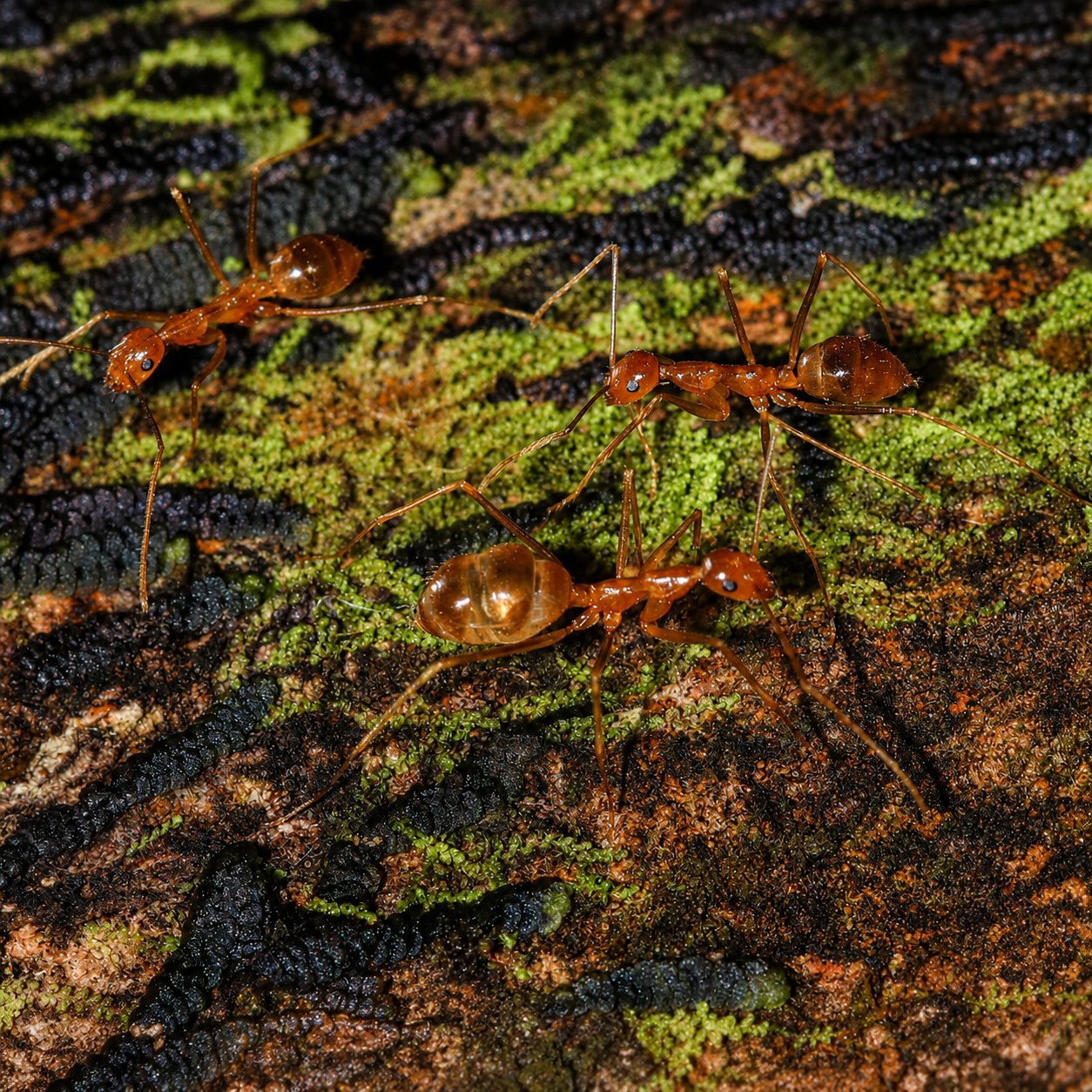
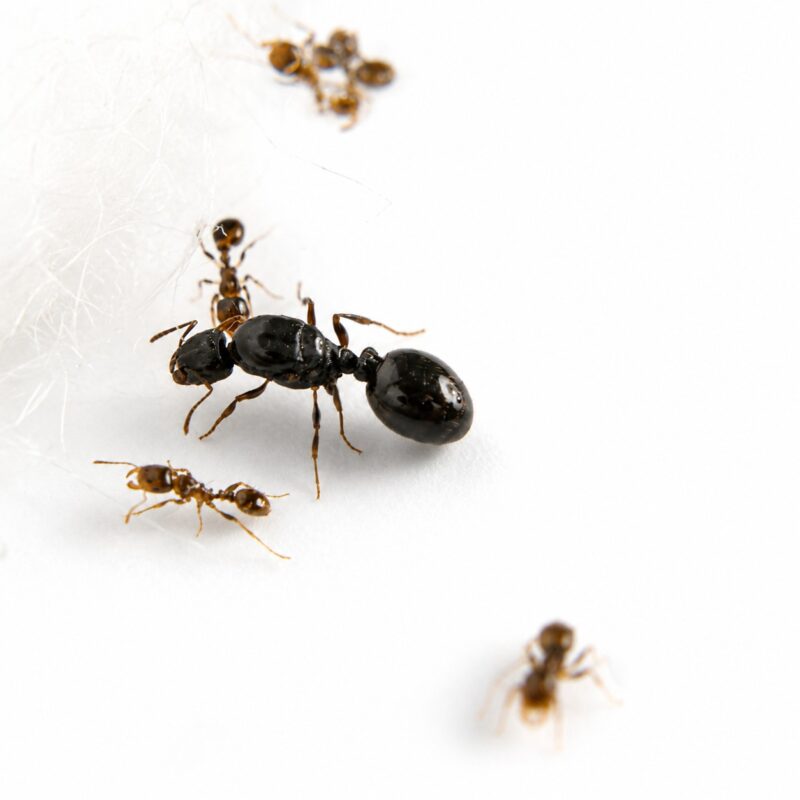
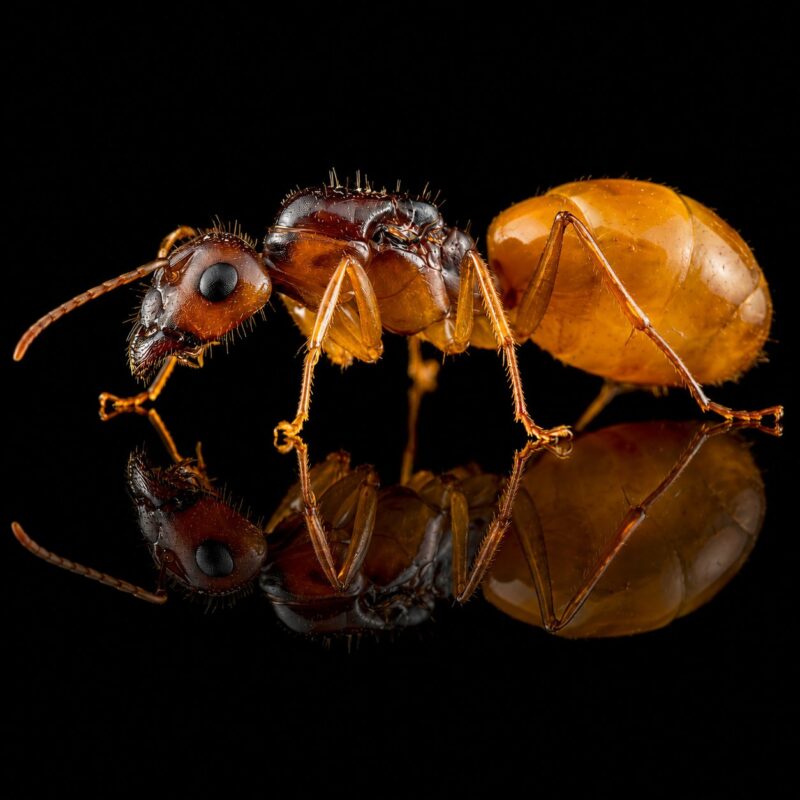
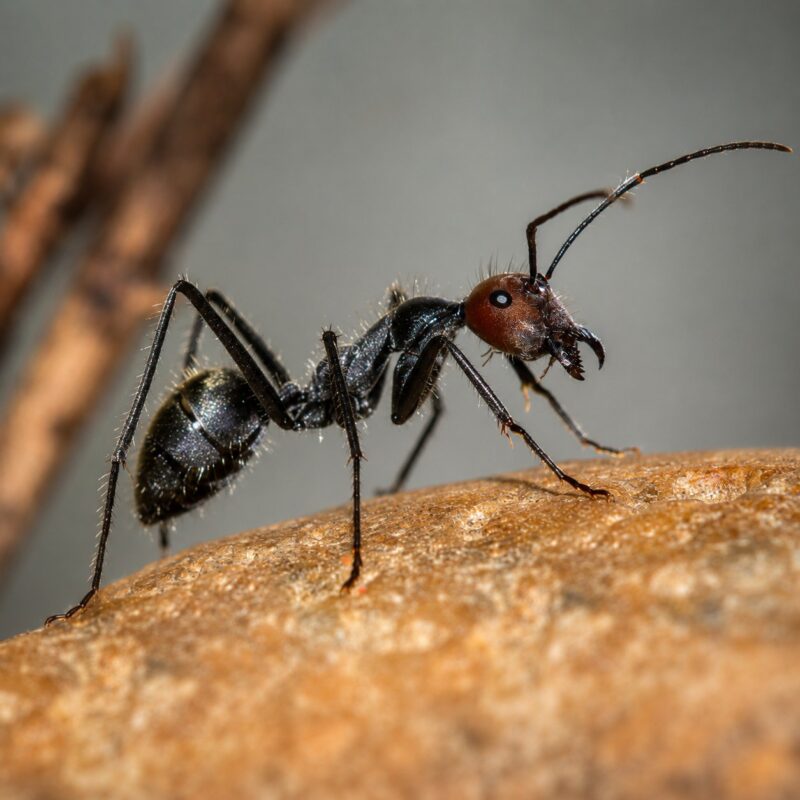
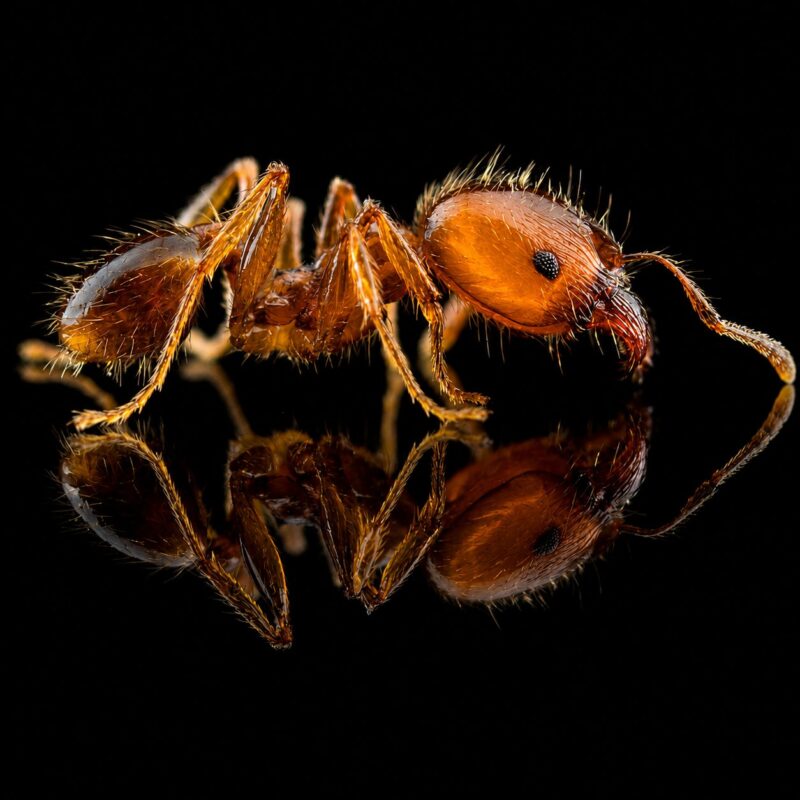
Anoplolepis gracilipes, the yellow crazy ant, is a pale, restless tropical species famous for its erratic darting and supercolonies that can climb into the hundreds of thousands.
Why this species
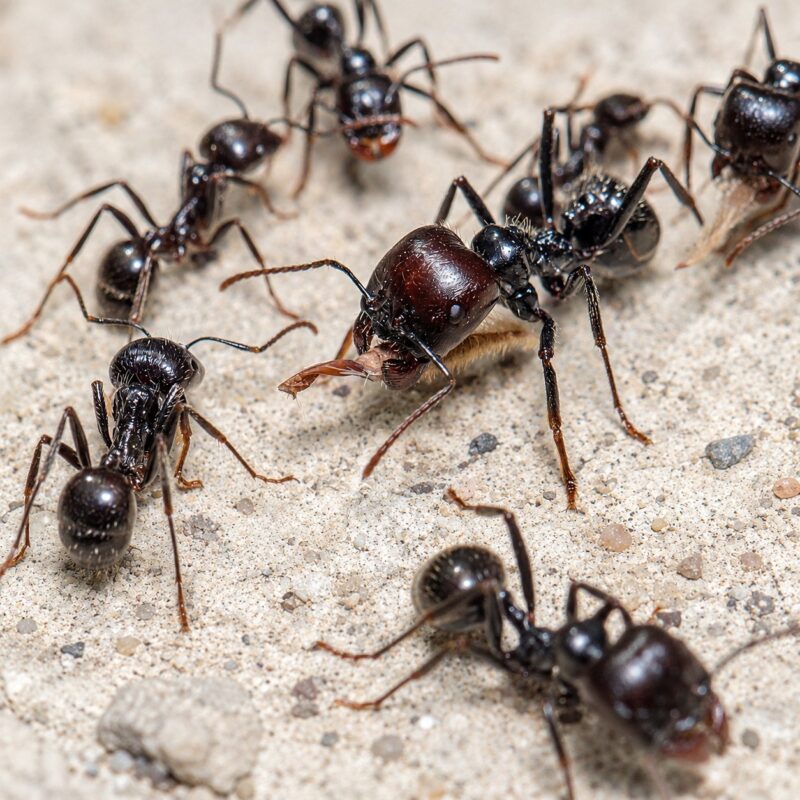
Few ants in the hobby move like this one. The yellow crazy ant earns its name from the frantic, erratic darting it breaks into when disturbed, all long legs and sudden direction changes, which makes even routine foraging lively to watch. Being polygyne, a colony tolerates several queens, and that is the engine behind its enormous supercolony potential. Instead of impressive caste sizes, the show here is sheer restless numbers spreading through the setup. The speed, the multi-queen dynamics and the appetite all reward a keeper who already has a colony or two behind them.
Feeding
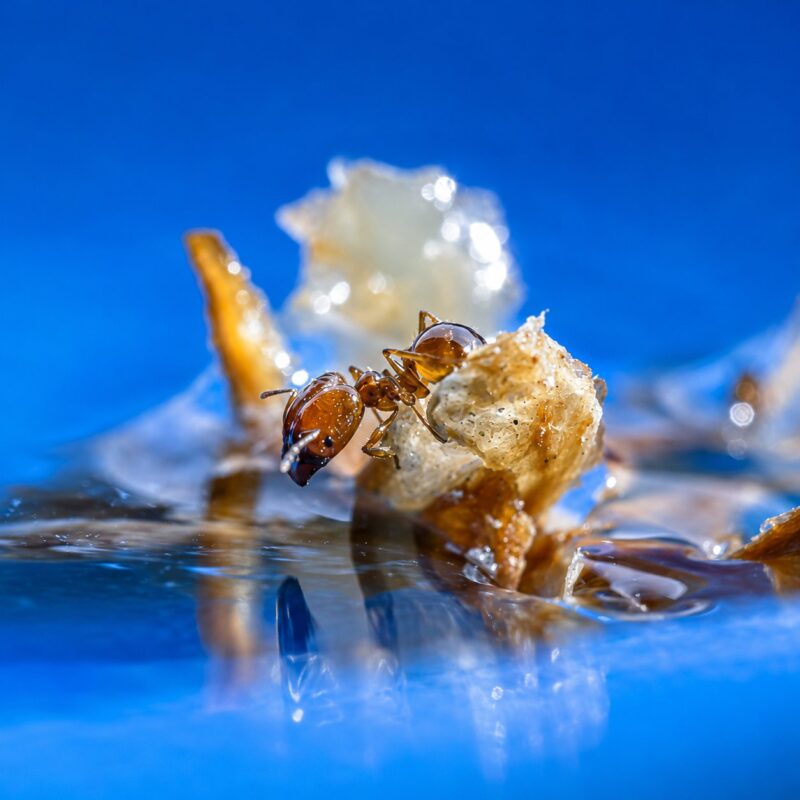
A broad omnivore and opportunist: the long-legged workers scout fast and wide for sugars and any protein they can find, hauling it back to feed a constantly growing brood. Keep sugars on tap and supply regular insect protein to match the colony’s appetite.
| Sugar water / honey water | ★★★ |
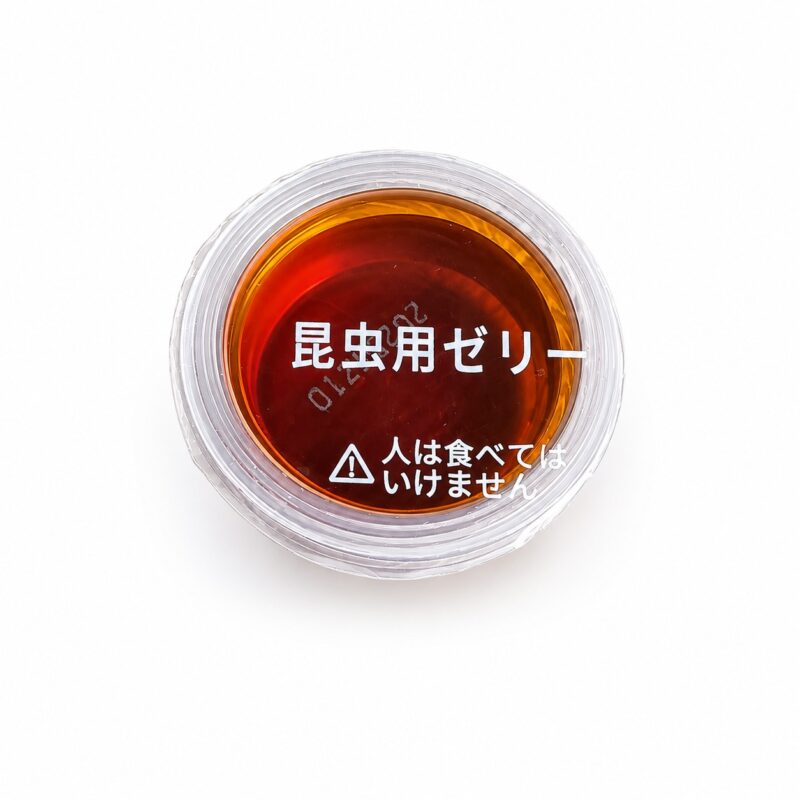
| Ant nectar / sugar jelly | ★★★ |
| Honey | ★★★ |
| Protein jelly | ★★★ |
| Crickets | ★★★ |
| Cockroaches (Dubia / Turkish) | ★★★ |
| Fruit flies (Drosophila) | ★★★ |
| Houseflies | ★★★ |
| Mealworms | ★★ |
| Superworms | ★★ |
| Locusts | ★★ |
| Boiled egg yolk | ★★ |
| Boiled lean chicken / shrimp / meat | ★ |
| Soft fruit (apple, pear, banana) | ★ |
| Dried insects | ★ |
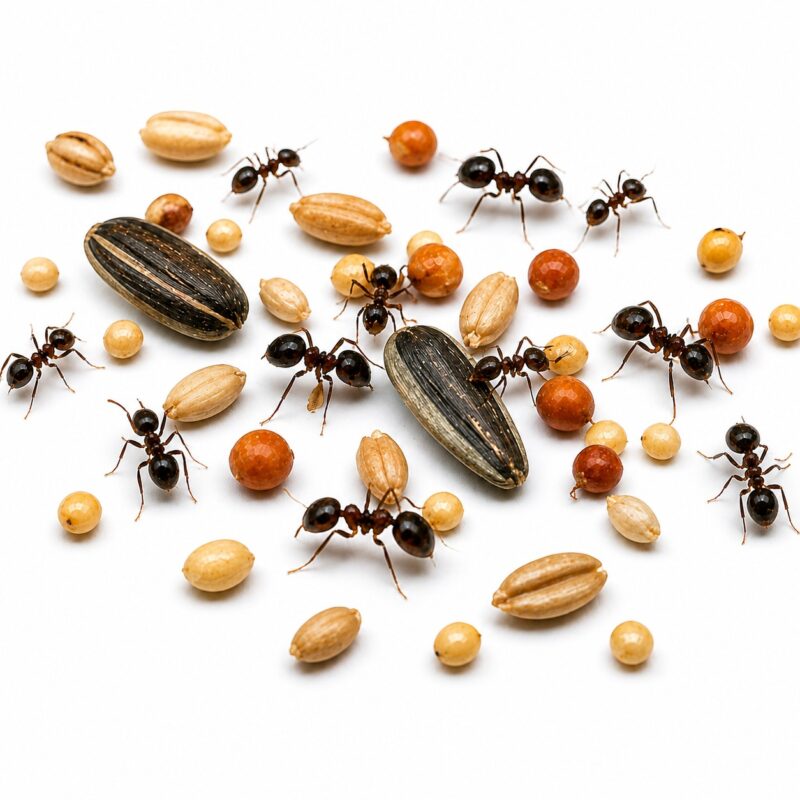
| Soft seeds (poppy, sesame, chia) | ✗ |
| Hard seeds (canary, millet, sunflower) | ✗ |
★★★ readily · ★★ moderately · ★ occasionally · ✗ not eaten
Housing & formicarium
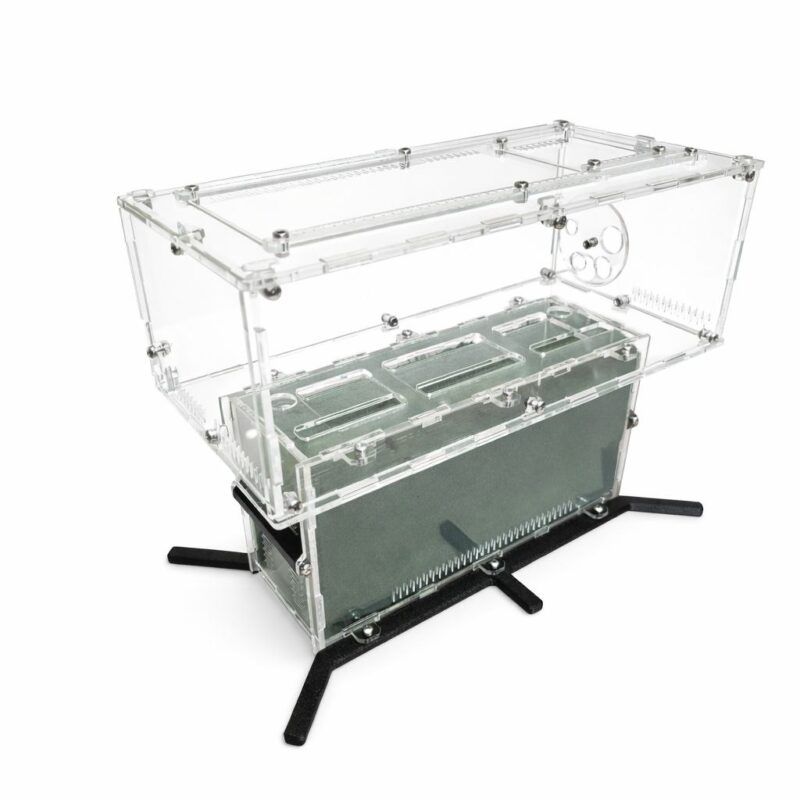
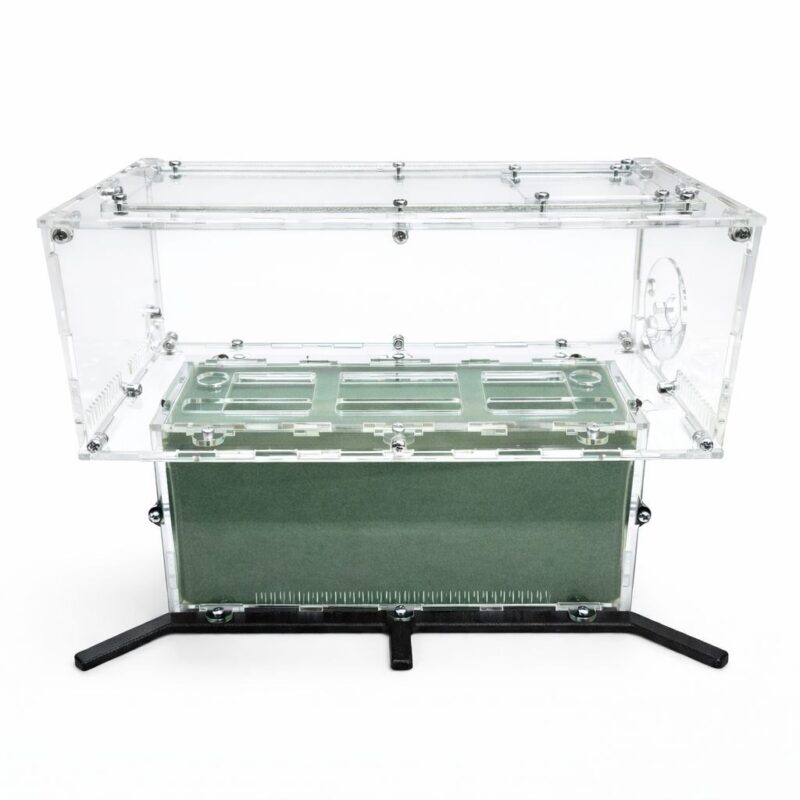
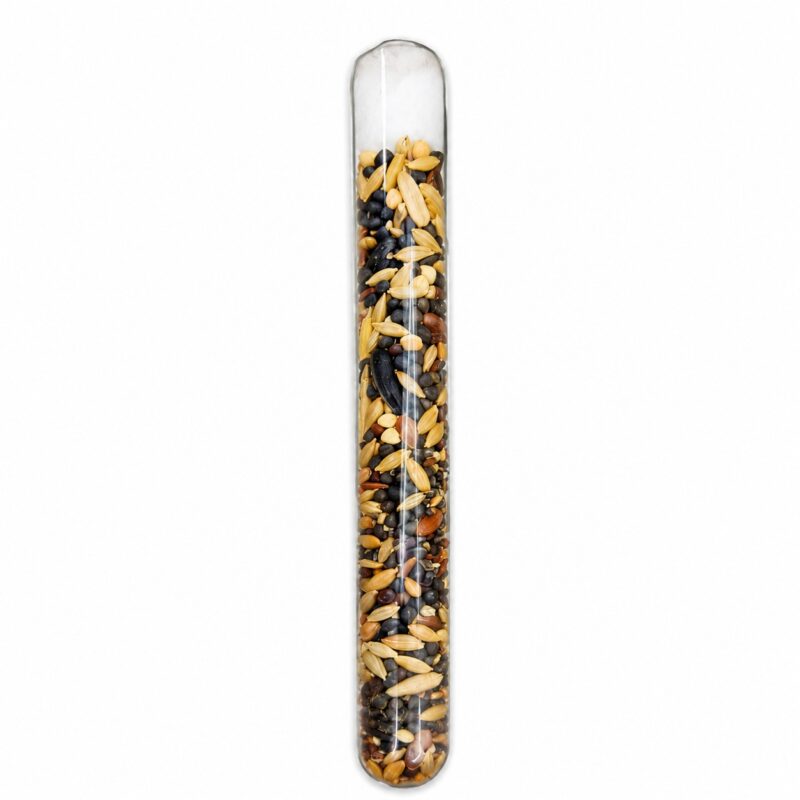
Begin in a test tube or compact starter nest, then move into a ytong, acrylic or aerated nest as numbers climb. With this species they climb fast, so plan the next size up early rather than scrambling later. A dependable escape barrier is non-negotiable for so active an ant: keep fluon (PTFE) around the arena rim, with oil or talc-and-water as backup. ANTonTOP formicaria and starter kits carry a colony from founding through to a large outworld in one system, sparing it a stressful rehouse mid-boom.
Climate & wintering
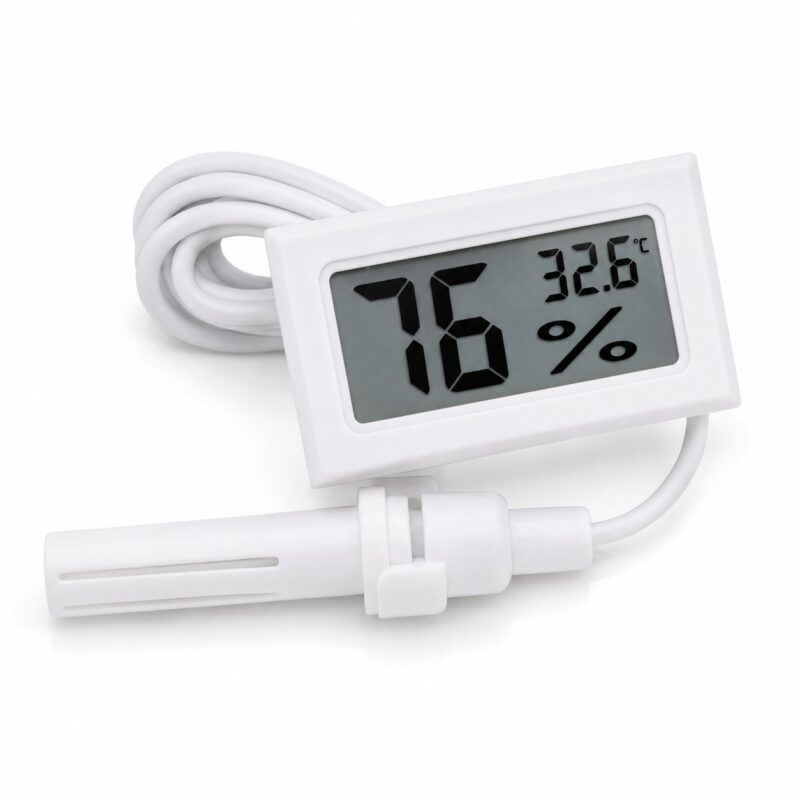
Run the arena across 21-30 °C and the nest at 23-27 °C, with arena humidity around 50-60% and a slightly damper nest at 60-70%. Heat one end only, so the colony can string itself out along the gradient and pick its preferred warmth. There is no hibernation; as a tropical ant it stays active and feeding right through the year.
Growth forecast + what you receive
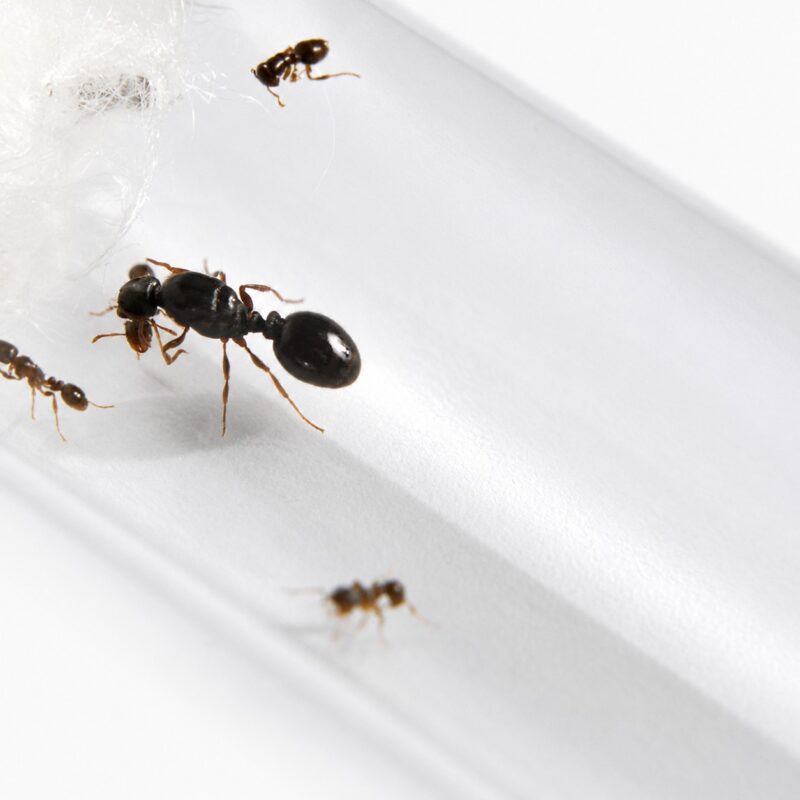
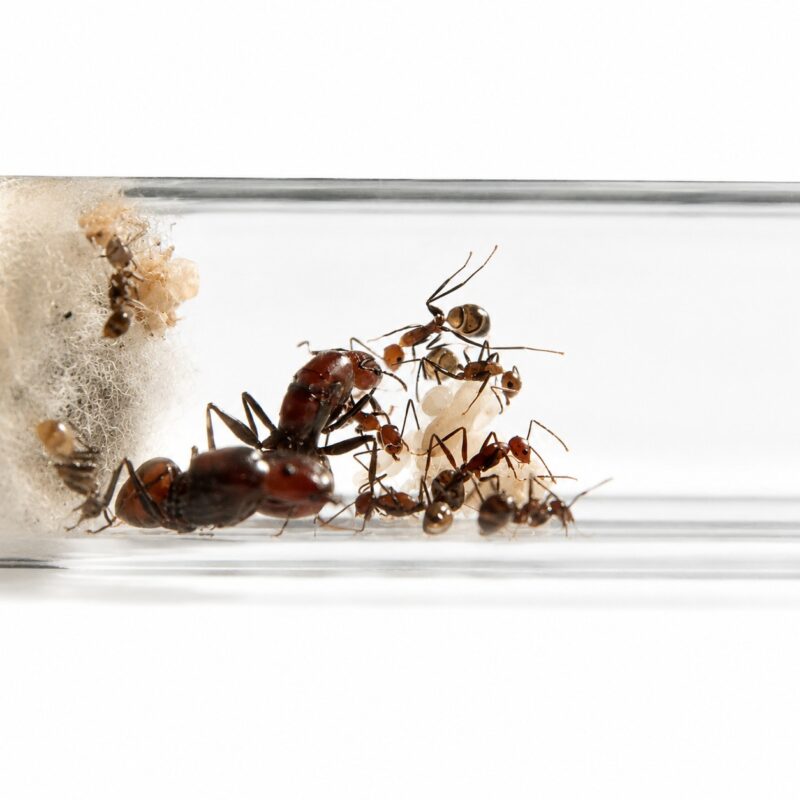
Once founding is past, this species moves quickly, and with several queens pulling together an established colony can reach up to 500,000 workers as a supercolony. Your colony arrives as a queen with workers and brood, the starting core of what can become a vast nest.
Did you know
- The “crazy” name comes from the frantic, zig-zagging way the workers move when disturbed, scattering in all directions on their long legs.
- Anoplolepis gracilipes is listed among the world’s worst invasive species, having spread across tropical islands and coastlines well beyond its native range.
- On Christmas Island its supercolonies devastated the native red land crabs, a textbook case of one invasive ant reshaping a whole ecosystem.
- It has no sting and instead defends itself by spraying formic acid, which it can also use to subdue prey and rivals.
- The ant thrives by tending honeydew-producing scale insects and aphids, and that sugar supply helps drive its huge population booms.
Frequently asked questions
Is this a good first ant?
No, we rate Anoplolepis gracilipes as Pro, best for keepers with prior experience.
Does the yellow crazy ant need a winter rest?
No, it is tropical and stays active all year; just keep feeding and keep it warm.
Does the yellow crazy ant sting or bite?
No sting at all; it defends itself with a formic acid spray.
How big can the colony get?
Up to 500,000 workers as a supercolony, thanks to multiple queens.
How large is the queen?
The queen measures 9-11 mm; workers are 4-6 mm.
How fast does an Anoplolepis gracilipes supercolony grow?
Quickly for a tropical species once the first workers appear, with brood developing in about 4-5 weeks at 26 °C.
What does it eat?
Sugar water or nectar for energy plus insects like crickets and flies for protein.
Will it arrive alive?
Yes, shipped with a heat or cool pack, dispatched within 24 hours and fully tracked.
Keeping & shipping essentials
Escape prevention. Coat the inner rim of every open arena with fluon (PTFE), or use talc-and-water or an oil barrier as a backup, and keep a tight, fine-mesh lid on top. Check the barrier regularly, since dust, condensation and feeding debris break a fluon line over time. Keep tubing connectors tight and seal any gaps in the nest.
Keeping reminders. Always offer fresh water and never let the nest dry out completely. Give carbohydrates continuously and protein a few times a week, and remove uneaten insect prey within 24 hours before it moulds. Keep the formicarium out of direct sunlight and away from constant vibration, which stresses a young colony. A water-filled test tube plugged with cotton makes an ideal spare incubator whenever you need one.
Before you buy – do not rehouse too early. Have a test-tube setup or a small formicarium with an outworld and a working barrier ready before your colony arrives. A founding colony grows slowly at first, which is normal. Moving a small colony into a large nest too soon invites mould, mites and stress, and the workers die off one by one. Keep the colony in its open test tube on the arena, plug the nest entrance with cotton, and open up the next chambers only once the colony fills roughly 10-15% of the space.
What we ship. Every colony ships with a live-arrival guarantee, backed by our 24h unboxing-video guarantee: if the queen does not arrive alive, we reship free. Parcels travel with DHL, InPost (PL) or EMS, with a heat or cold pack to suit the season, packed discreetly and securely. We ship across the EU and worldwide, with free shipping over the Europe threshold.

Mr. ADISON (verified owner) –
Amazing shop????????????
Ordered colony with 2 queens… Got 3????????????
Steve (verified owner) –
Recommended this shop! My 1st time when i get really good colony with brood of this species