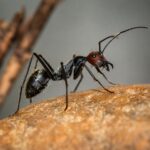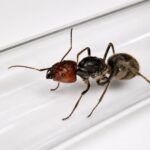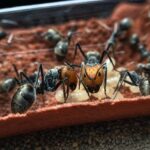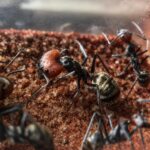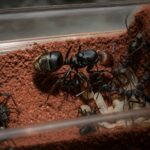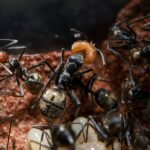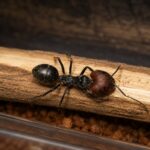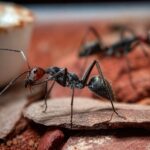

Camponotus singularis
319,90 zł – 739,90 złPrice range: 319,90 zł through 739,90 zł
Live Queen Guarantee
Heat Pack & Summer Cooling
Fertilised Queen in Every Colony
Ships Within 24 h
Free Care Guide
24/7 Expert Support
Description
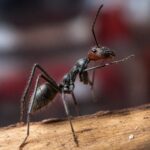
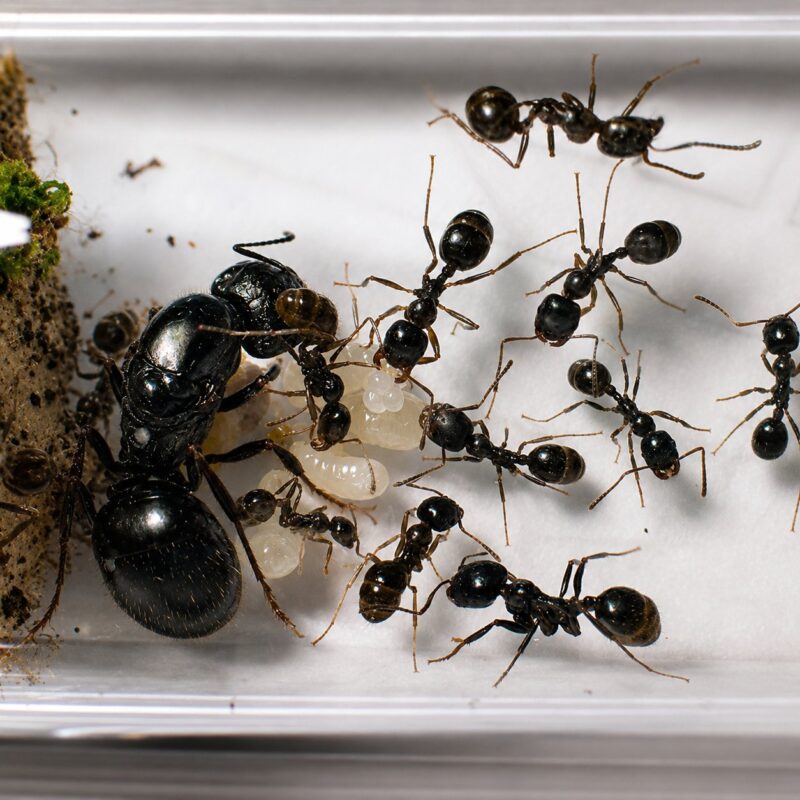
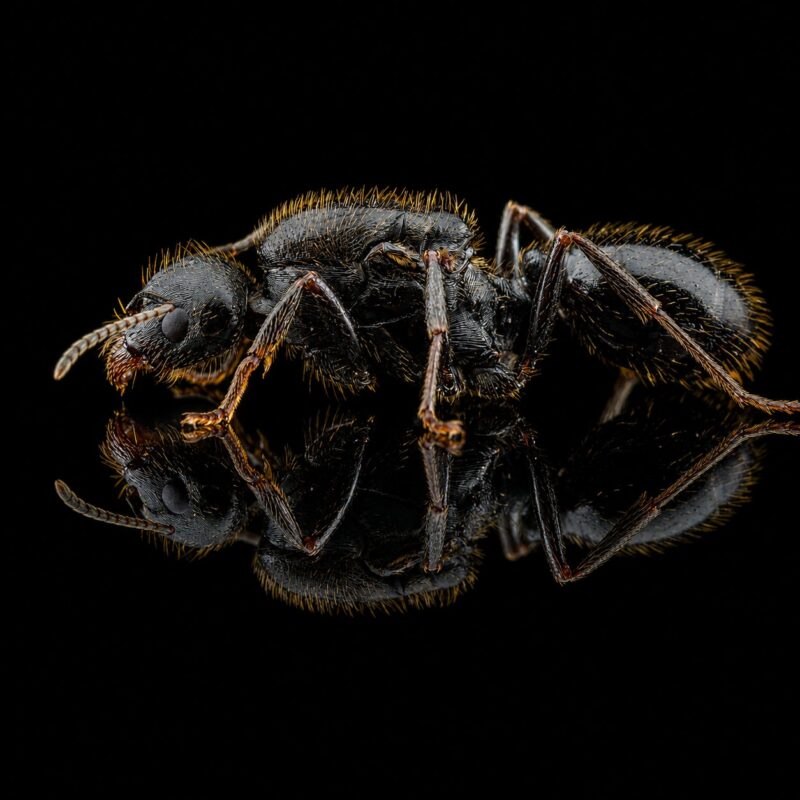
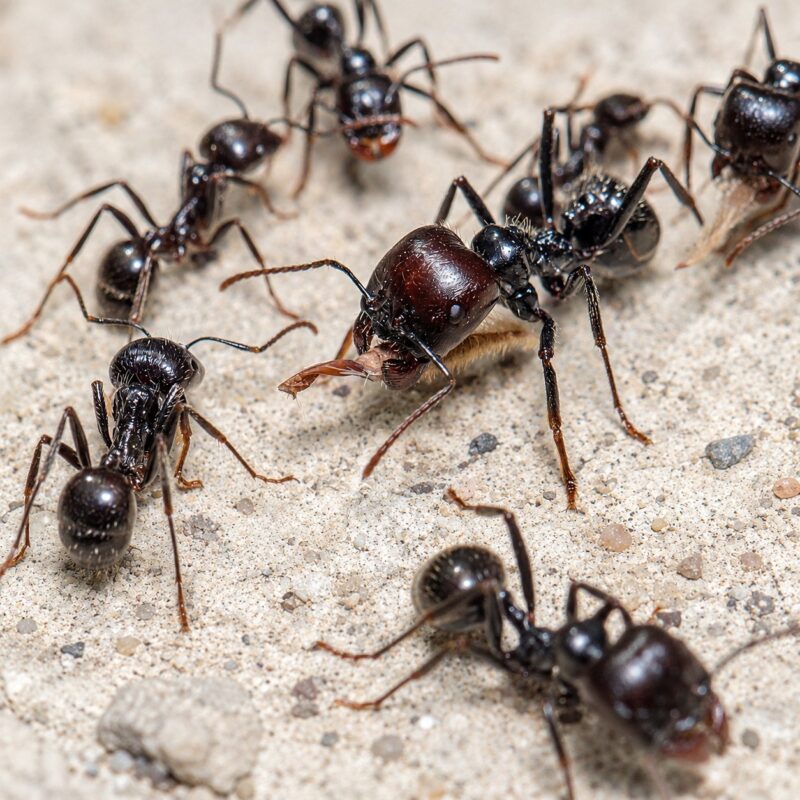
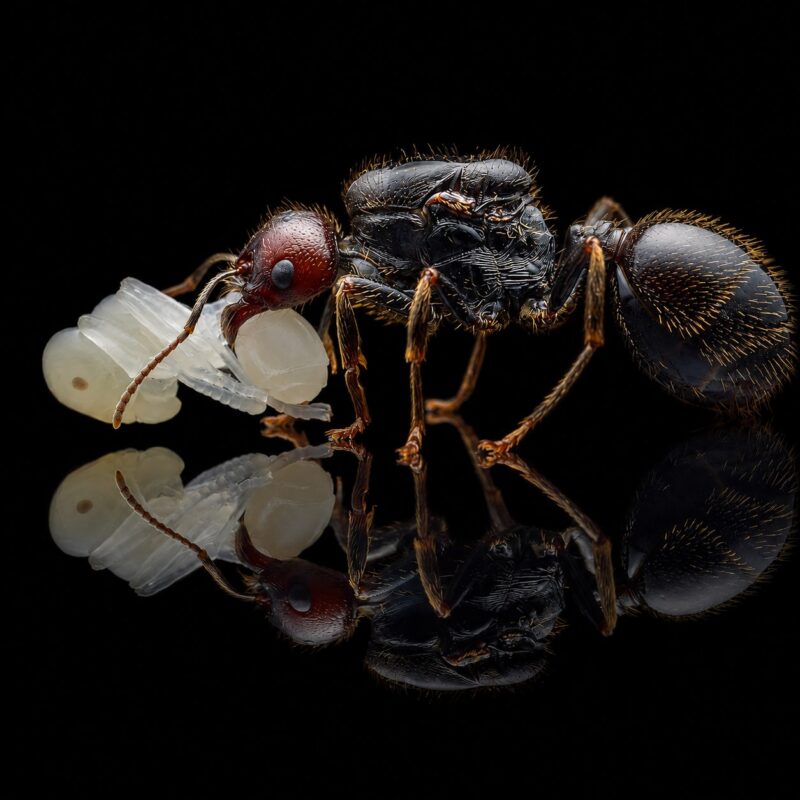
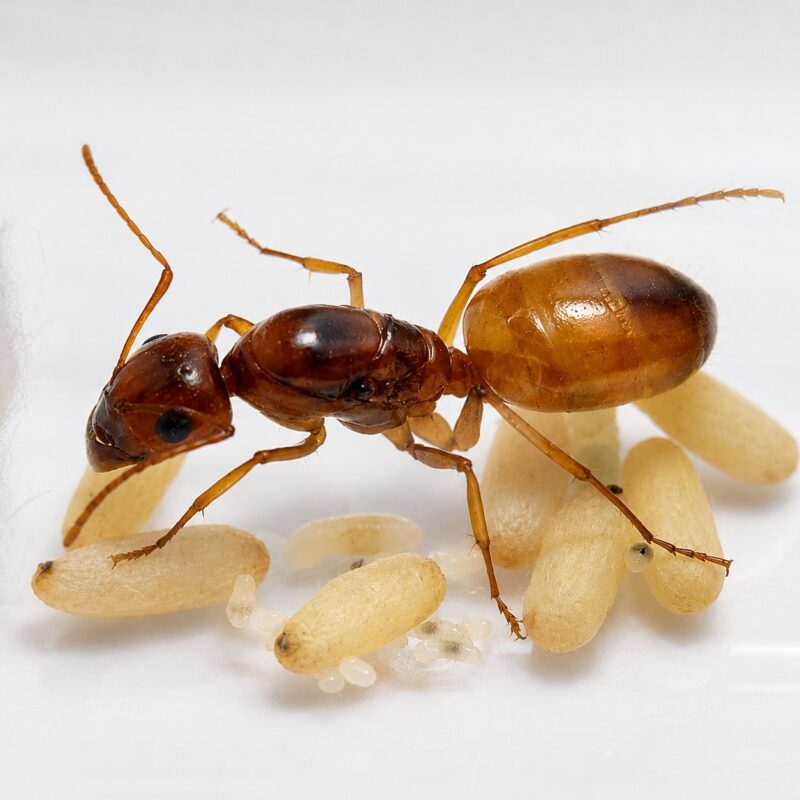
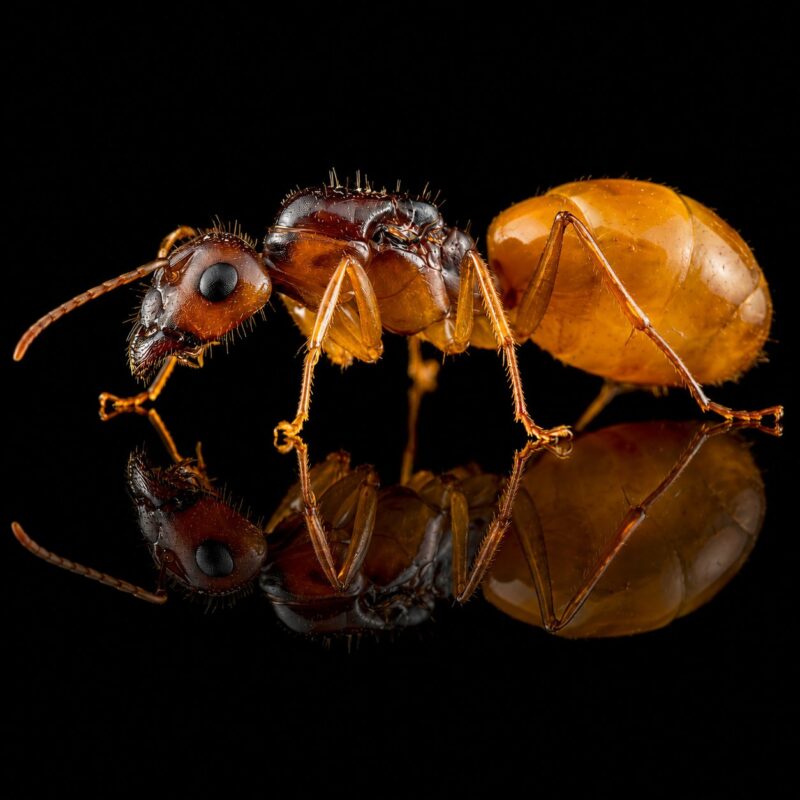
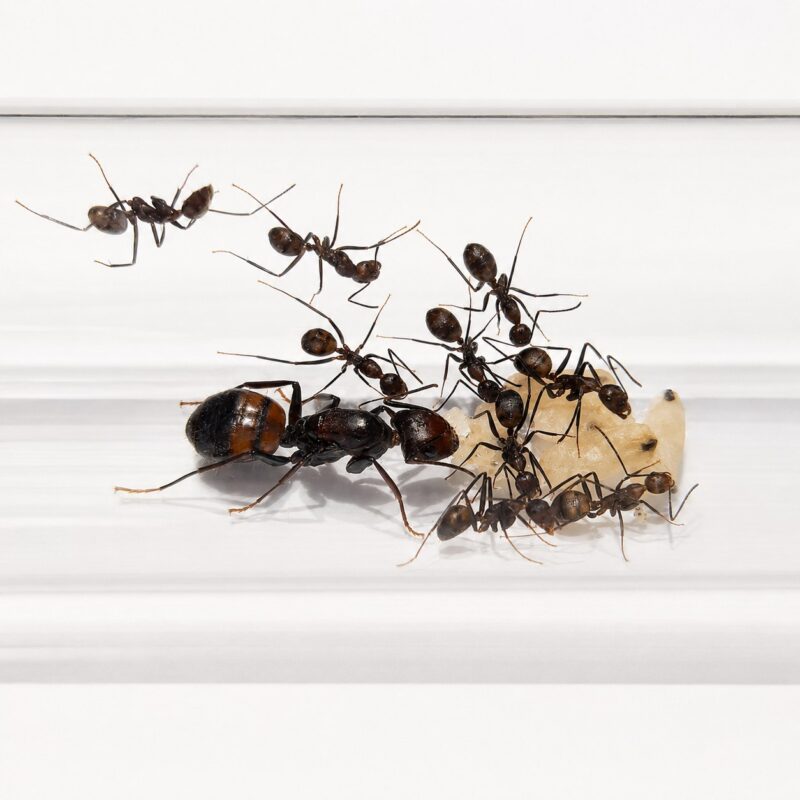
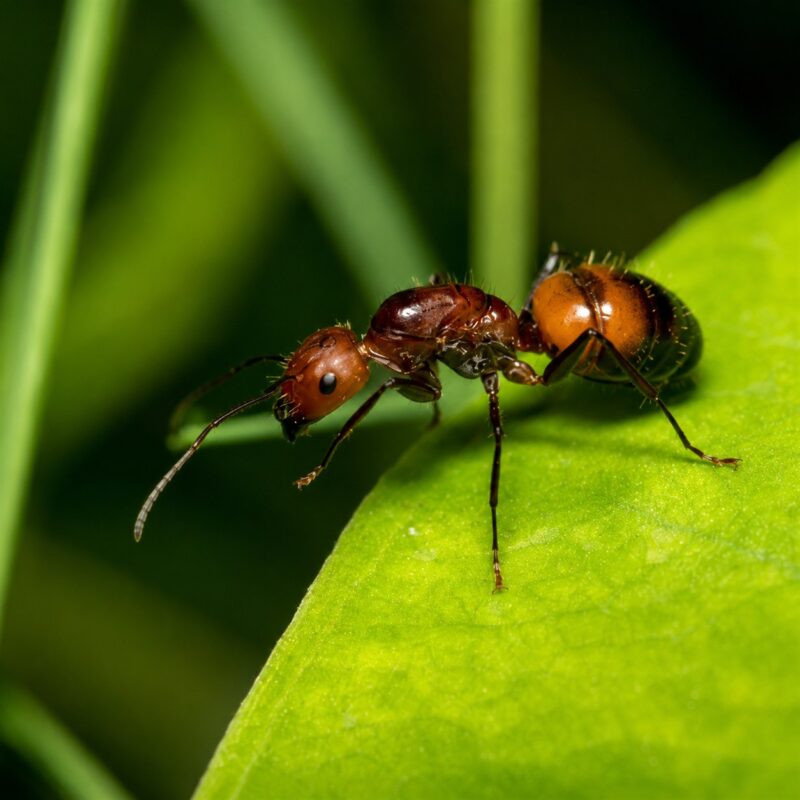
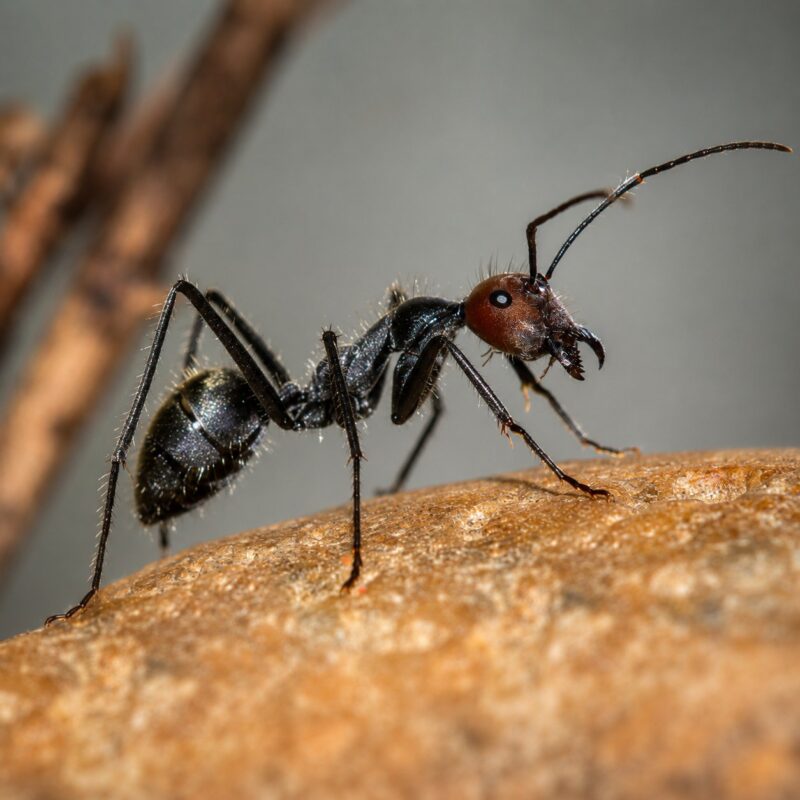
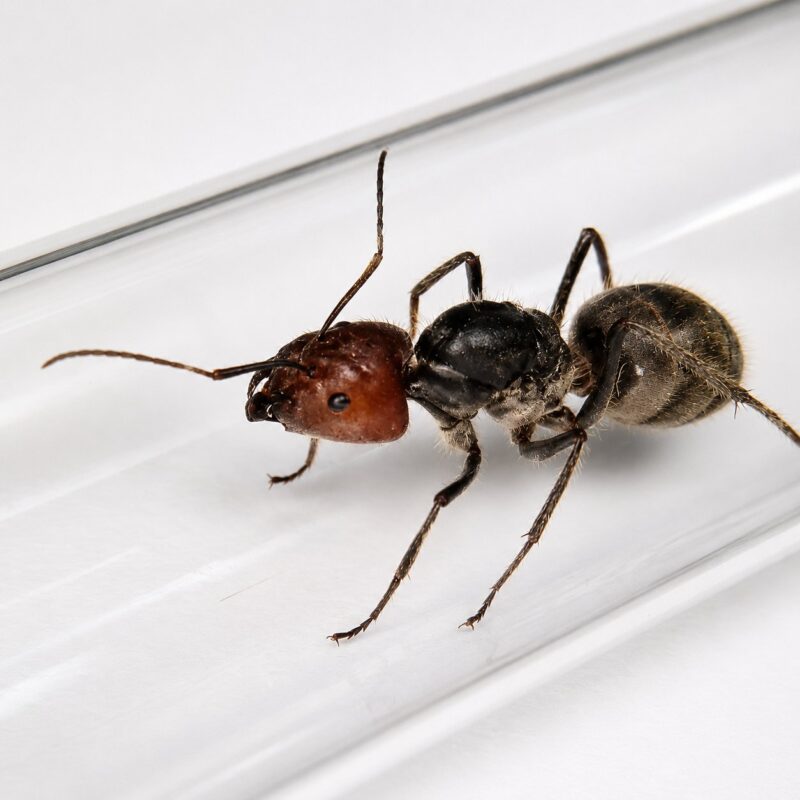
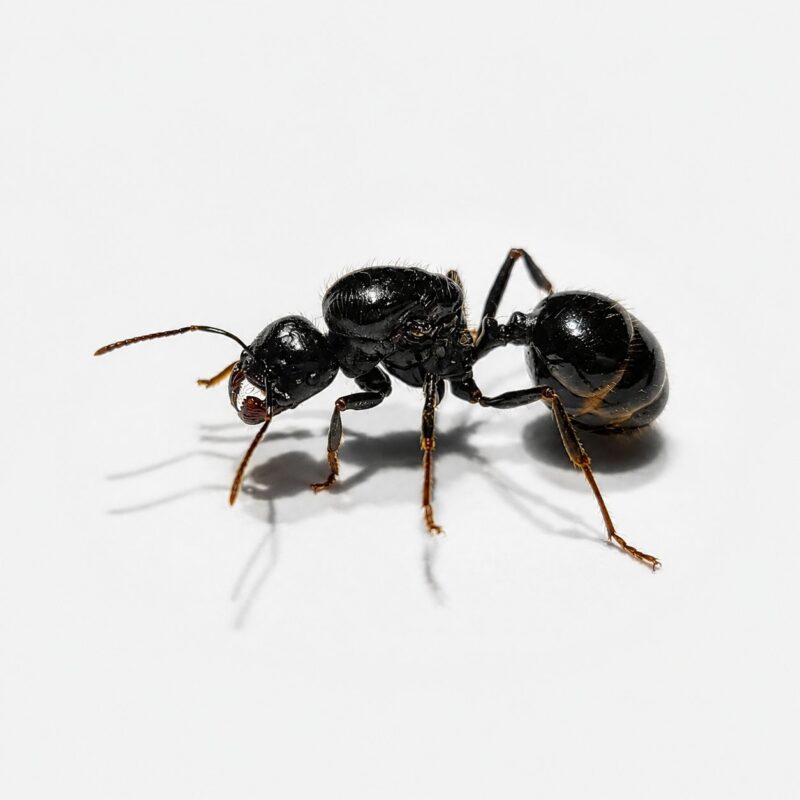
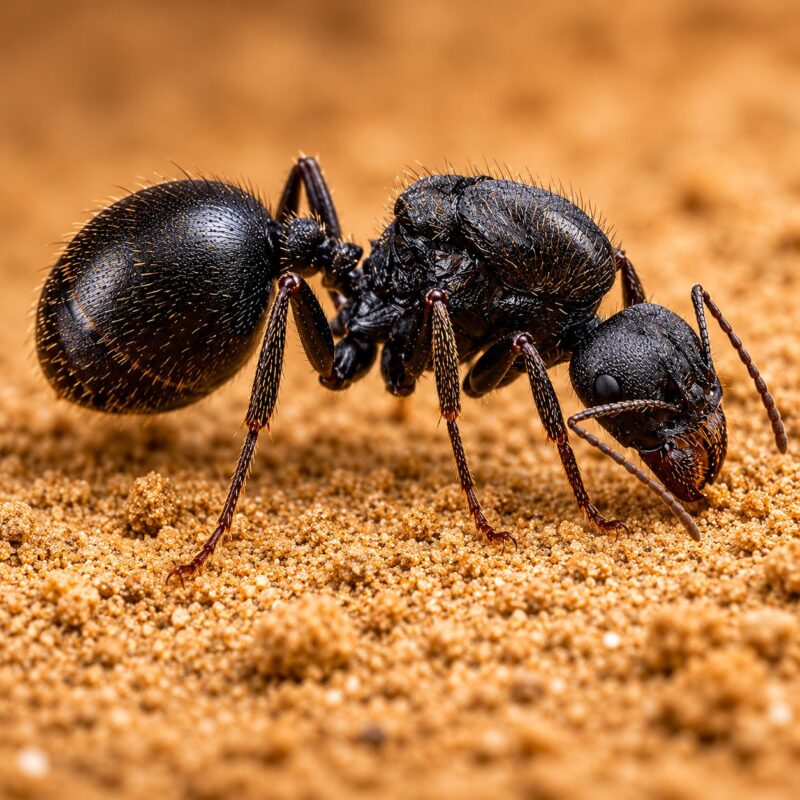
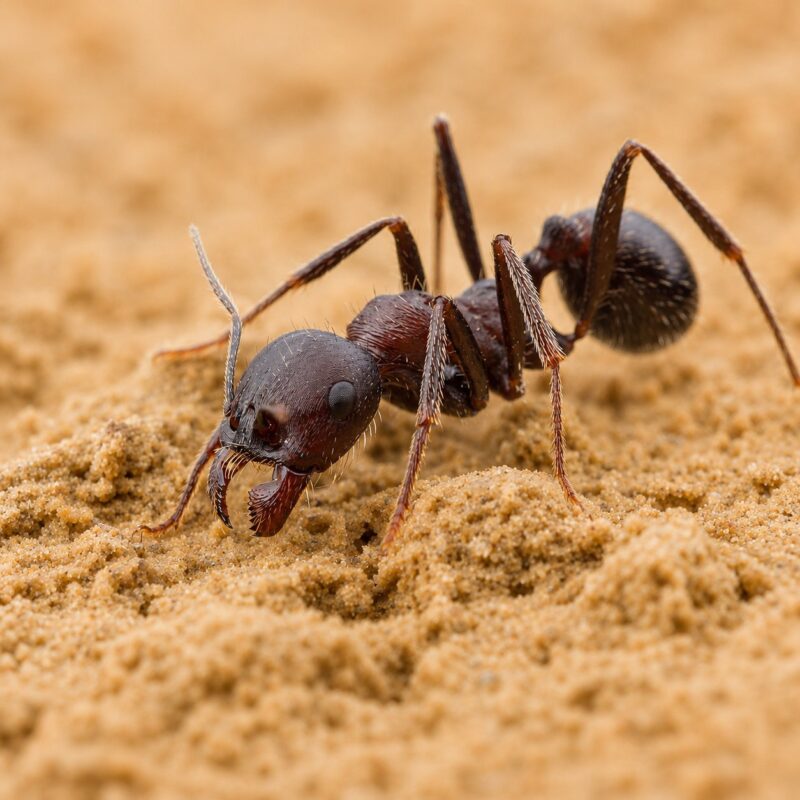
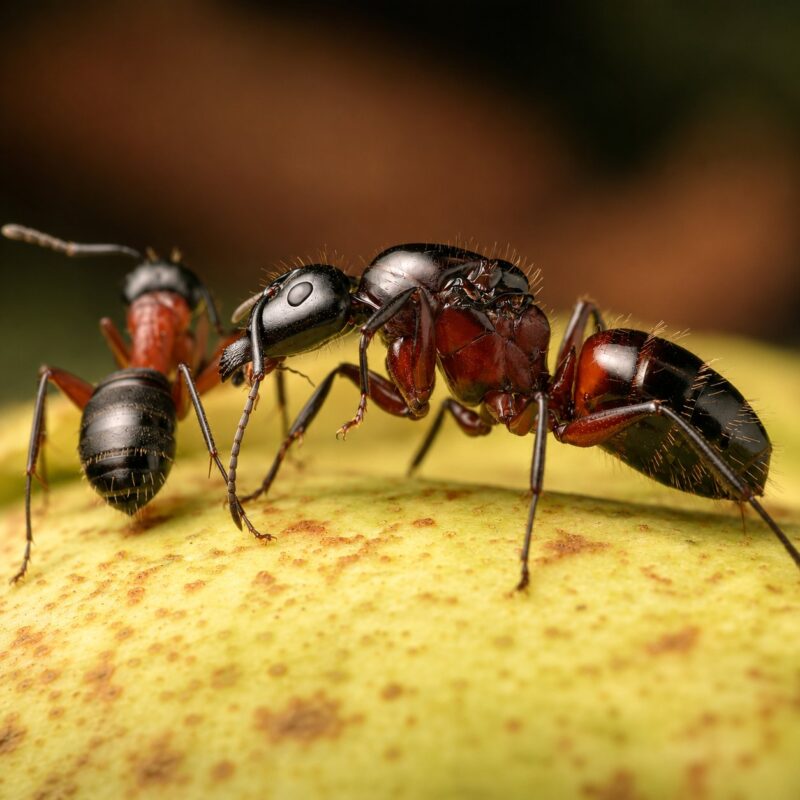
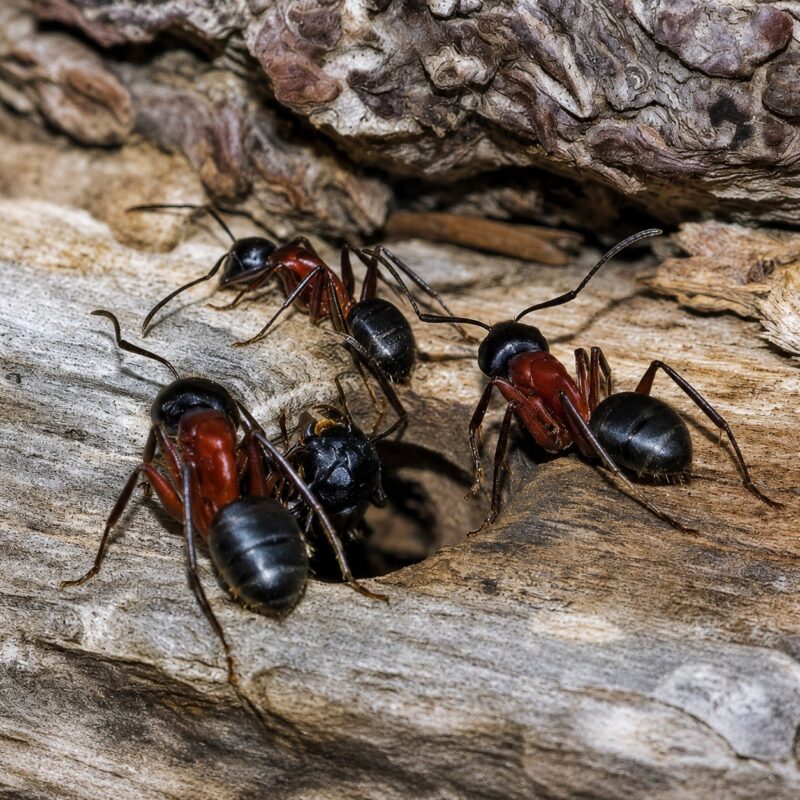
A deep-red head and thorax over a black gaster, a giant 22-24 mm queen and majors to 22 mm – few colonies turn heads like this day-active Bornean. Add a showpiece Camponotus singularis colony at ANTonTOP.
Free shipping across Europe over 1299 zł.
DHL / InPost / EMS · ships the EU & worldwide.
Intermediate · Q 22-24 mm / W 9-13 mm / S 14-22 mm · 1,000-2,000 workers · No hibernation (tropical) · Omnivore · Borneo (Southeast Asia) · No sting, mild bite
Additional information
| Behavior | |
|---|---|
| Keeping difficulty | |
| Origin | |
| Ant size | |
| Hibernation | |
| Sting |
No sting |
Camponotus singularis – Carpenter ant
| Origin | Borneo (Southeast Asia) |
|---|---|
| Difficulty | Intermediate |
| Colony form | Monogyne (1 queen) |
| Max workers | 1,000-2,000 workers |
| Queen | 22-24 mm |
| Worker | 9-13 mm |
| Soldier / major | 14-22 mm |
| Founding | Claustral |
| Temperature | Nest 24-28 °C / Arena 24-30 °C |
| Humidity | Nest 50-70% / Arena 50-70% |
| Hibernation | No hibernation (tropical) |
| Diet | Omnivore |
| Sting / bite | No sting, mild bite |
| Egg to first worker | ~4-6 weeks |
| Queen lifespan | 10-20 years |
| Nuptial flight | rainy season |
| Activity | diurnal |
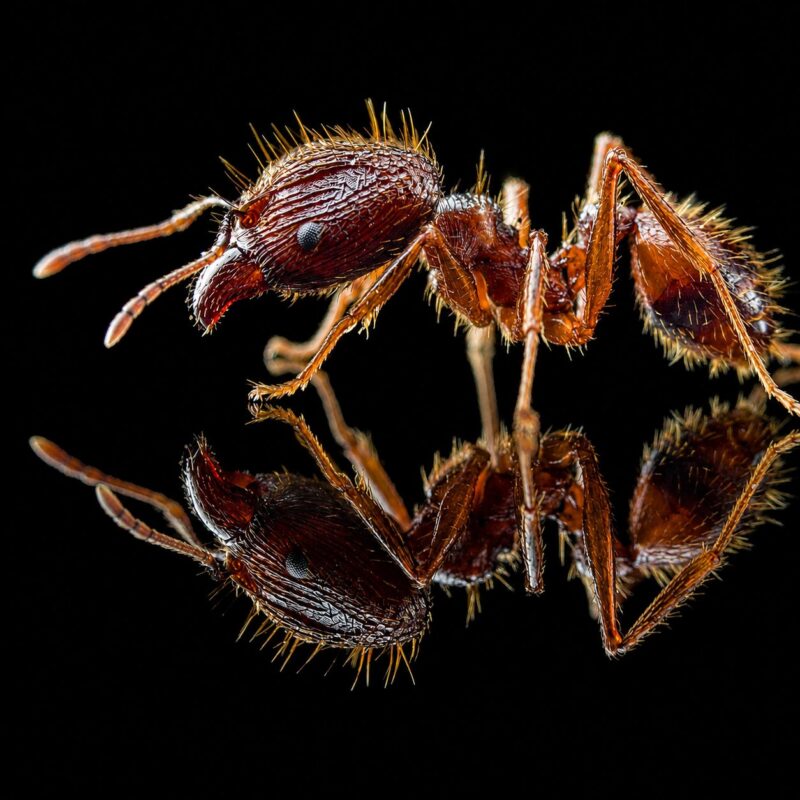
Camponotus singularis is a large, striking day-active carpenter ant from Borneo, a showpiece species for intermediate keepers.
Why this species
This is one of the more imposing Camponotus you can keep, and its size is the reason to choose it: the majors are huge, and even a modest colony reads as a centrepiece rather than just another nest. It comes from Borneo and forages in daylight, so there is plenty of activity to watch without staying up late. It is rated Intermediate partly for that scale and partly for its need of steady tropical warmth with no hibernation to break the routine. Because mature colonies settle at a manageable size, it stays a showpiece without ever overwhelming the setup.
Feeding
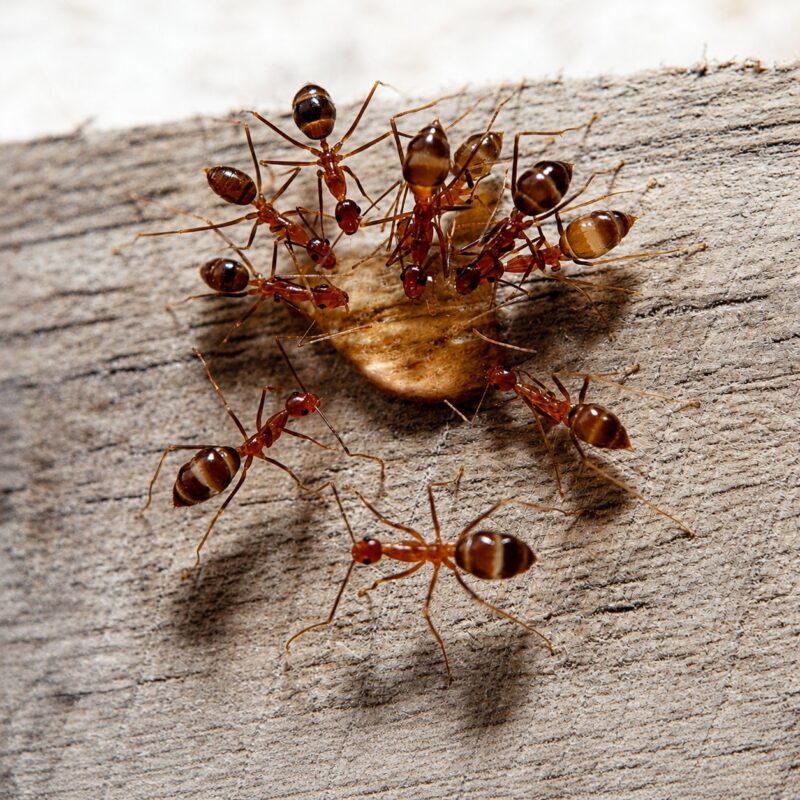
This large tropical carpenter ant takes sugary liquids to keep the workers fed and sizeable insect prey to grow its brood. The big-bodied workers manage larger feeders comfortably once the colony finds its feet.
| Sugar water / honey water | ★★★ |
| Ant nectar / sugar jelly | ★★★ |
| Honey | ★★★ |
| Protein jelly | ★★★ |
| Crickets | ★★★ |
| Fruit flies (Drosophila) | ★★★ |
| Houseflies | ★★★ |
| Locusts | ★★ |
| Boiled egg yolk | ★★ |
| Cockroaches (Dubia / Turkish) | ★ |
| Mealworms | ★ |
| Superworms | ★ |
| Soft seeds (poppy, sesame, chia) | ✗ |
| Hard seeds (canary, millet, sunflower) | ✗ |
★★★ readily · ★★ moderately · ★ occasionally · ✗ not eaten
Housing & formicarium
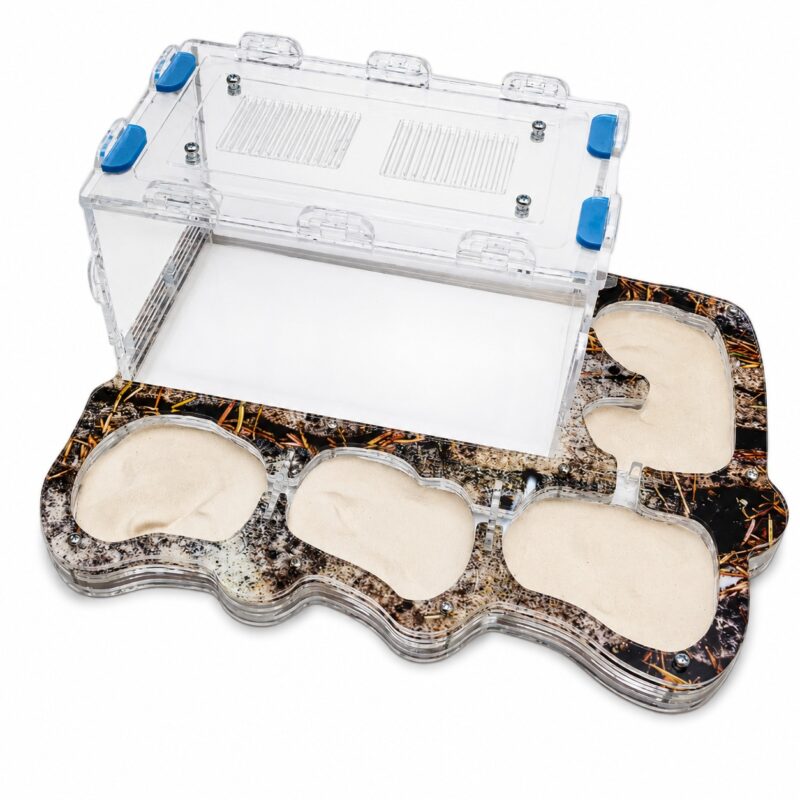
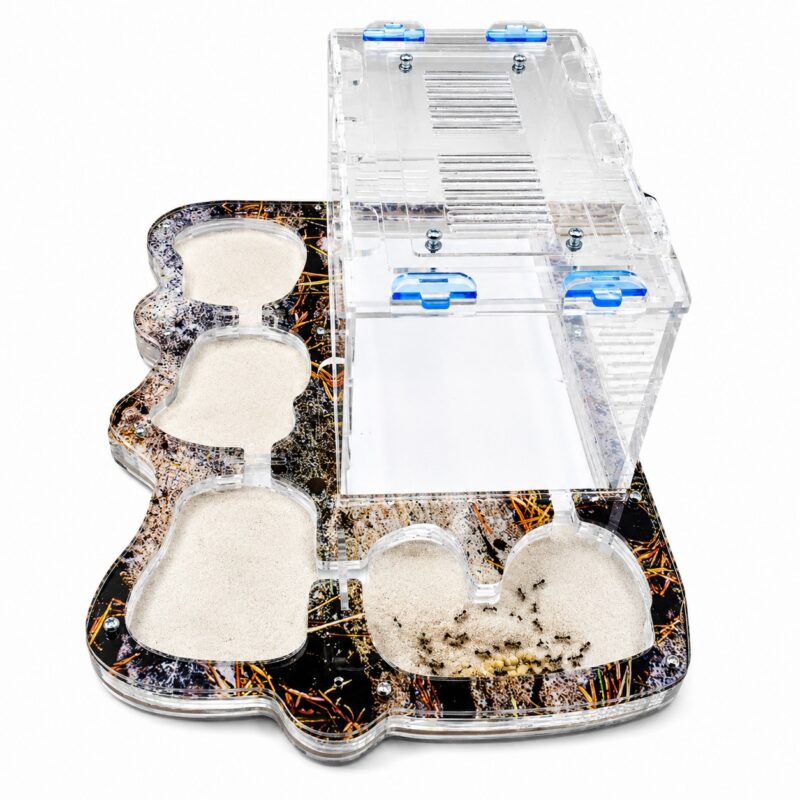
Found this striking large-bodied ant in a test tube and move it once the colony passes roughly thirty to fifty workers. Its big workers and balanced humidity call for a roomy Ytong or acrylic nest with a damp zone and dry chambers, scaled so the majors have headroom, joined to a spacious outworld. Growth is slow, so do not over-house it early. Secure the rim with fluon (PTFE), mineral oil, or talc and water, as these ants climb. ANTonTOP starter kits pair a suitable nest, arena, and barrier for this big species.
Climate & wintering
A tropical ant with no winter rest. Hold the nest at 24-28 °C and the arena at 24-30 °C, with nest and arena humidity both at 50-70%. Heat one side only to form a gradient the colony can move along. Keep warmth and feeding constant through the year rather than cooling the setup.
Growth forecast + what you receive
Growth is slow to moderate, with eggs taking around 4-6 weeks to develop, so patience pays off early before the colony settles toward 1,000-2,000 workers. The size of the ants makes that a centrepiece rather than an overwhelming crowd. You receive the queen with her workers and brood.
Did you know
- It is one of the most recognisable Camponotus, with a deep red head and thorax set against a black gaster.
- The big, striking workers make it a favourite display species among keepers of Southeast Asian ants.
- Carpenter ants tunnel through wood and soft material to nest but do not eat it; they only excavate.
- The genus has no sting and defends the colony with sprayed formic acid, as all Formicinae do.
Frequently asked questions
Is Camponotus singularis good for beginners?
It is rated Intermediate, best once you can give steady tropical warmth.
Does the red-headed Bornean carpenter ant need a winter rest?
No, it is tropical and stays active year-round.
Does Camponotus singularis sting or bite?
No, workers have no sting and give only a mild bite.
How big can the colony get?
Around 1,000-2,000 workers.
How large is the queen?
The queen is 22-24 mm, with workers 9-13 mm and majors 14-22 mm.
How fast does it grow?
Slow to moderate, with eggs taking about 4-6 weeks to develop.
What does it eat?
Sugar water or jelly plus insects such as crickets and flies.
Will it arrive alive?
Yes, shipped as a queen with workers and brood, with a heat or cool pack, dispatched within 24 h with tracking.
Keeping & shipping essentials
Escape prevention. Coat the inner rim of every open arena with fluon (PTFE), or use talc-and-water or an oil barrier as a backup, and keep a tight, fine-mesh lid on top. Check the barrier regularly, since dust, condensation and feeding debris break a fluon line over time. Keep tubing connectors tight and seal any gaps in the nest.
Keeping reminders. Always offer fresh water and never let the nest dry out completely. Give carbohydrates continuously and protein a few times a week, and remove uneaten insect prey within 24 hours before it moulds. Keep the formicarium out of direct sunlight and away from constant vibration, which stresses a young colony. A water-filled test tube plugged with cotton makes an ideal spare incubator whenever you need one.
Before you buy – do not rehouse too early. Have a test-tube setup or a small formicarium with an outworld and a working barrier ready before your colony arrives. A founding colony grows slowly at first, which is normal. Moving a small colony into a large nest too soon invites mould, mites and stress, and the workers die off one by one. Keep the colony in its open test tube on the arena, plug the nest entrance with cotton, and open up the next chambers only once the colony fills roughly 10-15% of the space.
What we ship. Every colony ships with a live-arrival guarantee, backed by our 24h unboxing-video guarantee: if the queen does not arrive alive, we reship free. Parcels travel with DHL, InPost (PL) or EMS, with a heat or cold pack to suit the season, packed discreetly and securely. We ship across the EU and worldwide, with free shipping over the Europe threshold.
2 reviews for Camponotus singularis
Clear filtersShow reviews in all languages (2)

Markus V. (verified owner) –
Beim ersten Mal kamen die Ameisen nicht an, weil der Wärmebehälter zu heiß war, obwohl er weit vom Reagenzglas entfernt war. Der Versand der neuen Kolonie verlief problemlos. Ich schickte ein Video, und mir wurde umgehend eine weitere Kolonie zusammen mit etwas Futter zugeschickt! Ich bin sehr dankbar für den hervorragenden Service; ich fühle mich hier wertgeschätzt.
asiamisiak11 (verified owner) –
Gatunek bardzo ciekawy i nie taki ciężki w hodowli. szybko zaczął eksplorować arenę i się zadomowił.