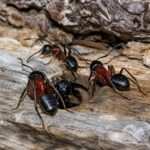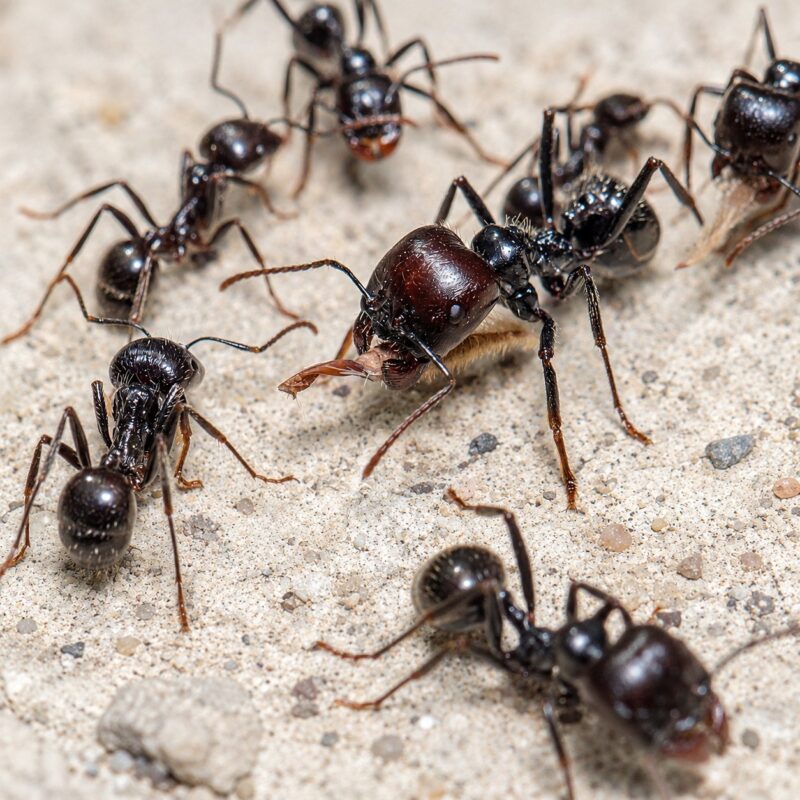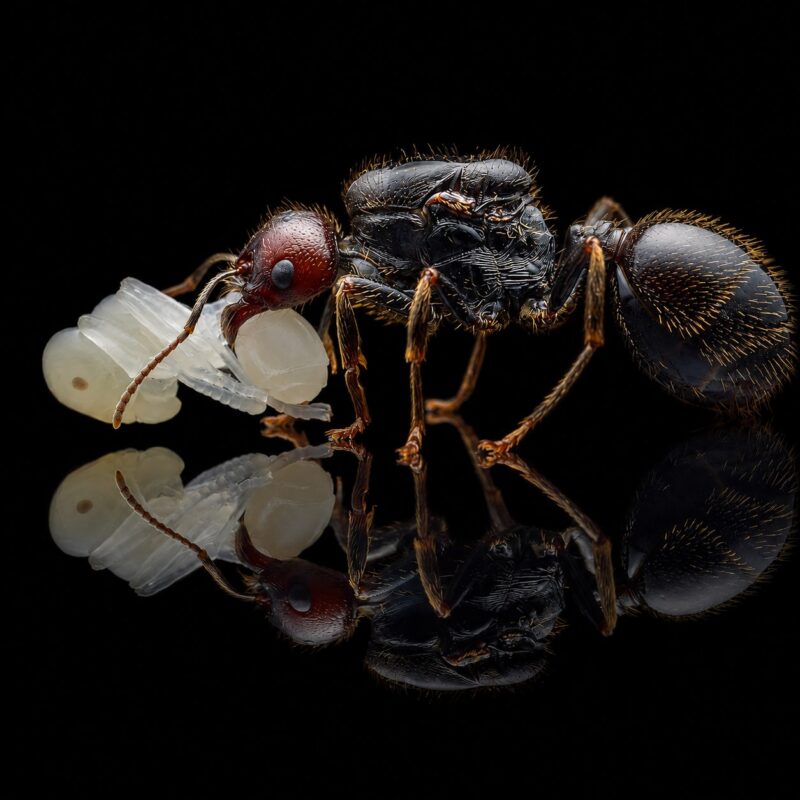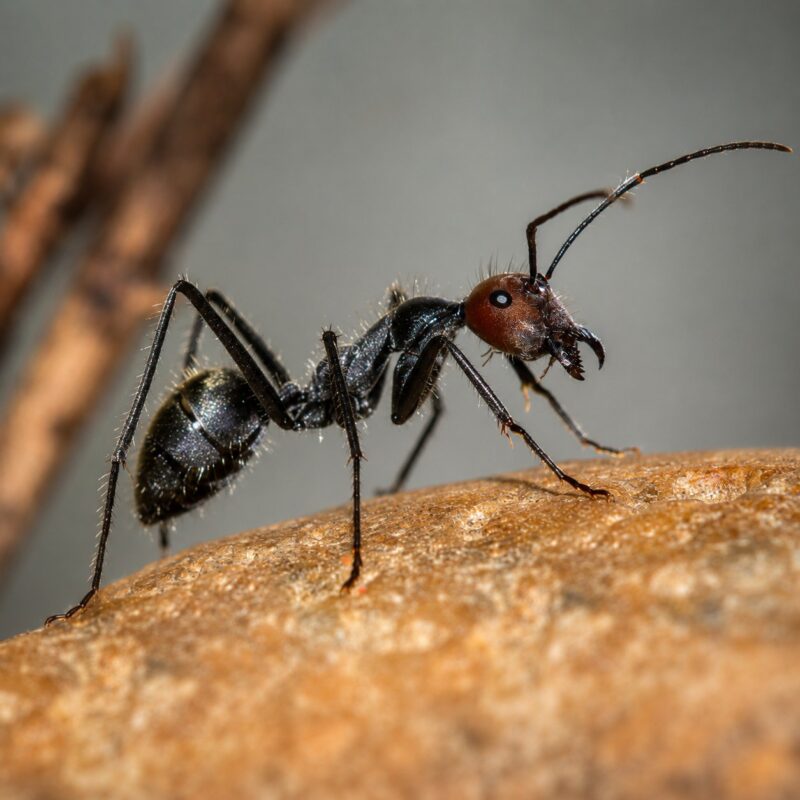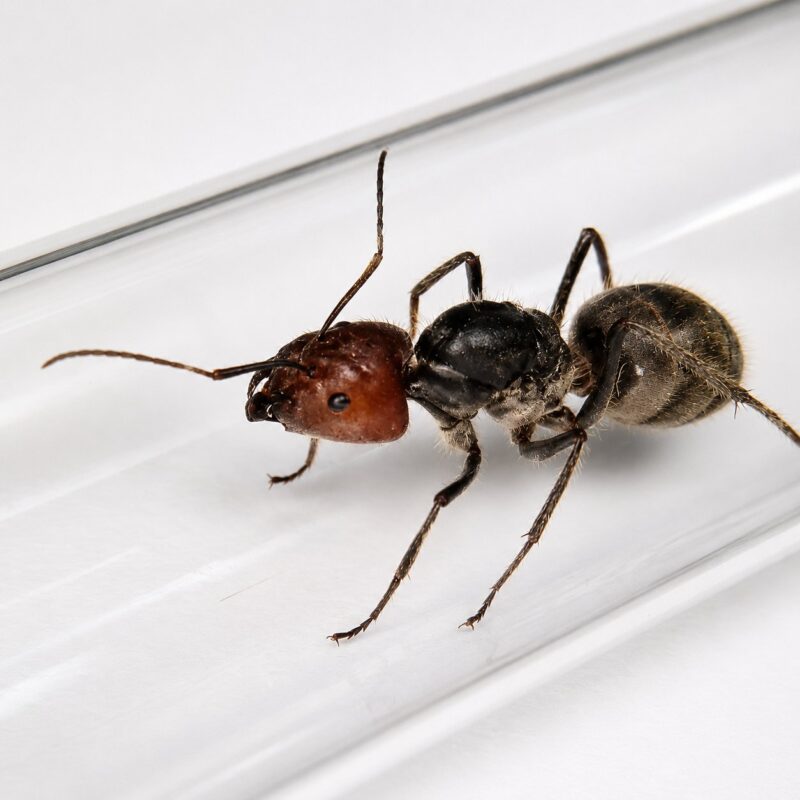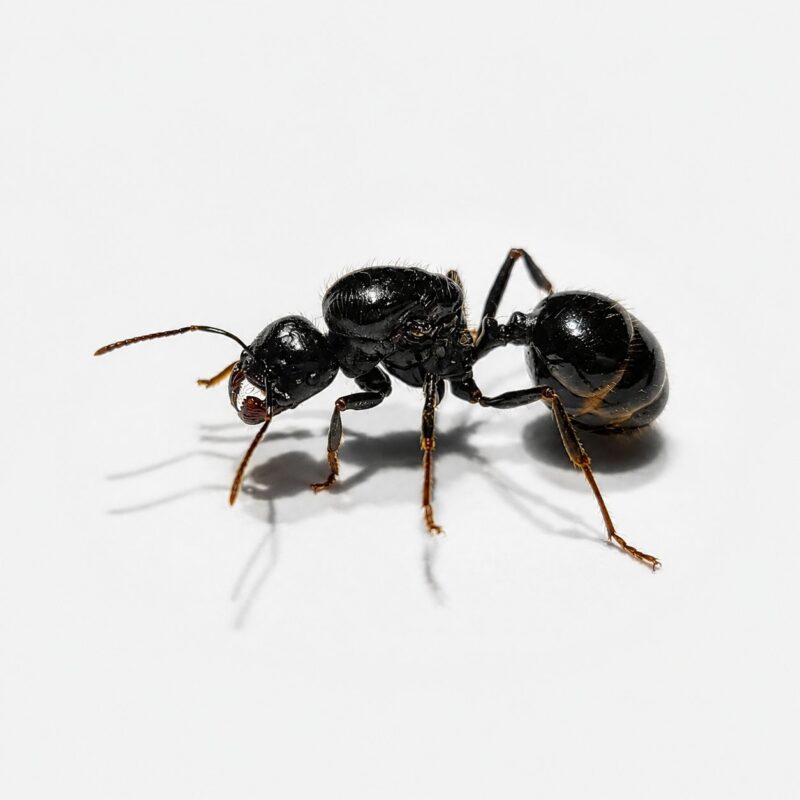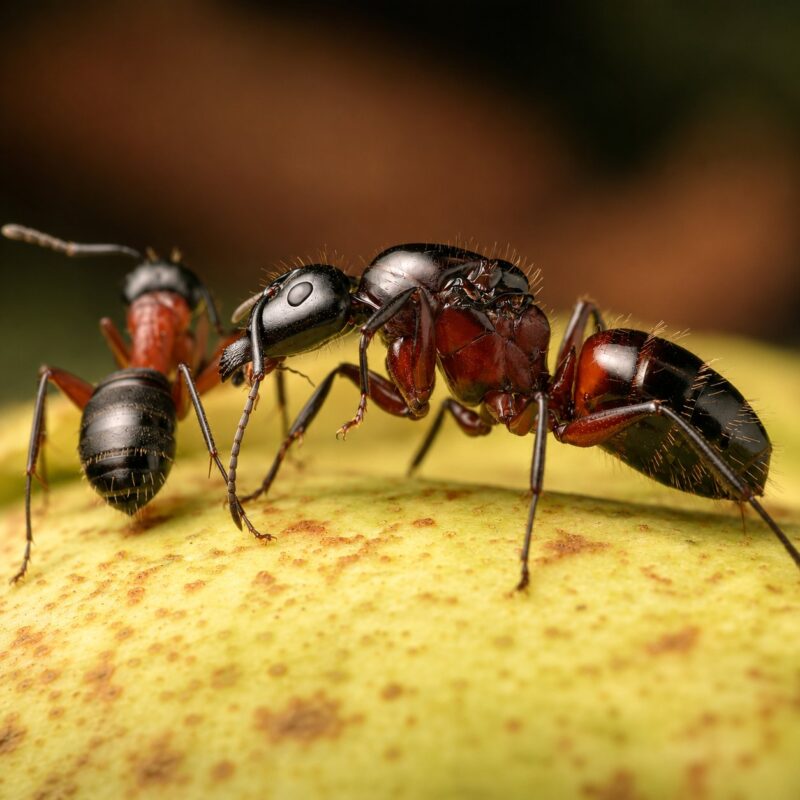

Camponotus ligniperda
35,00 zł – 259,90 złPrice range: 35,00 zł through 259,90 zł
Live Queen Guarantee
Heat Pack & Summer Cooling
Fertilised Queen in Every Colony
Ships Within 24 h
Free Care Guide
24/7 Expert Support
Description
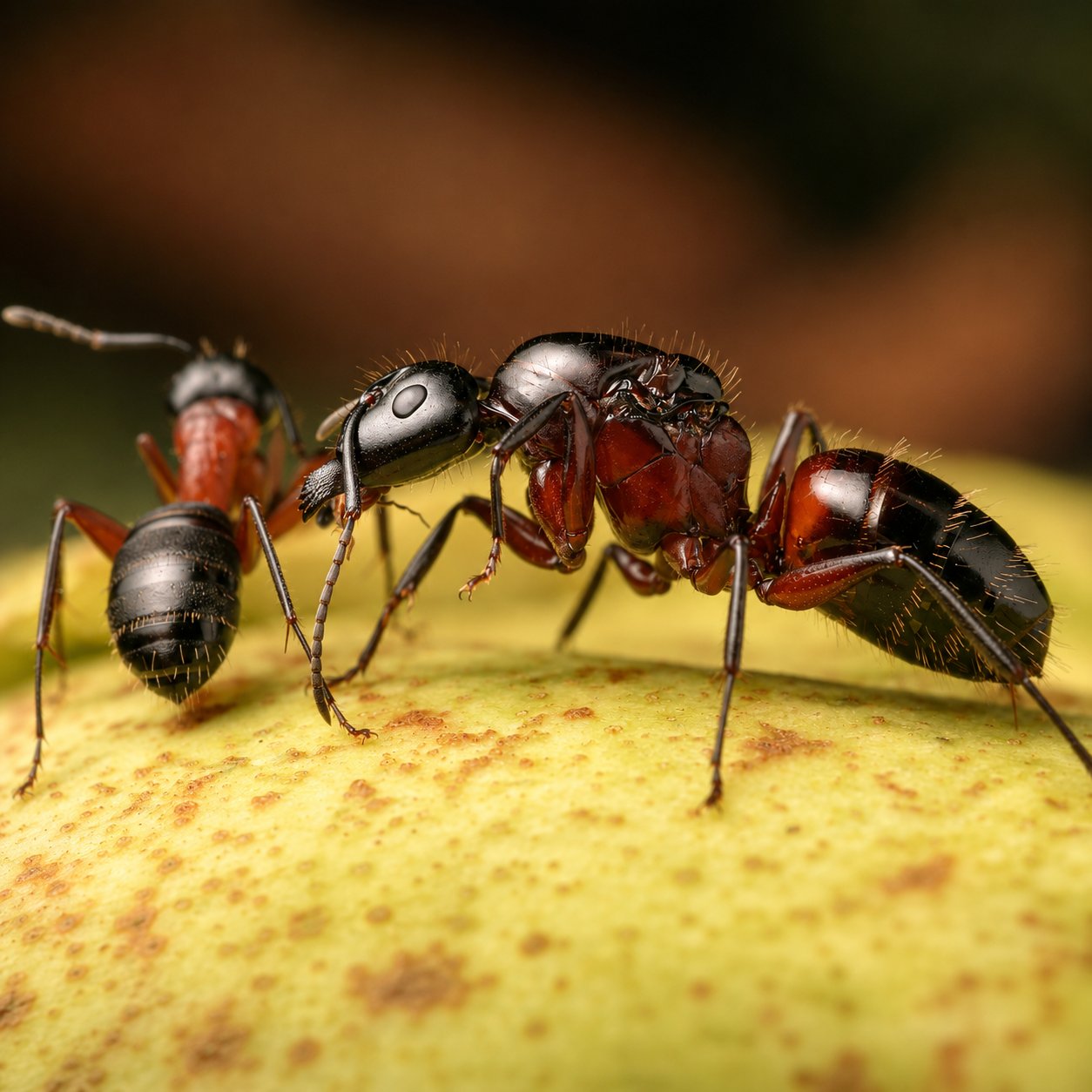
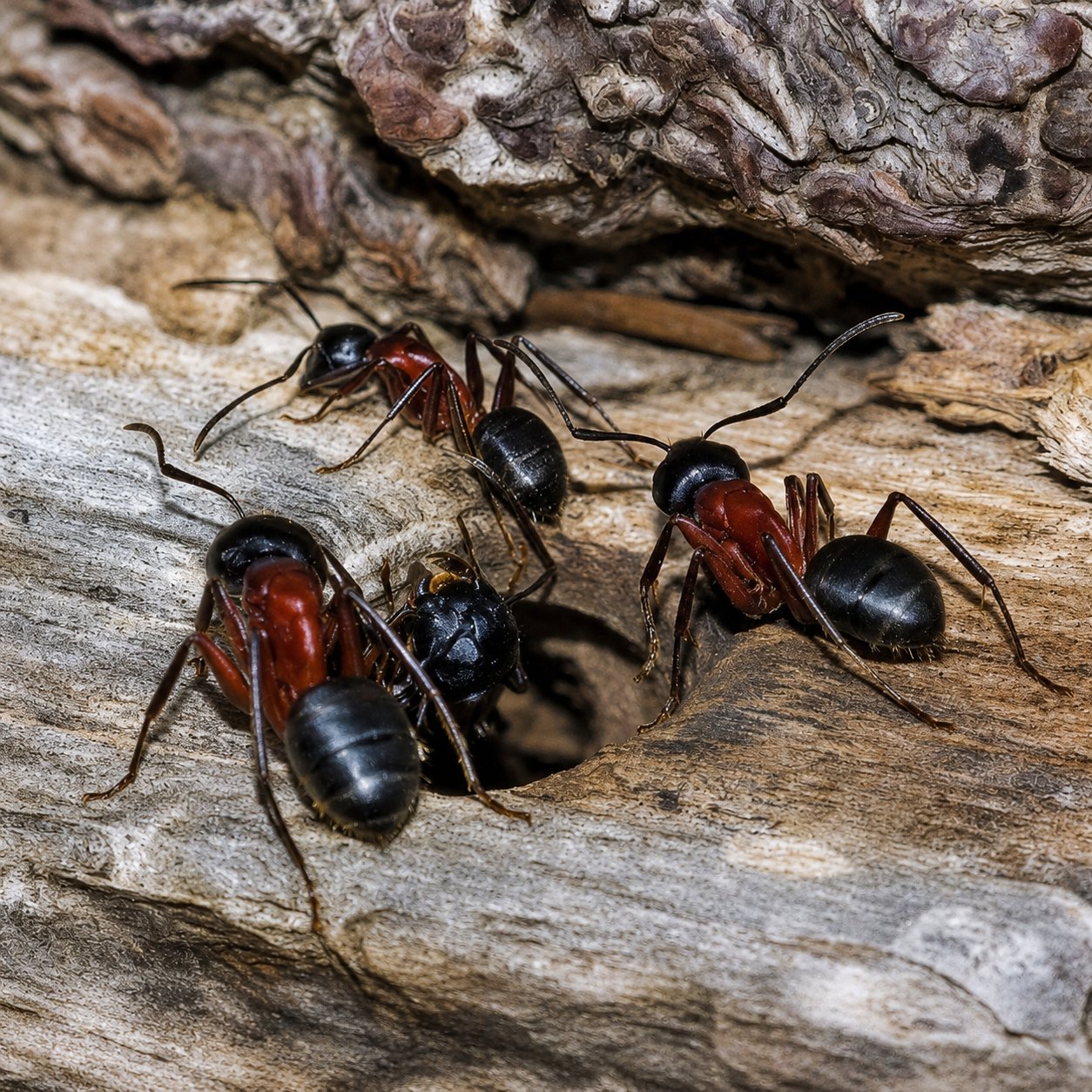
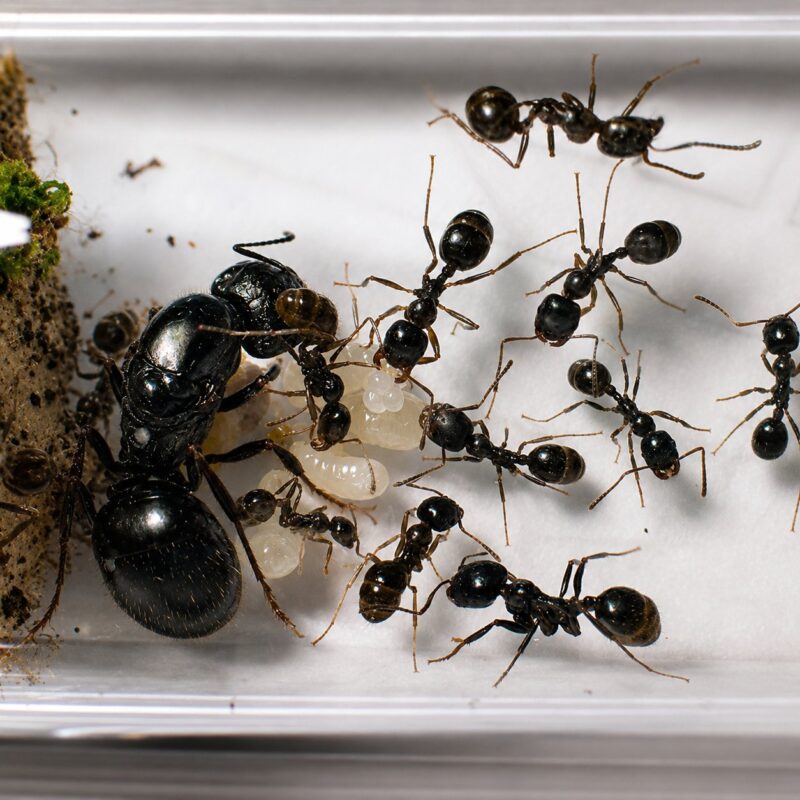
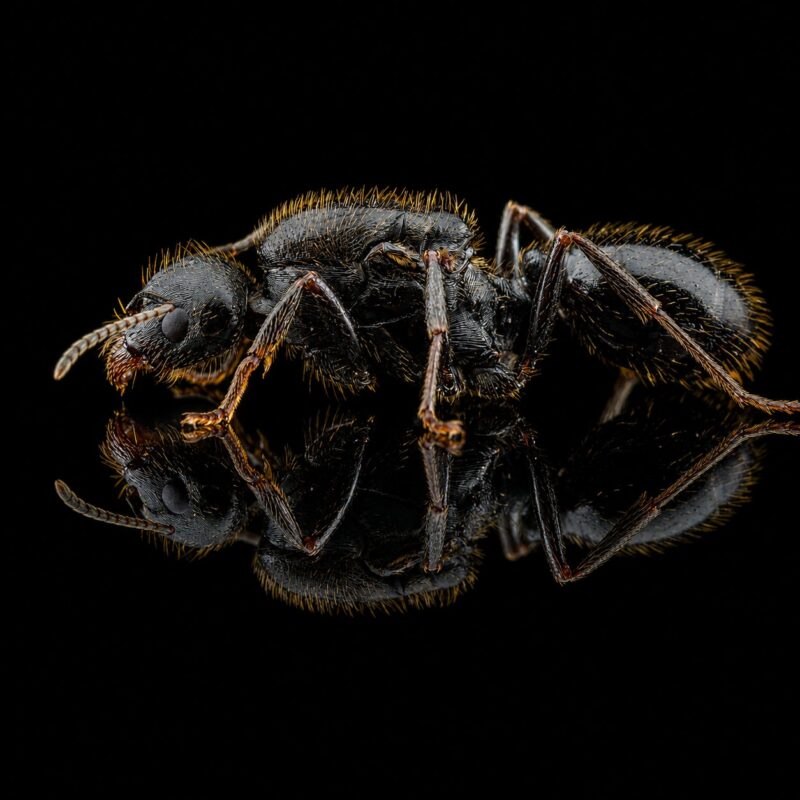
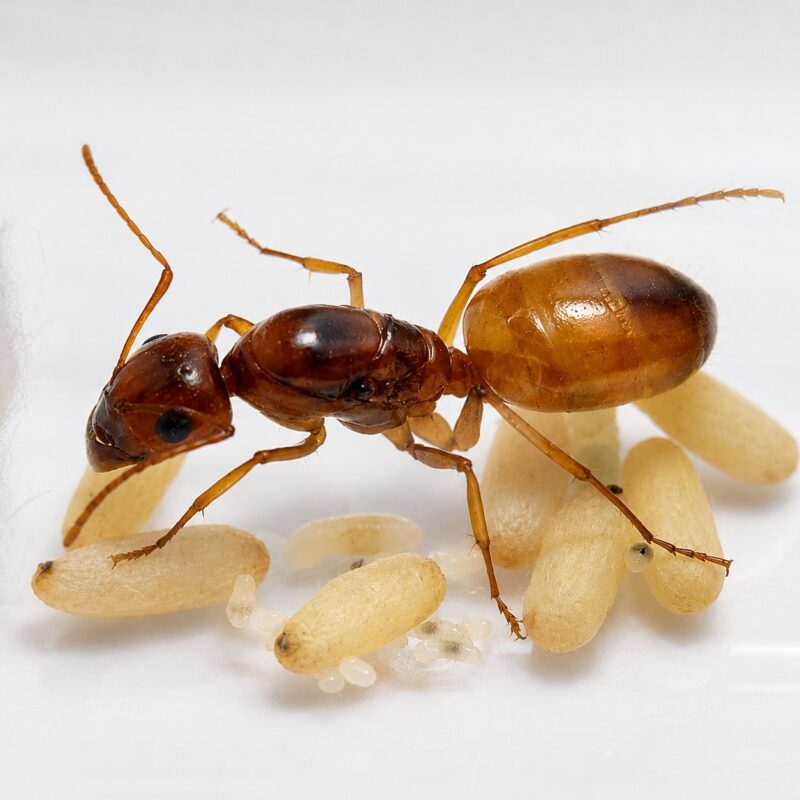
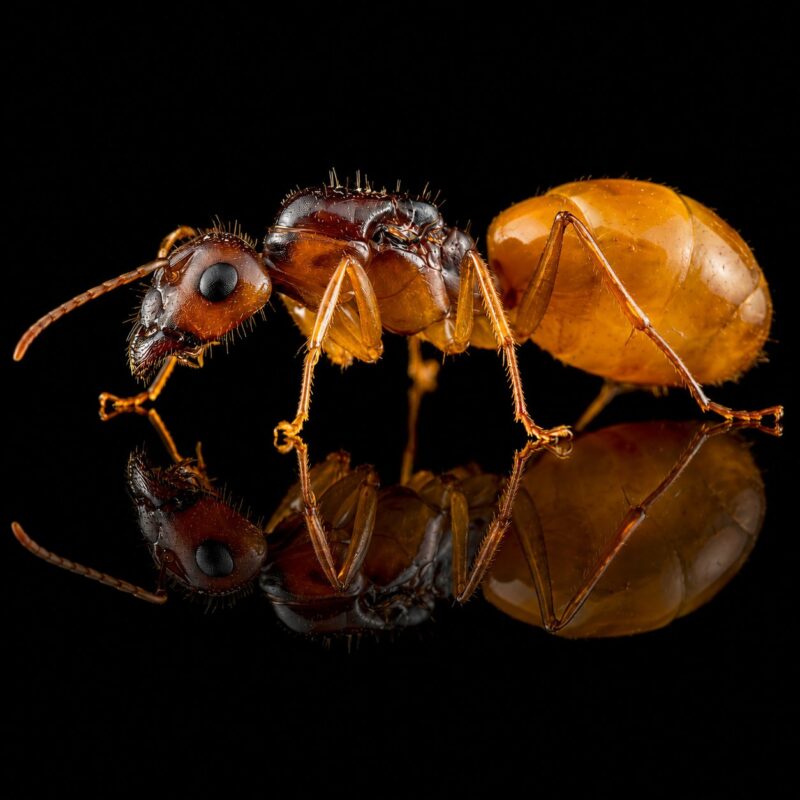
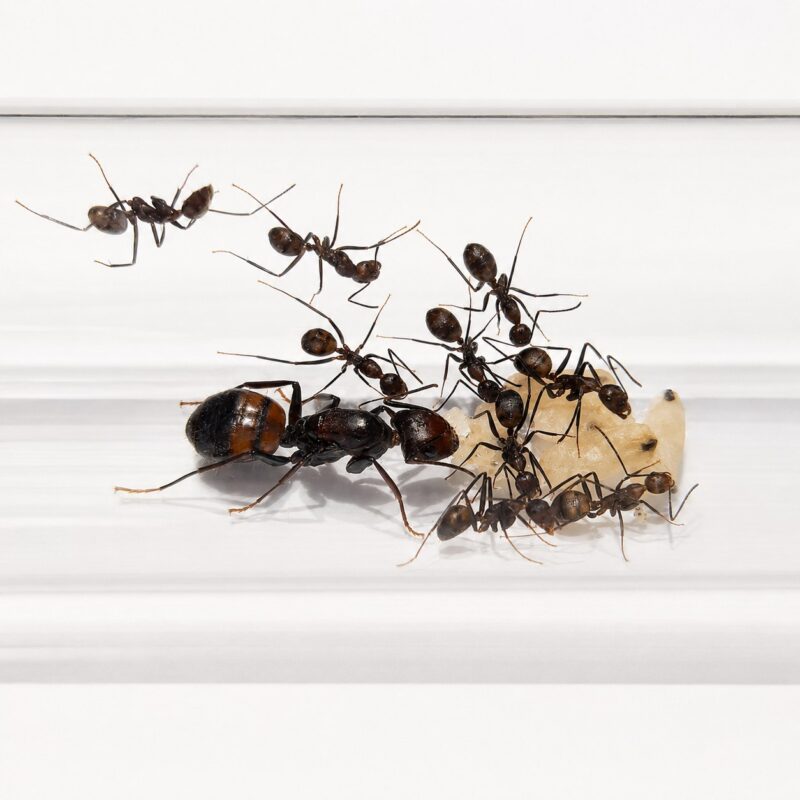
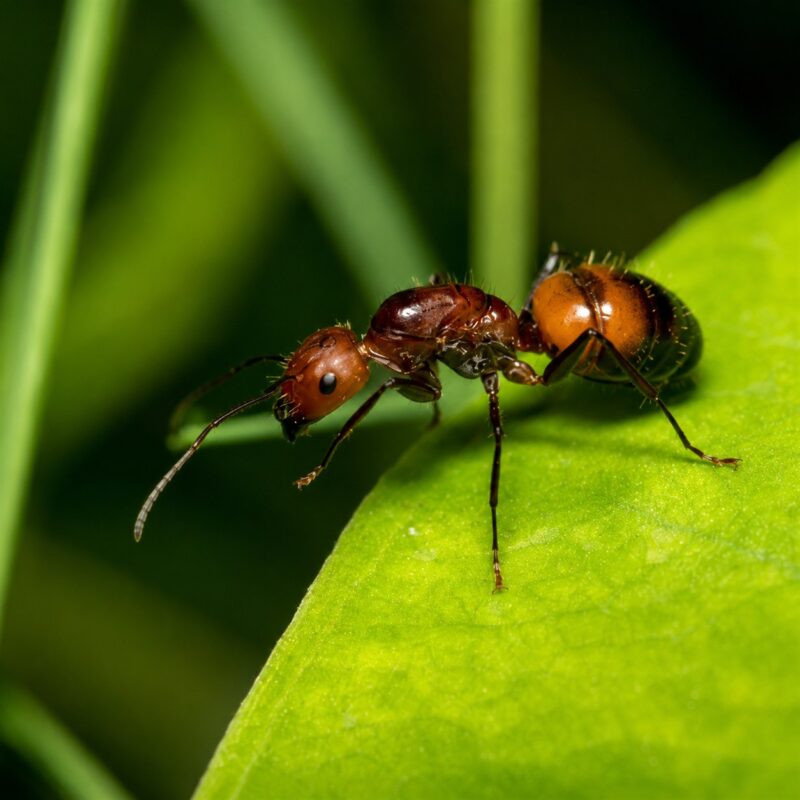
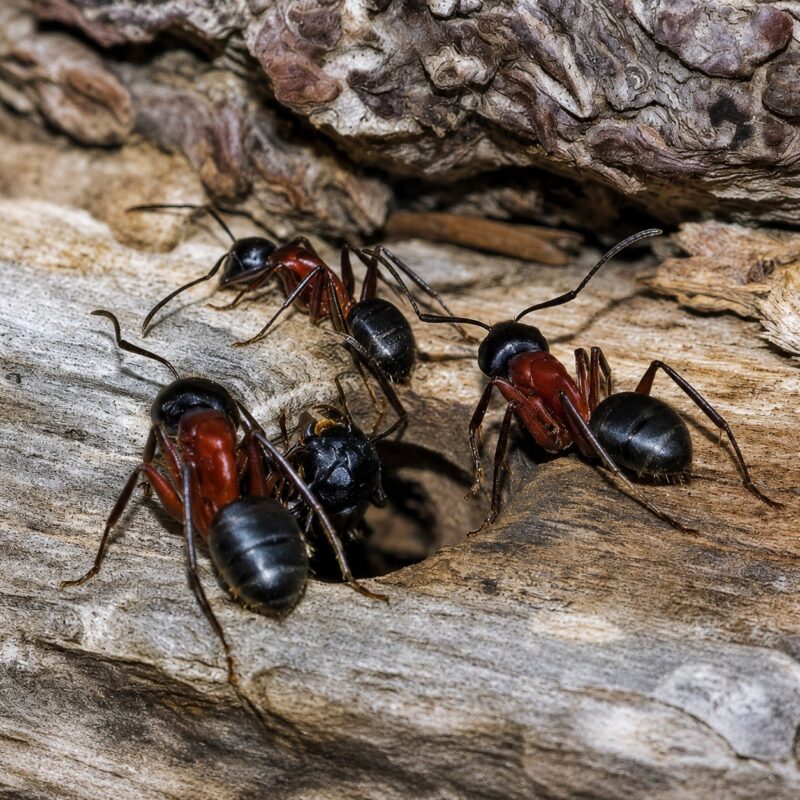
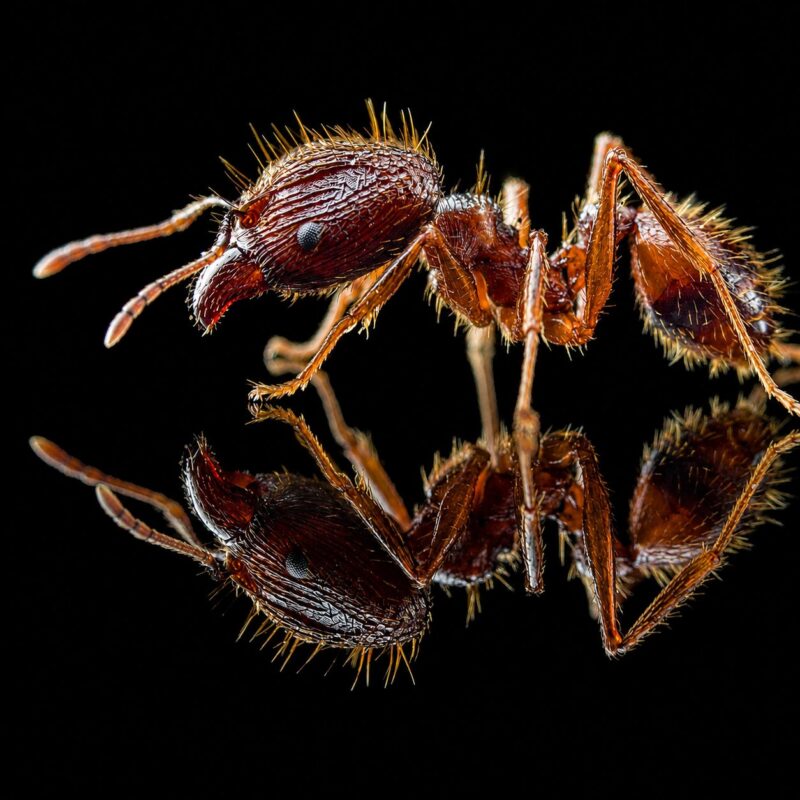
Bold black-and-red majors and an 18-21 mm queen make this European heavyweight fill a display nest like few other carpenter ants. Add a showpiece Camponotus ligniperda colony at ANTonTOP.
Free shipping across Europe over 1299 zł.
DHL / InPost / EMS · ships the EU & worldwide.
Intermediate · Q 18-21 mm / W 8-12 mm / S 9-16 mm · Up to 10,000 workers · Winter rest at 5-10 °C for 4-5 months mandatory · Omnivore · France (Europe) · No sting, mild bite
Additional information
| Hibernation | |
|---|---|
| Behavior | |
| Keeping difficulty | |
| Sting |
No sting |
Camponotus ligniperda – Carpenter ant
| Origin | France (Europe) |
|---|---|
| Difficulty | Intermediate |
| Colony form | Monogyne (1 queen) |
| Max workers | Up to 10,000 workers |
| Queen | 18-21 mm |
| Worker | 8-12 mm |
| Soldier / major | 9-16 mm |
| Founding | Claustral |
| Temperature | Nest 20-24 °C / Arena 18-28 °C |
| Humidity | Nest 50-60% / Arena 30-50% |
| Hibernation | Winter rest at 5-10 °C for 4-5 months mandatory |
| Diet | Omnivore |
| Sting / bite | No sting, mild bite |
| Egg to first worker | ~1.8 months (~55 days) |
| Queen lifespan | up to ~20 years |
| Nuptial flight | late May-July |
| Activity | both (day and night) |
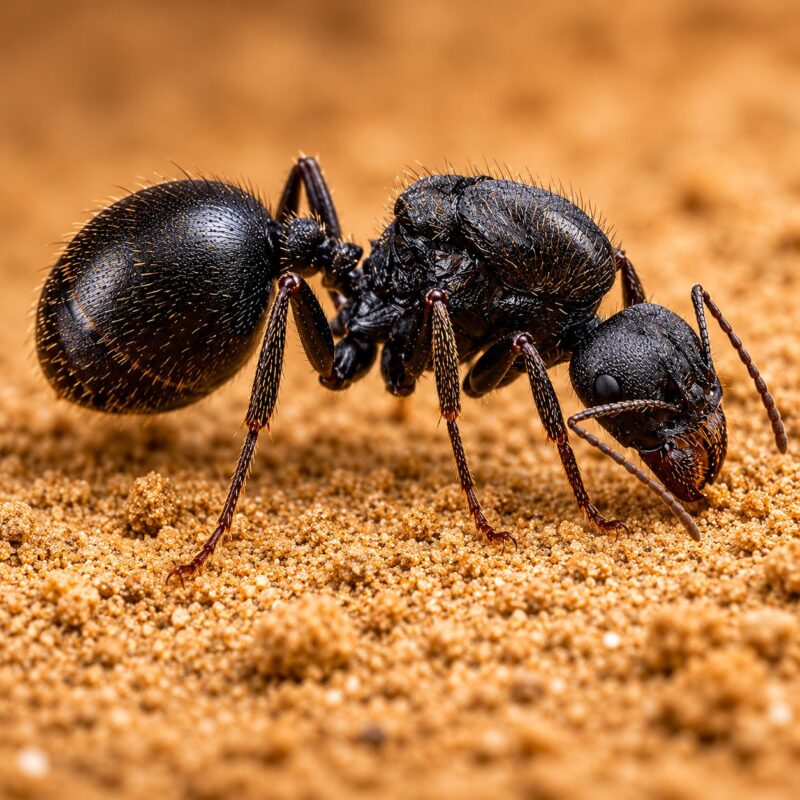
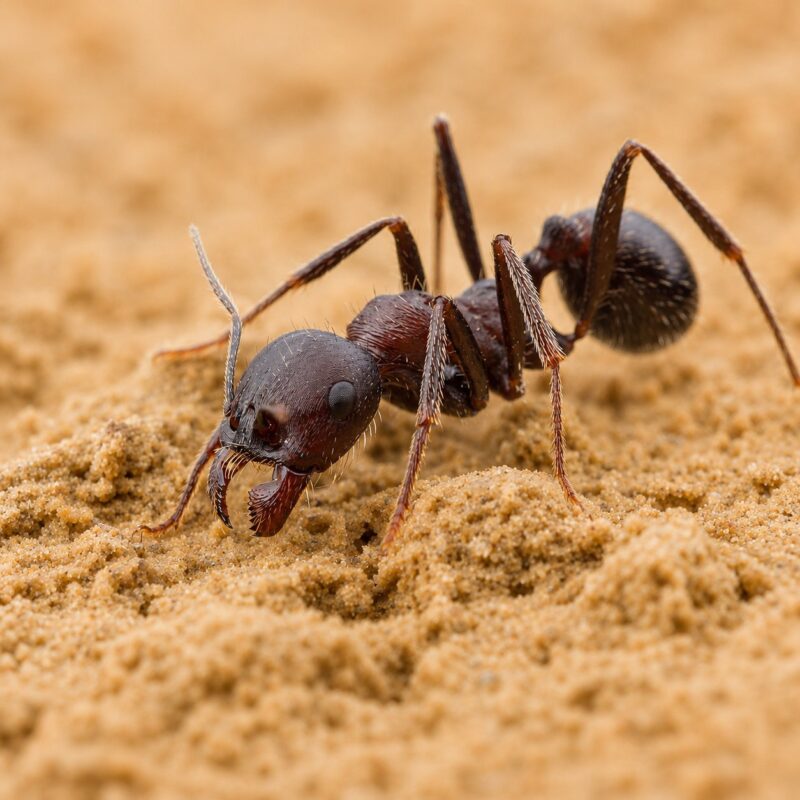
Camponotus ligniperda is one of Europe’s largest carpenter ants, a bold black-and-red giant native to France. A rewarding long-term project for keepers who want a show-sized colony.
Why this species
Size and longevity are the draw here. This is a heavyweight among European carpenter ants, with big two-tone workers and a queen that can head the colony for around two decades, so it becomes a nest you keep for years rather than seasons. Watching it scale from a lone queen to a sprawling, impressive colony is the whole reward. It is hardy and forgiving by carpenter-ant standards, but it does demand a long winter rest each year, which puts it in the intermediate bracket. Patience is the main ingredient.
Feeding
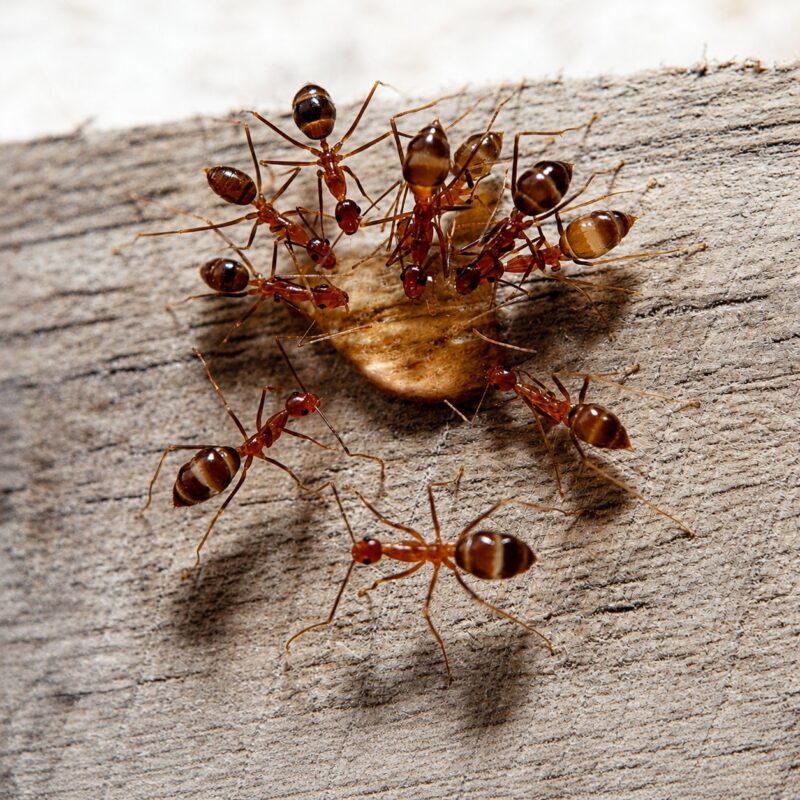
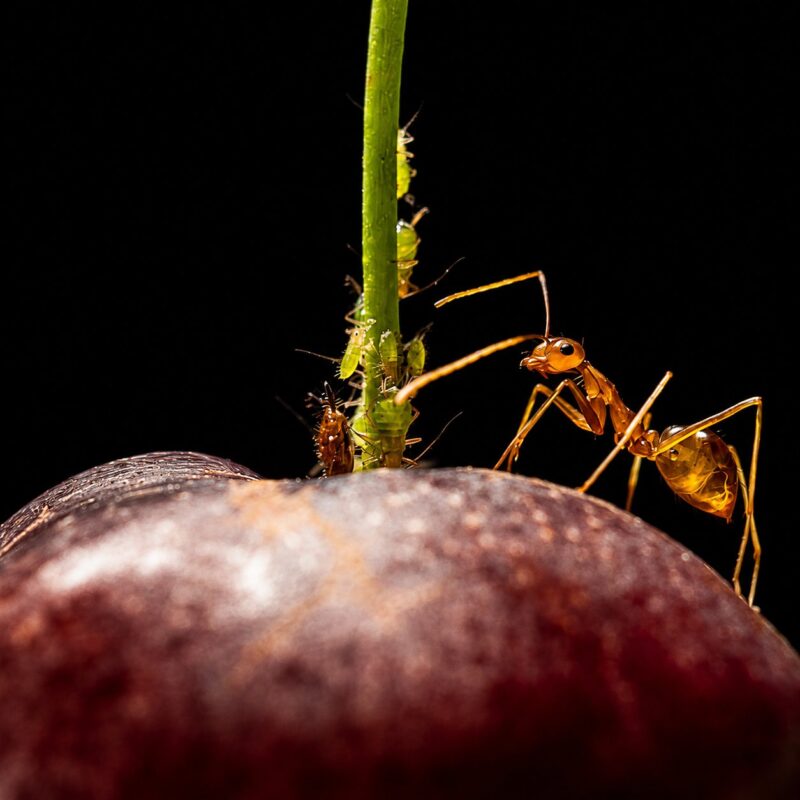
A big European carpenter ant with an omnivore’s appetite: workers farm honeydew from aphids for energy and bring back insect prey to drive brood growth. Keep sugar available at all times and add protein a few times a week; seeds are left untouched.
| Sugar water / honey water | ★★★ |
| Ant nectar / sugar jelly | ★★★ |
| Honey | ★★★ |
| Protein jelly | ★★★ |
| Crickets | ★★★ |
| Cockroaches (Dubia / Turkish) | ★★★ |
| Fruit flies (Drosophila) | ★★★ |
| Houseflies | ★★★ |
| Locusts | ★★ |
| Boiled egg yolk | ★★ |
| Soft fruit (apple, pear, banana) | ★★ |
| Mealworms | ★ |
| Superworms | ★ |
| Boiled lean chicken / shrimp / meat | ★ |
| Dried insects | ★ |
| Soft seeds (poppy, sesame, chia) | ✗ |
| Hard seeds (canary, millet, sunflower) | ✗ |
★★★ readily · ★★ moderately · ★ occasionally · ✗ not eaten
Housing & formicarium
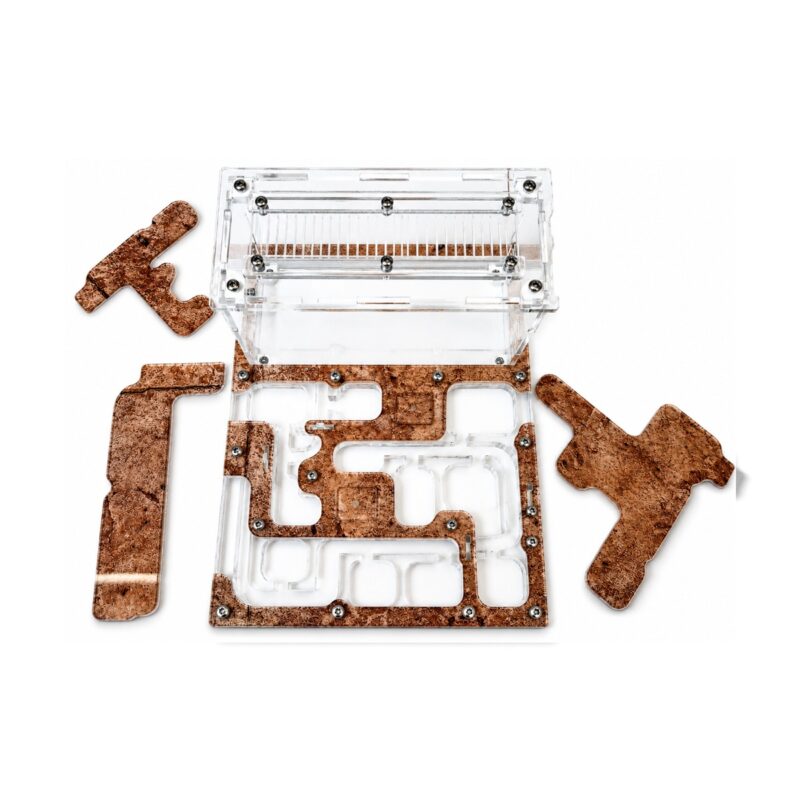
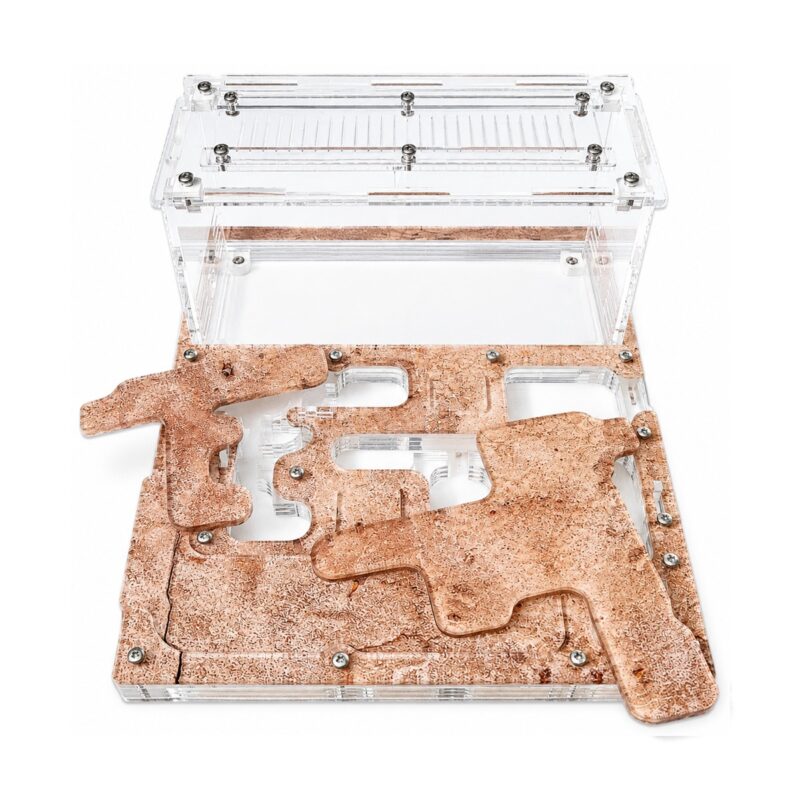
Begin the queen in a test tube and shift her once founding workers blanket the floor and brood stacks up. This big wood-nester needs a roomy moisture-holding nest in Ytong or aerated concrete with a damp section and a generous foraging area. Step the nest up in stages as numbers climb toward five figures. These powerful workers test boundaries, so seal the rim with fluon, oil, or talc and water. An ANTonTOP formicarium or starter kit covers the nest, arena and barrier from founding on.
Climate & wintering
Through the active season the nest wants 20-24 °C and the arena 18-28 °C, with nest humidity 50-60% and the arena a touch drier at 30-50%. Heat only one side so the colony can choose its spot along the gradient, which big colonies use to park brood at the right warmth. A winter rest at 5-10 °C for 4-5 months is mandatory here: taper the food and overwinter the nest cool and dark, then bring it back gradually in spring.
Growth forecast + what you receive
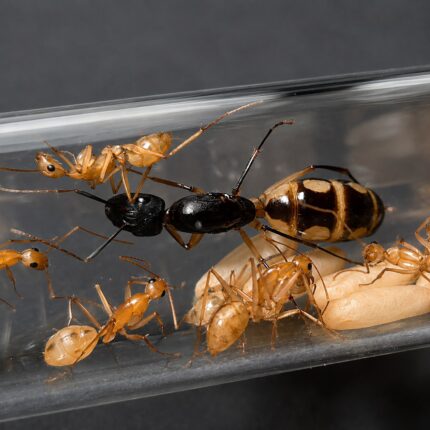
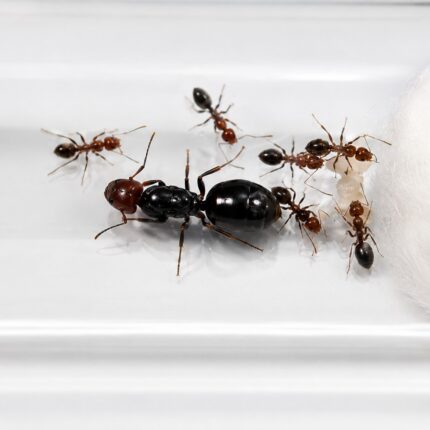
This is a long game. Camponotus build slowly, and a species this large takes years to approach its ceiling of up to 10,000 workers, with the first workers emerging in roughly 1.8 months (about 55 days). A queen that can live close to 20 years means the colony keeps developing season after season. You receive a mated queen together with workers and brood to continue the colony.
Did you know
- It is one of the largest carpenter ants in Europe and is regularly confused with its close relative Camponotus herculeanus, which favours cooler upland forests.
- Queens are remarkably long-lived, with records pointing to nearly two decades of egg-laying from a single founder.
- The genus name comes from Mayr’s 1861 revision; carpenter ants hollow out wood for nest galleries but feed on honeydew and insects, not the timber.
- Workers host the gut bacterium Blochmannia, an obligate symbiont that helps the colony thrive on a sugar-heavy diet by supplying missing nutrients.
Frequently asked questions
Is Camponotus ligniperda good for beginners?
It is rated Intermediate. It is approachable, but the long mandatory winter rest and large final size suit a committed keeper.
Does Camponotus ligniperda need a winter rest?
Yes. A cool winter rest at 5-10 °C for 4-5 months is mandatory.
Does this black-and-red carpenter ant sting or bite?
No, it has no sting, only a mild bite.
How big does a Camponotus ligniperda colony get?
Up to about 10,000 workers in a single-queen colony.
How large is the queen?
The queen is a large 18-21 mm; workers are 8-12 mm and majors 9-16 mm.
How fast does it grow?
Slowly, with first workers in about 1.8 months (~55 days), then years of gradual growth.
What do I feed it?
Sugar water or nectar plus crickets and flies; it does not eat seeds.
How is it shipped and will it arrive alive?
It ships as a queen with workers and brood plus a heat or cool pack, sent within 24 h with tracking for safe, fast live arrival.
Keeping & shipping essentials
Escape prevention. Coat the inner rim of every open arena with fluon (PTFE), or use talc-and-water or an oil barrier as a backup, and keep a tight, fine-mesh lid on top. Check the barrier regularly, since dust, condensation and feeding debris break a fluon line over time. Keep tubing connectors tight and seal any gaps in the nest.
Keeping reminders. Always offer fresh water and never let the nest dry out completely. Give carbohydrates continuously and protein a few times a week, and remove uneaten insect prey within 24 hours before it moulds. Keep the formicarium out of direct sunlight and away from constant vibration, which stresses a young colony. A water-filled test tube plugged with cotton makes an ideal spare incubator whenever you need one.
Before you buy – do not rehouse too early. Have a test-tube setup or a small formicarium with an outworld and a working barrier ready before your colony arrives. A founding colony grows slowly at first, which is normal. Moving a small colony into a large nest too soon invites mould, mites and stress, and the workers die off one by one. Keep the colony in its open test tube on the arena, plug the nest entrance with cotton, and open up the next chambers only once the colony fills roughly 10-15% of the space.
What we ship. Every colony ships with a live-arrival guarantee, backed by our 24h unboxing-video guarantee: if the queen does not arrive alive, we reship free. Parcels travel with DHL, InPost (PL) or EMS, with a heat or cold pack to suit the season, packed discreetly and securely. We ship across the EU and worldwide, with free shipping over the Europe threshold.
2 reviews for Camponotus ligniperda
Clear filtersShow reviews in all languages (2)

Walter (verified owner) –
Sehr beeindruckende Ameisen. Die Arbeiterinnen sind groß und aktiv, und die Kolonie entwickelt sich langsam, aber stabil. Macht wirklich Spaß, sie zu beobachten.
manuel.garciaymilan (verified owner) –
J’ai bien reçu mon coli et tres vite, les fourmies etait toute vivantes. au top