
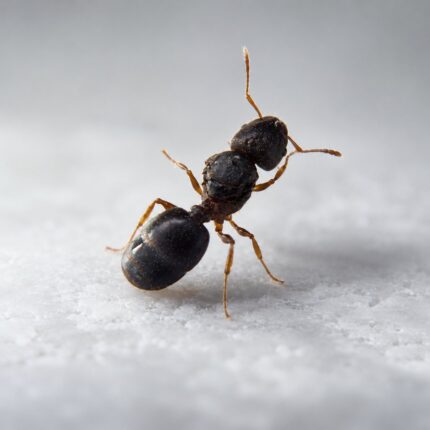
Pheidole nodus
139,90 zł – 469,90 złPrice range: 139,90 zł through 469,90 zł
Live Queen Guarantee
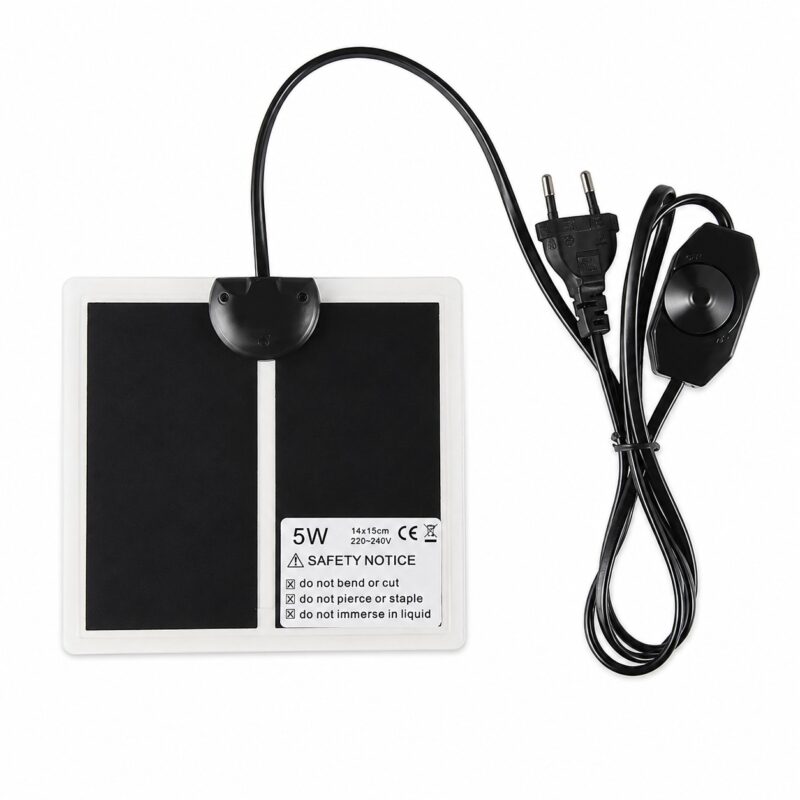
Heat Pack & Summer Cooling
Fertilised Queen in Every Colony
Ships Within 24 h
Free Care Guide
24/7 Expert Support
Description
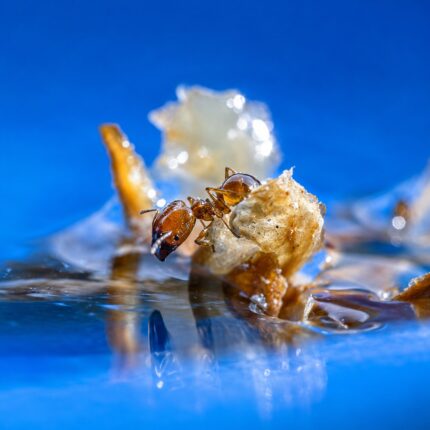
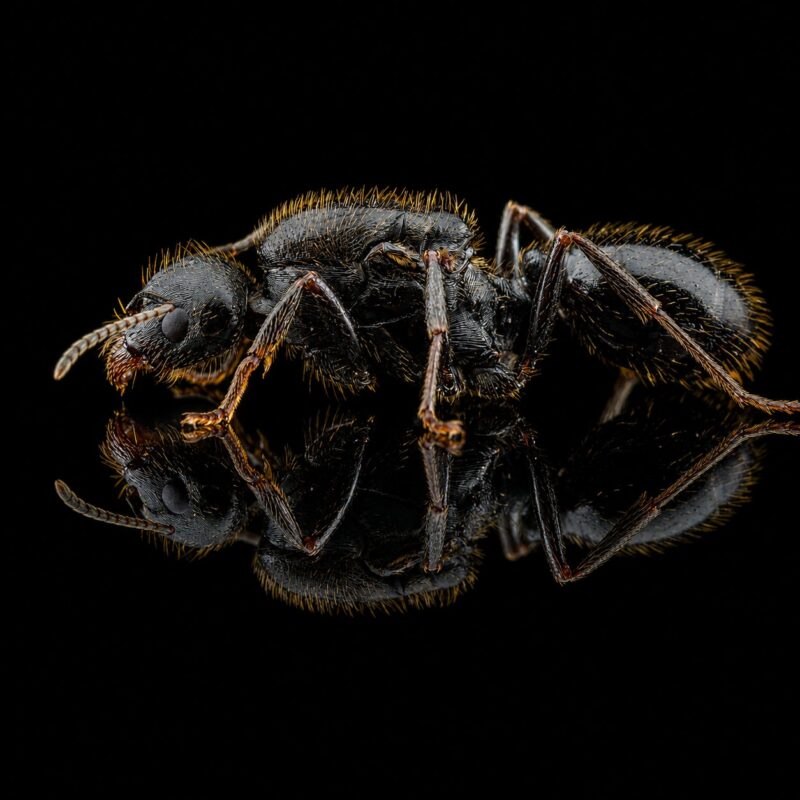
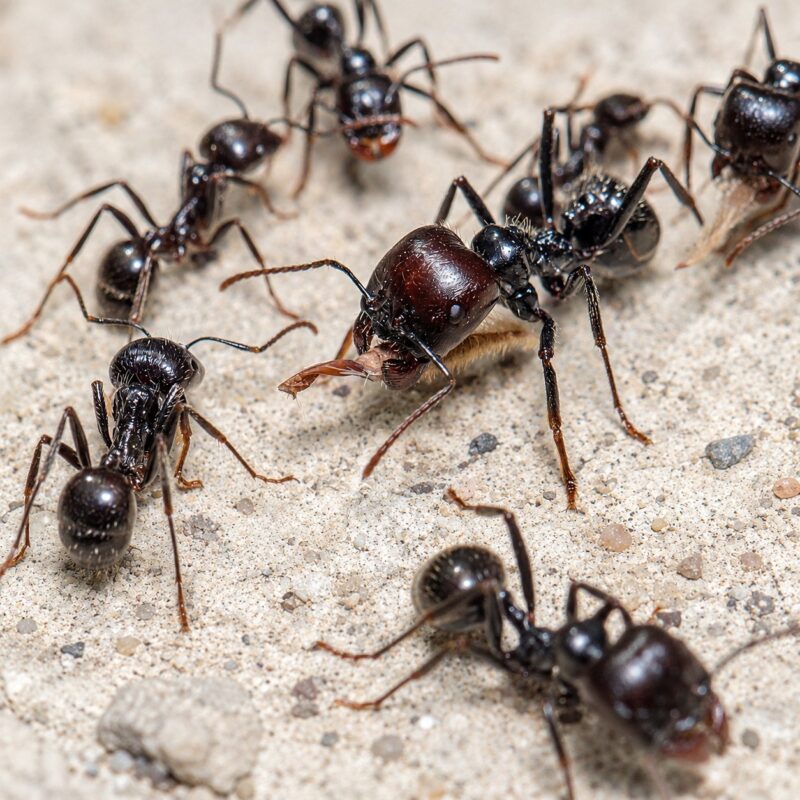
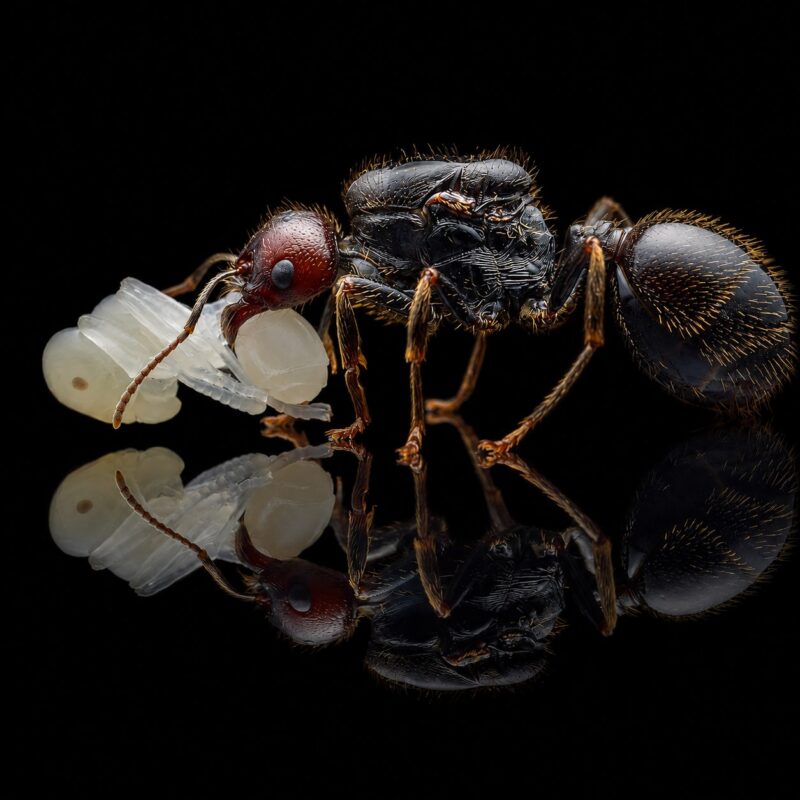
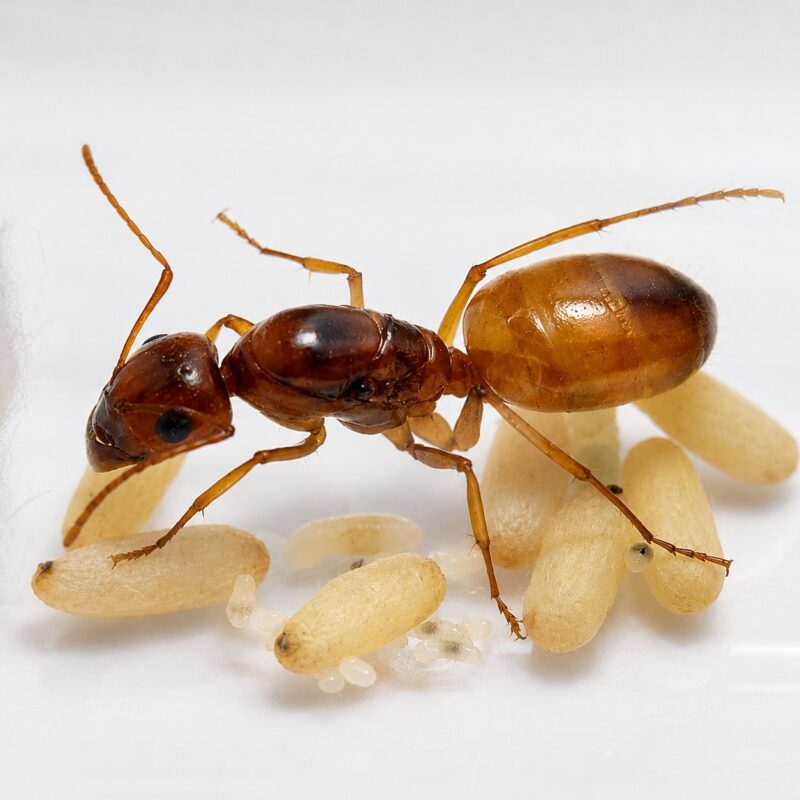
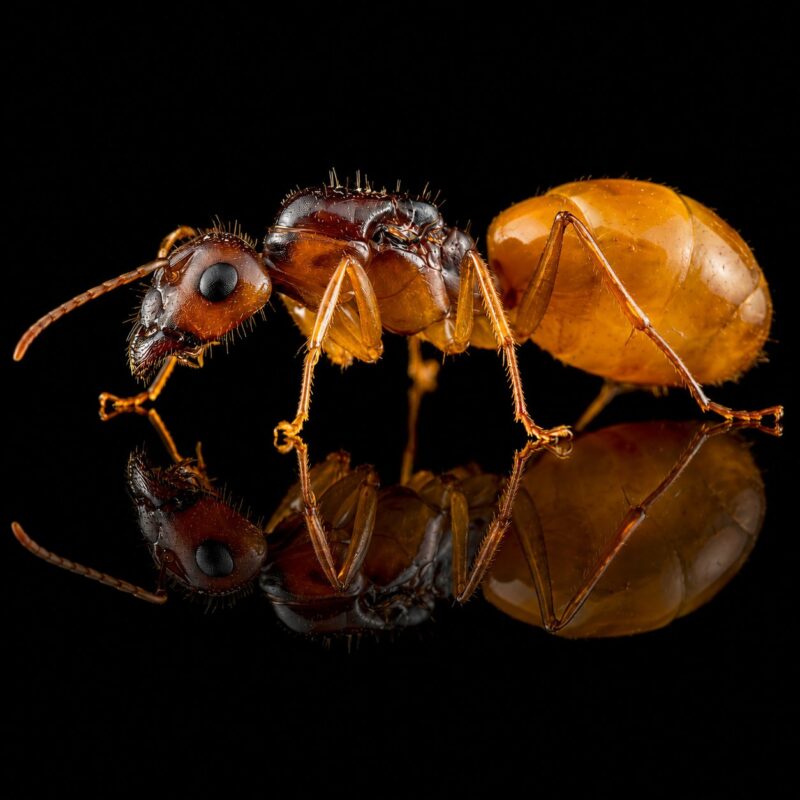
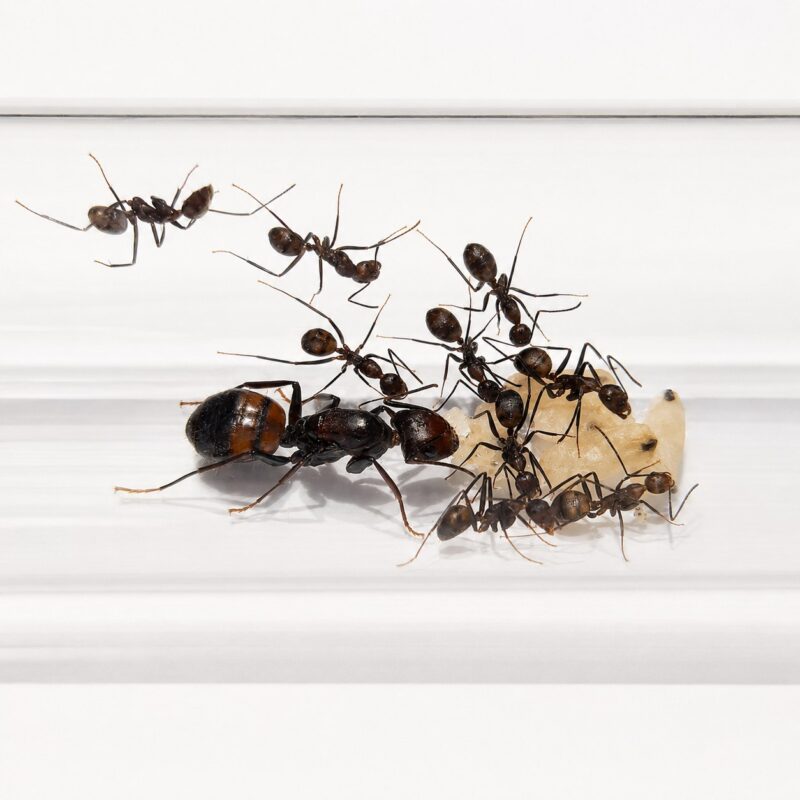
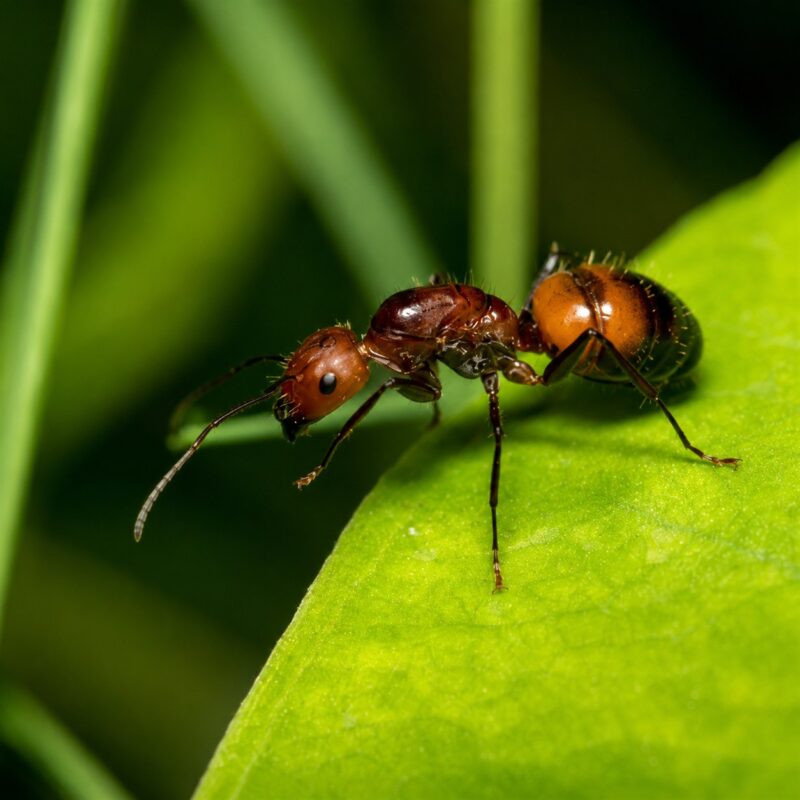
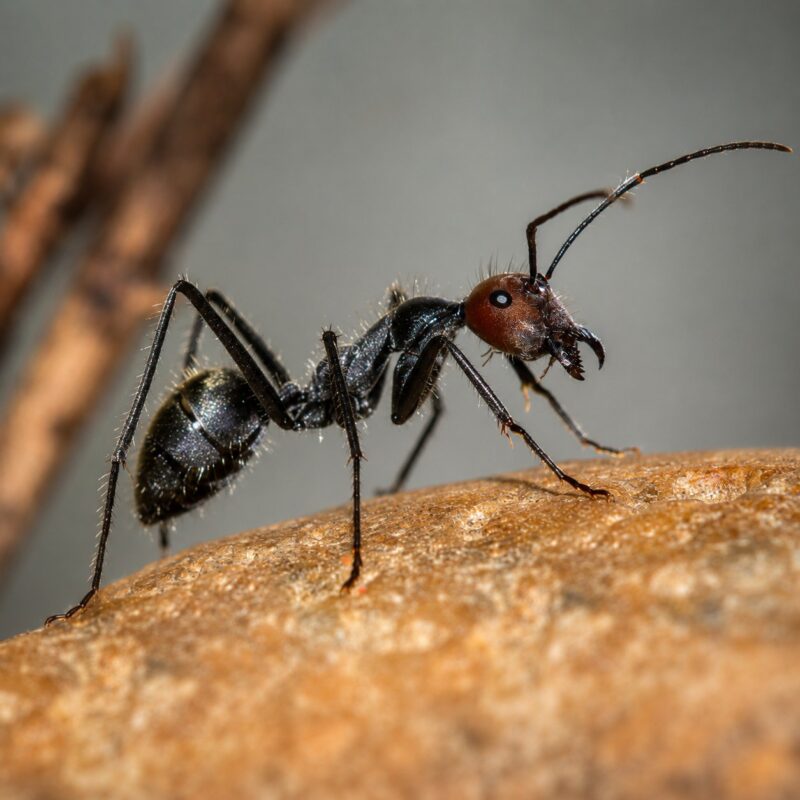
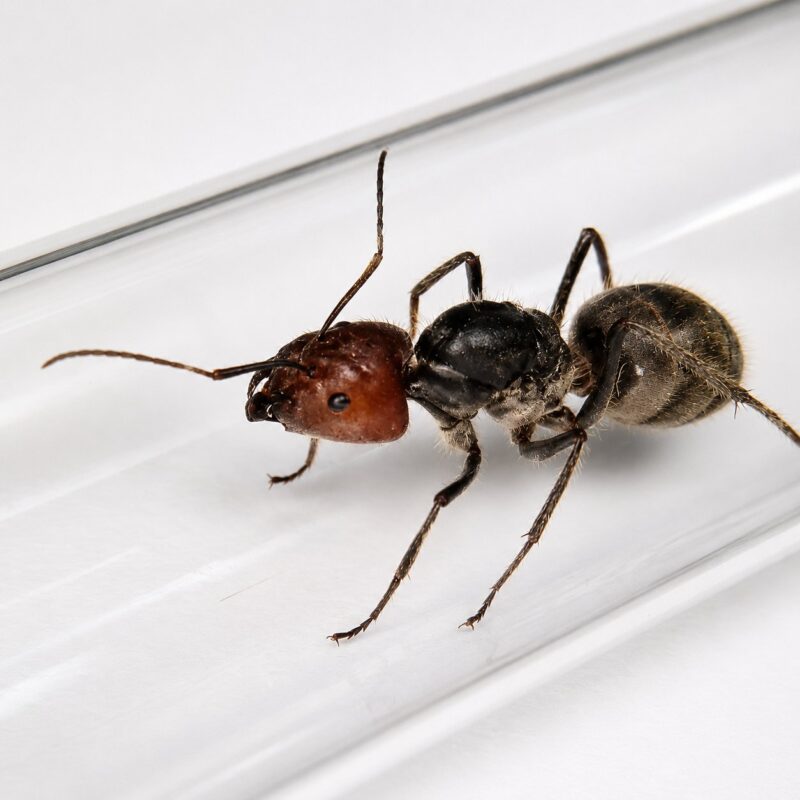
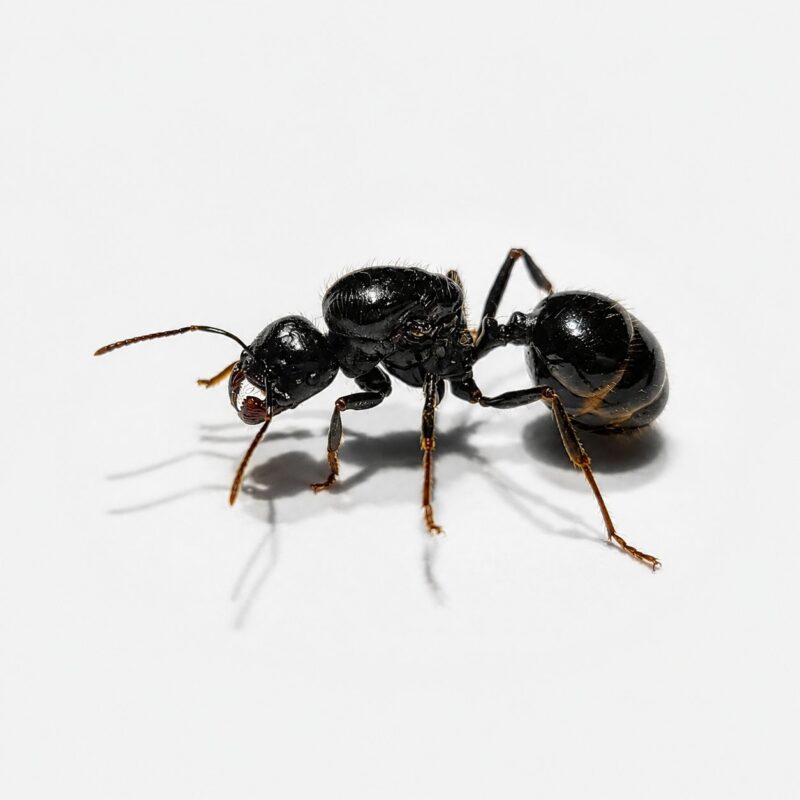
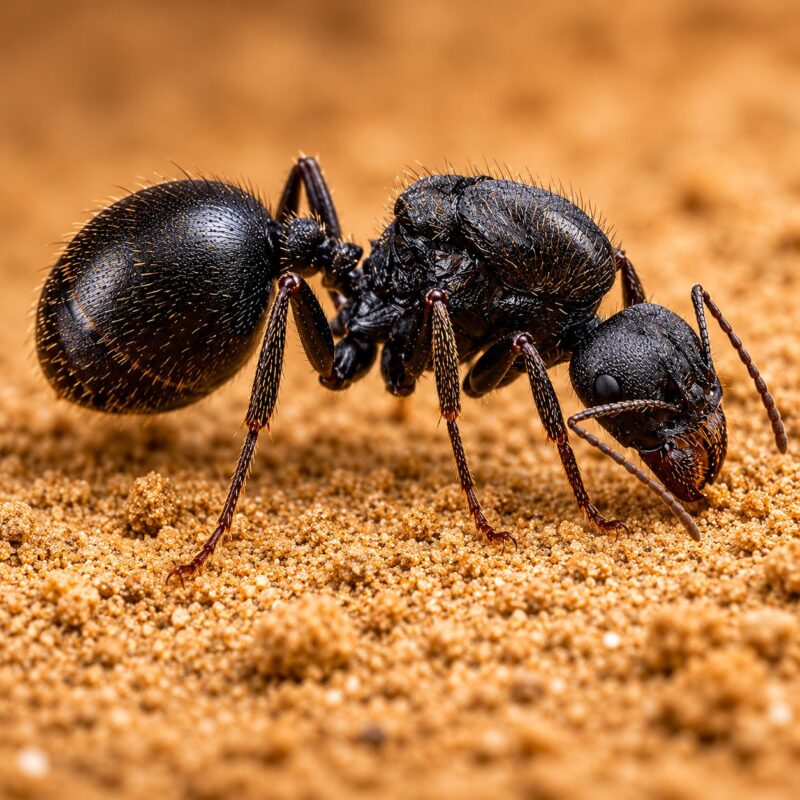
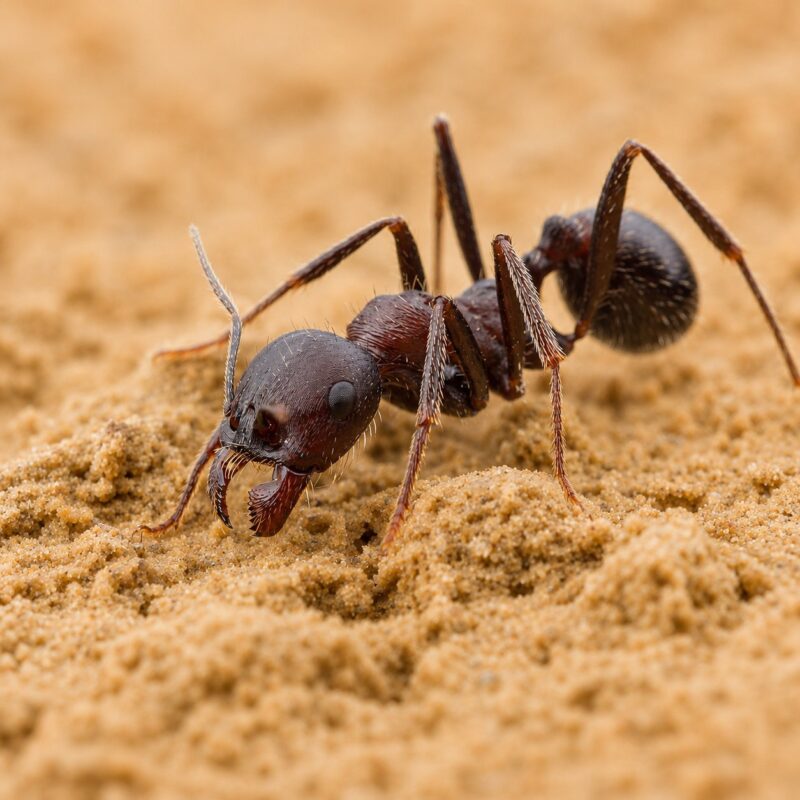
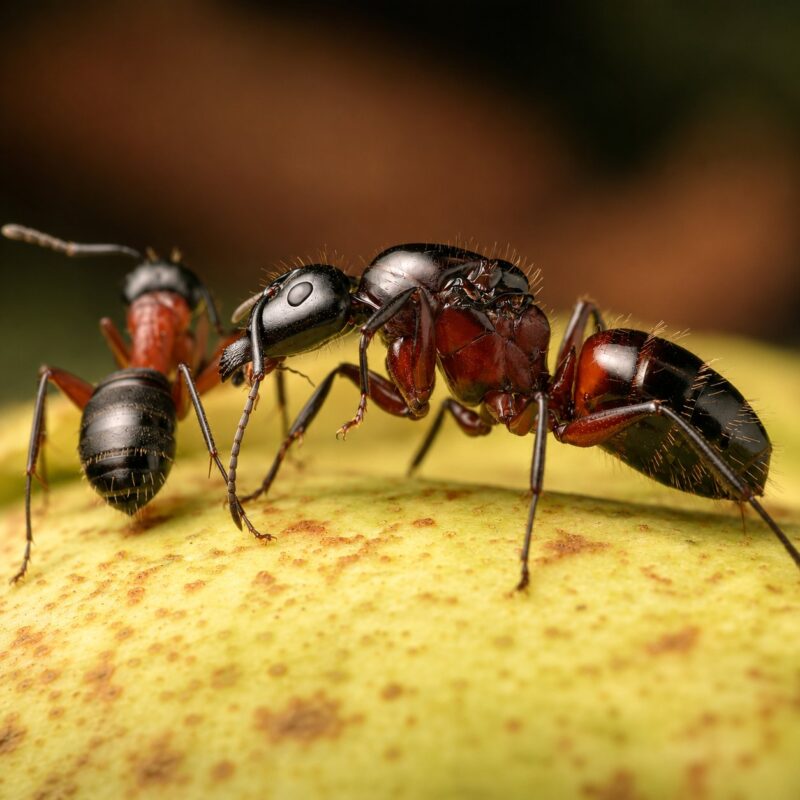
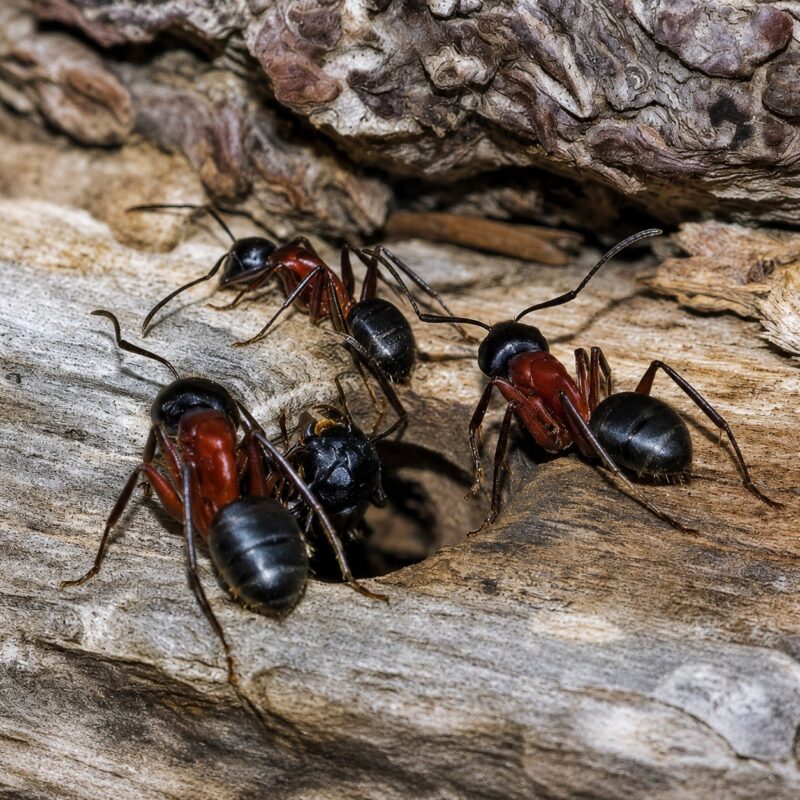
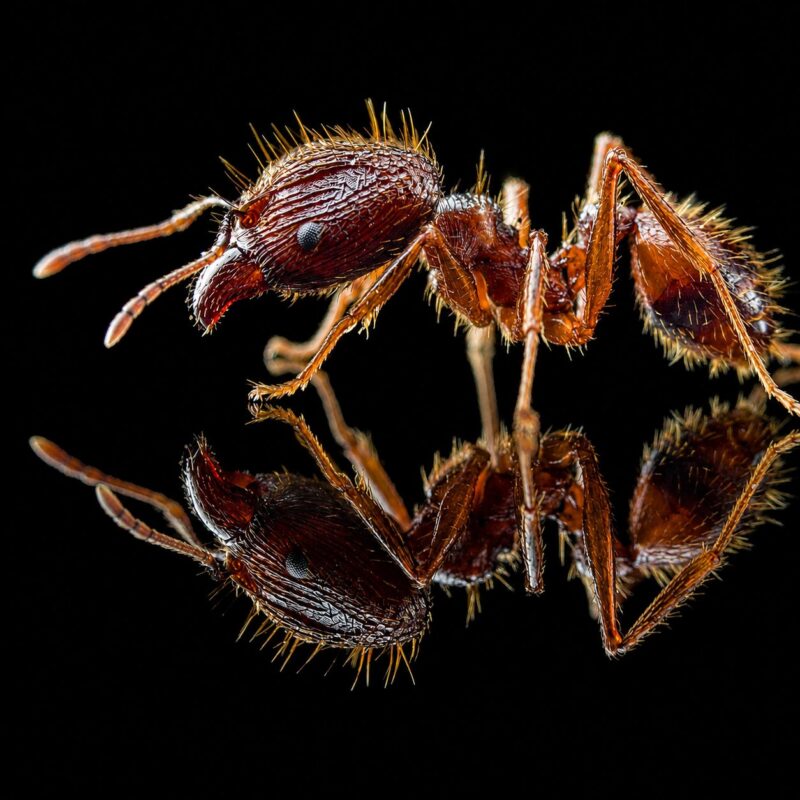
Watch broad-headed soldiers tower over tiny minors in a Japanese big-headed ant that shrugs off ordinary room swings, founding on several queens at an easy, manageable pace. Start your first colony of Pheidole nodus at ANTonTOP.
Free shipping across Europe over 1299 zł.
DHL / InPost / EMS · ships the EU & worldwide.
Beginner · Q 6 mm / W 2-3 mm / S 4-5 mm (major) · 1000-10000 workers · Not required · Omnivore · Japan (East Asia) · Sting (mild), mild bite
Additional information
| Behavior | |
|---|---|
| Keeping difficulty | |
| Origin | |
| Ant size | |
| Hibernation | |
| Sting |
Has sting |
Pheidole nodus – Big-headed ant
| Origin | Japan (East Asia) |
|---|---|
| Difficulty | Beginner |
| Colony form | Polygyne (2+ queens) |
| Max workers | 1000-10000 workers |
| Queen | 6 mm |
| Worker | 2-3 mm |
| Soldier / major | 4-5 mm (major) |
| Founding | Claustral |
| Temperature | Nest 20-26 °C / Arena 22-32 °C |
| Humidity | Nest 55-70% / Arena 40-60% |
| Hibernation | Not required |
| Diet | Omnivore |
| Sting / bite | Sting (mild), mild bite |
| Egg to first worker | ~4-6 weeks at 25-27C |
| Queen lifespan | 5-10 years |
| Nuptial flight | warm humid summer months, often after heavy rain |
| Activity | both (diurnal and nocturnal) |
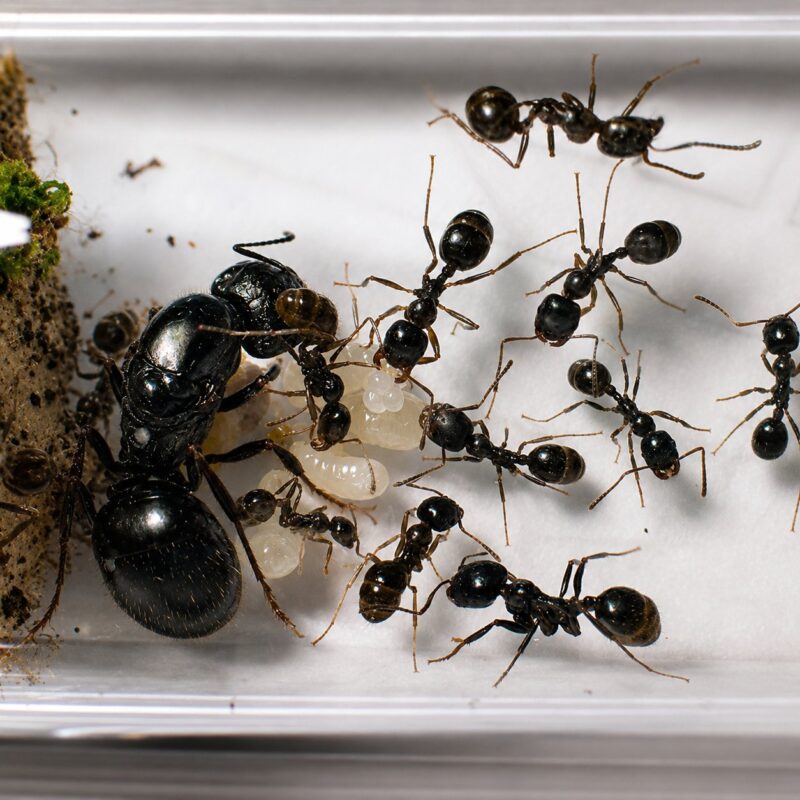
Pheidole nodus is an East Asian big-headed ant from Japan with a clear soldier caste, an easygoing colony that shrugs off a wide arena temperature range.
Why this species
Hailing from temperate Japan, this is one of the more adaptable big-headed ants and a relaxed species to keep. It shows the classic split between tiny minors and broad-headed majors, and shared-queen nests let it build numbers at a steady, manageable pace. Its temperate roots make it comfortable across a broad arena range, so day-to-day conditions are forgiving and it copes with ordinary household swings better than most tropical relatives. Hardy and undemanding, it makes a reliable entry point for anyone who wants an adaptable colony with obvious caste differences.
Feeding
A hardy temperate omnivore, it gathers sugars and honeydew for the workers while the majors break down firmer food for the brood. Keep a sweet source available constantly and offer insects regularly to keep development steady.
| Sugar water / honey water | ★★★ |
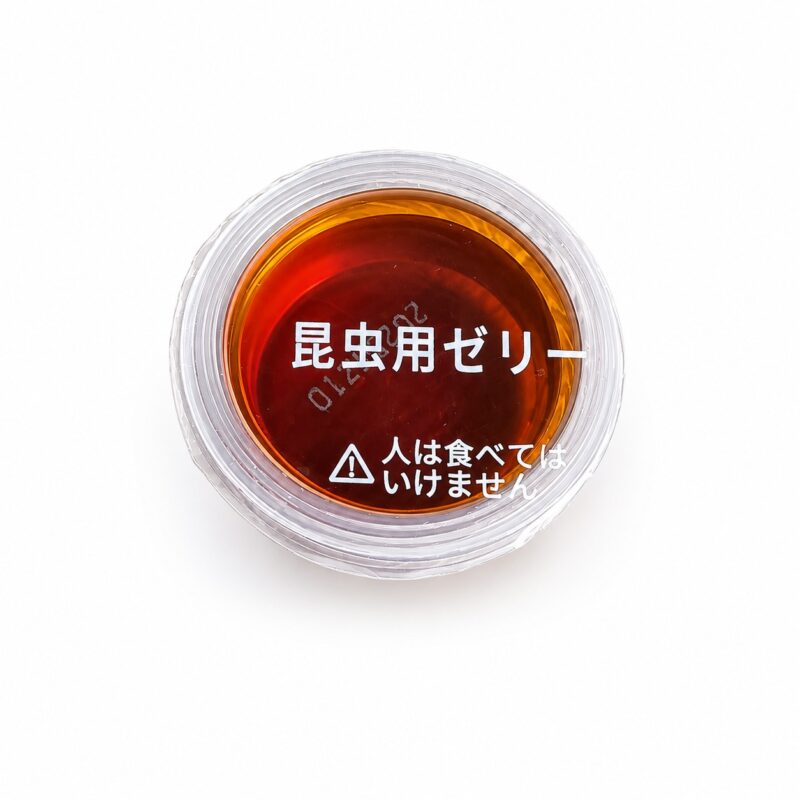
| Ant nectar / sugar jelly | ★★★ |
| Honey | ★★★ |
| Protein jelly | ★★★ |
| Crickets | ★★★ |
| Cockroaches (Dubia / Turkish) | ★★★ |
| Fruit flies (Drosophila) | ★★★ |
| Houseflies | ★★★ |
| Soft fruit (apple, pear, banana) | ★★★ |
| Locusts | ★★ |
| Boiled egg yolk | ★★ |
| Boiled lean chicken / shrimp / meat | ★★ |
| Soft seeds (poppy, sesame, chia) | ★★ |
| Mealworms | ★ |
| Superworms | ★ |
| Dried insects | ★ |
| Hard seeds (canary, millet, sunflower) | ★ |
★★★ readily · ★★ moderately · ★ occasionally · ✗ not eaten
Housing & formicarium
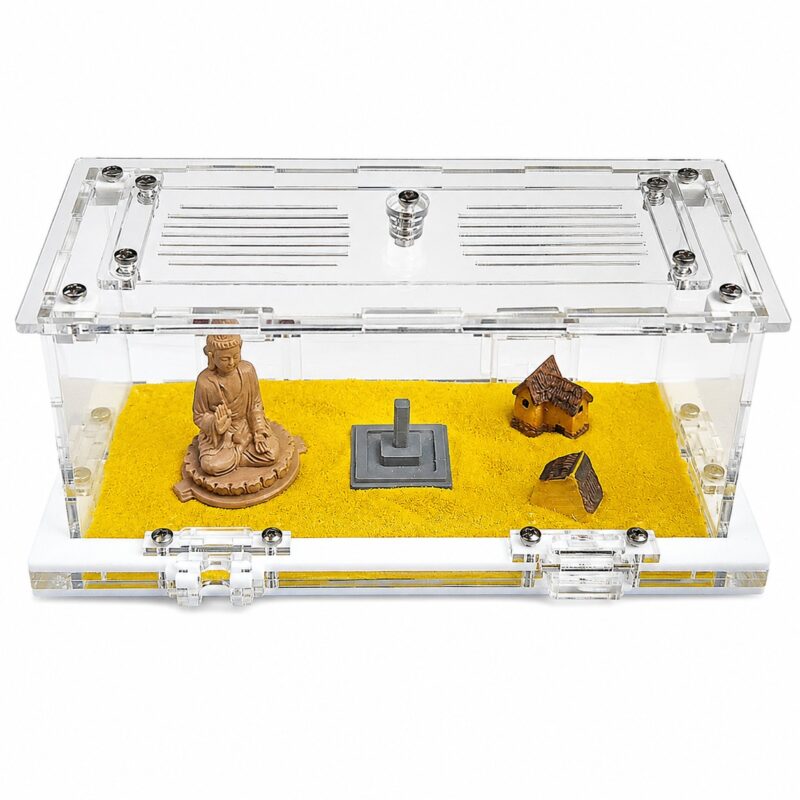
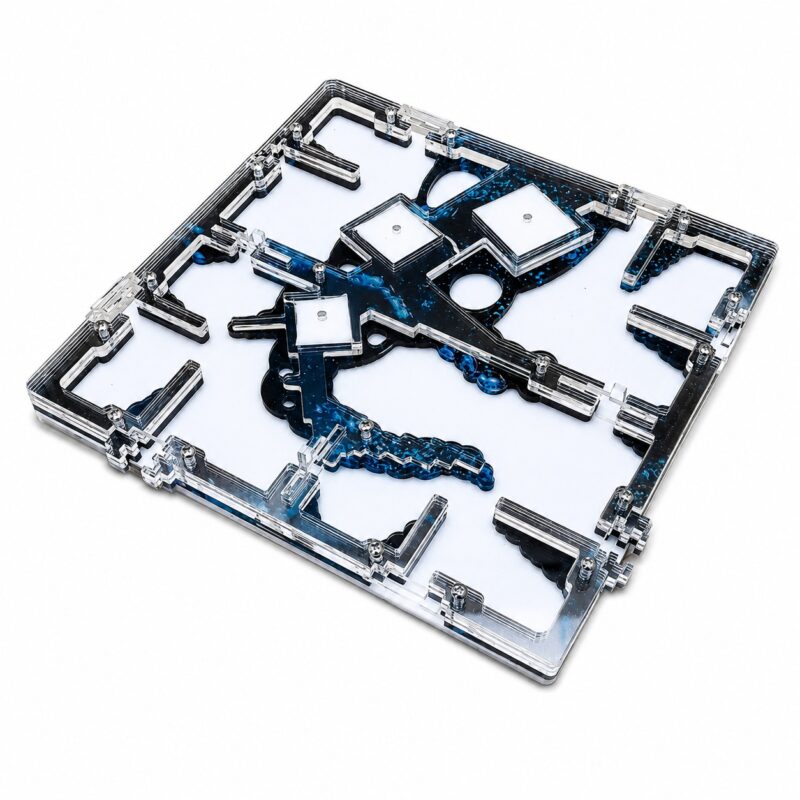
Raise the queen in a test tube and move her on once workers cover the floor. This Japanese ant takes a moderately damp nest, so an aerated concrete (Ytong), gypsum or 3D-printed nest with one damp chamber and a drier front suits it. Step up when roughly two-thirds of the nest is occupied. The minors are small, so make sure every joint is tight and treat the arena rim with fluon, oil, or talc and water. ANTonTOP formicaria and starter kits give you a matched nest, arena and barrier for the founding and growth stages.
Climate & wintering
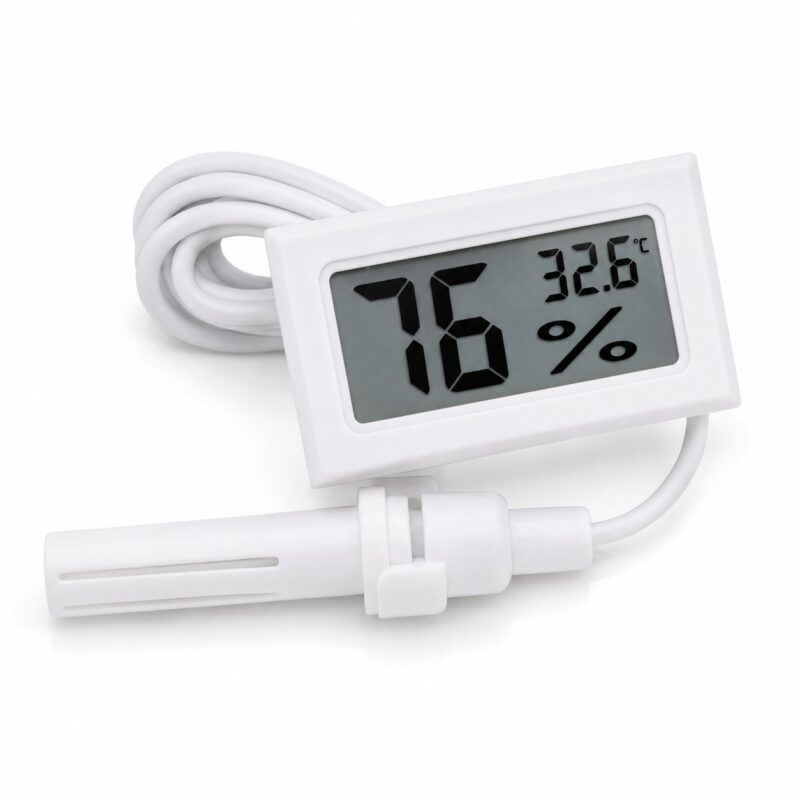
Coming from Japan, this ant needs no real hibernation; it may slow in cooler spells, but you can keep feeding without dropping the temperature. Keep the nest at 20-26 °C and the arena across a broad 22-32 °C, with humidity of 55-70% in the nest and 40-60% in the arena. Heat one side only so the colony can settle along a gradient. Brood develops in roughly 4-6 weeks at 25-27 °C.
Growth forecast + what you receive
Pheidole grow at a brisk pace, and with several queens this colony can reach somewhere between 1,000 and 10,000 workers over time. Brood runs egg to worker in about 4-6 weeks at 25-27 °C. You receive a queen, or more than one, with workers and brood, ready to adapt and keep growing.
Did you know
- Pheidole is one of the largest ant genera in the world, with well over a thousand species, including many in temperate East Asia.
- Temperate Pheidole can be remarkably adaptable, tolerating a wide spread of conditions rather than needing a narrow tropical window.
- The major caste gives the big-headed ants their name, with heavy heads built to mill seeds and crack hard food.
- Many Pheidole are active seed handlers, collecting and relocating seeds in ways that aid plant dispersal.
Frequently asked questions
Is Pheidole nodus good for beginners?
Yes, it is rated Beginner, adaptable and easy to keep.
Does Pheidole nodus need a winter rest?
Hibernation is not required. It may slow down in cooler months, but you can keep feeding it without lowering the temperature.
Does the big-headed ant sting or bite?
It has a sting and a mild bite, but it is gentle and not a concern.
How big can the colony get?
Between 1000 and 10000 workers over time.
How large is the queen?
The queen is about 6 mm; workers are 2-3 mm and majors 4-5 mm.
How fast does it grow?
Quickly. Pheidole are fast growers, and brood develops in about 4-6 weeks at 25-27 °C.
What does it eat?
Sugar water, nectar or jelly, and insects like crickets and flies; it does not eat seeds.
Will my Pheidole nodus colony arrive alive?
Yes, sent with queen, workers and brood plus a heat or cool pack, dispatched within 24 h with tracking for safe live arrival.
Keeping & shipping essentials
Escape prevention. Coat the inner rim of every open arena with fluon (PTFE), or use talc-and-water or an oil barrier as a backup, and keep a tight, fine-mesh lid on top. Check the barrier regularly, since dust, condensation and feeding debris break a fluon line over time. Keep tubing connectors tight and seal any gaps in the nest.
Keeping reminders. Always offer fresh water and never let the nest dry out completely. Give carbohydrates continuously and protein a few times a week, and remove uneaten insect prey within 24 hours before it moulds. Keep the formicarium out of direct sunlight and away from constant vibration, which stresses a young colony. A water-filled test tube plugged with cotton makes an ideal spare incubator whenever you need one.
Before you buy – do not rehouse too early. Have a test-tube setup or a small formicarium with an outworld and a working barrier ready before your colony arrives. A founding colony grows slowly at first, which is normal. Moving a small colony into a large nest too soon invites mould, mites and stress, and the workers die off one by one. Keep the colony in its open test tube on the arena, plug the nest entrance with cotton, and open up the next chambers only once the colony fills roughly 10-15% of the space.
What we ship. Every colony ships with a live-arrival guarantee, backed by our 24h unboxing-video guarantee: if the queen does not arrive alive, we reship free. Parcels travel with DHL, InPost (PL) or EMS, with a heat or cold pack to suit the season, packed discreetly and securely. We ship across the EU and worldwide, with free shipping over the Europe threshold.

Reviews
Clear filtersThere are no reviews yet.