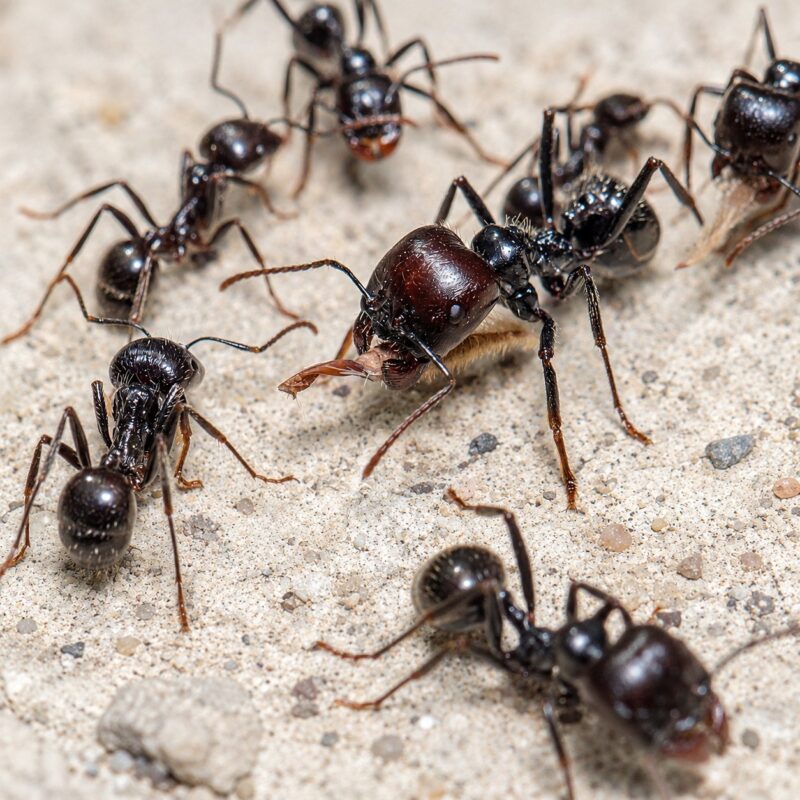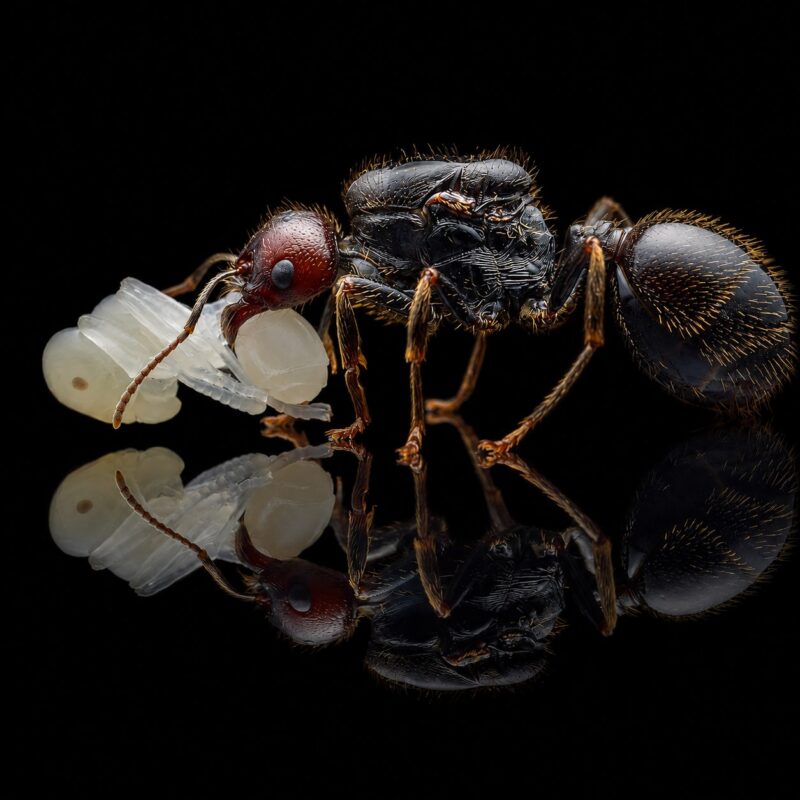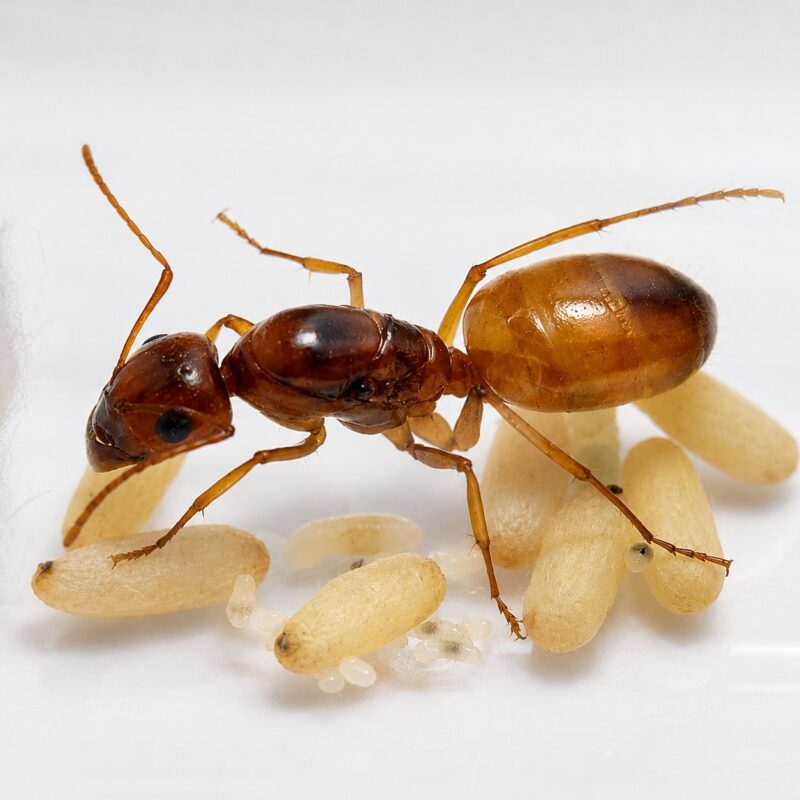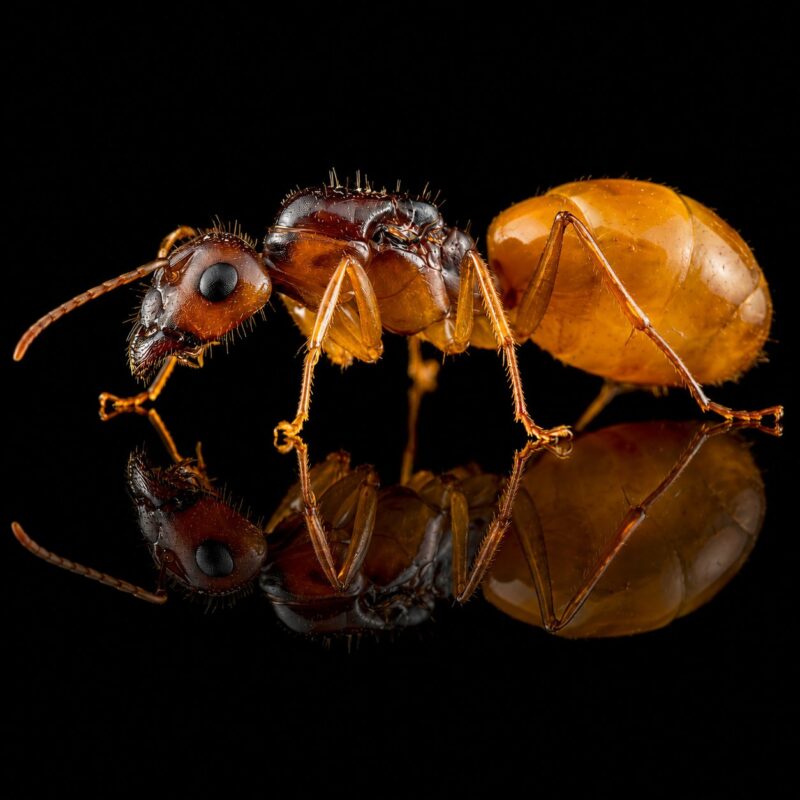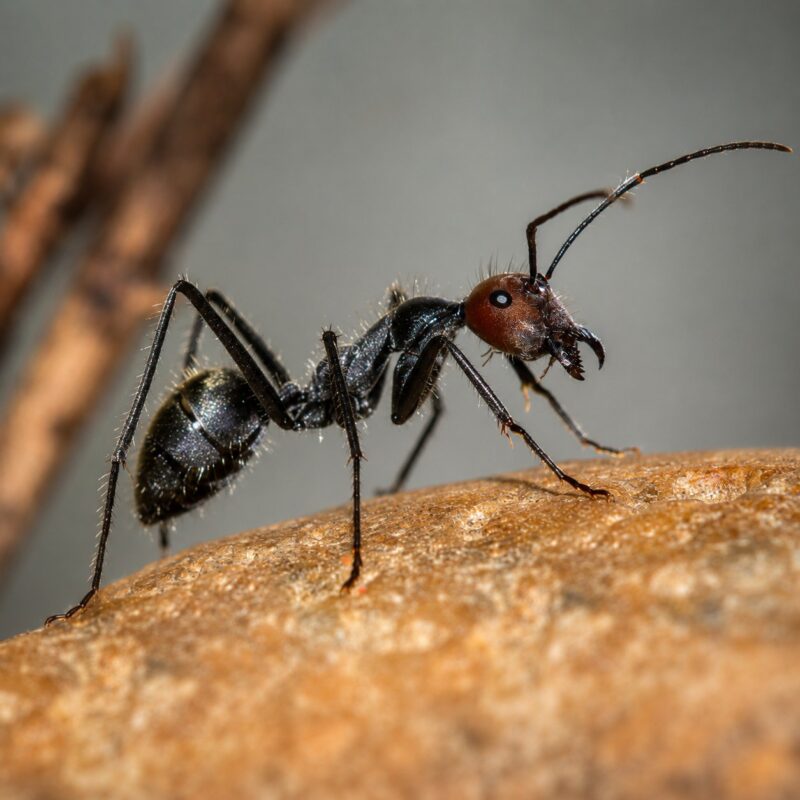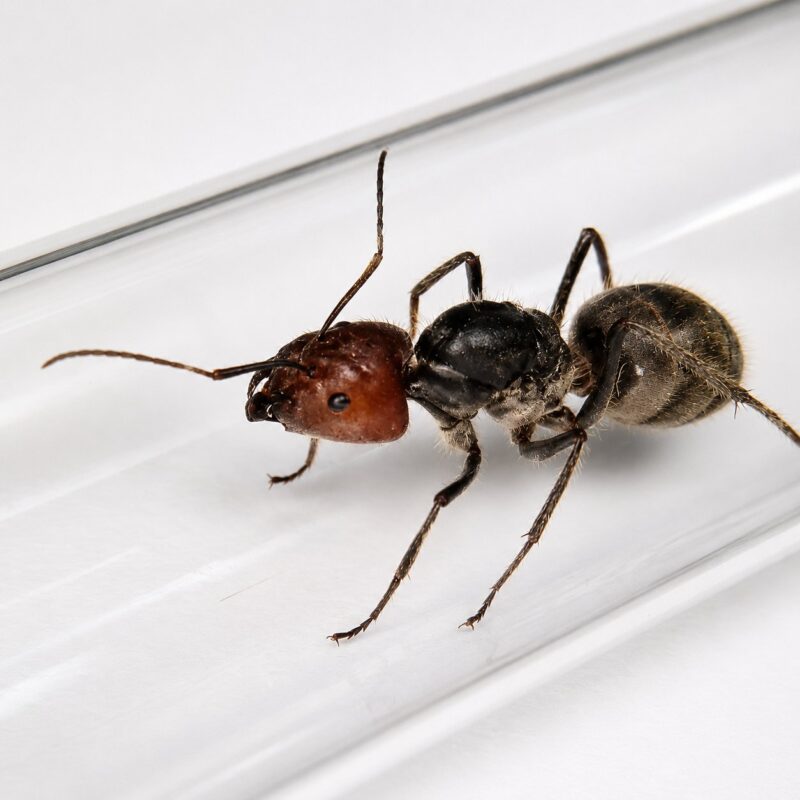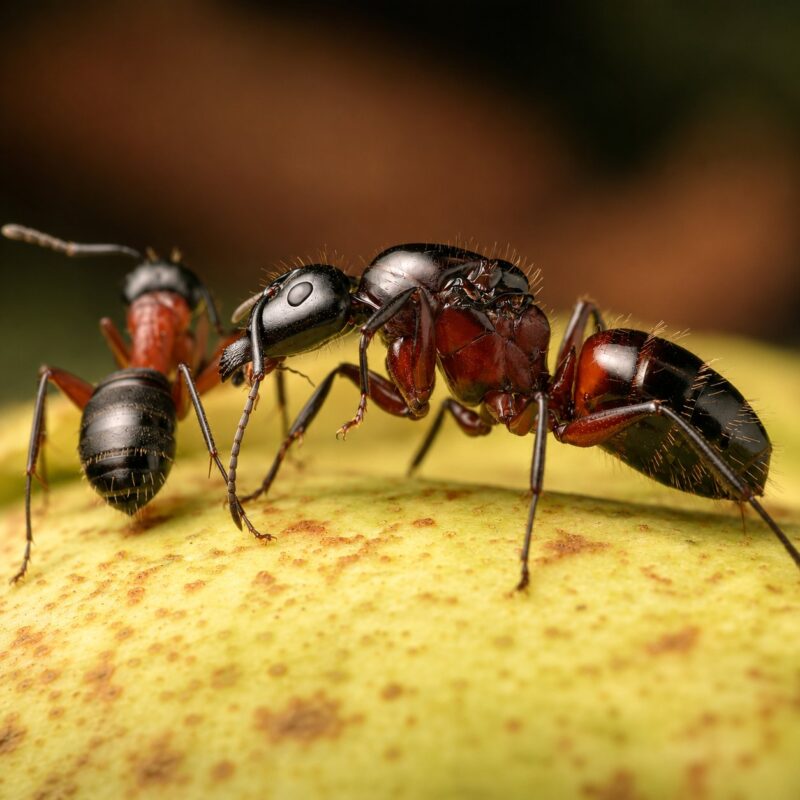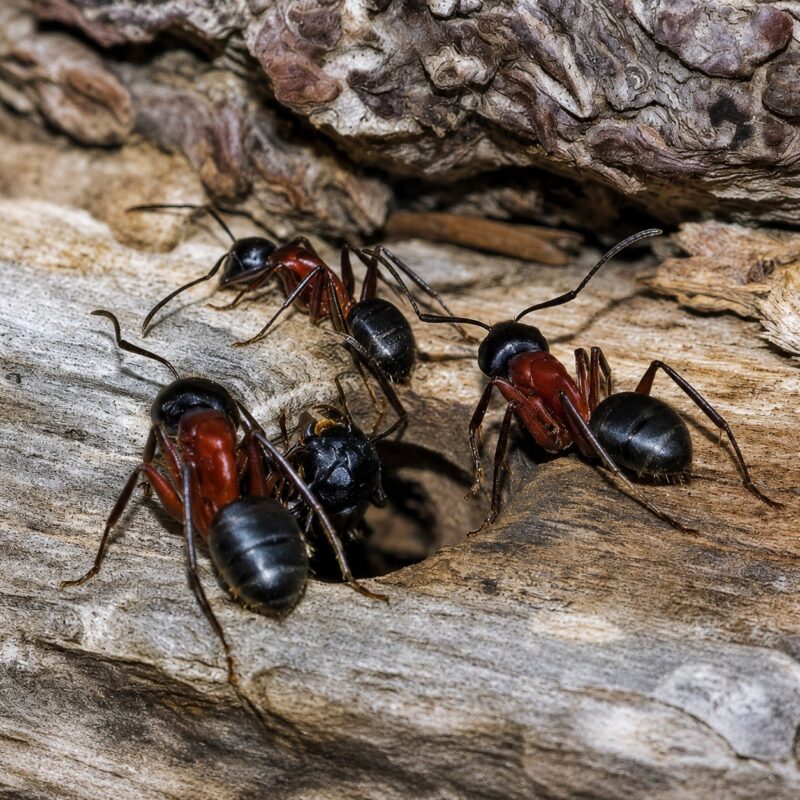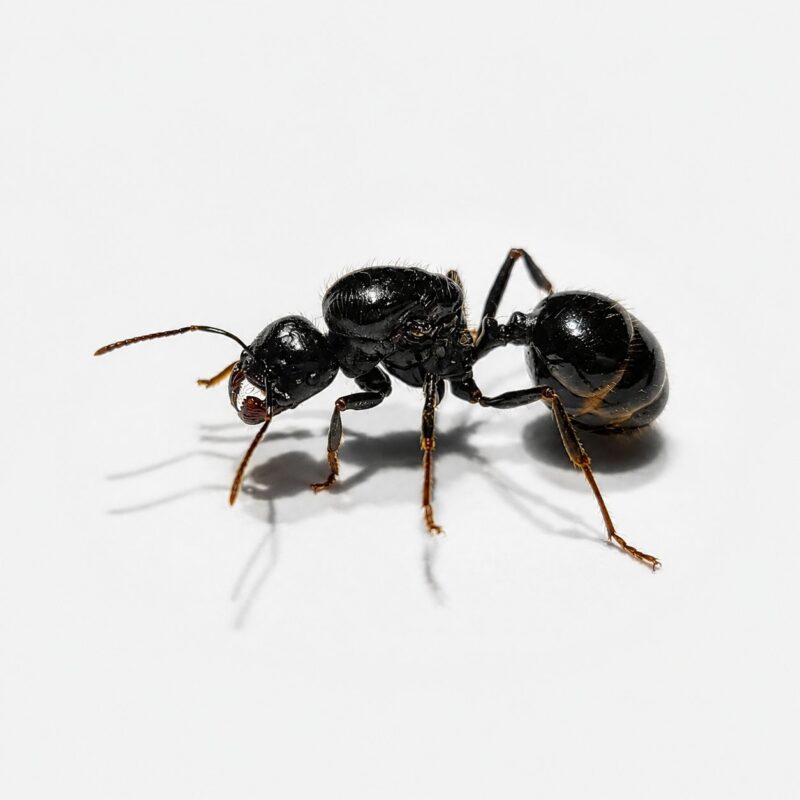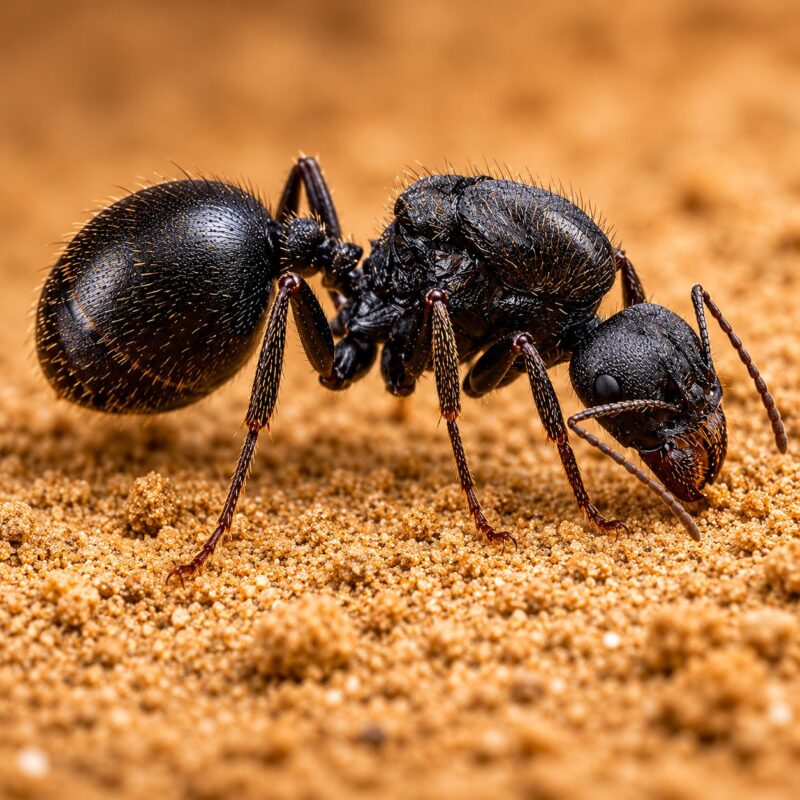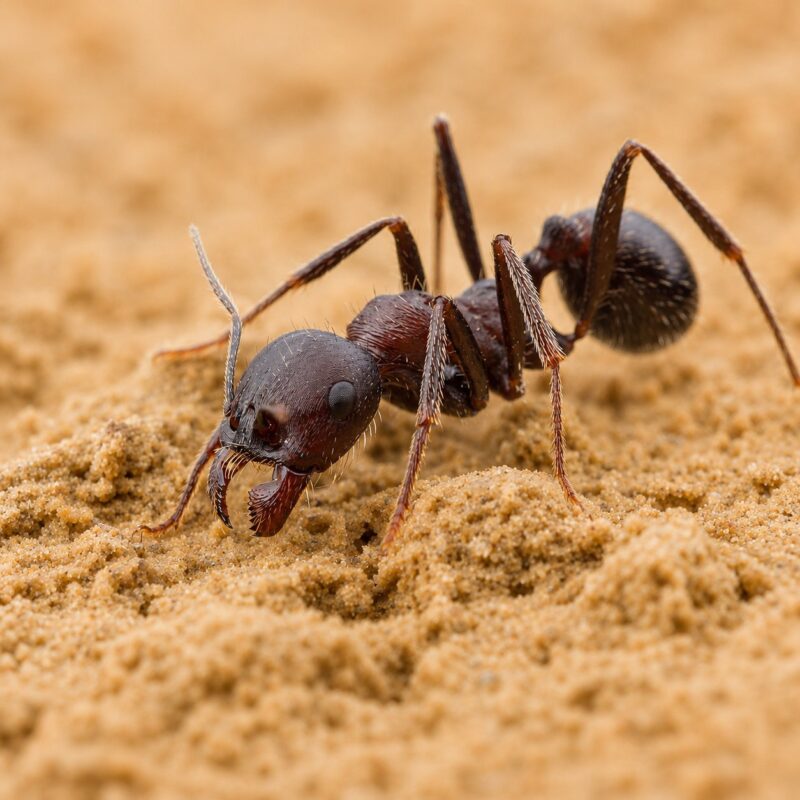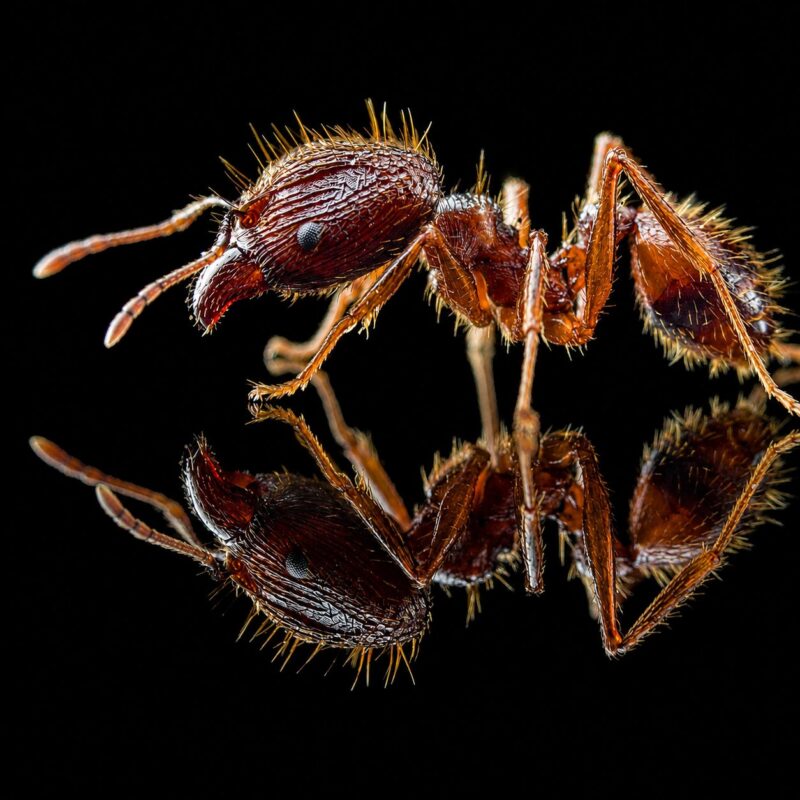

Pheidole aglae major worker — oversized soldier heads big-headed ant native to the pantropics, live colony at ANTonTOP
Pheidole aglae Price range: 149,90 zł through 339,90 zł
Back to products
Pheidole dugasi major worker — oversized soldier heads big-headed ant native to the pantropics, live colony at ANTonTOP
Pheidole dugasi Price range: 379,90 zł through 799,90 zł

Pheidole comata

Price range: 159,90 zł through 319,90 zł

No hibernation
Add 500,00  to cart and get free shipping!
Arrives alive and ready to lay, or we reship

Live Queen Guarantee

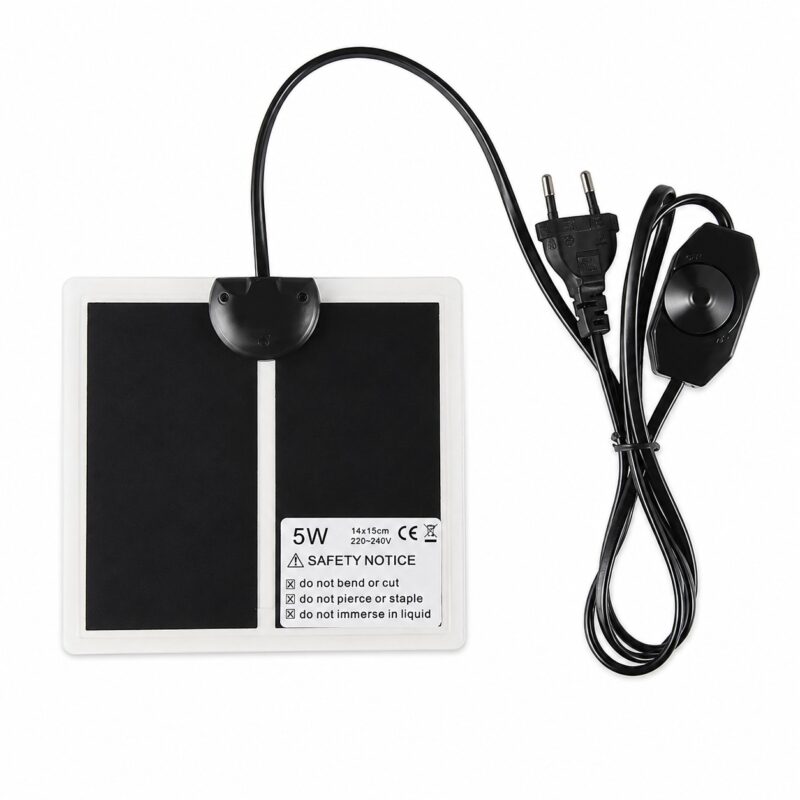
Warm in winter, insulated against summer heat

Heat Pack & Summer Cooling

Ready to grow from day one

Fertilised Queen in Every Colony

Packed fast, dispatched with tracking

Ships Within 24 h

Setup and feeding tips for your species

Free Care Guide

Fast answers from real ant keepers

24/7 Expert Support
Description

Skip the nervy founding wait: with two or more queens laying side by side, this tropical Borneo colony fills out fast and keeps the arena in near-constant motion. Start your first colony with Pheidole comata from ANTonTOP.

Live arrival + 24h unboxing-video guarantee.
Free shipping across Europe over 1299 zł.
DHL / InPost / EMS · ships the EU & worldwide.

Beginner · Q 7-8 mm / W 2.5-4 mm / S 4-5.5 mm · Up to 10,000 workers · No hibernation (tropical) · Omnivore · Borneo (Southeast Asia) · Sting (mild), mild bite

Additional information

Behavior

Keeping difficulty

Origin

Ant size

Hibernation

Sting

Has sting

Description

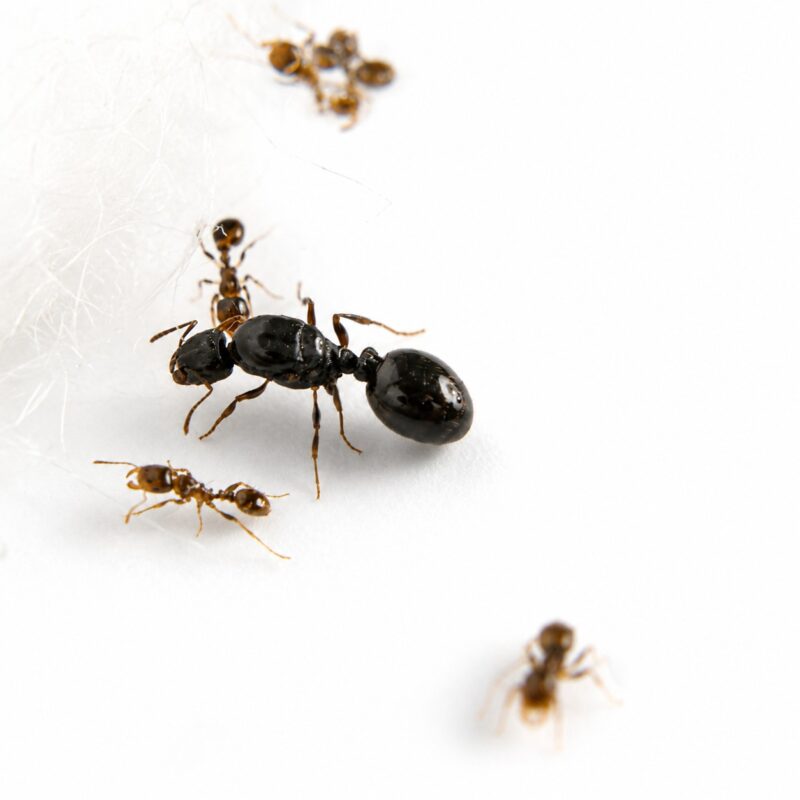
Pheidole comata – Big-headed ant

Origin Borneo (Southeast Asia)
Difficulty Beginner
Colony form Polygyne (2+ queens)
Max workers Up to 10,000 workers
Queen 7-8 mm
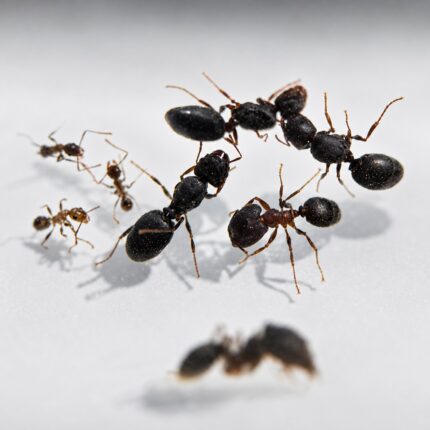
Worker 2.5-4 mm
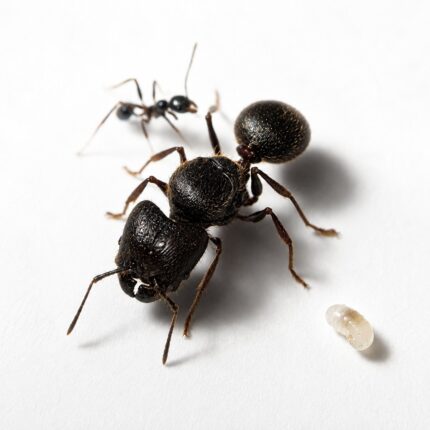
Soldier / major 4-5.5 mm
Founding Claustral
Temperature Nest 23-27 °C / Arena 24-28 °C
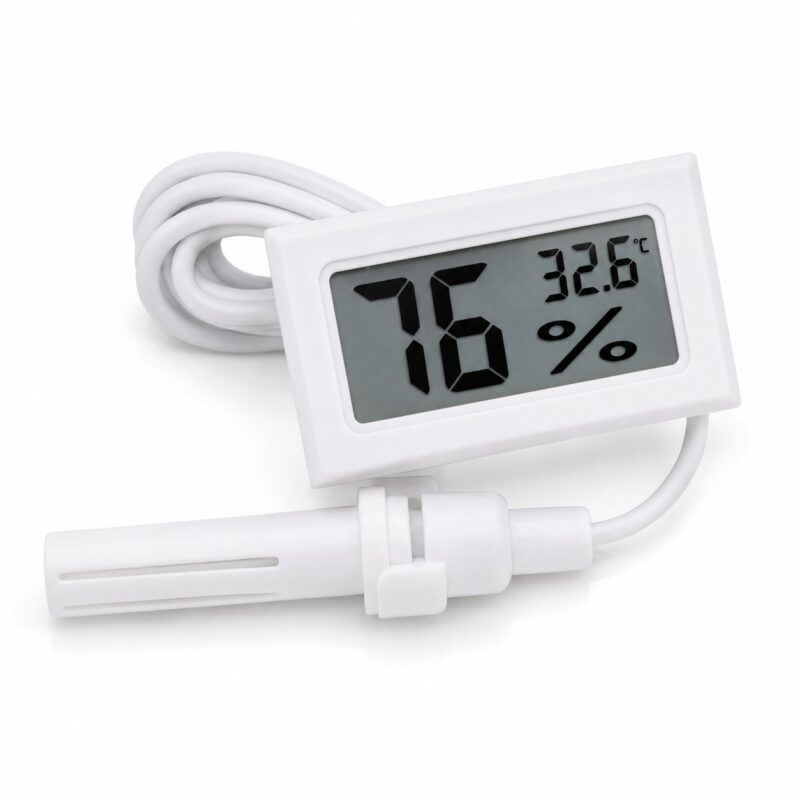
Humidity Nest 60-75% / Arena 50-65%
Hibernation No hibernation (tropical)
Diet Omnivore
Sting / bite Sting (mild), mild bite
Egg to first worker 3-5 weeks
Queen lifespan 7-15 years
Nuptial flight warm humid summer months, often after heavy rain
Activity both

Pheidole comata is a tropical big-headed ant from Borneo whose shared-queen nests build into busy, fast-moving colonies that rarely sit still.


Why this species

If you want quick results, this is a forgiving way into the genus. Several queens lay side by side, so the early colony fills out fast and you spend less time waiting for that nervy founding stage to pass. Being fully tropical, it skips the winter rest that trips up beginners with European ants: warmth and moisture year round and it simply keeps growing. You get the classic big-headed split of nimble little foragers and broad-headed soldiers, plus near-constant traffic in the arena. A relaxed, rewarding first colony for anyone who likes to see activity rather than wait for it.


Feeding

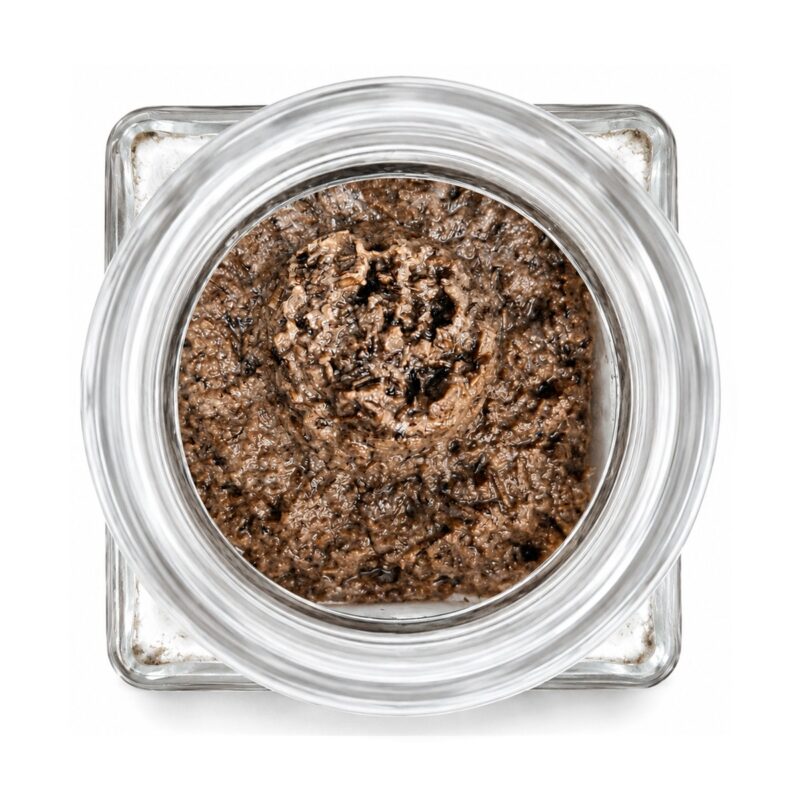
An opportunist of the rainforest floor, it laps sugars and honeydew for everyday energy while the majors break down tougher prey to feed a hungry brood. Leave a sweet source available constantly and offer insects regularly to keep development on pace.

Sugar water / honey water ★★★
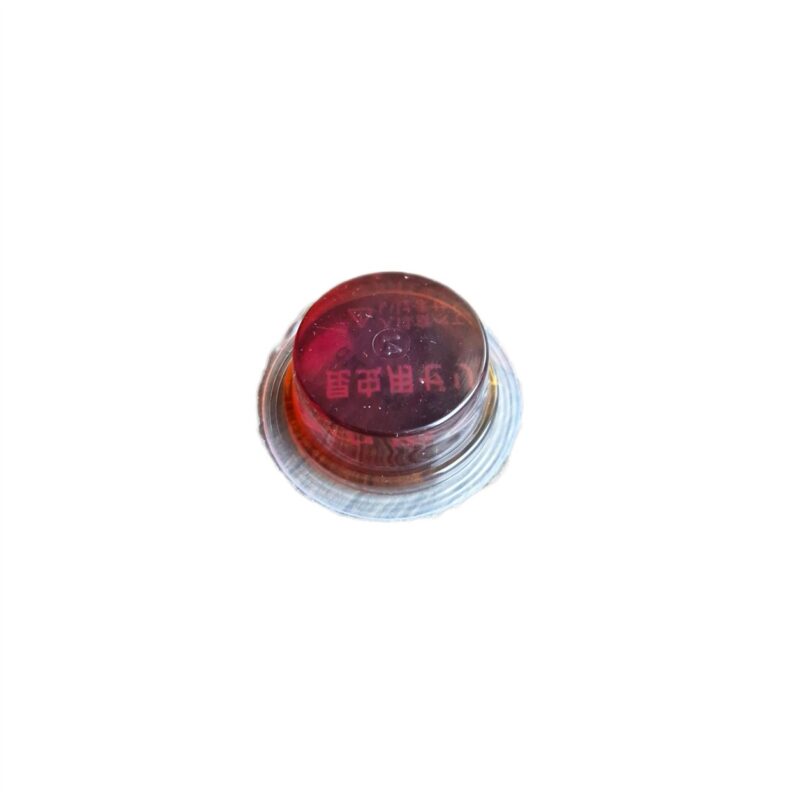
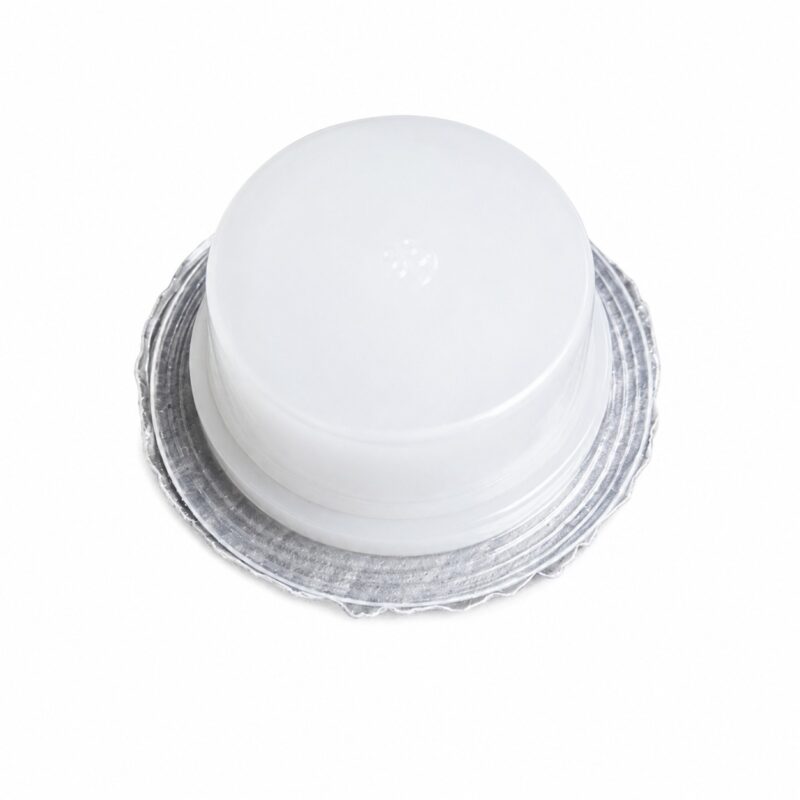
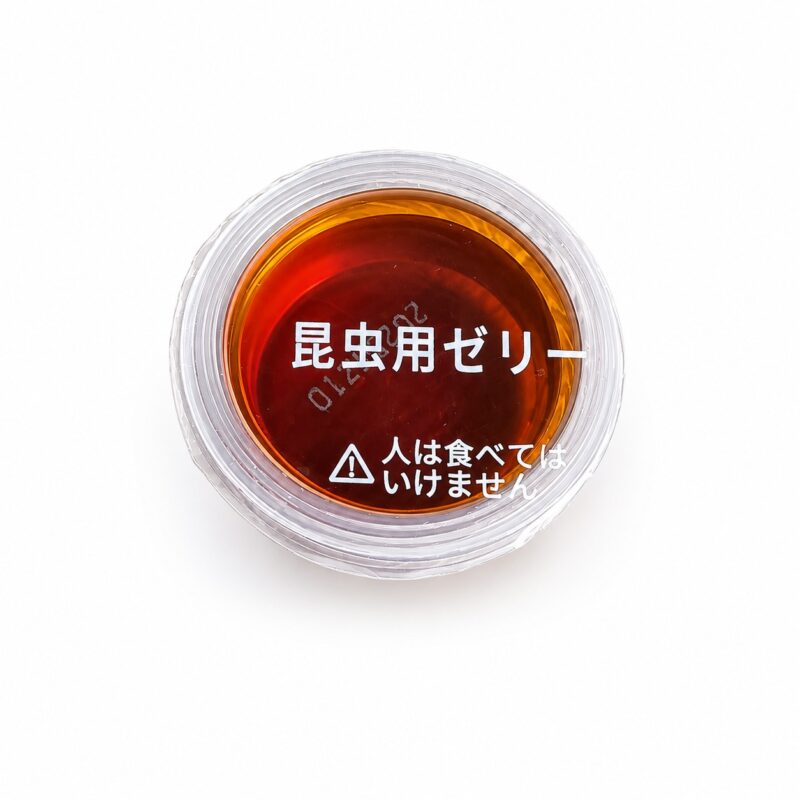
Ant nectar / sugar jelly ★★★
Honey ★★★
Protein jelly ★★★
Crickets ★★★
Cockroaches (Dubia / Turkish) ★★★
Fruit flies (Drosophila) ★★★
Houseflies ★★★
Soft fruit (apple, pear, banana) ★★★
Locusts ★★
Boiled egg yolk ★★
Boiled lean chicken / shrimp / meat ★★
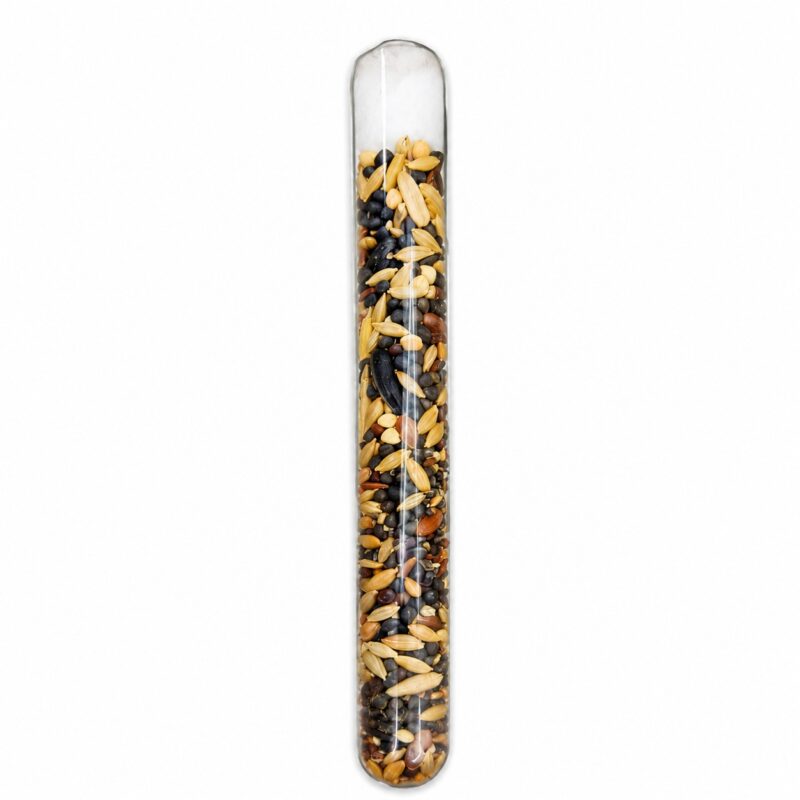
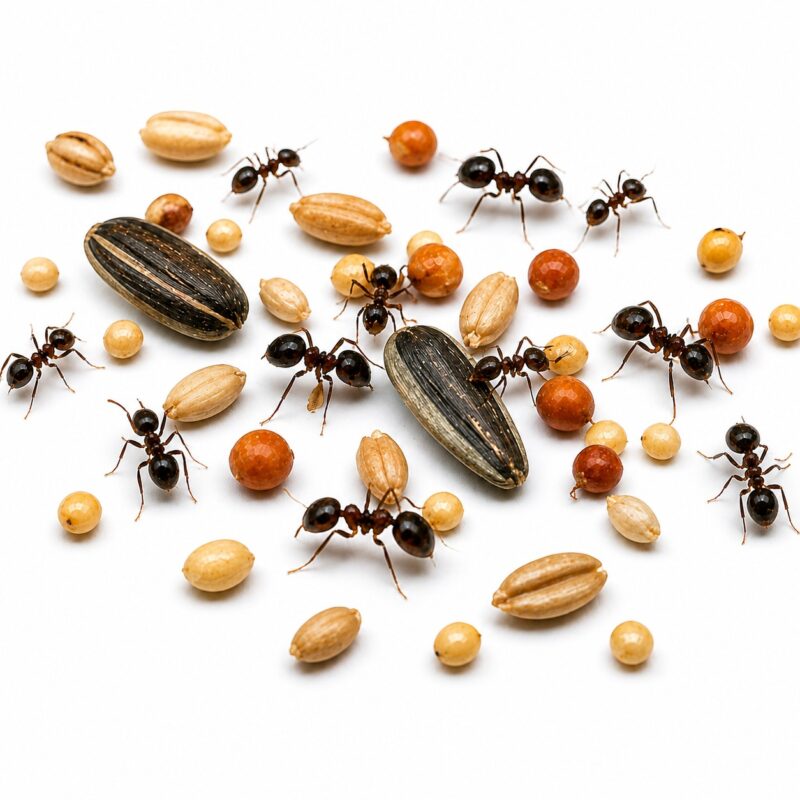
Soft seeds (poppy, sesame, chia) ★★
Mealworms
Superworms
Dried insects
Hard seeds (canary, millet, sunflower)

★★★ readily · ★★ moderately · ★ occasionally · ✗ not eaten


Housing & formicarium

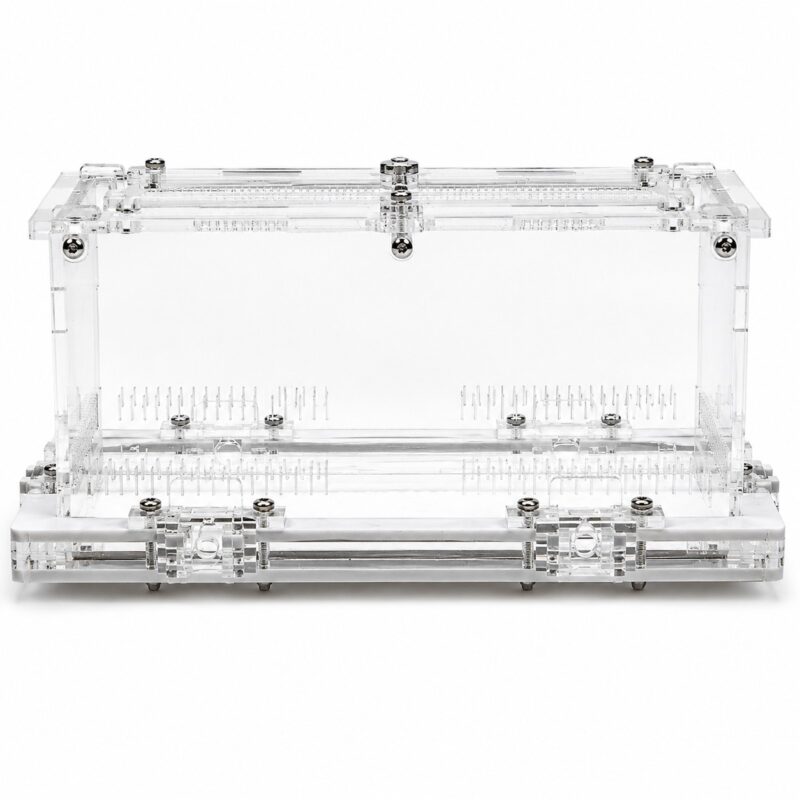
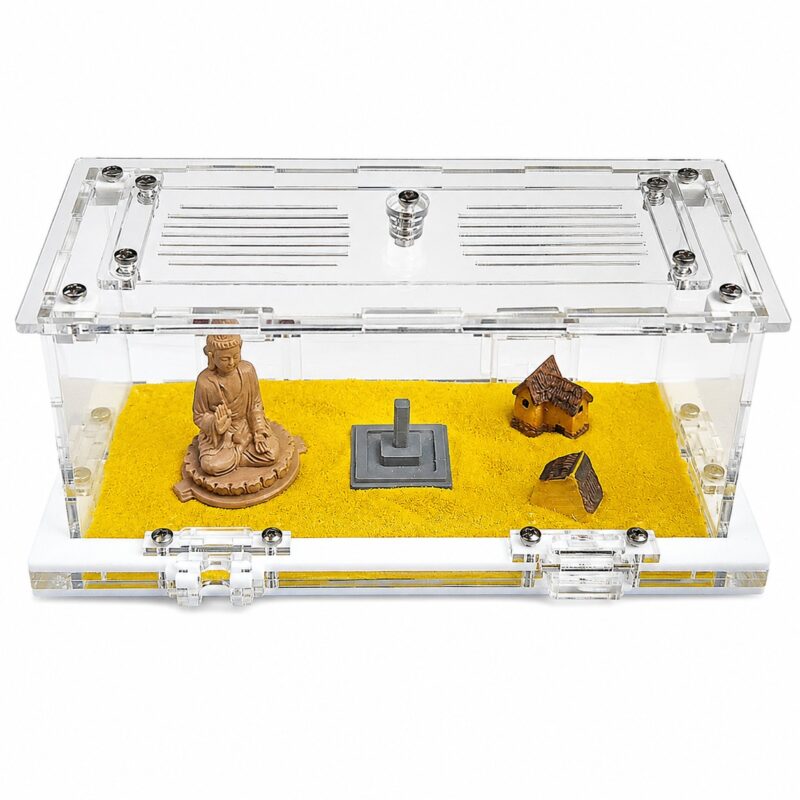
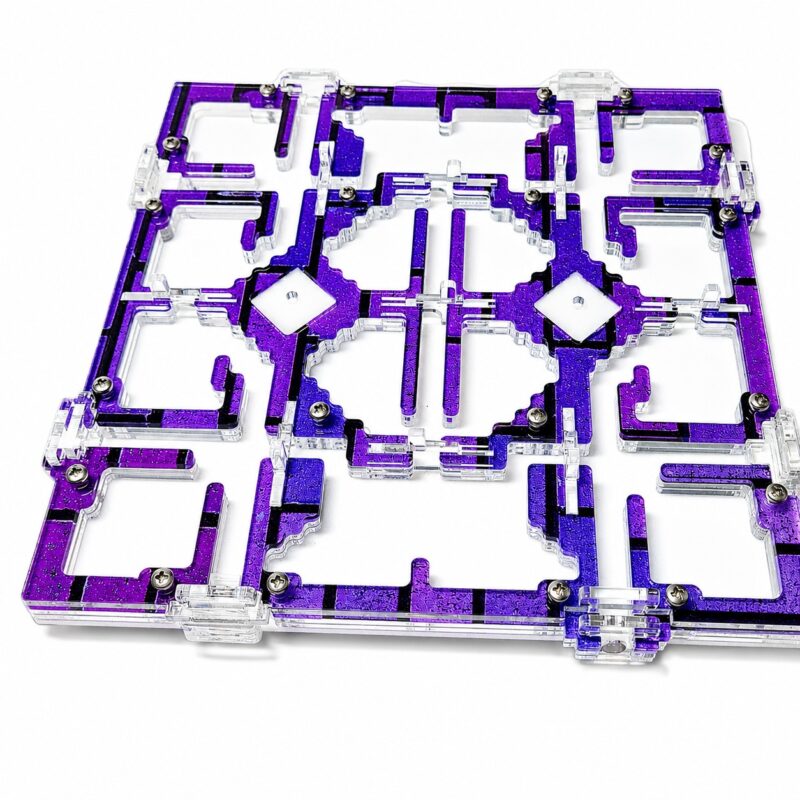
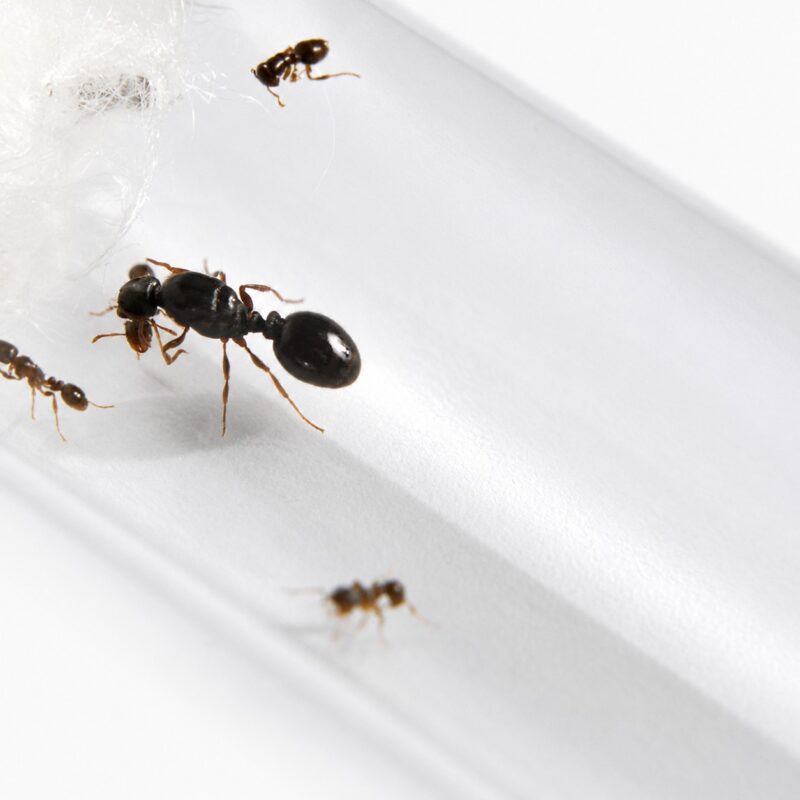
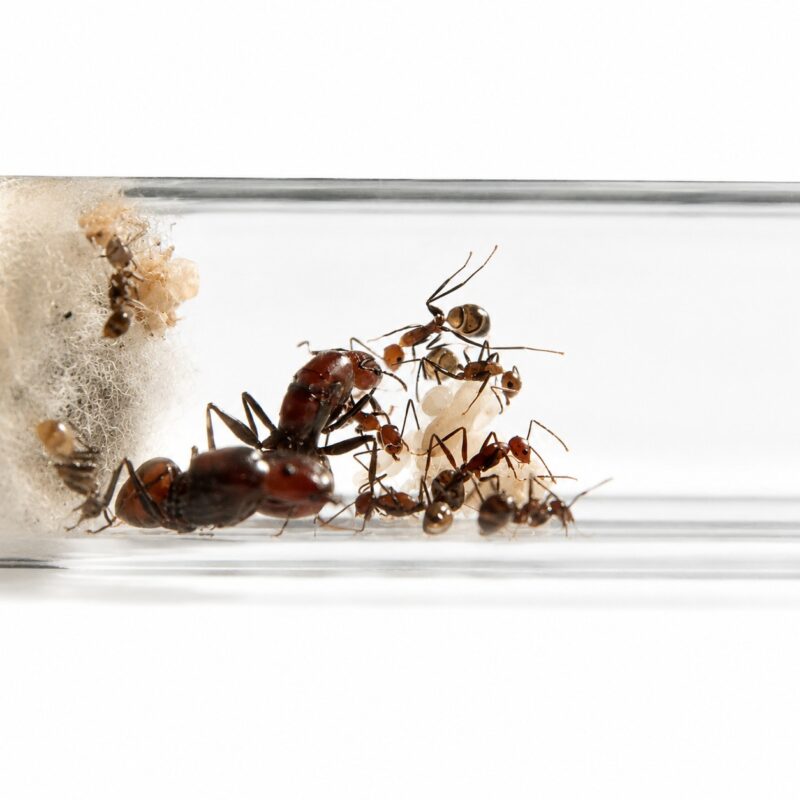
Begin in a test tube and let the founding queen build a small worker force before you rehouse her. As an equatorial Borneo ant it likes damp air, so pick a moisture-holding nest such as aerated concrete (Ytong), 3D-printed or hybrid that you keep humid at one end without flooding it. Upgrade in steps as the colony pushes toward the thousands. The minors are small and quick, so keep a fluon, oil, or talc-and-water barrier on the arena at all times. ANTonTOP formicaria and starter kits supply a matched humid nest, arena and barrier in one set.


Climate & wintering

Coming from equatorial Borneo, this ant never stops for winter, so the job is steady warmth and damp air all year. Hold the nest at 23-27 °C and the arena at 24-28 °C, with a humid 60-75% inside the nest and 50-65% in the arena. Warm one end only so the colony can drift between hotter and cooler zones as it likes, and simply carry on feeding without any cool-down.


Growth forecast + what you receive

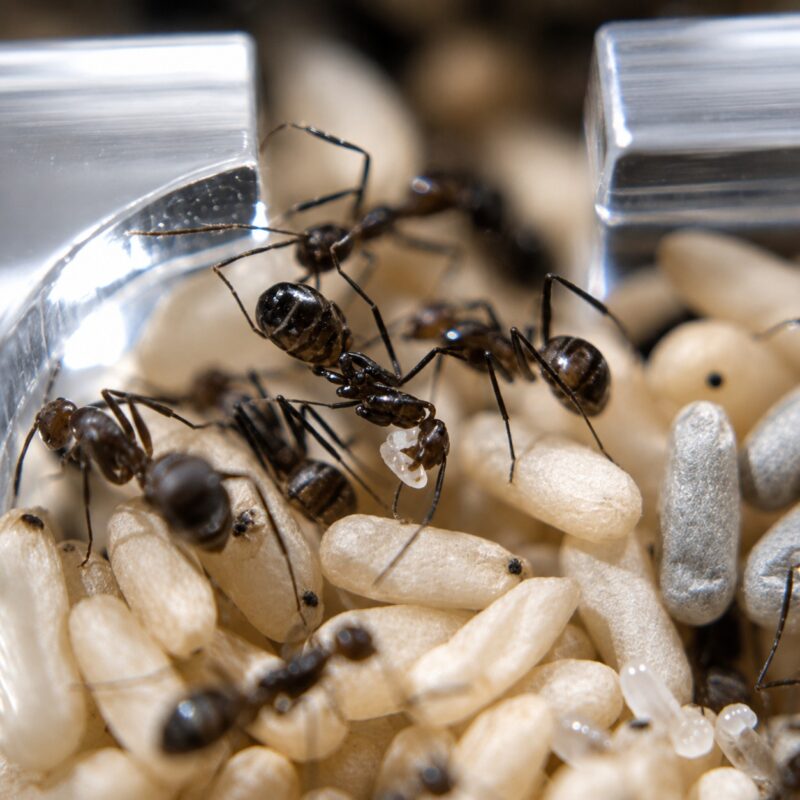
With several queens laying side by side, numbers climb fast once the first majors emerge, building toward roughly 10,000 workers. Brood runs from egg to worker in about 3-5 weeks in the warmth, feeding that rapid expansion. You receive a queen, or queens, together with workers and a clutch of brood, set up to keep growing from day one.


Did you know

  • Pheidole ranks among the largest of all ant genera, with over a thousand species spread across the warmer parts of the world.
  • Colonies with more than one queen can grow quicker and recover faster from setbacks than single-queen ones.
  • The big-headed majors act as the colony’s mill and armoury, crushing food and standing guard while the slim minors do the running about.
  • Tropical Pheidole are key recyclers on the forest floor, scavenging dead insects and helping move seeds around.

Frequently asked questions

Is Pheidole comata good for beginners?

Yes, it is rated beginner and its multi-queen, tropical setup makes it forgiving and fast.

Does this Borneo big-headed ant need hibernation?

No, it is tropical and stays active all year.

Does Pheidole comata sting or bite?

It has a sting and a mild bite, but it is harmless to keepers in practice.

How big does a Pheidole comata colony get?

Up to around 10,000 workers.

How large is the queen, and how big are the soldiers?

Queens are 7-8 mm; minor workers 2.5-4 mm and soldiers 4-5.5 mm.

How fast does this multi-queen colony grow?

Fast, helped by being polygyne with more than one laying queen.

What do these big-headed ants eat?

Sugar water or jelly plus insects like crickets and flies for the brood.

How is it shipped and will it arrive alive?

It ships as queen(s) with workers and brood, with a heat or cool pack, dispatched within 24 hours and tracked for safe live arrival.


Keeping & shipping essentials

Escape prevention. Coat the inner rim of every open arena with fluon (PTFE), or use talc-and-water or an oil barrier as a backup, and keep a tight, fine-mesh lid on top. Check the barrier regularly, since dust, condensation and feeding debris break a fluon line over time. Keep tubing connectors tight and seal any gaps in the nest.

Keeping reminders. Always offer fresh water and never let the nest dry out completely. Give carbohydrates continuously and protein a few times a week, and remove uneaten insect prey within 24 hours before it moulds. Keep the formicarium out of direct sunlight and away from constant vibration, which stresses a young colony. A water-filled test tube plugged with cotton makes an ideal spare incubator whenever you need one.

Before you buy – do not rehouse too early. Have a test-tube setup or a small formicarium with an outworld and a working barrier ready before your colony arrives. A founding colony grows slowly at first, which is normal. Moving a small colony into a large nest too soon invites mould, mites and stress, and the workers die off one by one. Keep the colony in its open test tube on the arena, plug the nest entrance with cotton, and open up the next chambers only once the colony fills roughly 10-15% of the space.

What we ship. Every colony ships with a live-arrival guarantee, backed by our 24h unboxing-video guarantee: if the queen does not arrive alive, we reship free. Parcels travel with DHL, InPost (PL) or EMS, with a heat or cold pack to suit the season, packed discreetly and securely. We ship across the EU and worldwide, with free shipping over the Europe threshold.

Care guide. See also our Pheidole ants guide.

Complete Your Setup
Reviews
0 reviews
0
0
0
0
0

There are no reviews yet.

Be the first to review “Pheidole comata”

Your email address will not be published. Required fields are marked *

Bestsellers