




Pheidole Ants


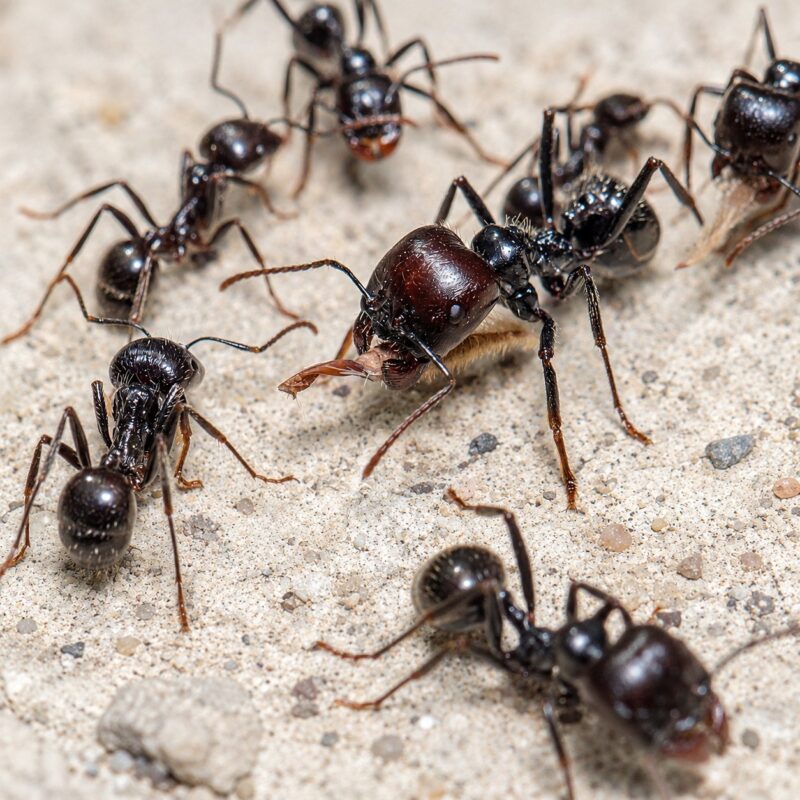
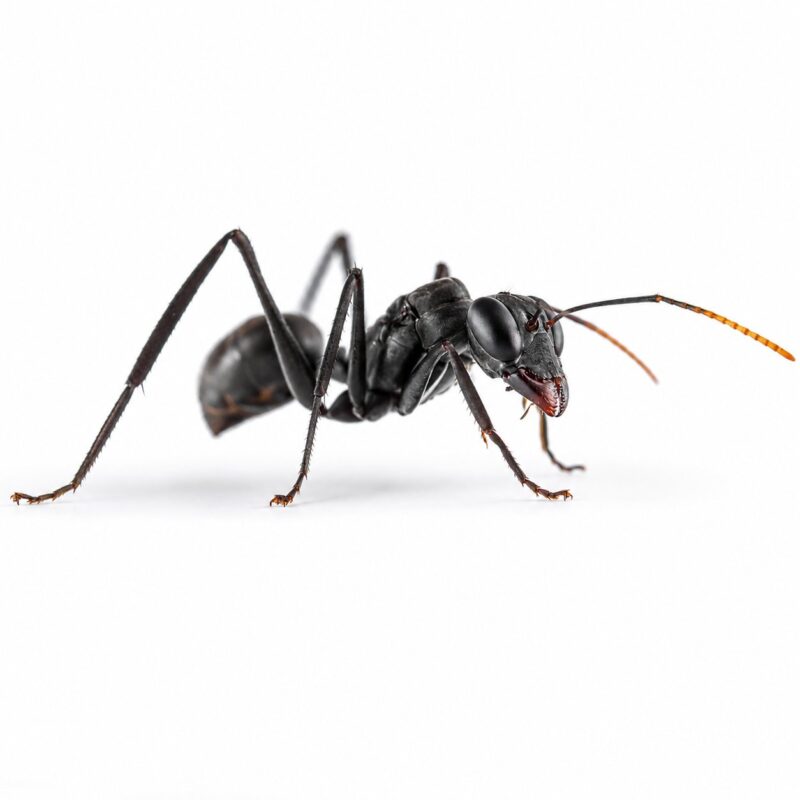
The most surprising thing about Pheidole is not the size difference between workers, it’s how quickly it captures a new keeper’s attention. The first time you see a 6 mm major lumbering through a stream of 3 mm minors, all moving with the same purpose, the genus stops being abstract.
What follows is a real conversation, lightly edited, with a keeper we will call M., who has kept five Pheidole species across nine years. We talk about what makes the genus special, which species to start with, the truth about aggression, and what beginners get wrong. If you are deciding whether to add a Pheidole colony to your collection, this is the honest version.
“Why Pheidole, out of every genus?”
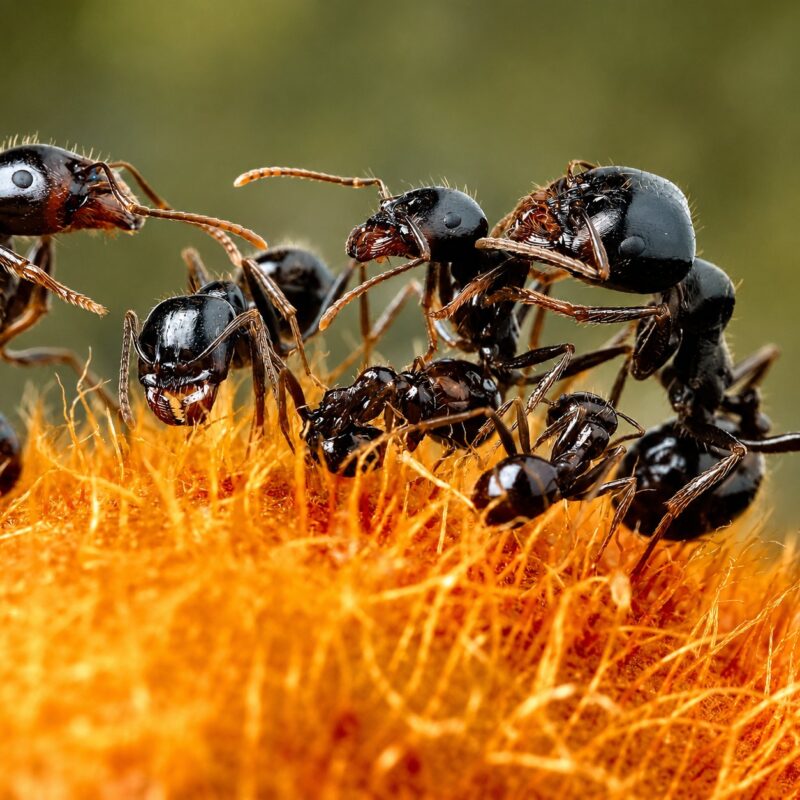
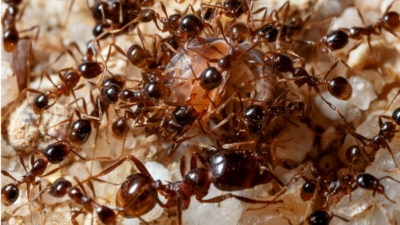
M: Because no other genus shows you what division of labour really looks like. Other ants have a queen-and-workers split, sure. Camponotus has size variation. But Pheidole evolved into two functionally separate worker castes, minors who do everything, and majors who specialise. You watch a major split a seed in half with one bite while minors carry the pieces away. It is the closest thing to watching a tiny civilisation with distinct trades.
“How dramatic is the size difference, really?”
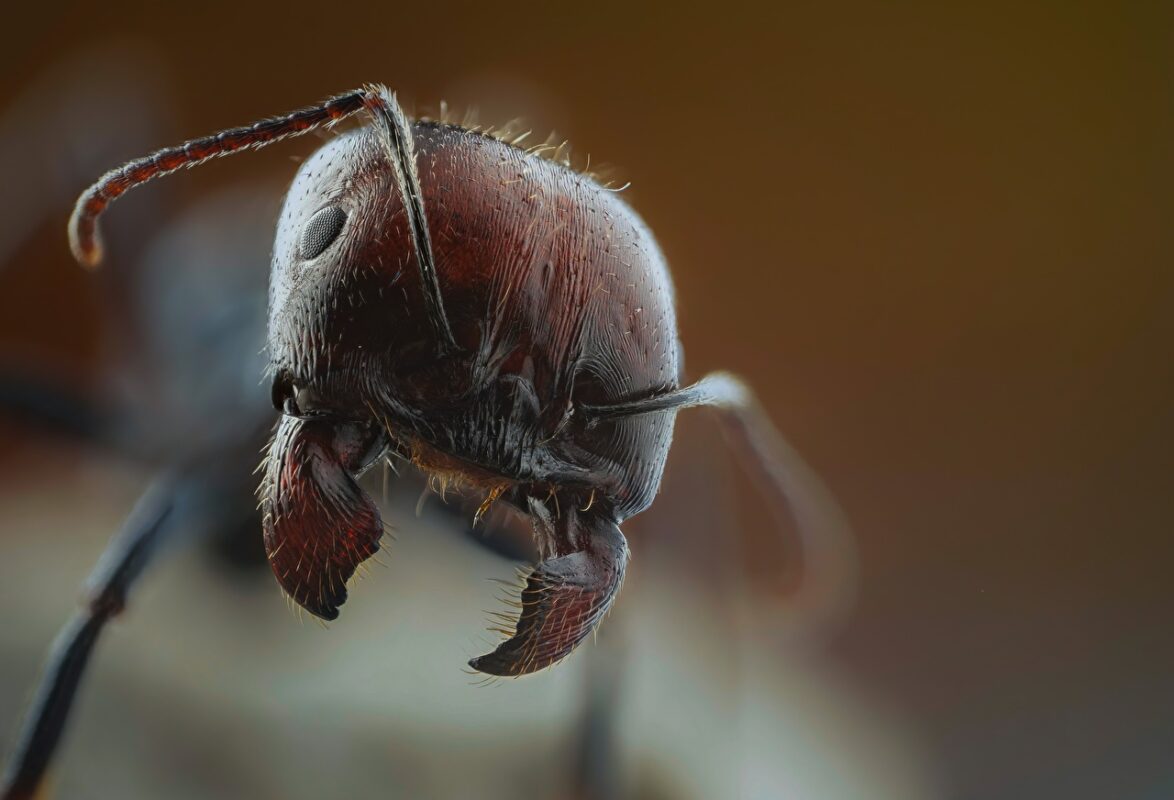
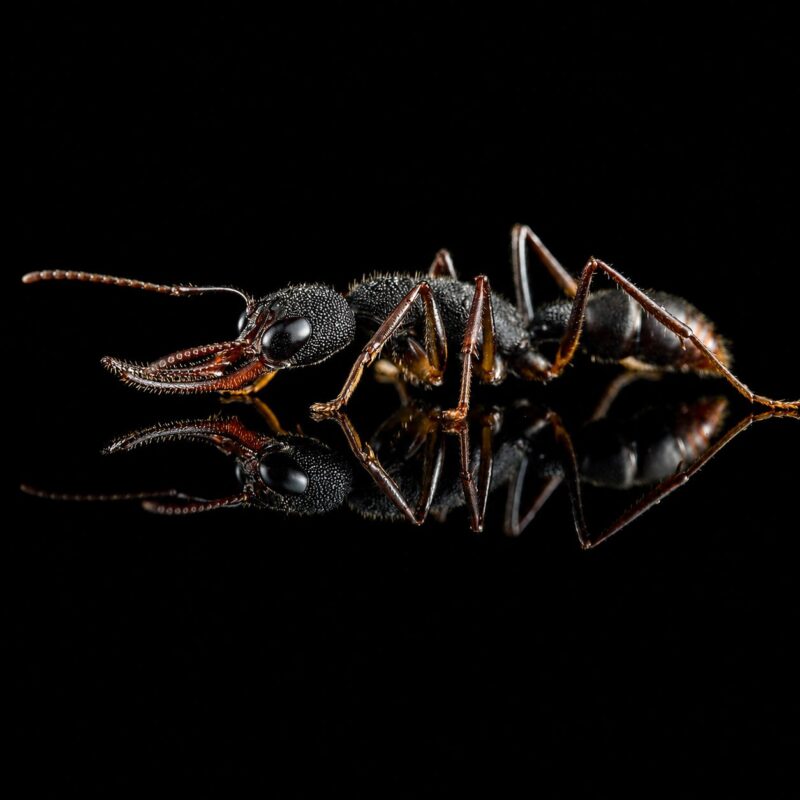
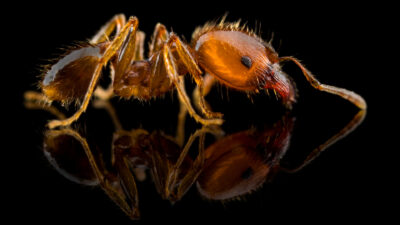
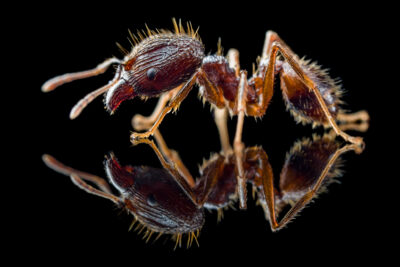
M: Bigger than photos suggest. A minor is 2-3 mm. A major is 5-7 mm. The major’s head is disproportionately huge, almost the size of its abdomen. They look like a different species. New keepers regularly ask if they accidentally received two queens, or whether the majors are some kind of soldier from another colony. They are not. Same mother, same eggs, fed differently as larvae.
“Which species should a beginner pick?”
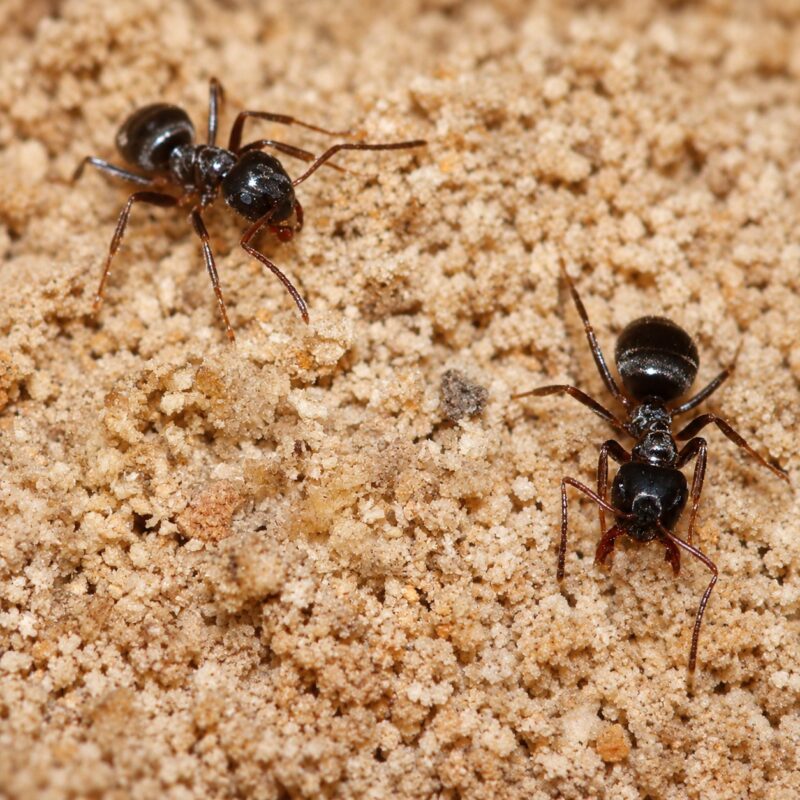
M: Pheidole pallidula, without hesitation. Mediterranean, warm-temperate, easy in apartment conditions. They are the species most people think of when they say “Pheidole”, pale workers, prominent majors, easy diet, fast growth.
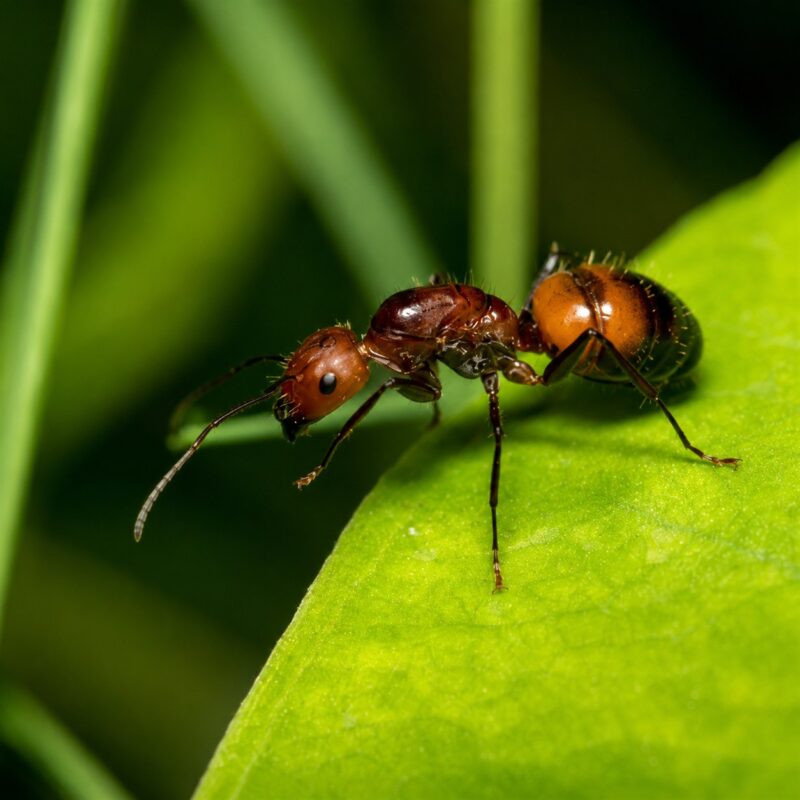
If you want bigger workers, Pheidole noda from Asia is a step up. Larger, darker, more intense activity. Slightly more humidity-sensitive. I would call it intermediate, not strictly beginner.
Pheidole megacephala is famous because it is an invasive species, and yes, it is impressive in scale, but the colony explodes in size very fast, and most apartment formicaria can’t keep up. Beautiful in a zoo, frustrating in a flat. I would not recommend it for a first Pheidole.
“Are they aggressive? People worry about that.”
M: Within the colony, no, perfectly cooperative. Toward intruders, yes, majors will rush an opening if they sense a threat. The bite is unpleasant but not dangerous. The sting is too small to penetrate human skin.
The aggression people actually need to worry about is the colony’s reaction to disturbance. Open the formicarium when stressed and you may see 20-30 majors line up at the entrance. They will not climb out unless your barriers fail, but they intimidate. New keepers panic. Old keepers smile.
“What about escapes?”
M: Pheidole escapes more readily than most beginner species. Minors are tiny enough to squeeze through almost any gap. A 0.5 mm crack is enough. Talc barriers must be reapplied weekly because the dust gets disturbed by foragers. PTFE liquid is more reliable.
If your formicarium has any sealed lid, get a tight one. If the arena rim is plastic, the talc may not stick well, apply with a soft brush and check it under a torch.
“Care basics?”
M: Warm, 22-28°C is the active range, and they prefer the upper end. Humidity in the nest 65-80%, arena 50-70%. They are not desert ants. Drying them out is the most common beginner failure.
Diet is mixed. Pheidole pallidula in nature eats both seeds and insects, so offer both, a small amount of seed mix every few days, plus protein (fly, mealworm, cricket leg) twice a week for a small colony. Sugar water or honey water as the carbohydrate source. They are not picky.
“How fast do they grow?”
M: Fast. A founding queen with 10 workers will be at 50-80 workers by month 3, and 200-400 by month 6 if conditions are good. By the end of year one, you can have 800-1500. The growth catches new keepers by surprise, formicaria that felt spacious in month 1 are full by month 6.
Plan the formicarium for the colony you will have, not the colony you have. Or be prepared to move them, which is its own adventure.
“How do I tell when majors are about to appear?”
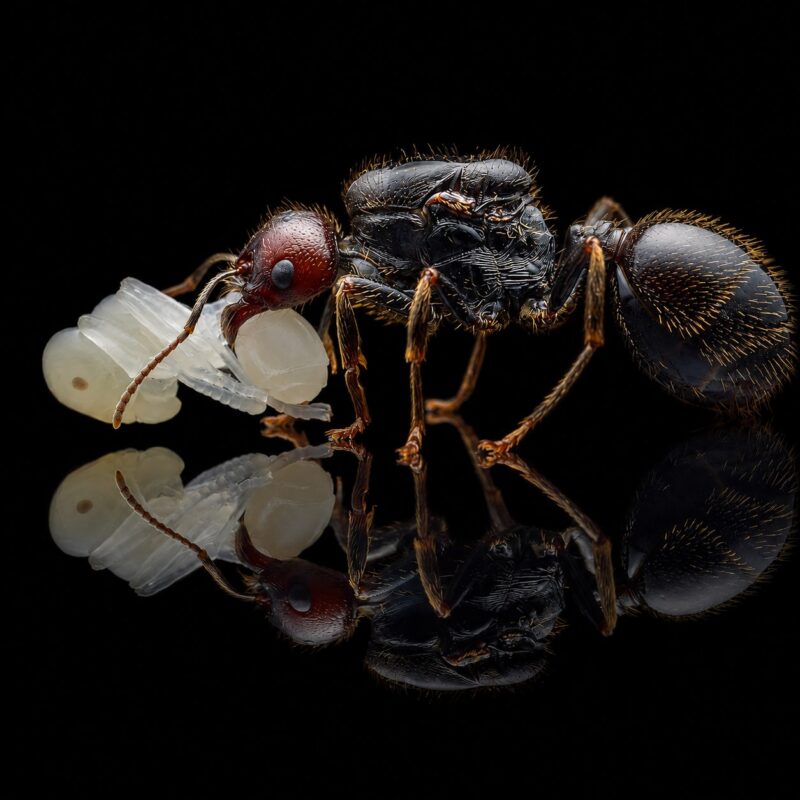
M: You will see unusually large larvae about a week before the first majors emerge. The colony specifically feeds certain larvae more, which triggers them to develop into the major caste. If you have a magnifier, you can spot the difference, major larvae are noticeably larger and slightly different in proportion before they pupate.
First majors appear once the colony has 40-60 workers, usually around month 3-4 in P. pallidula. By year two, majors make up around 5-10% of the workforce.
“Common mistakes you see from beginners?”
M:
One, over-watering the nest because they read “tropical” and assumed rainforest humidity.
Two, under-feeding, because they assumed Pheidole only eats seeds. They need protein too, especially during brood expansion.
Three, opening the formicarium too often. Pheidole stress more visibly than other beginner species, and once the queen is disturbed, brood production drops for days.
Four, underestimating how many escapees a small colony can produce. By the time a beginner notices a few wandering minors, there are usually 30-50 throughout the room.
Five, moving the colony too early because they think the formicarium is “too small”. A small founding colony does better in a small nest. Wait until they outgrow it.
“Last question. Would you recommend Pheidole as a first colony?”
M: Yes, with one caveat. If you have read enough to take the setup seriously, barrier choice, humidity, brood observation, Pheidole rewards you faster than any other beginner species. You see results in weeks, not months. If you are the kind of person who finds tropical care more interesting than European care, this is the genus that pulled me in nine years ago and hasn’t let me go.
Browse the current Pheidole species in stock. If you are torn between pallidula and a more advanced species, write to us, we will help you pick by your room conditions.
Did you like this article?
Thanks for your feedback!