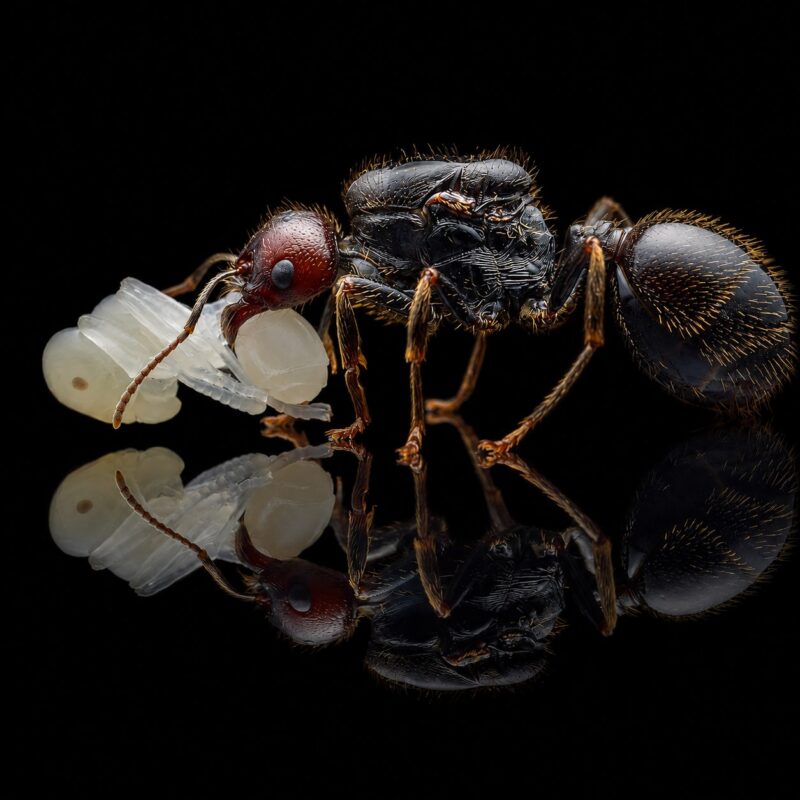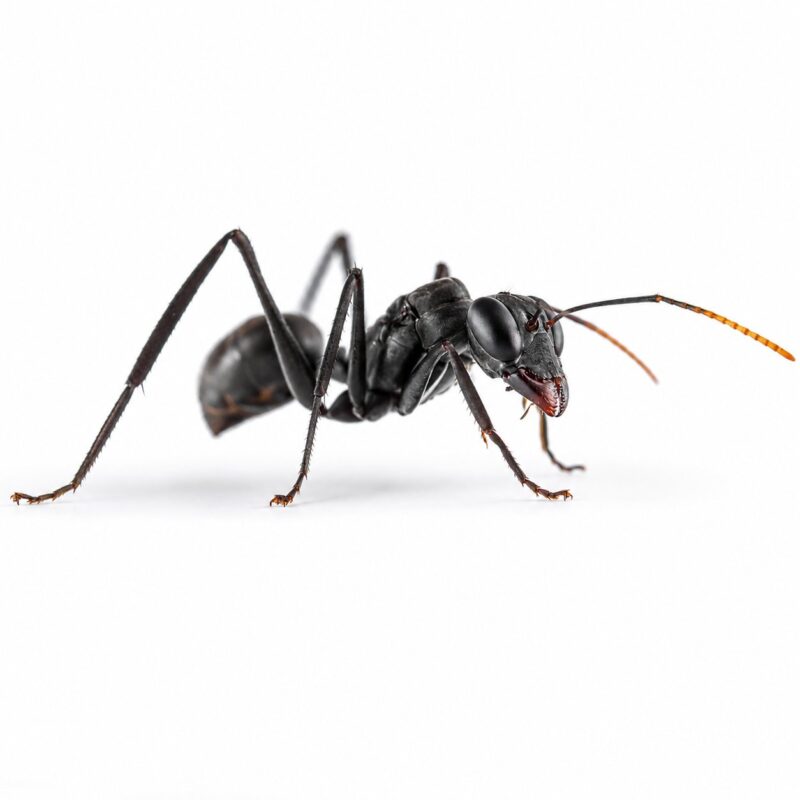





Harpegnathos venator – Complete Care Guide for One of the Most Fascinating Predator Ants


Harpegnathos venator is the species new keepers should not start with — and the one many of them buy anyway, because the internet keeps showing it in slow-motion videos jumping at prey.
The result is a steady stream of returned colonies, dead queens, and bewildered emails. Below are the most common things people believe about Harpegnathos, paired with what is actually true. If you read all twelve and still want one, you are probably ready.
Myth: They are basically like Camponotus, just with cool jumping
Reality: They are nothing like Camponotus. Wrong subfamily, wrong behaviour, wrong care requirements. Harpegnathos is a ponerine — one of the more primitive subfamilies — and ponerines do everything differently. Hunting style, social structure, queen replacement, sting potency, brood handling. Comparing them to carpenter ants will misinform every single decision you make about their care.
Myth: The jumping is for catching prey
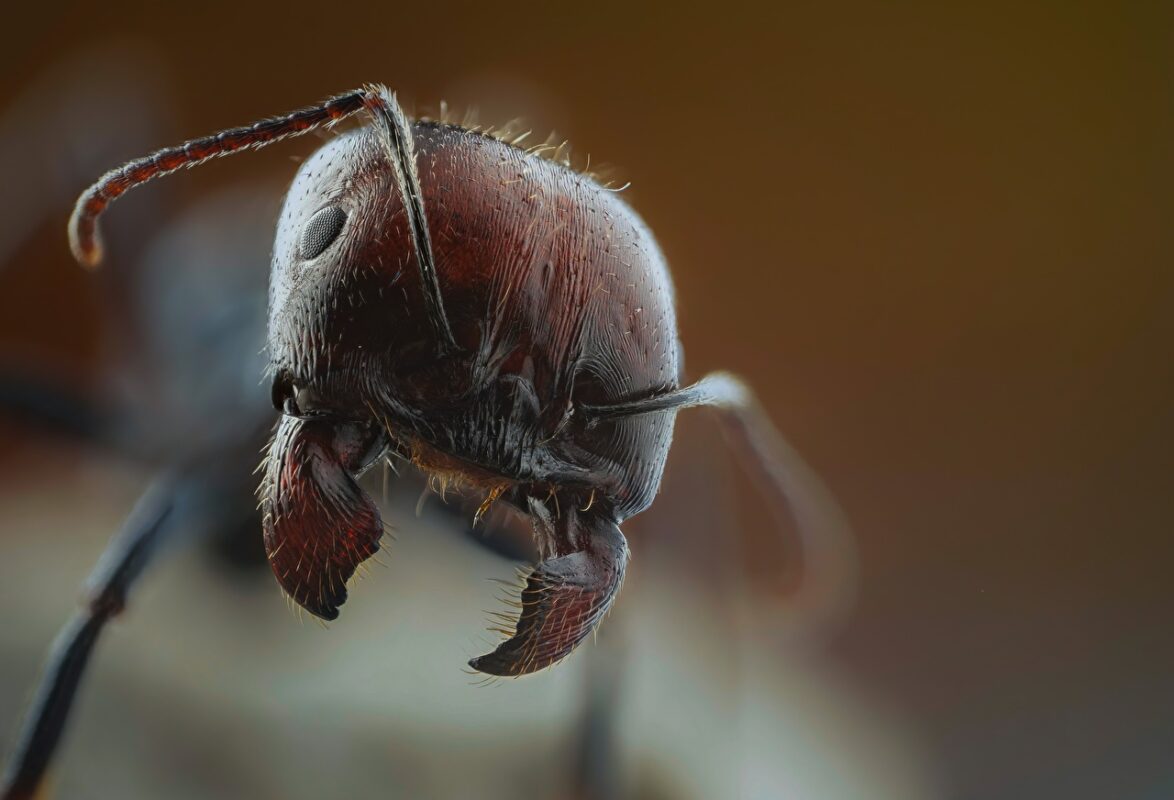
Reality: Partly. Jumps are about 2-3 cm and are used both for predator avoidance and prey capture. The main hunting tool is the eyes — Harpegnathos has unusually good vision for an ant, and workers spot prey at distances most ants cannot. The jump is the finishing move, not the search strategy.
In captivity, the jumping is also the failure mode. A startled worker can clear the height of most arena walls. Lid sealing matters more for this species than for almost any other.
Myth: The sting is the same as a wasp sting
Reality: The sting is potent. Not life-threatening for an adult human, but painful in a way most other ant species cannot match. The pain is closer to a hornet sting than a typical ant bite, and it lingers for hours. Children, pets, and the immunologically sensitive should not handle the colony.
Practical implication: you will get stung at some point if you keep them long enough. Plan your handling protocol around that. A sealed arena, long-handled tools for feeding, no opening the nest casually.
Myth: The queen and workers look identical, so it’s hard to tell who’s in charge
Reality: True — and this is the species’ most fascinating feature. The queen looks almost identical to the workers, with only slightly larger thorax and ovaries. Differentiating her in a busy nest is genuinely hard without practice. The internal lab way to confirm is to watch which individual lays eggs, but in practice you simply learn to recognise her movements after a few weeks.
Myth: If the queen dies, the colony dies — like every other ant species
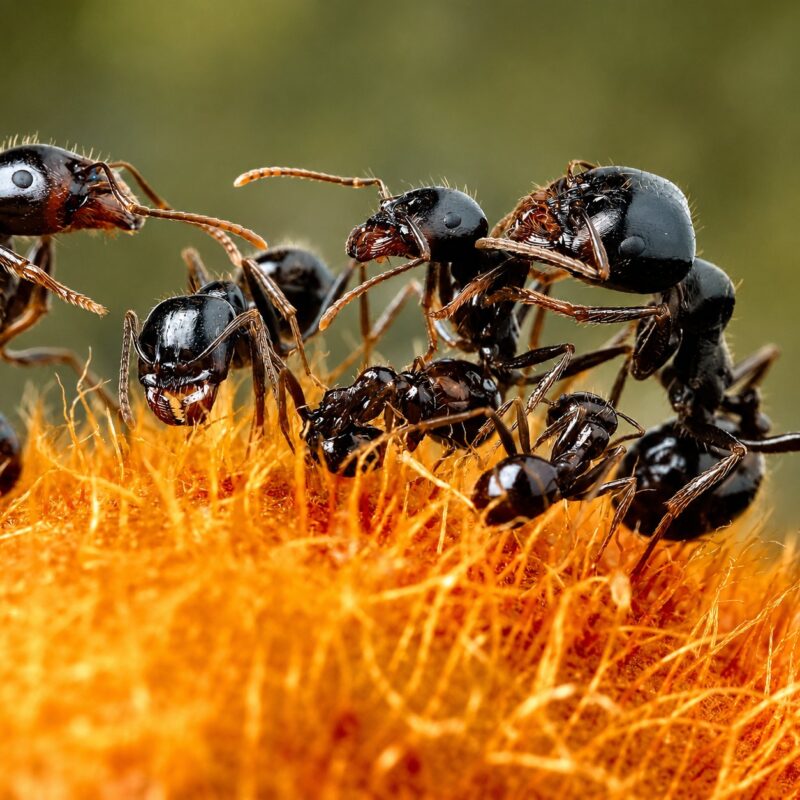
Reality: Not in this genus. Harpegnathos evolved the ability to convert workers into reproductive females, called gamergates. When the queen dies, multiple workers compete through ritualised antennal duels until one (or a small group) becomes dominant, develops active ovaries, and takes over egg-laying. This makes the species effectively immortal at the colony level — if one queen-functional worker dies, the colony fights, picks another, and continues.
Practical implication: a colony with a dead queen is not necessarily a lost colony. Watch for the duelling behaviour over the following weeks.
Myth: Gamergates lay sterile eggs
Reality: Gamergates produce viable workers from unfertilised eggs only if they have mated. In the wild, gamergates mate with male visitors before fully taking over. In captive colonies that have never had a male, gamergates exist but the colony slowly fades as no new mated reproductives appear. Long-term captive maintenance therefore depends on periodic introduction of males — which most keepers do not do.
Myth: They eat ant food, like sugar water and fruit
Reality: They eat insects. Almost exclusively. Harpegnathos is a specialised predator with no significant carbohydrate intake in the wild. Captive colonies are fed crickets, mealworms, roaches — never seeds, rarely sugar. A small amount of honey water is taken occasionally but is not a primary food source.
You need a stable supply of live or freshly killed insect prey for the life of the colony. Plan for that before purchase.
Myth: Tropical means they want it hot
Reality: Warm, not hot. Nest 24-28°C, arena 26-30°C. The species is from southern China and South-East Asia, where forest understorey temperatures are stable. Sustained temperatures above 32°C cause brood loss. Below 22°C, the colony stops laying.
Humidity matters more than temperature for keeping the brood healthy: nest 75-85%, arena 60-75%. Drying out kills them faster than overheating.
Myth: They grow fast like most tropical species
Reality: Slow. A Harpegnathos colony reaches 40-80 workers in the first year. Larger colonies (200-400 workers) take 3-5 years to develop. The slow growth combined with the demanding diet and sting risk is why this species sits firmly in the advanced category.
Myth: They can be kept in any sealed formicarium
Reality: Sealed lid, smooth vertical walls, and no climbable internal features. Harpegnathos can jump 2-3 cm, climb low-friction acrylic if it is not polished, and is patient enough to find any gap over the course of a week. Many keepers report escapes from formicaria that work fine for other species.
The recommended setup is a single-room formicarium with the arena built into the same enclosure, sealed at the top with a gasket lid. No tube connections that can leak. No removable rubber stoppers.
Myth: They are aggressive toward keepers
Reality: They are defensive, not aggressive. They will not chase you. They will sting if you reach into the arena. They will sting if a worker lands on you and gets startled. They will not climb out and seek you. The risk is during cleaning, feeding, and observation through opened lids.
Long-handled tweezers, transparent feeding ports, and never reaching into the arena bare-handed.
Myth: They are too rare and expensive to be worth it
Reality: They are not particularly rare in the EU pet trade — most specialty sellers can source them. Prices range €120-250 for a starter colony, which is high but not extreme. The cost barrier is not money but commitment: the diet, the housing, the sting risk, the slow growth.
If, after reading all twelve myths, you still want to keep them — go for it. The species rewards careful keeping with one of the most interesting behavioural repertoires in the hobby. If you are not ready, the beginner species are where to start, and Harpegnathos can be your second or third colony in a few years.
Browse our current exotic species or write to us if you want a candid opinion on whether you are ready for this one.