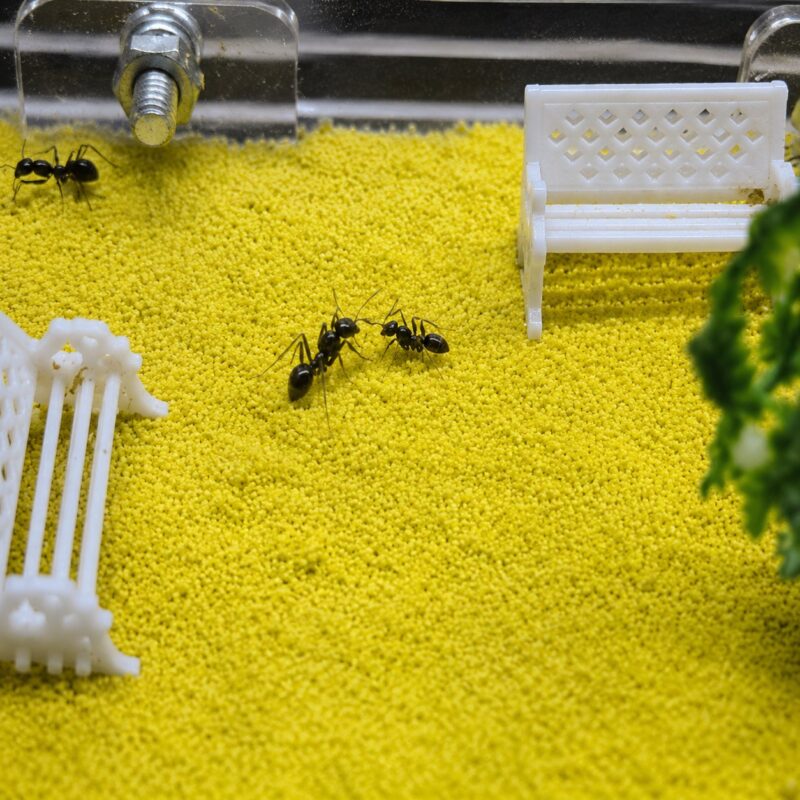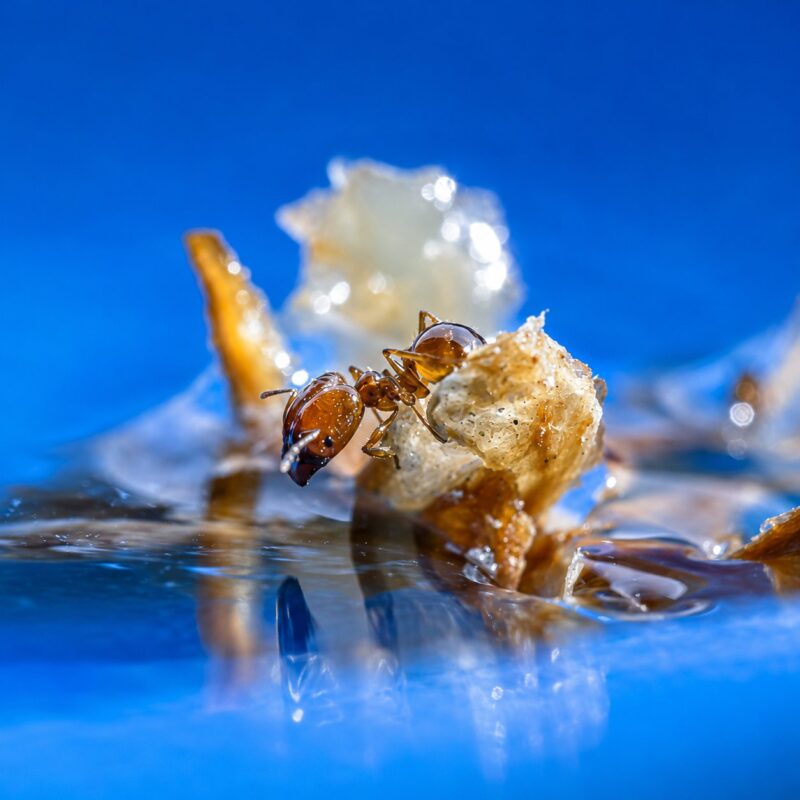





Messor structor (Steppe Harvester Ants): Complete Home Care Guide


Messor structor is the species I send to people who write me saying “this is my first colony, please tell me what’s hard to kill.” I do not have to think about the answer.
Of the dozens of species I ship, none combine forgiveness, visible behaviour, and a low setup cost like the steppe harvester ant. Below are the ten things every new keeper should know, pulled from twelve months of customer support tickets and an honest amount of repetition.
1. Where they come from sets your expectations
Messor structor is native to the dry grasslands and steppes of central and eastern Europe, from Hungary east into Russia. The climate they evolved for is hot summers, cool winters, low humidity. That is exactly what most European apartments offer. They do not need tropical heat. They do not need rainforest humidity. They thrive in conditions you already have.
2. Their diet is mostly seeds, and that changes everything
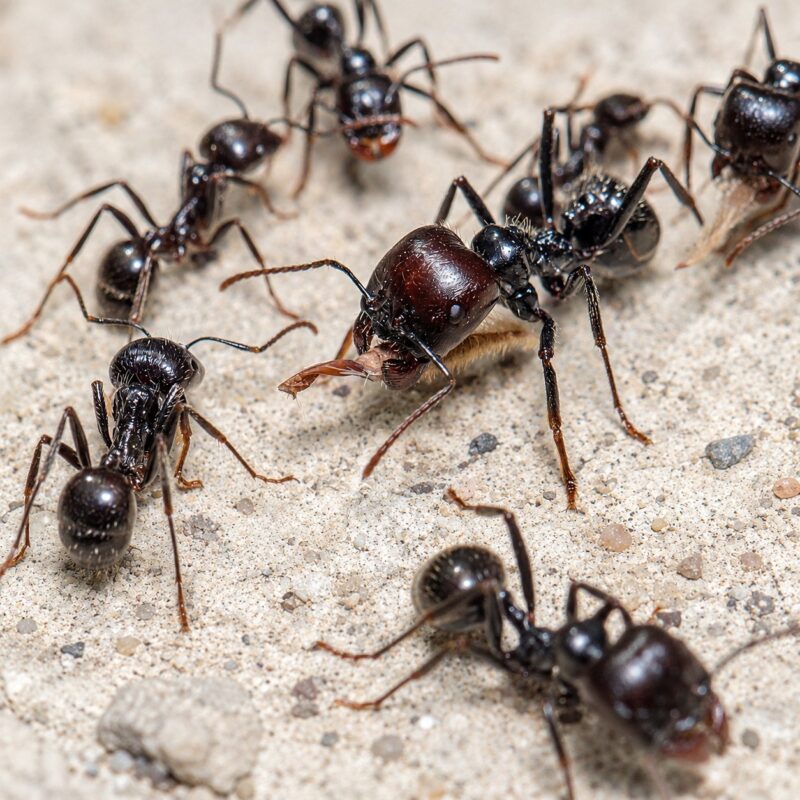
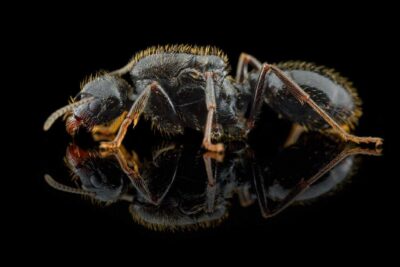
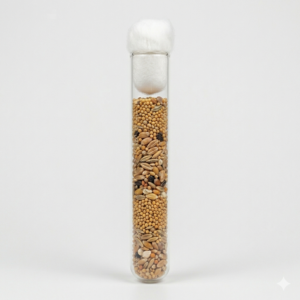
Harvester ants are granivores. Workers carry seeds back to the nest, where dedicated millers (the major caste) crack them open with oversized jaws and convert them into a paste called “ant bread” that feeds larvae. The colony’s day-to-day food bill is small handfuls of mixed seeds, sesame, poppy, dandelion, millet, lawn-grass seed, oats. A pre-mixed harvester seed blend works fine for a year.
Protein still matters, but the colony’s protein needs are much smaller than a carnivorous species. One small piece of insect (mealworm, fly, cricket) every 7-10 days is enough for a colony of 50-150 workers.

3. The granary is the most beautiful part
Inside the nest, the colony designates a chamber as the seed store. Workers move seeds back and forth, sort them by size, and reject mouldy ones. Watching a healthy granary form is one of the best observation experiences in the hobby, and it only happens in harvester species.
Position the test tube and formicarium so you can see the chambers from outside without disturbing them.
4. Temperature targets are wide
Active growth: 22-28°C. Tolerable: 16-30°C. Hibernation: 12-15°C for 2-3 months (optional but recommended for longevity).
This is one of the widest tolerance ranges of any beginner species. A room that sits 18°C in winter and 26°C in summer is fine, the colony will slow in winter, accelerate in summer, and the queen’s lifespan benefits from the seasonal rhythm.
5. Humidity matters less than people think
Steppe-evolved means dry-tolerant. Arena humidity of 40-55% is fine. Nest humidity 50-65%. You do not need a heavy hydration schedule, many beginner failures come from over-watering, which causes mould and drowns brood.
Keep the nest’s water reservoir filled but not overflowing. If the chamber walls look damp, you are good. If you can see condensation, that is too much.
6. Founding queens are slower than tropical species
A solo Messor structor queen takes 4-8 months to produce her first workers, slower than carpenter ants but faster than Lasius. If you receive a queen with workers already, this stage is behind you. If you bought a solo queen, plan for a quiet half-year.
During founding, do not feed. The queen survives on her own reserves and does not leave the test tube. Adding food only invites mould.
7. Major workers appear at ~30-50 workers
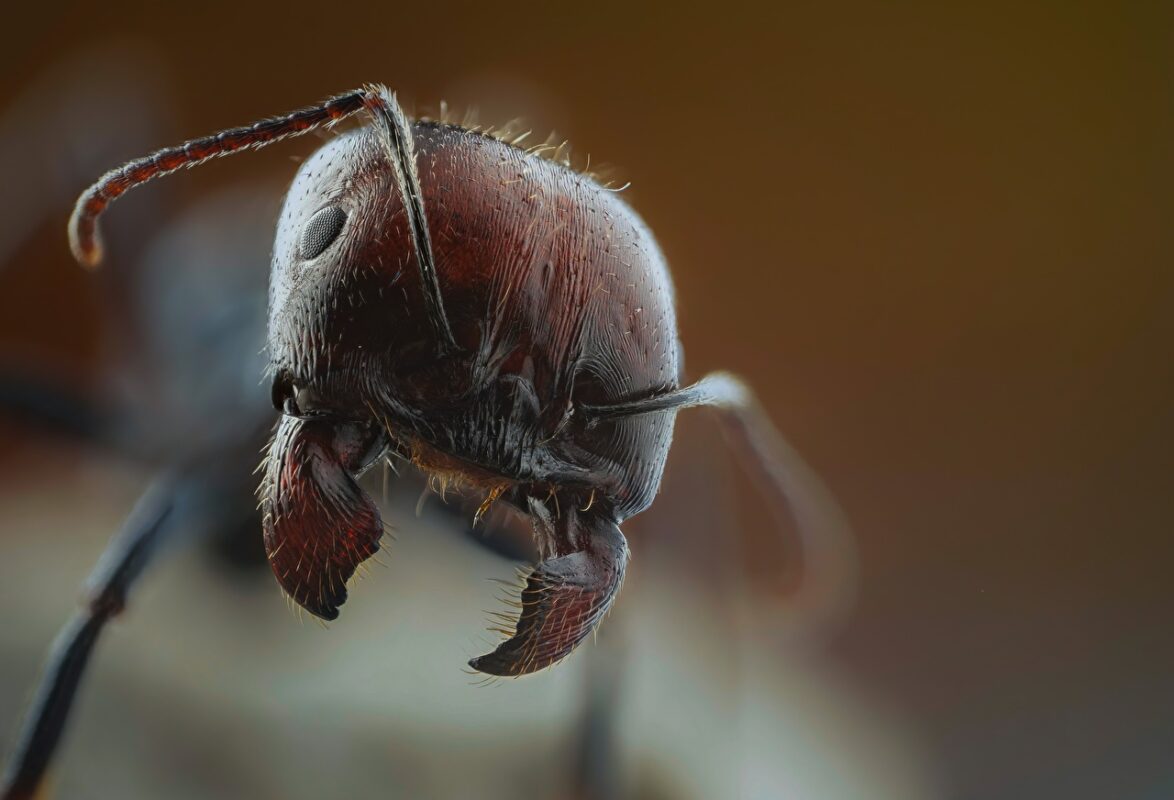
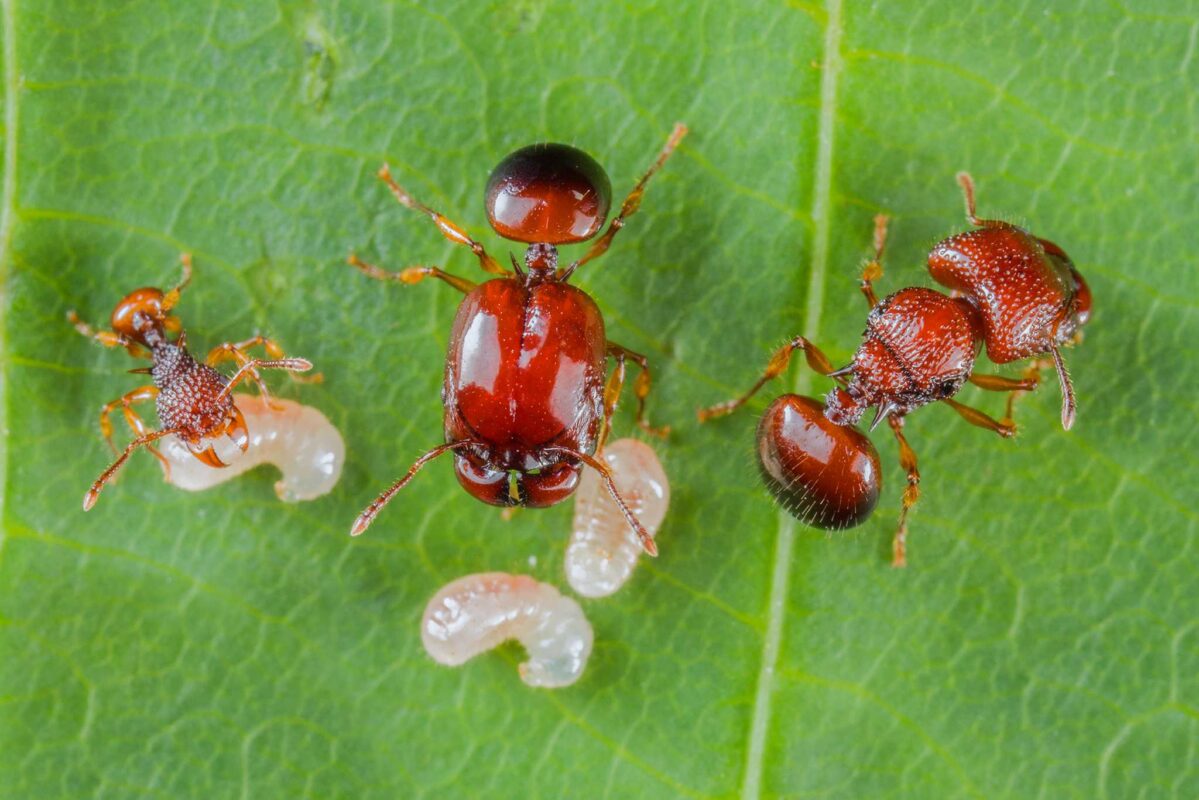
The first majors, the seed-crackers with the oversized heads, usually emerge once the colony reaches 30-50 workers, typically around month 4-6 in captive conditions. Until then, you will only see minor workers. This is normal. Beginners sometimes contact us thinking “my colony has no majors, is something wrong”, no, they just have not been raised yet.
Major workers stay smaller than wild Messor structor majors in their first generation. Subsequent generations grow to full size.
8. Lifespan rewards stability
A queen lives 15-25 years if conditions are stable. A colony peaks at 500-1500 workers, modest by tropical standards but huge given how visible the activity is. The longest-lived Messor structor colonies in private collections have passed 20 years.
Stability is the trick. Keepers who move the formicarium, swap the heating, change the room, “redesign” the arena every few months, those colonies decline. Keepers who set it up correctly once and barely touch it for a decade, those colonies thrive.
9. Common mistakes
- Tropical food, exotic insects, frozen fruit, fancy honey. They eat seeds. Stop overcomplicating it.
- Too much water, flooded chambers kill brood faster than dehydration. Half what feels right is plenty.
- Forced hibernation by fridge, works, but the temperature shock from 25°C to 5°C in a day is harsh. Ramp gradually over 2-3 weeks. The hibernation guide covers the schedule.
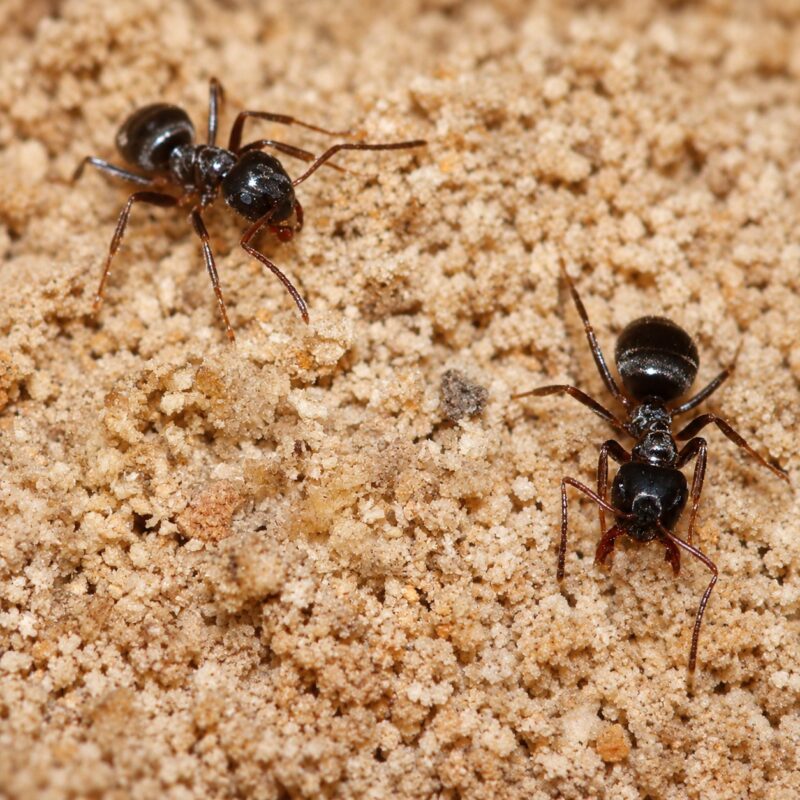
- Sand instead of arena substrate, fine sand gets into the nest entrance and the colony spends time clearing it. Use a coarser substrate (small grain or fine gravel) at the nest mouth.
- Light when checking, bright direct light stops foraging for 1-2 hours. Red-filter torch is the standard observation tool.
10. What a healthy colony looks like
Open the formicarium nest visualisation panel mid-morning. You should see: 3-8 workers near the entrance, a clear pile of mixed seeds in one chamber, brood in 1-3 different stages (eggs / larvae / pupae), the queen somewhere in the deepest chamber surrounded by workers. Activity is steady, not frantic, not absent. Three or four workers in the arena, more on cool days, fewer on hot days.
If your colony looks like that at month 6, you are doing it right. Step back and let them grow.
See live Messor colonies in our shop. If you are unsure which Messor species fits you best, structor, barbarus, arenarius, hebraeus, write to us. We grade by climate and experience.
Did you like this article?
Thanks for your feedback!