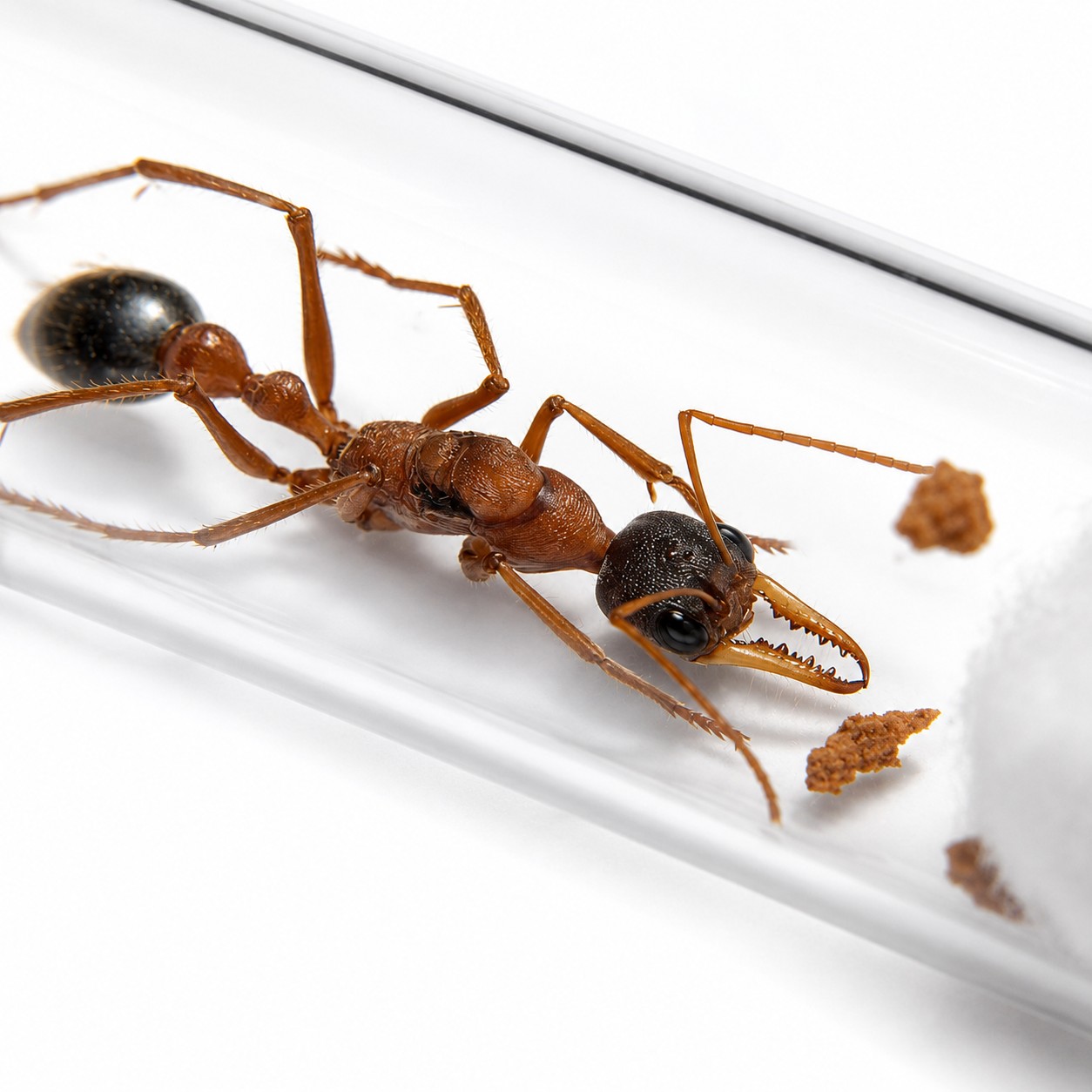

Myrmecia desertorum
1999,90 zł
Live Queen Guarantee
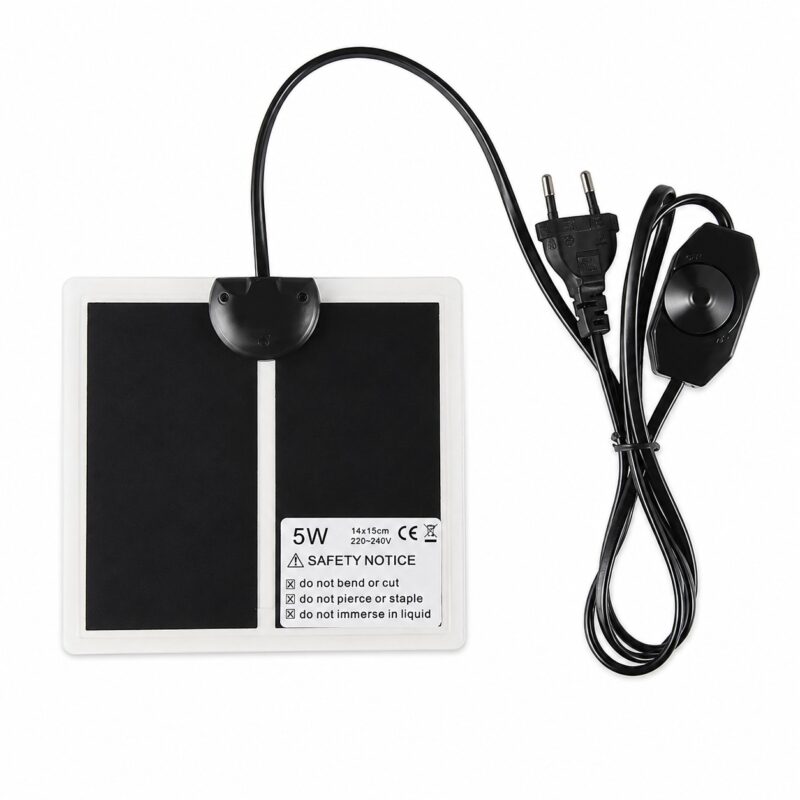
Heat Pack & Summer Cooling
Fertilised Queen in Every Colony
Ships Within 24 h
Free Care Guide
24/7 Expert Support
Description
Myrmecia desertorum
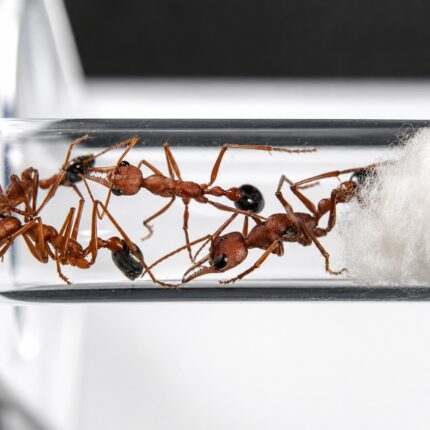
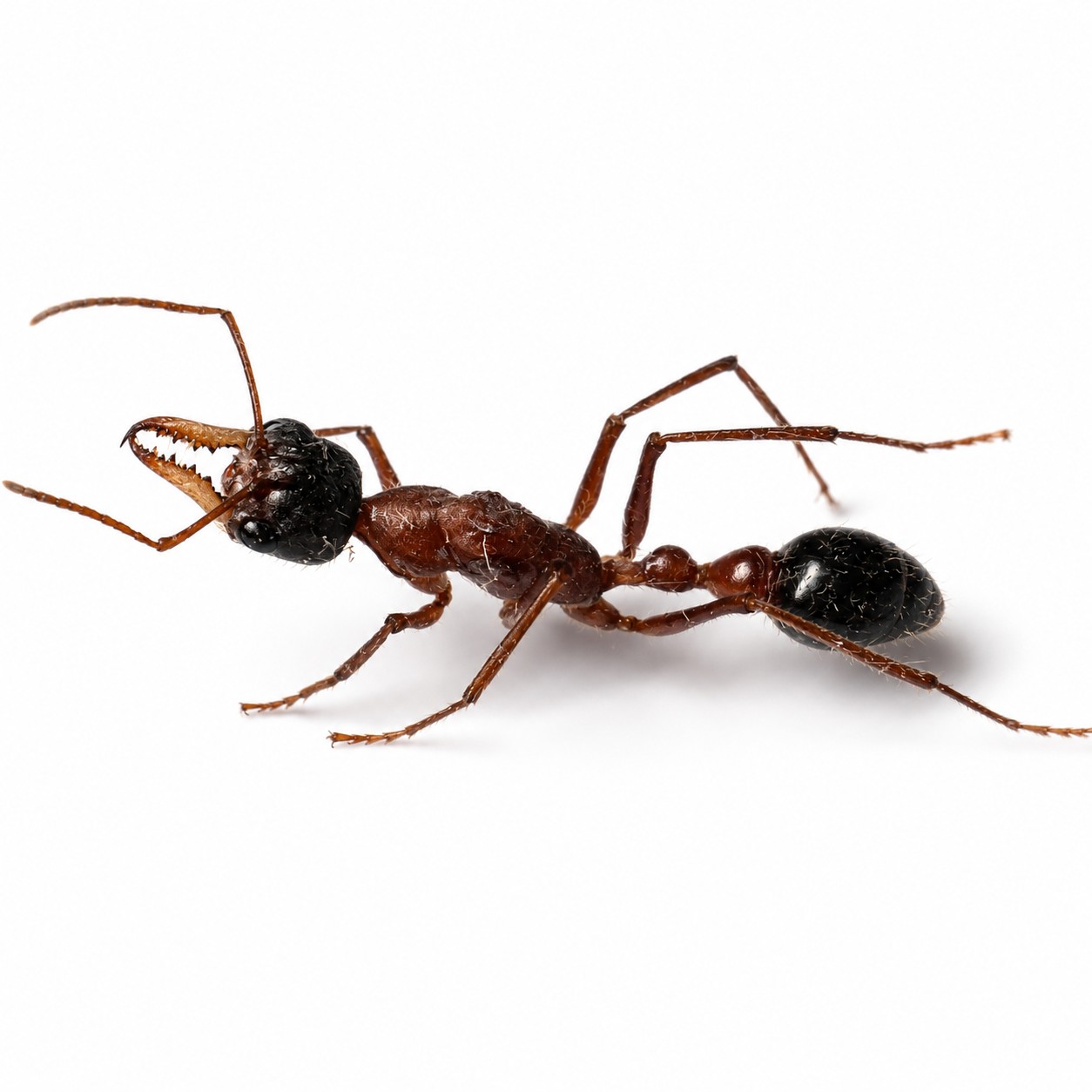
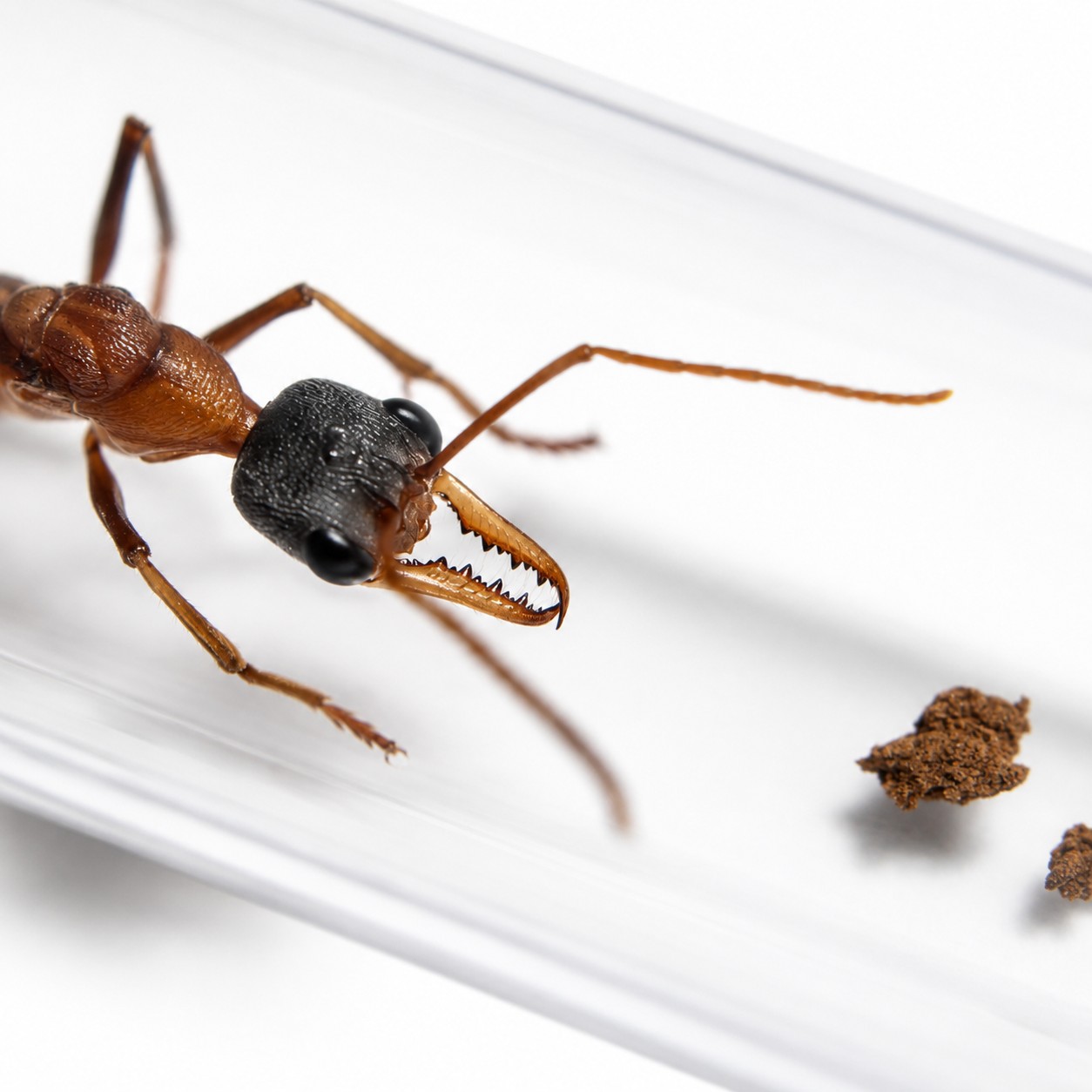
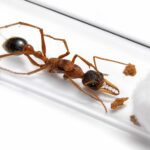
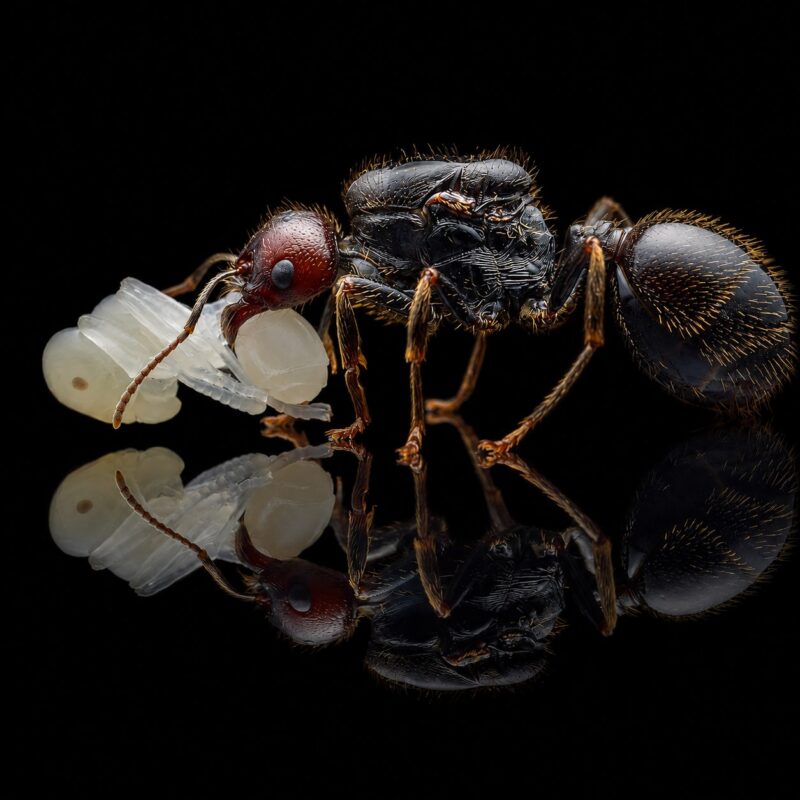
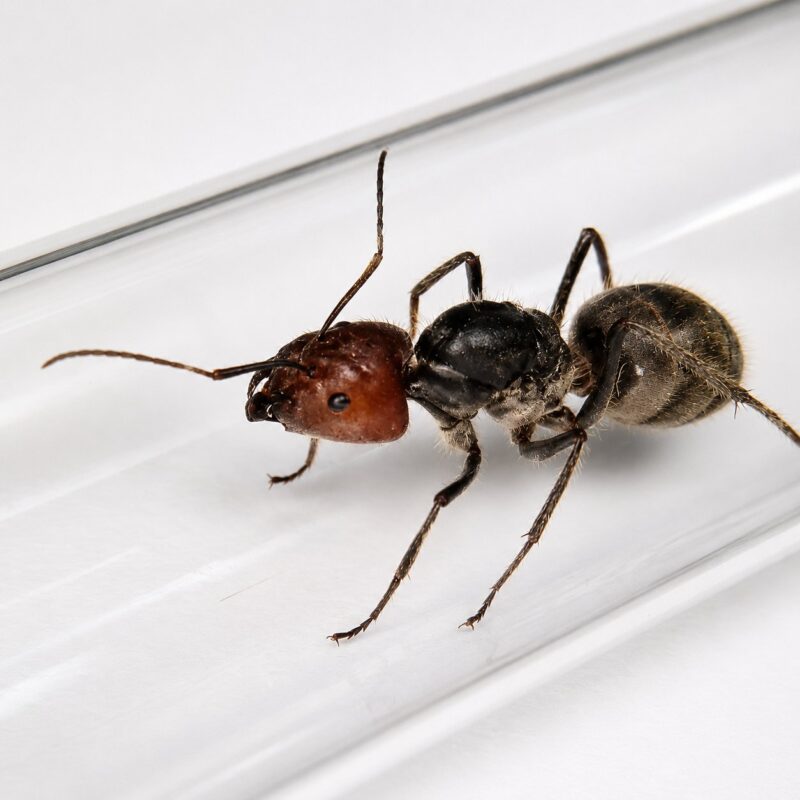
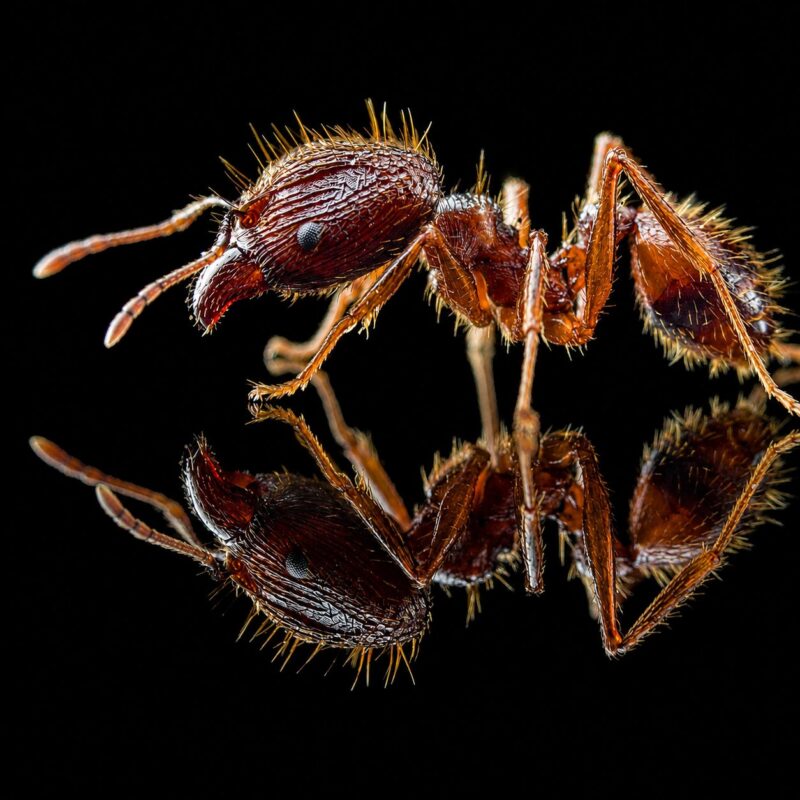
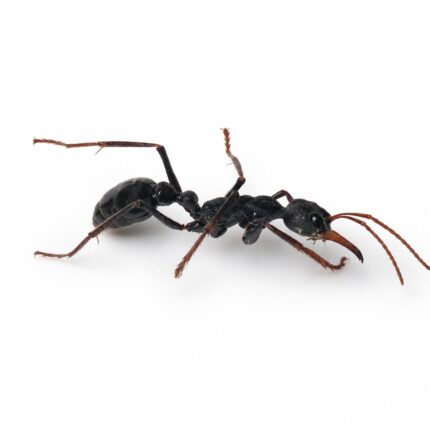
Giant-eyed bull ants that hunt alone by sight after dark, gripping prey in long serrated jaws and finishing it with a potent sting. A big, fast, spectacular Australian predator for the experienced keeper who wants a real challenge. Add Myrmecia desertorum to your collection at ANTonTOP.
Free shipping across Europe over 1299 zł.
DHL / InPost / EMS · ships the EU & worldwide.
Pro · Q ~20-28 mm / W 18-26 mm · Small-to-moderate colony · Diapause / cool winter rest · Predator (insects + sugar) · Australia (widespread) · Potent sting, strong bite
Additional information
| Origin | |
|---|---|
| Ant size | |
| Hibernation | |
| Behavior | |
| Sting |
Has sting |
| Keeping difficulty |
Myrmecia desertorum
| Origin | Australia (widespread) |
|---|---|
| Difficulty | Pro |
| Colony form | Monogyne (single queen) |
| Max workers | Small-to-moderate colony (a few hundred, up to ~1,000+) |
| Queen | ~20-28 mm |
| Worker | 18-26 mm |
| Soldier / major | – |
| Founding | Semi-claustral (queen must be fed) |
| Temperature | 22-26 °C |
| Humidity | 40-60% (drier, with a hydration corner) |
| Hibernation | Diapause / cool winter rest |
| Diet | Predator (insects + sugar) |
| Sting / bite | Potent sting, strong bite |
| Egg to first worker | – |
| Queen lifespan | Long-lived (many years) |
| Nuptial flight | – |
| Activity | Nocturnal |
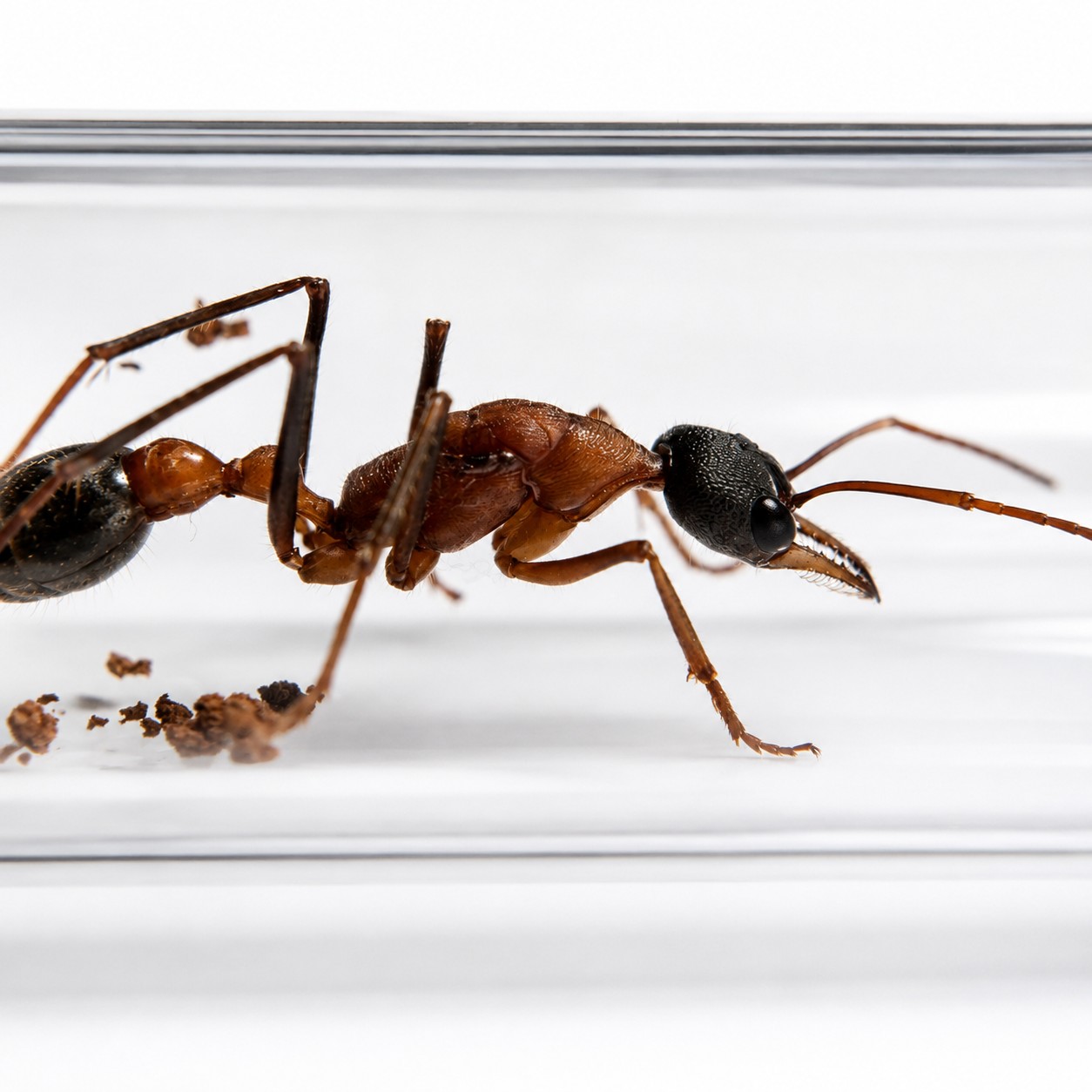
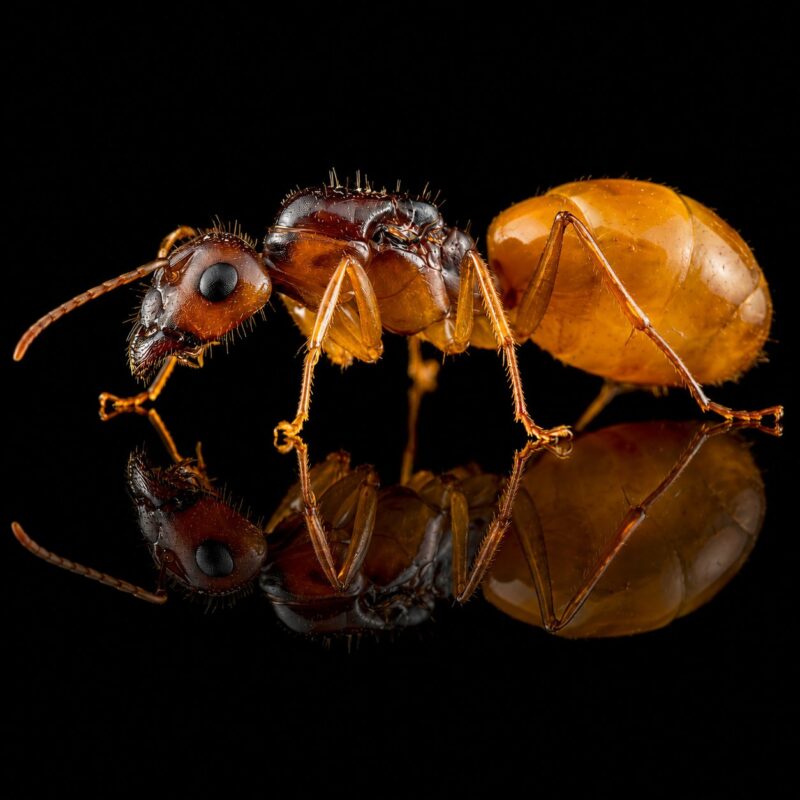
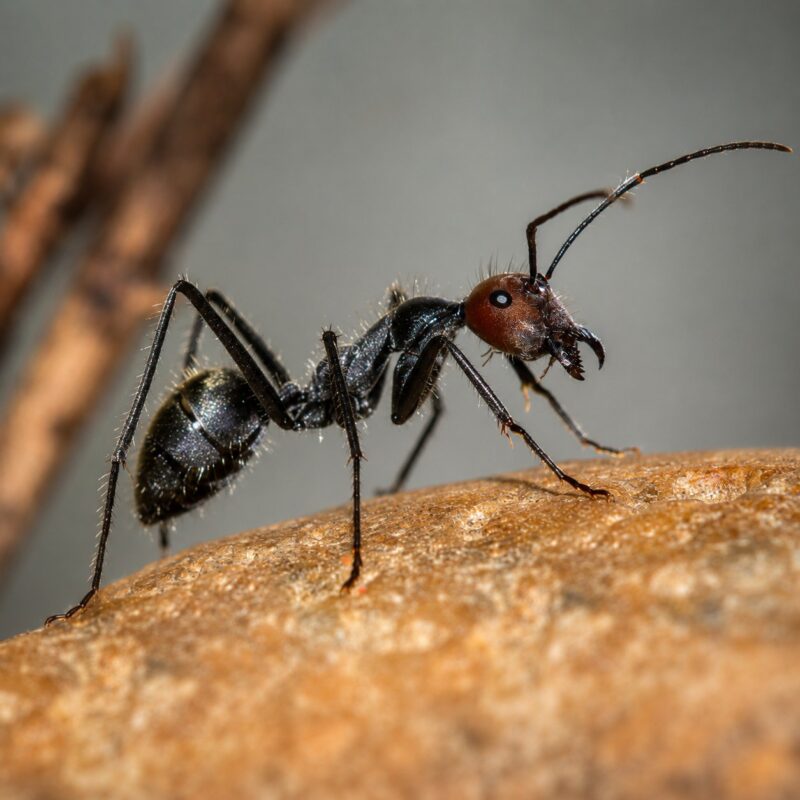
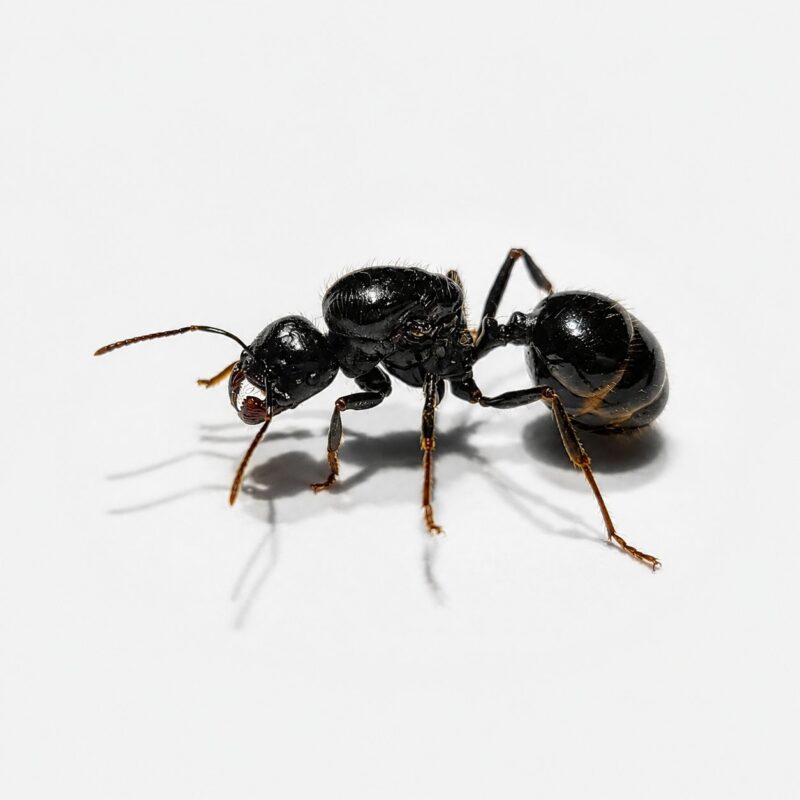
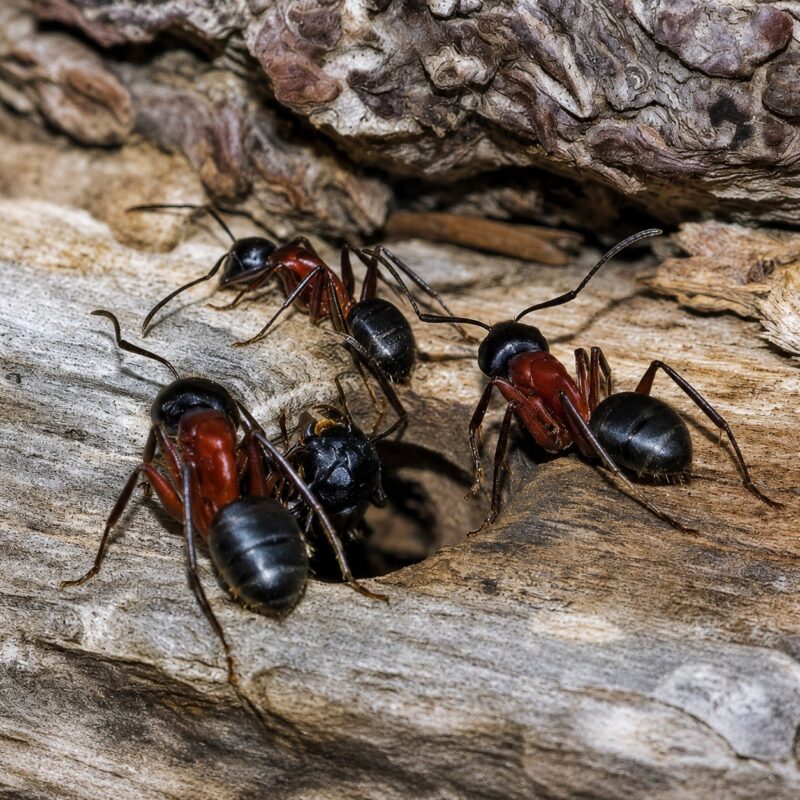
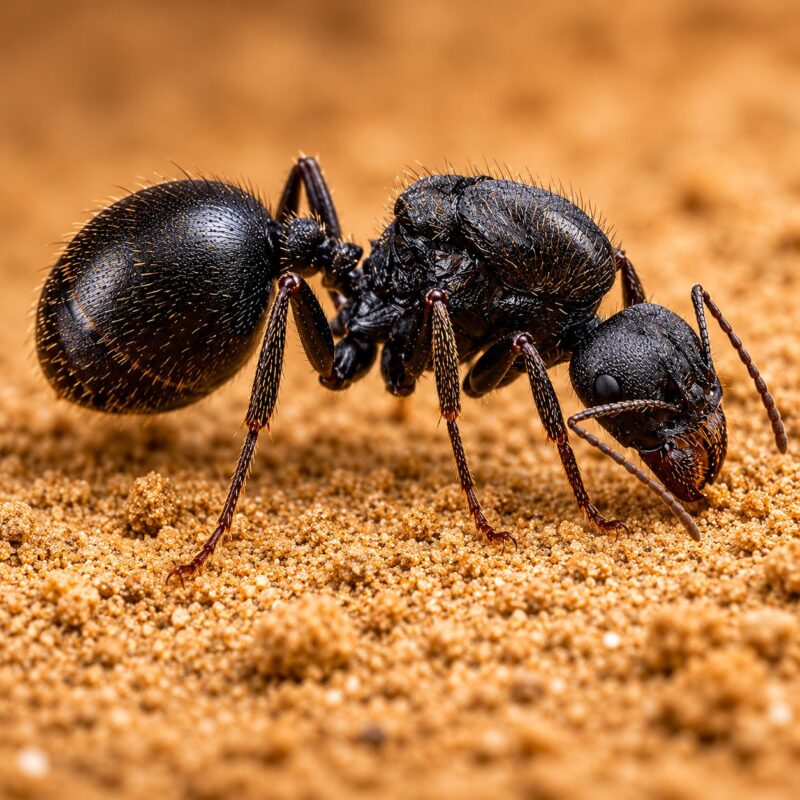
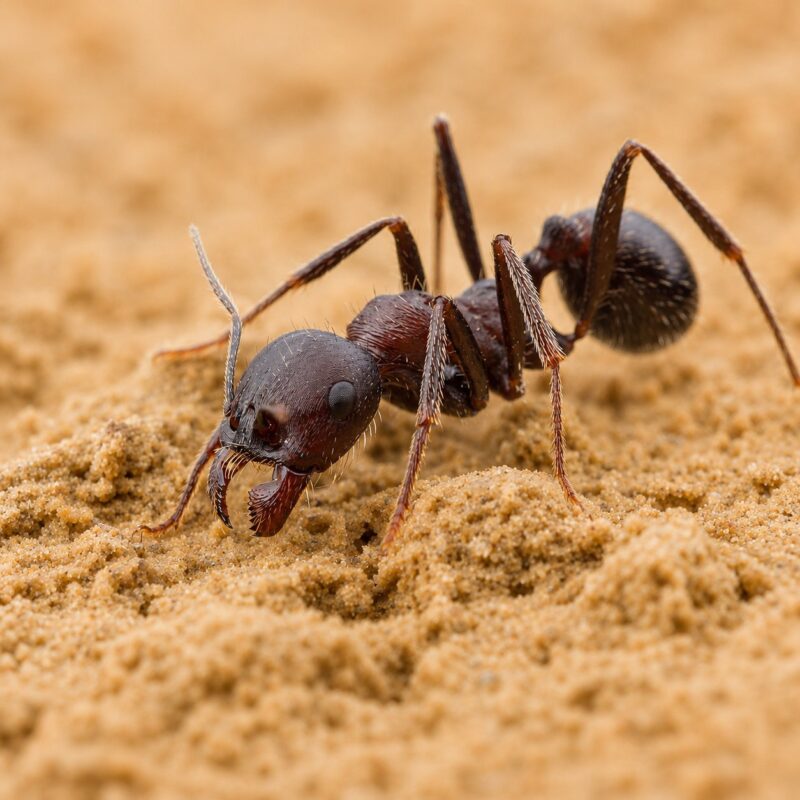
Myrmecia desertorum is a large Australian bull ant recorded right across the continent, built as a solitary visual hunter with enormous eyes and a real, painful sting. It is a demanding, handle-with-care species for keepers who already know their way around ants.
Why this species
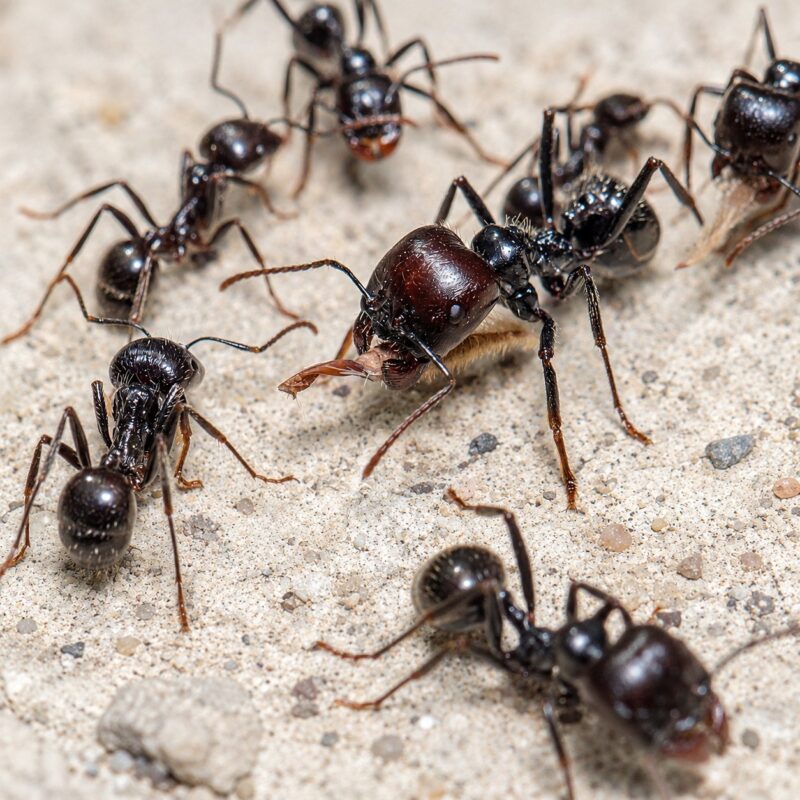
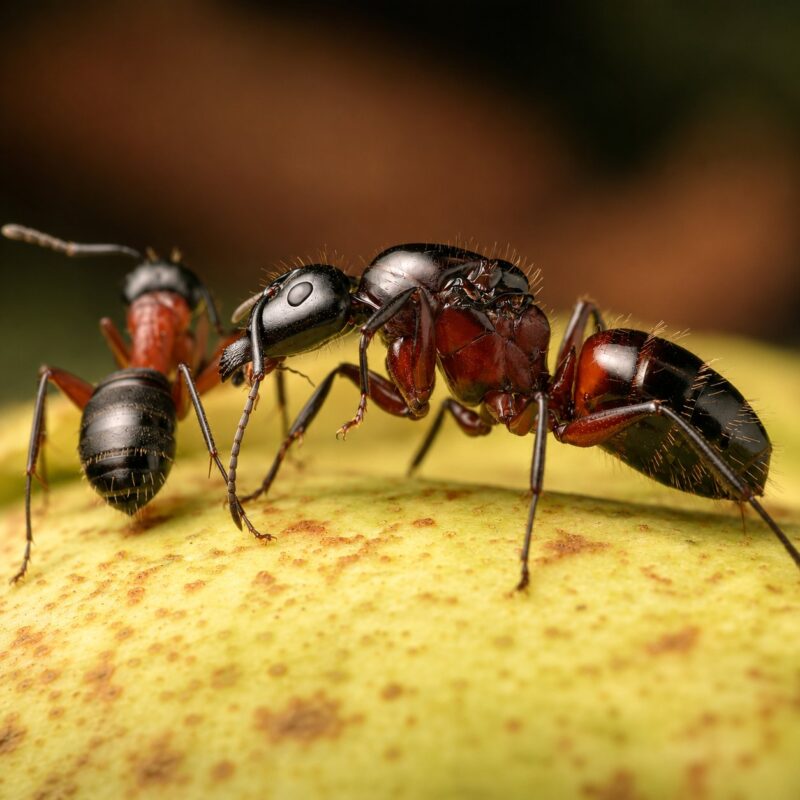
This is one of those ants you keep for the sheer spectacle of the animal. The workers are big, long-legged and alert, with giant eyes that track movement the way a wasp or a spider does, and they hunt one at a time rather than swarming a trail. Watching a single forager stalk, seize and subdue live prey in the arena is unlike anything a typical trail-laying ant offers. It is not a beginner colony: the queen founds semi-claustrally and needs feeding, the brood is slow, and the sting means you handle the setup with respect. For an experienced keeper who wants a genuine apex predator on the desk, it delivers.
Feeding
A visual predator that hunts by sight and takes live or pre-killed insects eagerly, then finishes them with jaws and sting. Insect protein drives the brood, while the adults also work sugar sources for energy. This is not a seed-eater, so keep the diet on insects plus a steady sugar supply.
| Crickets | ★★★ |
| Cockroaches (Dubia / Turkish) | ★★★ |
| Locusts | ★★★ |
| Houseflies | ★★★ |
| Sugar water / honey water | ★★★ |
| Ant nectar / sugar jelly | ★★★ |
| Honey | ★★★ |
| Fruit flies (Drosophila) | ★★ |
| Mealworms | ★★ |
| Superworms | ★★ |
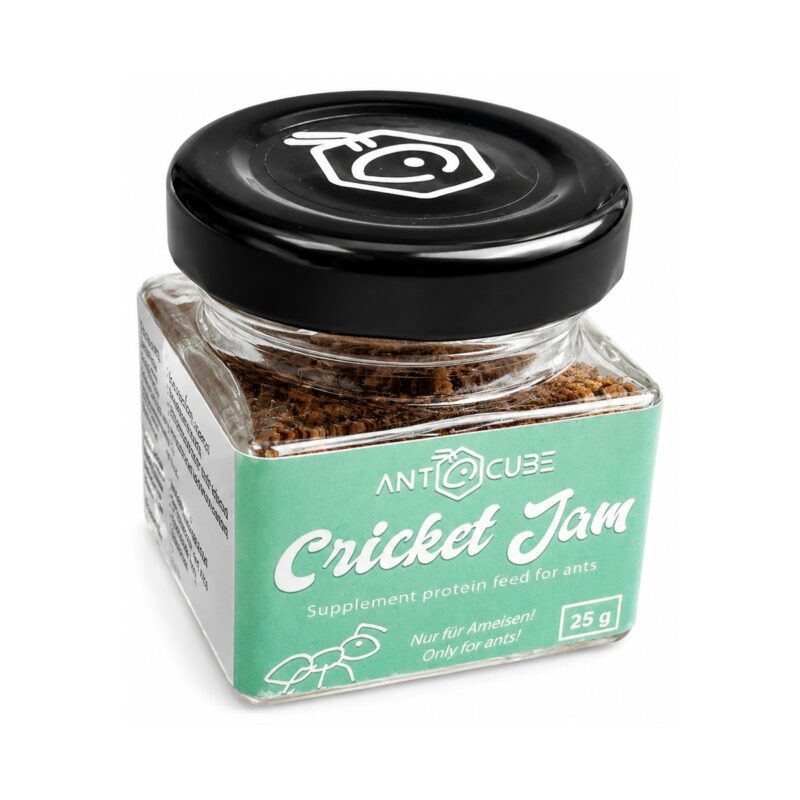
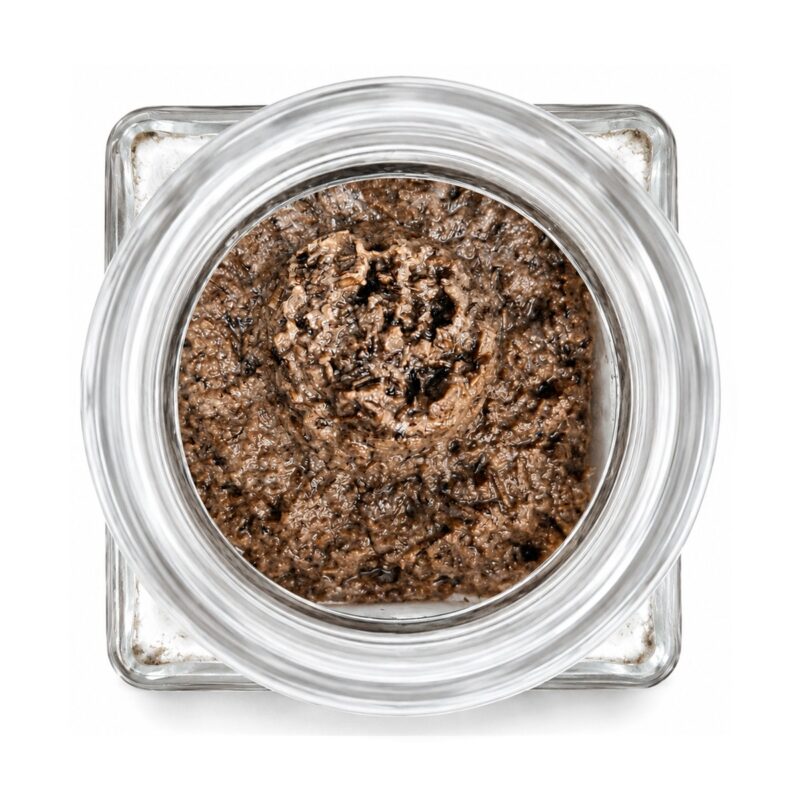
| Protein jelly | ★★ |
| Boiled lean chicken / shrimp / meat | ★ |
| Boiled egg yolk | ★ |
| Dried insects | ★ |
| Soft fruit (apple, pear, banana) | ★ |
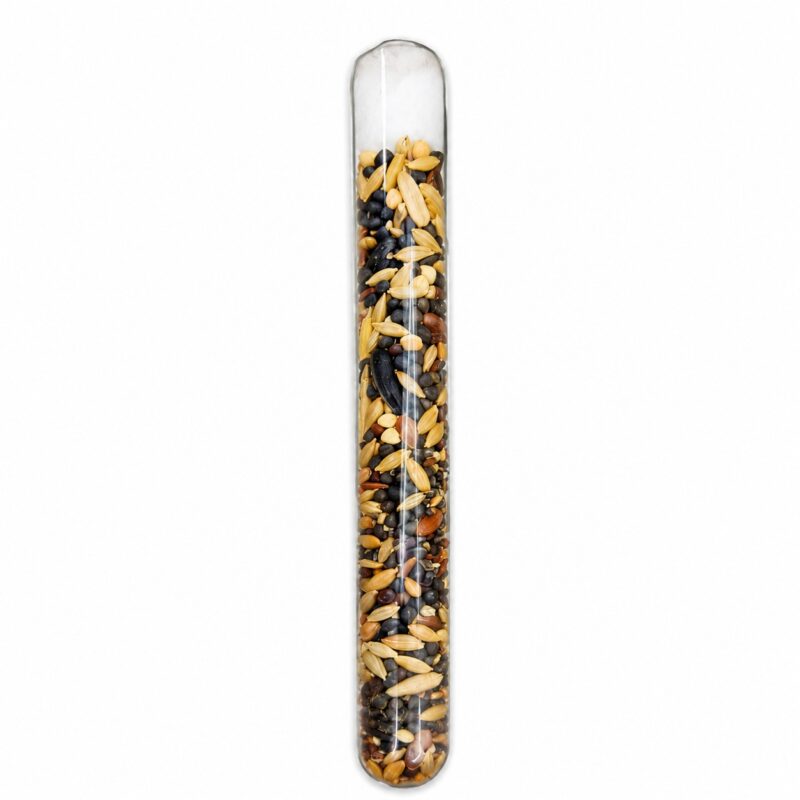
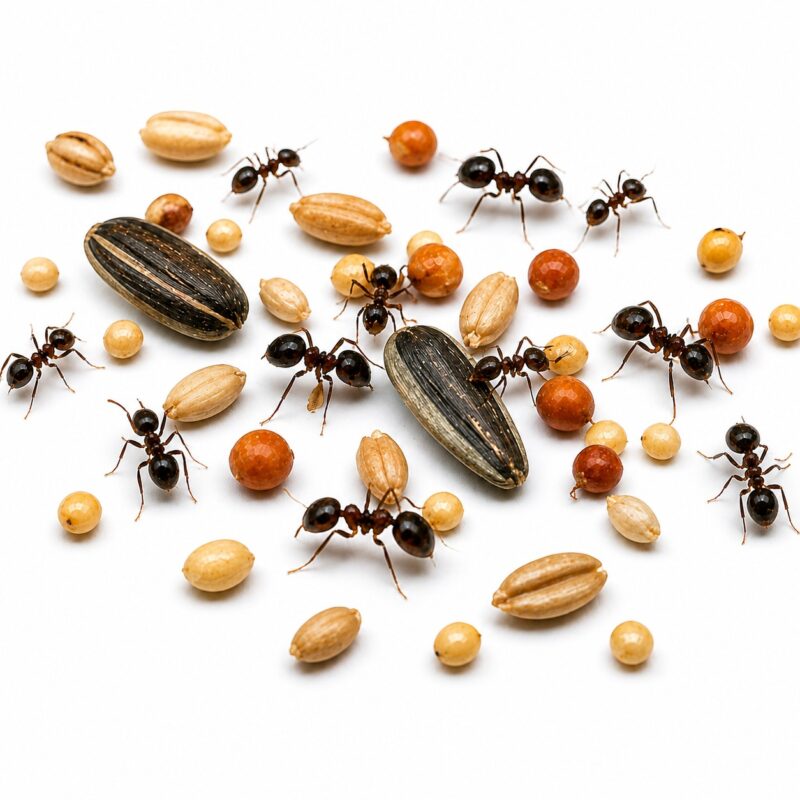
| Soft seeds (poppy, sesame, chia) | ✗ |
| Hard seeds (canary, millet, sunflower) | ✗ |
★★★ readily · ★★ moderately · ★ occasionally · ✗ not eaten
Housing & formicarium
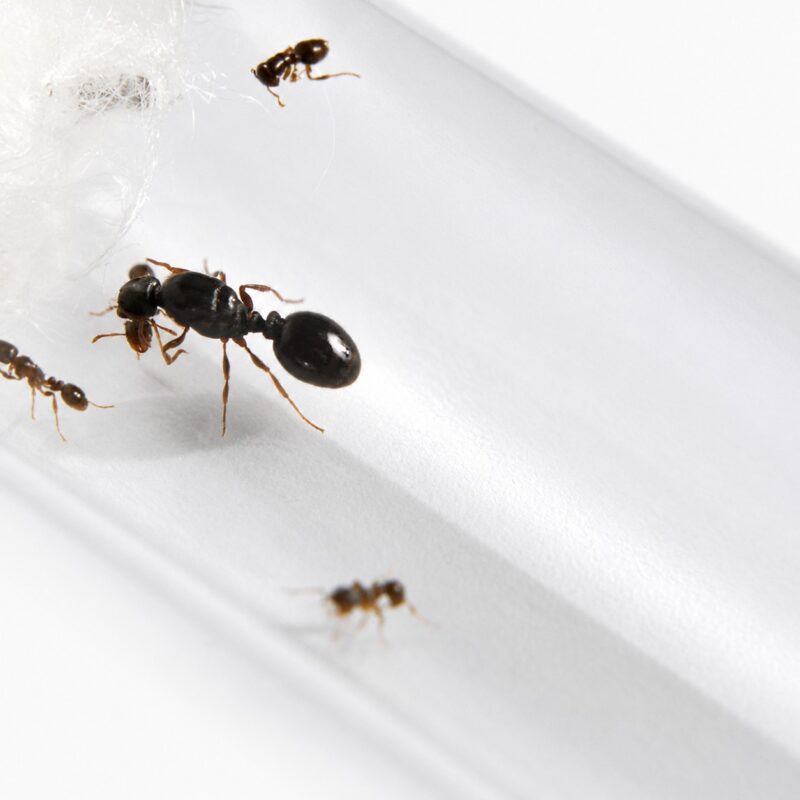
Begin in a test tube and keep the founding queen there until she has a first batch of workers, feeding her small live insects through the semi-claustral stage. These are large, long-bodied ants, so graduate them to a roomy nest in gypsum or aerated concrete paired with a generously sized dry arena where they can hunt. Seal the arena rim with fluon (PTFE), oil, or a talc-and-water mix, and keep a tight lid: big active workers with a potent sting must not escape. ANTonTOP formicaria and starter kits supply a suitably scaled nest plus arena and barrier in one ready set.
Climate & wintering
This ant does best kept on the drier side, with the nest around 40-60% humidity and a single damp hydration corner rather than a soaked chamber. Hold the active season around 22-26 °C and avoid sustained heat above 28 °C; heat one side only so the colony can choose its spot. Being nocturnal, foragers come out after dark, so expect the arena to come alive in the evening rather than under bright light. Unlike a tropical species it takes a real cool winter rest: drop to roughly 15-18 °C for about two months to mirror the mild austral winter, which supports queen longevity and cycling.
Growth forecast + what you receive
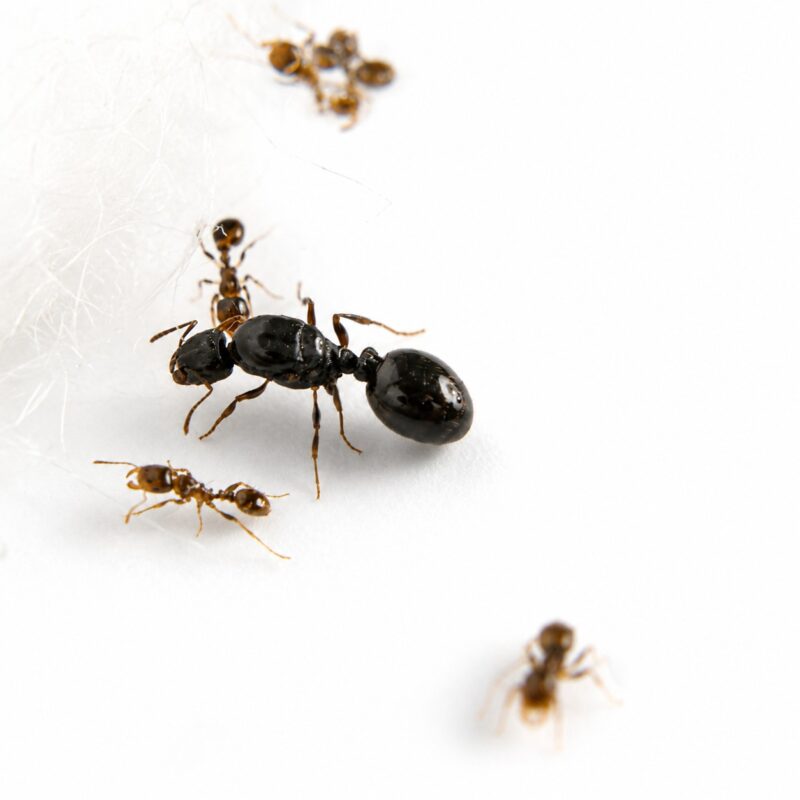
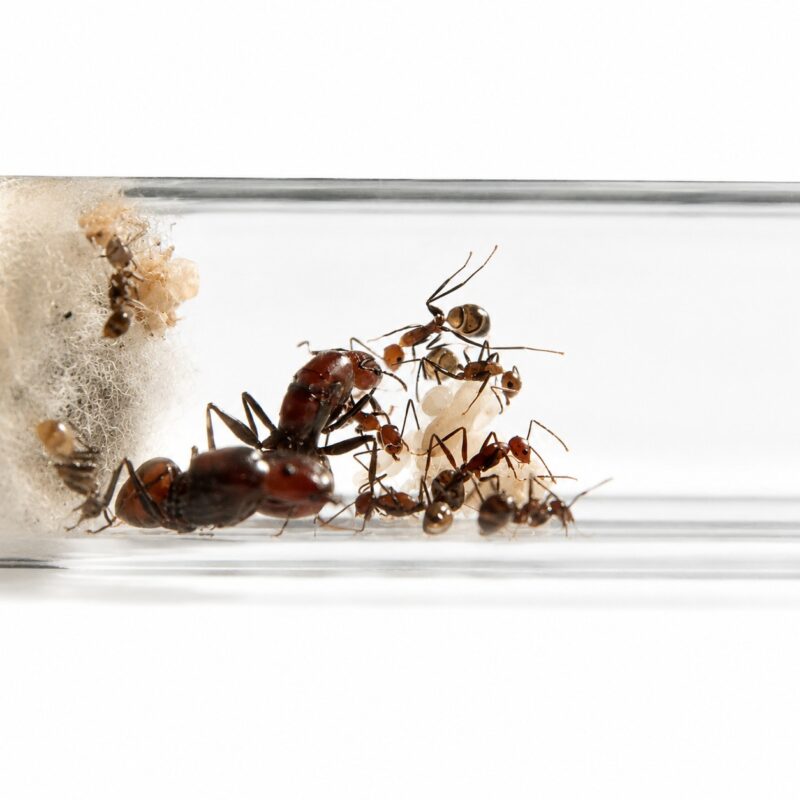
Growth is slow and deliberate here, in keeping with the genus, and the colony stays small-to-moderate rather than exploding into thousands. What you receive is a laying queen with a group of workers and brood, a complete starter colony ready to move into its nest and grow on under an experienced hand.
Did you know
- The name desertorum means “of the deserts”: W. M. Wheeler described the species in 1915 from Todmorden in arid South Australia, though the species itself is recorded right across the country.
- Myrmecia bull ants have among the largest eyes of any ant, with sharp motion vision that lets desertorum hunt as a solitary visual predator after dark.
- It lays no pheromone trails at all; each forager works alone by sight instead of recruiting nestmates to a scent path.
- Foragers leave the nest after dark. The fine timing of Myrmecia foraging against fading light has been worked out in detail in the related M. pyriformis rather than in this species.
- Nests are large crater-like mounds with several openings, reportedly up to about 2 m across, far bigger in footprint than the modest worker count suggests.
Frequently asked questions
Is Myrmecia desertorum good for beginners?
No, it is rated Pro: the queen founds semi-claustrally and needs feeding, and the potent sting calls for careful handling.
Does Myrmecia desertorum need a winter rest?
Yes, give it a cool diapause at roughly 15-18 °C for about two months to mirror its mild Australian winter.
Does this bull ant sting?
Yes, it has a potent, painful sting plus a strong bite, and it can trigger reactions in sensitive people, so handle the setup with care.
How big are the workers?
Workers run 18-26 mm and the queen about 20-28 mm, so this is a large species.
When is it active?
It is nocturnal, with foragers leaving the nest after dark, so the colony is most engaging in the evening.
What should I feed it?
Live or pre-killed insects such as crickets, roaches and locusts, plus a steady sugar or honey-water source; it does not eat seeds.
How do I feed a semi-claustral queen?
Offer small live insects to the founding queen while she raises her first workers, since she cannot rely on body reserves alone.
Will my colony arrive alive?
Yes, you receive a queen with workers and brood, shipped with a heat or cool pack and dispatched within 24 h with tracking.
Keeping & shipping essentials
Escape prevention. Coat the inner rim of every open arena with fluon (PTFE), or use talc-and-water or an oil barrier as a backup, and keep a tight, fine-mesh lid on top. These are large, fast, potently stinging ants, so check the barrier often, since dust, condensation and feeding debris break a fluon line over time. Keep tubing connectors tight and seal any gaps in the nest.
Keeping reminders. Keep the nest on the drier side with one damp hydration corner and always offer fresh water. Give carbohydrates continuously and live insect protein several times a week, and remove uneaten prey within 24 hours before it moulds. Keep the formicarium out of direct sunlight and away from constant vibration, which stresses the colony, and remember foraging picks up in the evening.
Before you buy – do not rehouse too early. Have a test-tube setup or a formicarium with an outworld and a working barrier ready before your colony arrives. A founding colony grows slowly at first, which is normal for this genus. Moving a small colony into a large nest too soon invites mould, mites and stress, and the workers die off one by one. Keep the colony in its open test tube on the arena, plug the nest entrance with cotton, and open up the next chambers only once the colony fills its current space.
What we ship. Every colony ships with a live-arrival guarantee, backed by our 24h unboxing-video guarantee: if the queen does not arrive alive, we reship free. Parcels travel with DHL, InPost (PL) or EMS, with a heat or cold pack to suit the season, packed discreetly and securely. We ship across the EU and worldwide, with free shipping over the Europe threshold.
Category: Exotic Ants (ID: 2639)
Video URL: none
Video ID: none
Product Video URL: none
Product Video ID: none
No video found for this product or category

Reviews
Clear filtersThere are no reviews yet.