
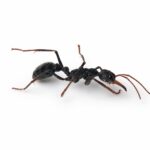
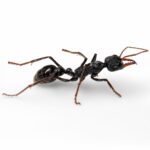
Myrmecia rowlandi

2379,90 

For Experts
No hibernation
Add 500,00  to cart and get free shipping!
Arrives alive and ready to lay, or we reship

Live Queen Guarantee

Warm in winter, insulated against summer heat

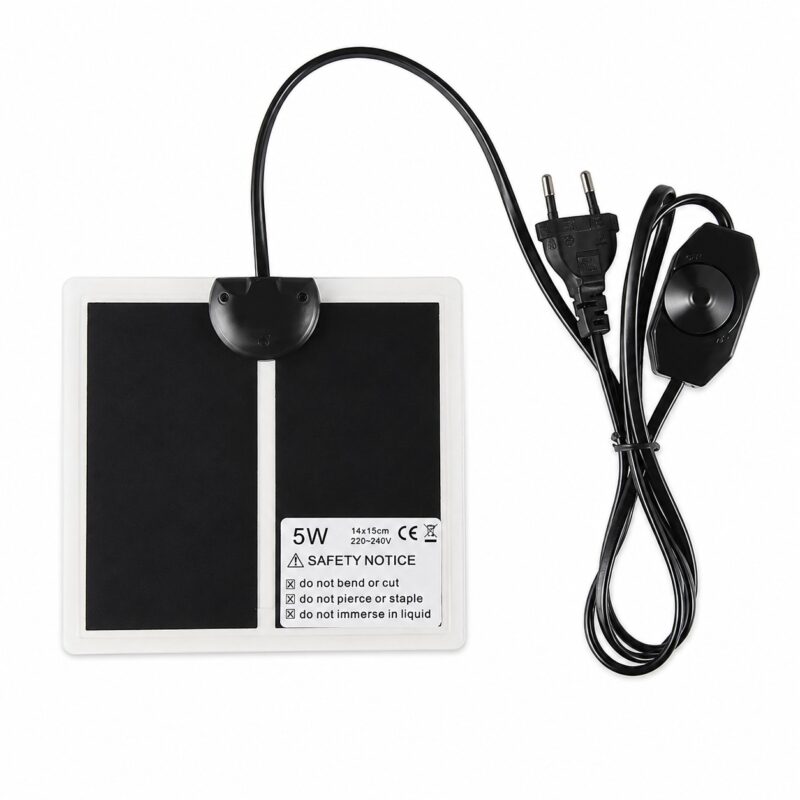
Heat Pack & Summer Cooling

Ready to grow from day one

Fertilised Queen in Every Colony

Packed fast, dispatched with tracking

Ships Within 24 h

Setup and feeding tips for your species

Free Care Guide

Fast answers from real ant keepers

24/7 Expert Support
Description

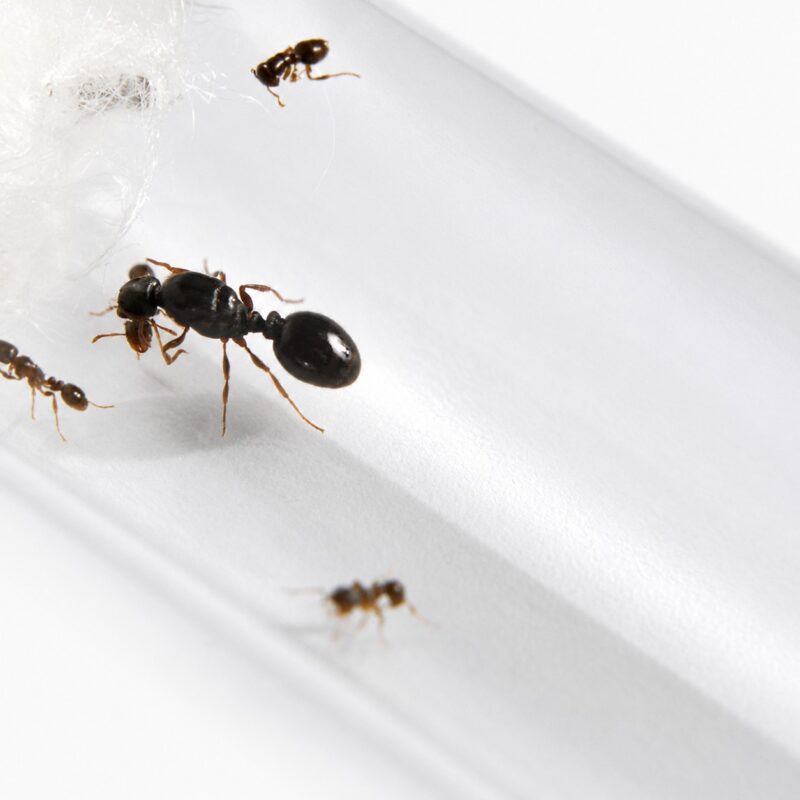
A big-eyed tropical bull ant that hunts by sight and drives home a real sting, this is a keeper’s-keeper species for someone who wants a proper predator on the desk. Start your Myrmecia rowlandi colony at ANTonTOP.

Live arrival + 24h unboxing-video guarantee.
Free shipping across Europe over 1299 zł.
DHL / InPost / EMS · ships the EU & worldwide.

Pro · W 13-21 mm · No hibernation (tropical) · Predator · Tropical NE Queensland, Australia · Potent sting

Additional information

Origin

Ant size

Hibernation

Behavior

Sting

Has sting

Keeping difficulty

Description

Myrmecia rowlandi

Origin Tropical NE Queensland, Australia
Difficulty Pro
Colony form Monogyne (single queen)
Max workers
Queen 22-27
Worker 13-21 mm
Soldier / major
Founding Semi-claustral
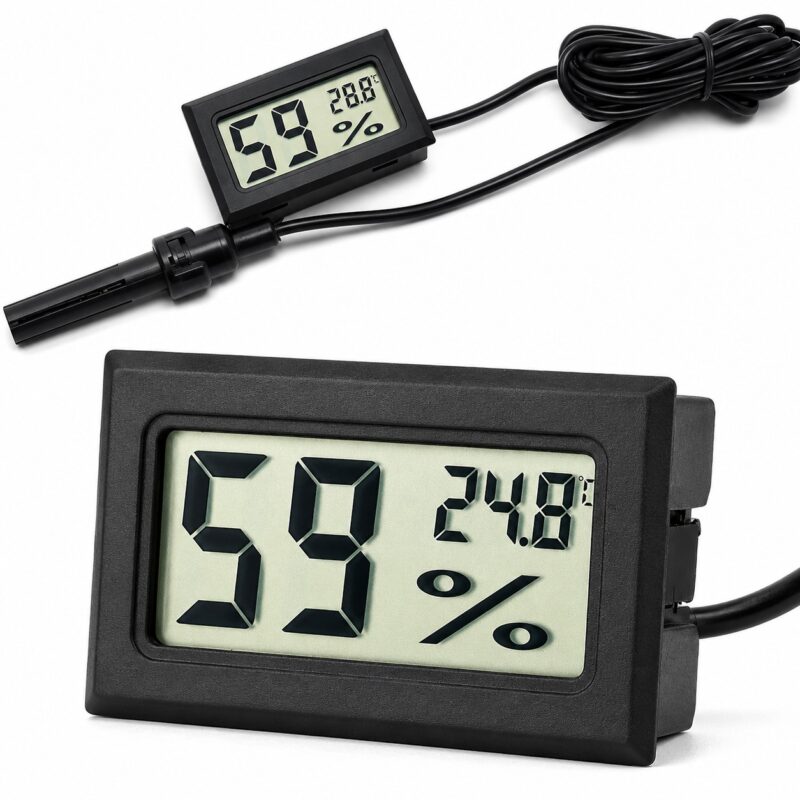
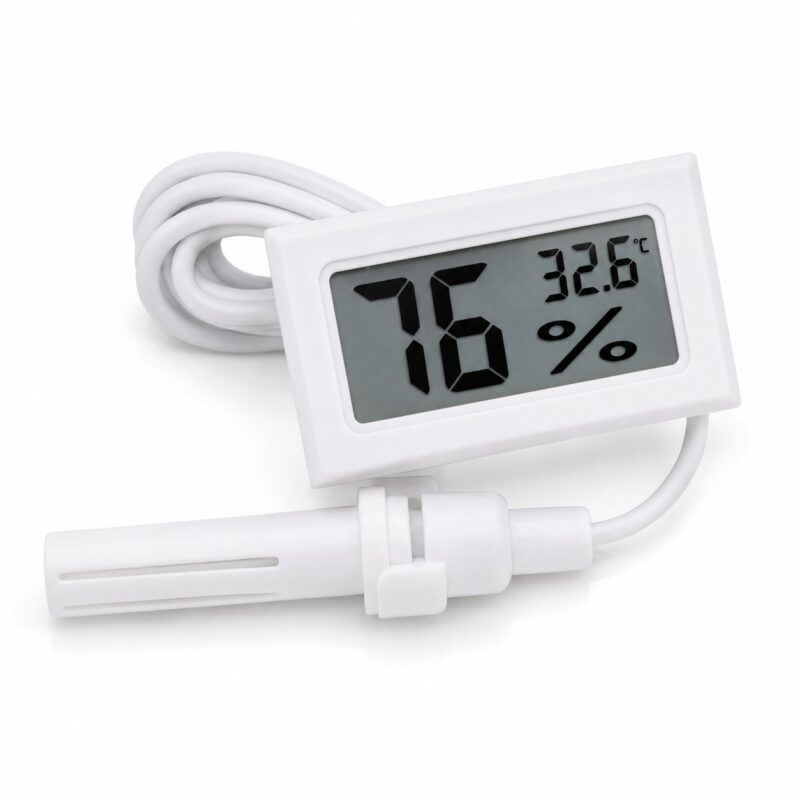
Temperature 22-28 °C
Humidity 50-70%
Hibernation No hibernation (tropical)
Diet Predator
Sting / bite Potent sting
Egg to first worker
Queen lifespan
Nuptial flight
Activity

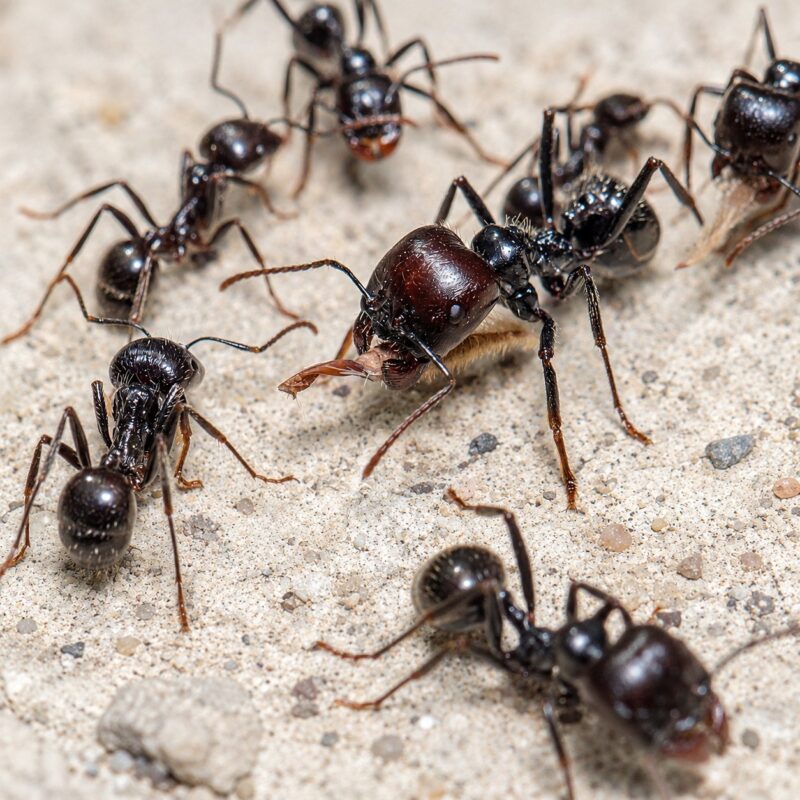
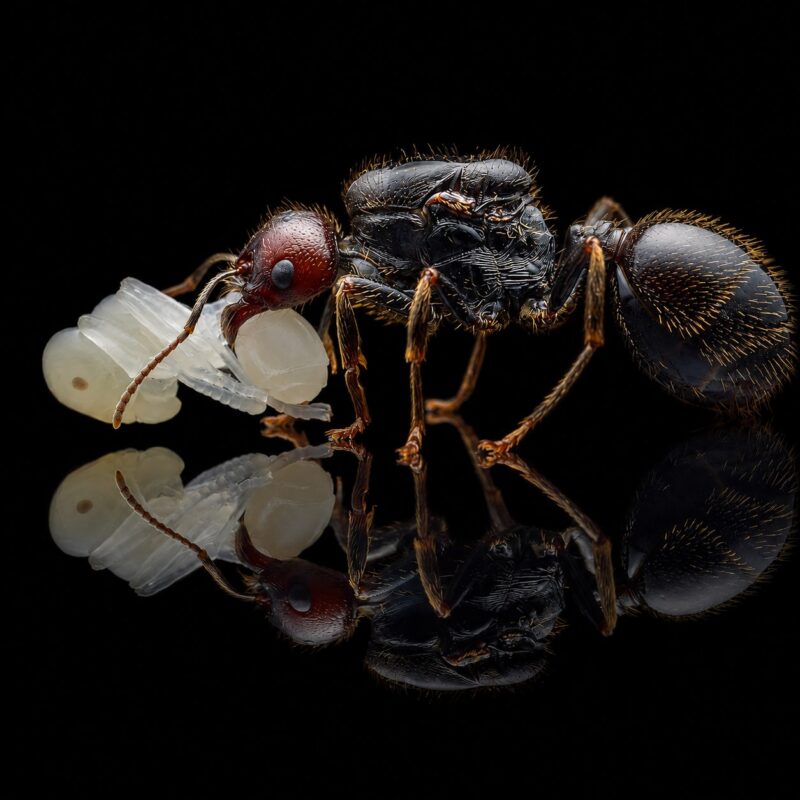
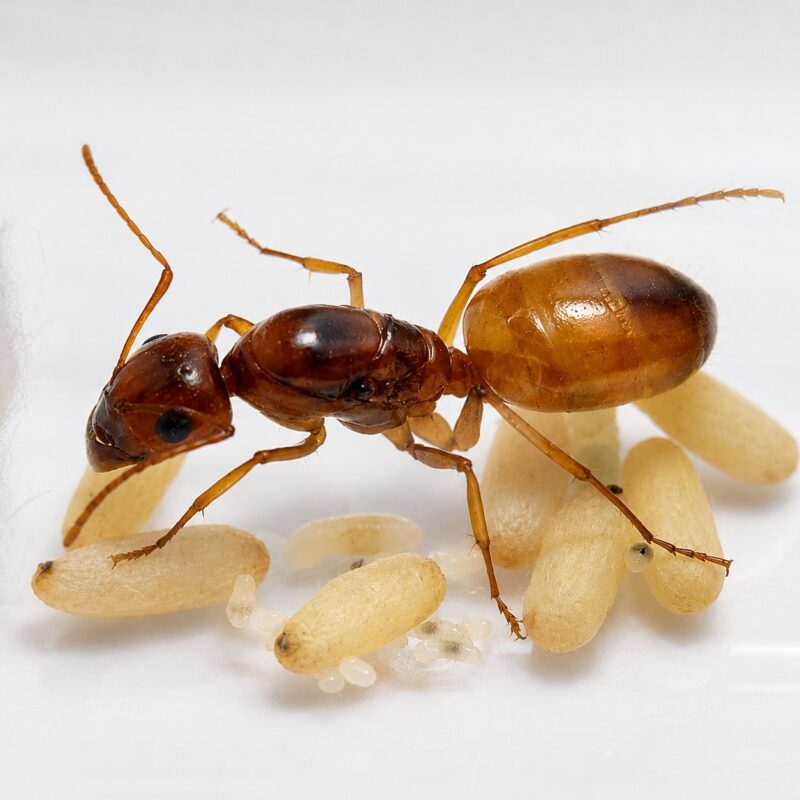
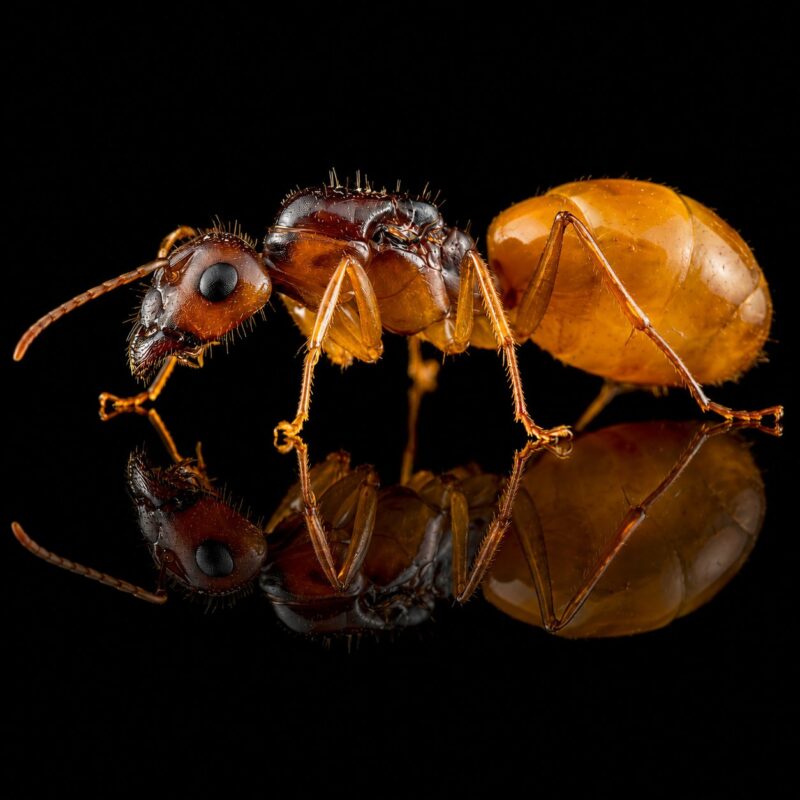
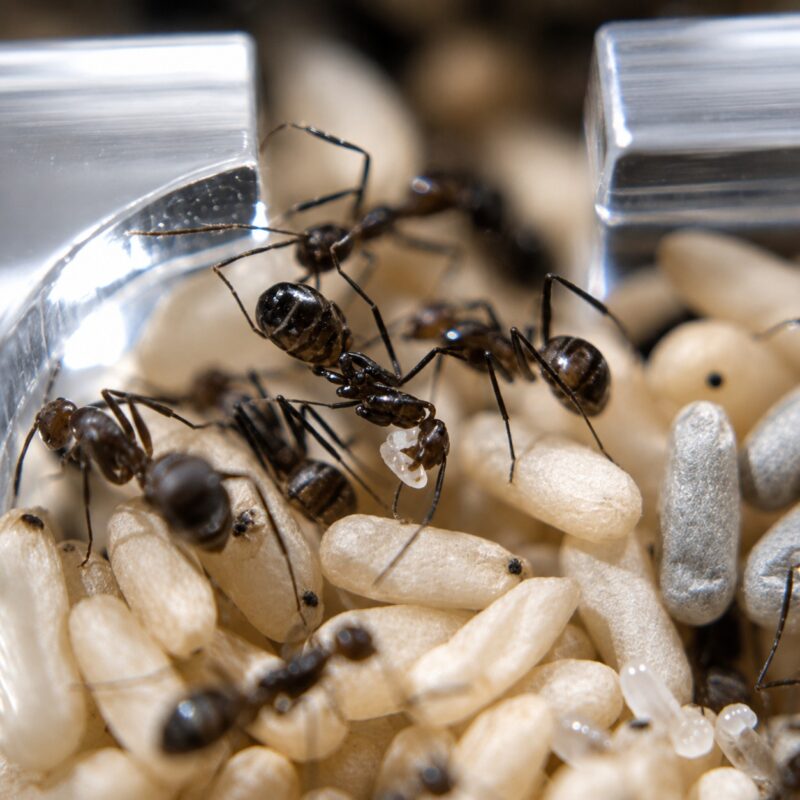
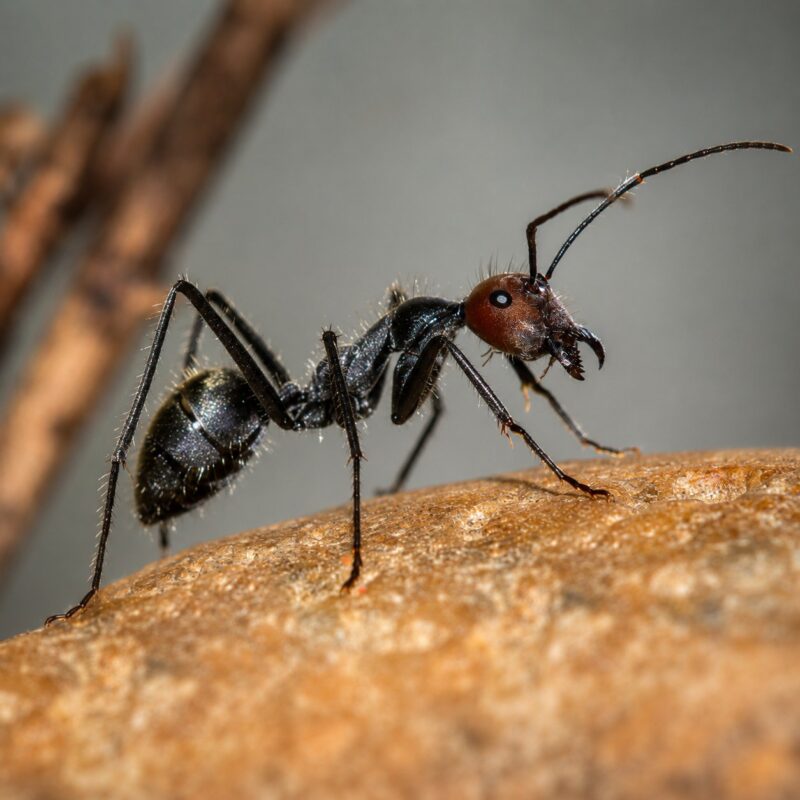
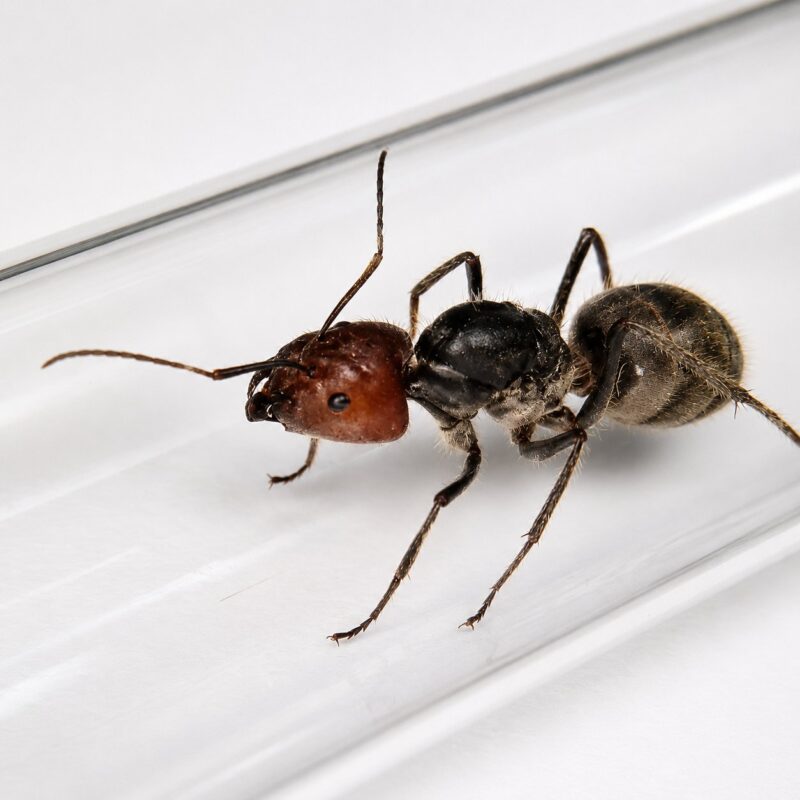
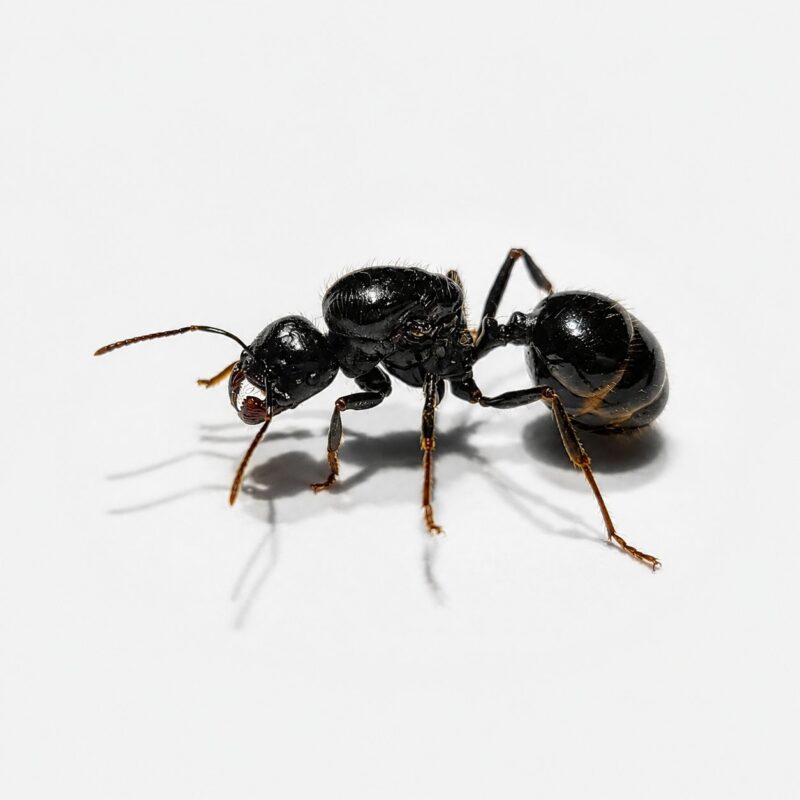
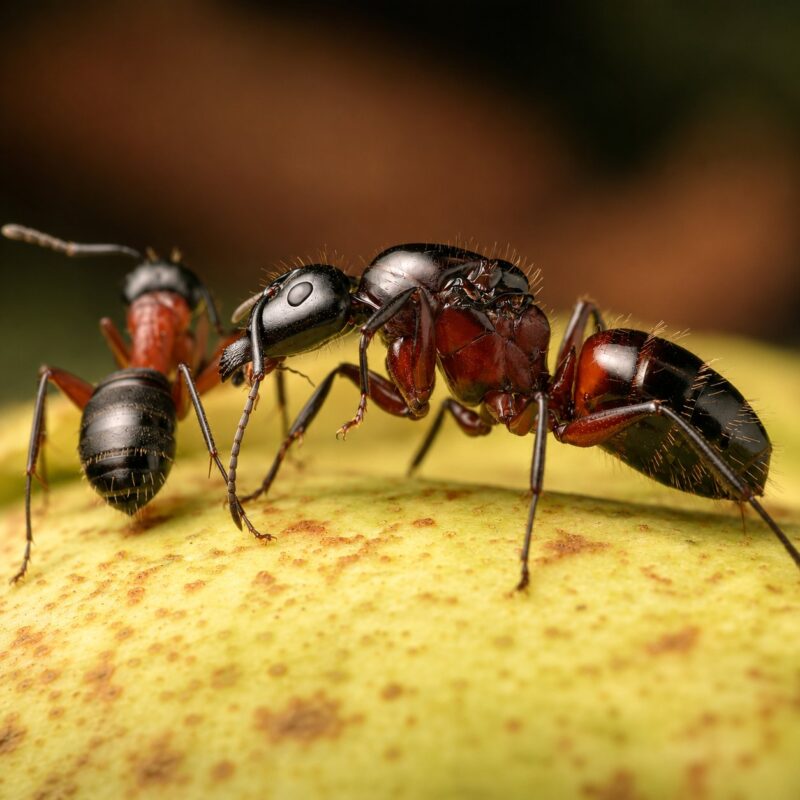
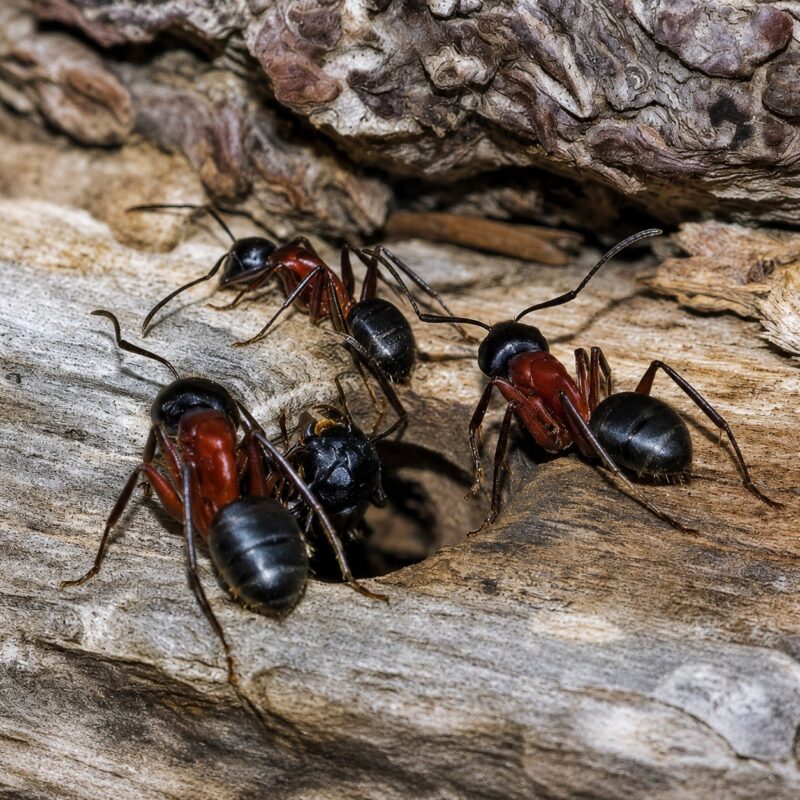
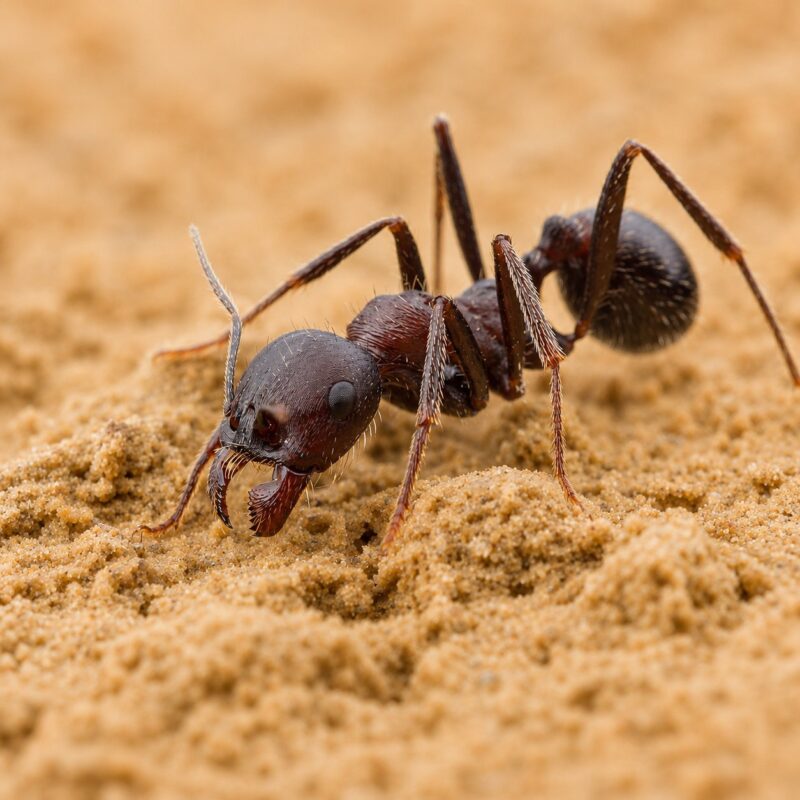
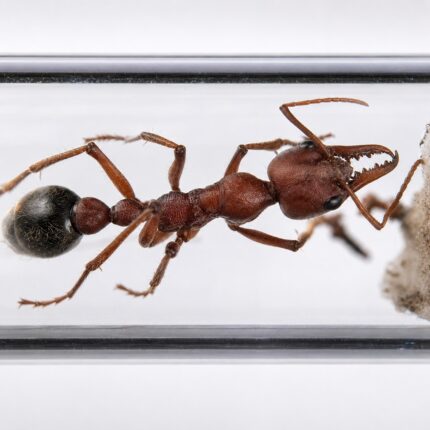
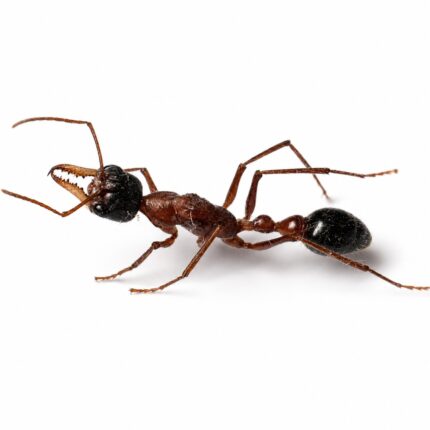
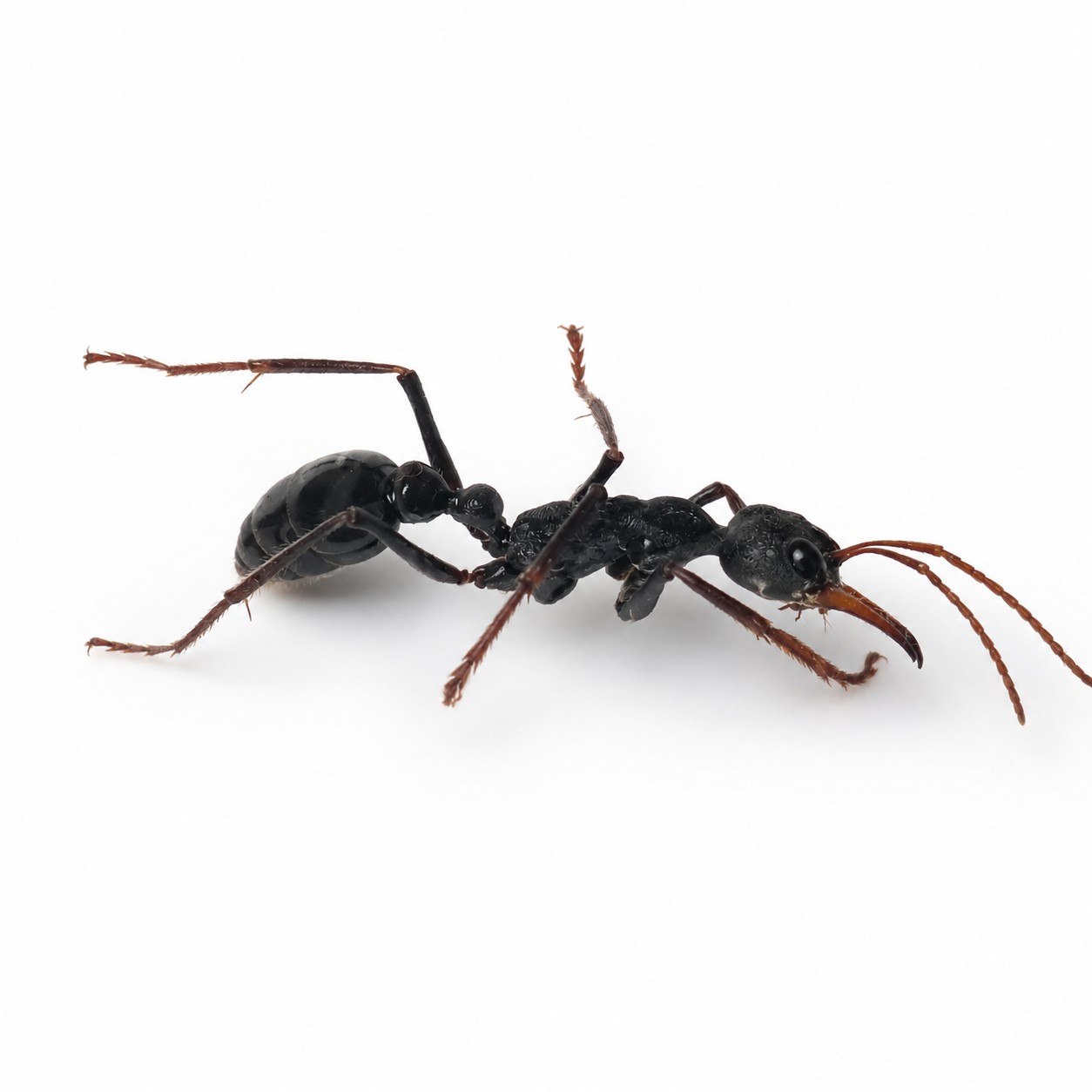
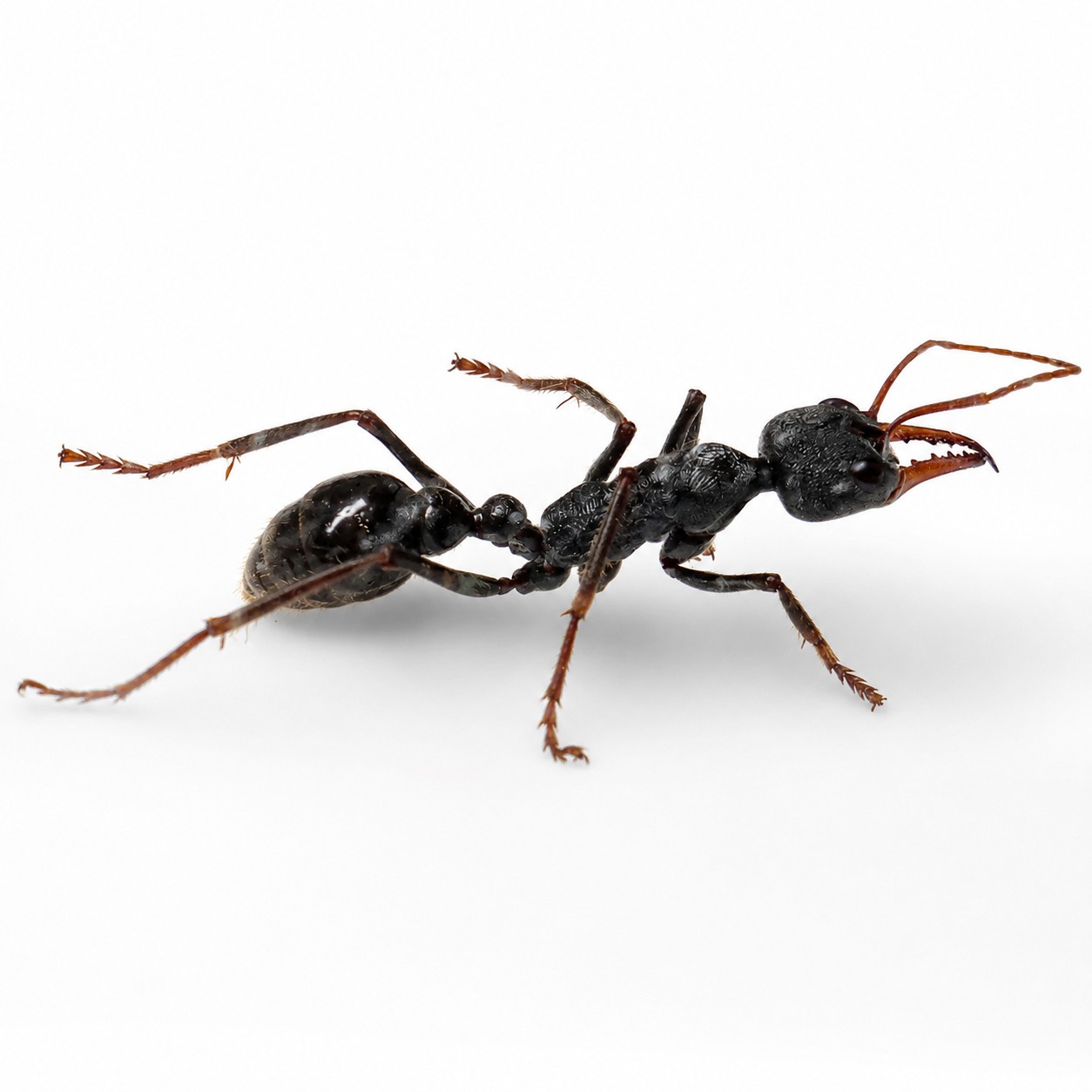
Myrmecia rowlandi is a tropical bull ant from the rainforest behind Cairns, a large, sharp-eyed visual hunter with a genuine sting that rewards an experienced keeper who wants a colony with real presence.


Why this species

What sets the bull ants apart is that they see you. Workers carry huge forward-facing eyes and hunt live prey by sight, turning to track movement and stalking food across the arena in a way most ants never do. Myrmecia rowlandi brings that behaviour in a striking black-bodied form with yellow jaws and red antennae, so a modest group already looks and acts like a proper predator. It is not a beginner ant: the queen founds semi-claustrally and must be fed from the start, and the sting is potent, so this one is for a keeper who wants to earn the payoff. For anyone stepping up from easier species into something genuinely charismatic, it delivers.


Feeding

A visual predator that lives on live and pre-killed insects, taken down with long toothed jaws. Because founding is semi-claustral, feed the queen small insect prey from day one rather than waiting for the first workers, and keep a steady sugar source going so adults have fuel between kills.

Sugar water / honey water ★★★
Ant nectar / sugar jelly ★★★
Honey ★★★
Protein jelly ★★
Crickets ★★★
Cockroaches (Dubia / Turkish) ★★★
Houseflies ★★★
Locusts ★★★
Fruit flies (Drosophila) ★★
Mealworms ★★
Superworms ★★
Boiled egg yolk
Boiled lean chicken / shrimp / meat
Soft fruit (apple, pear, banana)
Dried insects
Soft seeds (poppy, sesame, chia)
Hard seeds (canary, millet, sunflower)

★★★ readily · ★★ moderately · ★ occasionally · ✗ not eaten


Housing & formicarium

Begin in a test tube and keep the founding queen there until a first group of workers is on their feet. This is a large, active ant that hunts on the surface, so it wants a roomy outworld with plenty of open floor to stalk prey, paired with a nest that holds a damp end and a drier end. Give a substrate depth of at least 15 cm if you let it nest in soil, and seal the arena rim with fluon (PTFE), oil, or a talc-and-water mix. Because the sting is potent, work calmly and keep a secure, fine-mesh lid on at all times. ANTonTOP formicaria and starter kits supply a suitably sized nest plus arena and barrier in one ready set.


Climate & wintering

This is a tropical ant from the wet forests of north Queensland, not one of the temperate southern bull ants, so keep it warm and active all year. Hold it around 22-28 °C with humidity in the 50-70% band, and heat one side of the nest only so the colony can drift toward its preferred warmth. Give it no hibernation: unlike the cool-climate Myrmecia that need a genuine winter rest, a Cairns-region species has no cold season and should not be chilled down. At most expect a mild seasonal slowdown, never a true cold diapause.


Growth forecast + what you receive

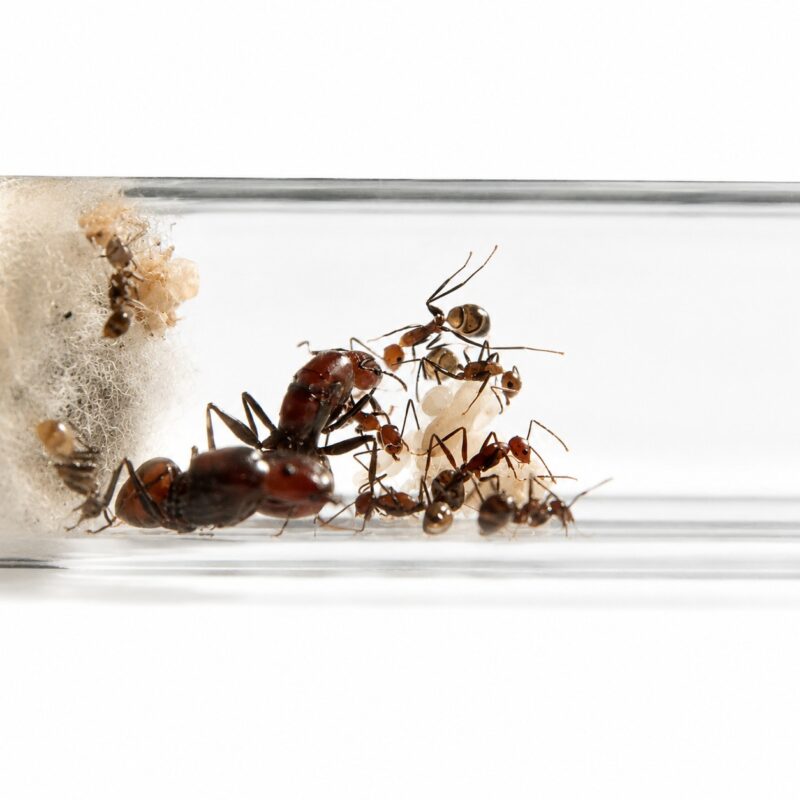
Bull-ant colonies build slowly and steadily, with each worker being a large, long-lived hunter rather than one of thousands, so patience is part of the appeal. Published mature-colony figures are not available for this exact species, so we will not quote a headline number. What you receive is a laying queen with a group of workers and brood, a complete little colony ready to move into its first nest and grow on.


Did you know

  • Myrmecia rowlandi belongs to the bull ants, one of the few ant lineages whose workers have huge eyes and hunt by sight, with some relatives even able to navigate by starlight.
  • It was first described by Auguste Forel in 1910 as a subspecies of Myrmecia tarsata, and only later recognised as a species in its own right.
  • Its type locality is Kuranda, in the rainforest hinterland behind Cairns, one of Australia’s wet-tropics hotspots.
  • Like other bull ants it stings rather than merely biting, gripping with long toothed jaws and curling its abdomen to drive in venom, a defence potent enough to trigger anaphylaxis in allergic people.
  • Clark described this ant again in 1951 as Myrmecia cordata, but that name was already taken, so it was a junior homonym; Brown replaced it with Myrmecia cardigaster in 1953, and that name was in turn sunk into rowlandi, which Forel had published back in 1910.

Frequently asked questions

Is Myrmecia rowlandi good for beginners?

No, it is rated Pro, with semi-claustral founding, a potent sting and a warm year-round regime that suit an experienced keeper.

Does Myrmecia rowlandi need a winter rest?

No. It is a tropical Queensland ant, so keep it warm and active all year with no cold hibernation.

Does this bull ant sting?

Yes, it has a potent sting that can cause severe reactions in sensitised people, so handle the colony calmly and never with bare hands.

How do I feed the queen during founding?

Founding is semi-claustral, so offer her small live or pre-killed insects from day one rather than waiting for the first workers.

How big are the workers?

Workers run 13-21 mm, a large ant that hunts prey by sight.

How large does the colony get?

Reliable mature-colony numbers are not published for this species, and bull-ant colonies build slowly with relatively few, large workers.

What should I feed it?

Live or pre-killed insects such as crickets, roaches, flies and locusts, plus a steady sugar or honey water source for the adults.

Will my colony arrive alive?

Yes, you receive a queen with workers and brood, shipped with a heat or cool pack and dispatched within 24 h with tracking.


Keeping & shipping essentials

Escape prevention. Coat the inner rim of every open arena with fluon (PTFE), or use talc-and-water or an oil barrier as a backup, and keep a tight, fine-mesh lid on top. Check the barrier regularly, since dust, condensation and feeding debris break a fluon line over time. Keep tubing connectors tight and seal any gaps in the nest, and remember this is a stinging species, so work slowly and keep the outworld closed while you feed.

Keeping reminders. Always offer fresh water and never let the nest dry out completely. Give carbohydrates continuously and insect protein a few times a week, and remove uneaten prey within 24 hours before it moulds. Keep the formicarium out of direct sunlight and away from constant vibration, which stresses a young colony. A water-filled test tube plugged with cotton makes an ideal spare incubator whenever you need one.

Before you buy – do not rehouse too early. Have a test-tube setup or a small formicarium with an outworld and a working barrier ready before your colony arrives. A founding colony grows slowly at first, which is normal. Moving a small colony into a large nest too soon invites mould, mites and stress, and the workers die off one by one. Keep the colony in its open test tube on the arena, plug the nest entrance with cotton, and open up the next chambers only once the colony fills its current space.

What we ship. Every colony ships with a live-arrival guarantee, backed by our 24h unboxing-video guarantee: if the queen does not arrive alive, we reship free. Parcels travel with DHL, InPost (PL) or EMS, with a heat or cold pack to suit the season, packed discreetly and securely. We ship across the EU and worldwide, with free shipping over the Europe threshold.

Product ID: 111661
Category: Exotic Ants (ID: 2639)
Video URL: none
Video ID: none
Product Video URL: none
Product Video ID: none
No video found for this product or category
Complete Your Setup
Reviews
0 reviews
0
0
0
0
0

There are no reviews yet.

Be the first to review “Myrmecia rowlandi”

Your email address will not be published. Required fields are marked *

Bestsellers