
Rhytidoponera metallica
649,90 zł – 1299,90 złPrice range: 649,90 zł through 1299,90 zł
Live Queen Guarantee
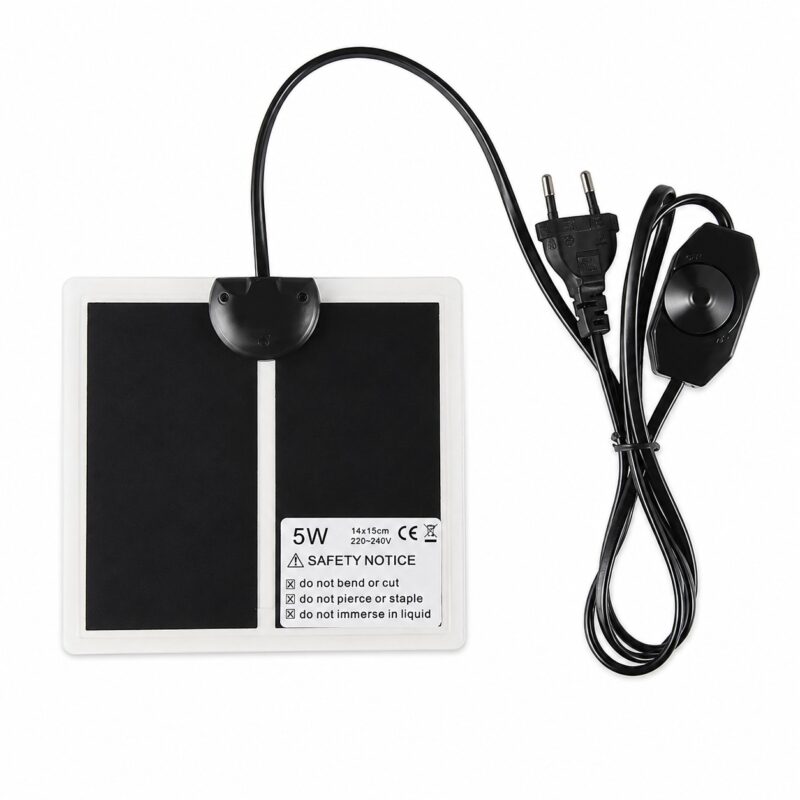
Heat Pack & Summer Cooling
Fertilised Queen in Every Colony
Ships Within 24 h
Free Care Guide
24/7 Expert Support
Description
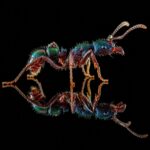
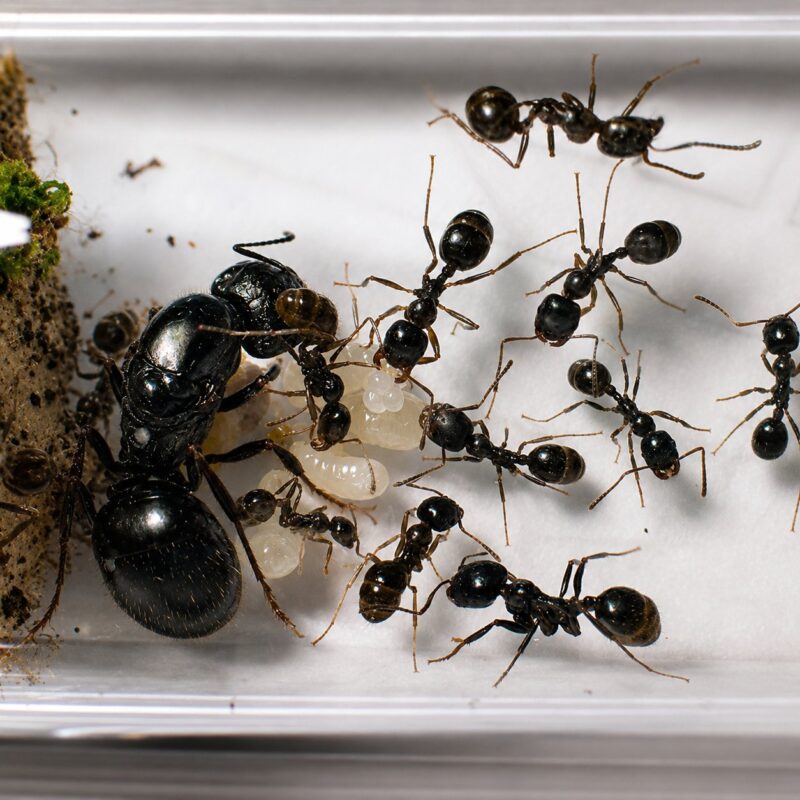
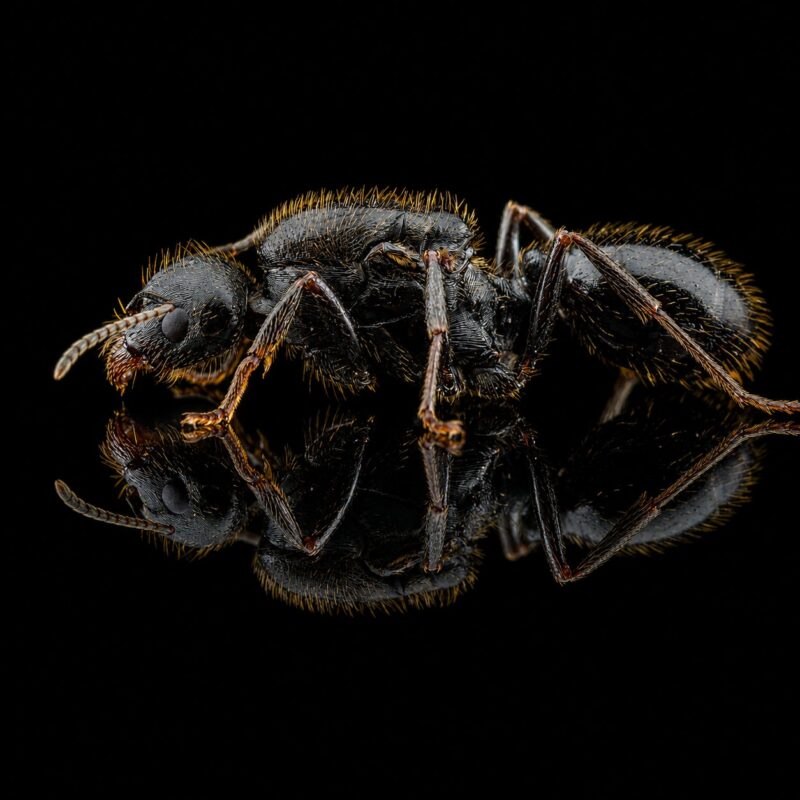
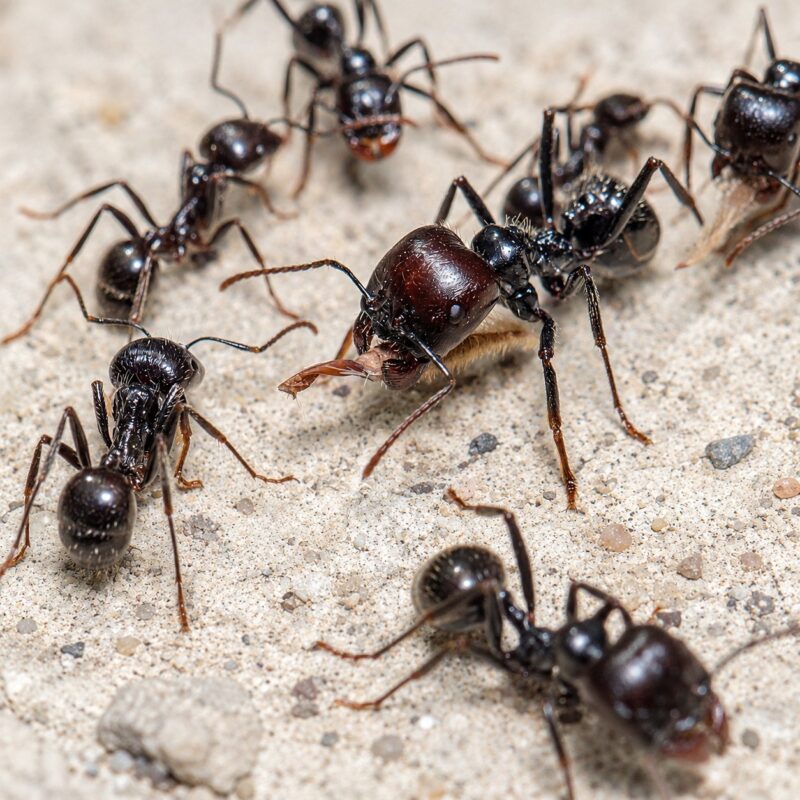
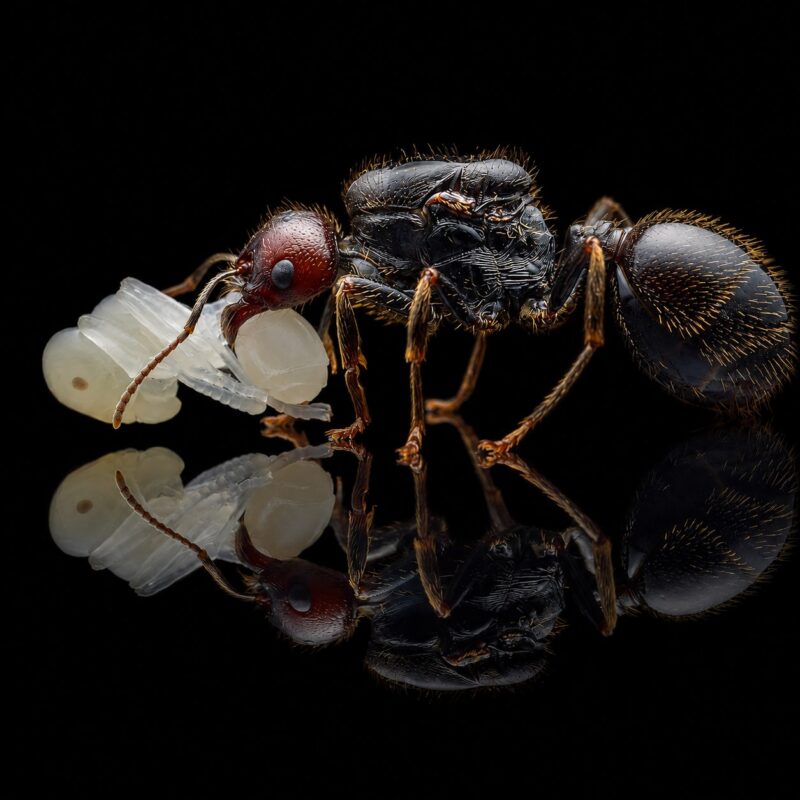
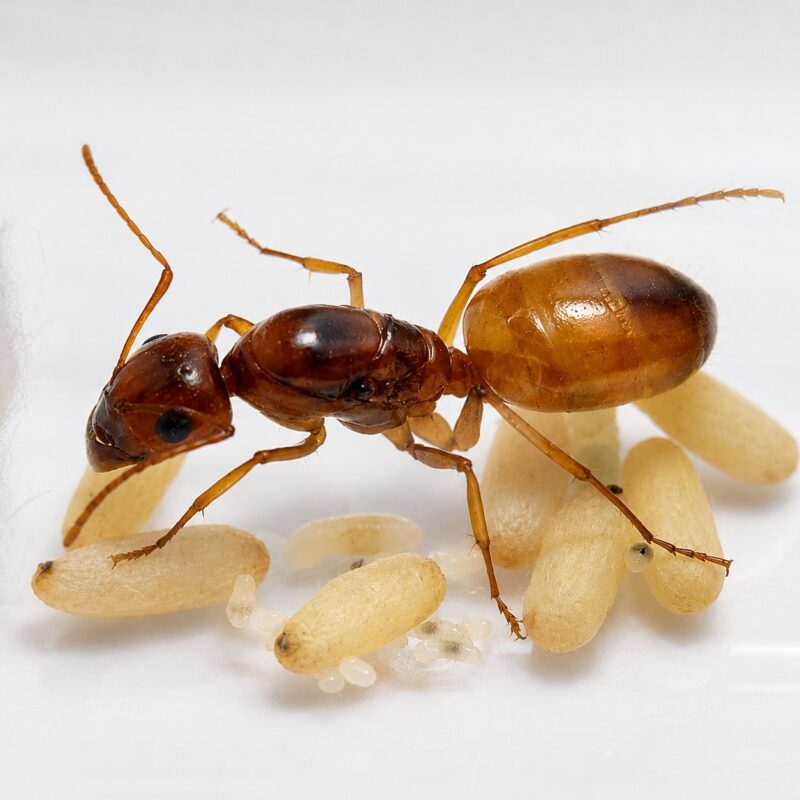
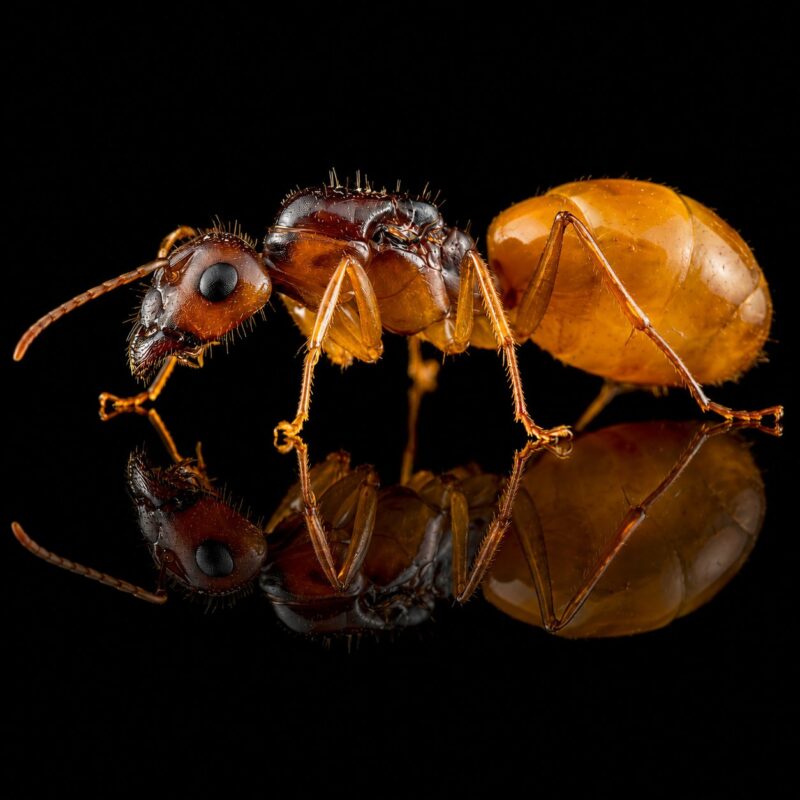
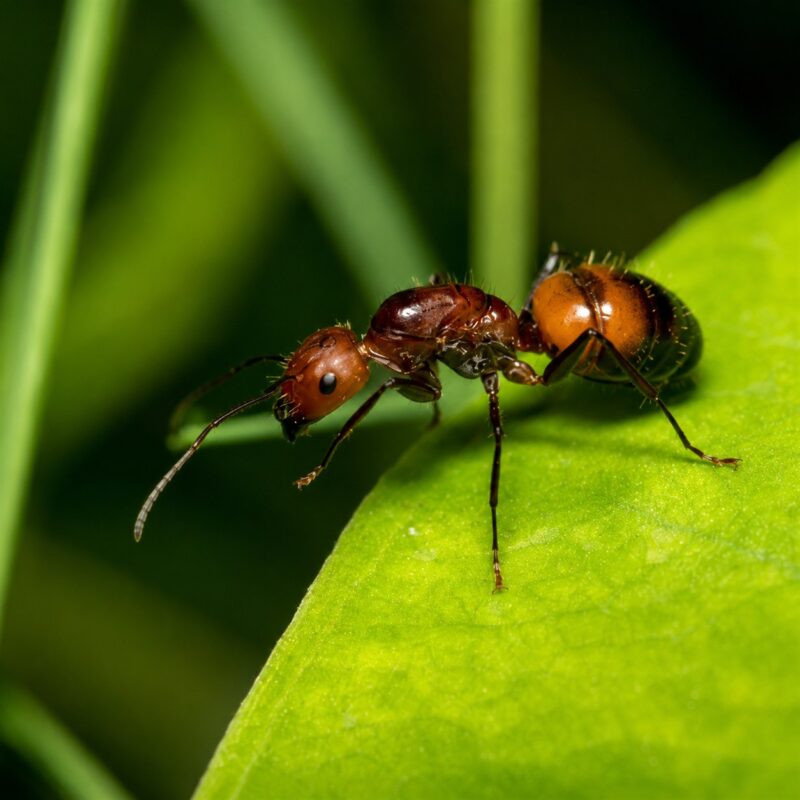
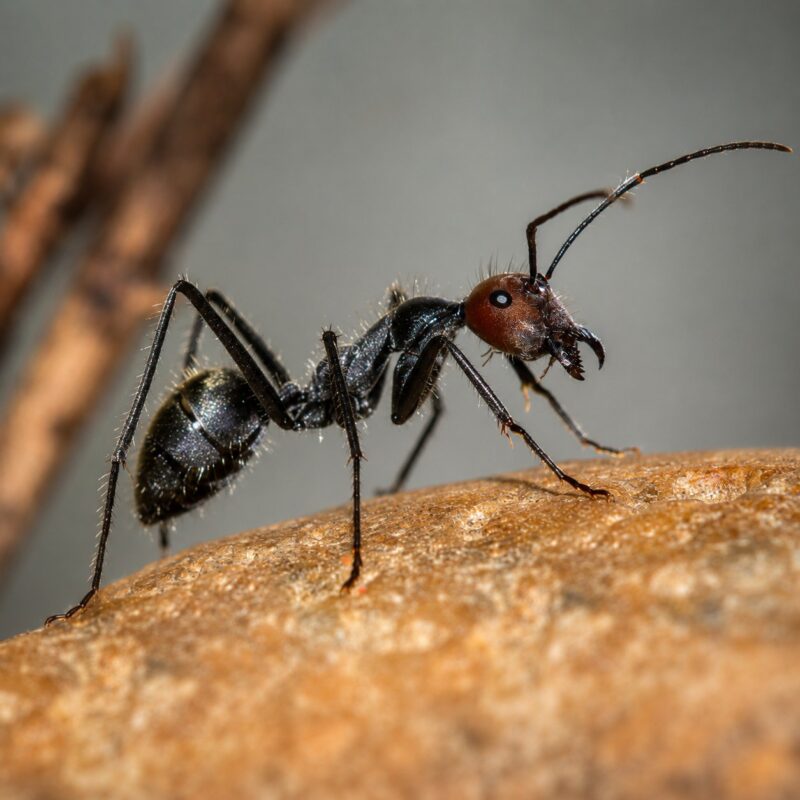
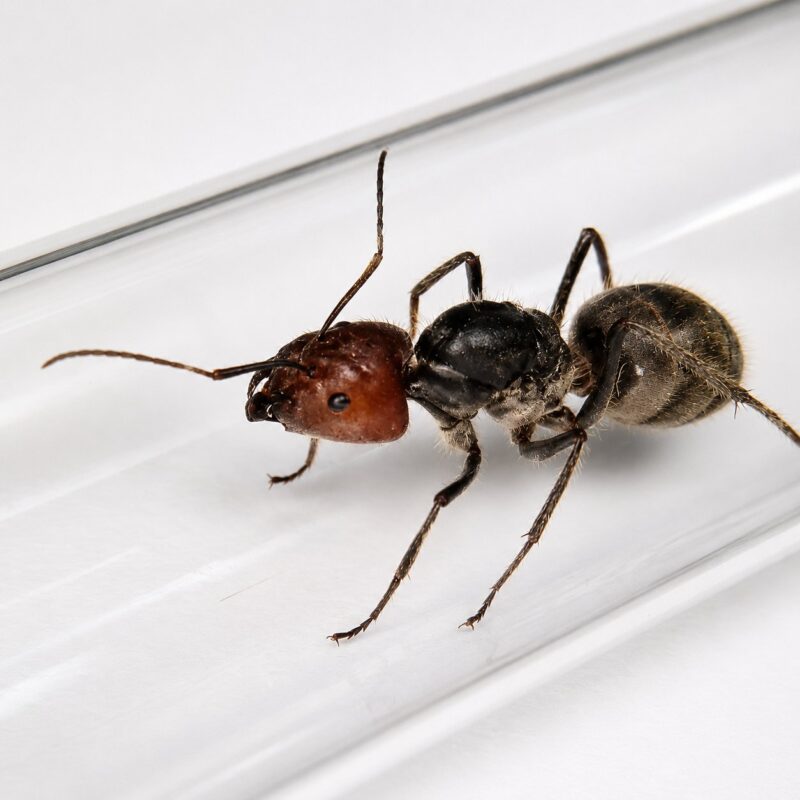
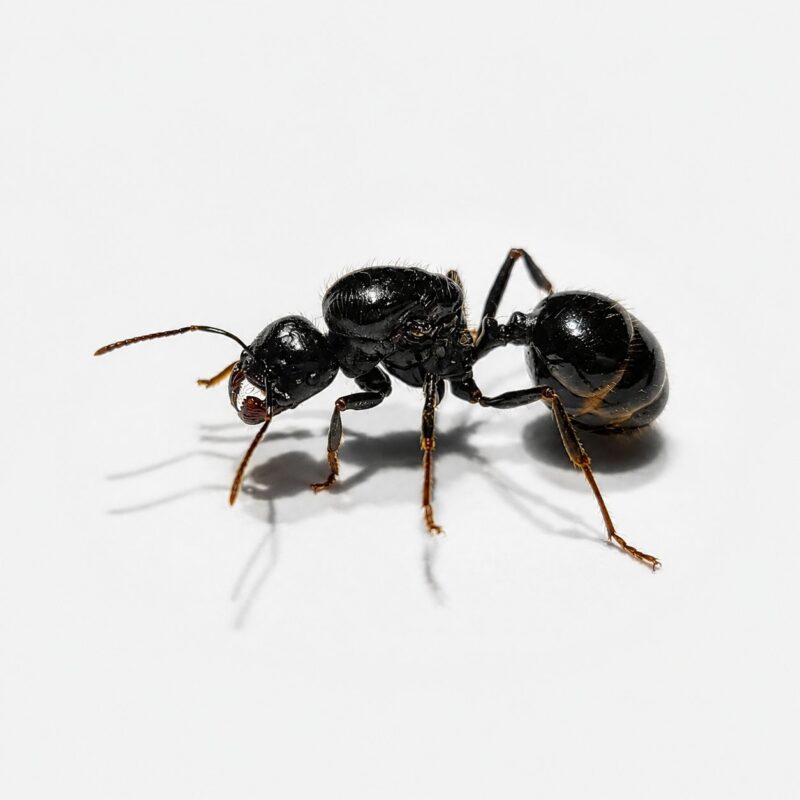
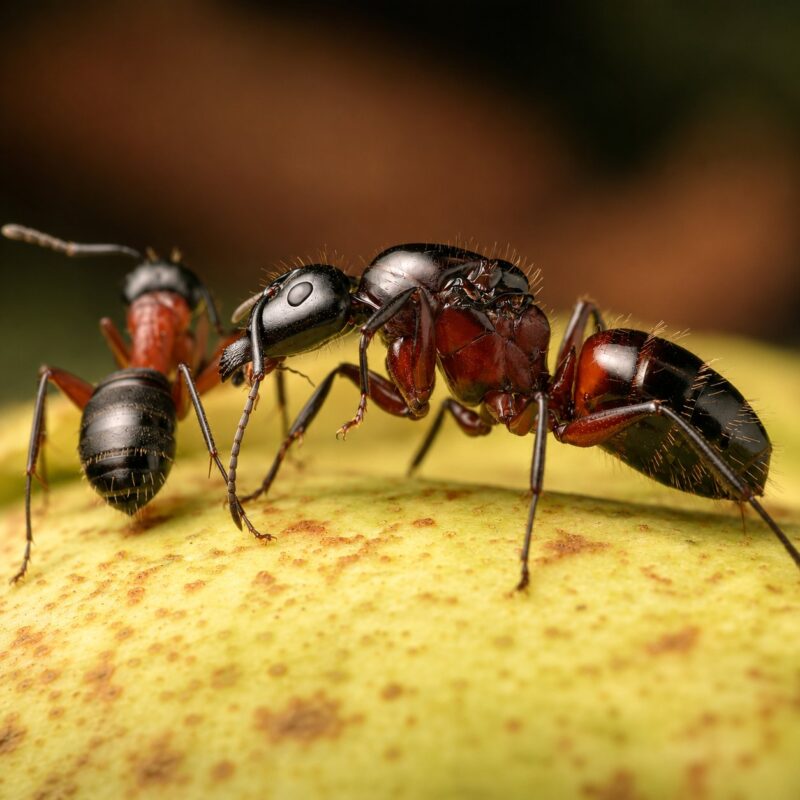
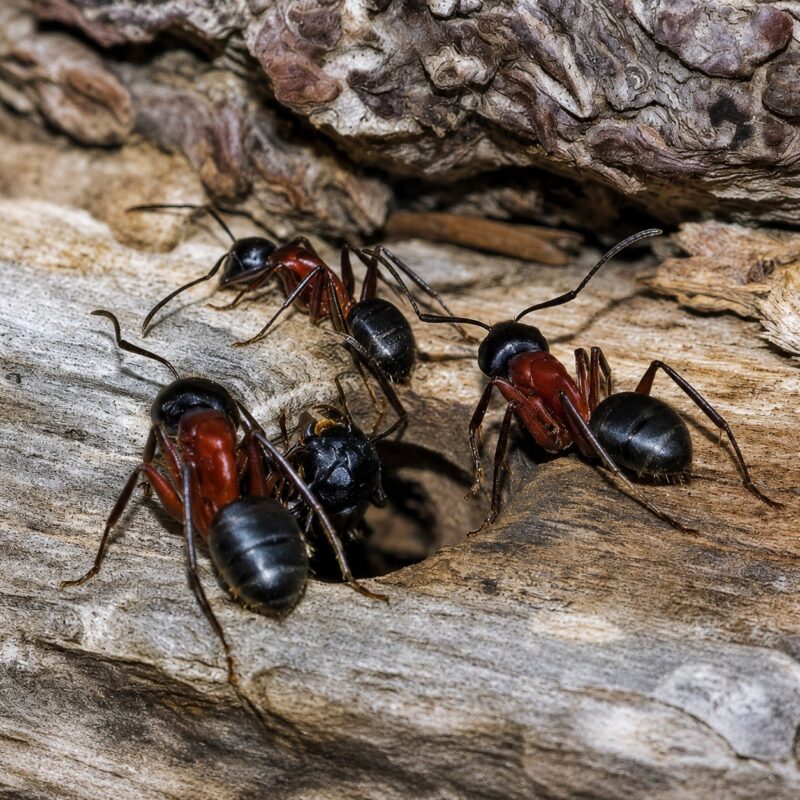
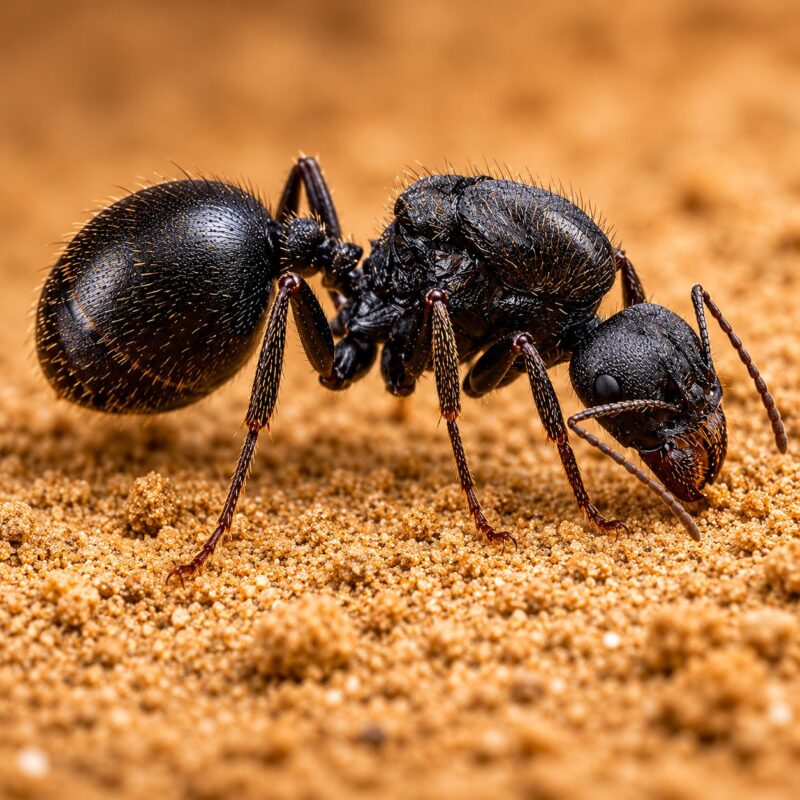
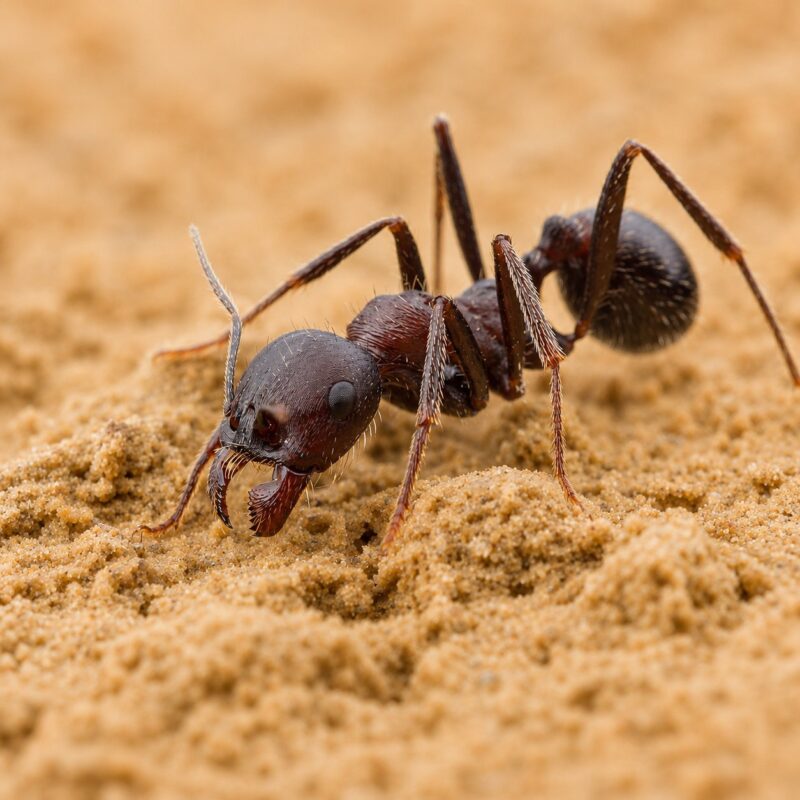
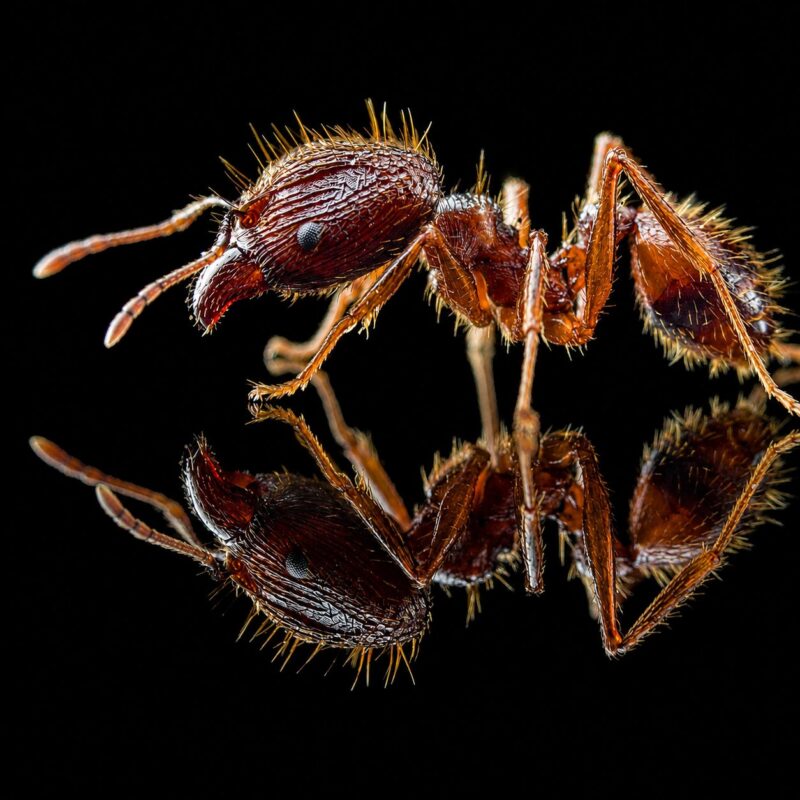
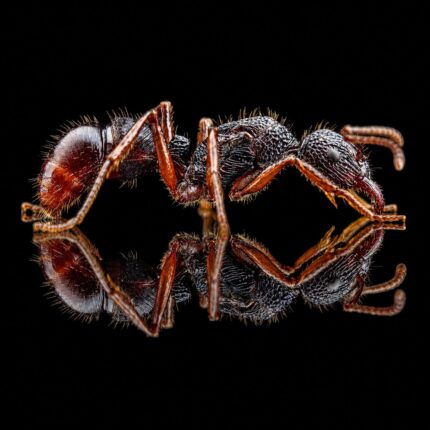
Rhytidoponera metallica, the green-head ant, is an iridescent Australian species that a colony can run on egg-laying gamergates instead of a classic queen. Buy your Rhytidoponera metallica colony from ANTonTOP.
Free shipping across Europe over 1299 zł.
DHL / InPost / EMS · ships the EU & worldwide.
Pro · Q 11 mm / W 6-9 mm · 200-1000 workers · Light diapause – brief cool rest · Omnivore · Australia · Sting (moderate)
Additional information
| Behavior | |
|---|---|
| Keeping difficulty | |
| Origin | |
| Ant size | |
| Hibernation | |
| Sting |
Has sting |
Rhytidoponera metallica – Green-head ant
| Origin | Australia |
|---|---|
| Difficulty | Pro |
| Colony form | Gamergate (monogyne) |
| Max workers | 200-1000 workers |
| Queen | 11 mm |
| Worker | 6-9 mm |
| Soldier / major | – |
| Founding | Semi-claustral (queens + gamergates) |
| Temperature | Nest 18-24 °C / Arena 20-26 °C |
| Humidity | Nest 60-75% / Arena 50-65% |
| Hibernation | Light diapause – brief cool rest |
| Diet | Omnivore |
| Sting / bite | Sting (moderate) |
| Egg to first worker | 12-15 weeks |
| Queen lifespan | up to 10 years |
| Nuptial flight | Sep-Nov (at 20-25 °C) |
| Activity | diurnal |
Rhytidoponera metallica, the green-head ant, is an iridescent Australian species whose colony can be run with multiple egg-laying gamergates. One for keepers ready to learn its biology.
Why this species
Few ants are as eye-catching as the green-head, and its metallic green sheen is the immediate draw. What keeps it interesting is the biology underneath: alongside or instead of a queen, the colony can be carried by gamergates, mated workers that lay eggs, which is an unusual reproductive setup to manage and observe. These are diurnal ants, active throughout the day, so there is always something happening in the nest, and colonies reach a satisfying size without becoming unwieldy. It is rated Pro, rewarding keepers who want to dig into how the colony actually reproduces rather than just watch it grow.
Feeding
An omnivore that forages widely, hunting small prey and scavenging while taking sugars for the workers. Keep a sugar source on offer and add insect protein regularly to feed the brood.
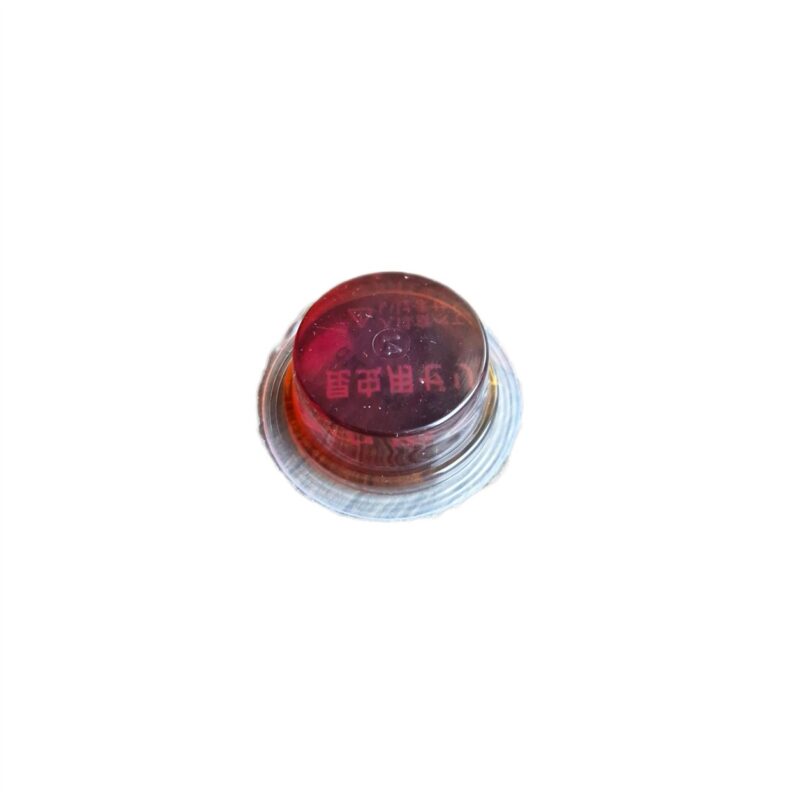
| Sugar water / honey water | ★★★ |
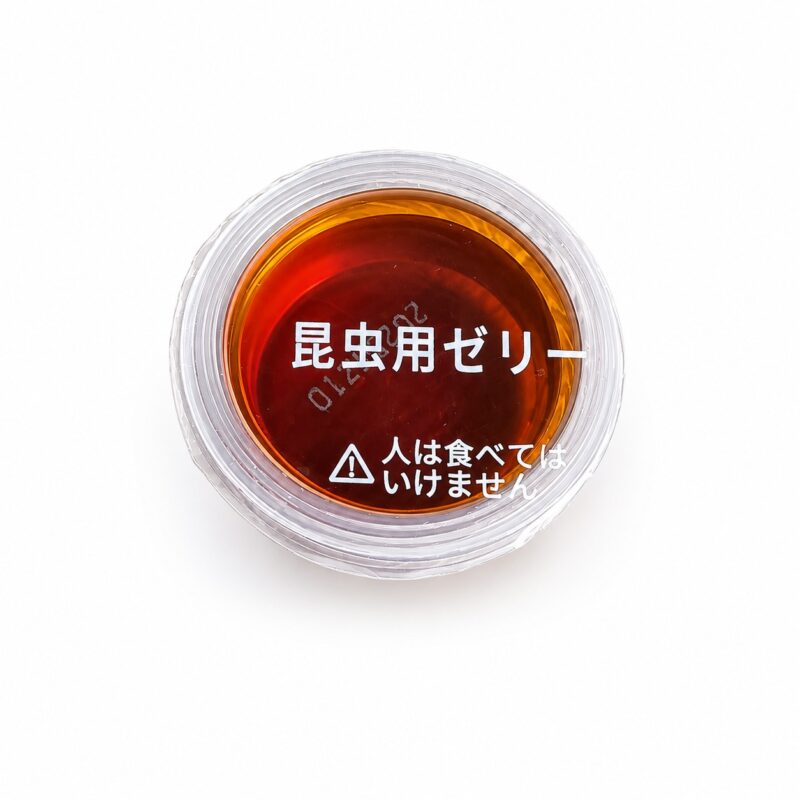
| Ant nectar / sugar jelly | ★★★ |
| Honey | ★★★ |
| Protein jelly | ★★★ |
| Crickets | ★★★ |
| Cockroaches (Dubia / Turkish) | ★★★ |
| Fruit flies (Drosophila) | ★★★ |
| Houseflies | ★★★ |
| Nuts (walnut, peanut, almond), sesame | ★★★ |
| Locusts | ★★ |
| Boiled egg yolk | ★★ |
| Mealworms | ★ |
| Superworms | ★ |
| Boiled lean chicken / shrimp / meat | ★ |
| Soft fruit (apple, pear, banana) | ★ |
| Dried insects | ★ |
| Soft seeds (poppy, sesame, chia) | ✗ |
| Hard seeds (canary, millet, sunflower) | ✗ |
★★★ readily · ★★ moderately · ★ occasionally · ✗ not eaten
Housing & formicarium
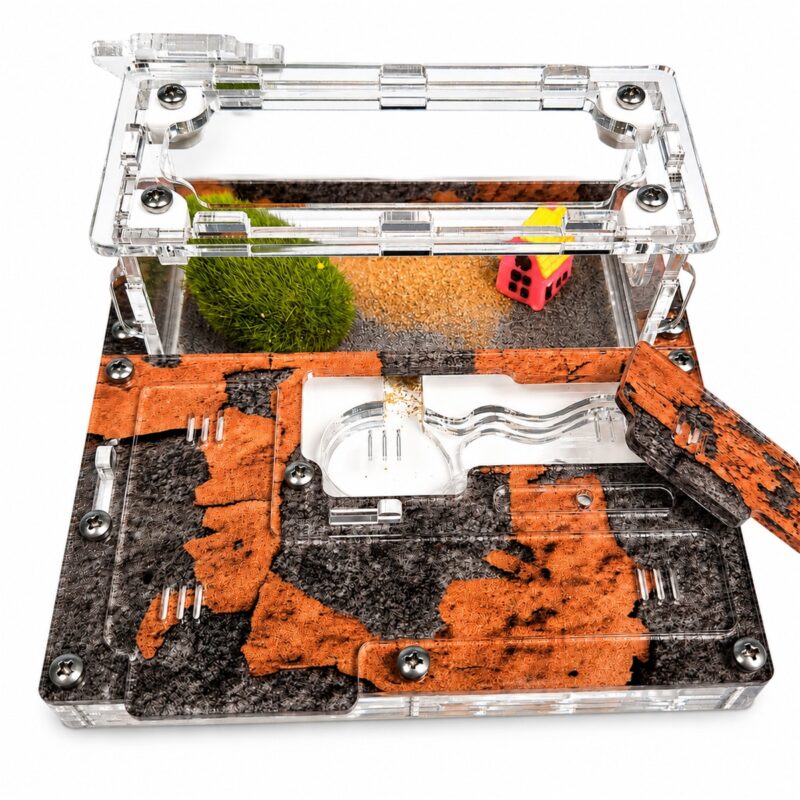
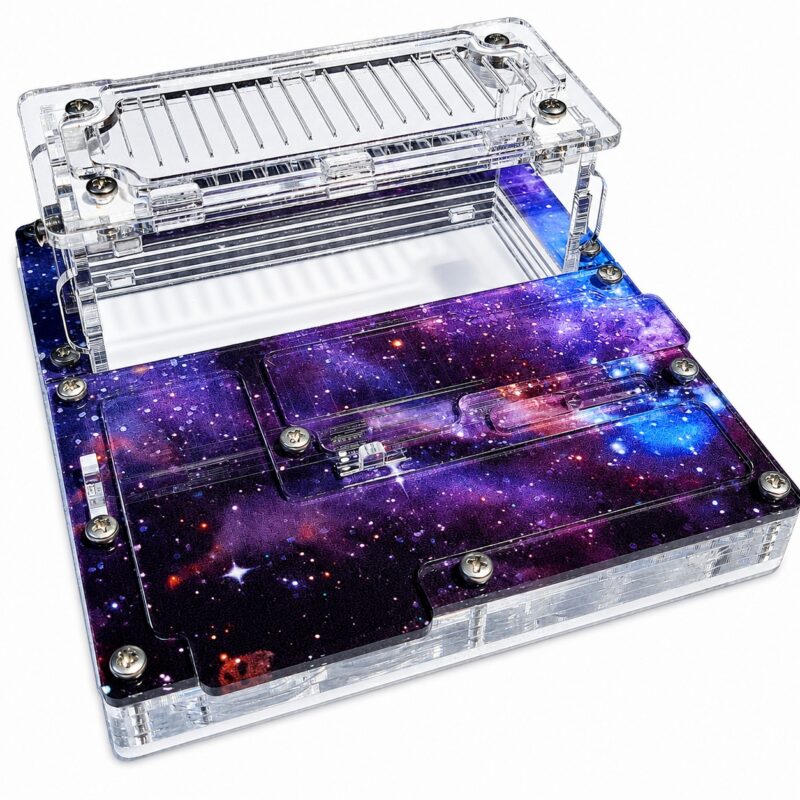
Set this colony up in an Ytong, acrylic or plaster nest with a connected foraging arena, which it needs as a semi-claustral founder that hunts outside the nest. Keep a light moisture gradient toward the brood rather than a soaked chamber, suiting its cooler temperate habits. Upgrade once the chambers fill and the worker count climbs. Use fluon (PTFE), oil, or talc and water on the arena walls to keep the ants in. ANTonTOP formicaria and starter kits fit this colony from founding onward, supplying the nest, arena and barrier together.
Climate & wintering
This cooler-running ponerine suits temperate conditions. Keep it at 18 to 24 C in the nest and 20 to 26 C in the arena, with humidity at 60 to 75% in the nest and 50 to 65% in the arena. Warm only one side so the ants can settle along a gradient. Wintering is a light diapause, a brief cool rest; the colony may ease off, so keep feeding and leave temperatures roughly as they are.
Growth forecast + what you receive
Growth follows the slow, steady ponerine curve rather than a sharp climb, with the colony building over the seasons toward 200 to 1000 workers. There is always foraging to watch even while numbers are modest. You receive the queen with workers and brood, packed to travel and ready to forage straight away from a founding setup.
Did you know
- Rhytidoponera metallica is one of the most familiar ants in Australia, its metallic green-blue head giving it the common name green-head ant.
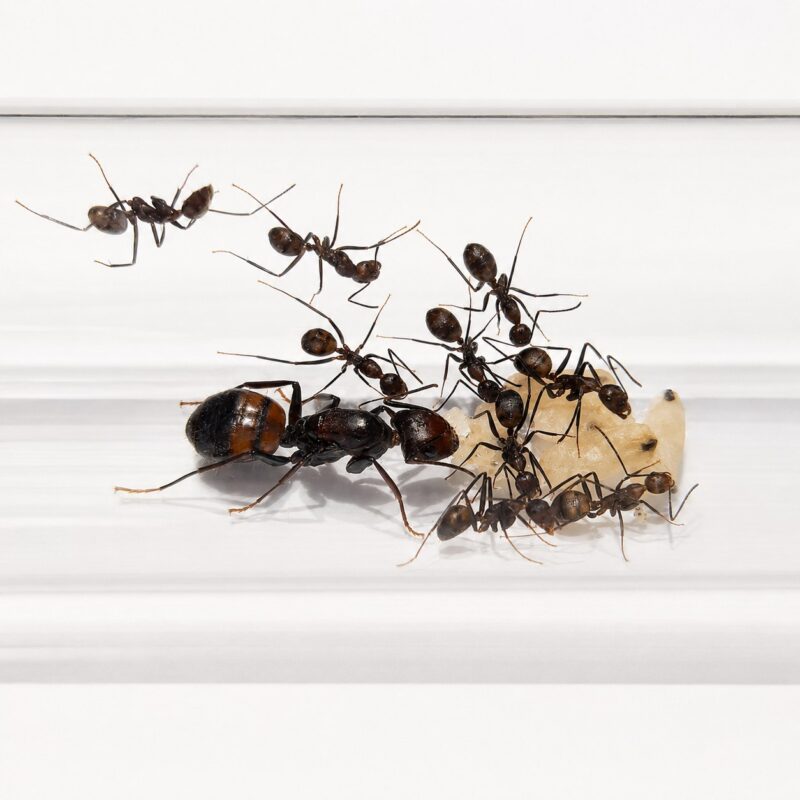
- Many colonies run without a winged queen at all, reproduction passing to gamergates, mated workers that lay the eggs.
- It is a notable seed disperser, carrying seeds bearing fatty elaiosomes back to the nest and helping native plants spread.
- Its sting can give a sharp jab and it is a common cause of minor ant stings in gardens across its range.
- Recorded mating activity falls in the September to November window in warm conditions.
Frequently asked questions
Is this a beginner ant?
No, it is a Pro species best suited to keepers who already understand ponerines.
Does it hibernate?
It takes a light diapause, a brief cool rest, while you keep feeding it and leave temperatures as they are.
Does it sting?
Yes, the sting is moderate.
How many workers will the colony reach?
Between 200 and 1000 workers.
How big is the queen?
She is 11 mm, larger than the 6-9 mm workers.
How fast does it grow?
Slowly and steadily, as ponerines do.
What do they eat?
Insects such as crickets and flies plus a sugar source like sugar water, nectar or jelly.
Will they arrive alive?
Yes, shipped as queen, workers and brood with a heat or cool pack, sent within 24 hours with tracking.
Keeping & shipping essentials
Escape prevention. Coat the inner rim of every open arena with fluon (PTFE), or use talc-and-water or an oil barrier as a backup, and keep a tight, fine-mesh lid on top. Check the barrier regularly, since dust, condensation and feeding debris break a fluon line over time. Keep tubing connectors tight and seal any gaps in the nest.
Keeping reminders. Always offer fresh water and never let the nest dry out completely. Give carbohydrates continuously and protein a few times a week, and remove uneaten insect prey within 24 hours before it moulds. Keep the formicarium out of direct sunlight and away from constant vibration, which stresses a young colony. A water-filled test tube plugged with cotton makes an ideal spare incubator whenever you need one.
Before you buy – do not rehouse too early. Have a test-tube setup or a small formicarium with an outworld and a working barrier ready before your colony arrives. A founding colony grows slowly at first, which is normal. Moving a small colony into a large nest too soon invites mould, mites and stress, and the workers die off one by one. Keep the colony in its open test tube on the arena, plug the nest entrance with cotton, and open up the next chambers only once the colony fills roughly 10-15% of the space.
What we ship. Every colony ships with a live-arrival guarantee, backed by our 24h unboxing-video guarantee: if the queen does not arrive alive, we reship free. Parcels travel with DHL, InPost (PL) or EMS, with a heat or cold pack to suit the season, packed discreetly and securely. We ship across the EU and worldwide, with free shipping over the Europe threshold.

Reviews
Clear filtersThere are no reviews yet.