




Why Did My Ant Queen Stop Laying Eggs? 9 Causes and Fixes

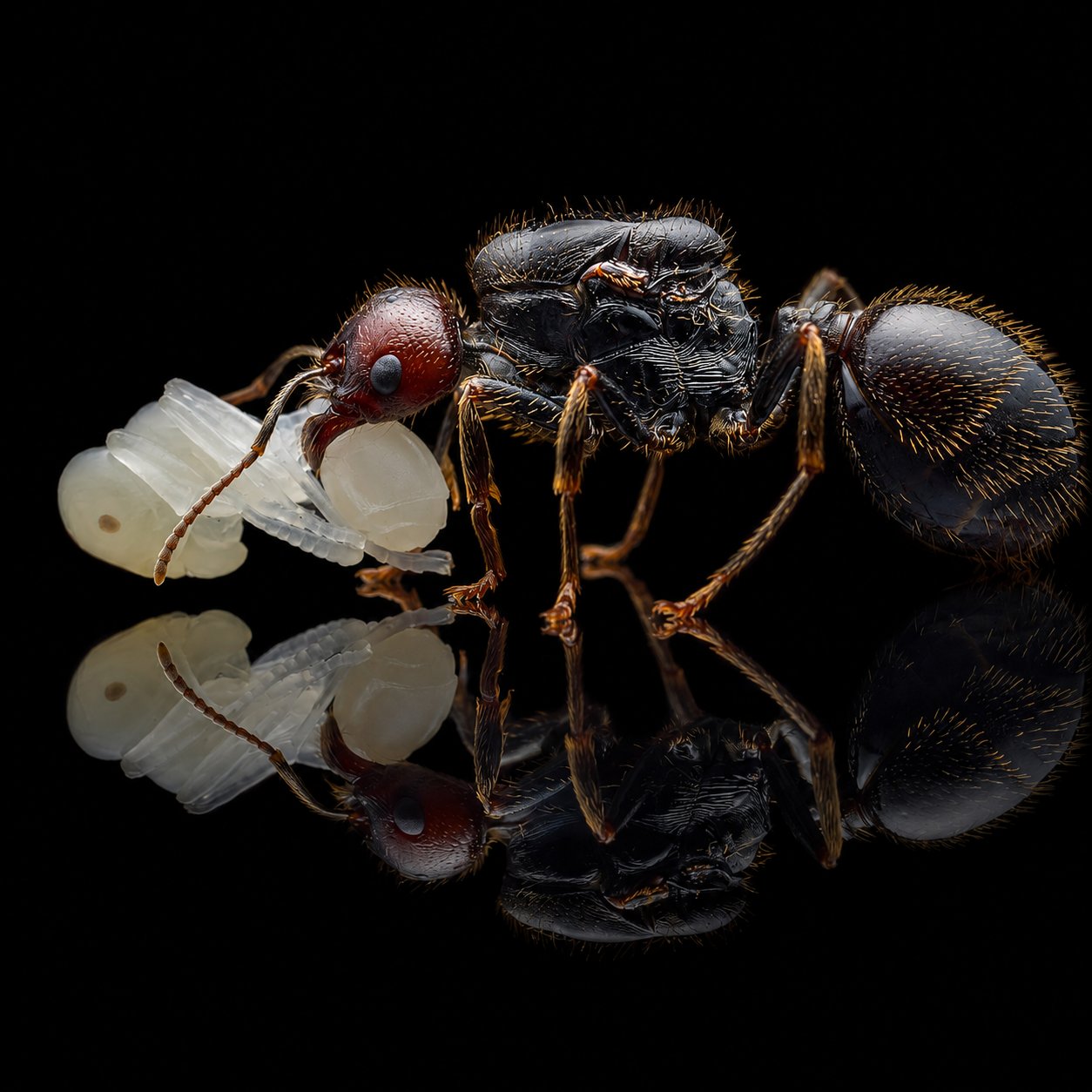
You check the test tube for the hundredth time. The queen is sitting there, healthy enough, but there are no eggs – or the little pile of eggs that was there last week has shrunk or vanished. It is one of the most stressful moments for a new ant keeper, and the internet is full of panic.
Take a breath. In the large majority of cases, a queen that “stopped laying” is not broken. Something in her environment is off, and it is usually easy to fix. This guide walks through the nine real reasons a queen stops laying eggs, how to tell which one you are dealing with, and exactly what to do about each.

First, a 10-second triage
Before you worry, answer three quick questions:
- Is she a brand-new queen you just caught or received? Then she probably has not started yet – that is normal. Jump to cause 1.
- Is it autumn or winter? A natural seasonal slowdown is expected for temperate species. See causes 5 and 9.
- Have you been opening the tube a lot? Stress is the most common keeper-caused reason. See cause 3.
Now the full list.
1. She is new and just needs time
The problem: a freshly mated queen does not lay the moment she is in a tube. She first sheds her wings, settles, and reabsorbs her flight muscles for energy. Only then does she start a first batch of eggs.
The fix: patience. Give a new queen one to three weeks of warm, dark, undisturbed quiet before you expect eggs. Doing nothing is the correct action here.
2. It is too cold
The problem: egg-laying and brood development are temperature-driven. A queen kept too cool slows right down or stops entirely. This is the single most common environmental cause.
The fix: warm her up. Most species lay well at 24–28 °C. A gentle heat source on one side of the setup, a heating mat with a regulator set conservatively, often restarts laying within days. Always heat one end only, so she can choose her spot.
3. She is being disturbed
The problem: founding queens have a limited tolerance for stress. Daily check-ups, bright light, vibrations from picking up the tube, a noisy shelf – any of these can make a queen anxious enough to stop laying, or even to eat her own eggs to recover the resources.
The fix: put the tube somewhere dark and still, and check it no more than once a week, briefly. This alone solves a huge share of cases. If you have been “just peeking” every day, that is almost certainly your answer.
4. She is not actually mated
The problem: a queen that never mated cannot produce fertile eggs. If you caught her yourself before or during a flight, or grabbed one that still had her wings, she may be a virgin. Some unmated queens lay a few eggs that only ever become males, then stop.
The fix: there is no fix for an unmated queen, but make sure that is really the problem before giving up. A queen that shed her wings naturally after a flight is almost always mated. When you buy a colony, this is never an issue – sellers confirm laying before shipping, which is one good reason to buy a started colony rather than gamble on a caught queen.
5. She needs her winter rest, or just came out of it
The problem: temperate species (like Lasius, Messor, many Camponotus) are wired around the seasons. Heading into winter they wind down on purpose. And a queen that has not had a proper winter rest for a long time can simply stall.
The fix: work with the season, not against it. If it is autumn, let her slow down and give the colony its cool winter rest. Come spring, warmth and longer days restart laying naturally. Forcing a temperate queen to lay year-round eventually backfires.
6. She is semi-claustral and hungry
The problem: most beginner queens found fully claustral (no food needed). But some species are semi-claustral and genuinely need a little food during founding. If you are treating a semi-claustral queen like a claustral one and feeding her nothing, she may lack the resources to lay.
The fix: check your species. If it is semi-claustral, offer a tiny drop of sugar water and a small piece of insect every week or so. If it is claustral, do the opposite and leave her alone. Feeding a claustral queen is the mistake.
7. The nest is too dry
The problem: eggs and larvae are vulnerable to drying out. A test tube whose water reservoir has run dry, or a nest with no humidity, can shut down brood development and discourage laying.
The fix: restore humidity. In a test tube, make sure the water section behind the cotton is still full; if it has emptied, move her to a fresh tube. In a formicarium, refill the water reservoir. A small thermometer-hygrometer takes the guesswork out.
8. The colony is stressed or unhealthy
The problem: mites on the queen, mould in the tube, a recent rough move, or leftover rotting food can all stress a colony enough to halt laying. A queen dealing with a threat puts reproduction on hold.
The fix: clean conditions fix this. If you see mould or mites, move the colony to a fresh, clean tube. Remove uneaten food promptly. Quarantine new live food before feeding. Give the colony a week of calm after any move before expecting normal laying to resume.
9. It is simply the wrong season
The problem: even healthy colonies have rhythms. Many species lay hard in spring and summer and naturally taper off in late summer and autumn as they prepare for winter. A slowdown then is not a problem, it is the calendar.
The fix: nothing. Recognise the seasonal pattern, support the upcoming winter rest, and expect laying to surge again in spring.
When it is actually fine
Worth saying plainly: a pause in laying is often completely normal. New queens, post-move colonies, and any temperate species in autumn are all supposed to slow down. The keepers who lose colonies are usually the ones who react to a normal pause by opening the tube, fiddling, moving the queen and stressing her further. Ninety percent of the time, the right move is to fix one environmental factor, usually warmth or quiet, and then leave the colony alone.
FAQ
How long can a queen go without laying before I should worry?
A new queen can take one to three weeks to start. An established colony can pause for weeks in autumn and winter, which is normal. Worry only if a warm, well-fed, undisturbed queen in spring or summer produces nothing for several weeks.
Why did my queen eat her own eggs?
Usually stress or a resource shortage. A disturbed or cold queen may reabsorb her brood to survive. Fix the environment (warmth, quiet, humidity) and she will normally lay again.
Can a queen start laying again after stopping?
Yes, very often. If the cause is environmental (cold, stress, dryness, season), correcting it usually restarts laying. The main exception is a queen that was never mated.
Does a queen need to be fed to lay eggs?
It depends on the species. Claustral queens lay using their own reserves and should not be fed during founding. Semi-claustral queens do need a little food. Know which type yours is.
Could cold be stopping my queen from laying?
Very likely; it is the most common environmental cause. Most species lay best at 24–28 °C. Gentle, one-sided heating often restarts laying within days.
Set your colony up for success: Heating mat with regulator → · Thermometer + hygrometer → · Beginner founding guide →
Did you like this article?
Thanks for your feedback!