




Lasius niger Care Guide – The Black Garden Ant, and Why It’s the Perfect First Colony


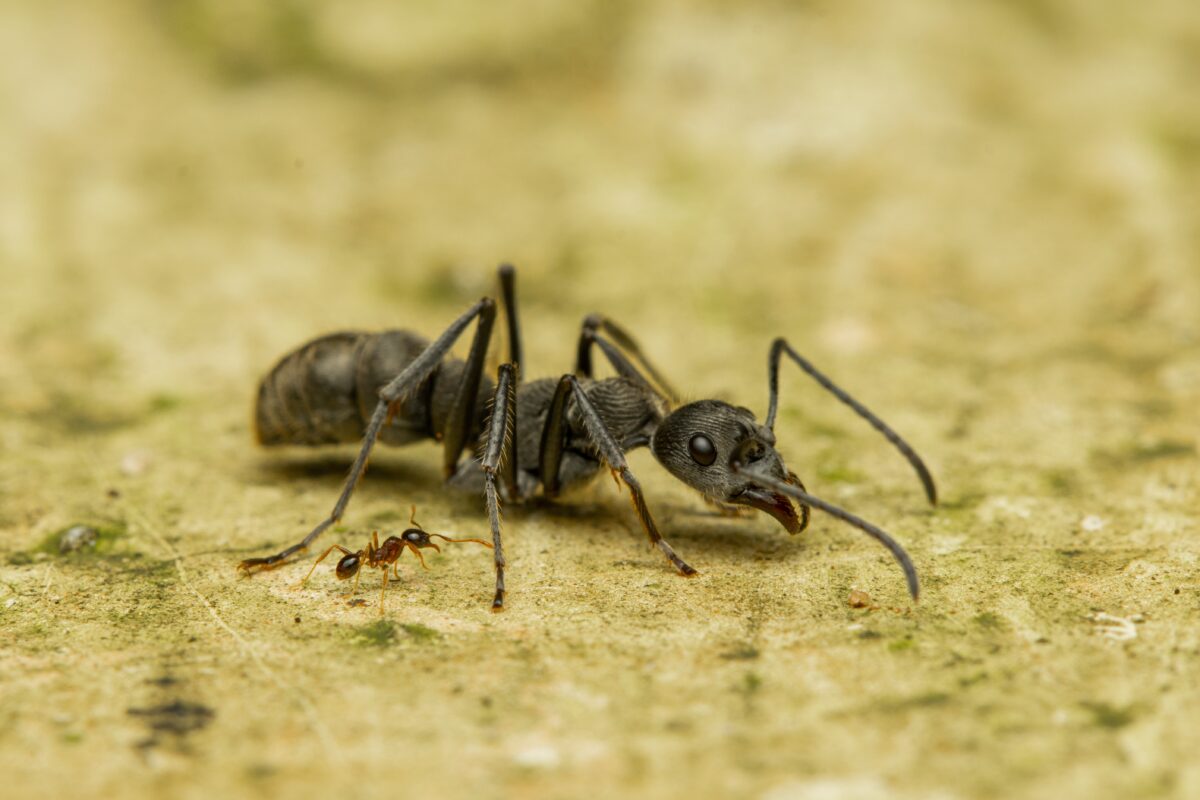
You have almost certainly met Lasius niger. It is the small black ant that marches across European pavements, files along garden walls and shows up at picnics every summer. It is also, honestly, the best ant to start the hobby with, and most experienced keepers will tell you the same.

This guide covers everything a first-time keeper needs: how the colony works, how to get a queen, how to found her, what to feed, and the one thing you genuinely cannot skip with this species – hibernation. No fluff, no scare-tactics. Lasius niger is a forgiving ant, and by the end of this you will understand exactly why.
Quick answer
Lasius niger, the black garden ant, is the classic beginner species across Europe. The queen is around 8–9 mm, workers 3–5 mm. Founding is fully claustral, so the queen needs no feeding until her first workers arrive. That removes the most common way a beginner kills a colony. It tolerates room temperature, grows steadily, and forgives mistakes. The one hard rule: it needs a cool winter rest (hibernation) from roughly October to February. Get a queen by catching one during the summer nuptial flight or by buying a founded colony.
Why it is the perfect first ant
Three reasons this species sits at the top of every beginner list:
- Claustral founding. The queen seals herself in, lives off her own body reserves and raises the first workers without eating a thing. You do not have to feed her, risk mould, or disturb her. You basically leave her alone and wait. That single trait removes the biggest beginner mistake there is.
- It is tough. Room temperature is fine. A missed feeding is fine. Slightly-too-dry or slightly-too-damp is fine. This ant survived European winters and lawnmowers long before it met you.
- It is cheap or free. You can catch a queen yourself in July, or buy a founded colony for very little. No huge investment to find out whether the hobby is for you.
If you want the full spectrum of difficulty, compare it to the other end of the scale: our Carebara diversa guide covers an expert-only tropical species that punishes every mistake. Lasius niger is the opposite. Start here.
Meet the black garden ant
Identification is easy because you have seen them your whole life:
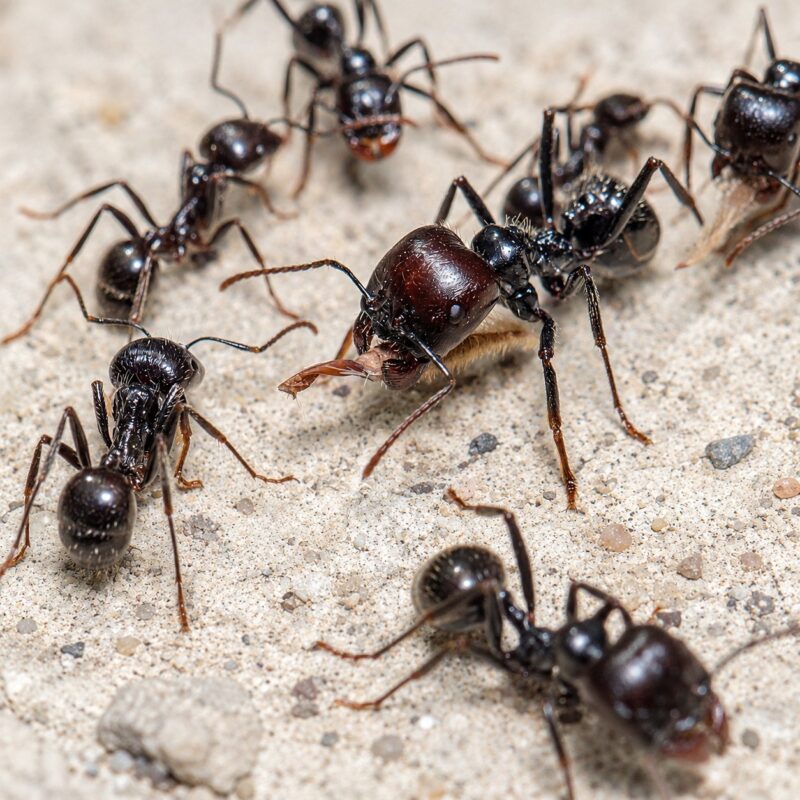
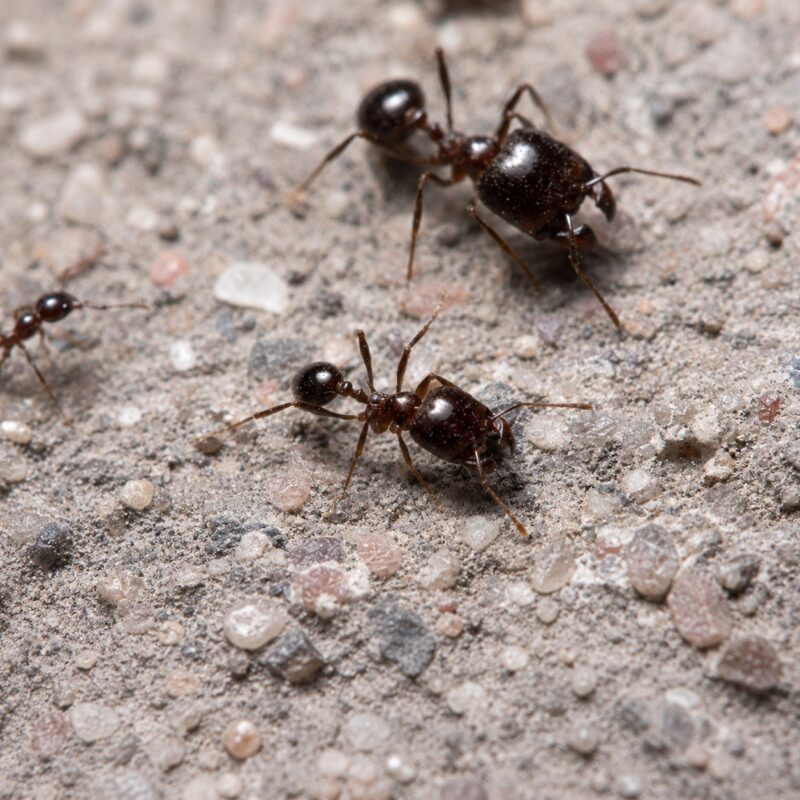
- Workers: 3–5 mm, matte brownish-black, all one size (this species is not polymorphic – no big soldiers).
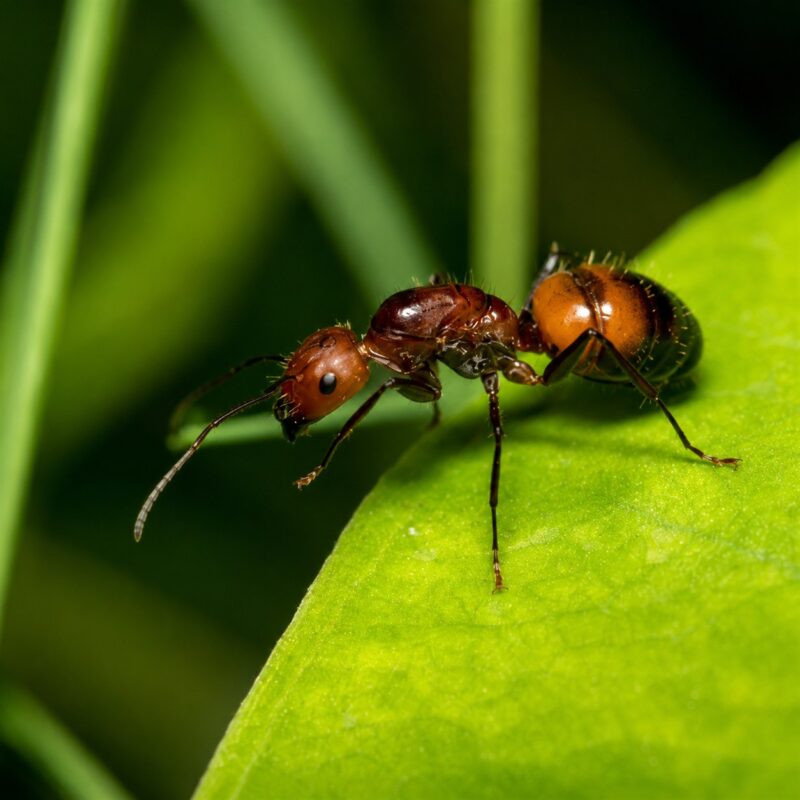
- Queen: 8–9 mm, noticeably bulkier, darker, with a large thorax. After her flight she sheds her wings and looks like an oversized worker with a fat gaster.
- Range: across virtually all of Europe and into Asia. One of the most common ants on the continent.
Colonies are monogynous – one queen per nest. She can live an astonishingly long time. One captive Lasius niger queen famously survived almost 29 years, which is one of the longest lifespans ever recorded for an insect. Treat her well and she will outlive your goldfish many times over.
Catch a queen, or buy one
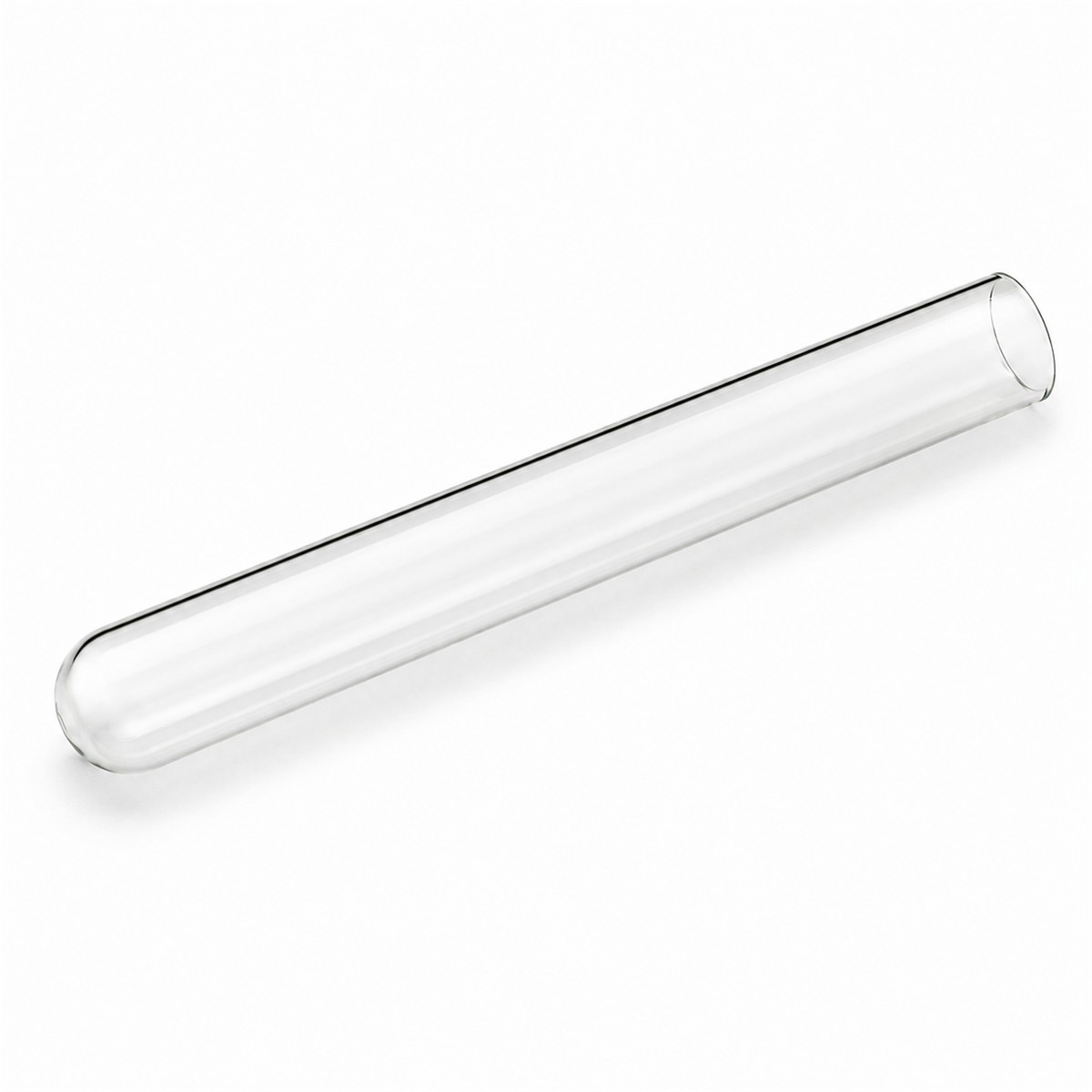
Catching: Lasius niger holds its nuptial flights on warm, humid days in mid-to-late summer, usually July into August – the famous “flying ant day.” After the flight, mated queens drop to the ground and snap off their wings. A queen walking the pavement with no wings is mated and ready to found a colony. Pick her up gently, pop her in a test tube, and you are off. Our European Nuptial Flight Calendar 2026 tells you exactly when to look.
Buying: if you do not want to wait for a flight, or you want a head start, a founded colony with a few workers is the easy route – it skips the riskiest early weeks entirely. Check the Lasius niger colony page for current availability, or browse other beginner-friendly species.
The founding stage
This is where Lasius niger makes life easy. Put the queen in a test tube setup: a third of the tube filled with water, held back by a tight cotton plug, then the queen, then a second plug to seal her in. Keep it somewhere dark, warm-ish and undisturbed.
Then, and this is the hard part for excited beginners, do nothing. Do not feed her. Do not open the tube. Do not shine a light in every day to check. She is claustral; she has everything she needs. Check once a week at most.
At room temperature (around 20–24 °C) she lays a small batch of eggs within days. Eggs become larvae, larvae become pupae, and the first 3–6 workers (called nanitics) appear in roughly four to six weeks. Once those workers are out and moving, you can start offering food.
Setting up the colony
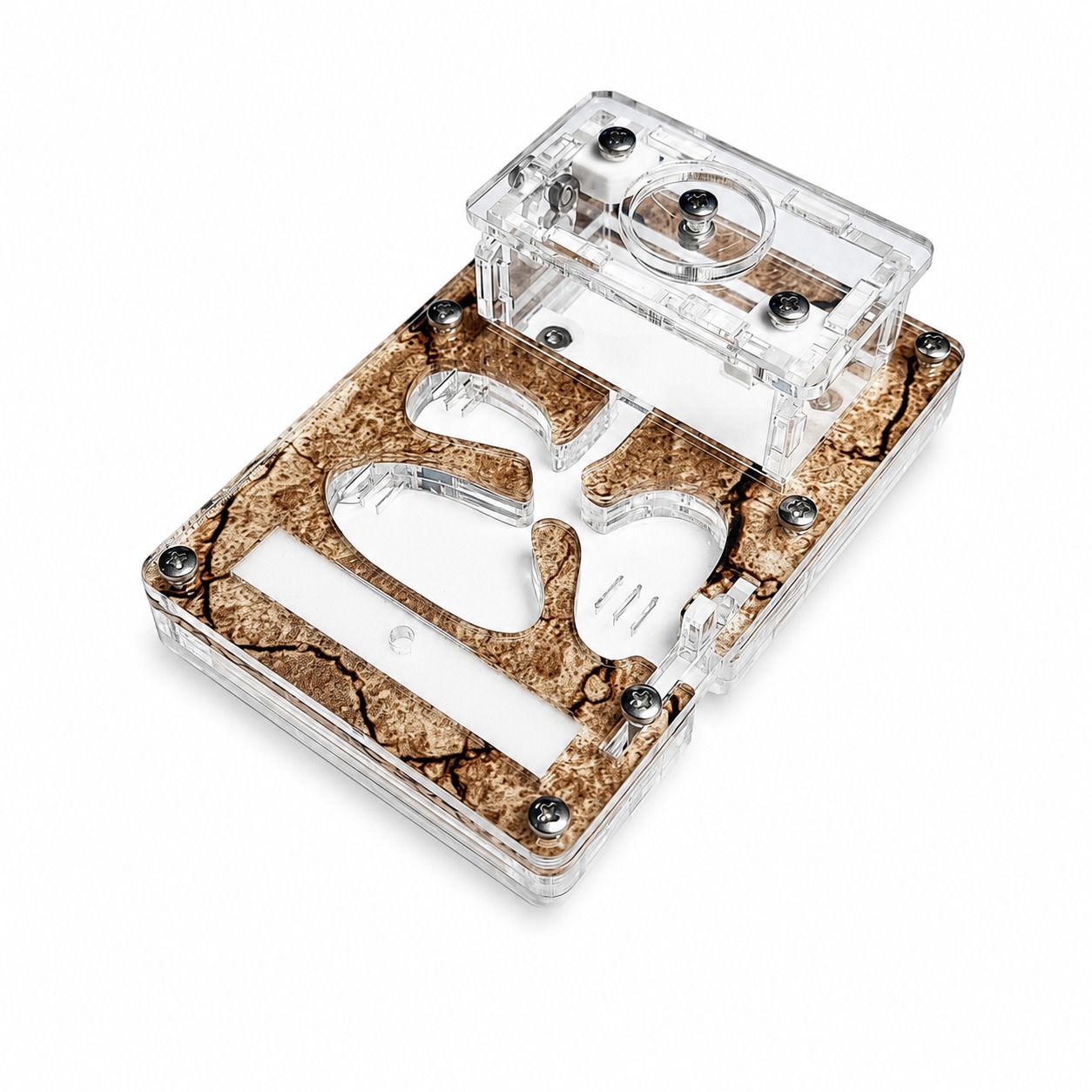
Keep the colony in the test tube until it has around 20–30 workers. There is no rush; Lasius niger is happy in a tube for months. Moving too early into a big empty nest is a classic mistake.
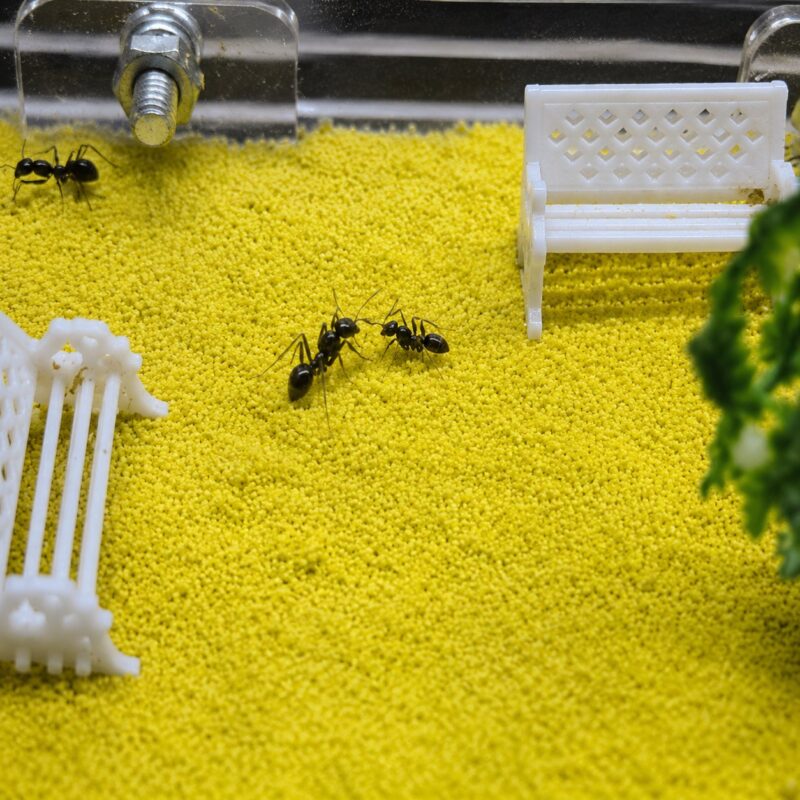
When they are ready, a small starter nest like the Formicarium Start is ideal – a modest nesting area plus an outworld for foraging and rubbish. You do not need heating cables or humidifiers for this species. Normal room temperature works. A warm spot can speed growth a little, but it is optional.
Escape-proofing is easy too: Lasius niger are not the wall-climbing escape artists that some tropical species are, but a thin band of Fluon (PTFE) around the inside top of the outworld keeps everyone home.
Feeding
Once the first workers are out, feeding is simple and cheap:
- Sugars for energy: a drop of honey water, sugar water, or a dab of ant jelly. This is what fuels the workers day to day.
- Protein for the brood: a small insect every few days – a piece of cricket, a mealworm, a fruit fly. This is what the queen turns into eggs.
A founding or very small colony needs barely anything: a sugar drop and a tiny insect once or twice a week. Scale up as the population grows. Remove uneaten insects after a day so they do not mould.
Hibernation – the one thing you cannot skip
Here is the single rule that matters most with this species. Lasius niger is a temperate ant, and it needs a cold winter rest. From around October to February, the colony must spend the winter cool – roughly 5–15 °C. Most keepers use a wine fridge, an unheated garage, a cellar, or even the salad drawer of a normal fridge.
During hibernation the queen stops laying and the colony goes quiet. Keep the test tube or nest humid so they do not dry out, check on them occasionally, and otherwise leave them be. In spring, bring them slowly back to room temperature and they wake up and explode into growth.
Skipping hibernation will not kill the colony overnight, but year after year it wears the queen out and shortens her life dramatically. Do not skip it. It is also the easiest part of the whole hobby – you are literally putting them somewhere cold and forgetting about them for a few months.
Growth timeline
Roughly what to expect, kept at room temperature with a proper winter rest:
- Year 1: queen founds, first workers in ~4–6 weeks, ending the season with maybe 20–60 workers.
- Year 2: a few hundred workers. The colony starts to look like a real colony.
- Year 3: one to a few thousand. Foraging trails, lots of activity, very rewarding to watch.
- Beyond: a healthy colony can eventually reach tens of thousands over many years.
This steady, visible progress is exactly what makes Lasius niger so satisfying for a first colony – you see real change every single month of the active season.
Five beginner mistakes to avoid
1. Feeding the founding queen. She is claustral. Opening the tube to feed her causes stress and risks mould. Leave her alone until the first workers walk.
2. Checking every day. Constant light and movement stresses a founding queen into abandoning her brood. Once a week, briefly. That is it.
3. Moving into a big nest too soon. A handful of ants in a large formicarium struggle to control humidity and find food. Wait for 20–30 workers.
4. Skipping hibernation. The most damaging long-term mistake. A temperate ant kept warm all year burns out. Give them their winter.
5. Overfeeding protein. Uneaten insects rot and grow mould in a humid nest. Feed small amounts and clear leftovers.
FAQ
Is Lasius niger good for beginners?
Yes – it is the classic beginner ant in Europe. Claustral founding means no feeding stress, it tolerates room temperature, and it forgives mistakes. The only real requirement is a cool winter rest.
Do I need to feed the queen while she founds?
No. Lasius niger founds fully claustral, living off her own reserves until the first workers appear in about 4–6 weeks. Feeding her is unnecessary and risky.
Does Lasius niger need hibernation?
Yes. It is a temperate species and needs a cool winter rest at roughly 5–15 °C from about October to February. Skipping it shortens the queen’s life.
Does it need a heated formicarium?
No. Room temperature is fine. A gentle warm spot can speed growth slightly during the active season, but heating is optional for this species.
How long do Lasius niger queens live?
A very long time. Well-kept queens routinely live many years, and one captive queen reached nearly 29 years – among the longest lifespans recorded for any insect.
When can I catch a Lasius niger queen?
During the summer nuptial flights, typically July into August on warm, humid days. Look for wingless queens walking on the ground after a flight. See our nuptial flight calendar for timing.
Ready to start? Lasius niger colonies → · All beginner species → · Starter formicarium → · When do queens fly? →
Did you like this article?
Thanks for your feedback!