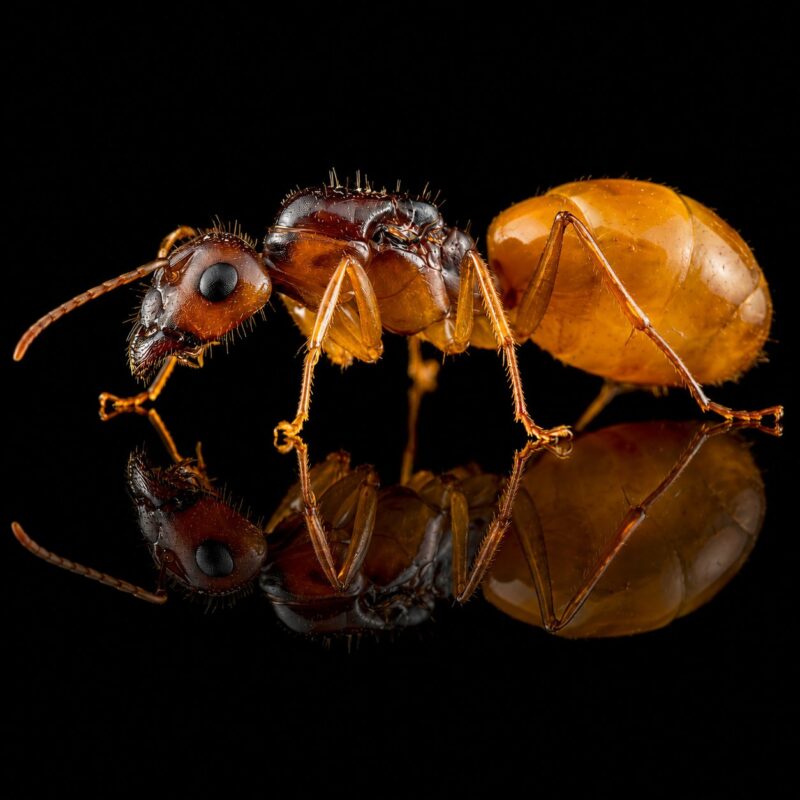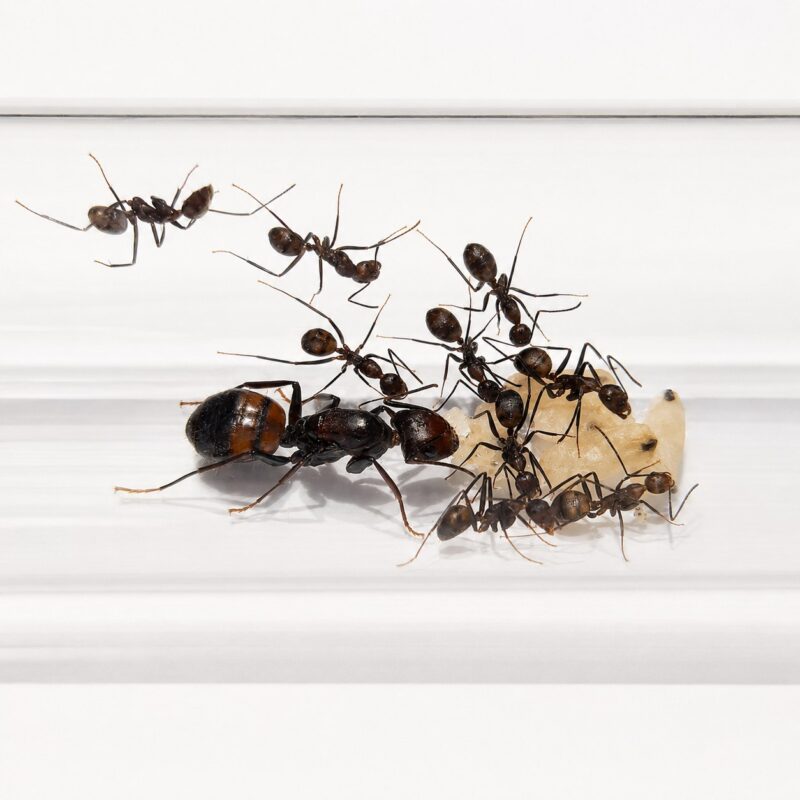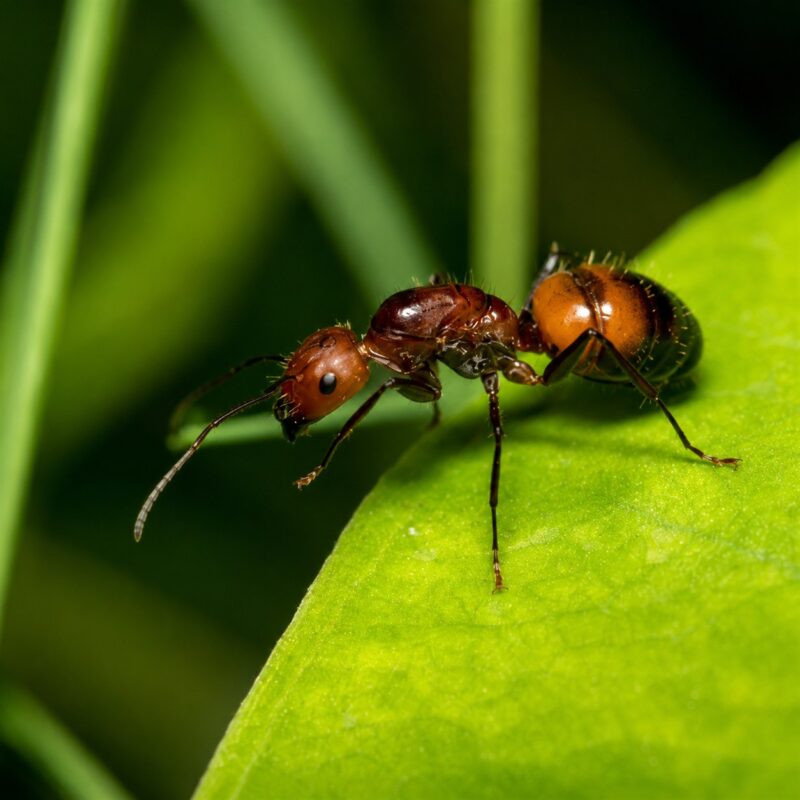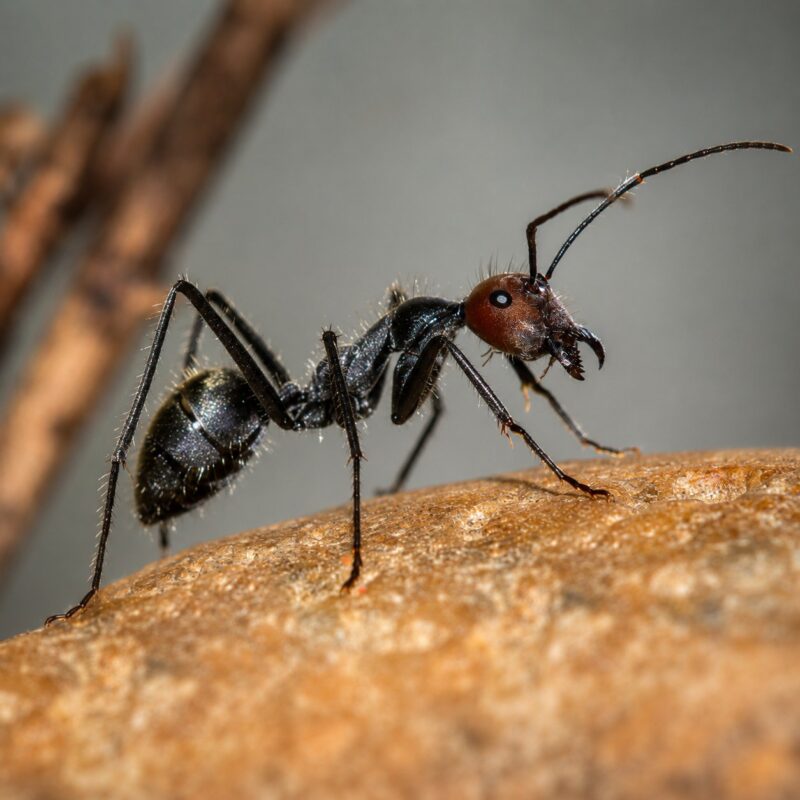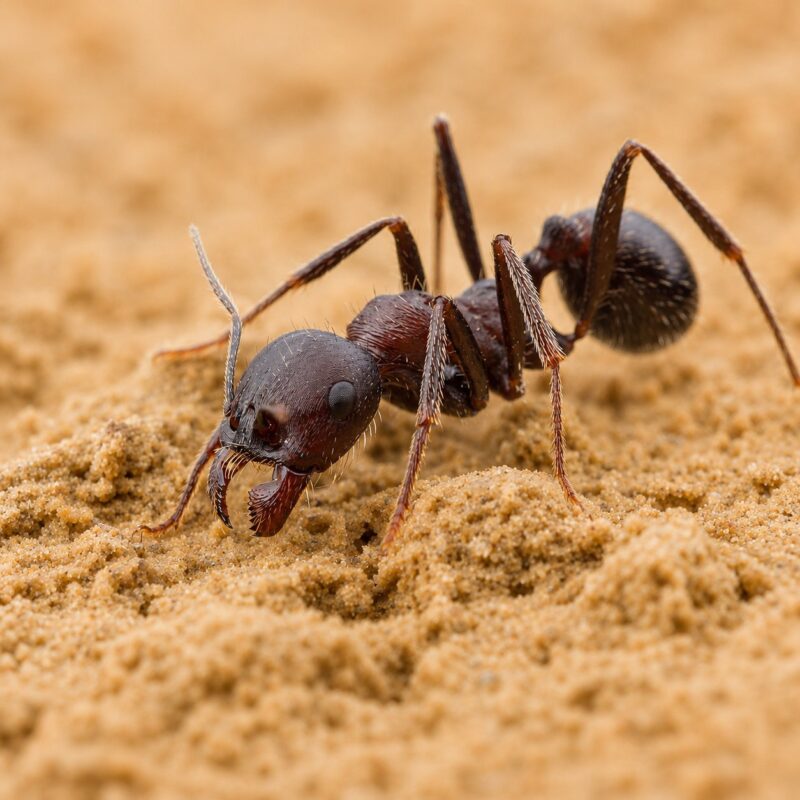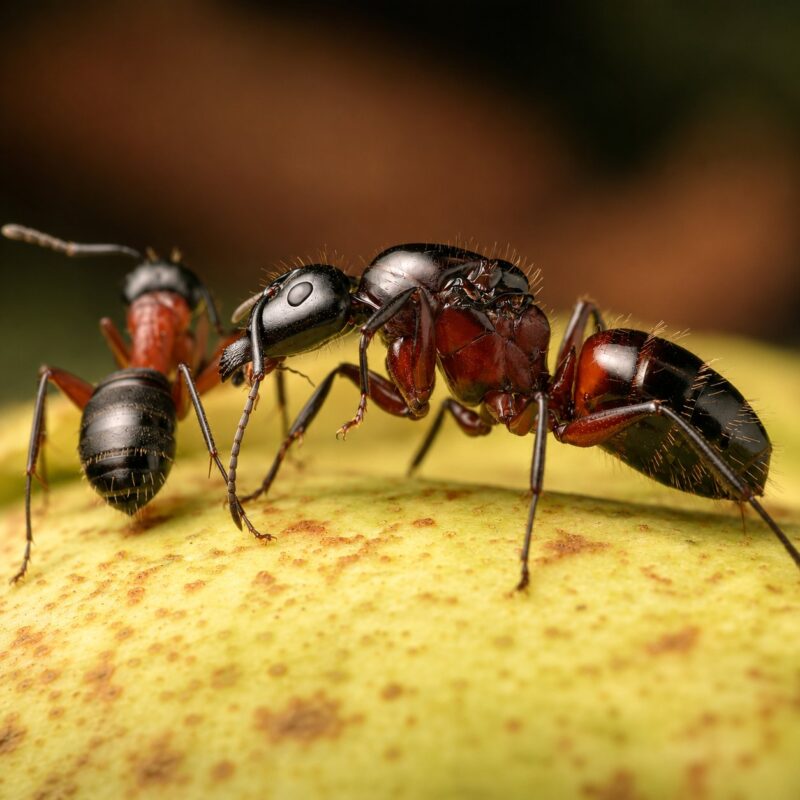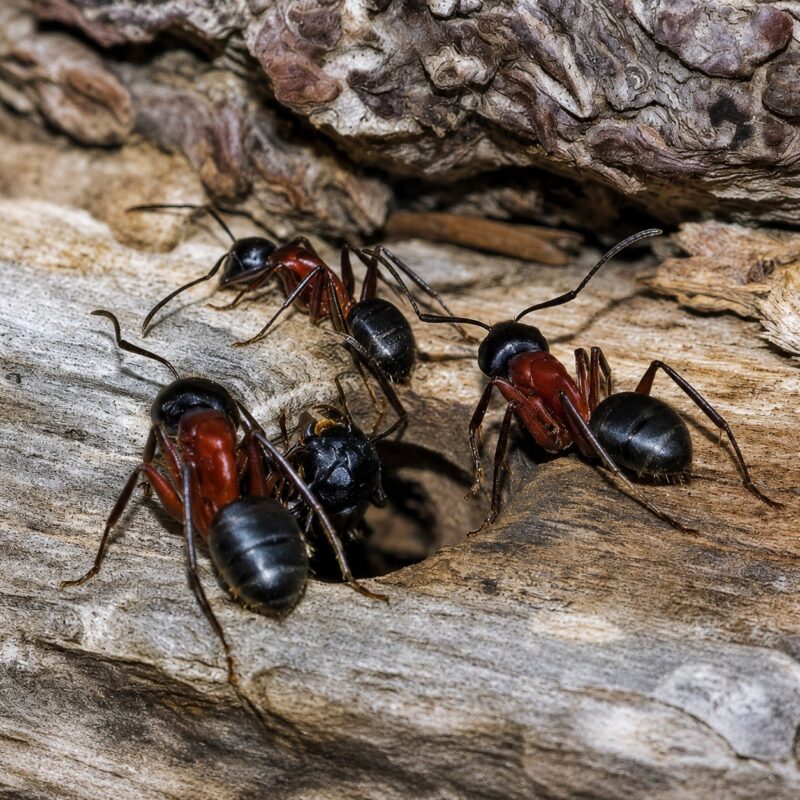

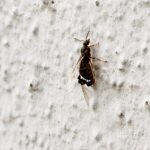
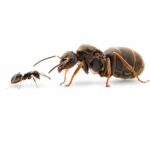
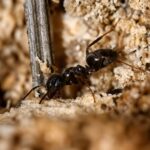
Lasius niger
19,90 zł – 209,90 złPrice range: 19,90 zł through 209,90 zł
Live Queen Guarantee
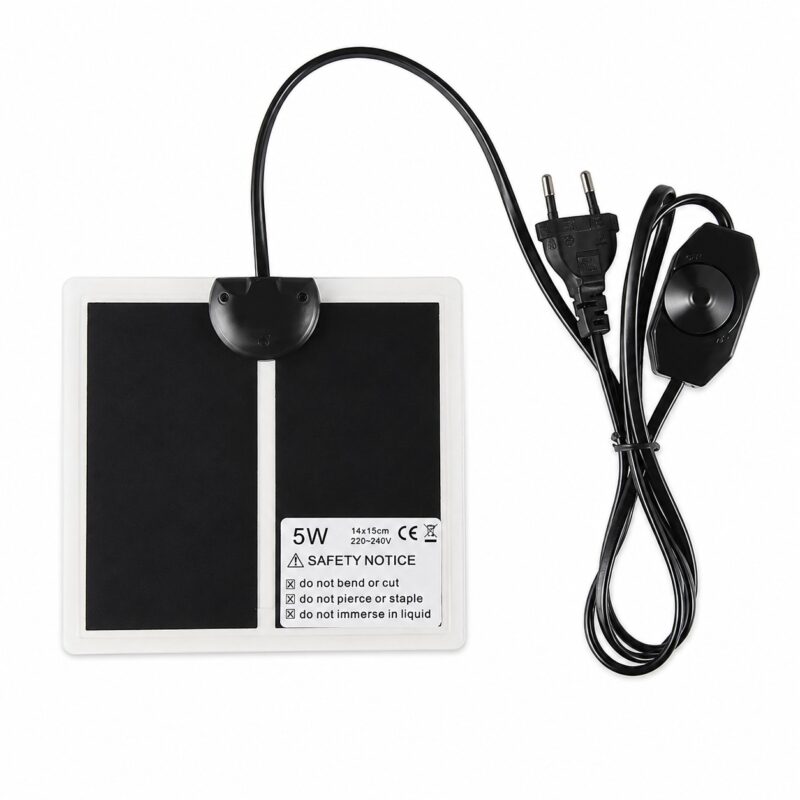
Heat Pack & Summer Cooling
Fertilised Queen in Every Colony
Ships Within 24 h
Free Care Guide
24/7 Expert Support
Description
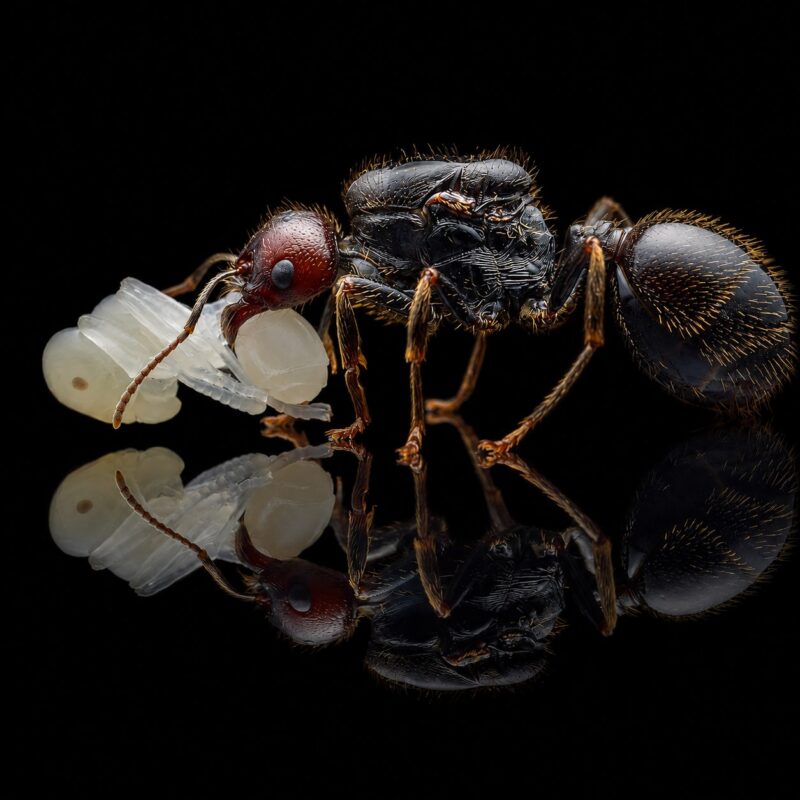
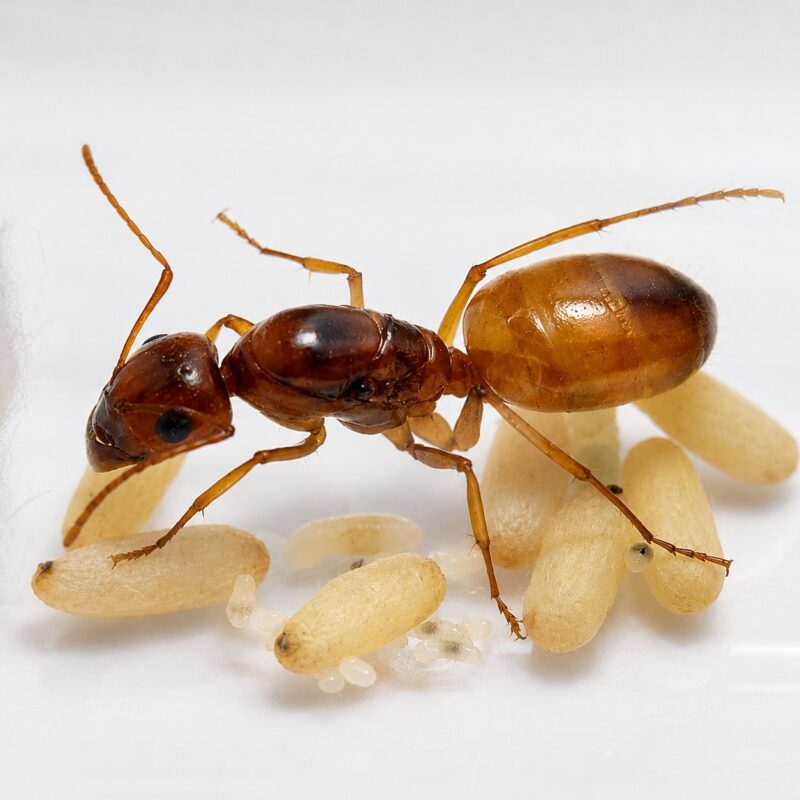
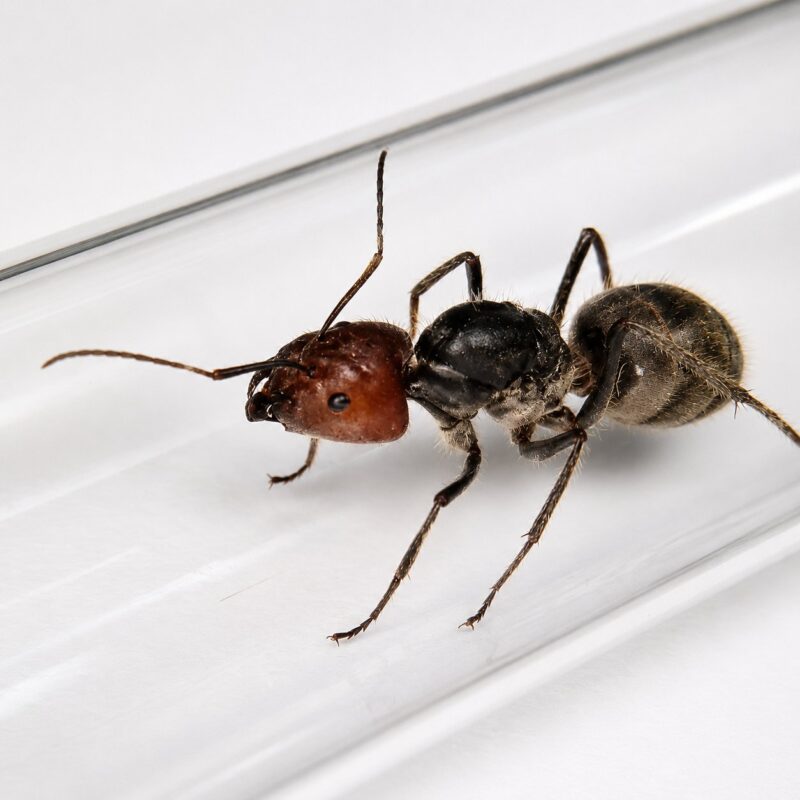
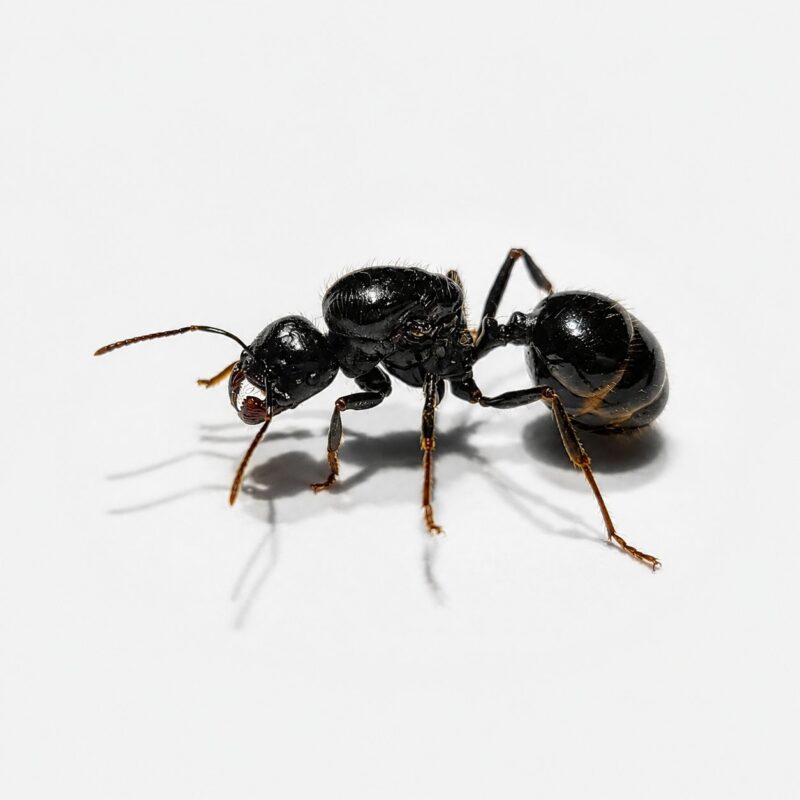
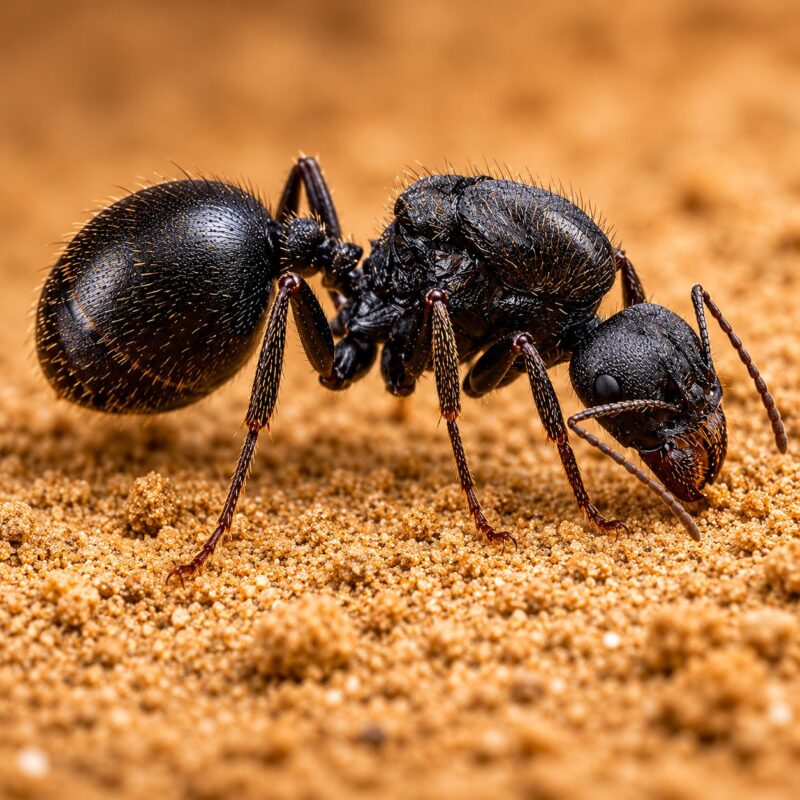
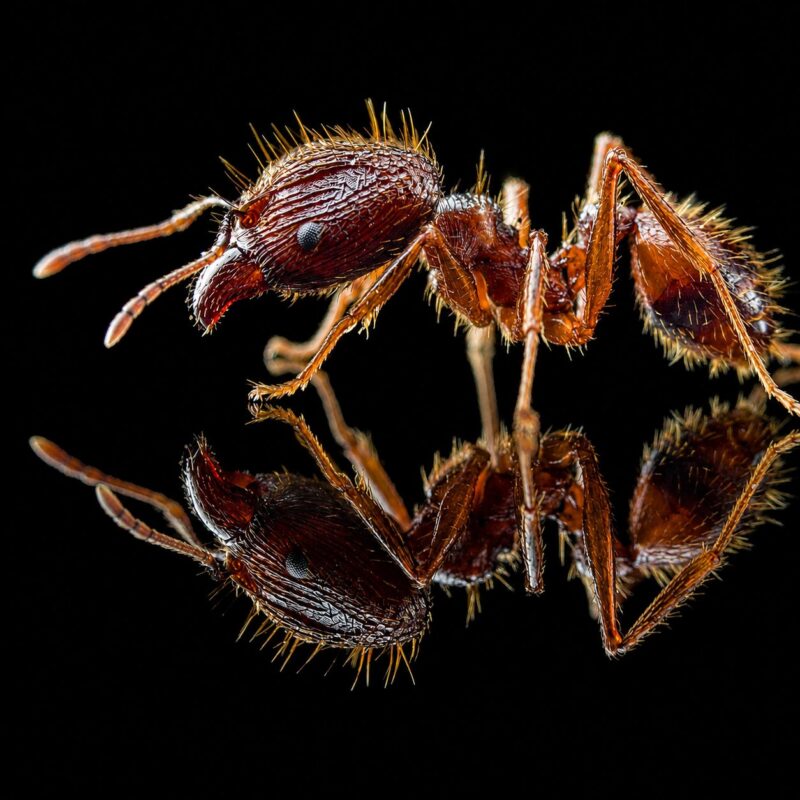
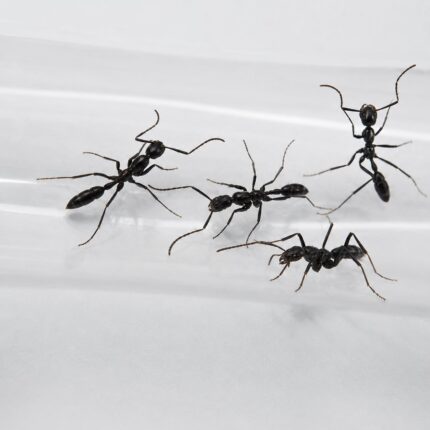
Lasius niger is the black garden ant most European keepers cut their teeth on: a single queen that can live for decades and a colony that swells into the tens of thousands. Start your first colony of the black garden ant Lasius niger with ANTonTOP.
Free shipping across Europe over 1299 zł.
DHL / InPost / EMS · ships the EU & worldwide.
Intermediate · Q 9 mm / W 3-5 mm · 10000-30000 workers · Winter rest at 5-10 °C for 4 months mandatory · Omnivore · Sweden (Europe and northern Asia) · No sting, mild bite
Additional information
| Behavior | |
|---|---|
| Keeping difficulty | |
| Origin | |
| Ant size | |
| Hibernation | |
| Sting |
No sting |
Lasius niger – Black garden ant
| Origin | Sweden (Europe and northern Asia) |
|---|---|
| Difficulty | Intermediate |
| Colony form | Monogyne (1 queen) |
| Max workers | 10000-30000 workers |
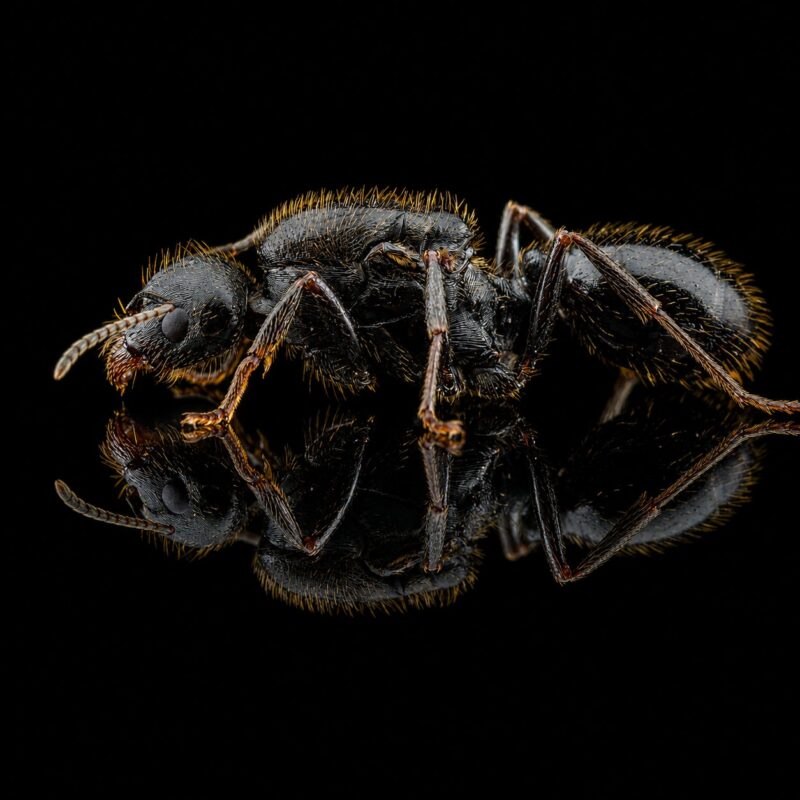
| Queen | 9 mm |
| Worker | 3-5 mm |
| Soldier / major | – |
| Founding | Claustral |
| Temperature | Nest 20-26 °C / Arena 22-32 °C |
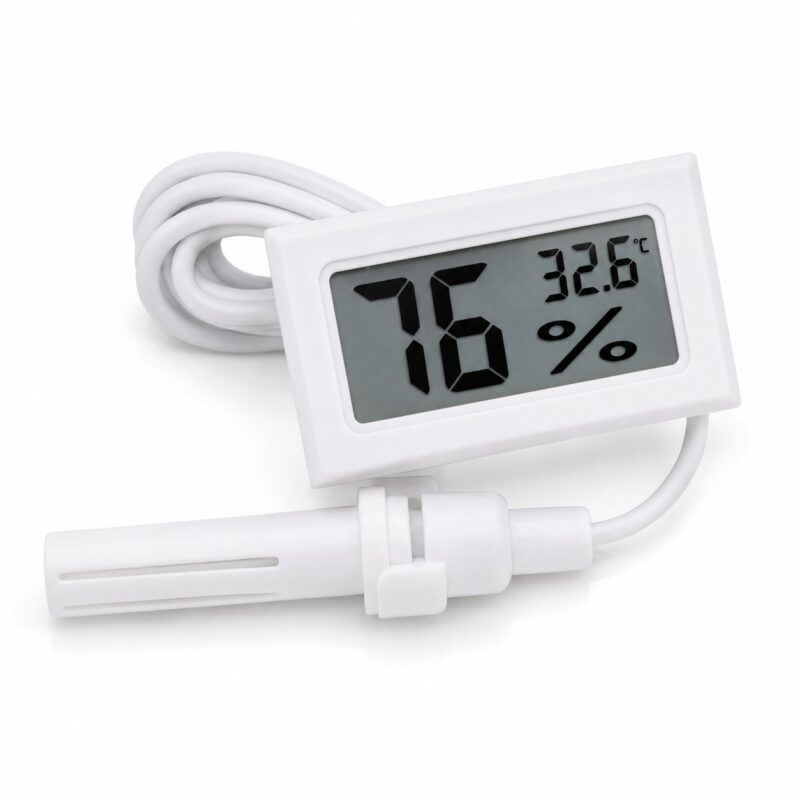
| Humidity | Nest 55-70% / Arena 40-60% |
| Hibernation | Winter rest at 5-10 °C for 4 months mandatory |
| Diet | Omnivore |
| Sting / bite | No sting, mild bite |
| Egg to first worker | ~4-7 weeks |
| Queen lifespan | up to ~28-29 years |
| Nuptial flight | June-September (Jul-Aug in Europe) |
| Activity | both |
Lasius niger, the black garden ant of Europe and northern Asia, is the species most keepers learn on: a tireless little forager whose queen can outlive most pets and whose colony fills a nest fast.
Why this species
Few ants reward attention like the black garden ant. The queen is famously long-lived, recorded at close to three decades, so a colony you start now can realistically stay with you for years. Workers forage around the clock and take to sugar, insects and tame keeper mistakes with the same easy appetite, which is why this is the species people cut their teeth on. The pace is the appeal: brood appears quickly, the nest visibly fills, and the only real demands are a proper winter rest and keeping up with a population that does not slow down.
Feeding
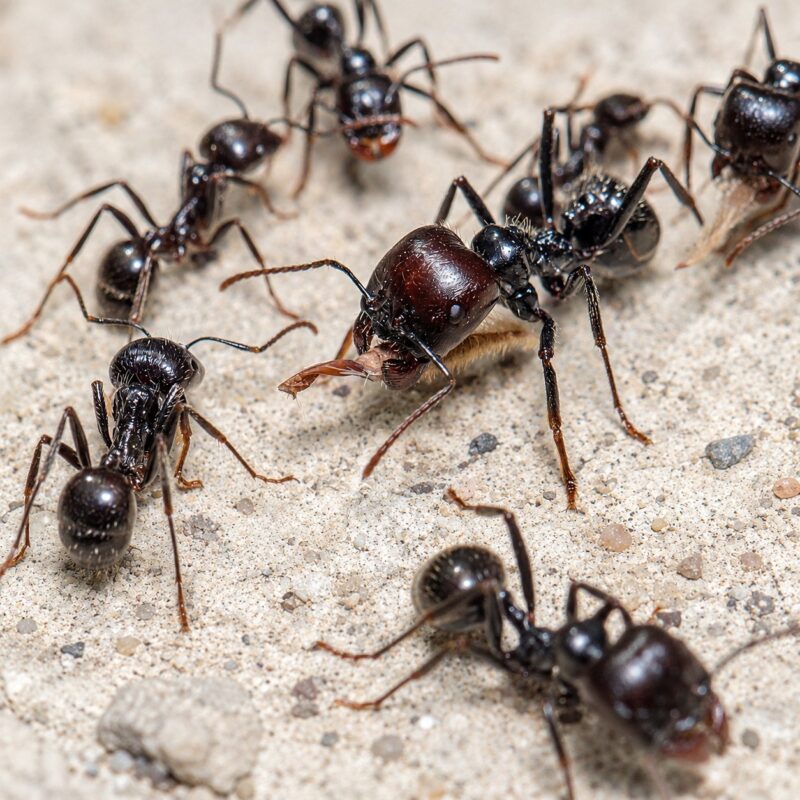
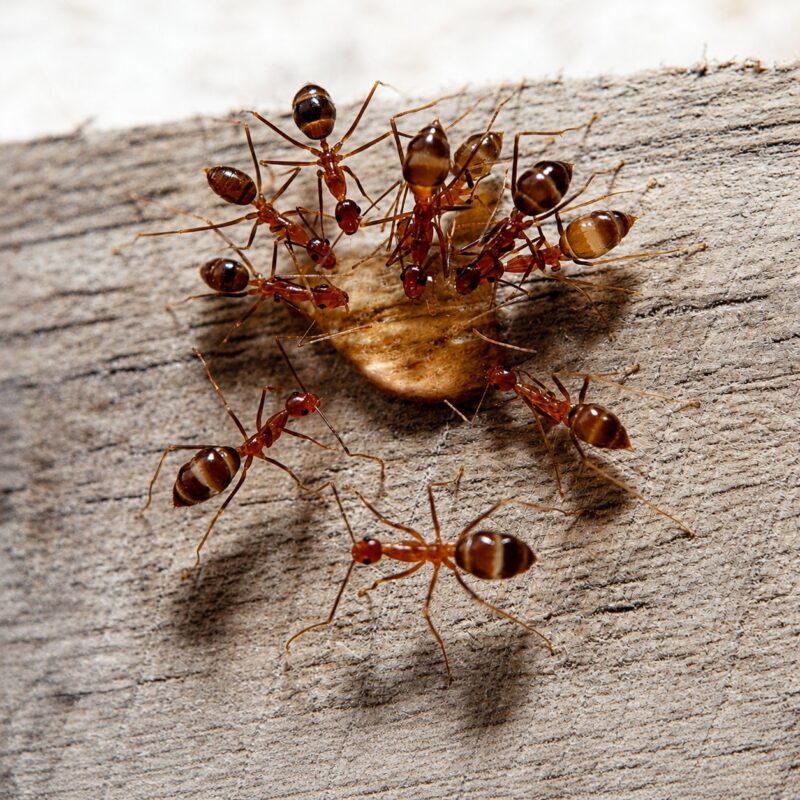
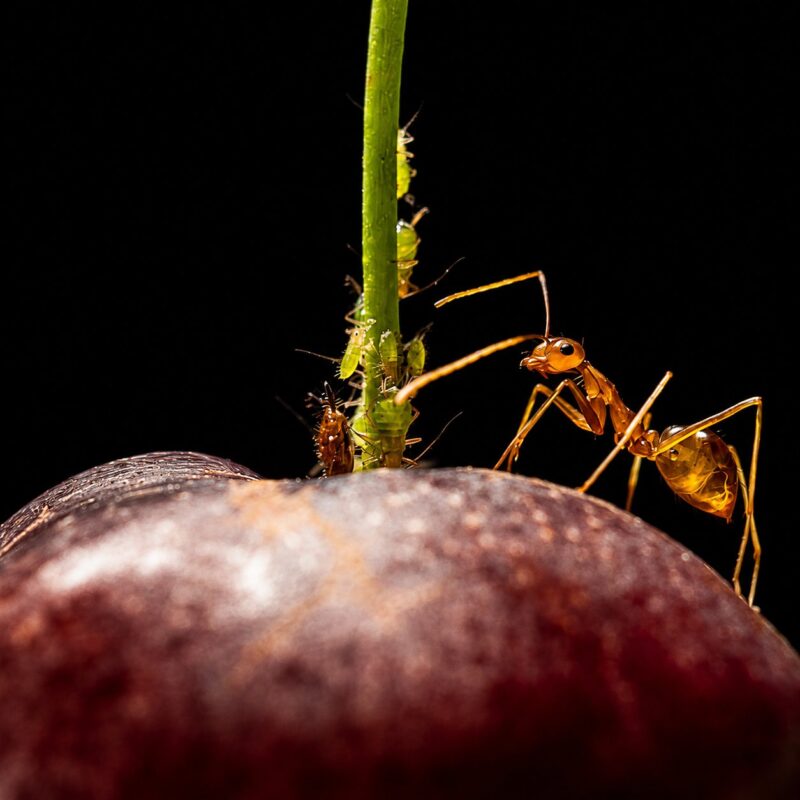
Like most Lasius, the black garden ant runs largely on sugars in the wild, farming aphids for honeydew and topping up with whatever small insects it can scavenge. Workers carry the carbohydrates, while the steady trickle of insect protein is what actually pushes brood production.
| Sugar water / honey water | ★★★ |
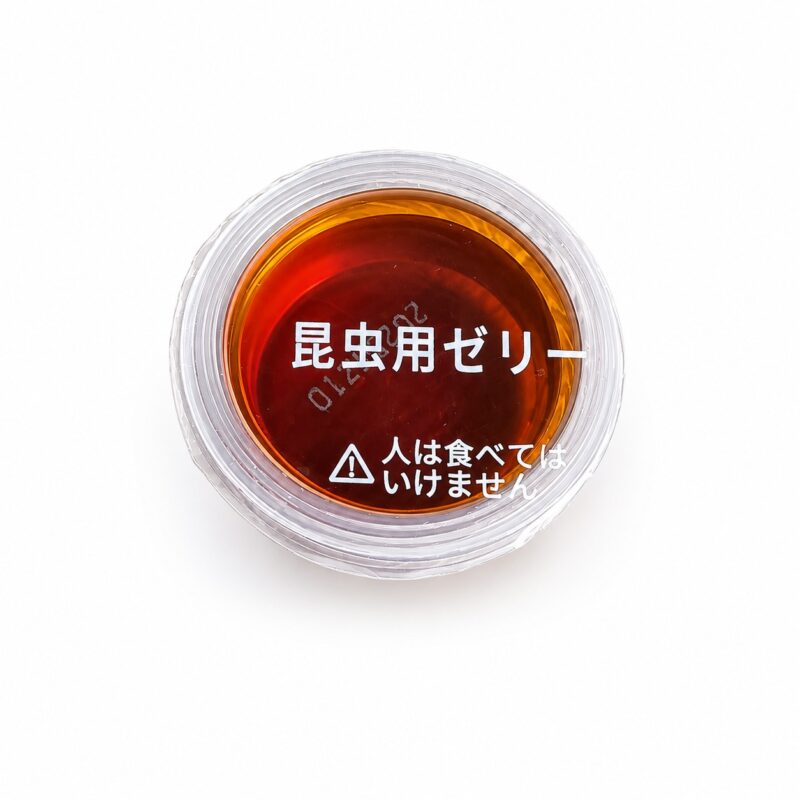
| Ant nectar / sugar jelly | ★★★ |
| Honey | ★★★ |
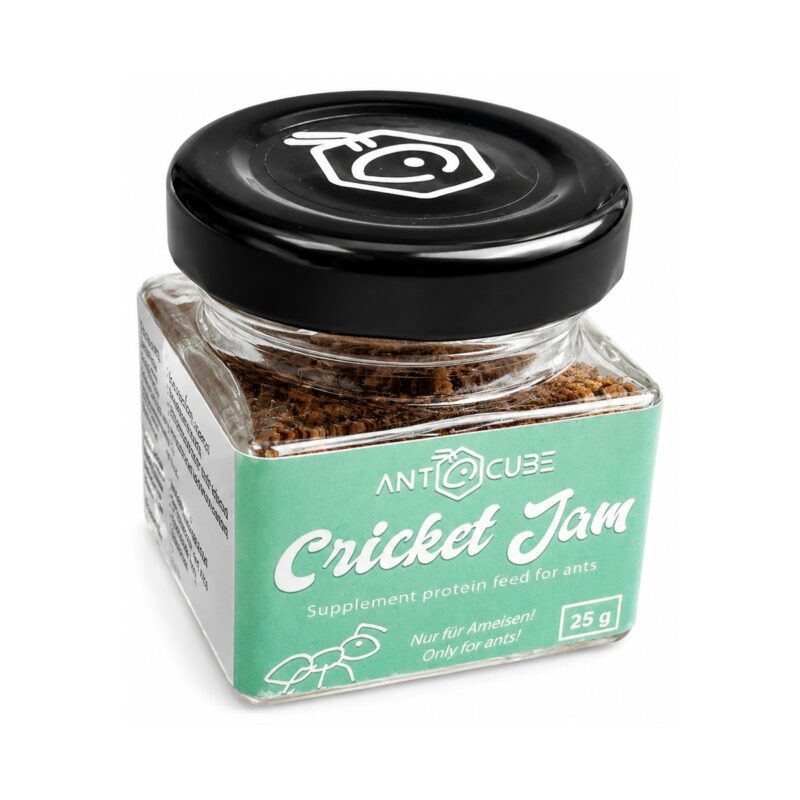
| Protein jelly | ★★★ |
| Crickets | ★★★ |
| Cockroaches (Dubia / Turkish) | ★★★ |
| Fruit flies (Drosophila) | ★★★ |
| Houseflies | ★★★ |
| Locusts | ★★ |
| Boiled egg yolk | ★★ |
| Mealworms | ★ |
| Superworms | ★ |
| Boiled lean chicken / shrimp / meat | ★ |
| Soft fruit (apple, pear, banana) | ★ |
| Dried insects | ★ |
| Soft seeds (poppy, sesame, chia) | ✗ |
| Hard seeds (canary, millet, sunflower) | ✗ |
★★★ readily · ★★ moderately · ★ occasionally · ✗ not eaten
Housing & formicarium
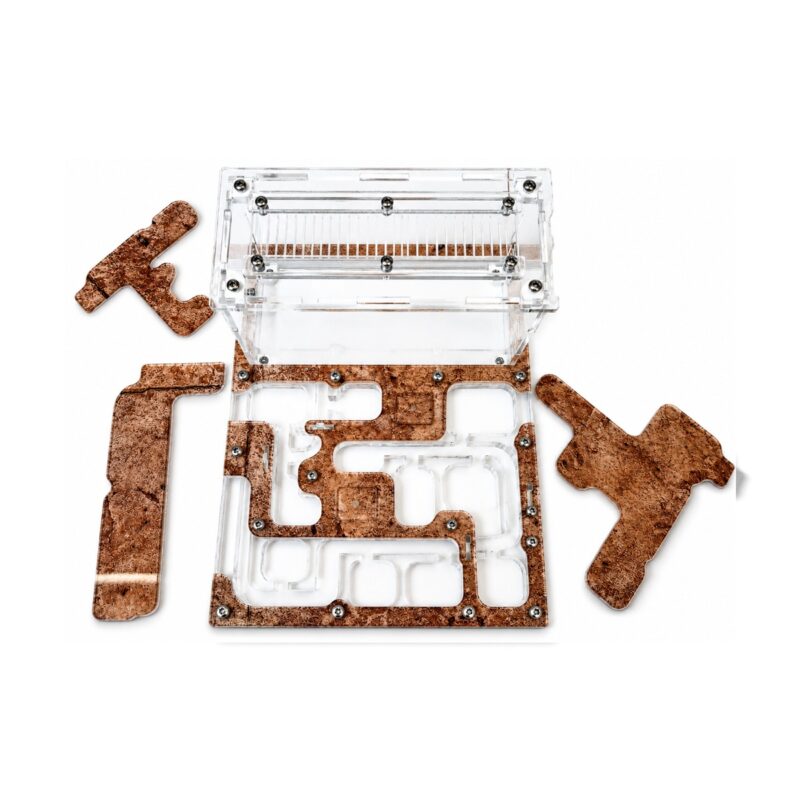
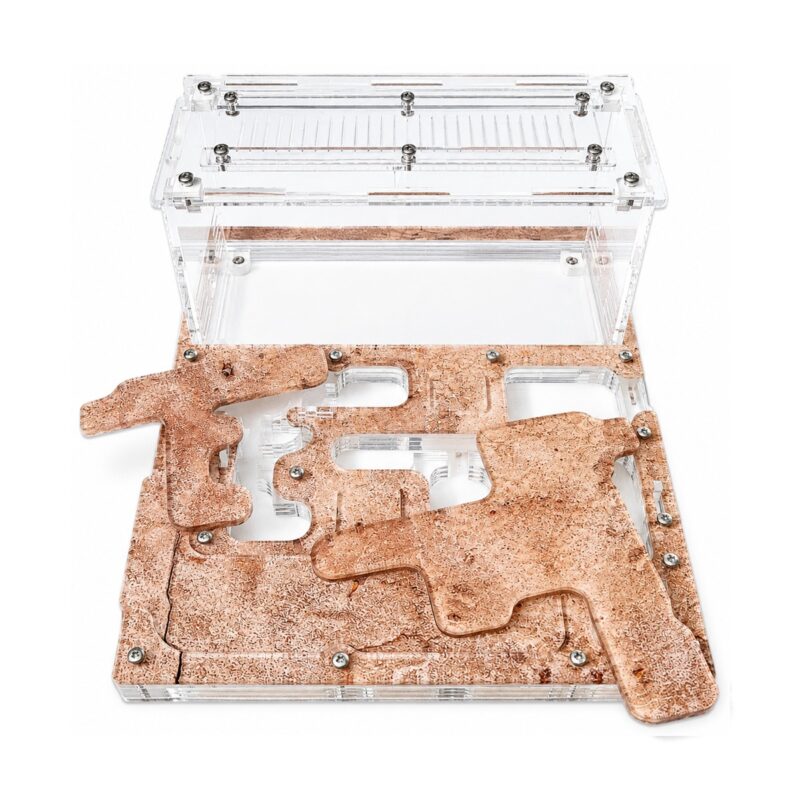
Found the queen in a test tube and leave her until the first nanitics are walking the glass, then connect a modest ytong or hybrid nest with a small arena. This tiny, persistent climber probes every seam, so keep the rim coated with fluon (PTFE), light oil, or talc-and-water and check it often. Step the nest up as numbers run into the thousands. An ANTonTOP kit pairs a sized nest, arena, feeder and barrier for week one.
Climate & wintering
Aim for a gentle gradient: the nest between 20 and 26 °C and the arena warmer at 22-32 °C, holding nest humidity around 55-70% and a drier arena at 40-60%. Warm only one end so foragers can pick their spot along the gradient. This is a temperate ant, so a winter rest is non-negotiable: cool it to 5-10 °C for four months. That cold spell resets the queen and sets up a heavy spring lay.
Growth forecast + what you receive
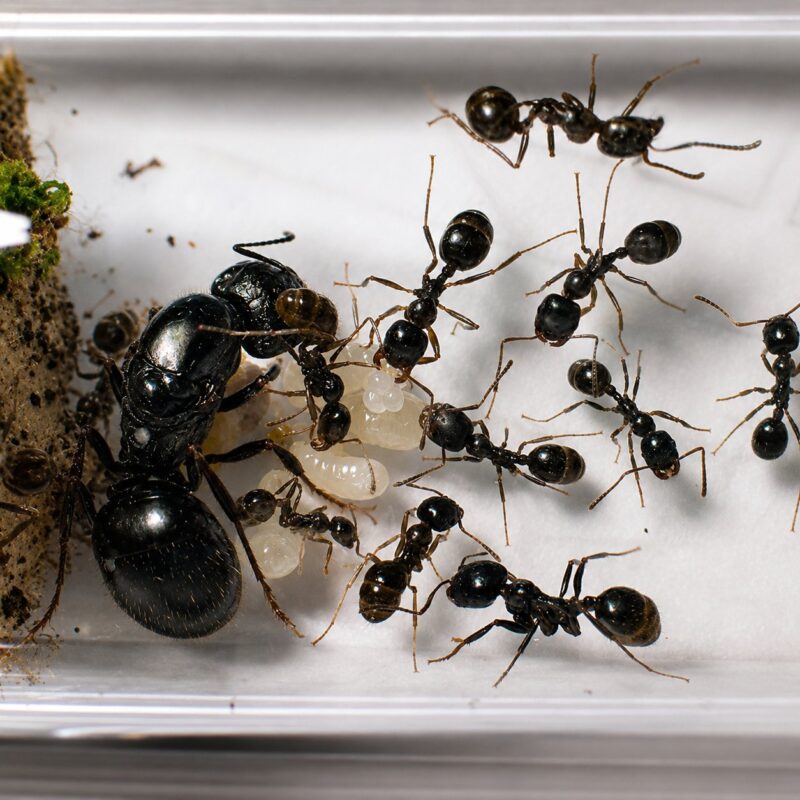
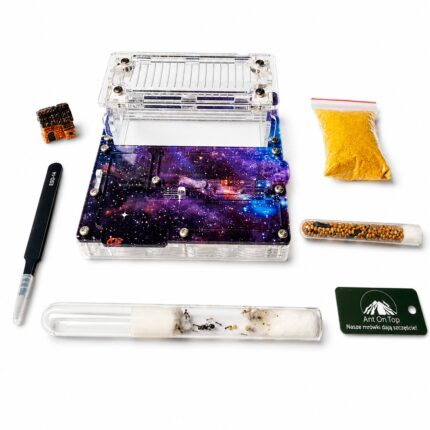
The first months are quiet while the queen brings up her founding brood, with eggs reaching adult workers in roughly eight to ten weeks. After that the curve steepens and the colony marches toward 10,000-30,000 workers. Your colony arrives as a fertilised queen with workers and brood across the founding stage, ready to move into a proper formicarium.
Did you know
- A captive Lasius niger queen has been recorded living close to 29 years, which makes her one of the longest-lived insects anyone can keep at home.
- The species is one of Europe’s most familiar ants, the one behind the clouds of winged ants on warm, humid “flying ant day” afternoons in mid to late summer.
- Colonies are devoted aphid farmers, defending the herds and stroking them for honeydew, and will even shelter aphid eggs through winter.
- Newly mated queens shrug off their wings and chew through their own flight muscles, recycling that tissue as food for the first batch of larvae.
Frequently asked questions
Is Lasius niger good for beginners?
It is rated Intermediate and is one of the most forgiving species to learn on, the main commitment being the mandatory winter rest.
Does the black garden ant need a winter rest?
Yes, a hibernation at 5-10 °C for 4 months is mandatory.
Does the black garden ant sting or bite?
It has a mild bite and no sting.
How big does the colony get?
It grows into a large colony of 10000-30000 workers.
How big is the queen?
The queen is around 9 mm; workers are 3-5 mm.
How fast does Lasius niger grow?
Eggs reach workers in about 8-10 weeks, slow at first then fast as the population builds.
What does it eat?
Sugar water or nectar plus insects like crickets and flies; it does not eat seeds.
How is it shipped and will it arrive alive?
It ships as a queen with workers and brood, with a heat or cool pack, sent within 24 hours with tracking for a fast, safe trip.
Keeping & shipping essentials
Escape prevention. Coat the inner rim of every open arena with fluon (PTFE), or use talc-and-water or an oil barrier as a backup, and keep a tight, fine-mesh lid on top. Check the barrier regularly, since dust, condensation and feeding debris break a fluon line over time. Keep tubing connectors tight and seal any gaps in the nest.
Keeping reminders. Always offer fresh water and never let the nest dry out completely. Give carbohydrates continuously and protein a few times a week, and remove uneaten insect prey within 24 hours before it moulds. Keep the formicarium out of direct sunlight and away from constant vibration, which stresses a young colony. A water-filled test tube plugged with cotton makes an ideal spare incubator whenever you need one.
Before you buy – do not rehouse too early. Have a test-tube setup or a small formicarium with an outworld and a working barrier ready before your colony arrives. A founding colony grows slowly at first, which is normal. Moving a small colony into a large nest too soon invites mould, mites and stress, and the workers die off one by one. Keep the colony in its open test tube on the arena, plug the nest entrance with cotton, and open up the next chambers only once the colony fills roughly 10-15% of the space.
What we ship. Every colony ships with a live-arrival guarantee, backed by our 24h unboxing-video guarantee: if the queen does not arrive alive, we reship free. Parcels travel with DHL, InPost (PL) or EMS, with a heat or cold pack to suit the season, packed discreetly and securely. We ship across the EU and worldwide, with free shipping over the Europe threshold.
2 reviews for Lasius niger
Clear filtersShow reviews in all languages (2)

Marcin (verified owner) –
Dziękuję za szybka wysylkę i gratisowe jedzonko!
selinamargareta12345 (verified owner) –
The ants came healthy with TONS of workers and brood. The only complain I have is that there’s no water in the test tube. Otherwise, great ants.
antontop (verified owner) –
Sometimes we deliberately do not change the test tube or add water to avoid spilling water into the test tube, as well as to avoid causing additional stress to the ants. Thank you for your review