
Crematogaster scutellaris
95,90 zł – 479,90 złPrice range: 95,90 zł through 479,90 zł
Live Queen Guarantee
Heat Pack & Summer Cooling
Fertilised Queen in Every Colony
Ships Within 24 h
Free Care Guide
24/7 Expert Support
Description
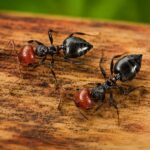
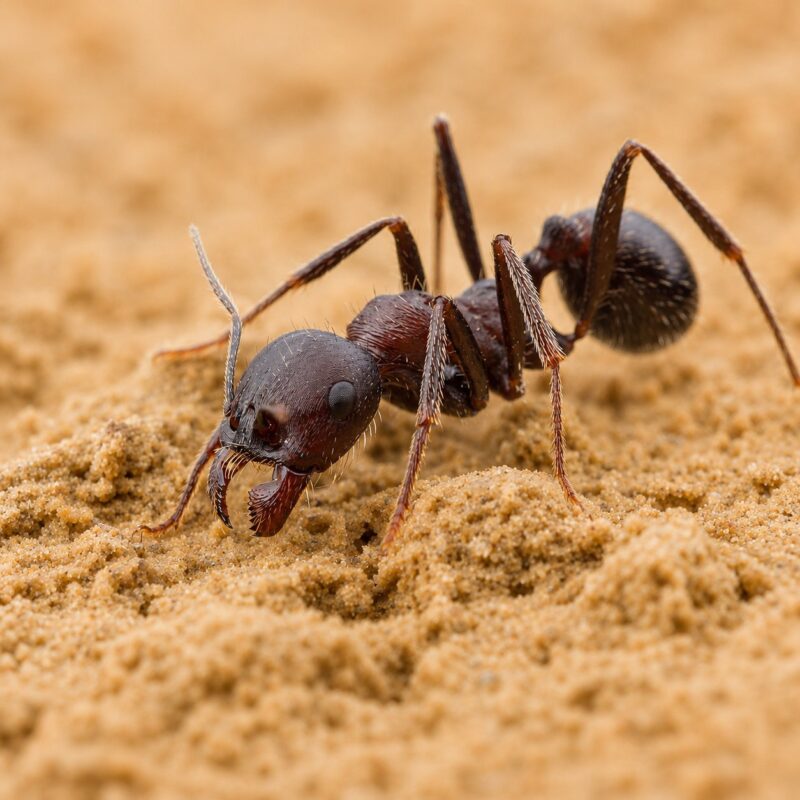
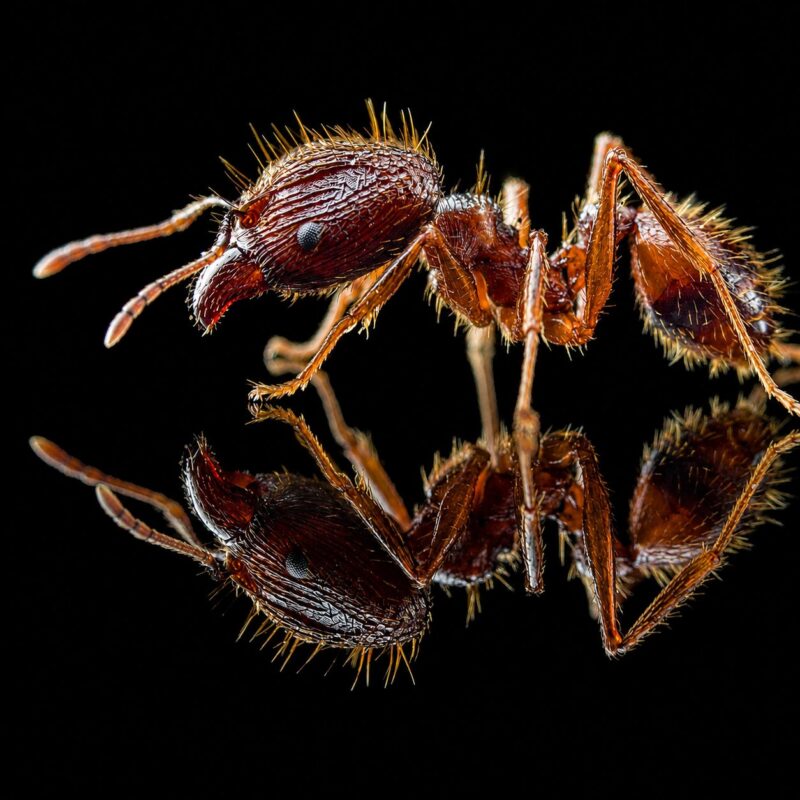
Keep one colony for over a decade: the Mediterranean cork ant Crematogaster scutellaris pairs a striking rust-red head on a black body with a queen that can live around 10-15 years, a hardy, long-lived European starter. Start your first colony with Crematogaster scutellaris at ANTonTOP.
Free shipping across Europe over 1299 zł.
DHL / InPost / EMS · ships the EU & worldwide.
Beginner · Q 8-9 mm / W 4-5.5 mm · Up to 20,000 workers · Not required · Omnivore · Italy (Mediterranean Europe and North Africa) · Sting (mild), acrobat defence
Additional information
| Behavior | |
|---|---|
| Keeping difficulty | |
| Origin | |
| Ant size | |
| Hibernation | |
| Sting |
Has sting |
Crematogaster scutellaris – Acrobat ant
| Origin | Italy (Mediterranean Europe and North Africa) |
|---|---|
| Difficulty | Beginner |
| Colony form | Monogyne (1 queen) |
| Max workers | Up to 20,000 workers |
| Queen | 8-9 mm |
| Worker | 4-5.5 mm |
| Soldier / major | – |
| Founding | Claustral |
| Temperature | Nest 23-26 °C / Arena 24-28 °C |
| Humidity | Nest 55-70% / Arena 40-60% |
| Hibernation | Not required |
| Diet | Omnivore |
| Sting / bite | Sting (mild), acrobat defence |
| Egg to first worker | 4-7 weeks |
| Queen lifespan | ~10-15 years |
| Nuptial flight | late summer to October (Aug-Oct) |
| Activity | both (forages day & night) |
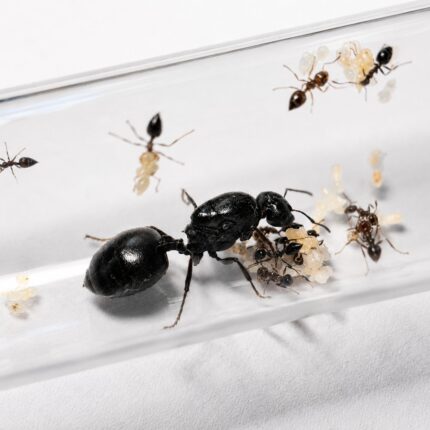
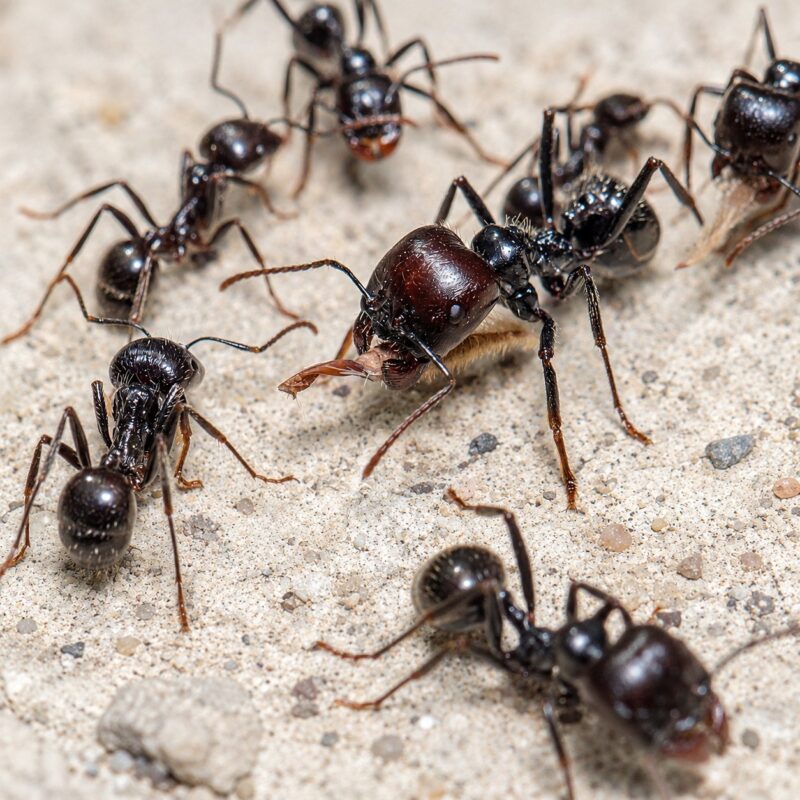
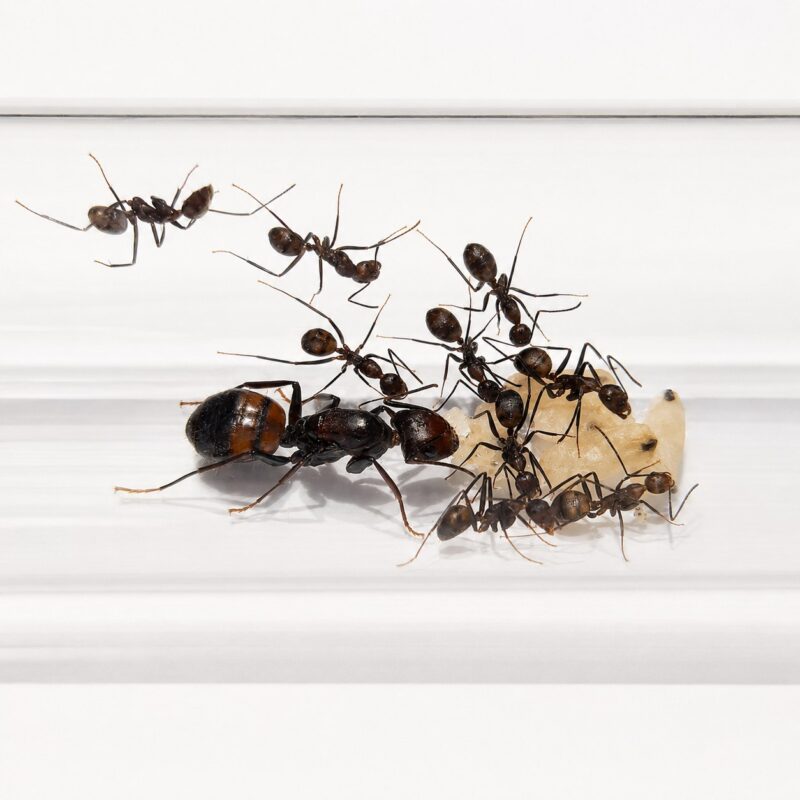
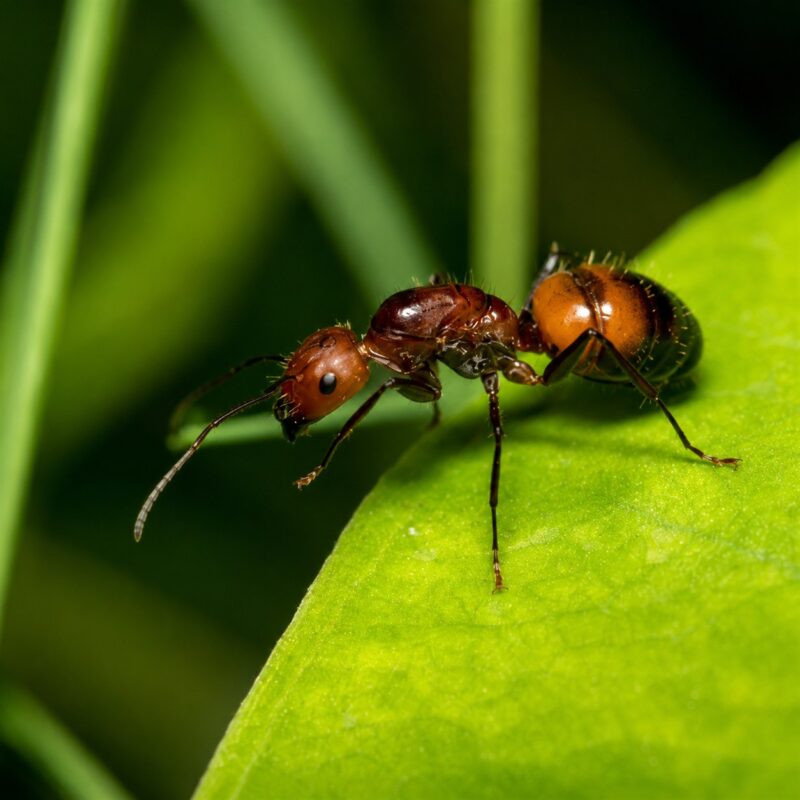
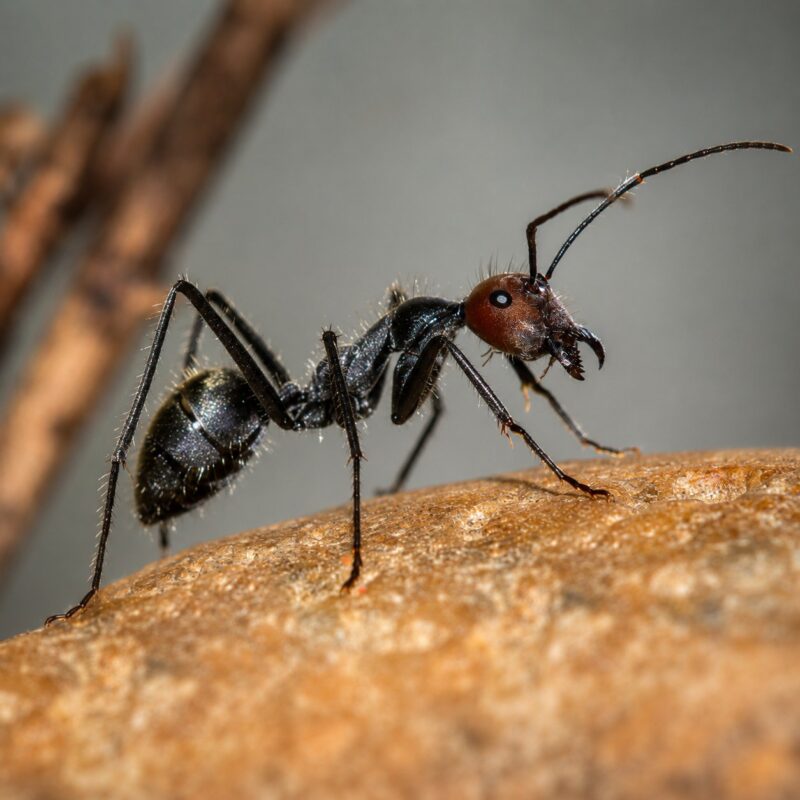
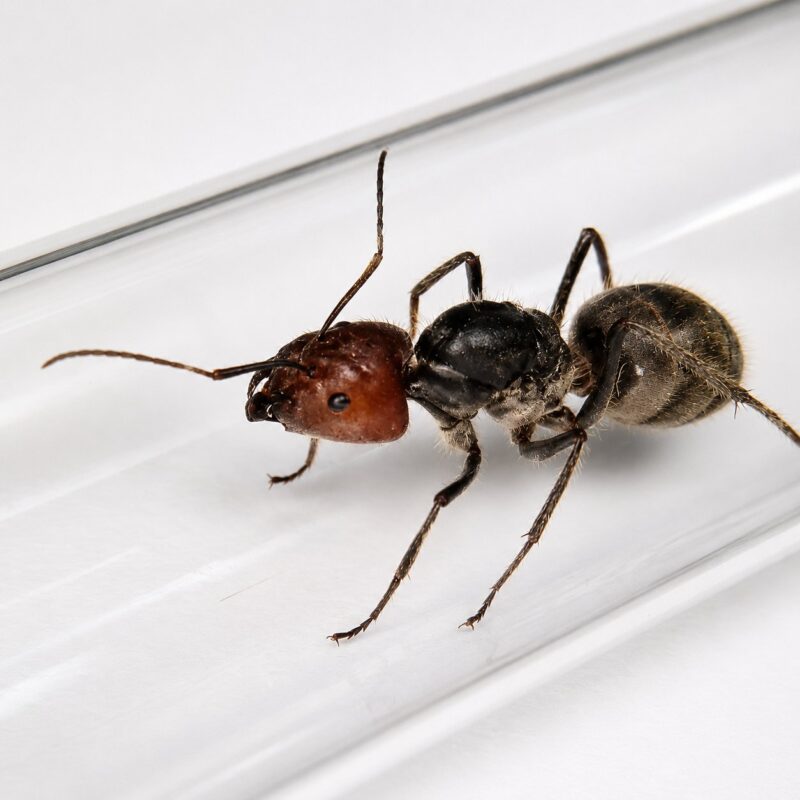
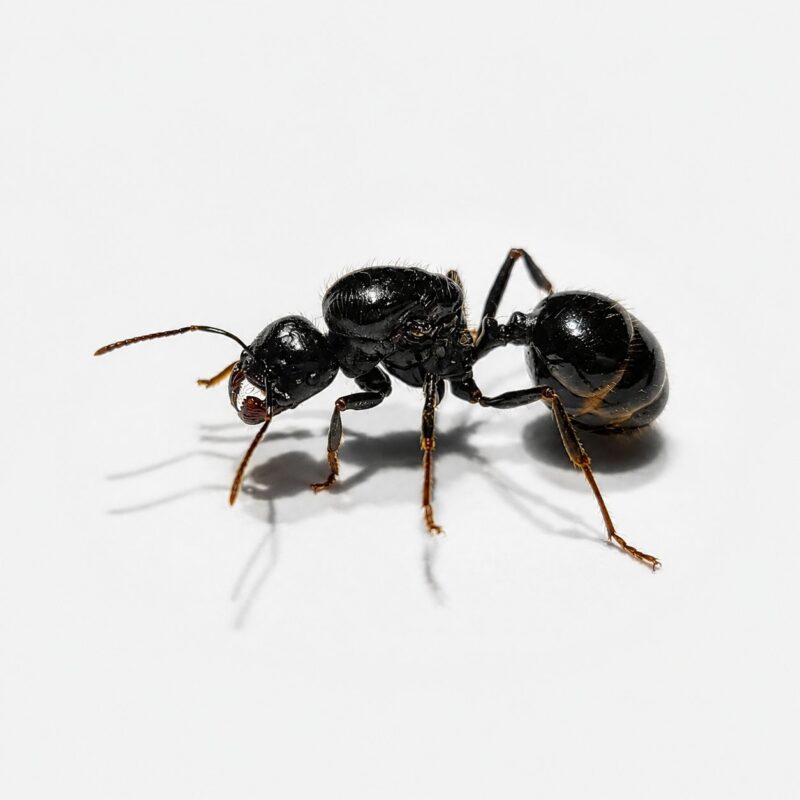
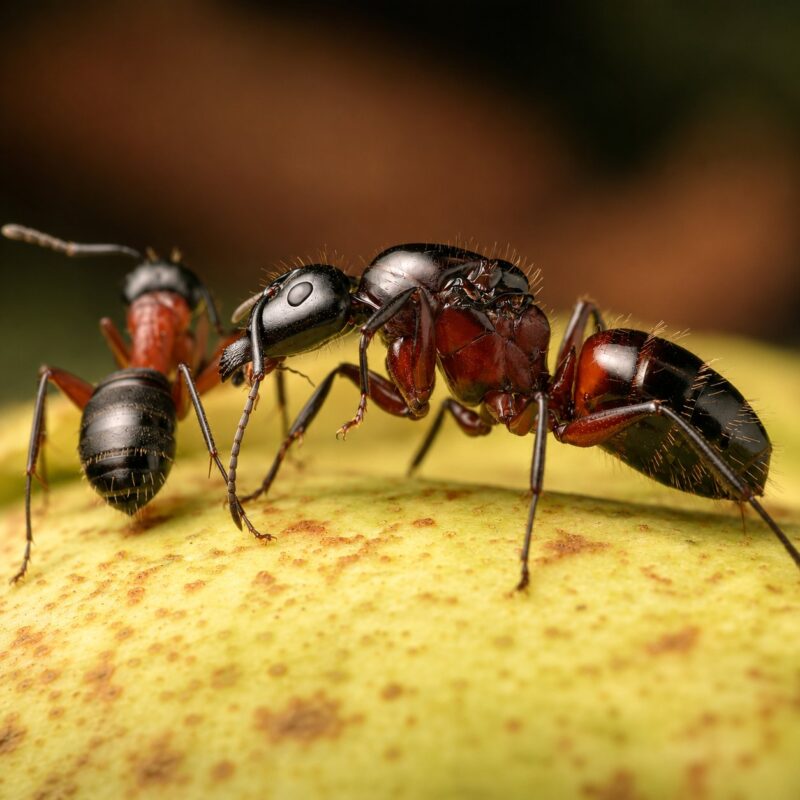
Crematogaster scutellaris is the classic Mediterranean acrobat ant, a hardy red-headed European species that suits beginners and rewards the patient with a colony that can stay with you for well over a decade.
Why this species
The headline reason to keep scutellaris is longevity: the queen can live somewhere around 10-15 years, so a single colony becomes a long-running fixture rather than a passing project. It is also one of the most approachable European ants going. A single queen keeps management simple, and its Mediterranean origin means it tolerates a wide swing of conditions without complaint. The red head over a darker body gives it a smart, recognisable look, and it shows all the usual acrobat-ant gaster-flip behaviour. An easy, long-lived starter with real character and a mild, ignorable sting.
Feeding
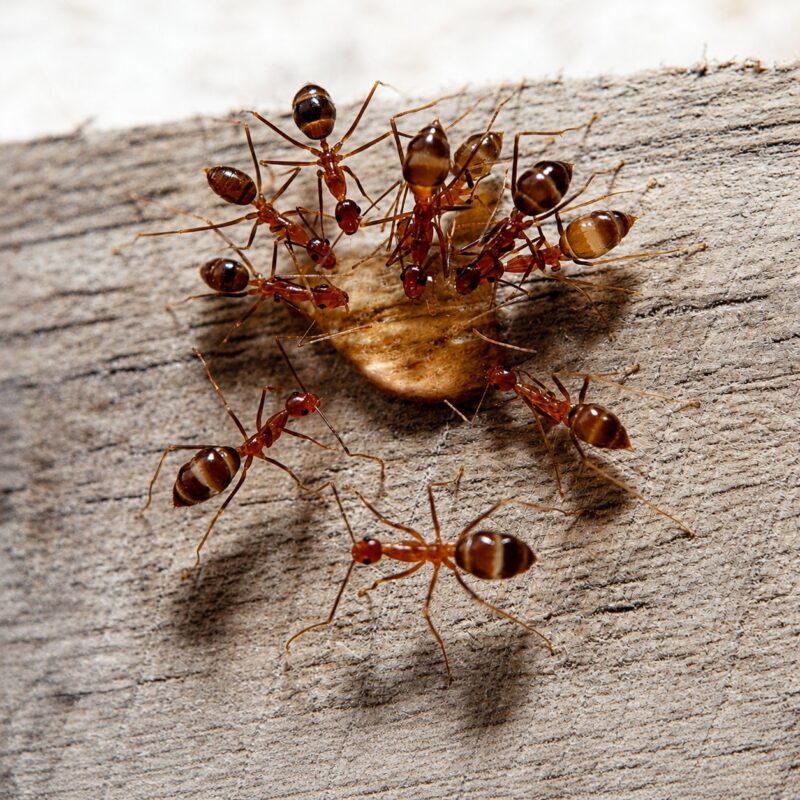
A carbohydrate-led omnivore that lives mostly on honeydew, tending aphids, scales and other sap-feeders and taking nectar, with insect prey supplying protein for the brood. Keep sugar available and offer protein for the larvae.
| Sugar water / honey water | ★★★ |
| Ant nectar / sugar jelly | ★★★ |
| Honey | ★★★ |
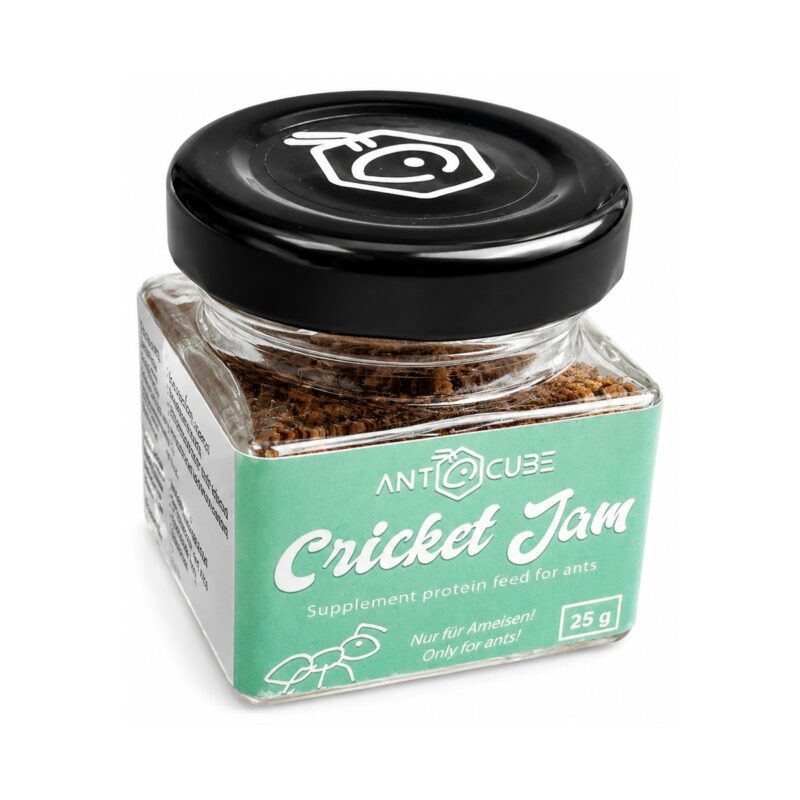
| Protein jelly | ★★★ |
| Crickets | ★★★ |
| Cockroaches (Dubia / Turkish) | ★★★ |
| Fruit flies (Drosophila) | ★★★ |
| Houseflies | ★★★ |
| Locusts | ★★ |
| Boiled egg yolk | ★★ |
| Mealworms | ★ |
| Superworms | ★ |
| Boiled lean chicken / shrimp / meat | ★ |
| Soft fruit (apple, pear, banana) | ★ |
| Dried insects | ★ |
| Soft seeds (poppy, sesame, chia) | ✗ |
| Hard seeds (canary, millet, sunflower) | ✗ |
★★★ readily · ★★ moderately · ★ occasionally · ✗ not eaten
Housing & formicarium
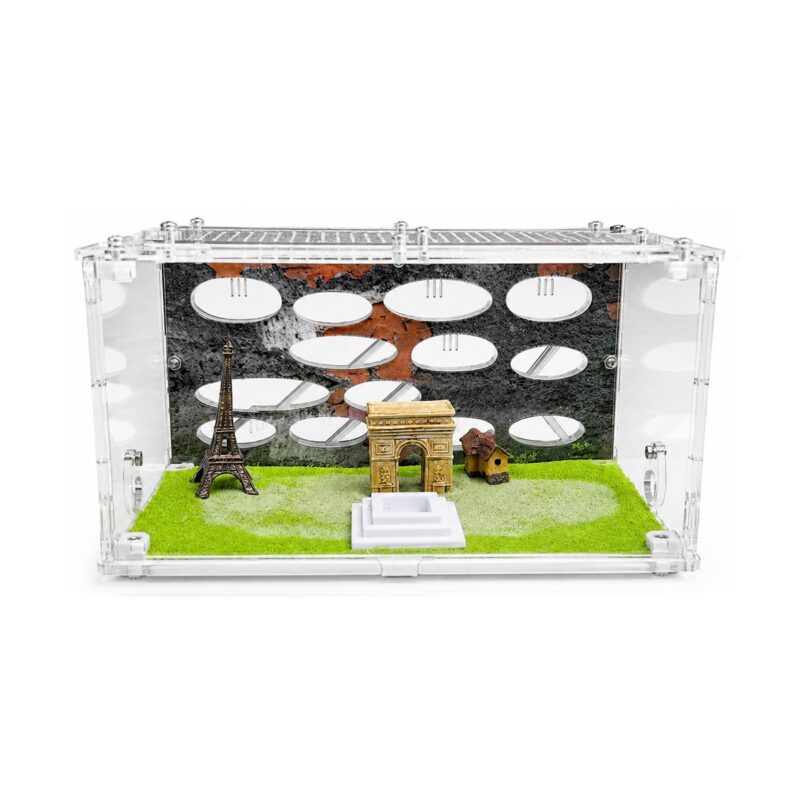
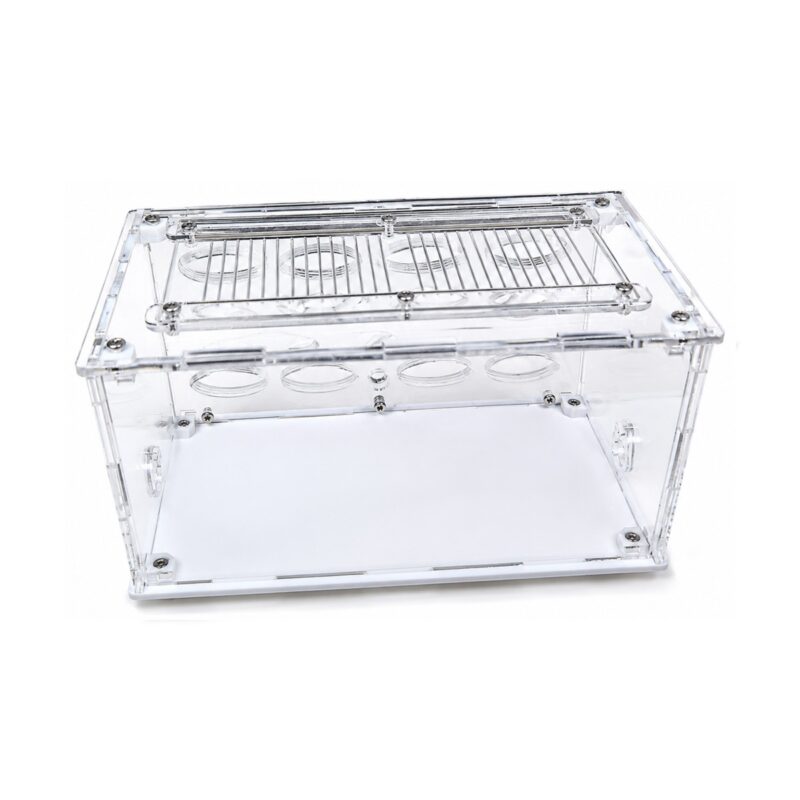
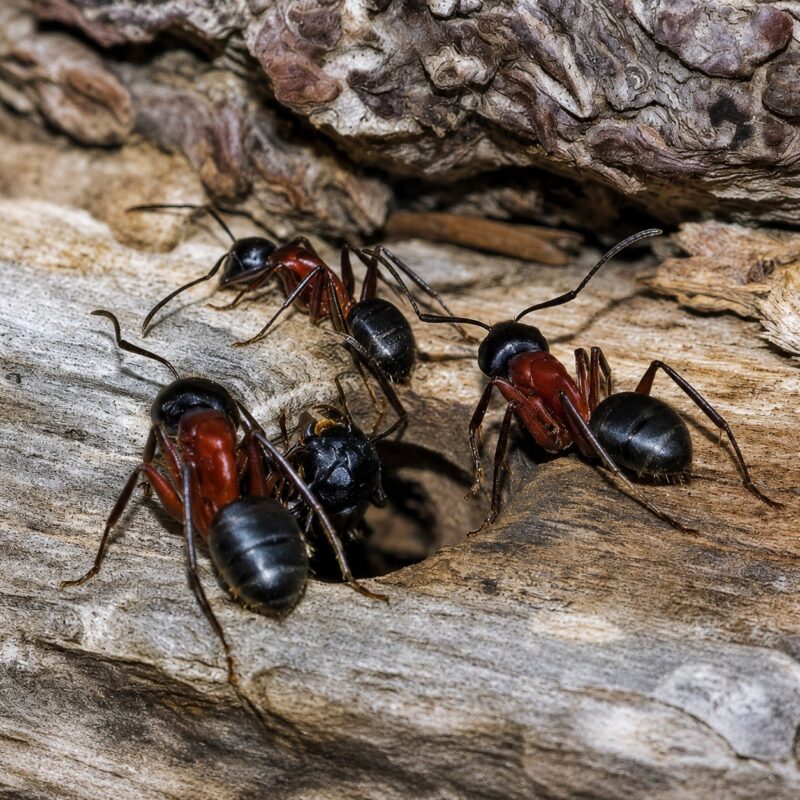
Found the colony in a test tube and leave it until the first workers harden. This Mediterranean acrobat ant nests in wood and bark and copes with drier air, so a ytong or acrylic nest held at a modest 55-70%, with just a damp corner, suits the upgrade well, paired with an outworld arena. A twig or cork lets them climb as they would in the wild. They are agile climbers, so line the arena rim with fluon (PTFE), oil, or talc and water and keep tubing joins tight. Browse the ANTonTOP formicaria range and beginner kits to match a nest to its stage.
Climate & wintering
Run the nest at 23-26 °C and the arena a little warmer at 24-28 °C, with nest humidity of 55-70% and the arena drier at 40-60%. A cooler 23 °C side and a warm 28 °C side let the colony self-regulate. Hibernation is not required: this Mediterranean ant will take a cool winter rest if you offer one, but kept warm it simply slows a little, so continue light feeding through the colder months.
Growth forecast + what you receive
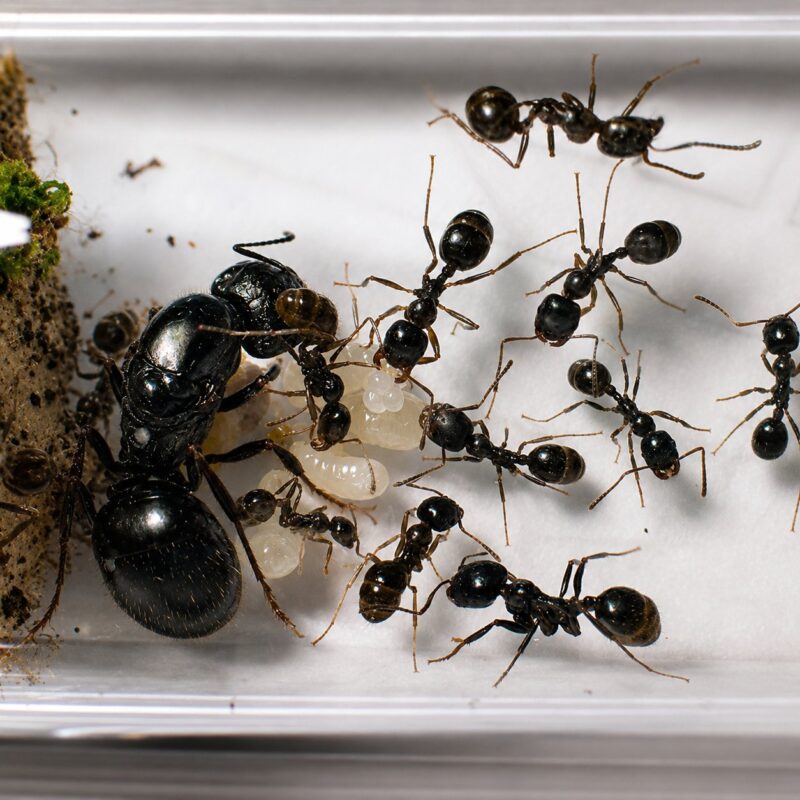
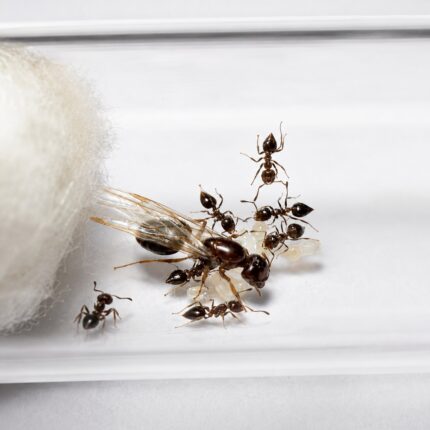
Once founding is done the colony builds steadily toward 20,000 workers, and because the queen is so long-lived it matures over many seasons rather than racing. Brood takes about 4-7 weeks egg to adult. You receive a queen with her first workers and brood.
Did you know
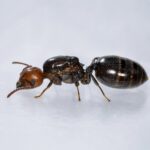
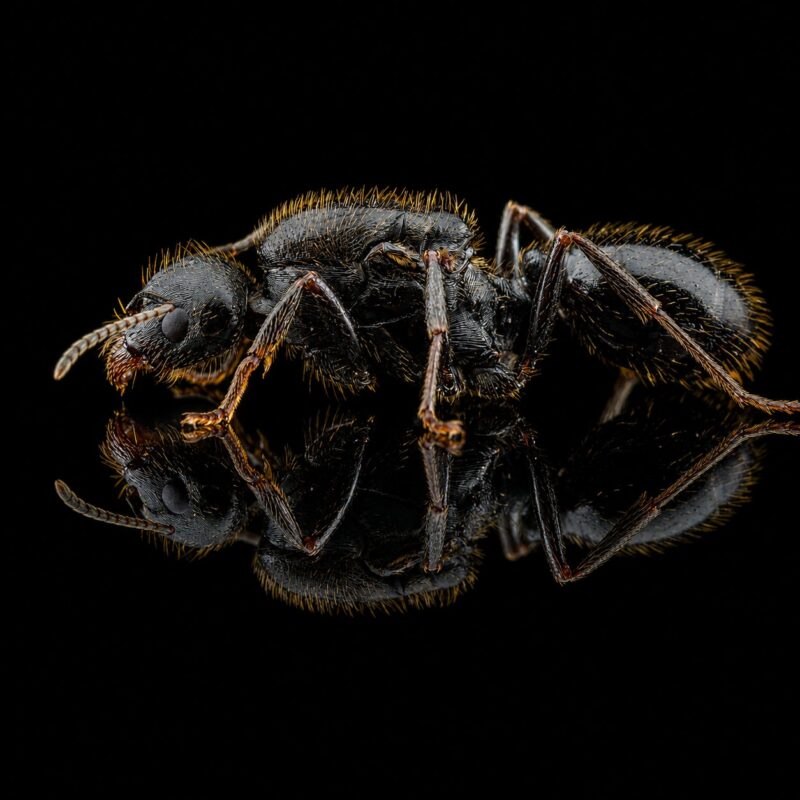
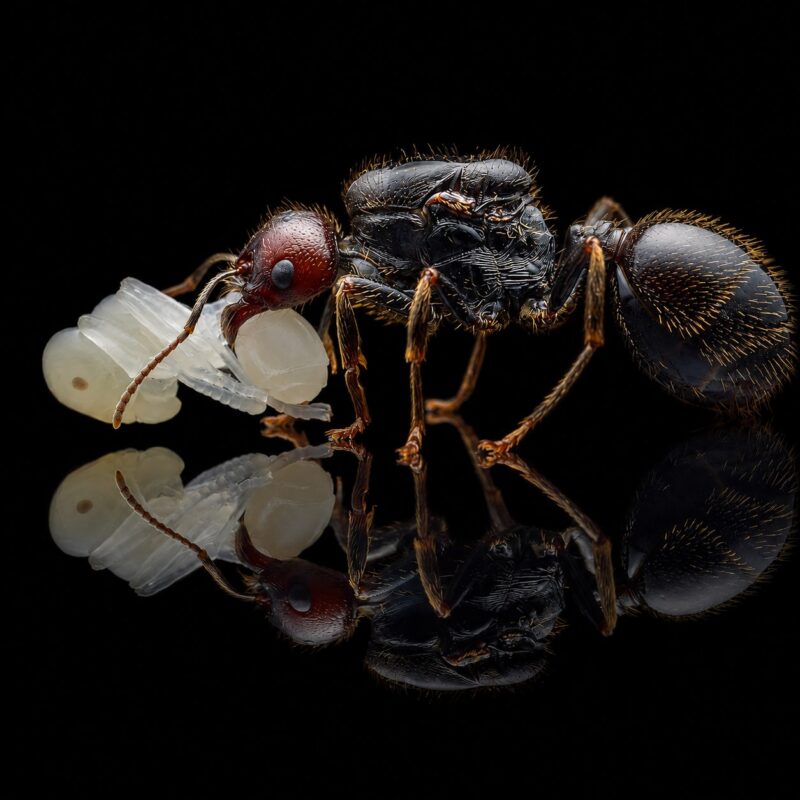
- Its bright rust-red head over a matt-black body is an aposematic warning of its strong chemical defences, and earns it the name cork ant from its close tie to the cork oak.
- It nests in bark crevices and dead wood of Mediterranean oaks, pines and olives, and is a noted predator of the pine processionary caterpillar, a serious forestry pest.
- Field workers have recorded it collecting and stockpiling live aphids inside its oak-gall nests, in effect keeping a herd indoors.
- Like the rest of the genus it lifts its heart-shaped gaster over its back and wipes a defensive secretion onto rivals with a blunt, spatula-tipped sting rather than piercing them.
- It is one of the longest-lived acrobat ants kept in formicaria, with queens reported to reach well over a decade.
Frequently asked questions
Is Crematogaster scutellaris good for beginners?
Yes. It is rated Beginner, founds claustrally, is a single-queen species, and as a hardy Mediterranean ant it tolerates a range of conditions, ideal for first-time keepers.
Does the cork ant need a winter rest?
Hibernation is not required. As a Mediterranean species it can take a cool winter rest if you offer one, but if kept warm it simply slows a little, so continue light feeding through winter.
Does Crematogaster scutellaris sting or bite?
It has a mild sting and is not aggressive; acrobat ants are gentle and pose no real concern.
How big does the colony get?
Up to 20,000 workers at maturity, so plan a formicarium and outworld that can grow with it.
How long does the Crematogaster scutellaris queen live, and how big is she?
The queen measures 8-9 mm, with workers of 4-5.5 mm.
How fast does it grow?
Steadily, and the colony is long-lived, and the queen can live around 10-15 years, so it matures over many seasons with stable warmth and protein.
What do they eat?
Mainly sugars (sugar water, nectar, jelly) plus insect protein like crickets and flies for the brood. They do not eat seeds.
Will the ants arrive alive?
Yes. We ship live with a live-arrival guarantee, include a heat or cold pack for the season, and dispatch within 24 h with tracking.
Keeping & shipping essentials
Escape prevention. Coat the inner rim of every open arena with fluon (PTFE), or use talc-and-water or an oil barrier as a backup, and keep a tight, fine-mesh lid on top. Check the barrier regularly, since dust, condensation and feeding debris break a fluon line over time. Keep tubing connectors tight and seal any gaps in the nest.
Keeping reminders. Always offer fresh water and never let the nest dry out completely. Give carbohydrates continuously and protein a few times a week, and remove uneaten insect prey within 24 hours before it moulds. Keep the formicarium out of direct sunlight and away from constant vibration, which stresses a young colony. A water-filled test tube plugged with cotton makes an ideal spare incubator whenever you need one.
Before you buy – do not rehouse too early. Have a test-tube setup or a small formicarium with an outworld and a working barrier ready before your colony arrives. A founding colony grows slowly at first, which is normal. Moving a small colony into a large nest too soon invites mould, mites and stress, and the workers die off one by one. Keep the colony in its open test tube on the arena, plug the nest entrance with cotton, and open up the next chambers only once the colony fills roughly 10-15% of the space.
What we ship. Every colony ships with a live-arrival guarantee, backed by our 24h unboxing-video guarantee: if the queen does not arrive alive, we reship free. Parcels travel with DHL, InPost (PL) or EMS, with a heat or cold pack to suit the season, packed discreetly and securely. We ship across the EU and worldwide, with free shipping over the Europe threshold.
3 reviews for Crematogaster scutellaris
Clear filtersShow reviews in all languages (3)

James Roses (verified owner) –
I thought that workers will be biger.
Martyna Malinowska (verified owner) –
Bardzo ładne mróweczki. U nas od początku grudnia i rozwijają się bardzo szybko. Polecamy dla takich jak my początkujących
Kacper (verified owner) –
fajne bo nie trzeba dbać o wilgoć