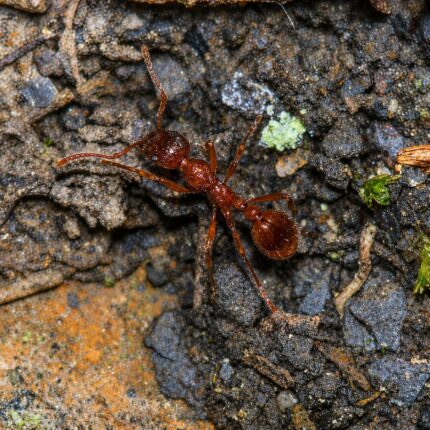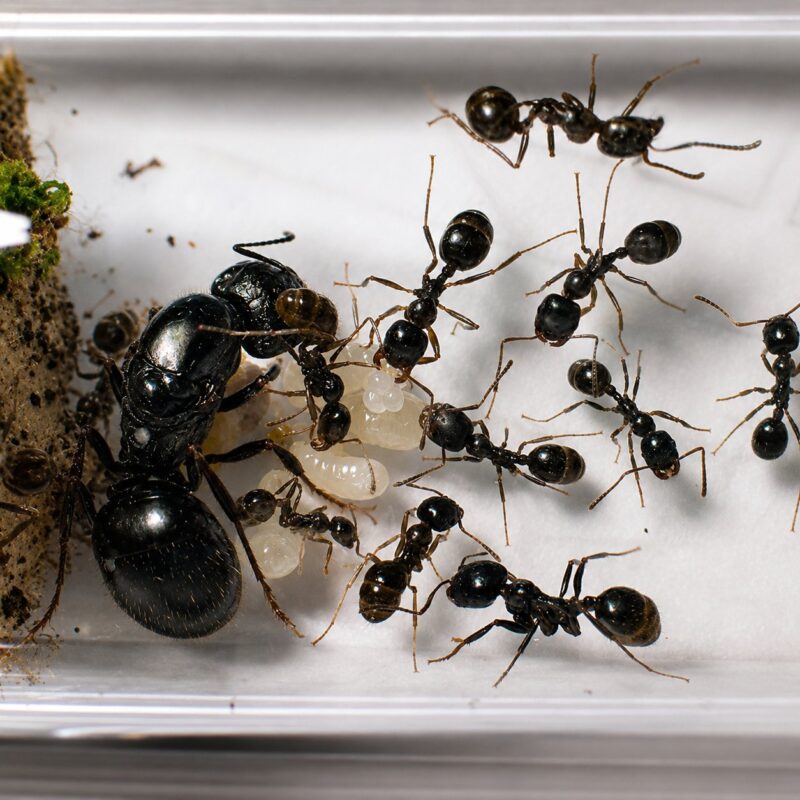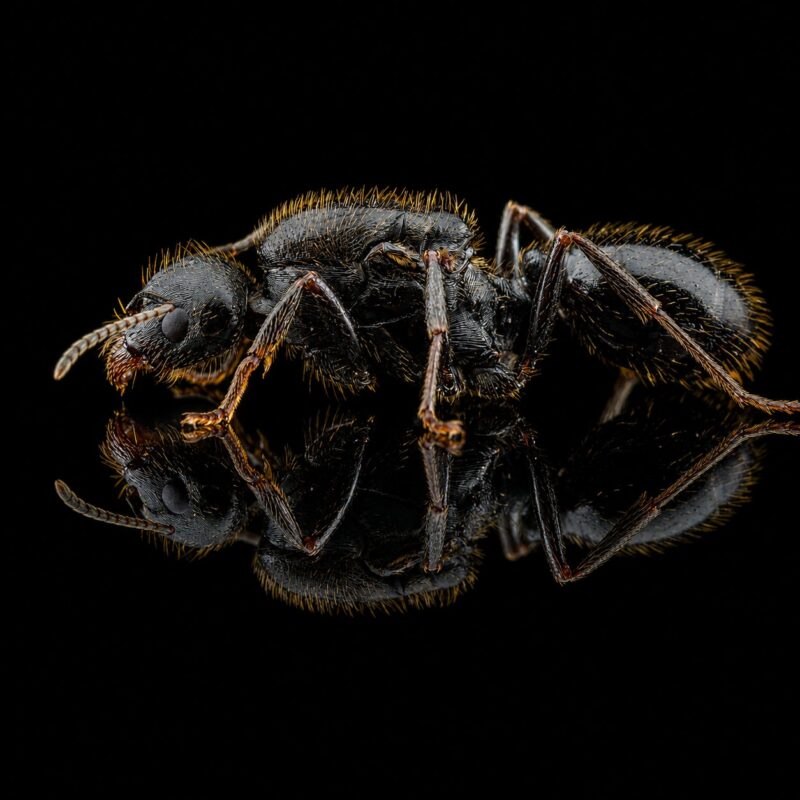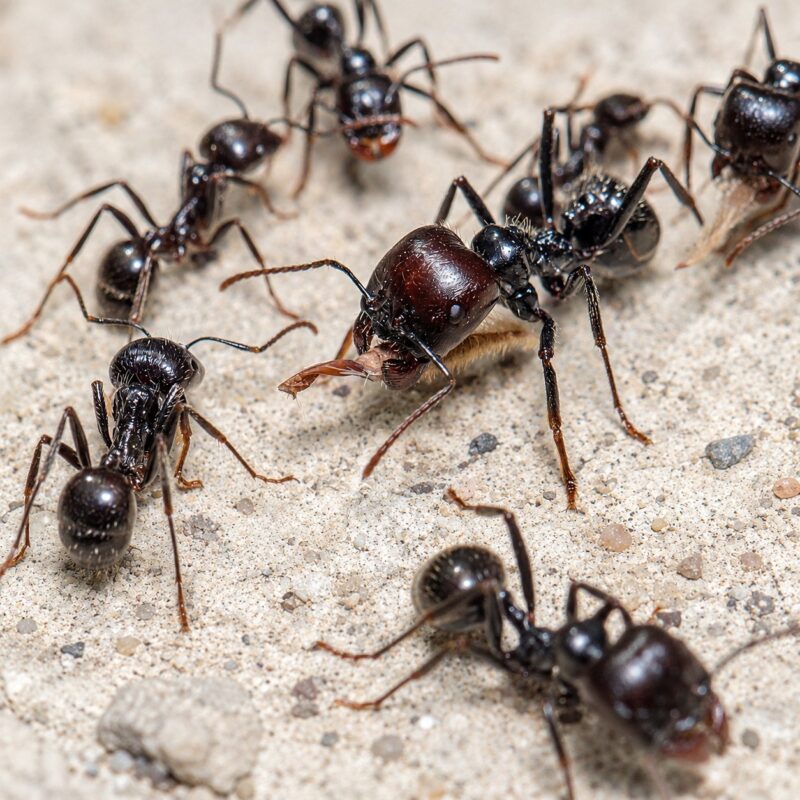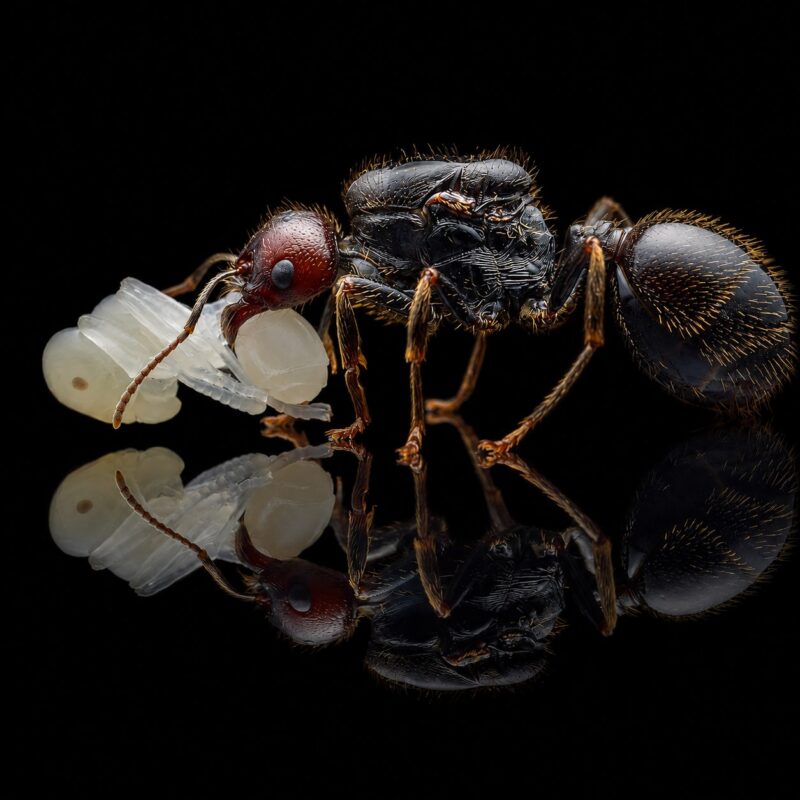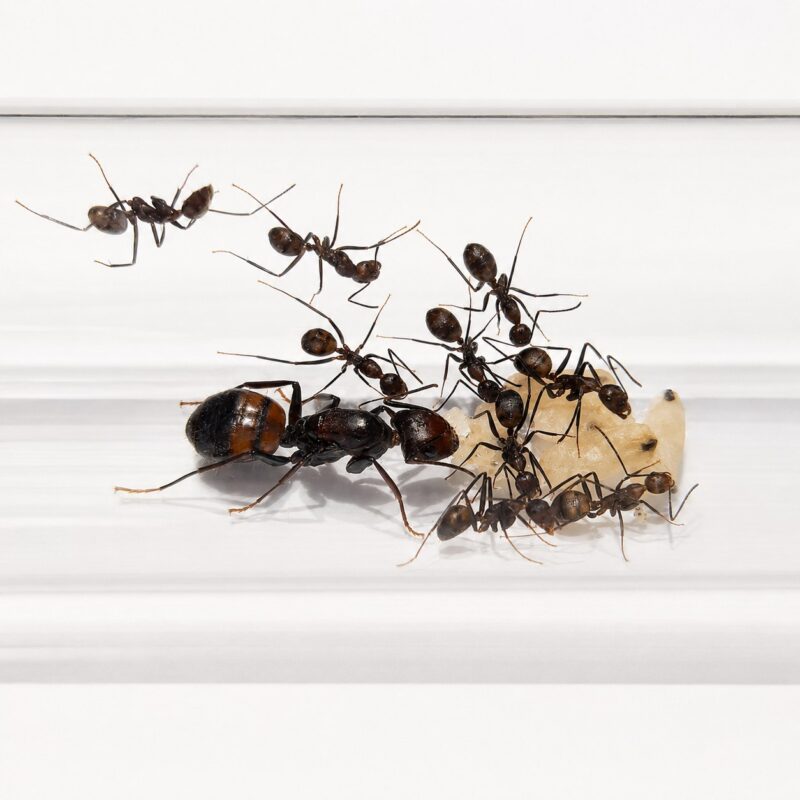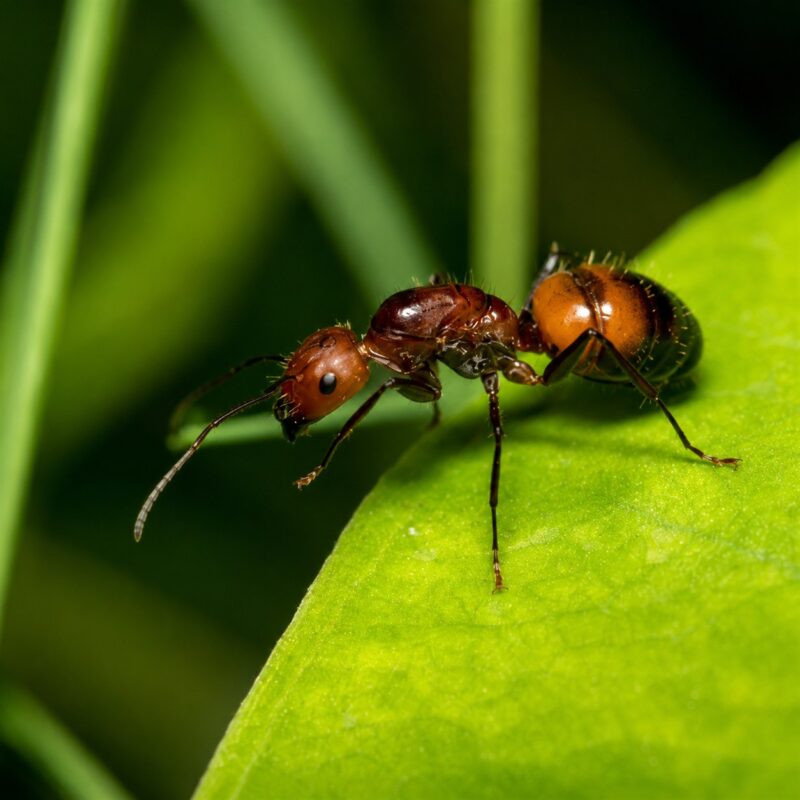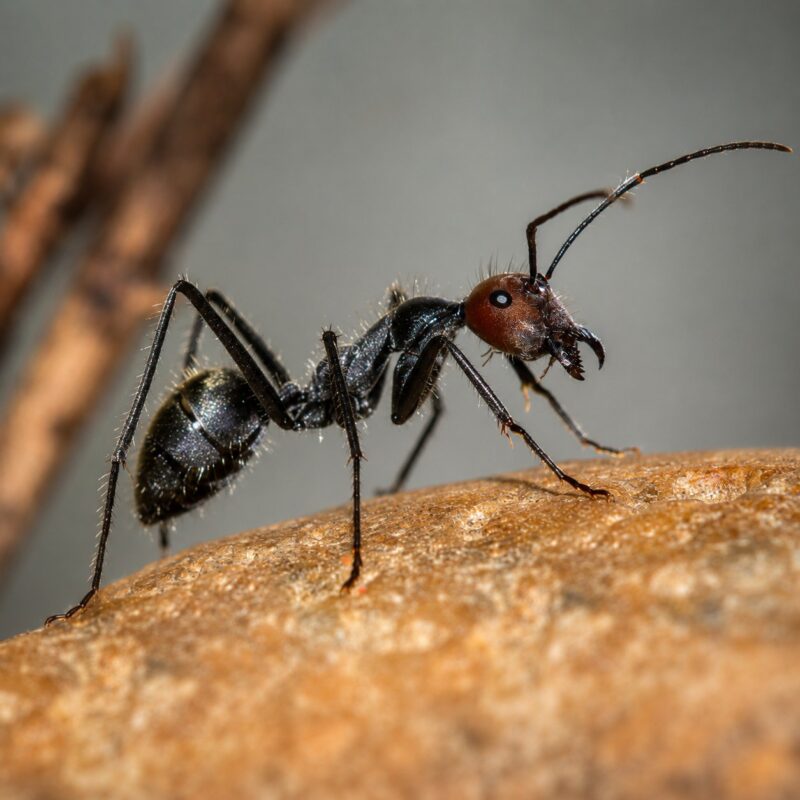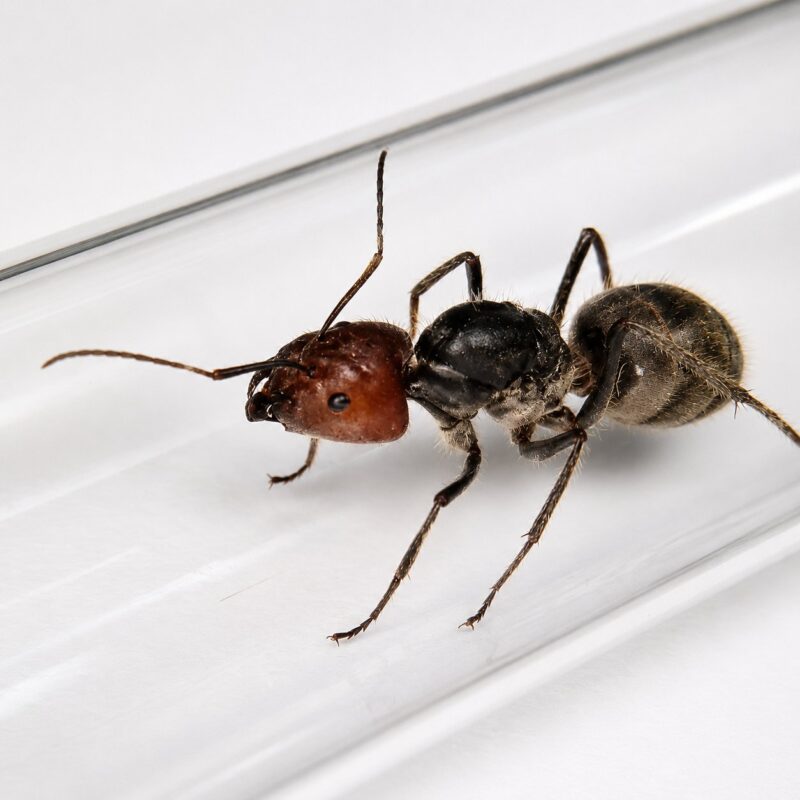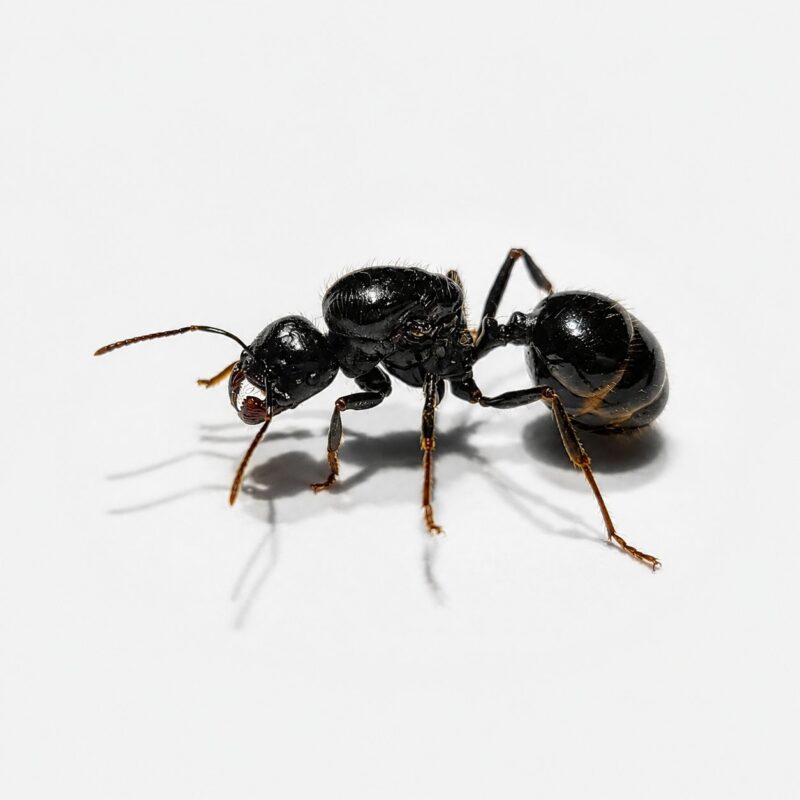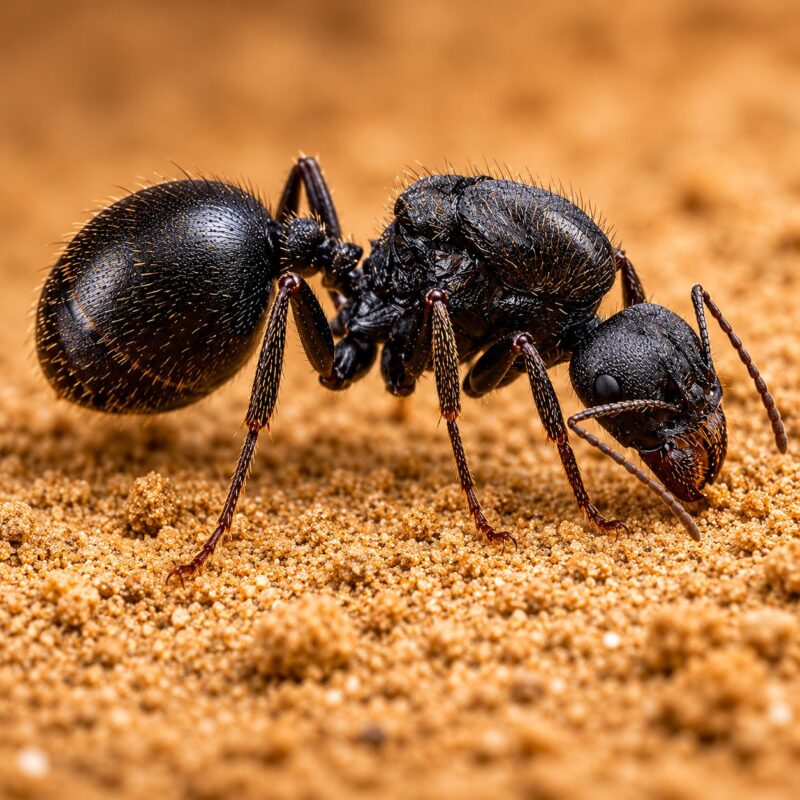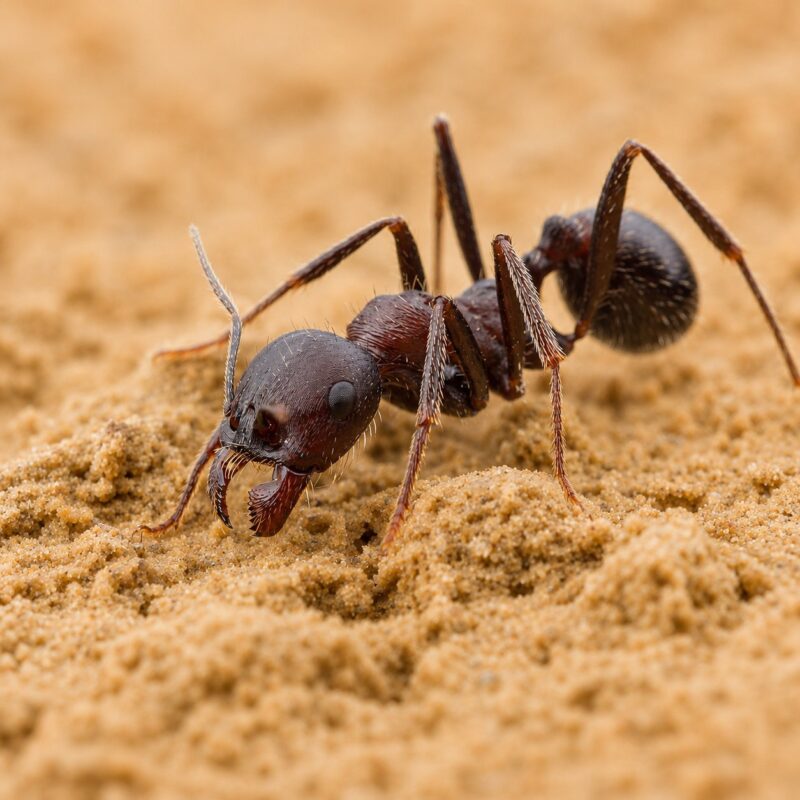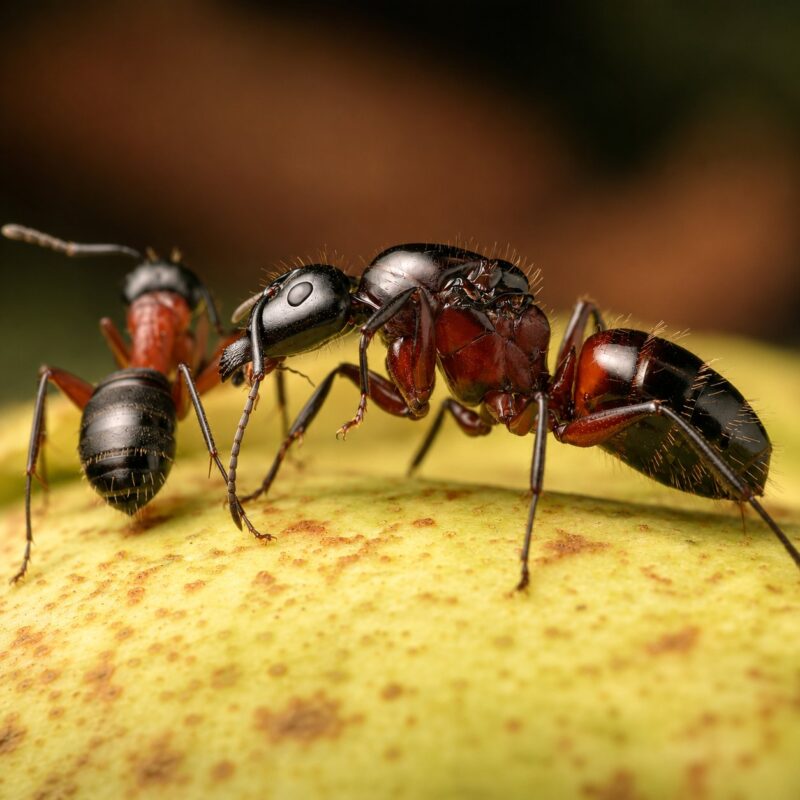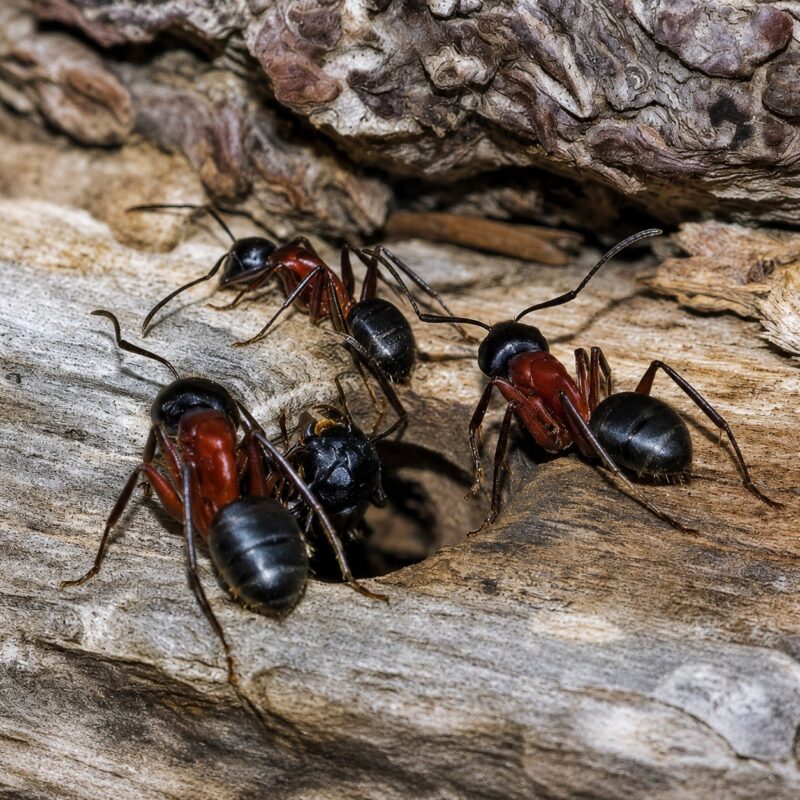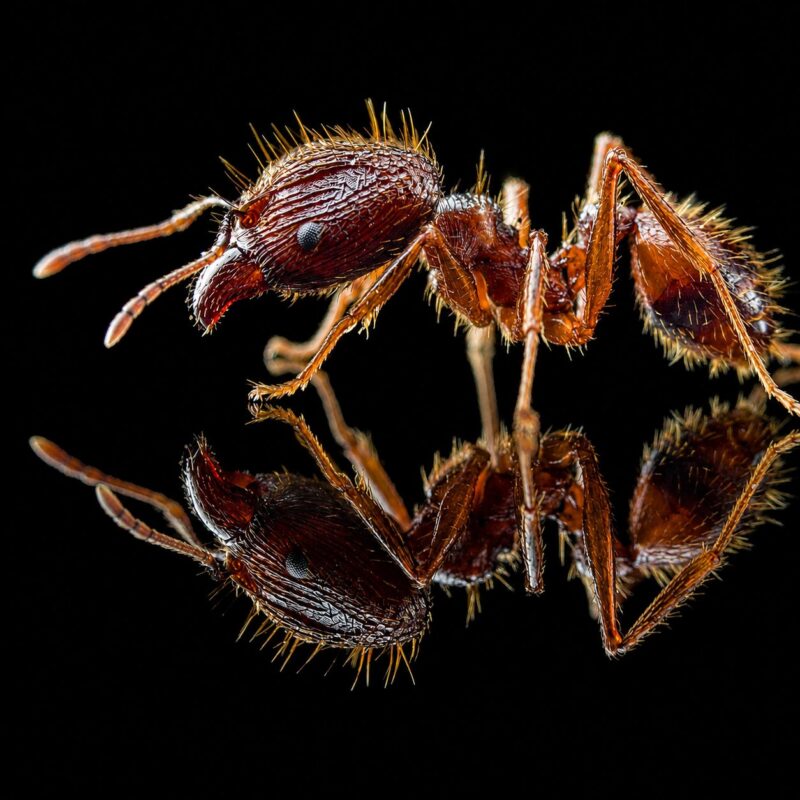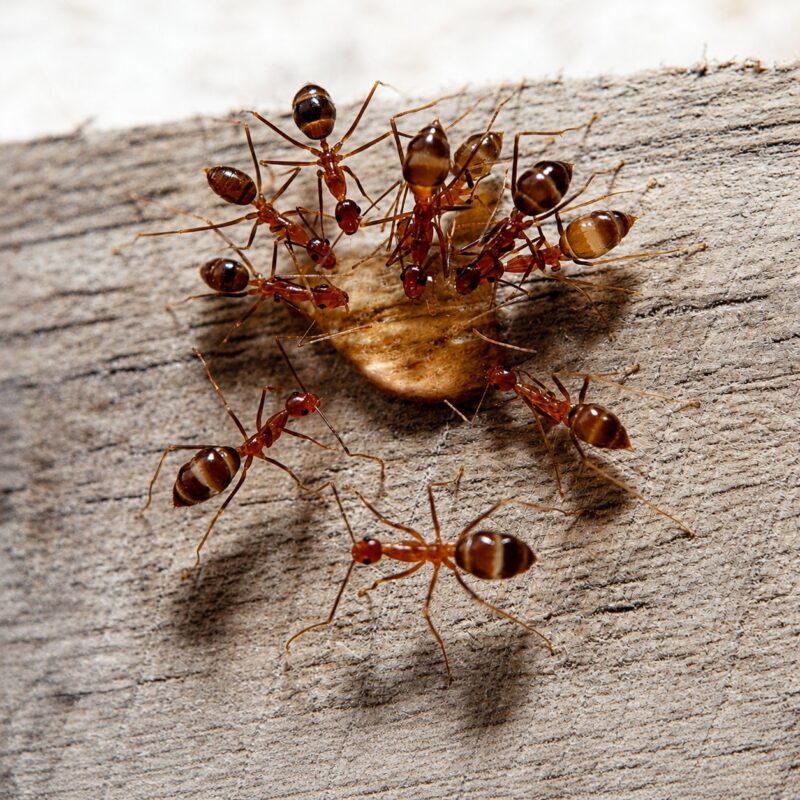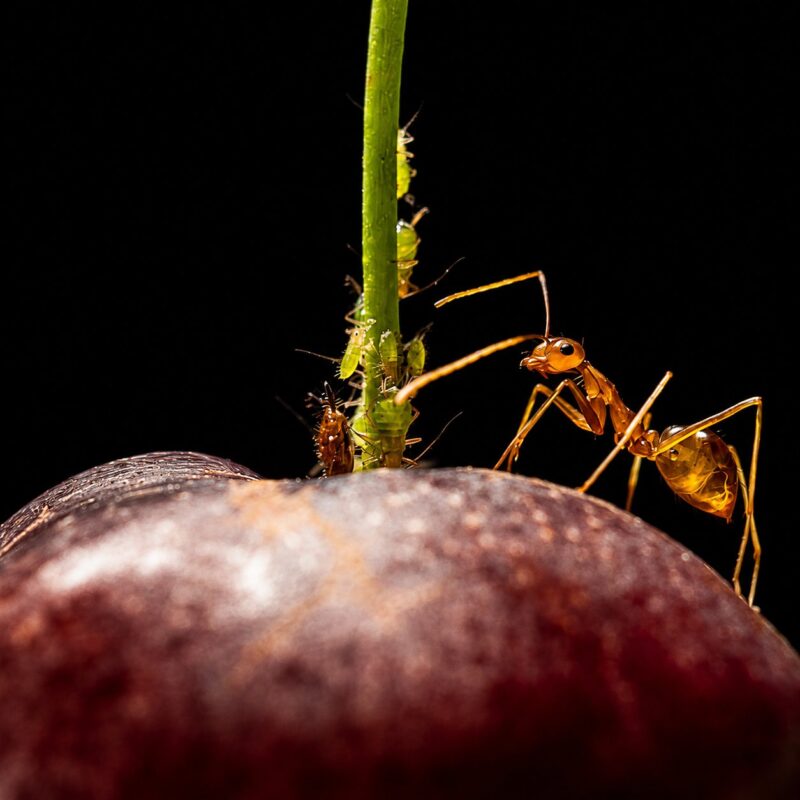

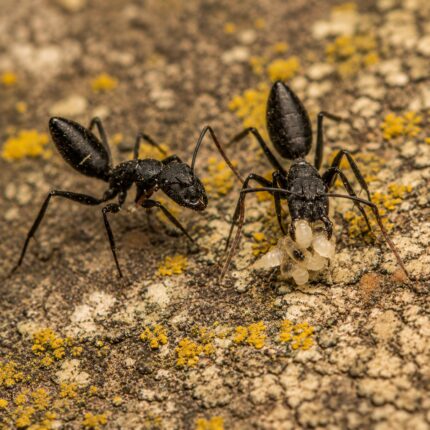
Camponotus consobrinus
529,90 zł – 669,90 złPrice range: 529,90 zł through 669,90 zł
Live Queen Guarantee
Heat Pack & Summer Cooling
Fertilised Queen in Every Colony
Ships Within 24 h
Free Care Guide
24/7 Expert Support
Description
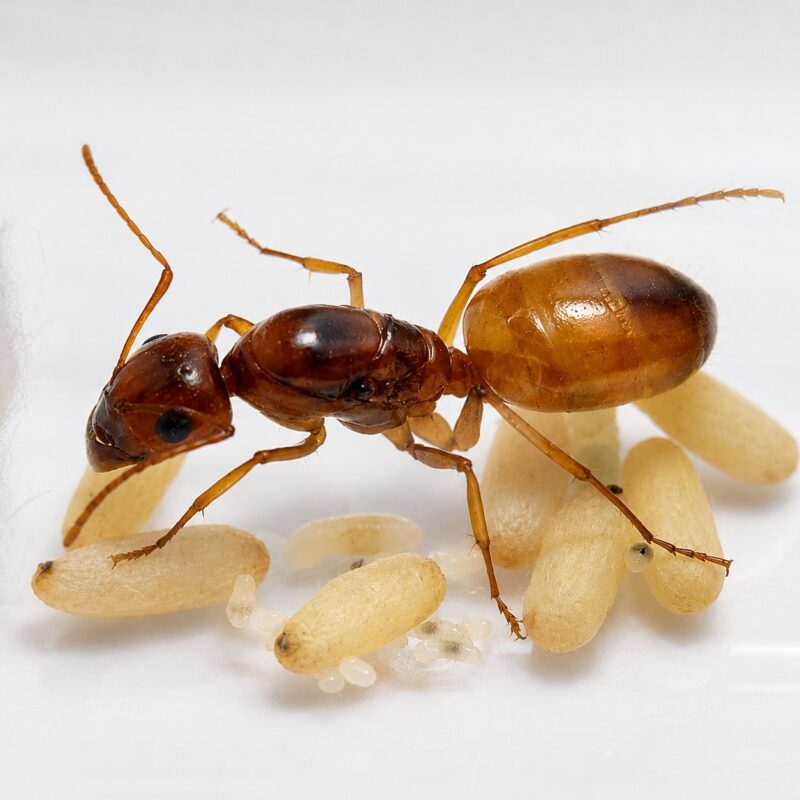
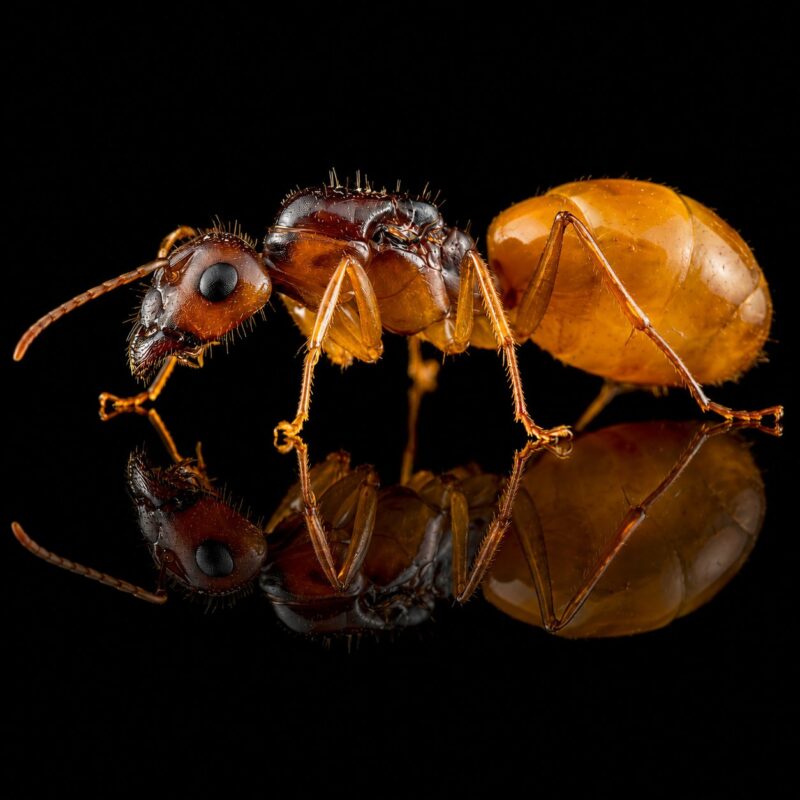
Raise the Australian banded sugar ant, a handsome nocturnal carpenter ant that can build one of the largest colonies in the genus. Add a Camponotus consobrinus colony from ANTonTOP.
Free shipping across Europe over 1299 zł.
DHL / InPost / EMS · ships the EU & worldwide.
Intermediate · Q 16-18 mm / W 5-12 mm / S 12-15 mm · Up to 15,000 workers · Light diapause – brief cool rest · Omnivore · Australia · No sting, mild bite
Additional information
| Behavior | |
|---|---|
| Keeping difficulty | |
| Origin | |
| Ant size | |
| Hibernation | |
| Sting |
No sting |
Camponotus consobrinus – Carpenter ant
| Origin | Australia |
|---|---|
| Difficulty | Intermediate |
| Colony form | Monogyne (1 queen) |
| Max workers | Up to 15,000 workers |
| Queen | 16-18 mm |
| Worker | 5-12 mm |
| Soldier / major | 12-15 mm |
| Founding | Claustral |
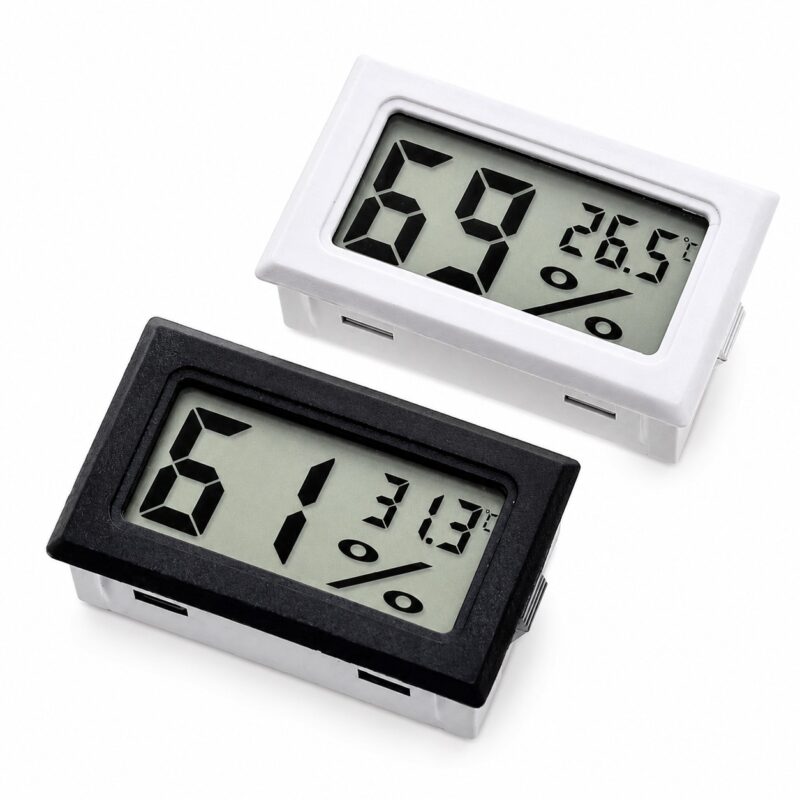
| Temperature | Nest 22-26 °C / Arena 22-27 °C |
| Humidity | Nest 55-70% / Arena 40-60% |
| Hibernation | Light diapause – brief cool rest |
| Diet | Omnivore |
| Sting / bite | No sting, mild bite |
| Egg to first worker | 6-8 weeks |
| Queen lifespan | up to 15 years |
| Nuptial flight | mid-summer (Dec-Jan, S. Hemisphere) |
| Activity | nocturnal |
Camponotus consobrinus is the Australian banded sugar ant, a nocturnal carpenter ant that builds very large colonies and rewards a keeper who can offer a brief cool rest.
Why this species
This is one of Australia’s best-known sugar ants and among the bigger-growing species you can keep, so it appeals to anyone after a large, long-running colony with plenty to manage. The queen can live around fifteen years, making it a serious long-term commitment rather than a quick project. Workers are nocturnal, so most of the action unfolds in the evening and overnight, with steady streams of foragers once the lights go down. It takes a light diapause rather than a deep winter, which is the main thing that nudges it into intermediate territory.
Feeding
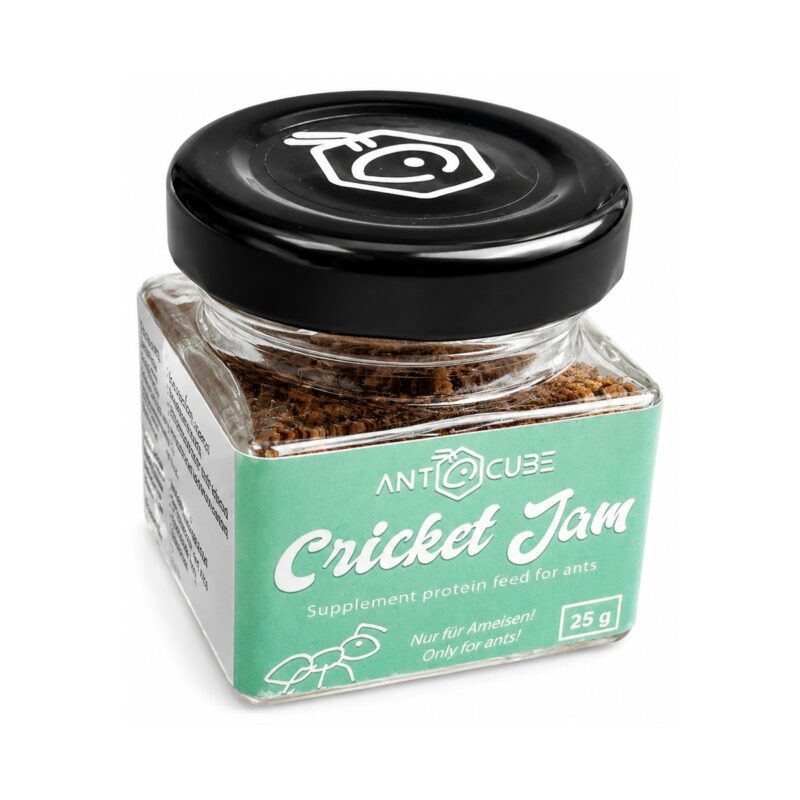
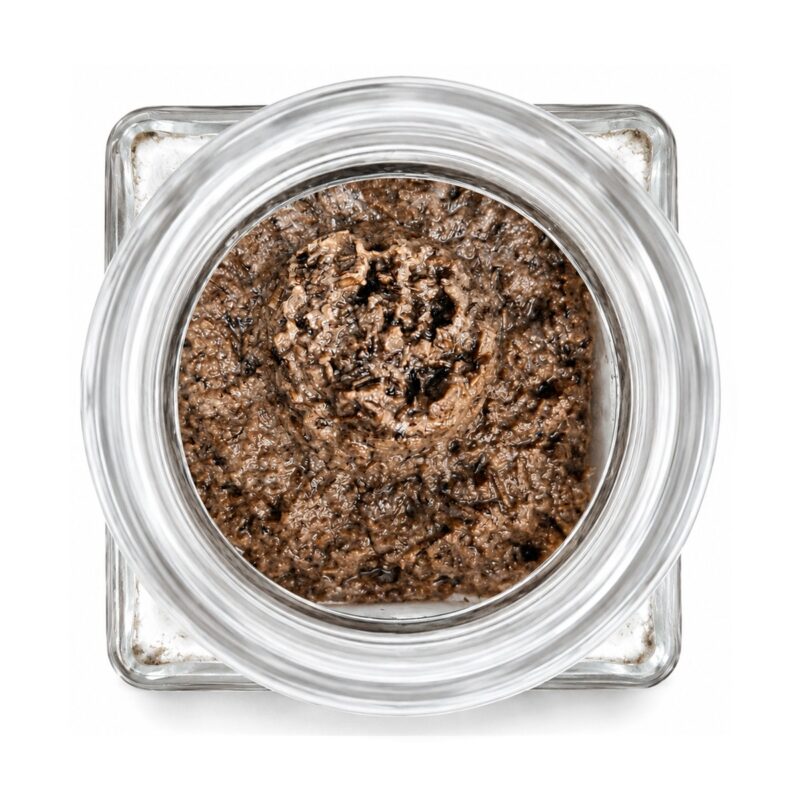
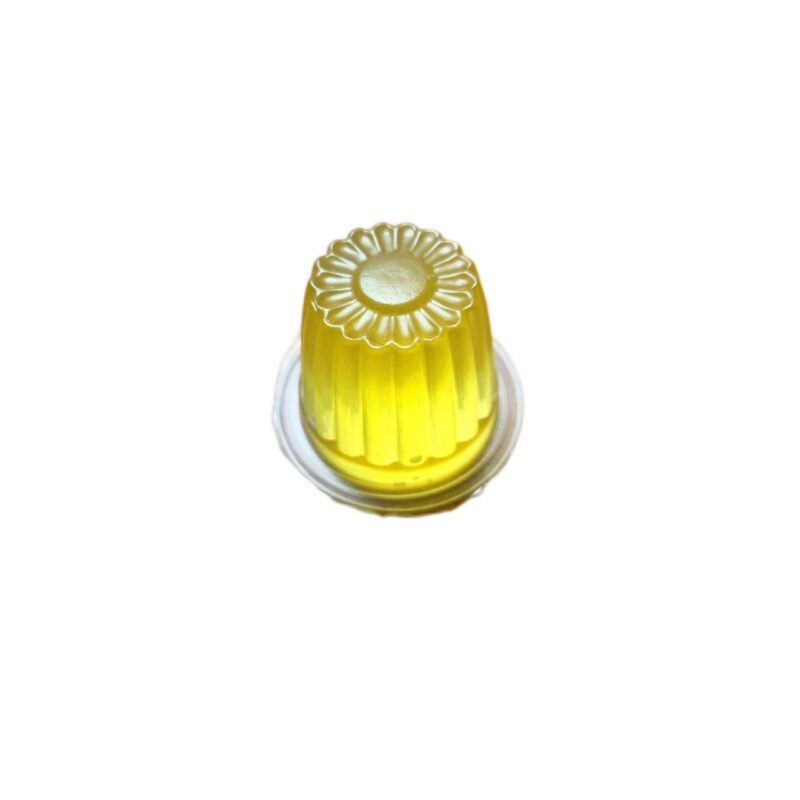
Living up to its sugar-ant name, this species is strongly drawn to sweet liquids, so a generous nectar feeder pays dividends, while insect prey raises the brood. A couple of protein feeds a week keeps the big colony developing.
| Sugar water / honey water | ★★★ |
| Ant nectar / sugar jelly | ★★★ |
| Honey | ★★★ |
| Protein jelly | ★★★ |
| Crickets | ★★★ |
| Cockroaches (Dubia / Turkish) | ★★★ |
| Fruit flies (Drosophila) | ★★★ |
| Houseflies | ★★★ |
| Locusts | ★★ |
| Boiled egg yolk | ★★ |
| Soft fruit (apple, pear, banana) | ★★ |
| Mealworms | ★ |
| Superworms | ★ |
| Boiled lean chicken / shrimp / meat | ★ |
| Dried insects | ★ |
| Soft seeds (poppy, sesame, chia) | ✗ |
| Hard seeds (canary, millet, sunflower) | ✗ |
★★★ readily · ★★ moderately · ★ occasionally · ✗ not eaten
Housing & formicarium
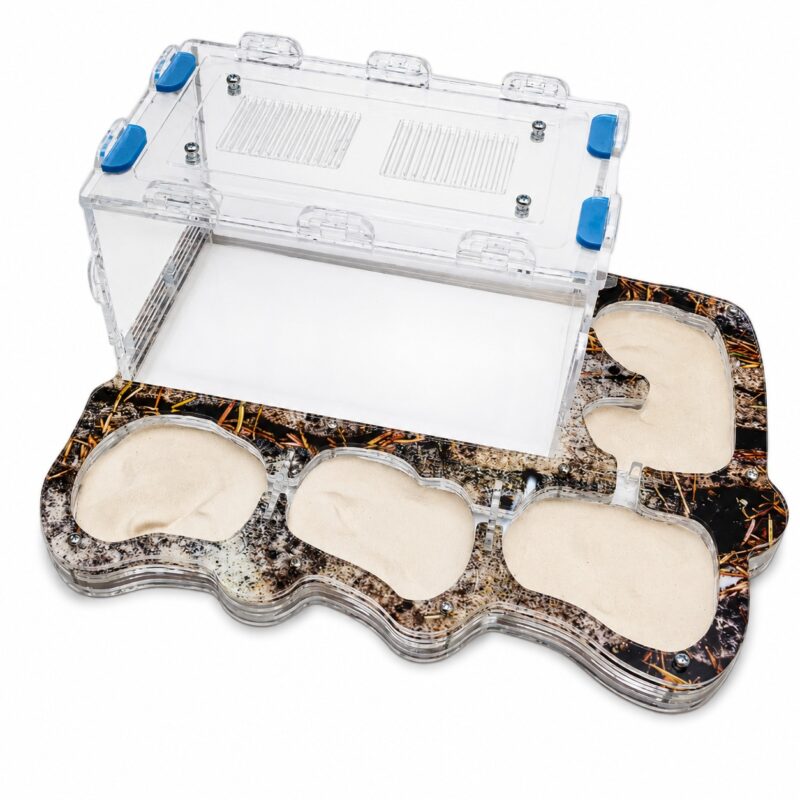
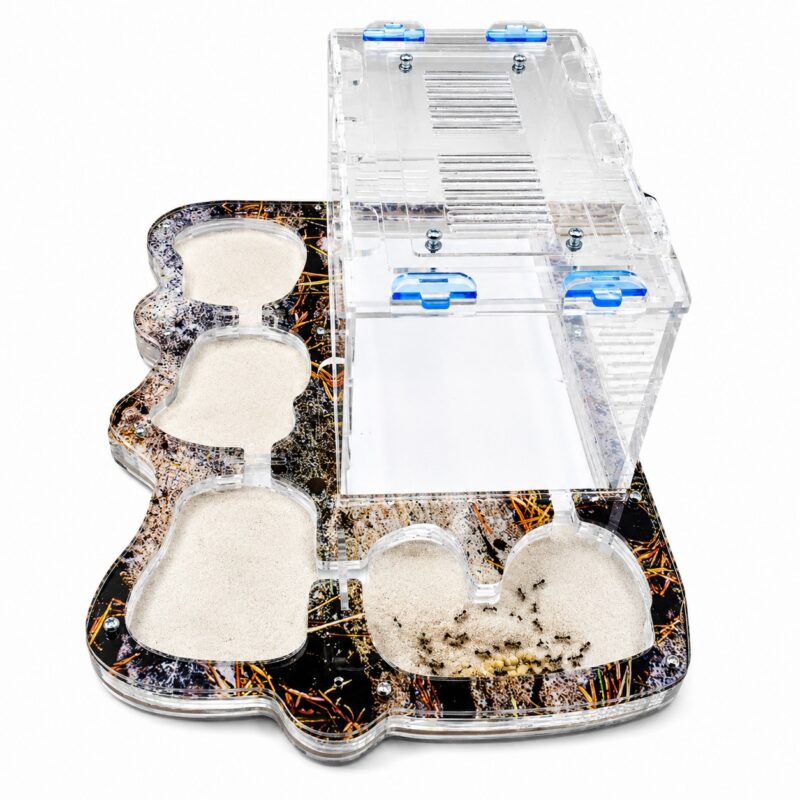
Start this Australian sugar ant in a test tube and move to a ytong, plaster or hybrid nest at 55-70% once nanitics blanket the floor. Plan generously, since the colony can reach many thousands, though the yearly light diapause gives you a natural pause before each expansion. These are nimble climbers active after dark, so keep a reliable fluon, oil, or talc-and-water barrier on the rim. ANTonTOP formicaria and starter kits carry this genus through to a very large colony.
Climate & wintering
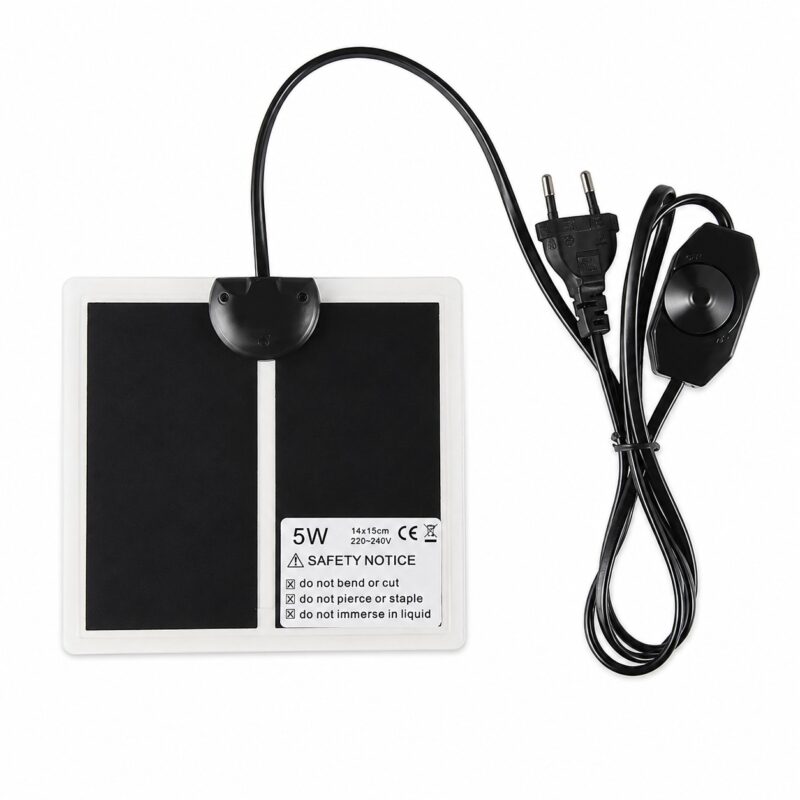
This species takes a light diapause, not a deep winter: offer a short cool rest each year, then return it to normal warmth. For the rest of the year keep the nest at 22-26 °C and the arena at 22-27 °C, with nest humidity 55-70% and the arena at 40-60%. Heat one end only so the colony can move along the gradient as it likes.
Growth forecast + what you receive
Founding is slow, then the colony ramps up strongly and can reach as many as 15,000 workers, among the largest here. Your colony ships as a laying queen with her workers and brood.
Did you know
- Its common name, banded sugar ant, comes from the pale band across the gaster and its strong appetite for sweet liquids and honeydew.
- It is one of the most familiar carpenter ants in southeastern Australia, often seen foraging on trees and around homes at night.
- Nuptial flights happen in the Southern-Hemisphere summer around December and January, the reverse of the European calendar.
- Like all carpenter ants it nests in wood without eating it and defends itself with formic acid rather than a sting.
Frequently asked questions
Is the banded sugar ant good for beginners?
It is rated intermediate, partly for its size and the brief annual cool rest it benefits from, so some experience helps.
Does Camponotus consobrinus need a winter rest?
It takes a light diapause, a short cool rest each year rather than a deep winter.
Does the banded sugar ant sting or bite?
No, only a mild bite and no sting.
How big does the colony get?
Up to 15,000 workers at maturity, one of the largest here.
How large is the queen?
The queen is 16-18 mm.
How fast does it grow?
Founding is slow, then growth accelerates into a very large colony.
What does it eat?
Sugar water or jelly and insects such as crickets and flies; seeds are not eaten.
Will it arrive alive?
Yes, we ship a queen with workers and brood plus a heat or cool pack, dispatched within 24 h with tracking.
Keeping & shipping essentials
Escape prevention. Coat the inner rim of every open arena with fluon (PTFE), or use talc-and-water or an oil barrier as a backup, and keep a tight, fine-mesh lid on top. Check the barrier regularly, since dust, condensation and feeding debris break a fluon line over time. Keep tubing connectors tight and seal any gaps in the nest.
Keeping reminders. Always offer fresh water and never let the nest dry out completely. Give carbohydrates continuously and protein a few times a week, and remove uneaten insect prey within 24 hours before it moulds. Keep the formicarium out of direct sunlight and away from constant vibration, which stresses a young colony. A water-filled test tube plugged with cotton makes an ideal spare incubator whenever you need one.
Before you buy – do not rehouse too early. Have a test-tube setup or a small formicarium with an outworld and a working barrier ready before your colony arrives. A founding colony grows slowly at first, which is normal. Moving a small colony into a large nest too soon invites mould, mites and stress, and the workers die off one by one. Keep the colony in its open test tube on the arena, plug the nest entrance with cotton, and open up the next chambers only once the colony fills roughly 10-15% of the space.
What we ship. Every colony ships with a live-arrival guarantee, backed by our 24h unboxing-video guarantee: if the queen does not arrive alive, we reship free. Parcels travel with DHL, InPost (PL) or EMS, with a heat or cold pack to suit the season, packed discreetly and securely. We ship across the EU and worldwide, with free shipping over the Europe threshold.