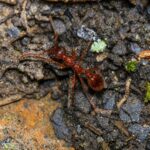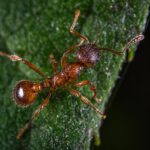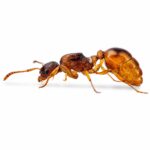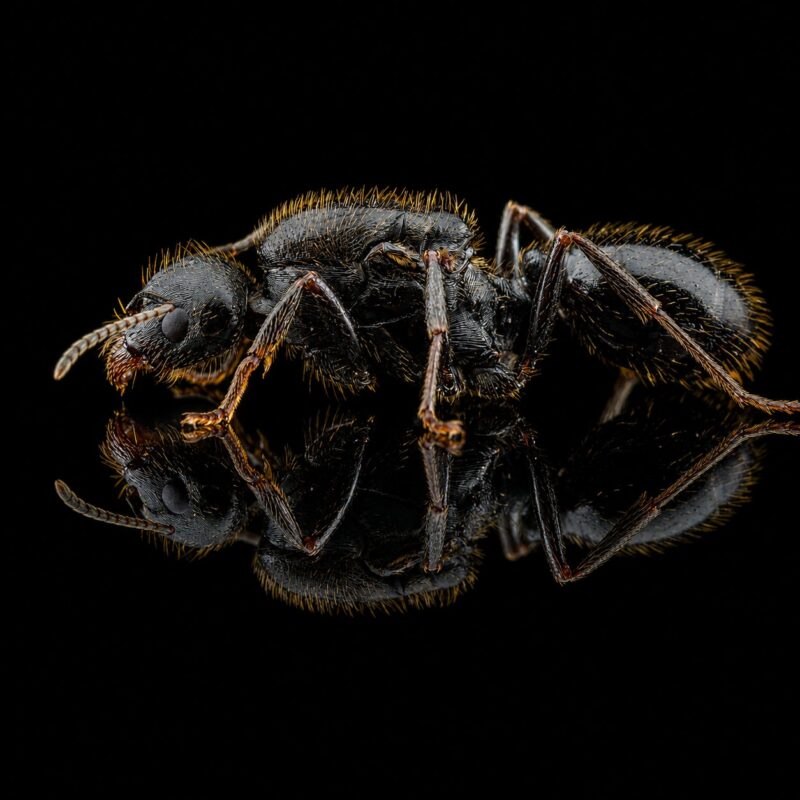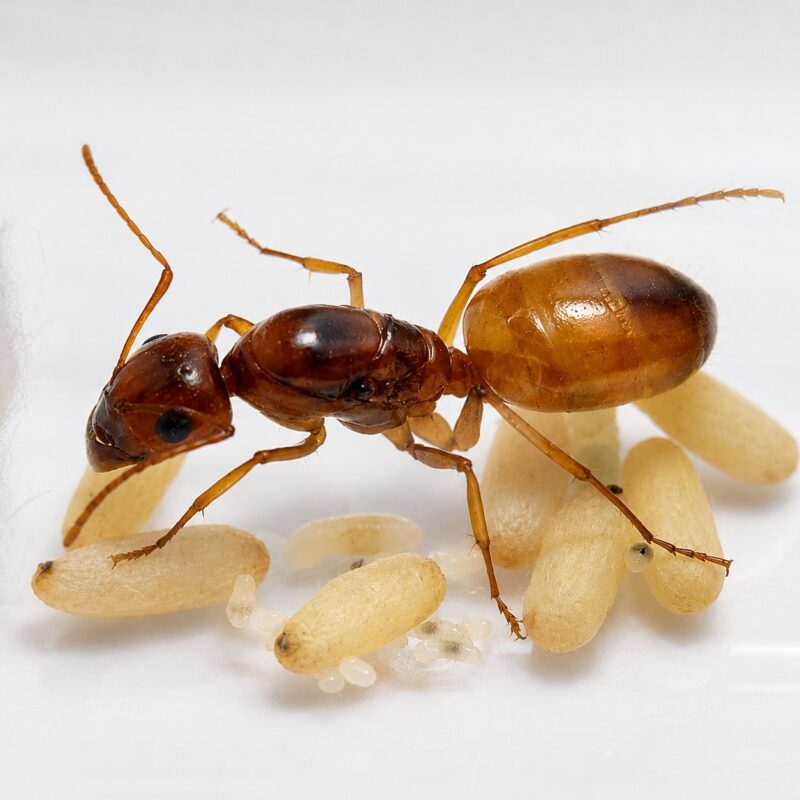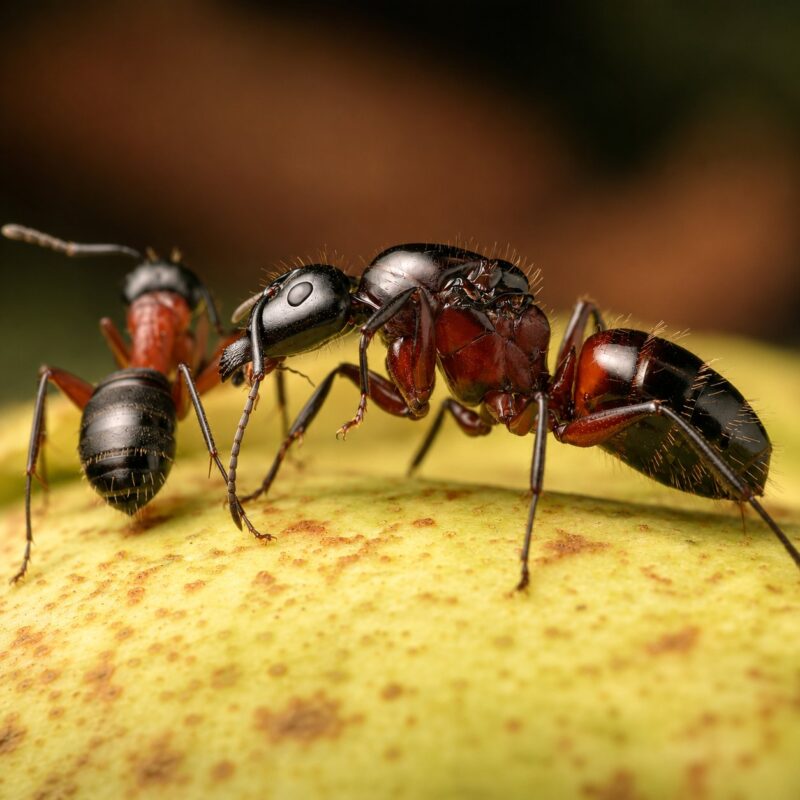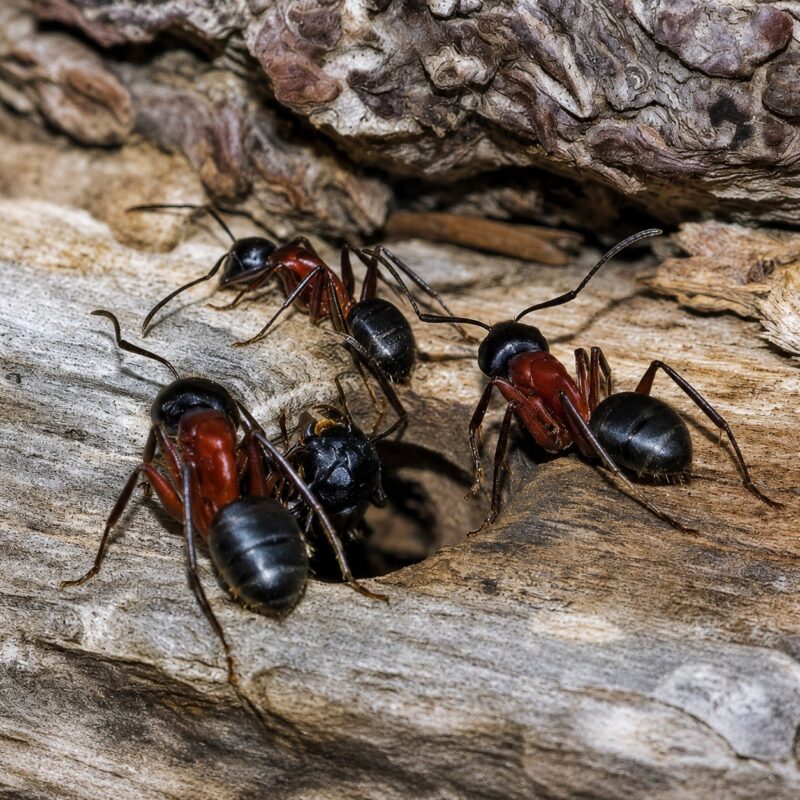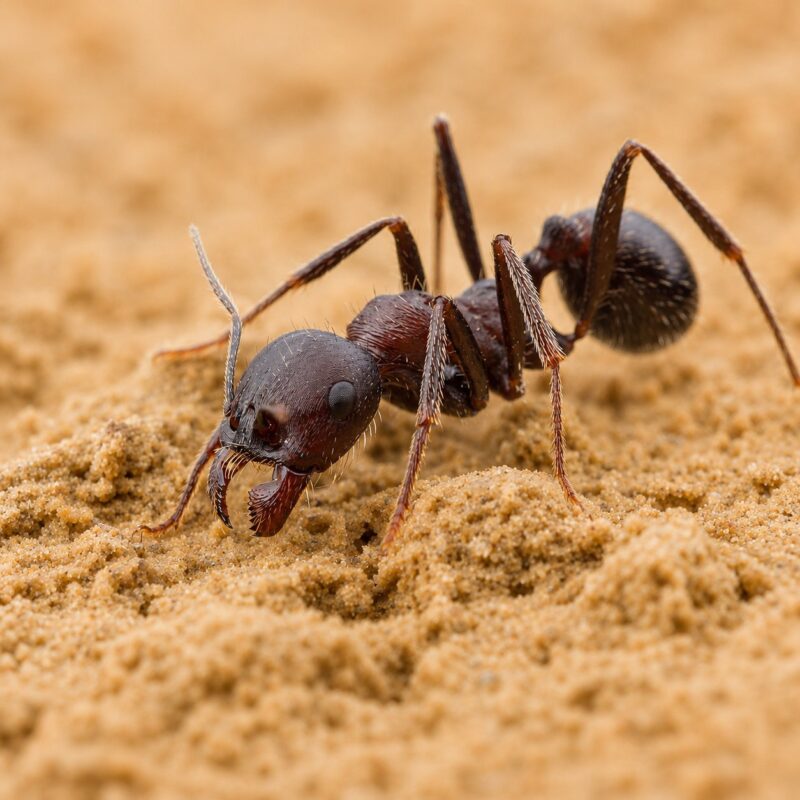

Camponotus consobrinus major worker — robust thorax and large heads carpenter ant found around the world, live colony at ANTonTOP
Camponotus consobrinus Price range: 529,90 zł through 669,90 zł
Back to products
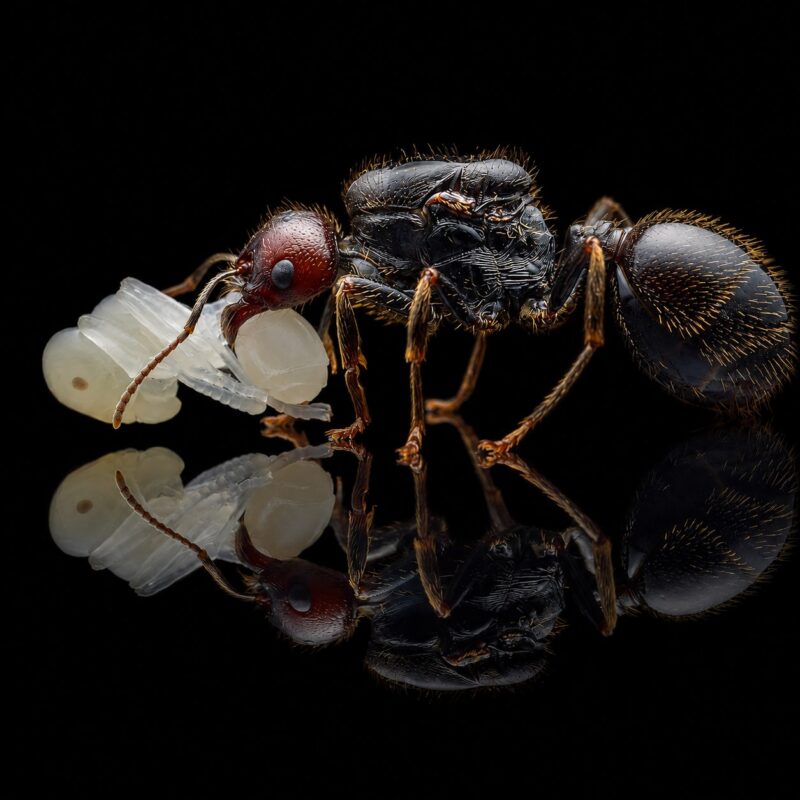
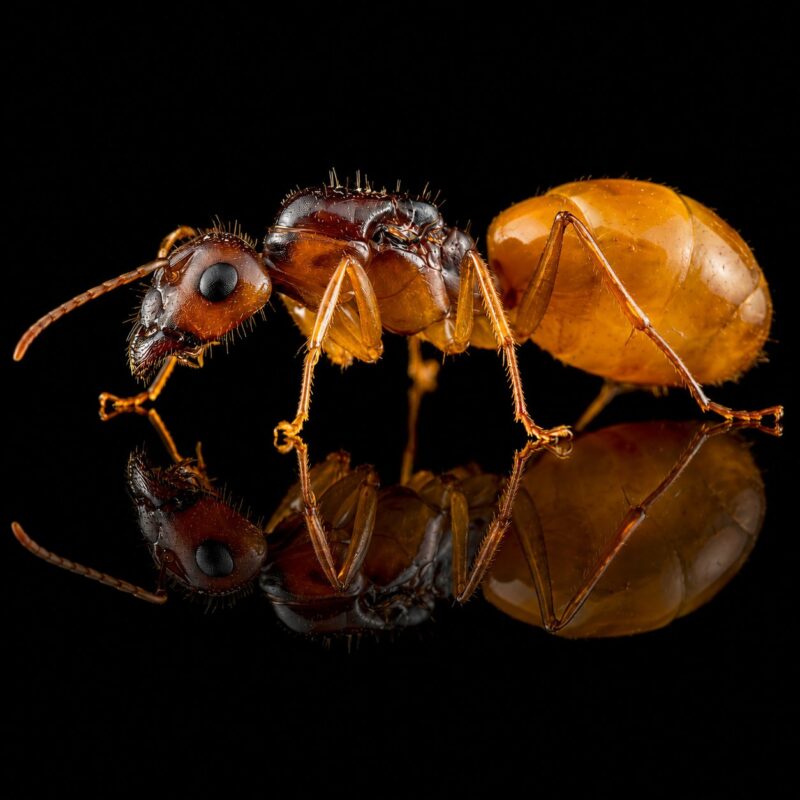
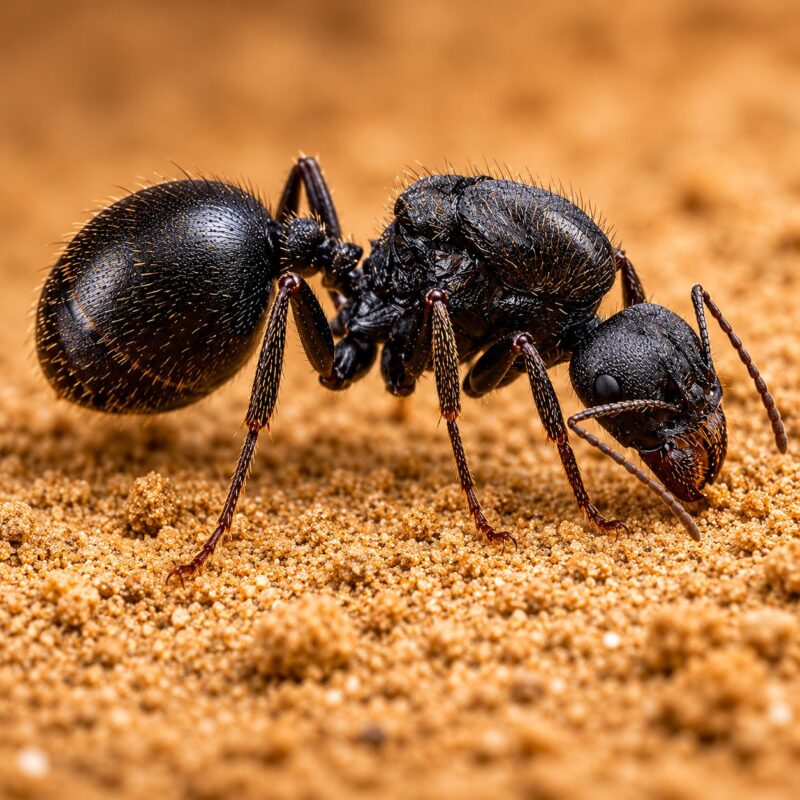
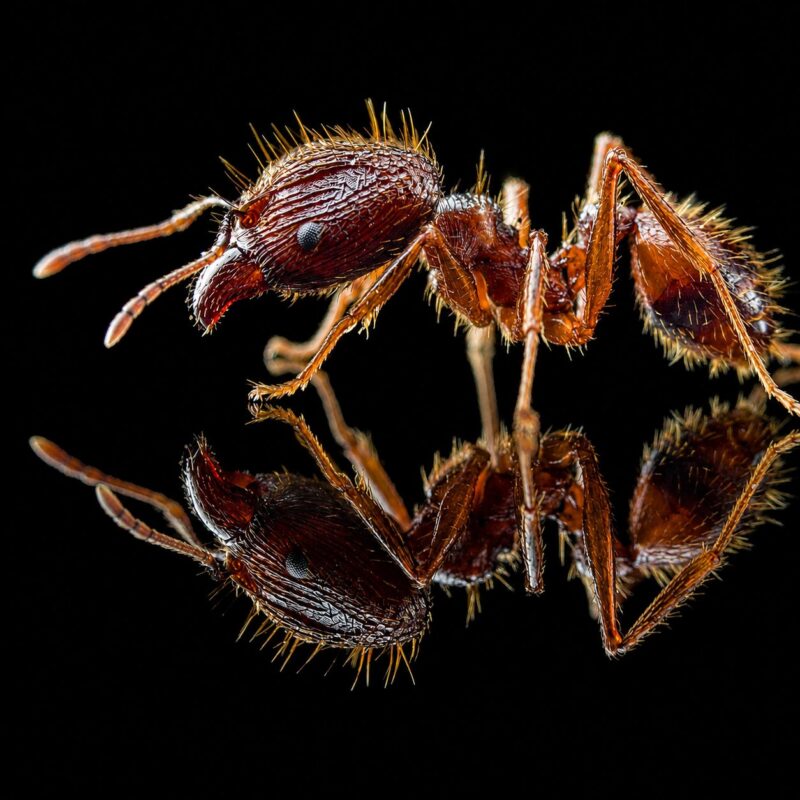
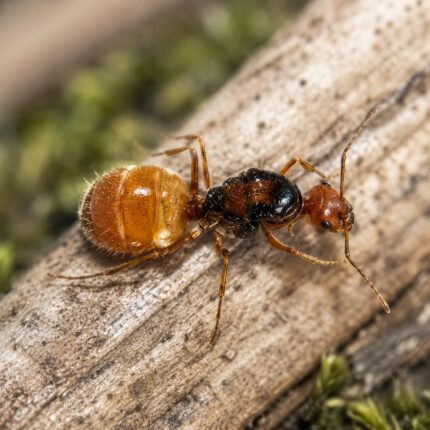
Myrmecocystus kennedyi major worker — workers with enlarged amber-coloured gasters honeypot ant from the North American deserts, live colony at ANTonTOP
Myrmecocystus kennedyi Price range: 549,90 zł through 869,90 zł

Myrmica rubra

Price range: 49,90 zł through 189,90 zł

Add 500,00  to cart and get free shipping!
Arrives alive and ready to lay, or we reship

Live Queen Guarantee

Warm in winter, insulated against summer heat

Heat Pack & Summer Cooling

Ready to grow from day one

Fertilised Queen in Every Colony

Packed fast, dispatched with tracking

Ships Within 24 h

Setup and feeding tips for your species

Free Care Guide

Fast answers from real ant keepers

24/7 Expert Support
Description

Keep a true four-season colony: the European fire ant runs lively trails through summer, takes a real winter rest, and founds on a broad multi-queen base for a fast, resilient build. Start your Myrmica rubra colony at ANTonTOP.

Live arrival + 24h unboxing-video guarantee.
Free shipping across Europe over 1299 zł.
DHL / InPost / EMS · ships the EU & worldwide.

Intermediate · Q 5-7 mm / W 4-5.5 mm · Up to 10,000 workers · Winter rest at 5-10 °C for 4 months mandatory · Omnivore · Sweden (Europe and northern Asia) · Sting (painful, can cause reactions)

Additional information

Behavior

Keeping difficulty

Origin

Ant size

Hibernation

Sting

Has sting

Description

Myrmica rubra – European fire ant

Origin Sweden (Europe and northern Asia)
Difficulty Intermediate
Colony form Polygyne (2+ queens)
Max workers Up to 10,000 workers
Queen 5-7 mm
Worker 4-5.5 mm
Soldier / major
Founding Claustral
Temperature Nest 16-22 °C / Arena 18-24 °C
Humidity Nest 65-80% / Arena 55-70%
Hibernation Winter rest at 5-10 °C for 4 months mandatory
Diet Omnivore
Sting / bite Sting (painful, can cause reactions)
Egg to first worker ~6 weeks
Queen lifespan 2-3 years
Nuptial flight late Jul-mid Aug
Activity both (day and night)

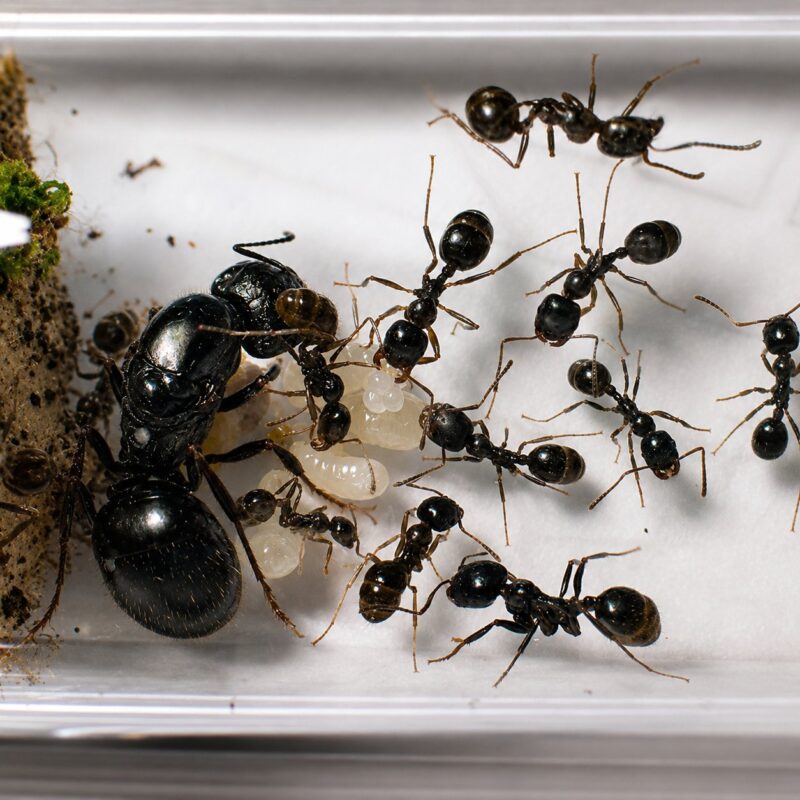
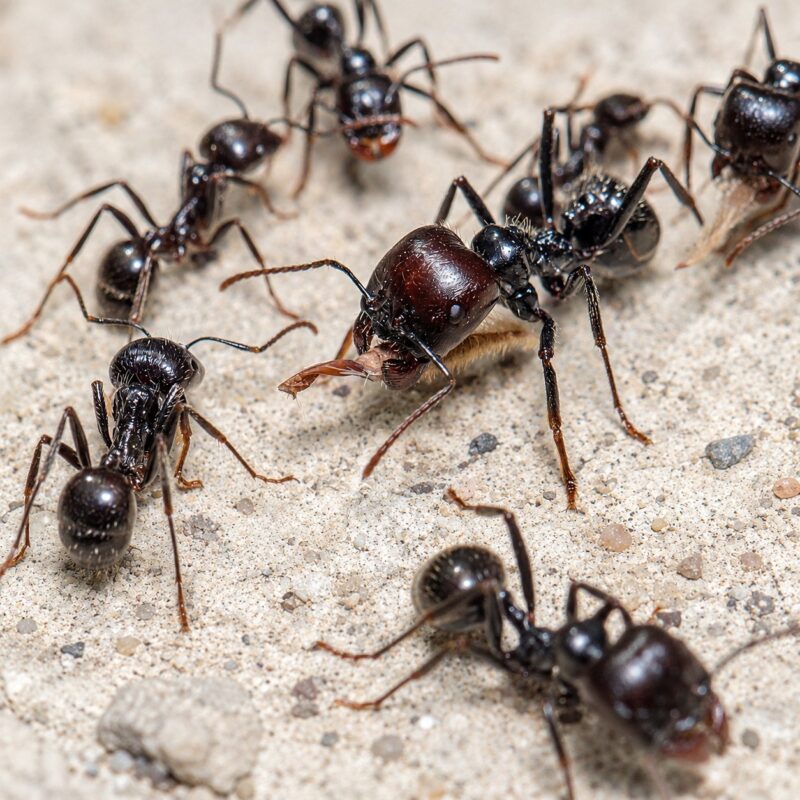
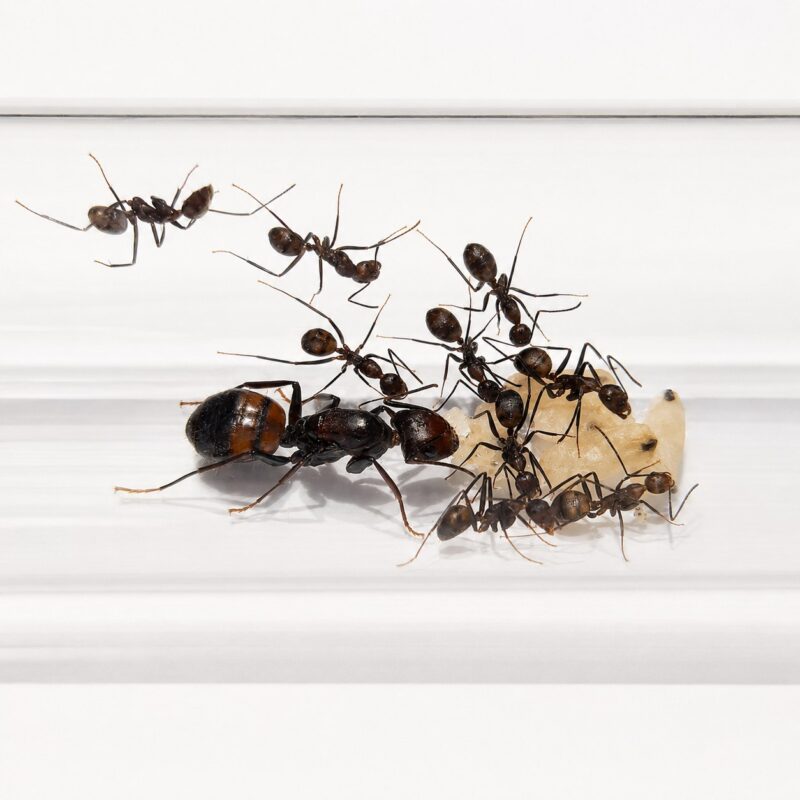
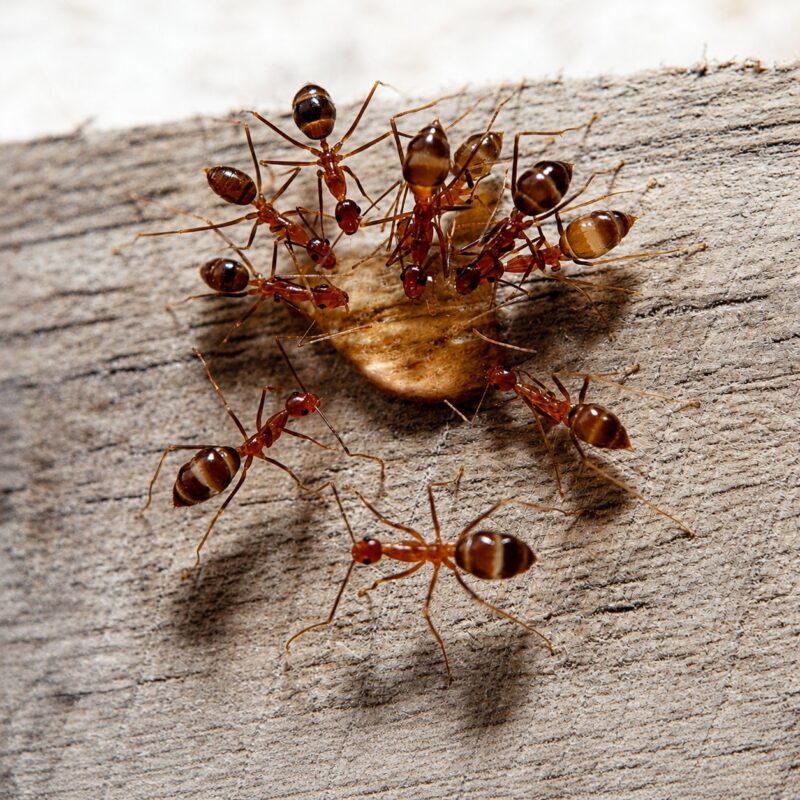
Myrmica rubra, the European fire ant, is a hardy red ant that founds with several queens and stings if provoked. A lively intermediate colony for a keeper who can give it a real winter rest.


Why this species

The European fire ant is a familiar sight across cool northern Europe, and that hardiness carries over into the formicarium: it founds with several queens, takes setbacks in its stride, and builds into a busy, populous colony. Native from Sweden eastward through Europe and northern Asia, it is a cool-climate ant to its core, with one firm condition behind its Intermediate rating: it must have a proper winter rest every year, no exceptions. The sting is real and can provoke a reaction in sensitive people, so it suits a keeper who is happy to handle the arena with respect. Manage the seasonal cycle and it is a sturdy, rewarding colony.


Feeding

An omnivore that runs the workers on sugars and feeds the brood on protein. Workers take sweet liquids freely and hunt or scavenge insects for the larvae. Keep sugar available and offer protein two or three times a week.

Sugar water / honey water ★★★
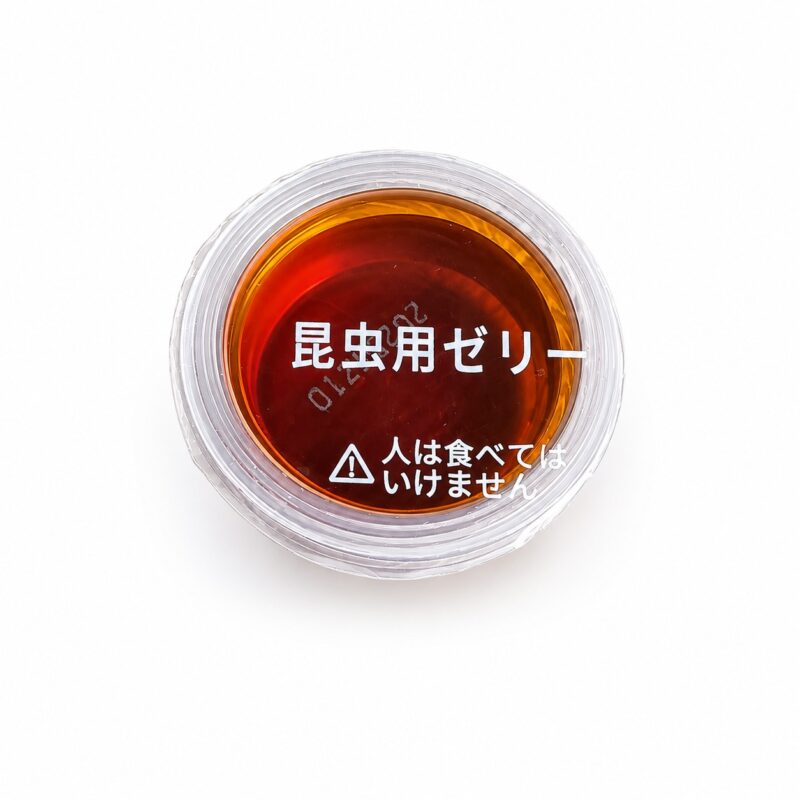
Ant nectar / sugar jelly ★★★
Honey ★★★
Protein jelly ★★★
Crickets ★★★
Cockroaches (Dubia / Turkish) ★★★
Fruit flies (Drosophila) ★★★
Houseflies ★★★
Locusts ★★
Boiled egg yolk ★★
Mealworms
Superworms
Boiled lean chicken / shrimp / meat
Soft fruit (apple, pear, banana)
Dried insects
Soft seeds (poppy, sesame, chia)
Hard seeds (canary, millet, sunflower)

★★★ readily · ★★ moderately · ★ occasionally · ✗ not eaten


Housing & formicarium

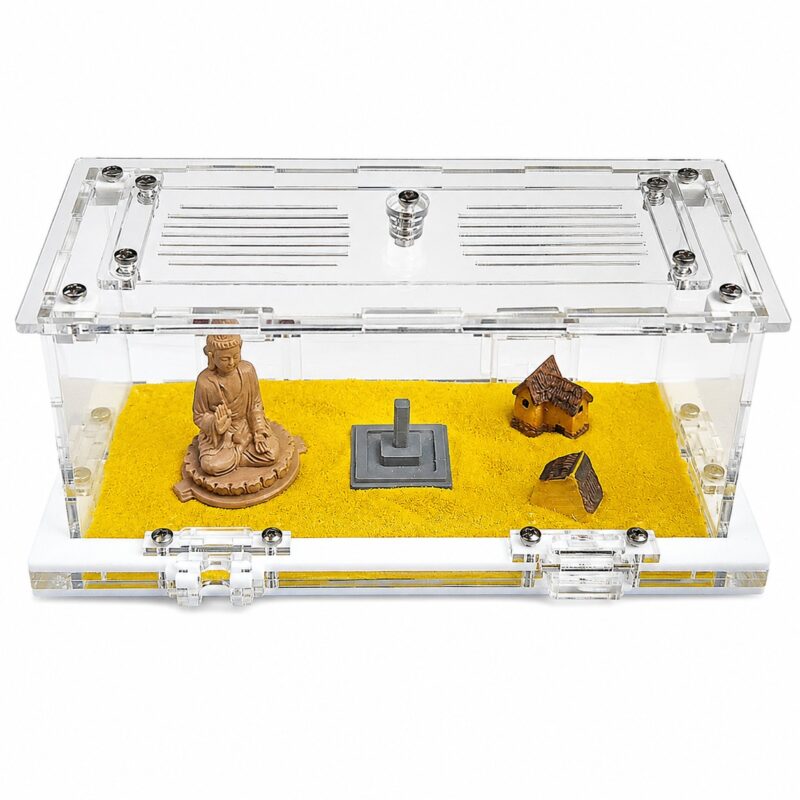
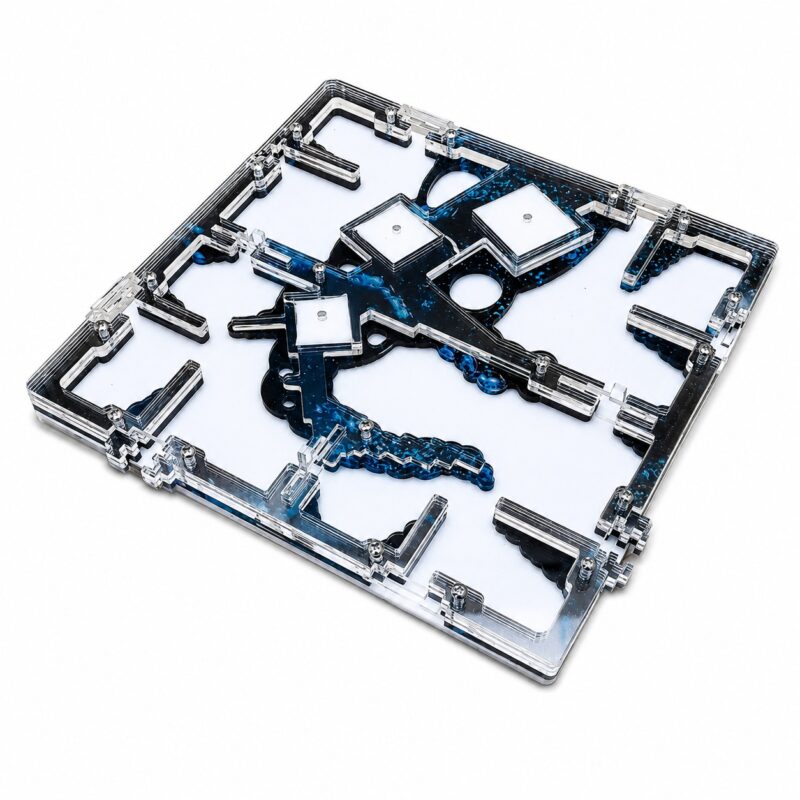
Start the colony in a test tube, then move to a moist nest once the first workers cover the base. As a cool-climate European ant it wants a reliably damp Ytong or hybrid nest kept on the cool side, plus a hard winter rest in the chosen nest each year, so set it where the whole unit can be cooled for diapause. These workers are quick and agile, so keep a firm fluon (PTFE), oil, or talc and water barrier on the rim. An ANTonTOP formicarium or starter kit supplies the damp nest, arena and barrier together.


Climate & wintering

A cool-climate European ant, so keep the nest at 16-22 °C and the arena at 18-24 °C rather than warm. Hold humidity high, 65-80% in the nest and 55-70% in the arena, and keep the nest reliably moist. The winter rest is not optional: give a full 4 months at 5-10 °C every year before warming the colony back up.


Growth forecast + what you receive

Growth runs steadily through the warm months and stops dead over the mandatory winter rest, with the first eggs taking about 6 weeks to develop. Over several seasons the colony can reach up to 10,000 workers. It arrives as a queen or queens with workers and brood.


Did you know

  • Carried to North America in soil and plants, this European ant is now an aggressive invader in parts of the northeastern United States and Canada, where dense nests overrun gardens.
  • Its sting really does work on humans and can raise welts, which is unusual among the small ants of temperate Europe.
  • Myrmica nests are the secret nursery of large blue butterflies (Phengaris/Maculinea): the caterpillars trick the ants into carrying them inside, then live as parasites eating ant brood.
  • New colonies often spread by budding, with mated queens and workers simply walking off to start a satellite nest nearby rather than flying far.

Frequently asked questions

Is Myrmica rubra good for beginners?

It is rated Intermediate, mainly because it needs a strict winter rest and it stings.

Does the European fire ant need a winter rest?

Yes. A winter rest at 5-10 °C for 4 months is mandatory every year.

Does Myrmica rubra sting?

Yes, it stings and the sting can cause reactions, so handle with care.

How large can a Myrmica rubra colony get?

Up to 10,000 workers over time.

How big is the queen and how big are the workers?

The queen measures 5-7 mm, with workers at 4-5.5 mm.

How fast does it grow?

The first eggs take about 6 weeks, then growth is steady through the warm season and pauses over winter rest.

What does it eat?

Sugar water and nectar or jelly for energy, plus regular insects like crickets and flies for protein.

Will it arrive alive?

Yes. It ships with workers and brood, plus a heat or cool pack, sent within 24 h with tracking for a safe live arrival.


Keeping & shipping essentials

Escape prevention. Coat the inner rim of every open arena with fluon (PTFE), or use talc-and-water or an oil barrier as a backup, and keep a tight, fine-mesh lid on top. Check the barrier regularly, since dust, condensation and feeding debris break a fluon line over time. Keep tubing connectors tight and seal any gaps in the nest.

Keeping reminders. Always offer fresh water and never let the nest dry out completely. Give carbohydrates continuously and protein a few times a week, and remove uneaten insect prey within 24 hours before it moulds. Keep the formicarium out of direct sunlight and away from constant vibration, which stresses a young colony. A water-filled test tube plugged with cotton makes an ideal spare incubator whenever you need one.

Before you buy – do not rehouse too early. Have a test-tube setup or a small formicarium with an outworld and a working barrier ready before your colony arrives. A founding colony grows slowly at first, which is normal. Moving a small colony into a large nest too soon invites mould, mites and stress, and the workers die off one by one. Keep the colony in its open test tube on the arena, plug the nest entrance with cotton, and open up the next chambers only once the colony fills roughly 10-15% of the space.

What we ship. Every colony ships with a live-arrival guarantee, backed by our 24h unboxing-video guarantee: if the queen does not arrive alive, we reship free. Parcels travel with DHL, InPost (PL) or EMS, with a heat or cold pack to suit the season, packed discreetly and securely. We ship across the EU and worldwide, with free shipping over the Europe threshold.

Complete Your Setup
Reviews
0 reviews
0
0
0
0
0

There are no reviews yet.

Be the first to review “Myrmica rubra”

Your email address will not be published. Required fields are marked *

Bestsellers