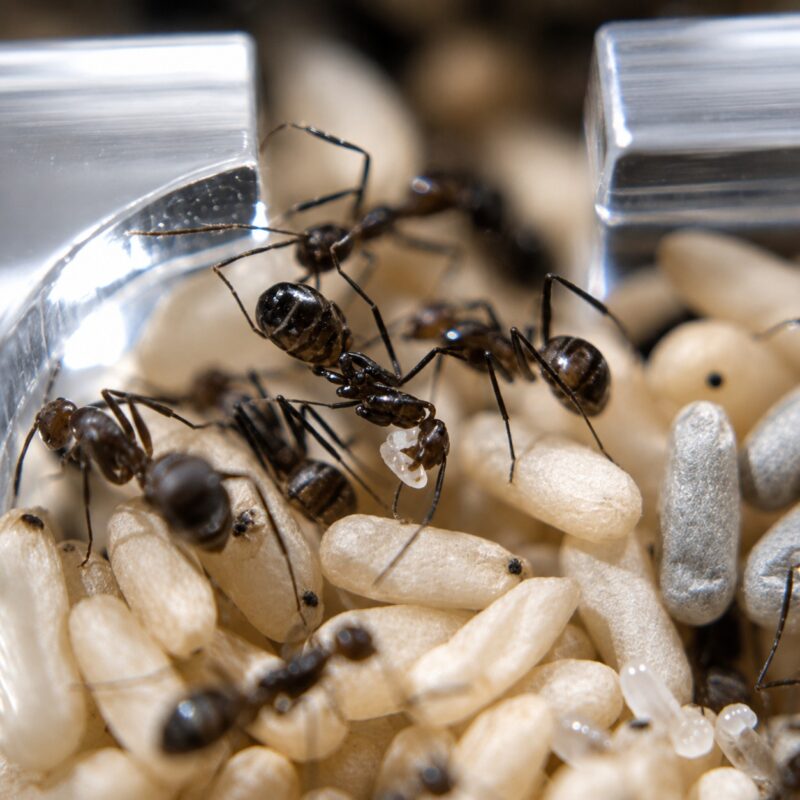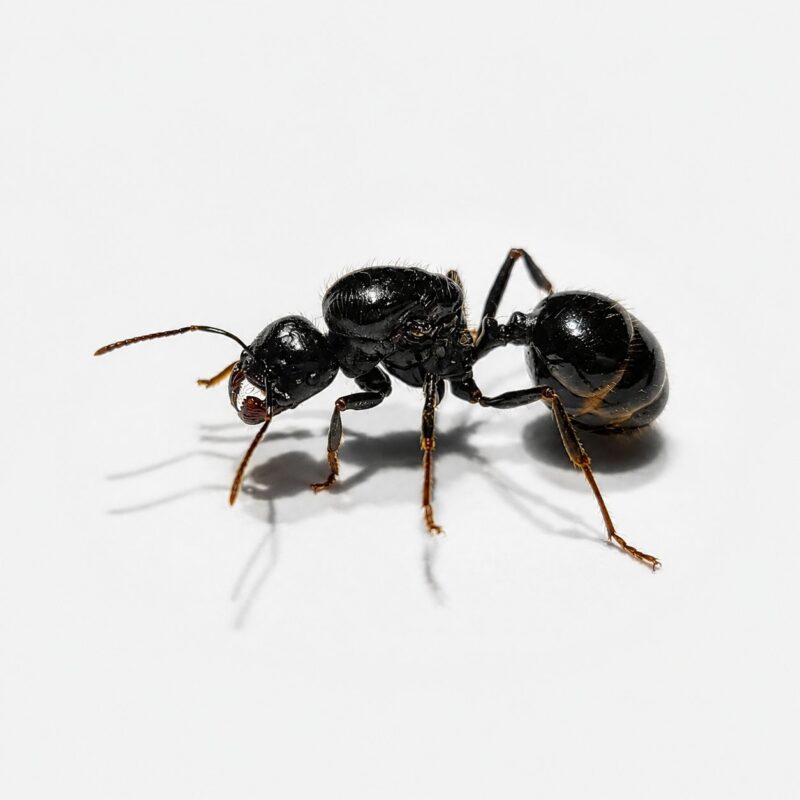

Myrmecia comata

2299,90 

For Experts
No hibernation
Add 500,00  to cart and get free shipping!
Arrives alive and ready to lay, or we reship

Live Queen Guarantee

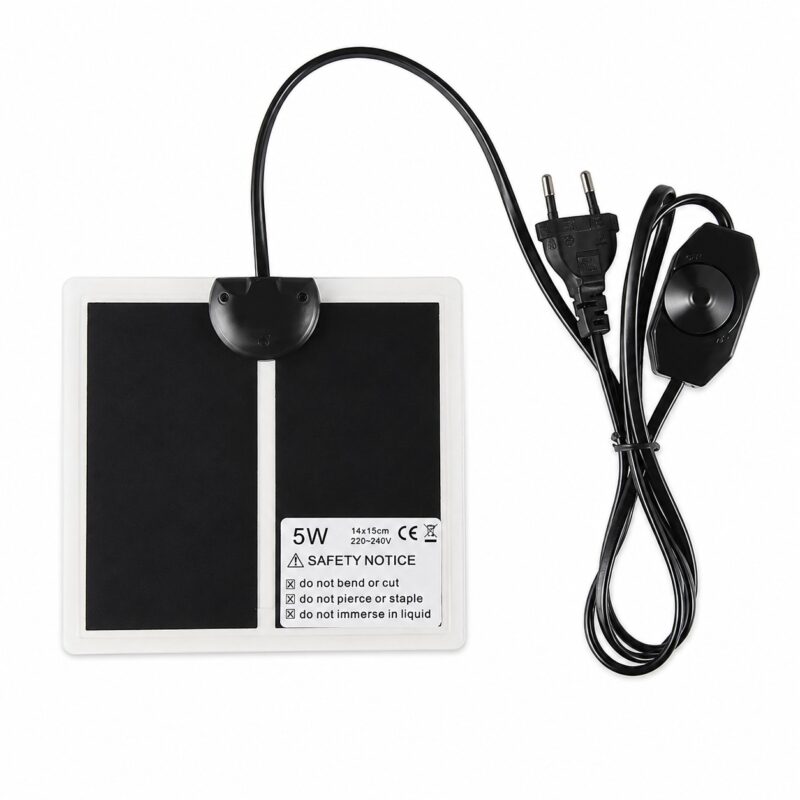
Warm in winter, insulated against summer heat

Heat Pack & Summer Cooling

Ready to grow from day one

Fertilised Queen in Every Colony

Packed fast, dispatched with tracking

Ships Within 24 h

Setup and feeding tips for your species

Free Care Guide

Fast answers from real ant keepers

24/7 Expert Support
Description

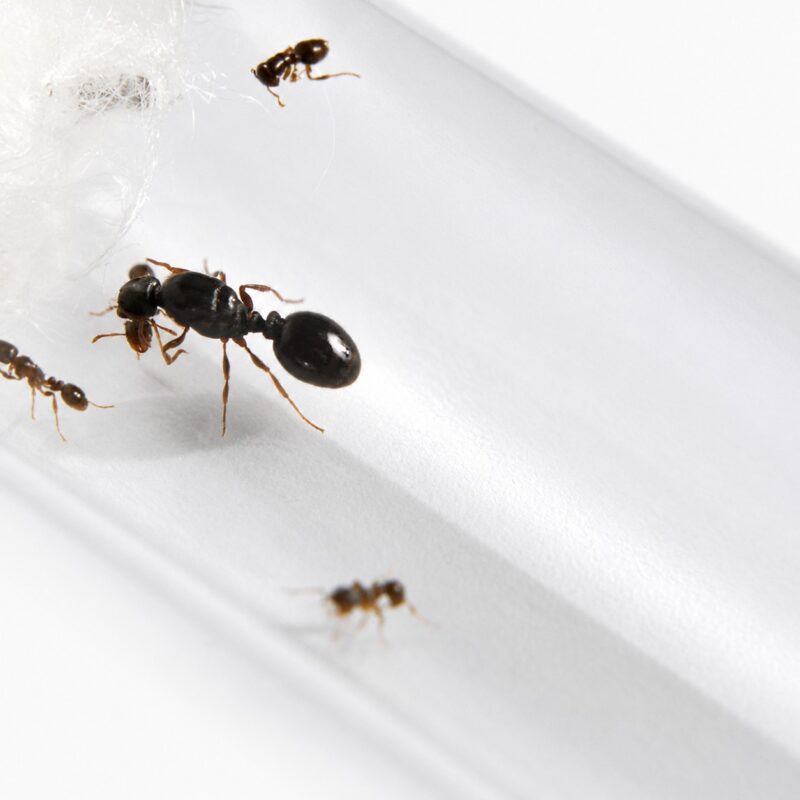
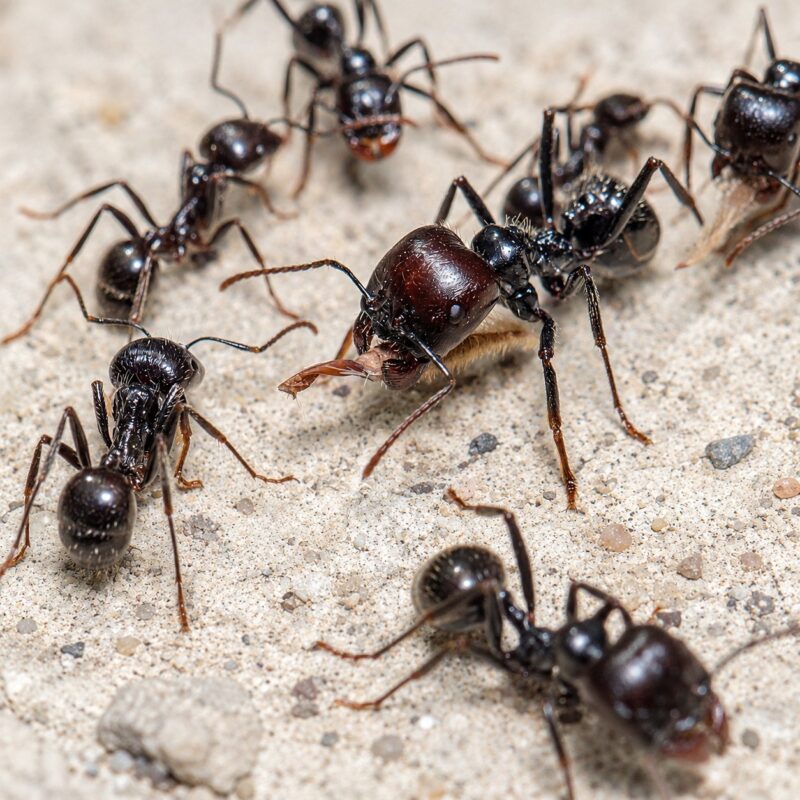
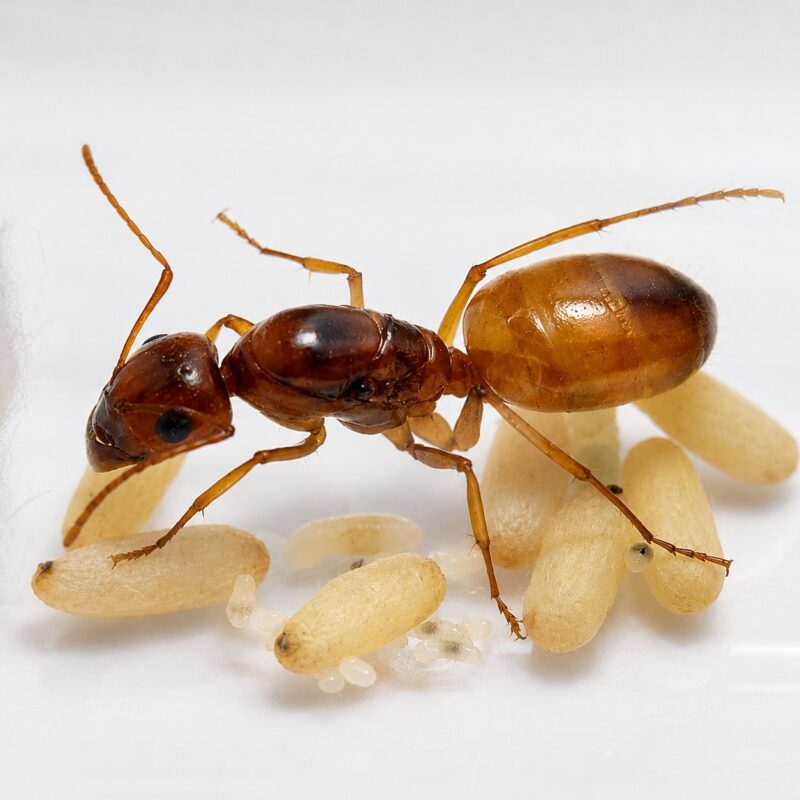
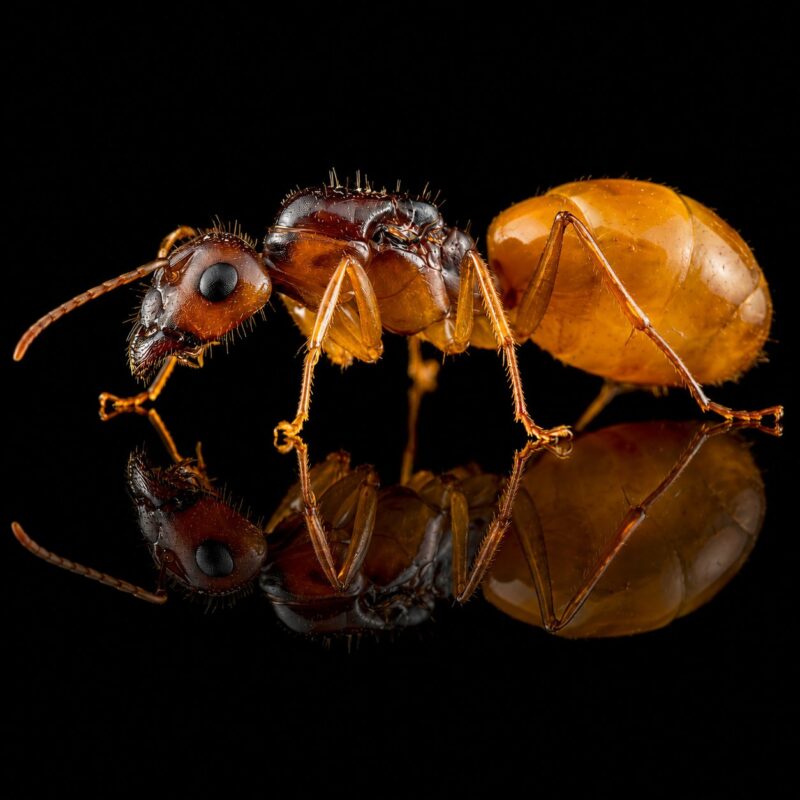
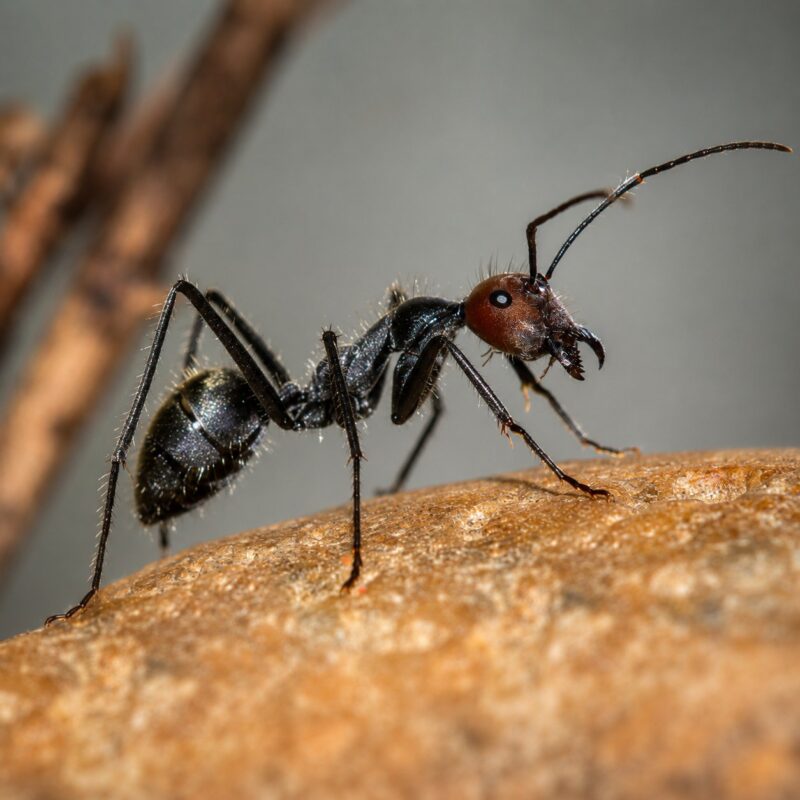
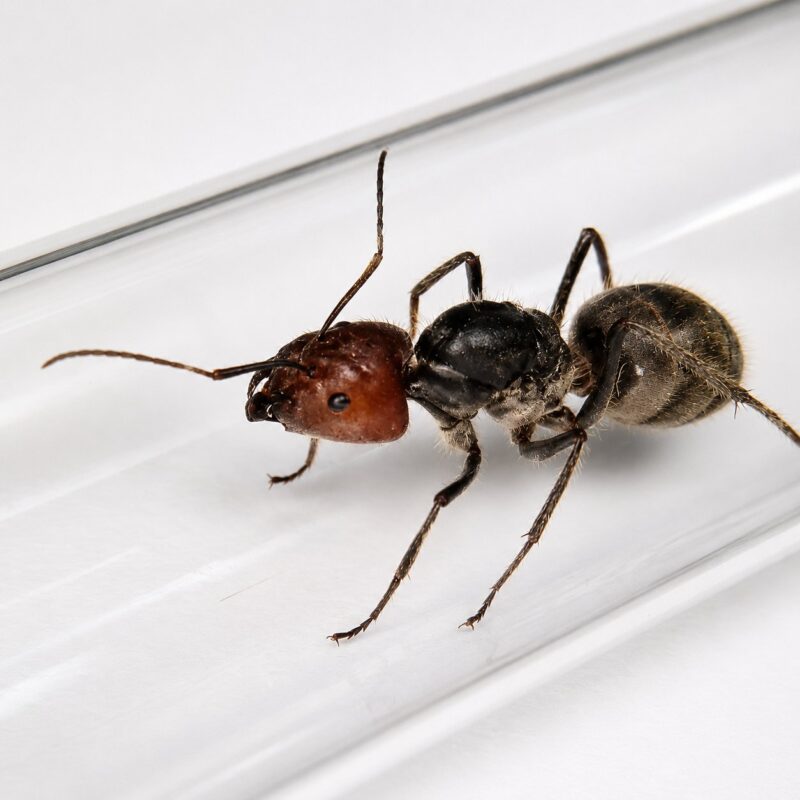
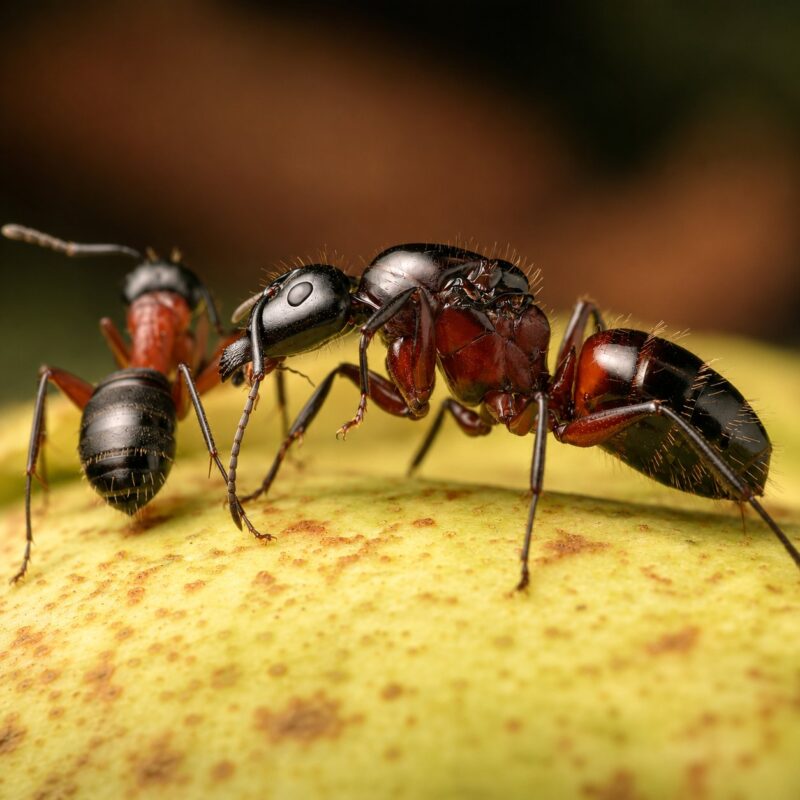
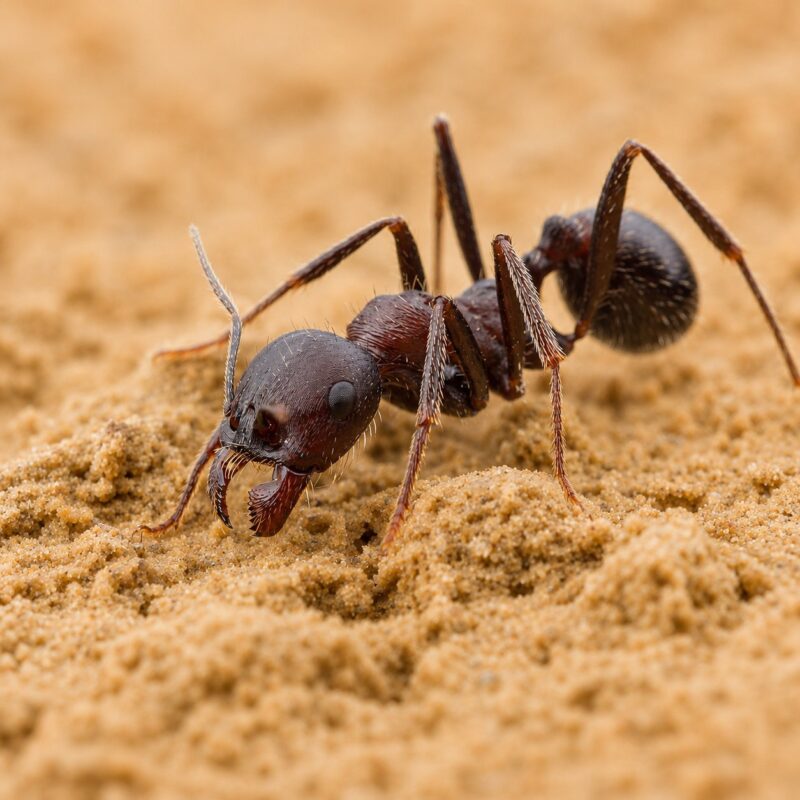
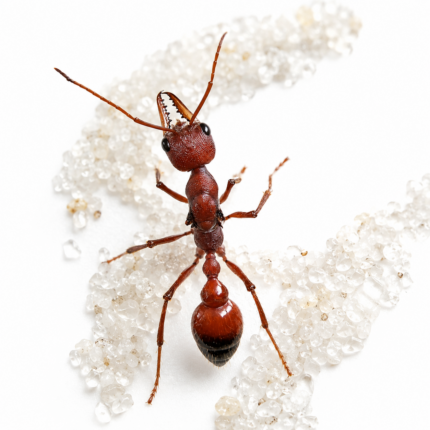
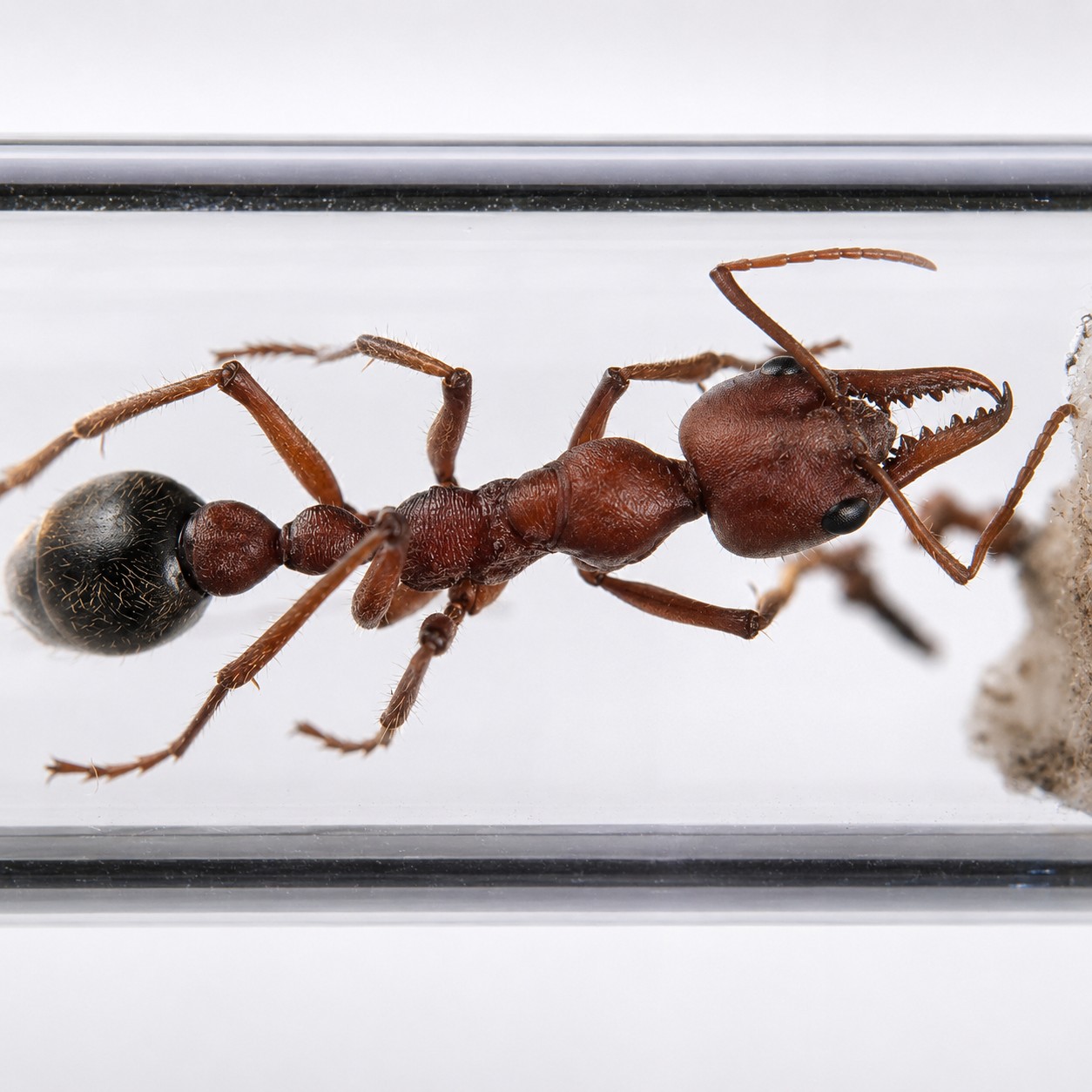
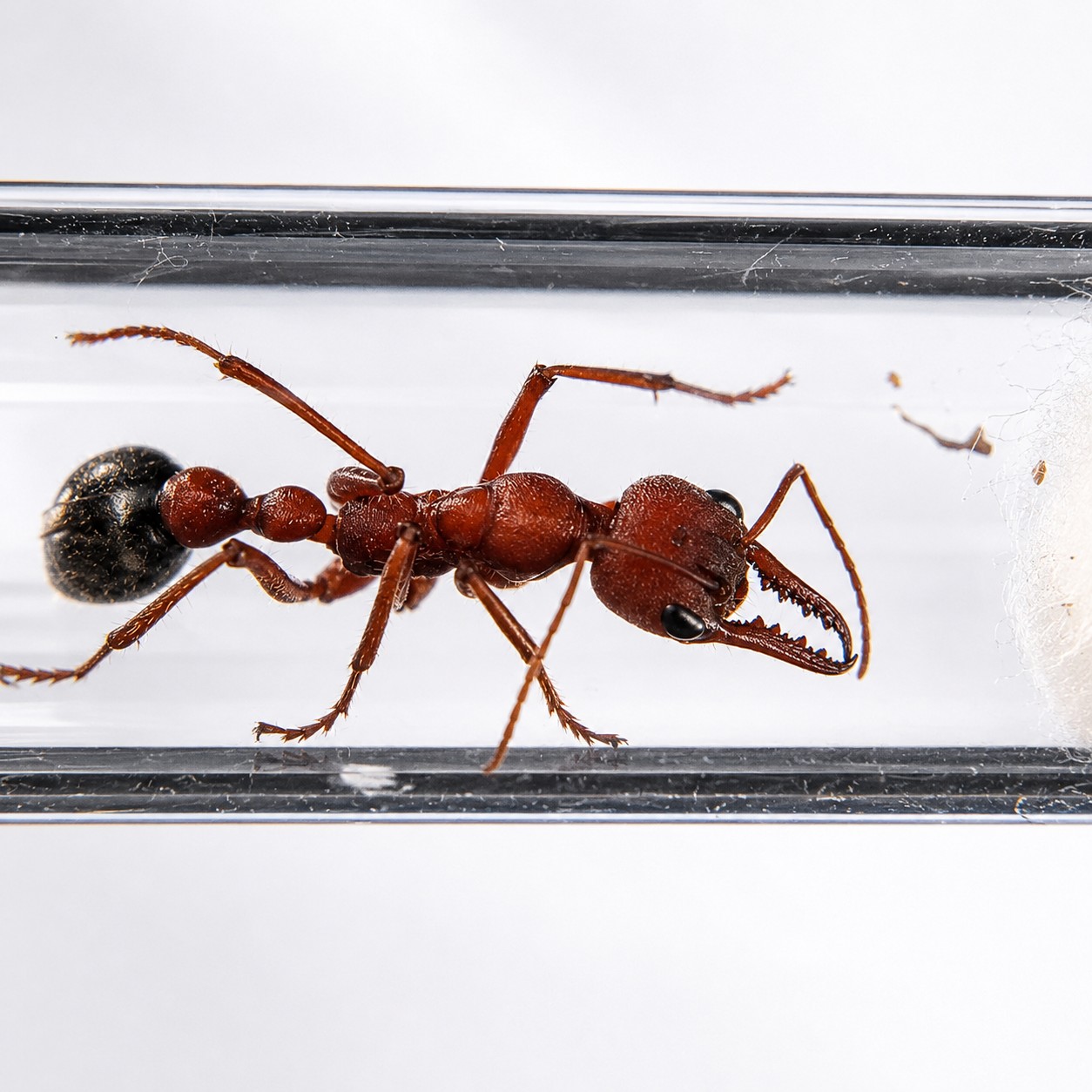
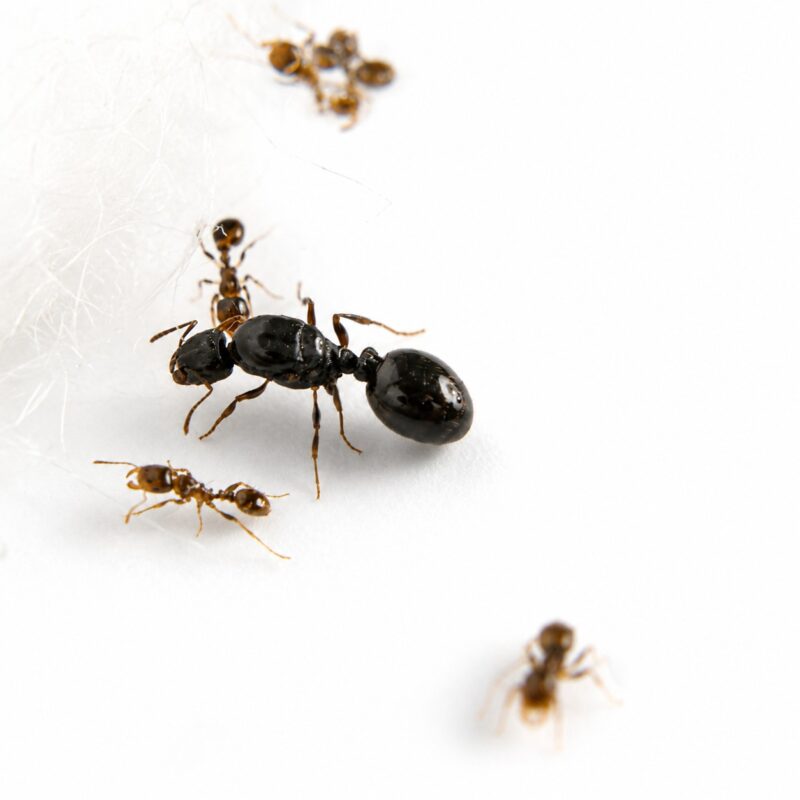
Myrmecia comata is an Australian bull ant built for drama on a desk: large, bright-eyed workers that hunt by sight, a bold reddish-brown body over a black gaster, and a genuinely potent sting. This is a keeper’s ant for someone past their first colony, with a semi-claustral queen you feed from day one. Add a true bull ant to your collection at ANTonTOP.

Live arrival + 24h unboxing-video guarantee.
Free shipping across Europe over 1299 zł.
DHL / InPost / EMS · ships the EU & worldwide.

Pro · W 18-20 mm · Colony size not documented · Diapause / cool winter rest · Predator + sugar · Australia (Queensland) · Potent sting, strong bite

Additional information

Origin

Ant size

Hibernation

Behavior

Sting

Has sting

Keeping difficulty

Description

Myrmecia comata

Origin Australia (Queensland)
Difficulty Pro
Colony form Monogyne (single queen)
Max workers Not documented for this species
Queen 22-25
Worker 18-20 mm
Soldier / major
Founding Semi-claustral
Temperature 22-28 °C
Humidity 50-60%
Hibernation Diapause / cool winter rest
Diet Predator + sugar
Sting / bite Potent sting, strong bite
Egg to first worker
Queen lifespan
Nuptial flight
Activity

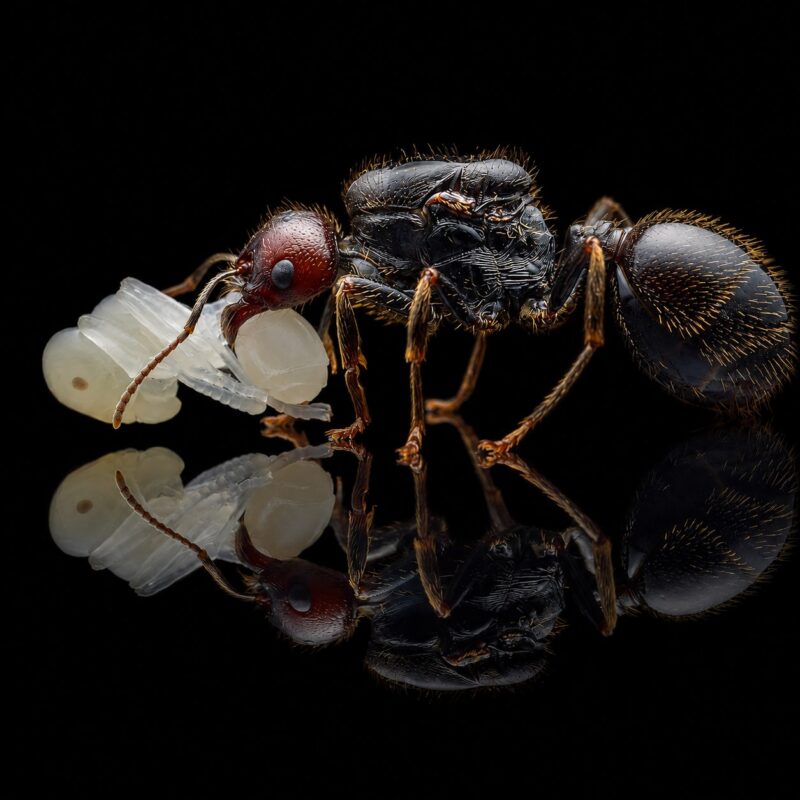
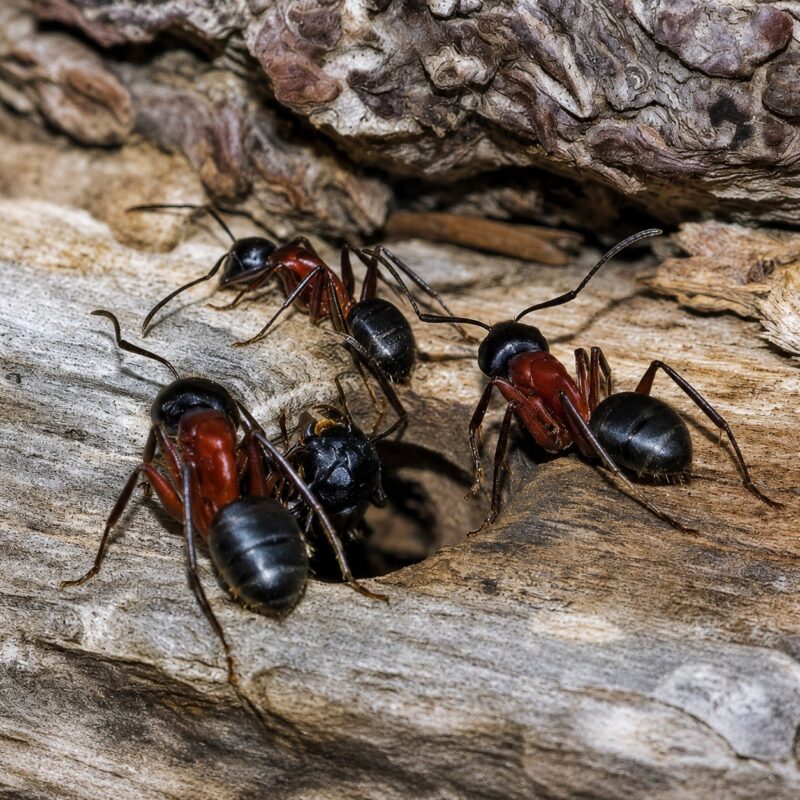
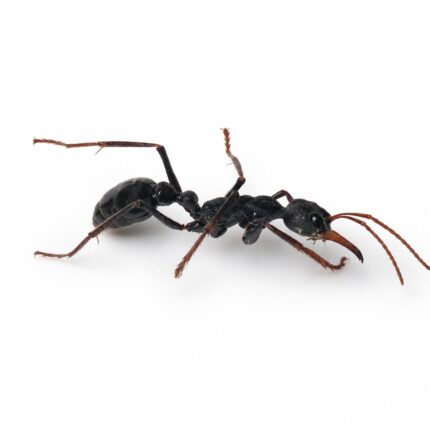
Myrmecia comata is an Australian bull ant with large, keen-eyed workers that hunt by sight, a striking reddish-brown front over a black gaster, and a potent sting that earns the genus its reputation. It is a rewarding step up for an experienced keeper, not a first colony.


Why this species

A bull ant behaves like a tiny predator you can watch up close. The big-eyed workers track movement, stalk prey across the arena and take it down with mandibles and sting, and their bold two-tone colouring stands out in any collection. This is not a hands-off species: the queen founds semi-claustrally, so she leaves the nest to hunt and must be fed while she raises her first workers, and the sting is genuinely potent. Handle the setup with calm, deliberate movements and you get one of the most characterful ants in the hobby. For a keeper who wants a real challenge with real presence, it fits well.


Feeding

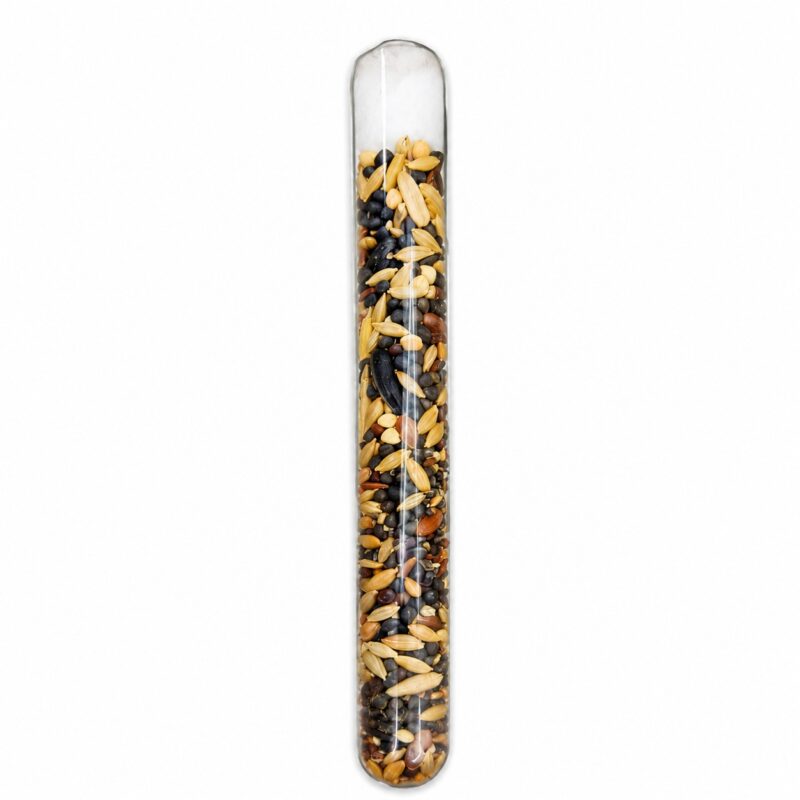
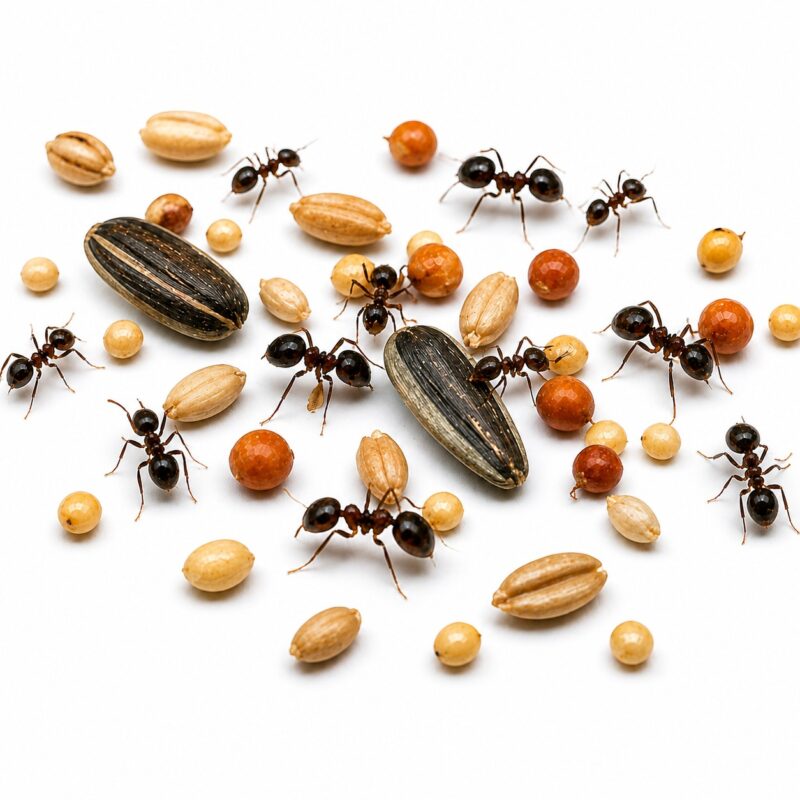
A hunter first, sweet second. Bull ants are active predators that want live or freshly killed insects for protein, and a steady carbohydrate source to fuel the workers. This is not a seed-eating ant, so skip the grains and lead with feeder insects plus sugar or nectar.

Sugar water / honey water ★★★
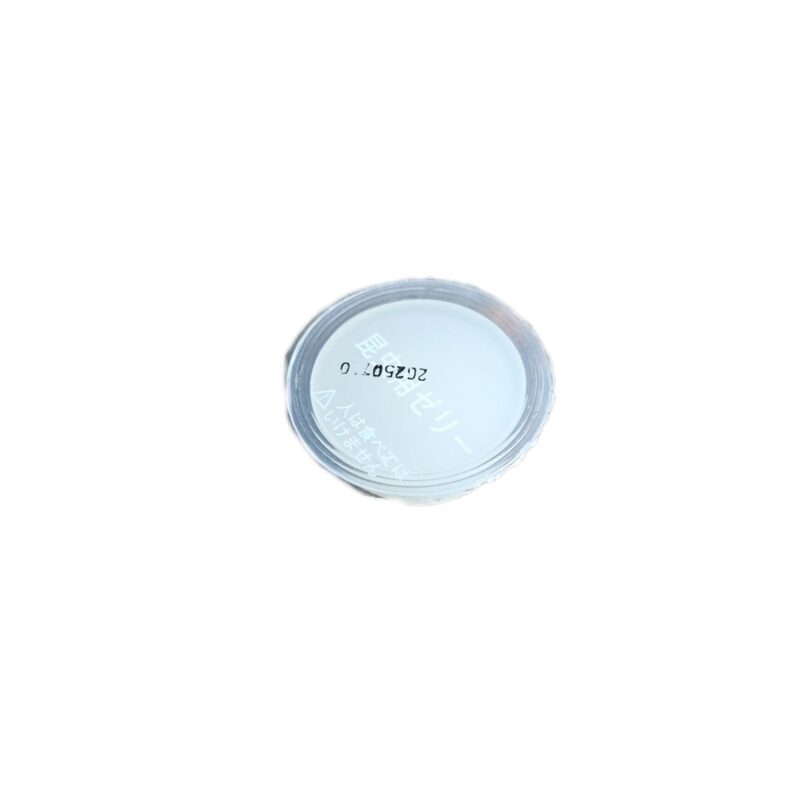
Ant nectar / sugar jelly ★★★
Honey ★★★
Protein jelly ★★
Crickets ★★★
Cockroaches (Dubia / Turkish) ★★★
Houseflies ★★★
Locusts ★★★
Mealworms ★★
Superworms ★★
Fruit flies (Drosophila)
Boiled egg yolk
Boiled lean chicken / shrimp / meat
Soft fruit (apple, pear, banana)
Dried insects
Soft seeds (poppy, sesame, chia)
Hard seeds (canary, millet, sunflower)

★★★ readily · ★★ moderately · ★ occasionally · ✗ not eaten


Housing & formicarium

Start in a test tube and keep the young colony there until the founding workers are established and brood is building. These are large, fast, agile ants, so give them a roomy dry outworld with a securely coated rim rather than a cramped arena. Seal the inner edge with fluon (PTFE), and back it up with an oil barrier or a talc-and-water line, then keep a tight, fine-mesh lid on top at all times. Because the queen founds semi-claustrally, the setup needs an open outworld from the very start so she can come out to hunt. Pair the tube or nest with a firm humidity-holding chamber in gypsum or aerated concrete. ANTonTOP formicaria and starter kits supply a scaled nest, arena and barrier in one ready set.


Climate & wintering

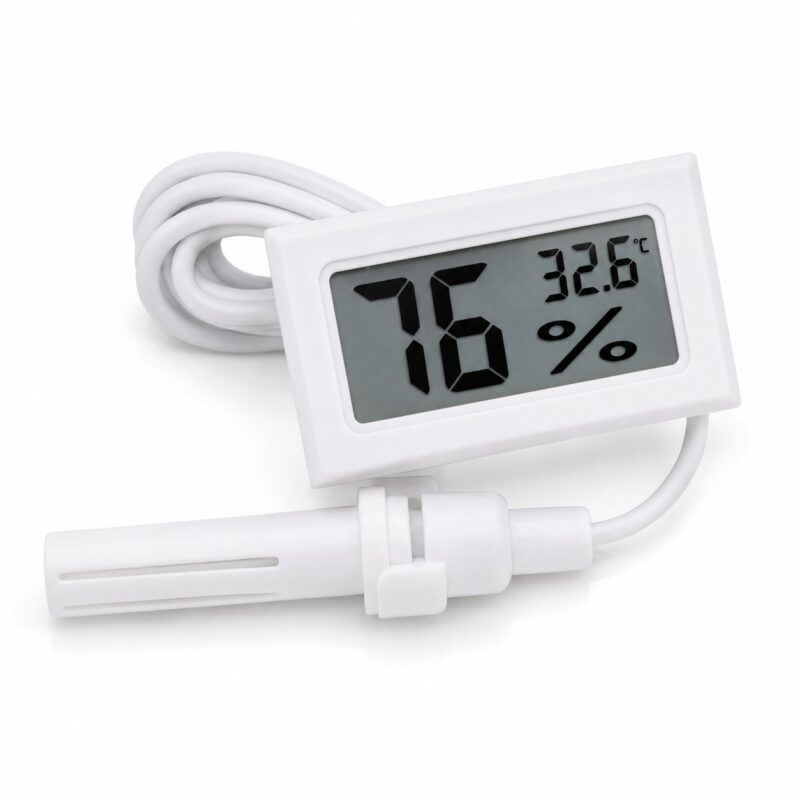
As a temperate-to-subtropical Australian ant, it likes the nest around 22-28 °C with humidity near 50-60% and a drier outworld. Heat one side of the nest only, so the colony can choose its preferred warmth. Unlike tropical ants, this species benefits from a light winter rest: through the cool season drop the temperature to roughly 15-18 °C for about two to three months. It is a genus-typical diapause, not a hard freeze, and it supports queen longevity and the colony’s natural rhythm.


Growth forecast + what you receive

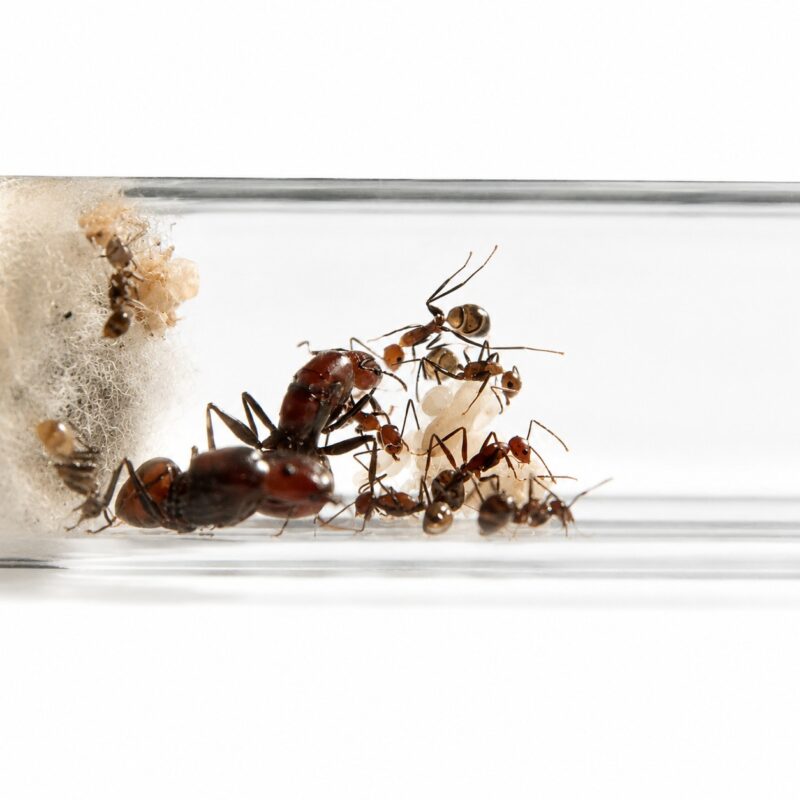
Expect slow, deliberate growth. Semi-claustral founding means the queen depends on regular feeding through the early weeks, so patience and steady insect prey matter more than warmth alone. Mature colony size has not been published for this species; Myrmecia colonies are generally small to moderate by ant standards. What you receive is a laying queen with a group of workers and brood, a complete colony ready to move into its first nest and grow on.


Did you know

  • Myrmecia comata was described by the Australian myrmecologist John S. Clark in 1951, from specimens collected in the Bunya Mountains of Queensland.
  • It belongs to Myrmecia, the Australian bull ants, famous for their large eyes, powerful stings and semi-claustral queens.
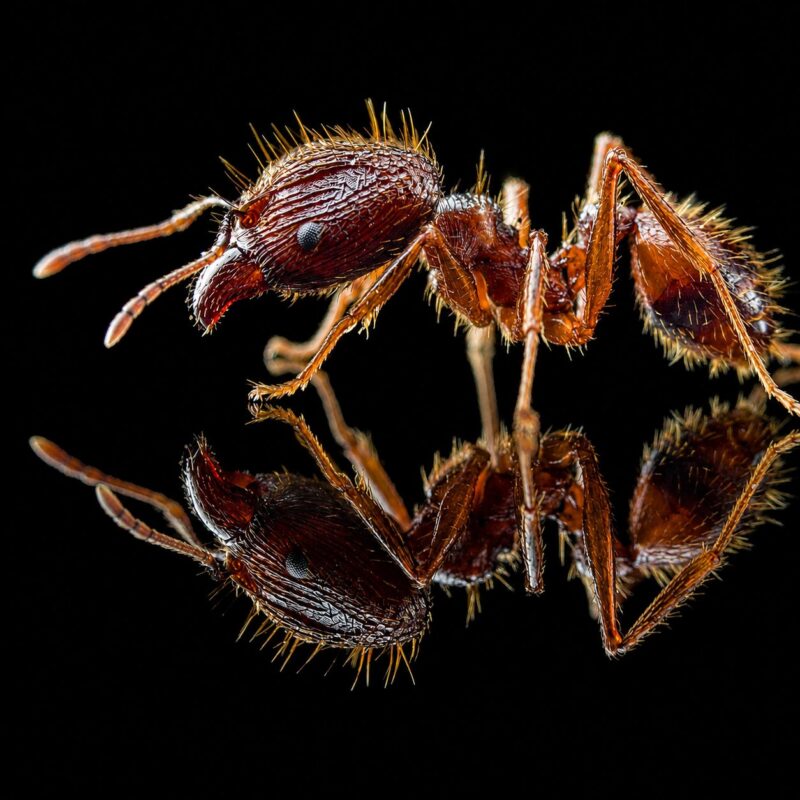
  • Workers are strikingly bicoloured, with a reddish-brown head and node, a black gaster, and yellowish-brown legs and antennae.
  • Unlike most pet ants, Myrmecia queens found semi-claustrally, leaving the nest to hunt while raising their first workers.
  • The species is closely similar to Myrmecia flavicoma, and the two can be confused.
  • Myrmecia stings are medically significant and are among the ants most associated with human anaphylaxis in Australia.

Frequently asked questions

Is Myrmecia comata beginner-friendly?

No, it is rated Pro. The semi-claustral queen must be fed during founding and the sting is potent, so it suits experienced keepers.

Does Myrmecia comata need a winter rest?

Yes, a light one. Give a cool diapause around 15-18 °C for two to three months over the cool season.

Does this bull ant sting?

Yes, and the sting is potent and medically significant. Work calmly, keep a mesh lid on, and take care if you are sting-sensitive.

How big do the workers get?

Workers reach 18-20 mm, so this is a large, eye-catching ant.

How big does a Myrmecia comata colony get?

No published figure exists for this species. Myrmecia colonies are generally small to moderate by ant standards.

Why do I have to feed the founding queen?

Because founding is semi-claustral. The queen does not seal herself away, so she needs live insect prey and sugar while raising her first brood.

What should I feed it?

Live or freshly killed insects such as crickets, roaches, houseflies or locusts, plus a steady sugar or nectar source. It is not a seed eater.

Will my colony arrive alive?

Yes, you receive a queen with workers and brood, shipped with a heat or cool pack and dispatched within 24 h with tracking.


Keeping & shipping essentials

Escape prevention. These ants are large, fast and strong climbers, so coat the inner rim of every open arena with fluon (PTFE), back it up with an oil or talc-and-water barrier, and always keep a tight, fine-mesh lid on top. Check the barrier often, since dust, condensation and feeding debris break a fluon line over time. Keep tubing connectors tight, seal any gaps in the nest, and always move calmly given the potent sting.

Keeping reminders. Offer fresh water and never let the nest dry out completely. Keep carbohydrates available continuously and feed live insect protein several times a week, and remove uneaten prey within 24 hours before it moulds. Keep the formicarium out of direct sunlight and away from constant vibration, which stresses the colony.

Before you buy – do not rehouse too early. Have a test-tube setup or a small formicarium with an open outworld and a working barrier ready before your colony arrives, and remember the semi-claustral queen needs outworld access to hunt from the start. A founding colony grows slowly, which is normal. Moving it into a large nest too soon invites mould, mites and stress. Open up the next chambers only once the colony fills its current space.

What we ship. Every colony ships with a live-arrival guarantee, backed by our 24h unboxing-video guarantee: if the queen does not arrive alive, we reship free. Parcels travel with DHL, InPost (PL) or EMS, with a heat or cold pack to suit the season, packed discreetly and securely. We ship across the EU and worldwide, with free shipping over the Europe threshold.

Product ID: 111660
Category: Exotic Ants (ID: 2639)
Video URL: none
Video ID: none
Product Video URL: none
Product Video ID: none
No video found for this product or category
Complete Your Setup
Reviews
0 reviews
0
0
0
0
0

There are no reviews yet.

Be the first to review “Myrmecia comata”

Your email address will not be published. Required fields are marked *

Bestsellers