
Myrmecia gulosa

2599,90 

For Experts
No hibernation
Add 500,00  to cart and get free shipping!
Arrives alive and ready to lay, or we reship

Live Queen Guarantee

Warm in winter, insulated against summer heat

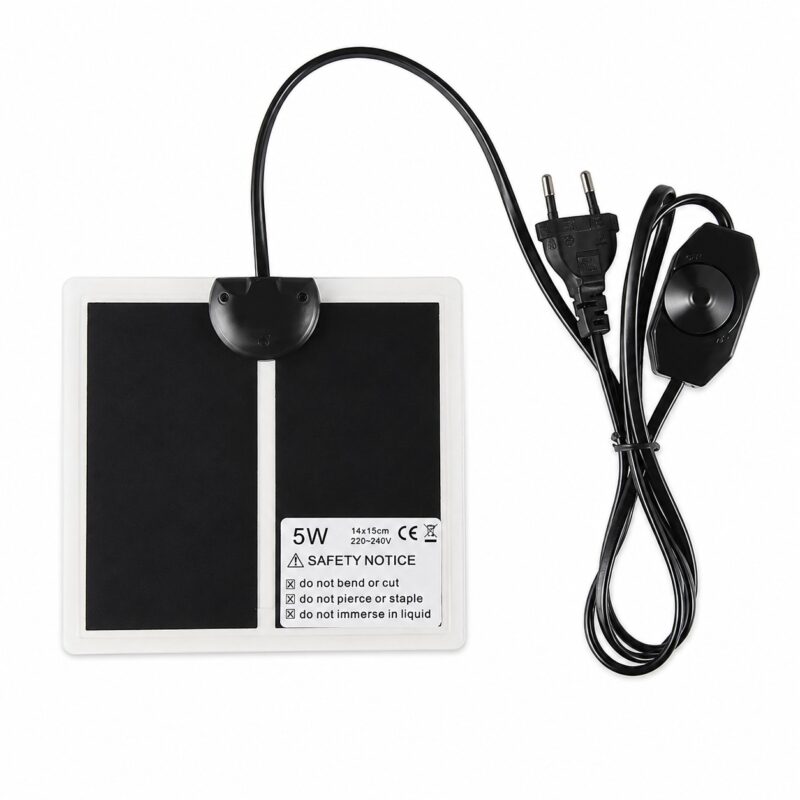
Heat Pack & Summer Cooling

Ready to grow from day one

Fertilised Queen in Every Colony

Packed fast, dispatched with tracking

Ships Within 24 h

Setup and feeding tips for your species

Free Care Guide

Fast answers from real ant keepers

24/7 Expert Support
Description

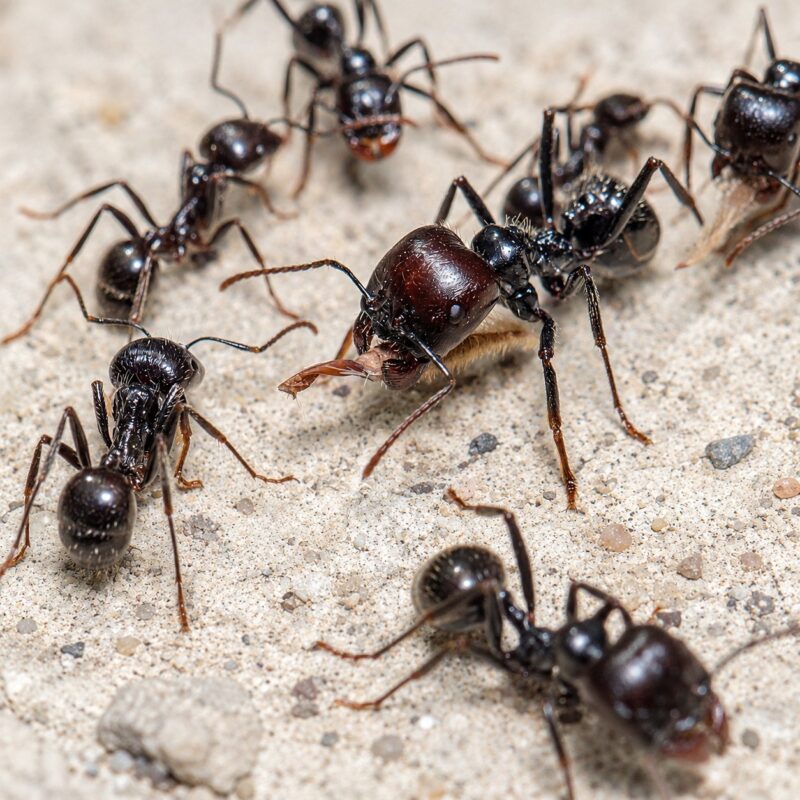
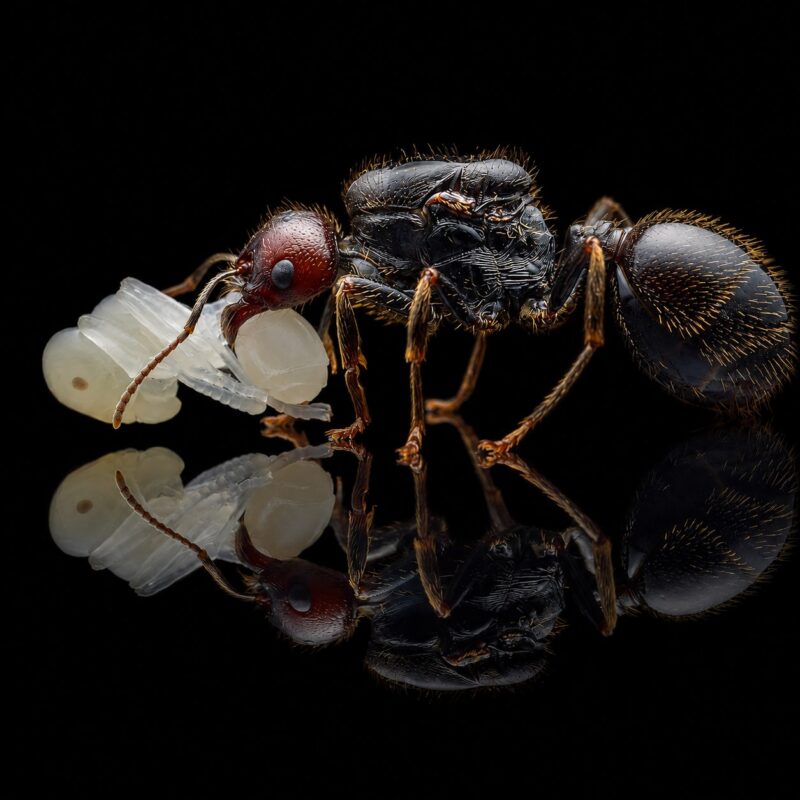
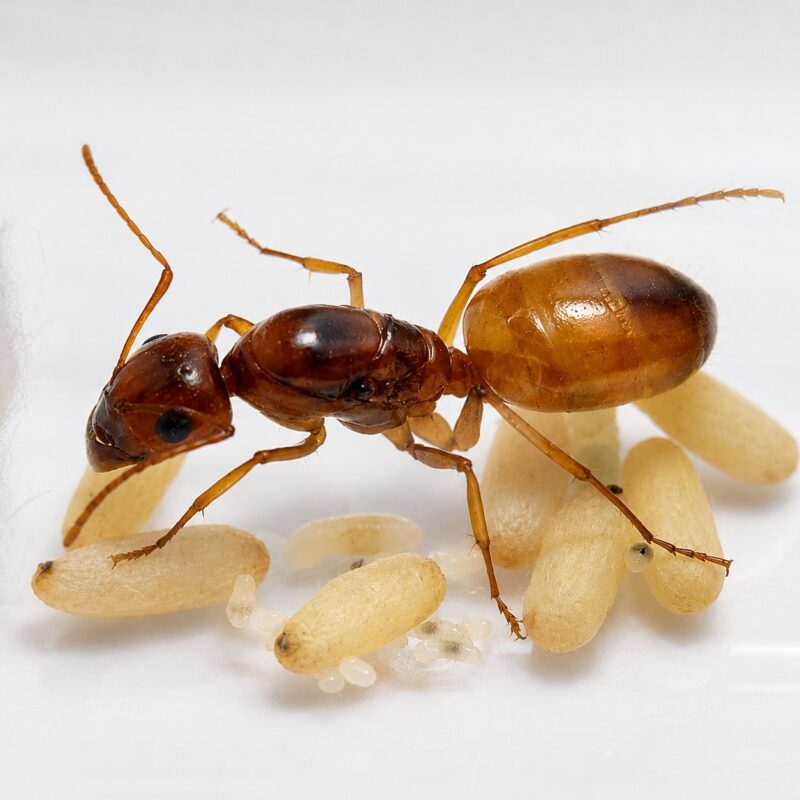
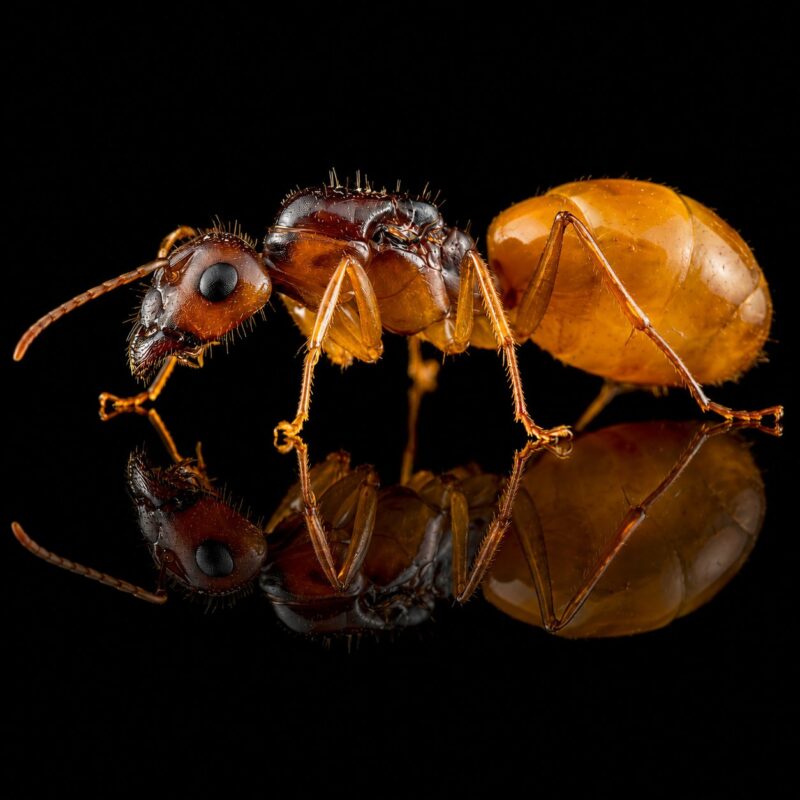
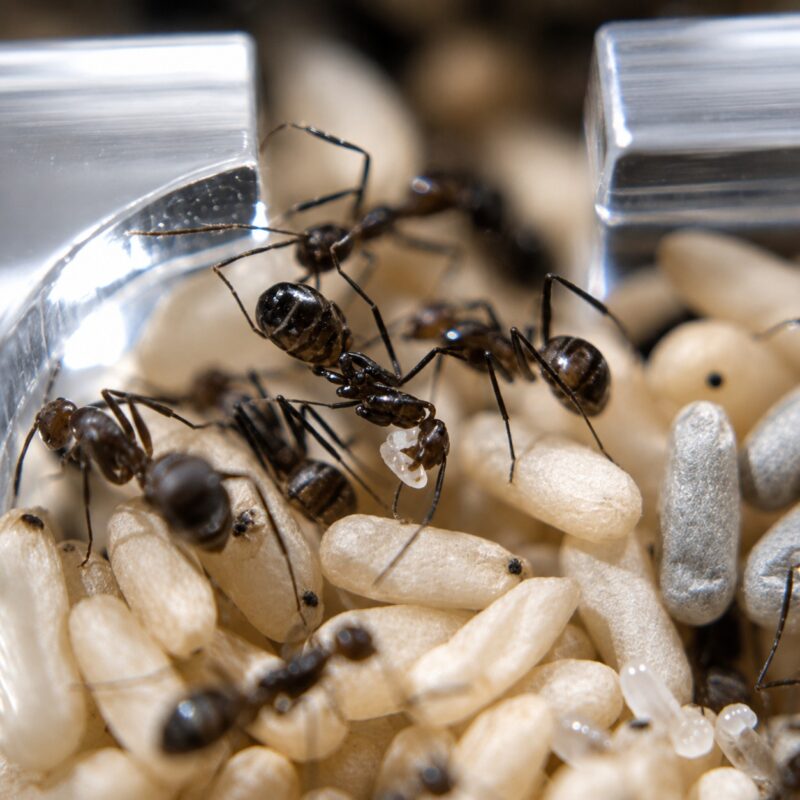
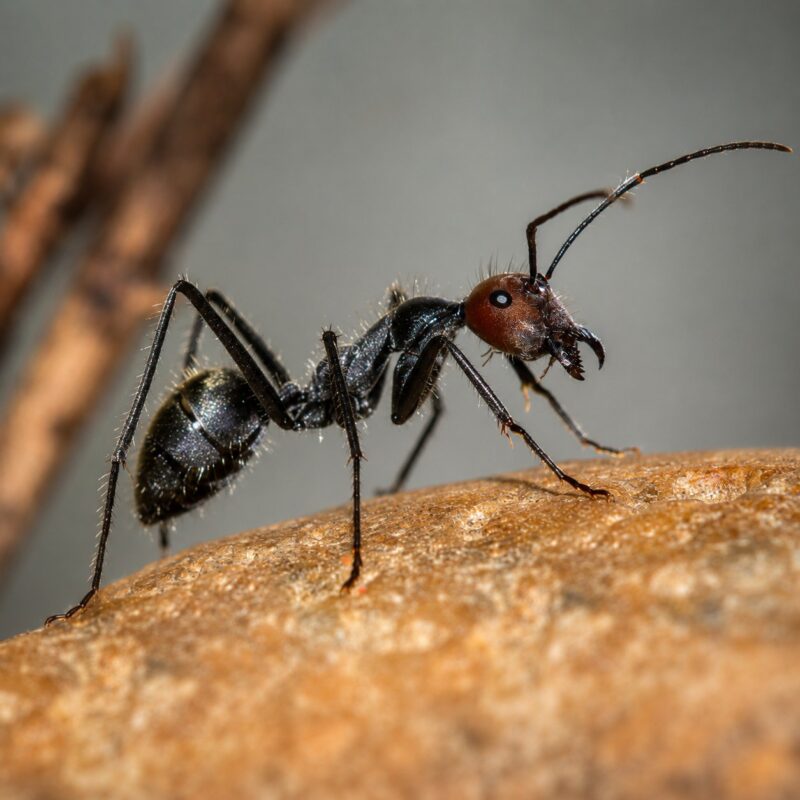
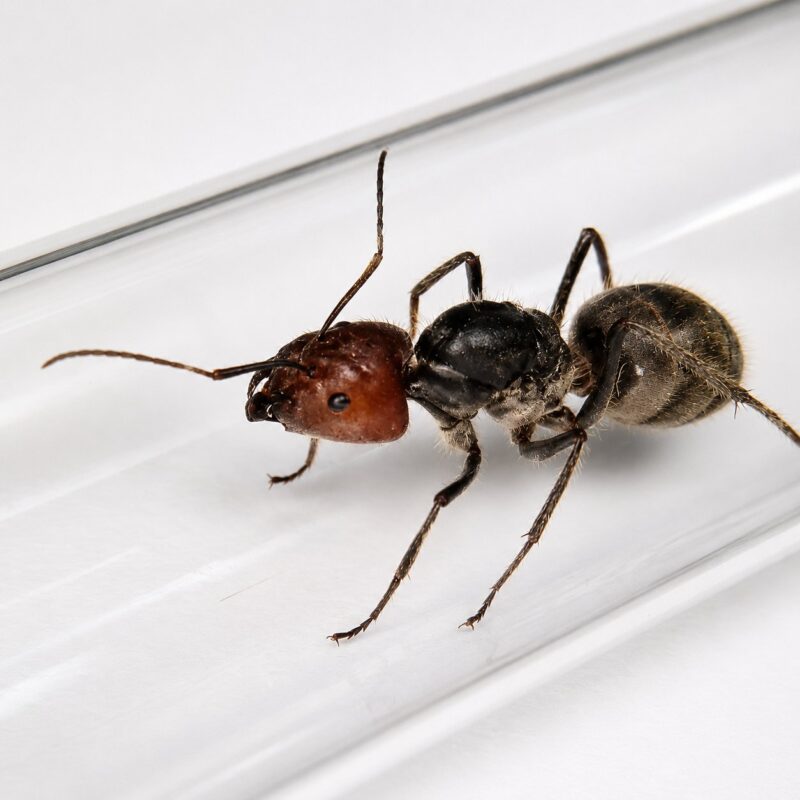
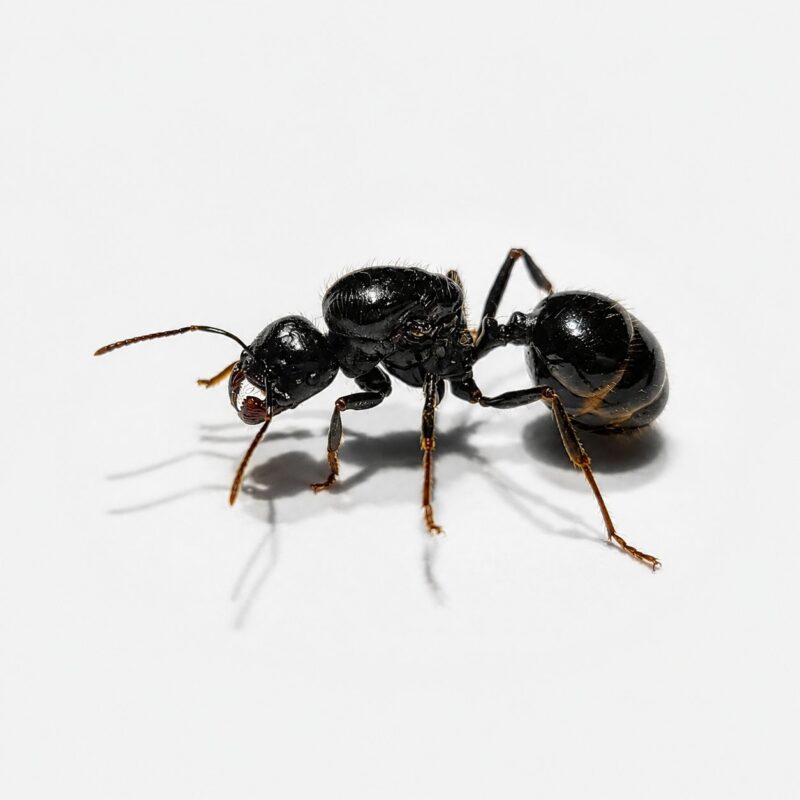
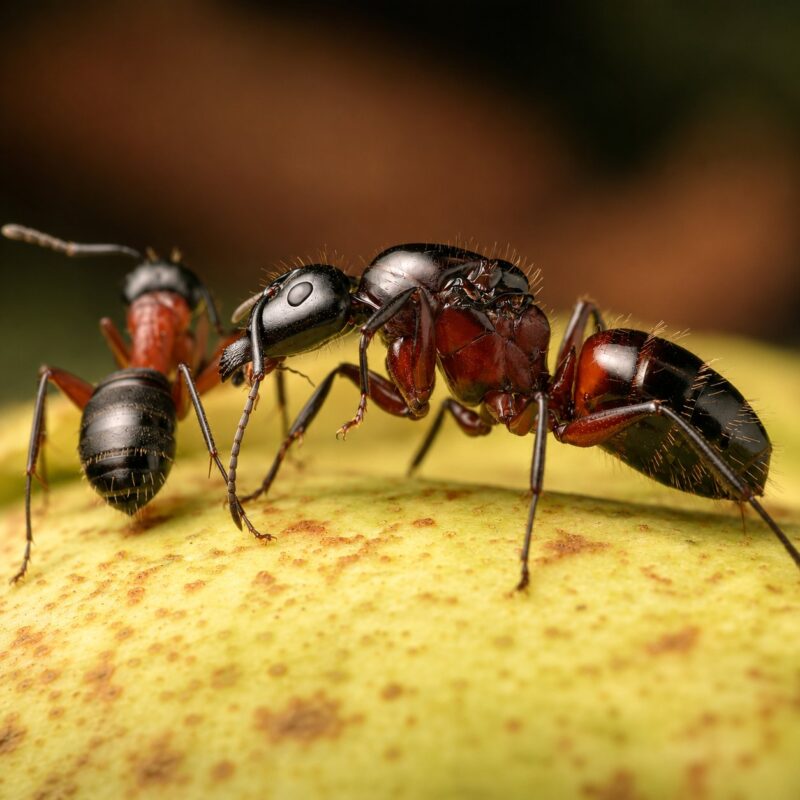
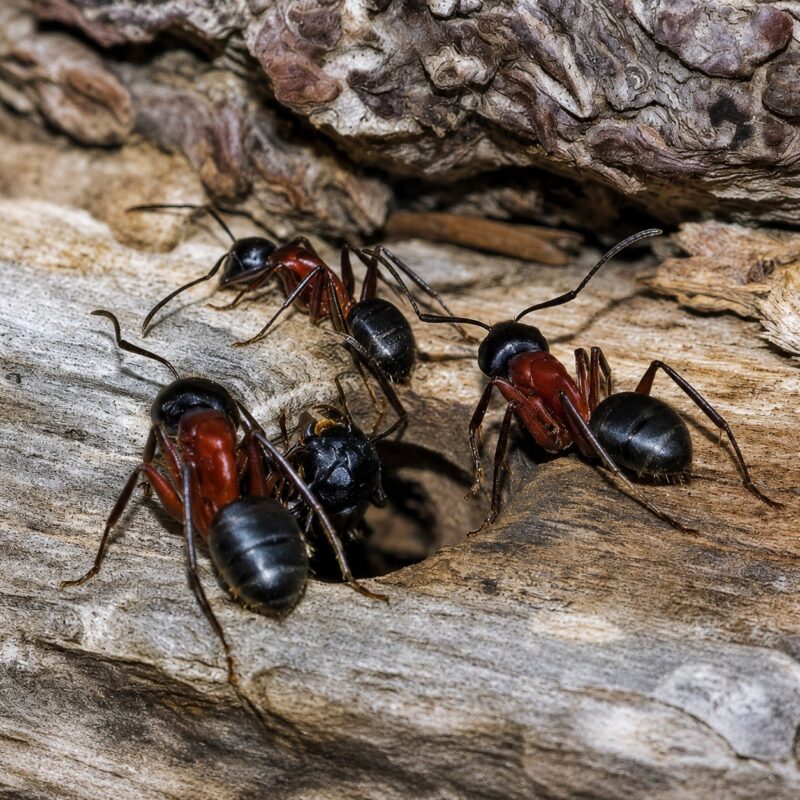
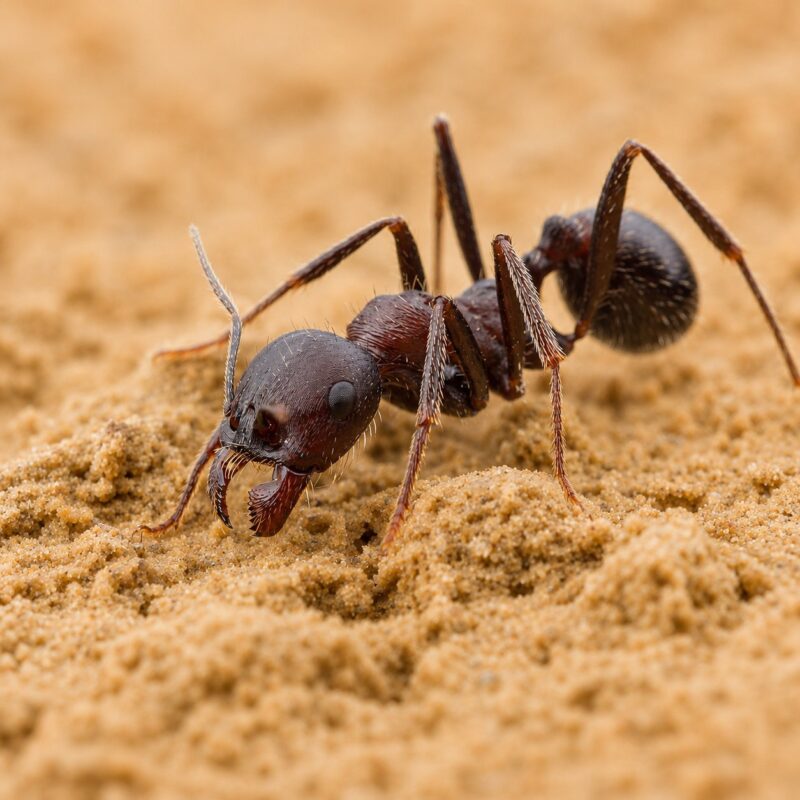
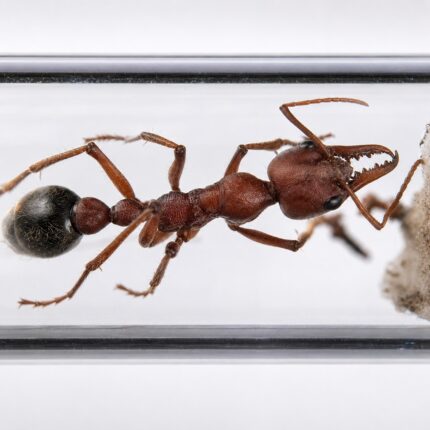
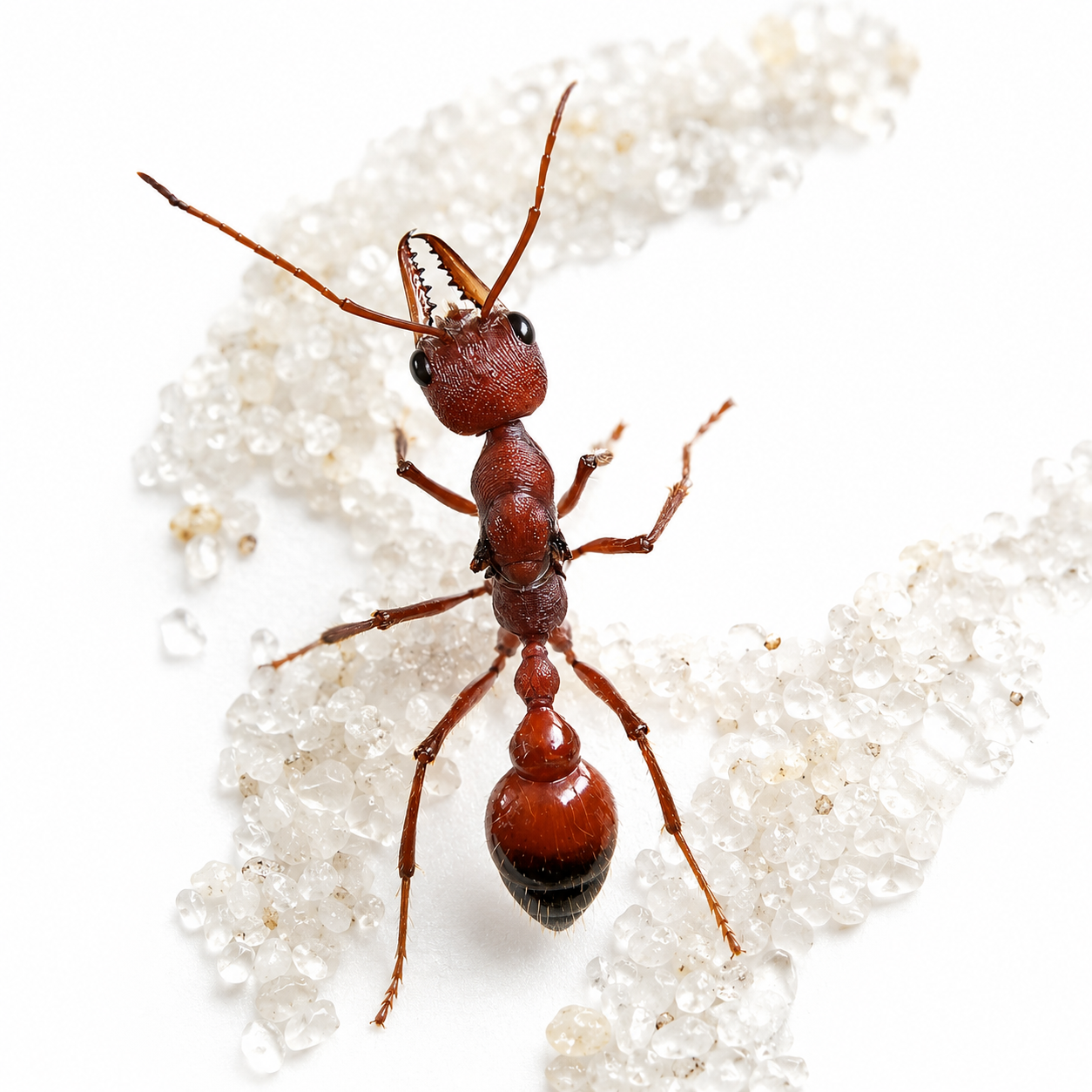
Myrmecia gulosa, the red bull ant, is one of the largest ants you can keep at home – a long-legged, sharp-eyed hunter that tracks prey by sight and defends the nest with serrated jaws and a venom sting. A Pro-level Australian giant for experienced keepers. Start yours at ANTonTOP.

Live arrival + 24h unboxing-video guarantee.
Free shipping across Europe over 1299 zł.
DHL / InPost / EMS · ships the EU & worldwide.

Pro · Q 25-30 mm / W 14-23 mm · Around 1,000 workers · Diapause / cool winter rest · Predator (+ sugar) · Australia (mostly eastern) · Potent sting (medically significant)

Additional information

Origin

Ant size

Hibernation

Behavior

Sting

Has sting

Keeping difficulty

Description

Myrmecia gulosa — Red Bull Ant

Origin Australia (mostly eastern)
Difficulty Pro
Colony form Monogyne (one queen)
Max workers Around 1,000 (up to ~1,900)
Queen 25-30 mm
Worker 14-23 mm
Soldier / major No distinct soldier caste
Founding Semi-claustral
Temperature 22-26 °C
Humidity 50-70%
Hibernation Diapause / cool winter rest
Diet Predator (+ sugar)
Sting / bite Potent sting (medically significant), strong bite
Egg to first worker 3-5 months
Queen lifespan
Nuptial flight Spring-summer (approx.)
Activity Diurnal (hunts by day)

Myrmecia gulosa is the red bull ant of eastern Australia, a giant, solitary-hunting predator that founds its nest semi-claustrally and carries a genuinely serious sting. It is one of the most impressive ants in the hobby and firmly a keeper’s species, not a first colony.


Why this species

This is a true Australian heavyweight. Workers run up to a couple of centimetres, move on long legs, and hunt by eyesight rather than scent, which gives them an alert, almost wary presence you do not get from smaller ants. They will turn to face movement and track it across the arena. The colony stays modest in number, around a thousand workers at maturity, so the interest is in the individual animals and their behaviour rather than sheer mass. Keep it for the size, the hunting, and the sense of watching one of the more ancient branches of ant evolution at close range. It asks for competent husbandry in return, so treat it as a step up rather than a starter.


Feeding

A committed predator that also needs sugar. The adults live mainly on liquids – nectar, sugar water, and the juices of prey – while the solid protein goes to the larvae. Offer a constant carbohydrate source and regular live or freshly thawed insects; this is not a seed eater, so do not feed it like a harvester ant.

Sugar water / honey water ★★★
Ant nectar / sugar jelly ★★★
Honey ★★★
Protein jelly ★★★
Crickets ★★★
Cockroaches (Dubia / Turkish) ★★★
Flies (house / blue) ★★★
Moths ★★★
Mealworms ★★★
Superworms ★★★
Locusts ★★
Fruit flies (Drosophila) ★★
Boiled egg yolk
Boiled lean chicken / shrimp / meat
Soft fruit (apple, pear, banana)
Dried insects
Soft seeds (poppy, sesame, chia)
Hard seeds (canary, millet, sunflower)

★★★ readily · ★★ moderately · ★ occasionally · ✗ not eaten


Housing & formicarium

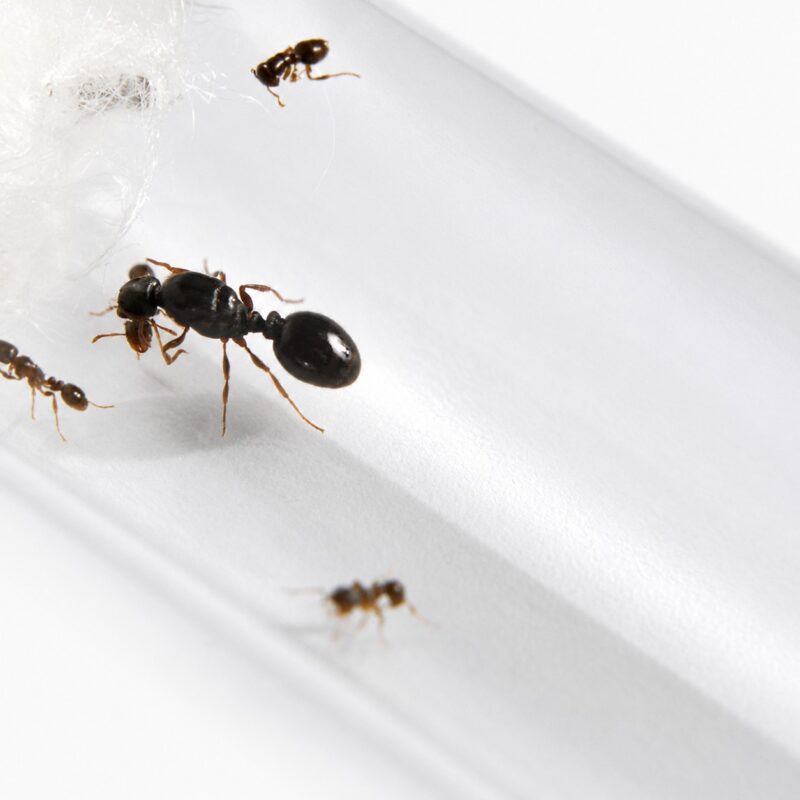
Start the founding queen in a water test tube and leave her there through the early brood, feeding her small insects because she founds semi-claustrally and will not raise the first workers on body reserves alone. As the colony grows, move it into a firm gypsum or aerated-concrete nest with roomy chambers to suit a large-bodied ant, paired with a spacious, tall-walled outworld for hunting. Seal every rim with fluon (PTFE), oil, or a talc-and-water mix and fit a tight, fine-mesh lid, because a big, motivated worker is a determined escaper. ANTonTOP formicaria and kits provide a correctly scaled nest, arena, and barrier in one set.


Climate & wintering

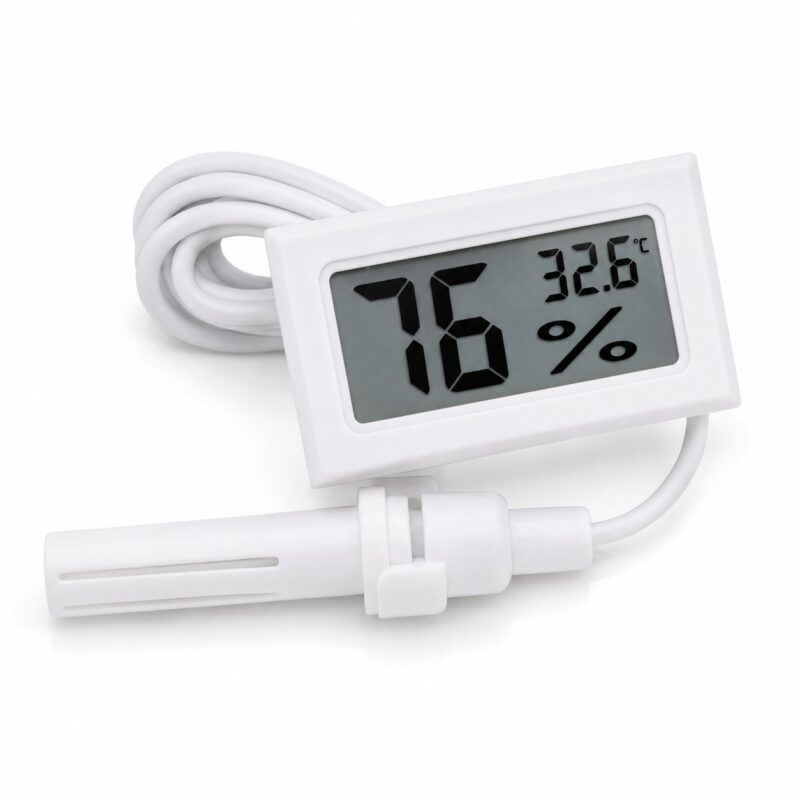
Keep the active season at 22-26 °C with humidity around 50-70%, offering both a moist zone and a drier corner so the colony can choose. Heat one side of the nest only and leave a cooler side, rather than holding the whole setup at one temperature. This is a temperate to subtropical species from a part of Australia with a real winter, so it does best with a cool diapause: drop it to about 16-18 °C for two to three months in the colder part of the year. The rest is not strictly mandatory, but it supports queen longevity and a natural colony rhythm.


Growth forecast + what you receive

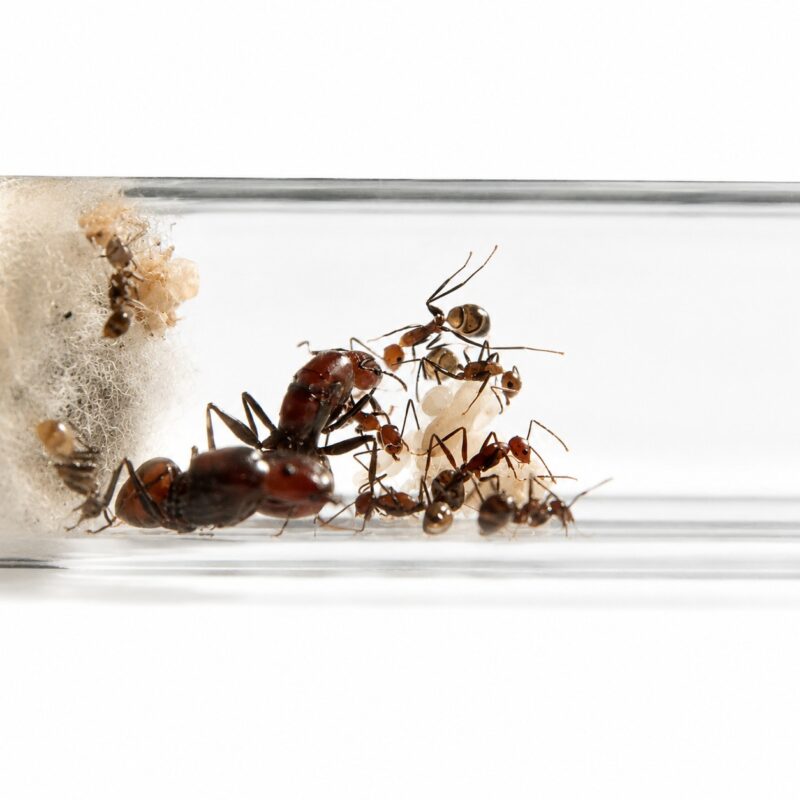
Growth is slow. The larval stage is long, so expect roughly three to five months from egg to first worker, and a good while more before the colony reaches its mature size of about a thousand. Patience is part of the species. What you receive is a laying queen with workers and brood, a live colony ready to settle into its nest and grow on under attentive care.


Did you know

  • Myrmecia gulosa is the type species of the whole genus Myrmecia, named by Fabricius in 1775 as Formica gulosa and anchoring the group ever since.
  • The first specimens were collected in 1770 by Joseph Banks on James Cook’s first voyage, making it one of the earliest Australian ants known to science.
  • Red bull ants hunt by sight and can spot and react to an intruder from as far as around two metres away, unusual for ants, which mostly rely on chemical senses.
  • Myrmecia are classic “dawn ants” with ancestral traits – solitary hunting, limited cooperation, and a near-complete sting apparatus – a living window into early ant evolution.
  • Workers laying trophic (infertile, food) eggs has been recorded in only two Myrmecia species, M. forceps and M. gulosa; these eggs are fed to the queen and larvae.

Frequently asked questions

Is Myrmecia gulosa suitable for beginners?

No. It is rated Pro – a large ant with a medically significant sting, semi-claustral founding, and slow growth, so it suits experienced keepers.

How bad is the sting?

It is potent. The venom sting causes severe pain that can last up to a couple of days and can trigger anaphylaxis in sensitised people, so this is not a hands-in species.

Does Myrmecia gulosa need a winter rest?

Yes, a cool diapause at about 16-18 °C for two to three months is recommended. It is temperate and benefits from a genuine winter dip.

What does the founding queen need?

She founds semi-claustrally, so feed her small insects during founding. She will not raise the first workers on body reserves alone.

How big does the colony get?

Around 1,000 workers at maturity, with field colonies recorded up to roughly 1,900. It stays modest in number for such a large ant.

What should I feed it?

A constant sugar source plus live or freshly thawed insects such as crickets, roaches, and flies. It is a predator, not a seed eater.

How fast does it grow?

Slowly. Expect about three to five months from egg to first worker, and longer still to reach full size.

Will my colony arrive alive?

Yes. You receive a queen with workers and brood, shipped with a heat or cool pack and dispatched within 24 h with tracking, under our live-arrival guarantee.


Keeping & shipping essentials

Keeper safety. This is a bull ant with a venom sting that can cause severe pain for a day or two and, in sensitised individuals, a serious allergic reaction. Treat it with calm respect: never handle the ants directly, work slowly over a tray or sink, chill a stray worker briefly in a fridge to slow it before recapture, and keep the setup away from children and anyone with a known insect-venom allergy. Handled sensibly with good barriers and a secure lid, it is entirely keepable.

Escape prevention. Coat the inner rim of every open arena with fluon (PTFE), or use talc-and-water or an oil barrier as a backup, and keep a tight, fine-mesh lid on top. Check the barrier regularly, since dust, condensation, and feeding debris break a fluon line over time. Keep tubing connectors tight and seal any gaps in the nest, because a large, strong worker will find a weak point.

Keeping reminders. Always offer fresh water and never let the nest dry out completely. Give carbohydrates continuously and live or thawed protein a few times a week, and remove uneaten prey within 24 hours before it moulds. Keep the formicarium out of direct sunlight and away from constant vibration, which stresses the colony.

Before you buy – do not rehouse too early. Have a test-tube setup or a small formicarium with an outworld and a working barrier ready before your colony arrives. A founding colony grows slowly, which is normal. Moving a small colony into a large nest too soon invites mould, mites, and stress. Keep the colony in its test tube on the arena, feed the queen through founding, and open up the next chambers only once it fills its current space.

What we ship. Every colony ships with a live-arrival guarantee, backed by our 24h unboxing-video guarantee: if the queen does not arrive alive, we reship free. Parcels travel with DHL, InPost (PL), or EMS, with a heat or cold pack to suit the season, packed discreetly and securely. We ship across the EU and worldwide, with free shipping over the Europe threshold.

Complete Your Setup
Reviews
0 reviews
0
0
0
0
0

There are no reviews yet.

Be the first to review “Myrmecia gulosa”

Your email address will not be published. Required fields are marked *

Bestsellers