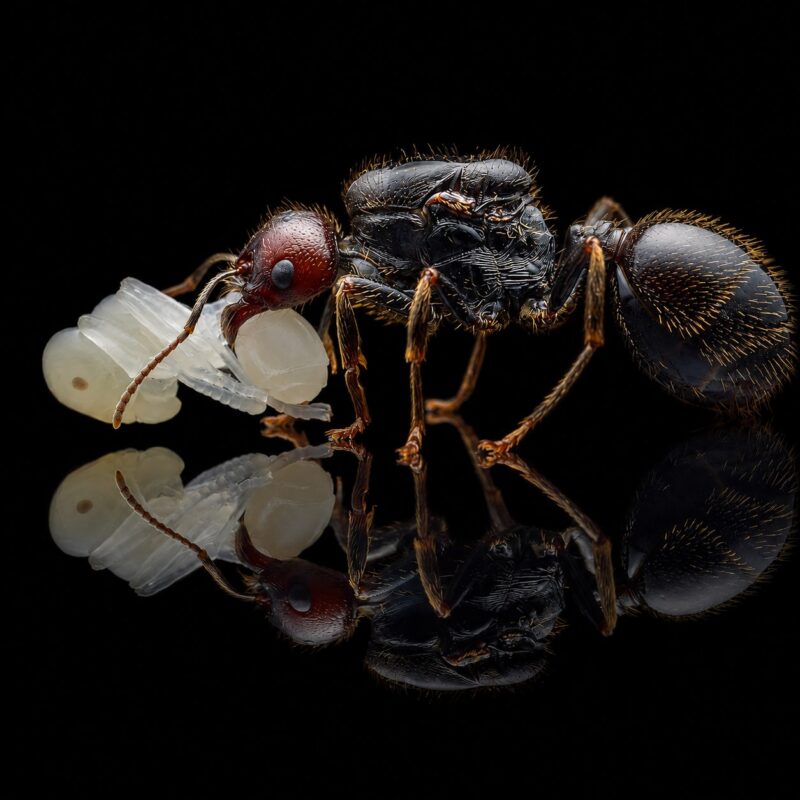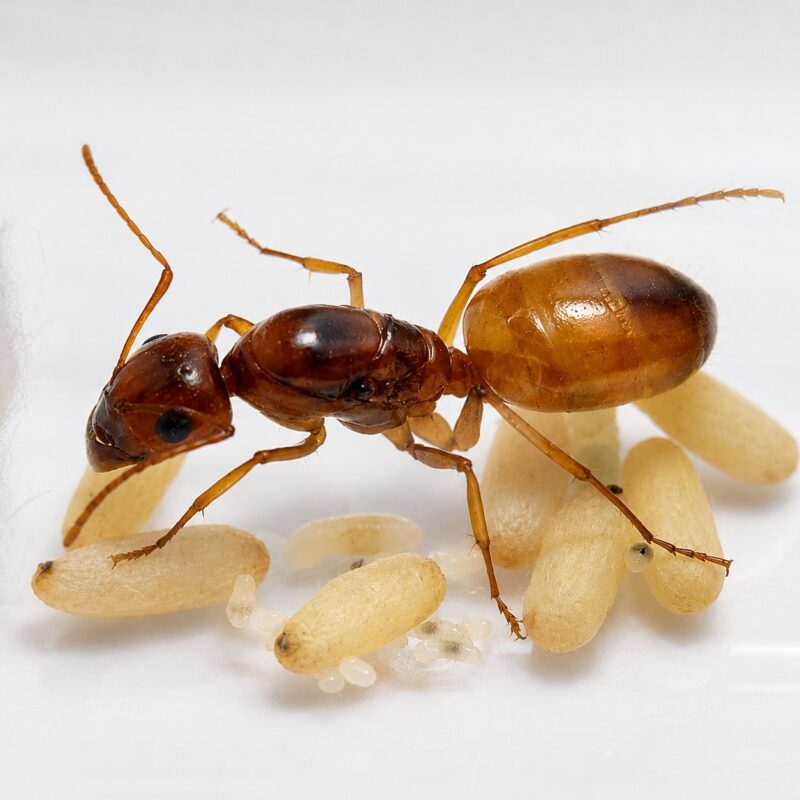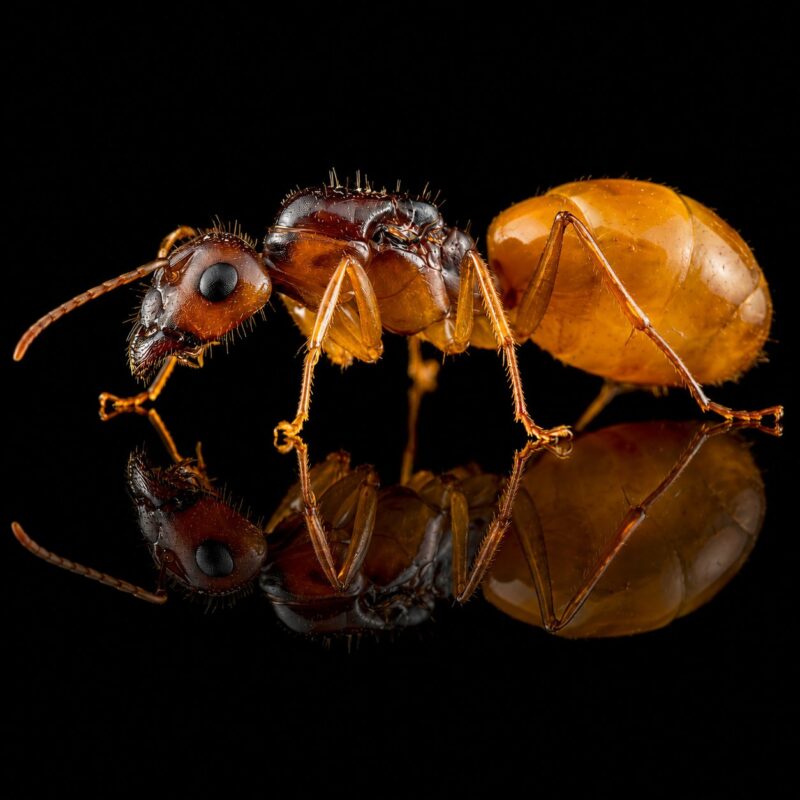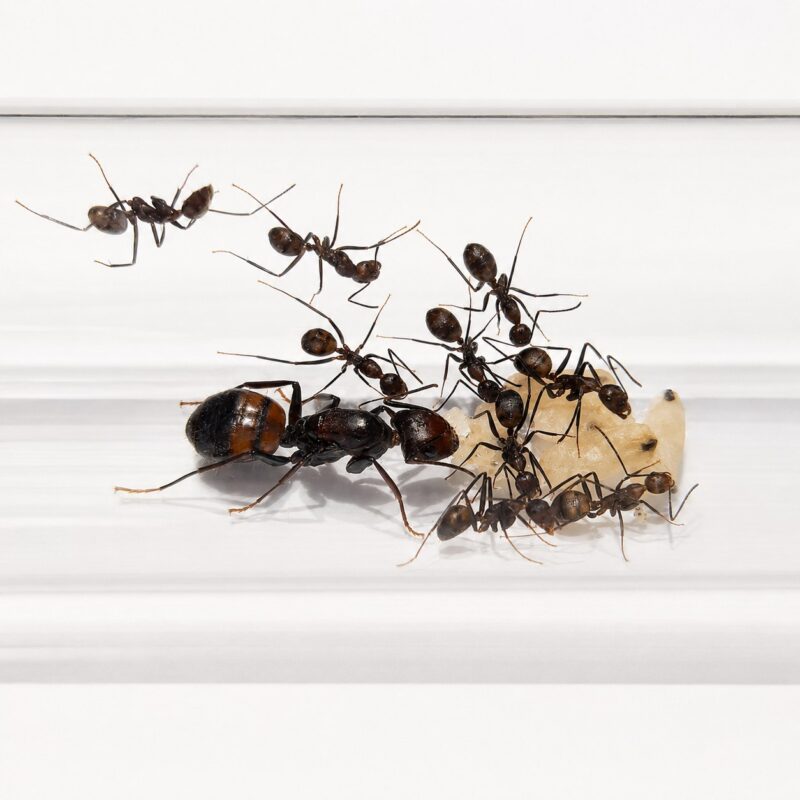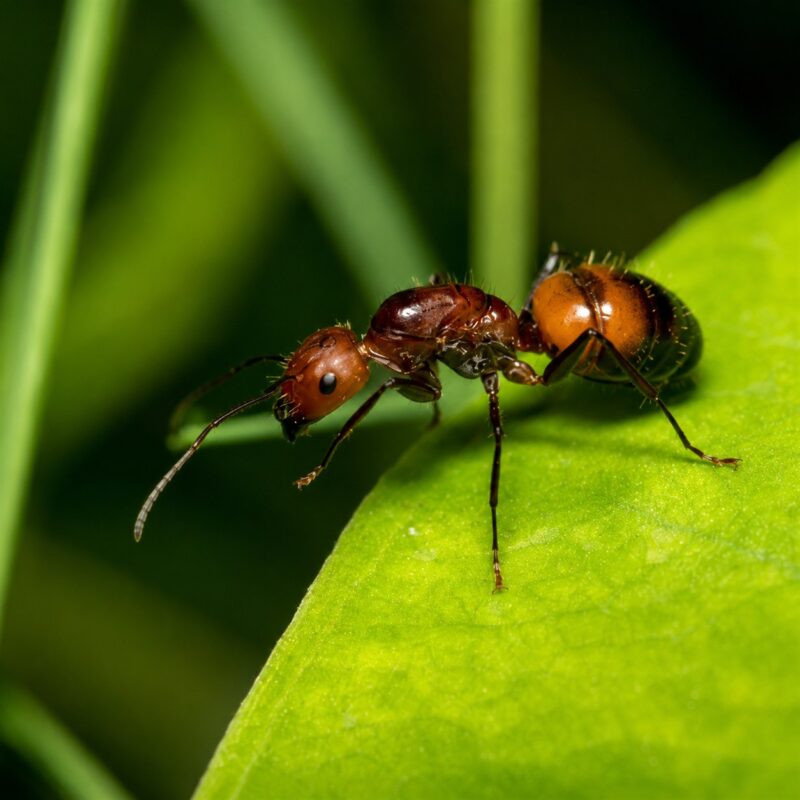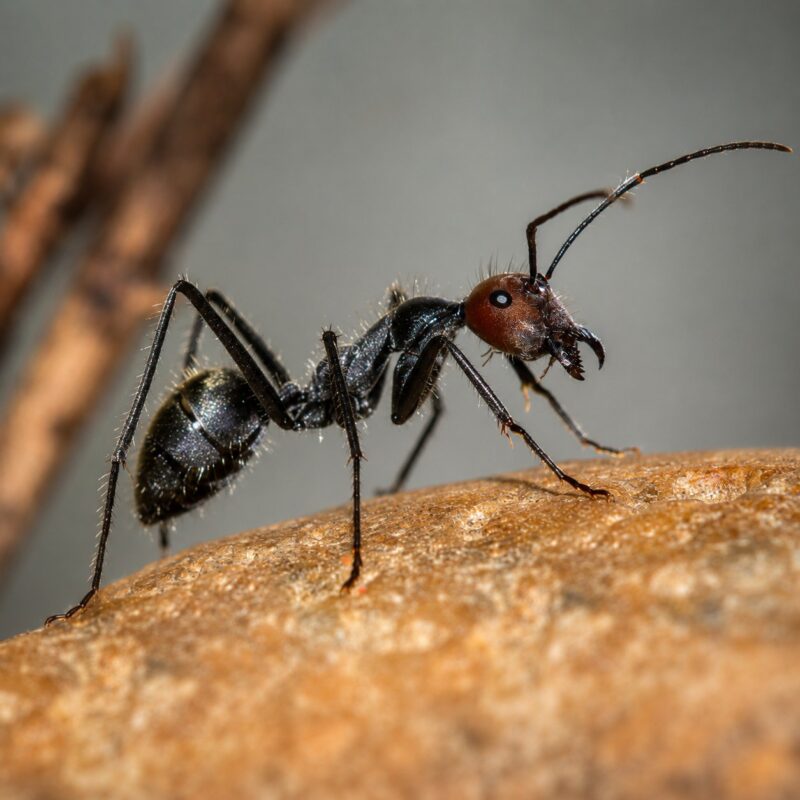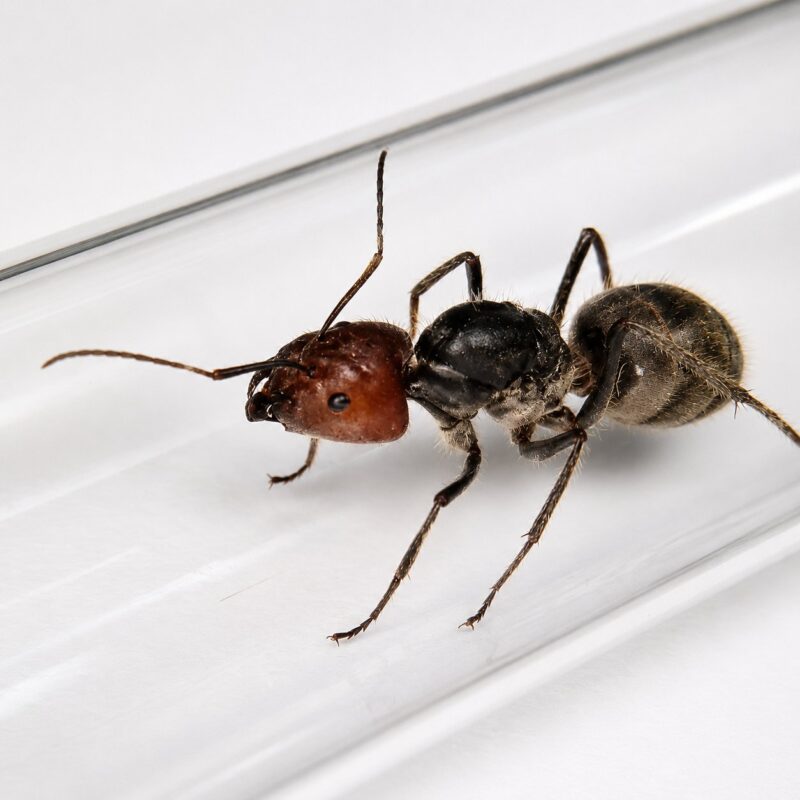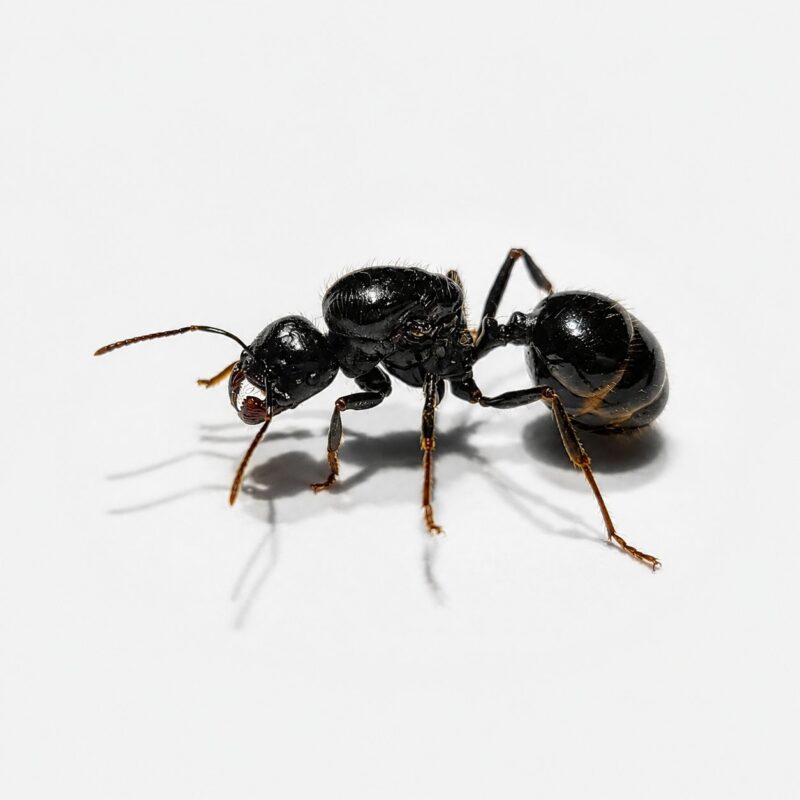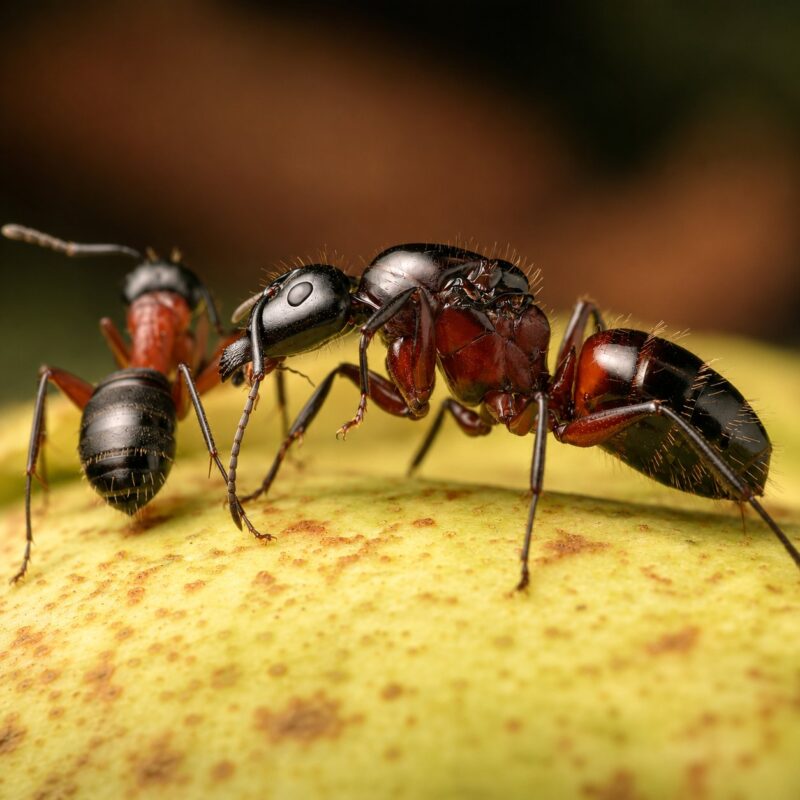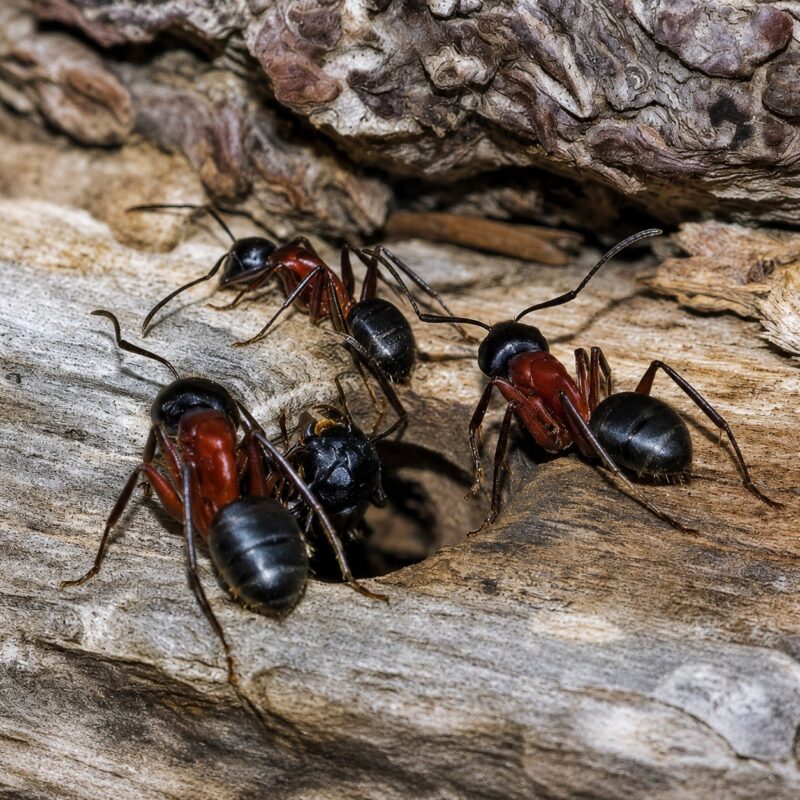

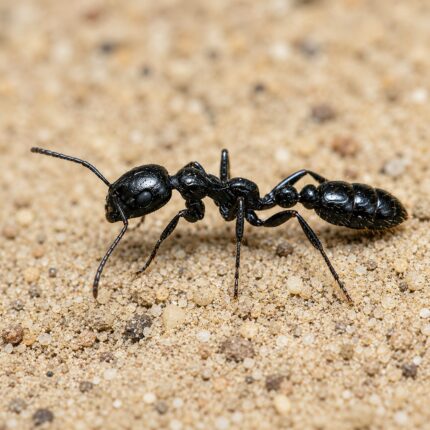
Cataglyphis rubra
Live Queen Guarantee
Heat Pack & Summer Cooling
Fertilised Queen in Every Colony
Ships Within 24 h
Free Care Guide
24/7 Expert Support
Description
DHL across the EU · EMS worldwide · Live arrival guaranteed.
Free shipping across Europe over 1299 zł.
Quick facts: Founding queen colony · Intermediate level · Small-sized · from Africa · Light diapause · No sting
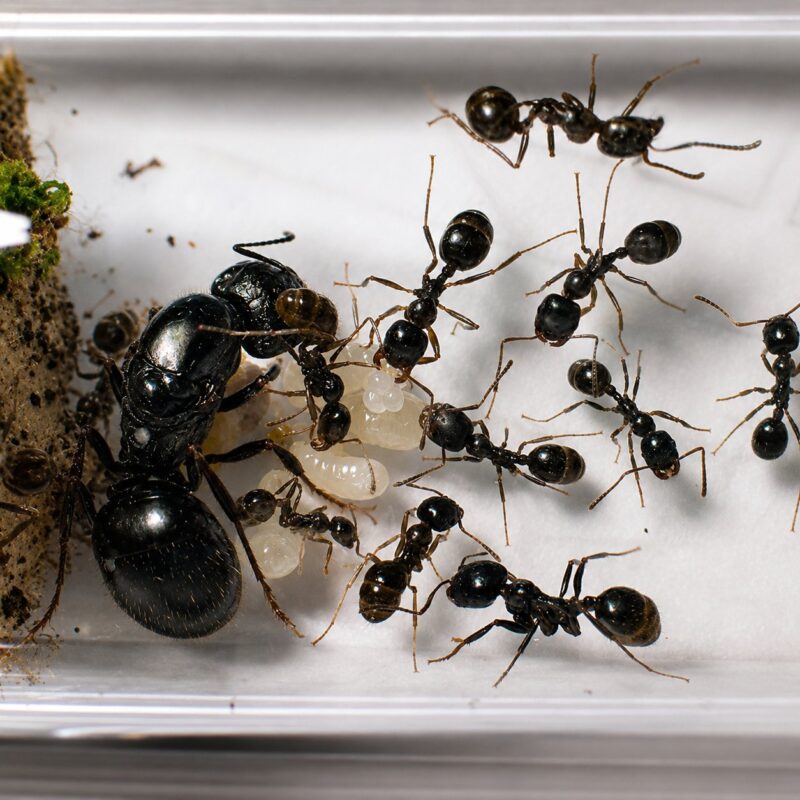
Looking for a live ant colony for sale that punches above its weight? Cataglyphis rubra is the bicoloured Saharan desert runner – one of the fastest, most heat-tolerant ants on Earth. Workers run on sand above 50 °C, navigate by counting steps, and forage solo without pheromone trails.
A small, hardy colony for keepers ready for their second or third species. light diapause required, no sting (mild bite only). EU shipping in 1–5 days with live queen guarantee. Buy Cataglyphis rubra from ANTonTOP – a verified, ethically sourced colony shipped from Poland.
Additional information
| Behavior | |
|---|---|
| Keeping difficulty | |
| Origin | |
| Ant size | |
| Hibernation | |
| Sting |
No sting |
Cataglyphis rubra
| Common name | Desert ant |
|---|---|
| Origin | North Africa (type locality: Algeria); also Egypt, Iran, Israel, Libya, Morocco, Oman, Saudi Arabia, Tunisia, Turkey, UAE |
| Colony form | Monogyne |
| Mature colony | 500–2,000 workers |
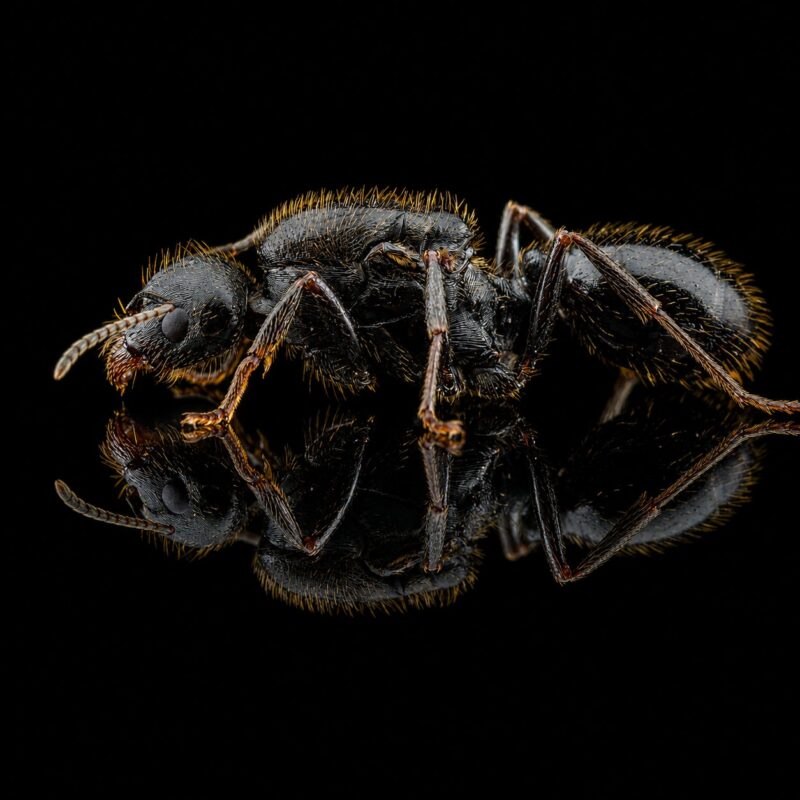
| Queen | 10–12 mm |
| Worker | 5–9 mm (slight size variation) |
| Founding | Independent claustral |
| Temperature | Nest 24–28 °C / Arena 28–45 °C (heat gradient mandatory) |
| Humidity | Nest 40–50% / Arena 20–30% |
| Hibernation | Light diapause – brief cool rest |
| Habitat (wild) | Sandy deserts, rocky semi-arid steppe, dry grasslands |
| Difficulty | Intermediate |
| Stings or bites | No sting – sprays formic acid; mild bite only |
Why this species
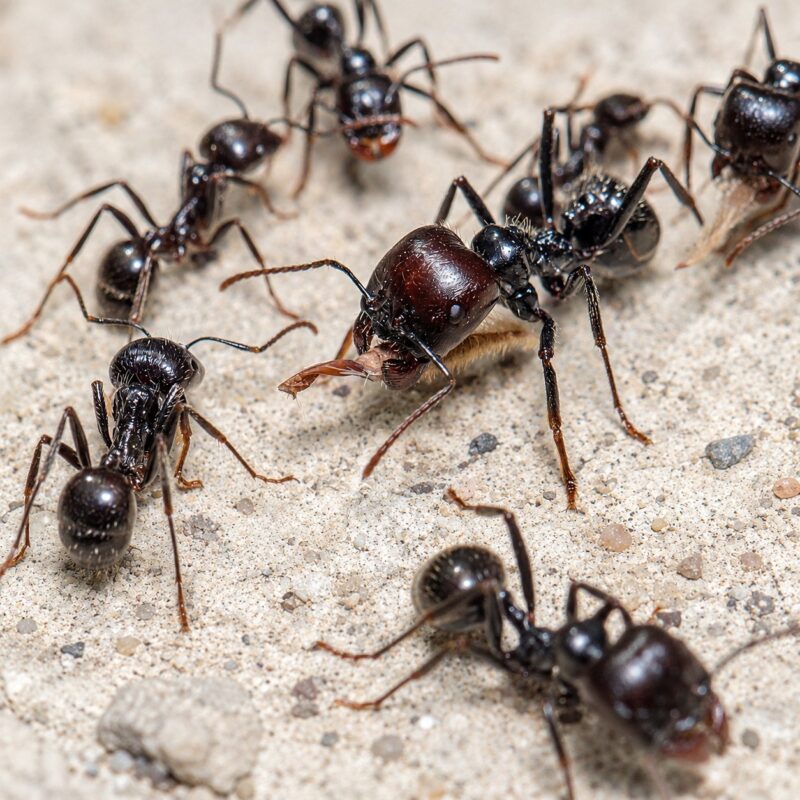
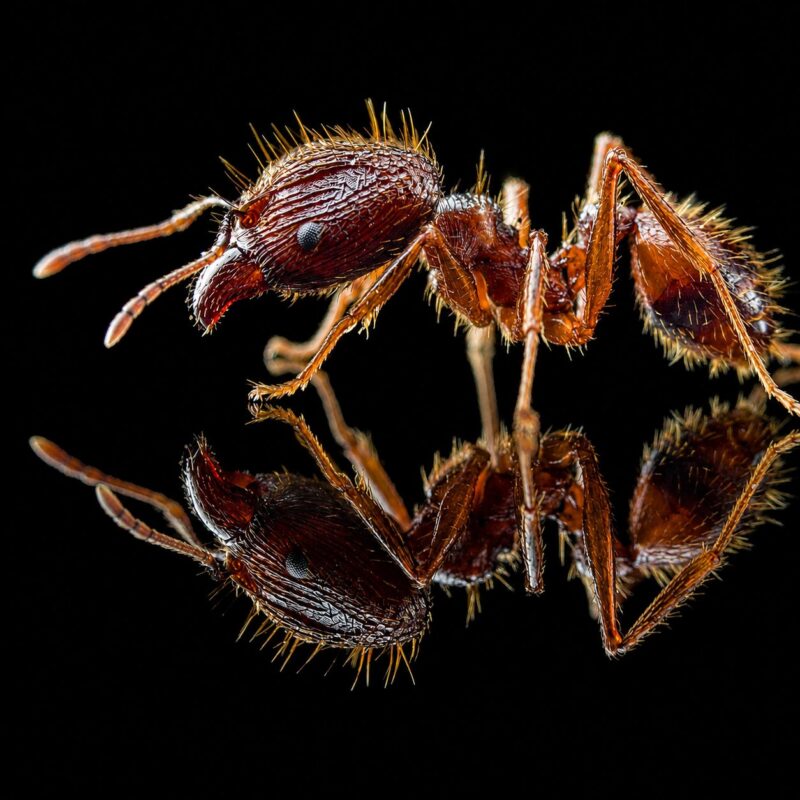
Cataglyphis rubra belongs to the desert-runner lineage that defined modern insect navigation research. Like its better-known sister species C. fortis, this is a solitary forager: workers leave the nest one at a time, run flat-out across blistering sand, find dead arthropods cooked by the sun, and carry them home. They locate food by sight and by the smell of dried prey, then track their way back using a built-in step counter rather than pheromone trails.
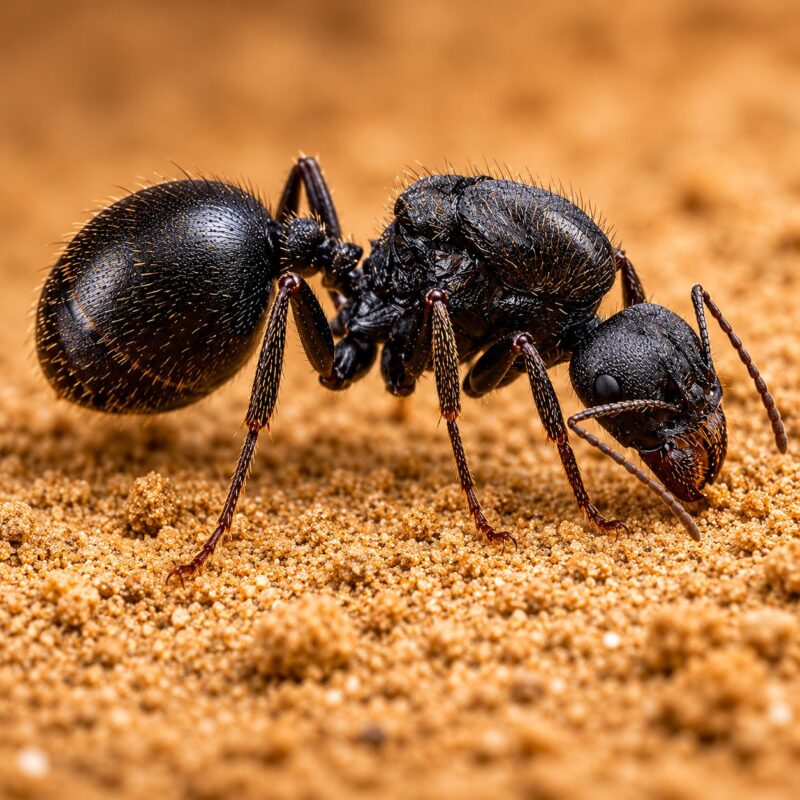
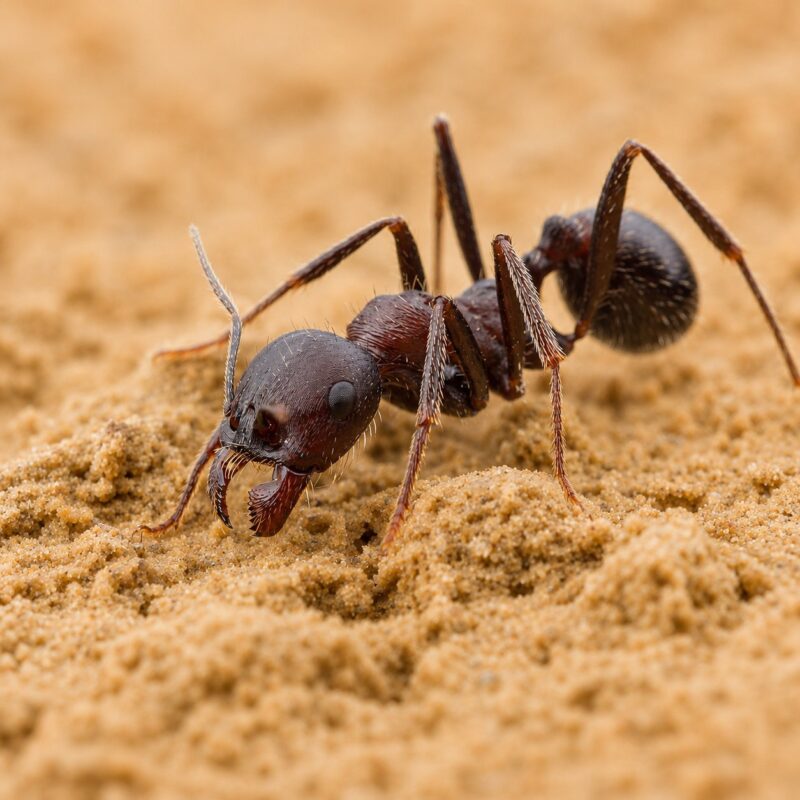
For a keeper, that means a colony that does almost nothing for hours, then explodes into motion when food enters the arena. Workers are slim, bicoloured, fast – closer to a sprinting wasp in habit than to a typical ant. The colony stays compact (500–2,000 workers) and never goes invasive, which makes it manageable for an apartment.
If you keep other thermophiles like Cataglyphis rosenhaueri or Cataglyphis livida, this species fits the same heat-gradient setup.
Housing
Start the founding queen in a small test-tube setup with a water reservoir. Once 10–15 workers are visible, move into a sand-substrate nest:
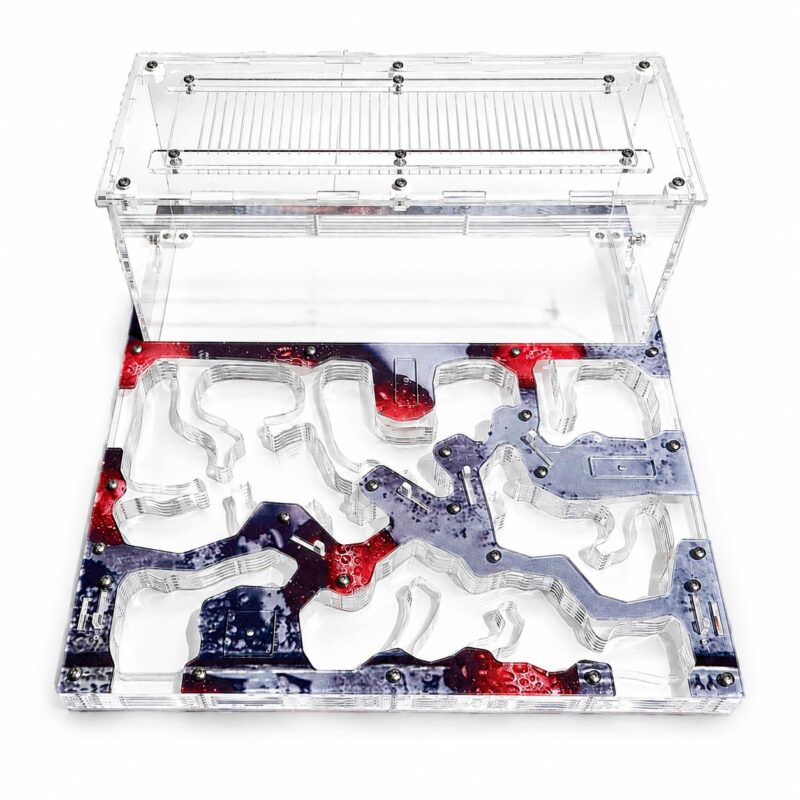
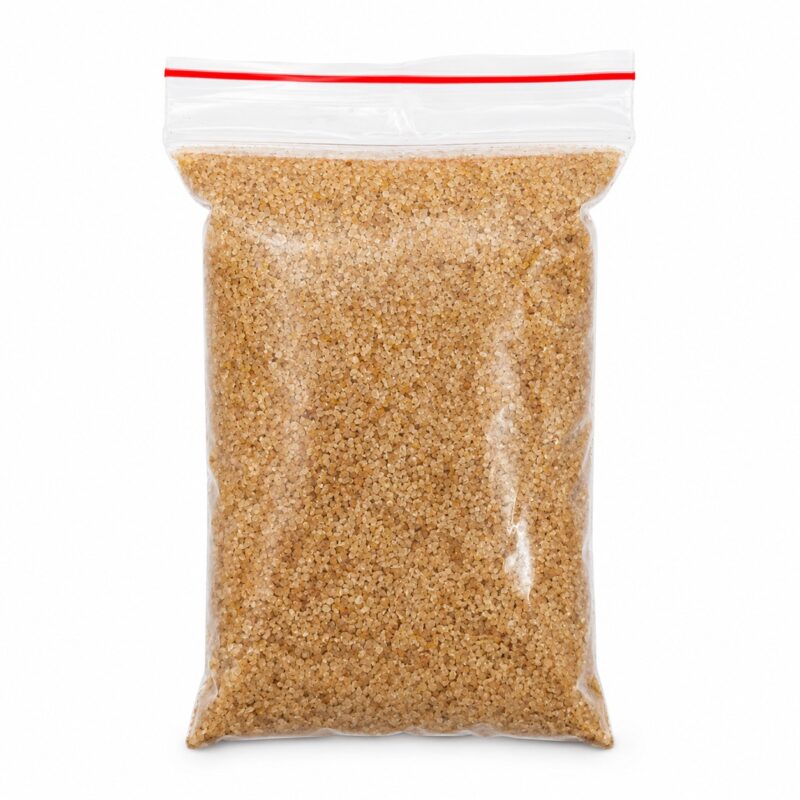
- Sand or fine ytong nest, 10×10 cm starter, with a large arena (3:1 arena-to-nest ratio)
- Upgrade to a 20×15 cm nest at ~100 workers
- Mature-colony nest 30×20 cm with deep arena and basking spot
Avoid acrylic-only nests – they overheat. A sand/clay or ytong mix holds the heat gradient correctly.
Temperature and humidity
Heat gradient is non-negotiable for this species. Provide:
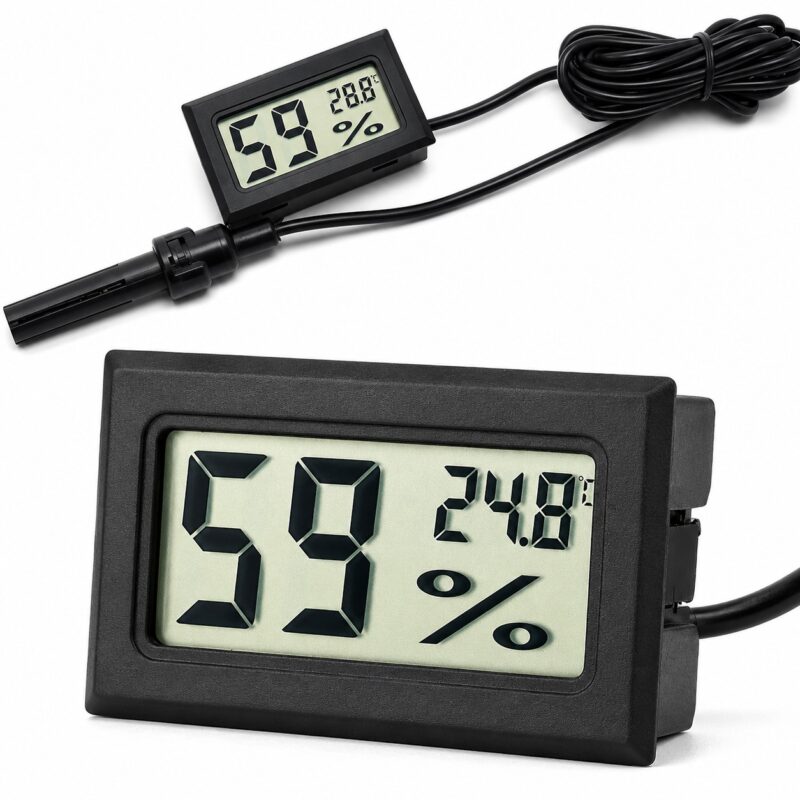
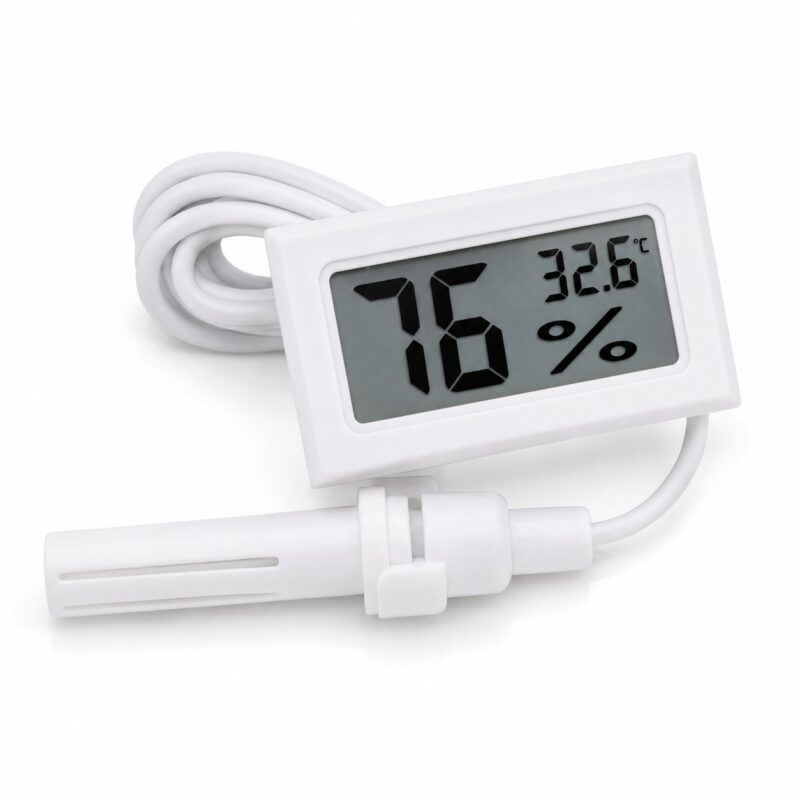
- Nest: 24–28 °C, humidity 40–50%
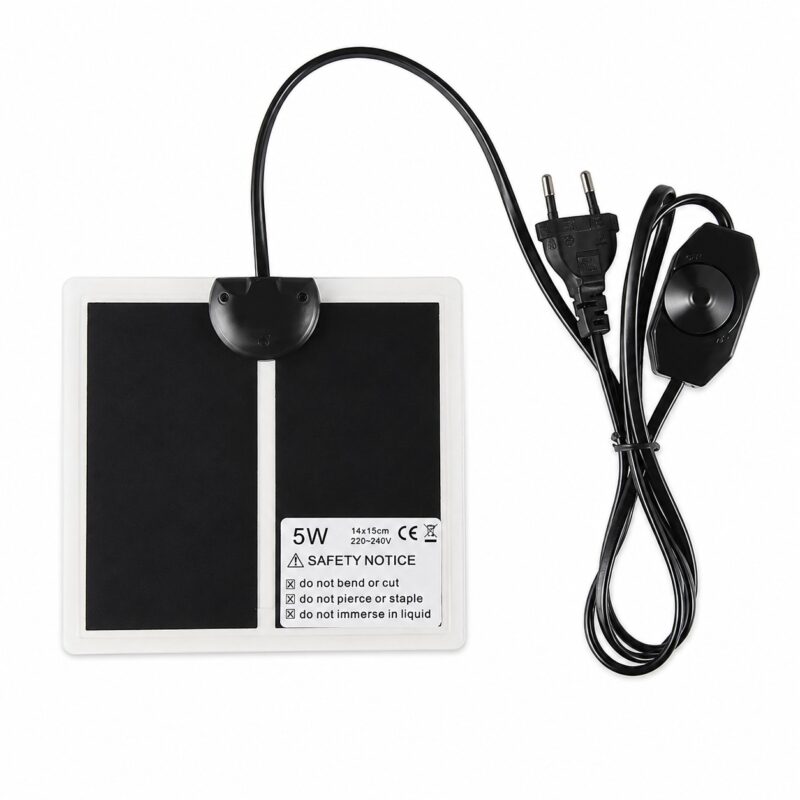
- Arena: 28–45 °C basking spot under a heat lamp or heat mat at one end; cooler shaded end at 24 °C
- Arena humidity 20–30% – dry surface, water dish available
No direct sunlight on the nest – one hour of sun through glass will cook the colony.
Feeding
In the wild: dead arthropods, sun-killed insects, seeds occasionally.
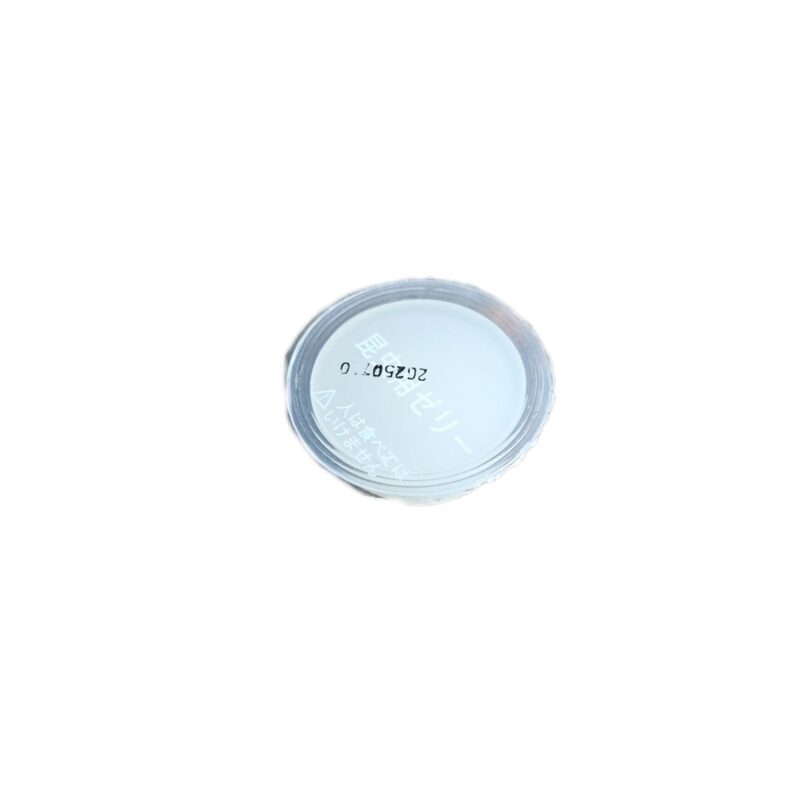
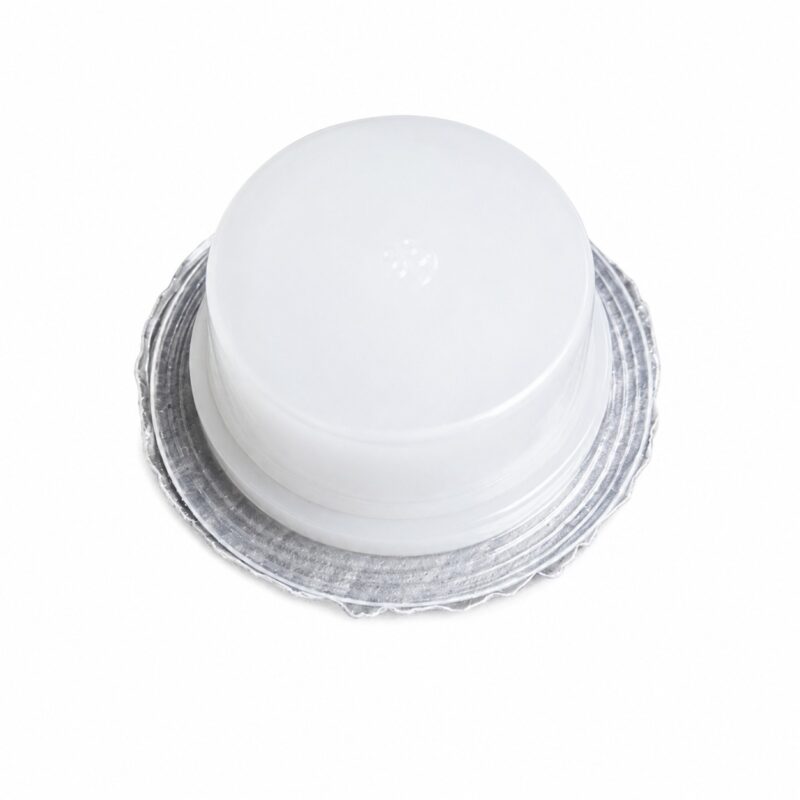
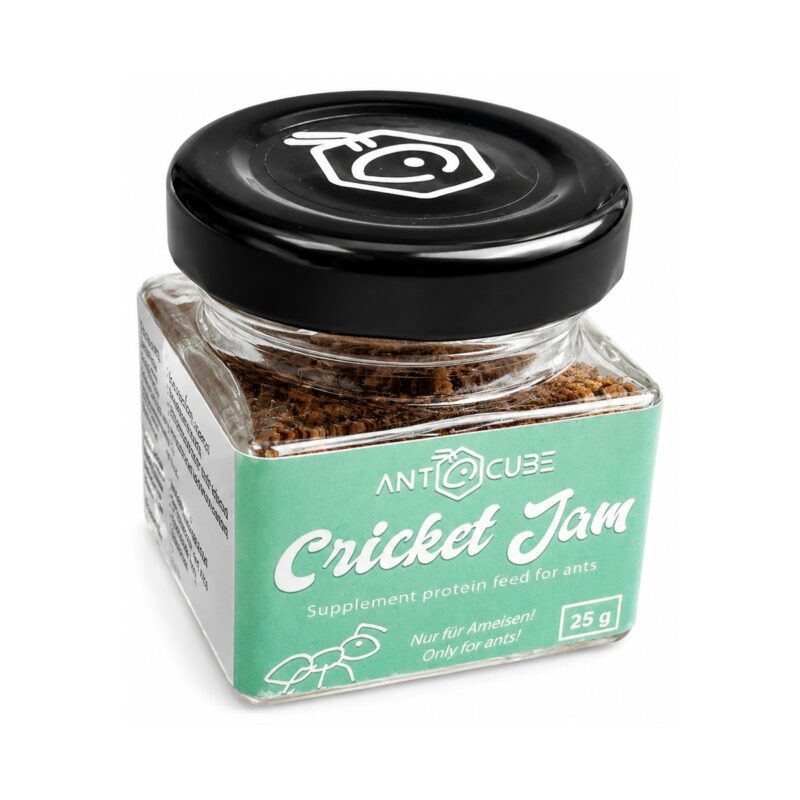
No-insect option: boiled chicken without salt, boiled shrimp, egg yolk, protein jelly.
With frozen insects: crickets, mealworms, fruit flies – freshly killed or frozen-thawed. Offer in the hot arena zone, not the nest.
Sugars: honey water 1:3 or 1:4, or honey jelly.
Fruits: small amounts of soft fruit (apple, mango). Cataglyphis rarely takes fruit but will sometimes lap the juice.
⚠ Wild-caught insects: only if boiled first; otherwise risk infecting the colony with parasites or pesticide residue.
⚠ No live insects to founding queens or small colonies – stress kills the brood.
⚠ No household chemicals near the formicarium.
Wintering
This species needs only a light diapause, not a full hibernation. Give a short, gentle cool-down (around 15–18 °C for 6–8 weeks) in the cooler months; a deep cold winter is not required.
Escape prevention
Cataglyphis workers are exceptional climbers and runners. Use a 2 cm barrier of talc + isopropyl alcohol slurry, paraffin oil, or PTFE coating along the arena rim. Re-apply monthly. Keep the arena lid closed when not feeding.
Important keeping reminders
- No direct sunlight – even one hour will overheat the nest
- Hydrate the nest regularly, do not drown it
- Ventilation matters – sealed formicariums grow mold
- Minimal disturbance, especially in the founding phase
- Do not open new chambers too early
- No wild-caught insects – boil or freeze first
- Going away? Horizontal water tube + jelly + heavy pre-feed → 2–3 weeks safe
Before you buy
By purchasing this colony you accept responsibility for its welfare and for adapting the keeping conditions above to your home. ANTonTOP guarantees the queen arrives alive (unboxing video within 24 h of delivery). Long-term keeping success depends on the temperature, humidity, feeding, and minimal disturbance you provide.
Intermediate difficulty: best for keepers who have already raised one or two simpler species. Not recommended as a first colony – Cataglyphis demand a precise heat gradient and dry arena that beginners often get wrong.
What we ship
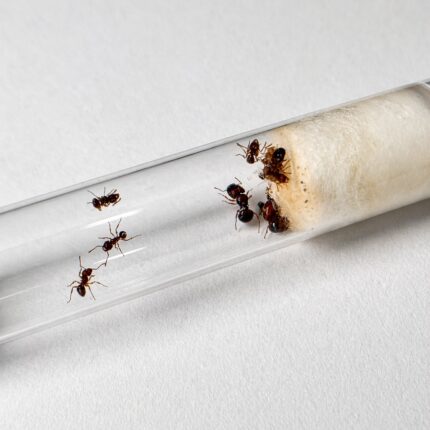
You receive a live Cataglyphis rubra queen with the worker count selected (or a solo founding queen, depending on your variant). Colonies travel in a sealed test-tube or queen-tube setup with water and a feeding plug. Shipped from Poland – EU delivery in 1–5 days via DHL or InPost; worldwide shipping via EMS. Live arrival guarantee with an unboxing video required within 24 h.
Did you know?
- Auguste Forel described Cataglyphis rubra in 1903 from El Kreider, Algeria – originally as a subspecies of Cataglyphis albicans, raised to full species status by Wehner in 1986.
- Cataglyphis foragers hold the insect record for surface-temperature tolerance. Workers run on sand above 50 °C, body temperatures spiking to 53 °C without damage, by reflecting infrared with silvery hairs.
- They navigate by path integration – a built-in step counter plus a sun compass. Wittlinger and colleagues (Science, 2006) proved this by gluing stilts to workers, which then overshot the nest by exactly the extra stride length.
- Eastern populations (Iran, Arabia) are visibly lighter than western ones (Algeria, Morocco). Pashaei Rad et al. (2018) flagged this clinal variation as a possible cryptic-species signal.
- The genus name comes from Greek katáglyphos (“engraved below”), describing the deeply sculpted mesosoma surface that diagnoses the genus.
Frequently asked questions
Is Cataglyphis rubra a good first ant species?
No. It needs a precise heat gradient (28–45 °C arena hotspot, 24–28 °C nest) and a light seasonal diapause. Pick a beginner species first; come back to this one after one or two successful colonies.
Does it sting?
No sting. Like all Formicinae, it sprays formic acid in defence and can deliver a mild bite. No medical risk.
Do I really need hibernation?
Only a light one. A short cool rest (diapause) is enough; a deep cold hibernation is not needed.
How big will the colony get?
500–2,000 workers at maturity. Small enough for an apartment, large enough to be active and entertaining.
Can I keep it with another Cataglyphis species nearby?
Yes – separate formicariums, same heat-gradient room. Never mix species in one arena.

Reviews
Clear filtersThere are no reviews yet.