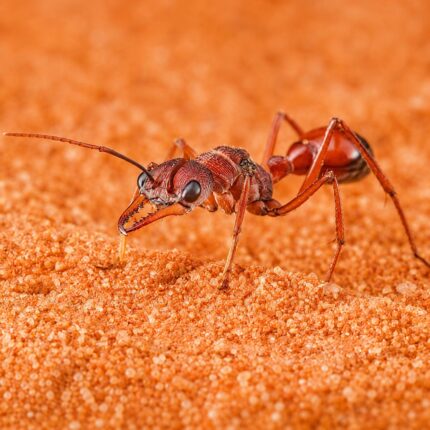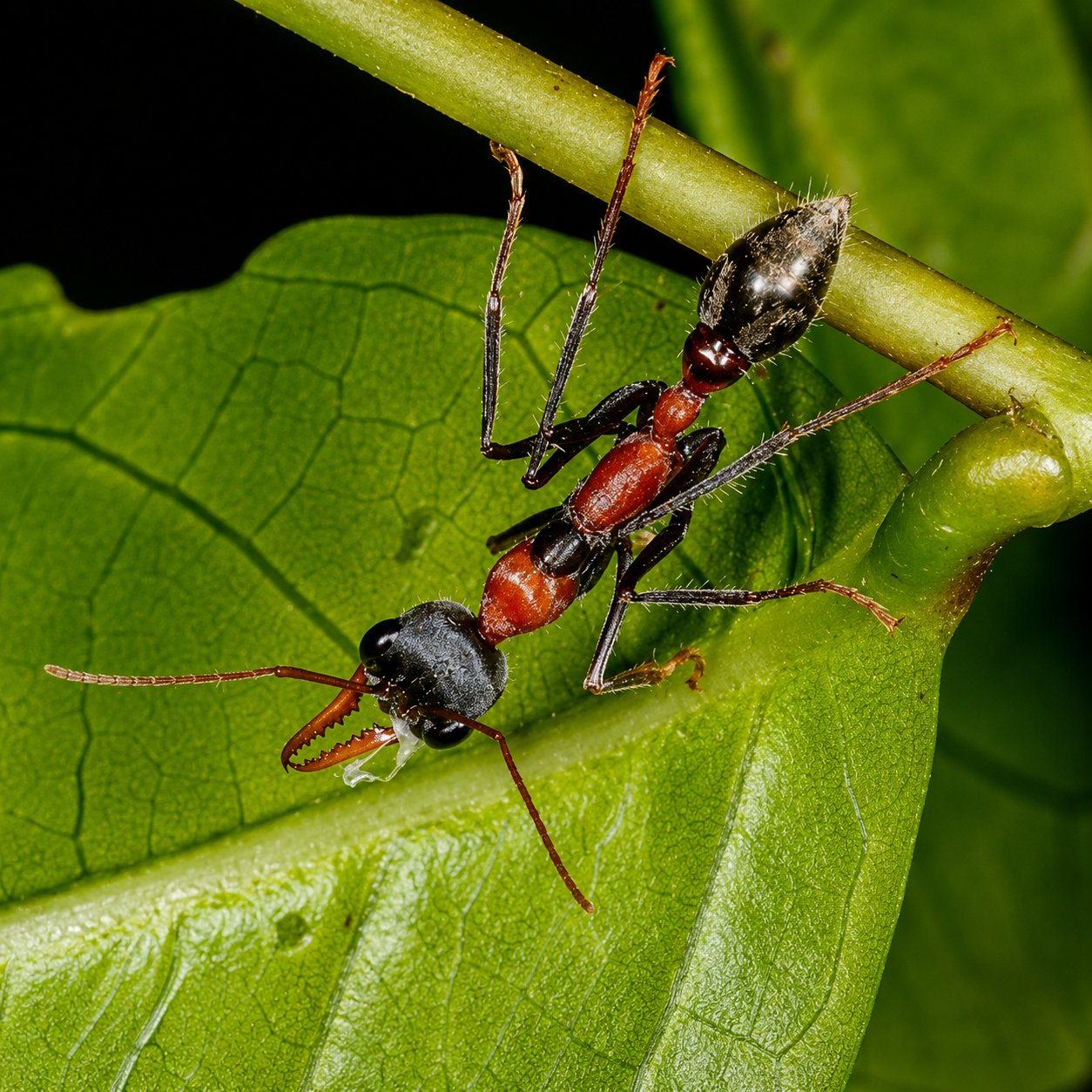

Myrmecia nigriceps
1989,90 zł – 3279,90 złPrice range: 1989,90 zł through 3279,90 zł
Live Queen Guarantee
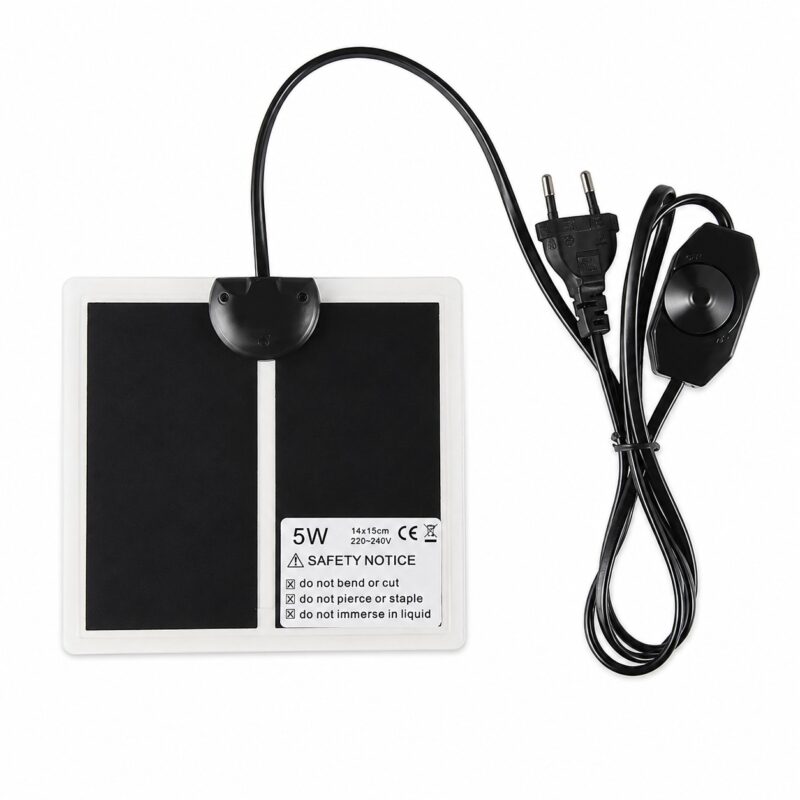
Heat Pack & Summer Cooling
Fertilised Queen in Every Colony
Ships Within 24 h
Free Care Guide
24/7 Expert Support
Description
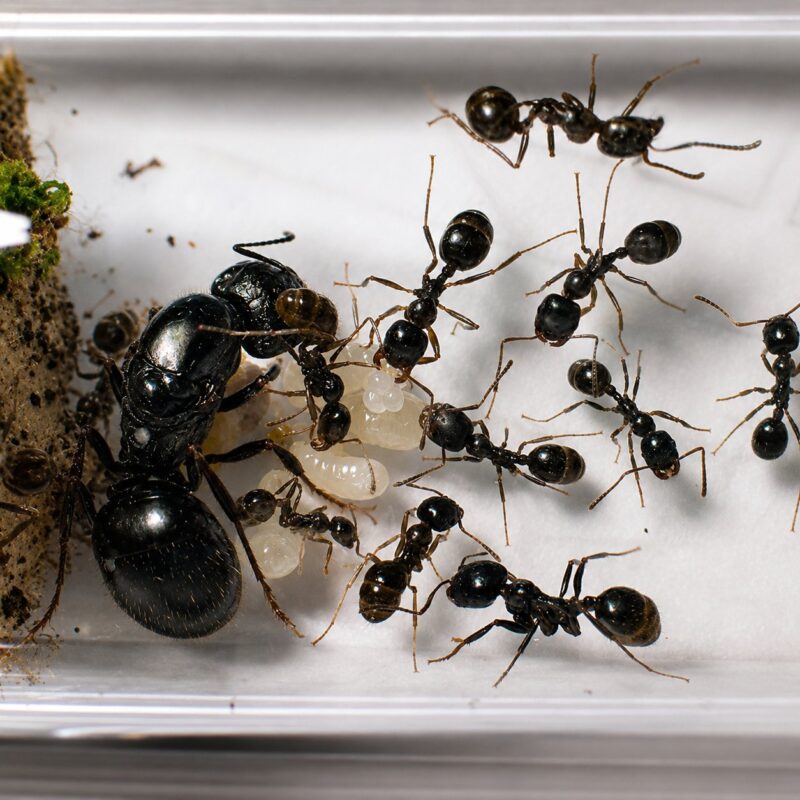
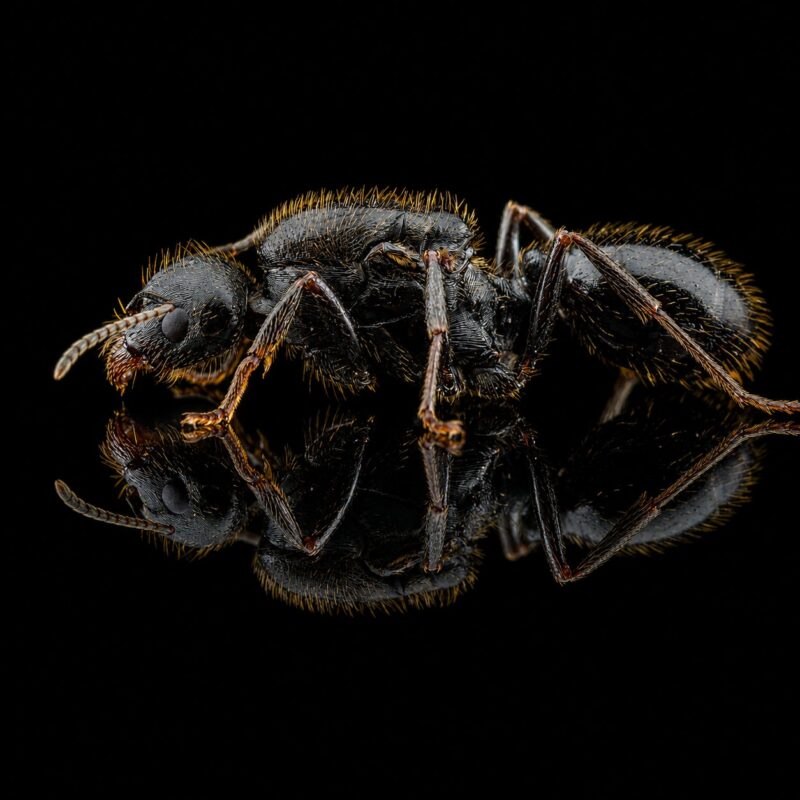
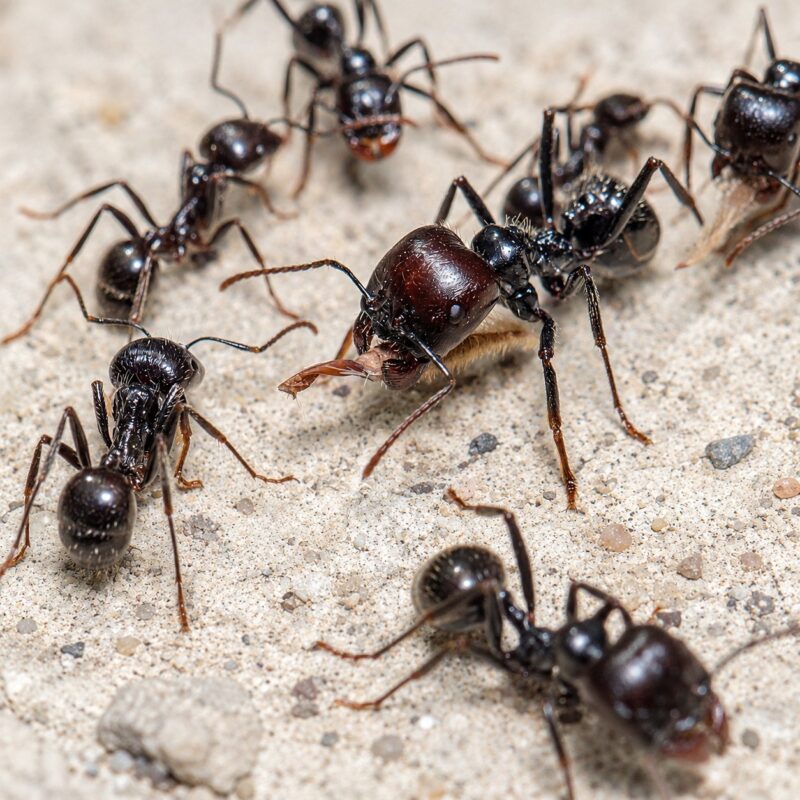
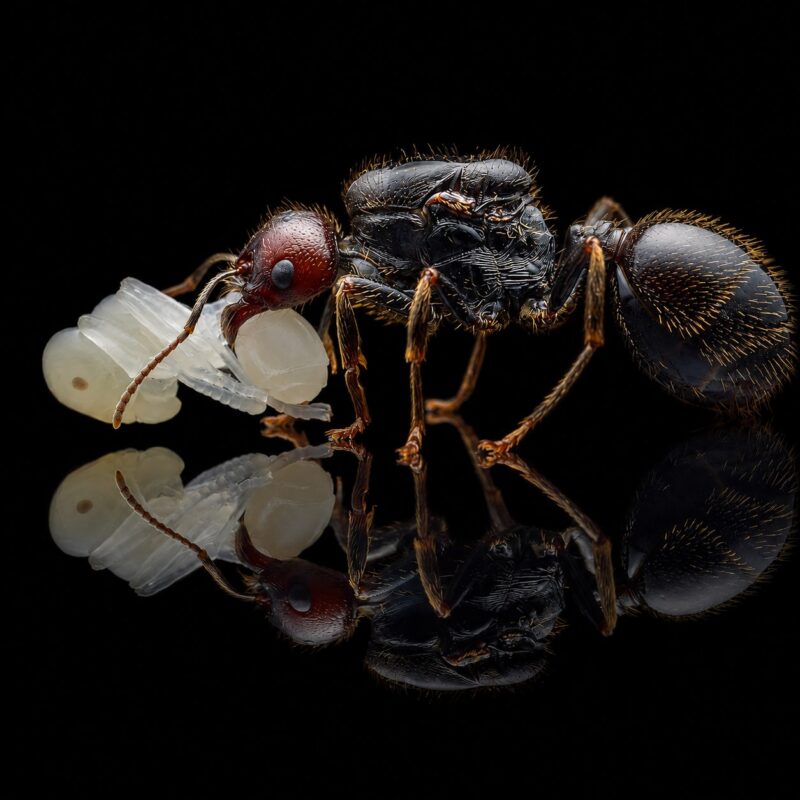
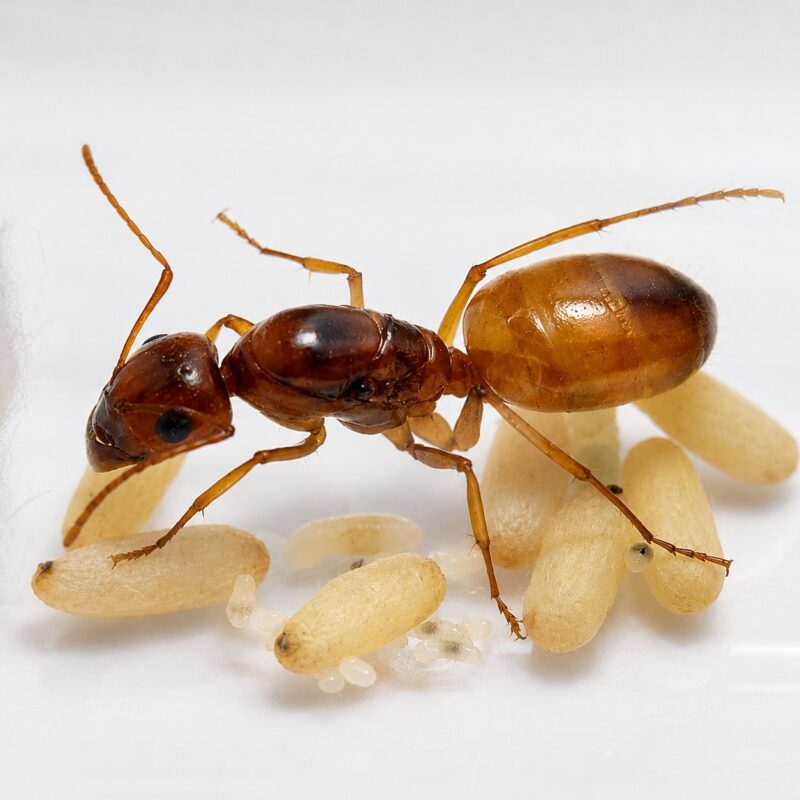
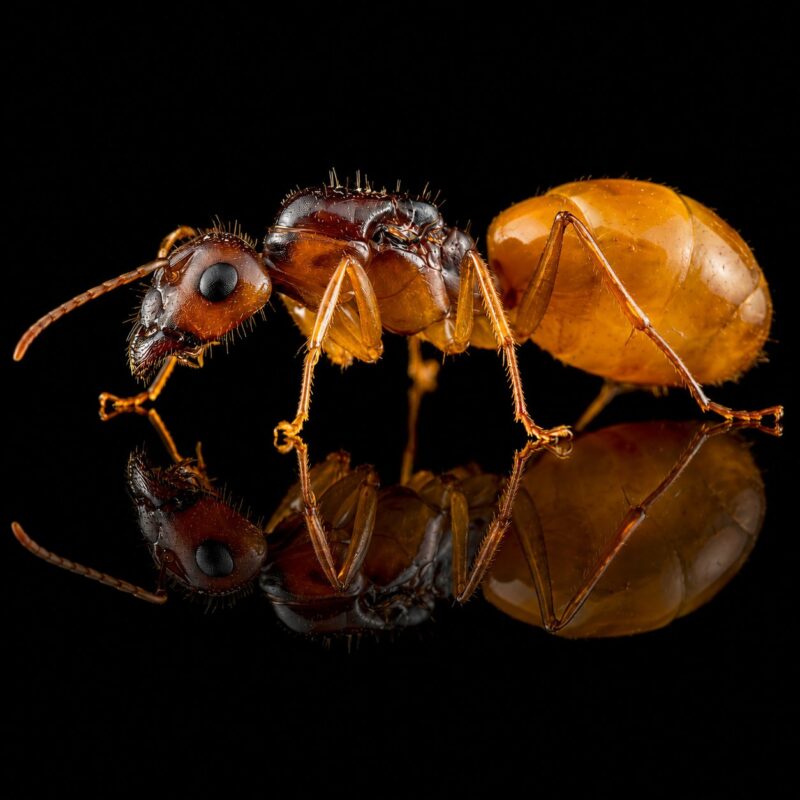
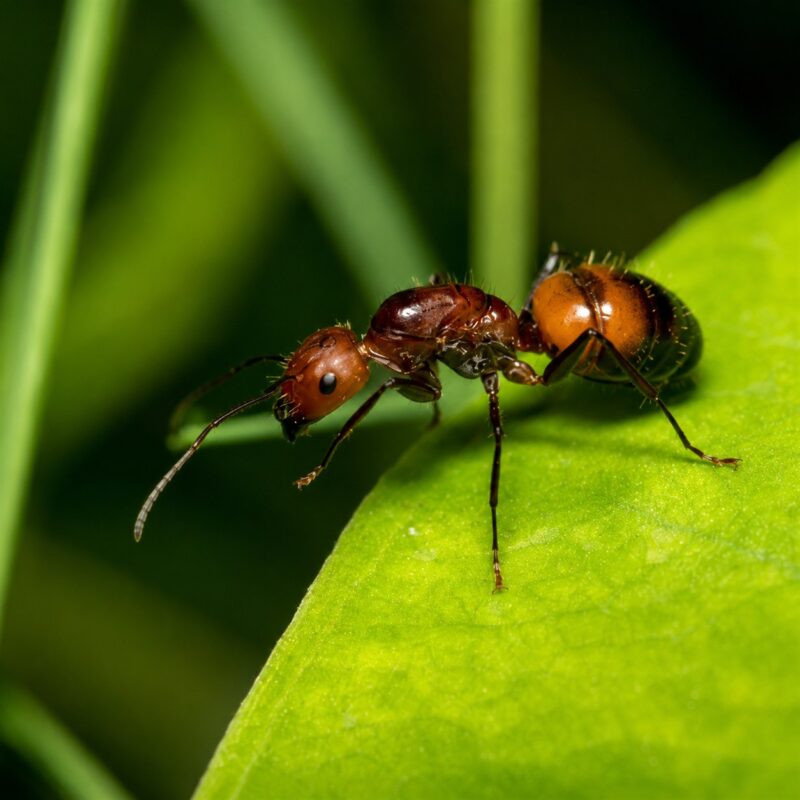
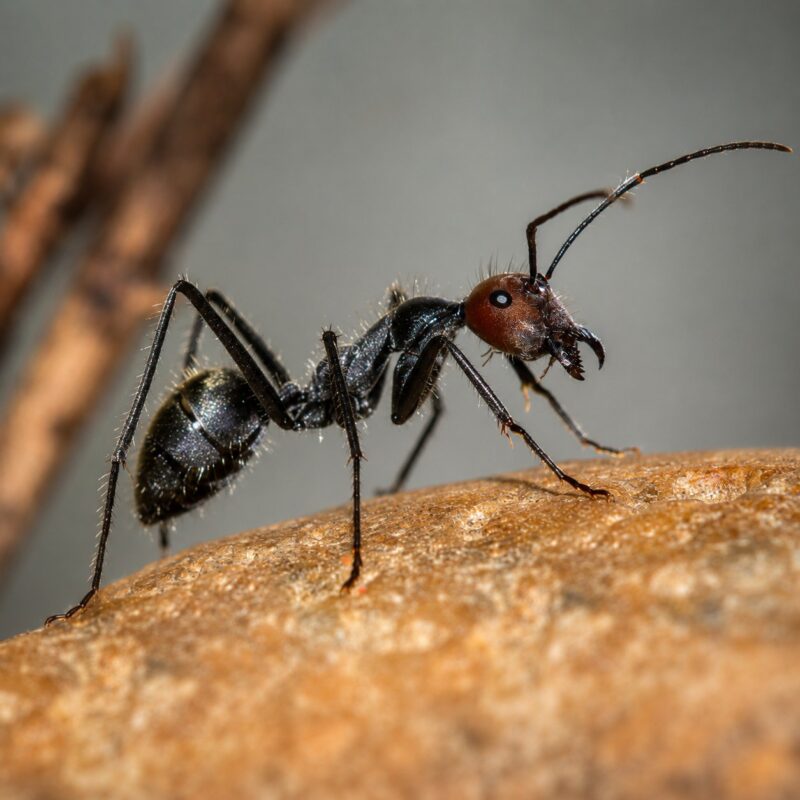
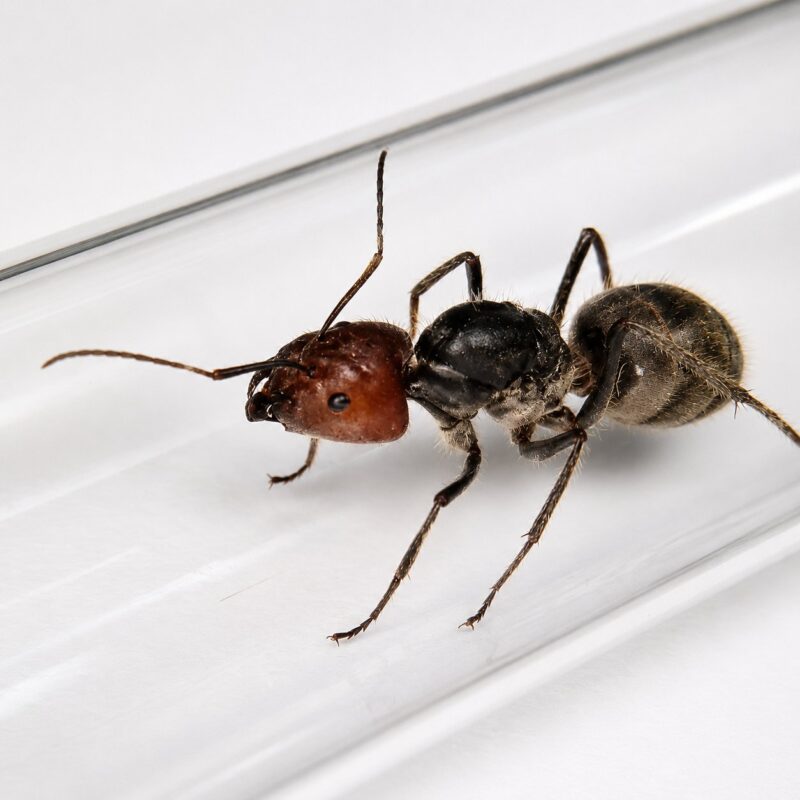
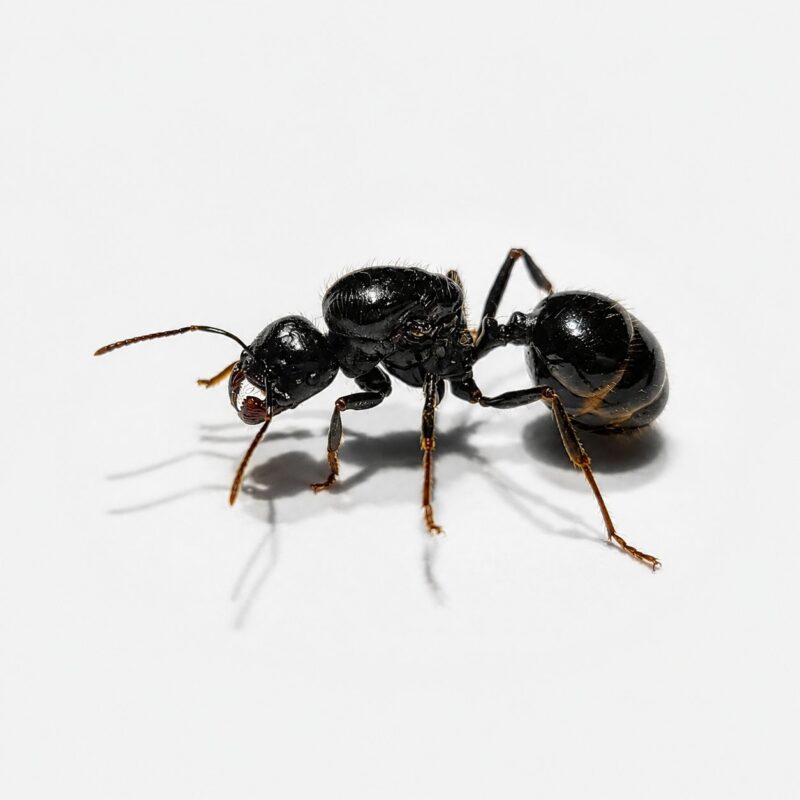
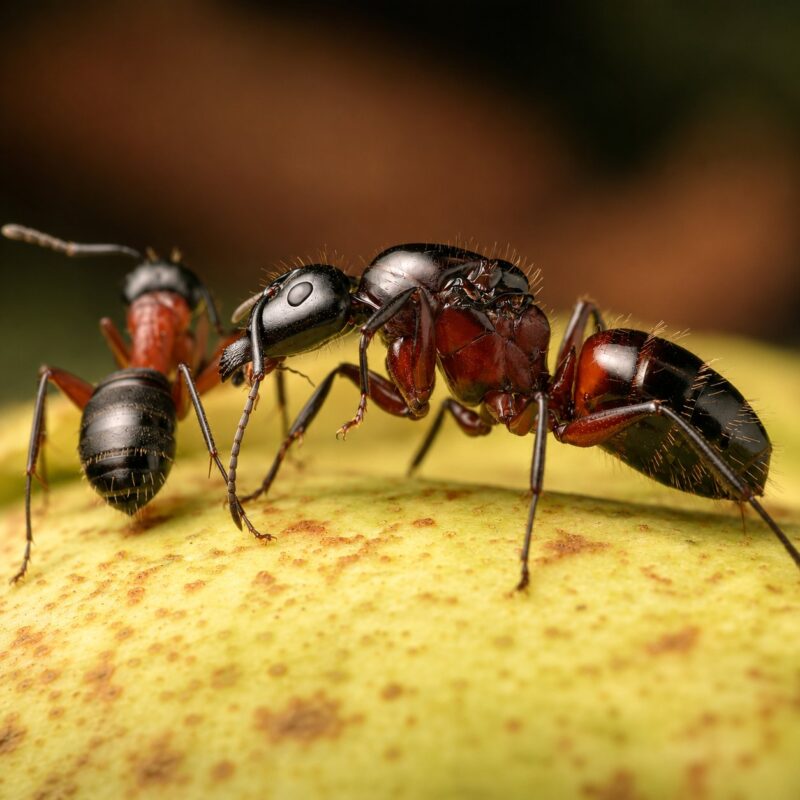
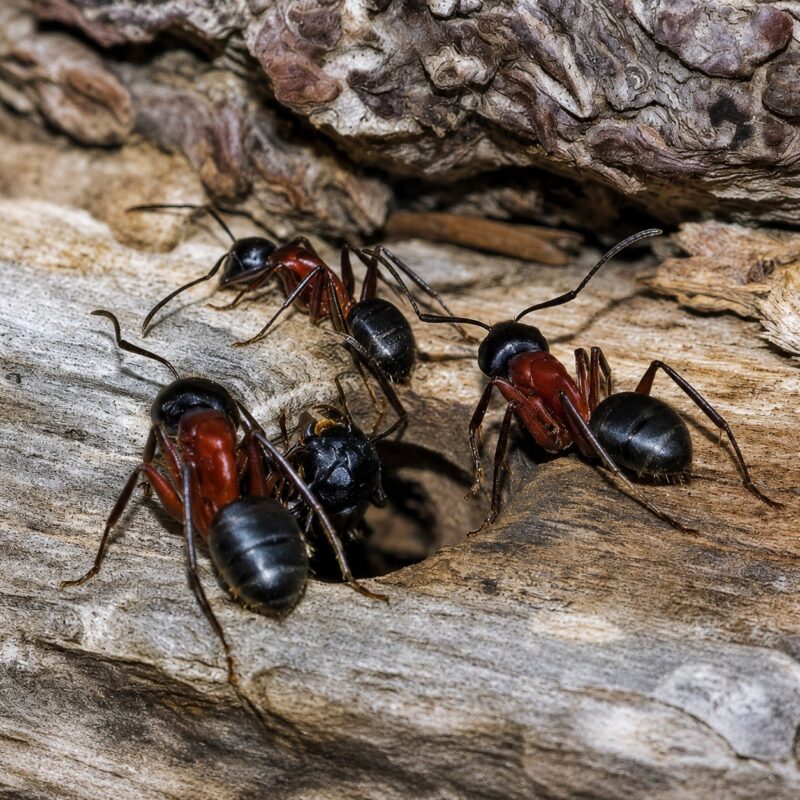
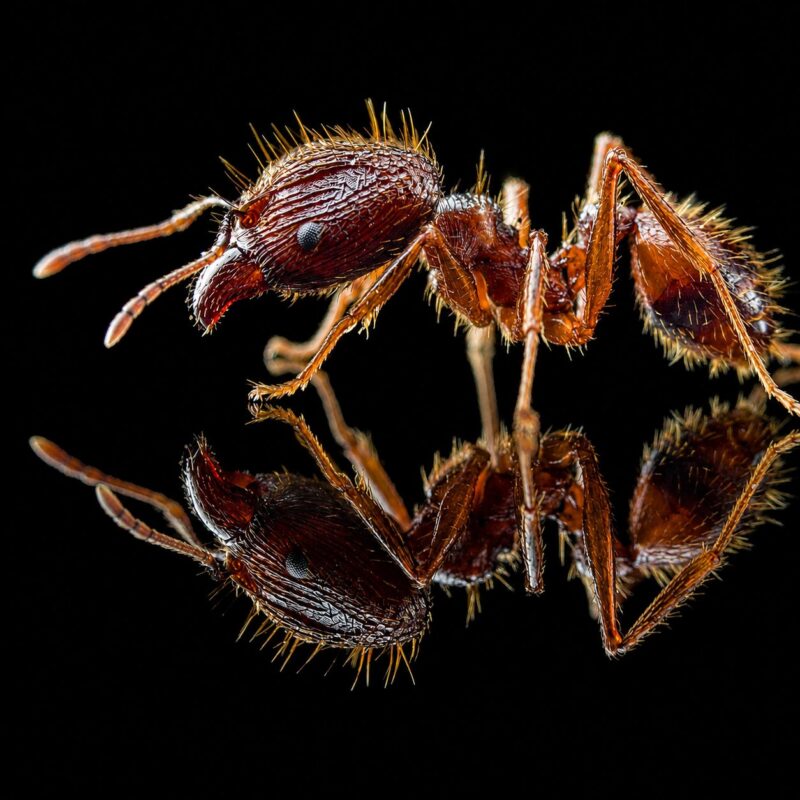
After the lights drop, this big Australian bull ant fills the arena, hunting by sight and defending the nest without hesitation. Add a showpiece colony of Myrmecia nigriceps from ANTonTOP for a serious keeper.
Free shipping across Europe over 1299 zł.
DHL / InPost / EMS · ships the EU & worldwide.
Crazy · Q 19-23 mm / W 16-21 mm · Up to 1,000 workers · Not required · Predator · Australia · Sting (painful, Schmidt 2-3)
Additional information
| Behavior | |
|---|---|
| Keeping difficulty | |
| Origin | |
| Ant size | |
| Hibernation | |
| Sting |
Has sting |
Myrmecia nigriceps – Bull ant
| Origin | Australia |
|---|---|
| Difficulty | Crazy |
| Colony form | Monogyne (1 queen) |
| Max workers | Up to 1,000 workers |
| Queen | 19-23 mm |
| Worker | 16-21 mm |
| Soldier / major | – |
| Founding | Semi-claustral |
| Temperature | Nest 20-25 °C / Arena 22-27 °C |
| Humidity | Nest 60-75% / Arena 50-65% |
| Hibernation | Not required |
| Diet | Predator |
| Sting / bite | Sting (painful, Schmidt 2-3) |
| Egg to first worker | up to ~26 weeks (up to 6 months) |
| Queen lifespan | 10-20 years |
| Nuptial flight | mid-summer to autumn (Jan-Apr, genus) |
| Activity | nocturnal |
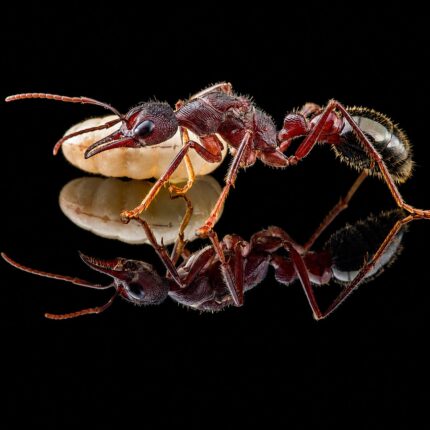
Myrmecia nigriceps is an Australian bull ant that comes alive after dark, hunting by sight with a sting that commands respect.
Why this species
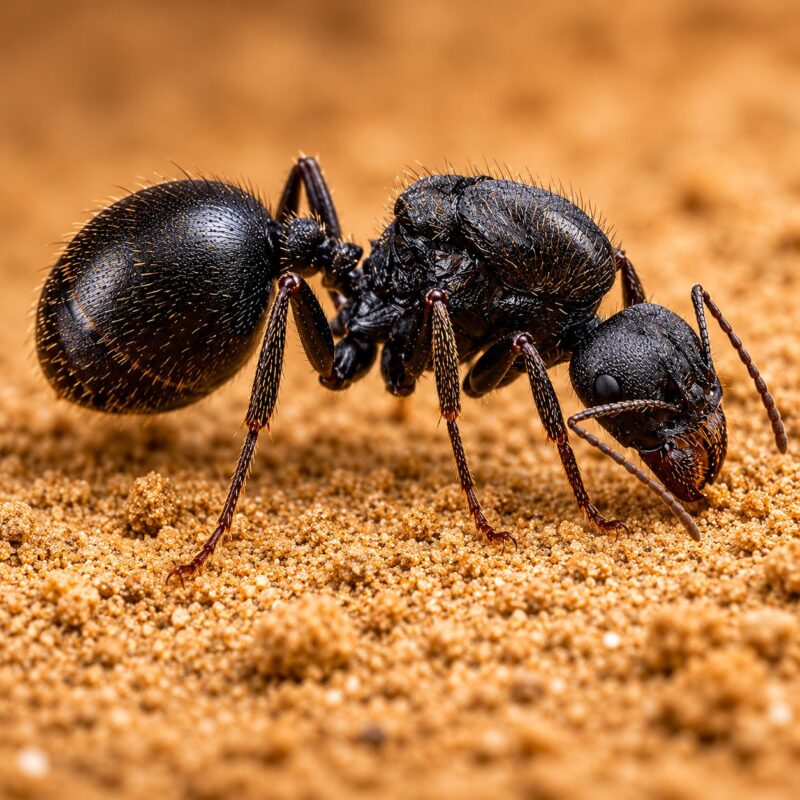
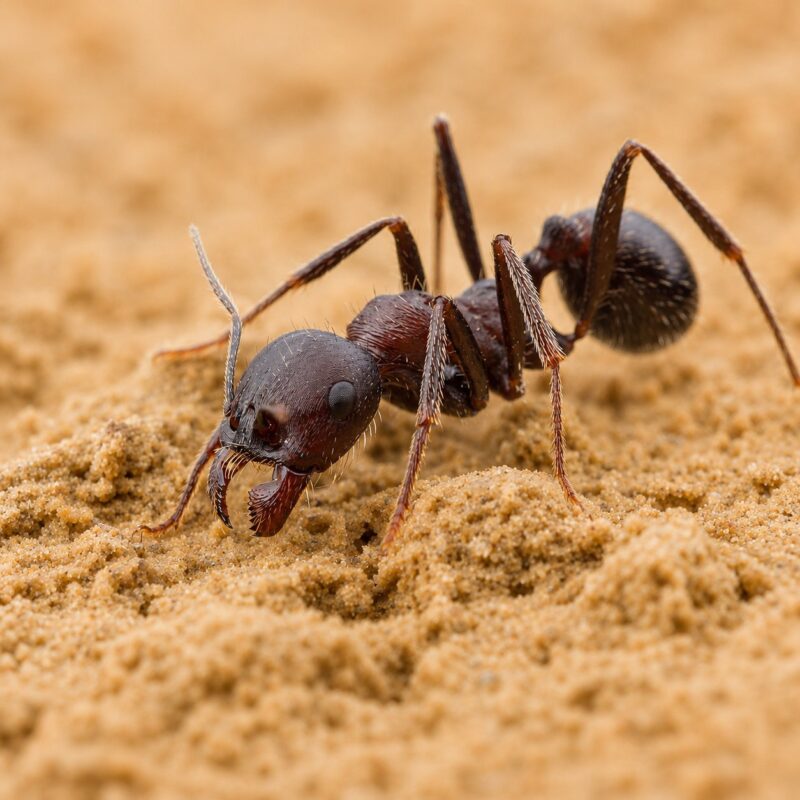
This is a bull ant from Australia, big-bodied and quick, with the large-eyed look the genus is known for and a hair-trigger response to movement near the nest. What sets it apart is the night shift: it is nocturnal, so the arena gets busy after the lights drop and the colony hunts in the dark. Founding is semi-claustral, with the queen foraging while she raises her first workers, so expect an active early stage. The Crazy rating fits, and the sting is no bluff, which places it firmly with expert keepers who already know how to handle alert, stinging ants.
Feeding
A visual hunter that takes live or freshly killed insects as the main course, seizing prey with long toothed jaws and a sting. Adults drink sugar water and nectar for their own energy, while the captured insects feed the developing larvae.
| Live / fresh crickets | ★★★ |
| Cockroaches (Dubia / Turkish) | ★★★ |
| Fruit flies | ★★★ |
| Mealworms | ★★★ |
| Houseflies / moths | ★★★ |
| Sugar water / nectar | ★★ |
| Honey | ★★ |
| Boiled egg yolk | ★ |
| Soft fruit | ★ |
| Soft seeds (poppy, sesame) | ✗ |
| Hard seeds (canary, millet) | ✗ |
★★★ readily · ★★ moderately · ★ occasionally · ✗ not eaten
Housing & formicarium
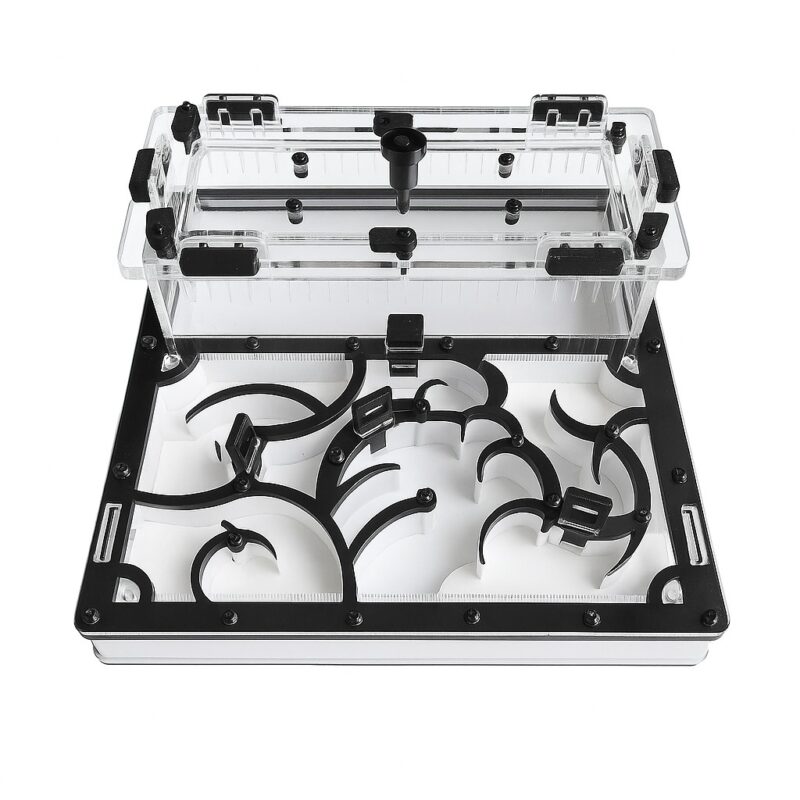
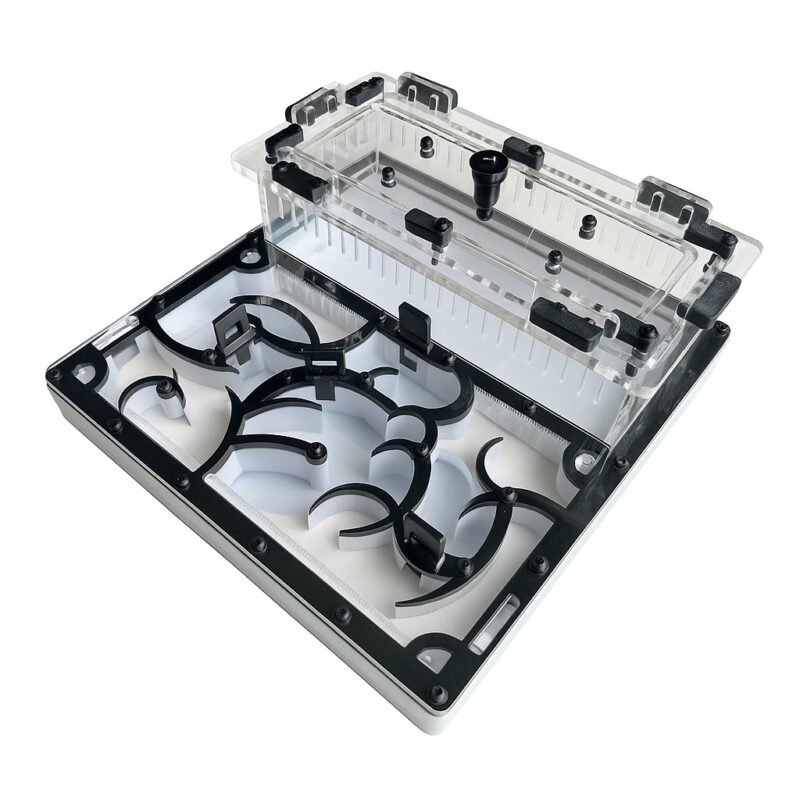
Raise the founding queen in a test tube and shift her into a nest once workers cover the floor and brood stacks up. A ytong or 3D-printed nest with moderate moisture suits this species, set against a large arena since these big hunters need ground to roam. Stinging bull ants need a dependable escape barrier, so coat smooth walls with fluon (PTFE) and keep talc and water as a backup. ANTonTOP formicaria and starter kits supply the nest, arena and barrier as one ready set.
Climate & wintering
Run the nest at 20-25 °C with the arena slightly warmer at 22-27 °C. Keep nest humidity between 60-75% and let the arena sit drier at 50-65%. Heating one end only gives a gradient the ants can read, picking warmer or cooler ground as they like. Hibernation is not required, so keep the colony fed and active all year without dropping the temperature.
Growth forecast + what you receive
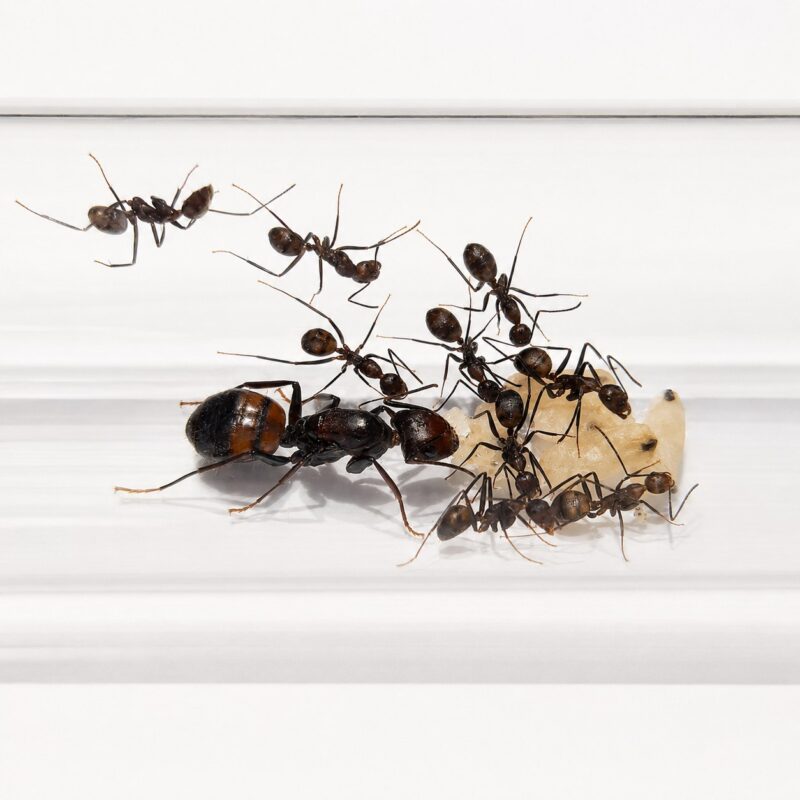
Bull ant colonies build at a measured pace rather than exploding, and this one tops out around 1,000 workers given time. Expect patient, steady progress as each batch of brood matures. The colony comes as a queen with workers and brood, so you start with an established founding nucleus rather than a lone queen.
Did you know
- Bull ants are famous for their eyesight, tracking movement and even short-range jumps in a way most trail-following ants cannot.
- Their venom is potent and a known cause of serious allergic reactions in Australia, part of why the genus commands respect.
- Unusually for ants, Myrmecia workers tend to forage solo, hunting as individuals rather than forming organised columns.
- Many bull ants, this one included, do their hunting after dark, navigating by large compound eyes in low light.
Frequently asked questions
Is Myrmecia nigriceps good for beginners?
No, the difficulty is Crazy and the sting is painful, so it is best for experienced keepers.
Does this nocturnal bull ant need a winter rest?
No, hibernation is not required; keep it active and feeding year-round without lowering the temperature.
How painful is the Myrmecia nigriceps sting?
It has a painful sting rated Schmidt 2-3, so handle the setup with care.
How big does the colony get?
Up to 1,000 workers over time.
How large is the queen?
The queen measures 19-23 mm, with workers at 16-21 mm.
How quickly does the colony build up?
Bull ants grow at a steady pace, building gradually rather than in sudden bursts.
What does it eat?
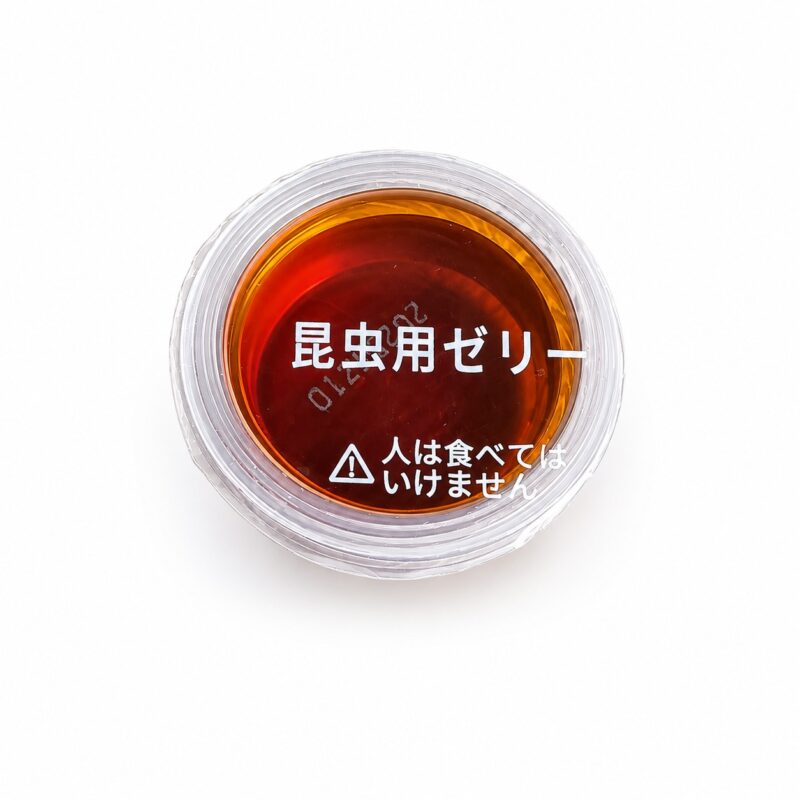
Insects such as crickets and flies for protein, plus sugar water, nectar or jelly for energy.
Will it arrive alive?
Yes, we ship a queen with workers and brood, with a heat or cool pack, dispatched within 24 h with tracking.
Keeping & shipping essentials
Escape prevention. Coat the inner rim of every open arena with fluon (PTFE), or use talc-and-water or an oil barrier as a backup, and keep a tight, fine-mesh lid on top. Check the barrier regularly, since dust, condensation and feeding debris break a fluon line over time. Keep tubing connectors tight and seal any gaps in the nest.
Keeping reminders. Always offer fresh water and never let the nest dry out completely. Give carbohydrates continuously and protein a few times a week, and remove uneaten insect prey within 24 hours before it moulds. Keep the formicarium out of direct sunlight and away from constant vibration, which stresses a young colony. A water-filled test tube plugged with cotton makes an ideal spare incubator whenever you need one.
Before you buy – do not rehouse too early. Have a test-tube setup or a small formicarium with an outworld and a working barrier ready before your colony arrives. A founding colony grows slowly at first, which is normal. Moving a small colony into a large nest too soon invites mould, mites and stress, and the workers die off one by one. Keep the colony in its open test tube on the arena, plug the nest entrance with cotton, and open up the next chambers only once the colony fills roughly 10-15% of the space.
What we ship. Every colony ships with a live-arrival guarantee, backed by our 24h unboxing-video guarantee: if the queen does not arrive alive, we reship free. Parcels travel with DHL, InPost (PL) or EMS, with a heat or cold pack to suit the season, packed discreetly and securely. We ship across the EU and worldwide, with free shipping over the Europe threshold.

Reviews
Clear filtersThere are no reviews yet.