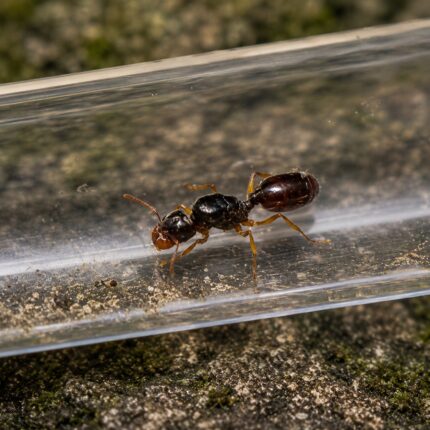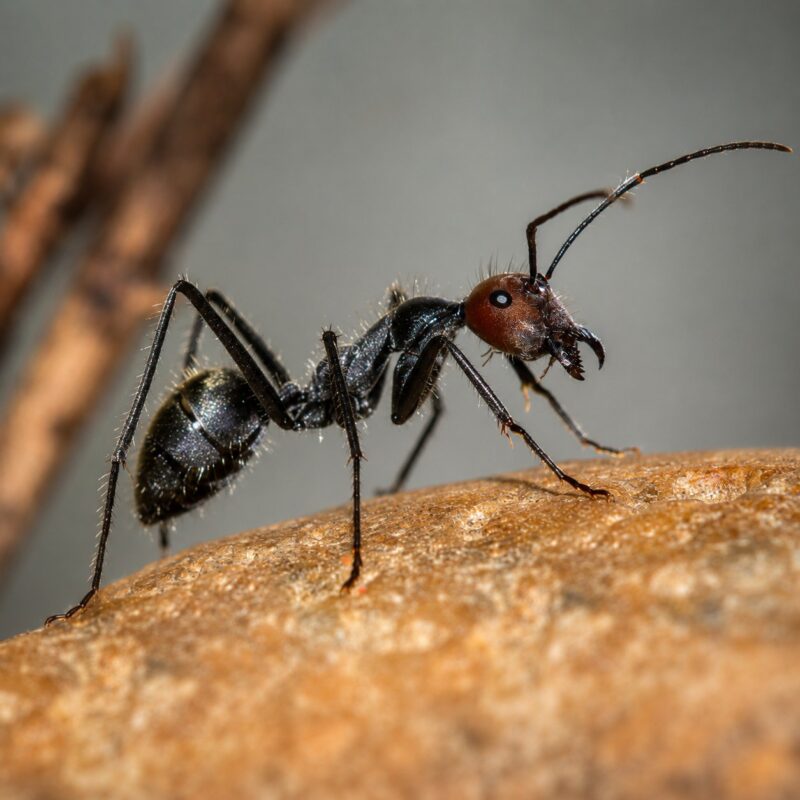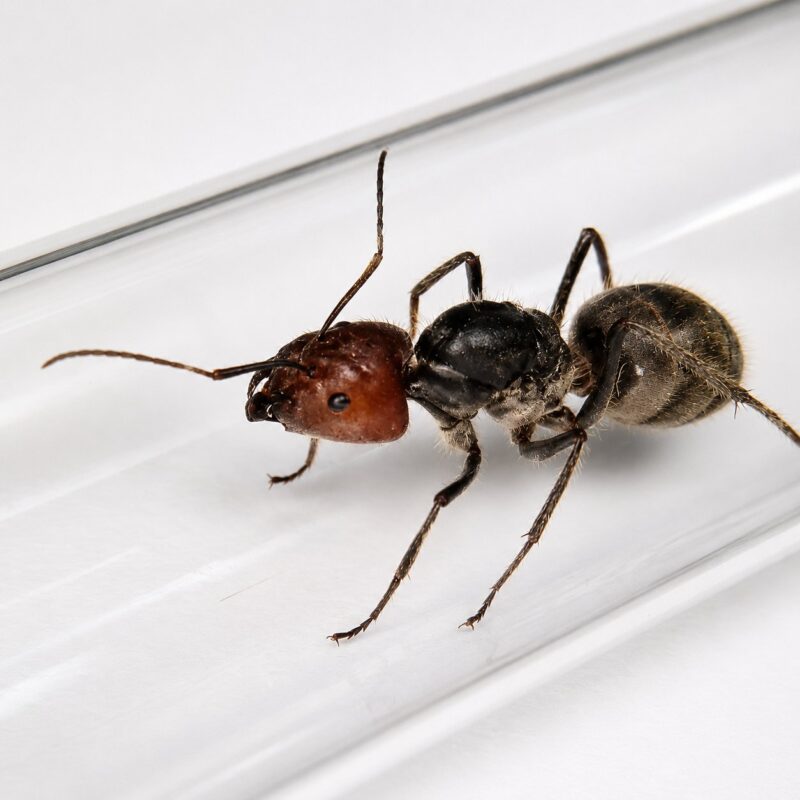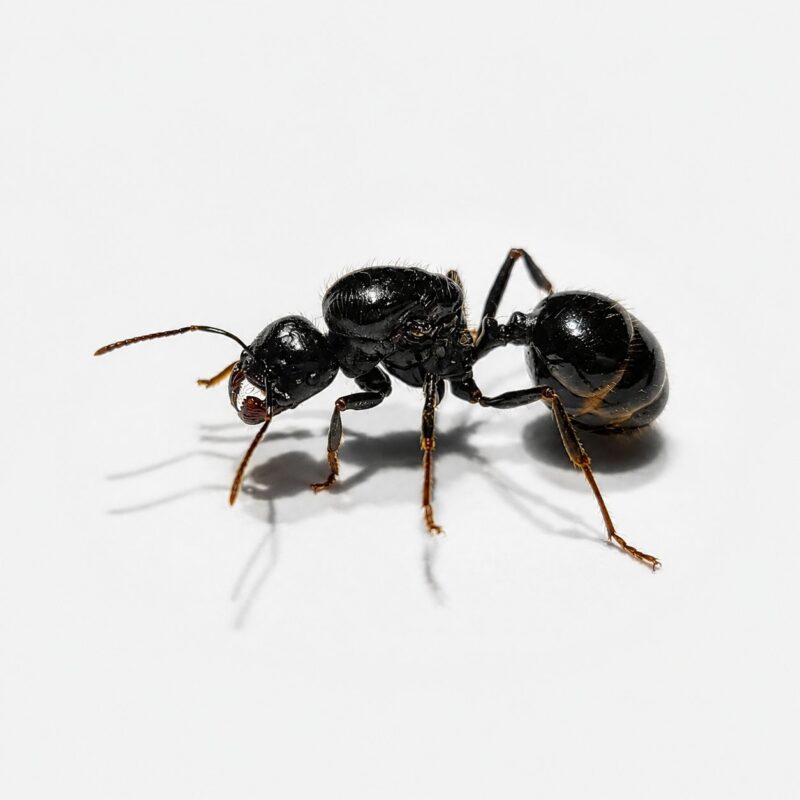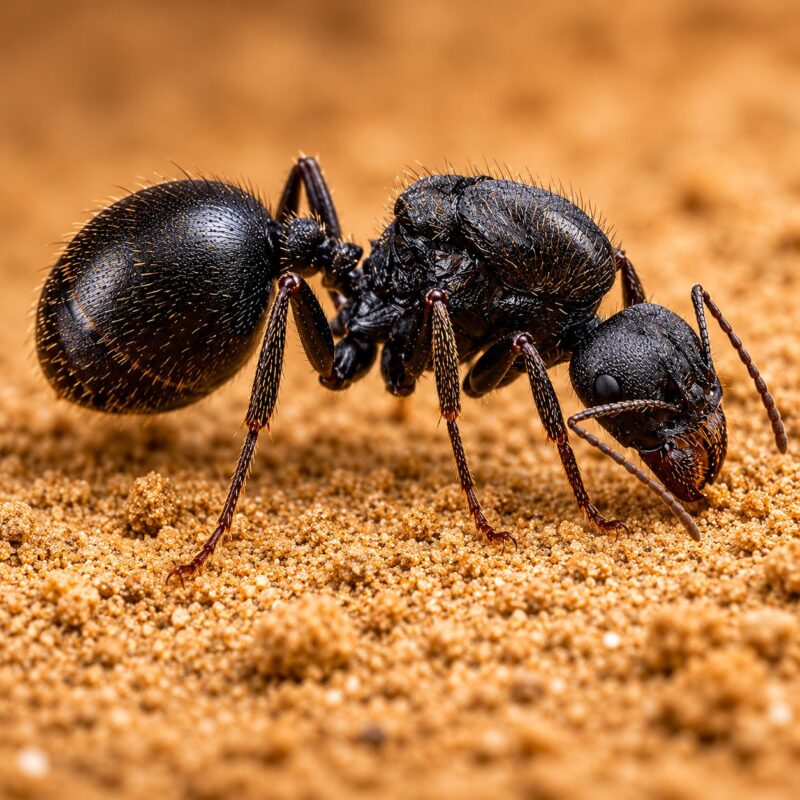

Myrmecocystus flaviceps
549,90 zł – 869,90 złPrice range: 549,90 zł through 869,90 zł
Live Queen Guarantee
Heat Pack & Summer Cooling
Fertilised Queen in Every Colony
Ships Within 24 h
Free Care Guide
24/7 Expert Support
Description
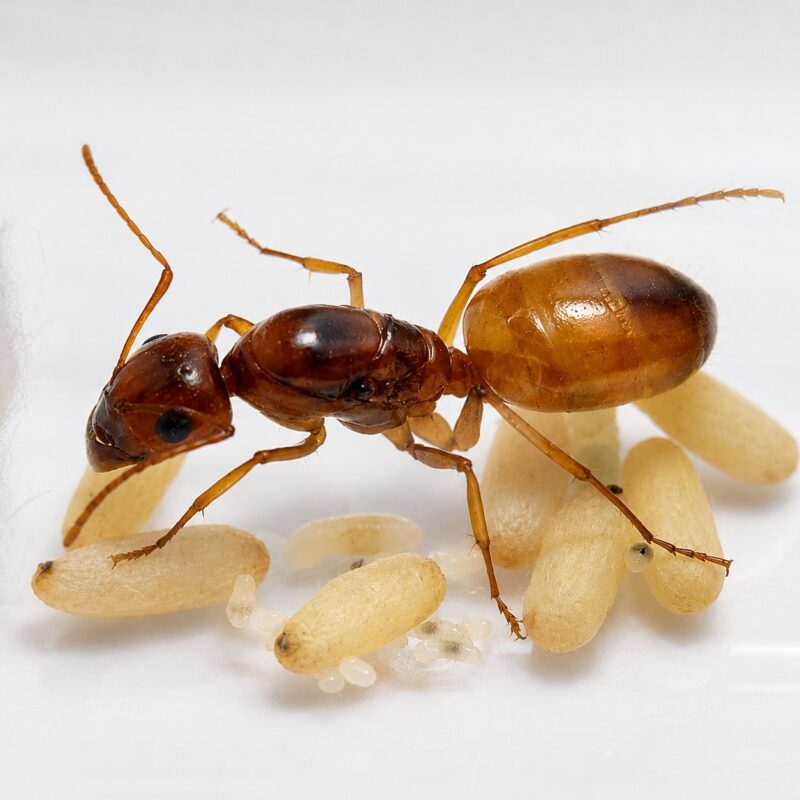
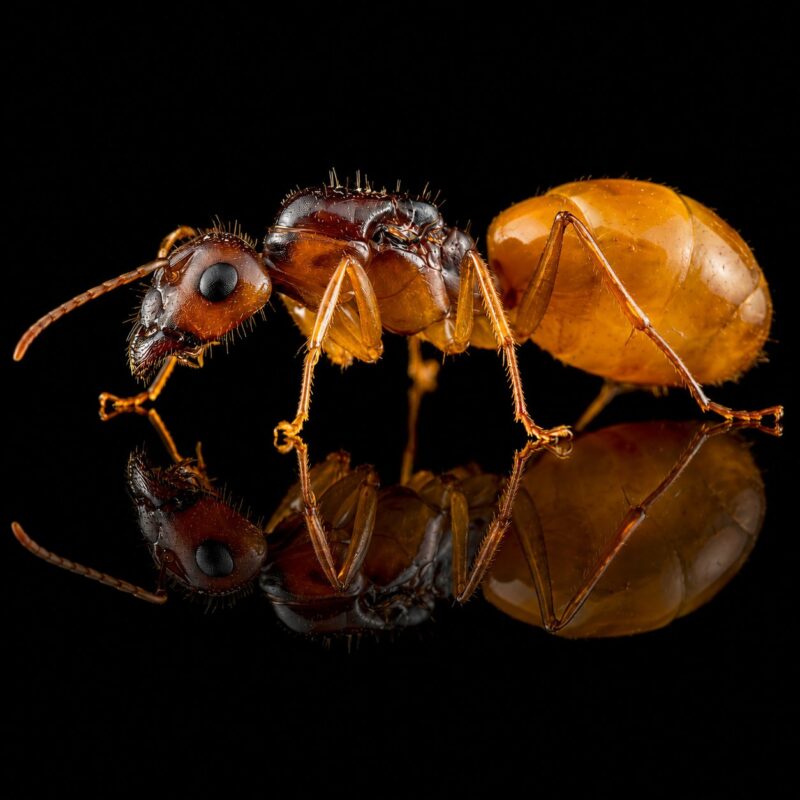
Myrmecocystus flaviceps is an Arizona honeypot ant whose repletes swell with stored nectar and hang from the nest roof as living larders. Order Myrmecocystus flaviceps from ANTonTOP for desert biology no other ant in the hobby offers.
Free shipping across Europe over 1299 zł.
DHL / InPost / EMS · ships the EU & worldwide.
Pro · Q 11-13 mm / W 4-8 mm · Up to 10,000 workers · Not required · Nectar · Arizona USA (North America) · No sting, mild bite
Additional information
| Behavior | |
|---|---|
| Keeping difficulty | |
| Origin | |
| Ant size | |
| Hibernation | |
| Sting |
No sting |
Myrmecocystus flaviceps – Honeypot ant
| Origin | Arizona USA (North America) |
|---|---|
| Difficulty | Pro |
| Colony form | Monogyne (1 queen) |
| Max workers | Up to 10,000 workers |
| Queen | 11-13 mm |
| Worker | 4-8 mm |
| Soldier / major | – |
| Founding | Claustral |
| Temperature | Nest 24-28 °C / Arena 26-32 °C |
| Humidity | Nest 35-50% / Arena 20-40% |
| Hibernation | Not required |
| Diet | Nectar |
| Sting / bite | No sting, mild bite |
| Egg to first worker | ~7 weeks |
| Queen lifespan | up to 15 years |
| Nuptial flight | wet season |
| Activity | nocturnal |
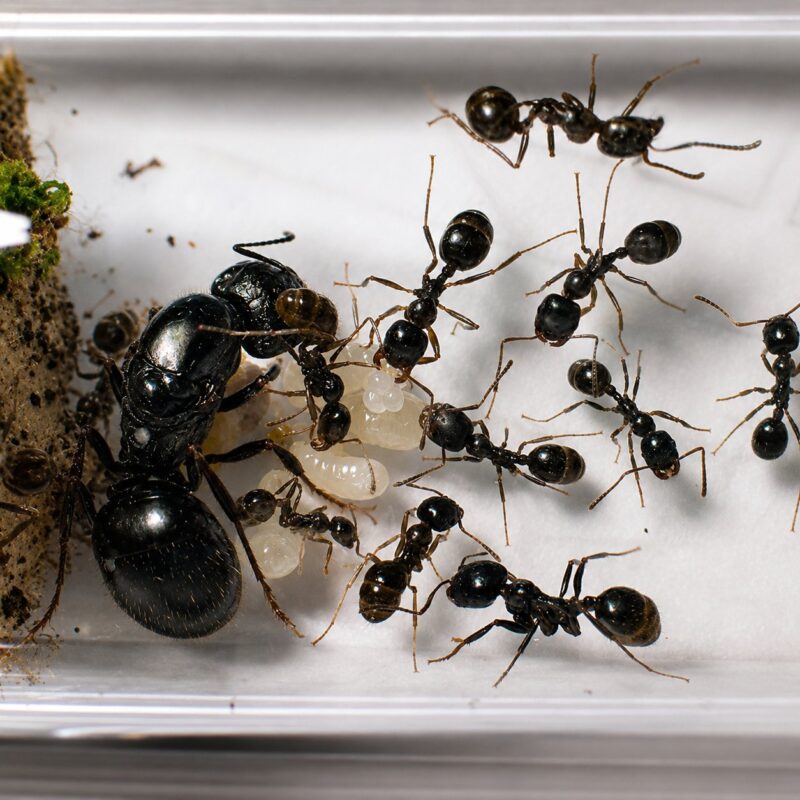
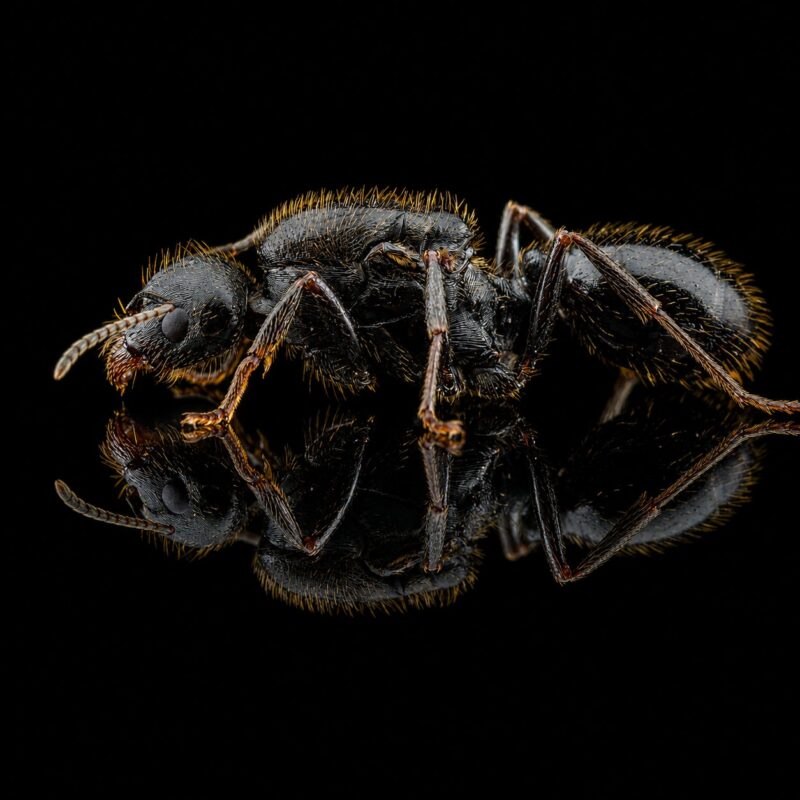
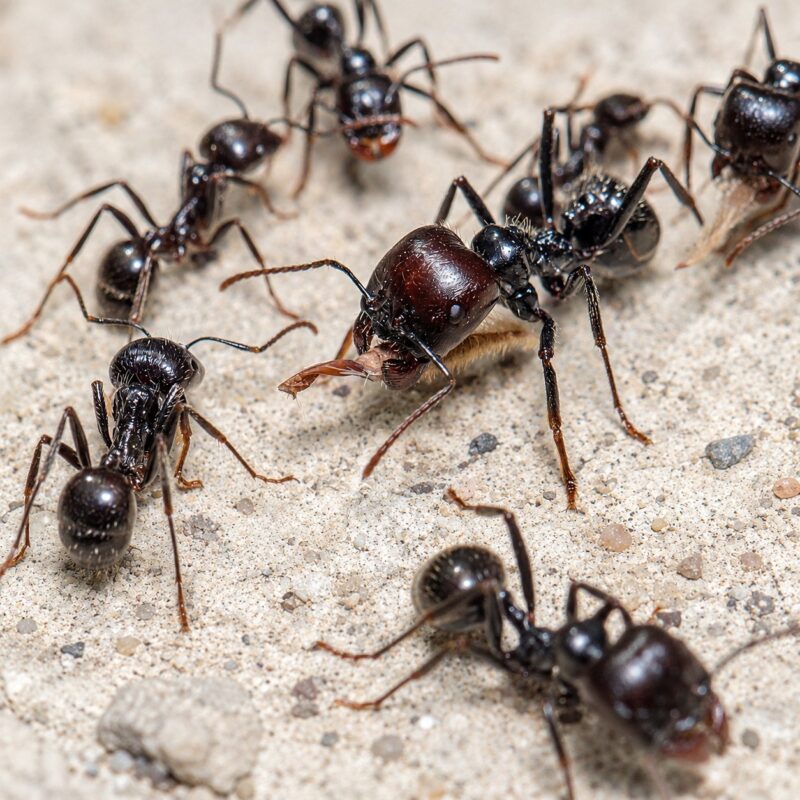
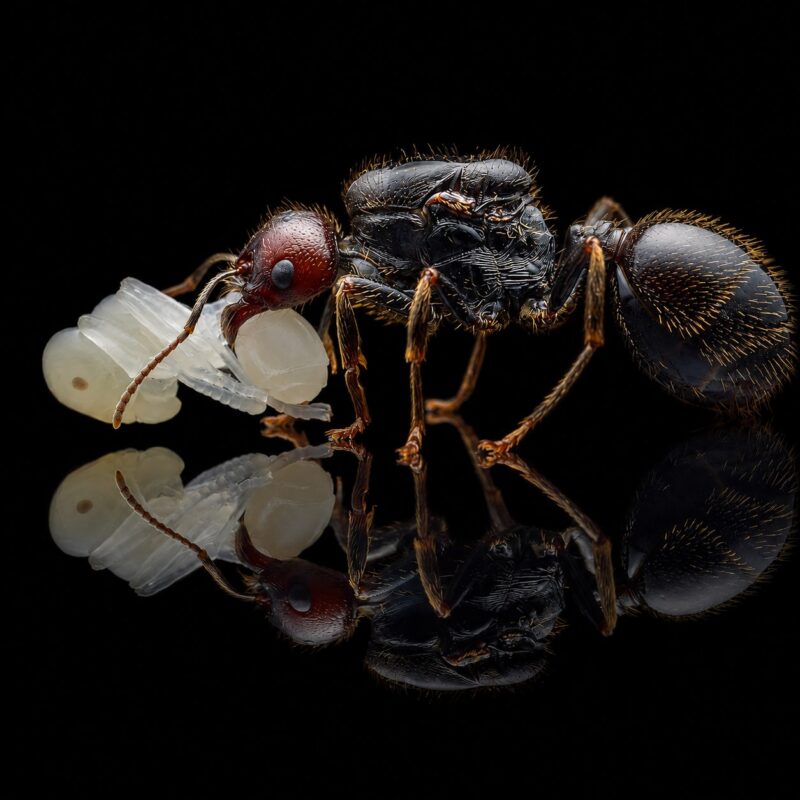
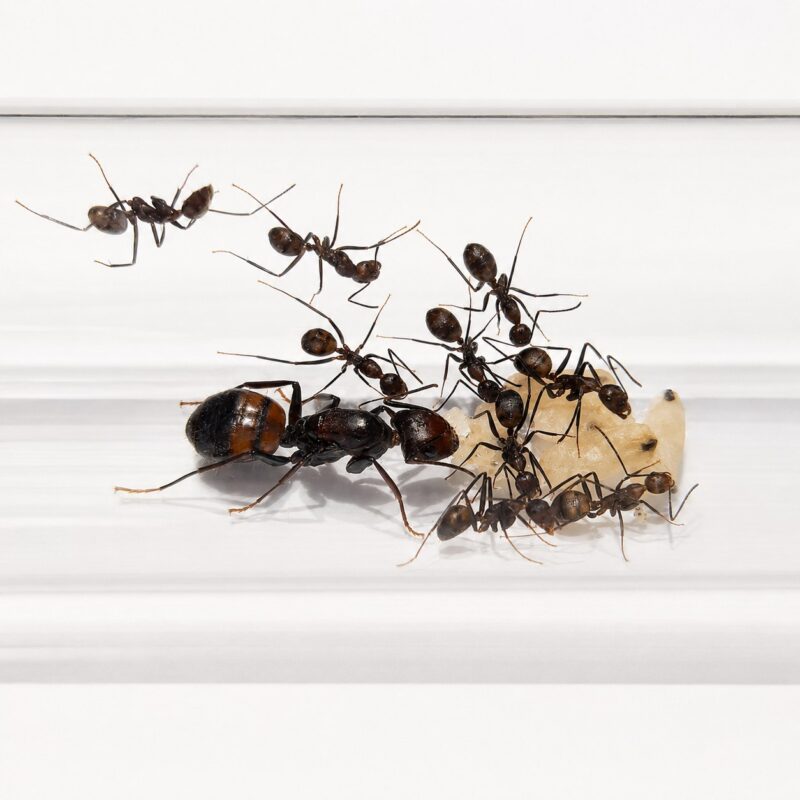
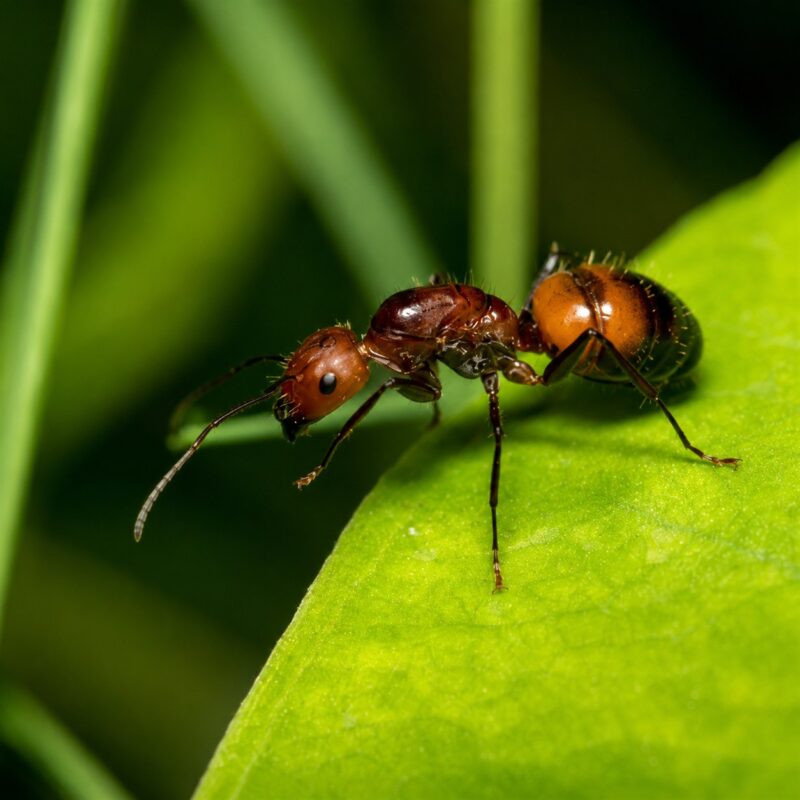
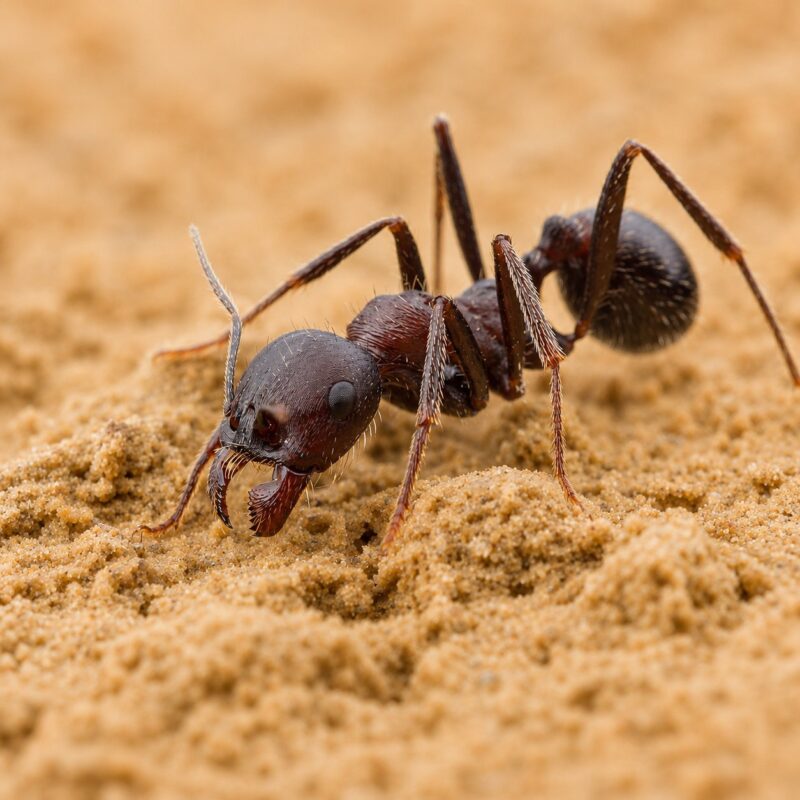
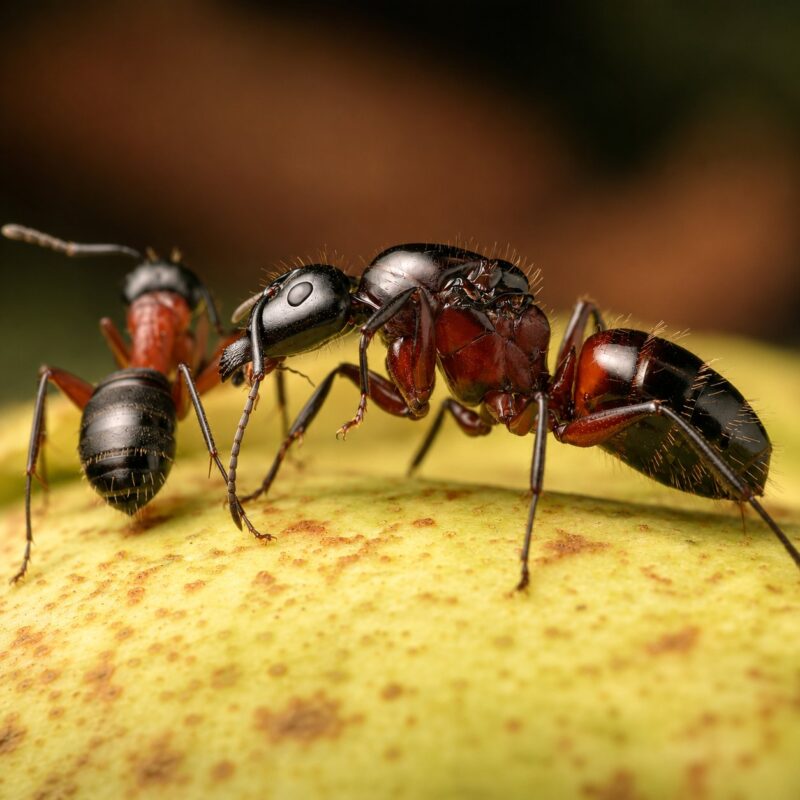
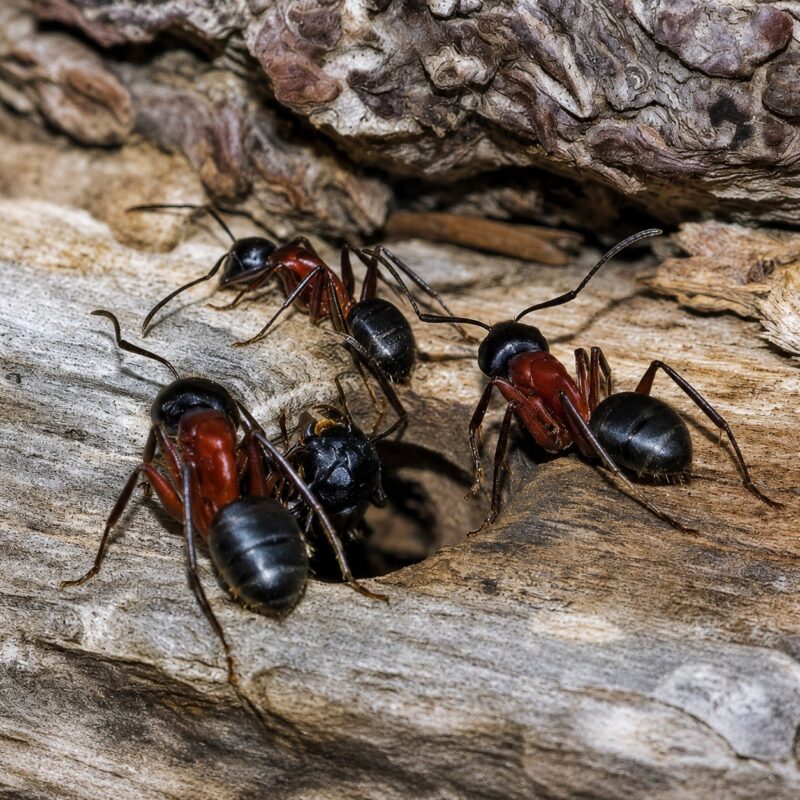
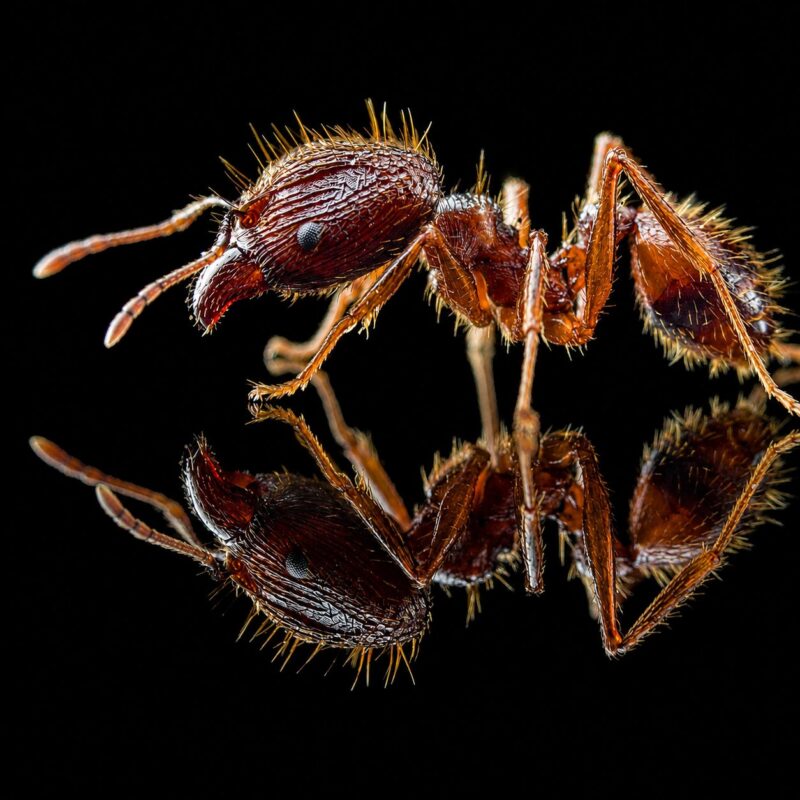
Myrmecocystus flaviceps is a North American honeypot ant from Arizona whose repletes hang in the nest as living food stores.
Why this species
Honeypots are some of the strangest ants in the hobby, and Myrmecocystus flaviceps shows why: certain workers, the repletes, swell with stored liquid food and act as living larders the colony draws on through dry spells. It is a desert species from Arizona, active at night, that founds claustrally, with the queen sealing herself away to raise the first workers on her own reserves. The draw is the biology rather than the speed, but it wants real warmth, low humidity and patience as it builds. The Pro rating is fair, placing it with expert keepers chasing something unusual.
Feeding
A nectar specialist whose workers gather sugary liquid and pass it to repletes that store it inside their own bodies. Sugar water and nectar form the core of the diet, backed by insect protein fed to the brood so the colony keeps producing larvae.
| Sugar water / honey water | ★★★ |
| Ant nectar / honey | ★★★ |
| Crickets / flies (for brood) | ★★★ |
| Fruit flies | ★★★ |
| Fruit juice | ★★ |
| Mealworms | ★ |
| Soft fruit | ★ |
| Boiled egg yolk | ★ |
| Soft seeds (poppy, sesame) | ✗ |
| Hard seeds (canary, millet) | ✗ |
★★★ readily · ★★ moderately · ★ occasionally · ✗ not eaten
Housing & formicarium
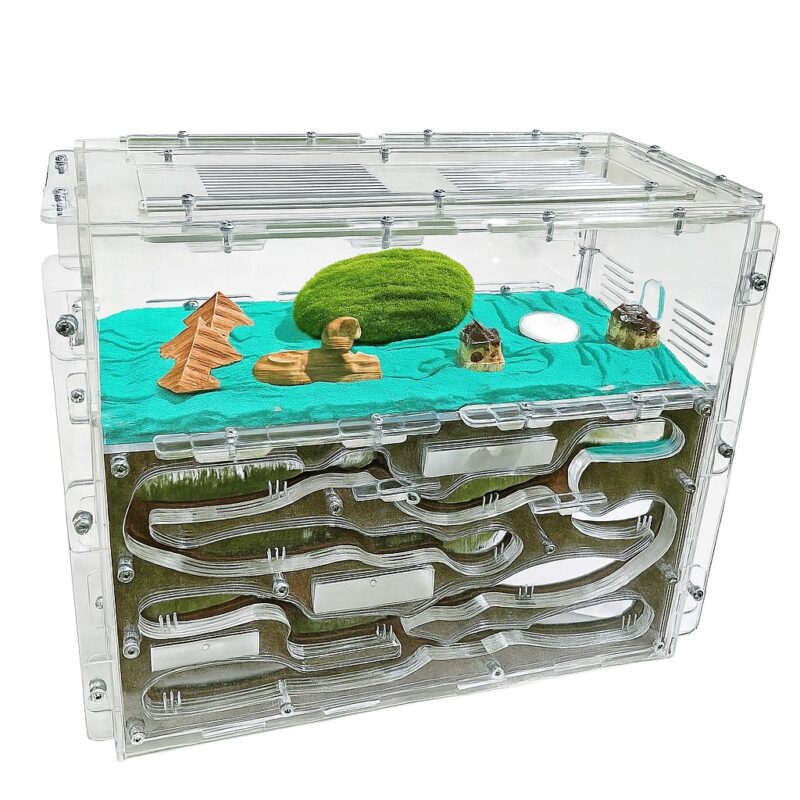
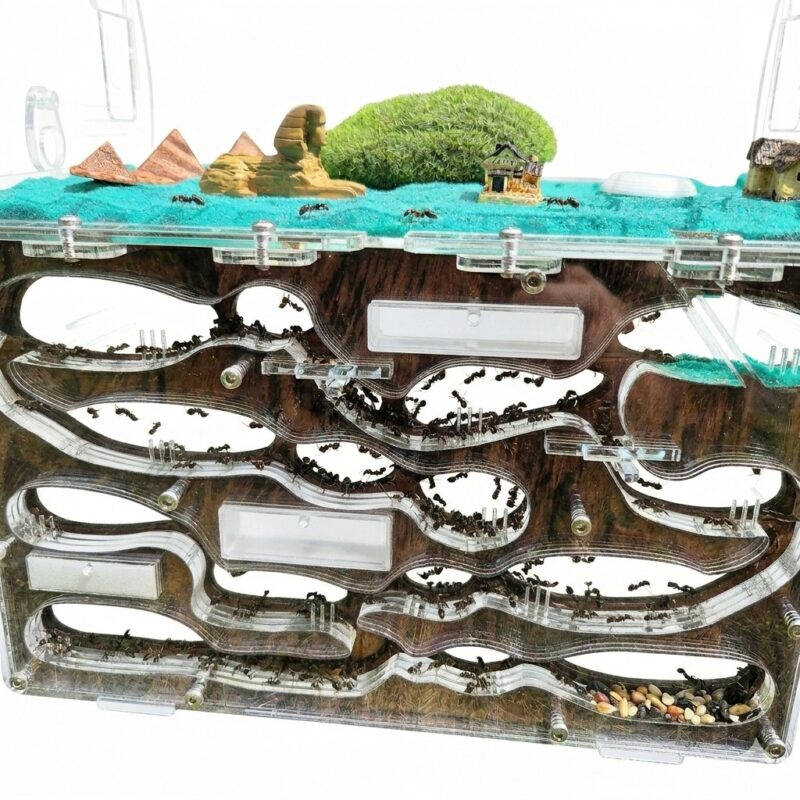
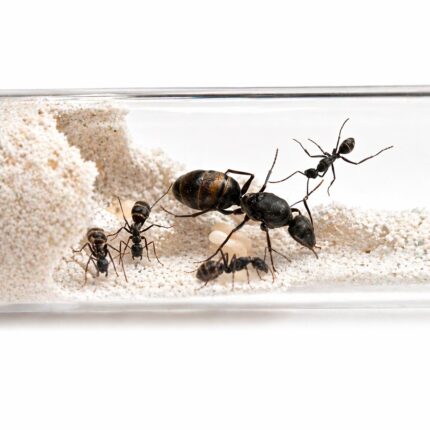
Start a founding colony in a test tube, then move it into a dry nest once the first workers cover the floor. As a hot-desert honeypot ant, it wants a dry acrylic or ytong nest kept on the arid side, with a warm arena and ceiling room so repletes can hang from the chamber roof. Keep the arena clearly separate from the nest to hold the dry gradient these ants live by. Line the rim with fluon (PTFE) to stop escapes. ANTonTOP formicaria and starter kits provide the dry nest, warm arena and barrier as one ready base.
Climate & wintering
This is a hot, dry desert species, so keep the nest at 24-28 °C and run the arena warmer at 26-32 °C. Humidity stays low, 35-50% in the nest and 20-40% in the arena. Heat one end of the arena to build a gradient. No hibernation is needed, so keep the colony warm, active and feeding through the year.
Growth forecast + what you receive
Honeypot colonies start slowly through founding, then gather pace, reaching as many as 10,000 workers at full size. As a genus guide, eggs run through to workers in roughly 7 weeks. Your colony arrives as a queen with workers and brood, already past the slow opening stage of founding.
Did you know
- Honeypot ants keep a living-larder caste, repletes whose abdomens balloon with stored liquid until they hang from the chamber ceiling.
- Repletes act as the colony’s pantry, releasing food back to nestmates by mouth during dry spells when foraging is poor.
- In some cultures honeypot ants are gathered and eaten as a sweet delicacy, the swollen repletes prized for their nectar.
- Myrmecocystus is a New World genus built for arid country, foraging when the desert cools rather than at peak heat.
Frequently asked questions
Is Myrmecocystus flaviceps good for beginners?
No, it is rated Pro and needs dry, warm desert conditions, so it suits experienced keepers.
Does Myrmecocystus flaviceps need a winter rest?
No, hibernation is not required; keep it warm, active and feeding year-round.
Does this honeypot ant sting or bite?
No, it has only a mild bite and no sting.
How big does a Myrmecocystus flaviceps colony get?
Up to 10,000 workers at maturity.
How large is the queen?
The queen is 11-13 mm; workers are 4-8 mm.
How fast does Myrmecocystus flaviceps grow?
Brood develops in around 7 weeks for the genus, and the colony builds gradually before reaching size.
What does it eat?
Mainly sugar water and nectar, which repletes store, plus insects like crickets for protein; it does not take seeds.
Will it arrive alive?
Yes, it ships with a heat or cool pack, within 24 h, with tracking for live arrival.
Keeping & shipping essentials
Escape prevention. Coat the inner rim of every open arena with fluon (PTFE), or use talc-and-water or an oil barrier as a backup, and keep a tight, fine-mesh lid on top. Check the barrier regularly, since dust, condensation and feeding debris break a fluon line over time. Keep tubing connectors tight and seal any gaps in the nest.
Keeping reminders. Always offer fresh water and never let the nest dry out completely. Give carbohydrates continuously and protein a few times a week, and remove uneaten insect prey within 24 hours before it moulds. Keep the formicarium out of direct sunlight and away from constant vibration, which stresses a young colony. A water-filled test tube plugged with cotton makes an ideal spare incubator whenever you need one.
Before you buy – do not rehouse too early. Have a test-tube setup or a small formicarium with an outworld and a working barrier ready before your colony arrives. A founding colony grows slowly at first, which is normal. Moving a small colony into a large nest too soon invites mould, mites and stress, and the workers die off one by one. Keep the colony in its open test tube on the arena, plug the nest entrance with cotton, and open up the next chambers only once the colony fills roughly 10-15% of the space.
What we ship. Every colony ships with a live-arrival guarantee, backed by our 24h unboxing-video guarantee: if the queen does not arrive alive, we reship free. Parcels travel with DHL, InPost (PL) or EMS, with a heat or cold pack to suit the season, packed discreetly and securely. We ship across the EU and worldwide, with free shipping over the Europe threshold.

Reviews
Clear filtersThere are no reviews yet.