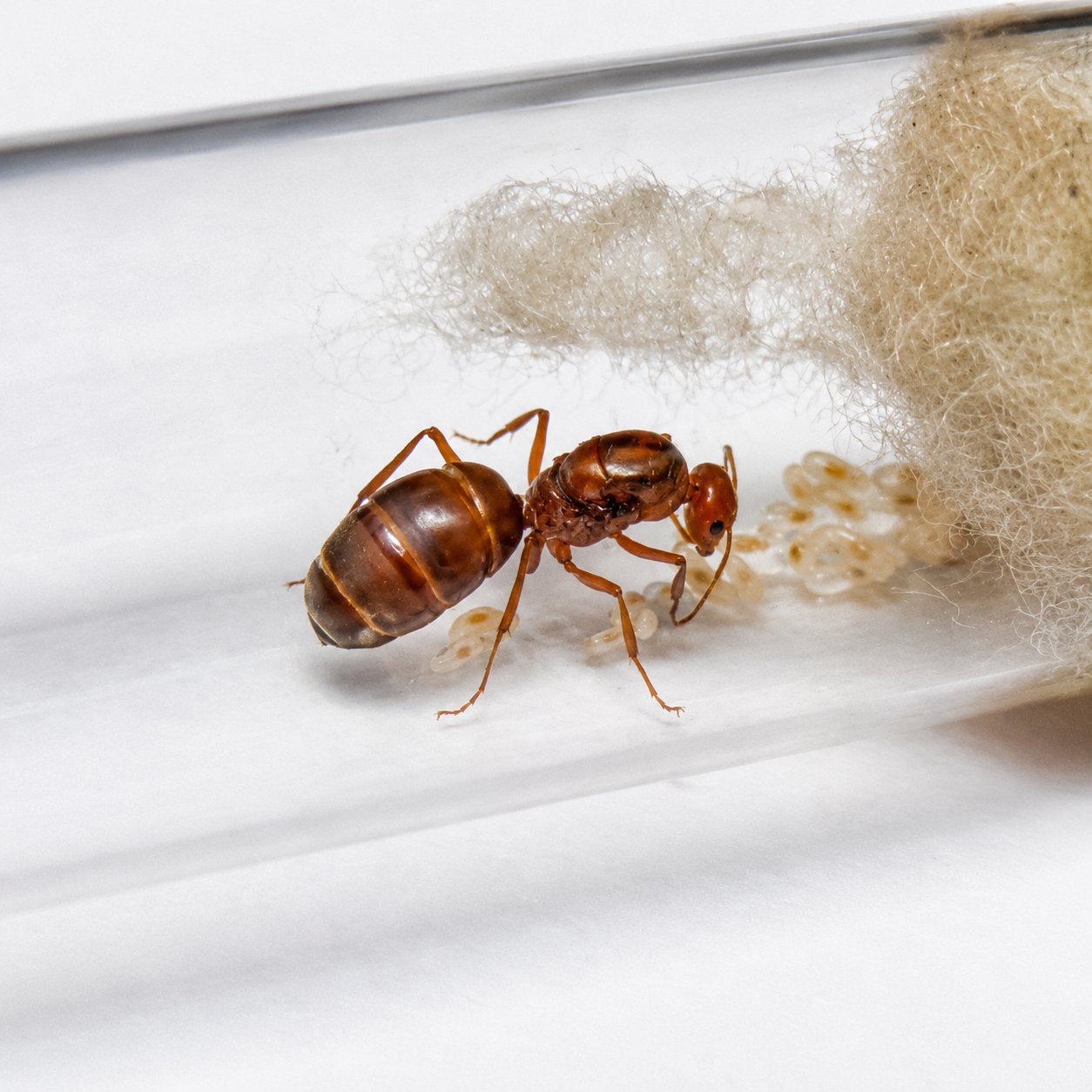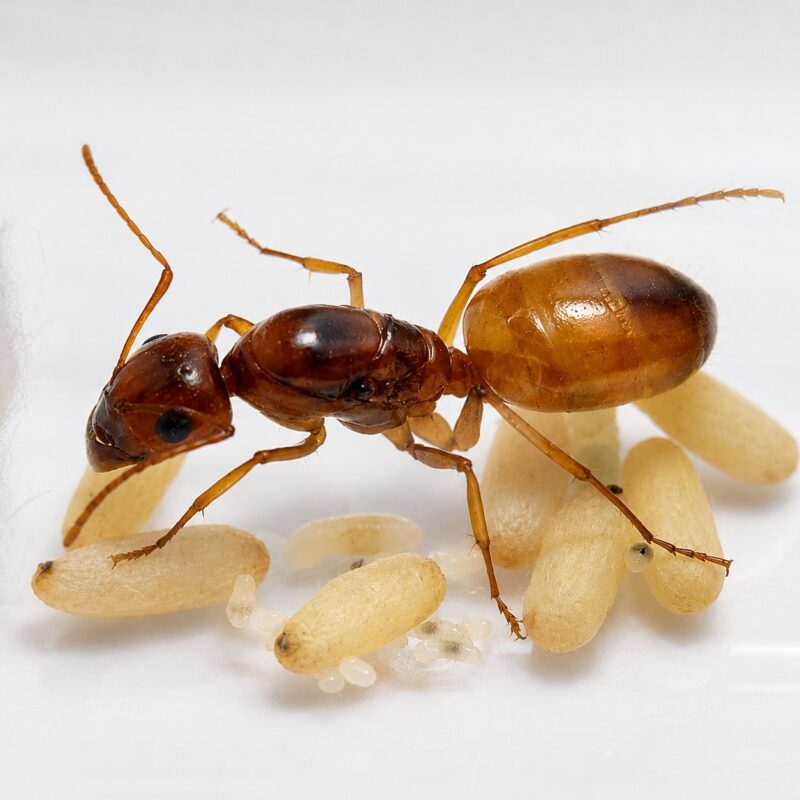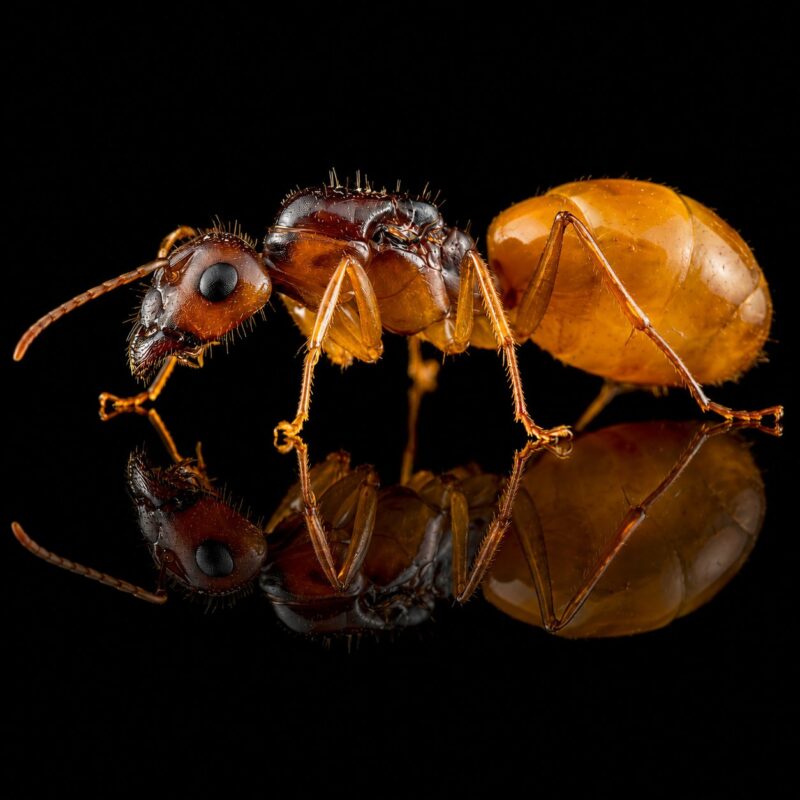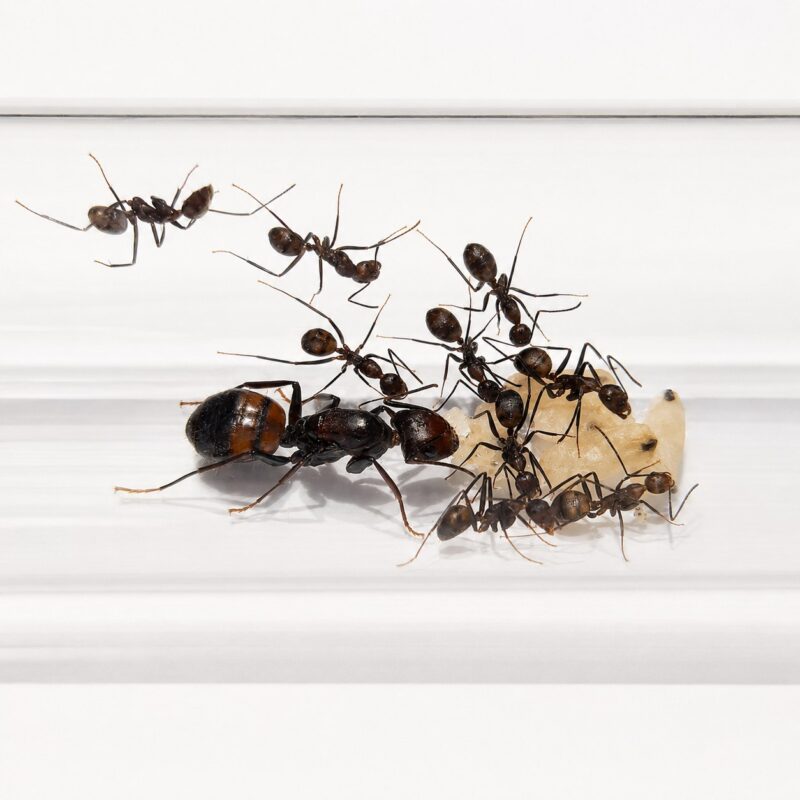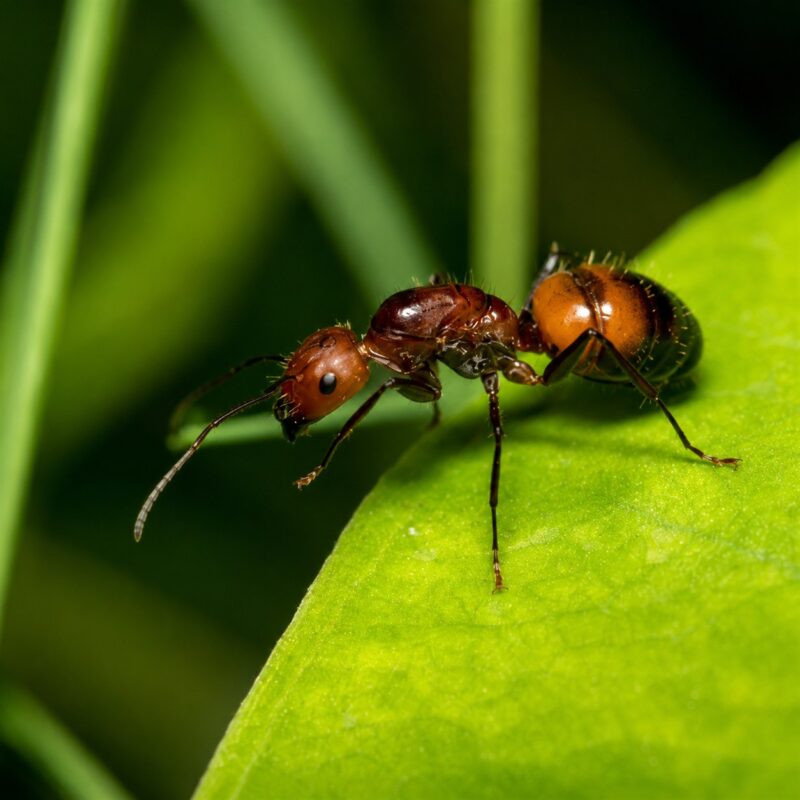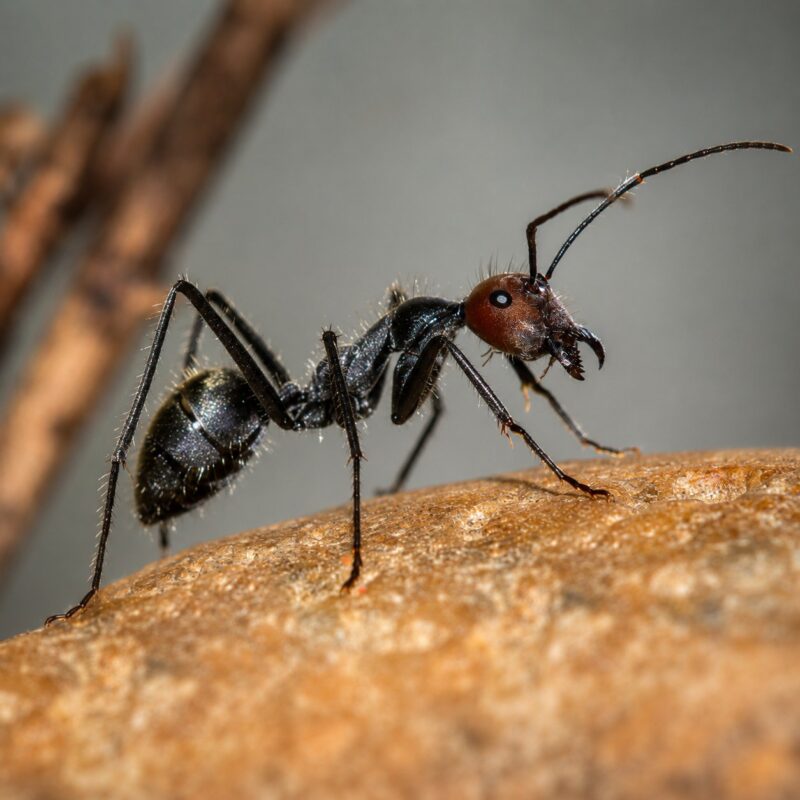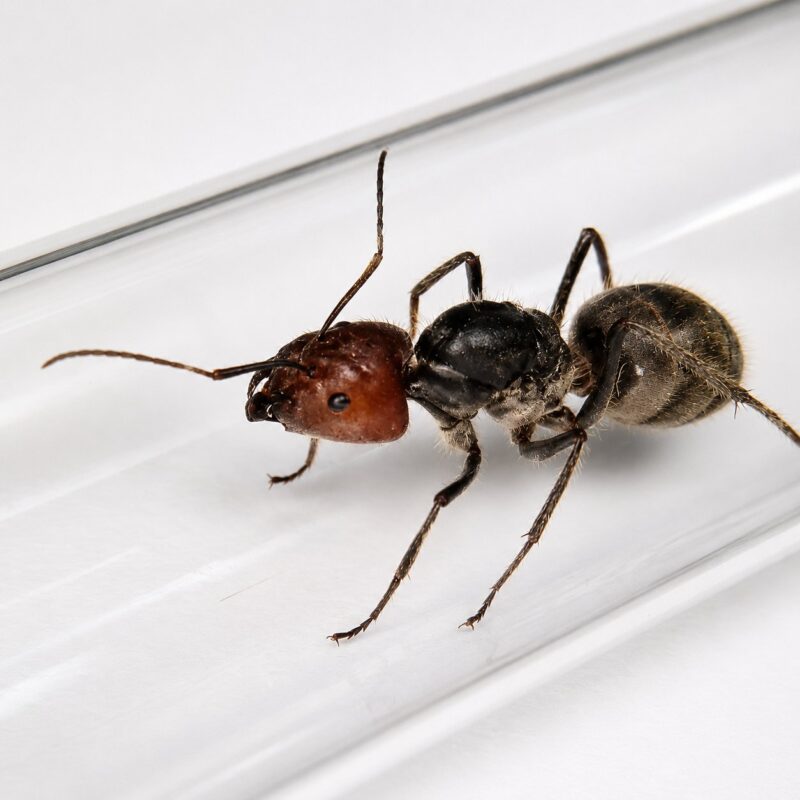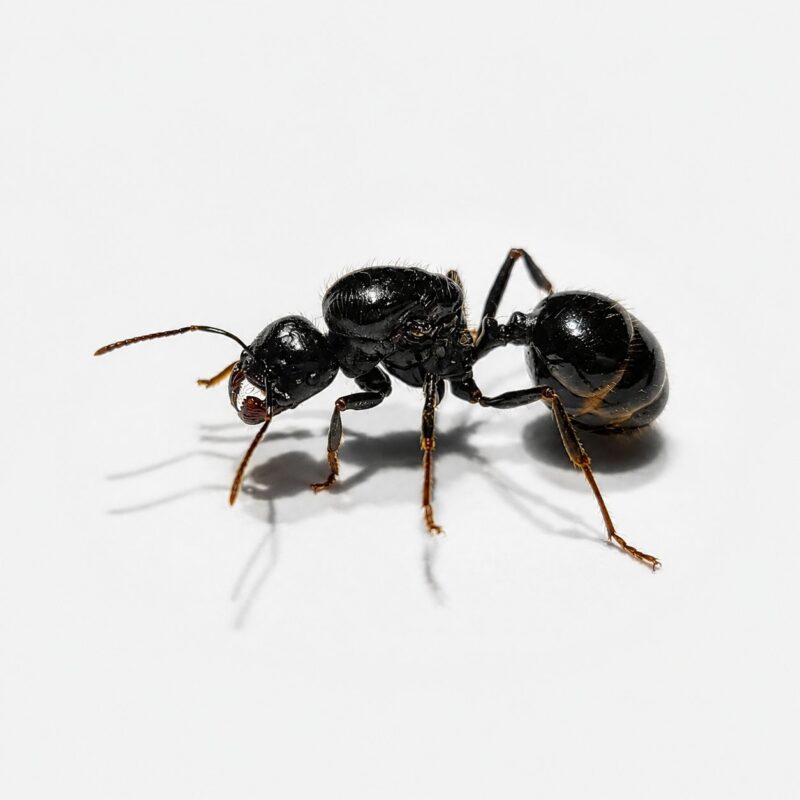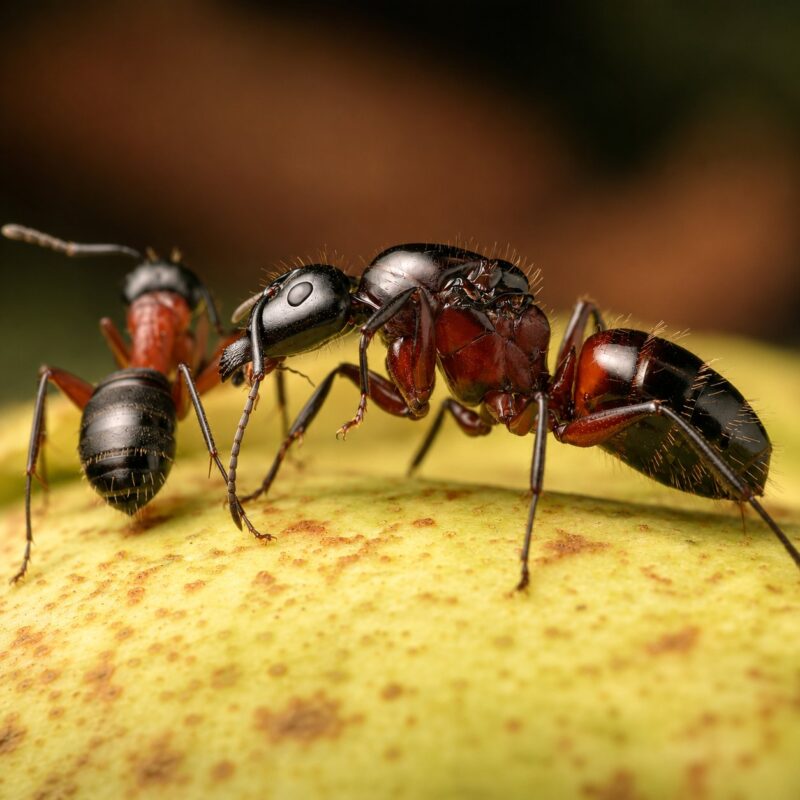

Myrmecocystus wheeleri
549,90 zł – 869,90 złPrice range: 549,90 zł through 869,90 zł
Live Queen Guarantee
Heat Pack & Summer Cooling
Fertilised Queen in Every Colony
Ships Within 24 h
Free Care Guide
24/7 Expert Support
Description
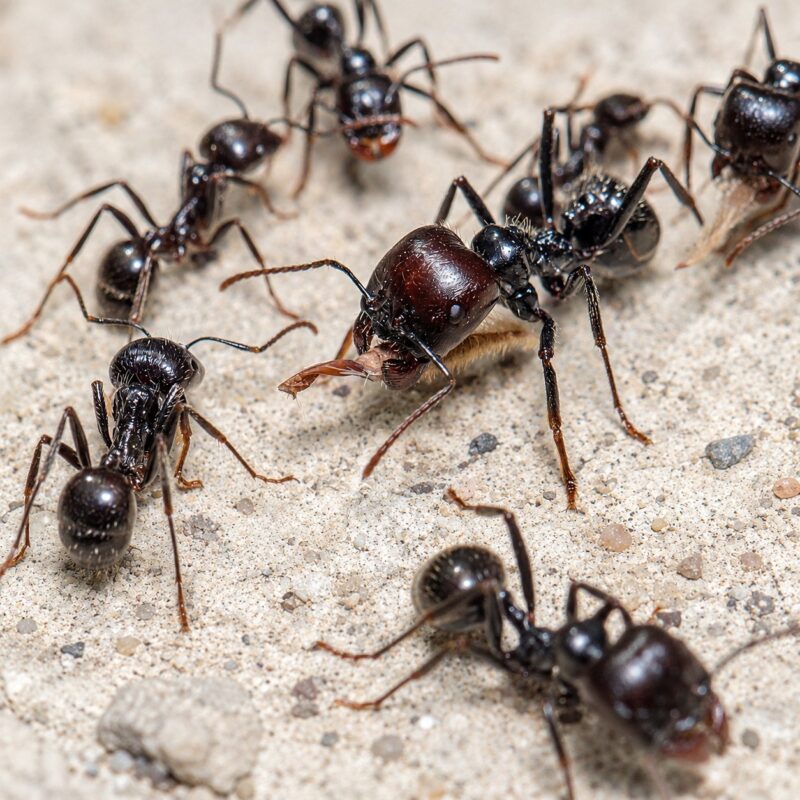
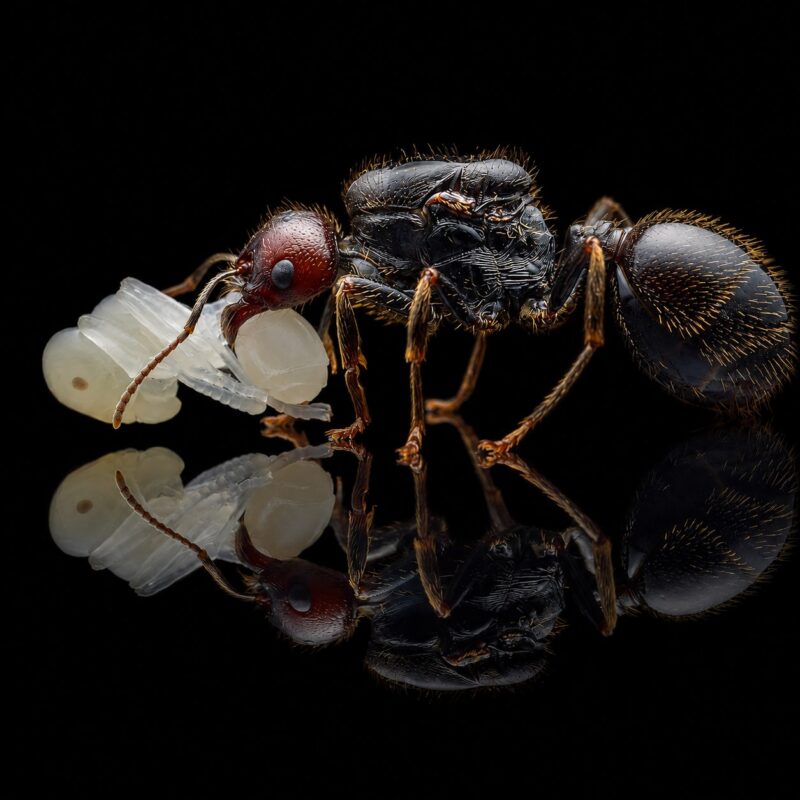
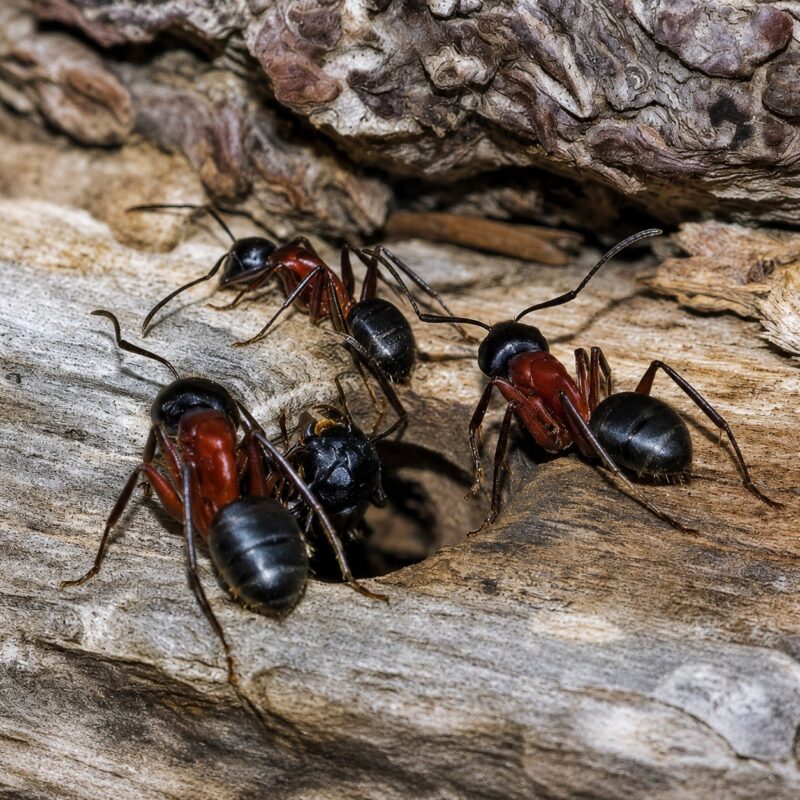
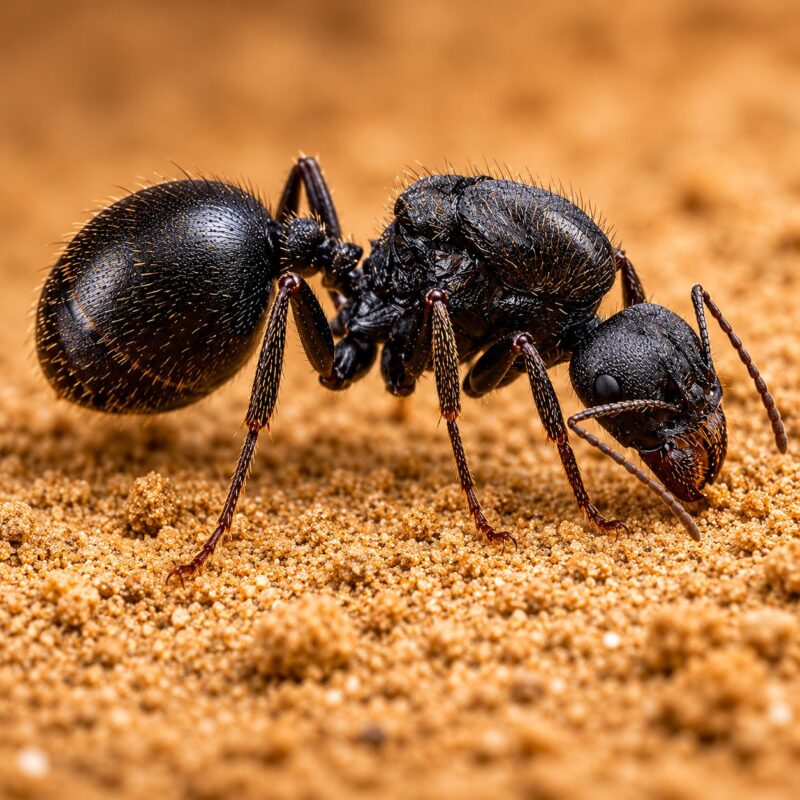
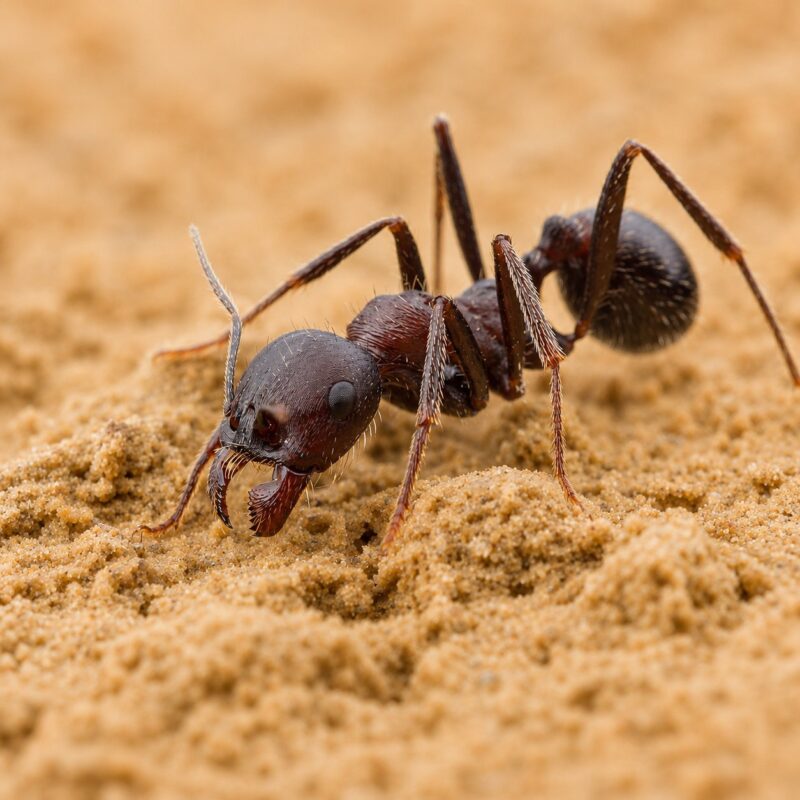
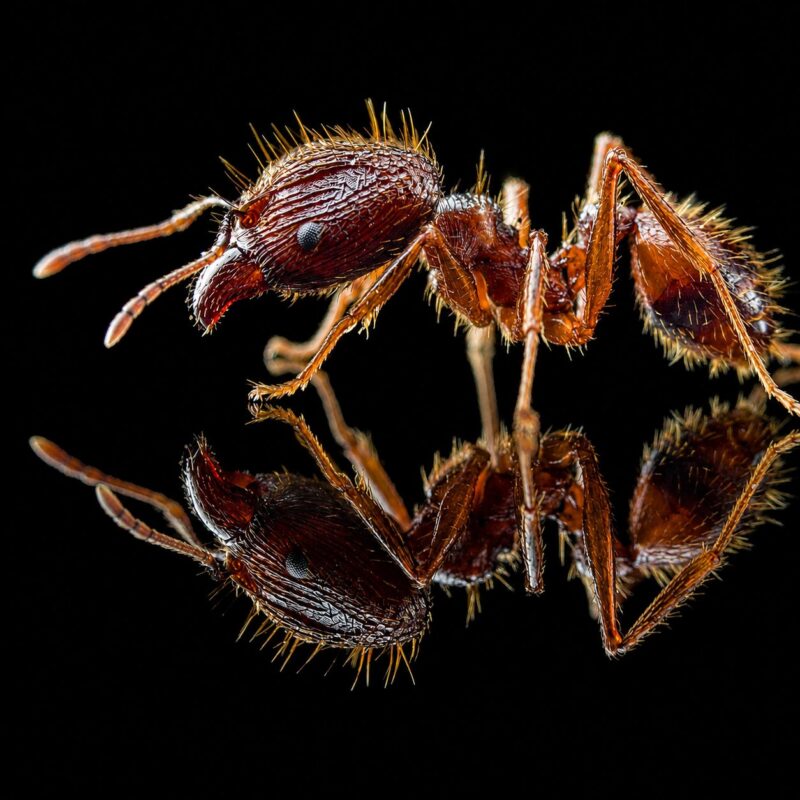
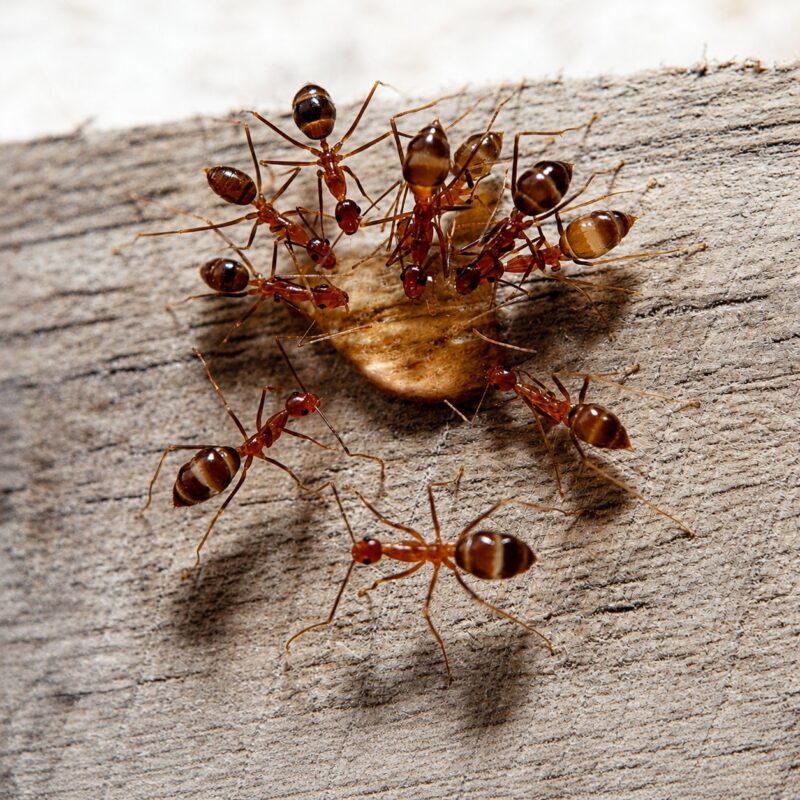
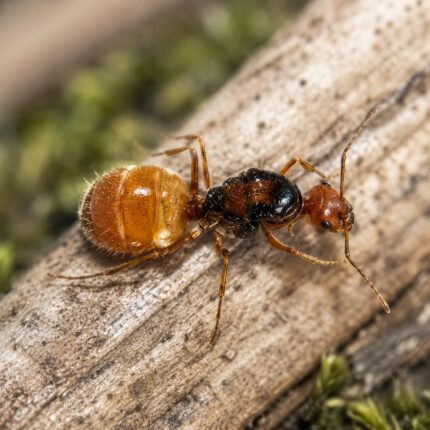
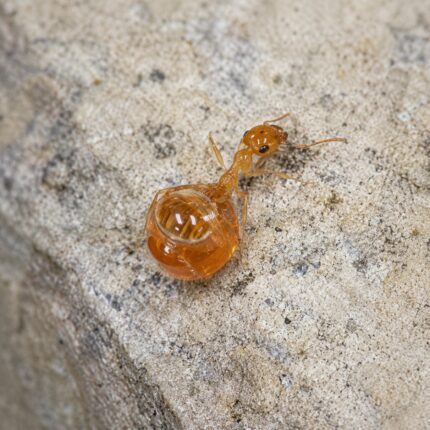
Golden repletes hanging from the nest roof, daytime trails you can actually follow: this desert honeypot has real character. Add a Myrmecocystus wheeleri colony from ANTonTOP and watch its living larders swell with stored food.
Free shipping across Europe over 1299 zł.
DHL / InPost / EMS · ships the EU & worldwide.
Intermediate · Q 11-13 mm / W 4-9 mm · Up to 10,000 workers · Not required · Nectar · California USA (North America) · No sting, mild bite
Additional information
| Behavior | |
|---|---|
| Keeping difficulty | |
| Origin | |
| Ant size | |
| Hibernation | |
| Sting |
No sting |
Myrmecocystus wheeleri – Honeypot ant
| Origin | California USA (North America) |
|---|---|
| Difficulty | Intermediate |
| Colony form | Monogyne (1 queen) |
| Max workers | Up to 10,000 workers |
| Queen | 11-13 mm |
| Worker | 4-9 mm |
| Soldier / major | – |
| Founding | Claustral |
| Temperature | Nest 24-28 °C / Arena 26-32 °C |
| Humidity | Nest 35-50% / Arena 20-40% |
| Hibernation | Not required |
| Diet | Nectar |
| Sting / bite | No sting, mild bite |
| Egg to first worker | ~6-8 weeks (usually ~7) |
| Queen lifespan | 9-15 years |
| Nuptial flight | summer (genus: Jun-Aug) |
| Activity | diurnal |
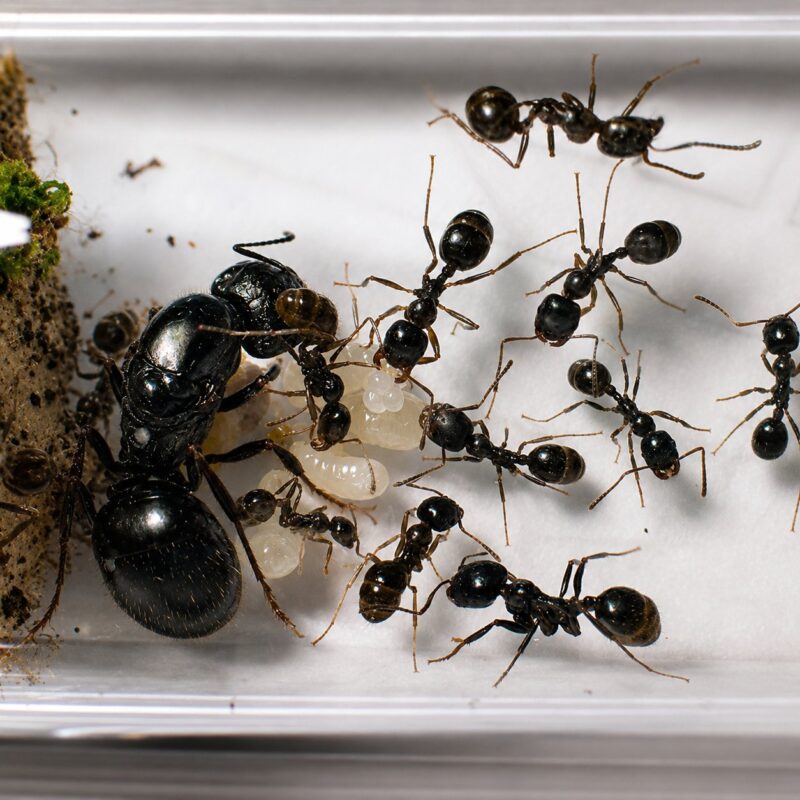
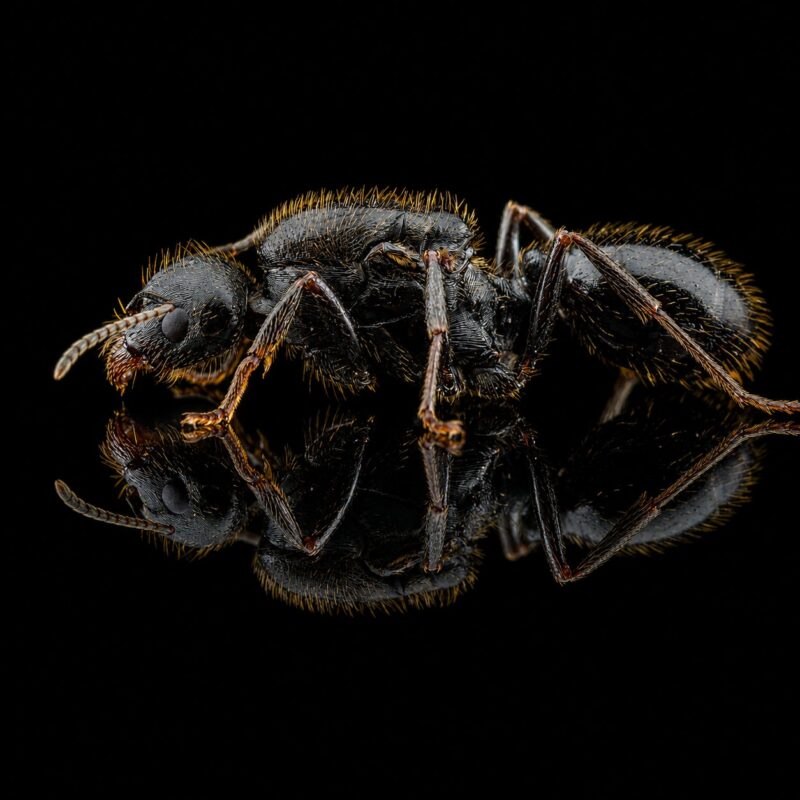
Myrmecocystus wheeleri is a Californian honeypot ant whose repletes hang in the nest as living larders, swollen with stored food. A rewarding day-active pick for intermediate keepers after something out of the ordinary.
Why this species
Few ants do anything as strange as the honeypots, and wheeleri shows it off well: dedicated repletes hang from the nest ceiling, bellies stretched with liquid food, feeding the rest of the colony when foraging is lean. It works by day, so there is always something to watch in the arena, and it comes from the Californian desert, which sets the tone for the whole keep. The care is not the hardest in the hobby, but the dry setup and the replete behaviour reward a keeper with a bit of experience and a willingness to get the heat and feeding right.
Feeding
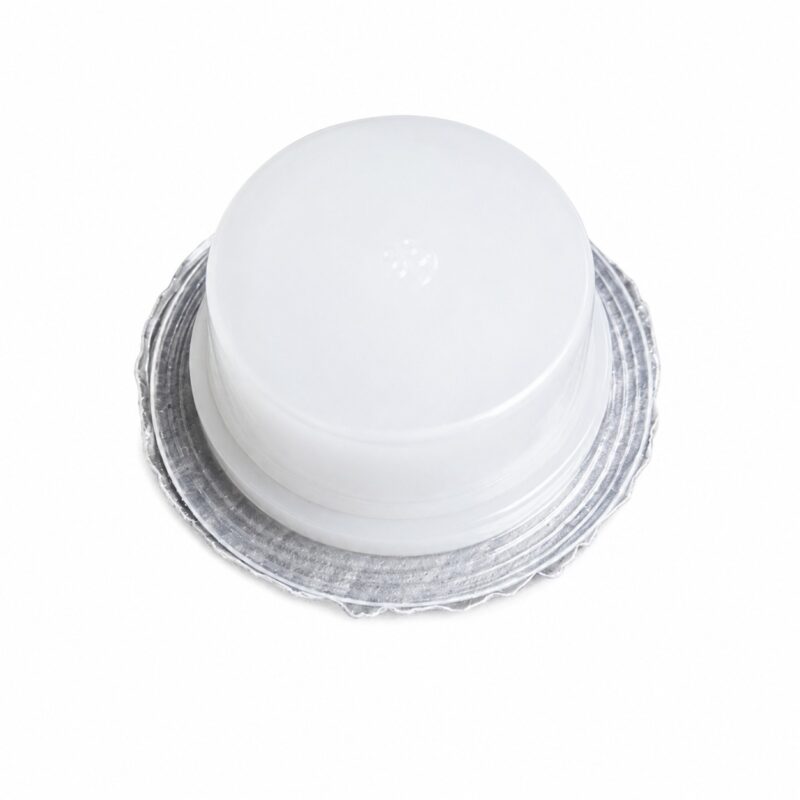
A nectar-driven honeypot. Daytime foragers ferry sugars to the repletes for storage, and the colony leans on that reserve between meals, while insect prey covers the protein the growing brood demands.
| Sugar water / honey water | ★★★ |
| Ant nectar / honey | ★★★ |
| Crickets / flies (for brood) | ★★★ |
| Fruit flies | ★★★ |
| Fruit juice | ★★ |
| Mealworms | ★ |
| Soft fruit | ★ |
| Boiled egg yolk | ★ |
| Soft seeds (poppy, sesame) | ✗ |
| Hard seeds (canary, millet) | ✗ |
★★★ readily · ★★ moderately · ★ occasionally · ✗ not eaten
Housing & formicarium
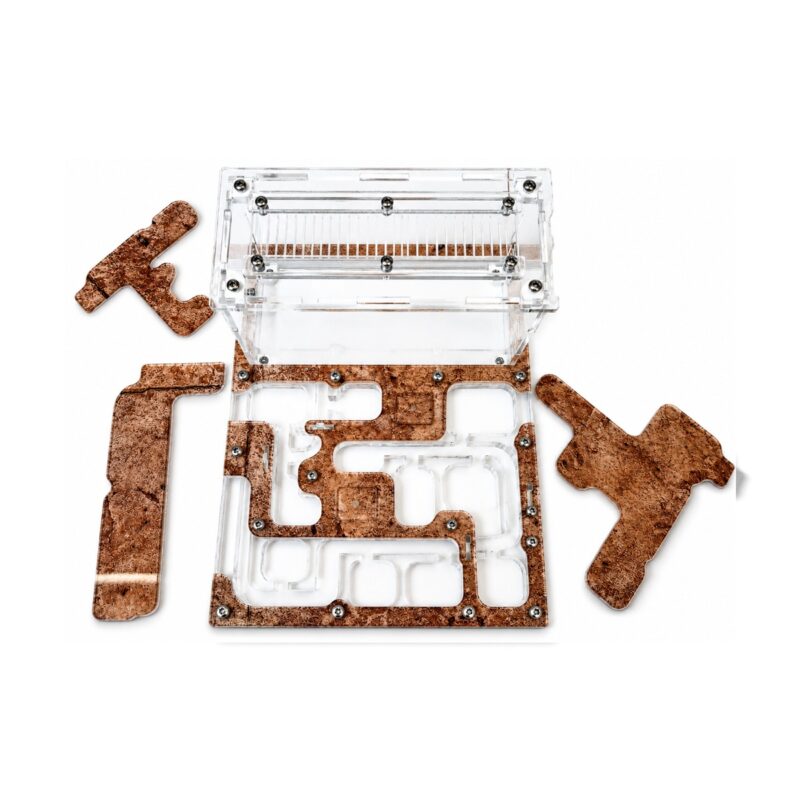
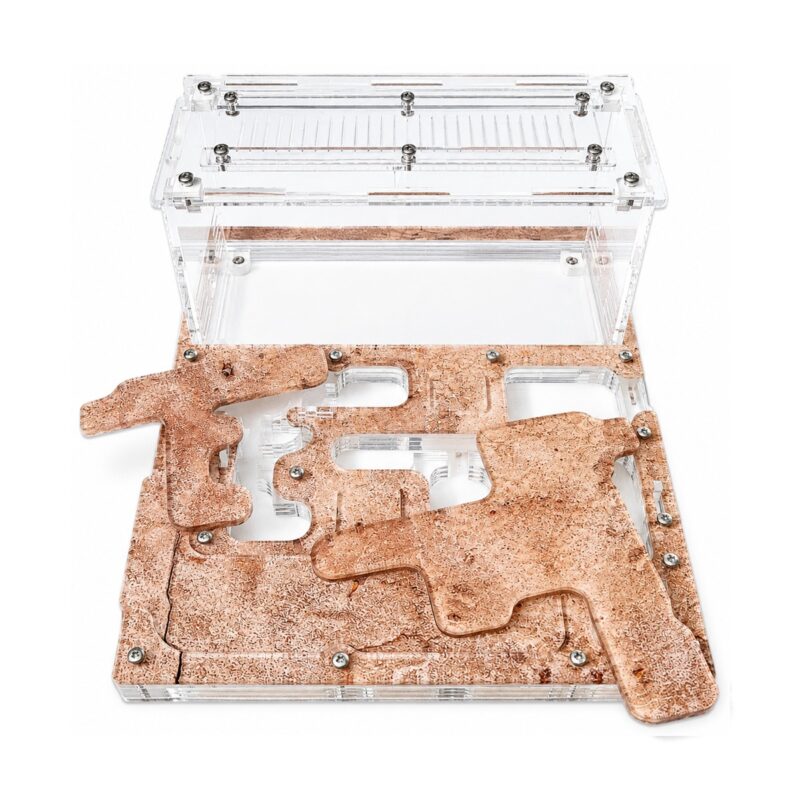
Raise the founding queen in a test tube, then promote her to a deep, dry sand or aerated formicarium once the first workers crowd the tube. This honeypot wants its open side bone-dry and plenty of vertical room so repletes can hang from the ceiling; avoid wet substrate that the desert biology never sees. Coat the arena rim with fluon (PTFE), oil, or talc and water for these restless foragers. An ANTonTOP formicarium or starter kit covers the species from founding queen to a full dry nest with arena.
Climate & wintering
Built for desert sand, so let the open side dry right out: keep the nest at 24-28 °C and let the arena climb to 26-32 °C. Hold humidity low, 35-50% in the nest and 20-40% in the arena. Heat one end only so the colony can choose its spot along the gradient. No hibernation is required, so keep this ant active the whole year.
Growth forecast + what you receive
Things move slowly until the first workers emerge, with eggs taking about 6-8 weeks (usually around 7) to reach adulthood. After that the colony builds steadily and can eventually reach some 10,000 workers. You receive a queen together with workers and brood.
Did you know
- Named in honour of William Morton Wheeler, the great early-twentieth-century myrmecologist who described much of the North American ant fauna.
- A diurnal honeypot, it works the surface in daylight rather than ceding the desert to the night-active members of the genus.
- Repletes act as a buffer against drought and famine, slowly releasing stored liquid so the colony can ride out long gaps with nothing fresh coming in.
- Honeypot ants have been farmed for their sweet repletes by people in arid regions, an unusual case of a wild insect treated as a delicacy.
Frequently asked questions
Is Myrmecocystus wheeleri good for beginners?
It is rated Intermediate, so it suits a keeper with some experience who can manage a dry desert setup.
Does this day-active honeypot need a winter rest?
No. Hibernation is not required, and the colony stays active all year.
Does Myrmecocystus wheeleri sting or bite?
No sting; it gives only a mild bite and is harmless.
How many workers can a wheeleri colony reach?
Up to 10,000 workers over time.
How big is the queen and how big are the workers?
The queen measures 11-13 mm, with workers at 4-9 mm.
How fast does it grow?
The first workers take about 6-8 weeks (usually around 7) to develop, then growth picks up steadily.
What does it eat?
Sugar water and nectar or jelly for the repletes, plus insects like crickets and flies for protein.
Will it arrive alive?
Yes. It ships as a queen with workers and brood, with a heat or cool pack, sent within 24 h with tracking for a safe live arrival.
Keeping & shipping essentials
Escape prevention. Coat the inner rim of every open arena with fluon (PTFE), or use talc-and-water or an oil barrier as a backup, and keep a tight, fine-mesh lid on top. Check the barrier regularly, since dust, condensation and feeding debris break a fluon line over time. Keep tubing connectors tight and seal any gaps in the nest.
Keeping reminders. Always offer fresh water and never let the nest dry out completely. Give carbohydrates continuously and protein a few times a week, and remove uneaten insect prey within 24 hours before it moulds. Keep the formicarium out of direct sunlight and away from constant vibration, which stresses a young colony. A water-filled test tube plugged with cotton makes an ideal spare incubator whenever you need one.
Before you buy – do not rehouse too early. Have a test-tube setup or a small formicarium with an outworld and a working barrier ready before your colony arrives. A founding colony grows slowly at first, which is normal. Moving a small colony into a large nest too soon invites mould, mites and stress, and the workers die off one by one. Keep the colony in its open test tube on the arena, plug the nest entrance with cotton, and open up the next chambers only once the colony fills roughly 10-15% of the space.
What we ship. Every colony ships with a live-arrival guarantee, backed by our 24h unboxing-video guarantee: if the queen does not arrive alive, we reship free. Parcels travel with DHL, InPost (PL) or EMS, with a heat or cold pack to suit the season, packed discreetly and securely. We ship across the EU and worldwide, with free shipping over the Europe threshold.

Reviews
Clear filtersThere are no reviews yet.