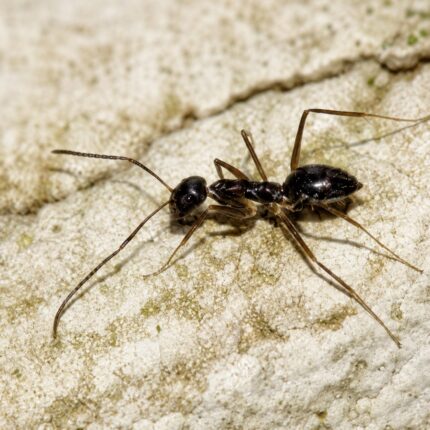

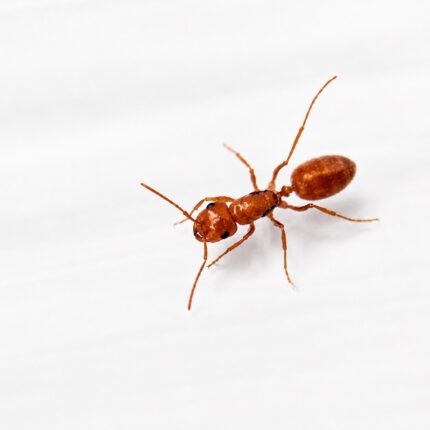
Odontoponera denticulata
229,90 zł – 459,90 złPrice range: 229,90 zł through 459,90 zł
Live Queen Guarantee
Heat Pack & Summer Cooling
Fertilised Queen in Every Colony
Ships Within 24 h
Free Care Guide
24/7 Expert Support
Description
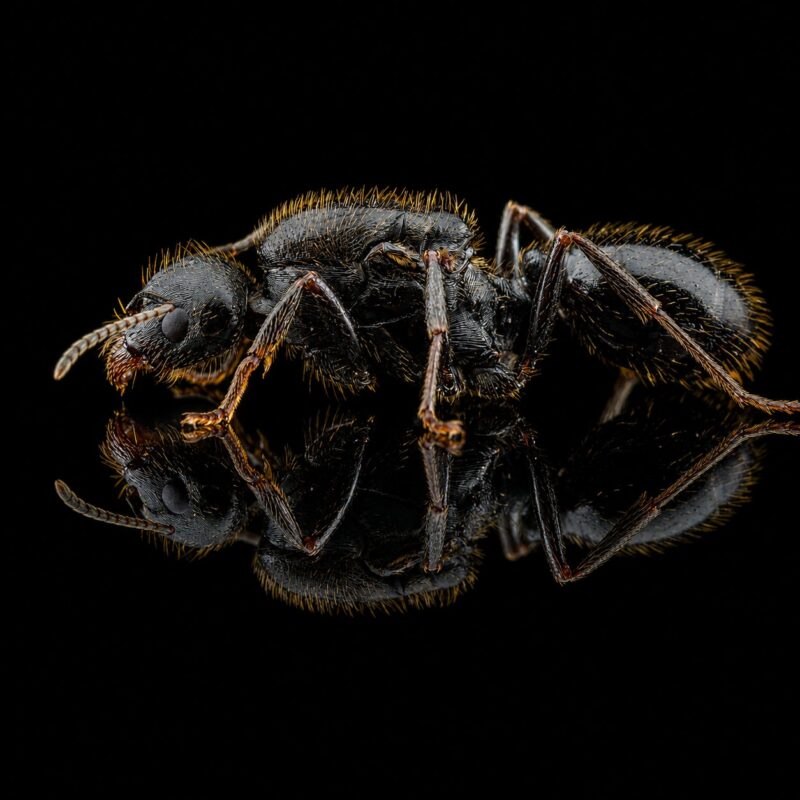
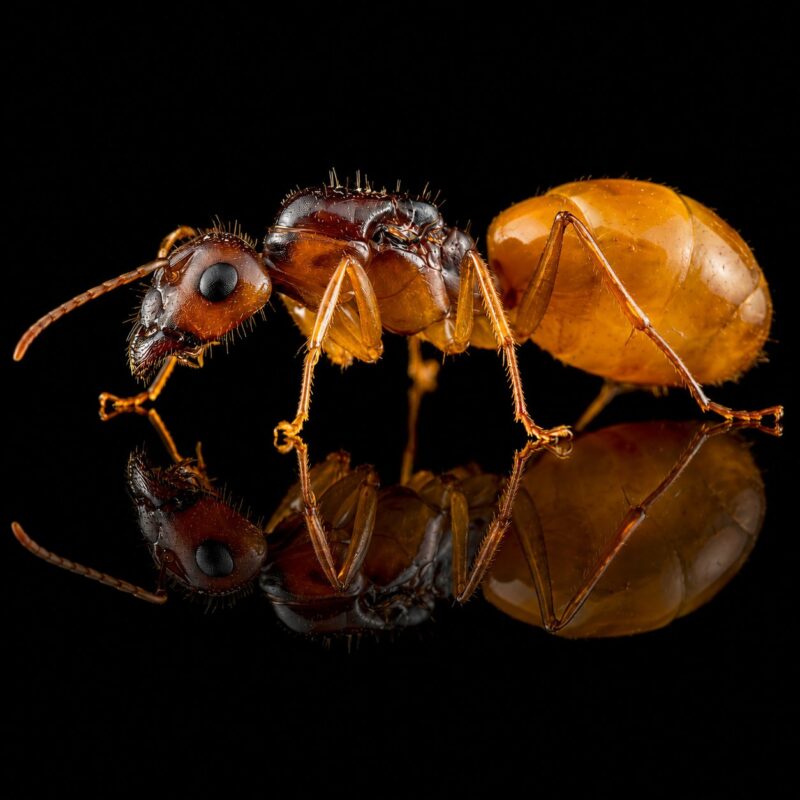
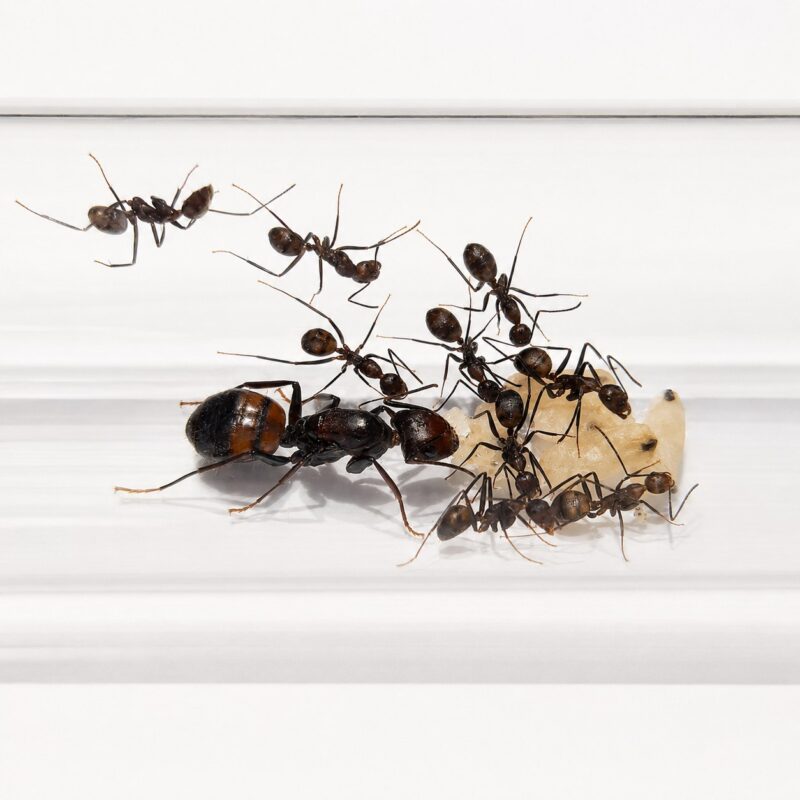
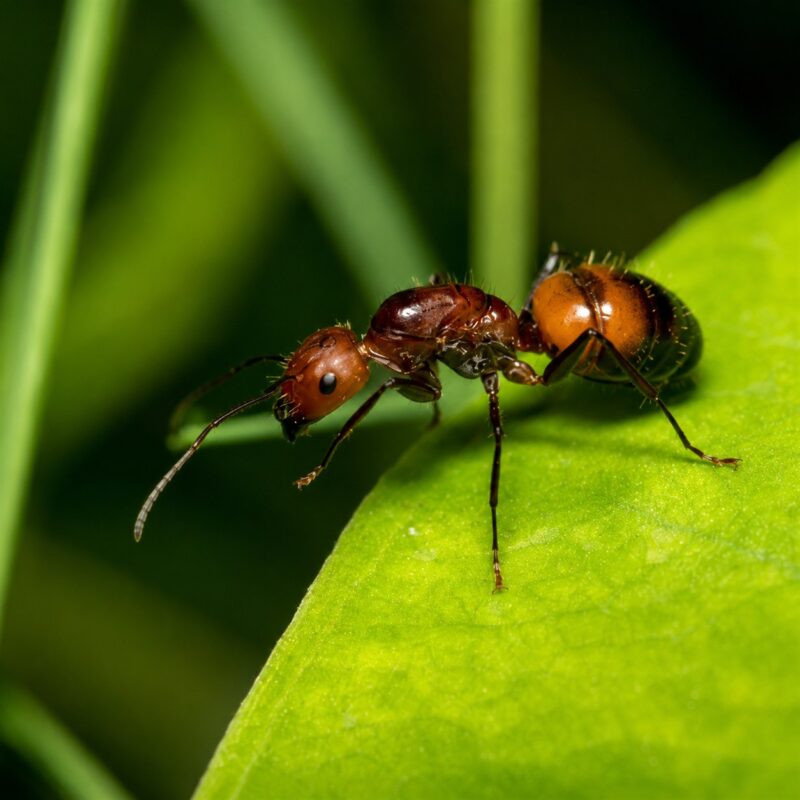
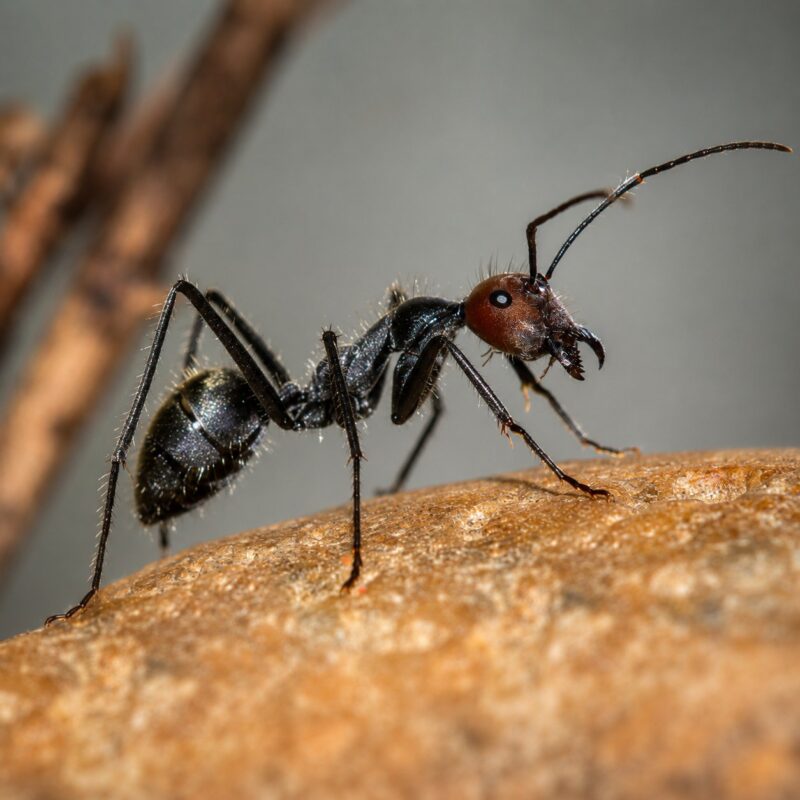
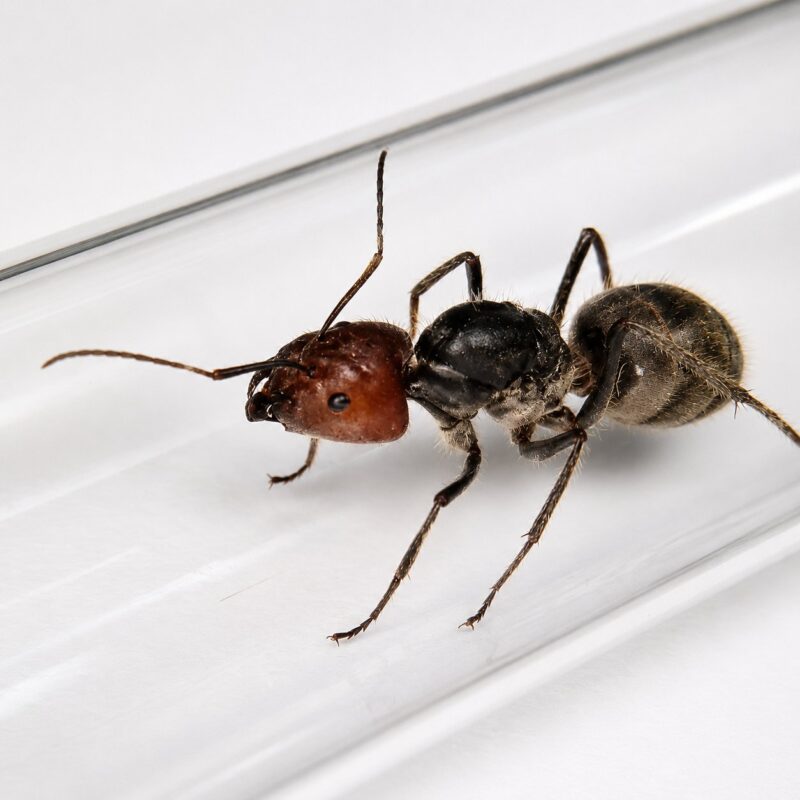
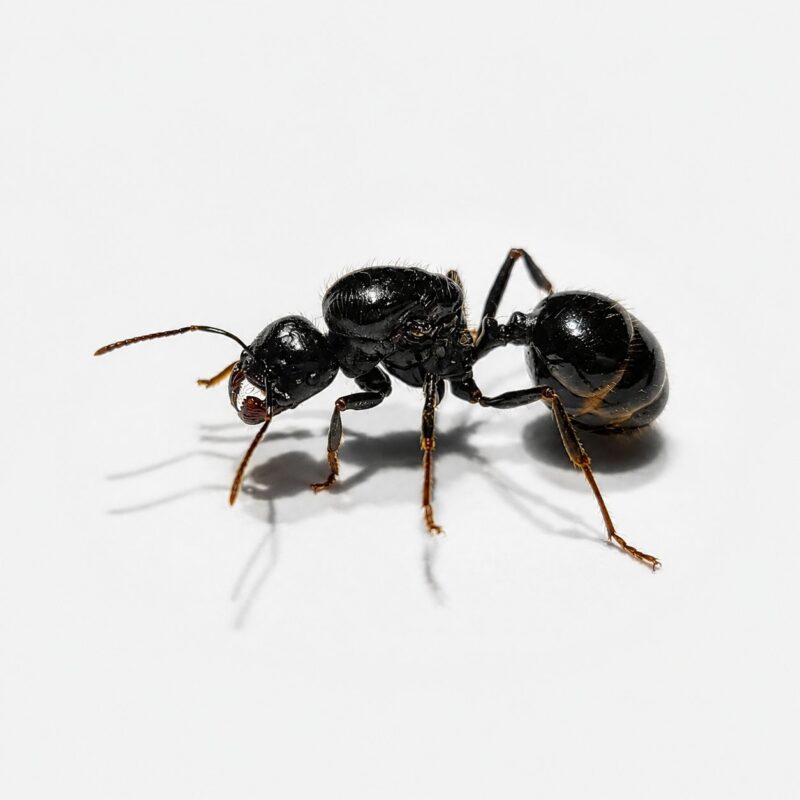
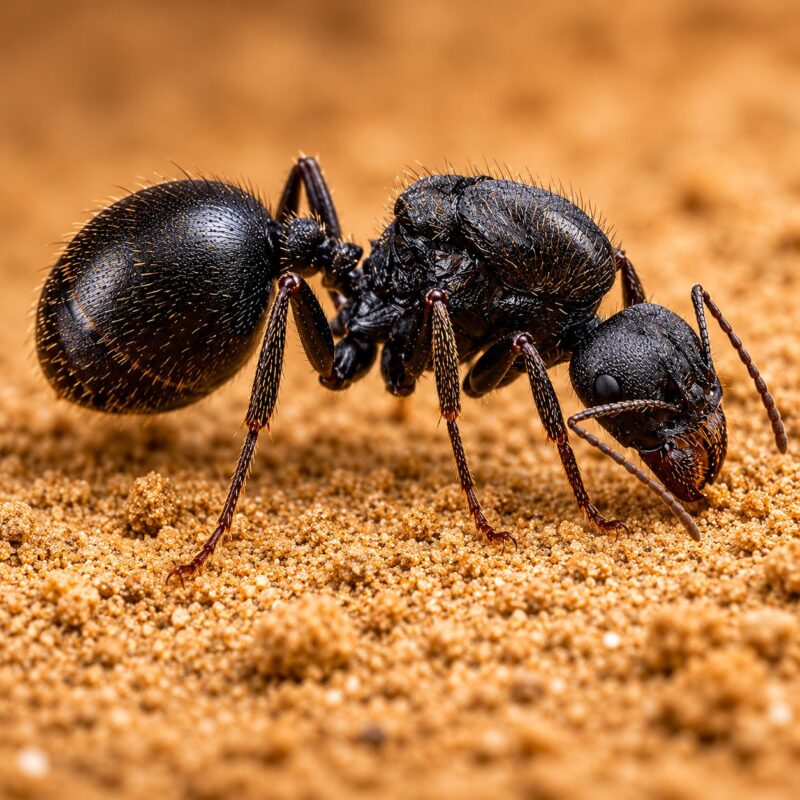
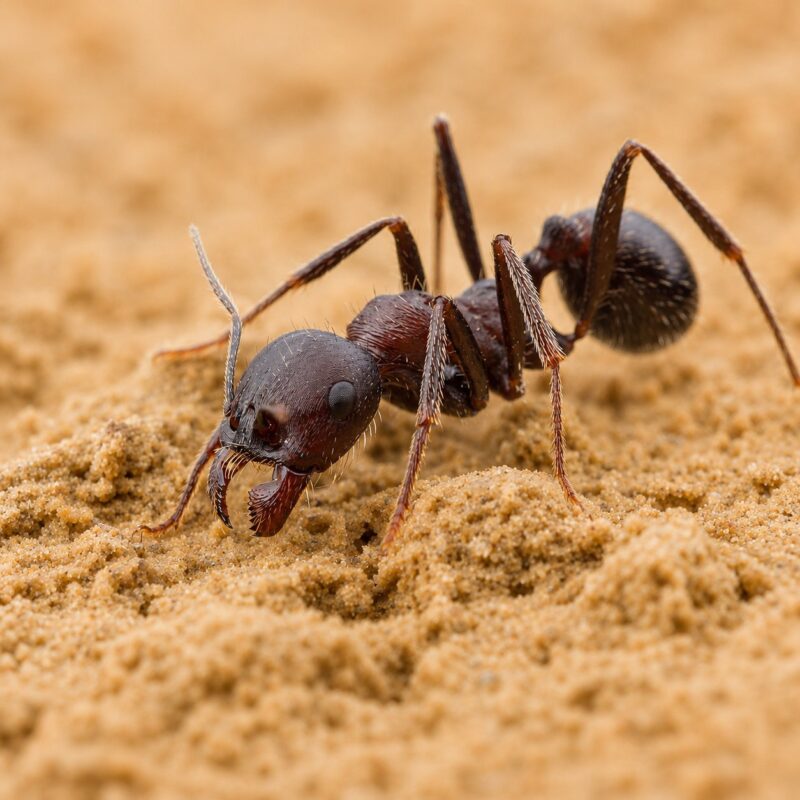
A sturdy, dark Singapore ponerine that breaks the tropical mould, hunting out in the open in broad daylight so you actually get to watch it work. Order Odontoponera denticulata from ANTonTOP.
Free shipping across Europe over 1299 zł.
DHL / InPost / EMS · ships the EU & worldwide.
Intermediate · Q 14 mm / W 9-12 mm · 100-500 workers · No hibernation (tropical) · Predator · Singapore (Southeast Asia) · Sting (painful)
Additional information
| Behavior | |
|---|---|
| Keeping difficulty | |
| Origin | |
| Ant size | |
| Hibernation | |
| Sting |
Has sting |
Odontoponera denticulata
| Origin | Singapore (Southeast Asia) |
|---|---|
| Difficulty | Intermediate |
| Colony form | Monogyne (1 queen) |
| Max workers | 100-500 workers |
| Queen | 14 mm |
| Worker | 9-12 mm |
| Soldier / major | – |
| Founding | Semi-claustral |
| Temperature | Nest 20-26 °C / Arena 22-32 °C |
| Humidity | Nest 55-70% / Arena 40-60% |
| Hibernation | No hibernation (tropical) |
| Diet | Predator |
| Sting / bite | Sting (painful) |
| Egg to first worker | 8-10 weeks |
| Queen lifespan | 6-10 years |
| Nuptial flight | swarms after dark / at dusk |
| Activity | diurnal (active ~04:00, peak ~15:00, stops ~18:00) |
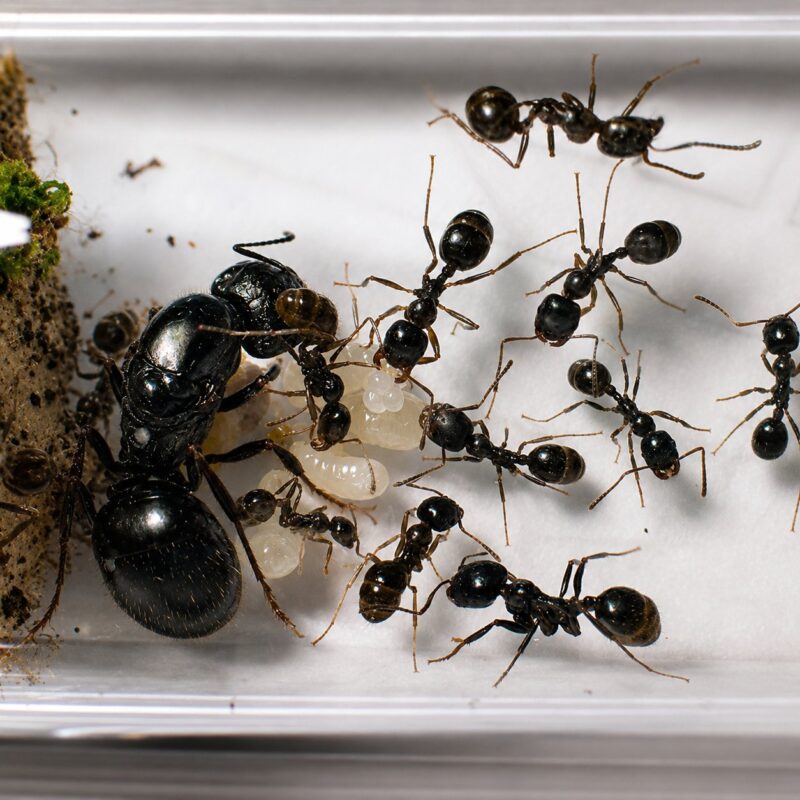
Odontoponera denticulata is a sturdy, ground-active ponerine from Singapore that hunts in daylight, unusual for its tropical home, and an intermediate species for keepers ready to step up from starter ants.
Why this species
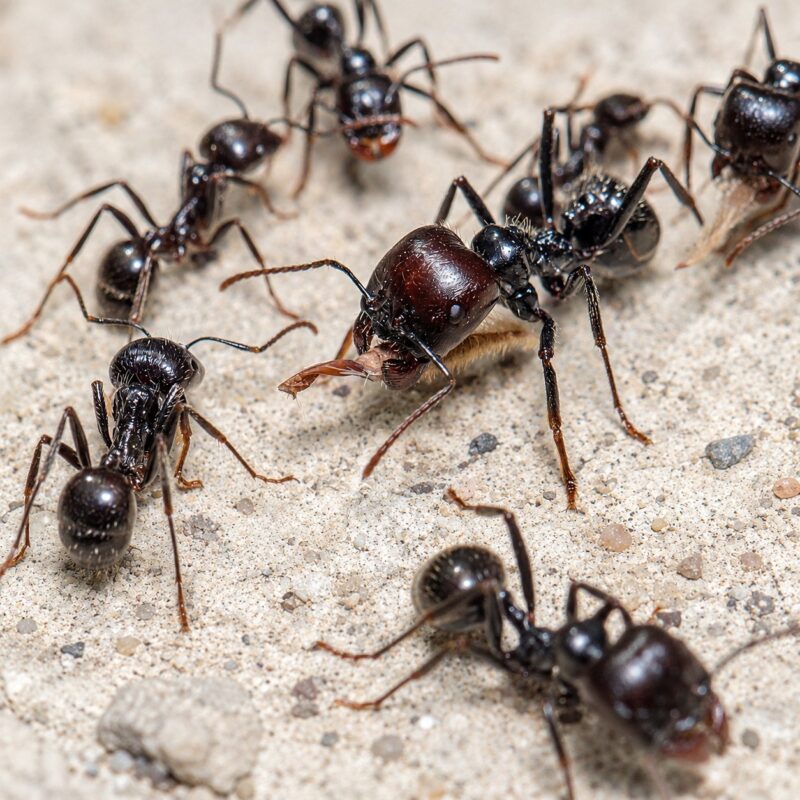
Most tropical hunters keep to the dark, so a ponerine that forages in broad daylight is a real treat to keep: this one gets going in the small hours, peaks in mid-afternoon and winds down by evening, so you can actually watch it work. It is a robust, dark-bodied predator that takes live prey, and it builds into a visible, satisfying colony rather than a fragile one. As an Intermediate ant it sits as a solid bridge between beginner colonies and the demanding Pro genera, asking for steady warmth and a bit of care without the extreme humidity or sting risk of the harder species.
Feeding
An active ground hunter that runs down live prey in the open rather than ambushing it. Insect prey fuels the brood, while the workers take sugars and nectar to keep themselves running through a long foraging day.
| Live / fresh crickets | ★★★ |
| Cockroaches (Dubia / Turkish) | ★★★ |
| Fruit flies | ★★★ |
| Mealworms | ★★★ |
| Houseflies / moths | ★★★ |
| Sugar water / nectar | ★★ |
| Honey | ★★ |
| Boiled egg yolk | ★ |
| Soft fruit | ★ |
| Soft seeds (poppy, sesame) | ✗ |
| Hard seeds (canary, millet) | ✗ |
★★★ readily · ★★ moderately · ★ occasionally · ✗ not eaten
Housing & formicarium
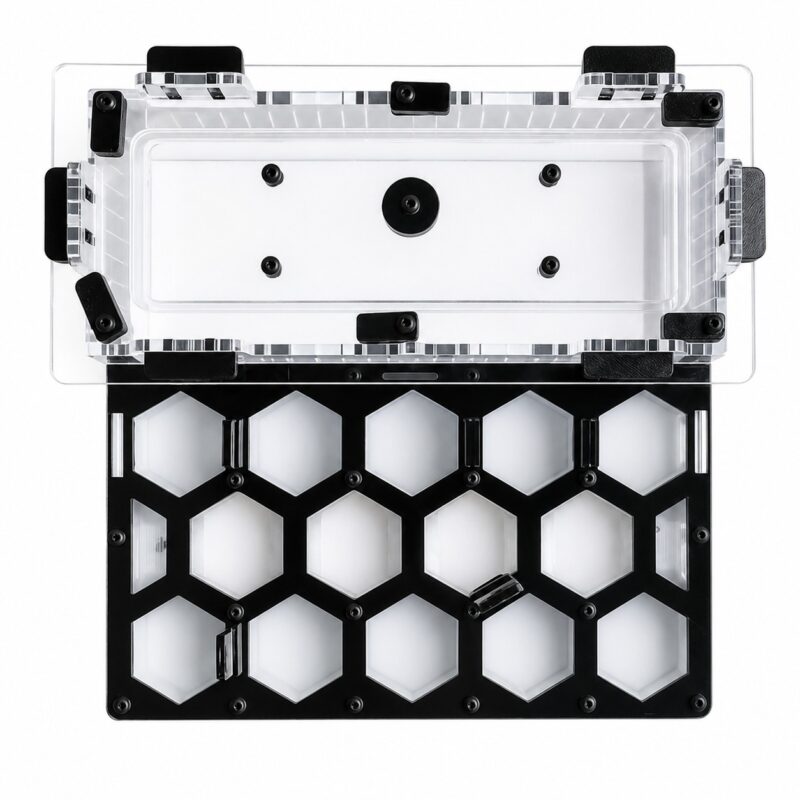
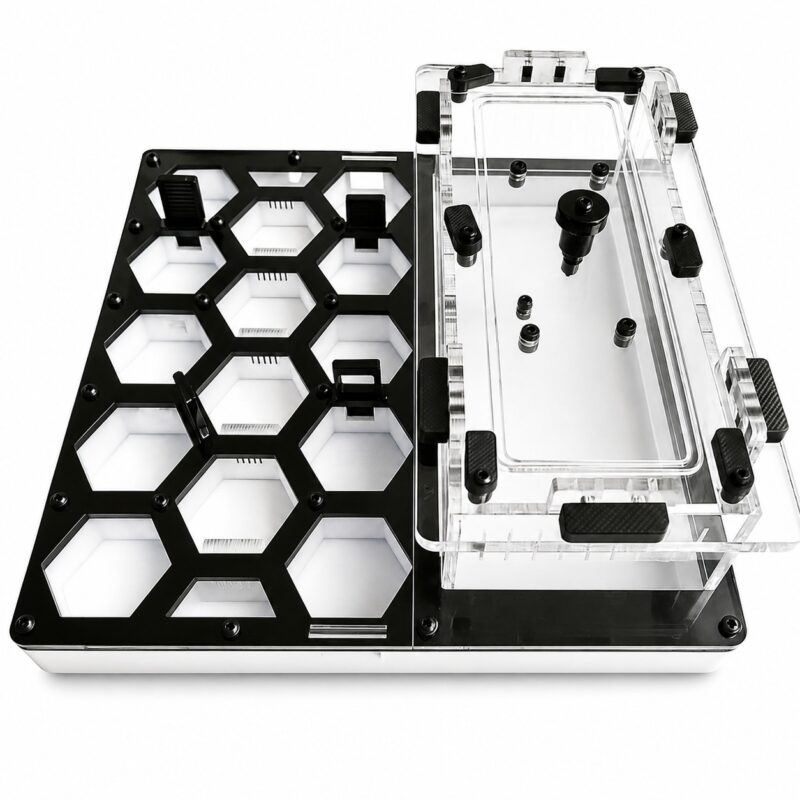
Found the colony in a test tube and move it on once you have a solid worker force. This tropical ground-forager keeps to moderate humidity, so a nest in Ytong, gypsum or acrylic that holds a middling damp level suits it, with one slightly wetter brood corner. Give it a good-sized arena for patrolling the floor and upgrade nest size as the colony works toward several hundred workers. Keep a fluon (PTFE) rim on the arena, or oil where PTFE will not hold. ANTonTOP formicaria and starter kits cover this colony from founding through several hundred workers.
Climate & wintering
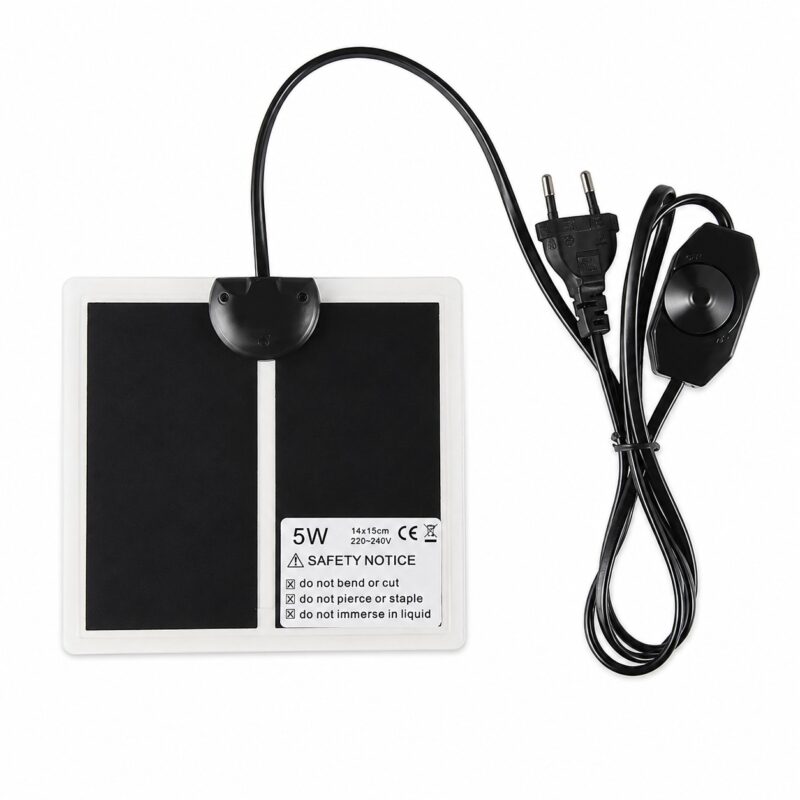
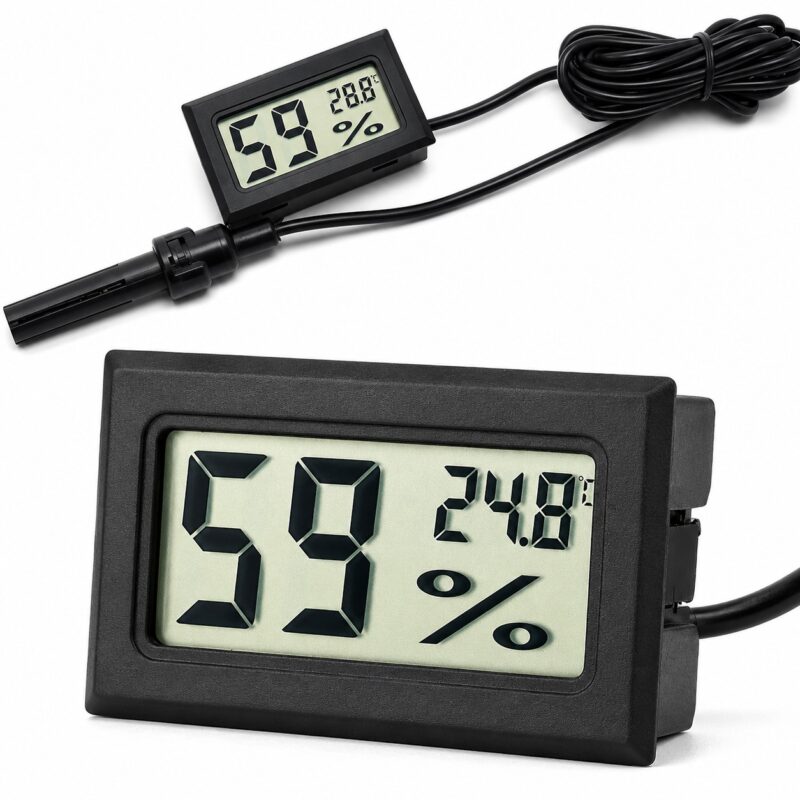
This tropical ant tolerates a slightly drier, more variable setup than the trap-jaws. Run the nest at 20-26 °C and give the arena a wide 22-32 °C, with nest humidity 55-70% and arena humidity 40-60%. Heat one end only so the ants can choose between warmer and cooler, drier and damper zones. No hibernation is needed: keep it active and fed year-round without dropping the temperature.
Growth forecast + what you receive
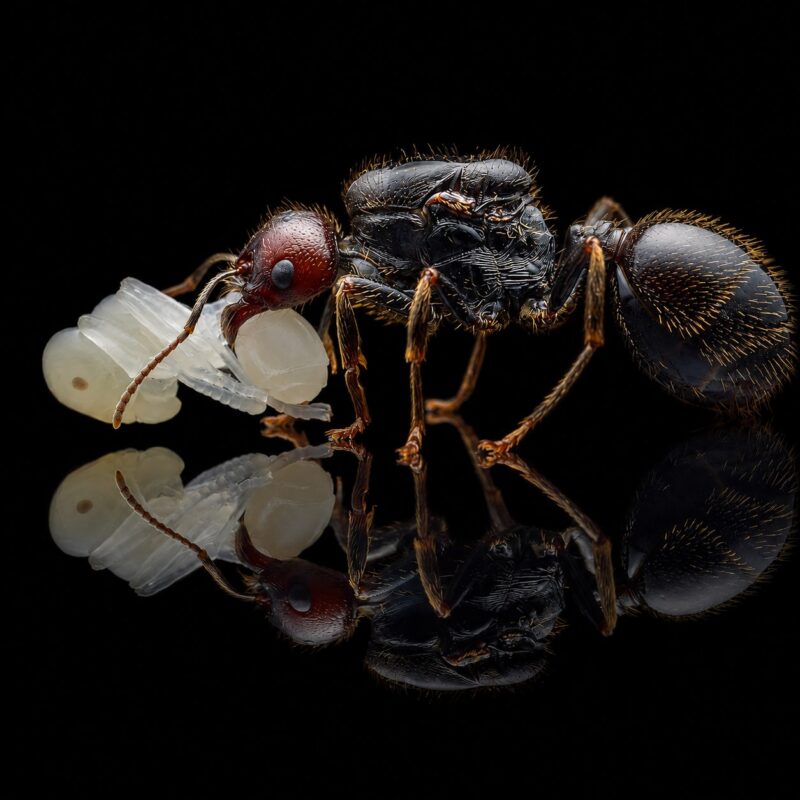
Numbers build at a moderate pace toward a sizeable 100-500 workers, giving you a busy colony you can actually watch forage by day. Upgrade the nest as the population heads into the hundreds. You receive a queen with workers and brood, ready for an arena with room to roam.
Did you know
- Odontoponera is a small Southeast Asian ponerine genus of only a couple of species, recognised by the row of tiny teeth along the front edge of the head and on the pronotum.
- Unusually for a tropical ant, this species forages out in the open in broad daylight, getting going before dawn and tailing off in the early evening.
- Workers are bold, active hunters that will both bite and sting in defence when the nest is opened.
- The genus ranges widely across Asia, from mainland populations out to the islands of Sundaland and the Philippines.
Frequently asked questions
Is this a good beginner ant?
It is rated Intermediate, a good next step once you have kept a starter colony, rather than a first-ever ant.
Does Odontoponera denticulata need a winter rest?
No, it is tropical with no hibernation; keep it warm and active all year.
Does this ponerine sting or bite?
Yes, it has a painful sting, so handle the arena with care.
How big does this day-active colony get?
Between 100 and 500 workers over time.
How large is the queen?
The queen is around 14 mm, with workers at 9-12 mm.
How fast does it grow?
Moderately, building steadily into a colony of several hundred.
What does this ground hunter feed on?
Live and freshly killed insects plus sugar water, nectar or jelly for energy.
How is it shipped?
As a queen with workers and brood, packed with a heat or cool pack and sent within 24 hours with tracking for safe live arrival.
Keeping & shipping essentials
Escape prevention. Coat the inner rim of every open arena with fluon (PTFE), or use talc-and-water or an oil barrier as a backup, and keep a tight, fine-mesh lid on top. Check the barrier regularly, since dust, condensation and feeding debris break a fluon line over time. Keep tubing connectors tight and seal any gaps in the nest.
Keeping reminders. Always offer fresh water and never let the nest dry out completely. Give carbohydrates continuously and protein a few times a week, and remove uneaten insect prey within 24 hours before it moulds. Keep the formicarium out of direct sunlight and away from constant vibration, which stresses a young colony. A water-filled test tube plugged with cotton makes an ideal spare incubator whenever you need one.
Before you buy – do not rehouse too early. Have a test-tube setup or a small formicarium with an outworld and a working barrier ready before your colony arrives. A founding colony grows slowly at first, which is normal. Moving a small colony into a large nest too soon invites mould, mites and stress, and the workers die off one by one. Keep the colony in its open test tube on the arena, plug the nest entrance with cotton, and open up the next chambers only once the colony fills roughly 10-15% of the space.
What we ship. Every colony ships with a live-arrival guarantee, backed by our 24h unboxing-video guarantee: if the queen does not arrive alive, we reship free. Parcels travel with DHL, InPost (PL) or EMS, with a heat or cold pack to suit the season, packed discreetly and securely. We ship across the EU and worldwide, with free shipping over the Europe threshold.

Reviews
Clear filtersThere are no reviews yet.