
Camponotus aethiops
79,90 zł – 209,90 złPrice range: 79,90 zł through 209,90 zł
Live Queen Guarantee
Heat Pack & Summer Cooling
Fertilised Queen in Every Colony
Ships Within 24 h
Free Care Guide
24/7 Expert Support
Description
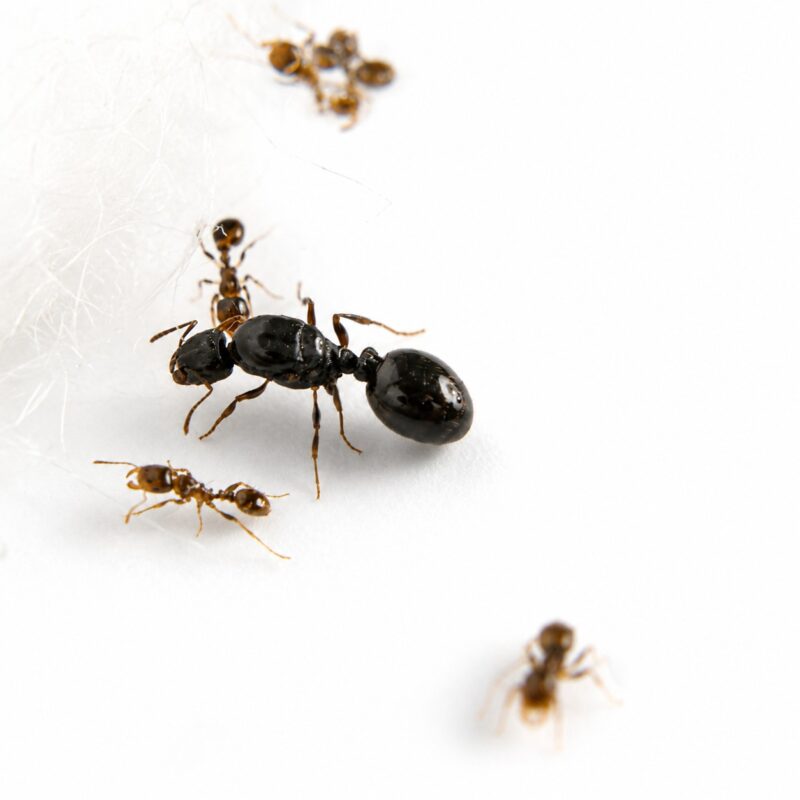
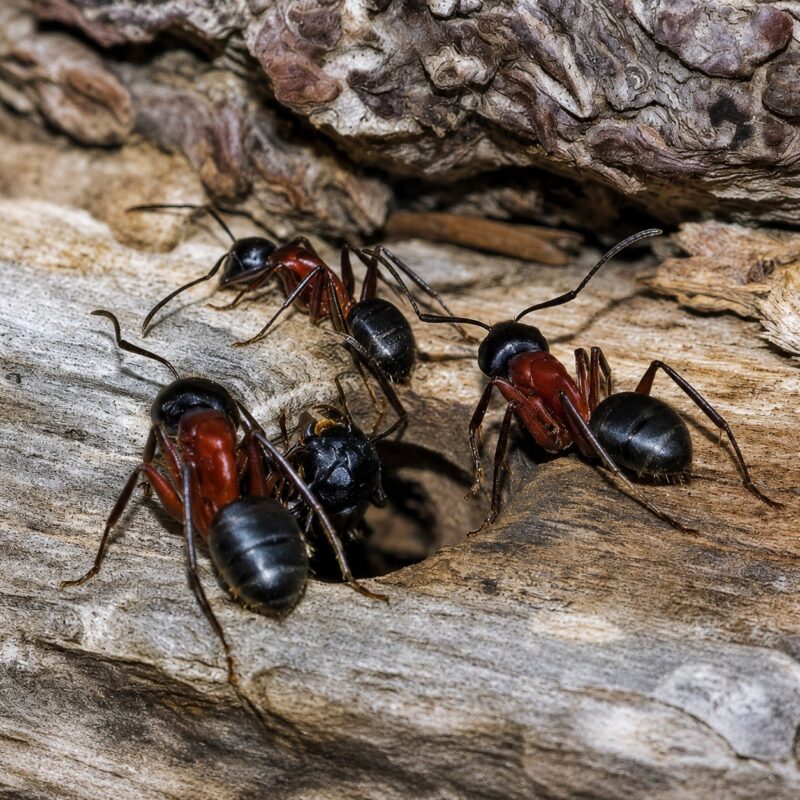
Watch tiny minors and heavy-headed majors share one nest in a satin-black Mediterranean carpenter ant that lives by a true seasonal clock. If a real winter cycle is half the fun for you, order your Camponotus aethiops colony at ANTonTOP.
Free shipping across Europe over 1299 zł.
DHL / InPost / EMS · ships the EU & worldwide.
Intermediate · Q 13-16 mm / W 5-10 mm (highly polymorphic, up to 13 mm majors) / S 14-17 mm (major) · Several thousand workers · Winter rest at 5-10 °C for 4 months mandatory · Omnivore · France (Mediterranean Europe and North Africa) · No sting, mild bite
Additional information
| Behavior | |
|---|---|
| Keeping difficulty | |
| Origin | |
| Ant size | |
| Hibernation | |
| Sting |
No sting |
Camponotus aethiops – Carpenter ant
| Origin | France (Mediterranean Europe and North Africa) |
|---|---|
| Difficulty | Intermediate |
| Colony form | Monogyne (1 queen) |
| Max workers | Several thousand workers |
| Queen | 13-16 mm |
| Worker | 5-10 mm (highly polymorphic, up to 13 mm majors) |
| Soldier / major | 14-17 mm (major) |
| Founding | Claustral |
| Temperature | Arena: 22-28 °C | Nest: 26-28 °C (with cooler zone) |
| Humidity | Arena: 30-50% | Nest: 50-60% |
| Hibernation | Winter rest at 5-10 °C for 4 months mandatory |
| Diet | Omnivore |
| Sting / bite | No sting, mild bite |
| Egg to first worker | ~8-12 weeks |
| Queen lifespan | 10-15 years |
| Nuptial flight | June-September (late spring/summer) |
| Activity | diurnal |
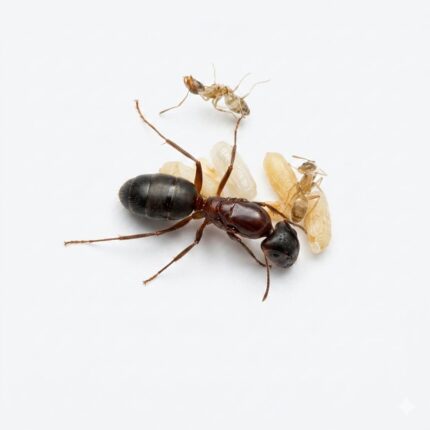
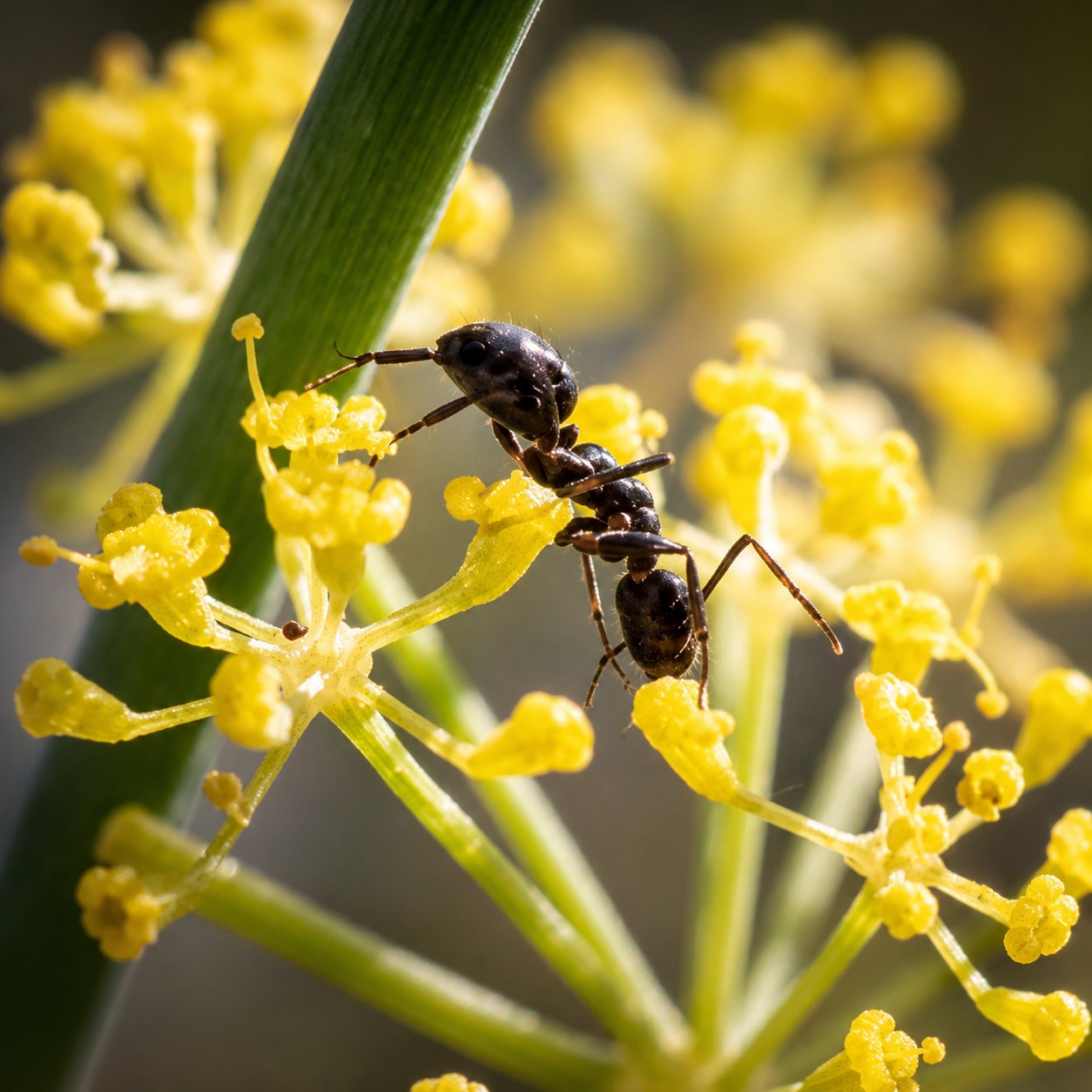
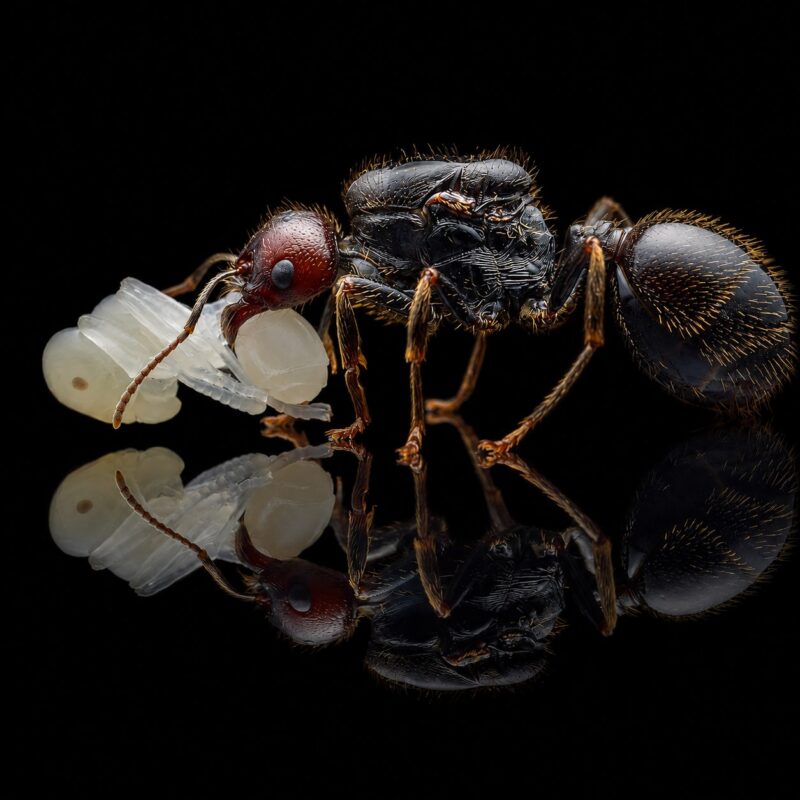
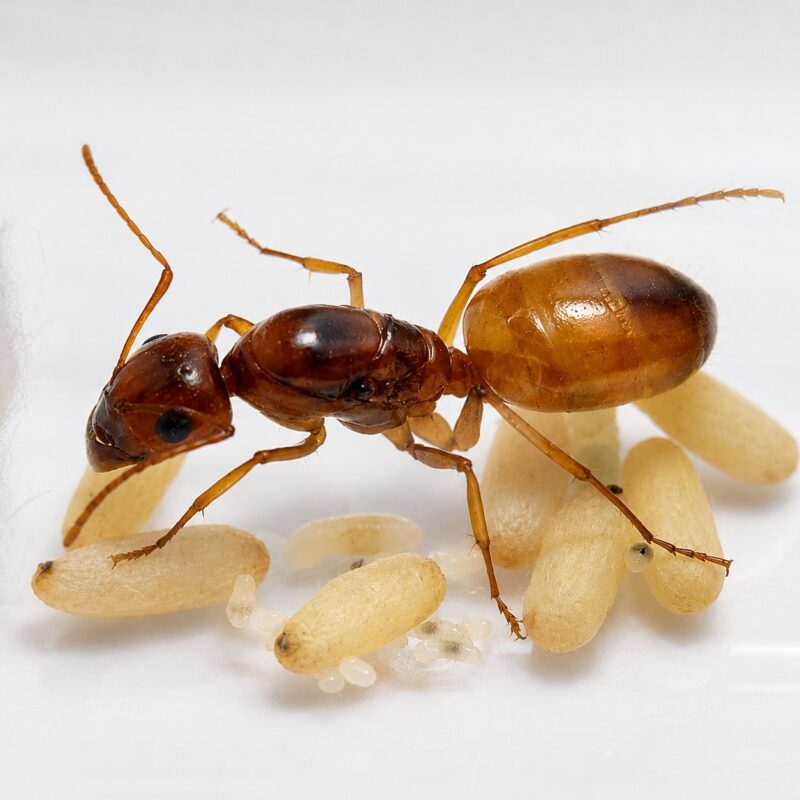
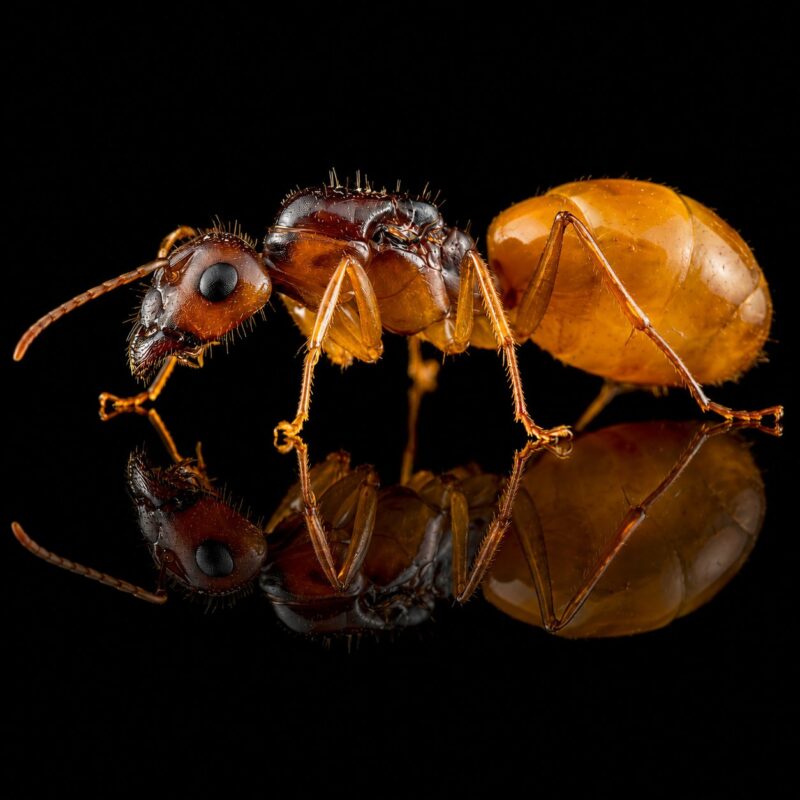
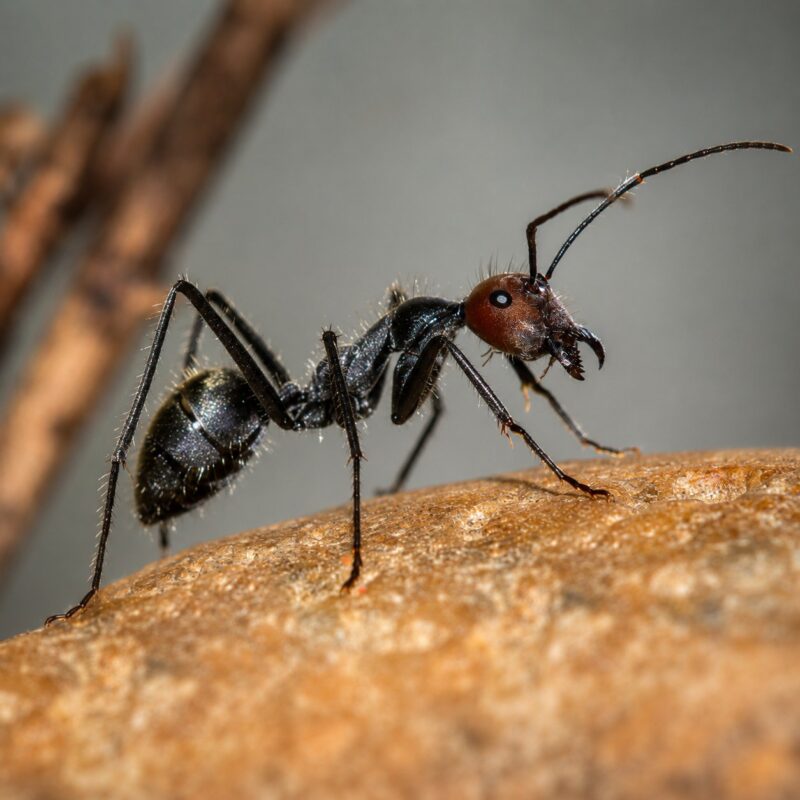
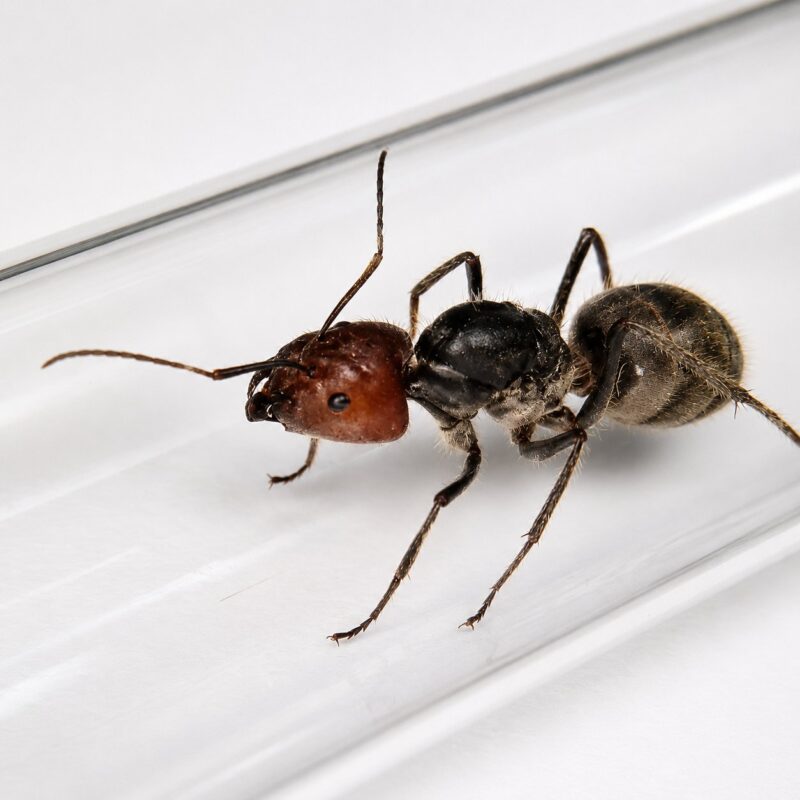
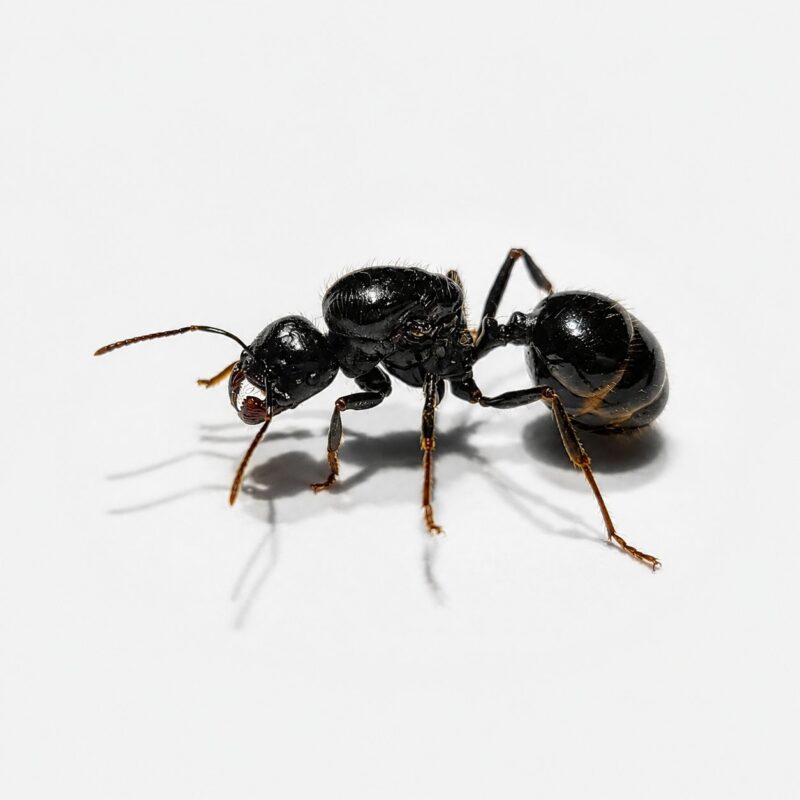
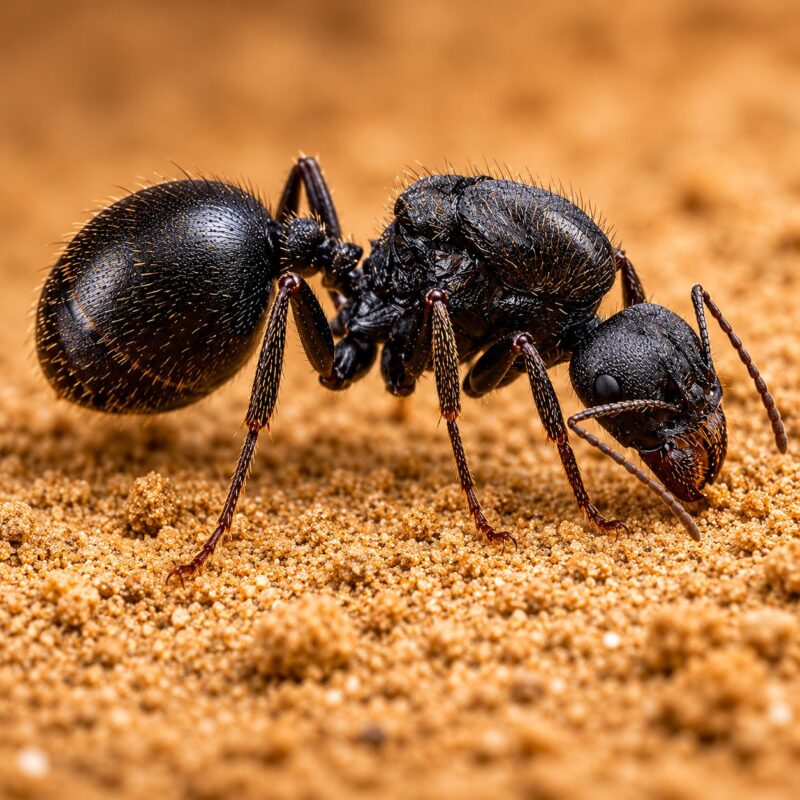
Camponotus aethiops is a glossy black Mediterranean carpenter ant with strongly varied worker sizes, a seasonal species that rests cool each winter. Suited to intermediate keepers who can give it a proper hibernation.
Why this species
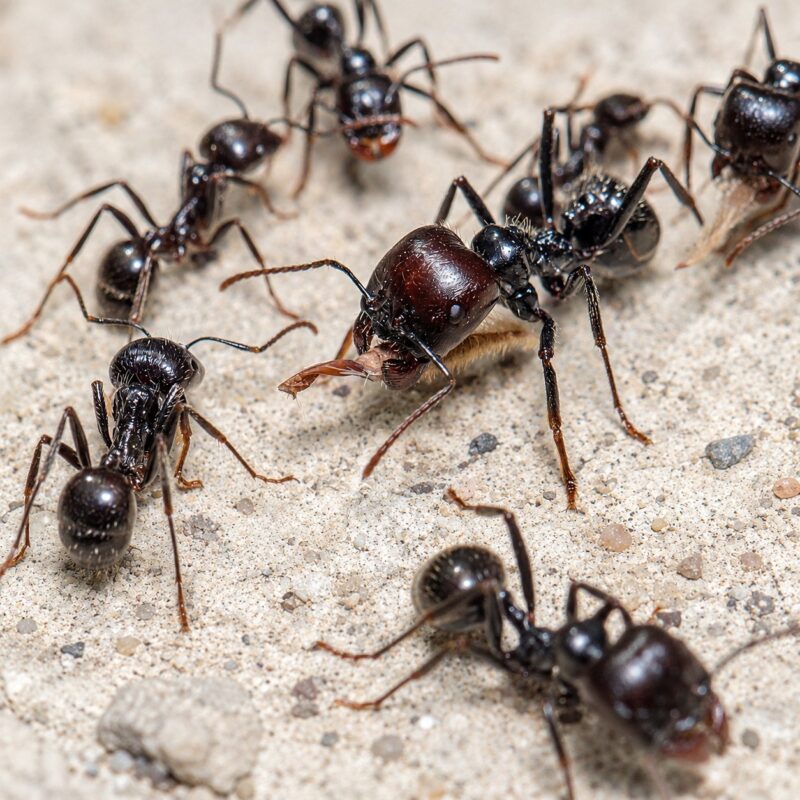
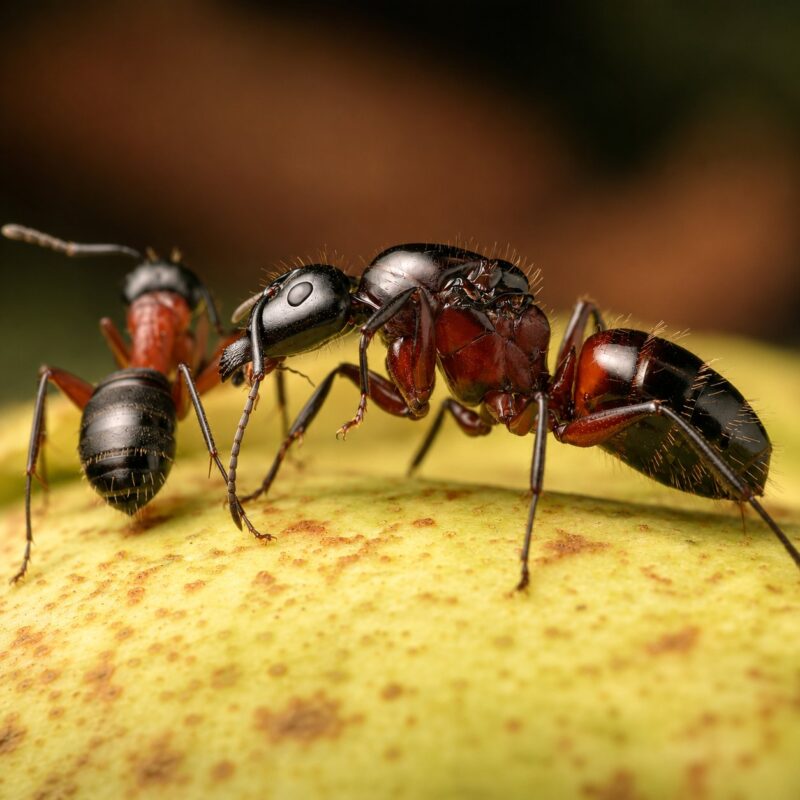
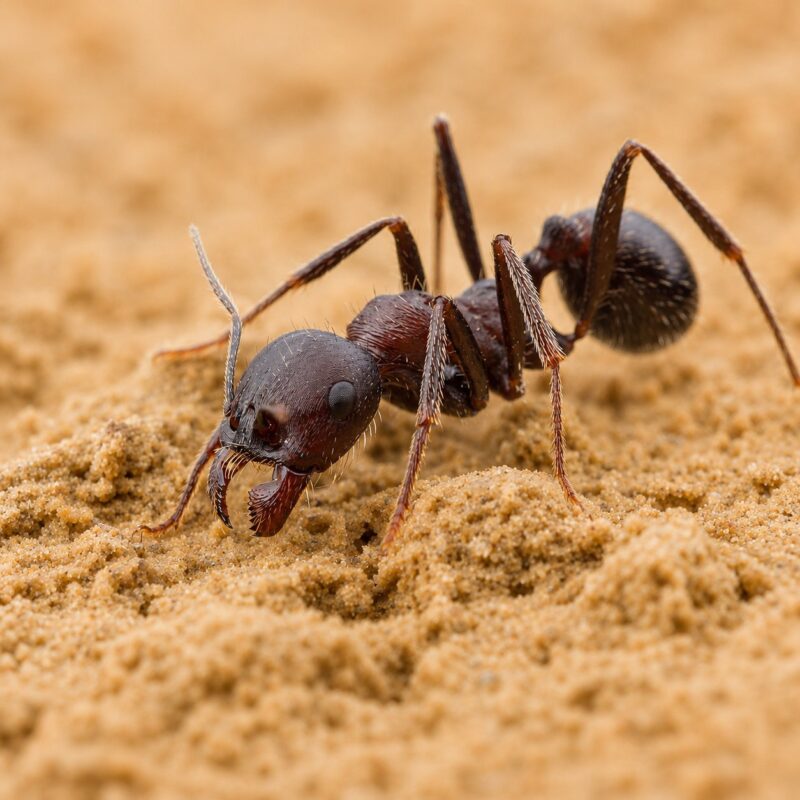
The strong polymorphism is the real draw. The gap between the small minors and the heavy-headed majors is one of the most satisfying things to watch in a maturing colony. Native to France and the wider Mediterranean, this is a seasonal ant, and that shapes the keeping experience: it wants a real cool winter rather than year-round warmth, which is the main reason it sits at Intermediate rather than Beginner. Camponotus grow slowly and steadily, so this is a patient, long-haul colony for someone who enjoys the annual rhythm. It never stings and the bite is mild.
Feeding
A carpenter-ant omnivore: workers tend honeydew and nectar for their own energy and carry insects home as the protein that drives brood growth and produces the larger workers. Keep a sugar source on hand and offer insects two or three times a week.
| Sugar water / honey water | ★★★ |
| Ant nectar / sugar jelly | ★★★ |
| Honey | ★★★ |
| Protein jelly | ★★★ |
| Crickets | ★★★ |
| Cockroaches (Dubia / Turkish) | ★★★ |
| Fruit flies (Drosophila) | ★★★ |
| Houseflies | ★★★ |
| Locusts | ★★ |
| Boiled egg yolk | ★★ |
| Soft fruit (apple, pear, banana) | ★★ |
| Mealworms | ★ |
| Superworms | ★ |
| Boiled lean chicken / shrimp / meat | ★ |
| Dried insects | ★ |
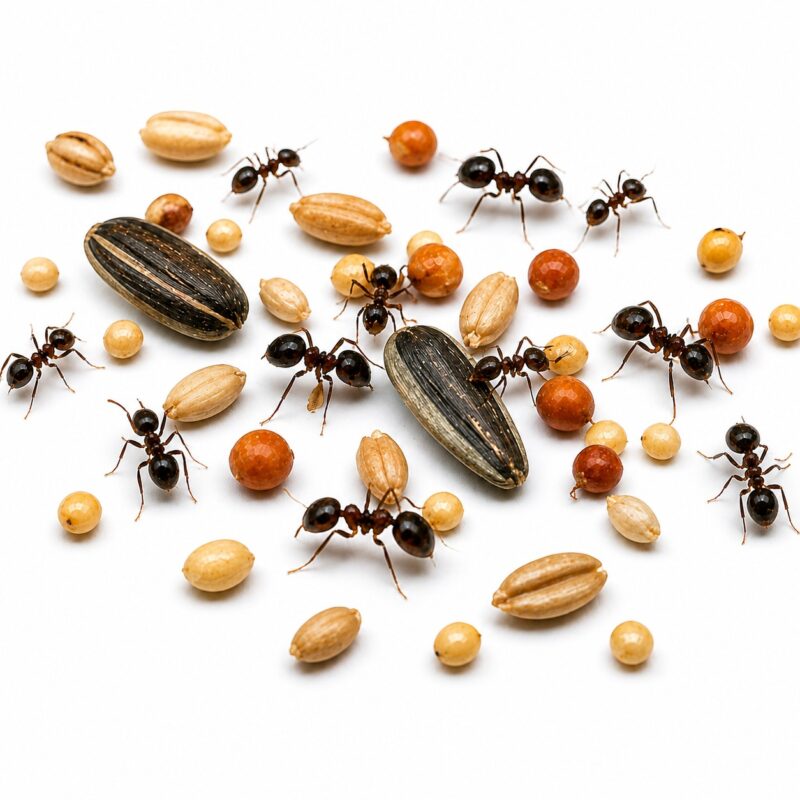
| Soft seeds (poppy, sesame, chia) | ✗ |
| Hard seeds (canary, millet, sunflower) | ✗ |
★★★ readily · ★★ moderately · ★ occasionally · ✗ not eaten
Housing & formicarium
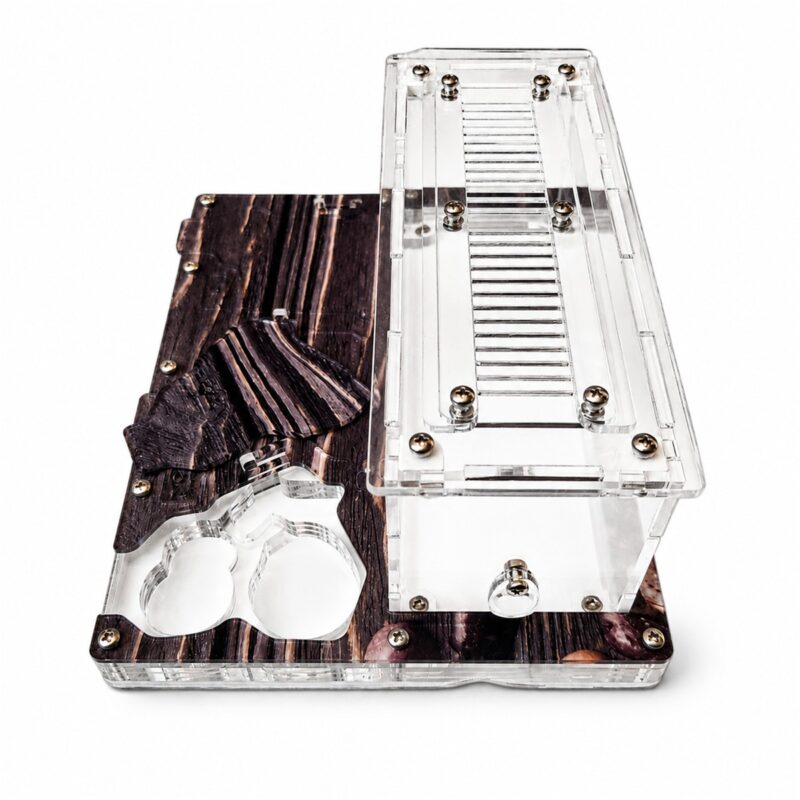
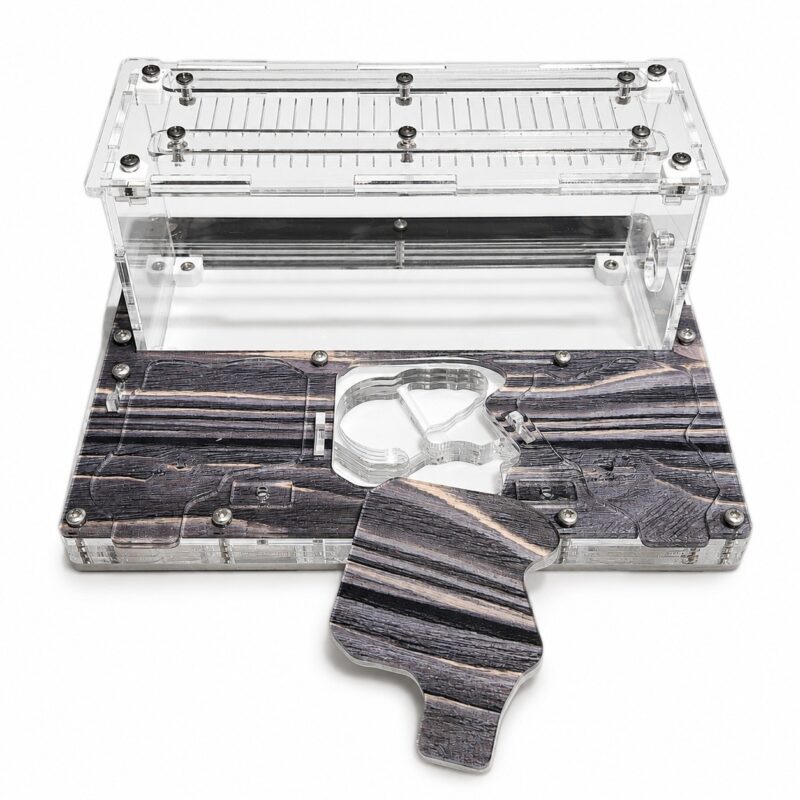
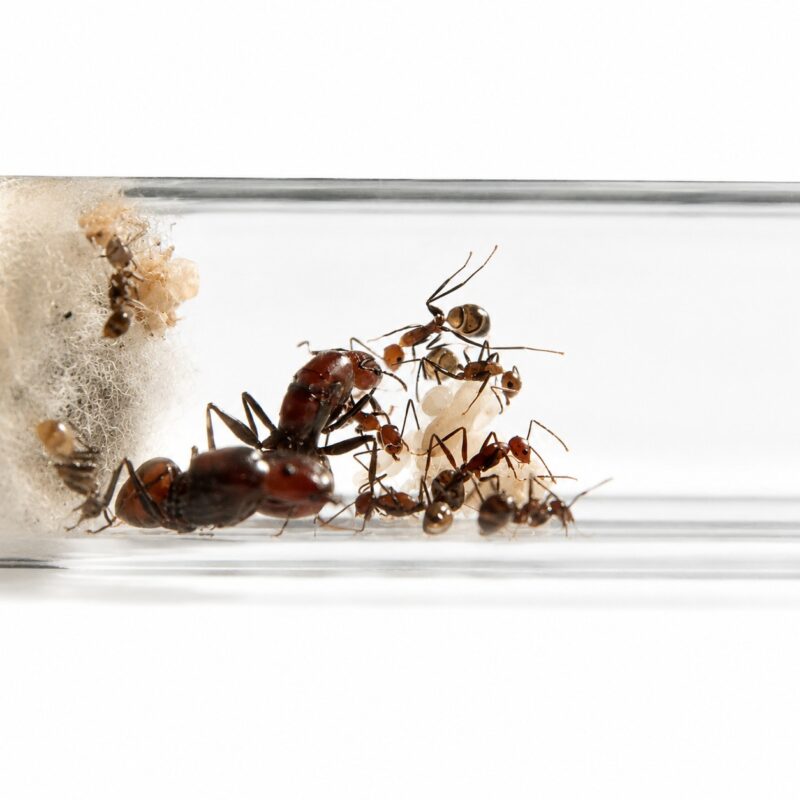
Found the queen in a test tube, then move the colony to a moisture-holding nest (ytong, aerated concrete, or acrylic with a watered chamber) joined to a drier, roomy arena. Keep the nest side damp and the foraging floor dry, and upgrade once chambers fill and the polymorphic majors appear. This is a climber, so line the arena rim with fluon (PTFE) plus an oil or talc-and-water backup. Pick a nest you can lift cleanly, since this species needs a mandatory cool winter rest and must be carried to a cold spot. ANTonTOP formicaria and starter kits give you the two-zone setup in one box.
Climate & wintering
Give the colony a damp nest and a drier arena, with the arena at 22-28 °C and the nest at 26-28 °C plus a cooler corner; humidity sits at 30-50% in the arena and 50-60% in the nest. Warm one end so the ants can choose along a gradient. Winter rest is not optional here: cool the colony to 5-10 °C for 4 months before bringing it back up. Nuptial flights fall between June and September.
Growth forecast + what you receive
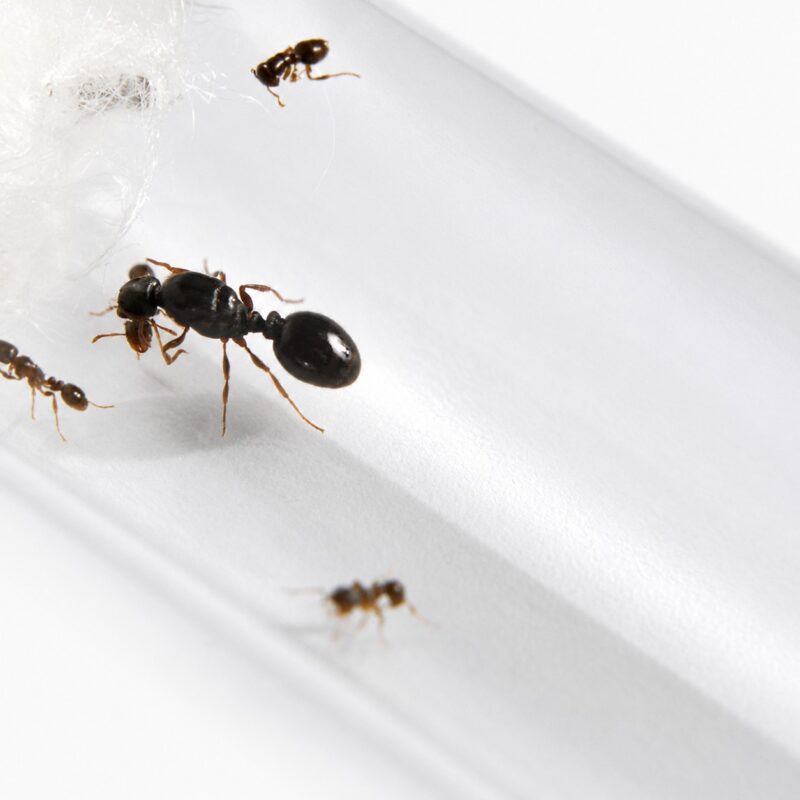
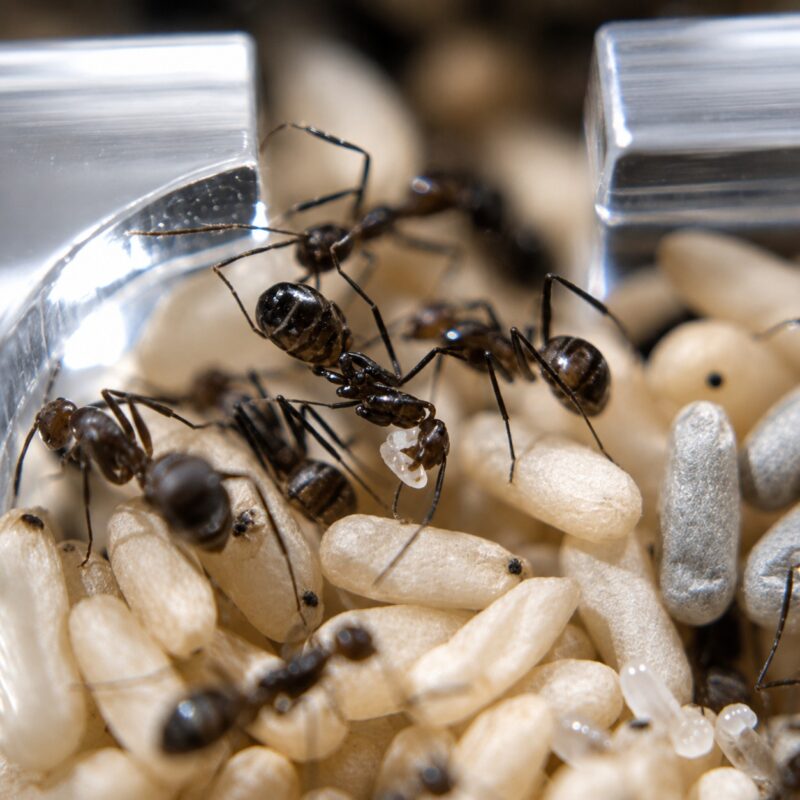
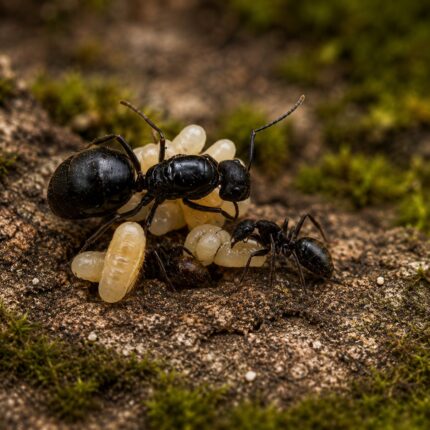
This is a slow, patient carpenter ant, with eggs taking roughly 8-12 weeks to become workers and the colony building steadily toward several thousand over the years. Your colony arrives as a queen with workers and brood, a settled founding group ready to move into its first formicarium.
Did you know
- Camponotus aethiops is a widespread Mediterranean carpenter ant, easily known by its uniformly glossy black, almost satin finish.
- Like other temperate Camponotus it follows a strict annual cycle, with brood-rearing pausing over a cold winter rest and resuming as spring warmth returns.
- The genus has no sting and instead bites and sprays formic acid from the abdomen when defending the nest.
- Workers are strongly polymorphic, from slight minors up to broad-headed majors, all raised within a single colony.
Frequently asked questions
Is Camponotus aethiops good for beginners?
It is rated Intermediate, as the required winter rest makes it a step up from the easiest carpenter ants.
Does this Mediterranean carpenter ant need a winter rest?
Yes, a mandatory winter rest at 5-10 °C for 4 months.
Does Camponotus aethiops sting or bite?
No sting, only a mild bite.
How big does the colony get?
Several thousand workers over time.
How large is the queen?
She is 13-16 mm, with highly polymorphic workers from 5-10 mm and majors up to 13 mm.
How long until the first new workers appear?
Slow and steady, with egg-to-worker development around 8-12 weeks.
What do glossy black carpenter ants eat?
Sugar water or nectar plus insects like crickets and flies for the brood.
Will they arrive alive?
Yes, we send a queen with workers and brood, add a heat or cool pack, and dispatch within 24 h with tracking.
Keeping & shipping essentials
Escape prevention. Coat the inner rim of every open arena with fluon (PTFE), or use talc-and-water or an oil barrier as a backup, and keep a tight, fine-mesh lid on top. Check the barrier regularly, since dust, condensation and feeding debris break a fluon line over time. Keep tubing connectors tight and seal any gaps in the nest.
Keeping reminders. Always offer fresh water and never let the nest dry out completely. Give carbohydrates continuously and protein a few times a week, and remove uneaten insect prey within 24 hours before it moulds. Keep the formicarium out of direct sunlight and away from constant vibration, which stresses a young colony. A water-filled test tube plugged with cotton makes an ideal spare incubator whenever you need one.
Before you buy – do not rehouse too early. Have a test-tube setup or a small formicarium with an outworld and a working barrier ready before your colony arrives. A founding colony grows slowly at first, which is normal. Moving a small colony into a large nest too soon invites mould, mites and stress, and the workers die off one by one. Keep the colony in its open test tube on the arena, plug the nest entrance with cotton, and open up the next chambers only once the colony fills roughly 10-15% of the space.
What we ship. Every colony ships with a live-arrival guarantee, backed by our 24h unboxing-video guarantee: if the queen does not arrive alive, we reship free. Parcels travel with DHL, InPost (PL) or EMS, with a heat or cold pack to suit the season, packed discreetly and securely. We ship across the EU and worldwide, with free shipping over the Europe threshold.

Reviews
Clear filtersThere are no reviews yet.