
Camponotus Ca02
499,90 zł – 679,90 złPrice range: 499,90 zł through 679,90 zł
Worldwide shipping
Free delivery over 999 PLN
The highest quality of goods
Live delivery guarantee
24/7 Personal Support
Fair Prices
Description
DHL across the EU · InPost in Poland · EMS worldwide · Live arrival guaranteed.
Free shipping across Europe over 1299 zł.
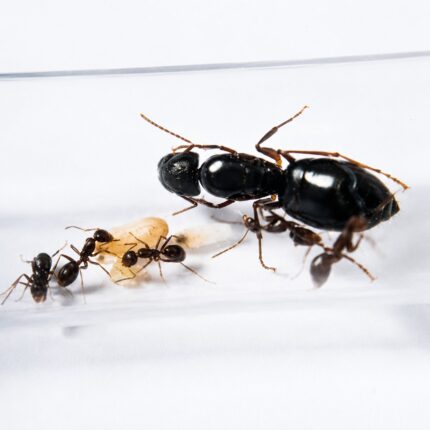
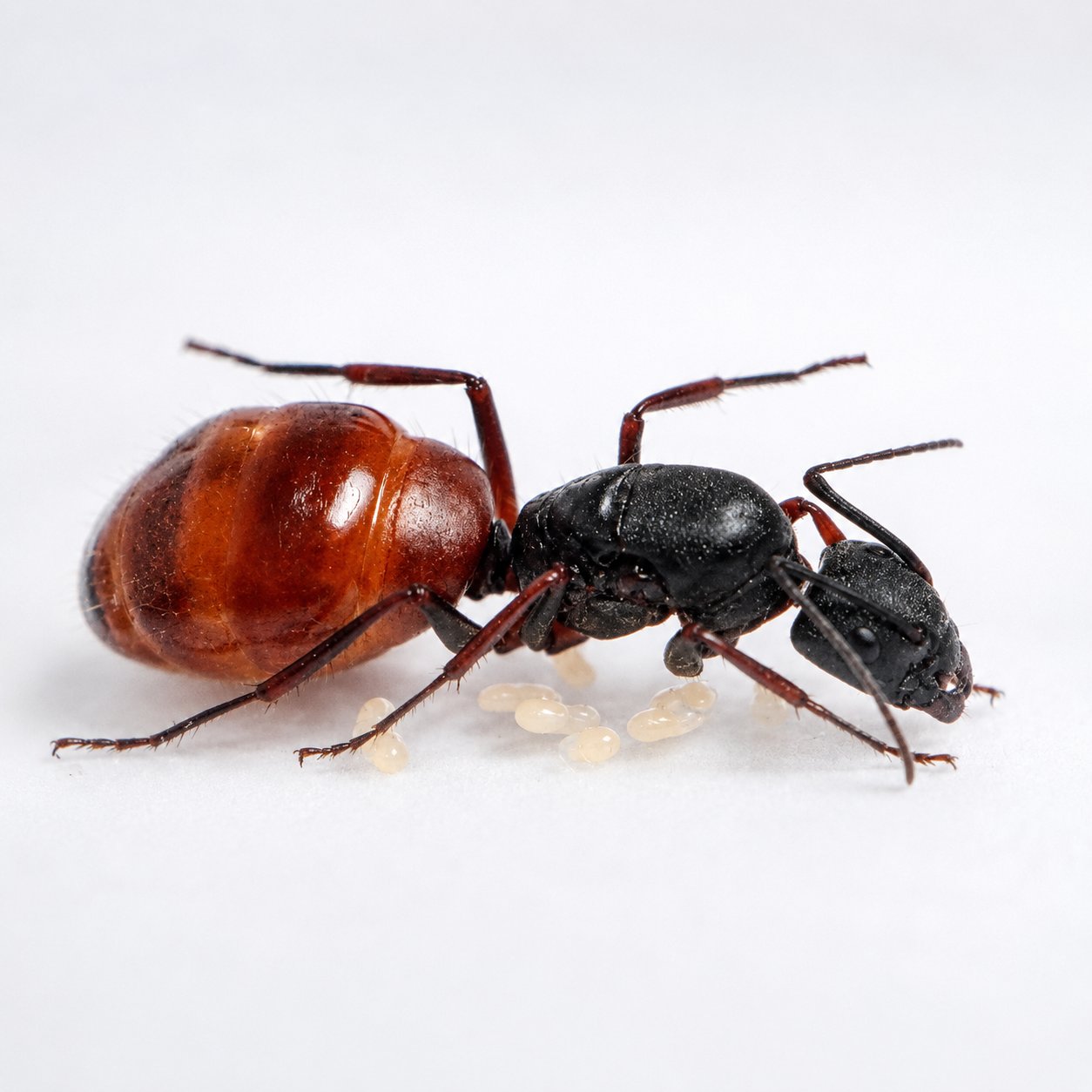
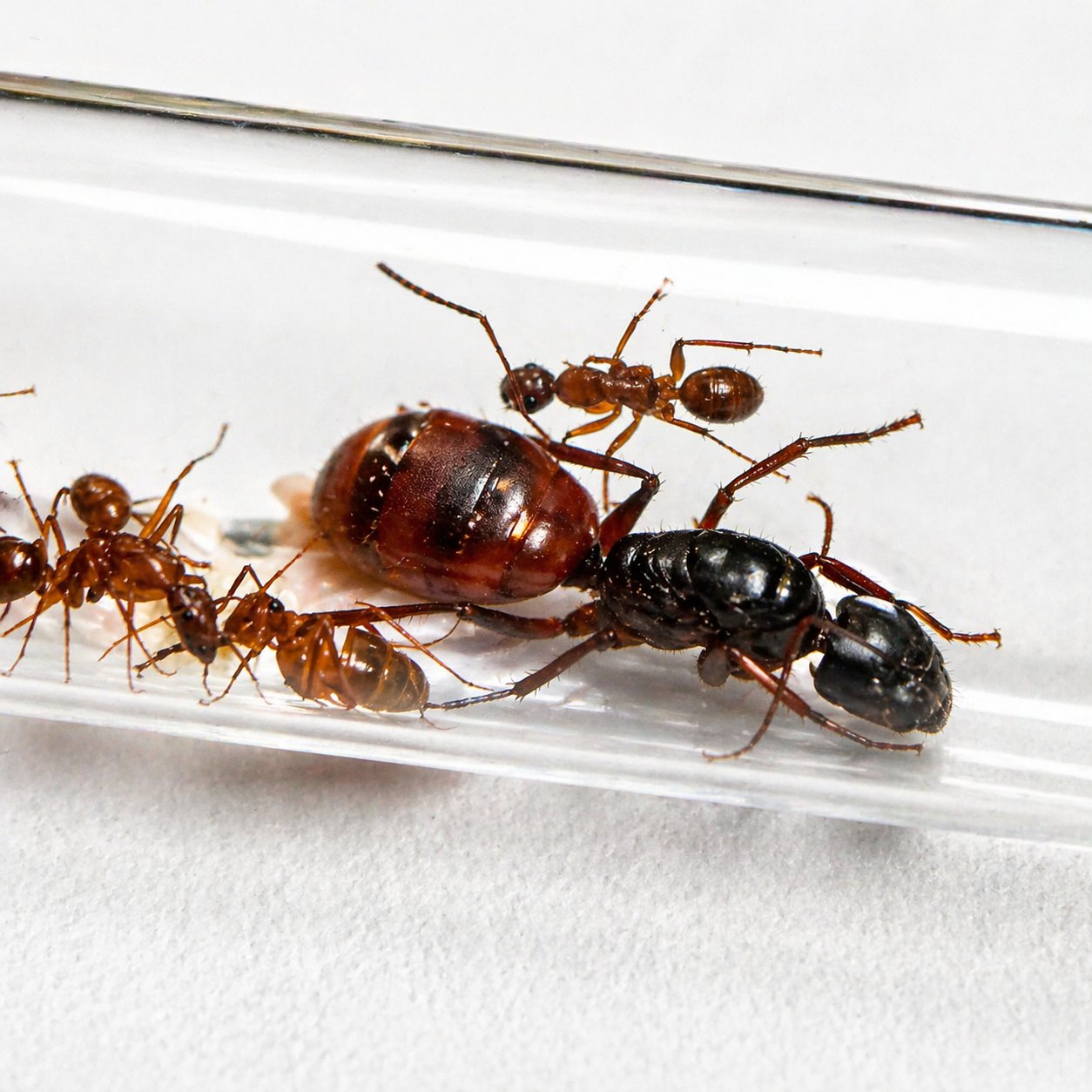
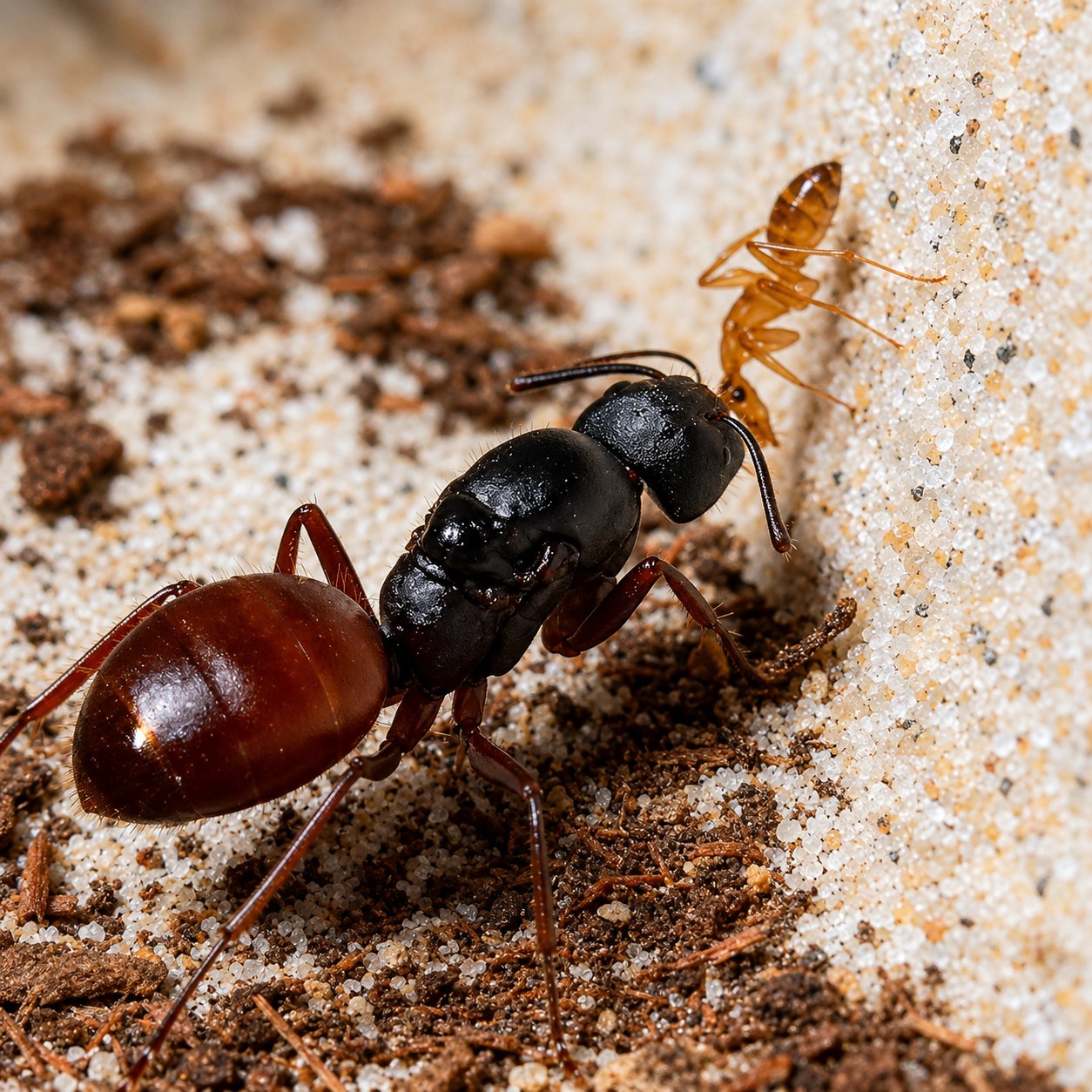
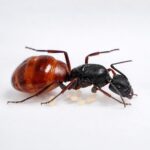
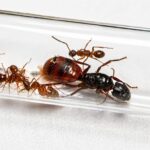
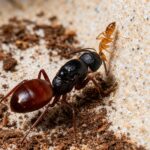
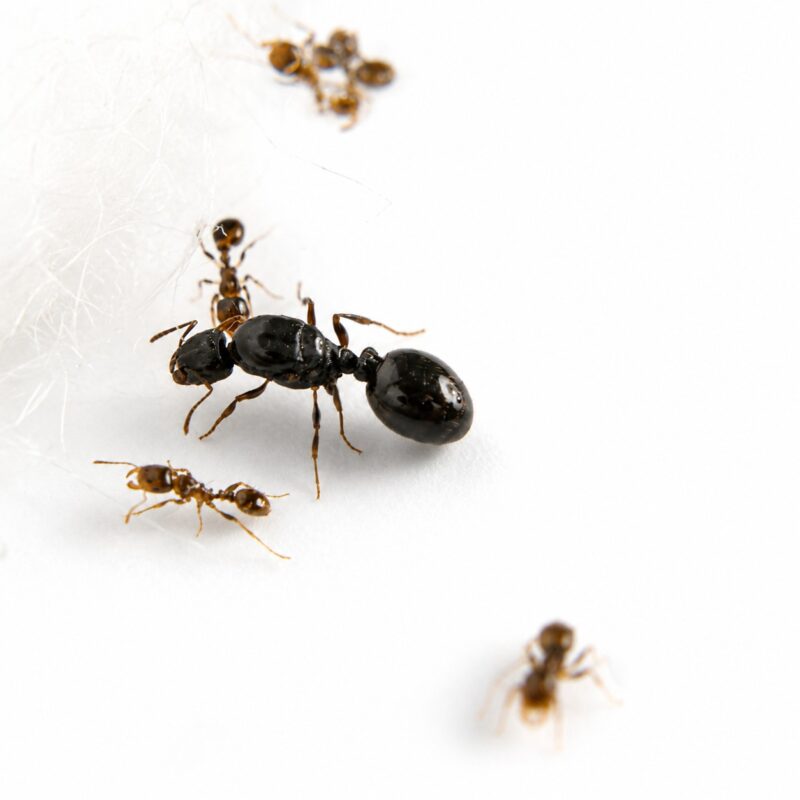
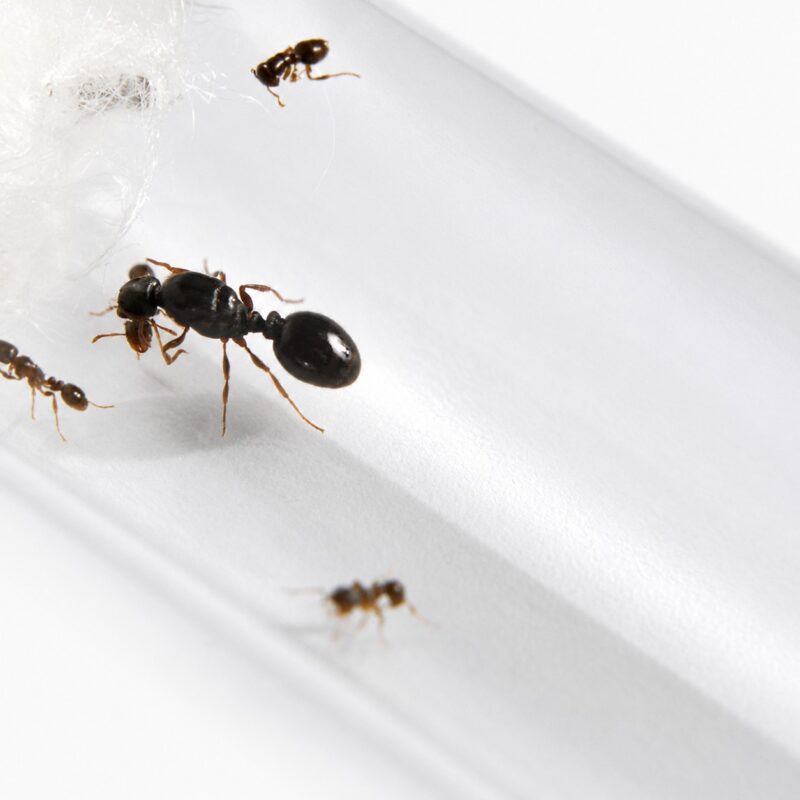
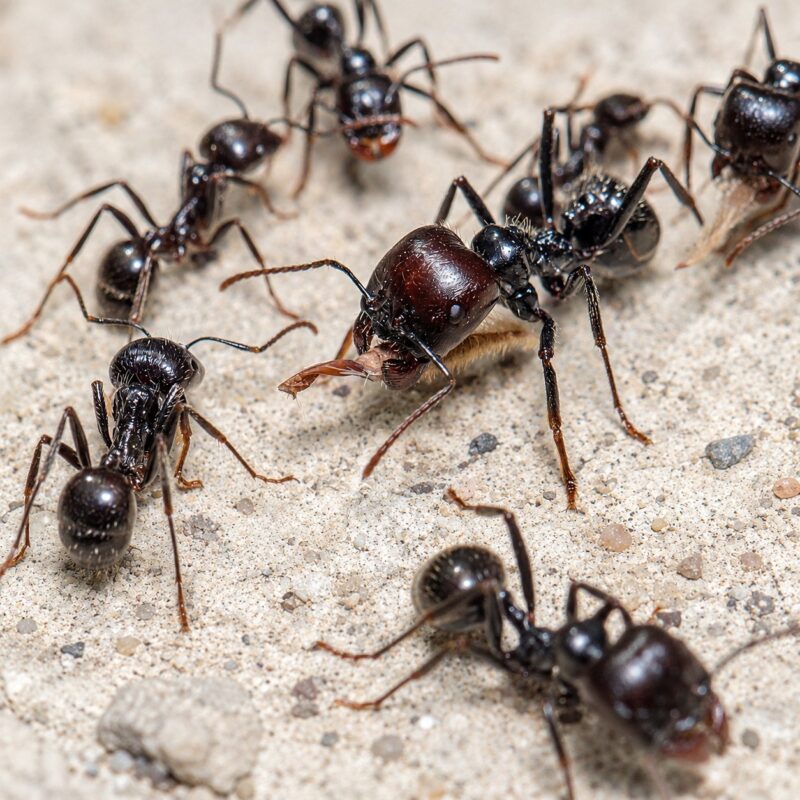
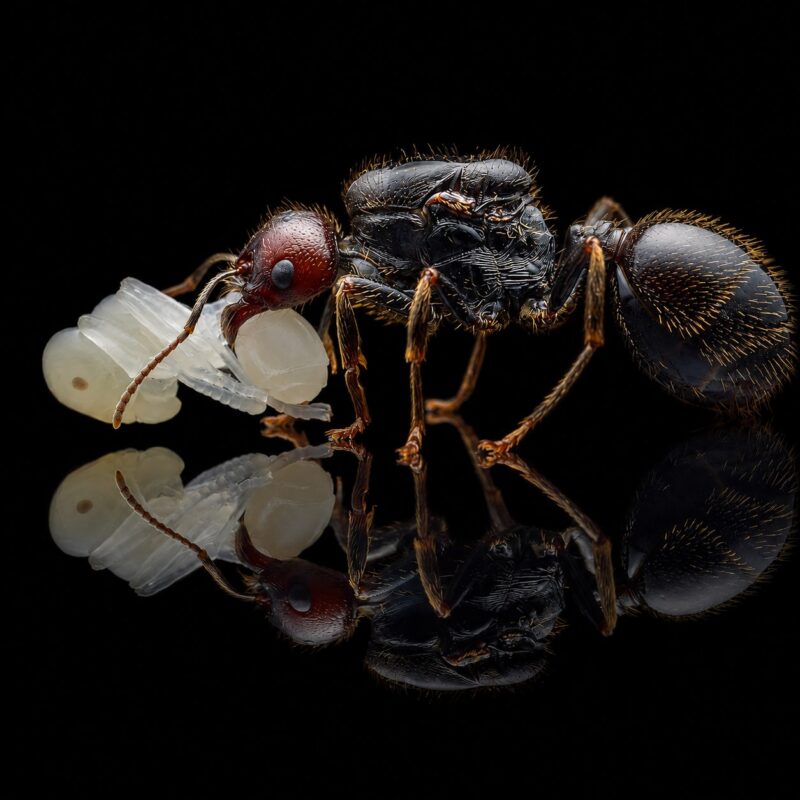
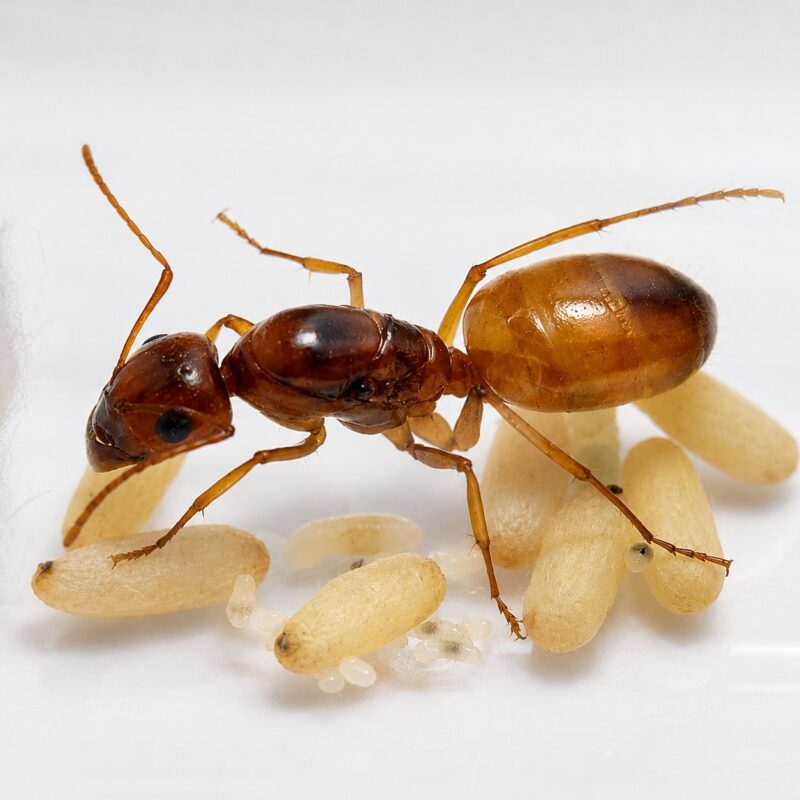
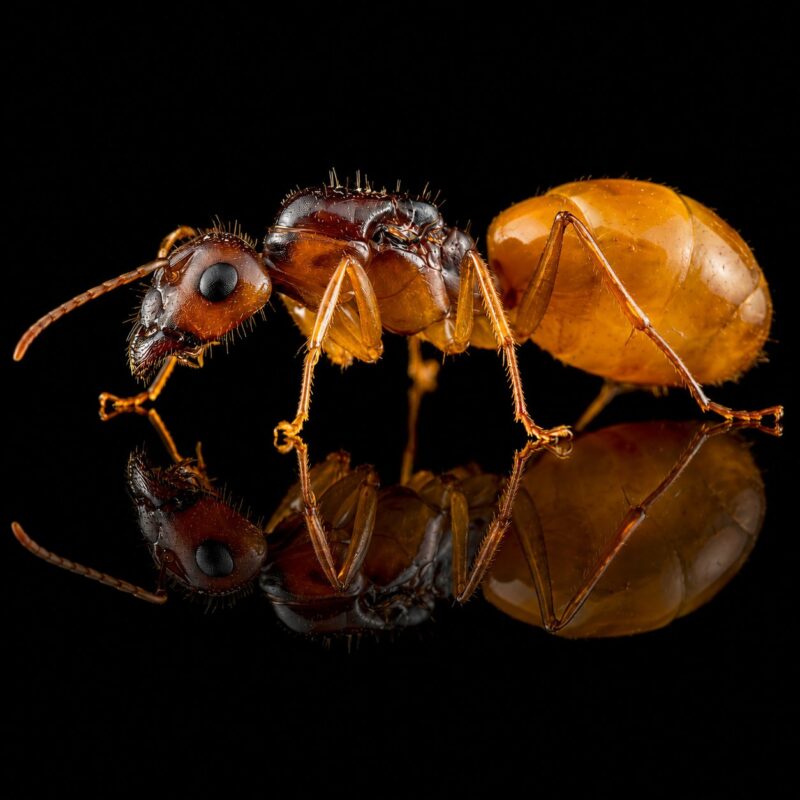
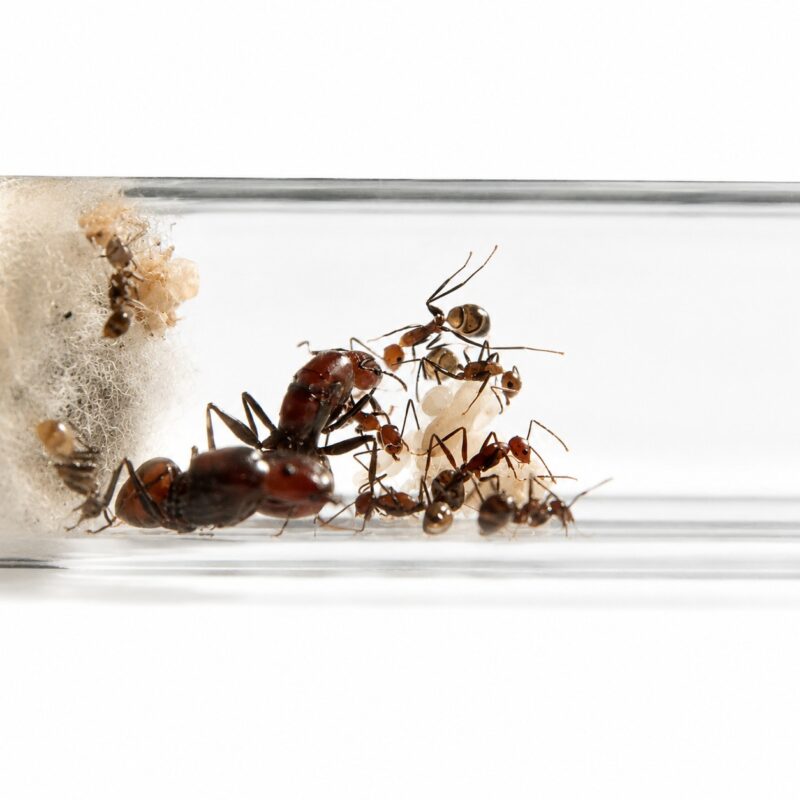
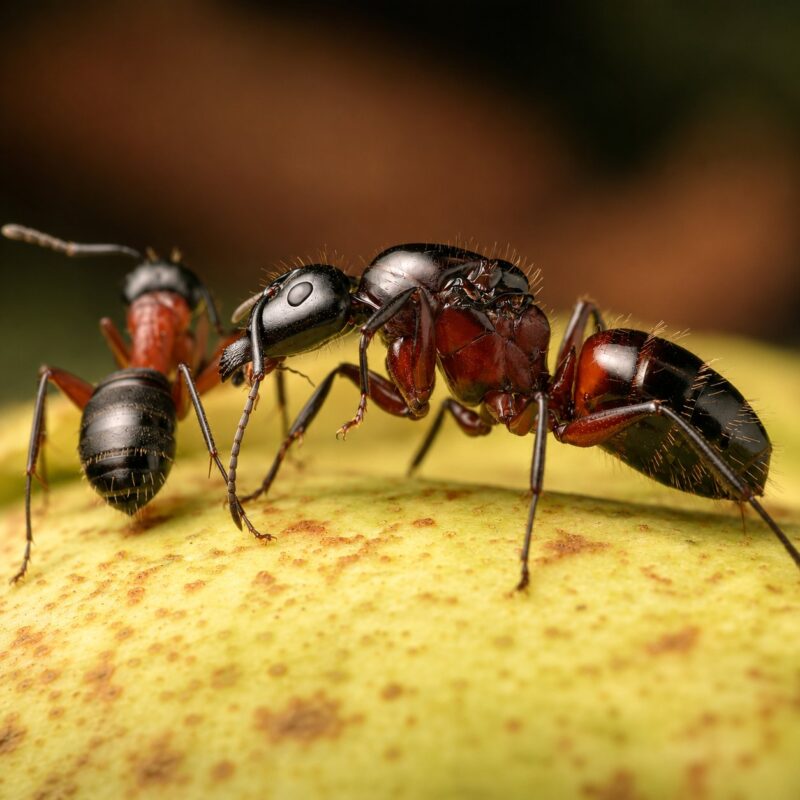
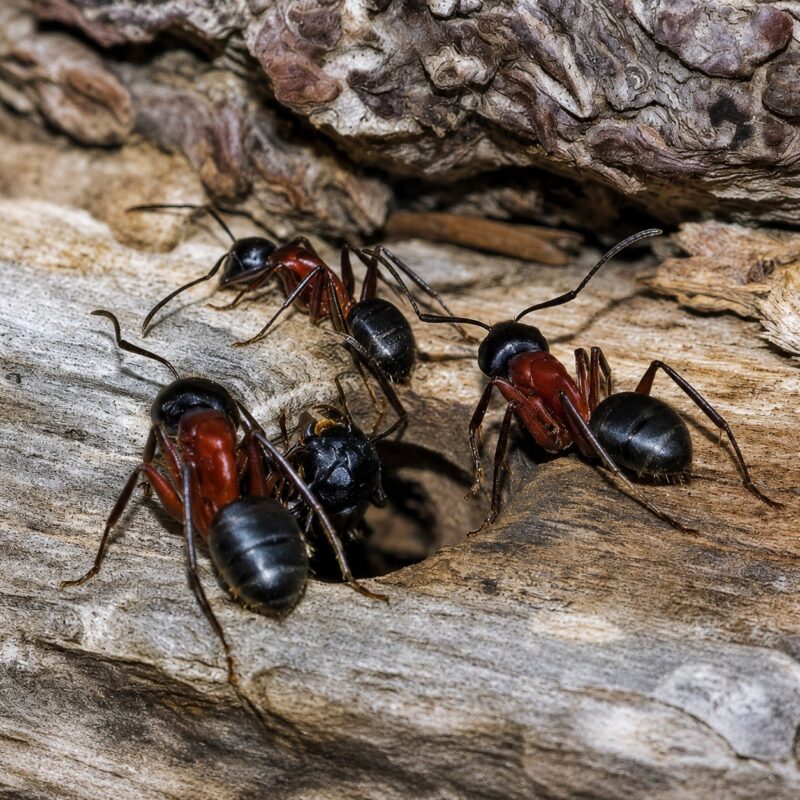
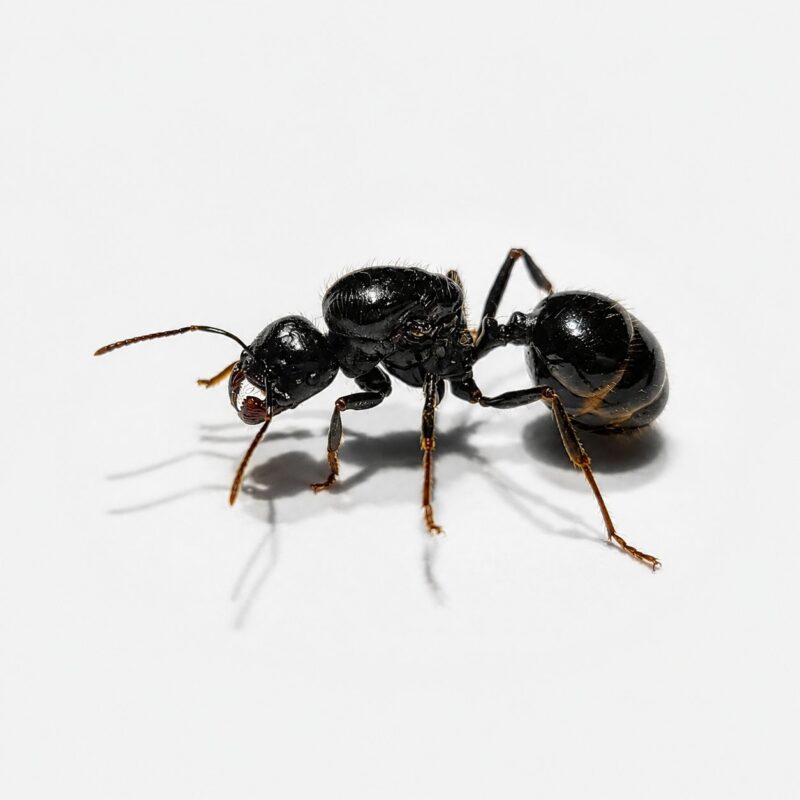
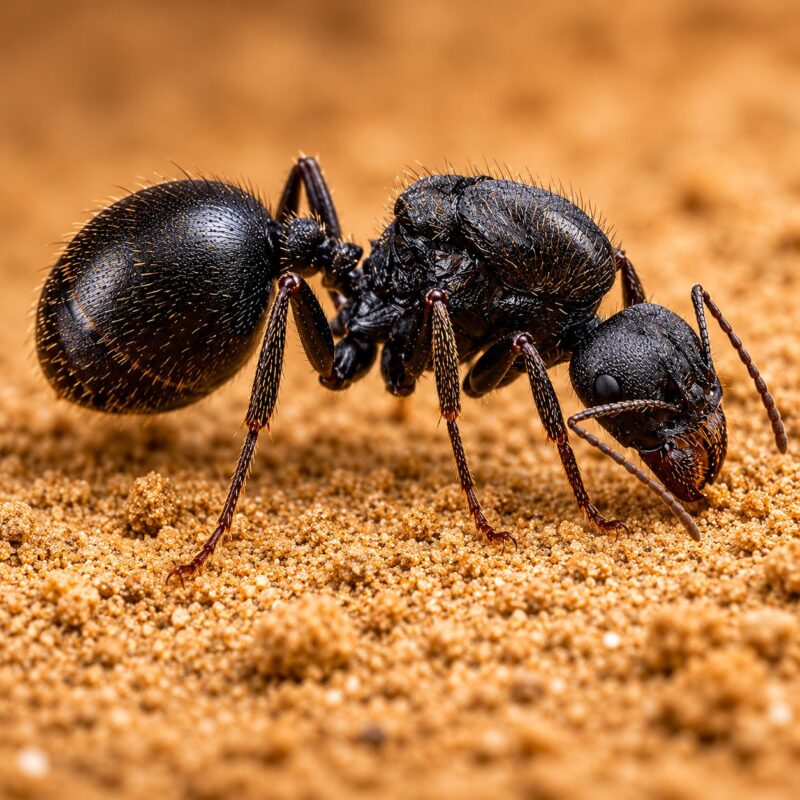
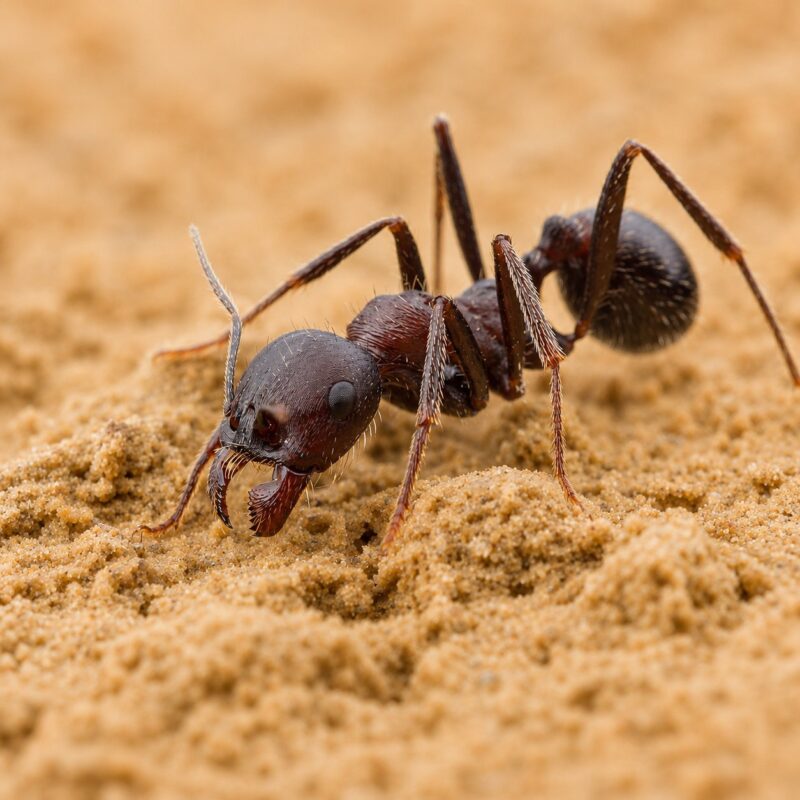
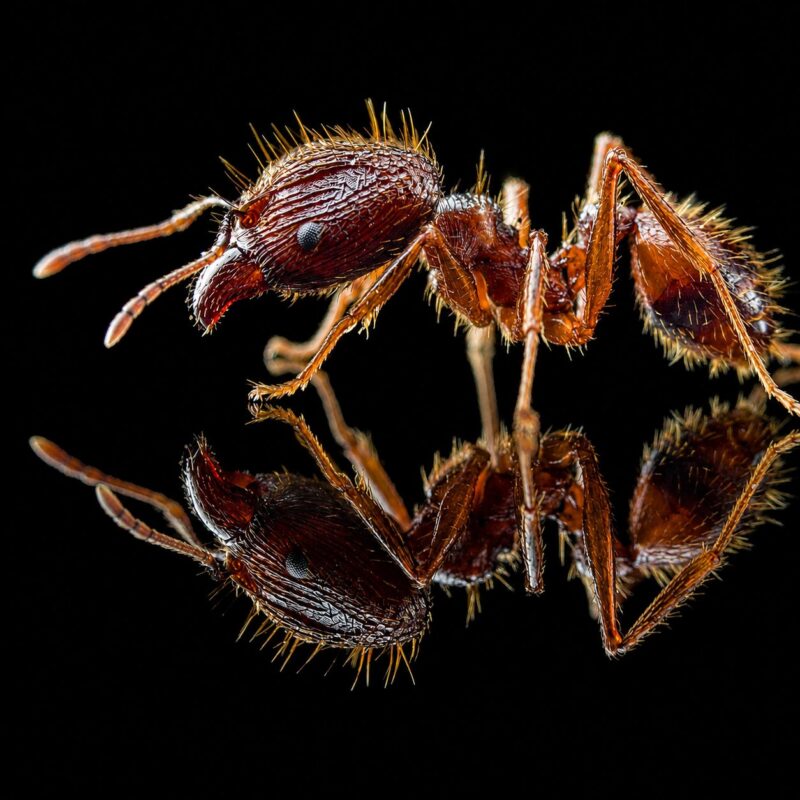
Camponotus Ca02 — Giant American Carpenter Ant. A quality live ant colony for sale — monogyne colony with robust carpenter-ant workers and a mated queen. Intermediate-level, no hibernation, no sting, mature colony Several thousand workers.
A rewarding species to watch grow at home. Buy from ANTonTOP — live queen guarantee with 24 h unboxing video proof, shipped from Poland in 1–5 days across the EU, worldwide on request.
Additional information
| Behavior | |
|---|---|
| Keeping difficulty | |
| Origin | |
| Ant size | |
| Hibernation |
Camponotus Ca02 — Giant American Carpenter Ant
| Common name | Giant American Carpenter Ant |
|---|---|
| Origin | Neotropical Americas (Central and South America — undescribed species, hobby code Ca02) |
| Colony form | Monogyne (1 queen) |
| Mature colony | 2000–10000 workers |
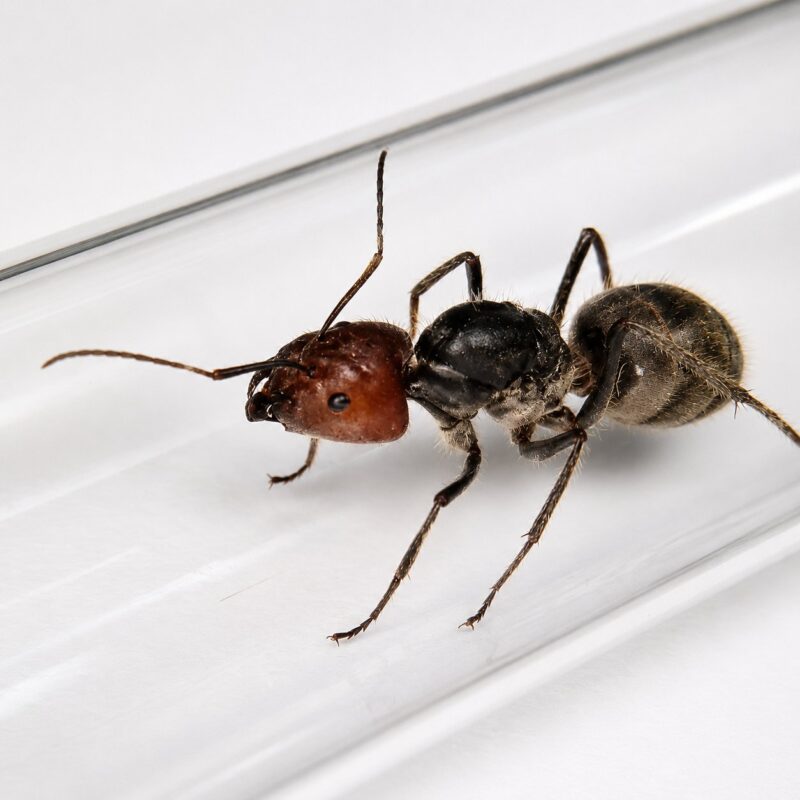
| Queen | 14–18 mm |
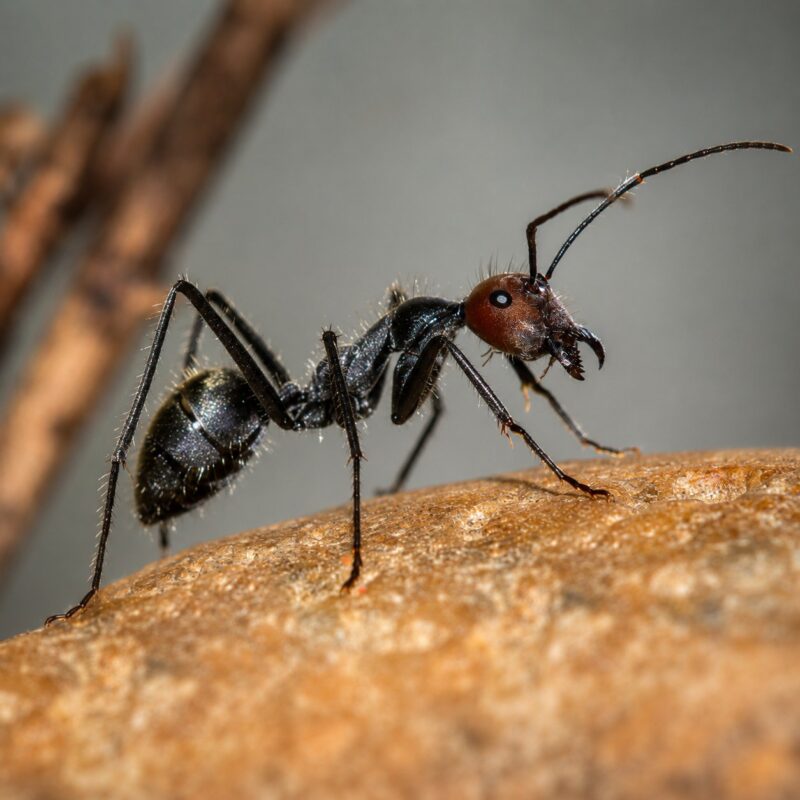
| Worker | 6–15 mm |
| Soldier (major) | 14–17 mm (major) |
| Founding | Claustral |
| Temperature | Nest 24–28 °C / Arena 24–28 °C |
| Humidity | Nest 60–70% / Arena 60–70% |
| Hibernation | No hibernation (tropical) |
| Habitat (wild) | Forest, woodland, deadwood |
| Difficulty | Intermediate |
| Stings or bites | No sting, mild bite |
Why this species
An undescribed Neotropical Camponotus — known in the hobby by the code “Ca02” pending formal scientific description. The size class places it among the giants of the genus, with queens approaching 22 mm.
Similar care needs to other large tropical Camponotus like C. floridanus or C. atriceps. Sized between standard Neotropical Camponotus and the largest Asian giants.
Housing
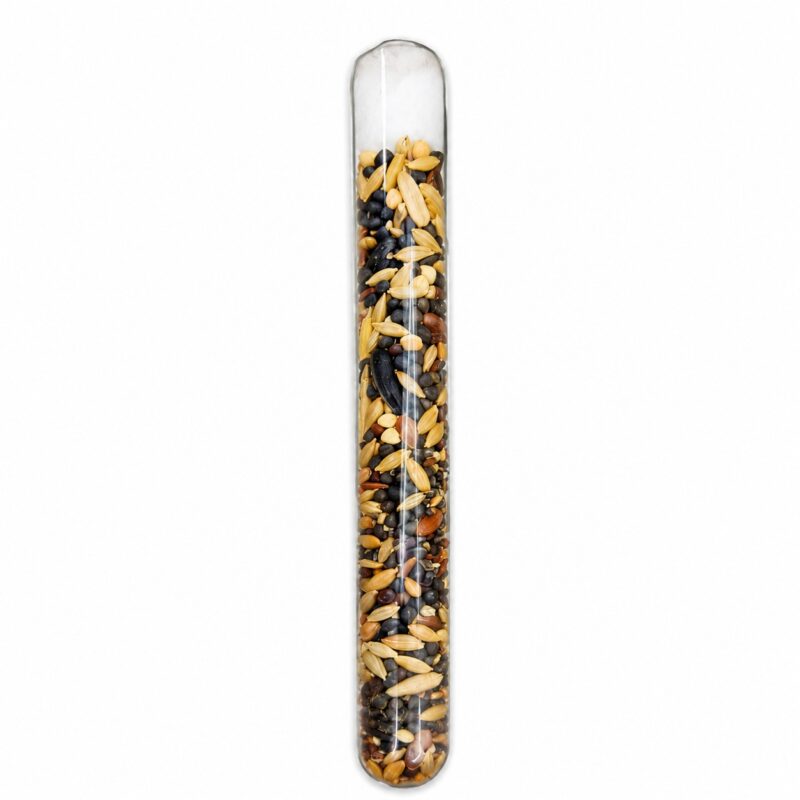
- Test tube setup — start the founding queen here for the first 2–3 months
- Ytong nests (autoclaved aerated concrete) — work well from small-colony stage onward
- Plaster / gypsum nests — best humidity control during founding
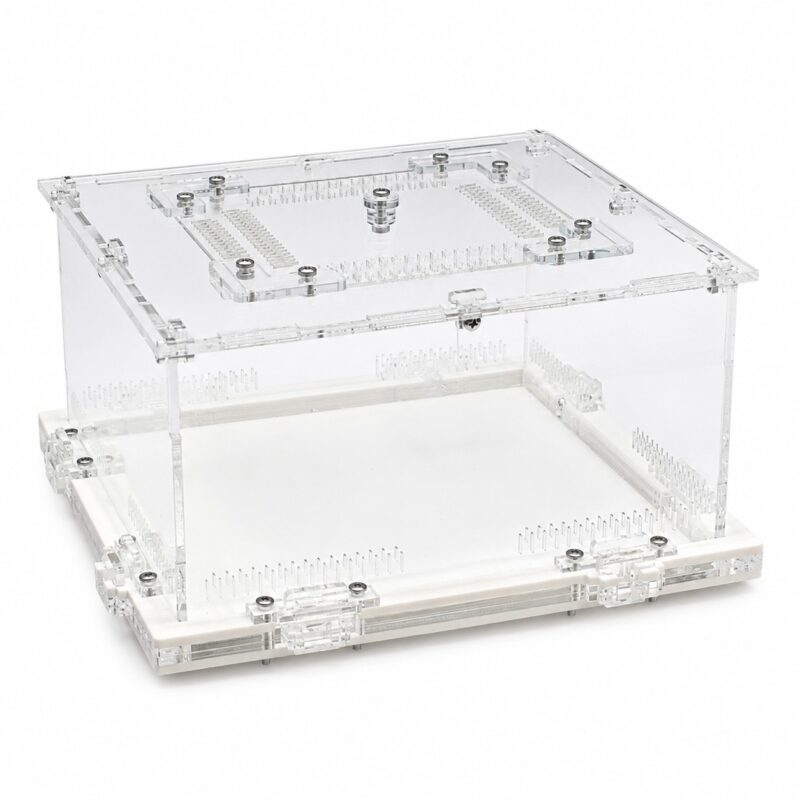
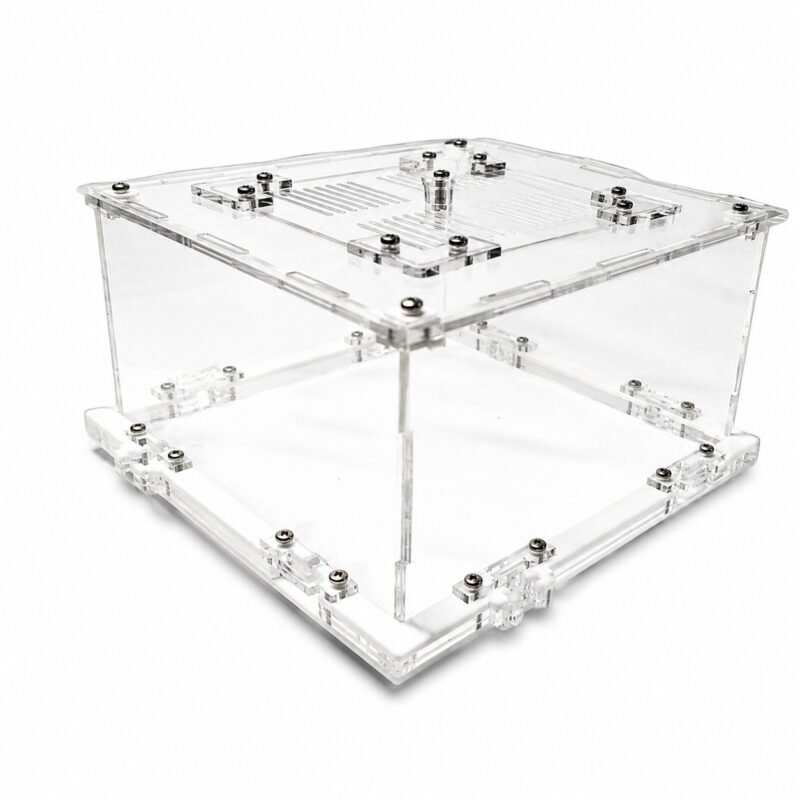
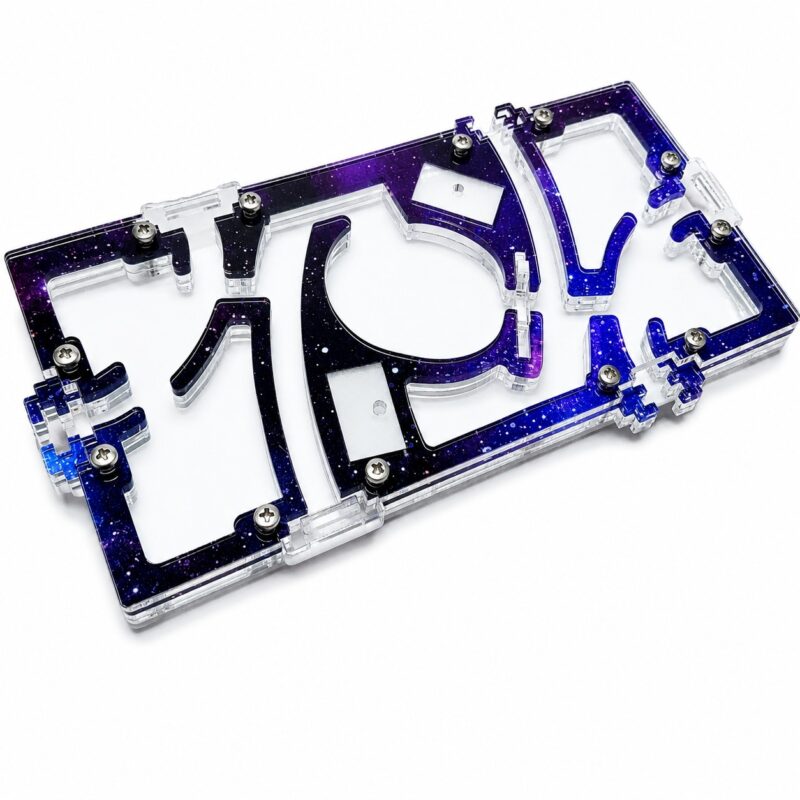
- Acrylic nests — for established colonies; keep one chamber moist
- Soil or cork arenas with leaf litter
Temperature and humidity
Keep the arena at 24–28 °C and the nest at 24–28 °C. Maintain 70–80 % humidity in the nest chamber and 60–70 % in the arena.
Never place the formicarium in direct sunlight.
Feeding
In the wild: nectar, honeydew from aphids and scale insects, dead arthropods, fruit pulp.
In captivity:
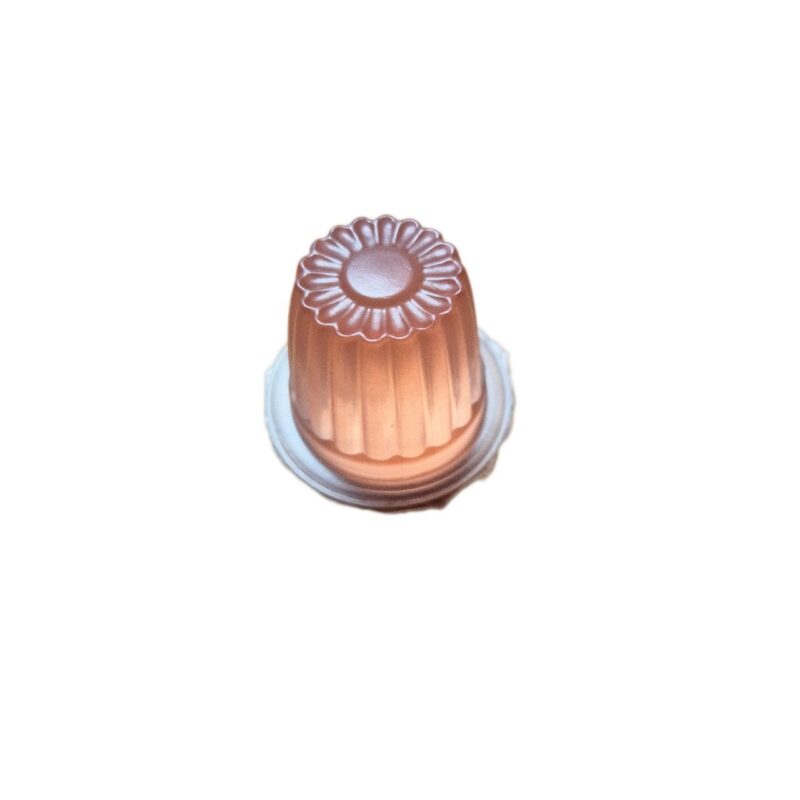
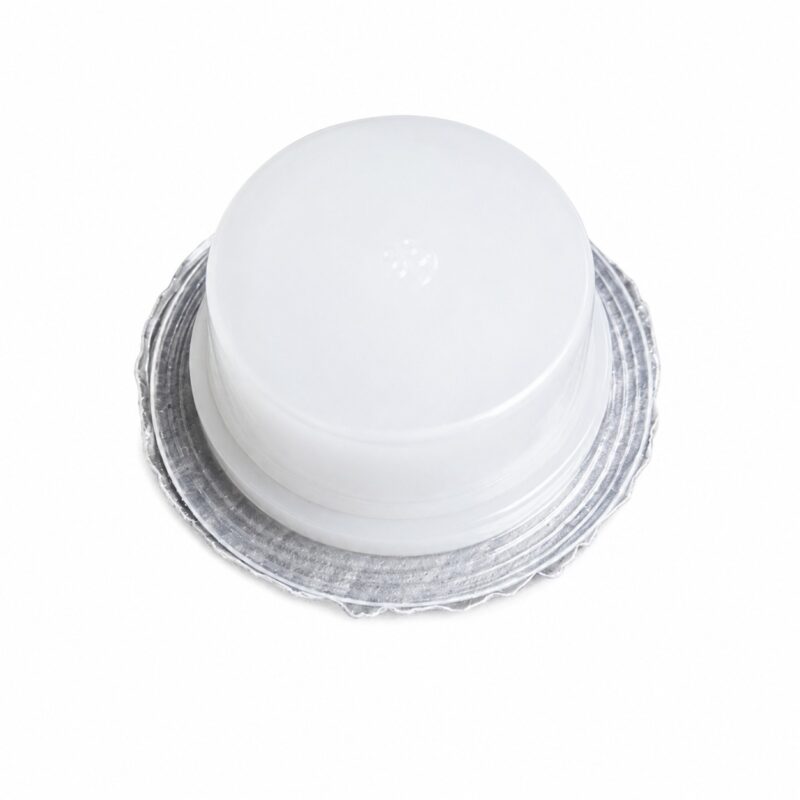
- Protein, no insects in the house — boiled chicken without salt, boiled shrimp, hard-boiled egg yolk, our protein jelly
- Protein, with frozen prey — crickets, mealworms, fruit flies. Freshly killed or frozen-thawed.
- Sugars — honey water at 1 : 3 to 1 : 4, or honey jelly. Camponotus colonies have a strong sugar appetite.
- Fruits and vegetables — small pieces of apple, pear, grape, banana, cucumber.
Feed every 2–3 days for active growth. Once a week is fine too.
Never feed wild-caught insects. Outdoor prey carries parasites, pesticides, or fungal spores.
No chemicals near the formicarium.
Wintering
Camponotus Ca02 does not hibernate. As a tropical species, it stays active year-round. In winter, do nothing special — keep the nest at 24–28 °C, feed as usual, and the colony will continue developing without a slowdown.
Escape prevention
Workers squeeze through any unsealed gap. Apply a 1–2 cm wide barrier on the inner top edge of the arena — talcum powder, mineral oil, vegetable oil, or PTFE/Fluon all work. Refresh every 4–6 weeks. Seal tube connections with cotton, silicone, or modelling clay.
Important keeping reminders
- No direct sunlight — even one hour through a window will overheat the nest beyond recovery
- Hydrate the nest regularly, do not drown it — moist, not wet; never let it fully dry either
- Ventilation matters — sealed formicariums grow mold within weeks
- Minimal disturbance, especially during founding and the first 2 months
- Do not open new chambers too early — let the colony outgrow the current chamber first
- No wild-caught insects — freeze for 48 h or boil first if you must use outdoor prey
- Going away? Place a horizontal water tube in the arena, feed heavily before leaving, and leave a piece of honey or protein jelly. Colonies survive 2–3 weeks of inattention this way.
Before you buy
By purchasing this colony you accept responsibility for its welfare and for adapting the keeping conditions above to your home. ANTonTOP guarantees the queen arrives alive (unboxing video within 24 h of delivery). Long-term keeping success depends on the temperature, humidity, feeding, and minimal disturbance you provide.
This species is rated Intermediate. Best for keepers who have already raised one or two simpler species. If after reading the care section above you are unsure whether you can meet its needs, contact us before purchase or choose a more suitable species.
What we ship
- 1 mated queen (this species is monogyne — single queen only)
- 0–100+ workers and brood, depending on the variant
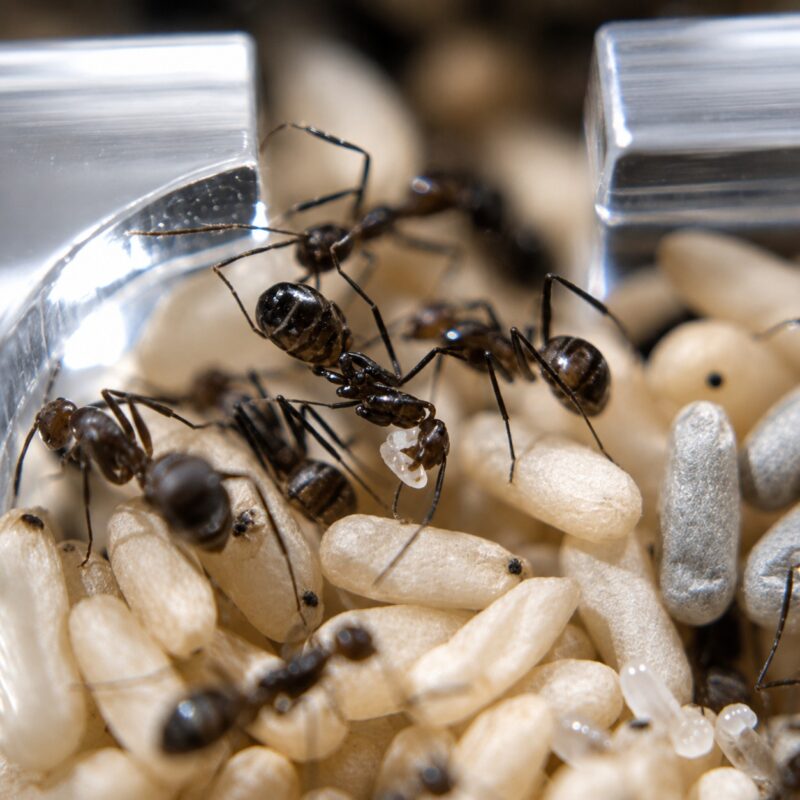
- Brood (eggs, larvae, pupae) — amount varies with the season
- Packed in a padded jiffy bag with a double-padded test tube
- Live arrival guarantee on the queen — unboxing video within 24 h of delivery
- Shipped from Poland: 1–5 working days across the EU, worldwide shipping available on request
- Heated or cooled transport during temperature extremes
Did you know?
- Currently undescribed scientifically — known in the hobby by the code “Ca02” pending a formal taxonomic publication.
- Belongs to the largest ant genus on Earth — Camponotus contains over 1,000 described species worldwide, with many more undescribed in the tropics.
- Neotropical distribution — Central and South American lowland tropical forest.
- Queens approach 22 mm, placing this among the larger Neotropical Camponotus in the hobby.
- Undescribed Camponotus codes (“Ca01”, “Ca02”, “Ca03” etc.) are commonly used in the hobby for species awaiting formal taxonomic work.
Frequently asked questions
Is this species safe around children and pets?
Yes. No sting, firm but harmless bite. Safe in any household.
Why “Ca02”?
This species is awaiting formal scientific description and publication. “Ca02” is the hobby code that lets keepers refer to it consistently before a Latin binomial is assigned.
Does the colony need hibernation?
No. Keep the nest at 24–28 °C year-round.
How fast does the colony grow?
Moderate. First majors at 9–12 months; several thousand workers in 4–5 years.
How big does the setup need to be?
Larger than typical Neotropical Camponotus — plan 35 × 30 cm arena by 500 workers; 45 × 35 cm for mature colonies.

ANT TOP lover (verified owner) –
hallelujah, finally I got them. I’ve been looking for them for 2 years and finally found them. And I also managed to order with a super discount of 25% and also got some goodies, and also a 15% discount on all future orders. I’m signing up, this is now my only and most beloved TOP store????????????????????????????
JC (verified owner) –
Bought with discount. Colony arrived alive and healthy
Benjamin (verified owner) –
Very fast delivery to Belgium and very good healthy Queen and workers
Szymon (verified owner) –
Mrówki mega energiczne. Już następnego dnia zaczęły kopać tunele. Polecam!
Lara (verified owner) –
Very good packing! Pack was going longer than they promised, but ants survived and this is the main