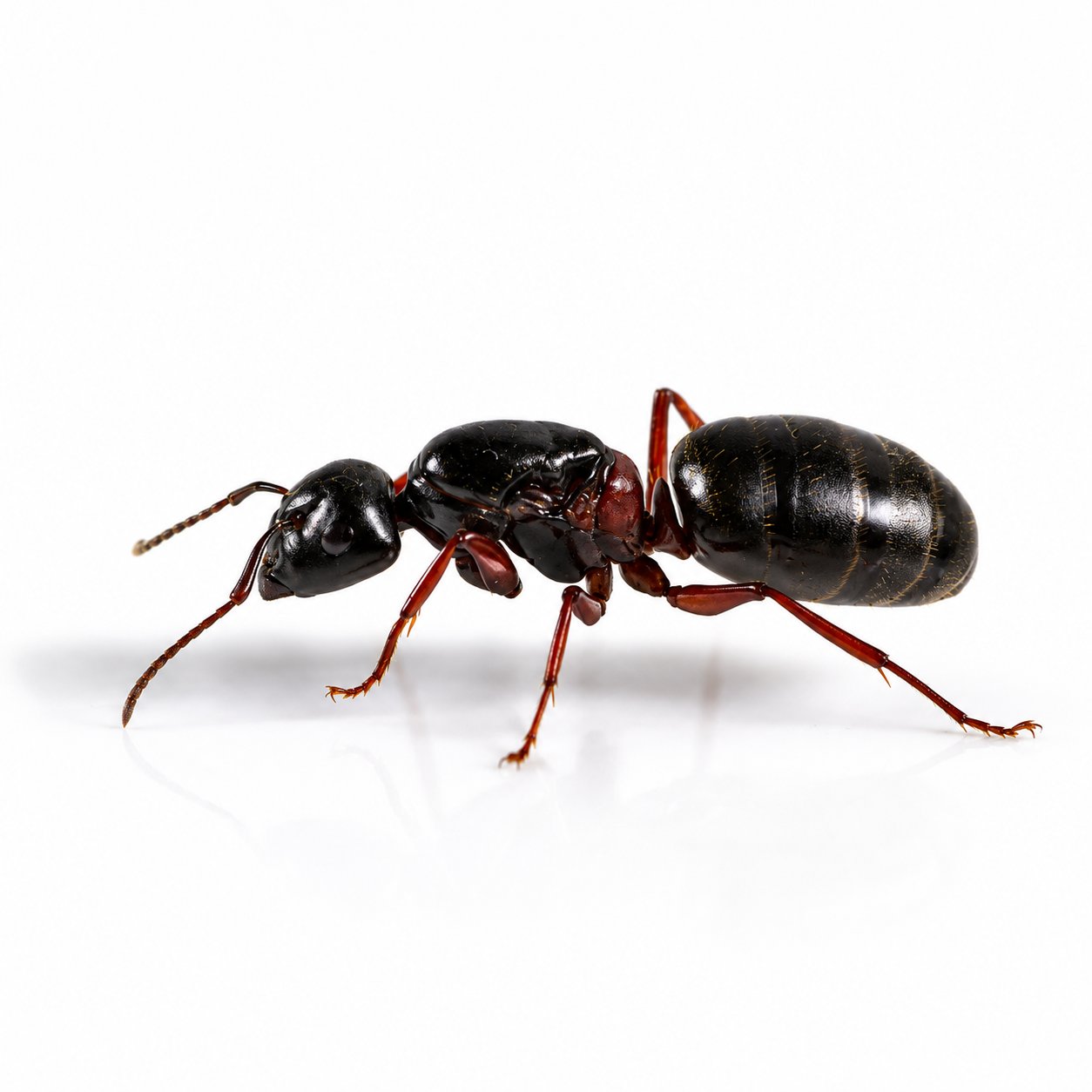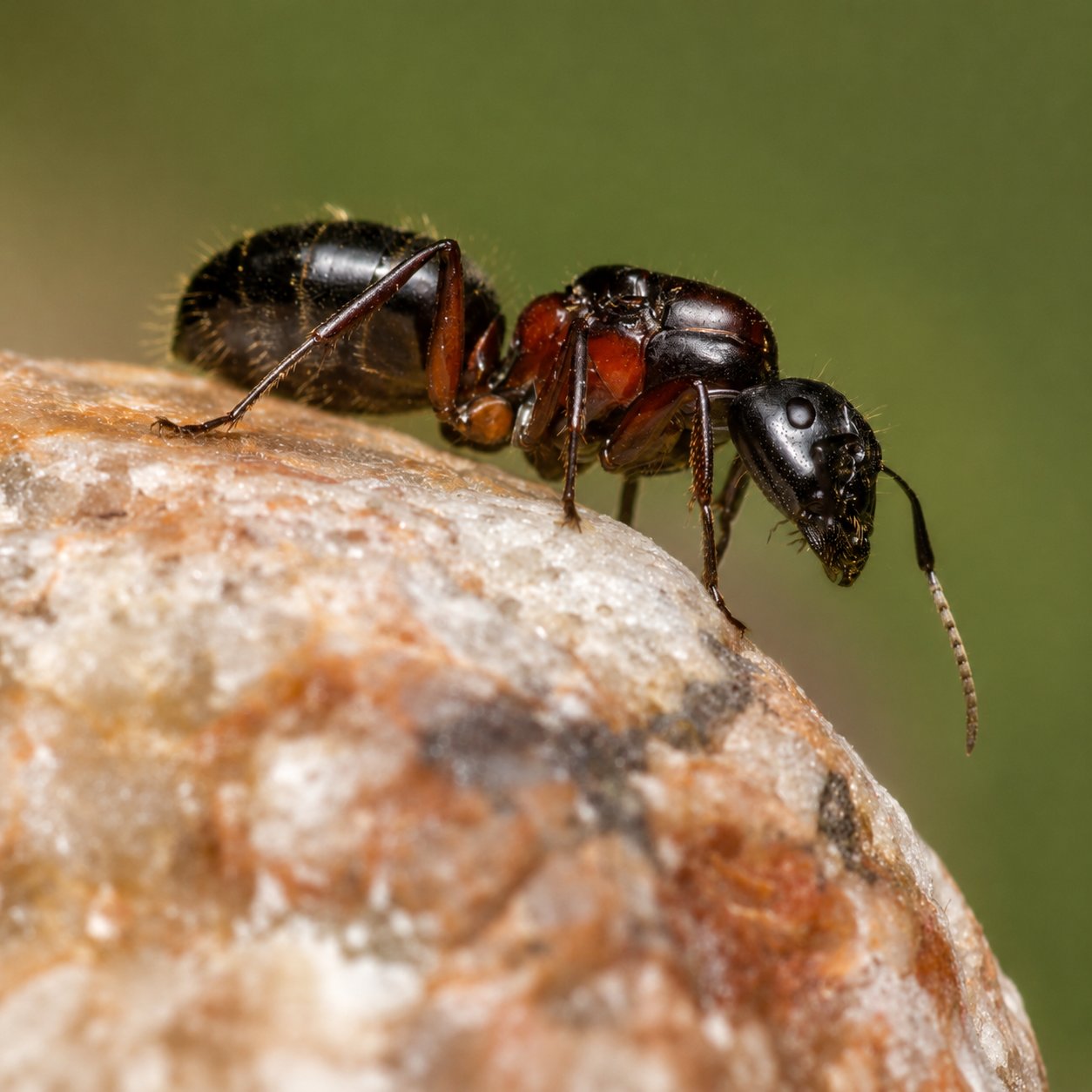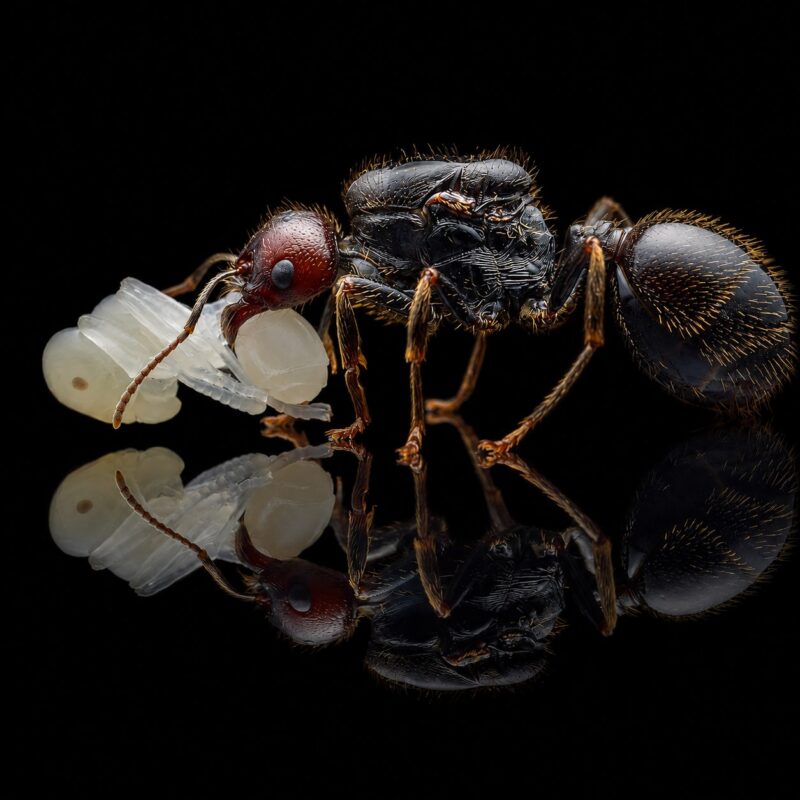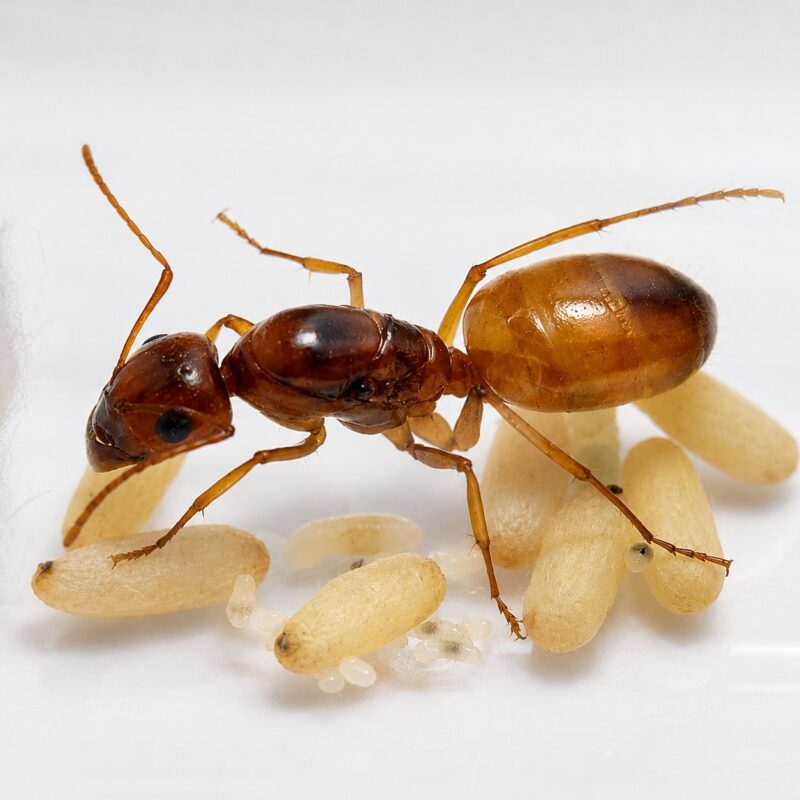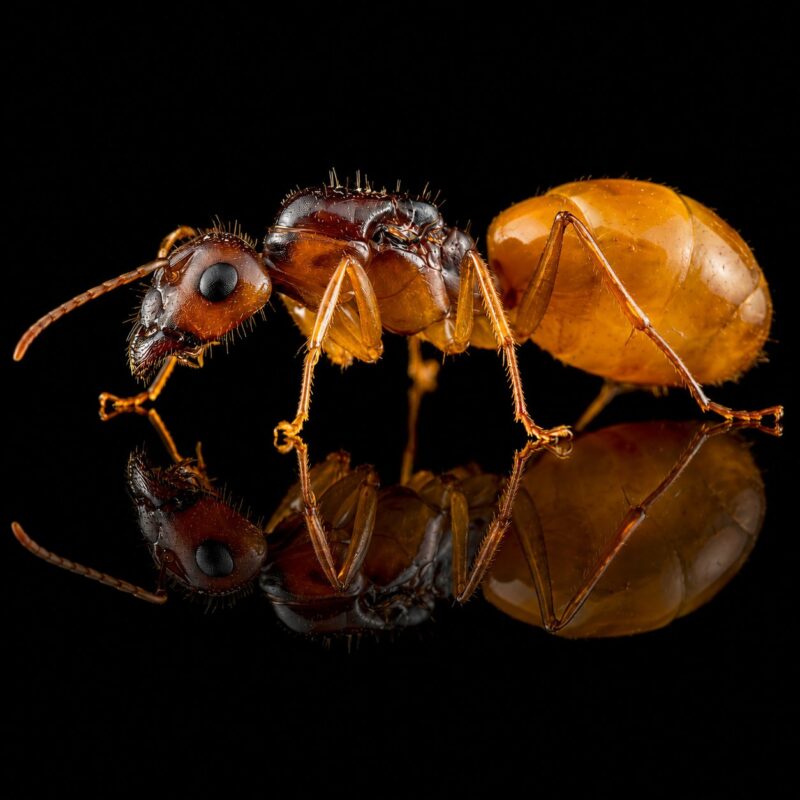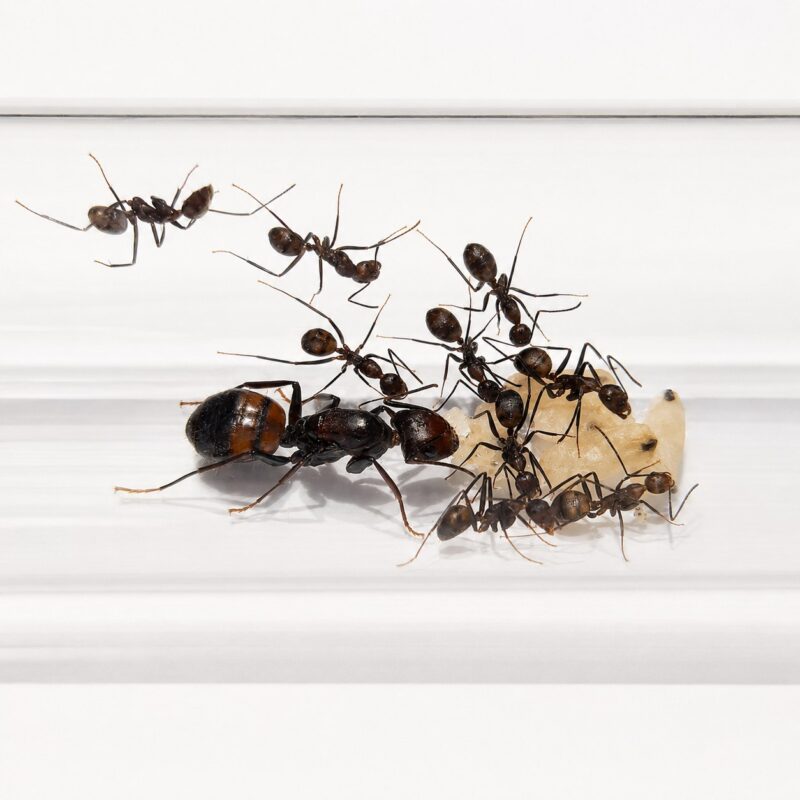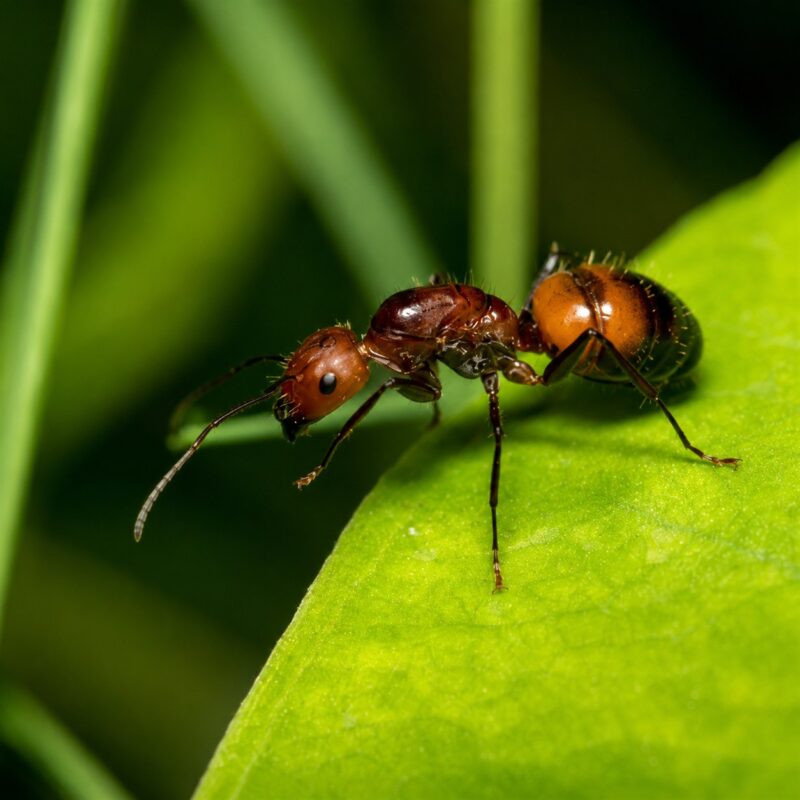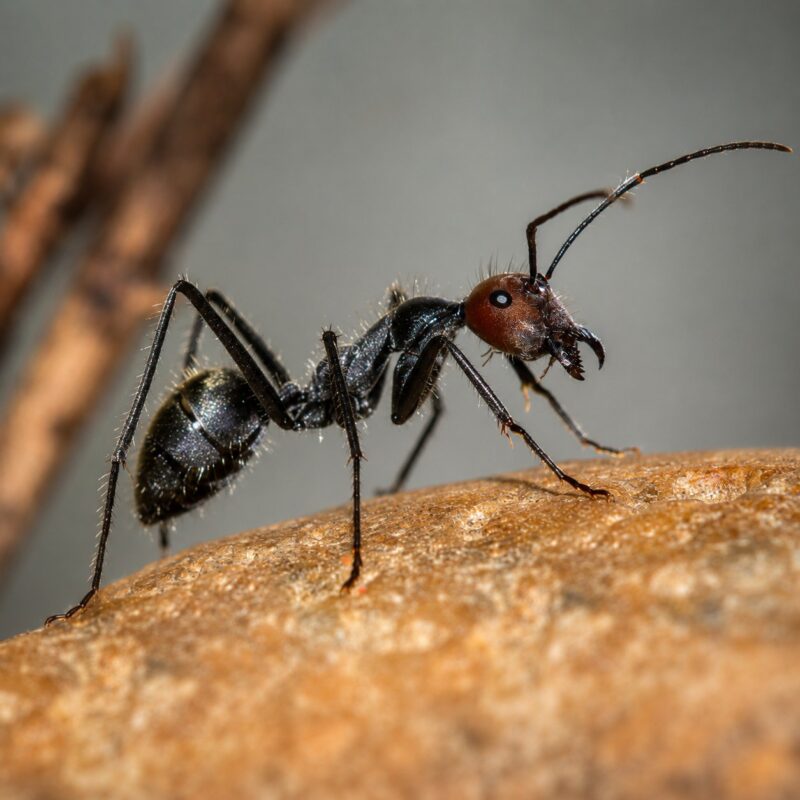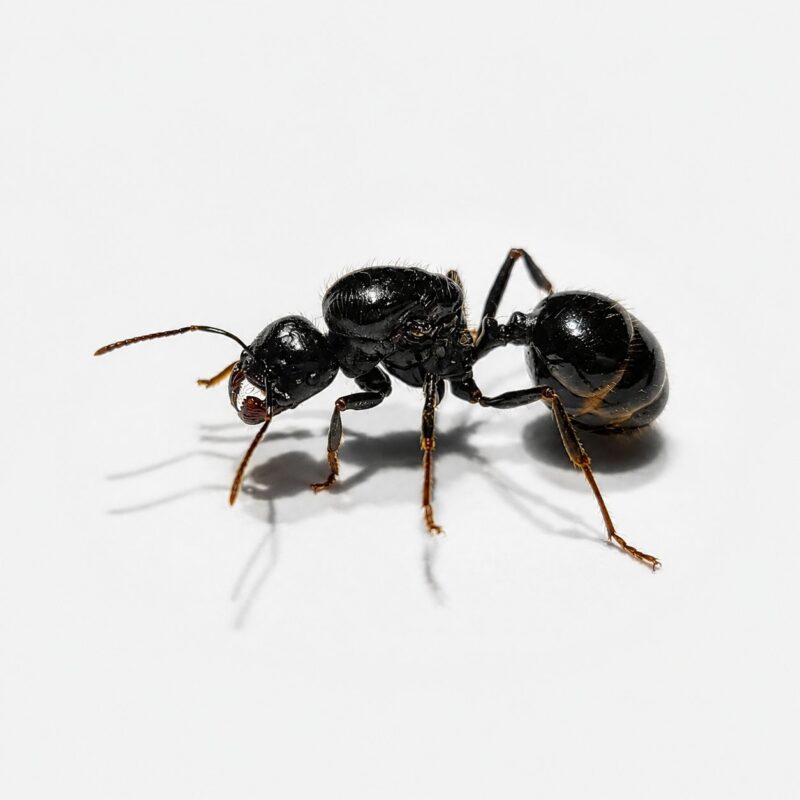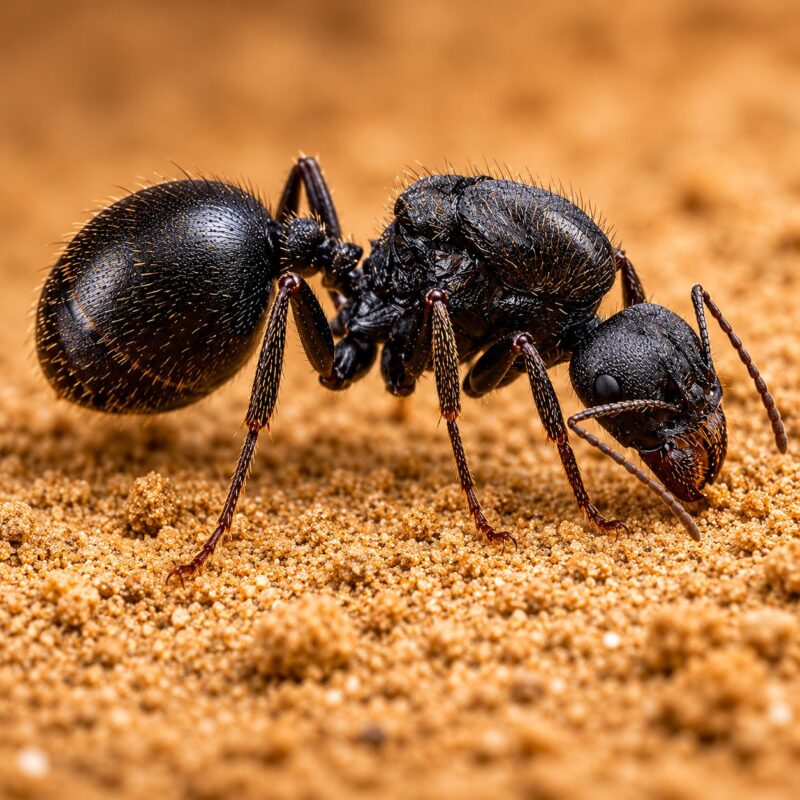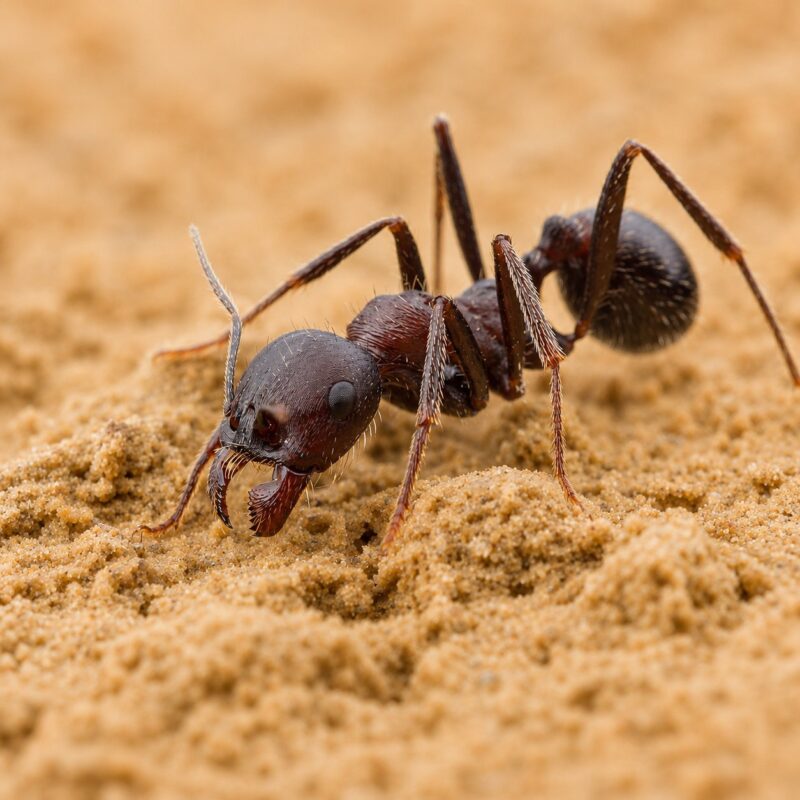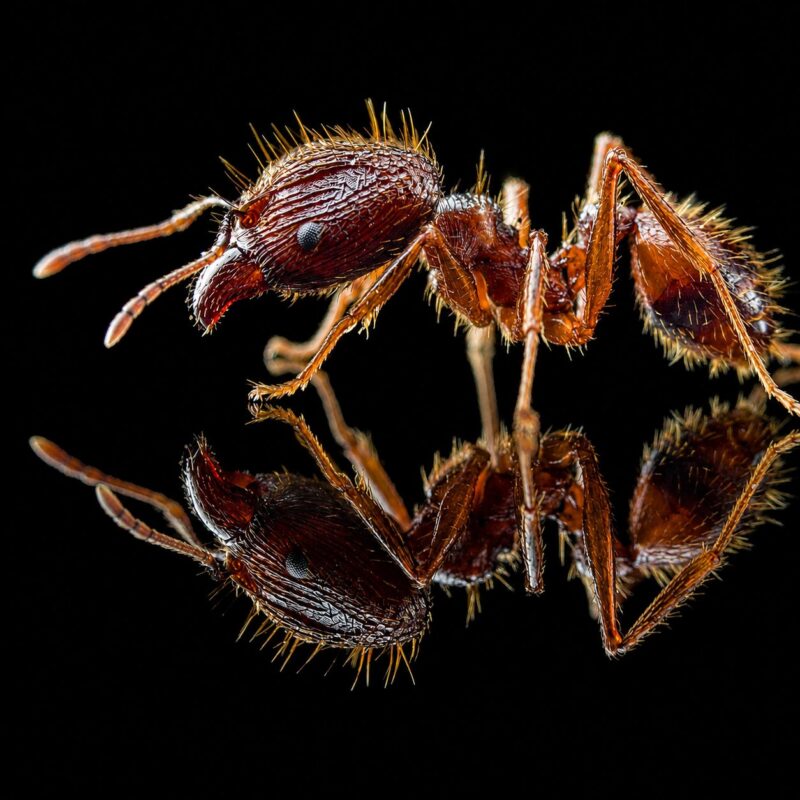

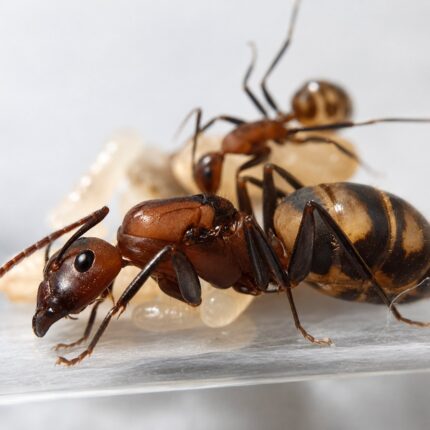
Camponotus habereri major worker — robust thorax and large heads carpenter ant found around the world, live colony at ANTonTOP
Camponotus habereri Price range: 239,90 zł through 369,90 zł
Back to products
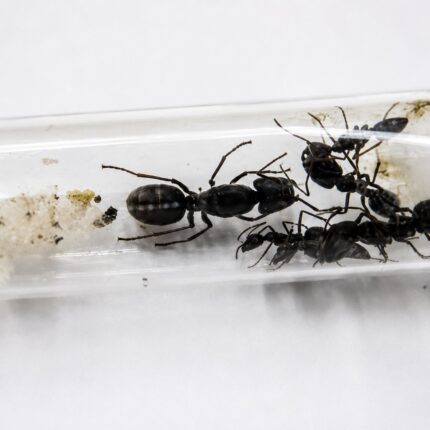
Camponotus holosericeus major worker — robust thorax and large heads carpenter ant found around the world, live colony at ANTonTOP
Camponotus holosericeus Price range: 349,90 zł through 559,90 zł

Camponotus herculeanus

Price range: 65,90 zł through 219,90 zł

Worldwide shipping

Free delivery over 999 PLN

The highest quality of goods

Live delivery guarantee

24/7 Personal Support

Fair Prices

Description

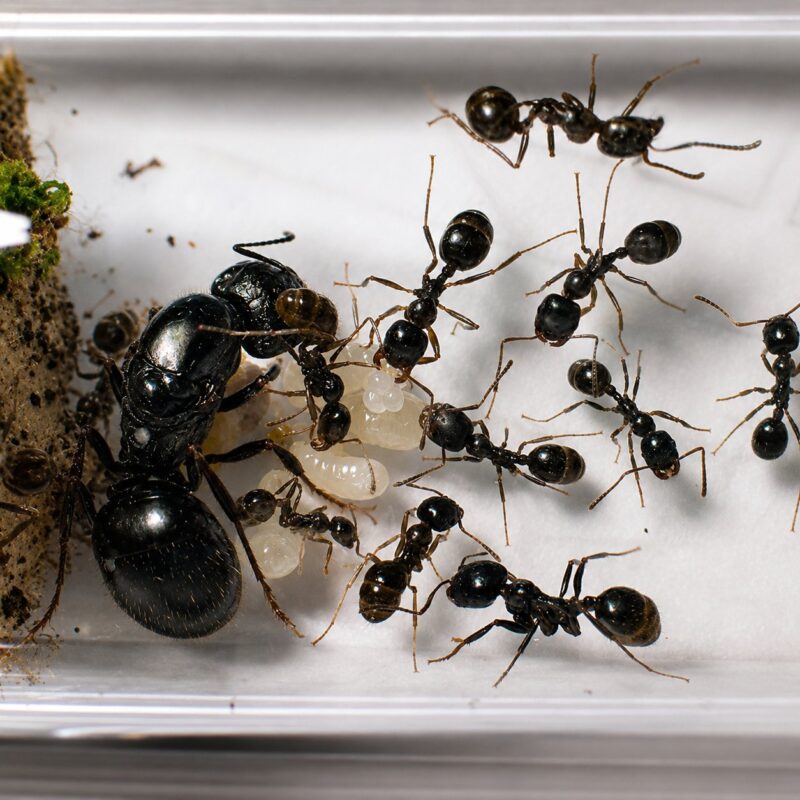
Camponotus herculeanus. A quality live ant colony for sale — monogyne colony with robust carpenter-ant workers and a mated queen. Beginner-friendly, winter hibernation needed, no sting.

A rewarding species to watch grow at home. Buy from ANTonTOP — live queen guarantee with 48 h photo proof, shipped from Poland in 1–5 days across the EU, worldwide on request.

Additional information

Behavior

Keeping difficulty

Origin

Ant size

Hibernation

Description

Camponotus herculeanus

Common name
Origin Northern Europe (Holarctic — Europe)
Colony form Monogyne (1 queen)
Mature colony 2000–10000 workers
Queen 15 mm
Worker 7–13 mm
Soldier (major) 14–17 mm (major)
Founding Claustral
Temperature Nest 20–24 °C / Arena 20–24 °C
Humidity Nest 50–65% / Arena 50–65%
Hibernation Hibernation required (Nov–Mar)
Habitat (wild) Holarctic — Europe, North Asia and North America
Difficulty Intermediate
Stings or bites No sting, mild bite

Why this species

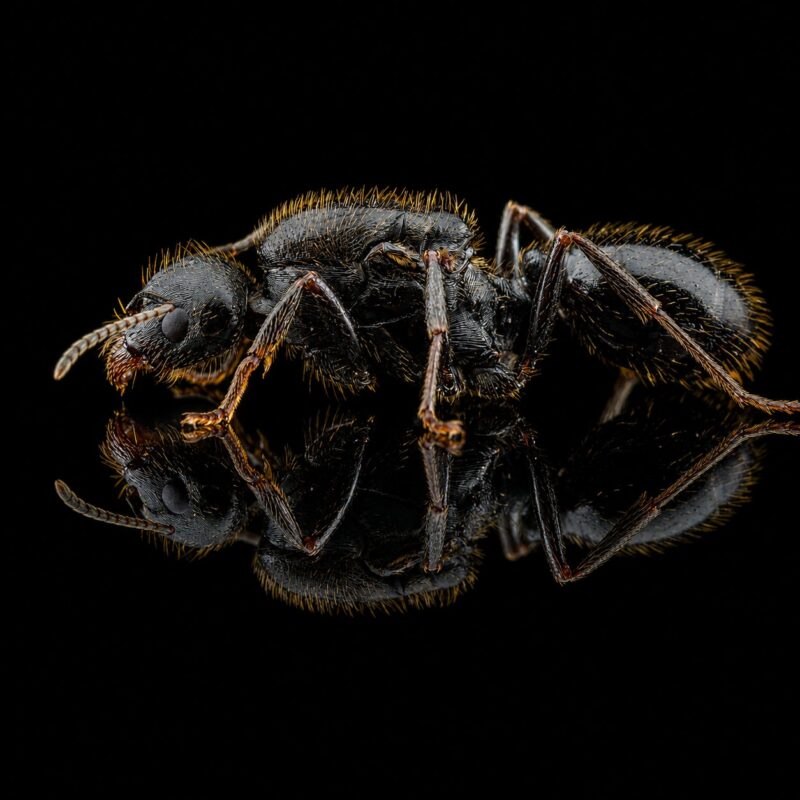
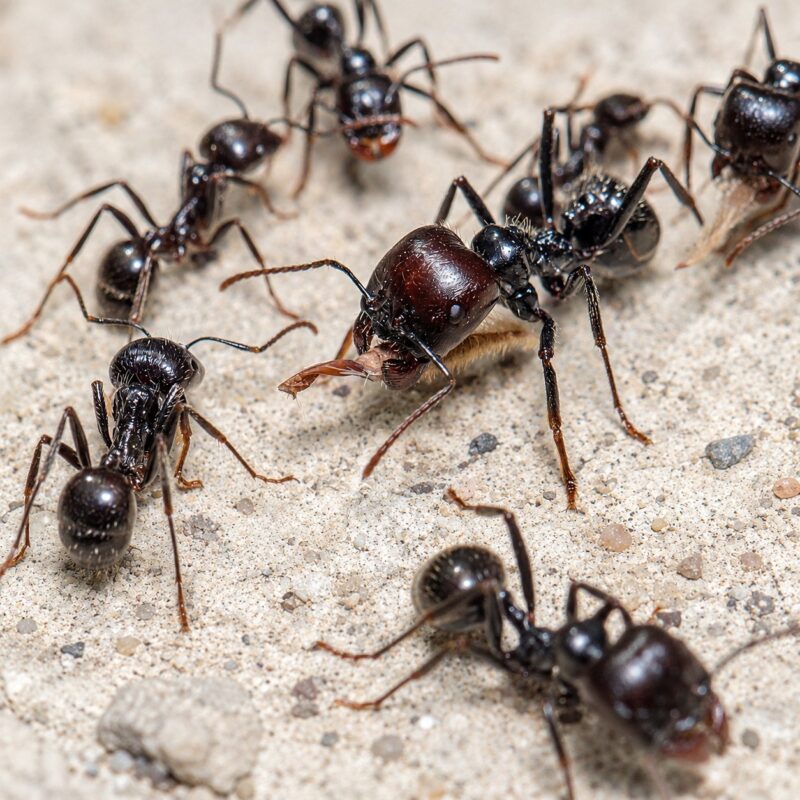
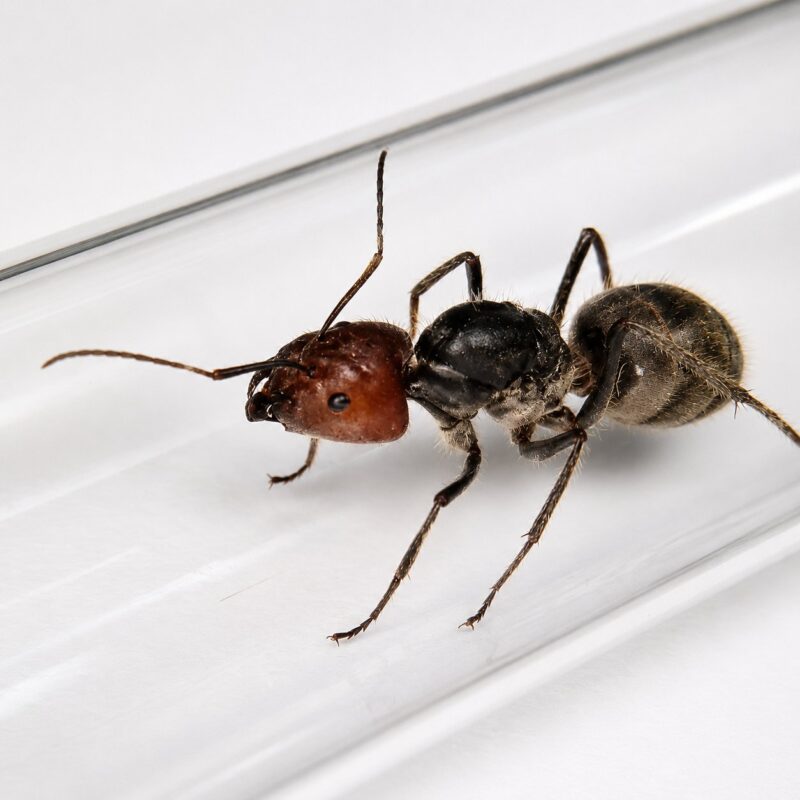
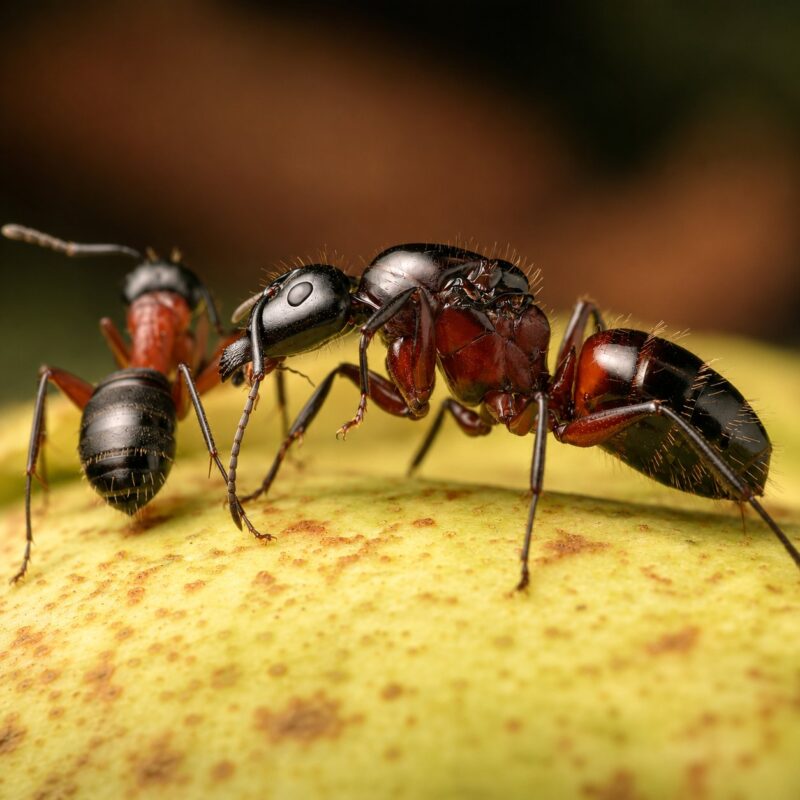
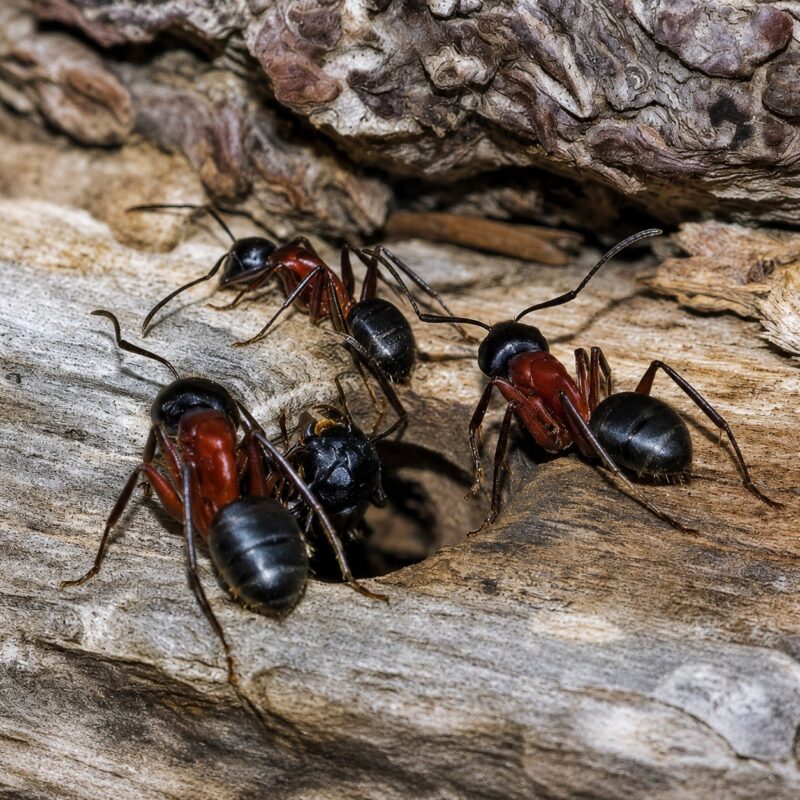
Camponotus herculeanus is a large intermediate Camponotus from Holarctic — Europe, North Asia and North America. Black head and gaster with deep reddish-brown mesosoma and legs. Colonies are monogyne, claustral founding, mature colonies several thousand workers in long-lived nests and diurnal in cool weather, slows to mostly nocturnal in summer heat. A great pick for keepers who appreciate classic carpenter-ant biology — slow steady growth, intelligent foragers and visible polymorphism between minor and major workers.


Housing

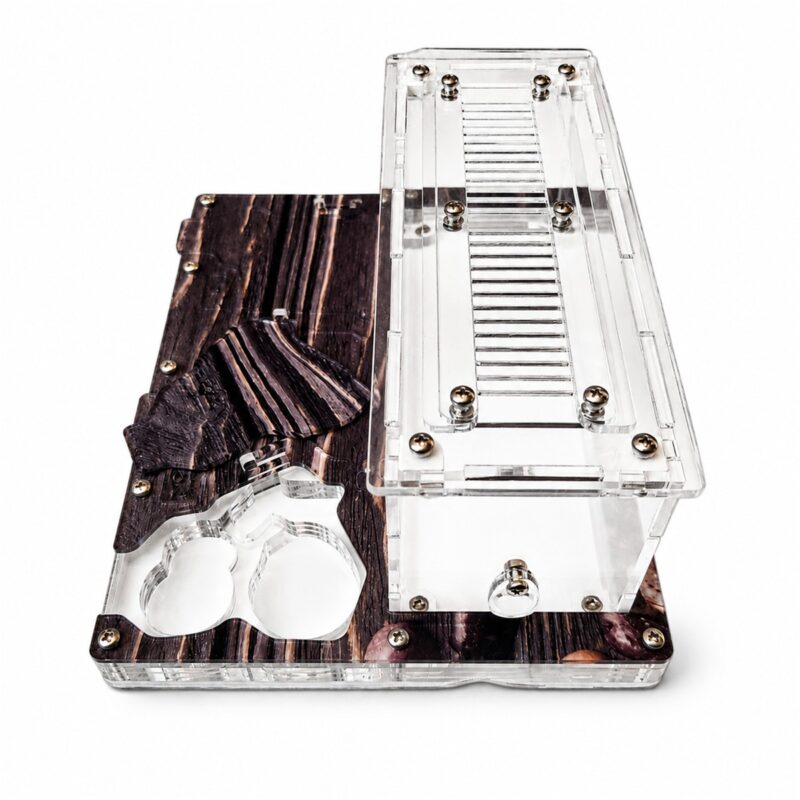
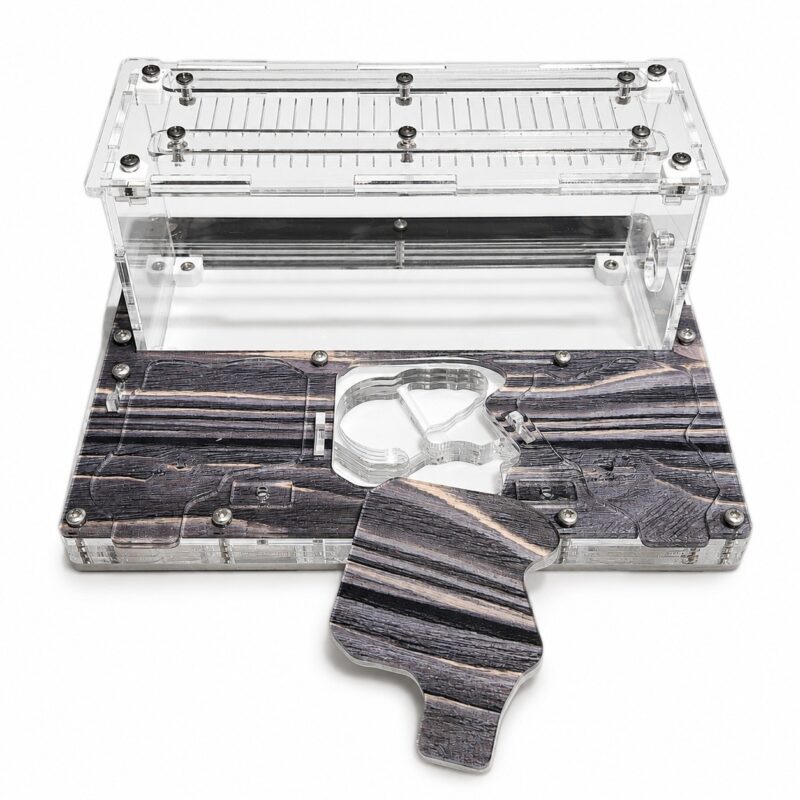
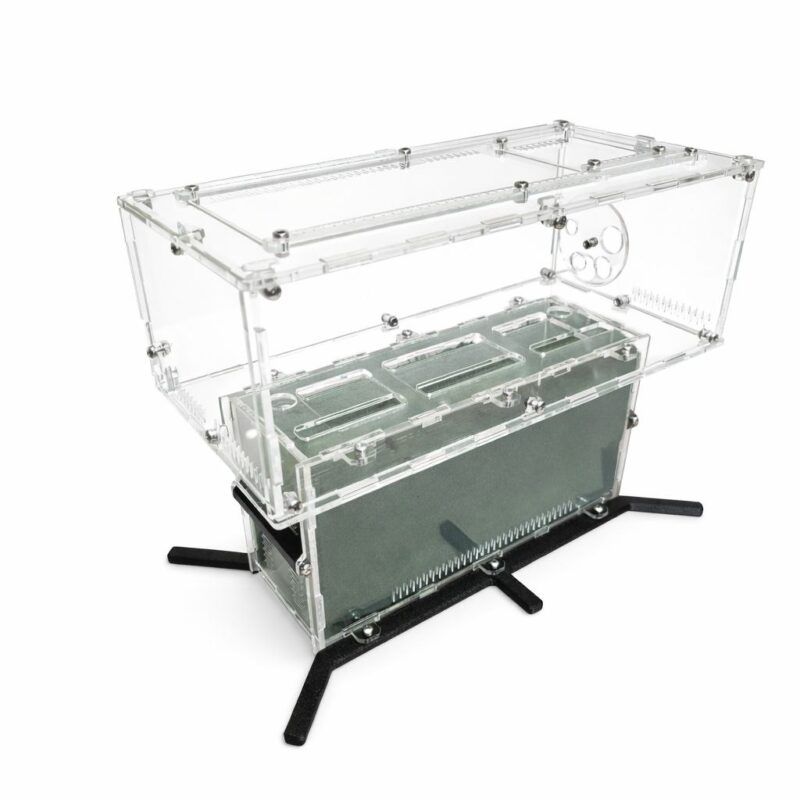
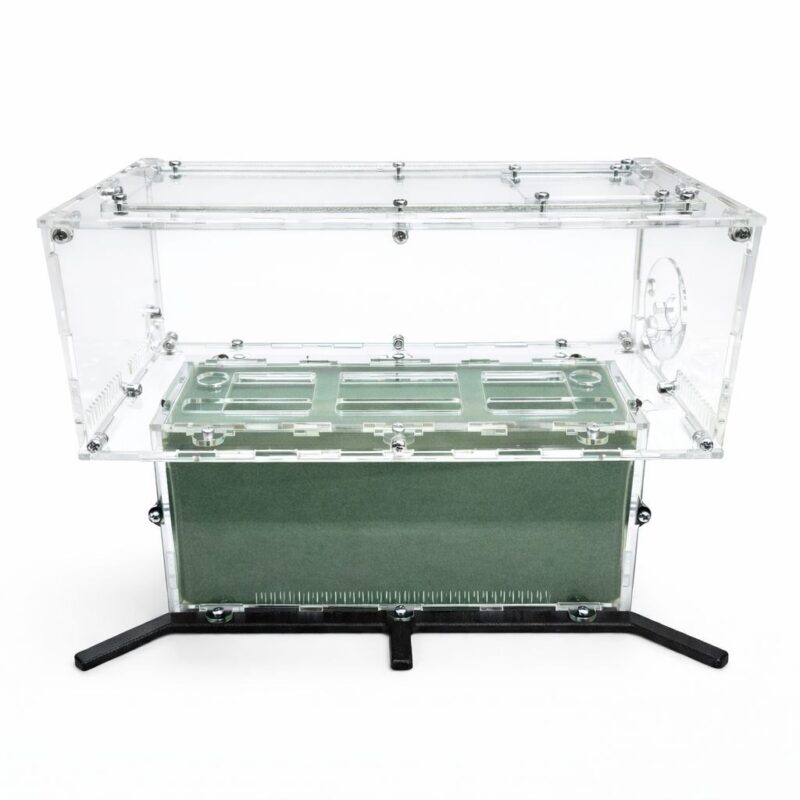
Start the founded queen in a sealed glass test tube setup until the colony reaches 15–20 workers. Then move to a medium-to-large formicarium of acrylic, ytong or plaster with a connected outworld for foraging. A footprint of around 20 × 15 cm works well for the first 1–2 years. Add red filter film or a dark cover to give the colony a sense of nest darkness — Camponotus are calmer when the chambers stay shaded.


Temperature and humidity

Keep the nest at 20–24 °C during the active season. Humidity in the nest chambers should sit around 50–65 %, with one wetter zone the colony can choose. Avoid direct sun and avoid heating from a single hot spot — gentle ambient warmth from a low-wattage heat mat on one wall is ideal.


Feeding

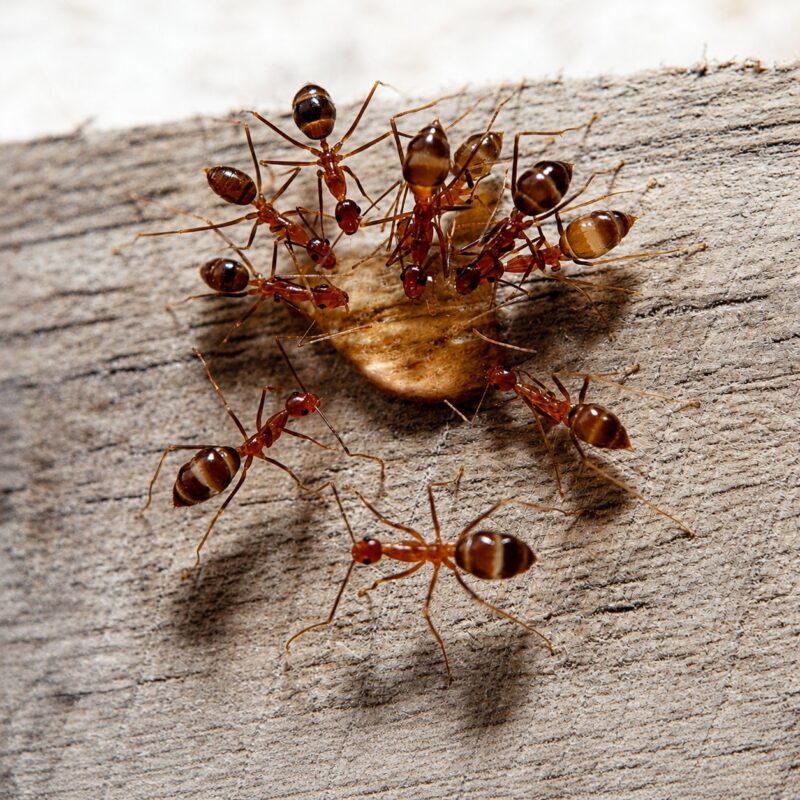
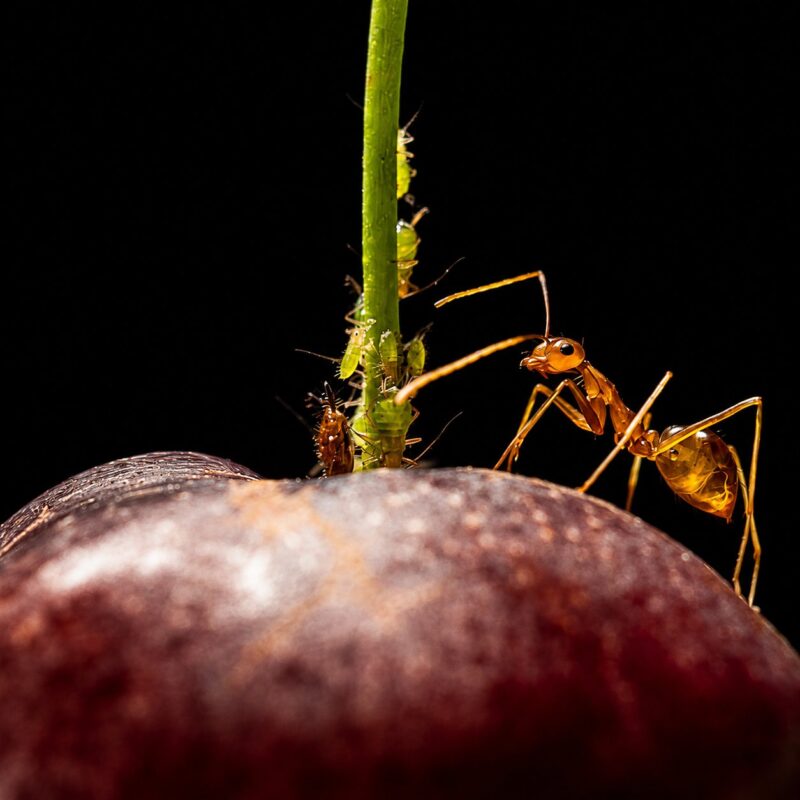
  • Sugar source: honey water, sugar water (1:3) or commercial ant jelly — 2–3 times per week. Camponotus love sugars.
  • Protein: fresh frozen and thawed insects — crickets, mealworms, fruit flies, cockroaches — 1–2 times per week. Increase frequency when brood is present.
  • Variety helps: rotate prey species so the colony gets a balanced amino-acid profile; never feed only mealworms.
  • Hydration: always offer plain water on a separate cotton, never let the test tube reservoir run dry.
  • Hygiene: remove leftover insects after 24 hours to prevent mould and mites.

Wintering

This species needs a true cold winter rest. Provide a cool dark place at 4–10 °C from late autumn for around 3 months. Stop feeding 2 weeks before. Keep nest humidity stable. Bring back to room temperature gradually in spring. Skipping hibernation drastically shortens the queen’s life.


Escape prevention

  • Apply PTFE escape barrier on the top inner edge of the outworld — reapply every few months.
  • Use a tight lid with fine mesh; check it after every cleaning.
  • Inspect the formicarium silicone joints and tubing connectors monthly.
  • Keep the outworld dry on the inside edge where PTFE is applied — wet PTFE loses grip.

Important keeping reminders

  • Never disturb the queen during founding. Keep her in the dark, in a test tube, with minimal vibration.
  • Move the colony to a formicarium only when there are 15–20 workers and the test tube is genuinely full.
  • Always offer water on a separate cotton outside the food.
  • Quarantine any new insect feed for 24 hours before offering it to the colony.
  • Avoid synthetic fragrances, smoke and aerosols in the room with the colony — Camponotus are very sensitive.

Before you buy

This species is best suited to keepers who have already kept at least one ant colony successfully. You take full responsibility for housing, temperature, humidity, feeding and wintering once the colony reaches you. If you are unsure whether your setup or experience is enough, please contact us before ordering — we would rather help you choose a better-matched species than see a colony struggle.


What we ship

Your colony ships in a sealed glass test tube with a cotton water reservoir and a cotton plug — the same setup we use ourselves. It is packed in an insulated, padded shipping box. We hand-pick every colony, count workers and inspect the queen on the day of dispatch.


Did you know?

  • Originally described as Formica herculeana by Carl Linnaeus in his foundational 1758 Systema Naturae.
  • Gustav Mayr moved it to Camponotus in 1861, making it one of the type species of the genus.
  • Holarctic distribution: most of Europe, Central and Northern Asia, Canada and the United States.
  • Excavates galleries deep into living and dead conifer trees — tunnels in standing trees can extend 10 m (30 ft) above ground.
  • The dominant carpenter ant of mountain and northern coniferous forests; in captivity a long, cold winter rest is mandatory.

Frequently asked questions

How big can the colony grow?
Monogyne, claustral founding, mature colonies several thousand workers in long-lived nests. Growth is steady but not explosive — give the colony 1–2 years to reach a few hundred workers.

Is this species safe around children and pets?
Workers do not sting and rarely bite if the formicarium is intact. As with any live insect, supervise children around the setup and keep it out of reach of curious pets.

Will the colony arrive alive?
Yes. We use insulated, padded boxes and ship only on weekdays when forecasted weather along the route is safe. If anything goes wrong in transit, contact us within 24 hours of delivery with photos.

What if I cannot give a proper winter hibernation?
Then choose a species that does not need it. Skipping the cold rest for a hibernating species shortens the queen’s life dramatically — it is not a small concession.

Can I see this species in your video shorts?
We post regular video shorts of feeding sessions, brood close-ups and worker behaviour on our social channels — search “ANTonTOP” on YouTube, Instagram and TikTok.

Reviews
0 reviews
0
0
0
0
0

There are no reviews yet.

Be the first to review “Camponotus herculeanus”

Your email address will not be published. Required fields are marked *

Complete Your Setup
Top Picks