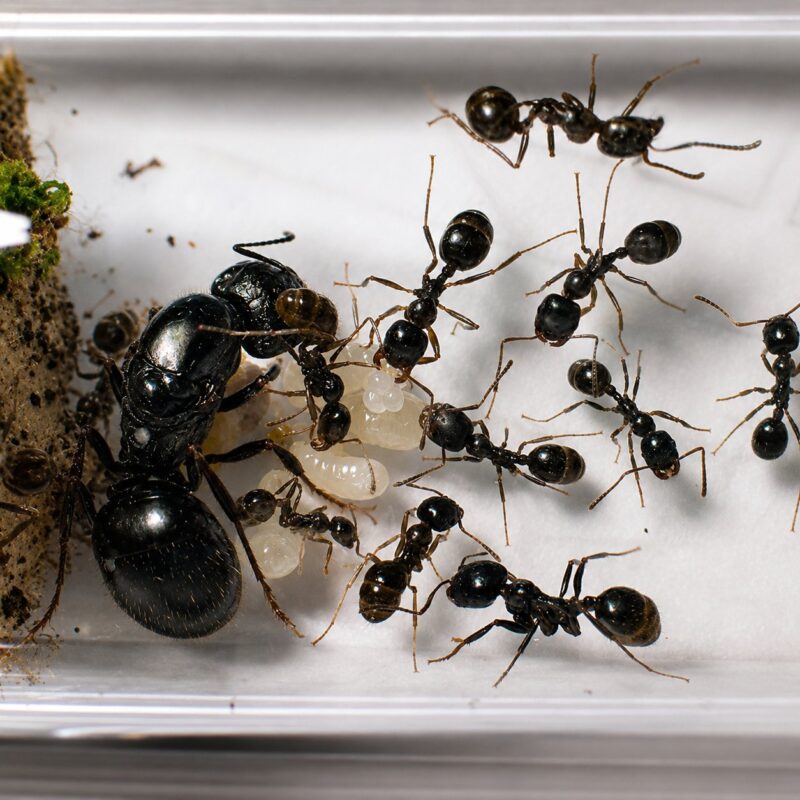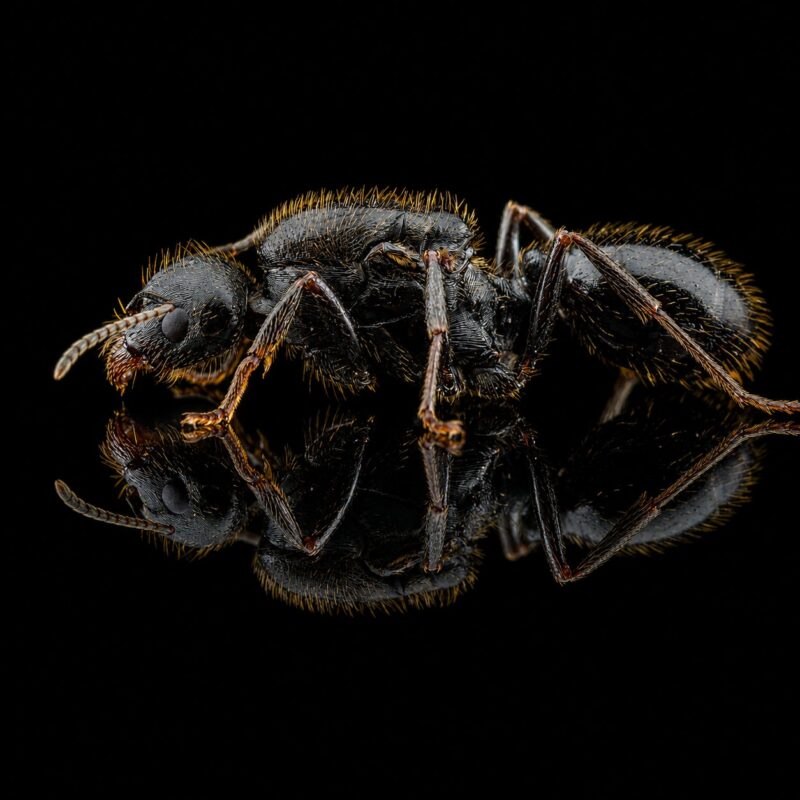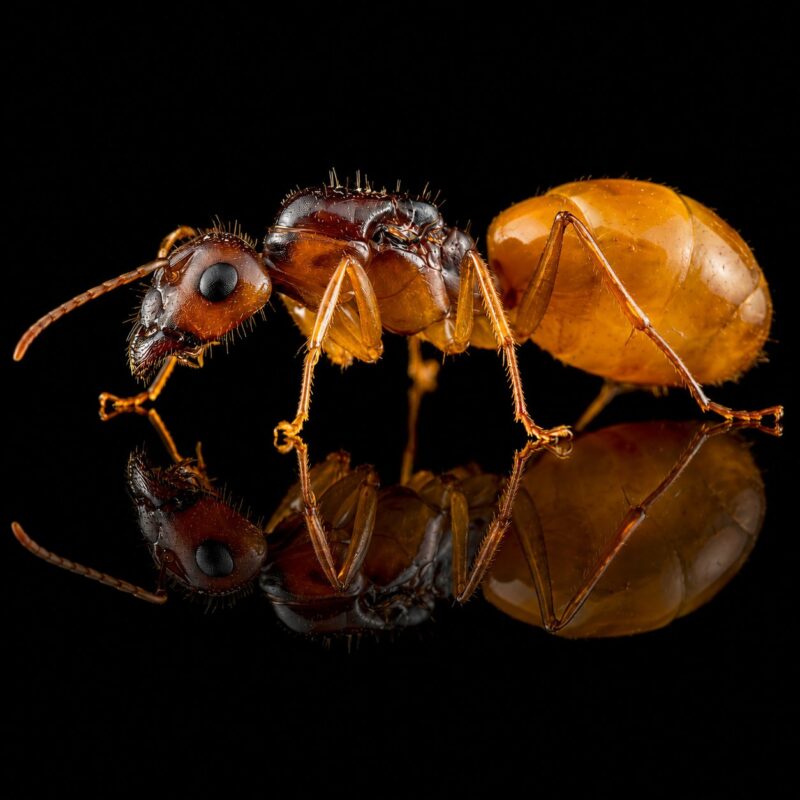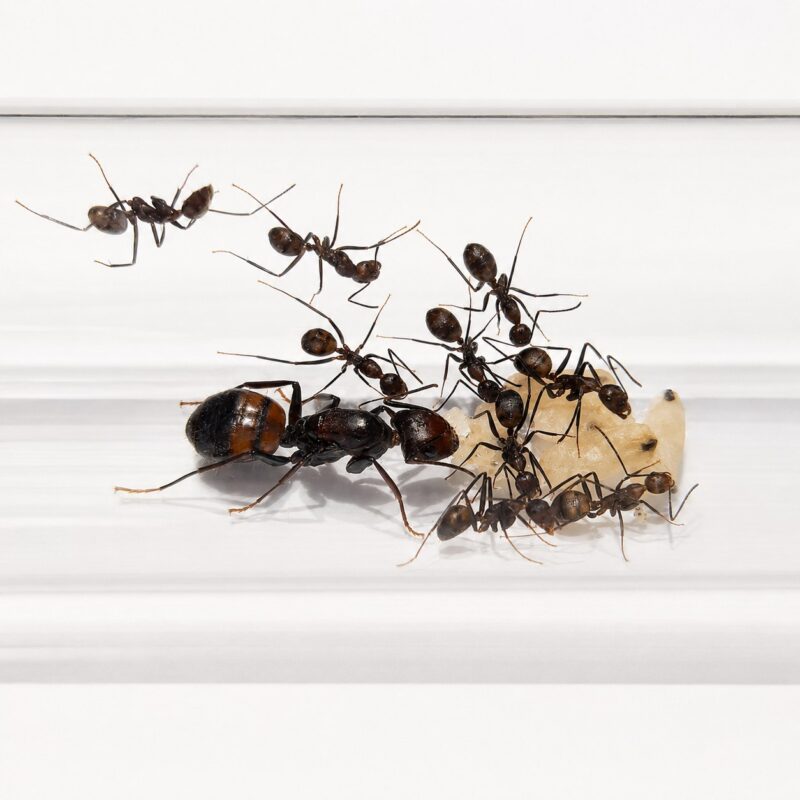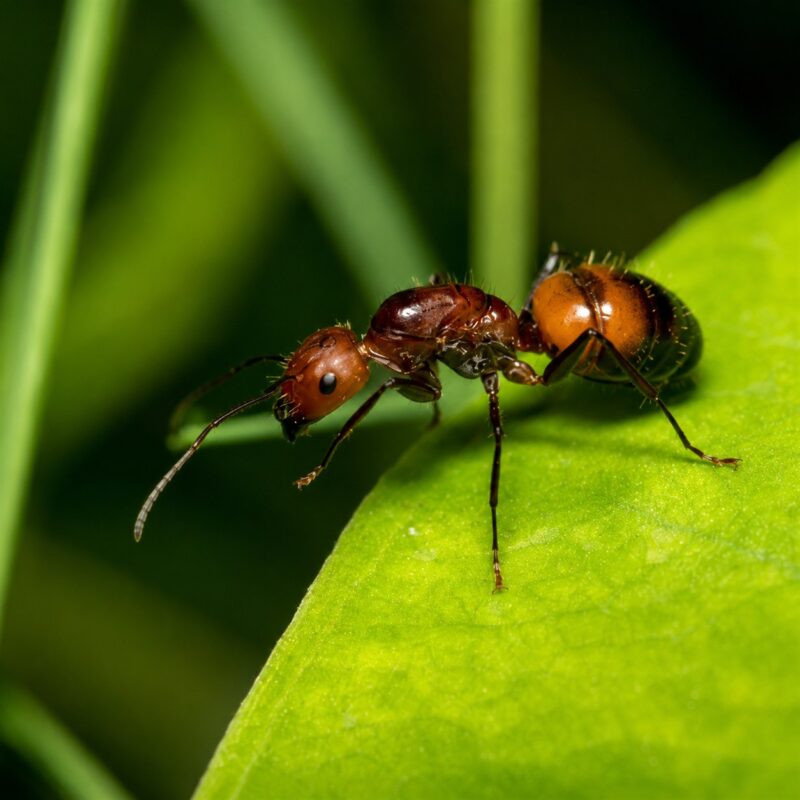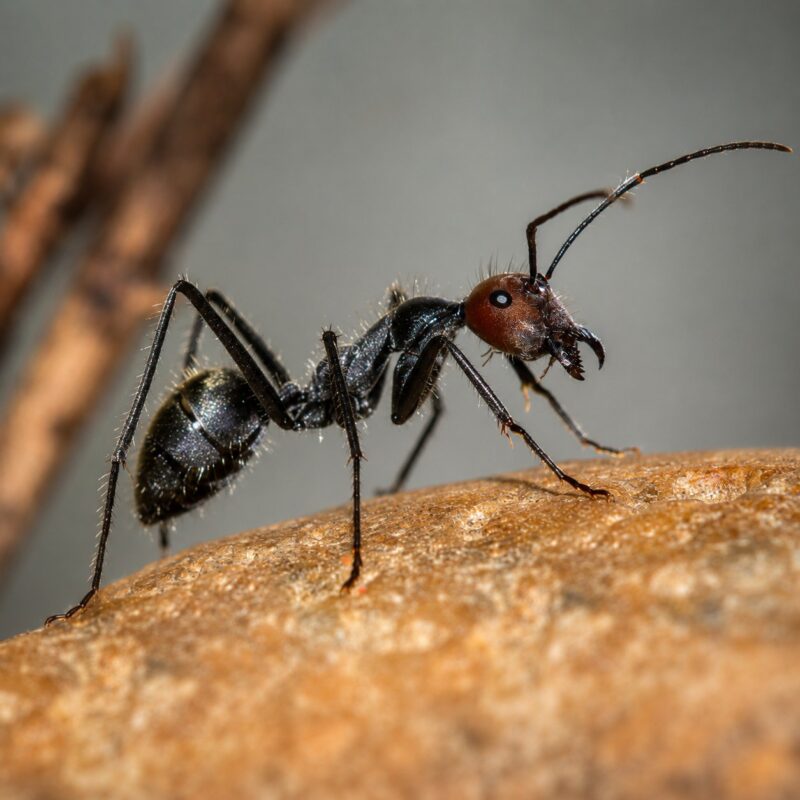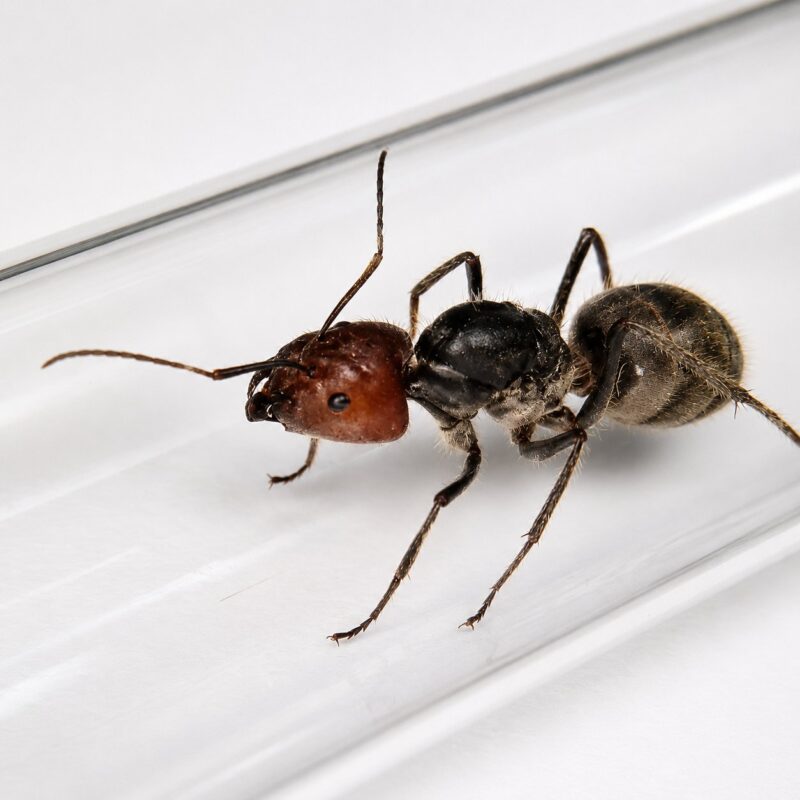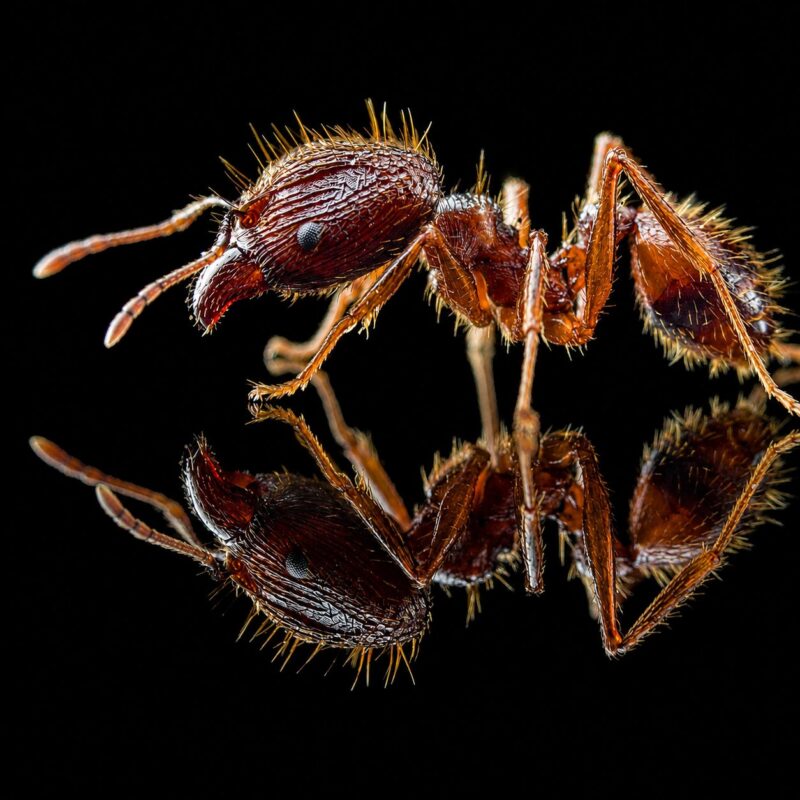

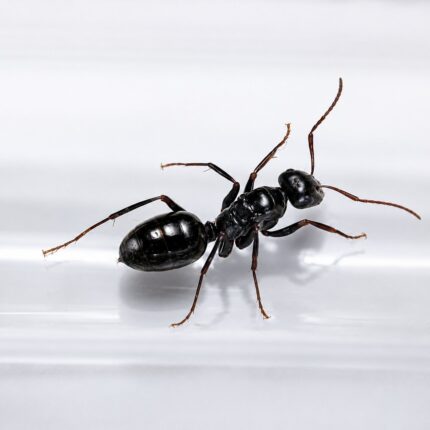
Cataglyphis iberica major worker — slender body and elongated legs desert ant from Sahara and Middle East, live colony at ANTonTOP
Cataglyphis iberica Price range: 249,90 zł through 389,90 zł
Back to products
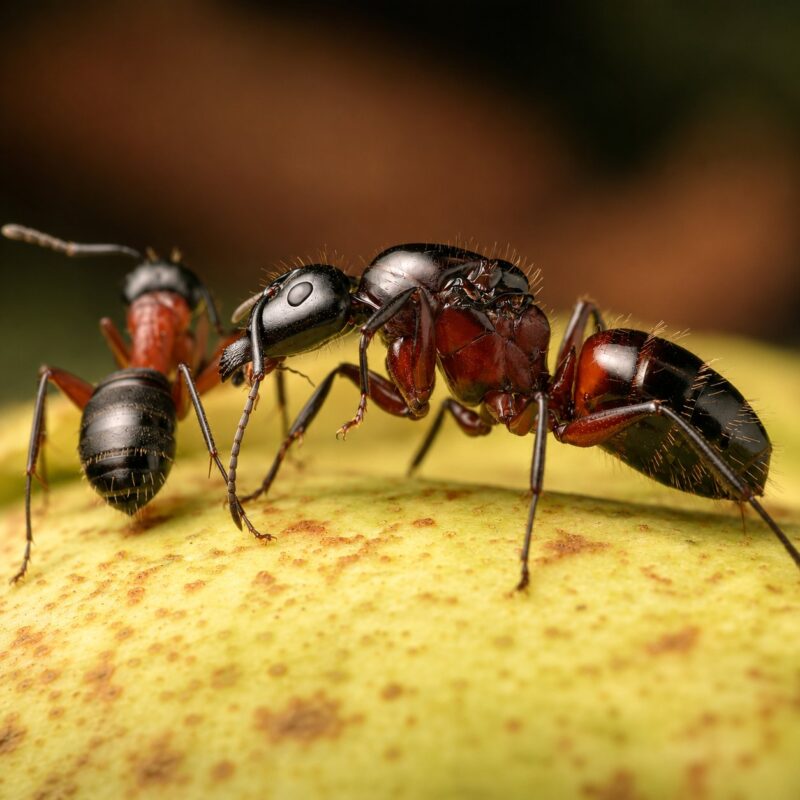
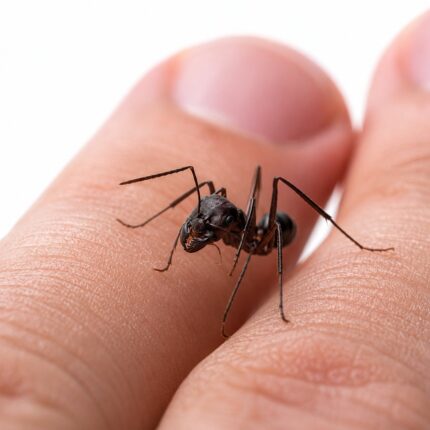
Cataglyphis nodus major worker — reddish-brown long-legged desert ant from the Mediterranean, live colony at ANTonTOP
Cataglyphis nodus Price range: 429,90 zł through 679,90 zł

Cataglyphis isis

Price range: 459,90 zł through 609,90 zł

No hibernation
Add 500,00  to cart and get free shipping!
Arrives alive and ready to lay, or we reship

Live Queen Guarantee

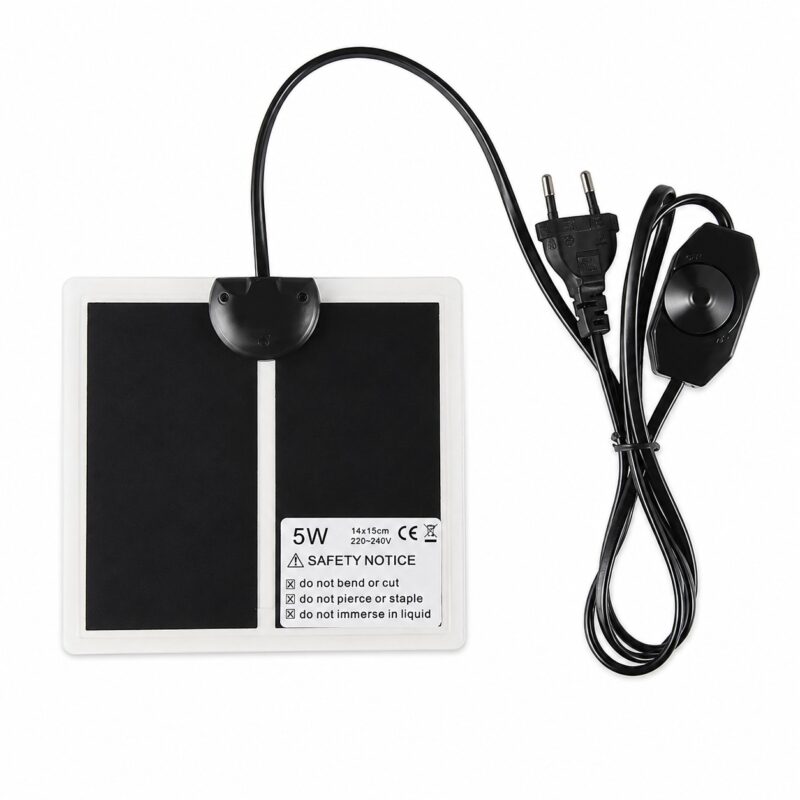
Warm in winter, insulated against summer heat

Heat Pack & Summer Cooling

Ready to grow from day one

Fertilised Queen in Every Colony

Packed fast, dispatched with tracking

Ships Within 24 h

Setup and feeding tips for your species

Free Care Guide

Fast answers from real ant keepers

24/7 Expert Support
Description

While other ants hide from the midday sun, these Egyptian runners sprint across open sand at the peak of the heat. Add a Cataglyphis isis colony from ANTonTOP for a true midday heat-runner.

Live arrival + 24h unboxing-video guarantee.
Free shipping across Europe over 1299 zł.
DHL / InPost / EMS · ships the EU & worldwide.

Intermediate · Q 9-11 mm / W 4-9 mm · Up to 5,000 workers · Light diapause – brief cool rest · Omnivore · Egypt (North Africa and the Middle East) · No sting, mild bite

Additional information

Behavior

Keeping difficulty

Origin

Ant size

Hibernation

Sting

No sting

Description

Cataglyphis isis – Desert ant

Origin Egypt (North Africa and the Middle East)
Difficulty Intermediate
Colony form Monogyne (1 queen)
Max workers Up to 5,000 workers
Queen 9-11 mm
Worker 4-9 mm
Soldier / major
Founding Claustral
Temperature Nest 24-28 °C / Arena 28-35 °C
Humidity Nest 35-50% / Arena 20-35%
Hibernation Light diapause – brief cool rest
Diet Omnivore
Sting / bite No sting, mild bite
Egg to first worker 3-6 weeks
Queen lifespan 10-20 years
Nuptial flight summer
Activity diurnal (strictly day-active)

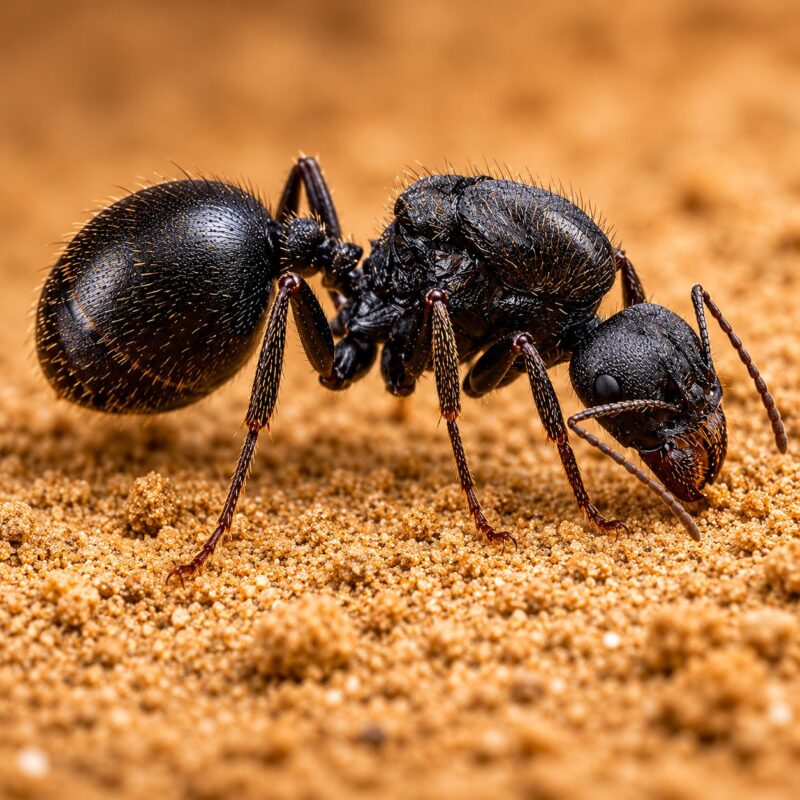
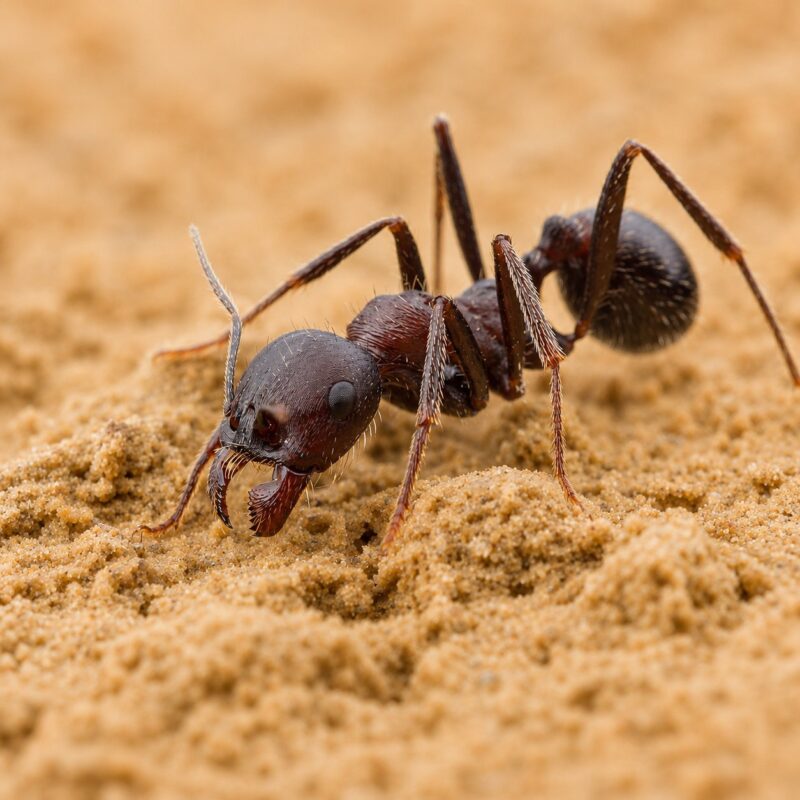
Cataglyphis isis is a desert ant from Egypt that runs the sand in full daylight, an engaging step-up species for keepers ready to handle real heat and low humidity.


Why this species

Few ants own the midday heat the way this one does. While its cousins bolt for shade, the foragers of Cataglyphis isis are out scouting the arena when the sand is hottest, then settle at dusk. Coming from Egypt and the wider deserts of North Africa and the Middle East, it wants warmth and dry air but forgives the odd mistake far more readily than the fussier Pro members of the genus. That makes it a sound learning step into desert keeping for someone past their first colonies, with bold daytime activity as the payoff.


Feeding

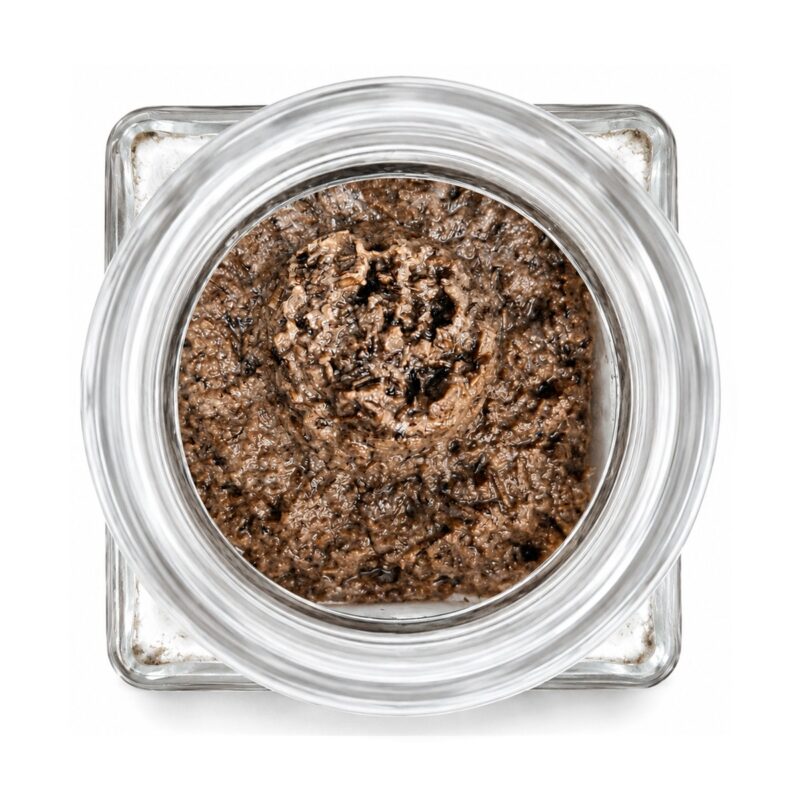
A desert scavenger that lives off carbohydrate from honeydew and floral sources plus whatever protein its scouts can drag home, often heat-killed insects. Keep a sugar source out at all times and add protein two or three times a week to push brood.

Sugar water / honey water ★★★
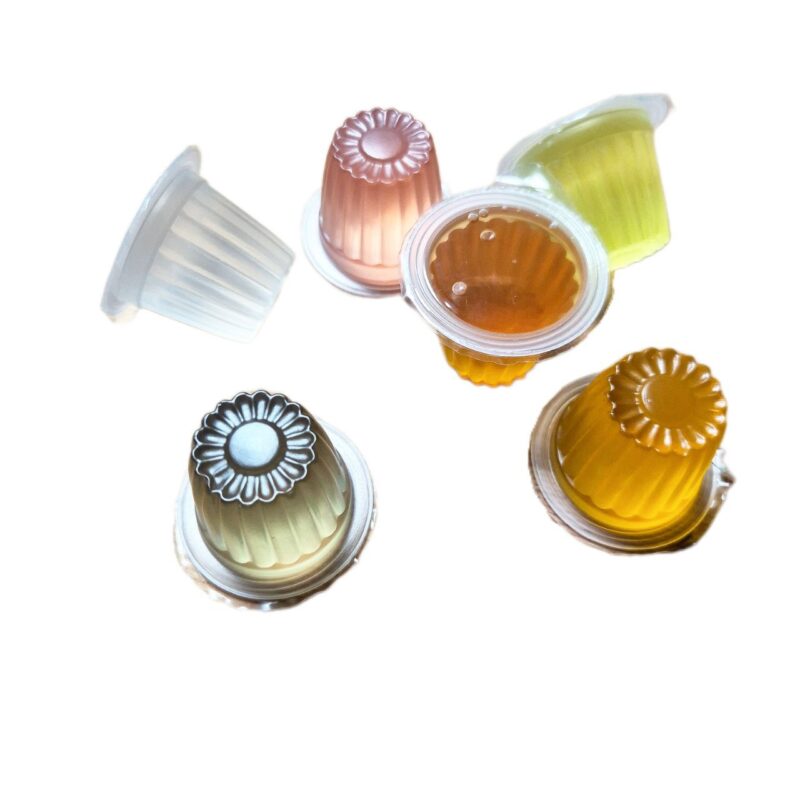
Ant nectar / sugar jelly ★★★
Honey ★★★
Protein jelly ★★★
Crickets ★★★
Cockroaches (Dubia / Turkish) ★★★
Fruit flies (Drosophila) ★★★
Houseflies ★★★
Locusts ★★
Boiled egg yolk ★★
Soft fruit (apple, pear, banana) ★★
Mealworms
Superworms
Boiled lean chicken / shrimp / meat
Dried insects
Soft seeds (poppy, sesame, chia)
Hard seeds (canary, millet, sunflower)

★★★ readily · ★★ moderately · ★ occasionally · ✗ not eaten


Housing & formicarium

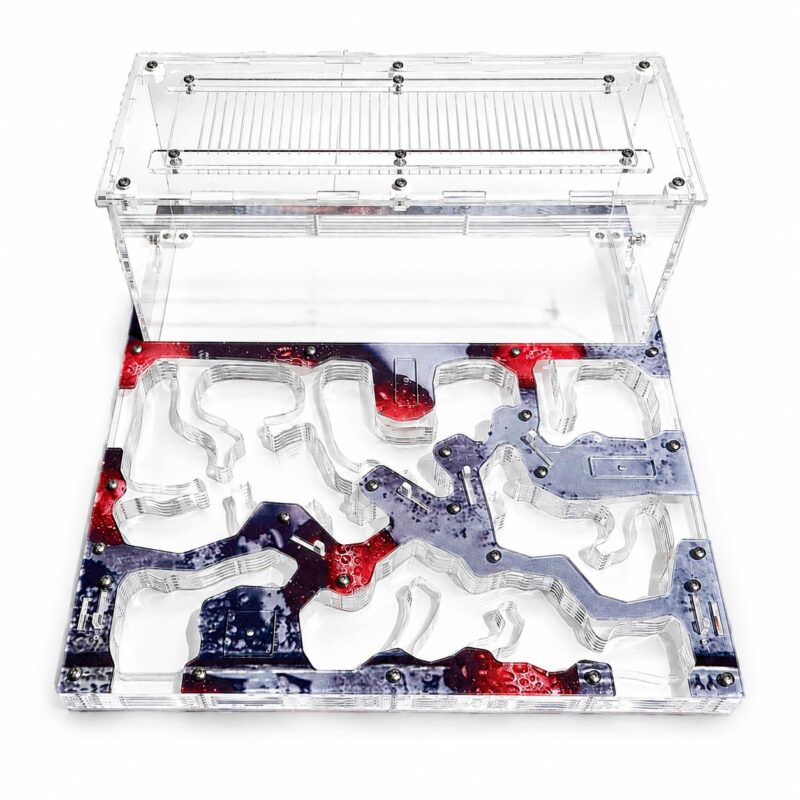
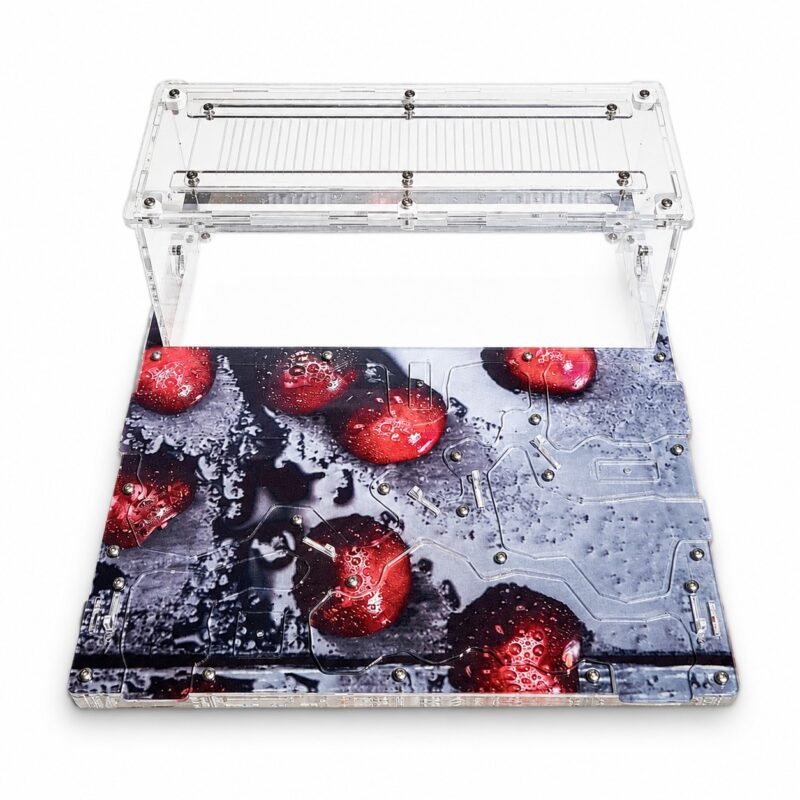
Found the queen in a test tube, then move her once the first nanitics cover the tube floor. This desert runner wants a deep, dry nest in aerated concrete or acrylic over sand, kept arid, as standing damp is what kills the founding brood. Heat one end of the sandy arena for a baking forage patch. Foragers are quick, so line the rim with fluon (PTFE), oil, or talc and water. ANTonTOP formicaria and starter kits bundle the dry nest, sand arena and barrier as one ready set.


Climate & wintering

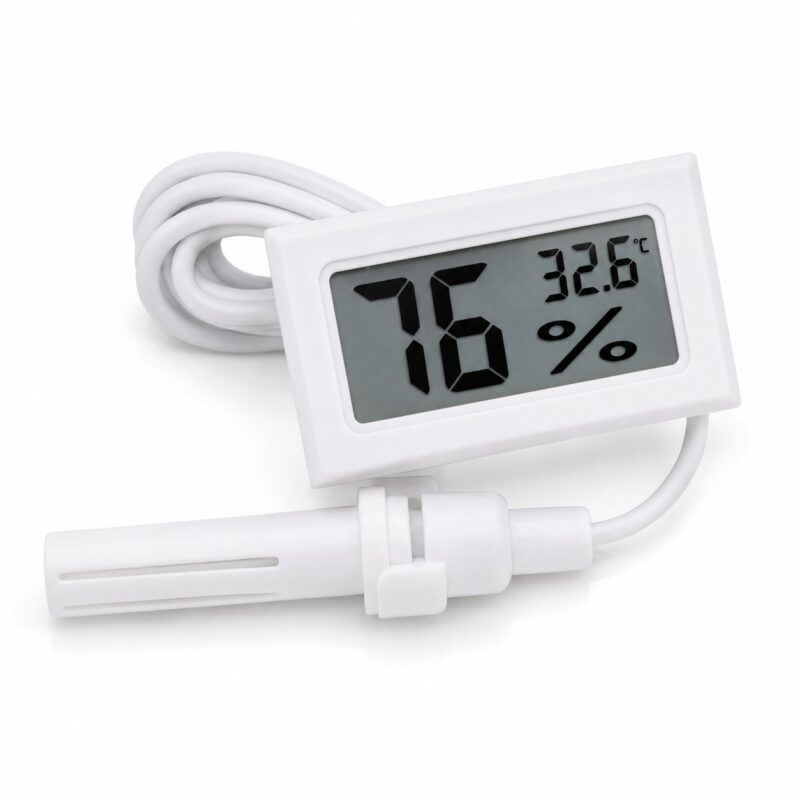
This one likes it hot and dry. Hold the nest at 24-28 °C and let the arena run warmer at 28-35 °C, with humidity kept low throughout: 35-50% in the nest and just 20-35% in the arena. Warming a single end of the arena gives the foragers a baking patch and a slightly cooler retreat that stays equally arid. Wintering is only a light diapause, so the colony may ease off but you carry on feeding and leave the heat where it is.


Growth forecast + what you receive

Once the lone queen has her first workers out, progress is steady and driven by warmth, and over the years the colony can reach around 5,000 workers. Keep the heat consistent and the protein regular and the population climbs without fuss. Your colony arrives as a queen with workers and brood, ready to settle into a warm, dry setup.


Did you know

  • Cataglyphis are among the most heat-tolerant insects known, foraging on sand surfaces near 50 °C that would kill most other ants.
  • They navigate by path integration, counting their own steps and reading polarised skylight to run a straight line back to the nest after a long, looping hunt.
  • Many in the genus carry silvery body hairs that reflect sunlight and help dump heat, and they sprint on long legs to keep the body clear of the scorching ground.

Frequently asked questions

Is Cataglyphis isis good for beginners?

It is Intermediate, manageable with some experience, but it needs heat and a notably dry arena.

Does Cataglyphis isis need a winter rest?

It takes a light diapause, a brief cool rest; keep feeding and do not lower temperatures sharply.

Does the Egyptian desert ant sting or bite?

No, only a mild bite and no sting.

How many workers can a Cataglyphis isis colony reach?

Up to 5,000 workers.

How large is the queen?

The queen is 9-11 mm, with workers at 4-9 mm.

How fast does it grow?

Steadily once the queen settles, faster in consistent warmth.

What does it eat?

Sugar water or nectar plus insects such as crickets and flies; it does not eat seeds.

When does it fly and how does it ship?

Flights are in summer; it ships as queen with workers and brood plus a heat or cool pack, dispatched within 24 hours with tracking for safe live arrival.


Keeping & shipping essentials

Escape prevention. Coat the inner rim of every open arena with fluon (PTFE), or use talc-and-water or an oil barrier as a backup, and keep a tight, fine-mesh lid on top. Check the barrier regularly, since dust, condensation and feeding debris break a fluon line over time. Keep tubing connectors tight and seal any gaps in the nest.

Keeping reminders. Always offer fresh water and never let the nest dry out completely. Give carbohydrates continuously and protein a few times a week, and remove uneaten insect prey within 24 hours before it moulds. Keep the formicarium out of direct sunlight and away from constant vibration, which stresses a young colony. A water-filled test tube plugged with cotton makes an ideal spare incubator whenever you need one.

Before you buy – do not rehouse too early. Have a test-tube setup or a small formicarium with an outworld and a working barrier ready before your colony arrives. A founding colony grows slowly at first, which is normal. Moving a small colony into a large nest too soon invites mould, mites and stress, and the workers die off one by one. Keep the colony in its open test tube on the arena, plug the nest entrance with cotton, and open up the next chambers only once the colony fills roughly 10-15% of the space.

What we ship. Every colony ships with a live-arrival guarantee, backed by our 24h unboxing-video guarantee: if the queen does not arrive alive, we reship free. Parcels travel with DHL, InPost (PL) or EMS, with a heat or cold pack to suit the season, packed discreetly and securely. We ship across the EU and worldwide, with free shipping over the Europe threshold.

Complete Your Setup
Reviews
0 reviews
0
0
0
0
0

There are no reviews yet.

Be the first to review “Cataglyphis isis”

Your email address will not be published. Required fields are marked *

Bestsellers