
Myrmecia nigrocincta
1899,90 zł – 2779,90 złPrice range: 1899,90 zł through 2779,90 zł
Live Queen Guarantee
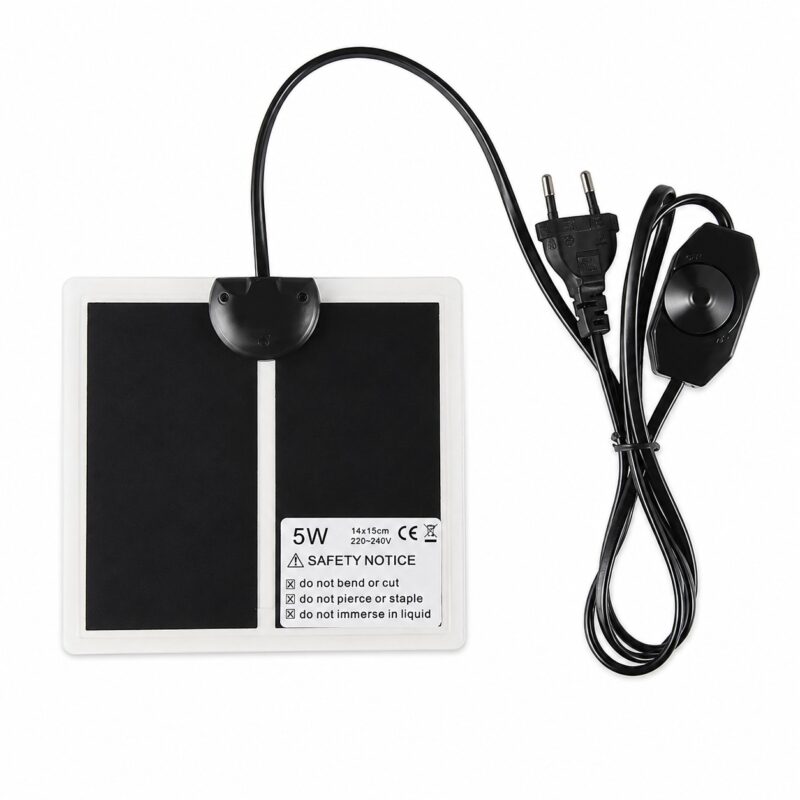
Heat Pack & Summer Cooling
Fertilised Queen in Every Colony
Ships Within 24 h
Free Care Guide
24/7 Expert Support
Description
Watch a bull ant hunt in full daylight, up to 2,500 sharp-eyed foragers, the biggest colonies in this group. Add a showpiece colony of Myrmecia nigrocincta with ANTonTOP.
Free shipping across Europe over 1299 zł.
DHL / InPost / EMS · ships the EU & worldwide.
Crazy · Q 18-22 mm / W 15-21 mm · Up to 2,500 workers · Not required · Predator · Australia · Sting (painful, Schmidt 2-3)
Additional information
| Behavior | |
|---|---|
| Keeping difficulty | |
| Origin | |
| Ant size | |
| Hibernation | |
| Sting |
Has sting |
Myrmecia nigrocincta – Bull ant
| Origin | Australia |
|---|---|
| Difficulty | Crazy |
| Colony form | Monogyne (1 queen) |
| Max workers | Up to 2,500 workers |
| Queen | 18-22 mm |
| Worker | 15-21 mm |
| Soldier / major | – |
| Founding | Semi-claustral |
| Temperature | Nest 20-25 °C / Arena 22-27 °C |
| Humidity | Nest 60-75% / Arena 50-65% |
| Hibernation | Not required |
| Diet | Predator |
| Sting / bite | Sting (painful, Schmidt 2-3) |
| Egg to first worker | up to ~26 weeks (up to 6 months) |
| Queen lifespan | 10-20 years |
| Nuptial flight | mid-summer to autumn (Jan-Apr, genus) |
| Activity | diurnal |
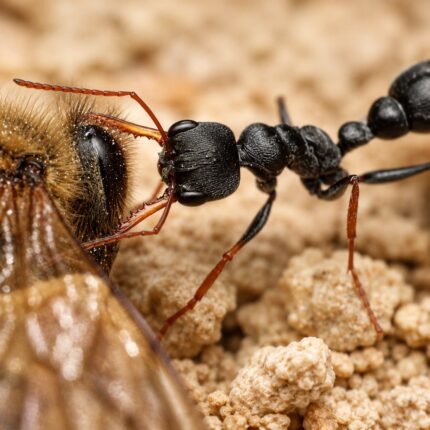
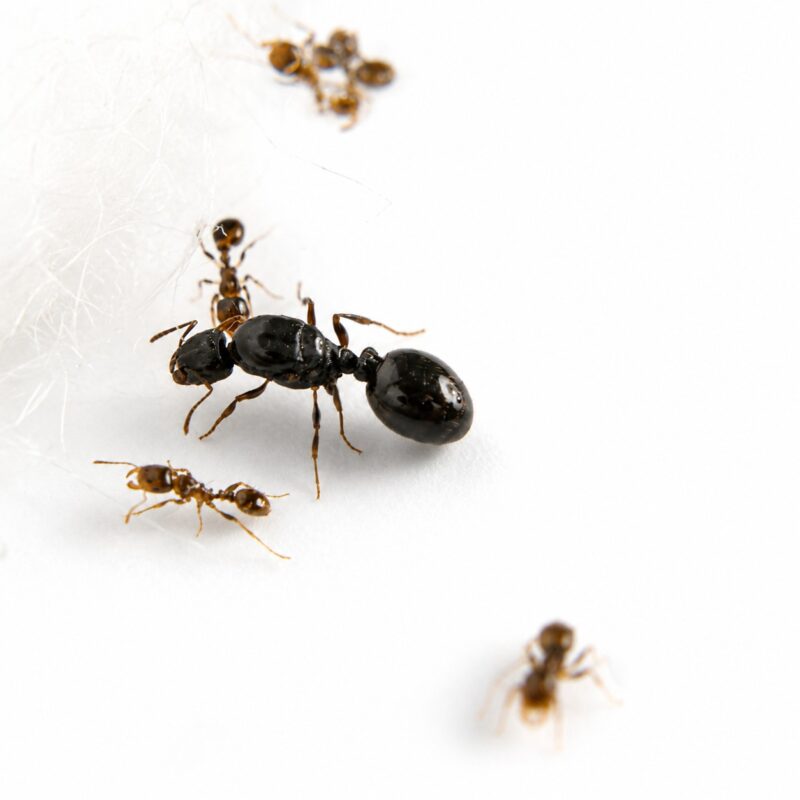
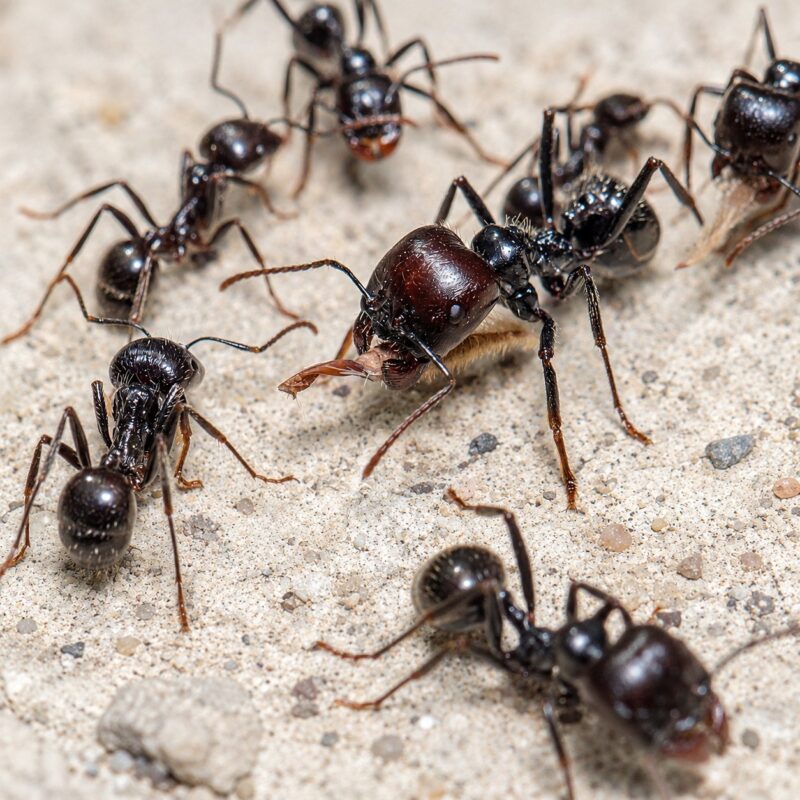
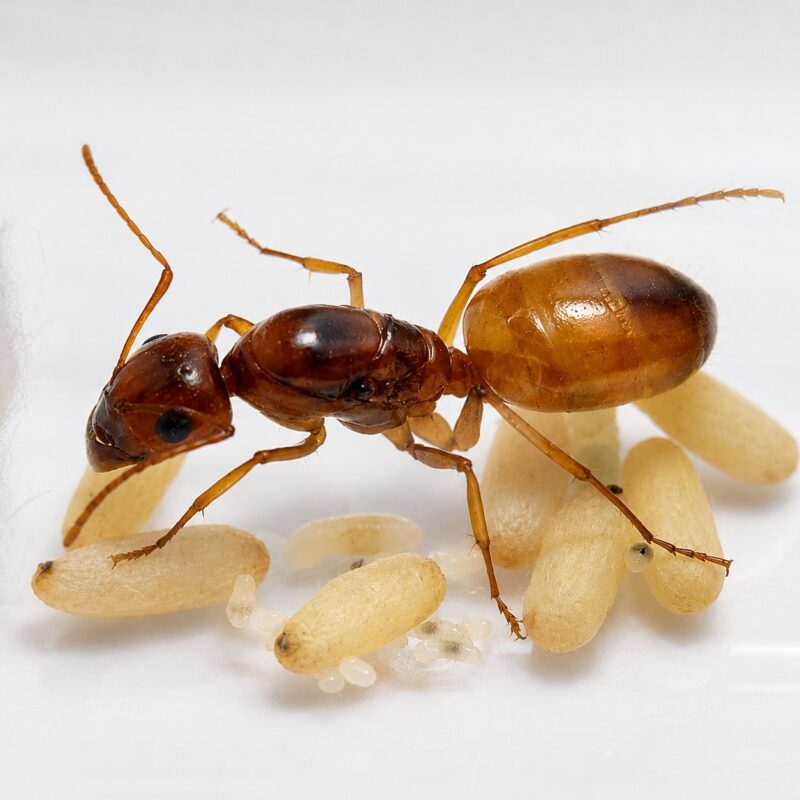
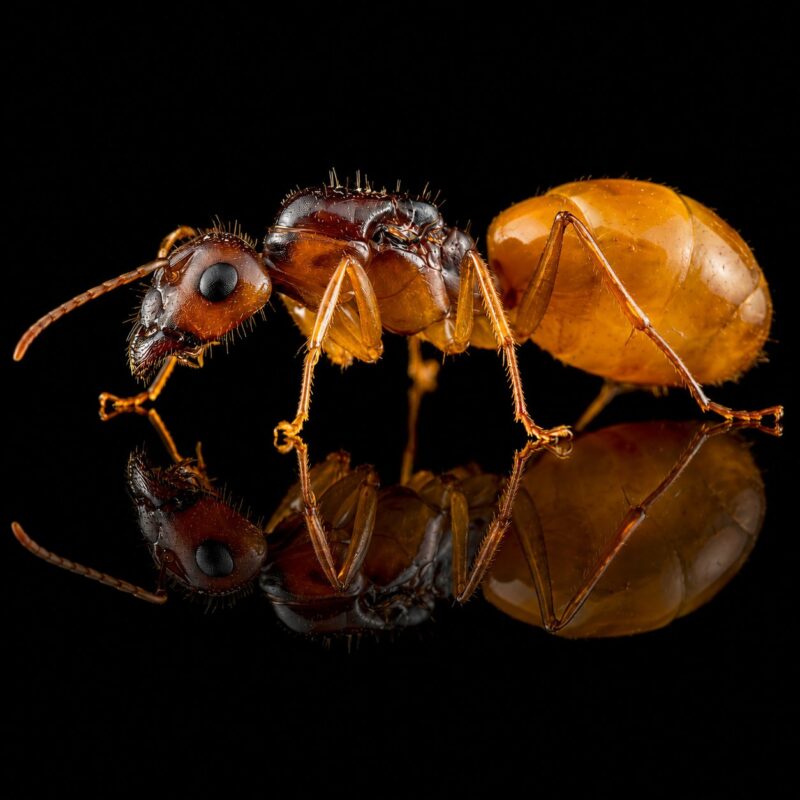
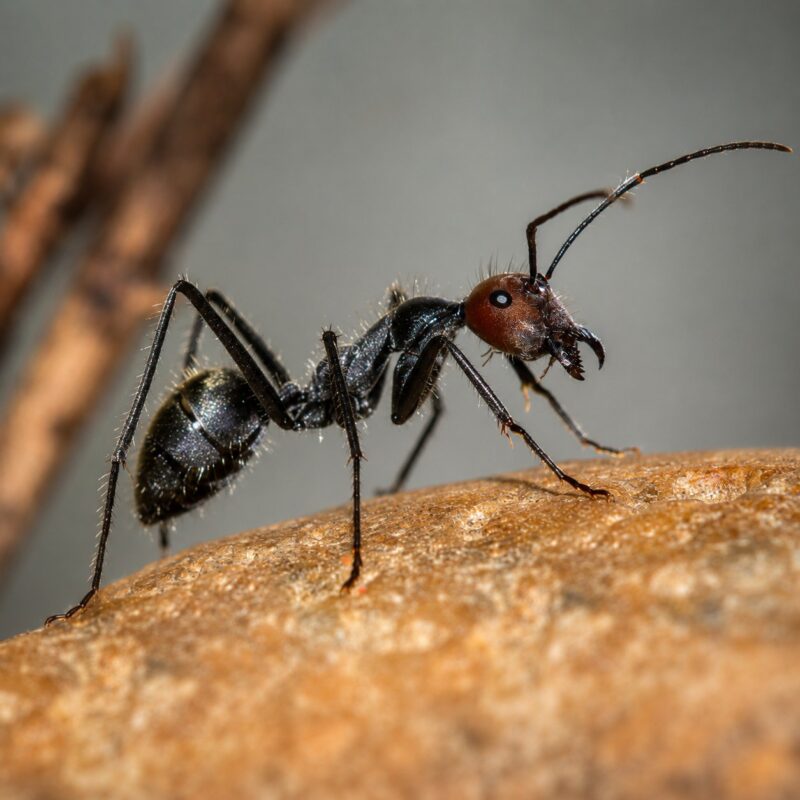
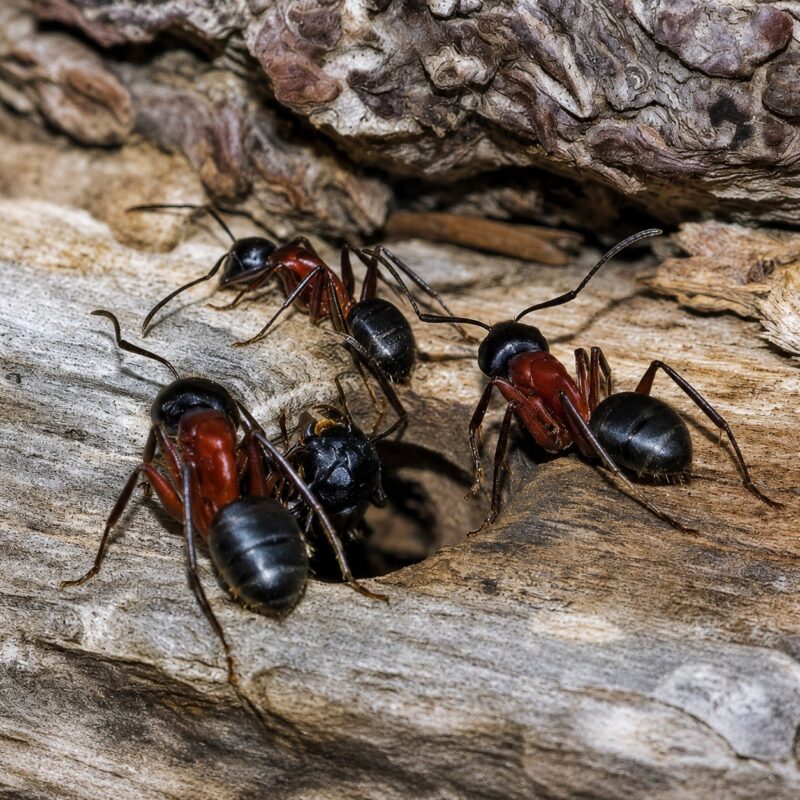
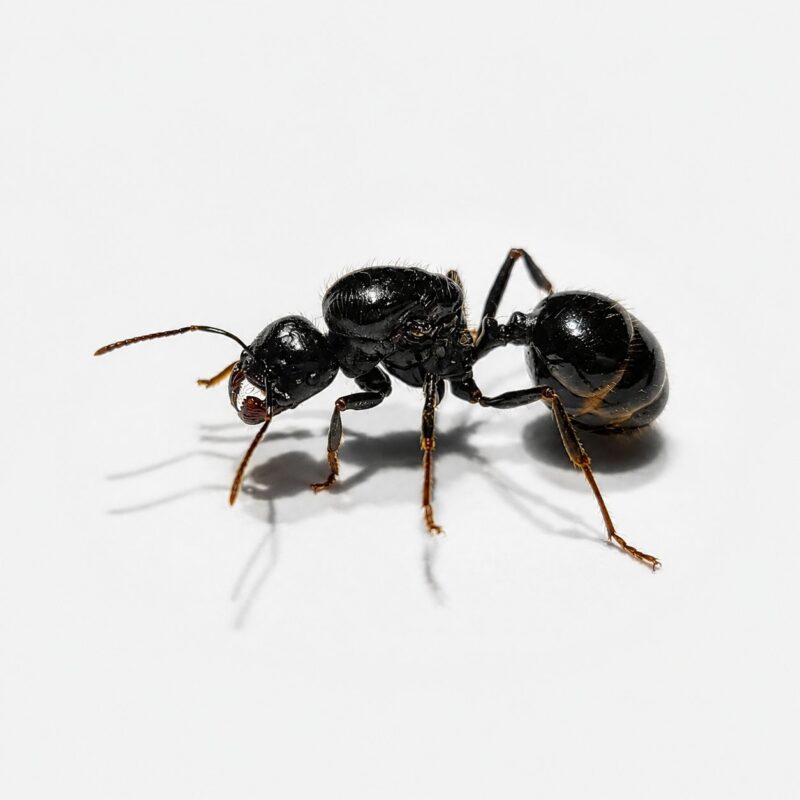
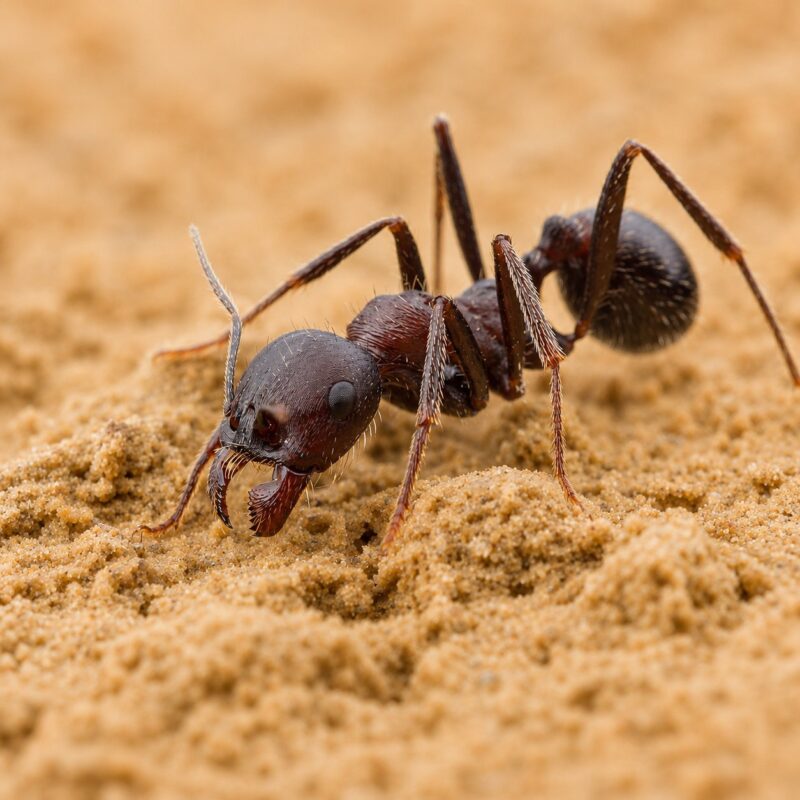
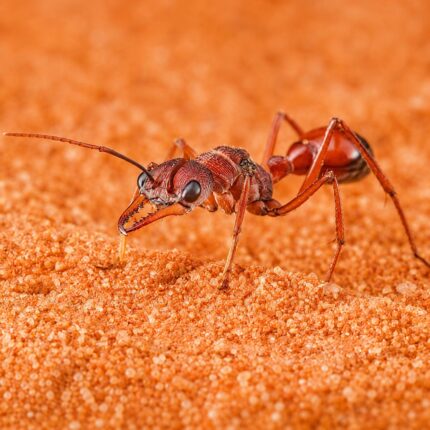
Myrmecia nigrocincta is a day-active Australian bull ant that builds the biggest colonies in this group, so you can watch it hunt in full daylight.
Why this species
Most bull ants make you wait for nightfall, but Myrmecia nigrocincta is diurnal, so the action happens in daylight where you can actually see it. It also reaches the largest colony size of the Australian bull ants offered here, which means more foragers and a busier arena as it matures. Workers hunt by sight and respond fast to movement, giving the colony a lively, watchable temperament. Founding is semi-claustral, with the queen foraging while raising her first brood. The Crazy rating and a painful sting keep it with experienced keepers who want an active display.
Feeding
A daytime visual predator that chases down live or freshly killed insects and carries them back for the larvae. Foragers also feed on sugar water and nectar for their own fuel, splitting the diet between protein for brood and carbohydrate for the workers.
| Live / fresh crickets | ★★★ |
| Cockroaches (Dubia / Turkish) | ★★★ |
| Fruit flies | ★★★ |
| Mealworms | ★★★ |
| Houseflies / moths | ★★★ |
| Sugar water / nectar | ★★ |
| Honey | ★★ |
| Boiled egg yolk | ★ |
| Soft fruit | ★ |
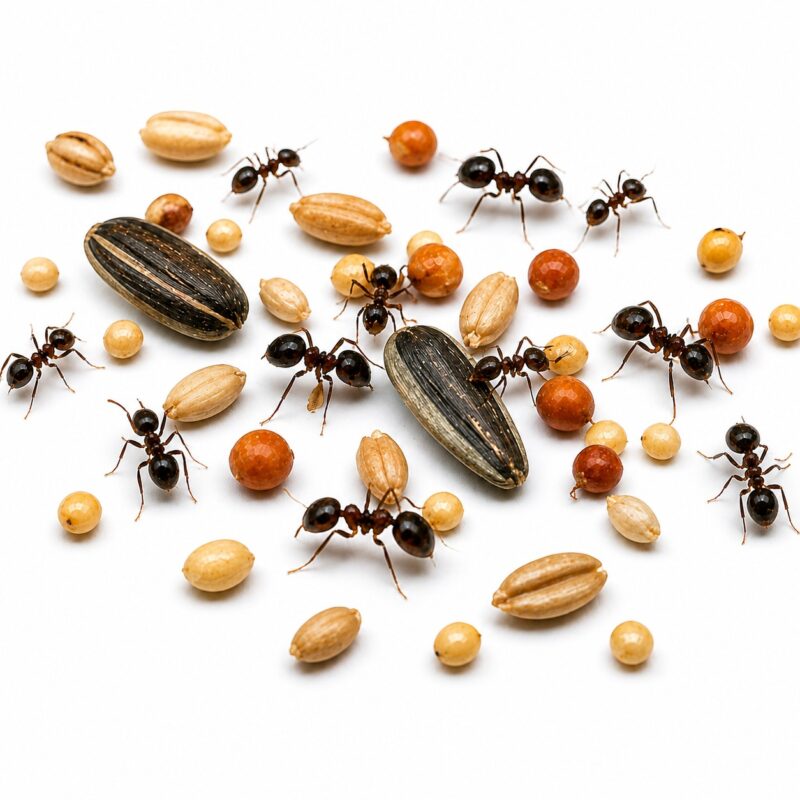
| Soft seeds (poppy, sesame) | ✗ |
| Hard seeds (canary, millet) | ✗ |
★★★ readily · ★★ moderately · ★ occasionally · ✗ not eaten
Housing & formicarium
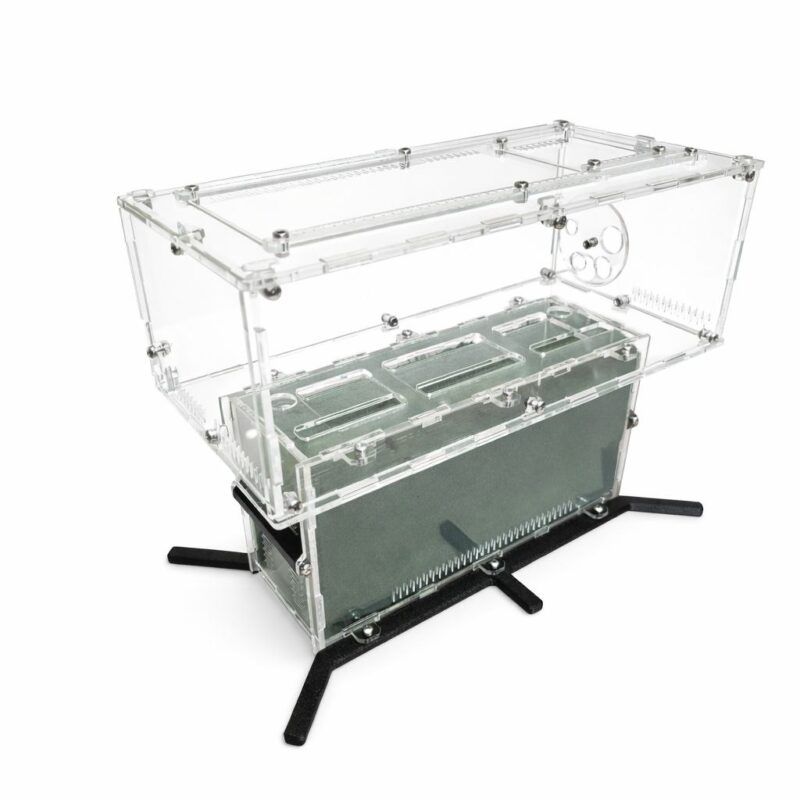
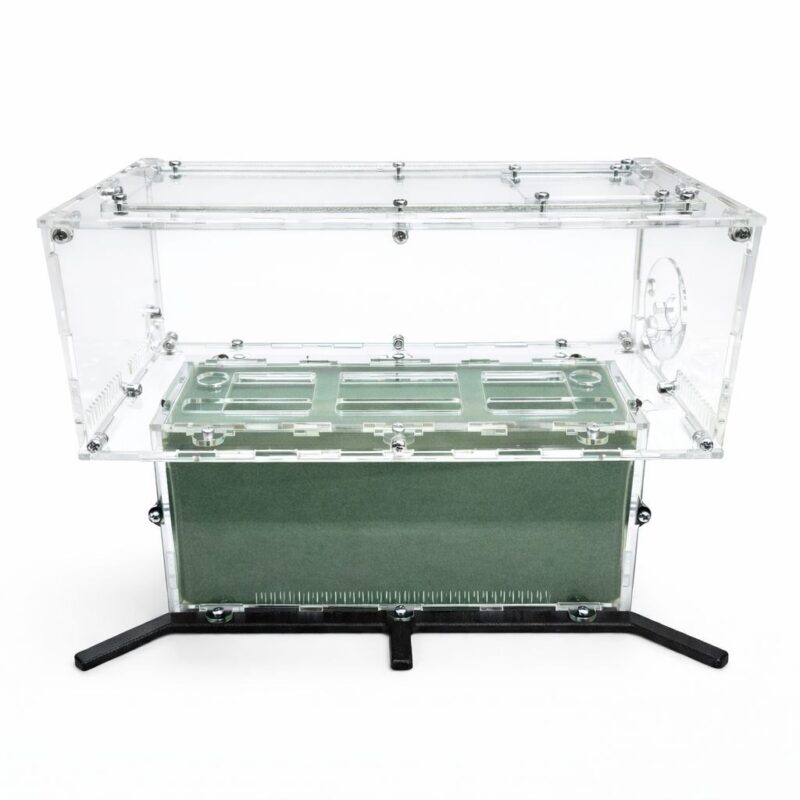
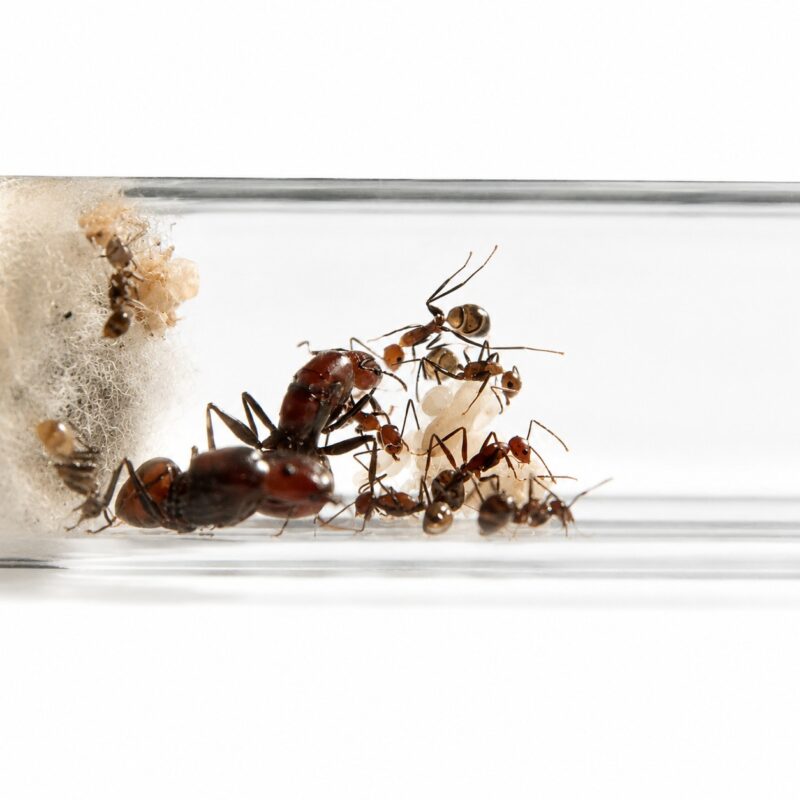
Begin in a test tube and transfer the colony once nanitics are out and covering the floor. With numbers reaching the thousands, plan early for a ytong or hybrid nest that holds moderate moisture, joined to an extra-roomy hunting arena. A stinging, climbing genus needs its barrier kept fresh, so use fluon (PTFE) on smooth walls or talc and water around the rim and seal the lid. ANTonTOP formicaria and starter kits pair the right nest, arena and barrier for a large bull-ant colony from the outset.
Climate & wintering
Set the nest to 20-25 °C and the arena a touch warmer at 22-27 °C. Aim for nest humidity of 60-75% and keep the arena drier at 50-65%. Warming just one end builds a gradient the colony can move along to find its comfort zone. A winter rest is not needed, so keep them fed and active across the whole year.
Growth forecast + what you receive
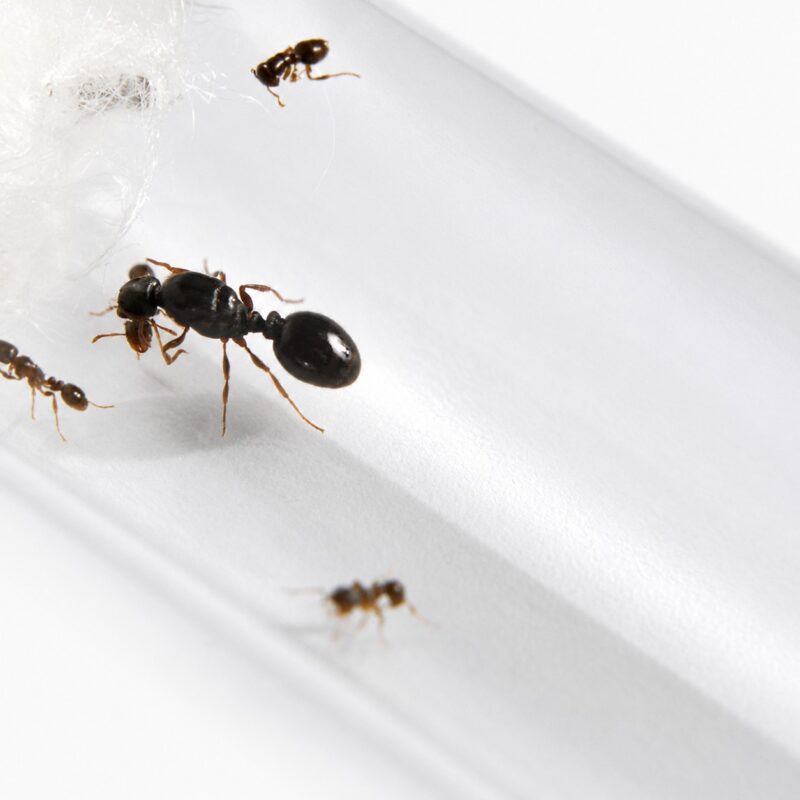
Bull ants grow at a deliberate pace, but this species pushes further than most of its relatives, reaching up to 2,500 workers in a mature colony. Expect steady gains season on season rather than a sudden surge. The colony arrives as a queen with workers and brood, already through the riskiest early stage.
Did you know
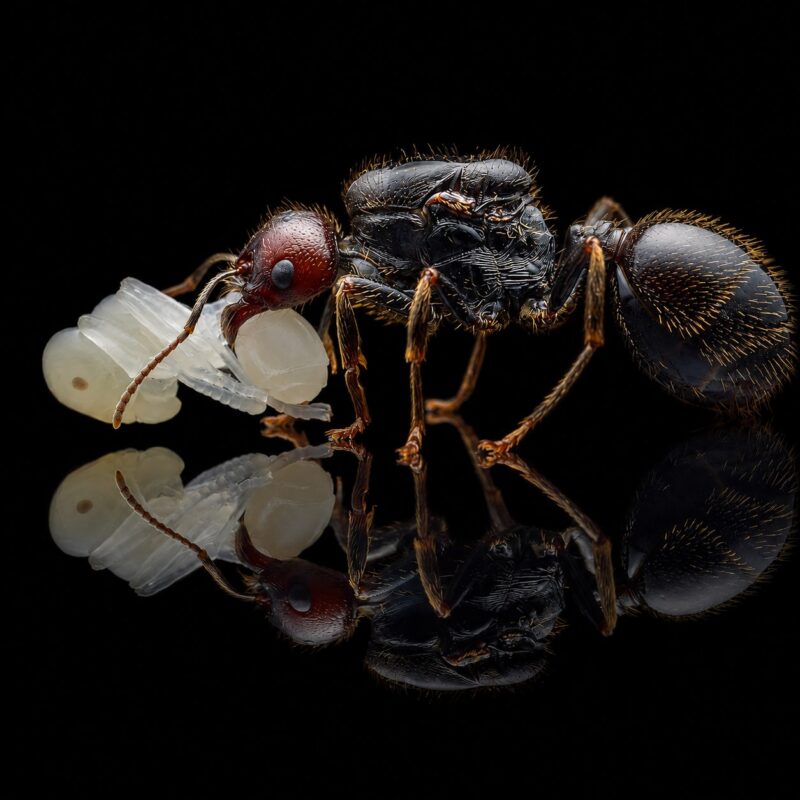
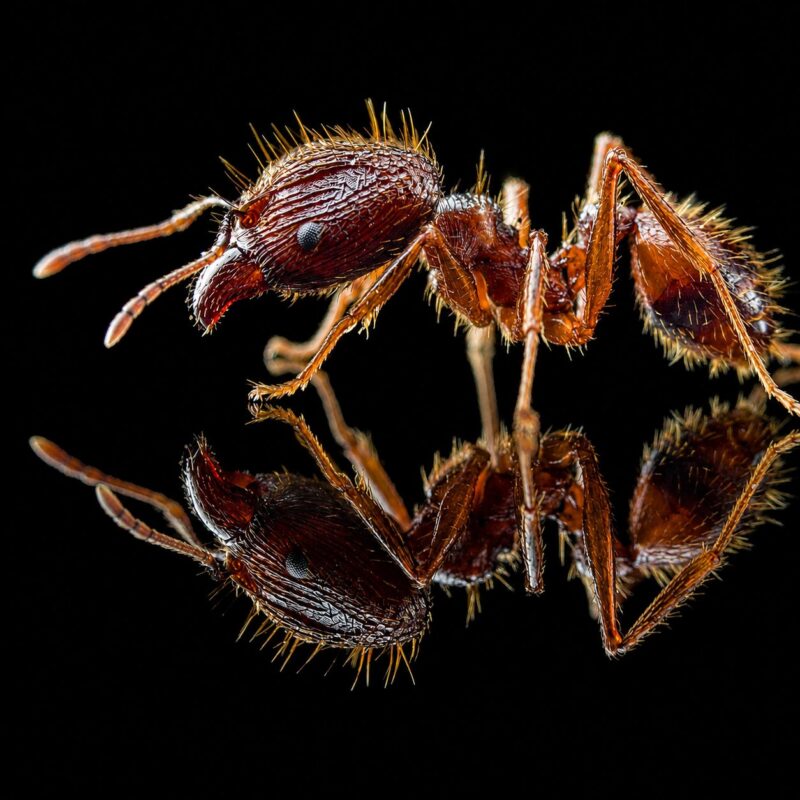
- This is among the more colourful bull ants, with reddish tones that stand out against the dark heads typical of the genus.
- Being day-active, it lets you watch classic bull ant hunting behaviour in the open, prey-tracking eyes and all.
- Bull ants have vision good enough to gauge distance and leap, a rarity among ants that mostly rely on scent.
- The genus is hunted by individual foragers rather than recruited columns, a hallmark of its primitive social organisation.
Frequently asked questions
Is Myrmecia nigrocincta good for beginners?
No, the Crazy difficulty and painful sting make it an expert species.
Does this day-active bull ant need a winter rest?
No, hibernation is not required; keep it active and feeding year-round without lowering the temperature.
How painful is the sting?
It has a painful sting rated Schmidt 2-3.
How big does the colony get?
Up to 2,500 workers, the largest in this group.
How large is the queen?
The queen measures 18-22 mm, with workers at 15-21 mm.
How quickly does the colony build up?
Steadily, and it can build a larger colony than most bull ants over time.
What does it eat?
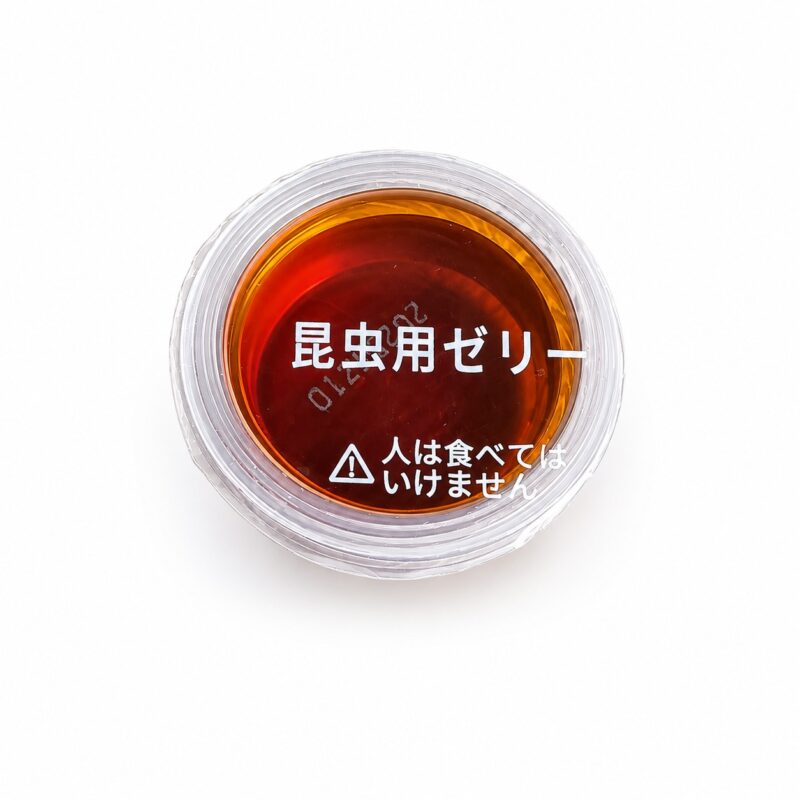
Live insects such as crickets and flies, plus sugar water, nectar or jelly for energy.
Will it arrive alive?
Yes, we ship a queen with workers and brood, with a heat or cool pack, dispatched within 24 h with tracking.
Keeping & shipping essentials
Escape prevention. Coat the inner rim of every open arena with fluon (PTFE), or use talc-and-water or an oil barrier as a backup, and keep a tight, fine-mesh lid on top. Check the barrier regularly, since dust, condensation and feeding debris break a fluon line over time. Keep tubing connectors tight and seal any gaps in the nest.
Keeping reminders. Always offer fresh water and never let the nest dry out completely. Give carbohydrates continuously and protein a few times a week, and remove uneaten insect prey within 24 hours before it moulds. Keep the formicarium out of direct sunlight and away from constant vibration, which stresses a young colony. A water-filled test tube plugged with cotton makes an ideal spare incubator whenever you need one.
Before you buy – do not rehouse too early. Have a test-tube setup or a small formicarium with an outworld and a working barrier ready before your colony arrives. A founding colony grows slowly at first, which is normal. Moving a small colony into a large nest too soon invites mould, mites and stress, and the workers die off one by one. Keep the colony in its open test tube on the arena, plug the nest entrance with cotton, and open up the next chambers only once the colony fills roughly 10-15% of the space.
What we ship. Every colony ships with a live-arrival guarantee, backed by our 24h unboxing-video guarantee: if the queen does not arrive alive, we reship free. Parcels travel with DHL, InPost (PL) or EMS, with a heat or cold pack to suit the season, packed discreetly and securely. We ship across the EU and worldwide, with free shipping over the Europe threshold.

Reviews
Clear filtersThere are no reviews yet.