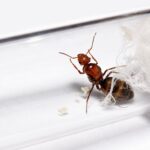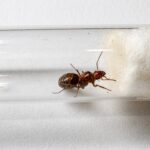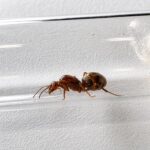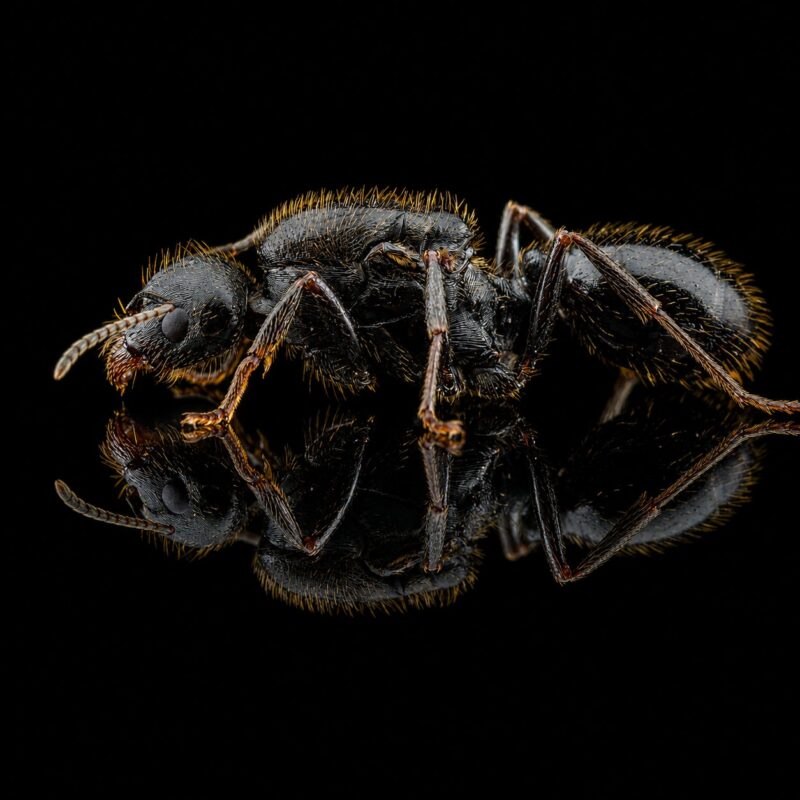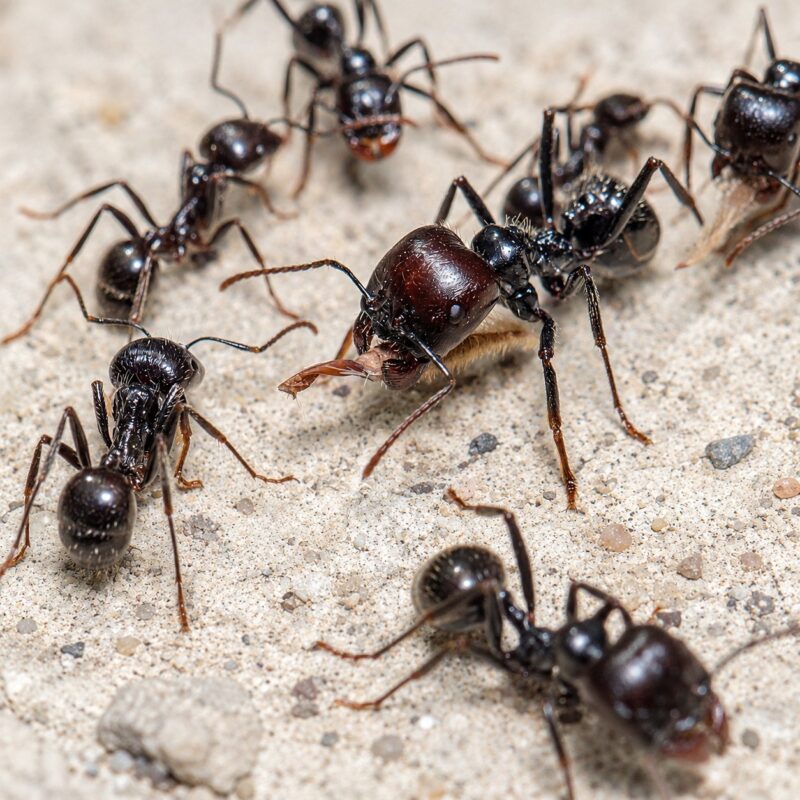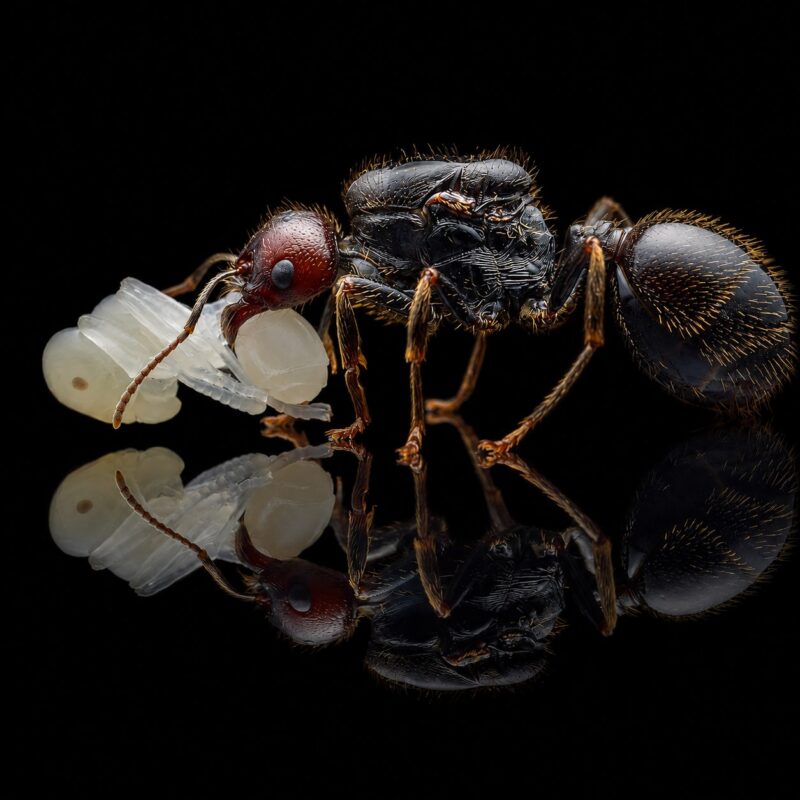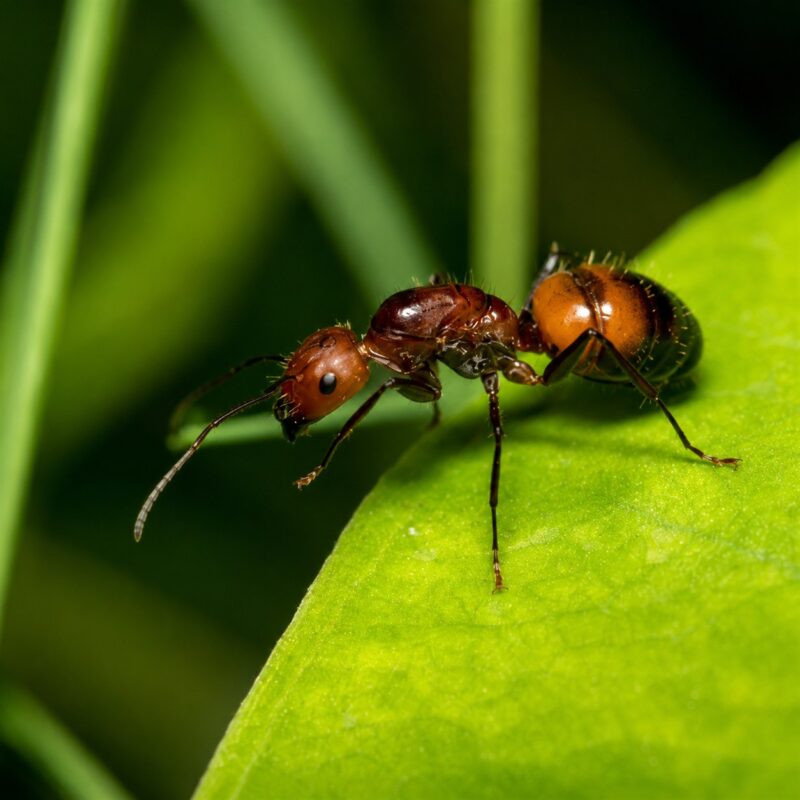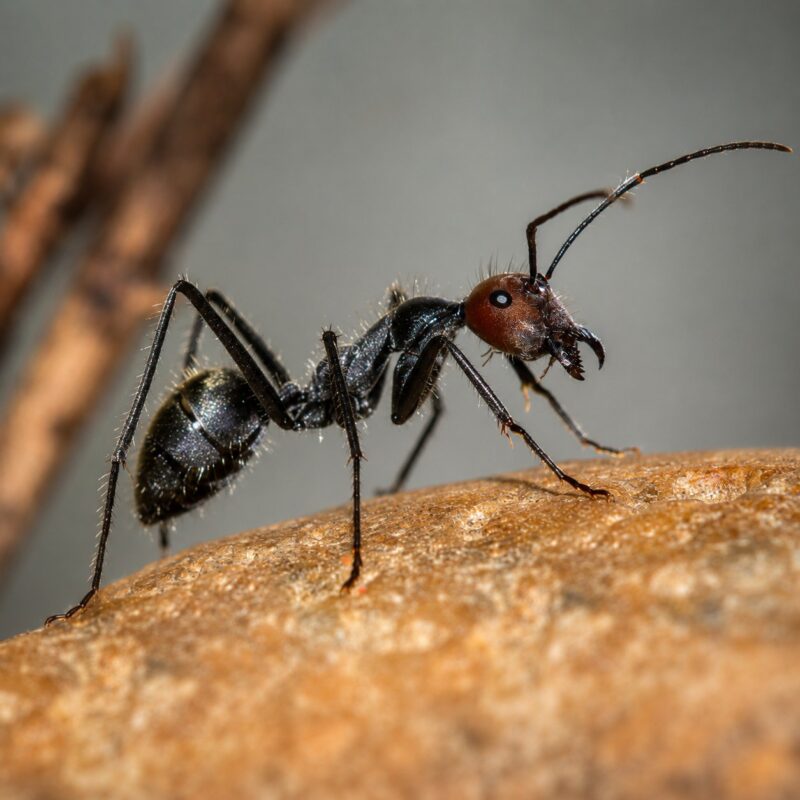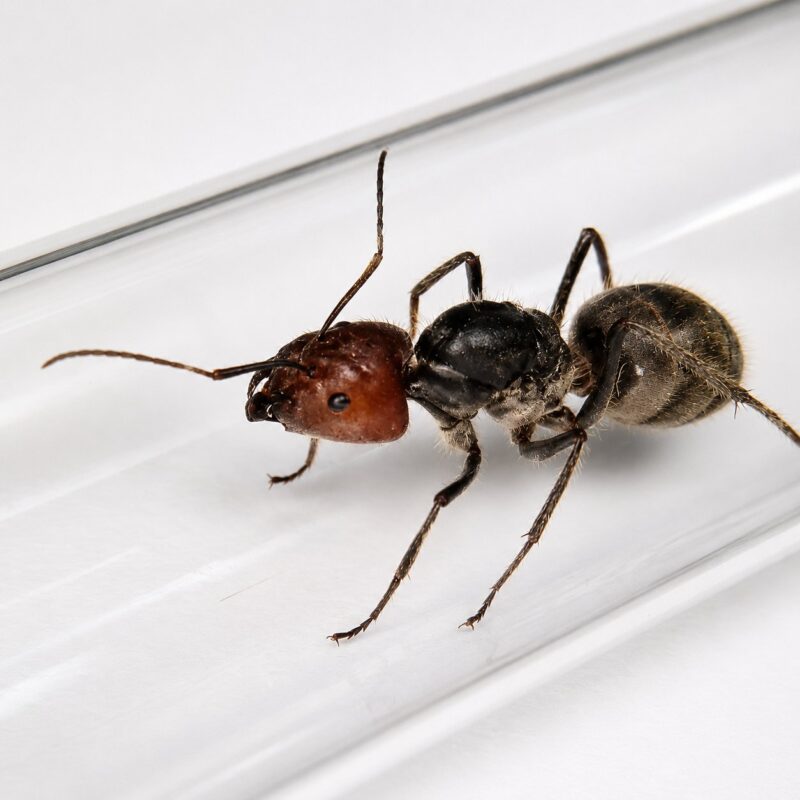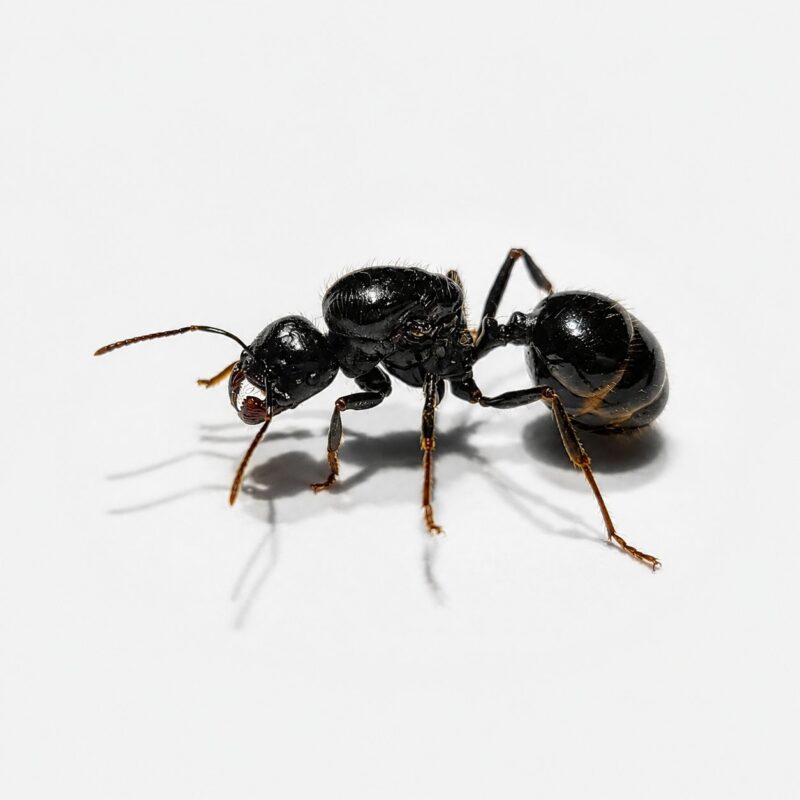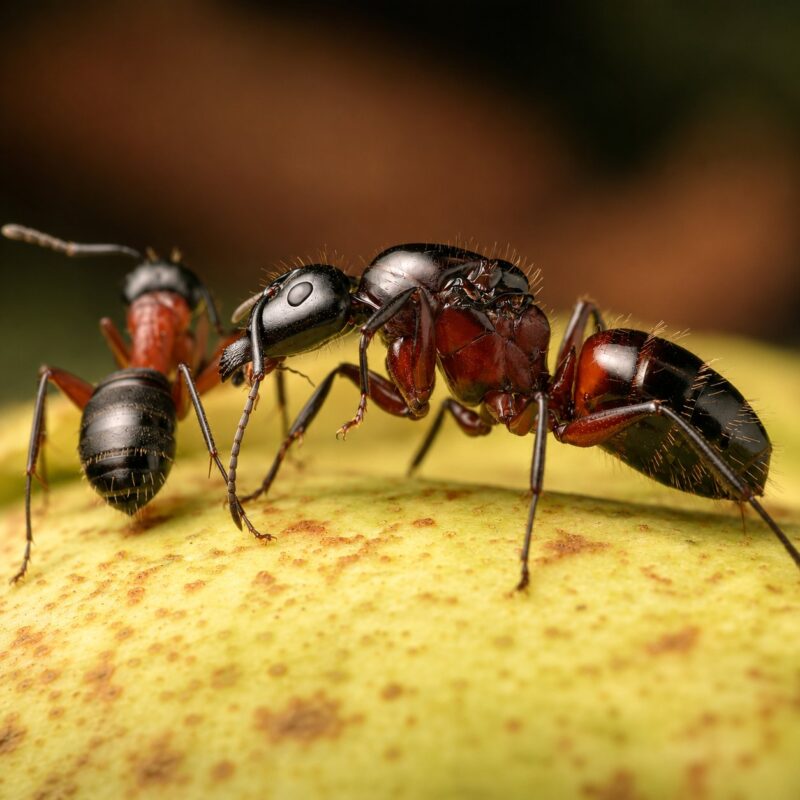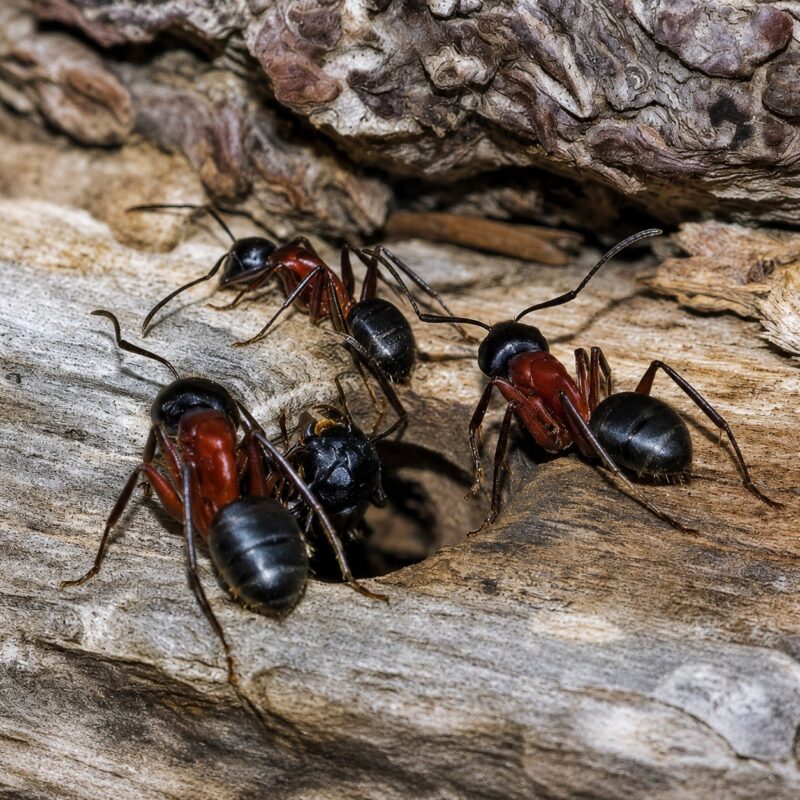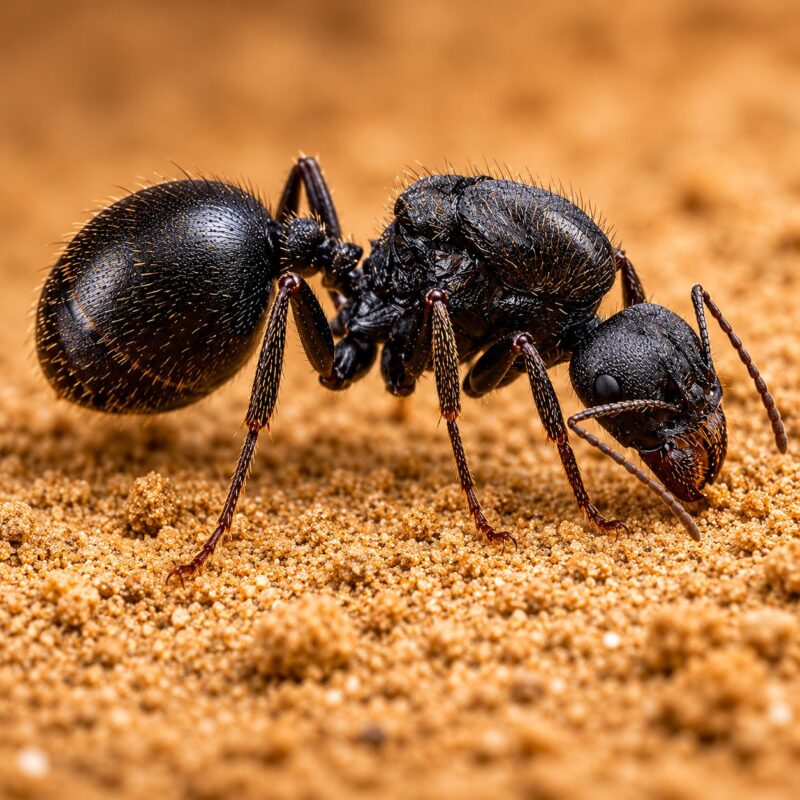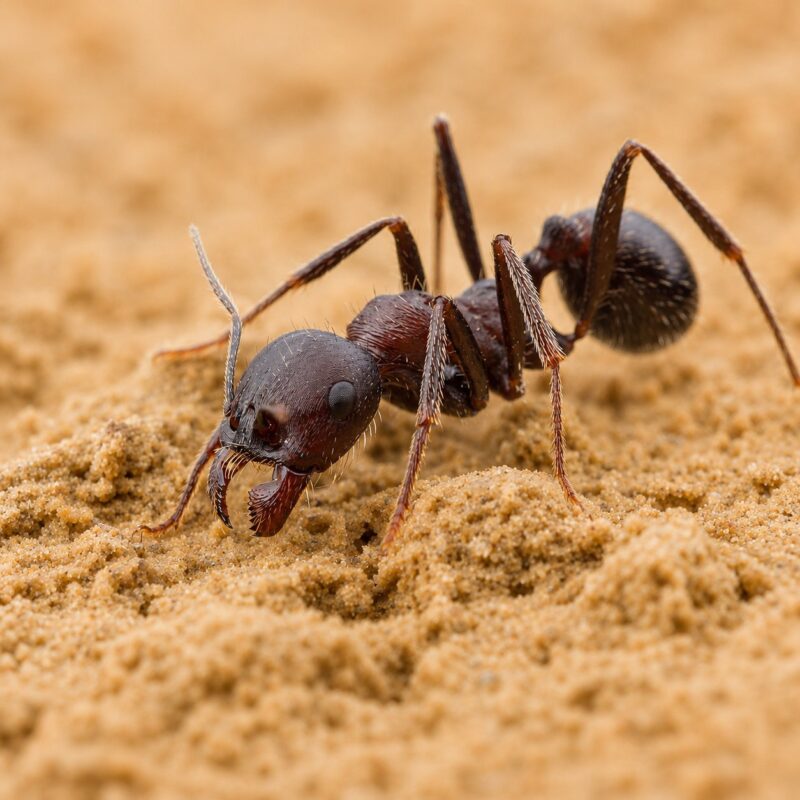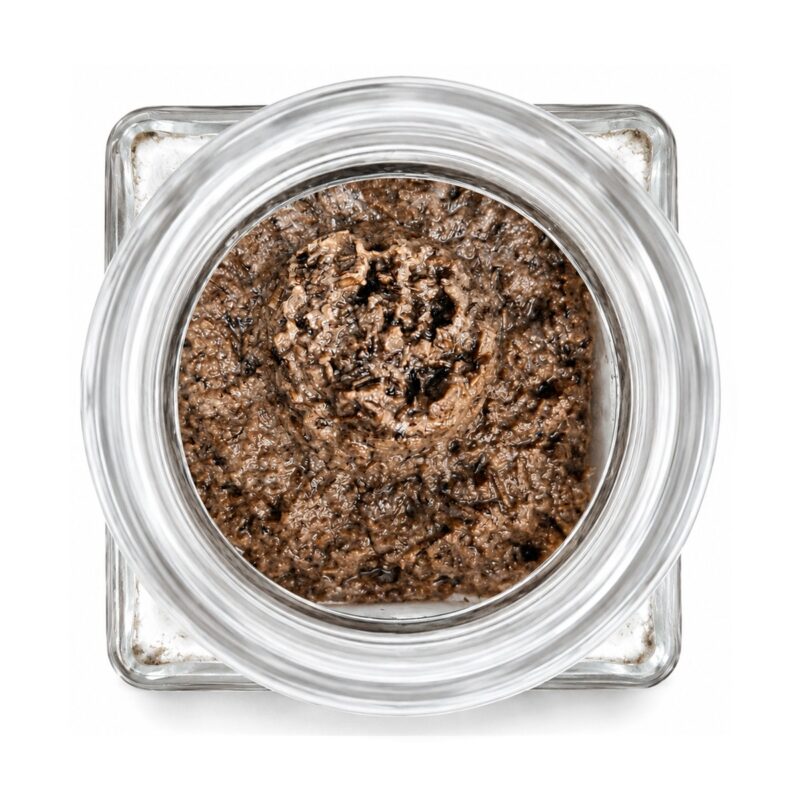

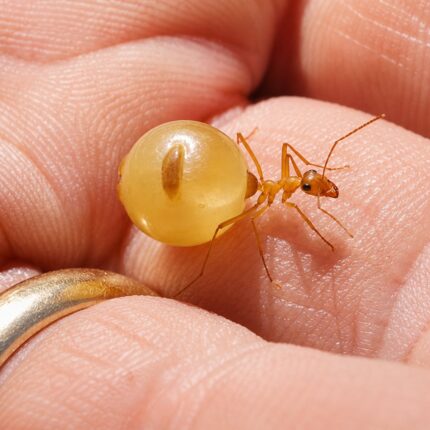
Myrmecocystus mexicanus major worker — amber with golden replete gasters Mexican honeypot ant from the American Southwest deserts, live colony at ANTonTOP
Myrmecocystus mexicanus Price range: 749,90 zł through 1329,90 zł
Back to products
Myrmecocystus navajo — live ant colony for sale at ANTonTOP
Myrmecocystus navajo Price range: 709,90 zł through 1179,90 zł

Myrmecocystus mimicus

(1 customer review)

Price range: 589,90 zł through 949,90 zł

No hibernation
Add 500,00  to cart and get free shipping!
Arrives alive and ready to lay, or we reship

Live Queen Guarantee

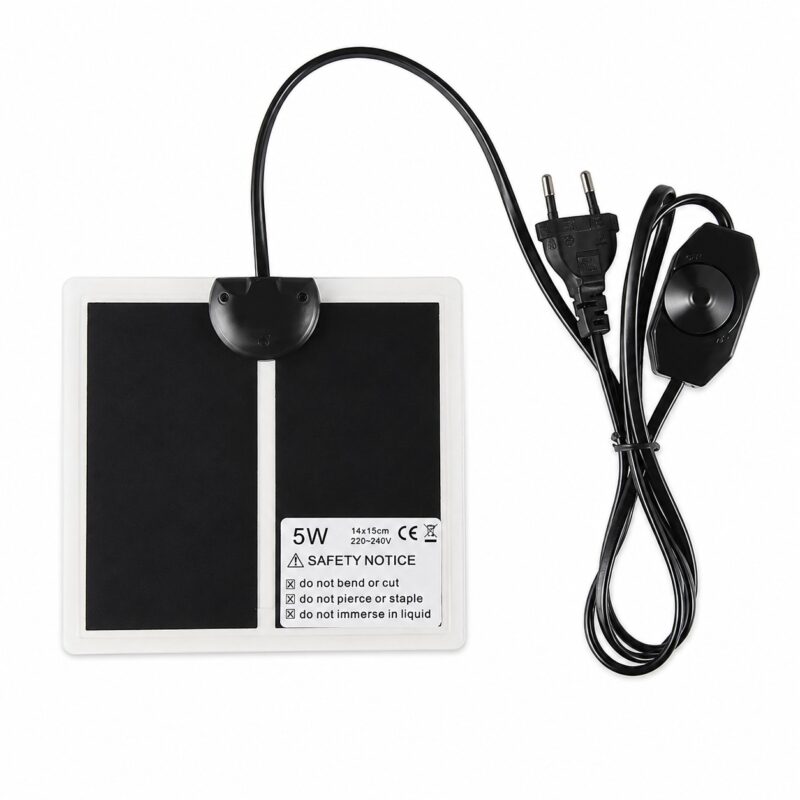
Warm in winter, insulated against summer heat

Heat Pack & Summer Cooling

Ready to grow from day one

Fertilised Queen in Every Colony

Packed fast, dispatched with tracking

Ships Within 24 h

Setup and feeding tips for your species

Free Care Guide

Fast answers from real ant keepers

24/7 Expert Support
Description

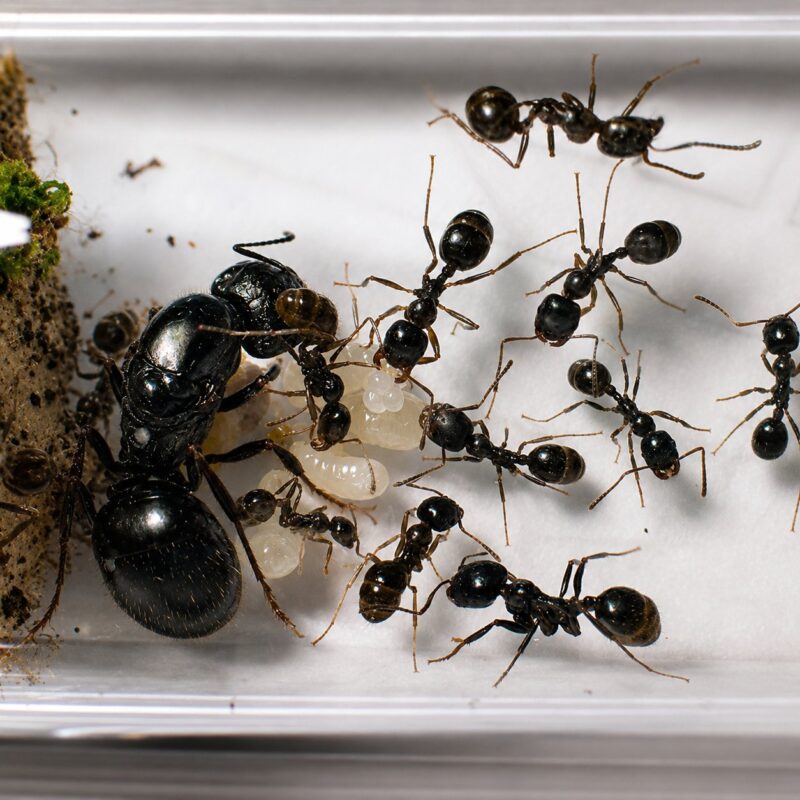
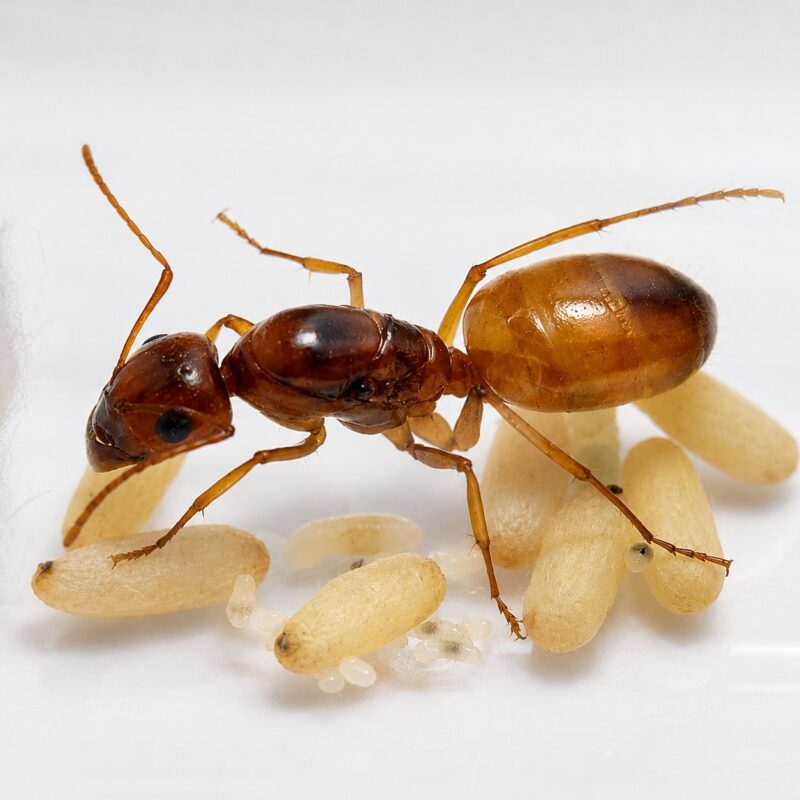
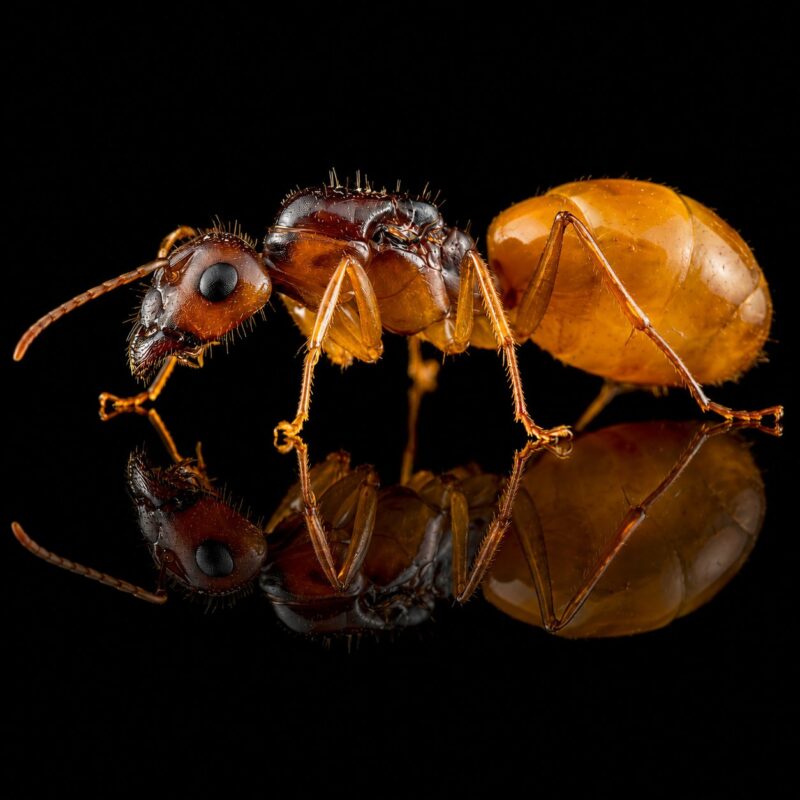
Myrmecocystus mimicus is a day-active Arizona honeypot ant whose repletes hang in the nest as living jars of nectar, foraging in plain view. Get Myrmecocystus mimicus at ANTonTOP and watch desert honeypots work by daylight.

Live arrival + 24h unboxing-video guarantee.
Free shipping across Europe over 1299 zł.
DHL / InPost / EMS · ships the EU & worldwide.

Intermediate · Q 9-12 mm / W 4-8 mm · Up to 10,000 workers · Not required · Nectar · Arizona USA (North America) · No sting, mild bite

Additional information

Behavior

Keeping difficulty

Origin

Ant size

Hibernation

Sting

No sting

Description

Myrmecocystus mimicus – Honeypot ant

Origin Arizona USA (North America)
Difficulty Intermediate
Colony form Monogyne (1 queen)
Max workers Up to 10,000 workers
Queen 9-12 mm
Worker 4-8 mm
Soldier / major
Founding Claustral
Temperature Nest 24-28 °C / Arena 26-32 °C
Humidity Nest 35-50% / Arena 20-40%
Hibernation Not required
Diet Nectar
Sting / bite No sting, mild bite
Egg to first worker ~6-10 weeks
Queen lifespan up to 15 years (genus)
Nuptial flight late summer (monsoon)
Activity diurnal

Myrmecocystus mimicus is a day-active North American honeypot ant from Arizona, with workers that store sweet liquid as living repletes. A rewarding intermediate colony for keepers who want a desert species they can actually watch foraging by day.


Why this species

Myrmecocystus mimicus brings the honeypot phenomenon into daylight: unlike many of its relatives it is diurnal, so you can watch workers come and go in the arena rather than only at night. It hails from Arizona, part of the classic North American desert fauna, and founds claustrally, with the queen raising her first brood sealed in on her own reserves. Specialised repletes store nectar in their swollen abdomens, feeding the colony through dry spells. Rated Intermediate, it rewards a keeper who already understands heat gradients and arid feeding. The mix of visible daytime activity and the strange replete caste makes it one of the more engaging genus members to keep.


Feeding

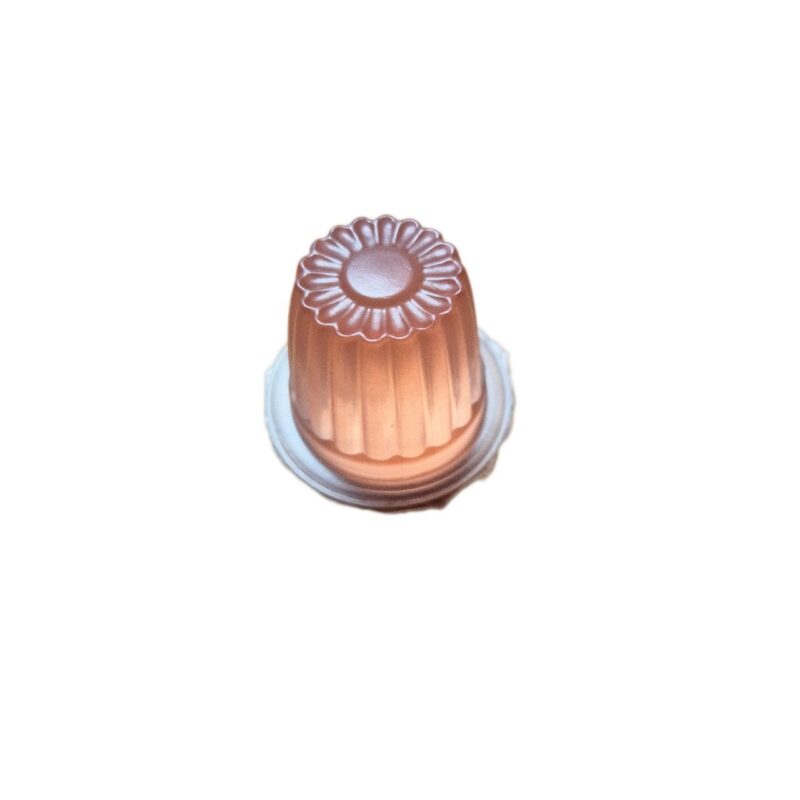
A nectar feeder whose foragers bring sugary liquid back to repletes that store the colony’s reserves inside their bodies. The diet rests on sugar water and nectar, with insect protein passed to the brood to keep larvae developing.

Sugar water / honey water ★★★
Ant nectar / honey ★★★
Crickets / flies (for brood) ★★★
Fruit flies ★★★
Fruit juice ★★
Mealworms
Soft fruit
Boiled egg yolk
Soft seeds (poppy, sesame)
Hard seeds (canary, millet)

★★★ readily · ★★ moderately · ★ occasionally · ✗ not eaten


Housing & formicarium

Begin in a test tube and move the colony on once the founding chamber fills with brood and workers. This arid honeypot ant wants a dry, compact acrylic or ytong nest with headroom for repletes to hang, plus a generous warm arena. Keep the nest dry and the arena distinct so the colony reads the gradient it depends on. Stop escapes with a fluon (PTFE) or oil barrier, or talc and water. ANTonTOP formicaria and starter kits are built for this arid arena-plus-nest layout, barrier supplied.


Climate & wintering

Hold the nest at 24-28 °C and run the arena warmer at 26-32 °C. Keep humidity low, 35-50% in the nest and 20-40% in the arena. Heat one end only to create a gradient the colony can move along. No hibernation is needed, so keep this species active and feeding throughout the year.


Growth forecast + what you receive

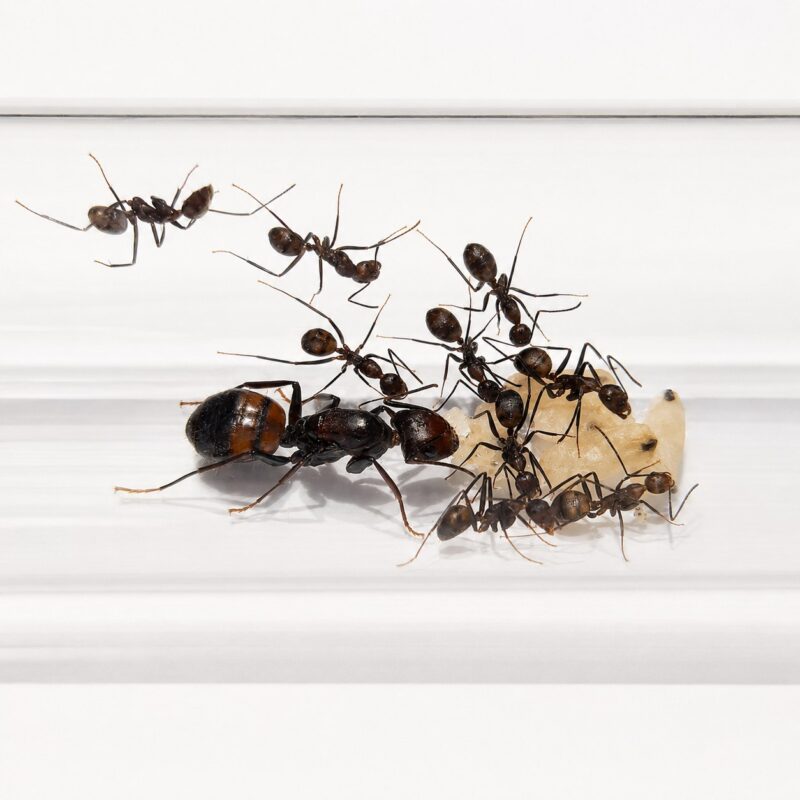
Honeypot colonies grow steadily, slow during founding and faster once the workers take off, with brood reaching workers in around 6-10 weeks. A mature colony can build up to 10,000 workers. The colony arrives as a queen with workers and brood, an established nucleus past the slow opening stage.


Did you know

  • Myrmecocystus mimicus is a favourite of behavioural research, famous for the ritualised tournaments neighbouring colonies stage to size each other up.
  • In these contests workers strut on stilted legs to look larger, settling disputes by display before any fight breaks out.
  • Studies of this species helped reveal how honeypot colonies can raid and enslave the repletes of weaker neighbours.
  • Being day-active, it lets keepers watch honeypot foraging in the open, unlike its many nocturnal relatives.

Frequently asked questions

Is Myrmecocystus mimicus good for beginners?

It is Intermediate, best suited to a keeper who has kept one easy species and understands heat gradients and desert setups.

Does Myrmecocystus mimicus need a winter rest?

No. Hibernation is not required, so keep it active and feeding all year.

Does this honeypot ant sting or bite?

No. It gives only a mild bite and has no sting.

How big does a Myrmecocystus mimicus colony get?

Up to 10,000 workers when mature.

How big is the queen?

The queen is 9-12 mm, with workers at 4-8 mm.

How fast does Myrmecocystus mimicus grow?

Steady; brood becomes workers in about 6-10 weeks, with the colony building from there.

What does it eat?

Mostly sugar water and nectar or jelly, plus crickets and flies for protein. Repletes store extra sugar for the colony.

Will it arrive alive?

Yes. We ship a queen with workers and brood, add a seasonal heat or cool pack, and dispatch within 24 h with tracking.


Keeping & shipping essentials

Escape prevention. Coat the inner rim of every open arena with fluon (PTFE), or use talc-and-water or an oil barrier as a backup, and keep a tight, fine-mesh lid on top. Check the barrier regularly, since dust, condensation and feeding debris break a fluon line over time. Keep tubing connectors tight and seal any gaps in the nest.

Keeping reminders. Always offer fresh water and never let the nest dry out completely. Give carbohydrates continuously and protein a few times a week, and remove uneaten insect prey within 24 hours before it moulds. Keep the formicarium out of direct sunlight and away from constant vibration, which stresses a young colony. A water-filled test tube plugged with cotton makes an ideal spare incubator whenever you need one.

Before you buy – do not rehouse too early. Have a test-tube setup or a small formicarium with an outworld and a working barrier ready before your colony arrives. A founding colony grows slowly at first, which is normal. Moving a small colony into a large nest too soon invites mould, mites and stress, and the workers die off one by one. Keep the colony in its open test tube on the arena, plug the nest entrance with cotton, and open up the next chambers only once the colony fills roughly 10-15% of the space.

What we ship. Every colony ships with a live-arrival guarantee, backed by our 24h unboxing-video guarantee: if the queen does not arrive alive, we reship free. Parcels travel with DHL, InPost (PL) or EMS, with a heat or cold pack to suit the season, packed discreetly and securely. We ship across the EU and worldwide, with free shipping over the Europe threshold.

Complete Your Setup
Reviews
5
1 review
1
0
0
0
0

1 review for Myrmecocystus mimicus

Clear filters
  1. Ваня (verified owner)

    Мой первый заказ тут. Первый раз получилось вывести матку до рабочих. Пока что королева выглядит здоровой. Посмотрим как будет дальше.

Add a review

Your email address will not be published. Required fields are marked *

Bestsellers