
Back to products
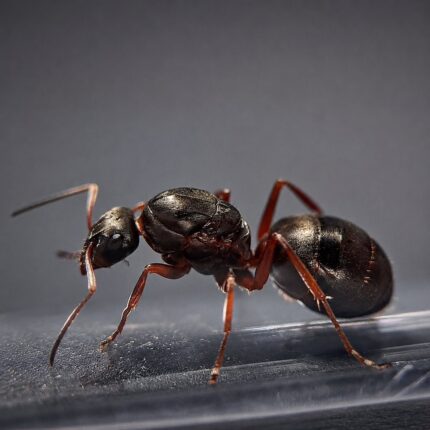
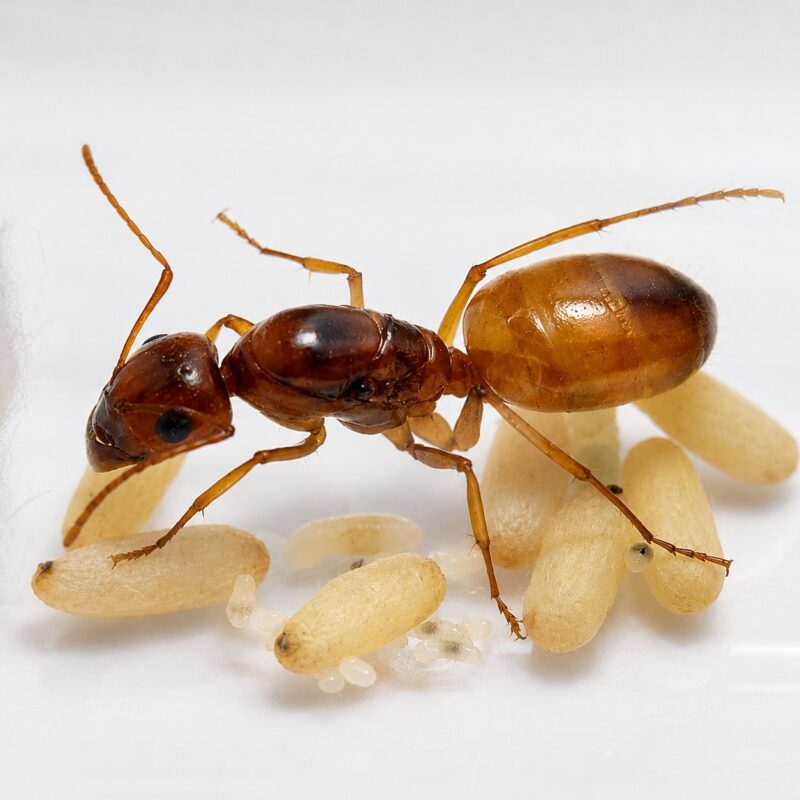
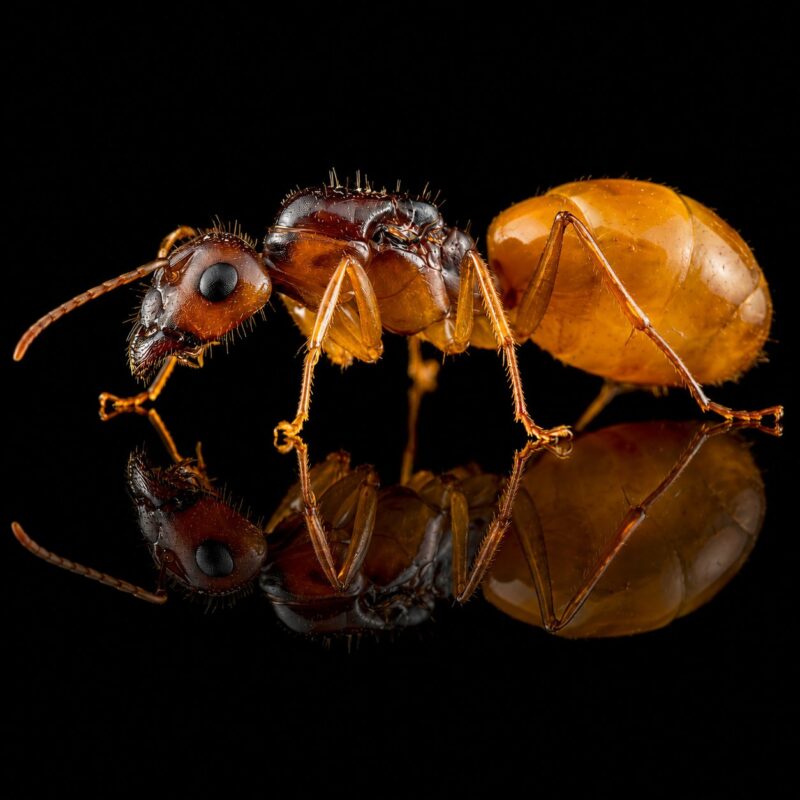
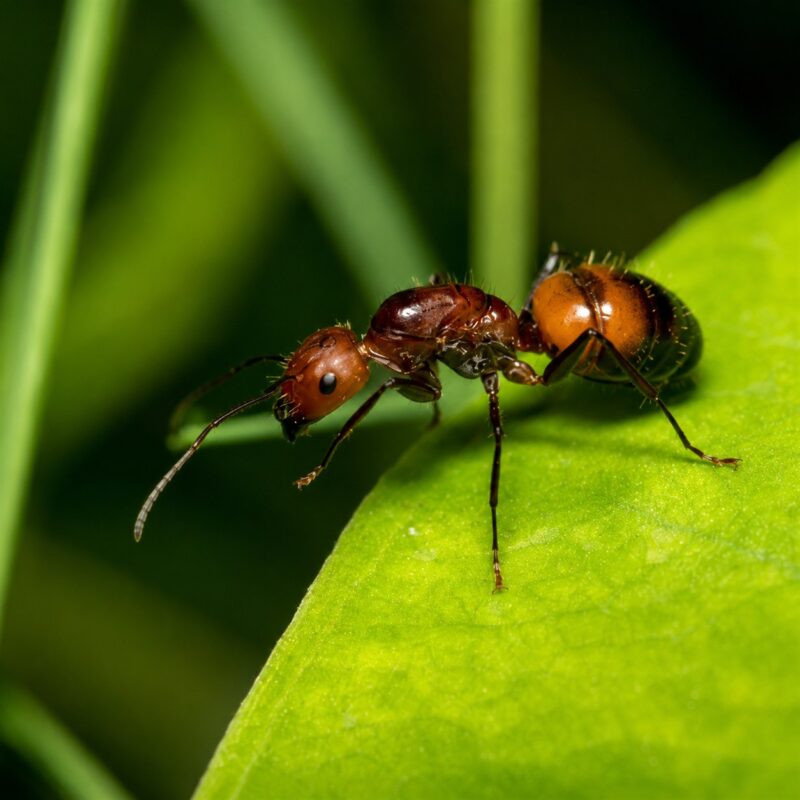
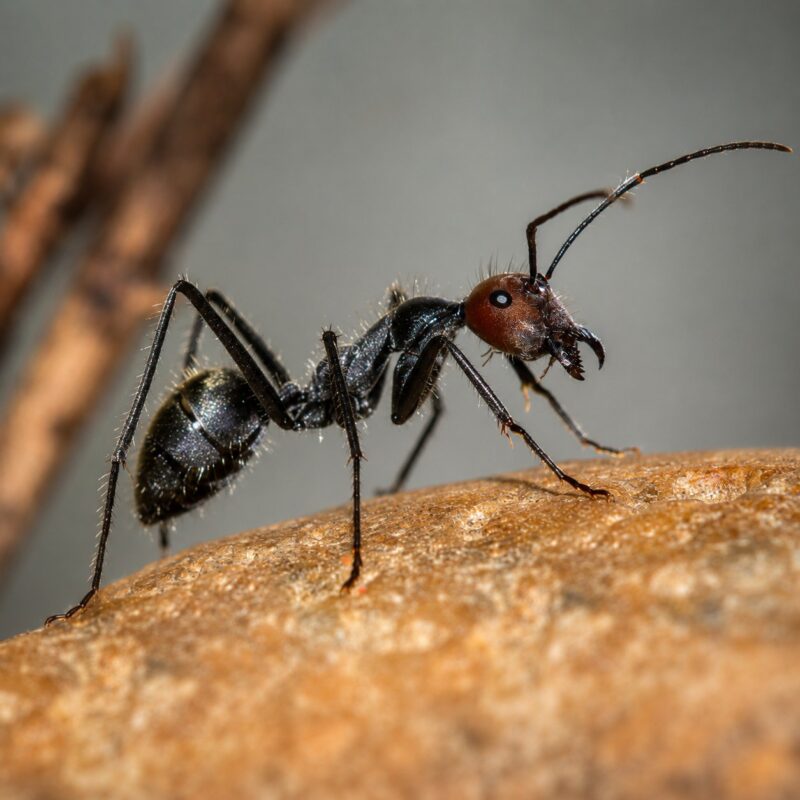
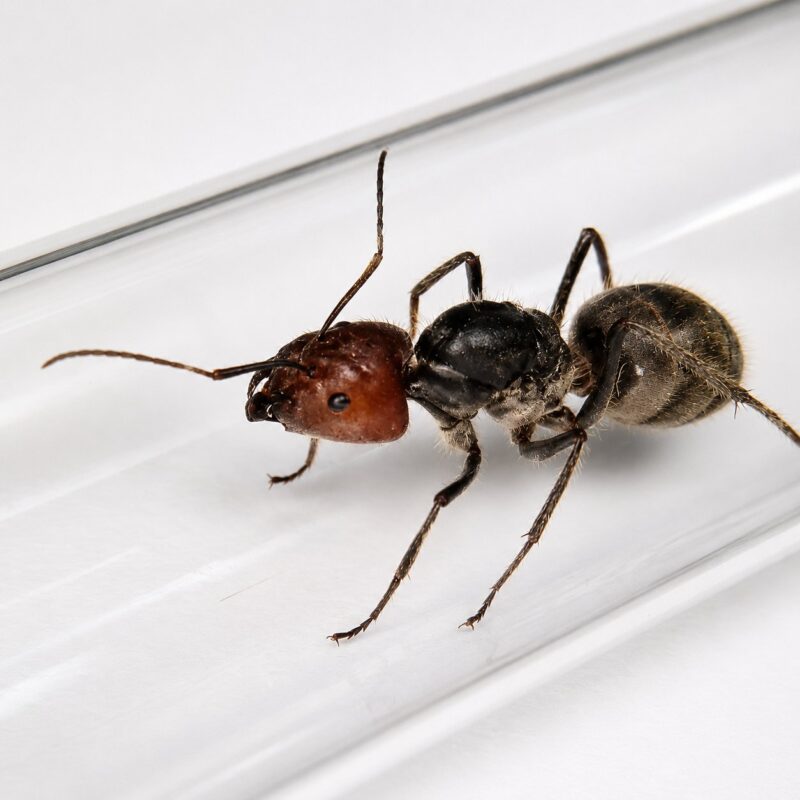
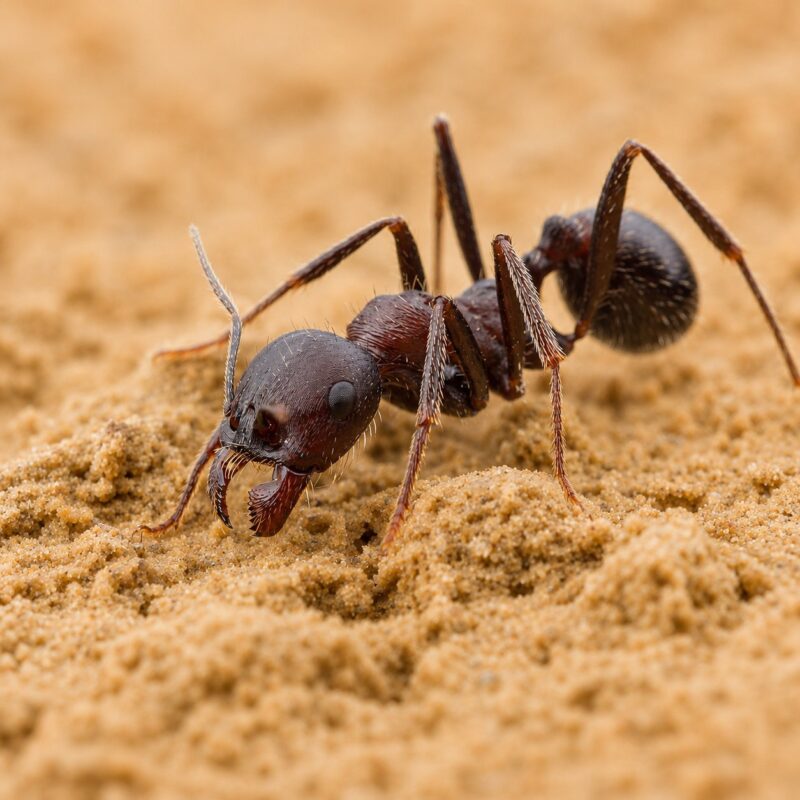
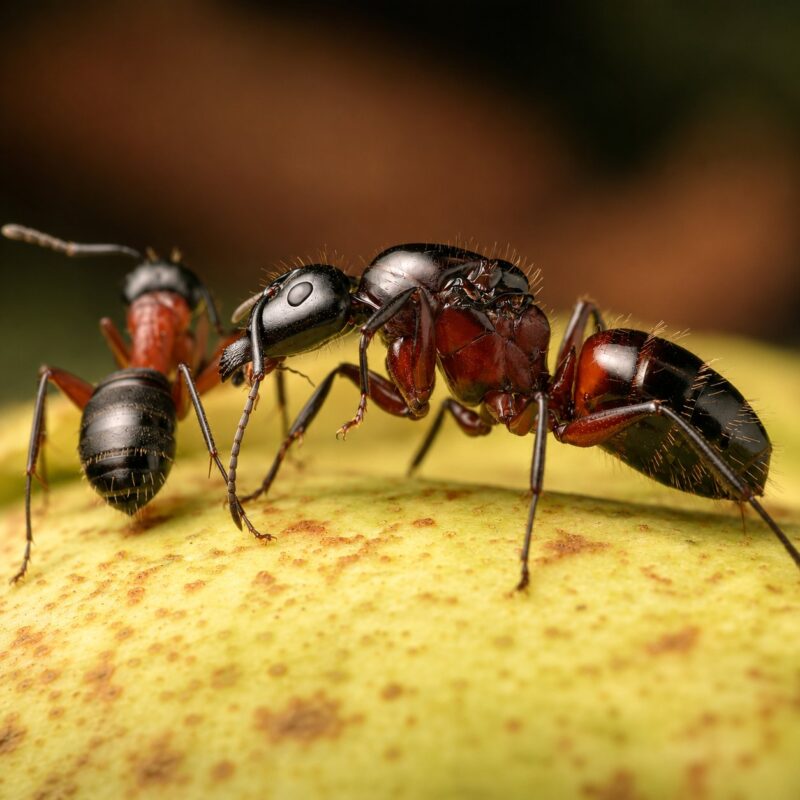
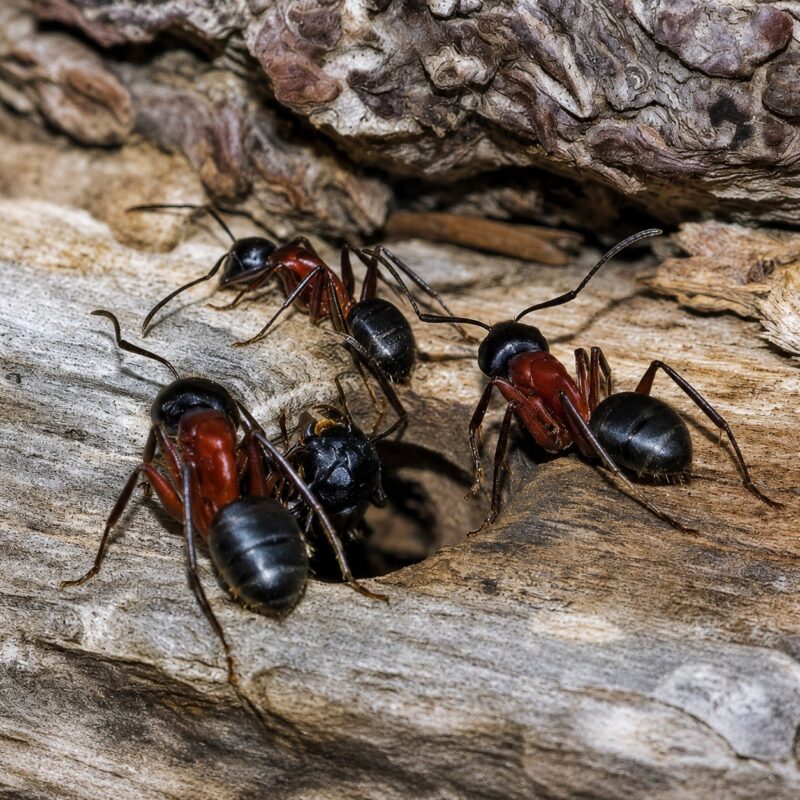
Formica cunicularia worker — red-and-black bicolour body wood ant from the Holarctic, live colony at ANTonTOP
Formica cunicularia Price range: 59,70 zł through 175,90 zł

Formica cinerea

Price range: 45,90 zł through 149,90 zł

Add 500,00  to cart and get free shipping!
Arrives alive and ready to lay, or we reship

Live Queen Guarantee

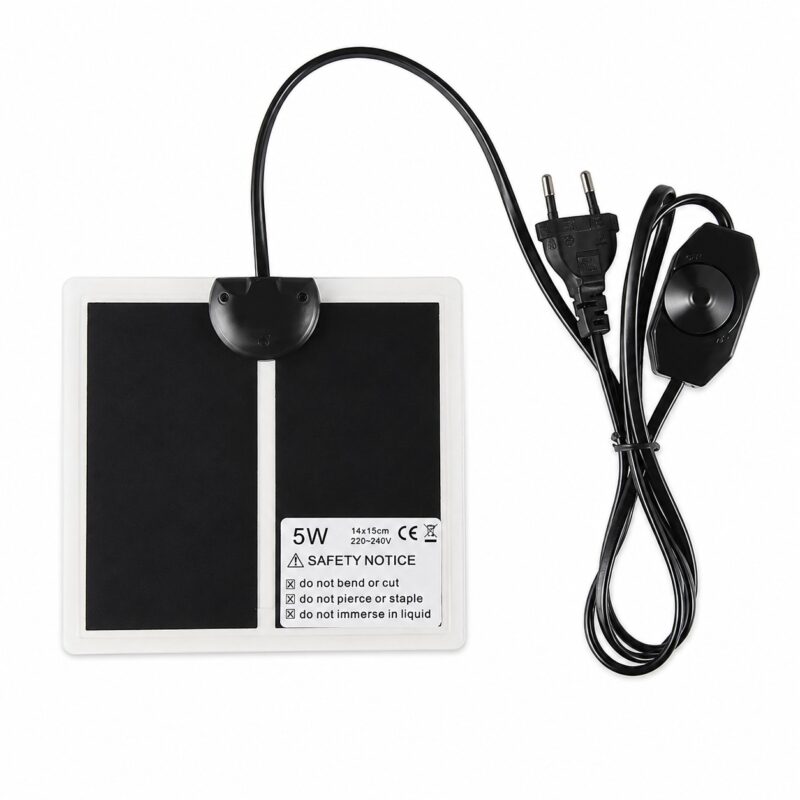
Warm in winter, insulated against summer heat

Heat Pack & Summer Cooling

Ready to grow from day one

Fertilised Queen in Every Colony

Packed fast, dispatched with tracking

Ships Within 24 h

Setup and feeding tips for your species

Free Care Guide

Fast answers from real ant keepers

24/7 Expert Support
Description

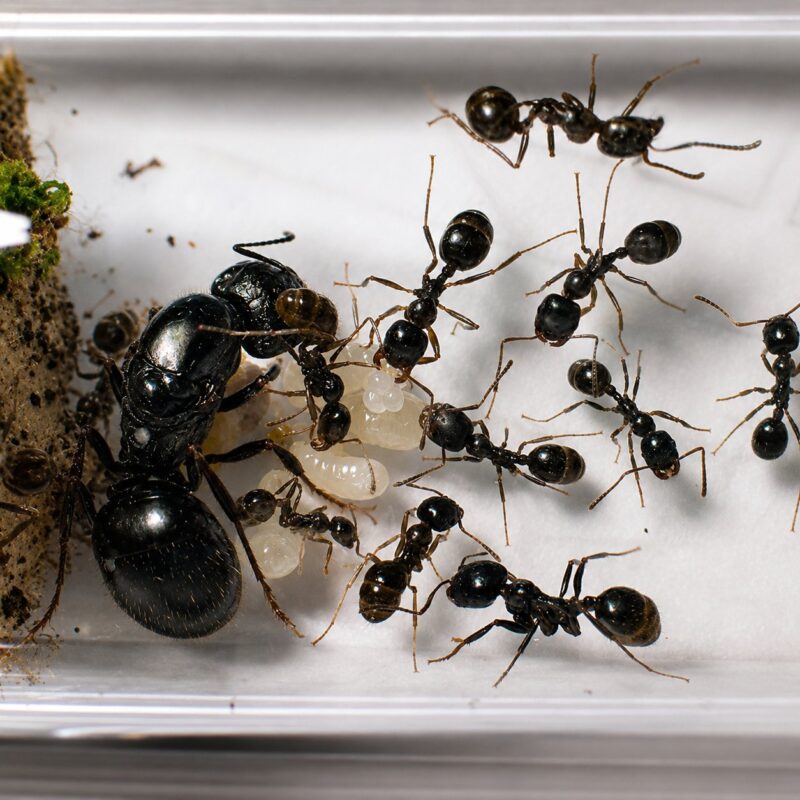
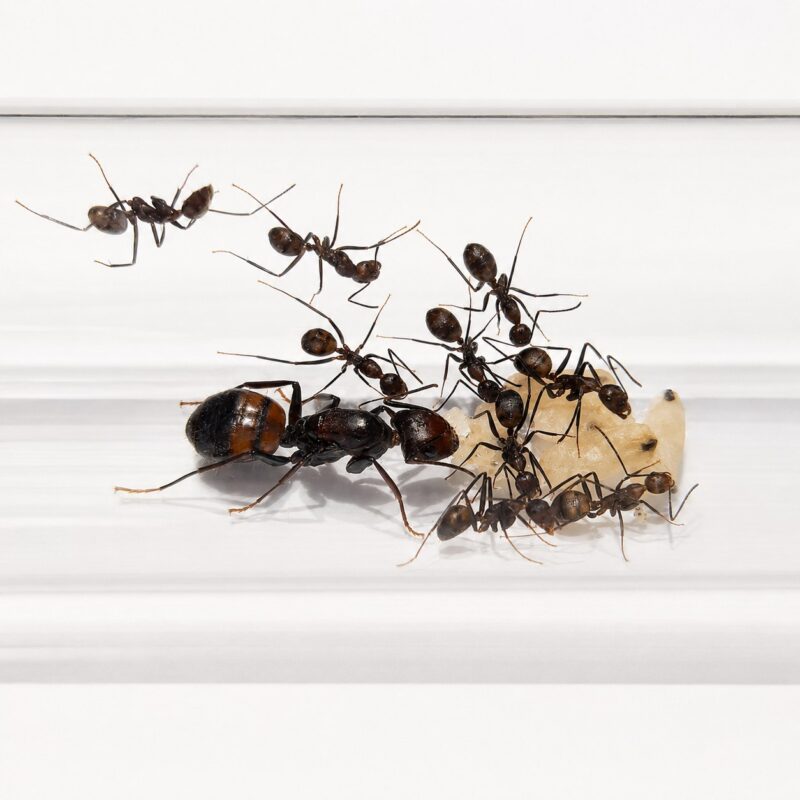
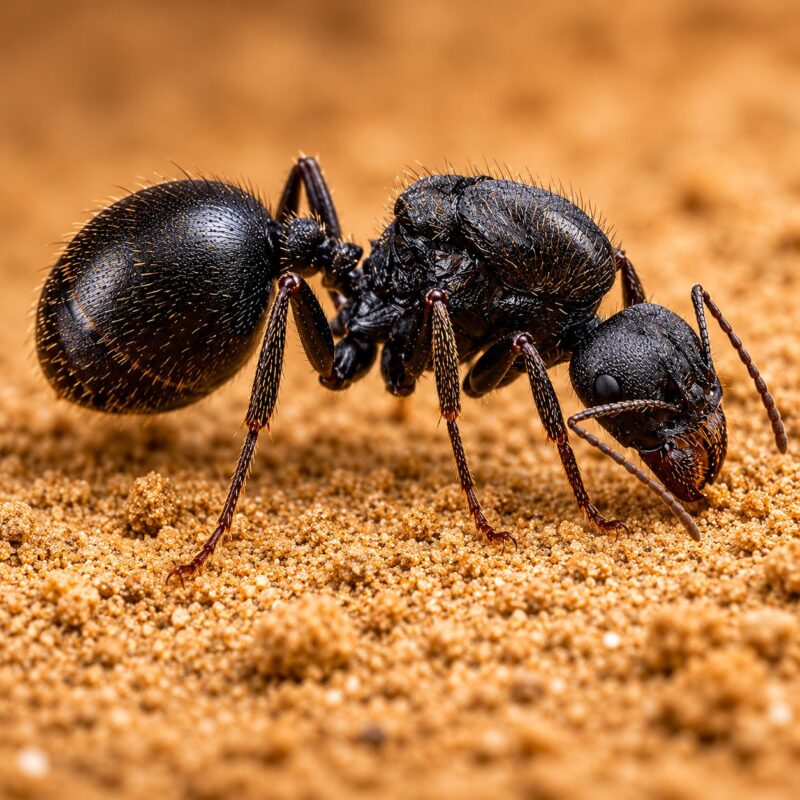
Picture an ash-grey wood ant flooding its arena with quick daytime foragers from morning on, several queens pushing the count toward 10,000. Add a showpiece colony of Formica cinerea from ANTonTOP.

Live arrival + 24h unboxing-video guarantee.
Free shipping across Europe over 1299 zł.
DHL / InPost / EMS · ships the EU & worldwide.

Intermediate · Q 10-12 mm / W 5-8 mm · Up to 10,000 workers · Winter rest at 5-10 °C for 4 months mandatory · Omnivore · Austria (Europe and northern Asia) · No sting, mild bite

Additional information

Behavior

Keeping difficulty

Origin

Ant size

Hibernation

Sting

No sting

Description

Formica cinerea – Wood ant

Origin Austria (Europe and northern Asia)
Difficulty Intermediate
Colony form Polygyne (2+ queens)
Max workers Up to 10,000 workers
Queen 10-12 mm
Worker 5-8 mm
Soldier / major
Founding Claustral
Temperature Nest 20-25 °C / Arena 22-28 °C
Humidity Nest 45-60% / Arena 30-50%
Hibernation Winter rest at 5-10 °C for 4 months mandatory
Diet Omnivore
Sting / bite No sting, mild bite
Egg to first worker ~6-8 weeks (egg-pupa ~20-25 days at 25-26 °C)
Queen lifespan 10-20 years
Nuptial flight June-July (to early August)
Activity diurnal

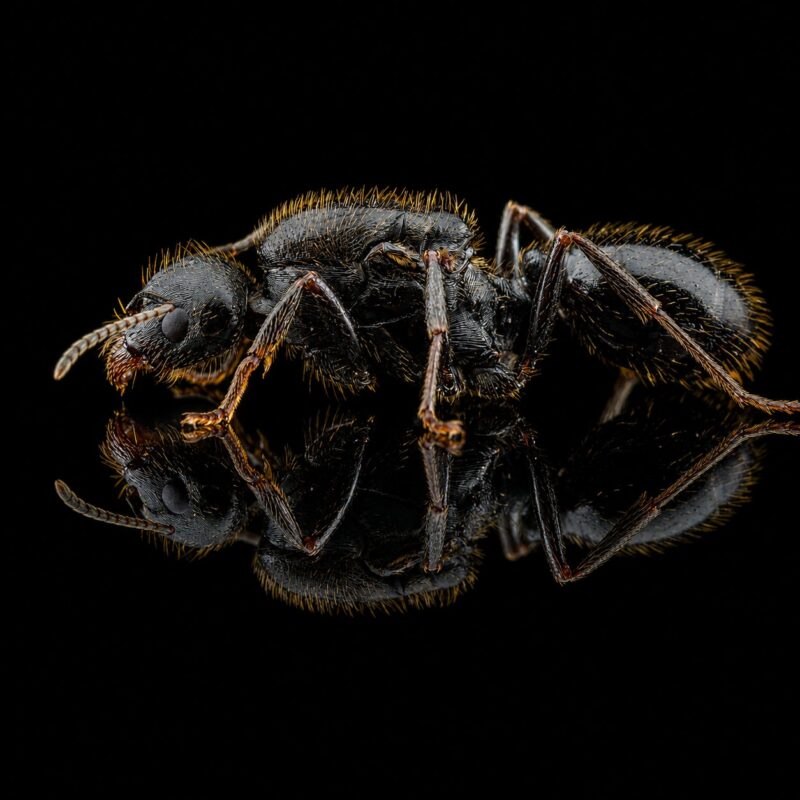
Formica cinerea is a fast, silvery-grey European wood ant that turns its arena into constant daytime traffic, a rewarding step up for keepers who can give it a real winter rest.


Why this species

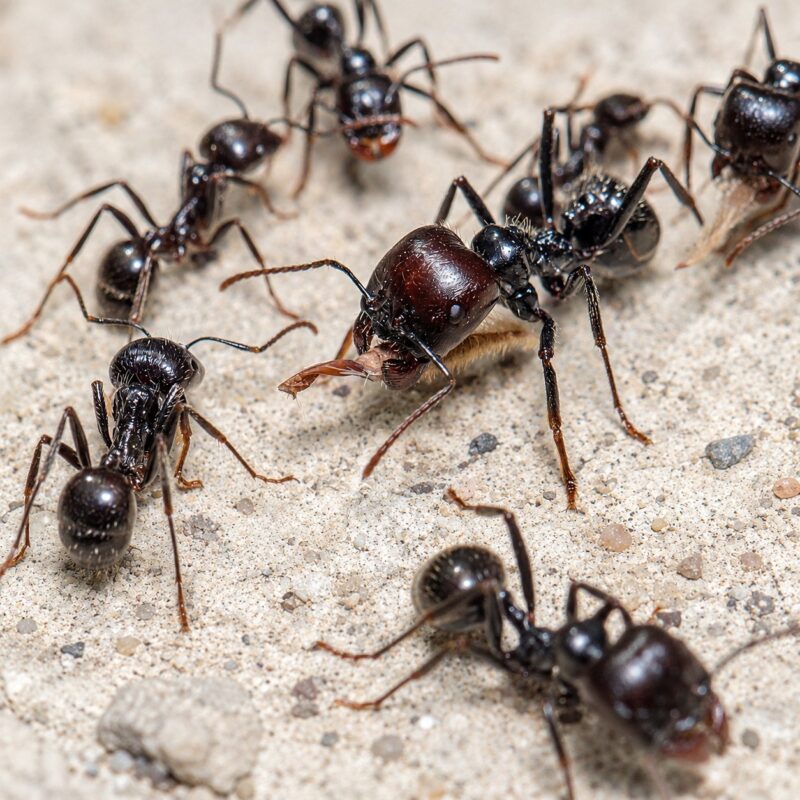
This is a wood ant built for activity, and a healthy nest keeps the arena busy from morning on. Foragers are quick and bold, working in broad daylight, and the colony accepts more than one queen, so a strong worker force builds up faster than with a single-queen species. It is forgiving on food as an omnivore, taking insects alongside sugars. The main reason it sits at Intermediate is the mandatory cool diapause it depends on, so it suits a keeper who wants a large, lively colony and is happy to schedule a proper winter for it.


Feeding

An omnivore in the classic wood-ant mould: foragers chase down insects for the brood and tend sap-feeding bugs for honeydew, the sugar that keeps the worker force on its feet. Offer a constant sugar source and feed protein two to three times a week.

Sugar water / honey water ★★★
Ant nectar / sugar jelly ★★★
Honey ★★★
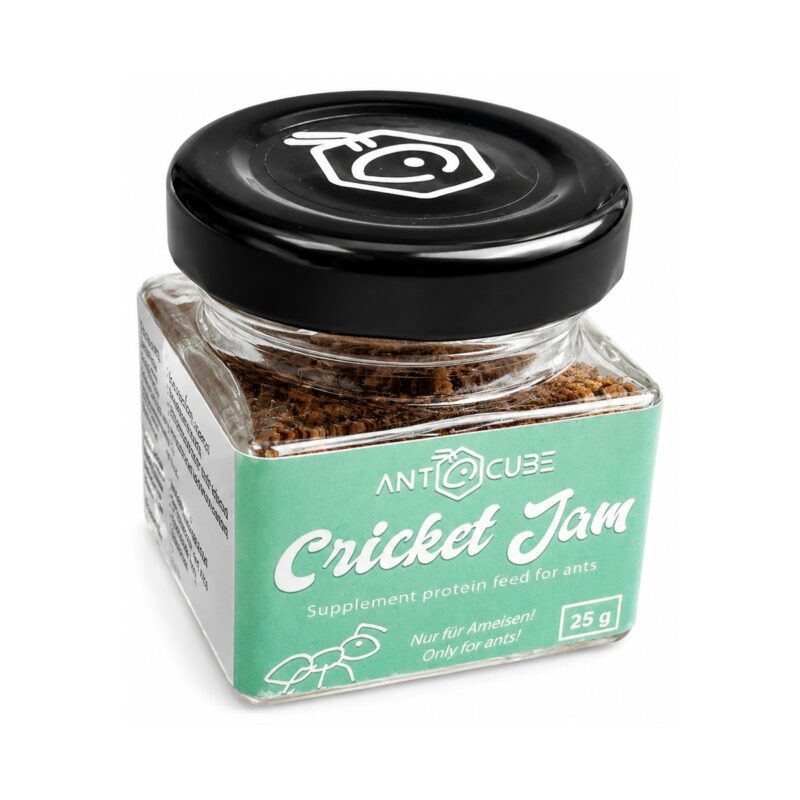
Protein jelly ★★★
Crickets ★★★
Cockroaches (Dubia / Turkish) ★★★
Fruit flies (Drosophila) ★★★
Houseflies ★★★
Locusts ★★
Boiled egg yolk ★★
Mealworms
Superworms
Boiled lean chicken / shrimp / meat
Soft fruit (apple, pear, banana)
Dried insects
Soft seeds (poppy, sesame, chia)
Hard seeds (canary, millet, sunflower)

★★★ readily · ★★ moderately · ★ occasionally · ✗ not eaten


Housing & formicarium

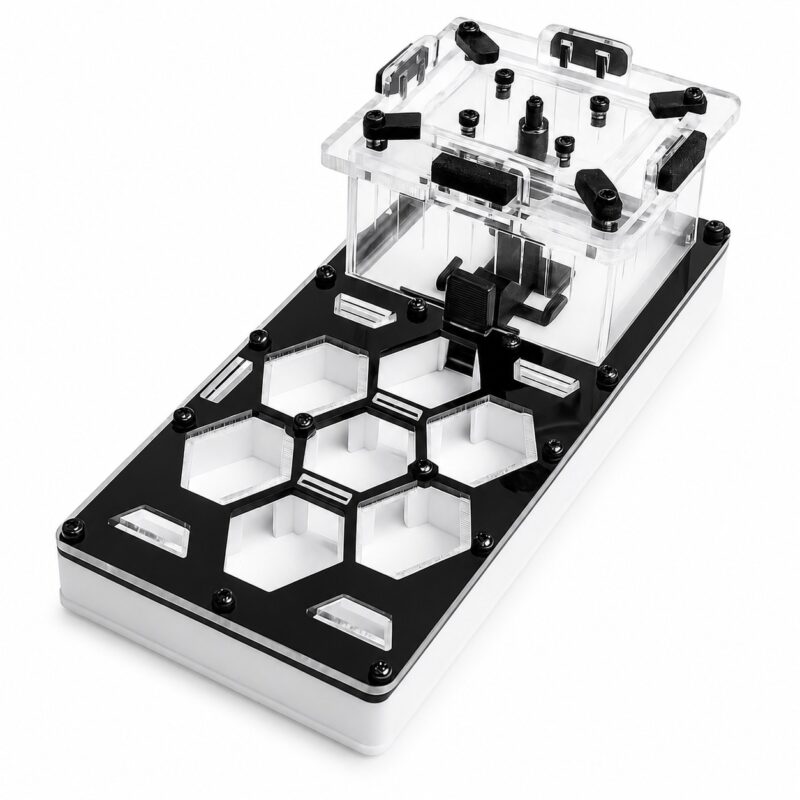
Begin in a test tube or small founding nest, then upgrade once the first workers cover the floor. This dry-loving runner does well in an aerated concrete, acrylic, or sand-style nest with drier walls and one damp corner for brood. Give it a large arena, since the colony can climb into the thousands. These fast climbers test edges, so coat the rim with fluon (PTFE), oil, or talc and water and keep the lid snug. ANTonTOP formicaria and starter kits pair a sized nest, wide arena and barrier for a big colony.


Climate & wintering

Give this ant a warm, fairly dry room: nest at 20-25 °C and arena at 22-28 °C, with humidity on the low side at 45-60% in the nest and 30-50% in the arena. Heat one end only so the colony can choose between warmer and cooler ground. A winter rest is not optional for a temperate Formica, so cool the colony to 5-10 °C for 4 months each year to keep the queens laying well.


Growth forecast + what you receive

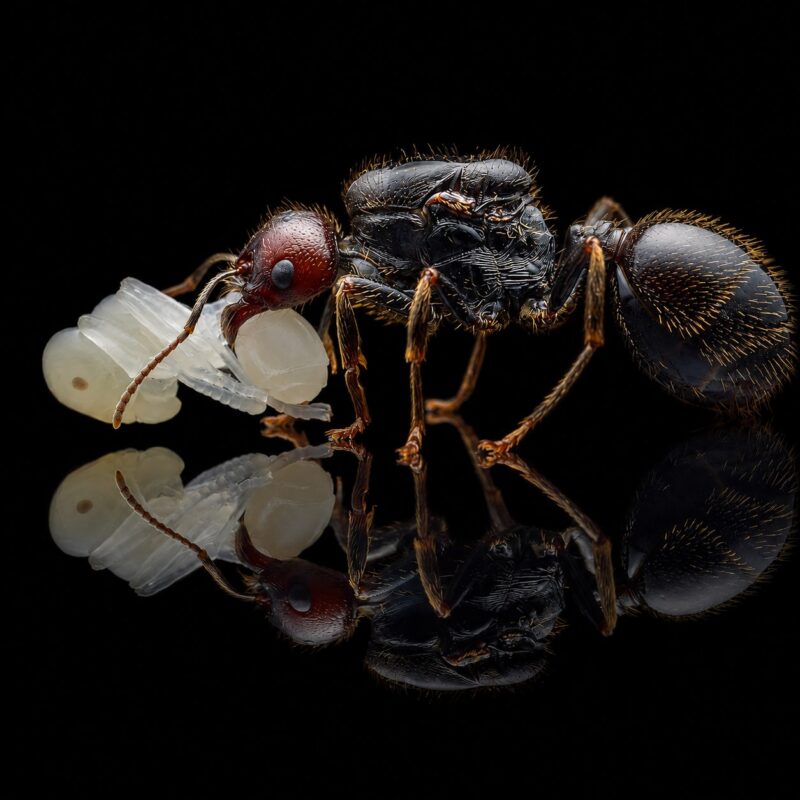
Once the first workers are out, things move quickly: the egg-to-pupa stage takes about 20-25 days at 25-26 °C and a full cycle runs roughly 6-8 weeks, driving the colony toward as many as 10,000 workers. With several queens contributing eggs, the population can snowball in a strong season. Your colony arrives as queen, workers and brood, ready to expand.


Did you know

  • Like all Formica, it has no sting and instead defends itself by spraying formic acid from the tip of its abdomen, the chemical that gives the genus its name.
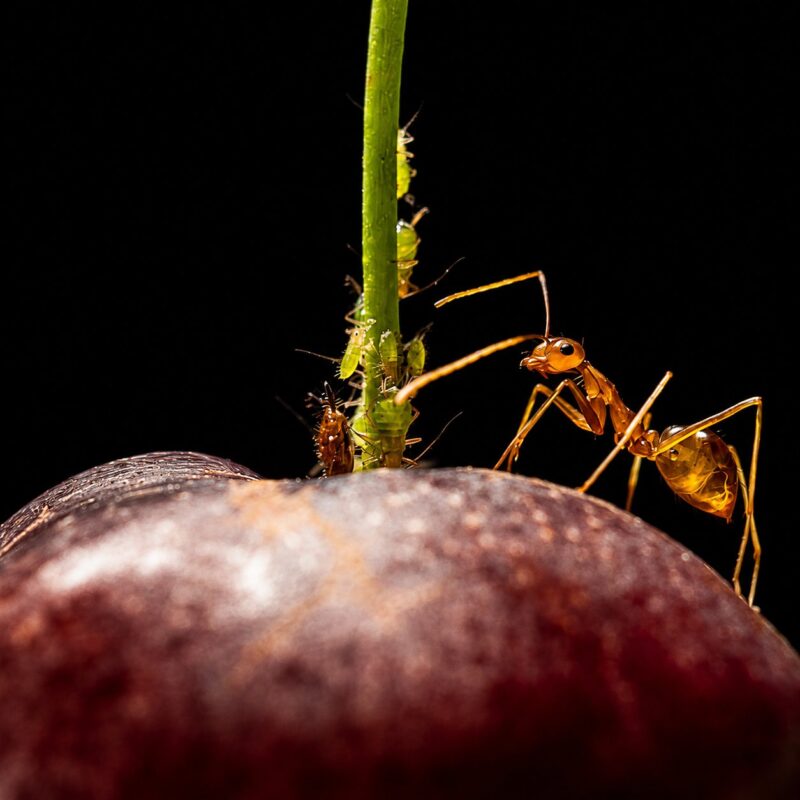
  • Workers farm aphids and other sap-suckers for honeydew, protecting them from predators in exchange for a steady sugar supply, a partnership that shapes how the colony forages.
  • Formica build mounded or soil nests warmed by the sun, and they actively shuttle brood toward the warmest pockets to speed development.
  • Multi-queen Formica colonies can bud and spread, forming linked nests rather than a single isolated mound.

Frequently asked questions

Is this a good species for beginners?

It is rated Intermediate, mainly because it needs a proper winter rest and grows large.

Does the ash-grey wood ant need a winter rest?

Yes, a mandatory winter rest at 5-10 °C for 4 months each year.

Does Formica cinerea sting or spray?

No, it has no sting, only a mild bite.

How big does the colony get?

Up to 10,000 workers.

How large is the queen versus the workers?

The queen is 10-12 mm, with 5-8 mm workers.

How fast does this Formica grow?

Brisk once established. Egg to pupa is about 20-25 days at 25-26 °C, a full cycle around 6-8 weeks.

What does it eat?

Sugar water or jelly for energy plus protein insects such as crickets and flies for the brood.

Will the ants arrive alive?

Colonies ship with a queen, workers, and brood plus a heat or cool pack, sent within 24 h with tracking for a safe, live arrival.


Keeping & shipping essentials

Escape prevention. Coat the inner rim of every open arena with fluon (PTFE), or use talc-and-water or an oil barrier as a backup, and keep a tight, fine-mesh lid on top. Check the barrier regularly, since dust, condensation and feeding debris break a fluon line over time. Keep tubing connectors tight and seal any gaps in the nest.

Keeping reminders. Always offer fresh water and never let the nest dry out completely. Give carbohydrates continuously and protein a few times a week, and remove uneaten insect prey within 24 hours before it moulds. Keep the formicarium out of direct sunlight and away from constant vibration, which stresses a young colony. A water-filled test tube plugged with cotton makes an ideal spare incubator whenever you need one.

Before you buy – do not rehouse too early. Have a test-tube setup or a small formicarium with an outworld and a working barrier ready before your colony arrives. A founding colony grows slowly at first, which is normal. Moving a small colony into a large nest too soon invites mould, mites and stress, and the workers die off one by one. Keep the colony in its open test tube on the arena, plug the nest entrance with cotton, and open up the next chambers only once the colony fills roughly 10-15% of the space.

What we ship. Every colony ships with a live-arrival guarantee, backed by our 24h unboxing-video guarantee: if the queen does not arrive alive, we reship free. Parcels travel with DHL, InPost (PL) or EMS, with a heat or cold pack to suit the season, packed discreetly and securely. We ship across the EU and worldwide, with free shipping over the Europe threshold.

Complete Your Setup
Reviews
0 reviews
0
0
0
0
0

There are no reviews yet.

Be the first to review “Formica cinerea”

Your email address will not be published. Required fields are marked *

Bestsellers