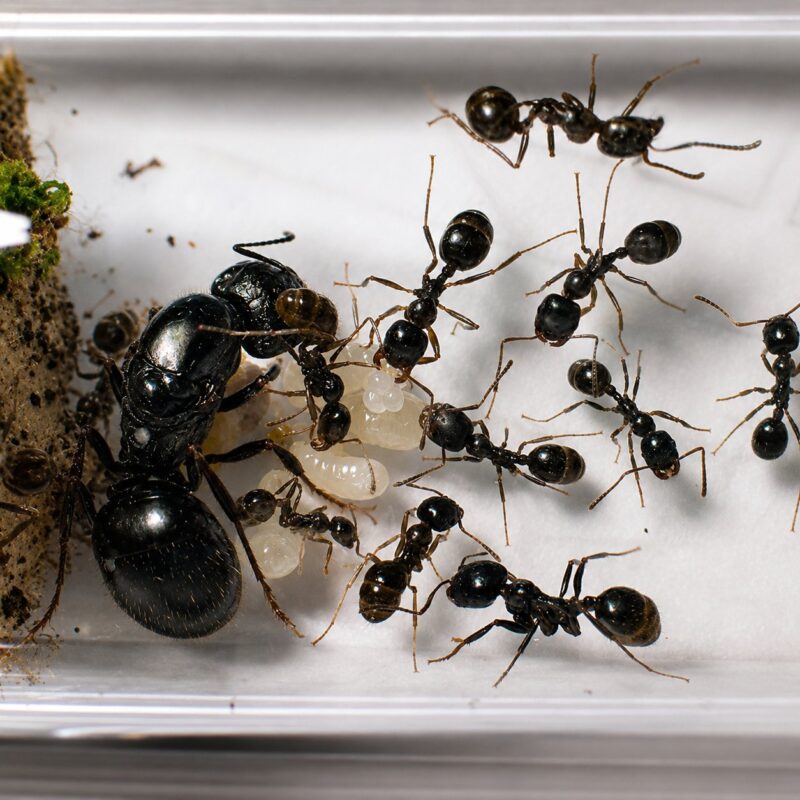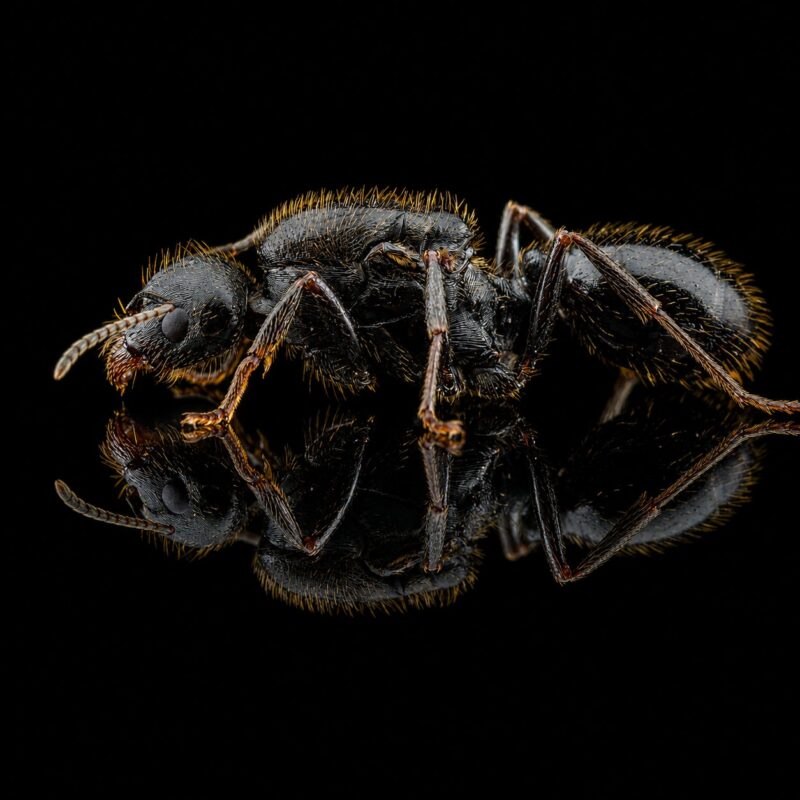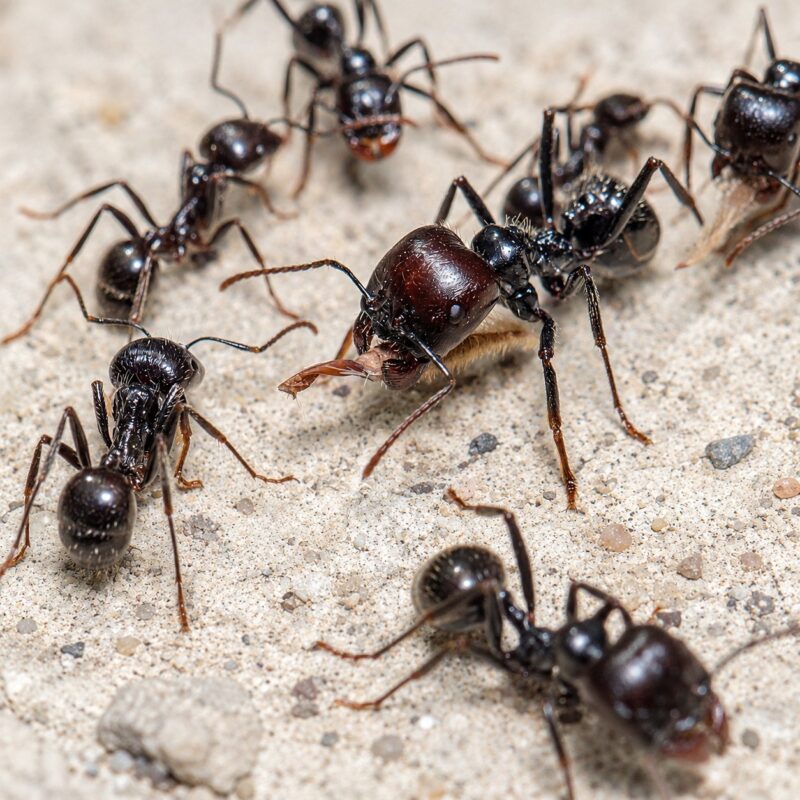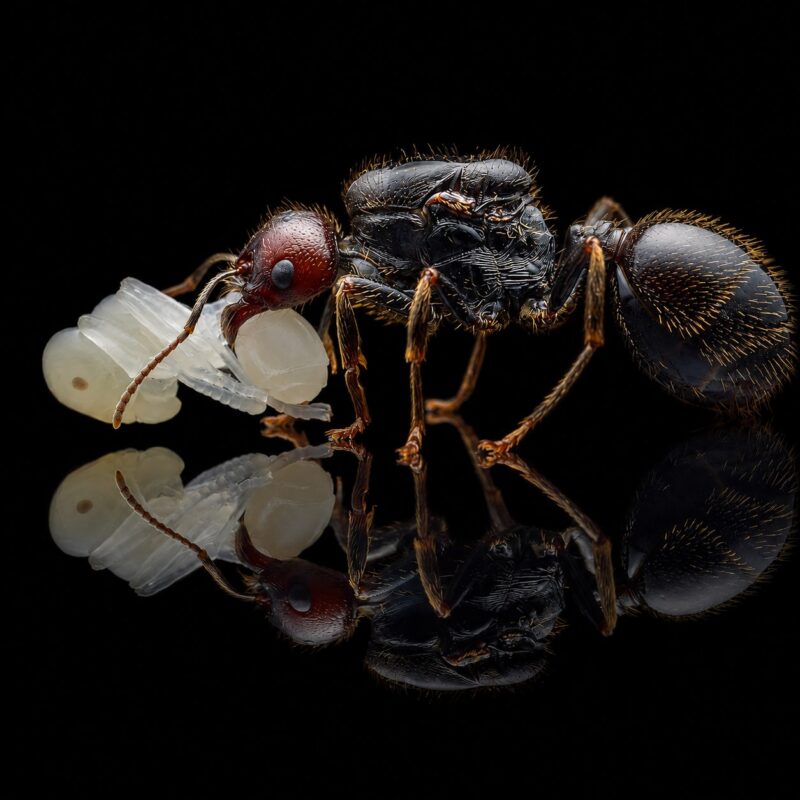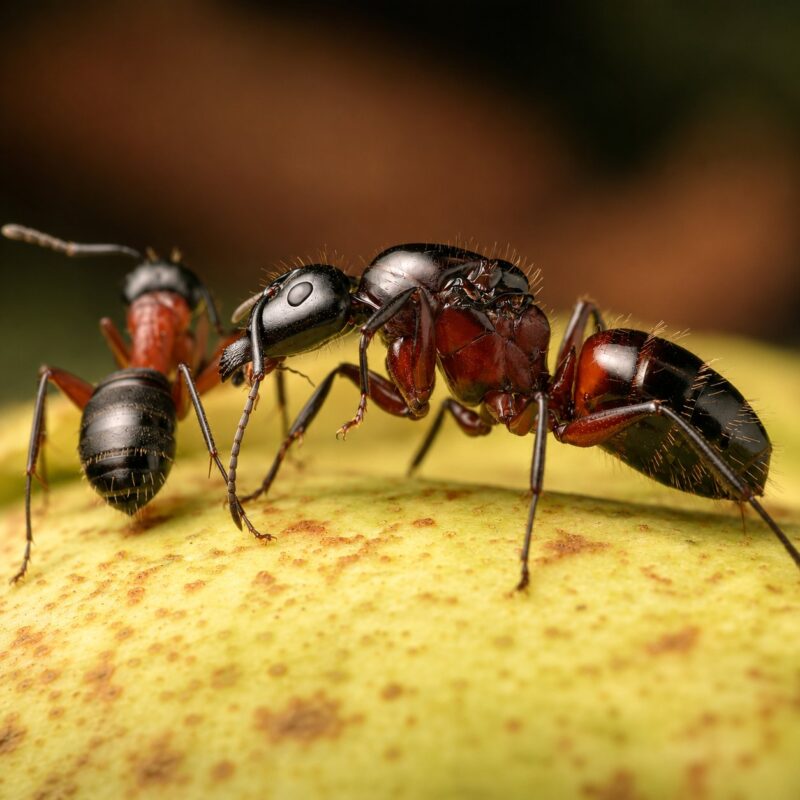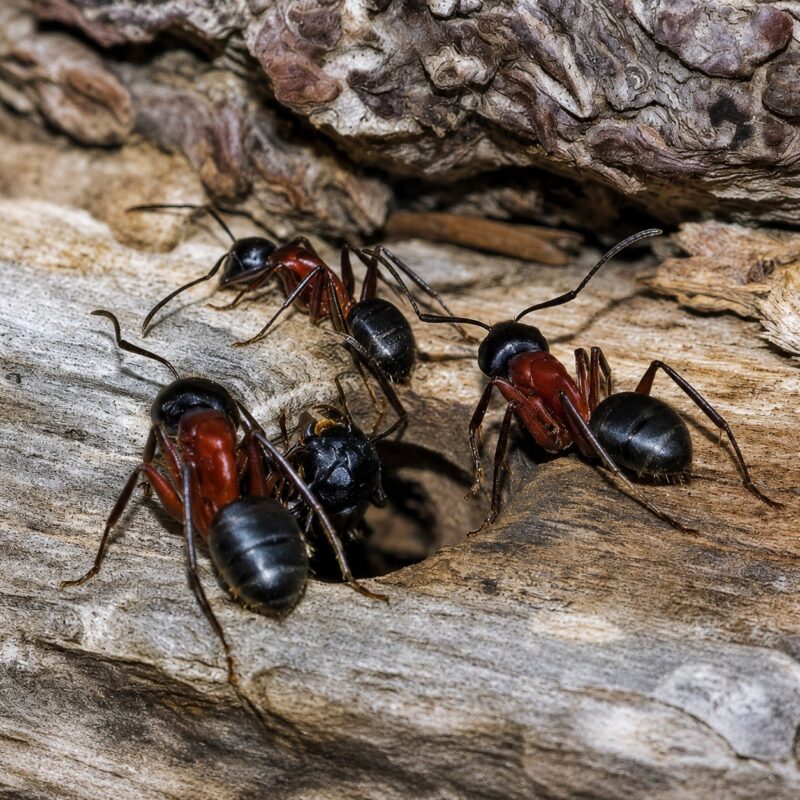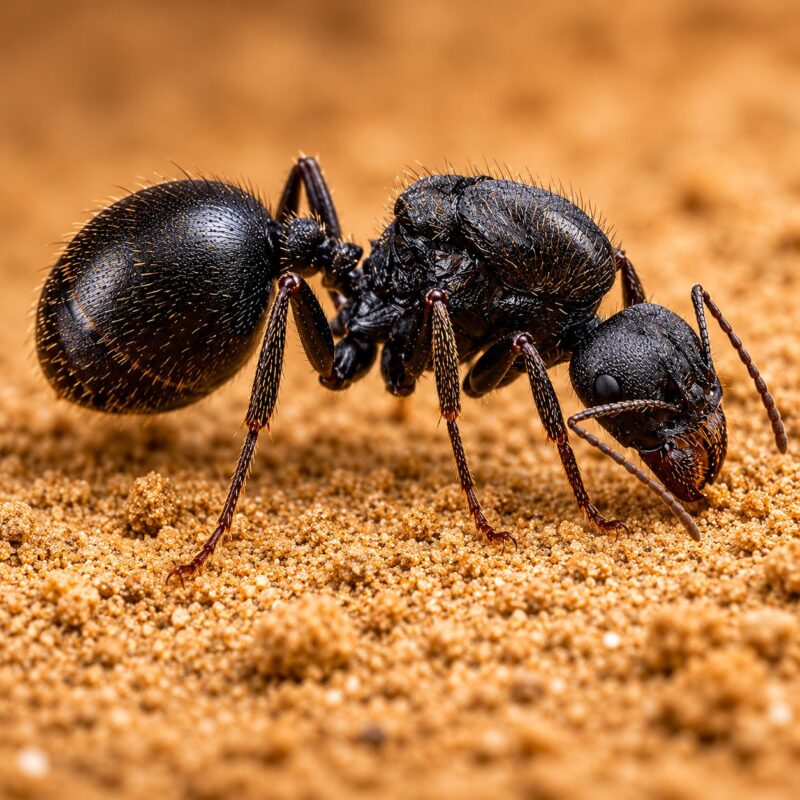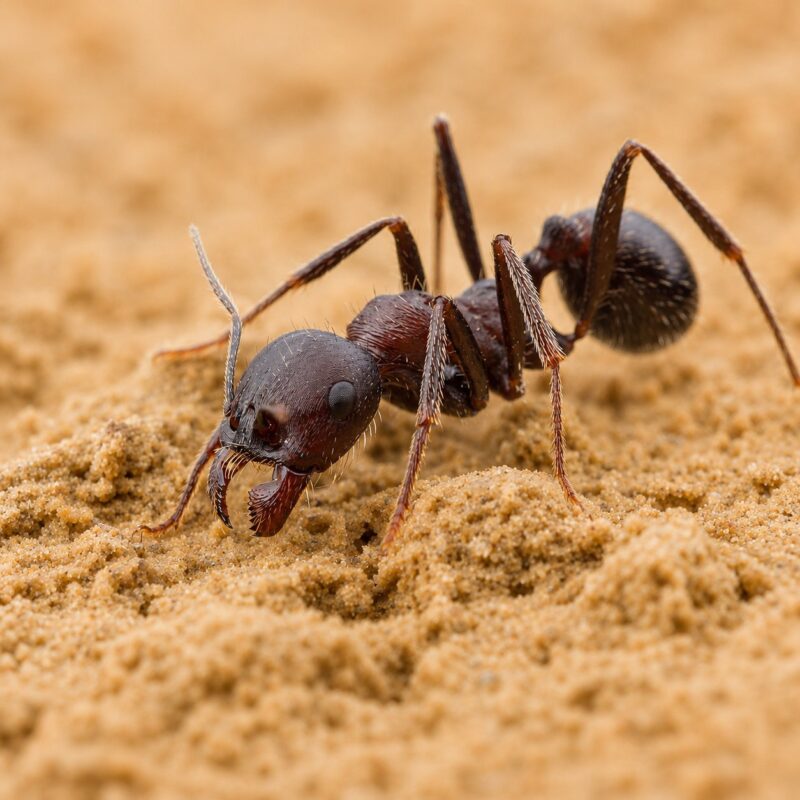


Tetramorium caespitum
29,90 zł – 179,90 złPrice range: 29,90 zł through 179,90 zł
Live Queen Guarantee
Heat Pack & Summer Cooling
Fertilised Queen in Every Colony
Ships Within 24 h
Free Care Guide
24/7 Expert Support
Description
Raise the small dark forager you have watched on a sunny kerb into a bustling colony of up to 20,000: Tetramorium caespitum is founded by one long-lived queen and built over the seasons. Start your colony of Tetramorium caespitum with ANTonTOP and raise a hardy native classic.
Free shipping across Europe over 1299 zł.
DHL / InPost / EMS · ships the EU & worldwide.
Intermediate · Q 7-9 mm / W 2-4 mm · Up to 20,000 workers · Winter rest at 5-10 °C for 4 months mandatory · Omnivore · Europe (Europe and the Mediterranean) · Sting (mild)
Additional information
| Behavior | |
|---|---|
| Keeping difficulty | |
| Origin | |
| Ant size | |
| Hibernation | |
| Sting |
Has sting |
Tetramorium caespitum – Pavement ant
| Origin | Europe (Europe and the Mediterranean) |
|---|---|
| Difficulty | Intermediate |
| Colony form | Monogyne (1 queen) |
| Max workers | Up to 20,000 workers |
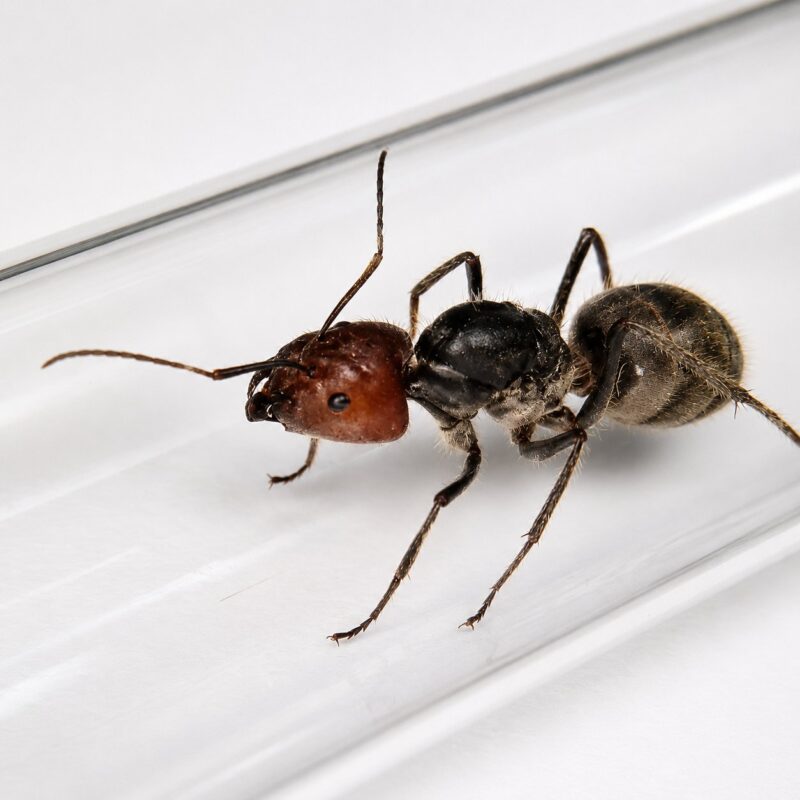
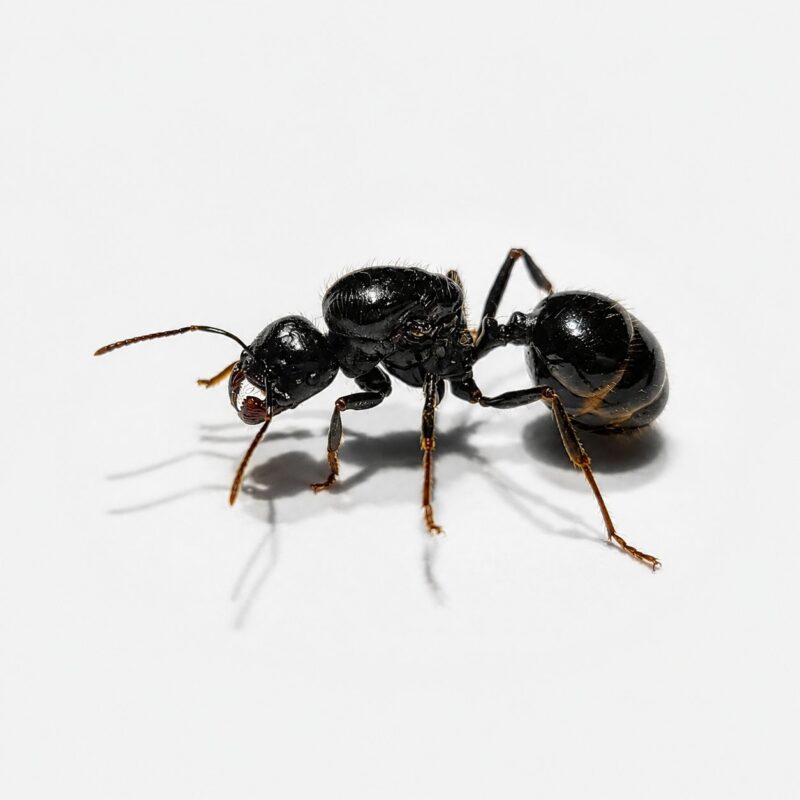
| Queen | 7-9 mm |
| Worker | 2-4 mm |
| Soldier / major | – |
| Founding | Claustral |
| Temperature | Nest 18-24 °C / Arena 20-27 °C |
| Humidity | Nest 55-70% / Arena 40-60% |
| Hibernation | Winter rest at 5-10 °C for 4 months mandatory |
| Diet | Omnivore |
| Sting / bite | Sting (mild) |
| Egg to first worker | ~2 months (first workers ~2 months after eggs laid; keeper source) |
| Queen lifespan | up to ~15 years (keeper source) |
| Nuptial flight | summer, ~July-August (May-Sep antkeeping.info) |
| Activity | diurnal |
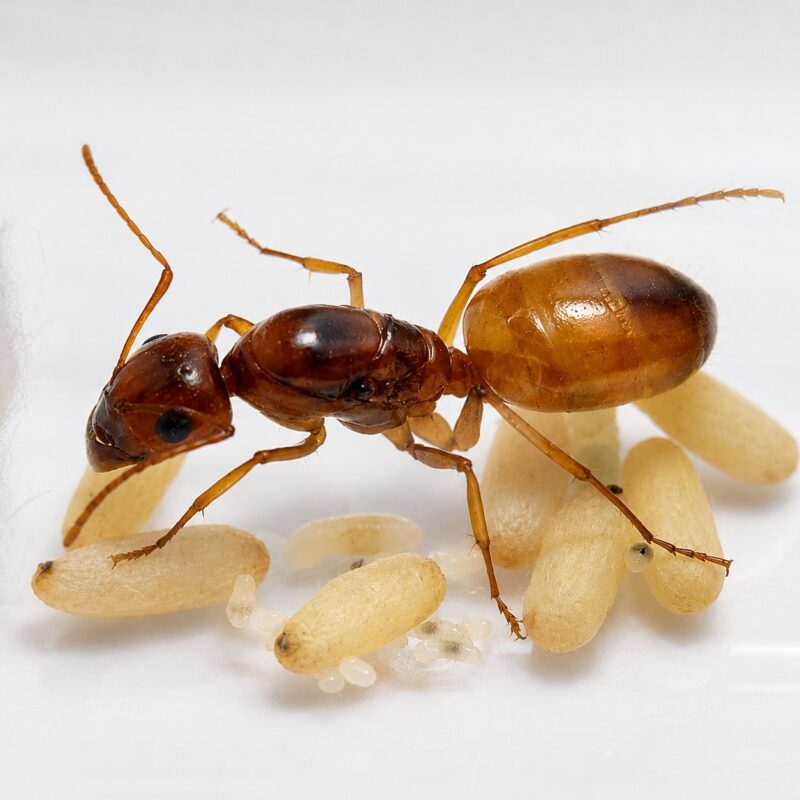
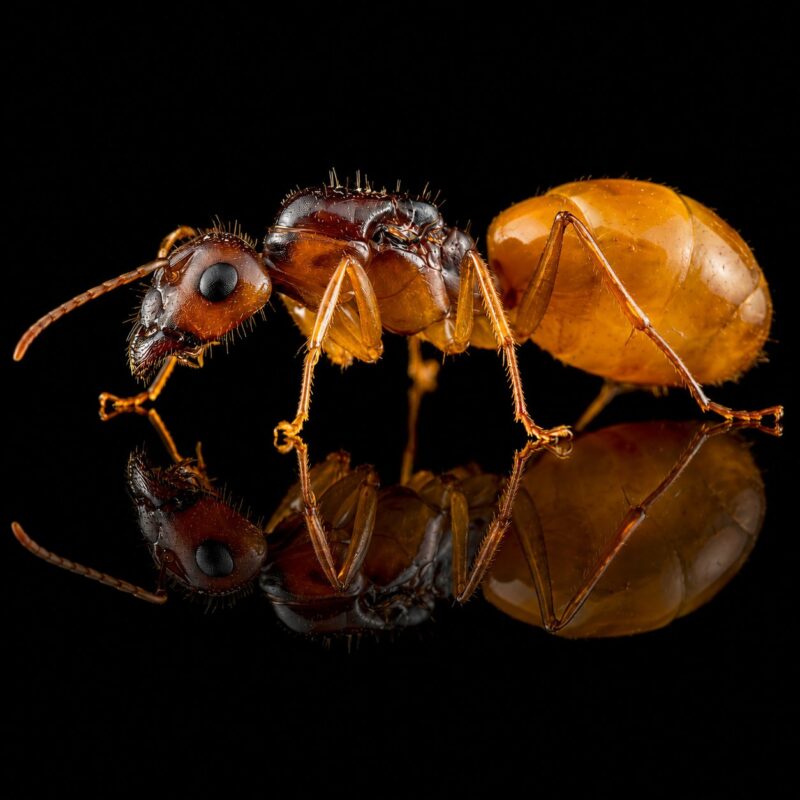
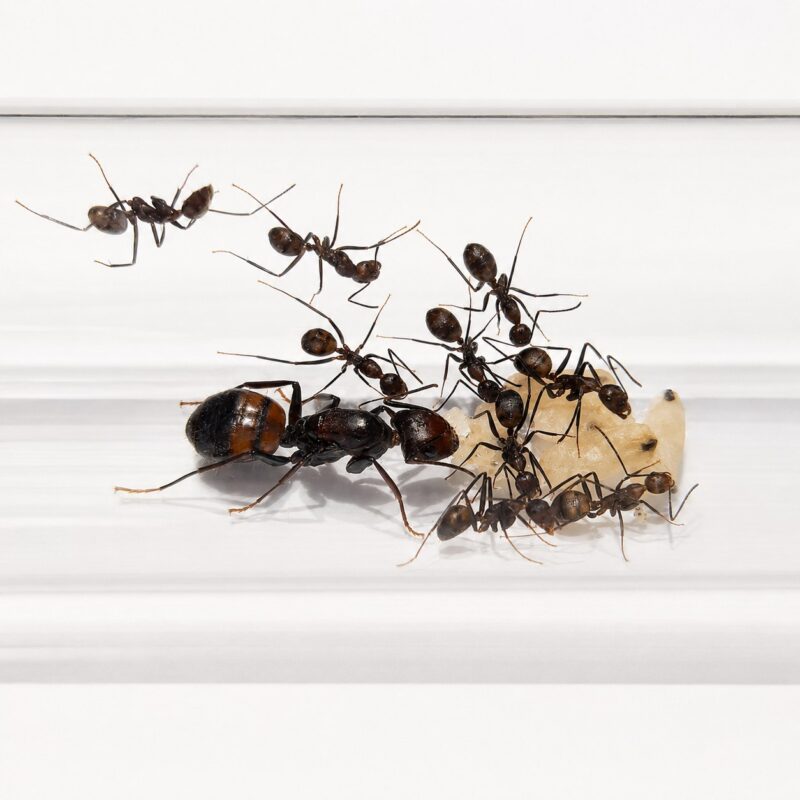
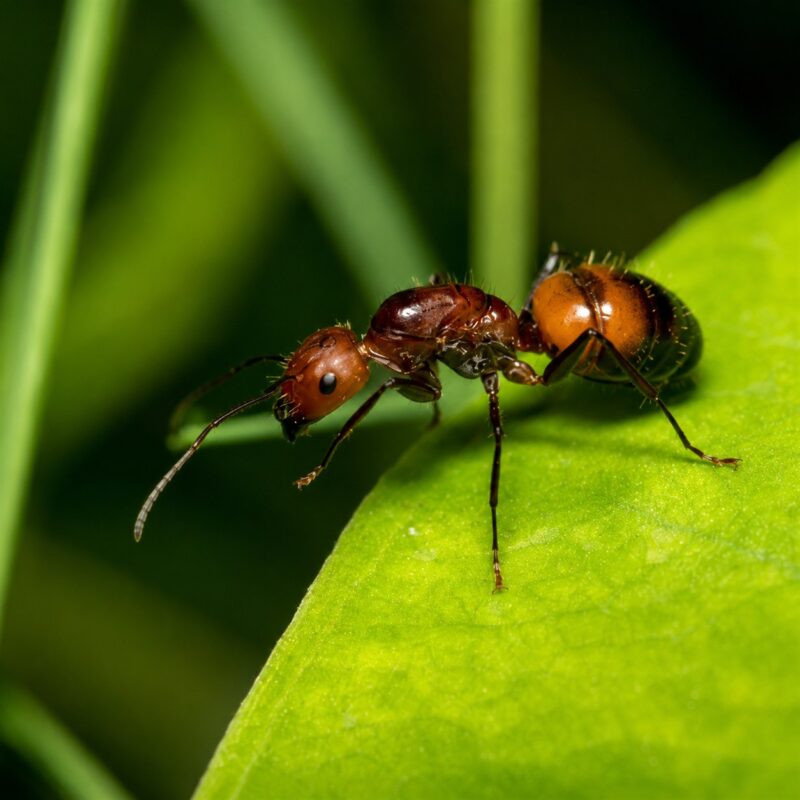
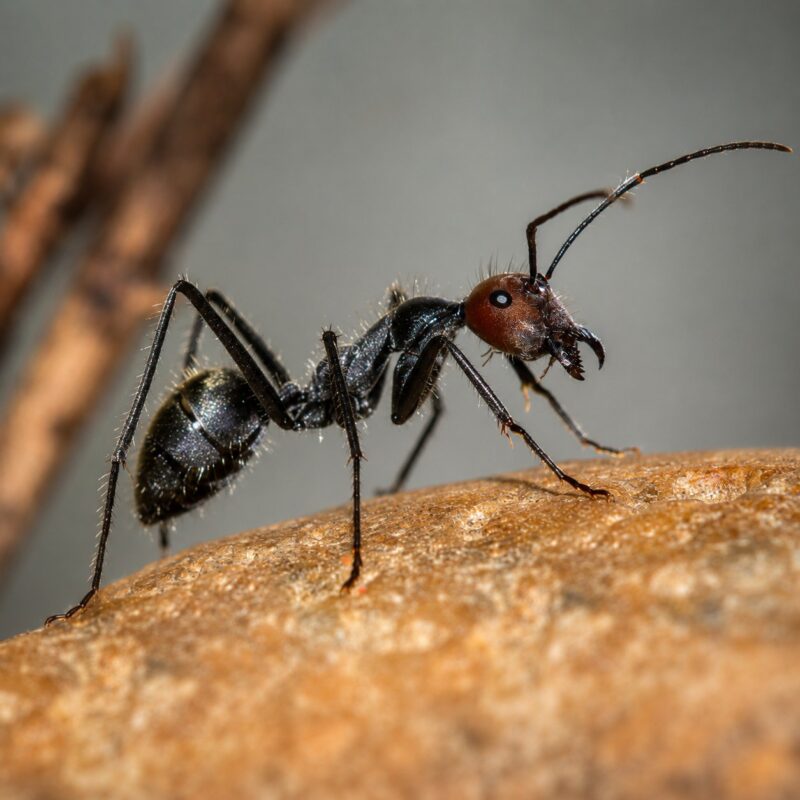
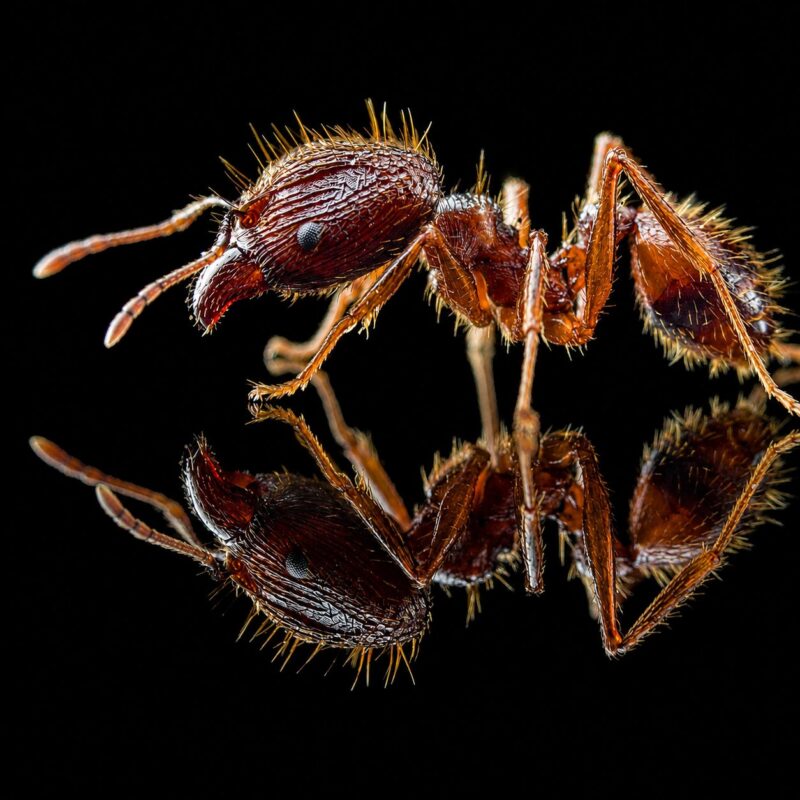
Tetramorium caespitum is the classic European pavement ant, the small dark forager you have probably watched on a sunny kerb. It grows into a large, bustling colony and rewards a keeper who commits to the seasons.
Why this species
This is the familiar pavement ant of Europe and the Mediterranean, and one of the most rewarding native species to raise. Founded by a single queen who can lead the colony for a remarkably long stretch, by keeper accounts well over a decade, it forages boldly once established and grows into a sizeable, energetic nest. It is hardy and easy to feed, so the difficulty really comes from patience: the mandatory winter rest and a slow start to founding ask for seasonal discipline rather than daily skill.
Feeding
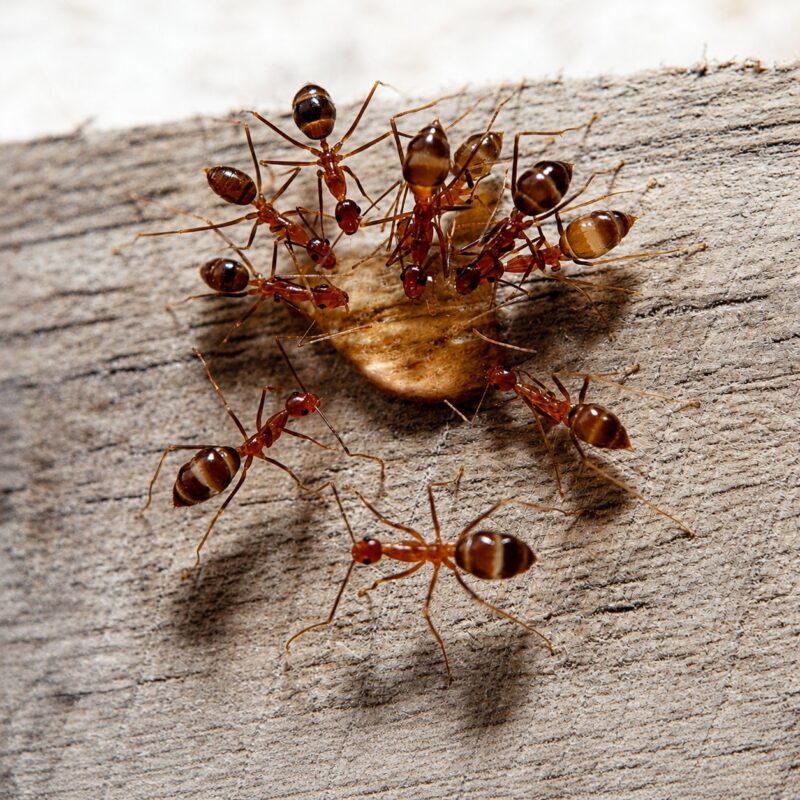
A tough, opportunistic omnivore that takes almost anything. Workers tap honeydew and nectar for sugars while a constant supply of small insects feeds the growing brood. Keep a sugar source available at all times and offer protein two to three times a week to keep the colony building.
| Sugar water / honey water | ★★★ |
| Ant nectar / sugar jelly | ★★★ |
| Honey | ★★★ |
| Protein jelly | ★★★ |
| Crickets | ★★★ |
| Cockroaches (Dubia / Turkish) | ★★★ |
| Fruit flies (Drosophila) | ★★★ |
| Houseflies | ★★★ |
| Locusts | ★★ |
| Boiled egg yolk | ★★ |
| Mealworms | ★ |
| Superworms | ★ |
| Boiled lean chicken / shrimp / meat | ★ |
| Soft fruit (apple, pear, banana) | ★ |
| Dried insects | ★ |
| Soft seeds (poppy, sesame, chia) | ✗ |
| Hard seeds (canary, millet, sunflower) | ✗ |
★★★ readily · ★★ moderately · ★ occasionally · ✗ not eaten
Housing & formicarium
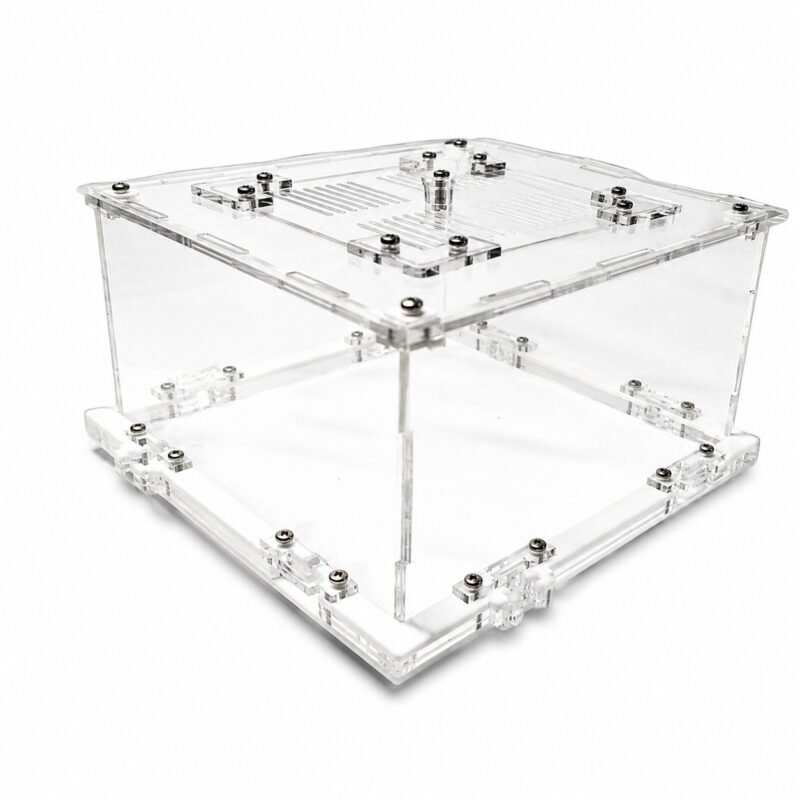
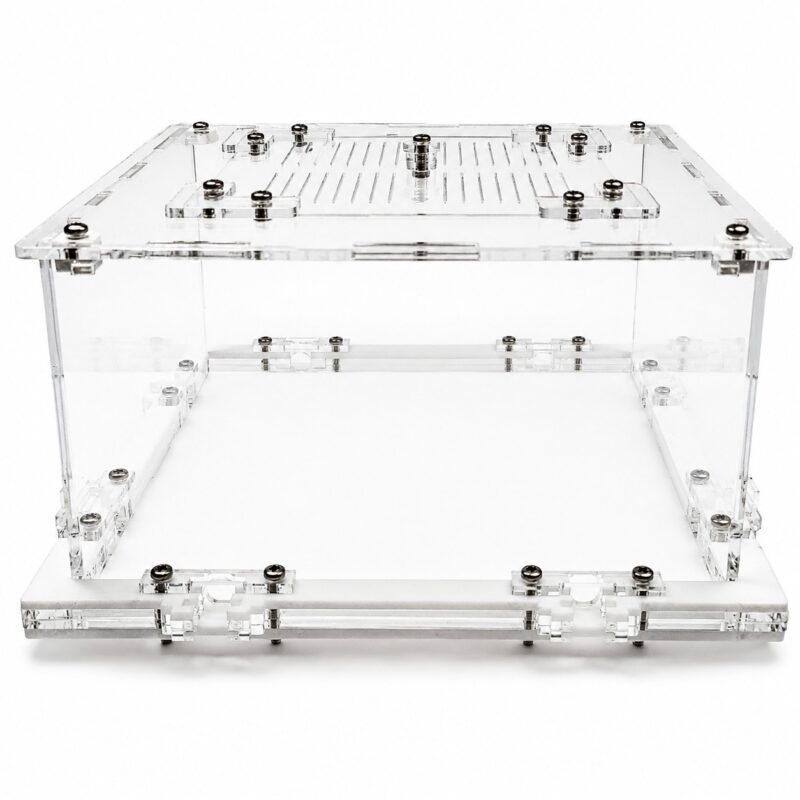
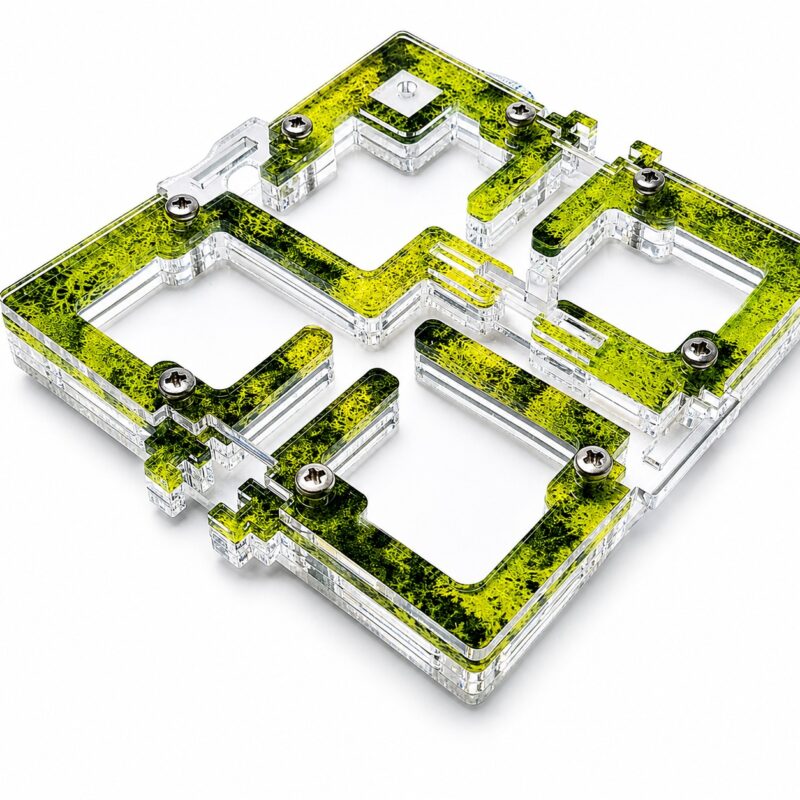
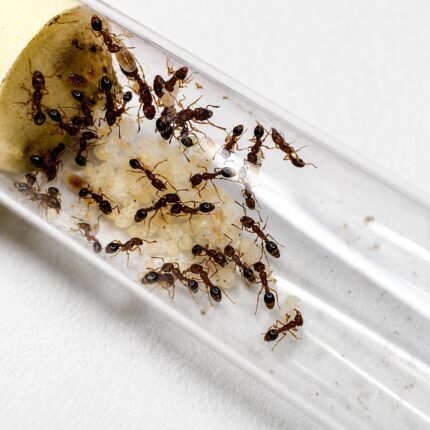
Found this pavement ant in a test tube and move it to a small gypsum or acrylic nest once workers fill the founding chamber. It heads toward a large colony, so pair the nest with a roomy arena and expect to step up to bigger nests as numbers climb. The workers are small and capable climbers, so keep a clean fluon (PTFE), oil, or talc and water edge maintained. Remember the mandatory winter rest in your planning. ANTonTOP formicaria and starter kits cover the whole route from founding queen to a full colony, nest, arena and barrier together.
Climate & wintering
A temperate ant, it likes moderate warmth: the nest at 18 to 24 °C and the arena at 20 to 27 °C, with one end warmed to give the colony a gradient. Nest humidity sits at 55 to 70%, with the arena at 40 to 60%. A winter rest is essential every year: drop the colony to 5 to 10 °C for 4 months. Skipping this cold period harms the queen and weakens next season’s brood, so treat it as part of the routine.
Growth forecast + what you receive
The founding stage is slow, with first workers appearing about 2 months after the eggs are laid, then the colony picks up speed toward as many as 20,000 workers. Plenty of patience early on is repaid later. You receive a queen with workers and brood, ready to settle into a starter nest with room to scale.
Did you know
- What was long called a single “Tetramorium caespitum” turned out to be a cluster of look-alike species, untangled only recently through detailed taxonomic and genetic study across Europe.
- Pavement ants are known for territorial “sidewalk wars”, where workers from neighbouring colonies lock together in mass shoving matches at the borders, often with few real casualties.
- Queens of this species are notably durable, with keeper records of single queens leading a colony for well over a decade.
Frequently asked questions
Is Tetramorium caespitum good for beginners?
It is rated Intermediate; easy to feed but it needs a strict yearly winter rest and a patient founding stage.
Does the pavement ant need a winter rest?
Yes, a winter rest at 5-10 °C for 4 months is mandatory.
Does Tetramorium caespitum sting or bite?
Yes, but the sting is mild.
How large can the colony get?
Up to 20,000 workers.
How big is the queen?
About 7-9 mm, larger than the 2-4 mm workers.
How fast does it grow?
Slow at first, about 2 months to the first workers, then it picks up speed.
What does it eat?
Sugar water and nectar or jelly plus insects like crickets and flies; it does not take seeds.
How is it shipped and will it arrive alive?
The queen, workers and brood travel with a heat or cool pack, sent within 24 hours with tracking for a safe, live arrival.
Keeping & shipping essentials
Escape prevention. Coat the inner rim of every open arena with fluon (PTFE), or use talc-and-water or an oil barrier as a backup, and keep a tight, fine-mesh lid on top. Check the barrier regularly, since dust, condensation and feeding debris break a fluon line over time. Keep tubing connectors tight and seal any gaps in the nest.
Keeping reminders. Always offer fresh water and never let the nest dry out completely. Give carbohydrates continuously and protein a few times a week, and remove uneaten insect prey within 24 hours before it moulds. Keep the formicarium out of direct sunlight and away from constant vibration, which stresses a young colony. A water-filled test tube plugged with cotton makes an ideal spare incubator whenever you need one.
Before you buy – do not rehouse too early. Have a test-tube setup or a small formicarium with an outworld and a working barrier ready before your colony arrives. A founding colony grows slowly at first, which is normal. Moving a small colony into a large nest too soon invites mould, mites and stress, and the workers die off one by one. Keep the colony in its open test tube on the arena, plug the nest entrance with cotton, and open up the next chambers only once the colony fills roughly 10-15% of the space.
What we ship. Every colony ships with a live-arrival guarantee, backed by our 24h unboxing-video guarantee: if the queen does not arrive alive, we reship free. Parcels travel with DHL, InPost (PL) or EMS, with a heat or cold pack to suit the season, packed discreetly and securely. We ship across the EU and worldwide, with free shipping over the Europe threshold.
1 review for Tetramorium caespitum
Clear filtersShow reviews in all languages (1)

Tymon (verified owner) –
Królowa przyszła z 3 robotnicami które były utopione przez źle włożoną wate ledwo udało mi się uratować królową