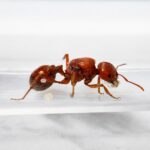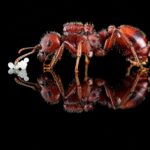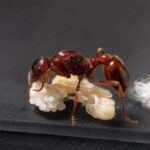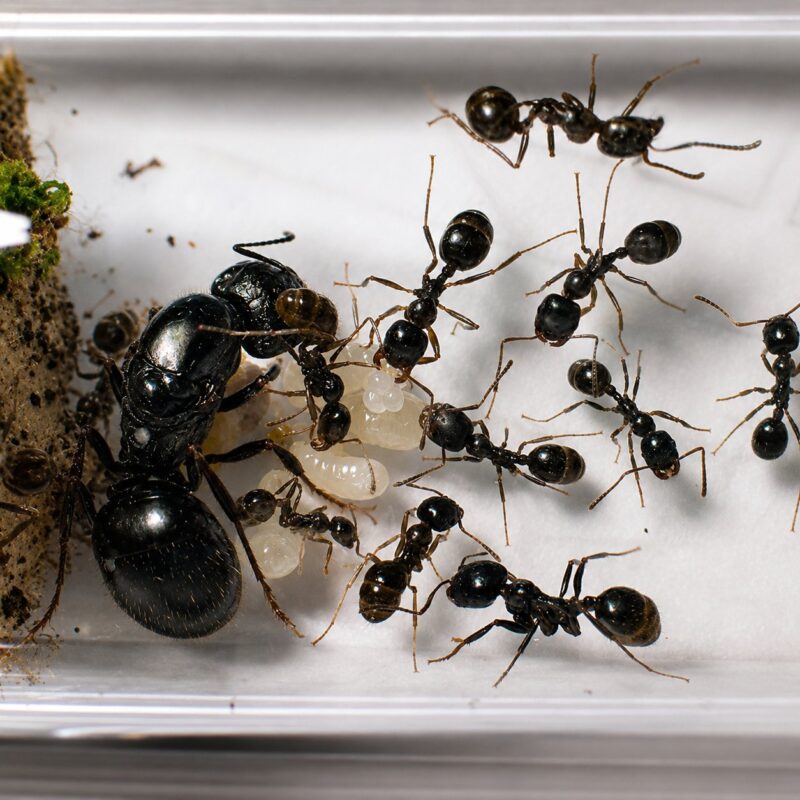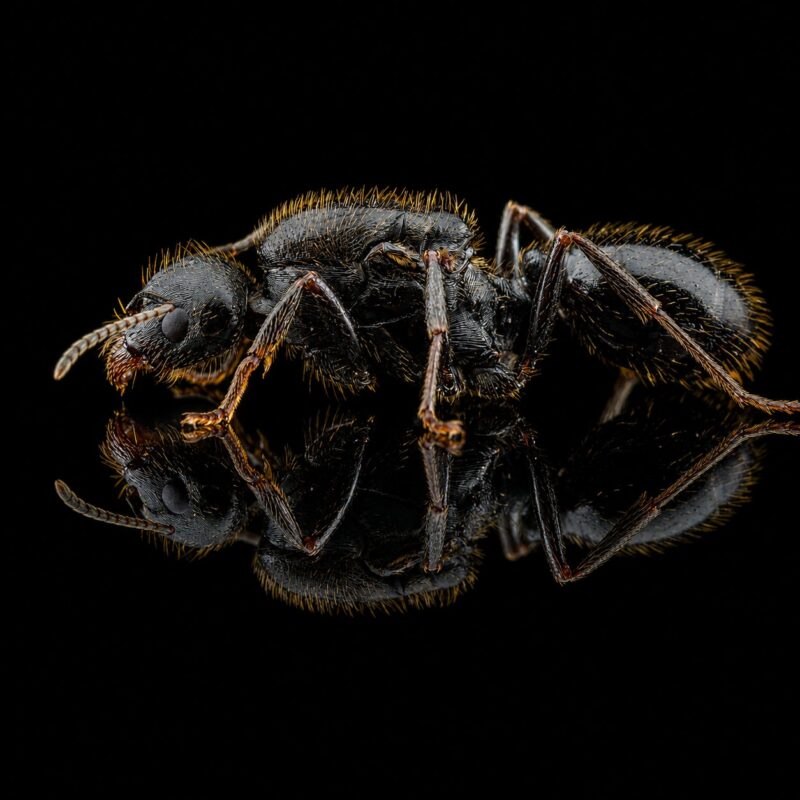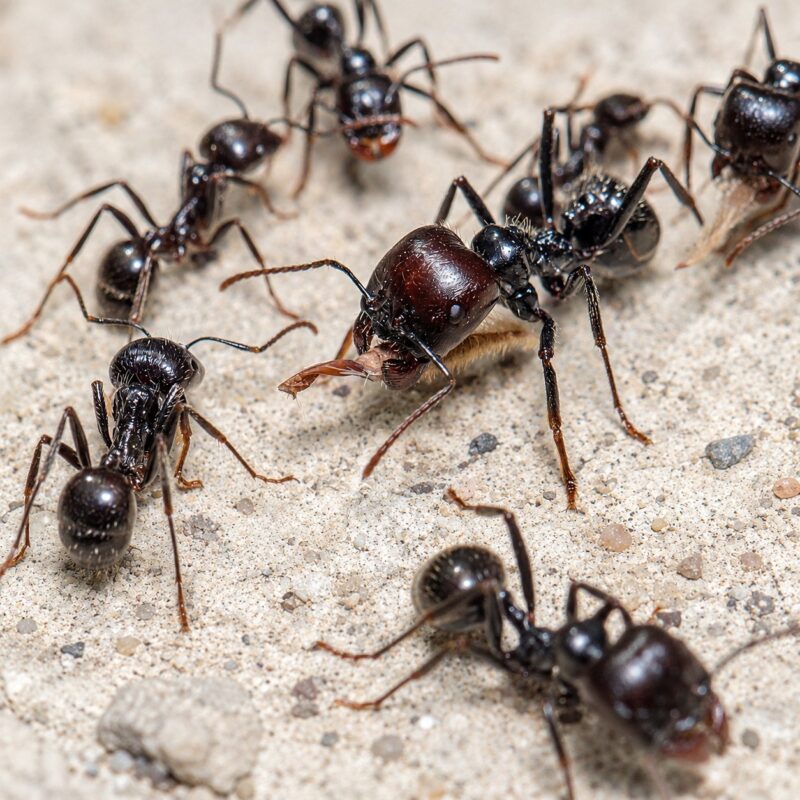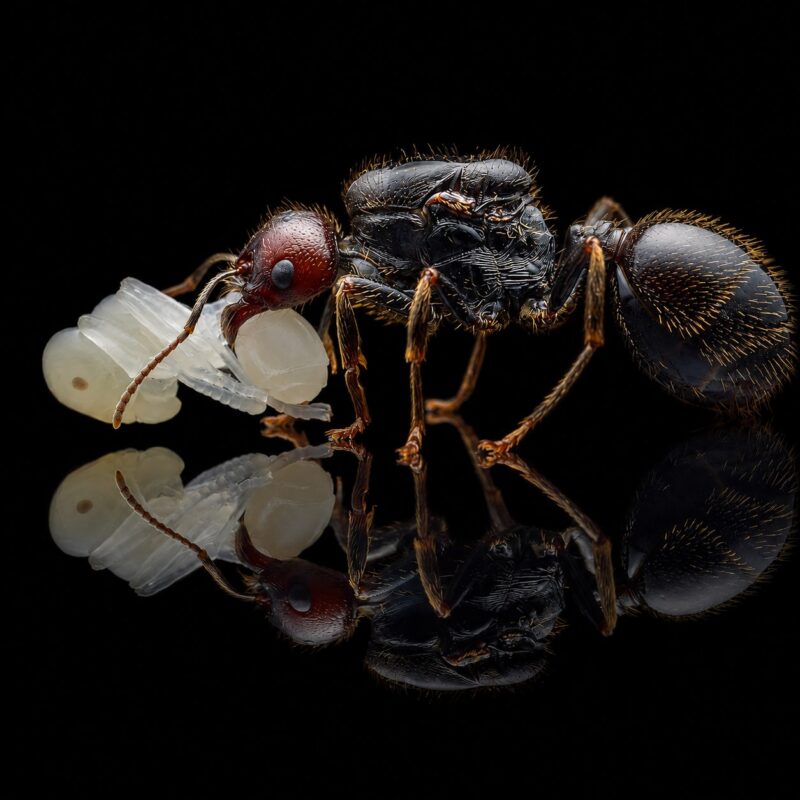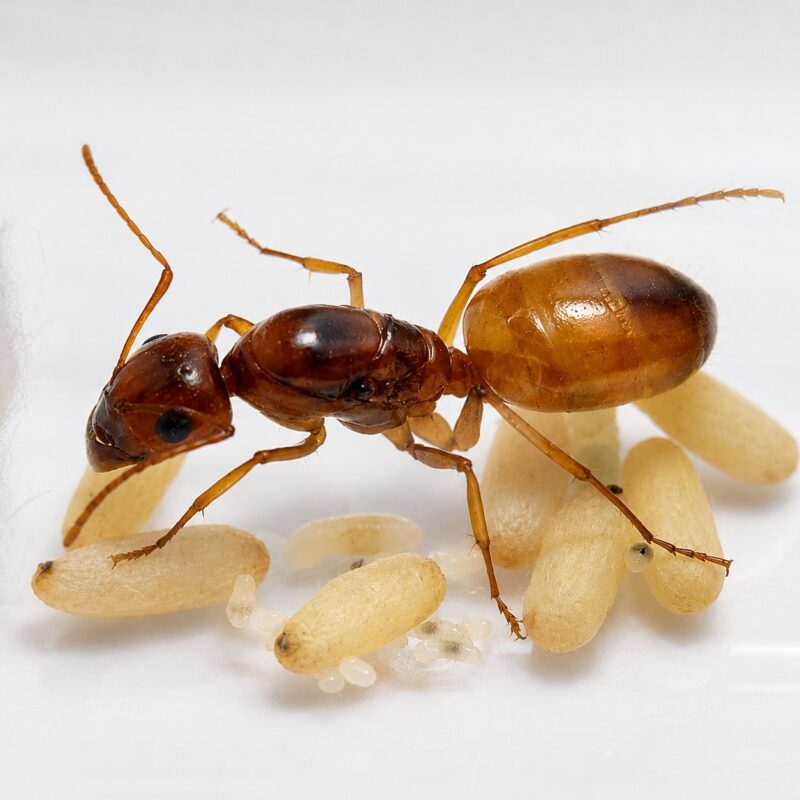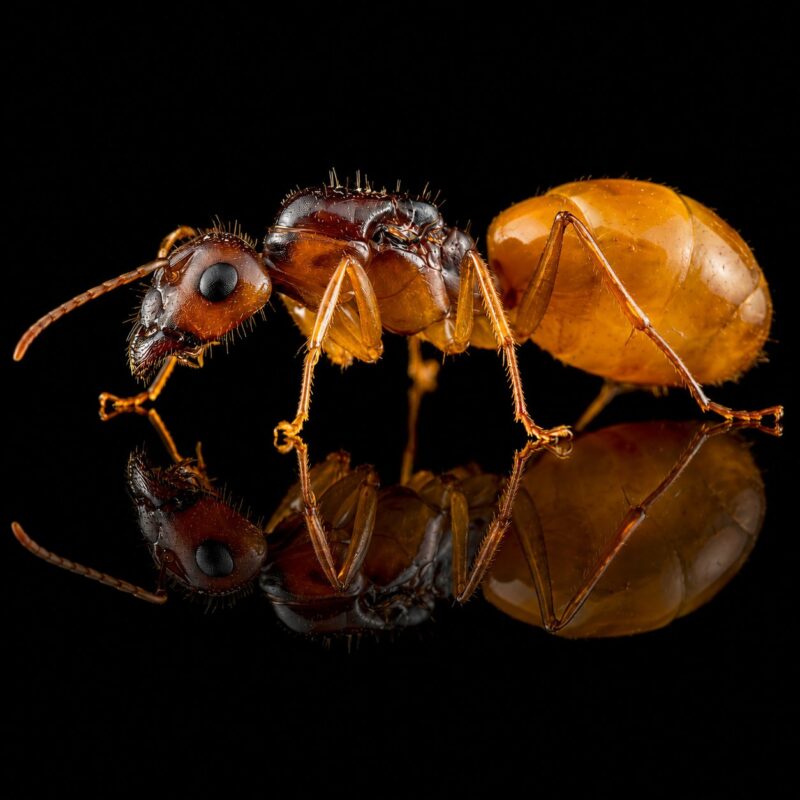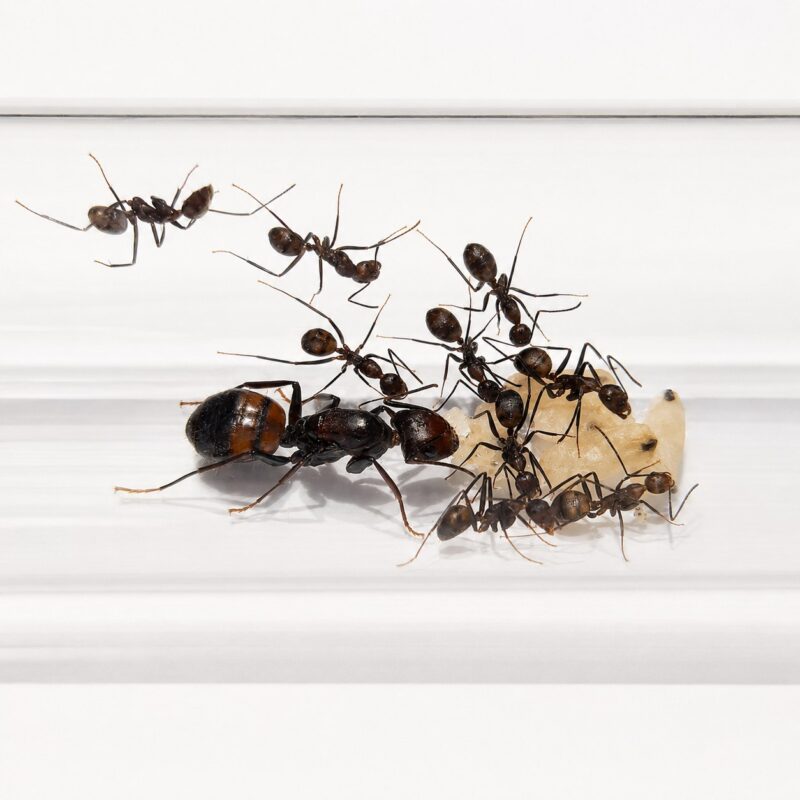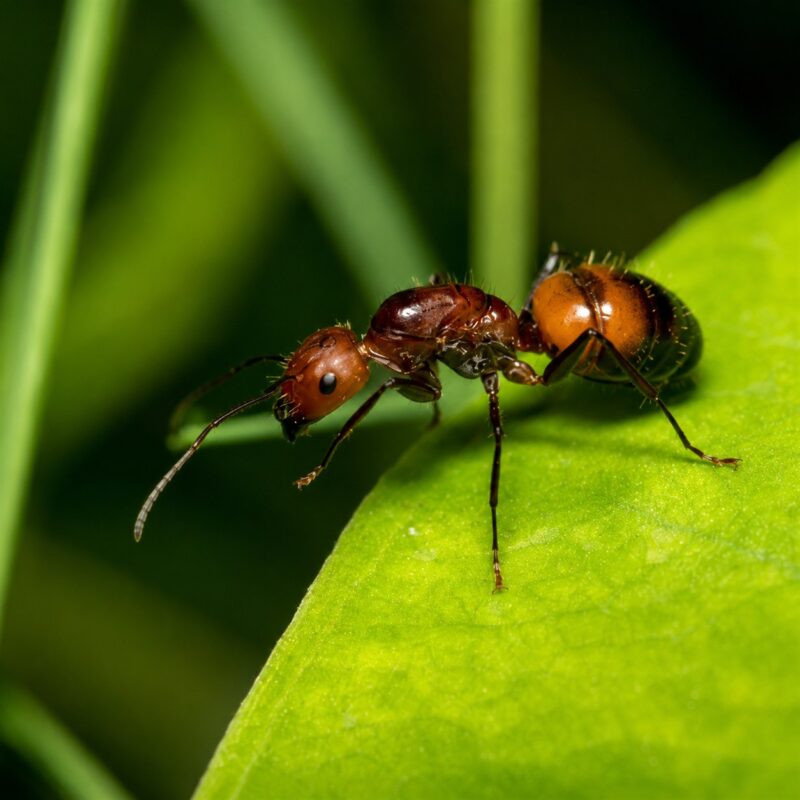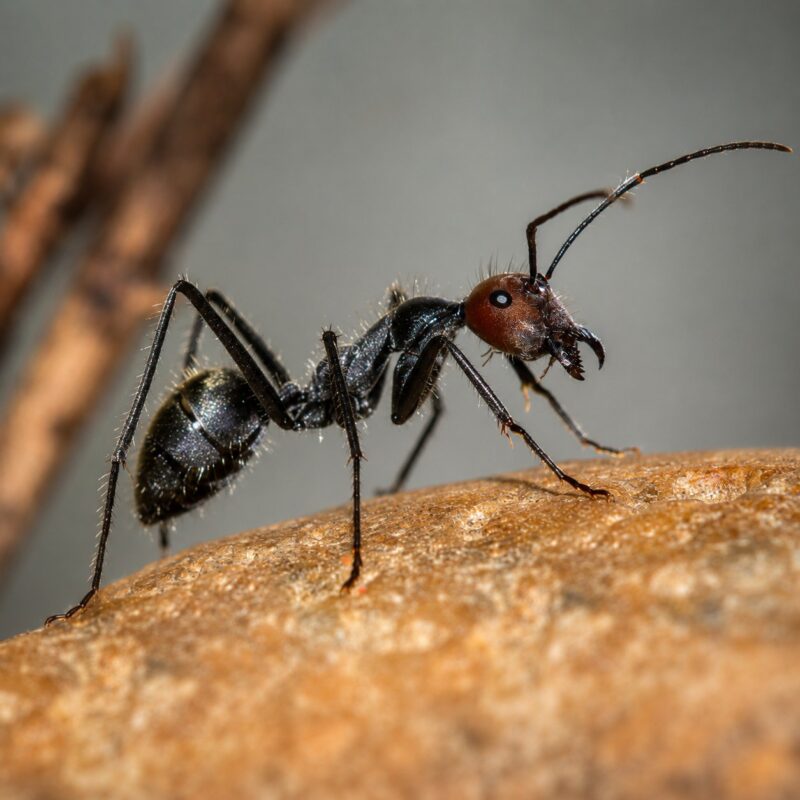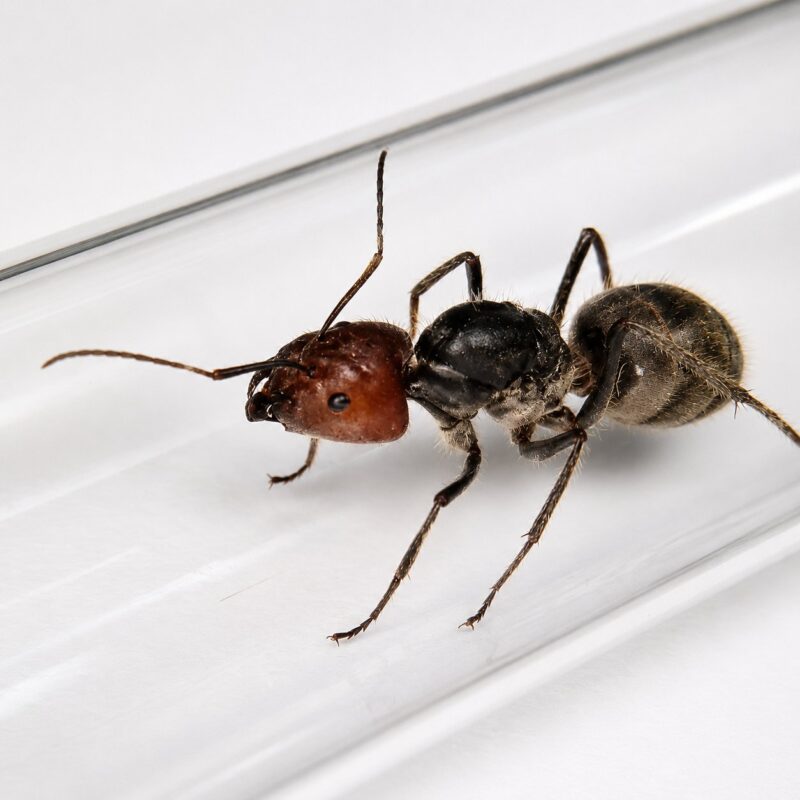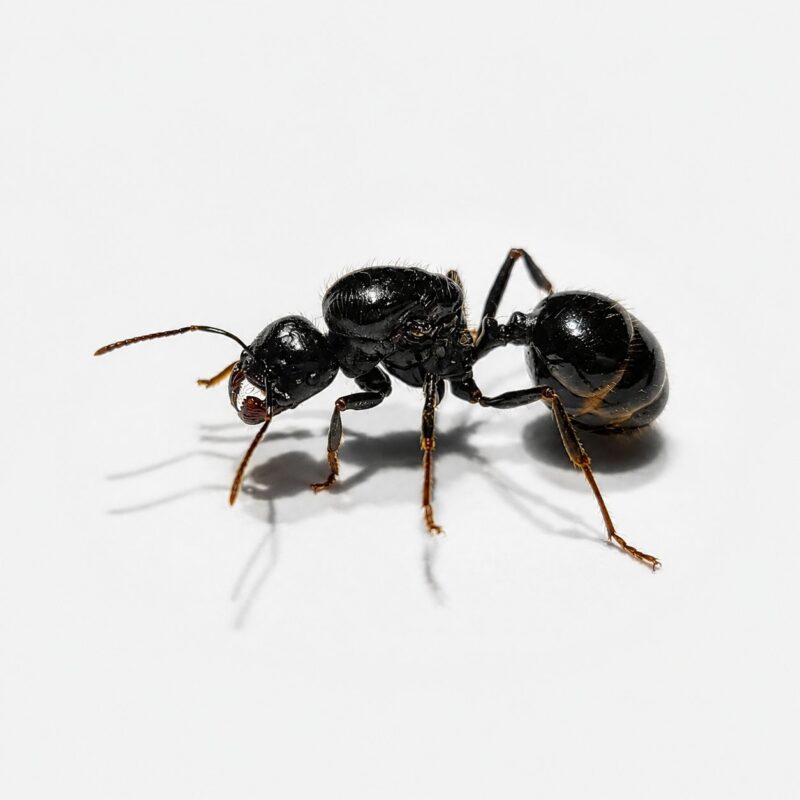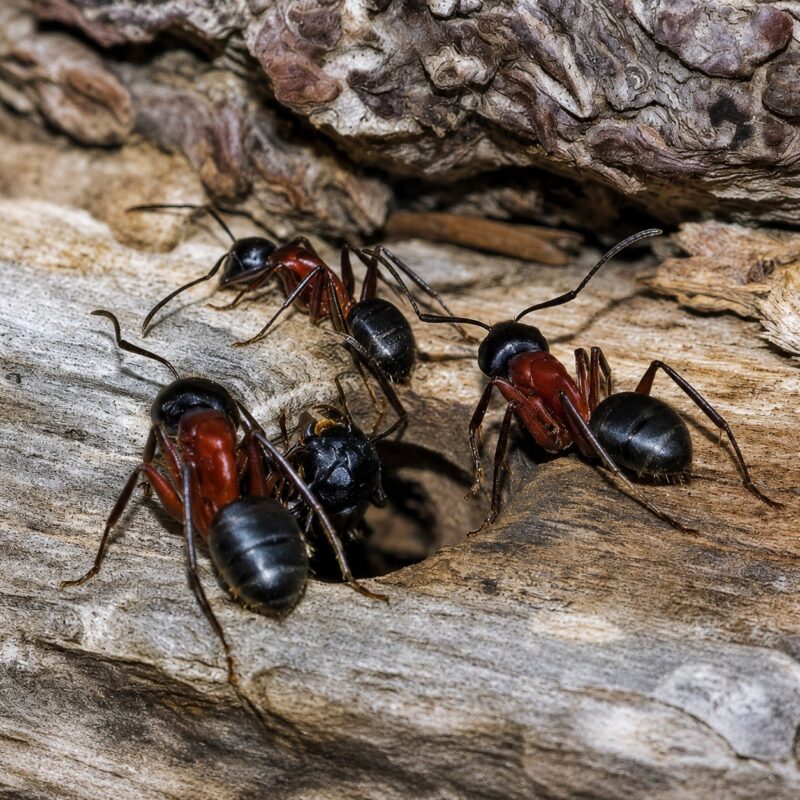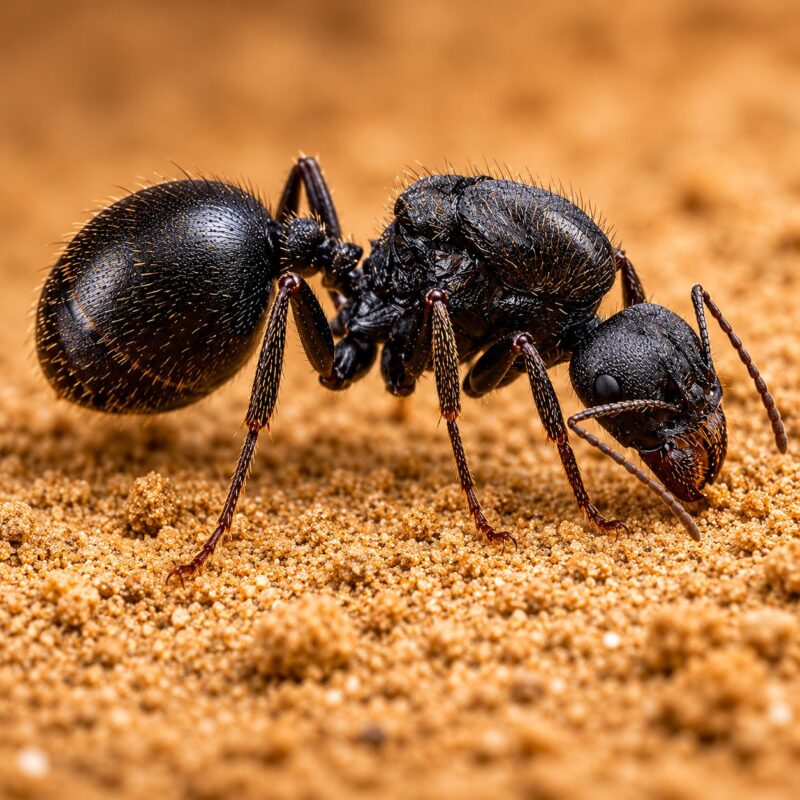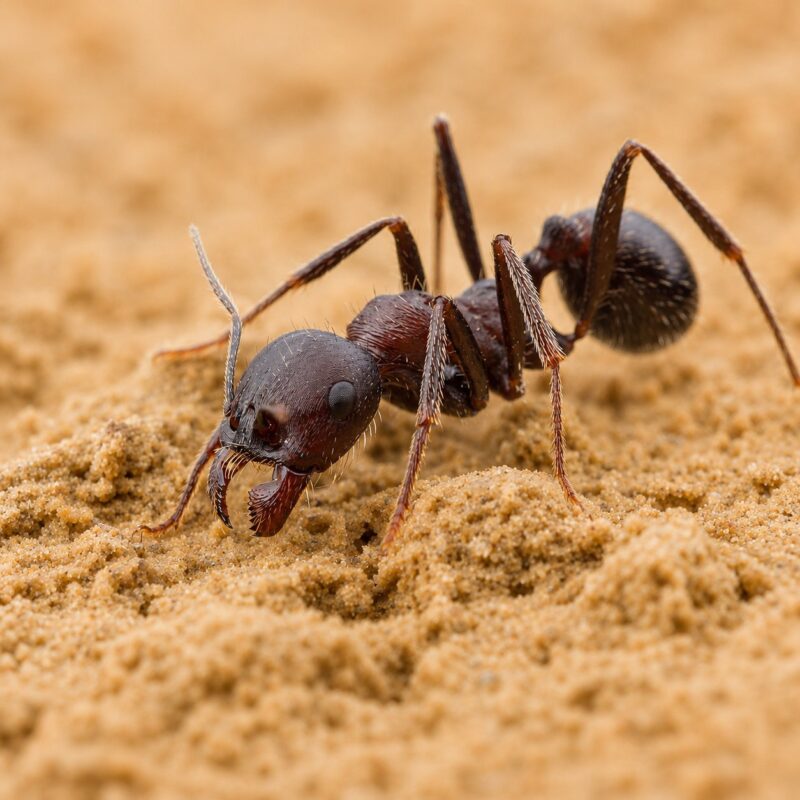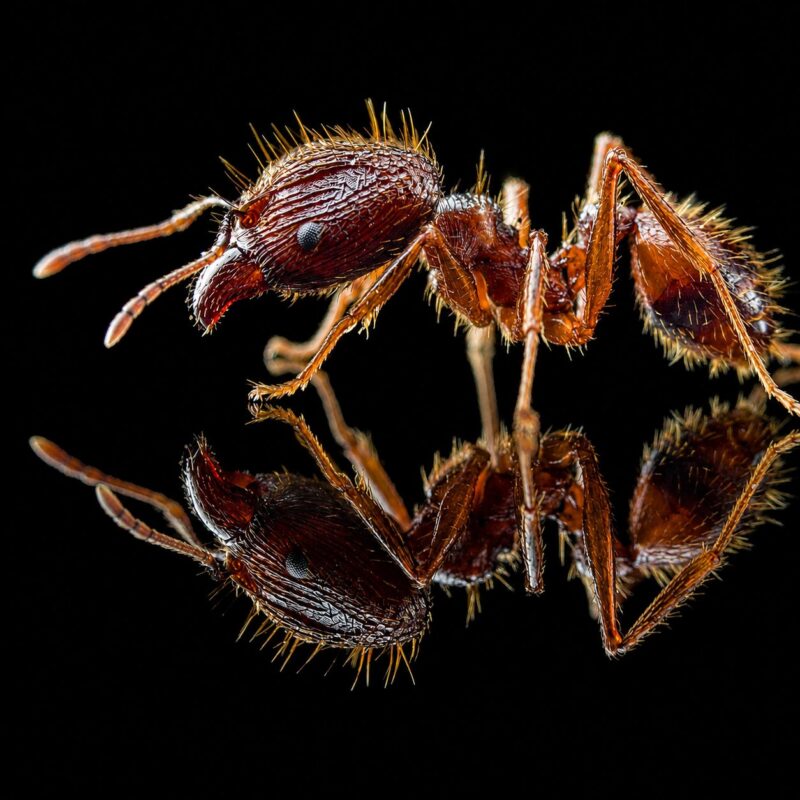

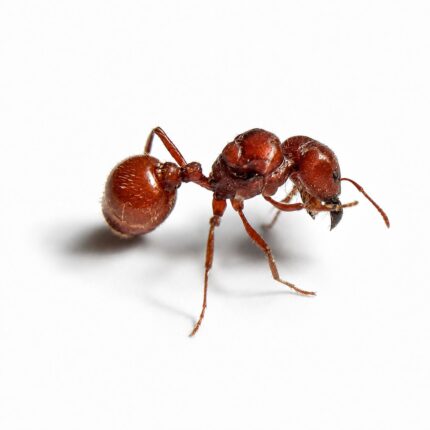
Pogonomyrmex badius major worker — reddish body with bearded chin and powerful mandibles harvester ant from American deserts, live colony at ANTonTOP
Pogonomyrmex badius Price range: 419,90 zł through 969,90 zł
Back to products
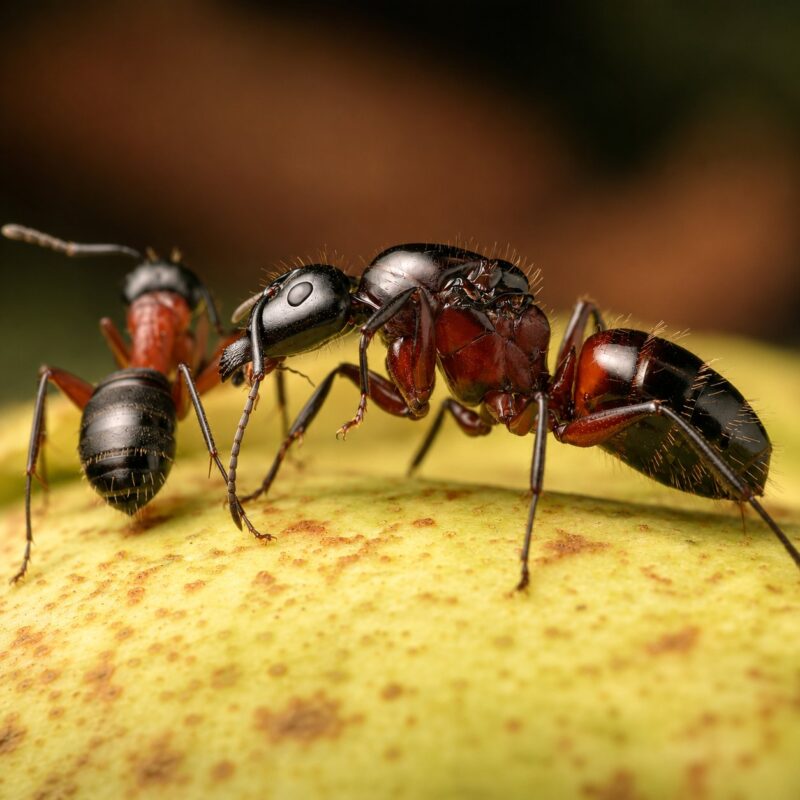
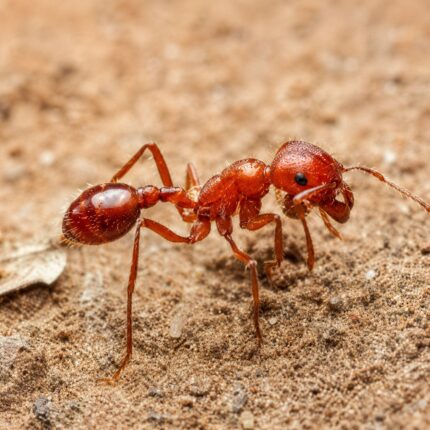
Pogonomyrmex bicolor major worker — reddish body with bearded chin and powerful mandibles harvester ant from American deserts, live colony at ANTonTOP
Pogonomyrmex bicolor Price range: 319,90 zł through 639,90 zł

Pogonomyrmex barbatus

(2 customer reviews)

Price range: 359,90 zł through 709,90 zł

No hibernation
Add 500,00  to cart and get free shipping!
Arrives alive and ready to lay, or we reship

Live Queen Guarantee

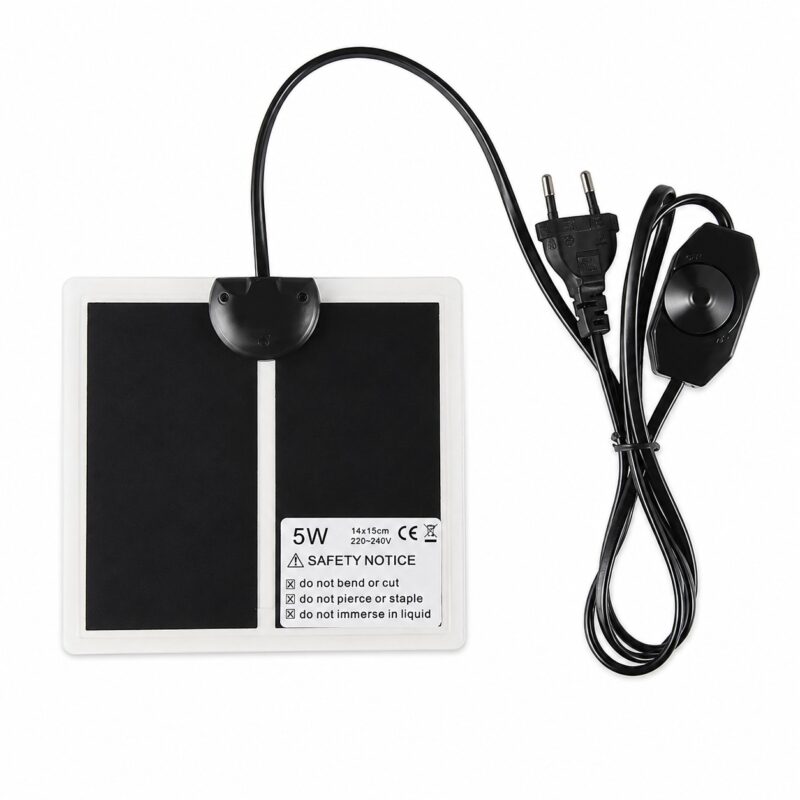
Warm in winter, insulated against summer heat

Heat Pack & Summer Cooling

Ready to grow from day one

Fertilised Queen in Every Colony

Packed fast, dispatched with tracking

Ships Within 24 h

Setup and feeding tips for your species

Free Care Guide

Fast answers from real ant keepers

24/7 Expert Support
Description

Keep a piece of myrmecology history: the red harvester whose seed-storing colonies and decades-long queens have filled more research papers than almost any other social insect. A landmark desert species from Mexico for the experienced keeper. Add a showpiece colony of Pogonomyrmex barbatus from ANTonTOP.

Live arrival + 24h unboxing-video guarantee.
Free shipping across Europe over 1299 zł.
DHL / InPost / EMS · ships the EU & worldwide.

Pro · Q 13 mm / W 6-12 mm · 2000-10000 workers · Not required · Granivore · Mexico (North America) · Sting (painful, Schmidt 3+)

Additional information

Behavior

Keeping difficulty

Origin

Ant size

Hibernation

Sting

Has sting

Description

Pogonomyrmex barbatus – Harvester ant

Origin Mexico (North America)
Difficulty Pro
Colony form Monogyne (1 queen)
Max workers 2000-10000 workers
Queen 13 mm
Worker 6-12 mm
Soldier / major
Founding Claustral
Temperature Nest 20-26 °C / Arena 22-32 °C
Humidity Nest 55-70% / Arena 40-60%
Hibernation Not required
Diet Granivore
Sting / bite Sting (painful, Schmidt 3+)
Egg to first worker ~6-8 weeks
Queen lifespan 15-20 years typical, up to ~30
Nuptial flight summer, following midsummer monsoon rains; Jul-Sep peak Jul-Aug
Activity diurnal ground-forager

Pogonomyrmex barbatus is the red harvester ant from Mexico, a seed-storer with one of the best-studied social lives of any ant. A demanding, Pro-level colony.


Why this species

Few ants come with as much scientific backstory as this one: it has been the subject of decades of long-term field research, which makes keeping it feel like tending a small piece of a famous study system. Behaviourally it lives on stored seeds, with a clear spread of worker sizes working the granary. Founding is claustral, the lone queen raising her first brood sealed away, and colonies are long-lived, often 15-20 years and up to around 30 (Gordon’s long-term study, where the colony lasts as long as the queen). The painful sting and mature size make it one for experienced keepers.


Feeding

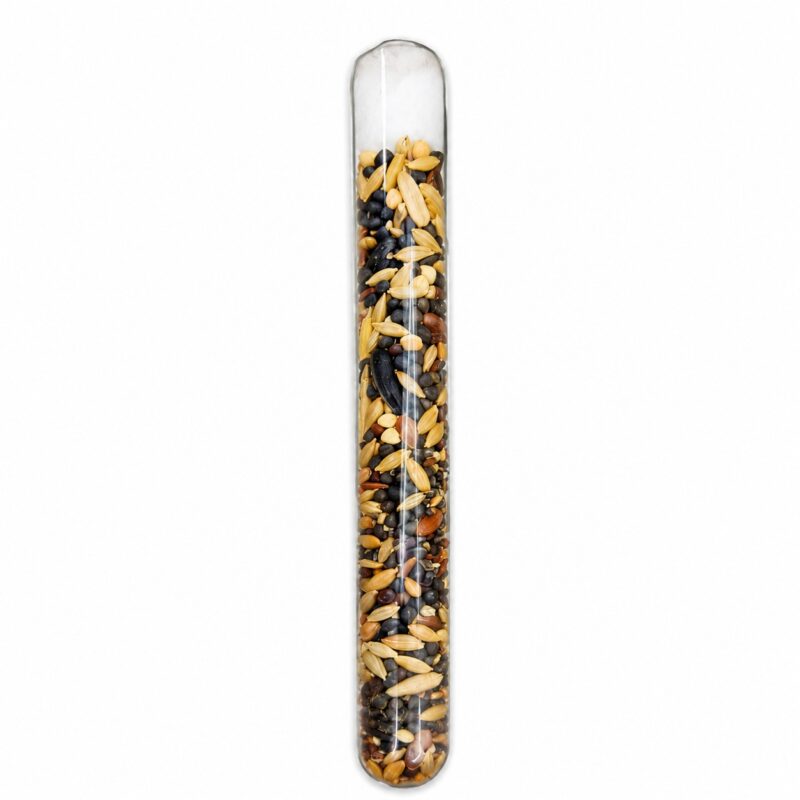
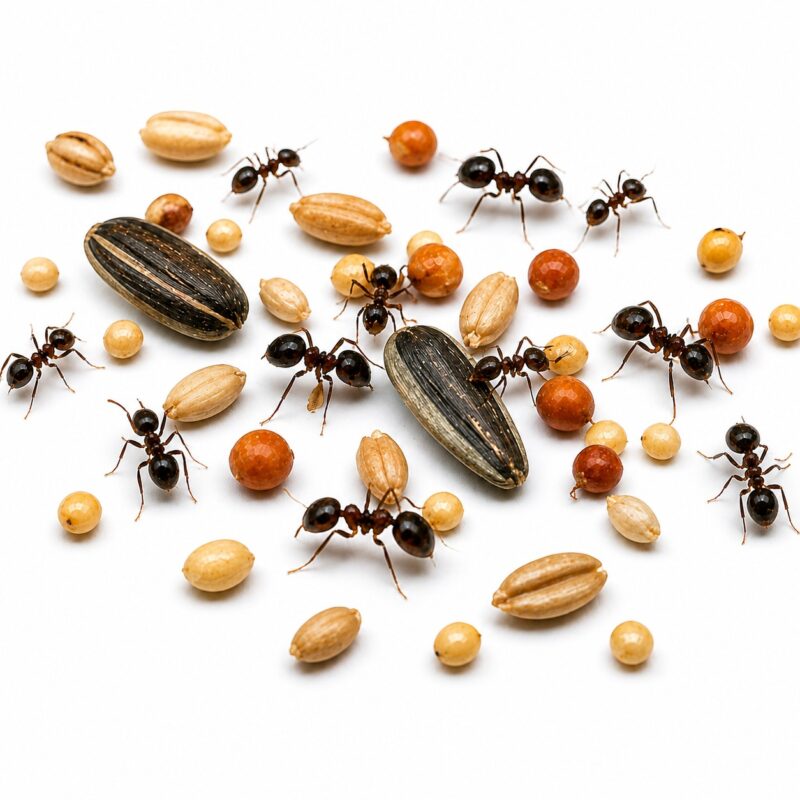
Barbatus lives by the seed: workers collect a dry seed mix and grind it into stored “ant bread” inside the granary chambers, taking insect prey occasionally to feed the larvae. Make a varied seed supply the staple and add protein from time to time.

Soft seeds (poppy, sesame, chia, niger) ★★★
Hard seeds (canary, millet, grass, dandelion) ★★★
Crickets / flies (for brood) ★★★
Quinoa / amaranth ★★
Sugar water / honey water ★★
Mealworms
Boiled egg yolk
Soft fruit
Dried insects
Live plant matter

★★★ readily · ★★ moderately · ★ occasionally · ✗ not eaten


Housing & formicarium

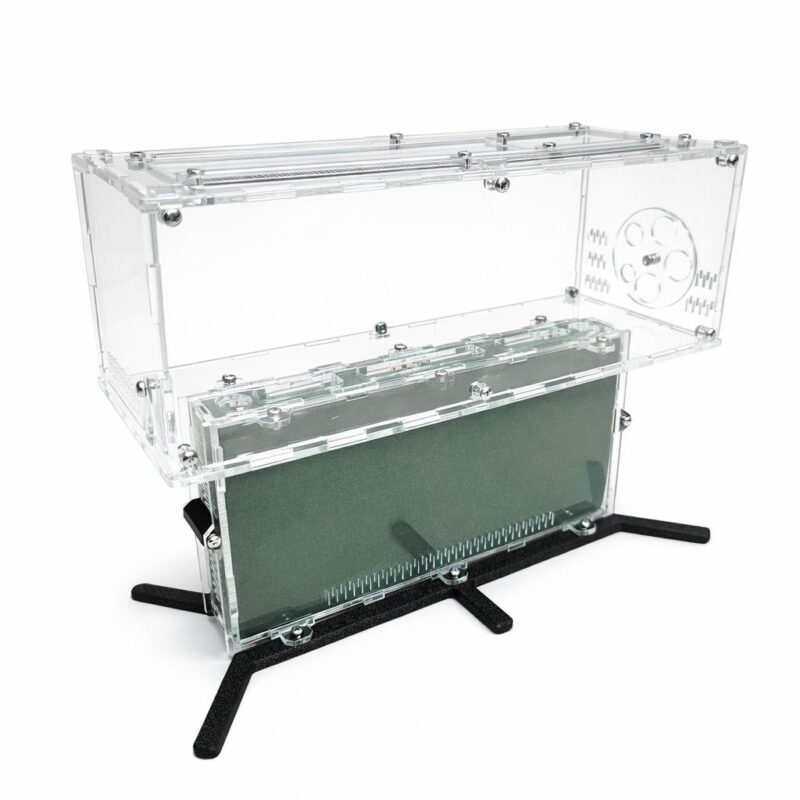
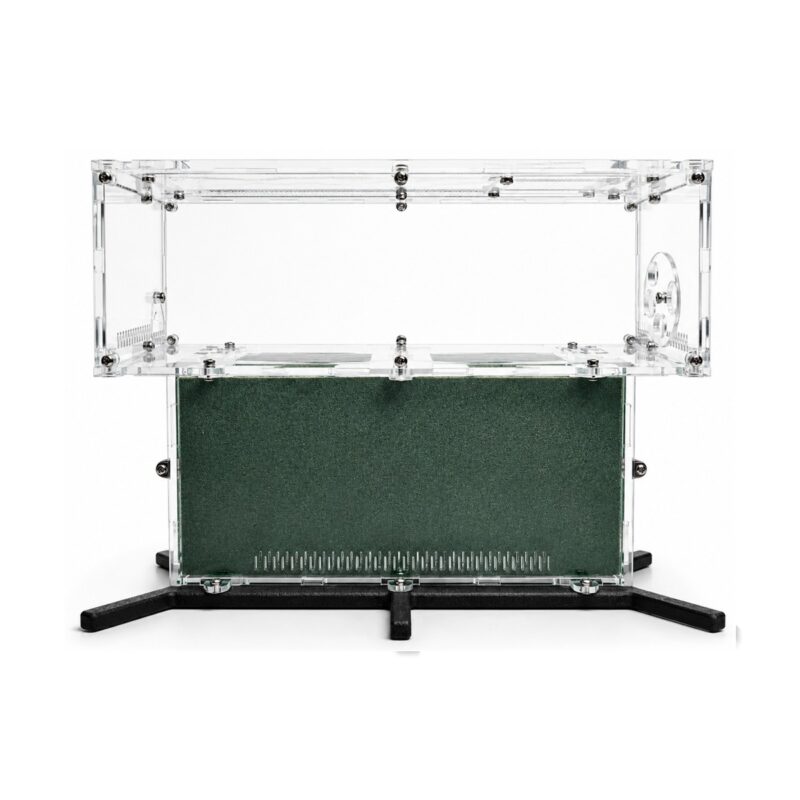
Raise the queen in a test tube and transfer once founding workers are out and foraging. This harvester stores grain, so it wants a dry seed-granary chamber alongside a slightly moist brood area; a sand-clay or aerated concrete (Ytong) nest holds that split nicely. Pair it with a generous, dry arena where workers husk seeds and build a chaff midden. Allow for upgrades as numbers climb. Keep a fluon (PTFE) band, oil, or talc and water around the rim. ANTonTOP starter kits and formicaria deliver nest, arena and barrier as a ready unit.


Climate & wintering

Hibernation is not required, so keep the colony active and feeding right through the year. This harvester wants desert warmth: nest 20-26 °C, arena 22-32 °C, nest humidity 55-70% and arena 40-60%. Heat only one side so the ants can move along a temperature gradient.


Growth forecast + what you receive

Growth is moderate. The first brood emerges and begins foraging in roughly 6-8 weeks, after which the colony works its way toward 2000-10000 workers. Your colony arrives as a queen with her workers and brood, ready to move into a dry, sandy nest.


Did you know

  • Barbatus is the subject of Deborah Gordon’s decades-long Arizona study, which used it to work out how ant colonies allocate tasks without any central control.
  • The species has a remarkable genetic caste system: in some populations a queen must mate with two distinct lineages to produce both workers and future queens.
  • Colony lifespan tracks the queen’s, and marked nests have been followed for around thirty years in the wild.
  • The genus name “bearded ant” refers to the brush of hairs beneath the head, used like a basket to haul sand and seeds.

Frequently asked questions

Is this a good ant for beginners?

No, it is rated Pro and aimed at experienced keepers.

Does the red harvester need a winter rest?

No, hibernation is not required; keep it active year-round.

Does Pogonomyrmex barbatus sting?

Yes, it has a painful sting (Schmidt 3+); take care around the arena.

How big does the colony get?

Between 2000 and 10000 workers at maturity.

How big is the queen?

The queen is about 13 mm; workers are 6-12 mm.

How fast does it grow?

Moderate, with the first brood foraging in roughly 6-8 weeks.

What does this harvester ant eat?

Mainly seeds, plus insect protein for brood and occasional sugar water.

How is it shipped and will it arrive alive?

It ships as a queen with workers and brood, with a heat or cool pack, dispatched within 24 h with tracking for safe live arrival.


Keeping & shipping essentials

Escape prevention. Coat the inner rim of every open arena with fluon (PTFE), or use talc-and-water or an oil barrier as a backup, and keep a tight, fine-mesh lid on top. Check the barrier regularly, since dust, condensation and feeding debris break a fluon line over time. Keep tubing connectors tight and seal any gaps in the nest.

Keeping reminders. Always offer fresh water and never let the nest dry out completely. Give carbohydrates continuously and protein a few times a week, and remove uneaten insect prey within 24 hours before it moulds. Keep the formicarium out of direct sunlight and away from constant vibration, which stresses a young colony. A water-filled test tube plugged with cotton makes an ideal spare incubator whenever you need one.

Before you buy – do not rehouse too early. Have a test-tube setup or a small formicarium with an outworld and a working barrier ready before your colony arrives. A founding colony grows slowly at first, which is normal. Moving a small colony into a large nest too soon invites mould, mites and stress, and the workers die off one by one. Keep the colony in its open test tube on the arena, plug the nest entrance with cotton, and open up the next chambers only once the colony fills roughly 10-15% of the space.

What we ship. Every colony ships with a live-arrival guarantee, backed by our 24h unboxing-video guarantee: if the queen does not arrive alive, we reship free. Parcels travel with DHL, InPost (PL) or EMS, with a heat or cold pack to suit the season, packed discreetly and securely. We ship across the EU and worldwide, with free shipping over the Europe threshold.

Complete Your Setup
Reviews
4.5
2 reviews
1
1
0
0
0

2 reviews for Pogonomyrmex barbatus

Clear filters
  1. Li (verified owner)

    The Queen arrived with 2 larwas

  2. Alejandro (verified owner)

    colony arrive without brood

Add a review

Your email address will not be published. Required fields are marked *

Bestsellers