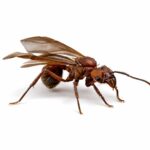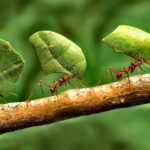

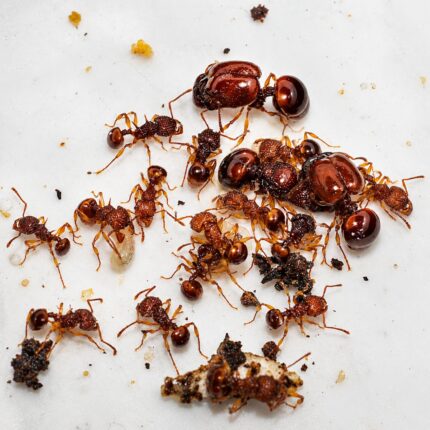
Acromyrmex octospinosus
699,90 zł – 1299,90 złPrice range: 699,90 zł through 1299,90 zł
Live Queen Guarantee
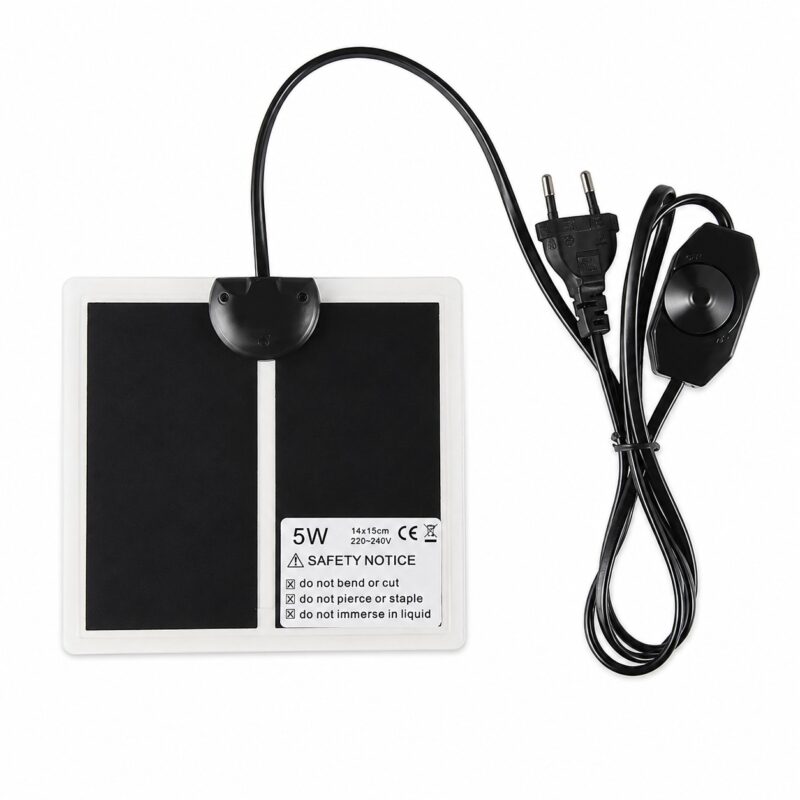
Heat Pack & Summer Cooling
Fertilised Queen in Every Colony
Ships Within 24 h
Free Care Guide
24/7 Expert Support
Description
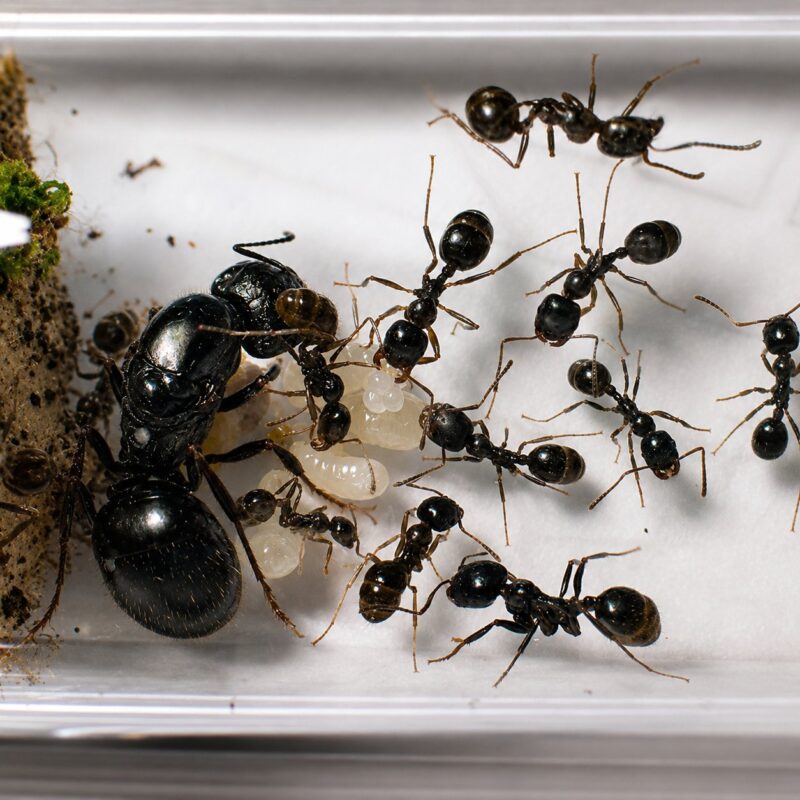
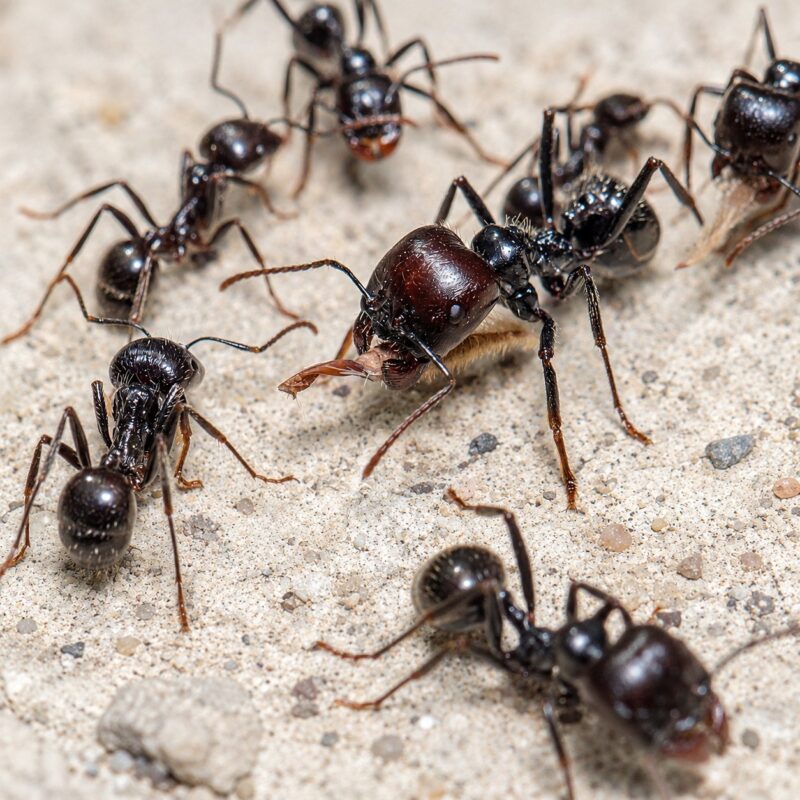
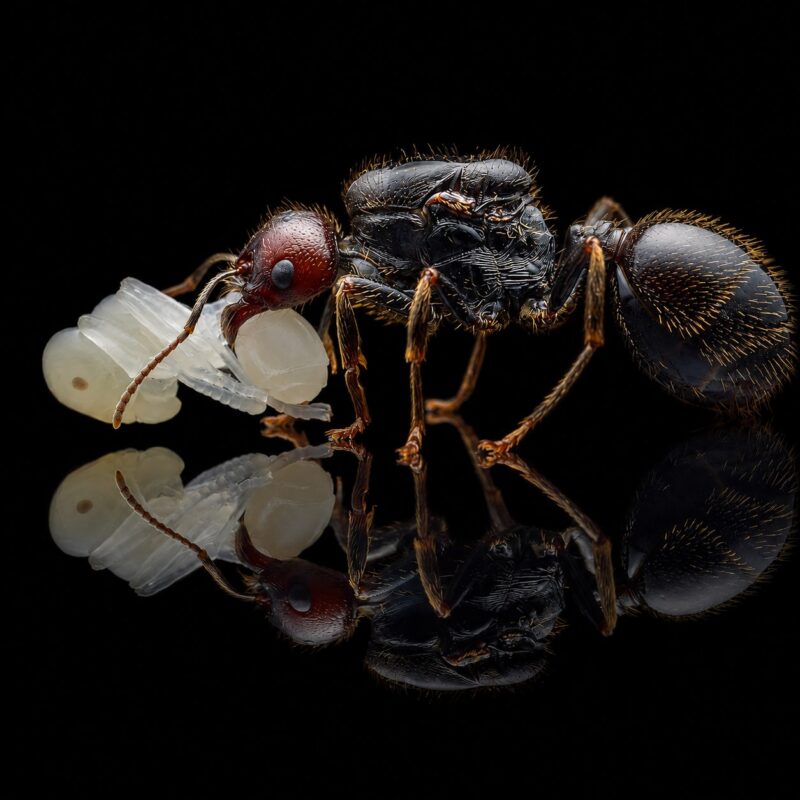
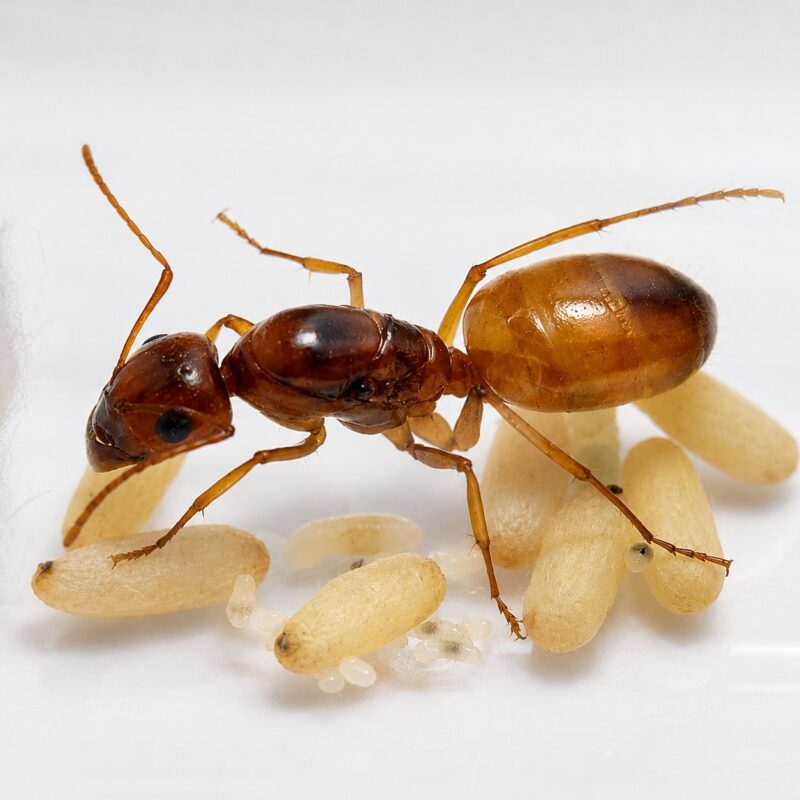
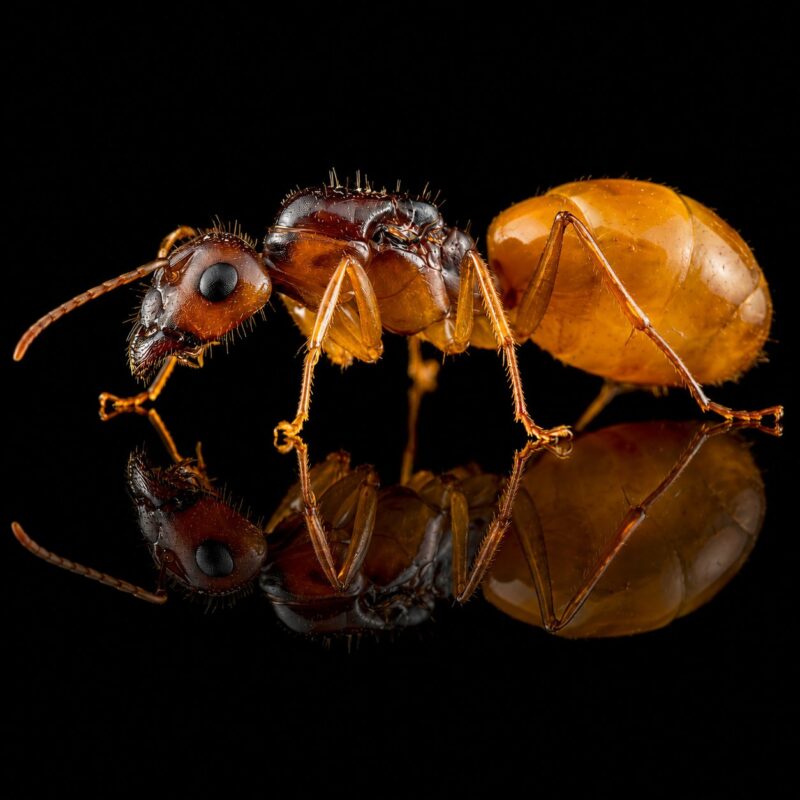
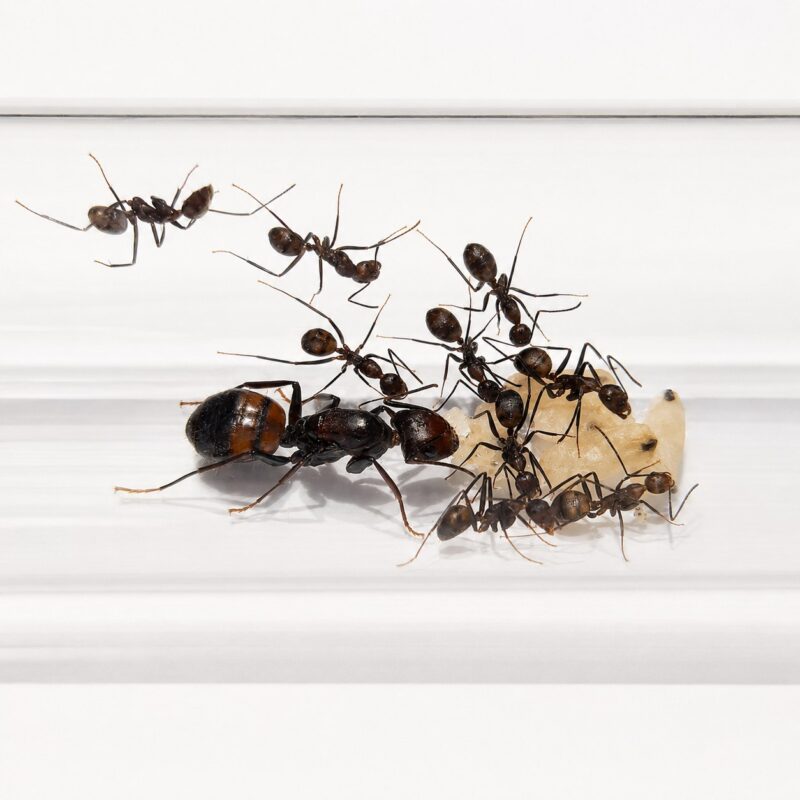
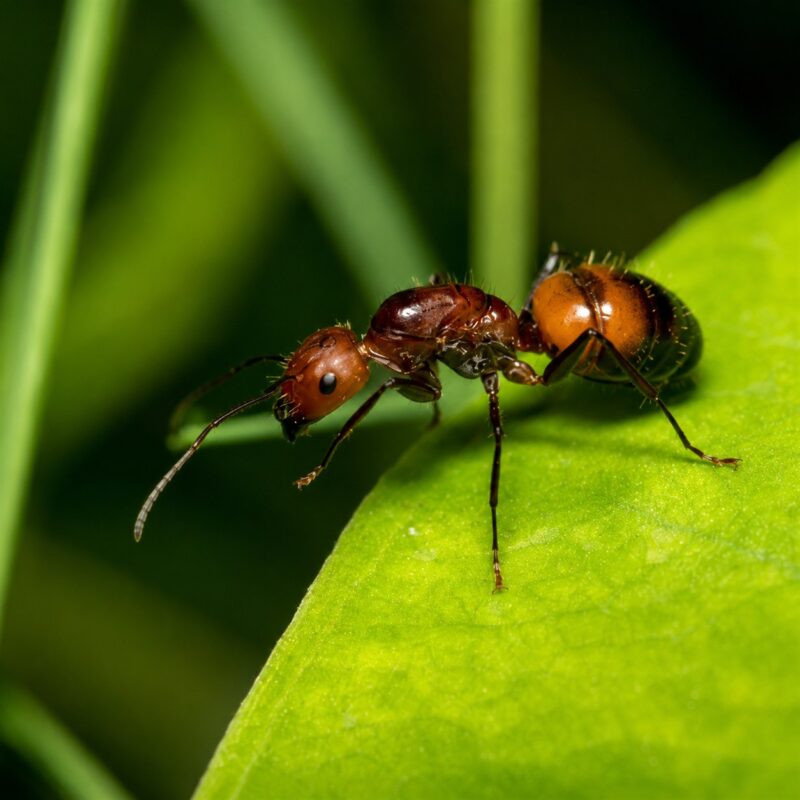
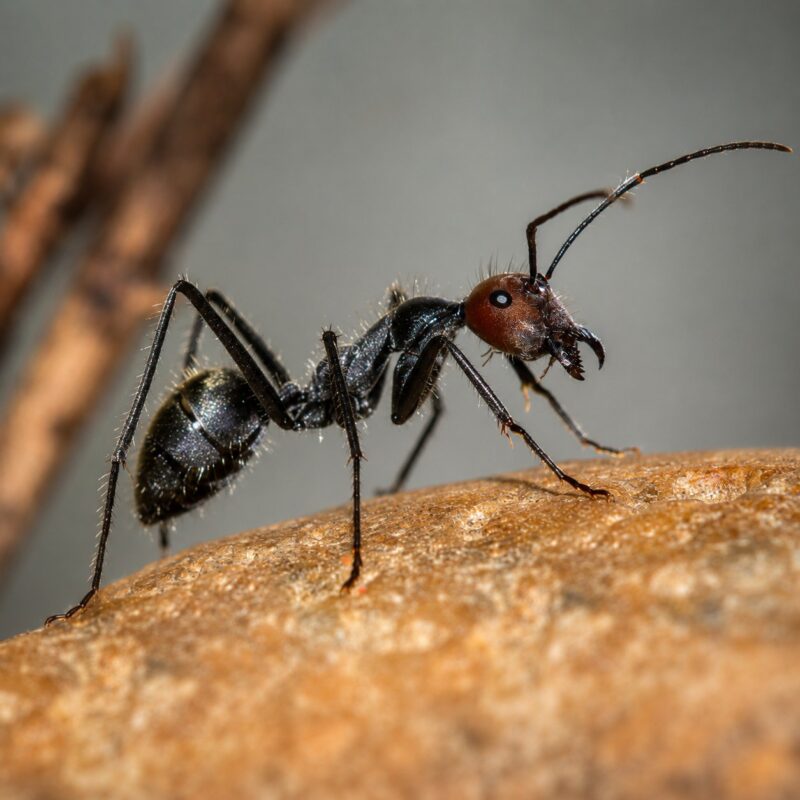
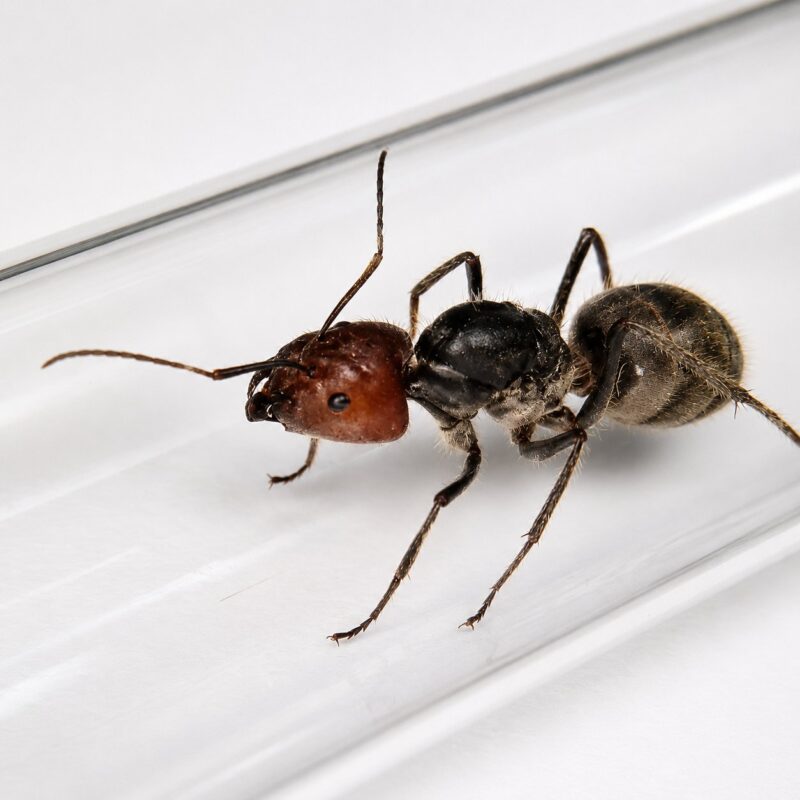
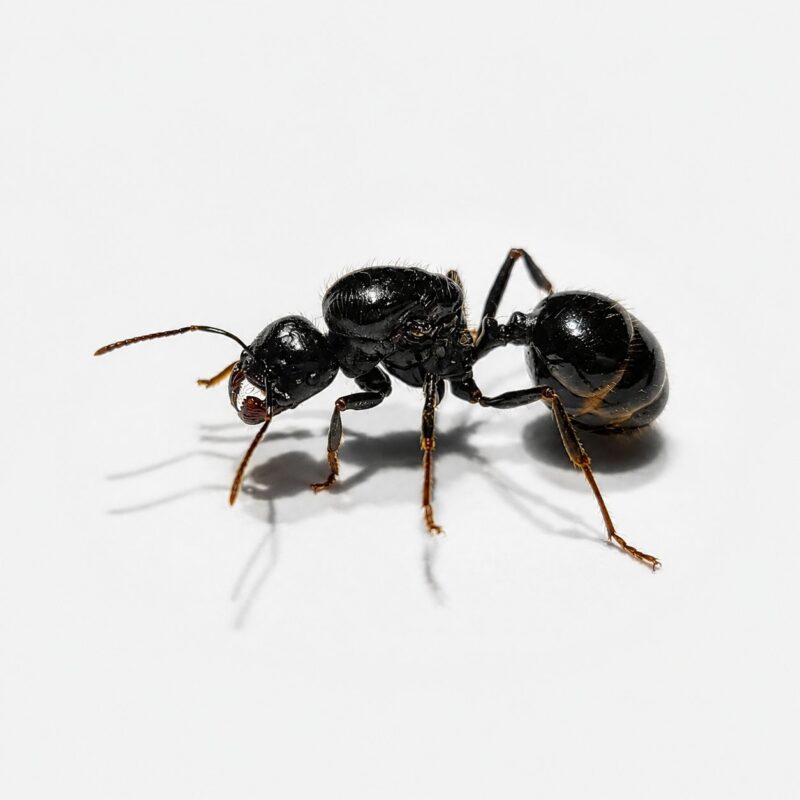
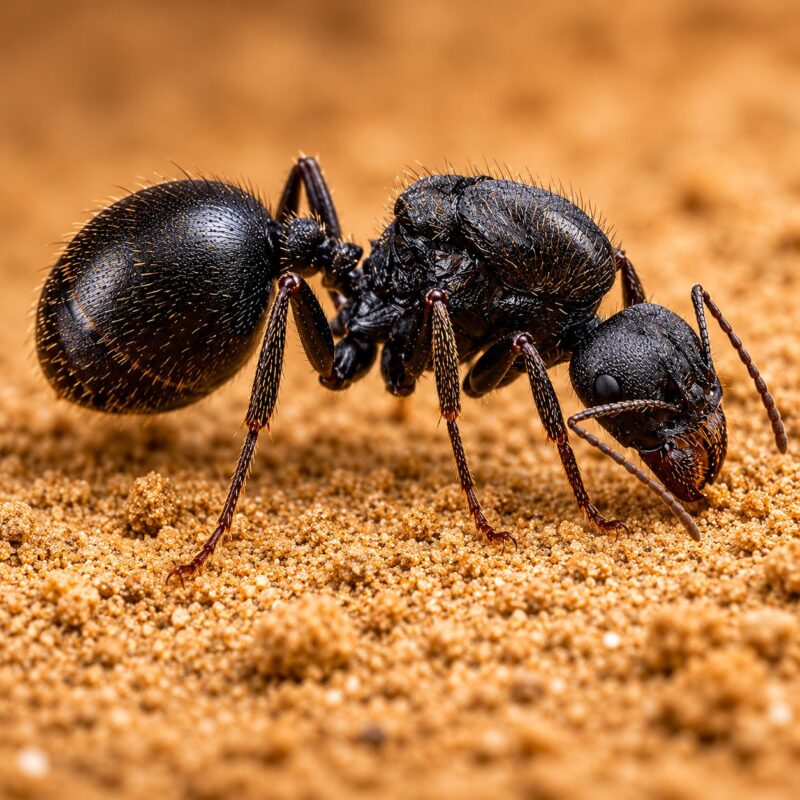
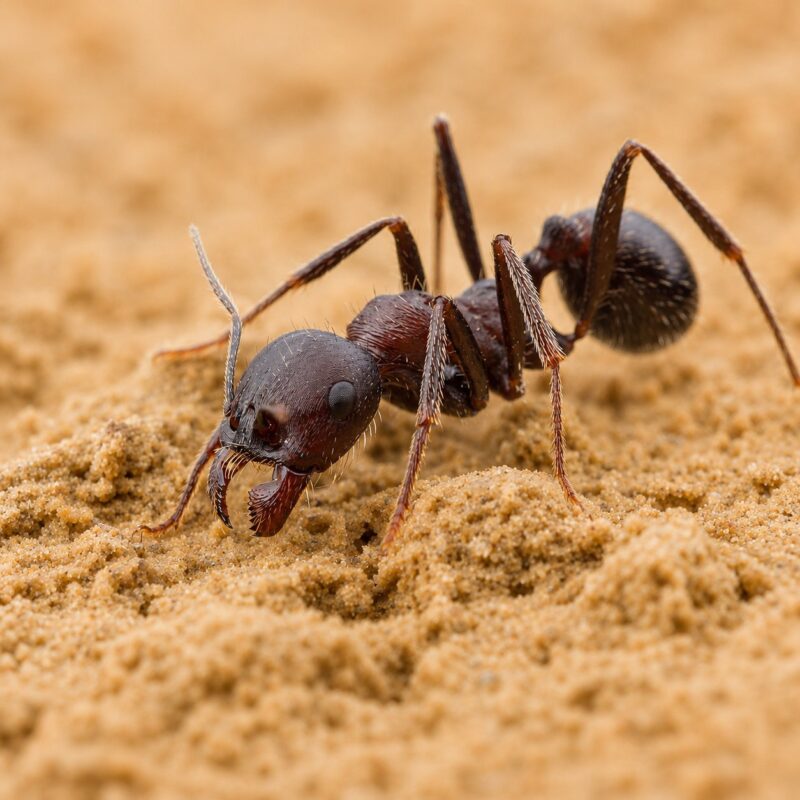
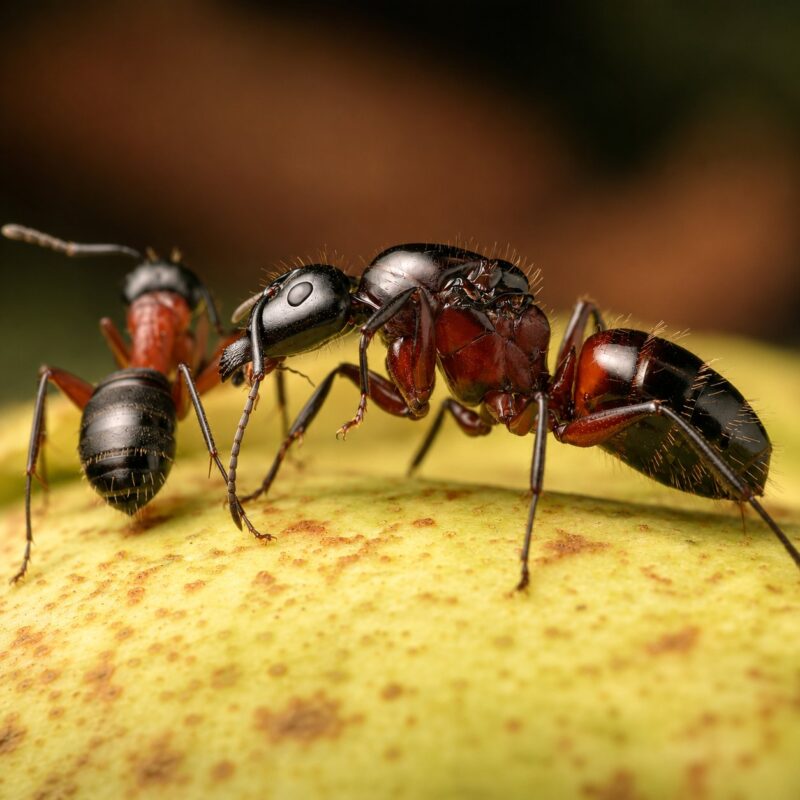
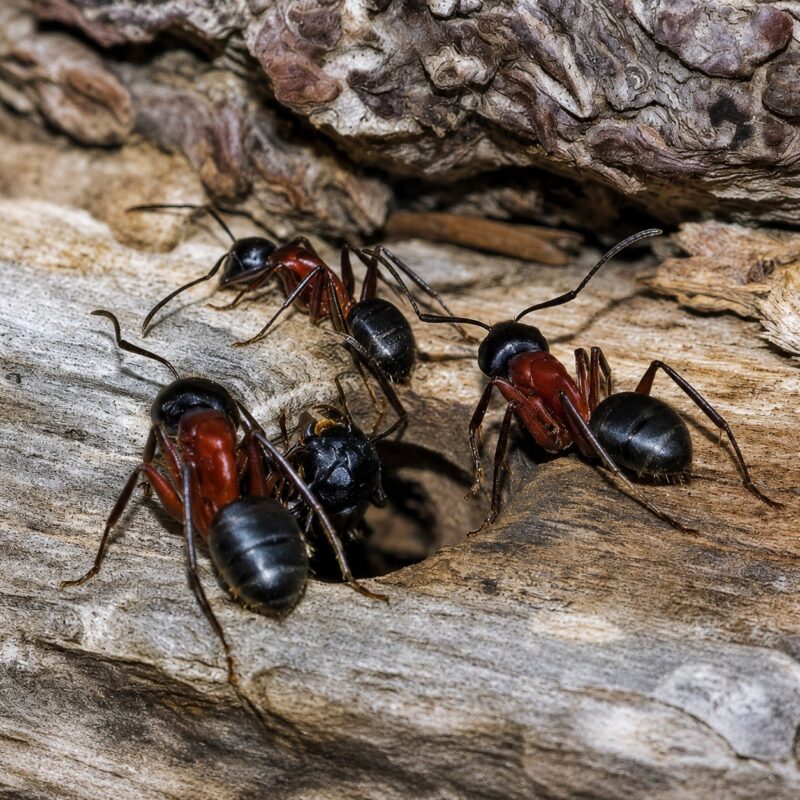
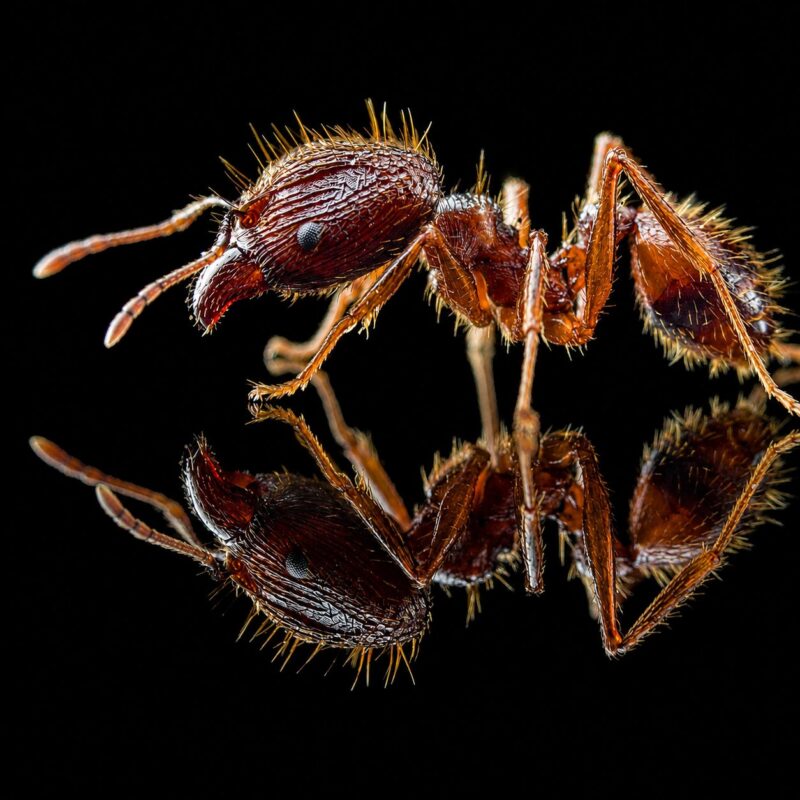
Watch a working leafcutter snip fresh foliage and farm it into an edible fungus, the whole cast on show from tiny gardeners to bulky cutters. Add a showpiece Acromyrmex octospinosus colony at ANTonTOP.
Free shipping across Europe over 1299 zł.
DHL / InPost / EMS · ships the EU & worldwide.
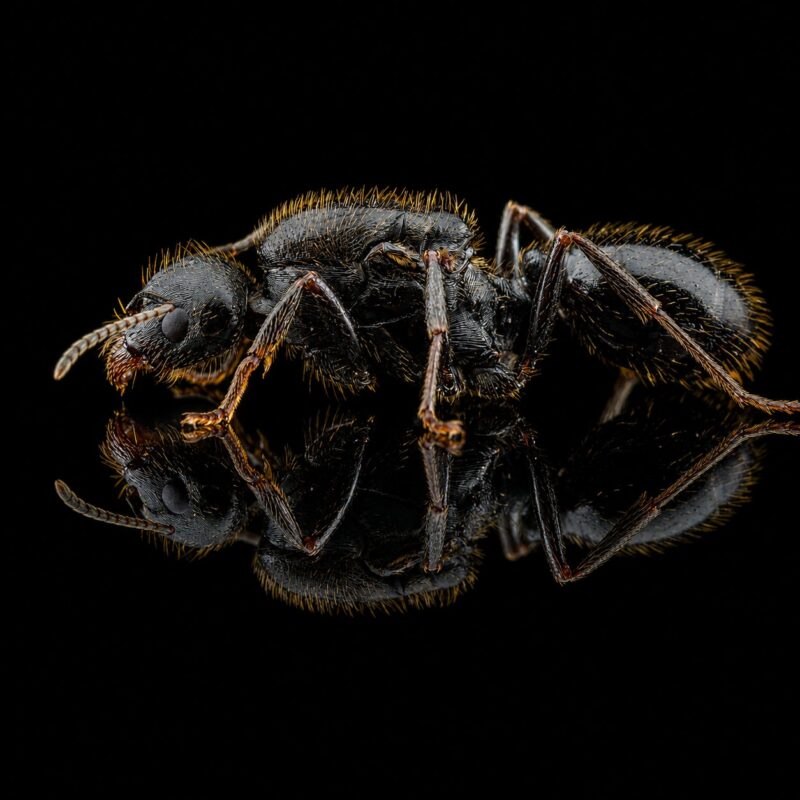
Pro · Q 12-14 mm / W 3-12 mm (highly polymorphic) / S 8-10 mm · Up to 20,000 workers · No hibernation (tropical) · Fungus-farmer · Suriname (Central and South America) · Sting (mild), mild bite
Additional information
| Behavior | |
|---|---|
| Keeping difficulty | |
| Origin | |
| Ant size | |
| Hibernation | |
| Sting |
Has sting |
Acromyrmex octospinosus – Leafcutter ant
| Origin | Suriname (Central and South America) |
|---|---|
| Difficulty | Pro |
| Colony form | Monogyne (1 queen) |
| Max workers | Up to 20,000 workers |
| Queen | 12-14 mm |
| Worker | 3-12 mm (highly polymorphic) |
| Soldier / major | 8-10 mm |
| Founding | Claustral |
| Temperature | Fungus chamber: 23-26 °C, Arena: 21-28 °C |
| Humidity | Fungus chamber: 90-100%, Arena: 40-70% |
| Hibernation | No hibernation (tropical) |
| Diet | Fungus-farmer |
| Sting / bite | Sting (mild), mild bite |
| Egg to first worker | ~6-10 weeks |
| Queen lifespan | 10-15 years |
| Nuptial flight | beginning of rainy season (seasonal) |
| Activity | both (mainly night/early morning; forages by day in captivity) |
Acromyrmex octospinosus is a leafcutter from Suriname that grows its own fungus garden, fielding everything from tiny gardeners to bulky cutters, a living farm for the experienced keeper.
Why this species
This is one of the most engaging ants in the hobby because the colony runs a farm. The ants do not eat the leaves they harvest; they chew them into a pulp to cultivate a fungus, and that fungus is what feeds everyone, so you are really tending a tiny agricultural system. Watching cutters ferry leaf fragments past minute gardeners tending the garden is the heart of it. Founding is claustral, and the strict, near-saturated garden humidity is the main hurdle. Demanding but absorbing, it rewards a keeper who wants a project rather than a pet.
Feeding
Not a forager in the usual sense but a farmer: the cutters carry fresh leaf and petal into the nest, where smaller workers chew it into a pulp and tend a fungus garden. The colony eats the fungus, not the leaves, so the greenery you supply is really fertiliser for the crop. Insects are not eaten directly.
| Fresh leaves (bramble, rose, oak) | ★★★ |
| Flower petals | ★★ |
| Fresh fruit pieces | ★★ |
| Dried leaves | ★ |
| Oats / polenta | ★ |
| Sugar water | ★ |
| Soft seeds (poppy, sesame) | ✗ |
| Hard seeds (canary, millet) | ✗ |
★★★ readily · ★★ moderately · ★ occasionally · ✗ not eaten
Housing & formicarium
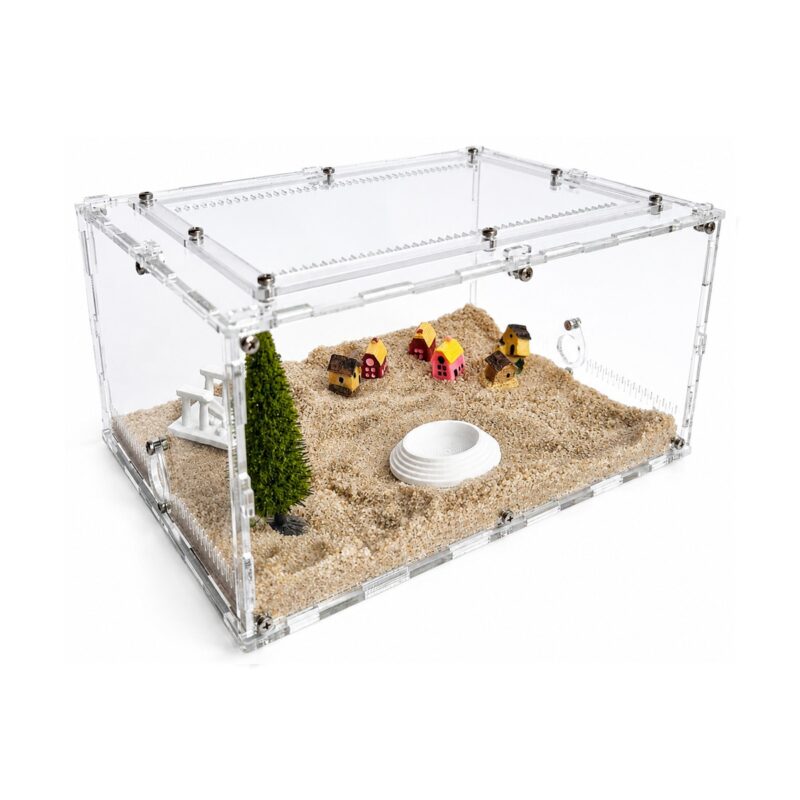
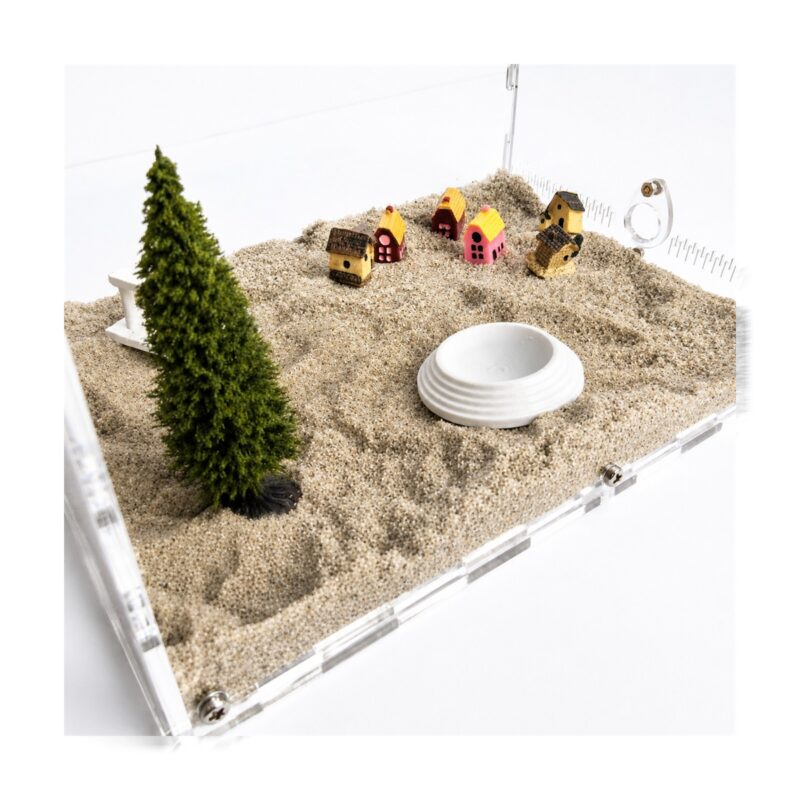
These fungus-farmers need a dedicated garden chamber held near-saturated, a drier arena, and a separate waste area, all linked by tubing for cutting traffic. Found the colony in a small fungus-ready container and move up as the garden swells, since it expands quickly once the workforce builds. Line the arena rim and every joint with fluon (PTFE), backed by oil or talc-and-water. ANTonTOP formicaria and starter kits include leafcutter setups so the garden, arena and waste zone are configured correctly from day one.
Climate & wintering
Two zones, two climates. Hold the fungus chamber at 23-26 °C and keep it near-saturated at 90-100% humidity so the garden never dries out, while the foraging arena sits at 21-28 °C and a far drier 40-70%. Build a clear gradient between the damp garden and the airier arena. There is no hibernation; the colony runs warm and active throughout the year.
Growth forecast + what you receive
Progress tracks the fungus garden: slow at first while the crop takes hold, then a real acceleration as the garden spreads, eventually supporting a large colony of up to 20,000 workers, with brood developing over roughly 6-10 weeks. Your colony arrives as a queen with workers, brood and an established fungus start, the living garden already up and running.
Did you know
- The species name octospinosus means “eight-spined”, a nod to the pairs of spines along the body that mark out Acromyrmex leafcutters.
- The colony farms a single fungus crop and feeds almost entirely on it; the cut leaves are substrate for the garden, never eaten directly.
- Workers carry a strain of Pseudonocardia bacteria on their bodies that produces antibiotics, helping to suppress moulds that would otherwise wreck the fungus garden.
- Leafcutters run a strict sanitation system, with dedicated refuse workers hauling spent substrate and dead fungus to waste piles well away from the crop.
- Acromyrmex and its relatives are among the few animals besides humans to have evolved farming, a partnership with their fungus going back tens of millions of years.
Frequently asked questions
Is Acromyrmex octospinosus good for beginners?
No, it is rated Pro and suits experienced keepers who can manage a fungus garden.
Does Acromyrmex octospinosus need a winter rest?
No, it is tropical and active year-round, with no cool rest period.
Does a leafcutter ant sting or bite?
It has a sting and a mild bite, used mostly for defence.
How big does the colony get?
Up to 20,000 workers, making it one of the larger colonies in the hobby.
How large is the queen?
The queen is 12-14 mm, with highly polymorphic workers from 3-12 mm and soldiers at 8-10 mm.
How fast does a leafcutter colony grow?
Growth speeds up as the fungus garden matures, with brood developing over about 6-10 weeks.
What do leafcutter ants actually eat?
It farms fungus on fresh, pesticide-free leaves and petals; sugar water and fruit are taken too, but the fungus is the colony’s food.
Will it arrive alive?
Yes, you receive a queen with workers, brood, and a fungus start, shipped with a heat or cool pack and dispatched within 24 h with tracking.
Keeping & shipping essentials
Escape prevention. Coat the inner rim of every open arena with fluon (PTFE), or use talc-and-water or an oil barrier as a backup, and keep a tight, fine-mesh lid on top. Check the barrier regularly, since dust, condensation and feeding debris break a fluon line over time. Keep tubing connectors tight and seal any gaps in the nest.
Keeping reminders. Always offer fresh water and never let the nest dry out completely. Give carbohydrates continuously and protein a few times a week, and remove uneaten insect prey within 24 hours before it moulds. Keep the formicarium out of direct sunlight and away from constant vibration, which stresses a young colony. A water-filled test tube plugged with cotton makes an ideal spare incubator whenever you need one.
Before you buy – do not rehouse too early. Have a test-tube setup or a small formicarium with an outworld and a working barrier ready before your colony arrives. A founding colony grows slowly at first, which is normal. Moving a small colony into a large nest too soon invites mould, mites and stress, and the workers die off one by one. Keep the colony in its open test tube on the arena, plug the nest entrance with cotton, and open up the next chambers only once the colony fills roughly 10-15% of the space.
What we ship. Every colony ships with a live-arrival guarantee, backed by our 24h unboxing-video guarantee: if the queen does not arrive alive, we reship free. Parcels travel with DHL, InPost (PL) or EMS, with a heat or cold pack to suit the season, packed discreetly and securely. We ship across the EU and worldwide, with free shipping over the Europe threshold.

Reviews
Clear filtersThere are no reviews yet.