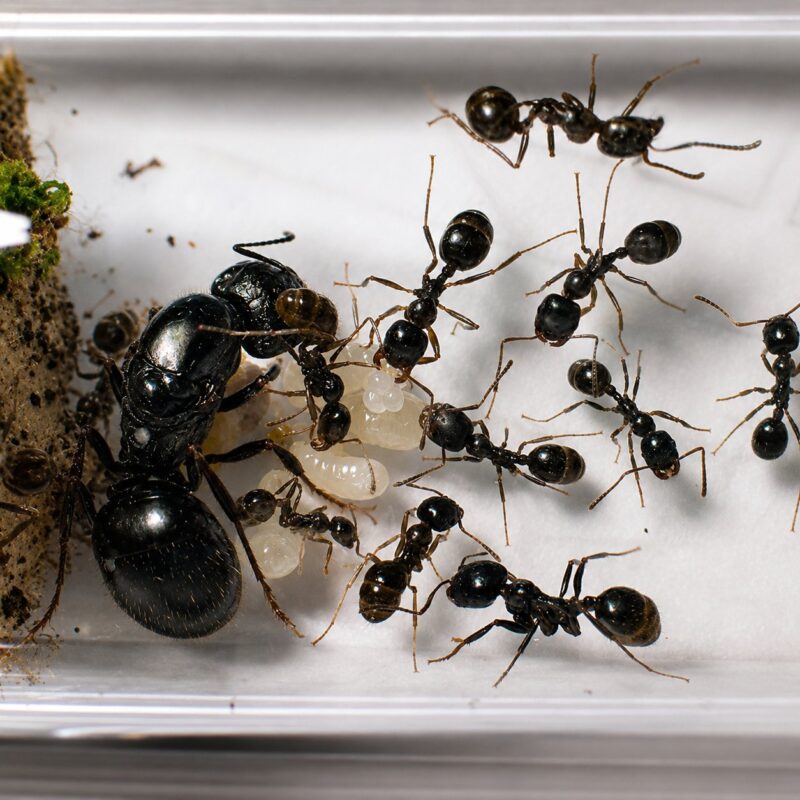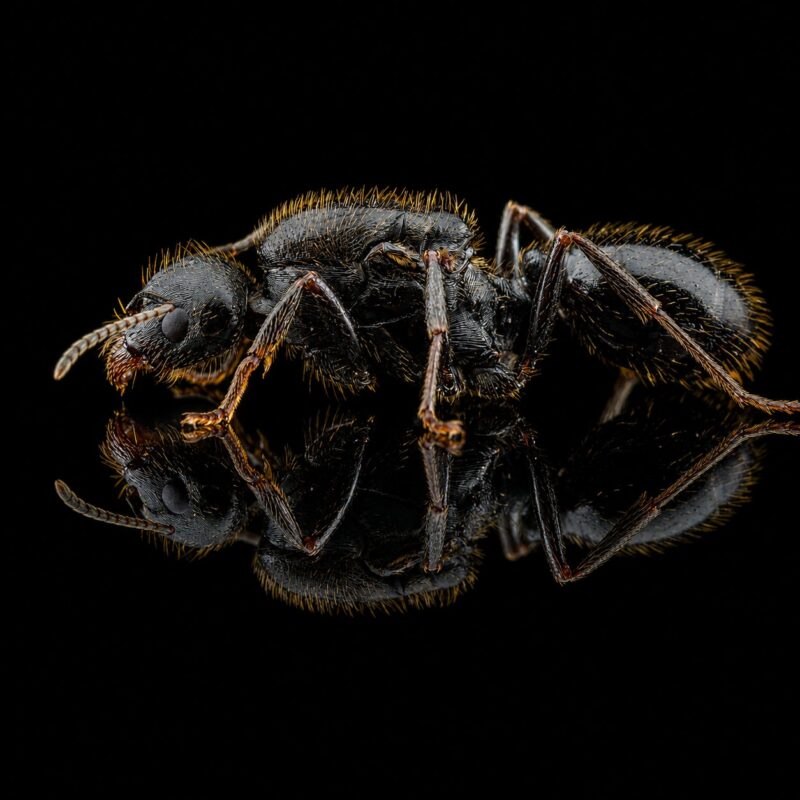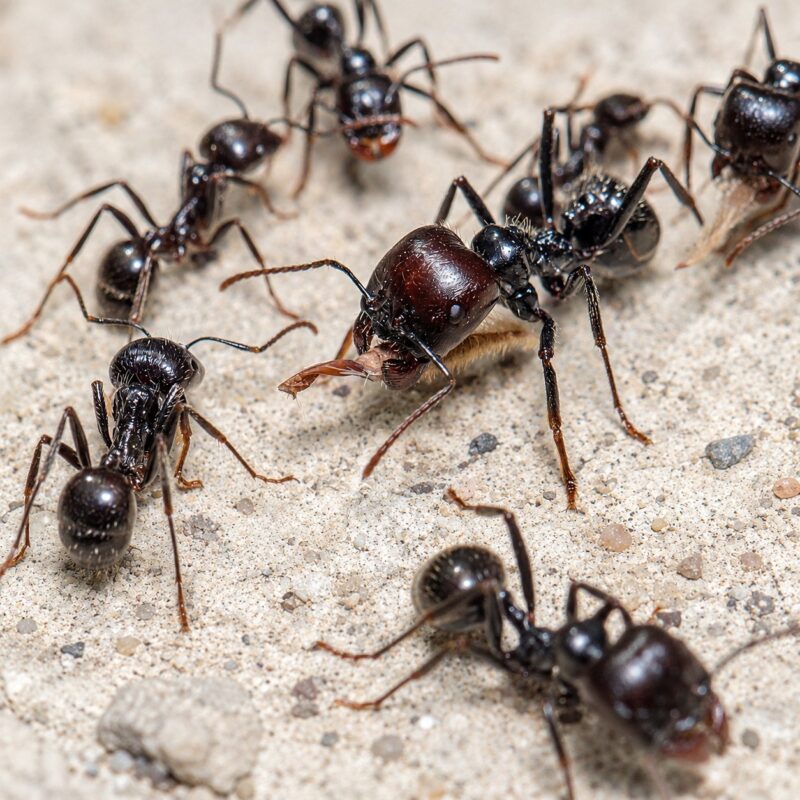

Acanthomyrmex thailandensis
299,90 zł – 999,90 złPrice range: 299,90 zł through 999,90 zł
Live Queen Guarantee
Heat Pack & Summer Cooling
Fertilised Queen in Every Colony
Ships Within 24 h
Free Care Guide
24/7 Expert Support
Description
DHL across the EU · EMS worldwide · Live arrival guaranteed.
Free shipping across Europe over 1299 zł.
Quick facts: Founding queen colony · Beginner-friendly · Small-sized · from Southeast Asia · No hibernation · Has a sting
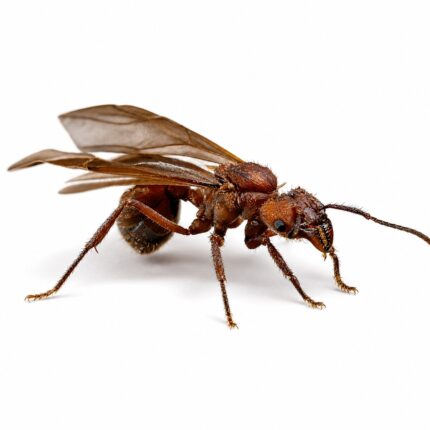
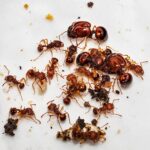
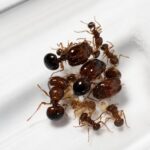
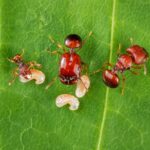
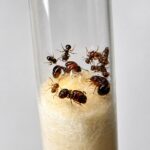
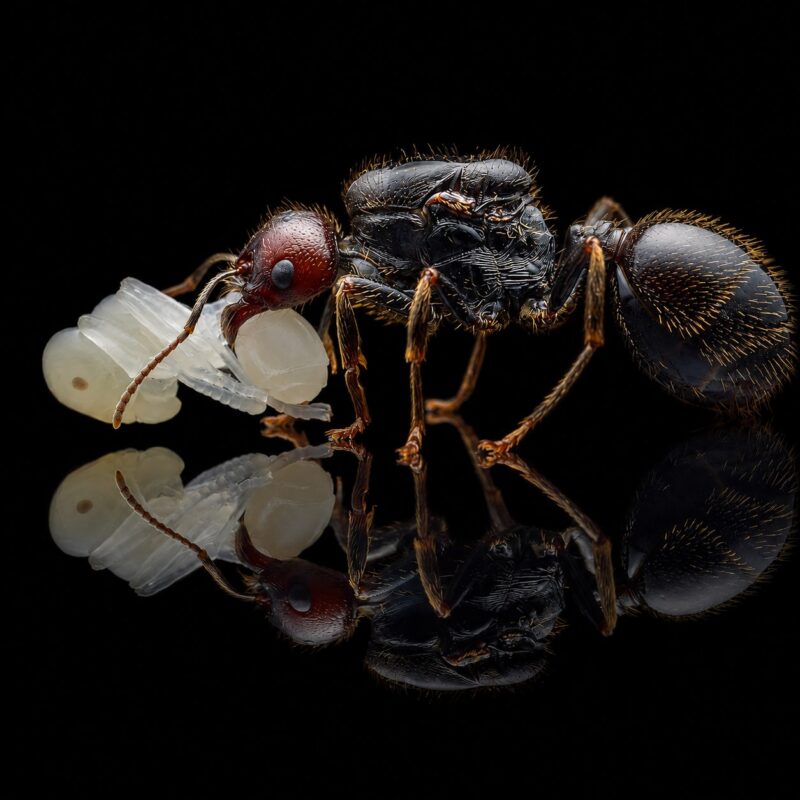
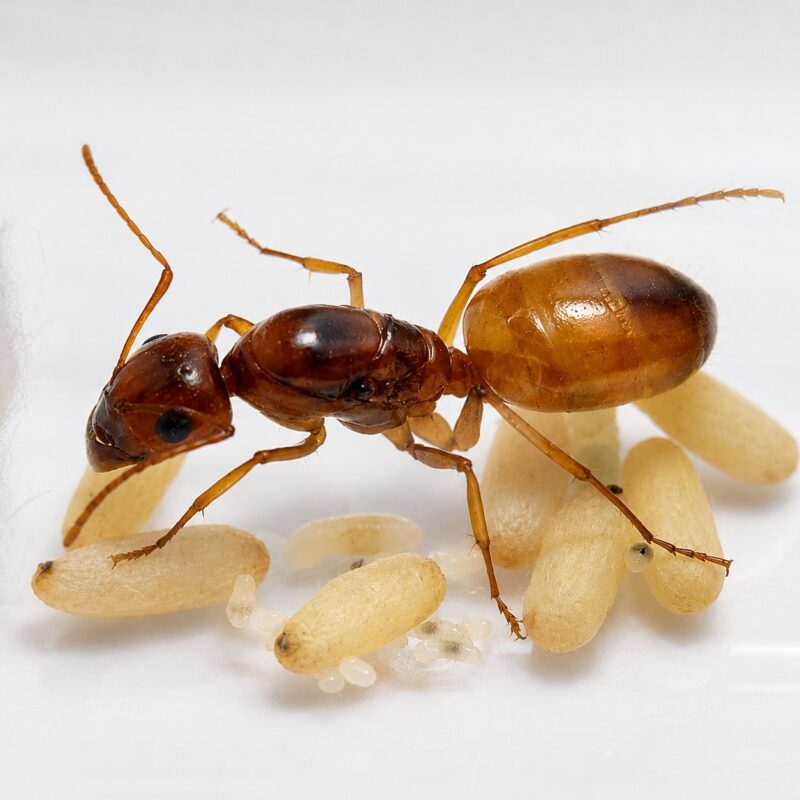
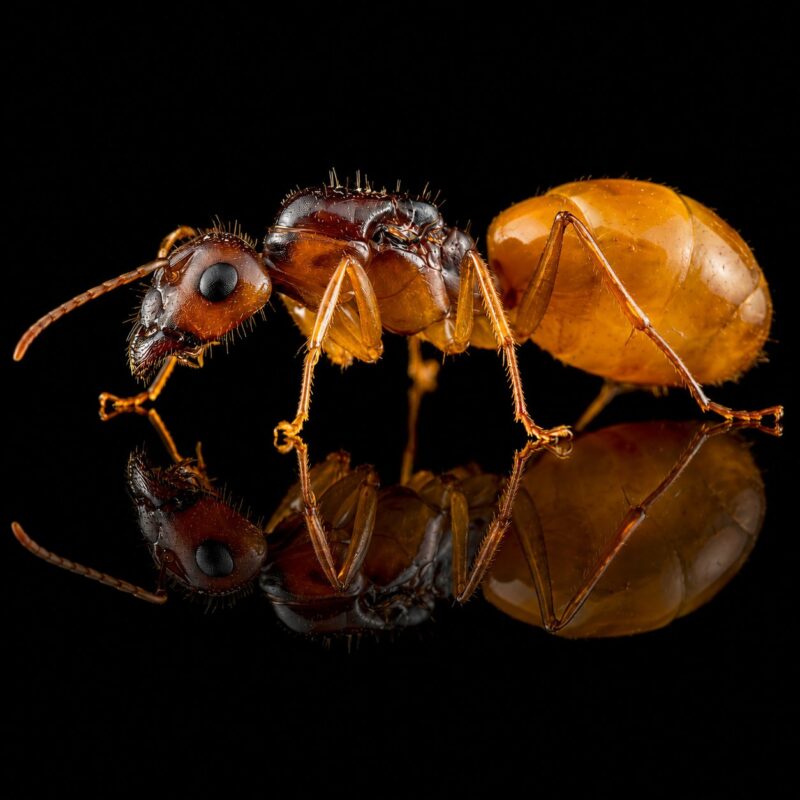
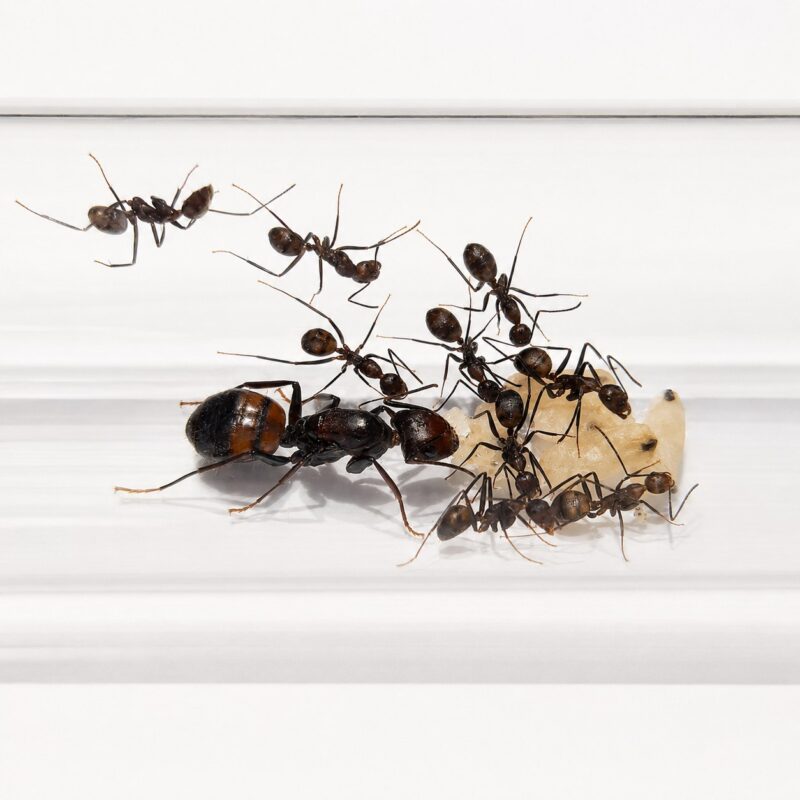
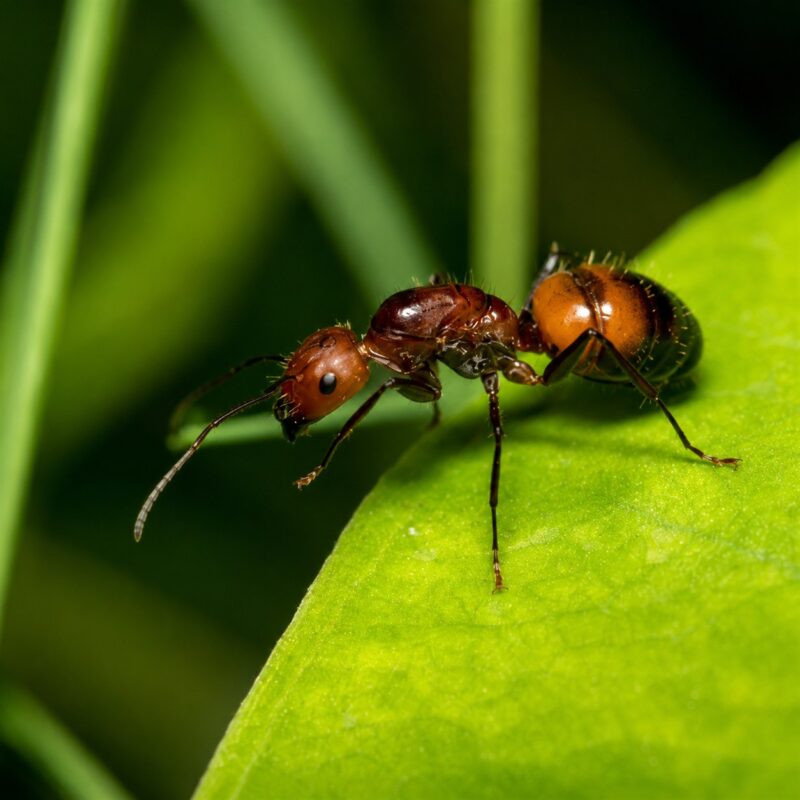
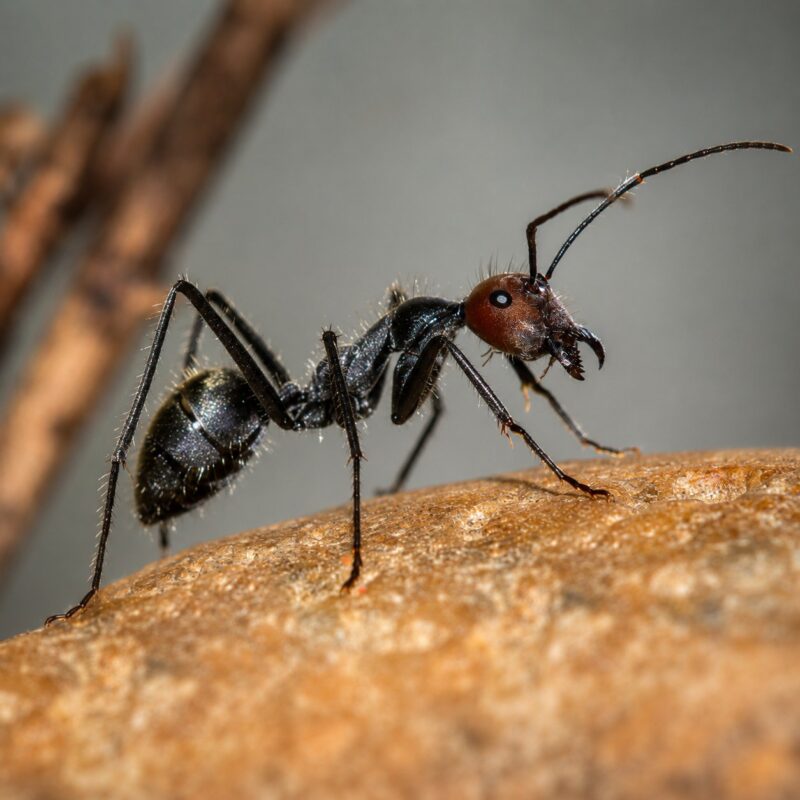
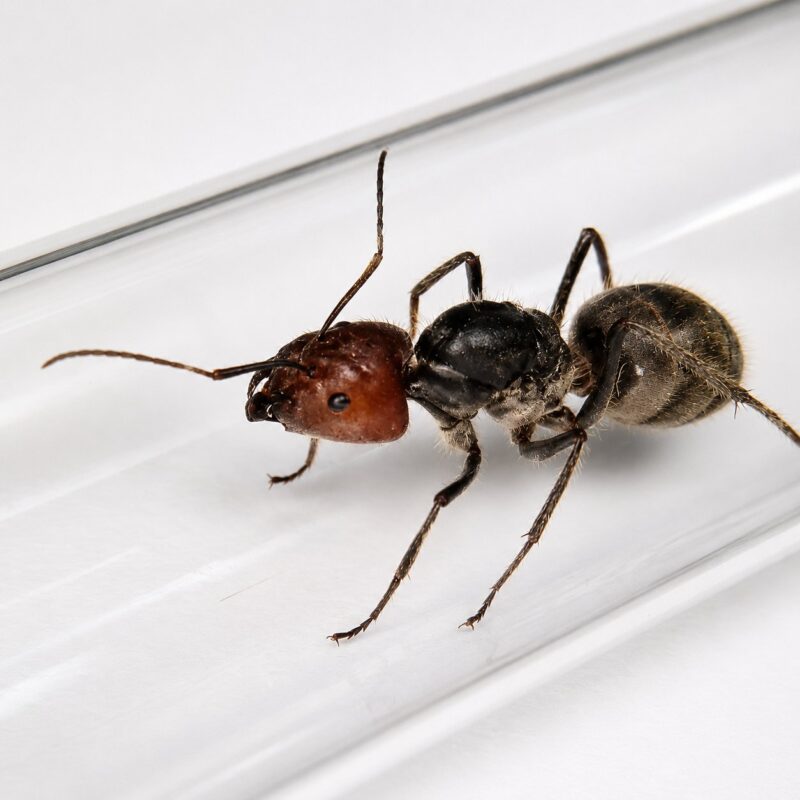
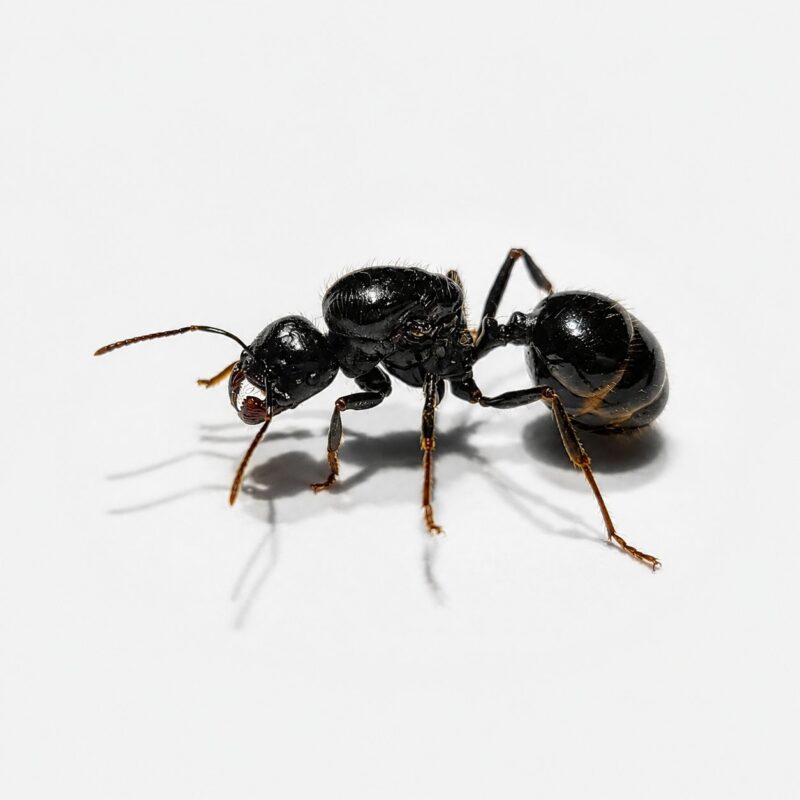
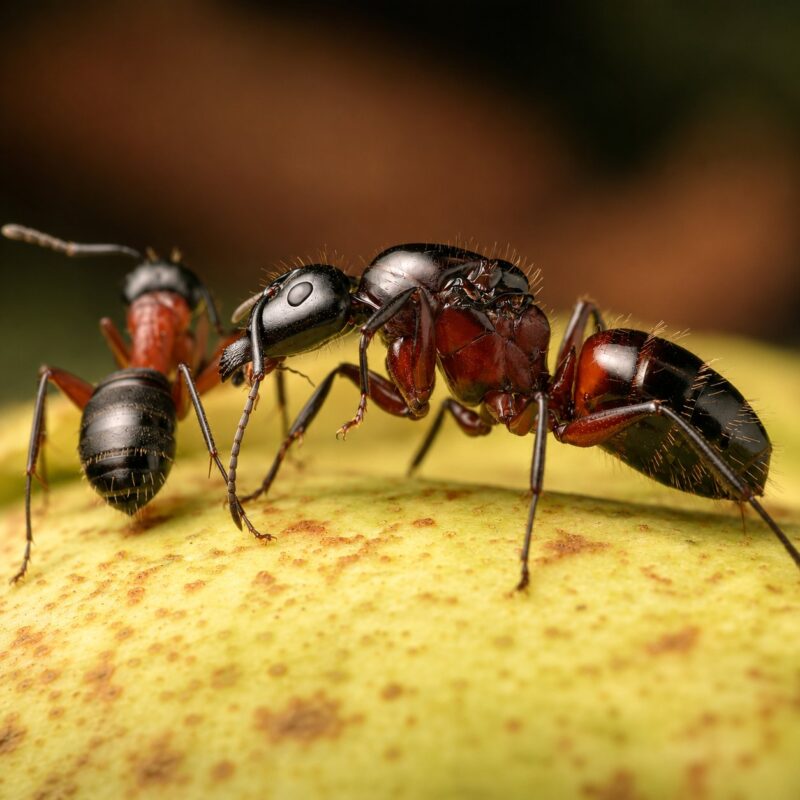
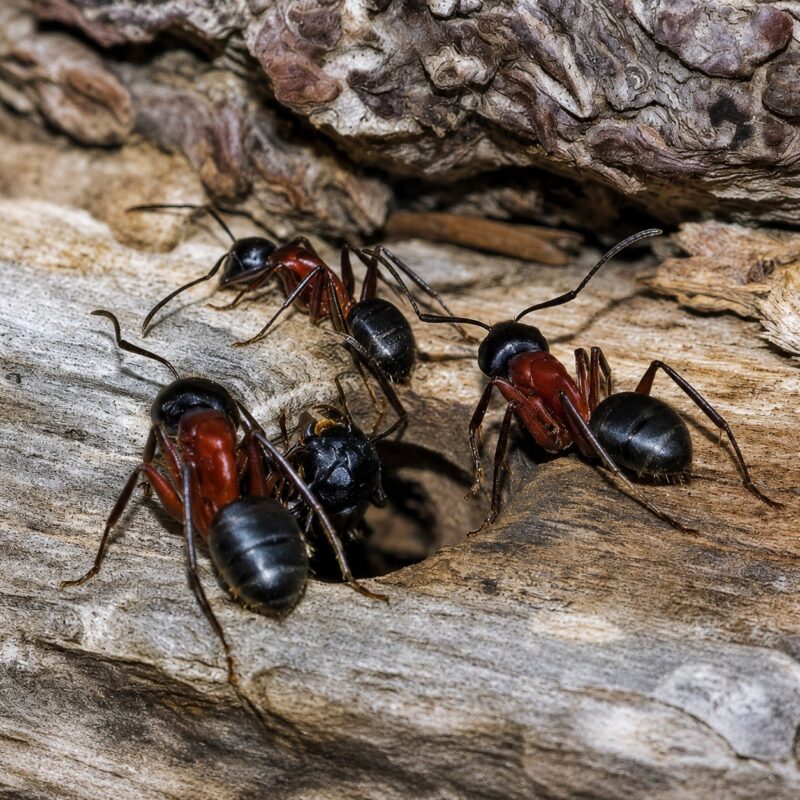
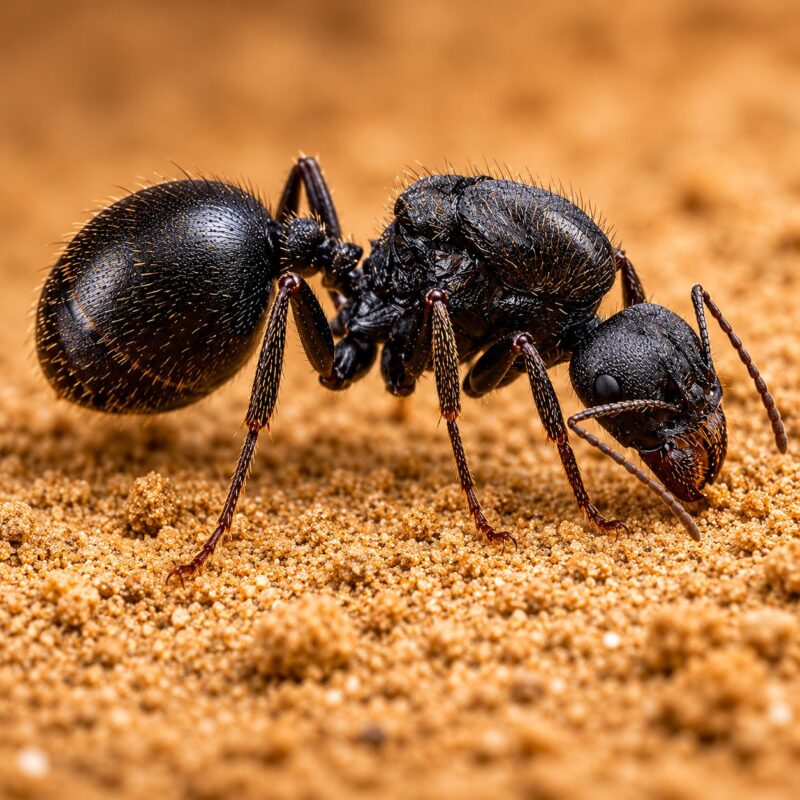
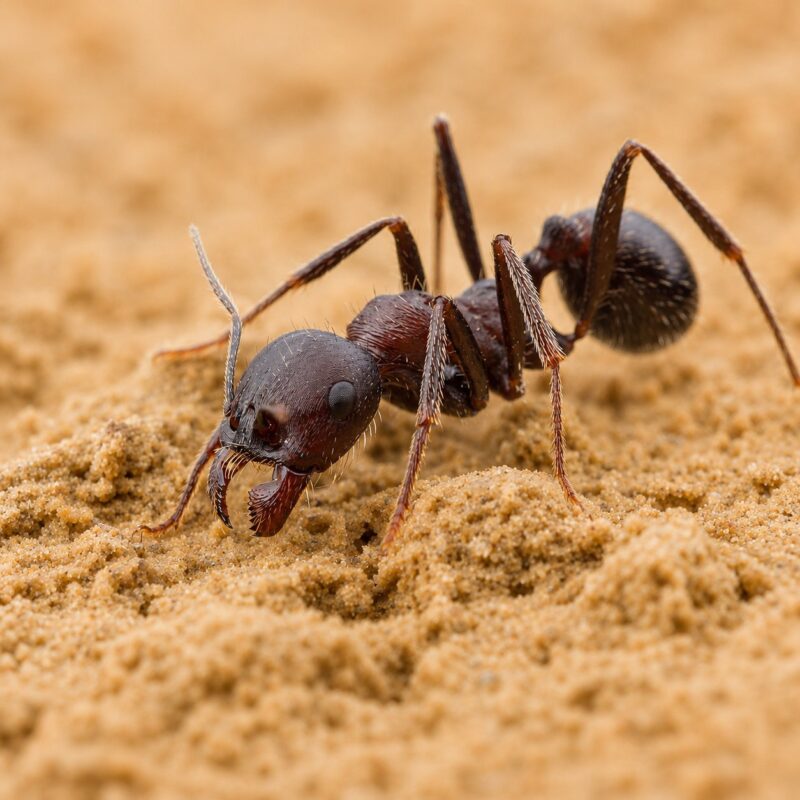
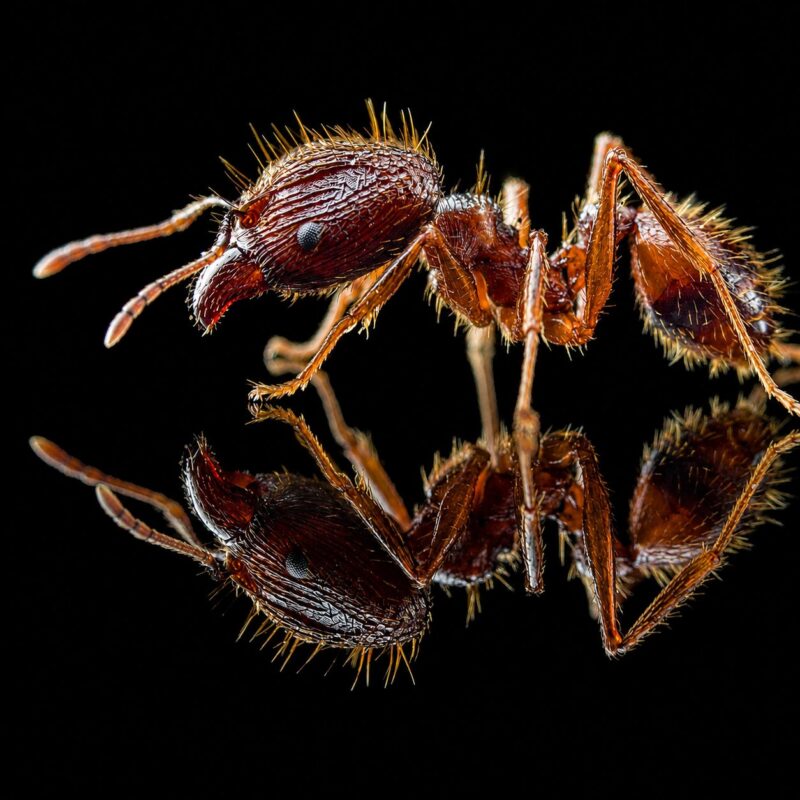
Acanthomyrmex thailandensis – Thai Big-Headed Ant. A quality live ant colony for sale – polygyne colony with giant-headed soldier majors and minor workers. Beginner-friendly, no winter rest needed, has a sting.
A rewarding species to watch grow at home. Buy from ANTonTOP – live queen guarantee with 24 h unboxing video proof, shipped from Poland in 1–5 days across the EU, worldwide on request.
Additional information
| Behavior | |
|---|---|
| Keeping difficulty | |
| Origin | |
| Ant size | |
| Hibernation | |
| Sting |
Has sting |
Acanthomyrmex thailandensis – Thai Big-Headed Ant
| Origin | Thailand (Southeast Asia) |
|---|---|
| Colony form | Polygyne (1–3 queens) |
| Mature colony | Up to 200 workers |
| Queen | 6–7 mm |
| Worker | 3–4 mm |
| Soldier (major) | 5.5–6 mm |
| Founding | Claustral |
| Temperature | Nest 24–28 °C / Arena 22–28 °C |
| Humidity | Nest 60–70% / Arena 40–60% |
| Hibernation | No hibernation (tropical) |
| Habitat (wild) | Tropical forest leaf litter, rotten wood |
| Difficulty | Beginner |
| Stings or bites | Mild bite, has a sting |
Why this species
The major workers carry oversized heads that crack open fig seeds – one of the most photogenic examples of worker polymorphism in Asian ants. Watching the first major emerge after the founding phase is what most keepers come back to this species for. Compared to sister species A. mizunoi, A. thailandensis accepts a broader diet, which makes it the most approachable Acanthomyrmex for a first attempt with the genus.
Housing
- Test tube setup – start the queen here for the first 2–3 months
- Ytong nests (autoclaved aerated concrete) – work well from small-colony stage onward
- Plaster / gypsum nests – best humidity control during founding
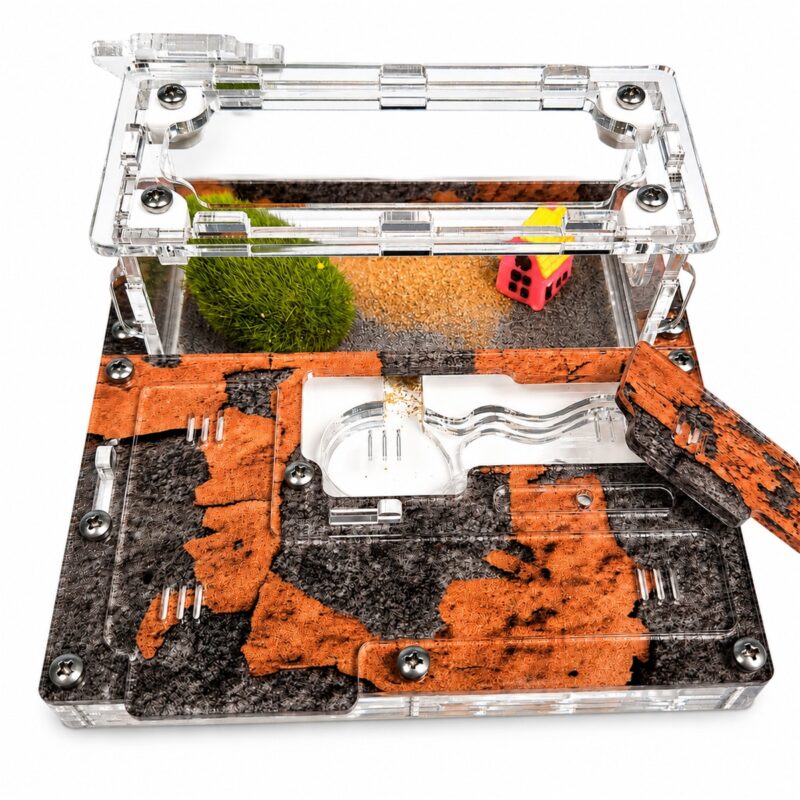
- Acrylic nests – for established colonies; keep one chamber moist
- Cork or natural soil arenas with leaf litter and moss for foraging
When the colony reaches around 40–50 workers, move them from the test tube into a small Ytong or plaster nest. Don’t open new chambers too early – disturbance during the founding phase kills more young colonies than any other mistake.
Temperature and humidity
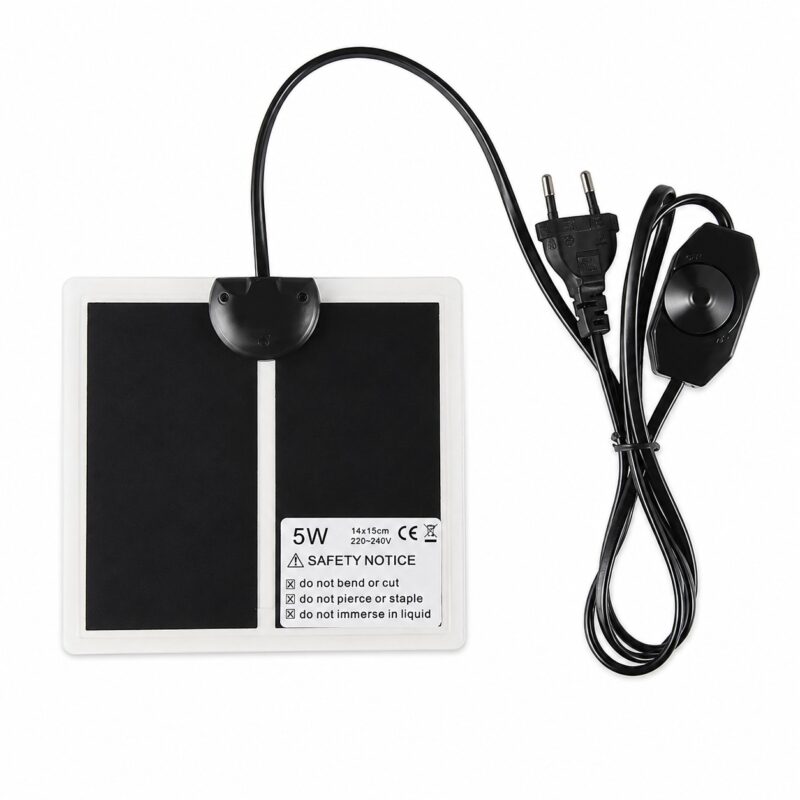
Keep the nest at 24–28 °C and the arena at 22–28 °C. Humidity: nest 60–70%, arena 40–60%. A small heat mat under one corner of the nest creates a useful temperature gradient – the workers move brood to the warmest spot themselves. Never place the formicarium in direct sunlight, even one hour will overheat the nest and kill brood. Mist the nest twice a week; the arena should be drier so food does not mold.
Feeding
In the wild: seeds, fruit pulp, small invertebrates. Majors crush fig seeds; minors do most of the foraging.
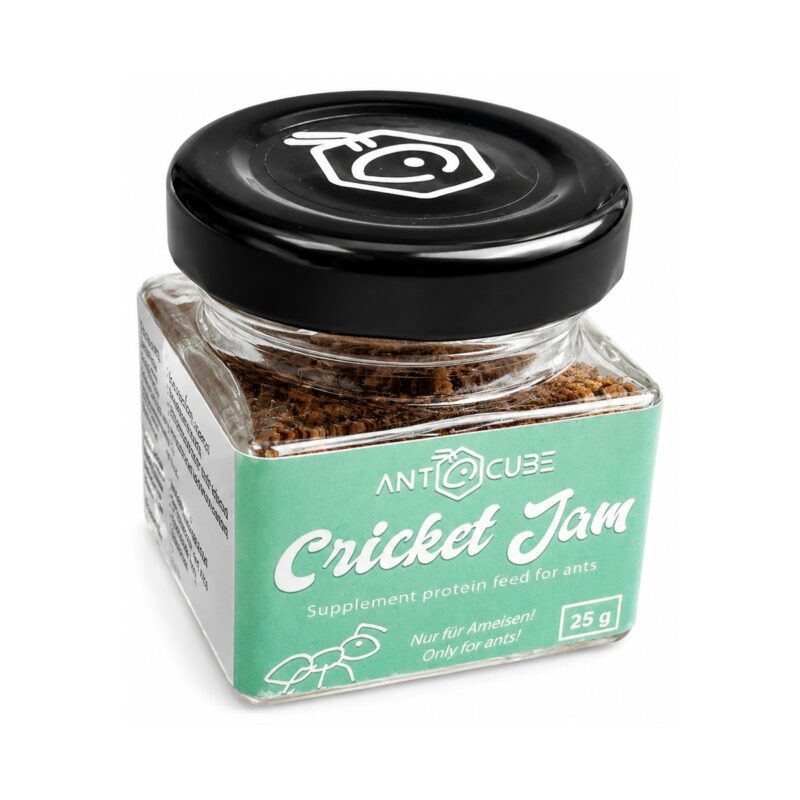
In captivity – no-insect option: boiled chicken (no salt), boiled shrimp, egg yolk, or protein jelly from the ANTonTOP food shop. Good for households that cannot keep live insects.
In captivity – with frozen insects: crickets, mealworms, fruit flies – freshly killed or frozen-thawed. Drop one piece every 3–5 days for a small colony.
Sugars: honey water 1:3 to 1:4, or honey jelly. Refresh weekly.
Fruits and vegetables: soft pieces of apple, banana, or melon; remove leftovers within 24 hours.
⚠ No live insects for a small founding colony – they stress the queen.
⚠ Wild-caught insects: only if you boil them briefly first. Otherwise you risk parasites and pesticide residue infecting the colony.
⚠ No household chemicals (perfumes, cleaning sprays, smoke) near the formicarium.
Wintering
Acanthomyrmex thailandensis does not hibernate. As a tropical species, it stays active year-round. In winter, do nothing special – keep the nest at 24–28 °C, feed as usual, and the colony will continue developing without a slowdown.
Escape prevention
A 1–2 cm barrier of talc, paraffin oil, or PTFE liquid around the arena rim stops climbing workers. Refresh the barrier monthly. A snug-fitting lid with ventilation mesh adds a second line of defense – useful when minor workers find a leaf or a piece of debris to bridge the barrier.
Important keeping reminders
- No direct sunlight – even one hour will overheat the nest
- Hydrate the nest regularly, do not drown it
- Ventilation matters – sealed formicariums grow mold
- Minimal disturbance, especially during the founding phase
- Do not open new chambers too early
- Wild-caught insects: boil first, or skip
- Going away? Horizontal water tube + jelly + heavy pre-feed → 2–3 weeks safe
Before you buy
By purchasing this colony you accept responsibility for its welfare and for adapting the keeping conditions above to your home. ANTonTOP guarantees the queen arrives alive (unboxing video within 24 h of delivery). Long-term keeping success depends on the temperature, humidity, feeding, and minimal disturbance you provide.
Beginner level: suitable as a first colony if you have already read this entire card and understand basic ant care principles. The mild bite and absence of sting make this species safe to handle for new keepers.
What we ship
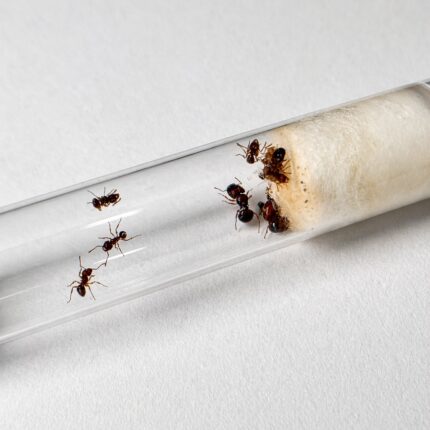
Polygyne colony (1–3 mated queens) with the number of workers you select from the variations above. Packed in a vented test tube with cotton plug, wrapped in insulated material, and shipped via InPost or DHL.
EU: 1–5 working days.
Worldwide: available on request.
Live arrival guarantee on the queen – unboxing video within 24 h of delivery.
Did you know?
- Acanthomyrmex thailandensis was described by Terayama in 1995 from northern Thailand specimens.
- The genus Acanthomyrmex is one of the most extreme examples of worker polymorphism in the Myrmicinae – soldier majors have a cephalic index well above 100, with heads sometimes wider than the body is long.
- Soldier majors do not forage outside the nest. Their job is to sit in the nest and crush hard seeds the minor workers bring in.
- Polygyne colonies of 1–3 queens are typical – single-queen colonies exist but are less common in nature.
- The genus inhabits Southeast Asian rainforests from southern China to Indonesia; A. thailandensis sits at the northern edge of the range.
Frequently asked questions
Is this species suitable as a first colony?
Yes. It is one of the more forgiving Acanthomyrmex. The mild bite also makes it safe for new keepers.
Do they really need to live above 24 °C?
Yes. Below 22 °C brood development slows badly. Tropical species do not enter diapause – they need warmth all year.
Will the soldiers attack me if I open the arena?
No. Majors stay deep in the nest. Minors are timid; their bite is mild and they do not spray formic acid.
How fast does the colony grow?
Slowly. Founding takes up to a year before the first majors appear. A colony of 100–200 workers takes several years. This is a long-term keeping project, and that is part of the appeal.
Can I keep one queen or do I need polygyny?
Either works. A. thailandensis is polygynous in nature, usually 1–3 queens. We ship single-queen colonies by default; multi-queen variants are available if you want a polygynous start.

Love (verified owner) –
theeese bighead sweetees will be good additional to my huge terrarium