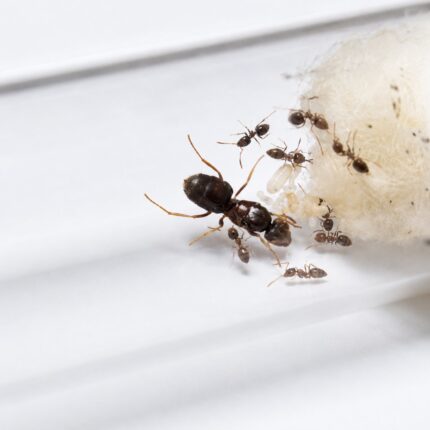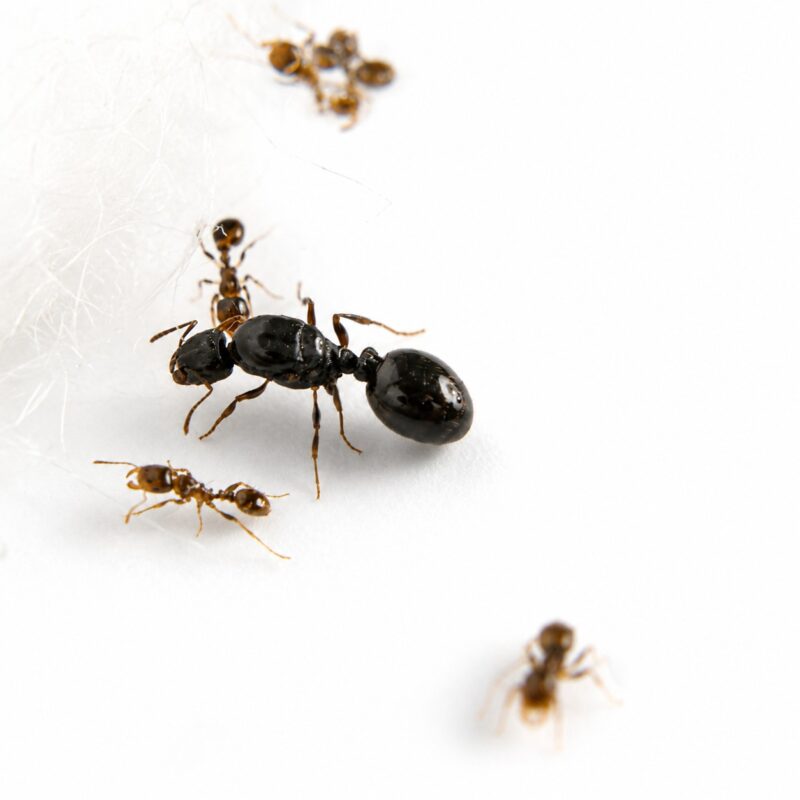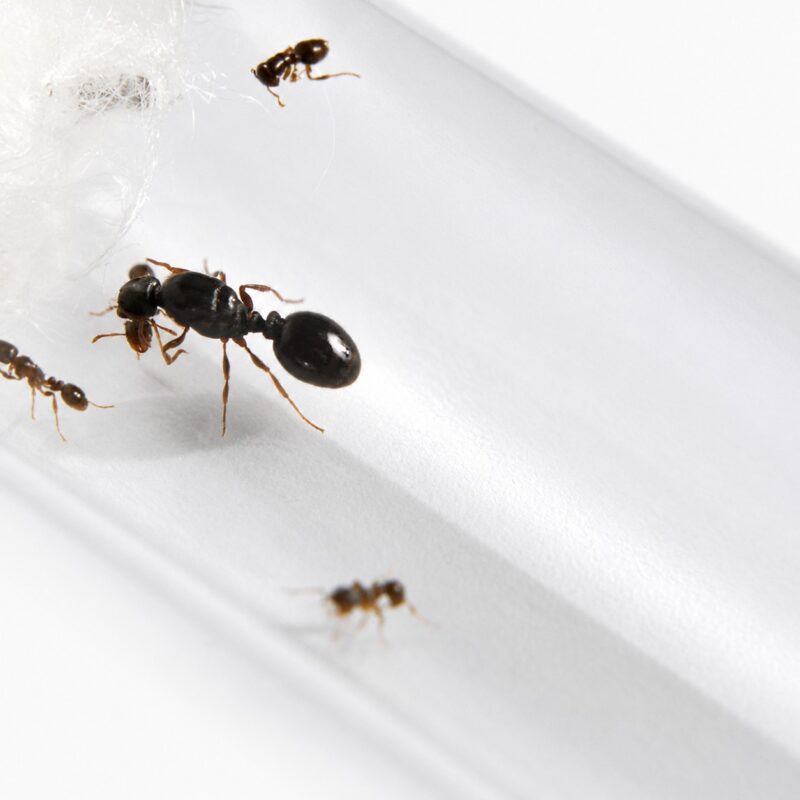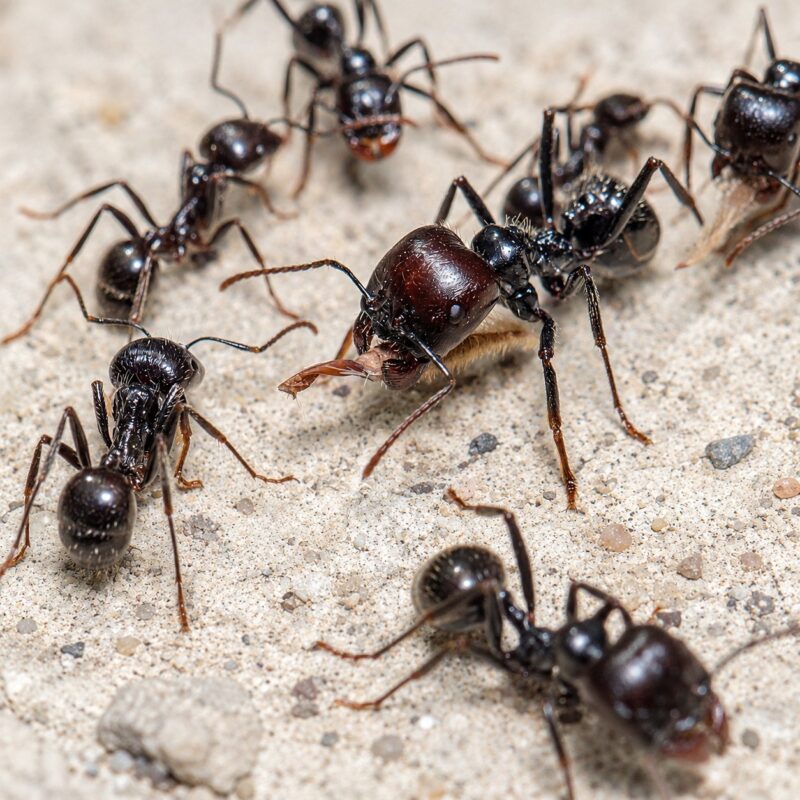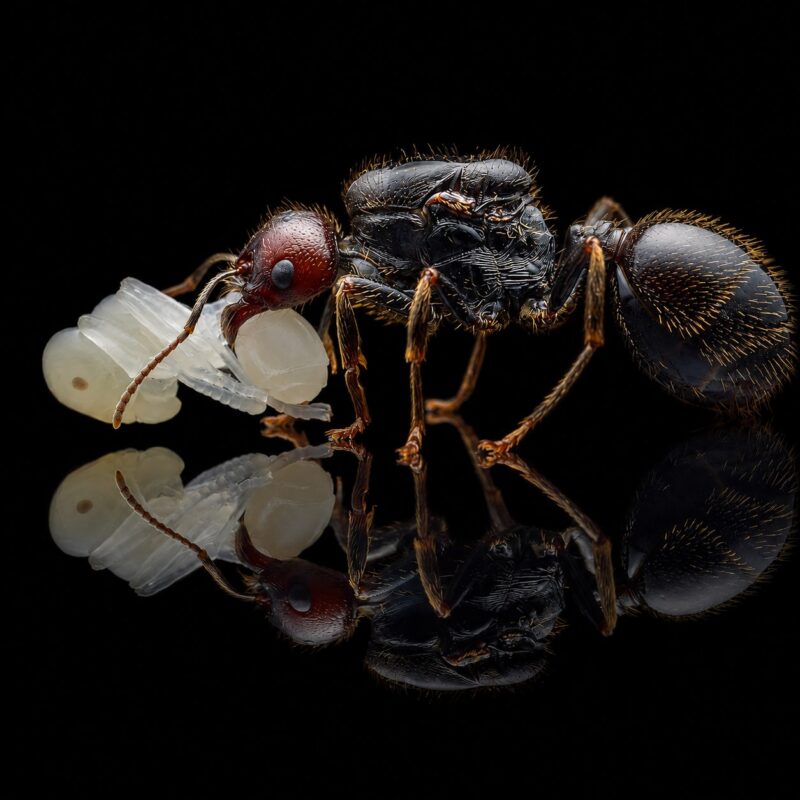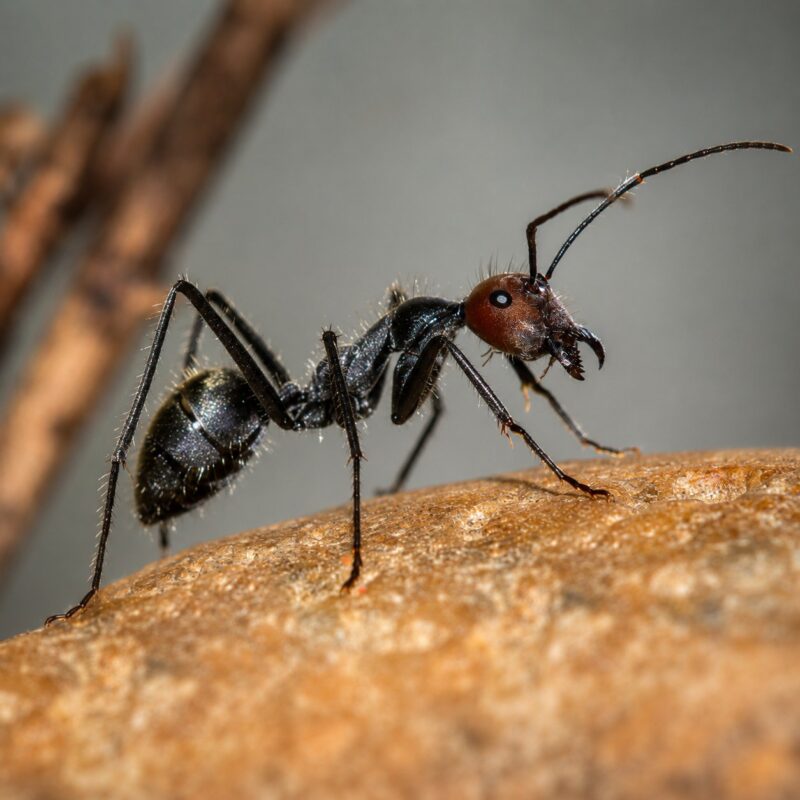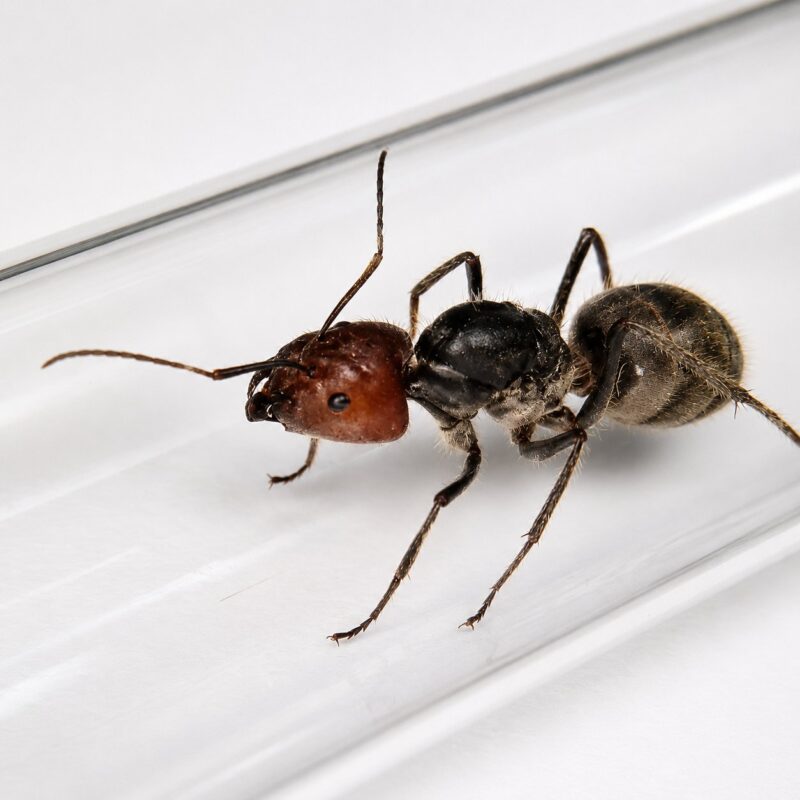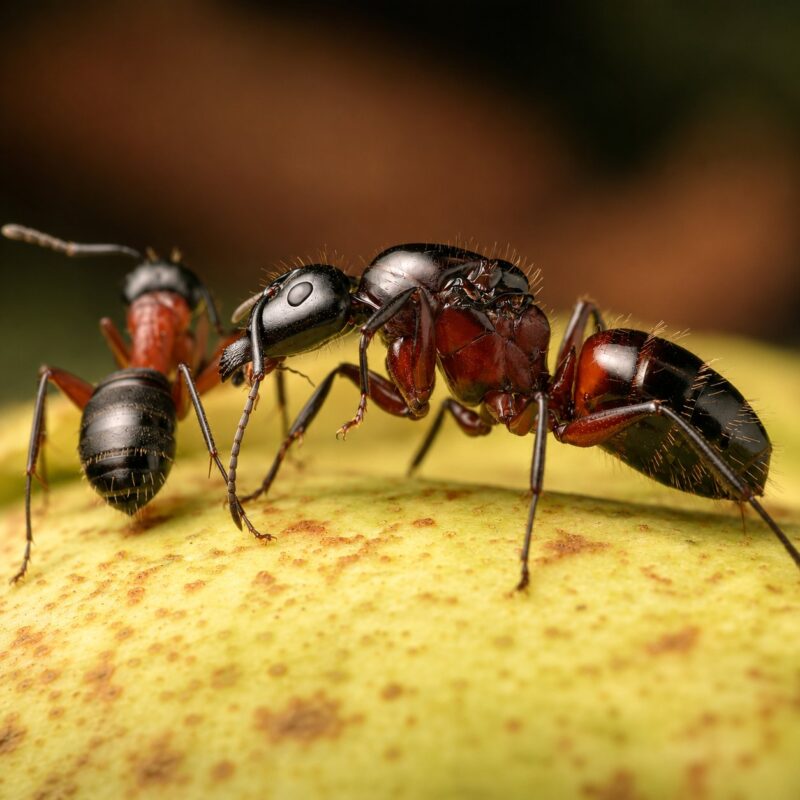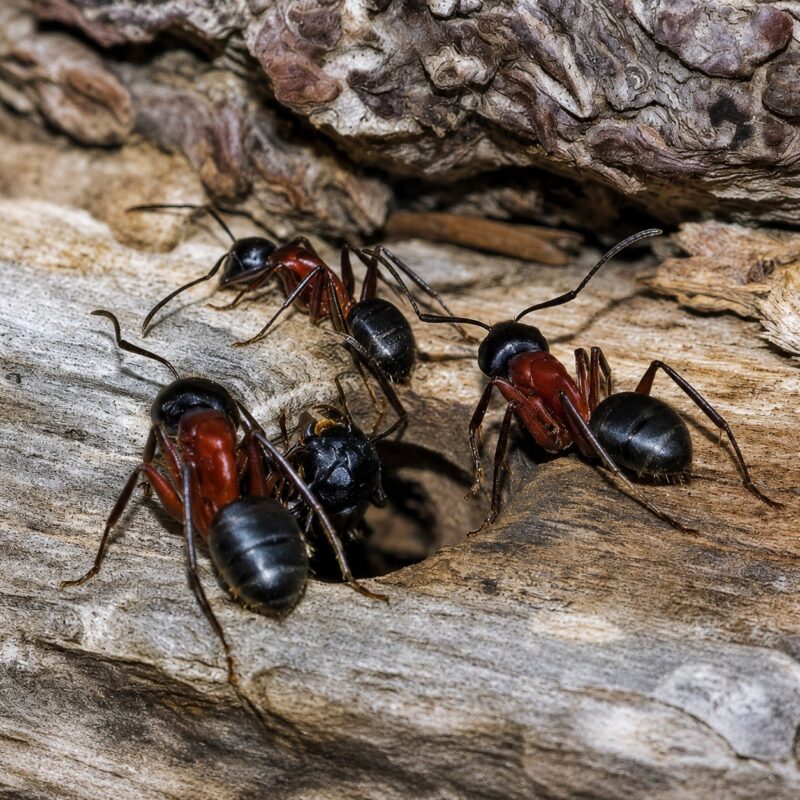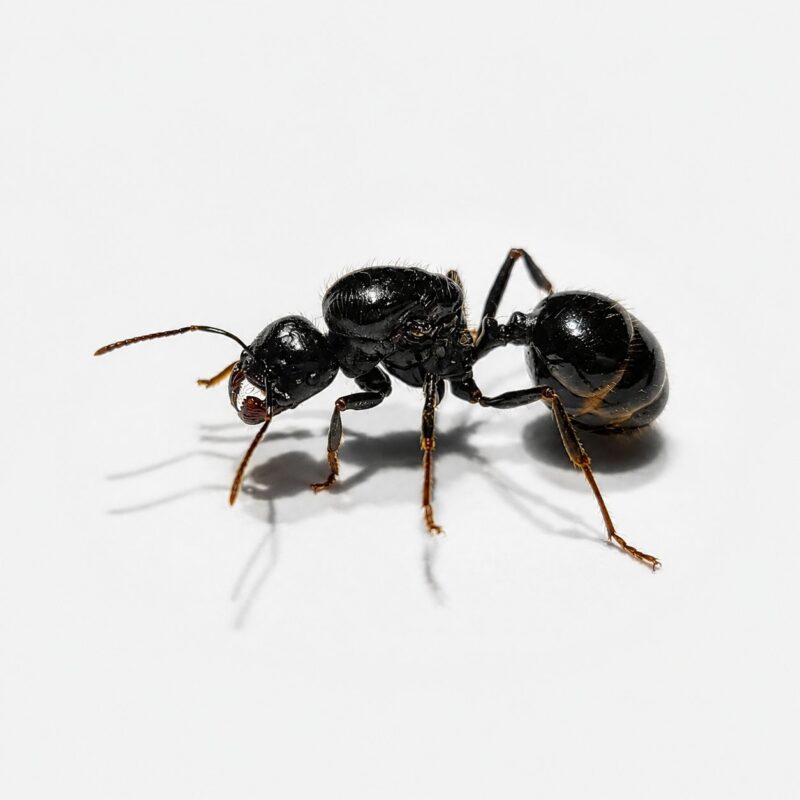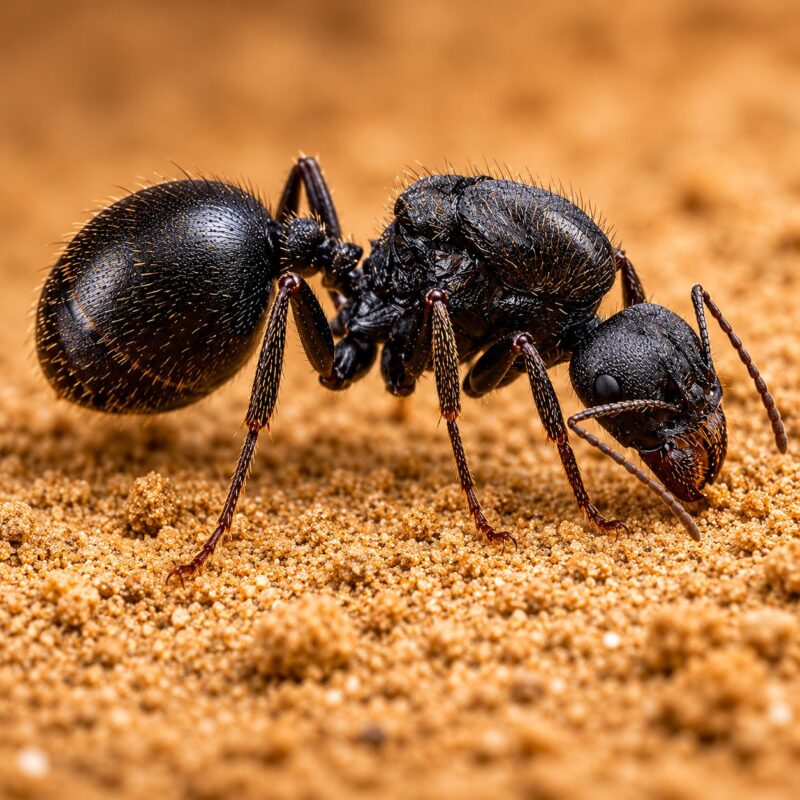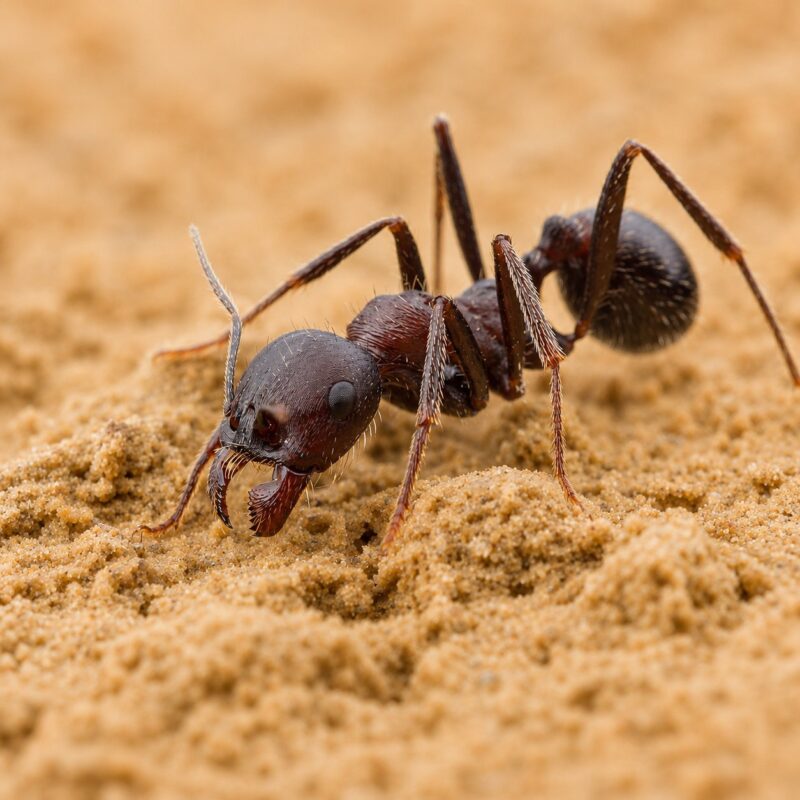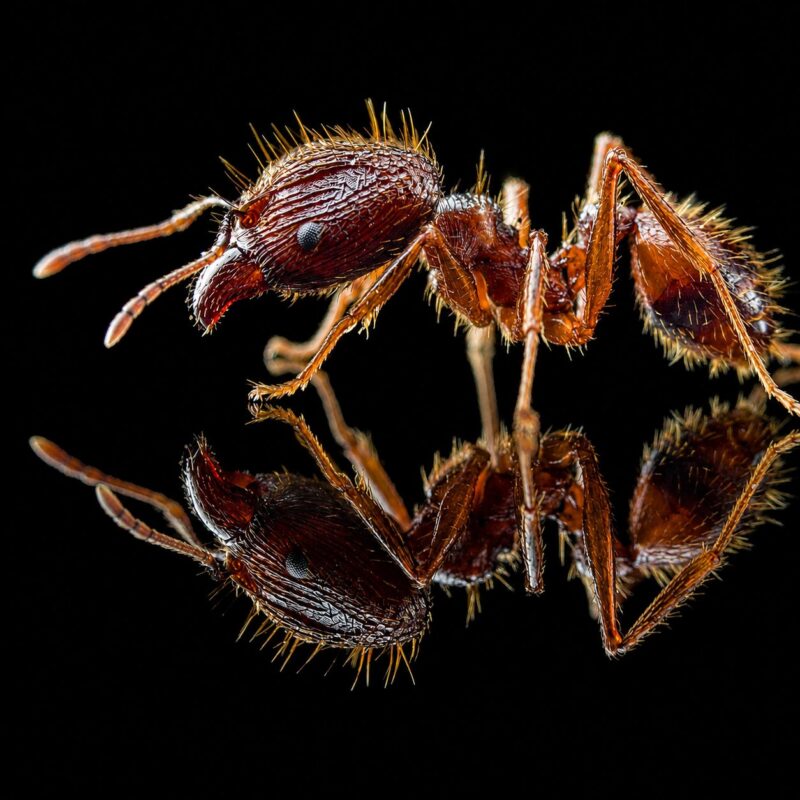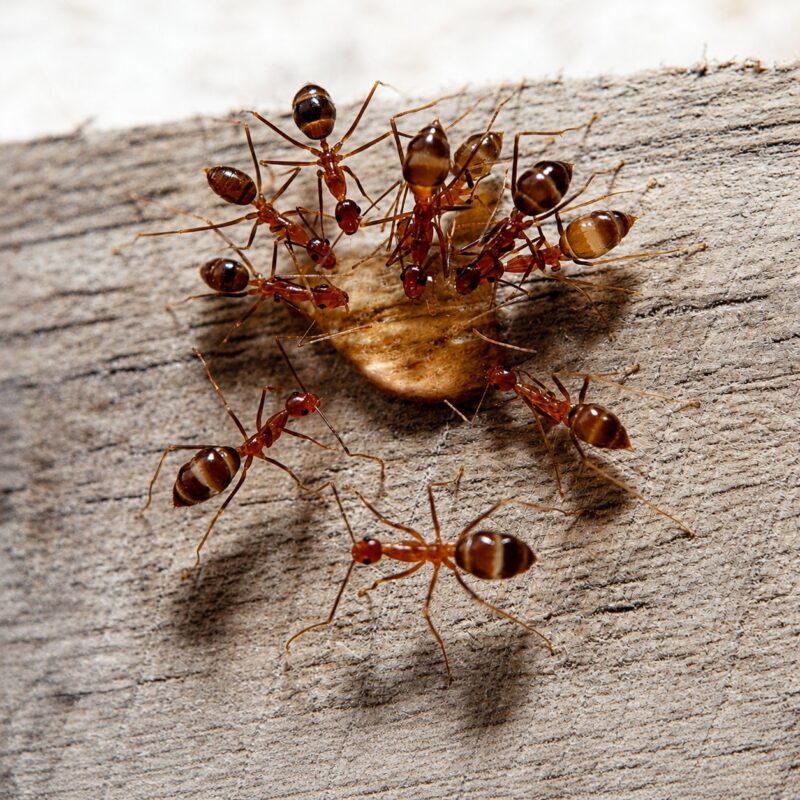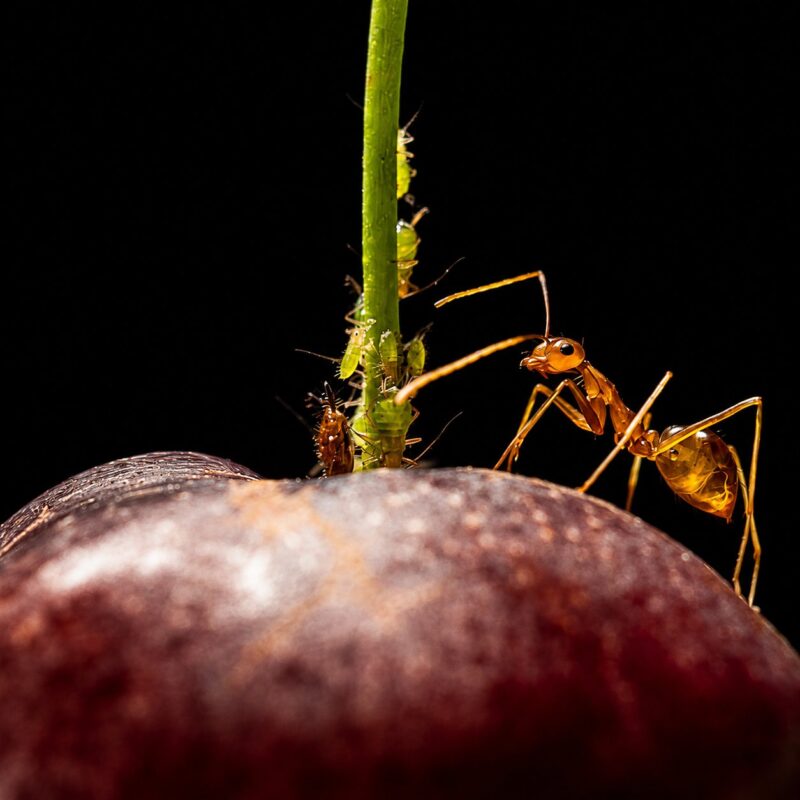

Camponotus tonkinus
599,90 zł – 1099,90 złPrice range: 599,90 zł through 1099,90 zł
Live Queen Guarantee
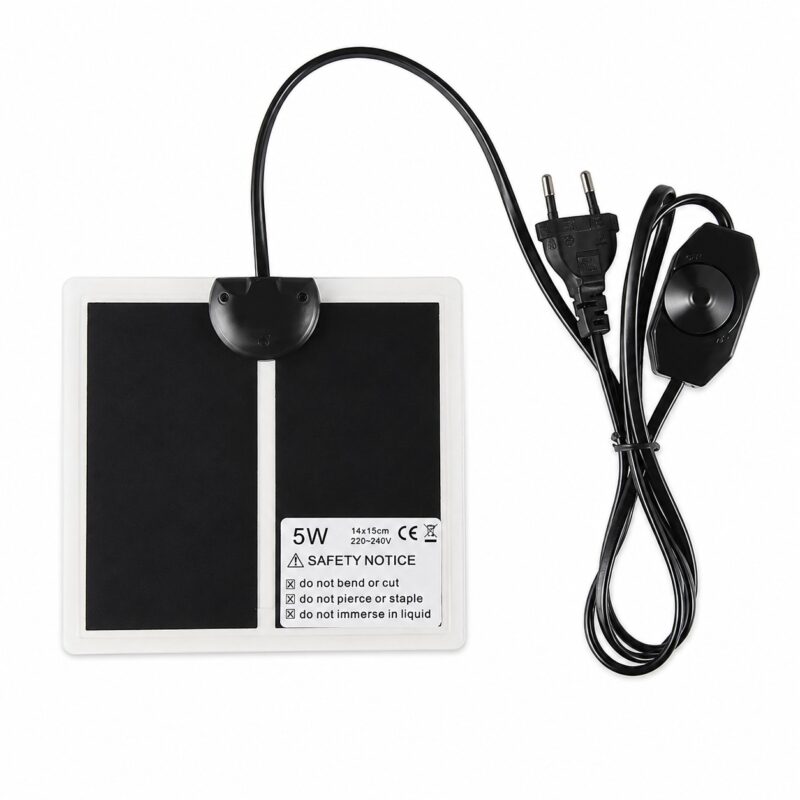
Heat Pack & Summer Cooling
Fertilised Queen in Every Colony
Ships Within 24 h
Free Care Guide
24/7 Expert Support
Description
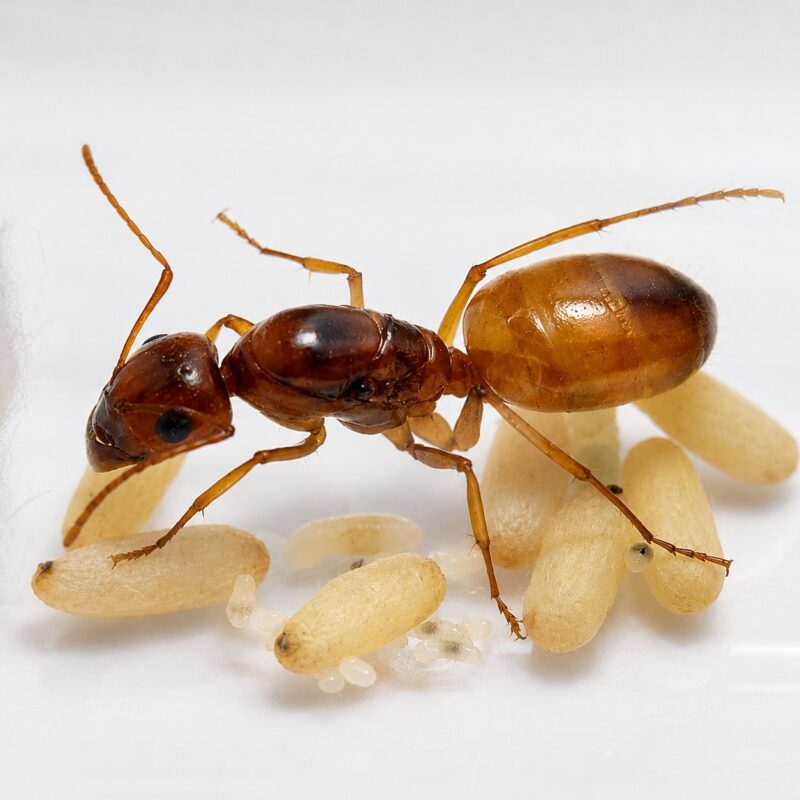
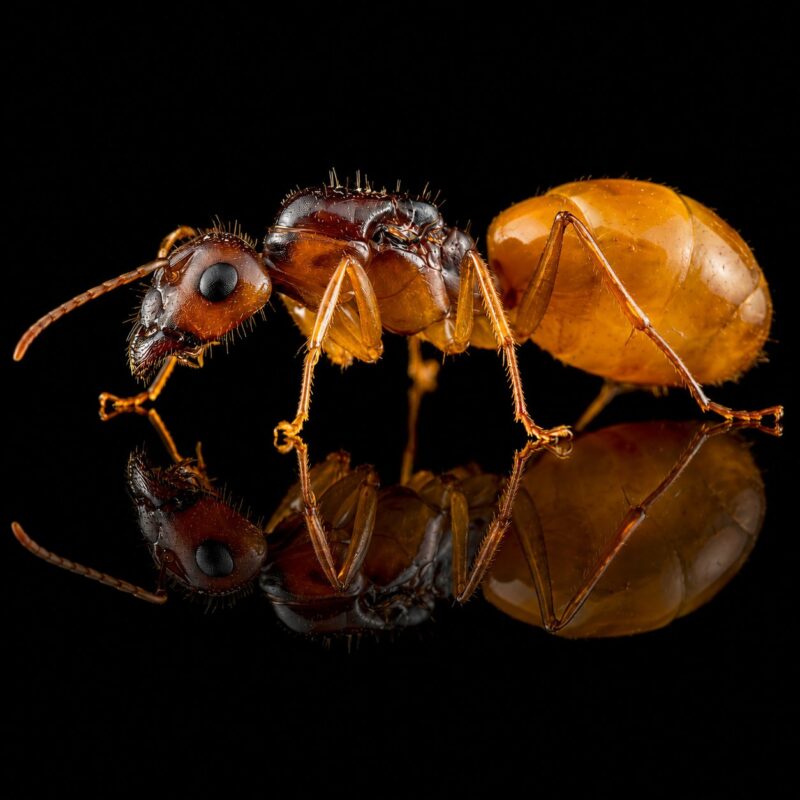
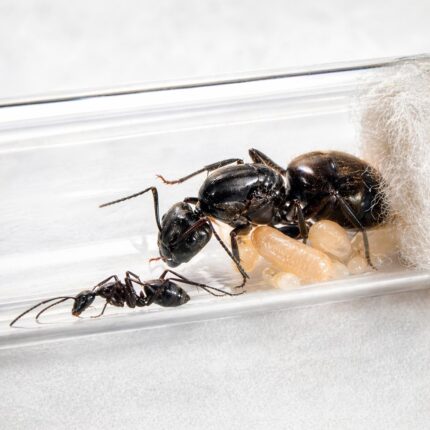
Watch the action by daylight as a single queen builds past 10,000 workers: Camponotus tonkinus is a big, day-active Southeast Asian carpenter ant and a standout tropical project. Add a showpiece colony of Camponotus tonkinus from ANTonTOP.
Free shipping across Europe over 1299 zł.
DHL / InPost / EMS · ships the EU & worldwide.
Intermediate · Q 18-21 mm / W 6-11 mm / S 12-16 mm · Up to 10,000+ workers · No hibernation (tropical) · Omnivore · Tonkin (Southeast Asia) · No sting, mild bite
Additional information
| Behavior | |
|---|---|
| Keeping difficulty | |
| Origin | |
| Ant size | |
| Hibernation | |
| Sting |
No sting |
Camponotus tonkinus – Carpenter ant
| Origin | Tonkin (Southeast Asia) |
|---|---|
| Difficulty | Intermediate |
| Colony form | Monogyne (1 queen) |
| Max workers | Up to 10,000+ workers |
| Queen | 18-21 mm |
| Worker | 6-11 mm |
| Soldier / major | 12-16 mm |
| Founding | Claustral |
| Temperature | Nest 25-28 °C / Arena 25-29 °C |
| Humidity | Nest 65-80% / Arena 50-70% |
| Hibernation | No hibernation (tropical) |
| Diet | Omnivore |
| Sting / bite | No sting, mild bite |
| Egg to first worker | 6-9 weeks |
| Queen lifespan | 10-20 years |
| Nuptial flight | spring |
| Activity | diurnal |
Camponotus tonkinus is a large, day-active carpenter ant from Southeast Asia whose colonies can pass ten thousand workers, one for keepers wanting a big tropical project.
Why this species
This Southeast Asian carpenter ant is the big-project choice of the group: its single-queen colonies are the largest here and can grow enormous over time, which gives a patient keeper a long, ambitious goal. It forages in daylight, so all that activity happens while you are awake to watch it. The intermediate rating reflects its need for high, well-managed humidity and steady warmth rather than any awkward handling. The mix of size, daytime activity and huge potential makes it a real standout, best taken on once you can hold a humid tropical setup reliably.
Feeding
This large tropical carpenter ant forages by day, taking sugary liquids for the workers and insect prey to feed a brood that can grow very large. A generous, steady supply of protein supports its high headroom.
| Sugar water / honey water | ★★★ |
| Ant nectar / sugar jelly | ★★★ |
| Honey | ★★★ |
| Protein jelly | ★★★ |
| Crickets | ★★★ |
| Cockroaches (Dubia / Turkish) | ★★★ |
| Fruit flies (Drosophila) | ★★★ |
| Houseflies | ★★★ |
| Mealworms | ★★ |
| Superworms | ★★ |
| Locusts | ★★ |
| Boiled egg yolk | ★★ |
| Soft fruit (apple, pear, banana) | ★★ |
| Boiled lean chicken / shrimp / meat | ★ |
| Dried insects | ★ |
| Soft seeds (poppy, sesame, chia) | ✗ |
| Hard seeds (canary, millet, sunflower) | ✗ |
★★★ readily · ★★ moderately · ★ occasionally · ✗ not eaten
Housing & formicarium
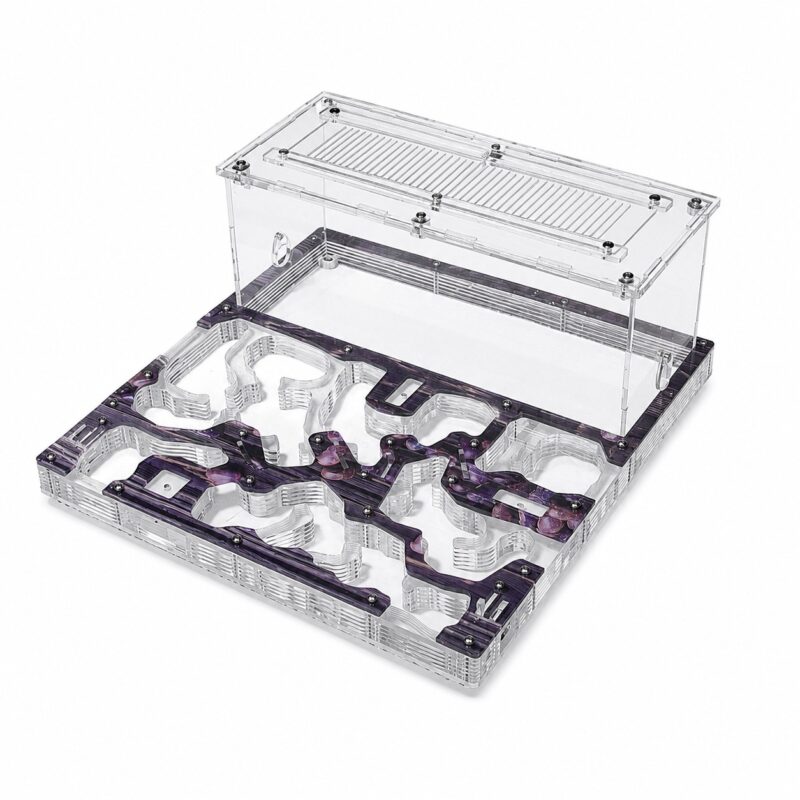
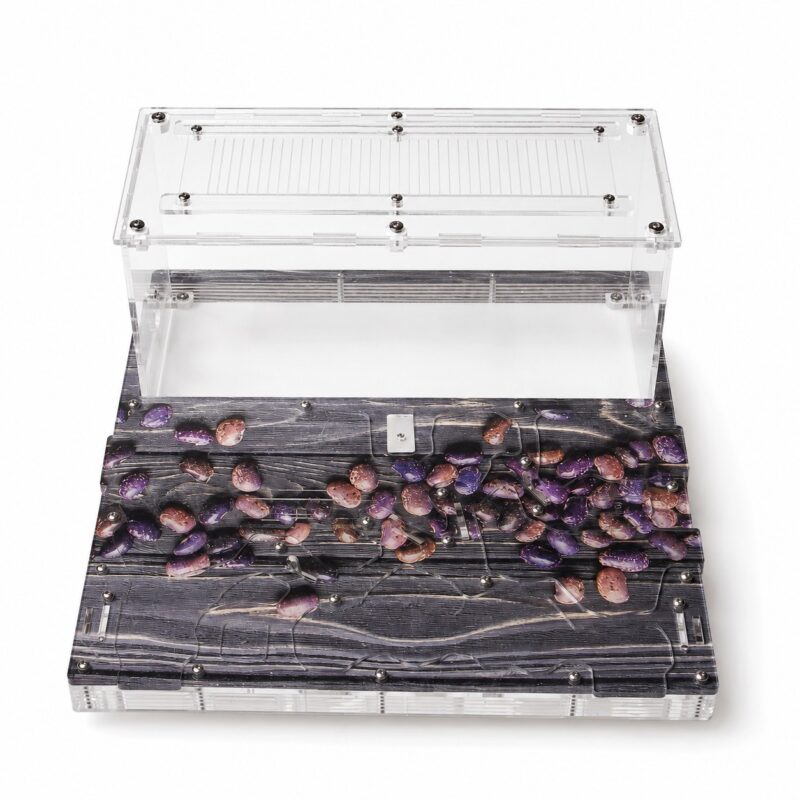
Found this big tropical ant in a test tube and upgrade once the first workers arrive, planning room for a large colony. Its humidity runs damp, so a moisture-holding formicarium in Ytong, acrylic, or 3D-printed material with a well-hydrated chamber is essential, paired with a large arena. Keep the nest end reliably moist, as it takes no winter rest. Coat the rim with fluon (PTFE), oil, or talc and water, since these are strong climbers. ANTonTOP formicaria and starter kits scale from founding to big colonies.
Climate & wintering
A tropical ant with no winter rest. Keep the nest at 25-28 °C and the arena at 25-29 °C, and mind the humidity: nest 65-80% and arena 50-70%, notably damp for this species. Warm one end so foragers can pick their spot along a gradient while the nest end stays well hydrated. Hold temperatures up and keep feeding through winter rather than cooling the setup.
Growth forecast + what you receive
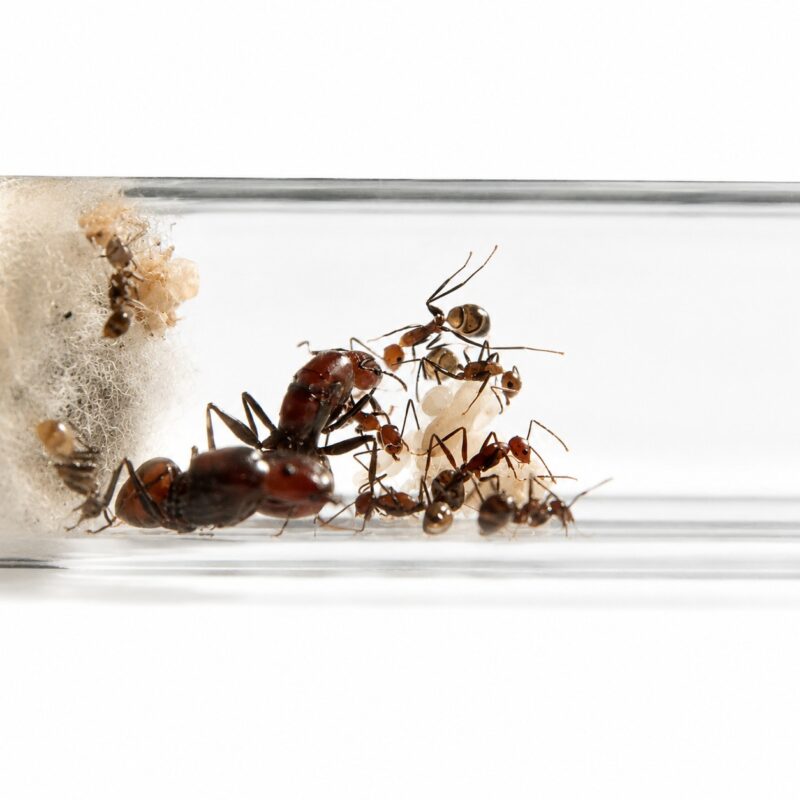
Carpenter ants found slowly, but tonkinus has real headroom and climbs toward 10,000 or more workers over time. You receive the queen with her workers and brood, the start of what can become a very large colony.
Did you know
- The name comes from Tonkin, the historical name for northern Vietnam where it occurs.
- It is among the larger and more productive Southeast Asian carpenter ants, with colonies that can pass 10,000 workers.
- Carpenter ants nest by excavating wood and cavities and do not eat the wood, unlike termites.
- The genus has no sting and defends the colony with sprayed formic acid, as all Formicinae do.
Frequently asked questions
Is Camponotus tonkinus good for beginners?
It is rated Intermediate, mainly because of the high humidity it expects, so it suits keepers comfortable with a humid tropical setup.
Does Camponotus tonkinus need a winter rest?
No. It is tropical and stays active year-round, so keep it warm and fed.
Does the Tonkin carpenter ant sting or bite?
No. It has no sting, just a mild bite.
How large can a tonkinus colony grow?
Up to 10,000+ workers under a single queen.
How large is the queen?
The queen is 18-21 mm, with soldiers at 12-16 mm and workers at 6-11 mm.
How fast does it grow?
Slow to found, then strong growth toward a very large colony over time.
What does it eat?
Sugar water or nectar plus insects like crickets and flies; it does not eat seeds.
Will it arrive alive?
Yes. It ships as a queen with workers and brood plus a season-matched heat or cool pack, within 24 hours with tracking.
Keeping & shipping essentials
Escape prevention. Coat the inner rim of every open arena with fluon (PTFE), or use talc-and-water or an oil barrier as a backup, and keep a tight, fine-mesh lid on top. Check the barrier regularly, since dust, condensation and feeding debris break a fluon line over time. Keep tubing connectors tight and seal any gaps in the nest.
Keeping reminders. Always offer fresh water and never let the nest dry out completely. Give carbohydrates continuously and protein a few times a week, and remove uneaten insect prey within 24 hours before it moulds. Keep the formicarium out of direct sunlight and away from constant vibration, which stresses a young colony. A water-filled test tube plugged with cotton makes an ideal spare incubator whenever you need one.
Before you buy – do not rehouse too early. Have a test-tube setup or a small formicarium with an outworld and a working barrier ready before your colony arrives. A founding colony grows slowly at first, which is normal. Moving a small colony into a large nest too soon invites mould, mites and stress, and the workers die off one by one. Keep the colony in its open test tube on the arena, plug the nest entrance with cotton, and open up the next chambers only once the colony fills roughly 10-15% of the space.
What we ship. Every colony ships with a live-arrival guarantee, backed by our 24h unboxing-video guarantee: if the queen does not arrive alive, we reship free. Parcels travel with DHL, InPost (PL) or EMS, with a heat or cold pack to suit the season, packed discreetly and securely. We ship across the EU and worldwide, with free shipping over the Europe threshold.
1 review for Camponotus tonkinus
Clear filtersShow reviews in all languages (1)

Lukas (verified owner) –
Ich habe Ameisen bestellt, ohne große Erwartungen zu haben. Absichtlich habe ich im Internet nichts darüber gelesen – nur das, was im Shop stand. Leider gab es keine Fotos von den Arbeiterinnen, deshalb war ich besonders neugierig und wollte sie unbedingt bestellen.
Am Ende habe ich meine ersten Arbeiterinnen aufgezogen. Und wisst ihr was? Sie sind einfach unglaublich! Ich hätte nie gedacht, dass sie so groß und so schön sind. Sie haben richtig schöne goldene Hinterleiber und sind sehr aktiv.
Im Moment habe ich erst 5 Arbeiterinnen, jetzt warte ich gespannt auf die Soldaten. Ich bin wirklich sehr zufrieden. Vielen Dank an Anton und seine Firma! ????????