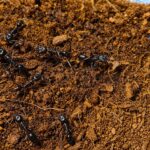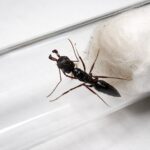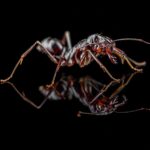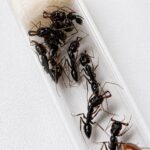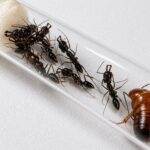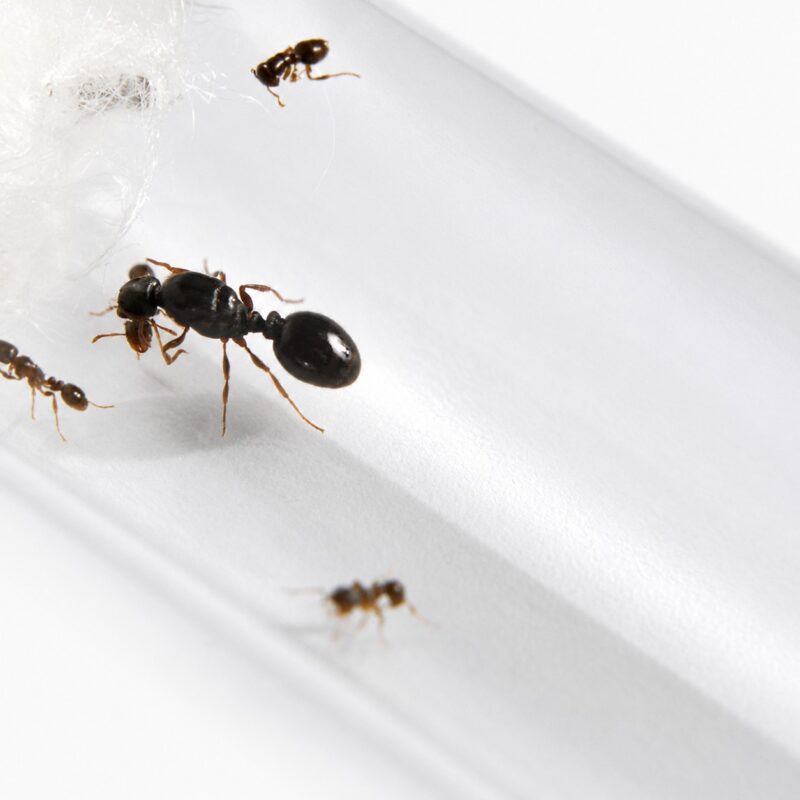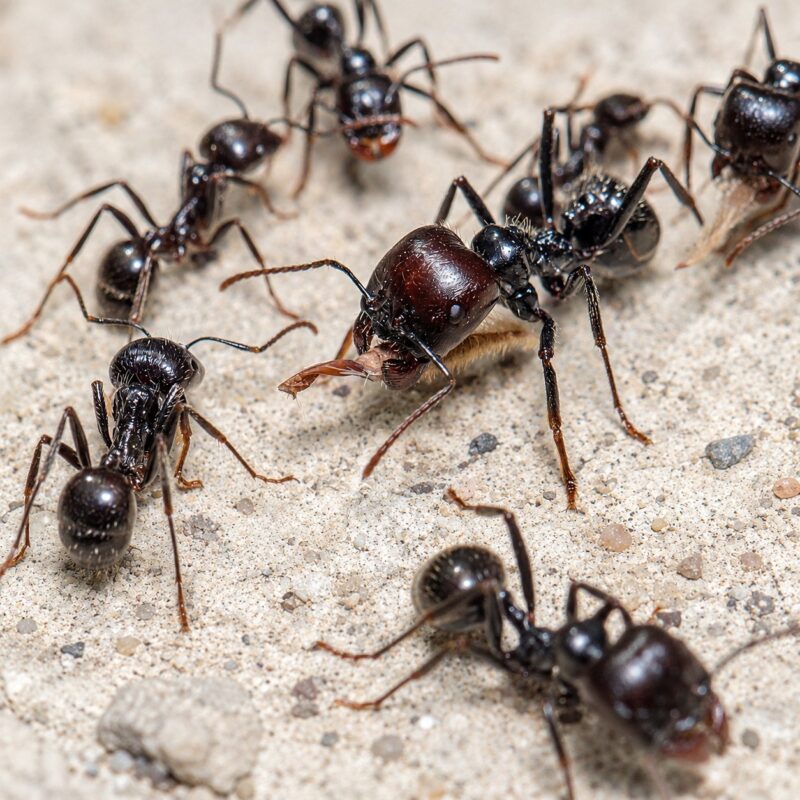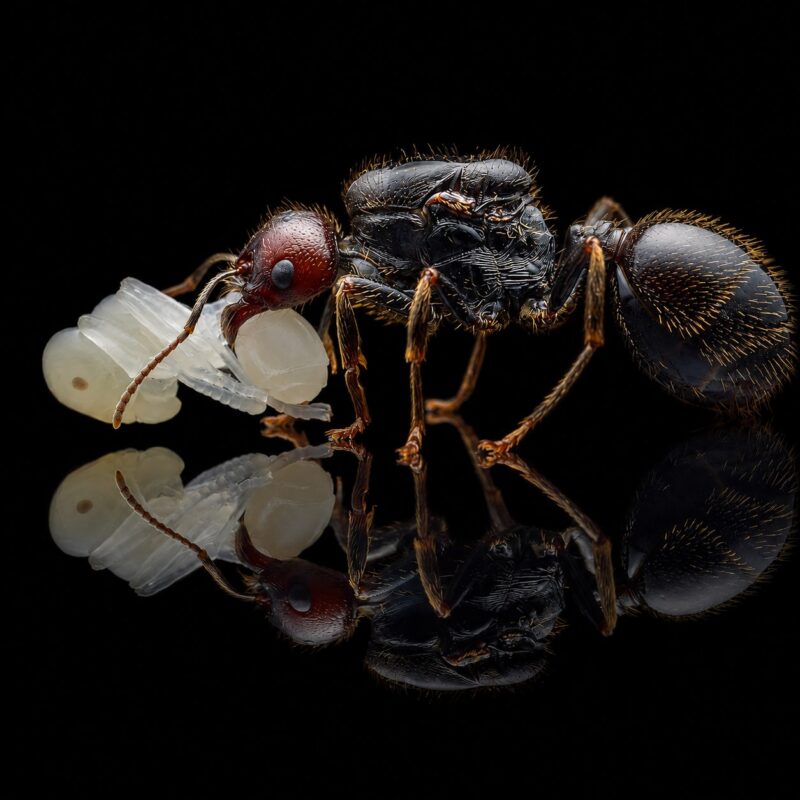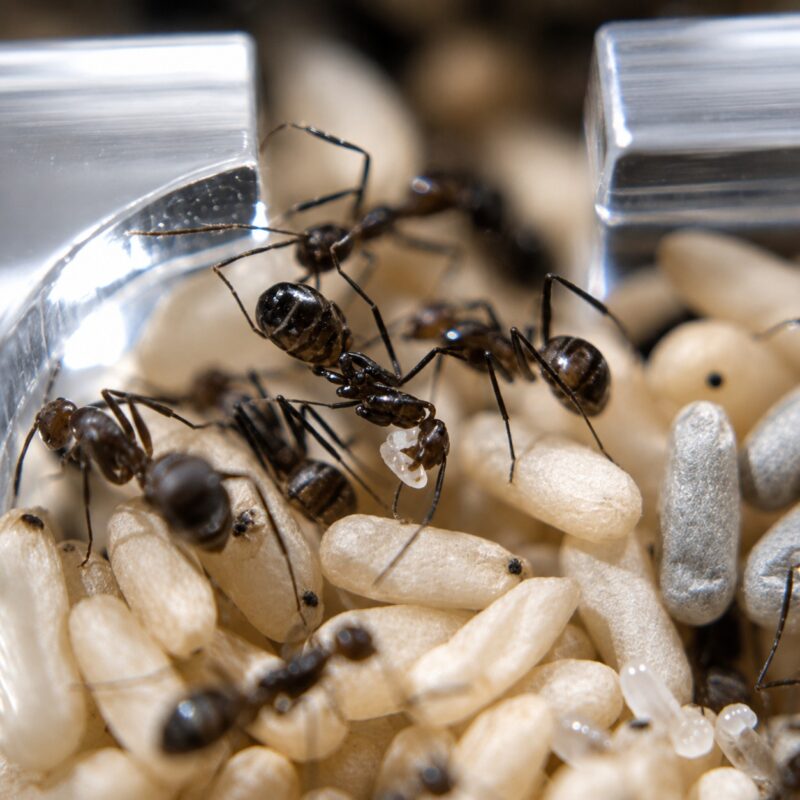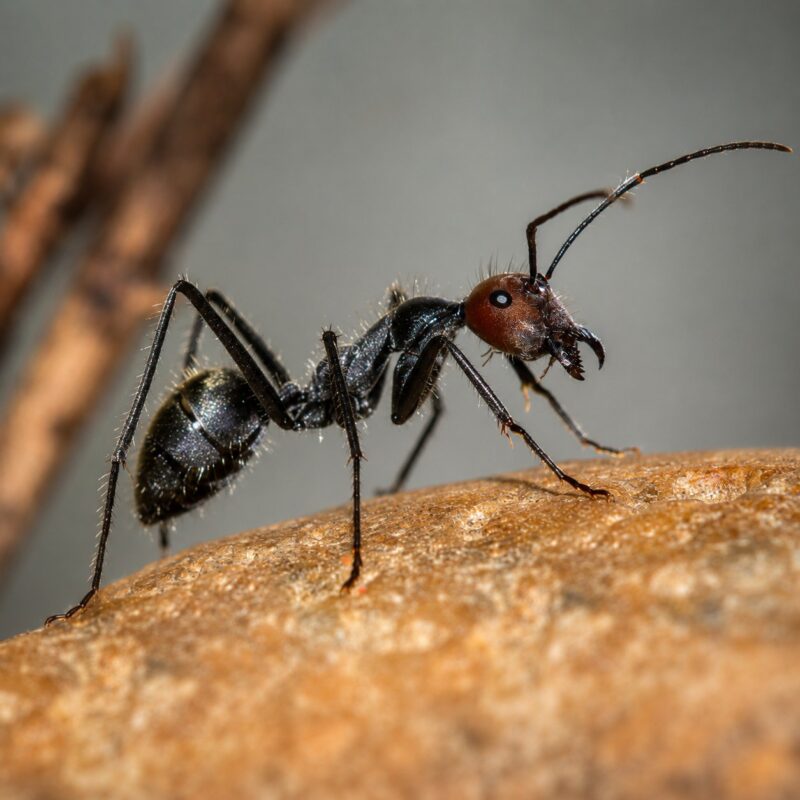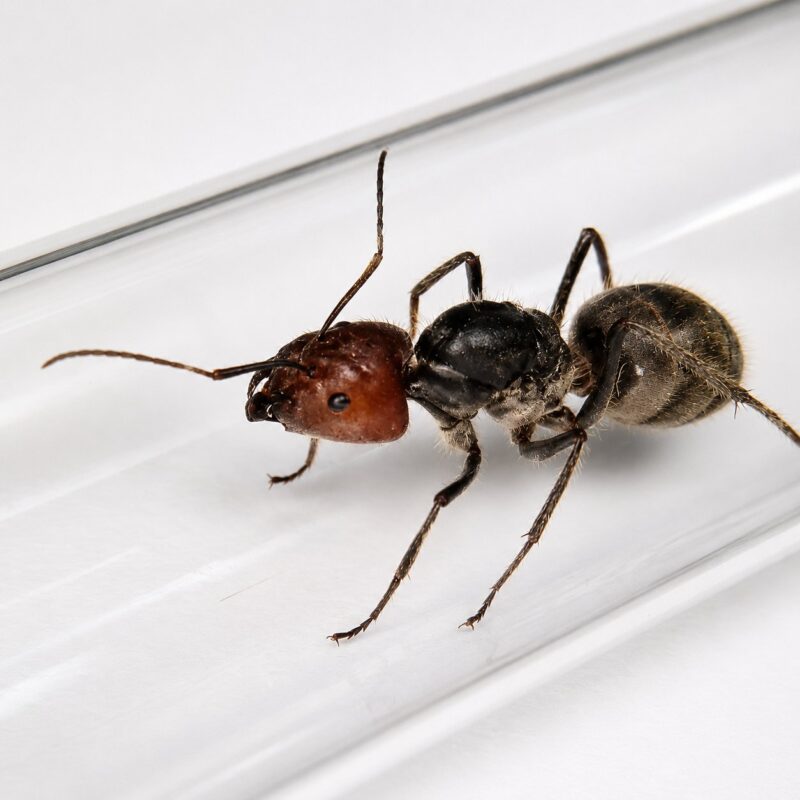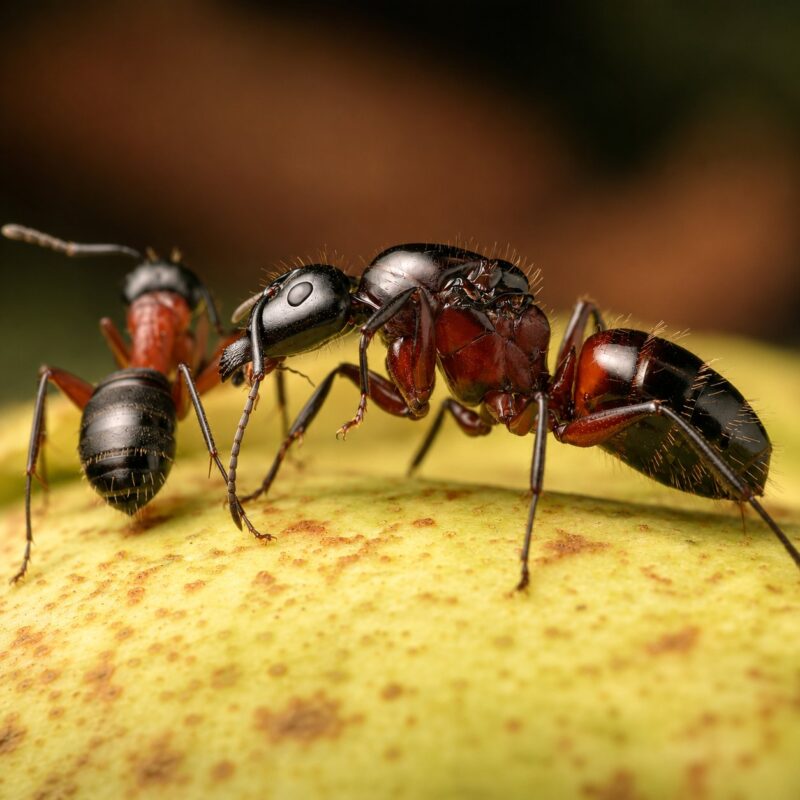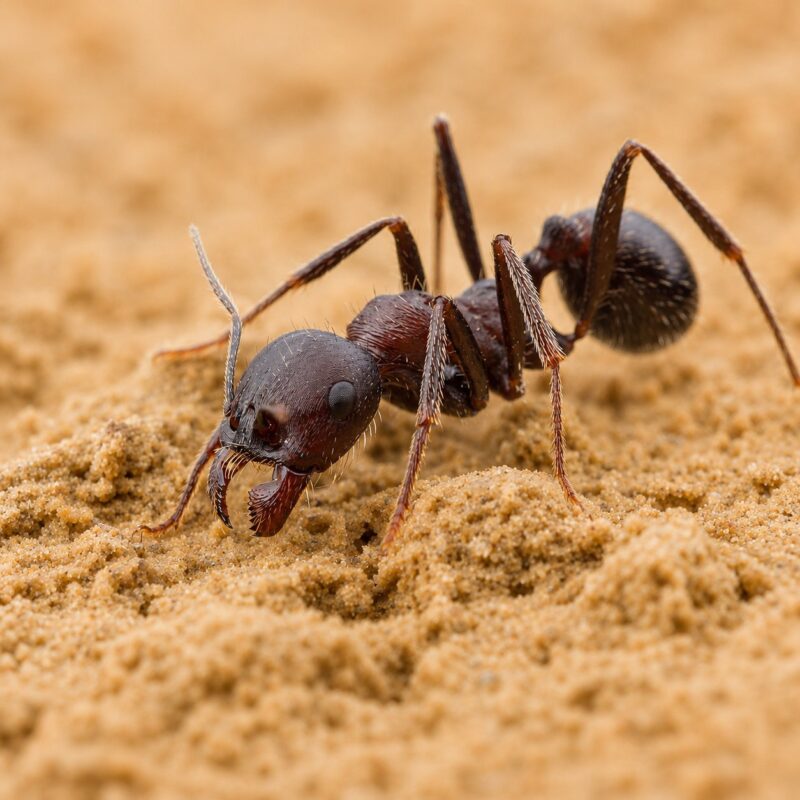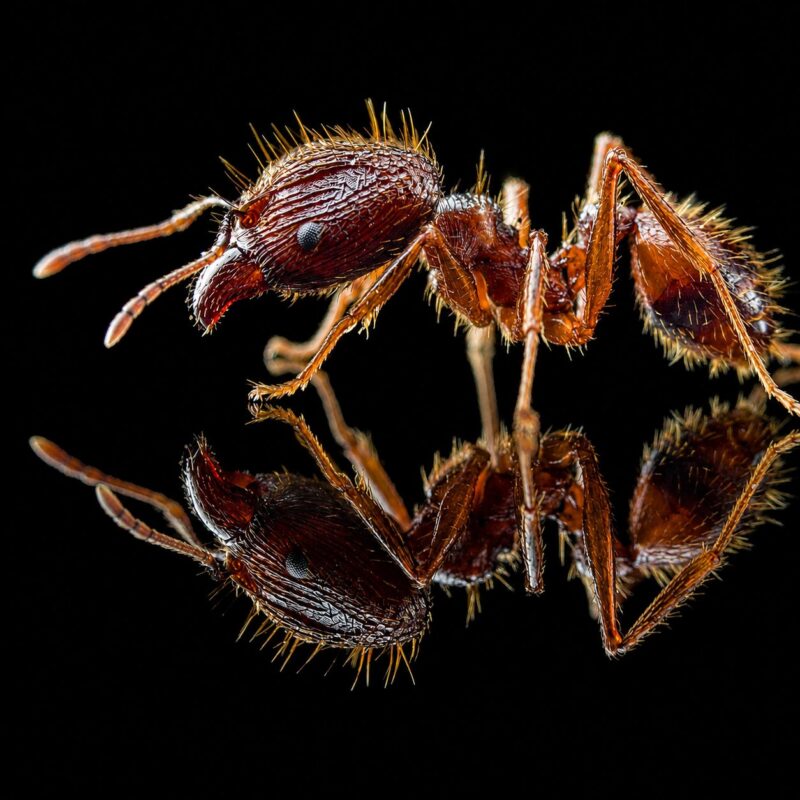

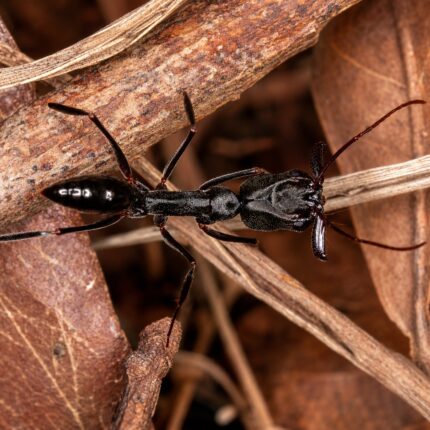
Odontomachus latidens worker — elongated trap-jaw mandibles held wide open trap-jaw ant native to the pantropics, live colony at ANTonTOP
Odontomachus latidens Price range: 429,90 zł through 859,90 zł
Back to products
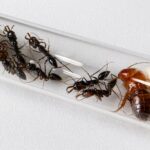
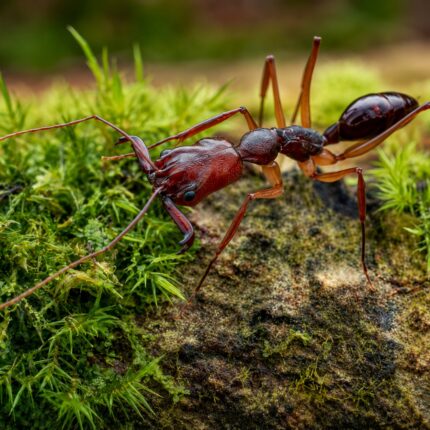
Odontomachus rixosus worker — elongated trap-jaw mandibles held wide open trap-jaw ant native to the pantropics, live colony at ANTonTOP
Odontomachus rixosus Price range: 359,90 zł through 379,90 zł

Odontomachus monticola

Price range: 379,90 zł through 699,90 zł

No hibernation
Arrives alive and ready to lay, or we reship

Live Queen Guarantee

Warm in winter, insulated against summer heat

Heat Pack & Summer Cooling

Ready to grow from day one

Fertilised Queen in Every Colony

Packed fast, dispatched with tracking

Ships Within 24 h

Setup and feeding tips for your species

Free Care Guide

Fast answers from real ant keepers

24/7 Expert Support
Description

In stock — ready to ship. Ships within 24 h. Year-round delivery with heat & cool packs.
DHL across the EU · InPost in Poland · EMS worldwide · Live arrival guaranteed.
Free shipping across Europe over 1299 zł.

Odontomachus monticola — Trap-Jaw ant. A quality live ant colony for sale — monogyne colony with trap-jaw snapping workers and a mated queen. Has a painful sting — handle with care; best for keepers with some experience.

A rewarding species to watch grow at home. Buy from ANTonTOP — live queen guarantee with 24 h unboxing video proof, shipped from Poland in 1–5 days across the EU, worldwide on request.

Additional information

Behavior

Keeping difficulty

Origin

Ant size

Hibernation

Description

Odontomachus monticola

Common name
Origin Japan (East Asia)
Colony form Monogyne (1 queen)
Mature colony 200–500 workers
Queen 15 mm
Worker 9–13 mm
Soldier (major)
Founding Claustral
Temperature Nest 22–28 °C / Arena 22–28 °C
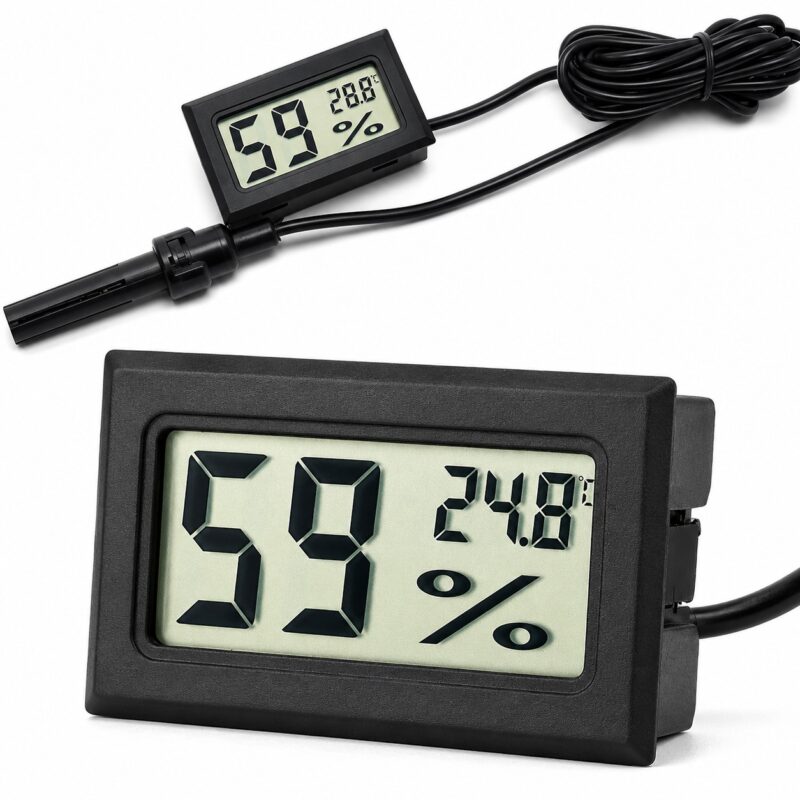
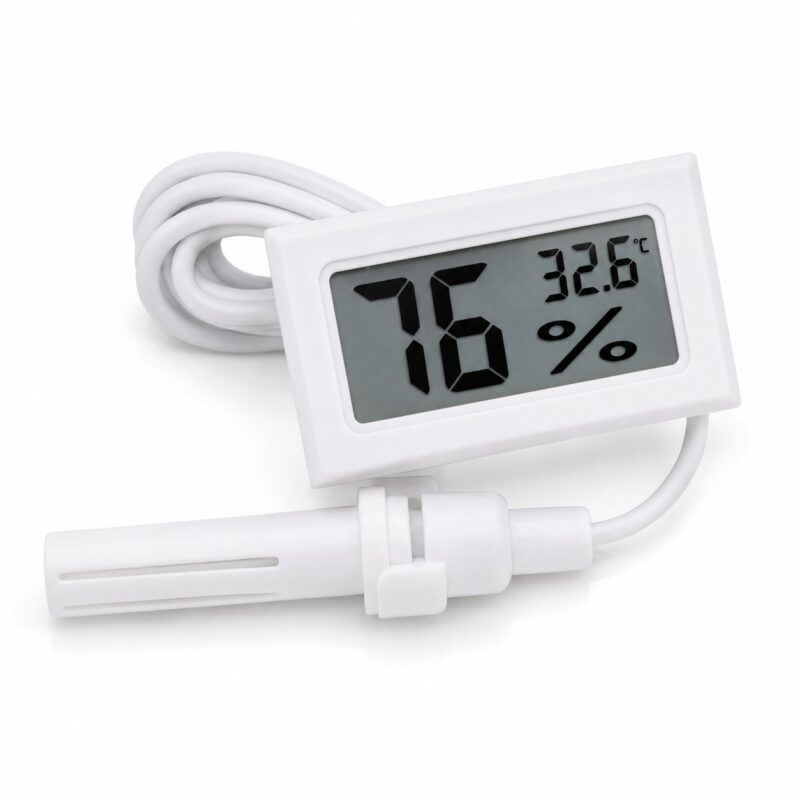
Humidity Nest 40–65% / Arena 40–65%
Hibernation Not required
Habitat (wild) East Asia (Japan, China, Taiwan)
Difficulty Intermediate
Stings or bites Sting, painful

Why this species

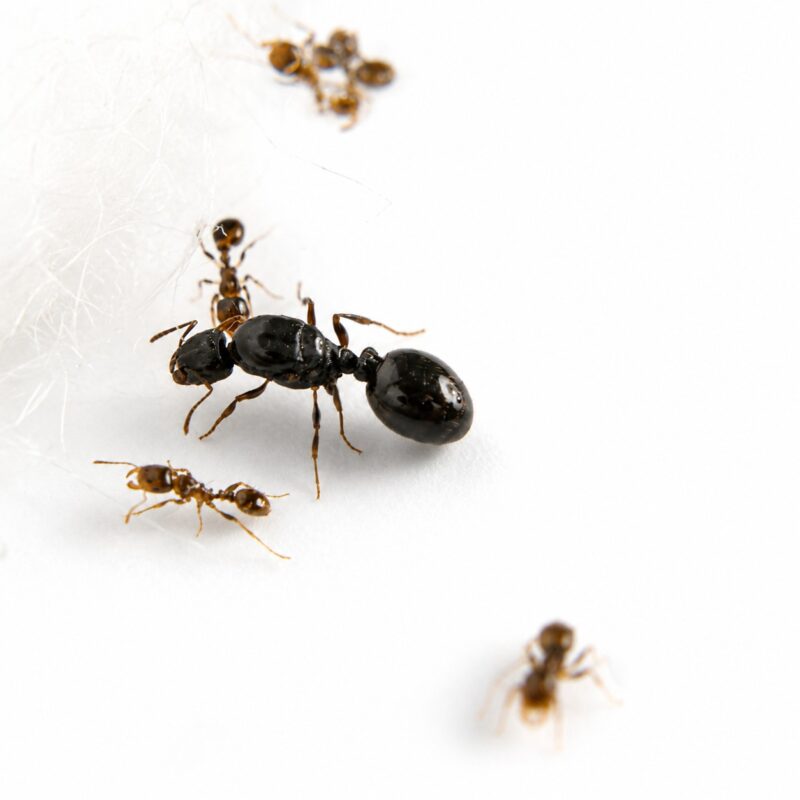
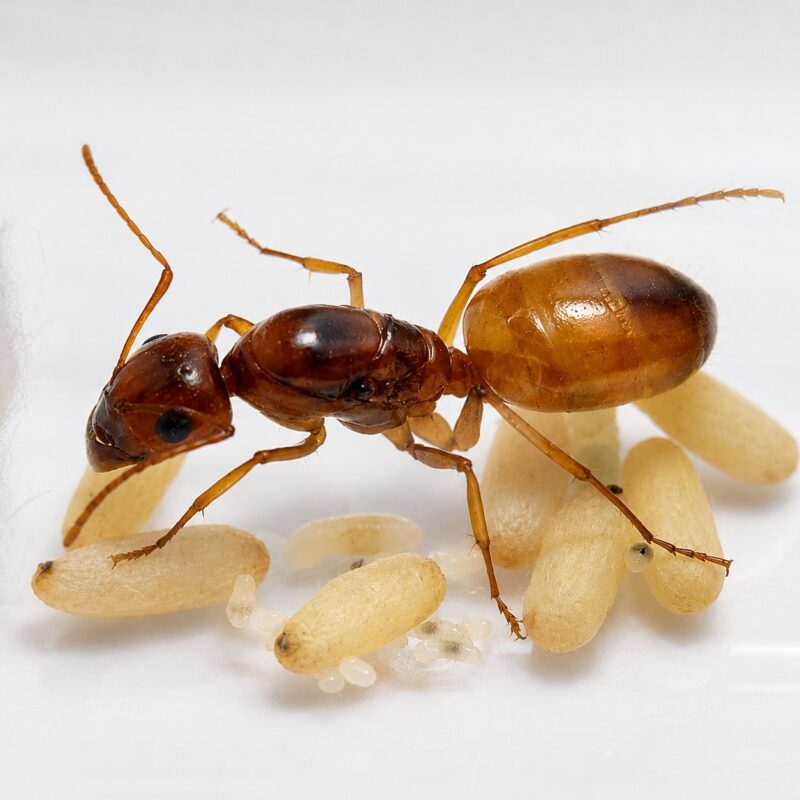
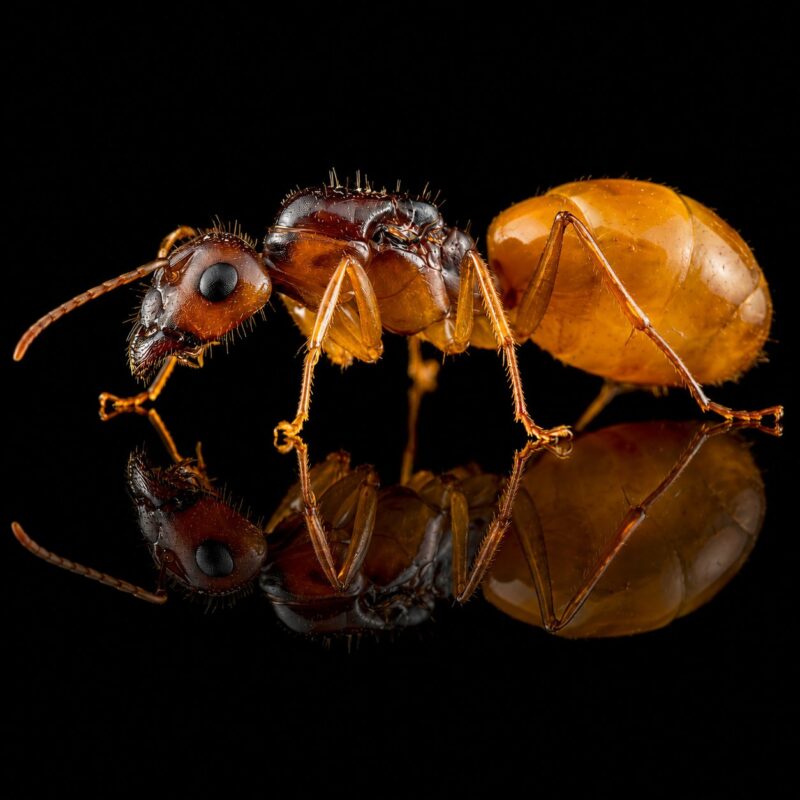
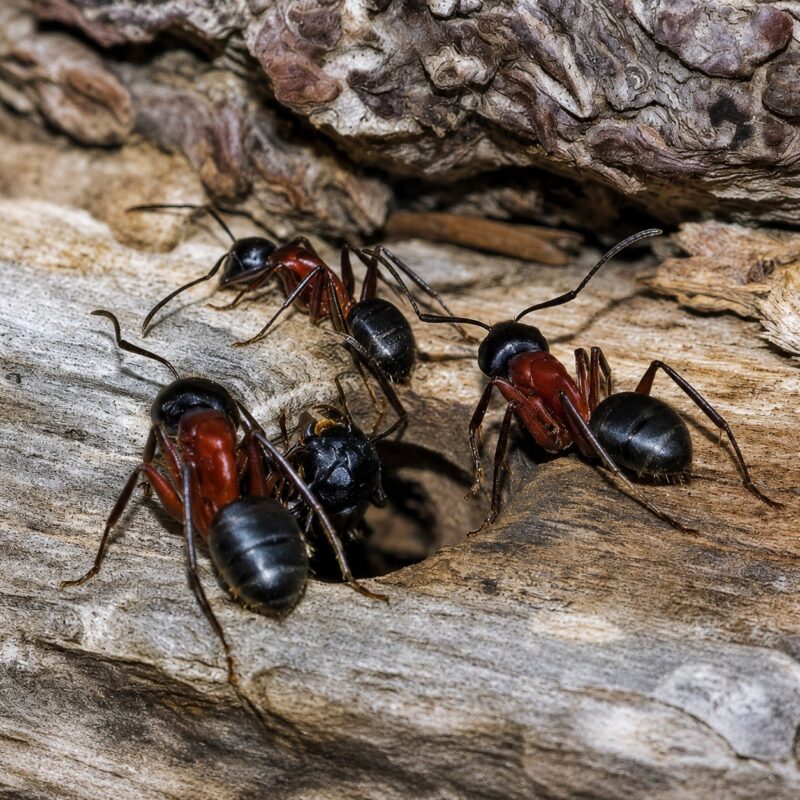
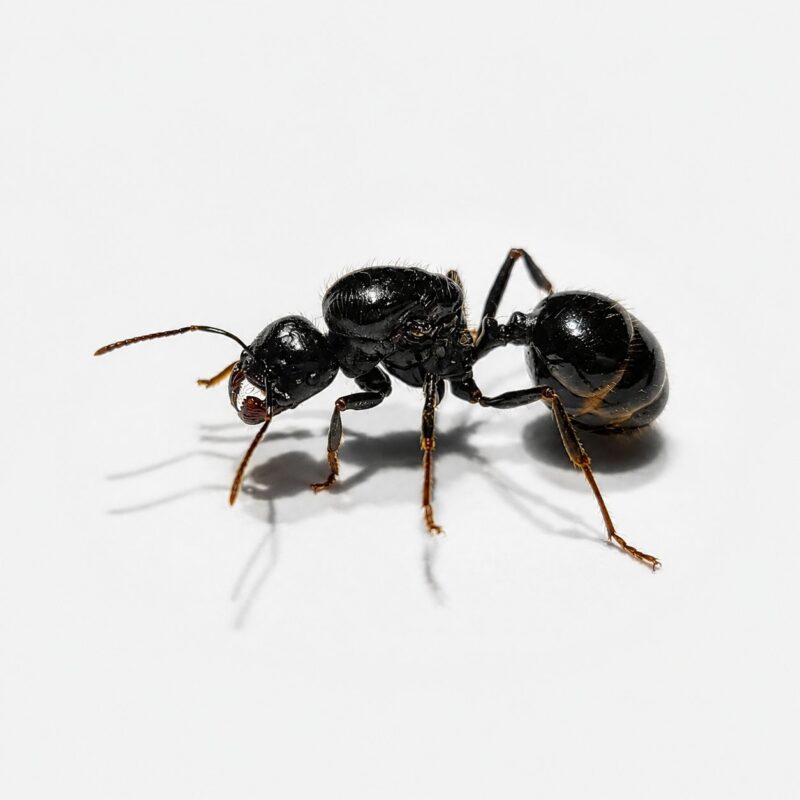
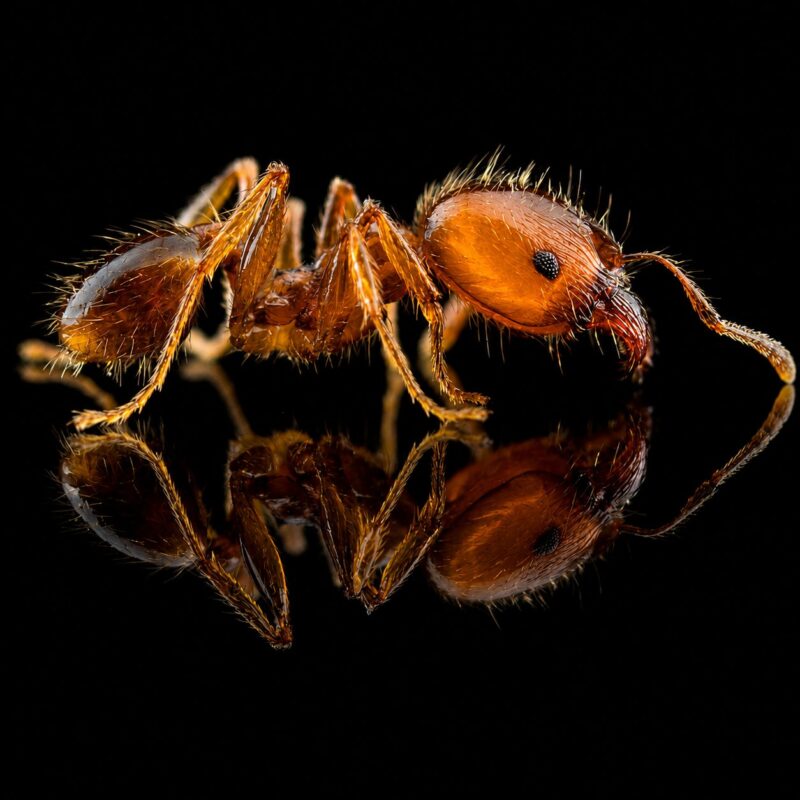
Odontomachus monticola is a intermediate odontomachus from East Asia (Japan, China, Taiwan). Reddish-brown body with darker gaster and trap-jaw mandibles. An East Asian trap-jaw ant — Japanese mountain specialist that tolerates winter cooling. Odontomachus — pantropical trap-jaw ants that snap their mandibles shut faster than any other animal movement.


Housing

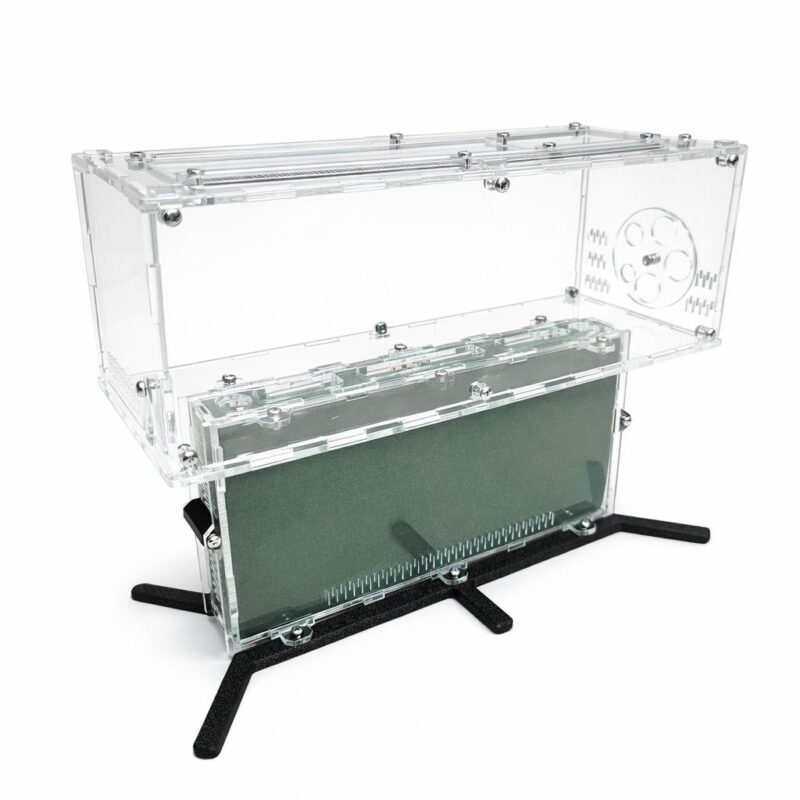
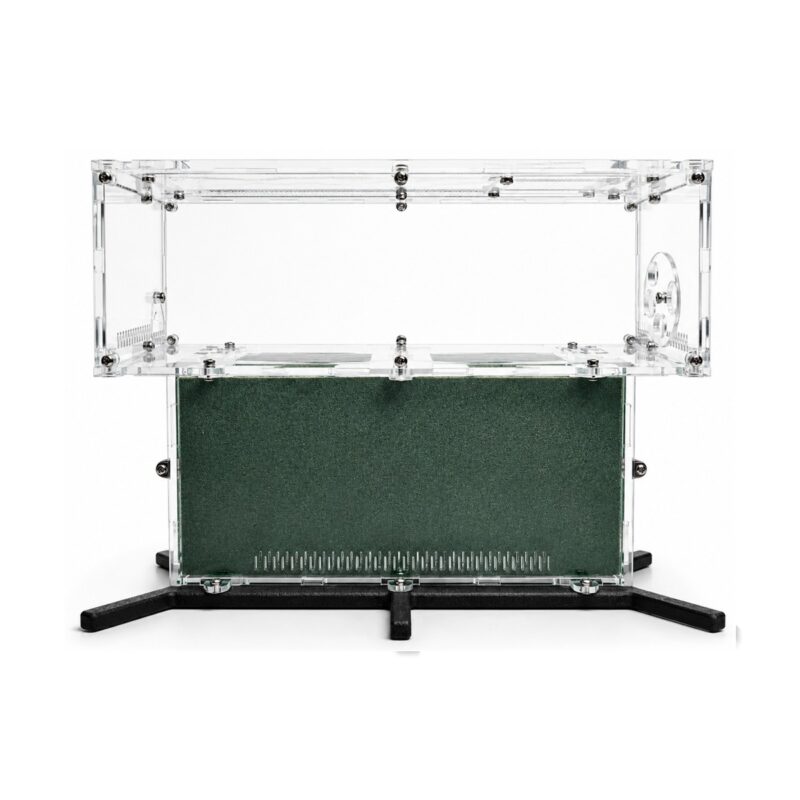
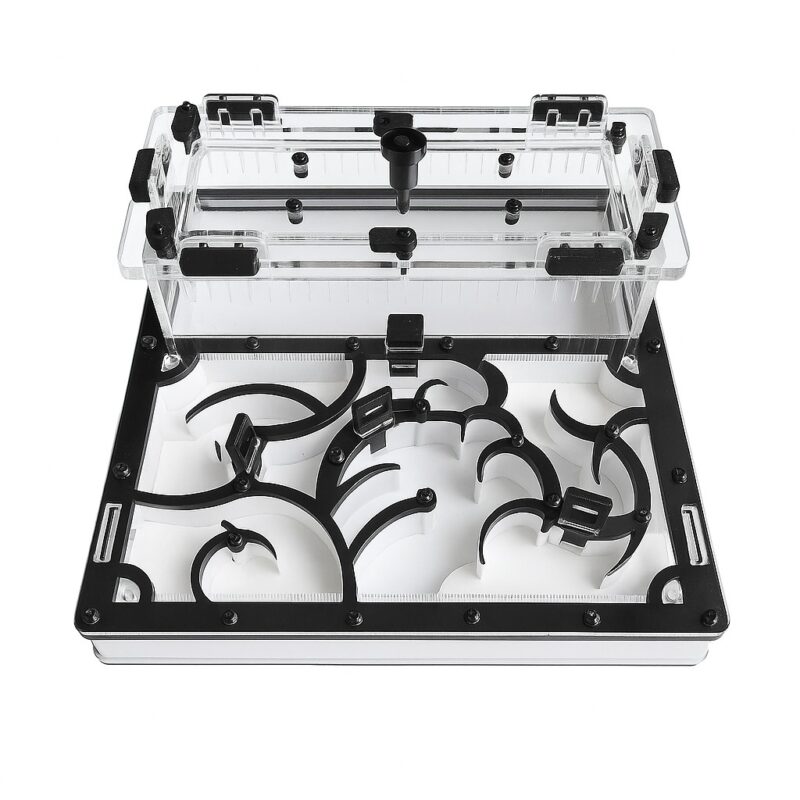
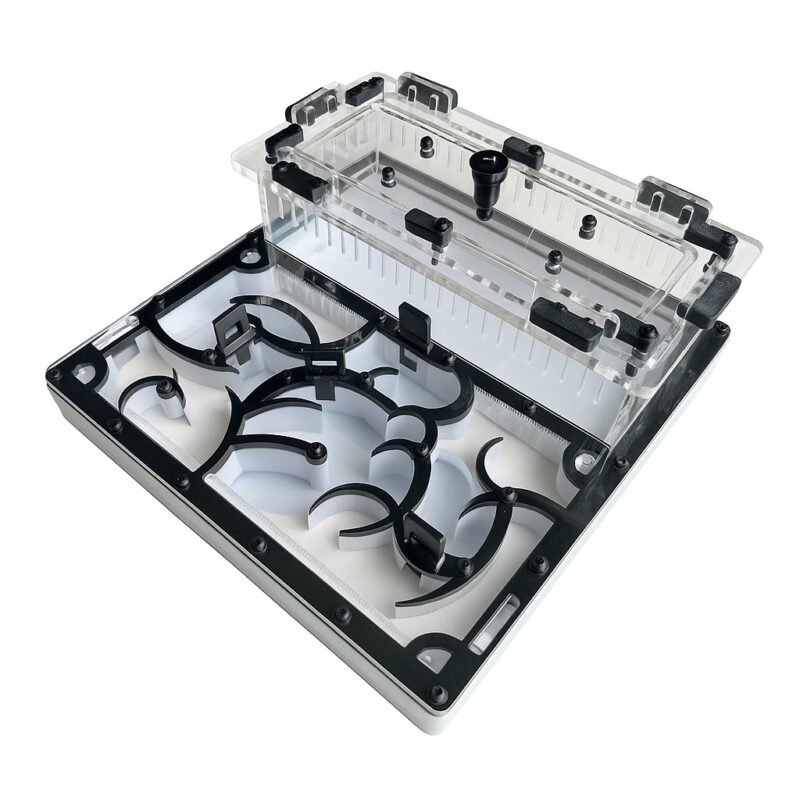
Start the founded queen in a sealed glass test tube setup until the colony reaches 15–20 workers. Then move to a small-to-medium formicarium of acrylic, ytong or plaster with a connected outworld. Add red filter film or a dark cover to give the colony a sense of nest darkness.


Temperature and humidity

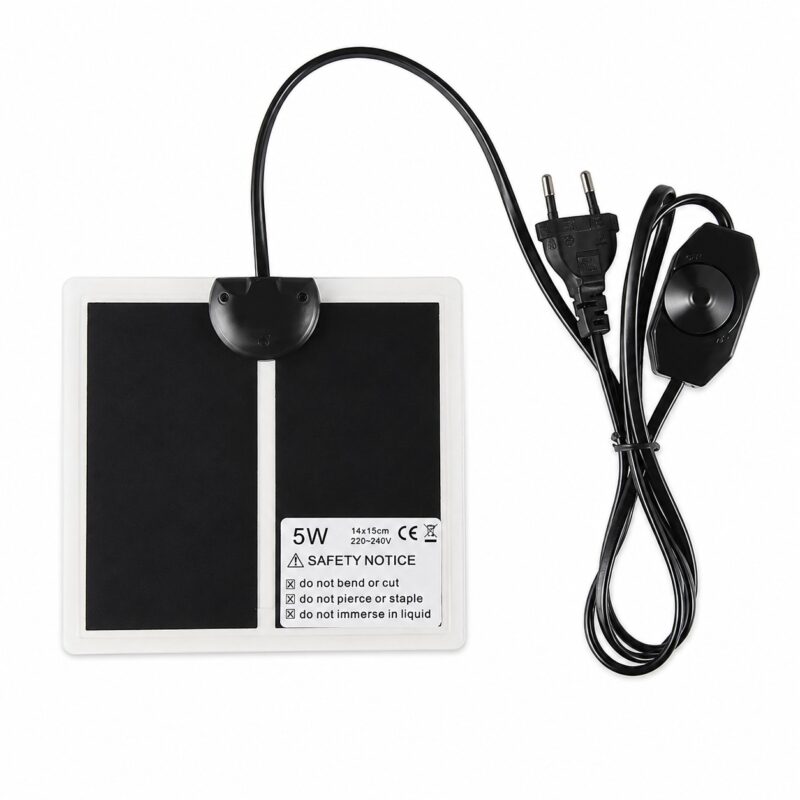
Keep the nest at 22–28 °C during the active season. Humidity in the nest chambers should sit around 40–65 %, with one wetter zone the colony can choose. Avoid direct sun and heavy hot spots — gentle ambient warmth from a low-wattage heat mat on one wall is ideal.


Feeding

Sugar source: live or fresh-frozen and thawed insects 2–3 times per week — crickets, mealworms, cockroach nymphs, small spiders. Sugar water optional but accepted occasionally.

Protein: fresh frozen and thawed insects — crickets, mealworms, fruit flies, cockroaches — 1–2 times per week. Increase frequency when brood is present.

Variety helps: rotate prey species so the colony gets a balanced amino-acid profile; never feed only mealworms.

Hydration: always offer plain water on a separate cotton, never let the test tube reservoir run dry.

Hygiene: remove leftover insects after 24 hours to prevent mould and mites.


Wintering

No hibernation needed. Keep this colony at stable room temperature year-round (around 22–26 °C); it stays active through winter without a cold rest period.


Escape prevention

Apply PTFE escape barrier on the top inner edge of the outworld — reapply every few months.

Use a tight lid with fine mesh; check it after every cleaning.

Inspect the formicarium silicone joints and tubing connectors monthly.

Keep the outworld dry on the inside edge where PTFE is applied — wet PTFE loses grip.


Important keeping reminders

Never disturb the queen during founding. Keep her in the dark, in a test tube, with minimal vibration.

Move the colony to a formicarium only when there are 15–20 workers and the test tube is genuinely full.

Always offer water on a separate cotton outside the food.

Quarantine any new insect feed for 24 hours before offering it to the colony.

Avoid synthetic fragrances, smoke and aerosols in the room with the colony.


Before you buy

This species is best for keepers who already maintained at least one founded colony. The care needs are not extreme, but the temperament or environmental requirements need attention. Read the care information and contact us with questions before ordering.


What we ship

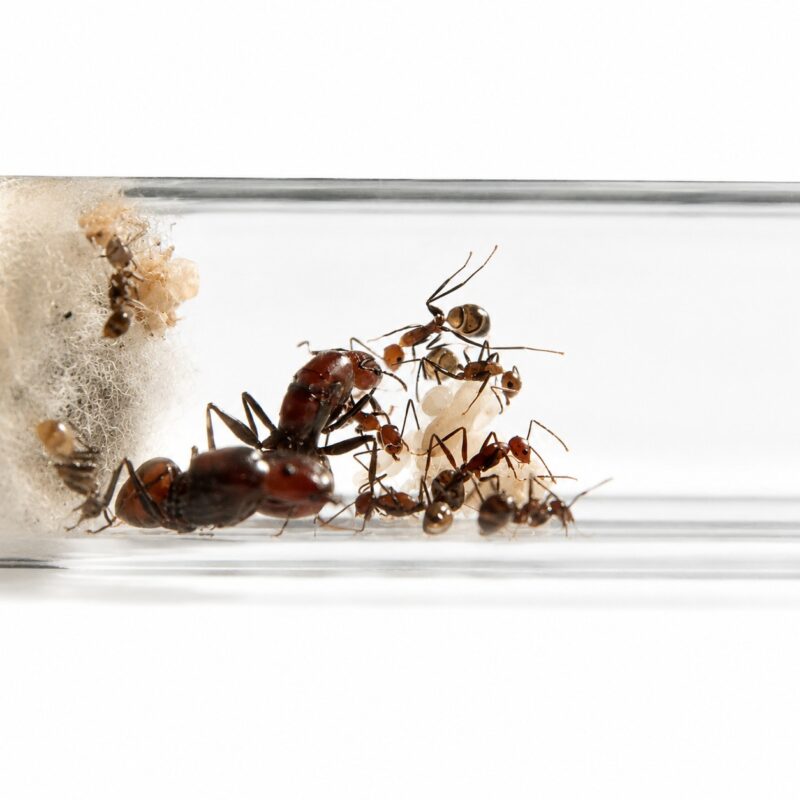
Your colony ships in a sealed glass test tube with a cotton water reservoir and a cotton plug — the same setup we use ourselves. It is packed in an insulated, padded shipping box. We hand-pick every colony, count workers and inspect the queen on the day of dispatch.


Did you know?

  • Described by Carlo Emery in 1892 from Japan — the species name (monticola = mountain-dweller) describes the habitat.
  • Ranges across Japan, eastern China, and Taiwan in subtropical and temperate forest.
  • More cold-tolerant than most Odontomachus — handles brief winter cooling.
  • Trap-jaw mandibles snap shut at extraordinarily high speeds.
  • Strong sting — recommended only for experienced trap-jaw keepers.

Frequently asked questions

How big can the colony grow?

monogyne, claustral founding, modest colonies of 200–800 workers. Growth is steady but not explosive — give the colony 1–2 years to reach a few hundred workers.

Is this species safe around children and pets?

Workers can bite or sting defensively when the formicarium is opened. Supervise children and keep curious pets away from the setup.

Will the colony arrive alive?

Yes. We use insulated, padded boxes and ship only on weekdays when forecasted weather along the route is safe. If anything goes wrong in transit, contact us within 24 hours of delivery with an unboxing video.

Can I skip hibernation?

Yes. This species does not require hibernation — keep it warm and active all year, with no cold rest to schedule.

Can I see this species in your video shorts?

We post regular video shorts of feeding sessions, brood close-ups and worker behaviour on our social channels.

Complete Your Setup
Reviews
0 reviews
0
0
0
0
0

There are no reviews yet.

Be the first to review “Odontomachus monticola”

Your email address will not be published. Required fields are marked *

Top Picks