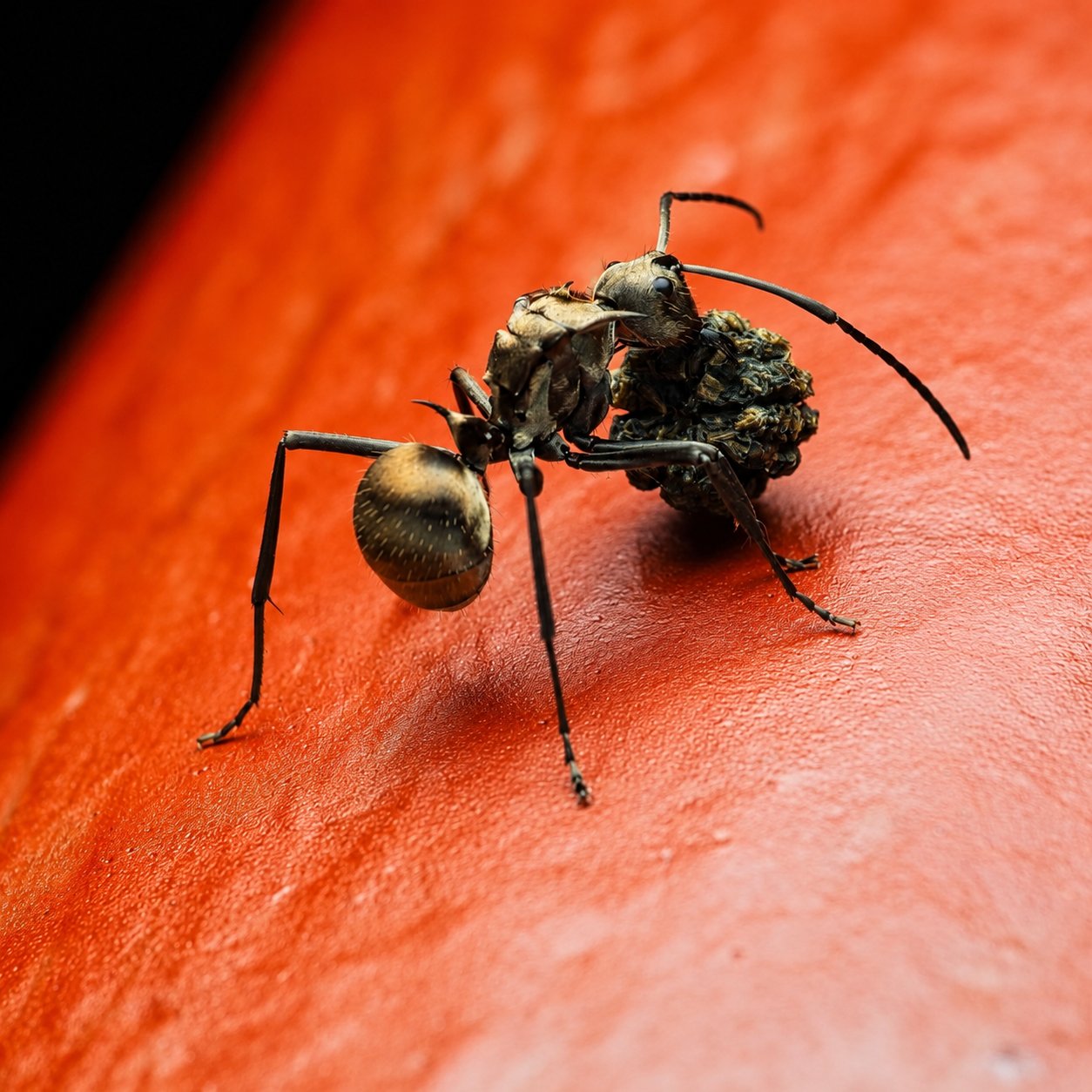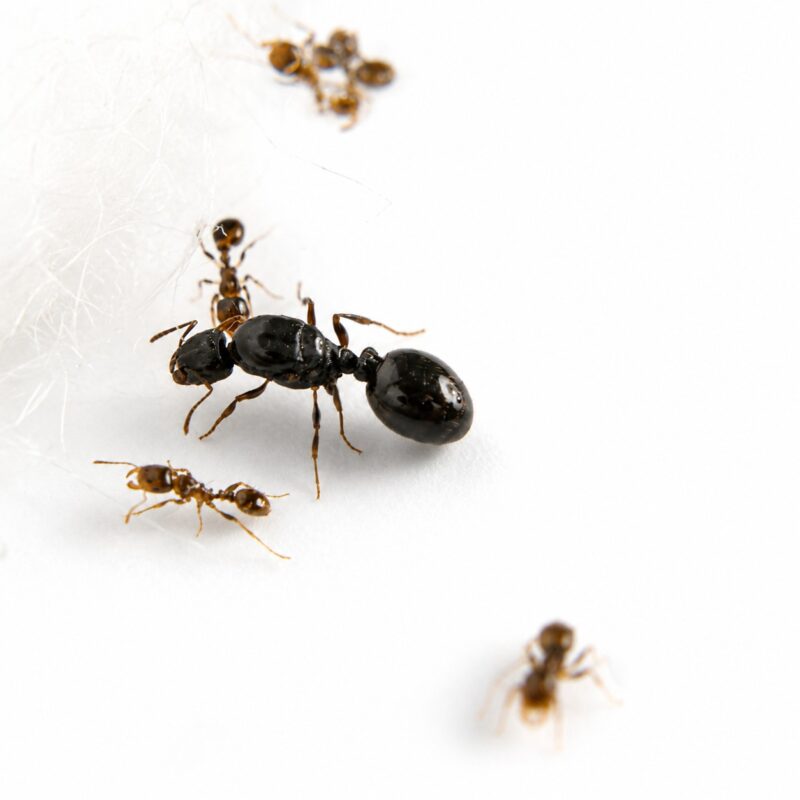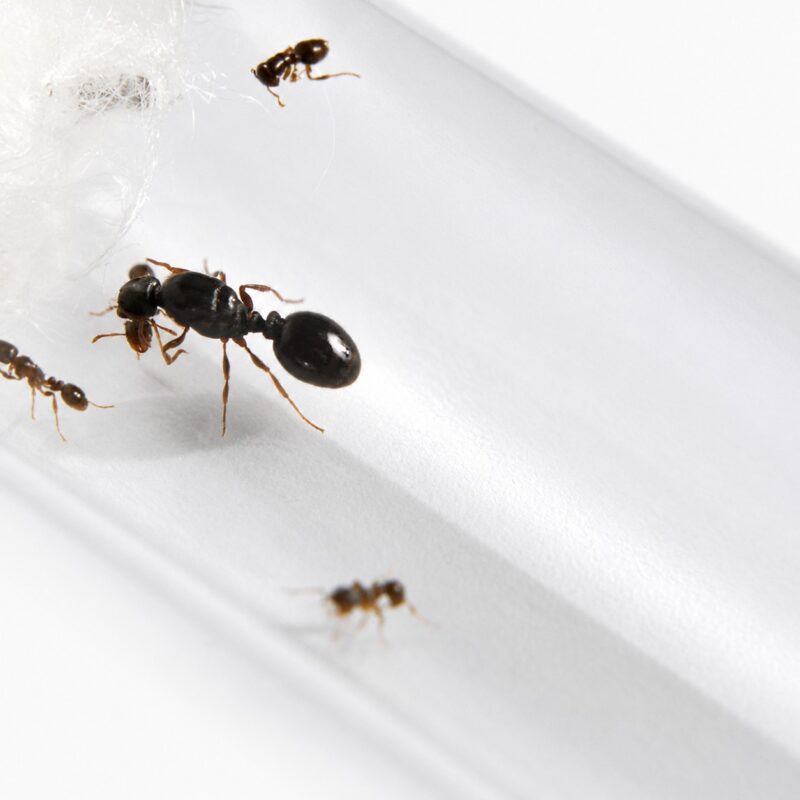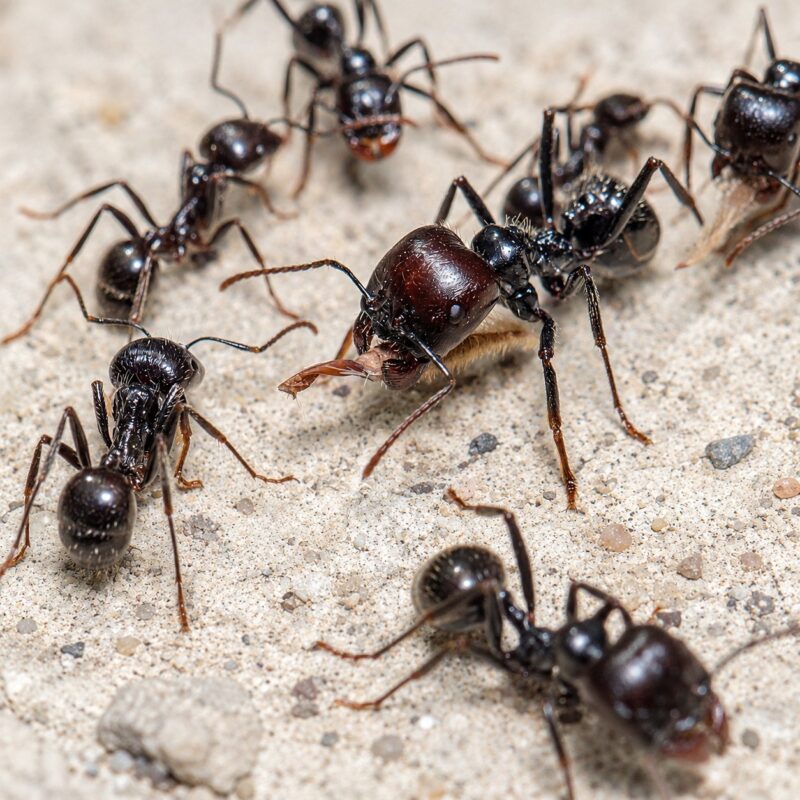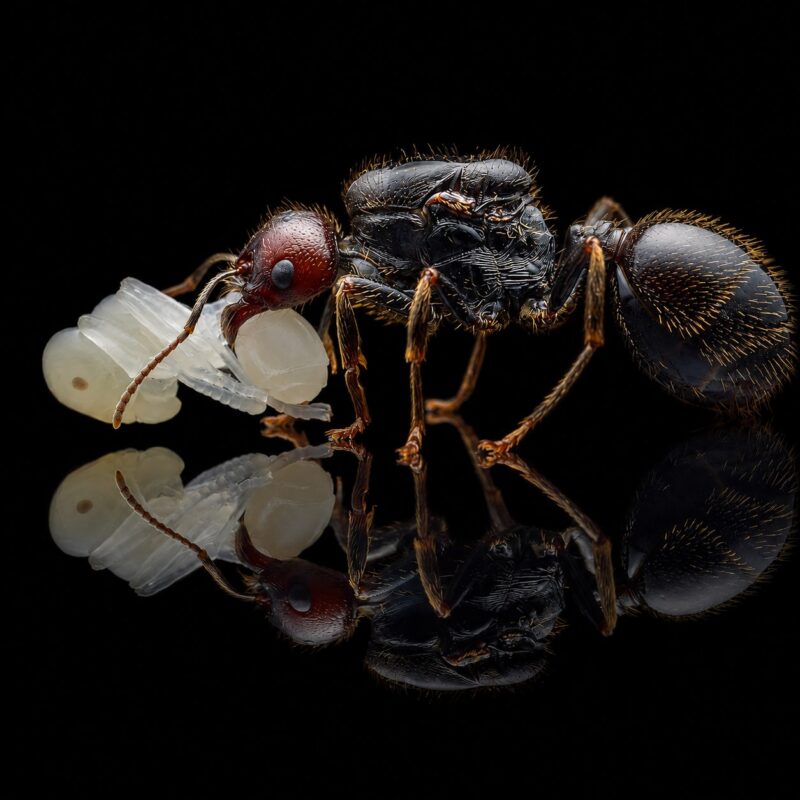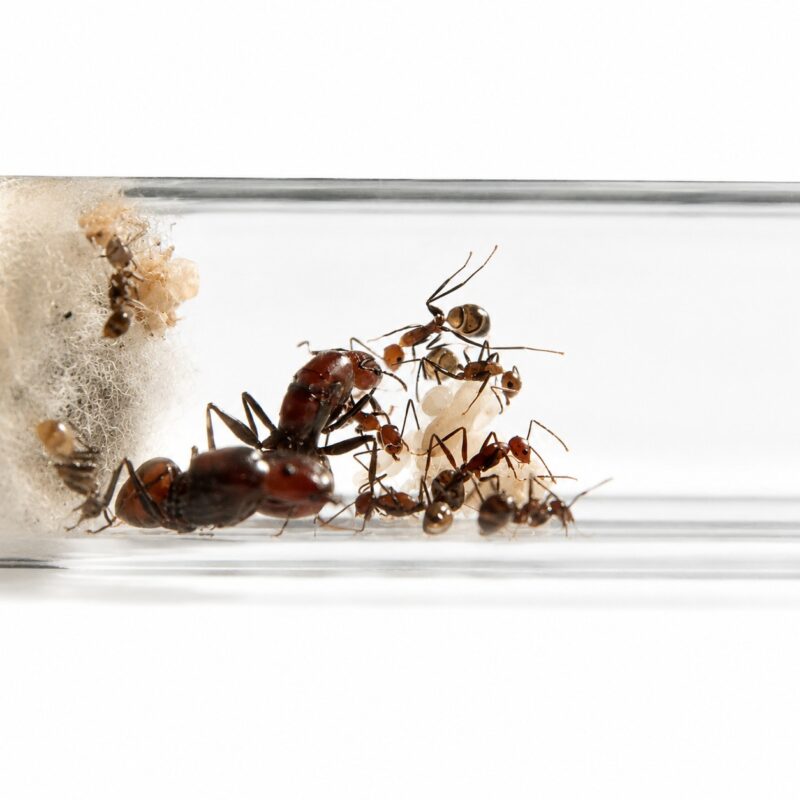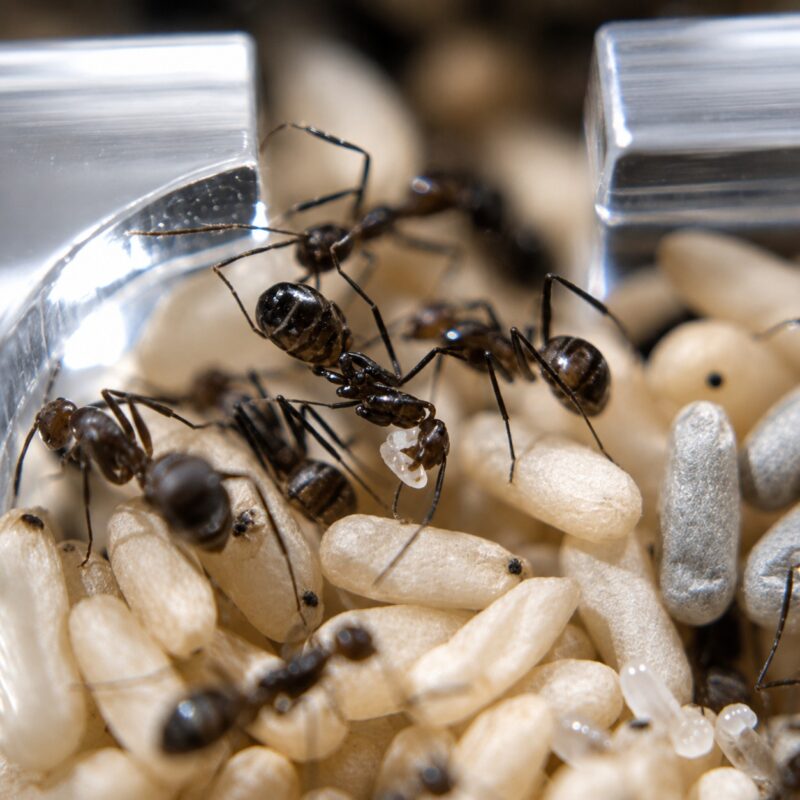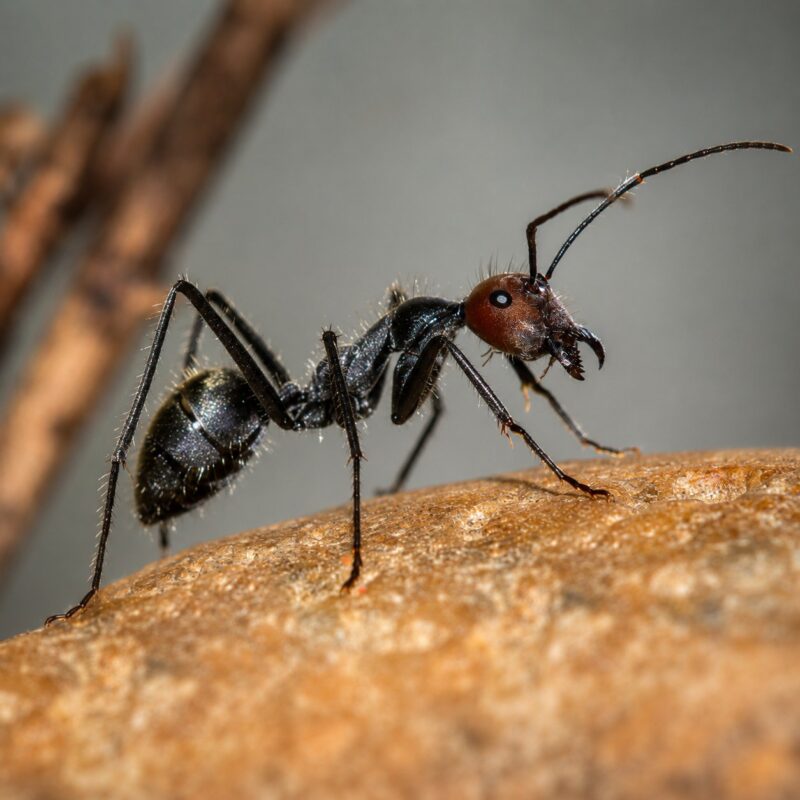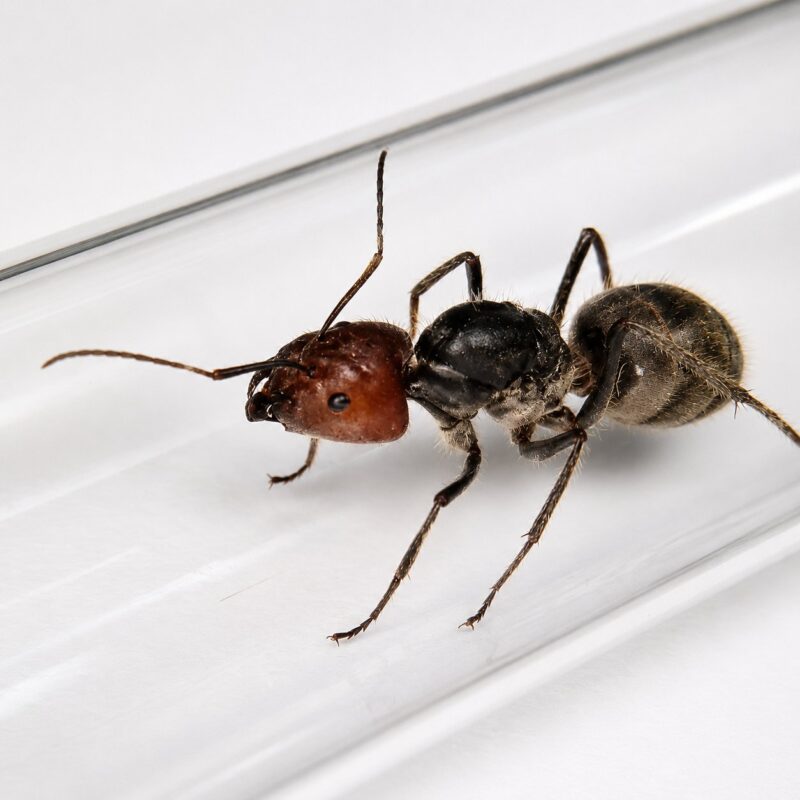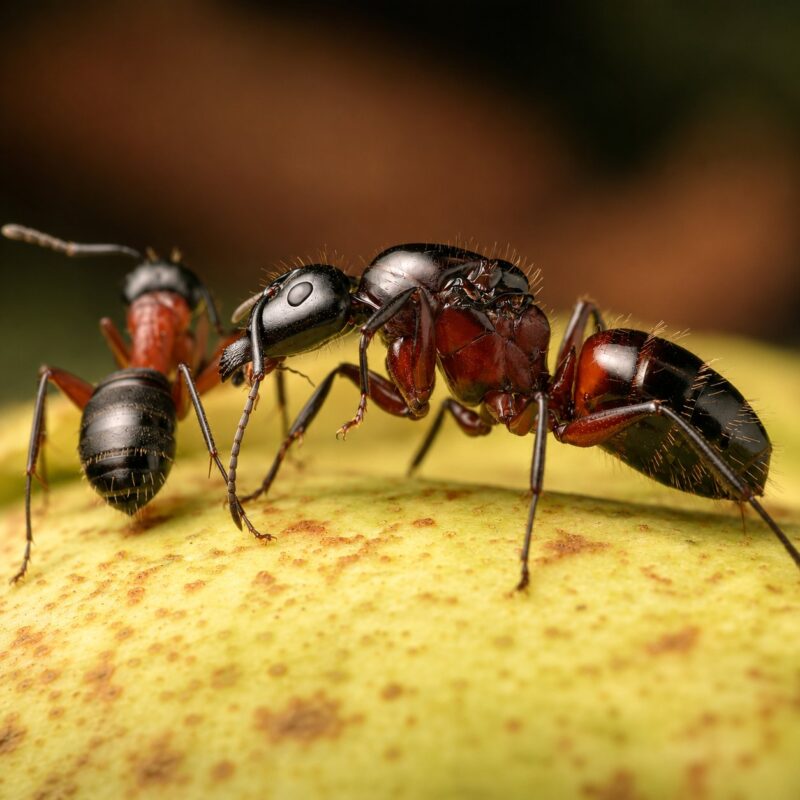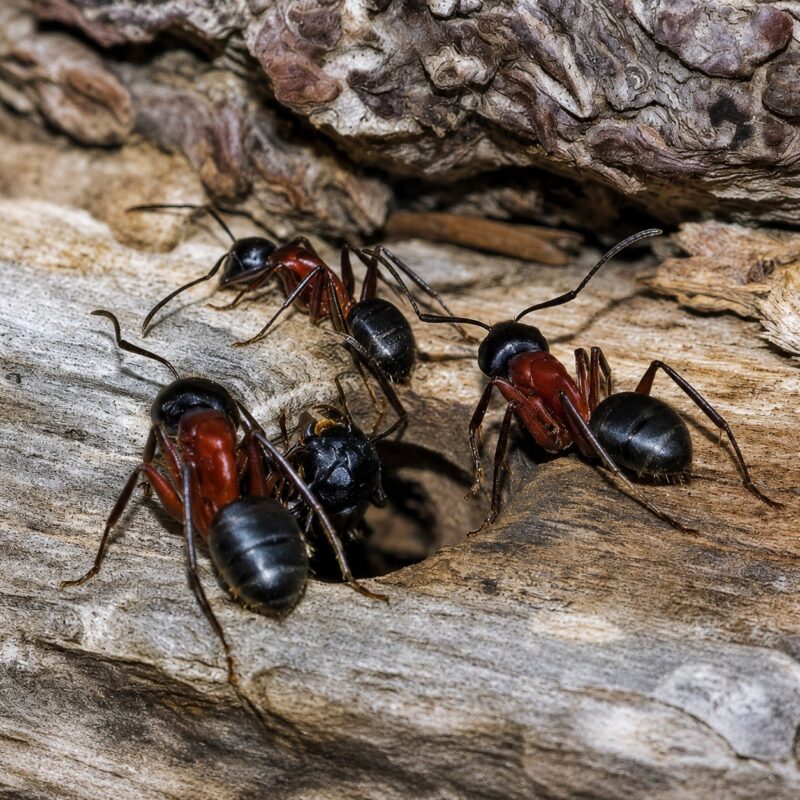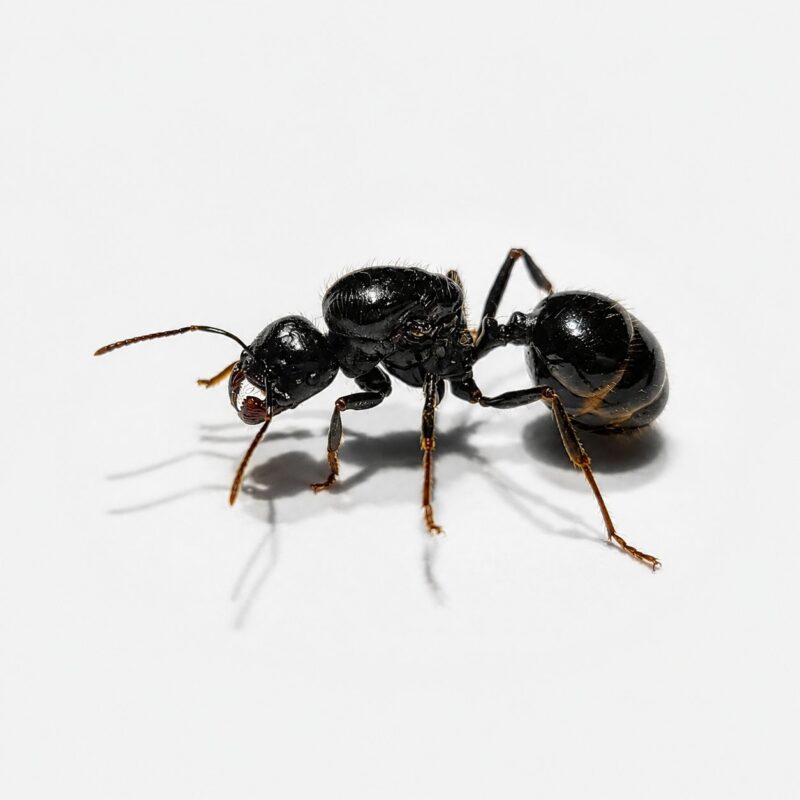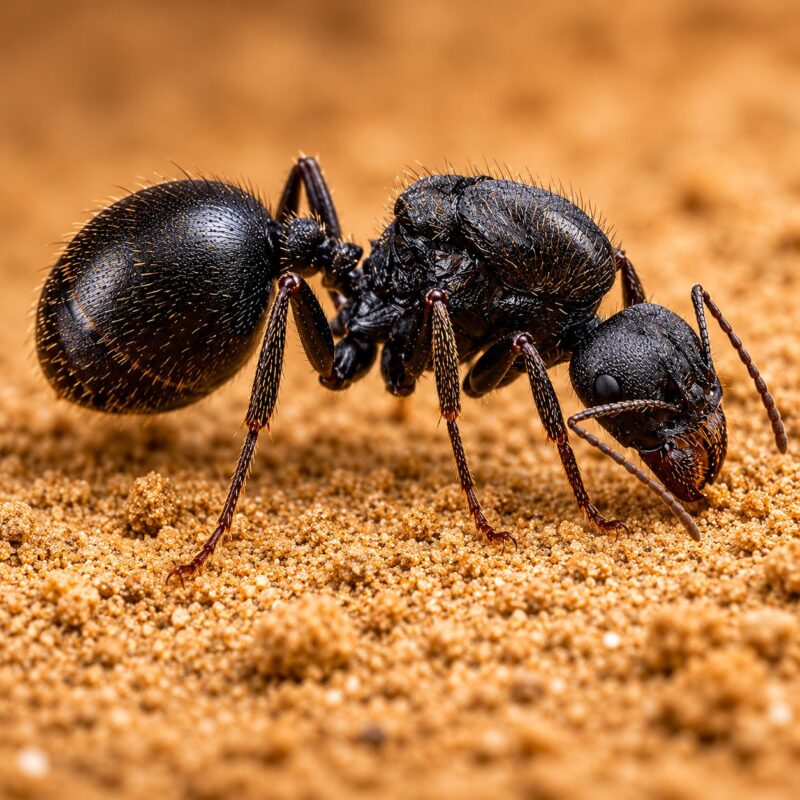

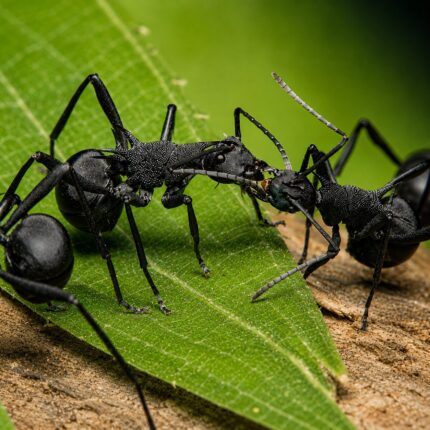
Polyrhachis armata worker — shiny black or golden with thoracic spines spiny ant from the Old World tropics, live colony at ANTonTOP
Polyrhachis armata Price range: 279,90 zł through 439,90 zł
Back to products
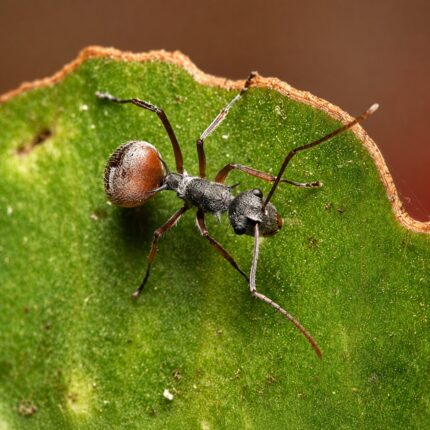
Polyrhachis bicolor worker — shiny black or golden with thoracic spines spiny ant from the Old World tropics, live colony at ANTonTOP
Polyrhachis bicolor Price range: 315,90 zł through 729,90 zł

Polyrhachis beccari

Price range: 259,90 zł through 519,90 zł

No hibernation
Add 500,00  to cart and get free shipping!
Arrives alive and ready to lay, or we reship

Live Queen Guarantee

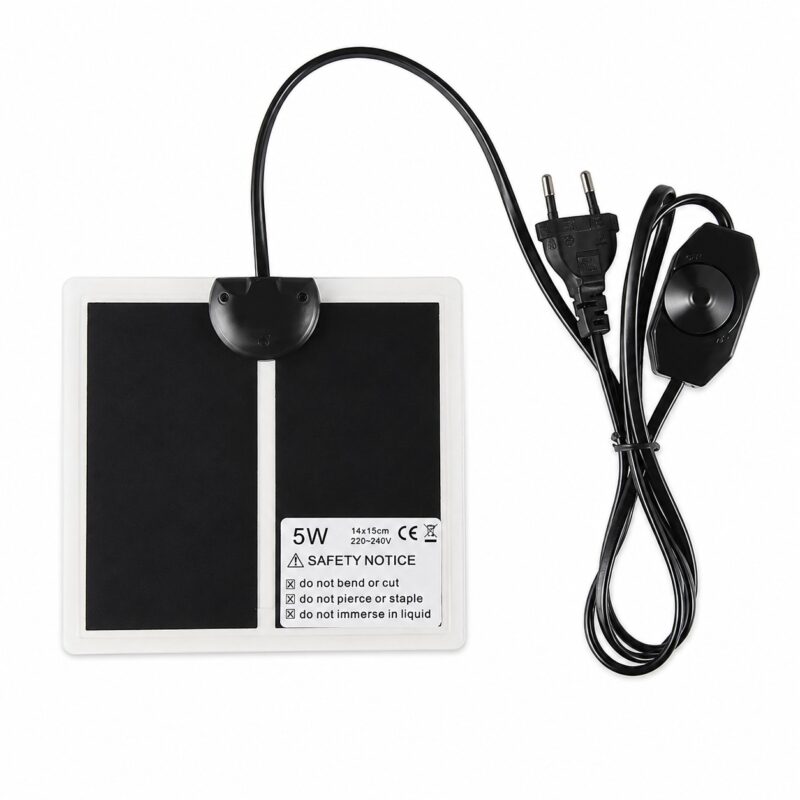
Warm in winter, insulated against summer heat

Heat Pack & Summer Cooling

Ready to grow from day one

Fertilised Queen in Every Colony

Packed fast, dispatched with tracking

Ships Within 24 h

Setup and feeding tips for your species

Free Care Guide

Fast answers from real ant keepers

24/7 Expert Support

Description

Glossy armour and curved spines reward a close look, and a calm, stingless temperament makes Polyrhachis beccari an easy way into tropical keeping. Start your first colony of Polyrhachis beccari at ANTonTOP.

Live arrival + 24h unboxing-video guarantee.
Free shipping across Europe over 1299 zł.
DHL / InPost / EMS · ships the EU & worldwide.

Beginner · Q 11 mm / W 6-9 mm · 500-5000 workers · No hibernation (tropical) · Omnivore · Indonesia (Southeast Asia) · No sting, mild bite

Additional information

Behavior

Keeping difficulty

Origin

Ant size

Hibernation

Sting

No sting

Description

Polyrhachis beccari – Spiny ant

Origin Indonesia (Southeast Asia)
Difficulty Beginner
Colony form Monogyne (1 queen)
Max workers 500-5000 workers
Queen 11 mm
Worker 6-9 mm
Soldier / major
Founding Claustral
Temperature Nest 20-26 °C / Arena 22-32 °C
Humidity Nest 55-70% / Arena 40-60%
Hibernation No hibernation (tropical)
Diet Omnivore
Sting / bite No sting, mild bite
Egg to first worker 6-9 weeks
Queen lifespan 7-15 years
Nuptial flight warm humid months after rain (exact months not specified)
Activity diurnal

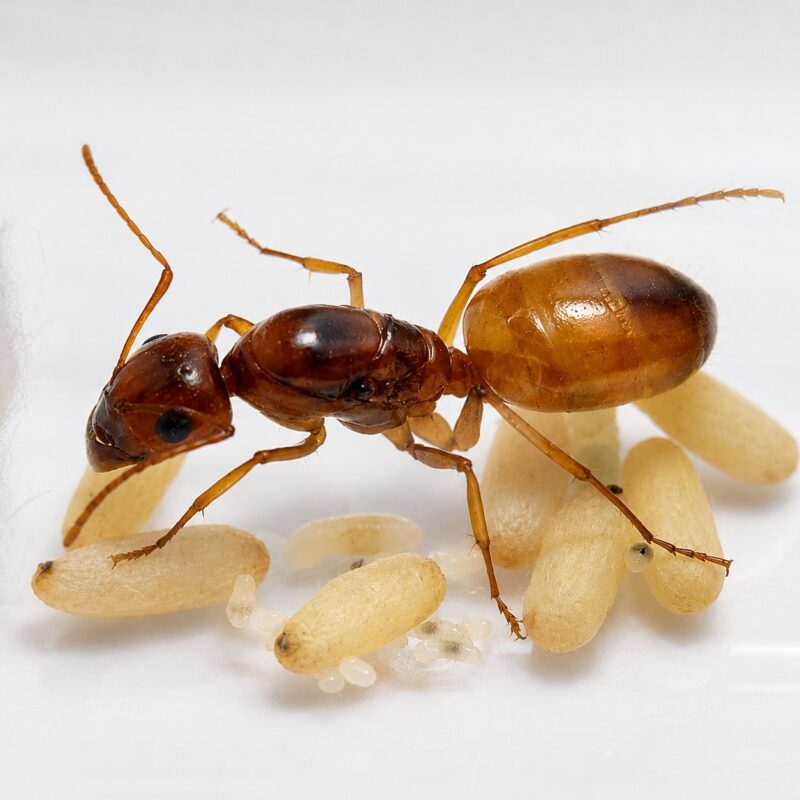
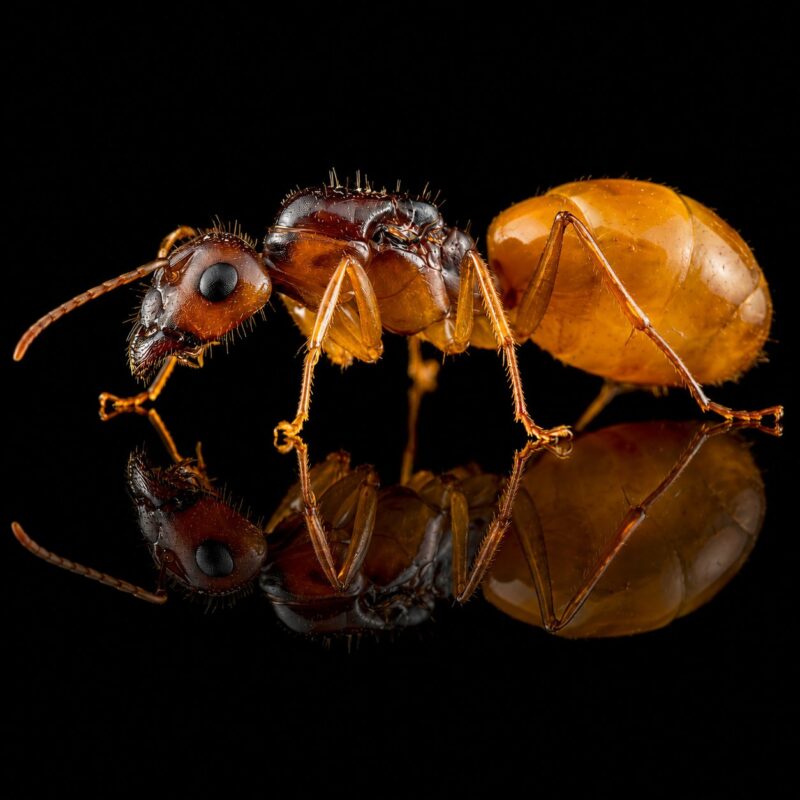
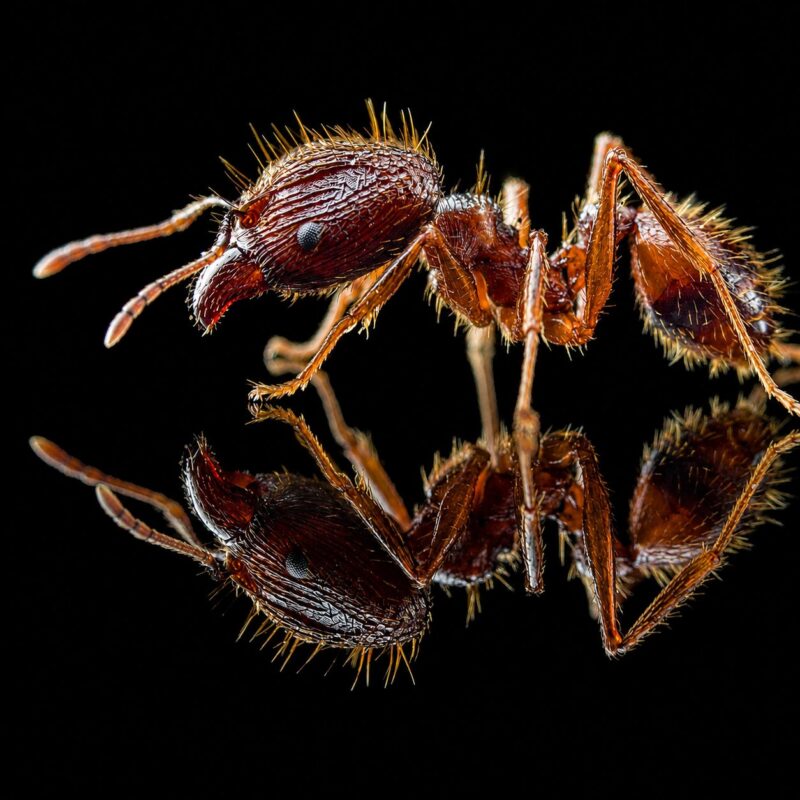
Polyrhachis beccari is a glossy spiny ant from Indonesia, its hard, hook-armoured workers giving a striking look that holds up close. A forgiving tropical species for first-time keepers.


Why this species

Spiny ants earn their keep on looks, and this one delivers with a sheen and curved spines that reward close watching. It is one of the gentler ways into the genus: slow, deliberate foragers that take small mistakes in their stride while you learn the tropical routine. With no sting and only a mild bite, it is safe to observe at the glass, and an Indonesian rainforest background means steady, year-round activity rather than a stop-start season. A relaxed, good-looking first colony.


Feeding

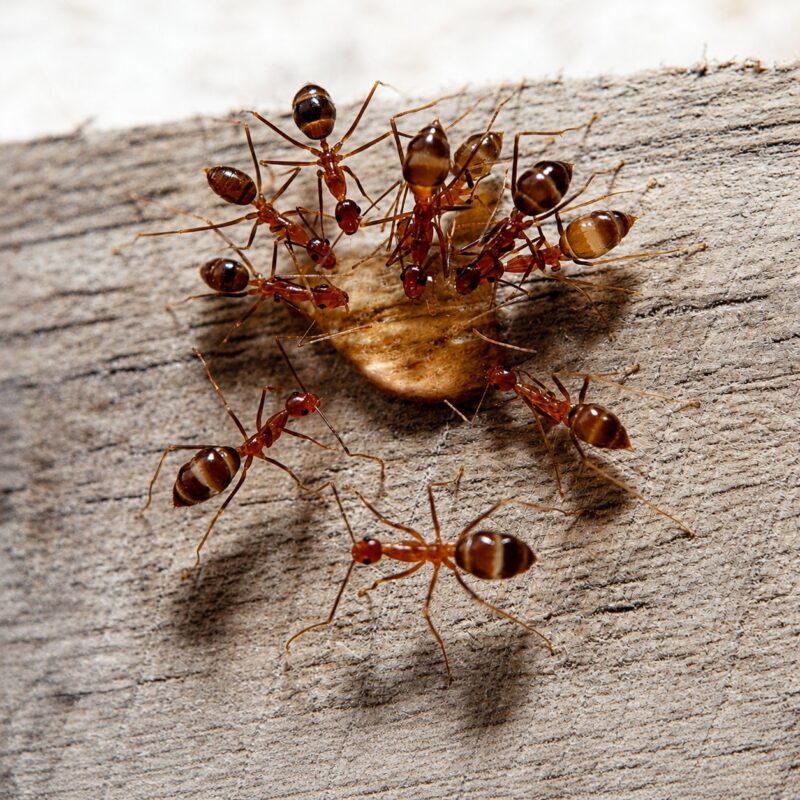
Like other arboreal Polyrhachis, beccari works the carbohydrate and protein sides of its diet separately: foragers tap sweet liquids for daily fuel and carry insect prey back to feed the growing larvae. Keep sugar on tap and add protein a couple of times a week.

Sugar water / honey water ★★★
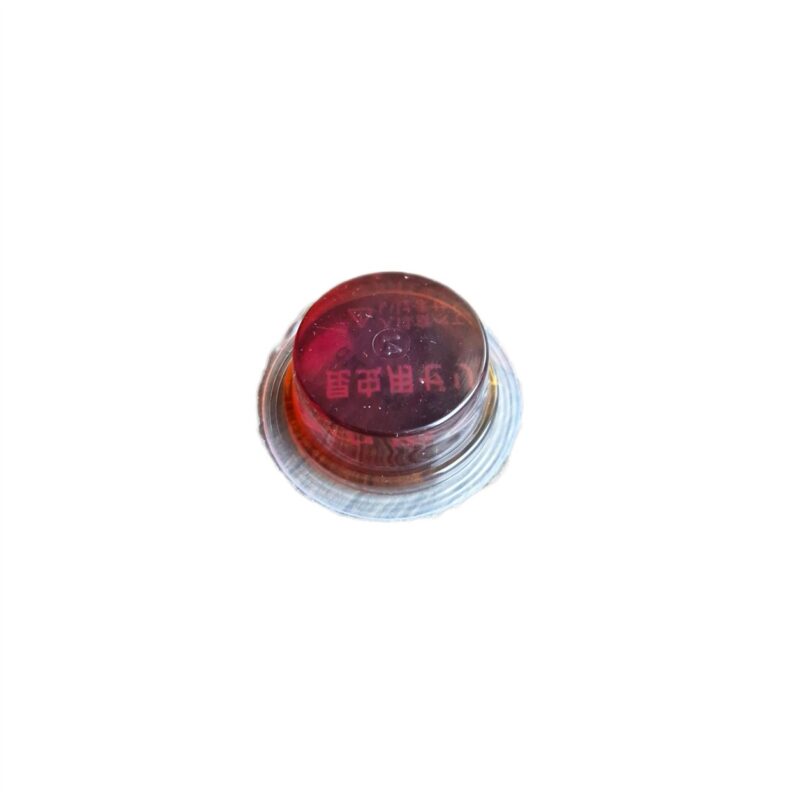
Ant nectar / sugar jelly ★★★
Honey ★★★
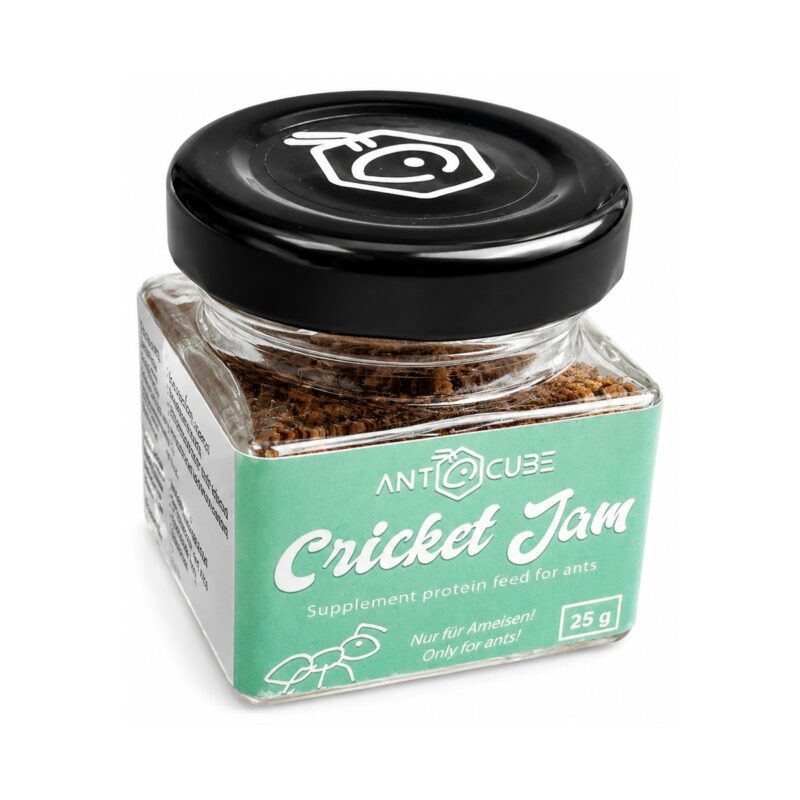
Protein jelly ★★★
Crickets ★★★
Cockroaches (Dubia / Turkish) ★★★
Fruit flies (Drosophila) ★★★
Houseflies ★★★
Locusts ★★
Boiled egg yolk ★★
Mealworms
Superworms
Boiled lean chicken / shrimp / meat
Soft fruit (apple, pear, banana)
Dried insects
Soft seeds (poppy, sesame, chia)
Hard seeds (canary, millet, sunflower)

★★★ readily · ★★ moderately · ★ occasionally · ✗ not eaten


Housing & formicarium

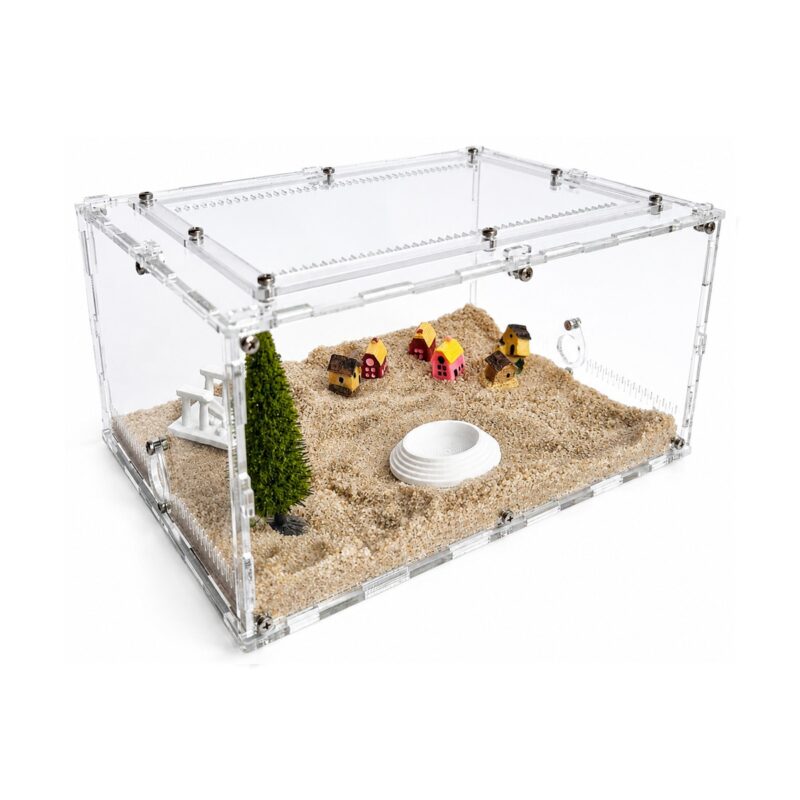
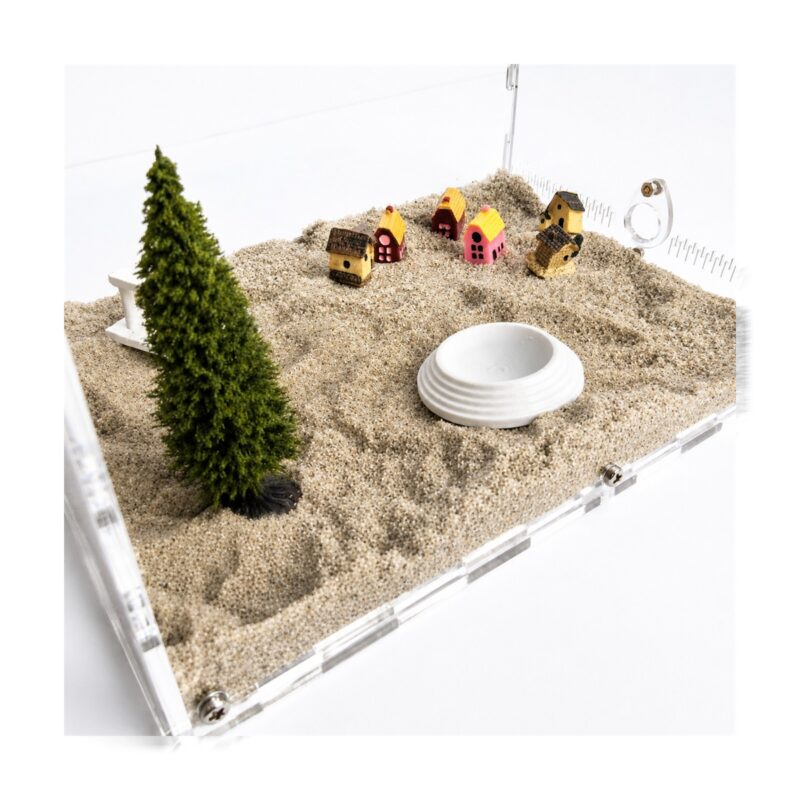
Found this spiny climber in a test tube or compact starter nest, keeping one chamber damp while the brood settles. Move up a size once the first nanitics cover the floor. Aerated ytong or acrylic holds the moisture these arboreal ants prefer, so favour that over a dry block. Ring the arena rim well with fluon (PTFE), oil, or talc and water, as Polyrhachis scale smooth walls with ease. ANTonTOP formicaria and starter kits arrive as a matched humid nest, arena and barrier, ready from the first day.


Climate & wintering

Run a gentle gradient: warm one end of the setup only, letting the colony shuttle between a snug and a cooler zone as it prefers. Settle the nest at 20-26 °C and let the arena run a touch warmer at 22-32 °C, holding nest humidity around 55-70% against a drier 40-60% in the arena. Being tropical it takes no winter rest, so keep conditions steady and feeding going right through the year.


Growth forecast + what you receive

A tropical spiny ant settles into a steady, moderate climb once the first workers appear, and over time the nest can fill out to 500-5000 workers. Your colony arrives as a queen with a cluster of workers and developing brood, ready to move straight into a humid nest and arena.


Did you know

  • The genus name Polyrhachis comes from the Greek for ‘many spines’, after the armoured projections on the body and waist that deter would-be predators.
  • As a formicine it has no sting at all; the subfamily defends itself with formic acid and a quick bite instead.
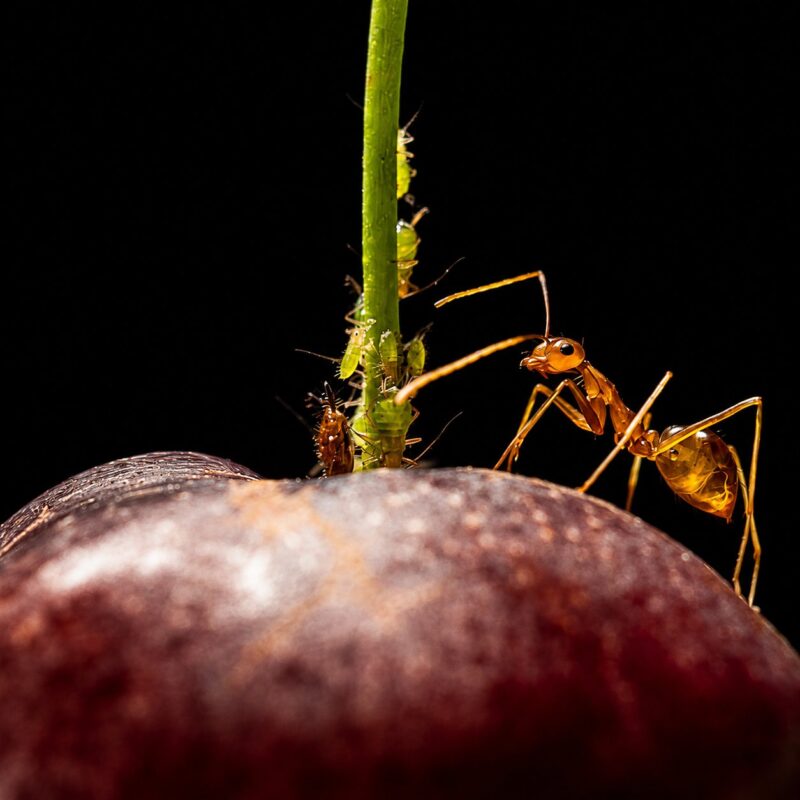
  • Many Polyrhachis are committed tree-dwellers that tend honeydew-producing bugs, effectively farming them for sugar.

Frequently asked questions

Is Polyrhachis beccari good for beginners?

Yes, it is rated beginner and tolerates small care mistakes while you learn.

Does Polyrhachis beccari need a winter rest?

No, it is tropical with no hibernation, so keep it warm and feed it all year.

Does beccari sting or bite?

No, it has no sting and only a mild bite.

How big does a beccari colony get?

It can reach 500-5000 workers.

How large is the beccari queen?

The queen is about 11 mm and workers are 6-9 mm.

How fast does it grow?

It grows at a steady, moderate pace typical of tropical spiny ants.

What does this spiny ant eat?

Sugar water or nectar for energy plus live insects like crickets and flies for protein.

Will it arrive alive?

You receive a queen with workers and brood, packed with a heat or cool pack and shipped within 24 h with tracking.


Keeping & shipping essentials

Escape prevention. Coat the inner rim of every open arena with fluon (PTFE), or use talc-and-water or an oil barrier as a backup, and keep a tight, fine-mesh lid on top. Check the barrier regularly, since dust, condensation and feeding debris break a fluon line over time. Keep tubing connectors tight and seal any gaps in the nest.

Keeping reminders. Always offer fresh water and never let the nest dry out completely. Give carbohydrates continuously and protein a few times a week, and remove uneaten insect prey within 24 hours before it moulds. Keep the formicarium out of direct sunlight and away from constant vibration, which stresses a young colony. A water-filled test tube plugged with cotton makes an ideal spare incubator whenever you need one.

Before you buy – do not rehouse too early. Have a test-tube setup or a small formicarium with an outworld and a working barrier ready before your colony arrives. A founding colony grows slowly at first, which is normal. Moving a small colony into a large nest too soon invites mould, mites and stress, and the workers die off one by one. Keep the colony in its open test tube on the arena, plug the nest entrance with cotton, and open up the next chambers only once the colony fills roughly 10-15% of the space.

What we ship. Every colony ships with a live-arrival guarantee, backed by our 24h unboxing-video guarantee: if the queen does not arrive alive, we reship free. Parcels travel with DHL, InPost (PL) or EMS, with a heat or cold pack to suit the season, packed discreetly and securely. We ship across the EU and worldwide, with free shipping over the Europe threshold.

Complete Your Setup
Reviews
0 reviews
0
0
0
0
0

There are no reviews yet.

Be the first to review “Polyrhachis beccari”

Your email address will not be published. Required fields are marked *

Bestsellers