
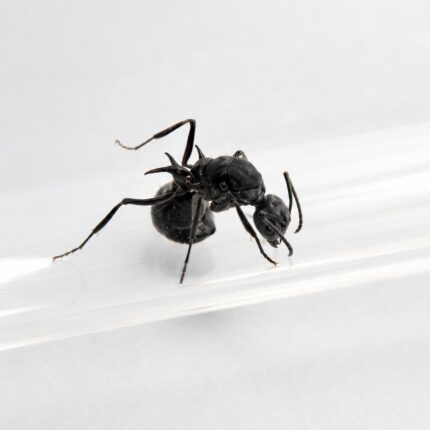
Polyrhachis cyaniventris
1449,90 zł – 3399,90 złPrice range: 1449,90 zł through 3399,90 zł
Live Queen Guarantee
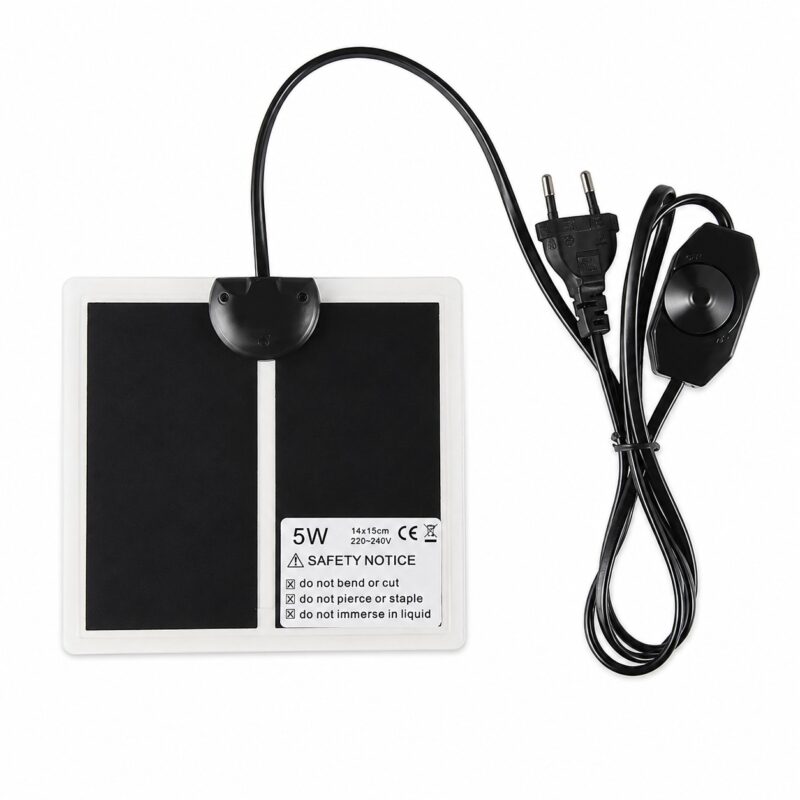
Heat Pack & Summer Cooling
Fertilised Queen in Every Colony
Ships Within 24 h
Free Care Guide
24/7 Expert Support
Description
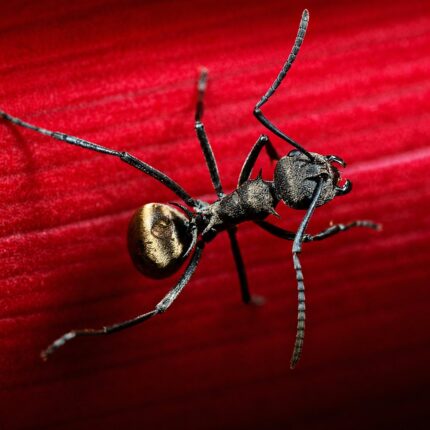
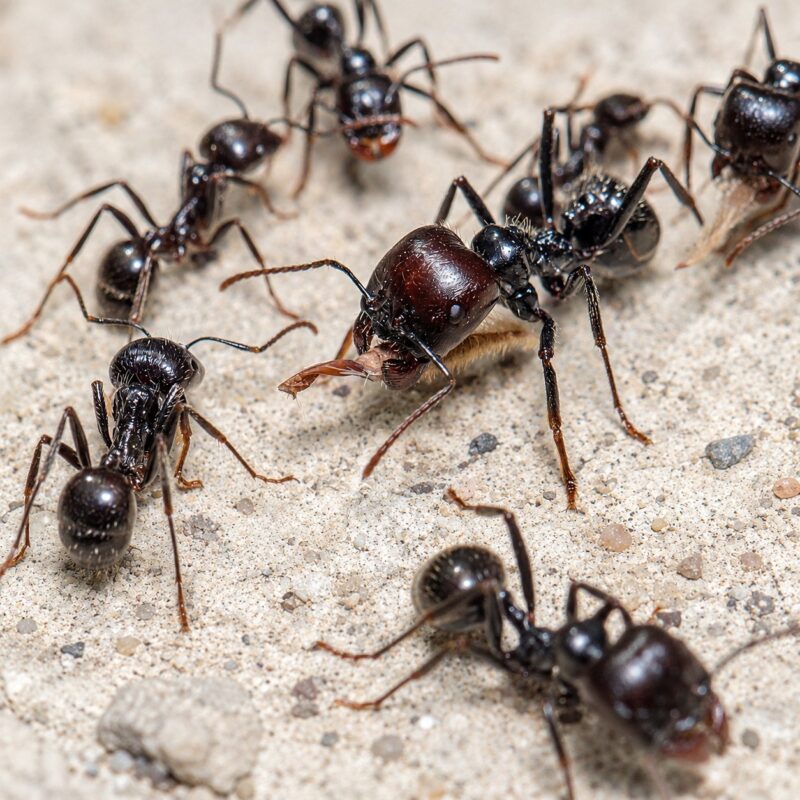
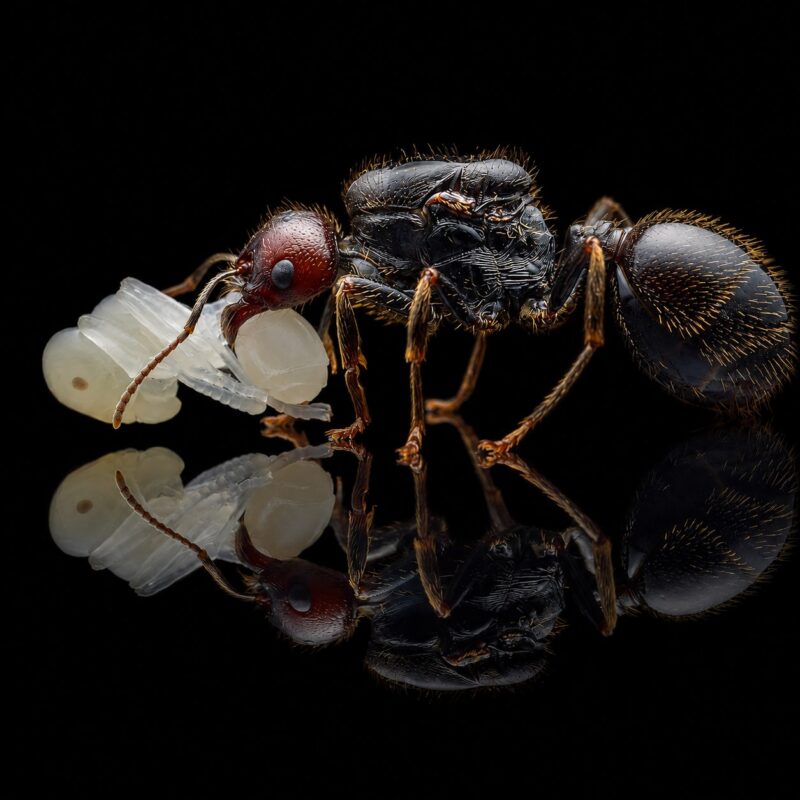
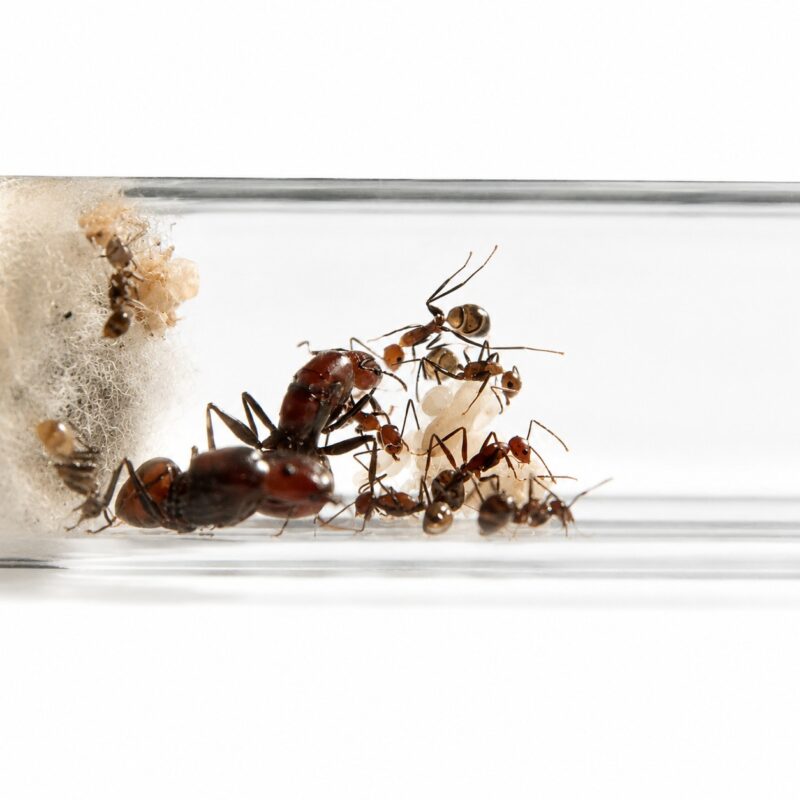
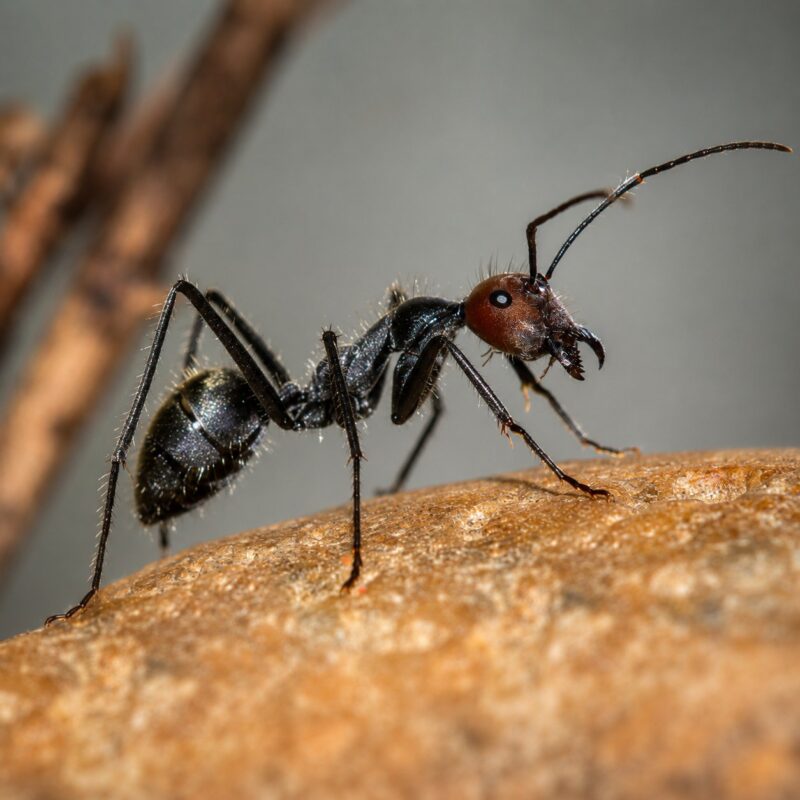
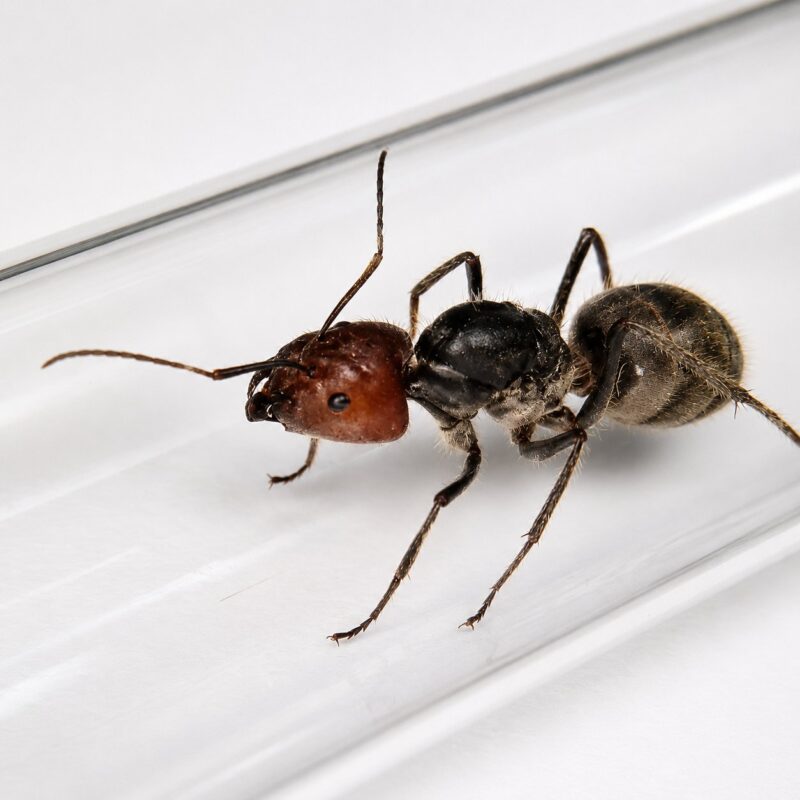
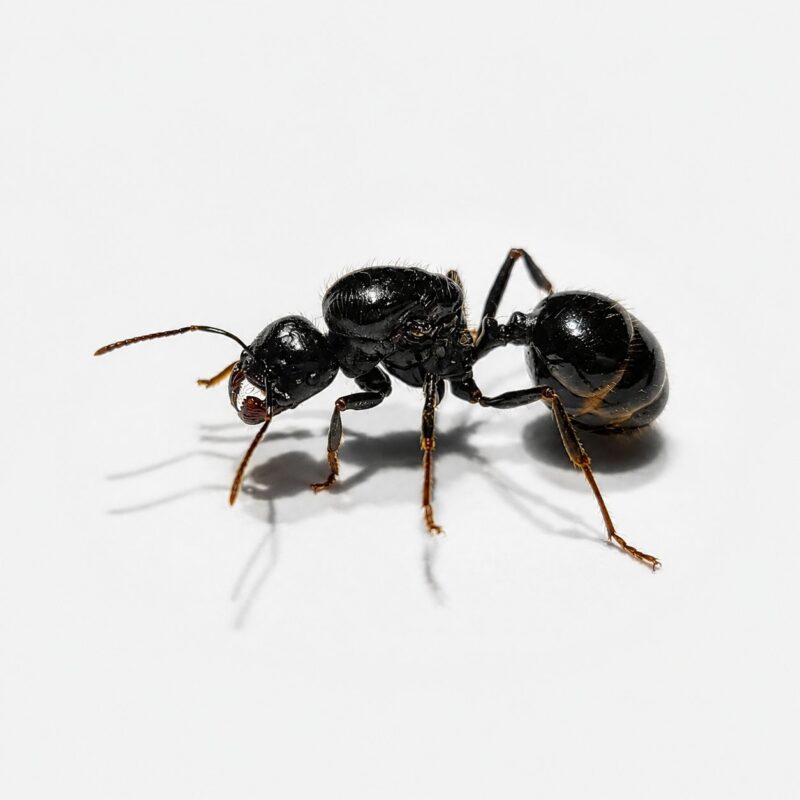
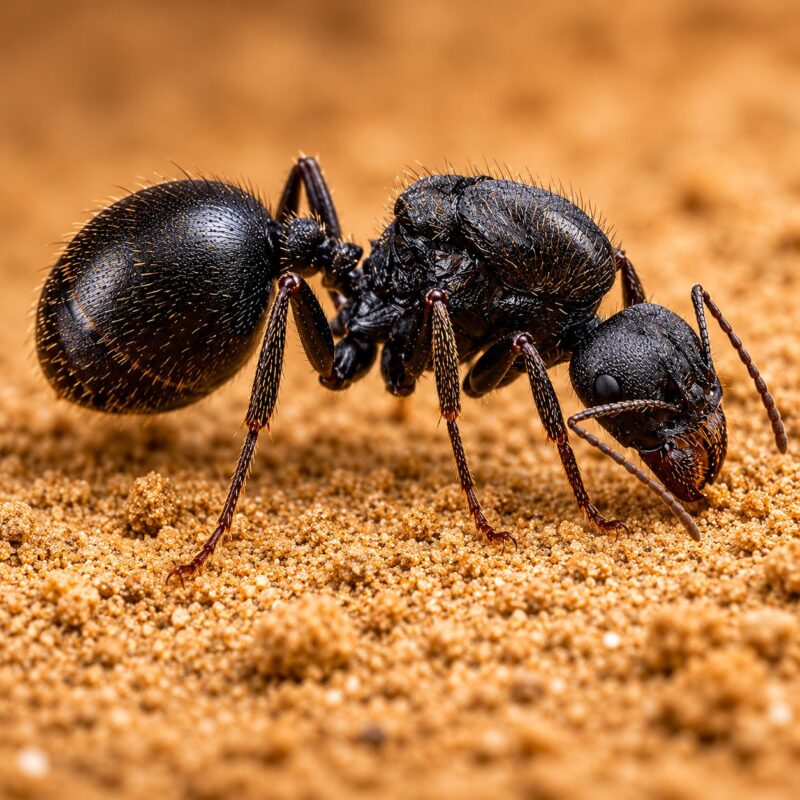
A metallic blue gaster flashes against dark armour, making Polyrhachis cyaniventris a genuine collector’s piece from Borneo. Add a showpiece colony of Polyrhachis cyaniventris for seasoned keepers at ANTonTOP.
Free shipping across Europe over 1299 zł.
DHL / InPost / EMS · ships the EU & worldwide.
Pro · Q 11 mm / W 6-9 mm · 500-5000 workers · No hibernation (tropical) · Omnivore · Borneo (Southeast Asia) · No sting, mild bite
Additional information
| Behavior | |
|---|---|
| Keeping difficulty | |
| Origin | |
| Ant size | |
| Hibernation | |
| Sting |
No sting |
Polyrhachis cyaniventris – Spiny ant
| Origin | Borneo (Southeast Asia) |
|---|---|
| Difficulty | Pro |
| Colony form | Monogyne (1 queen) |
| Max workers | 500-5000 workers |
| Queen | 11 mm |
| Worker | 6-9 mm |
| Soldier / major | – |
| Founding | Claustral |
| Temperature | Nest 20-26 °C / Arena 22-32 °C |
| Humidity | Nest 55-70% / Arena 40-60% |
| Hibernation | No hibernation (tropical) |
| Diet | Omnivore |
| Sting / bite | No sting, mild bite |
| Egg to first worker | 6-9 weeks |
| Queen lifespan | 7-15 years |
| Nuptial flight | warm humid months after rain |
| Activity | diurnal |
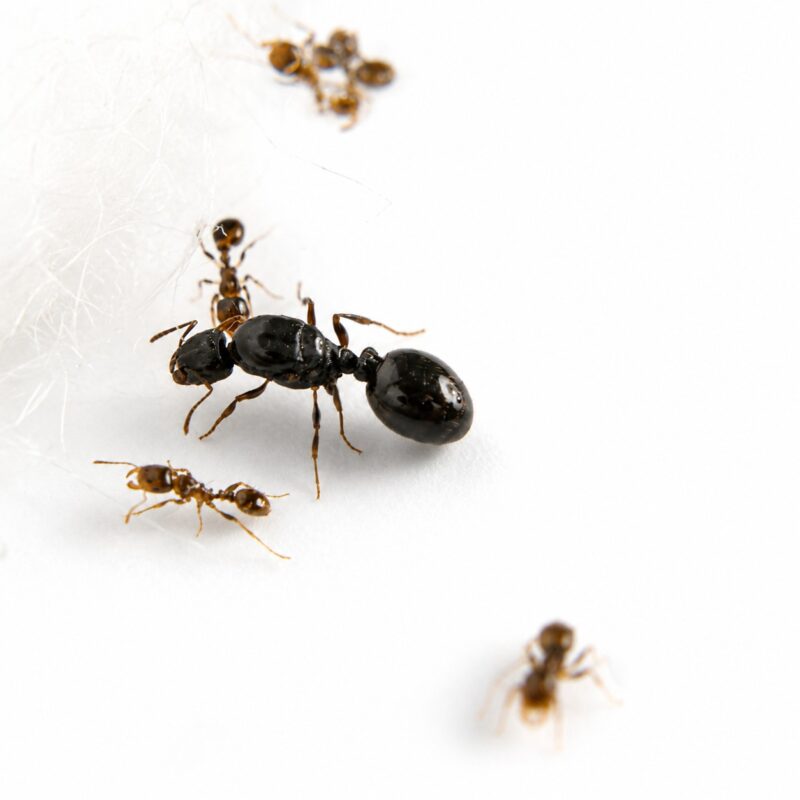
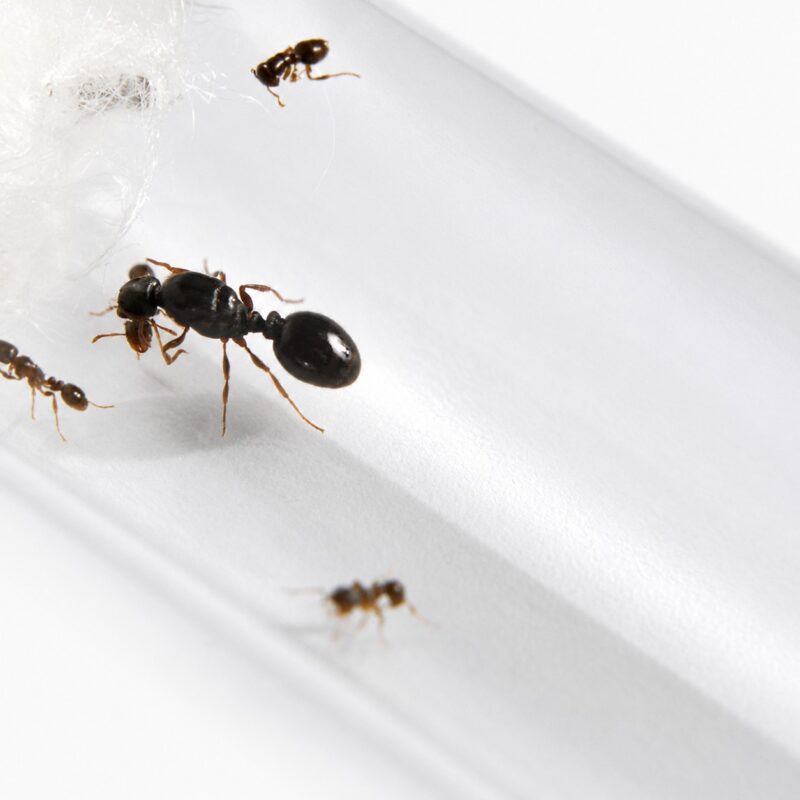
Polyrhachis cyaniventris is a blue-bellied spiny ant from Borneo, its metallic abdomen catching the light against dark armour. A pro-level colony for experienced tropical keepers.
Why this species
The blue-sheened gaster is the headline trait, a flash of metallic colour that sets this apart from the plainer spiny ants and makes it a collector’s piece. Its care needs place it in the advanced bracket, so it is best for keepers who have already run tropical colonies and can hold conditions steady. The payoff is a strikingly handsome Bornean species with a look you will not find in a beginner setup. No sting and only a mild bite, but the demands are what make it a Pro pick.
Feeding
Cyaniventris forages as an arboreal omnivore, dividing its diet between sweet liquids that fuel the workers and insect protein that feeds the queen and brood. Keep a sugar source always available and provide protein two to three times a week.
| Sugar water / honey water | ★★★ |
| Ant nectar / sugar jelly | ★★★ |
| Honey | ★★★ |
| Protein jelly | ★★★ |
| Crickets | ★★★ |
| Cockroaches (Dubia / Turkish) | ★★★ |
| Fruit flies (Drosophila) | ★★★ |
| Houseflies | ★★★ |
| Locusts | ★★ |
| Boiled egg yolk | ★★ |
| Mealworms | ★ |
| Superworms | ★ |
| Boiled lean chicken / shrimp / meat | ★ |
| Soft fruit (apple, pear, banana) | ★ |
| Dried insects | ★ |
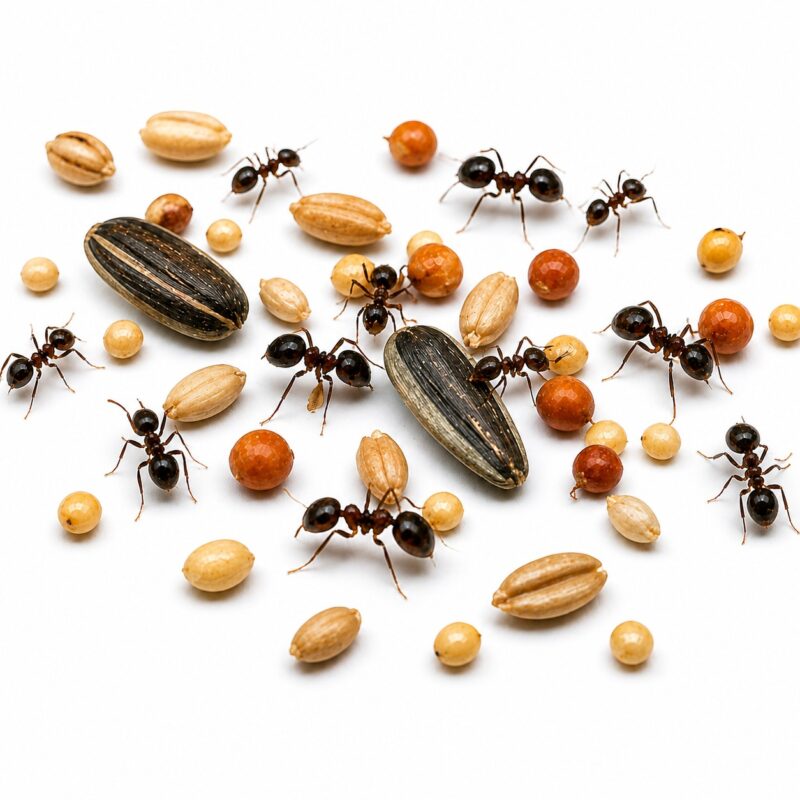
| Soft seeds (poppy, sesame, chia) | ✗ |
| Hard seeds (canary, millet, sunflower) | ✗ |
★★★ readily · ★★ moderately · ★ occasionally · ✗ not eaten
Housing & formicarium
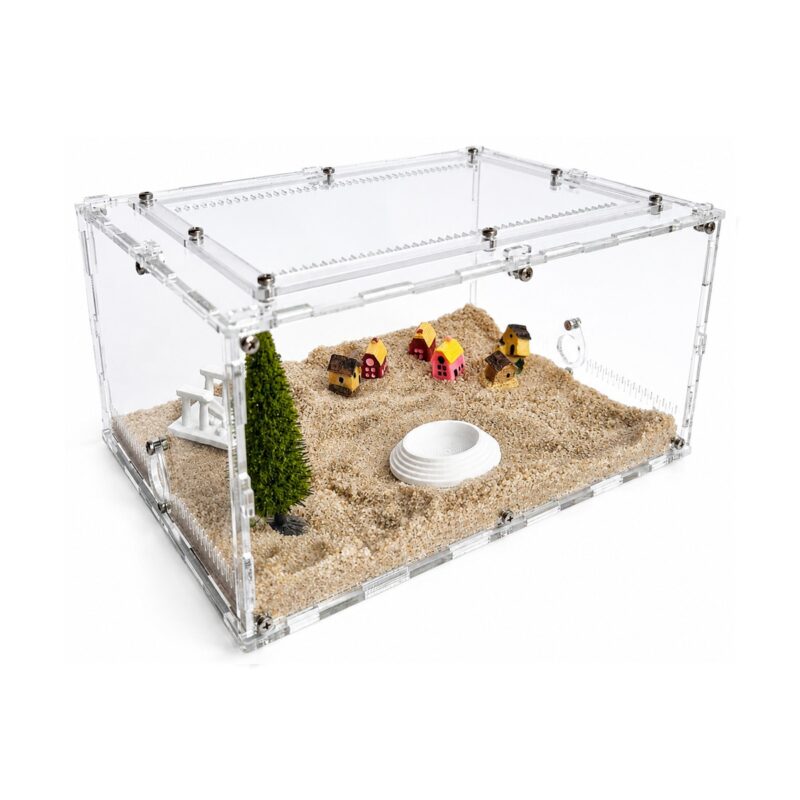
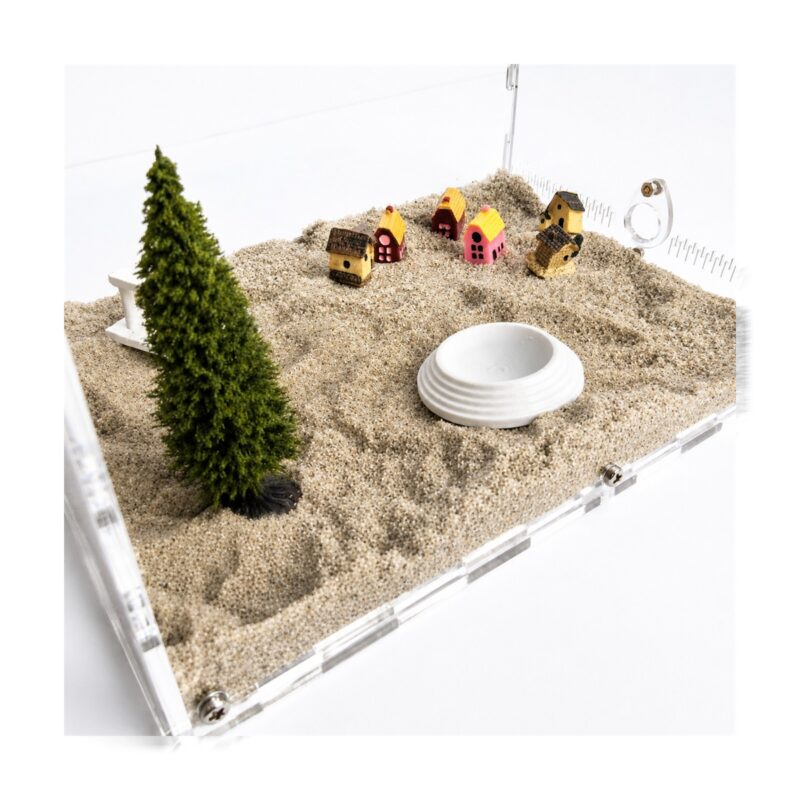
A handsome blue-bellied climber that rewards a careful keeper. Found the colony in a test tube or small damp nest, and hold off upgrading until the first workers fill the floor and brood is constant. Use a moisture-holding nest in aerated ytong or acrylic to suit its arboreal, humidity-led biology. Keep the arena rim well coated with fluon (PTFE), oil, or talc and water, because these ants scale smooth walls easily. ANTonTOP formicaria and starter kits provide a matched humid nest, arena and barrier, fit for a more demanding colony.
Climate & wintering
Build a warm-to-cool gradient by heating one side only, so the colony can settle where it likes. Set the nest to 20-26 °C and the arena slightly warmer at 22-32 °C, holding nest humidity at 55-70% and arena humidity at 40-60%. Being tropical it needs no hibernation, so keep conditions steady and feeding going in every season.
Growth forecast + what you receive
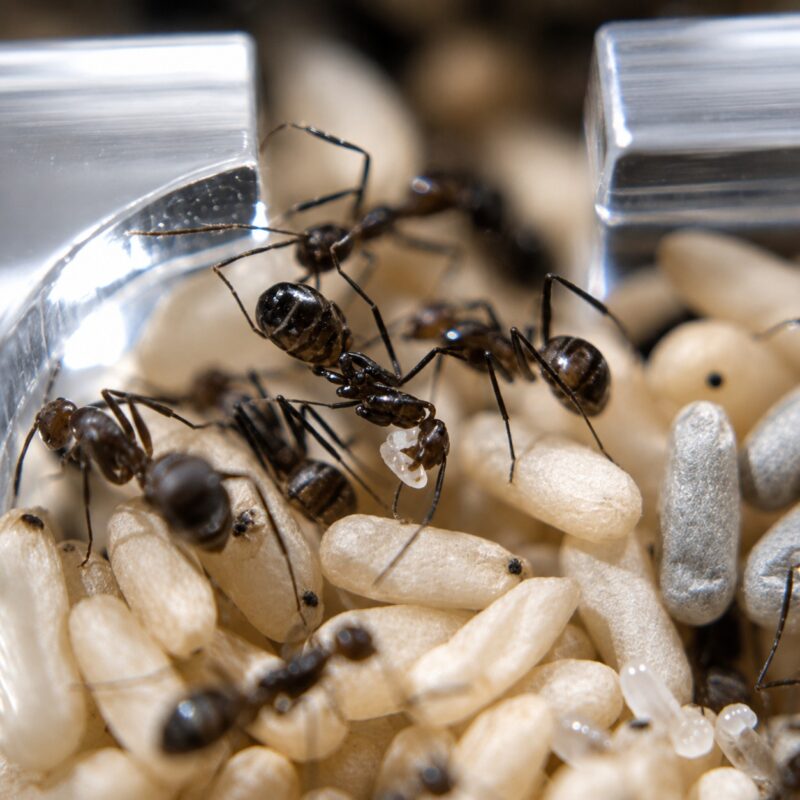
This is a moderate-pace tropical builder, working steadily up toward 500-5000 workers over time. Your colony comes as a queen with workers and brood, ready to move directly into a humid nest with an arena.
Did you know
- Several Polyrhachis carry a metallic blue or green sheen on the gaster, the trait reflected in the name cyaniventris, roughly ‘blue belly’.
- The genus is renowned for the variety of its sculpture and spines, which has made it a long-standing favourite among ant taxonomists.
- Like its relatives it is stingless, leaning on formic acid and biting mandibles for defence.
Frequently asked questions
Is Polyrhachis cyaniventris good for beginners?
No, it is rated Pro and suits keepers with tropical experience.
Does cyaniventris need a winter rest?
No, it is tropical with no hibernation, so keep it warm and fed all year.
Does the blue-bellied cyaniventris sting or bite?
No, it has no sting and only a mild bite.
How big does a cyaniventris colony get?
It can reach 500-5000 workers.
How large is the cyaniventris queen?
The queen is about 11 mm and workers are 6-9 mm.
How fast does it grow?
It grows at a moderate, steady pace once established.
What does this metallic spiny ant eat?
Sugar water or nectar plus live insects such as crickets and flies.
Will it arrive alive?
You receive a queen with workers and brood, packed with a heat or cool pack and shipped within 24 h with tracking.
Keeping & shipping essentials
Escape prevention. Coat the inner rim of every open arena with fluon (PTFE), or use talc-and-water or an oil barrier as a backup, and keep a tight, fine-mesh lid on top. Check the barrier regularly, since dust, condensation and feeding debris break a fluon line over time. Keep tubing connectors tight and seal any gaps in the nest.
Keeping reminders. Always offer fresh water and never let the nest dry out completely. Give carbohydrates continuously and protein a few times a week, and remove uneaten insect prey within 24 hours before it moulds. Keep the formicarium out of direct sunlight and away from constant vibration, which stresses a young colony. A water-filled test tube plugged with cotton makes an ideal spare incubator whenever you need one.
Before you buy – do not rehouse too early. Have a test-tube setup or a small formicarium with an outworld and a working barrier ready before your colony arrives. A founding colony grows slowly at first, which is normal. Moving a small colony into a large nest too soon invites mould, mites and stress, and the workers die off one by one. Keep the colony in its open test tube on the arena, plug the nest entrance with cotton, and open up the next chambers only once the colony fills roughly 10-15% of the space.
What we ship. Every colony ships with a live-arrival guarantee, backed by our 24h unboxing-video guarantee: if the queen does not arrive alive, we reship free. Parcels travel with DHL, InPost (PL) or EMS, with a heat or cold pack to suit the season, packed discreetly and securely. We ship across the EU and worldwide, with free shipping over the Europe threshold.

Reviews
Clear filtersThere are no reviews yet.