





Back to products


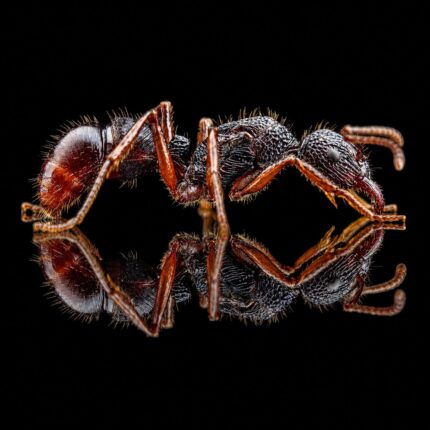
Rhytidoponera chalybeae
Price range: 689,90 zł through 1589,90 zł
 In stock

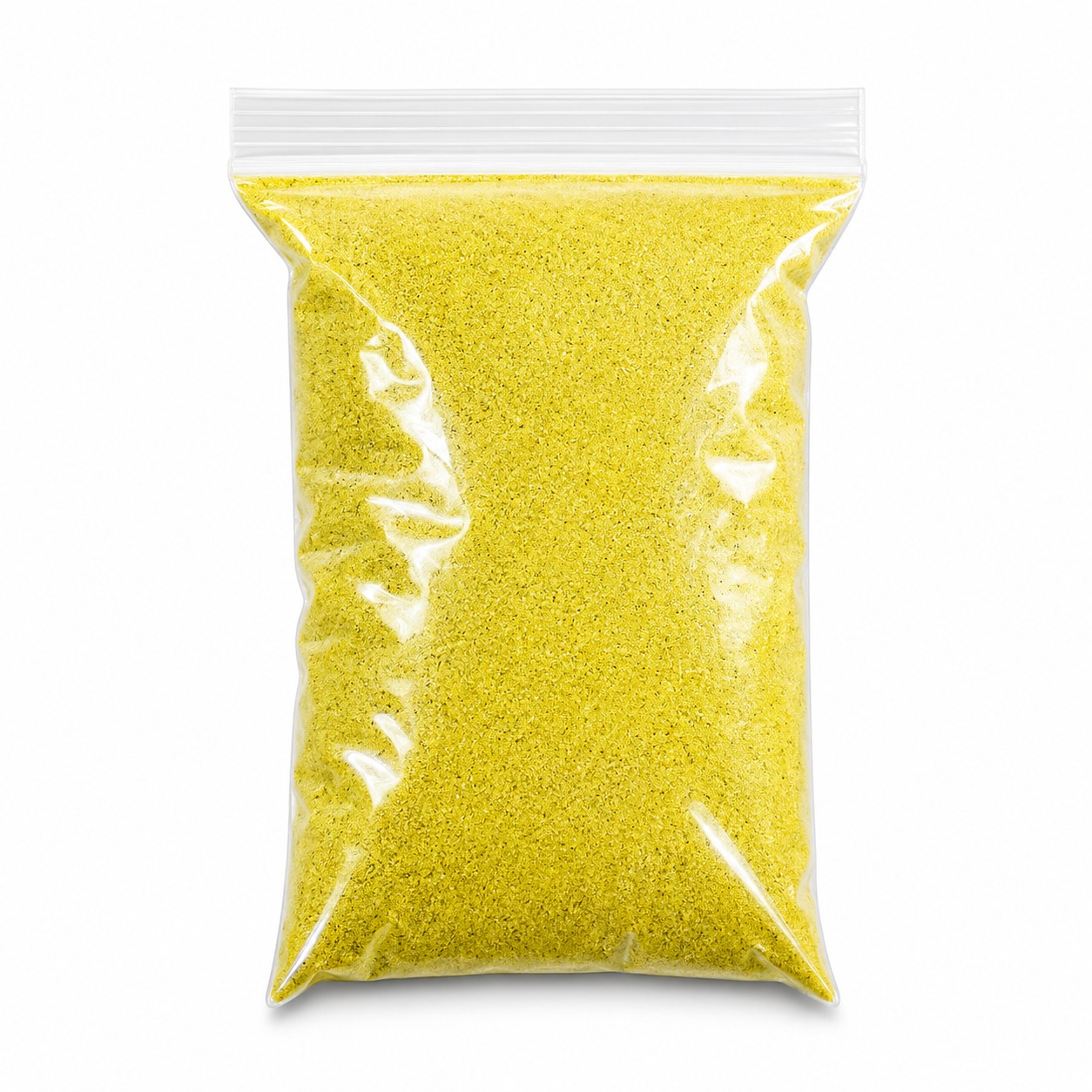
Non-toxic, safe for direct contact
Ant-Safe Materials

Bring the wild into your arena
Natural, Lifelike Look

No rinsing or prep needed
Cleaned & Ready

Combine pieces into your own design
Mix & Match Freely

Moisture without the mould
Holds Humidity

On its way within hours
Same-Day Dispatch
No hibernation
Price range: 169,90 zł through 339,90 zł
Select options
This product has multiple variants. The options may be chosen on the product page


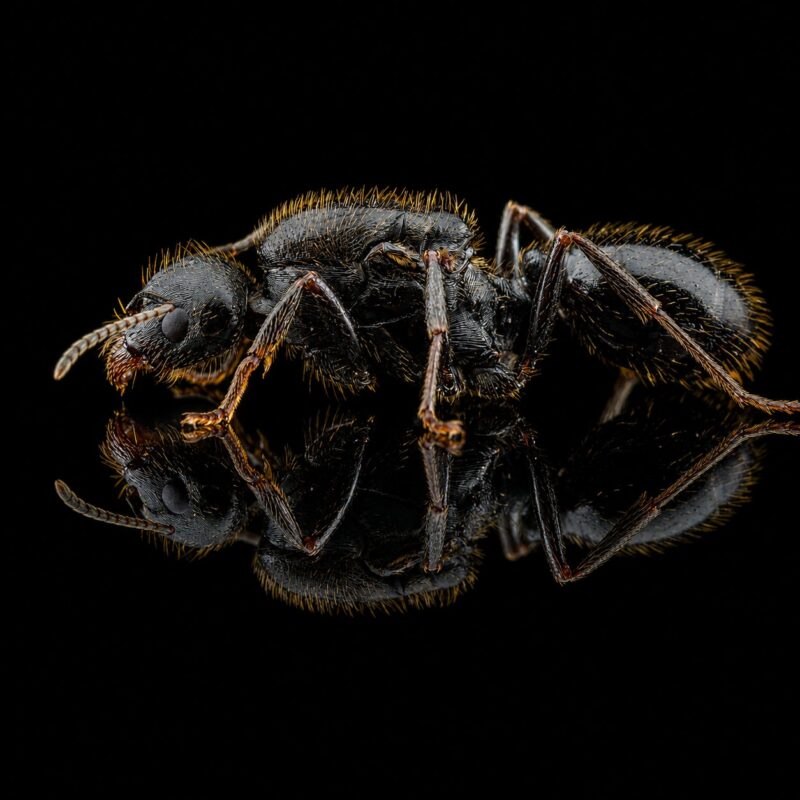
No hibernation
Ants For Beginners
Price range: 29,90 zł through 219,90 zł
Select options
This product has multiple variants. The options may be chosen on the product page
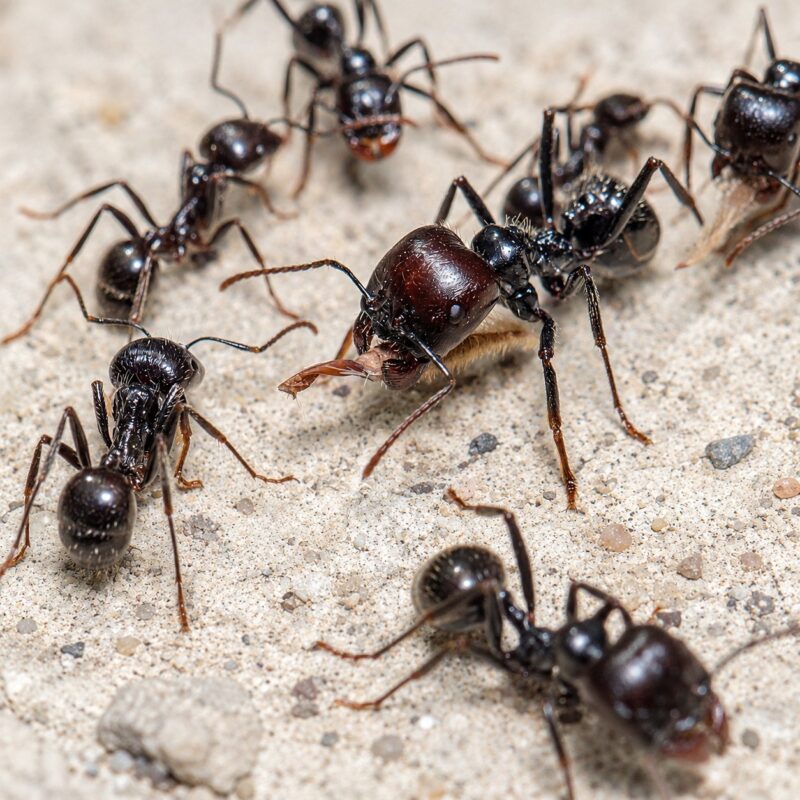
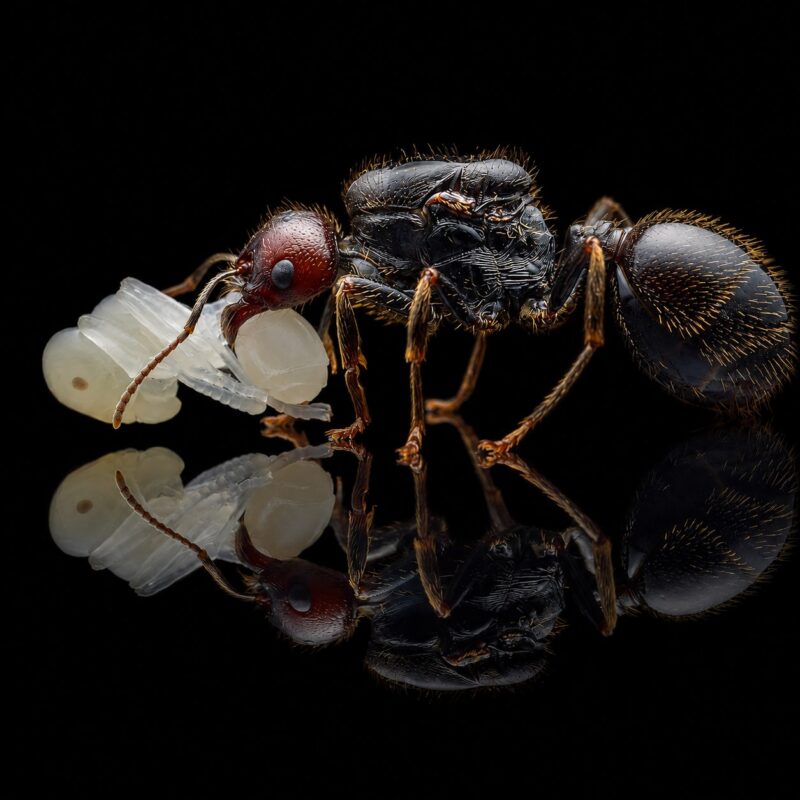
No hibernation
Ants For Beginners
Price range: 35,90 zł through 249,90 zł
Select options
This product has multiple variants. The options may be chosen on the product page
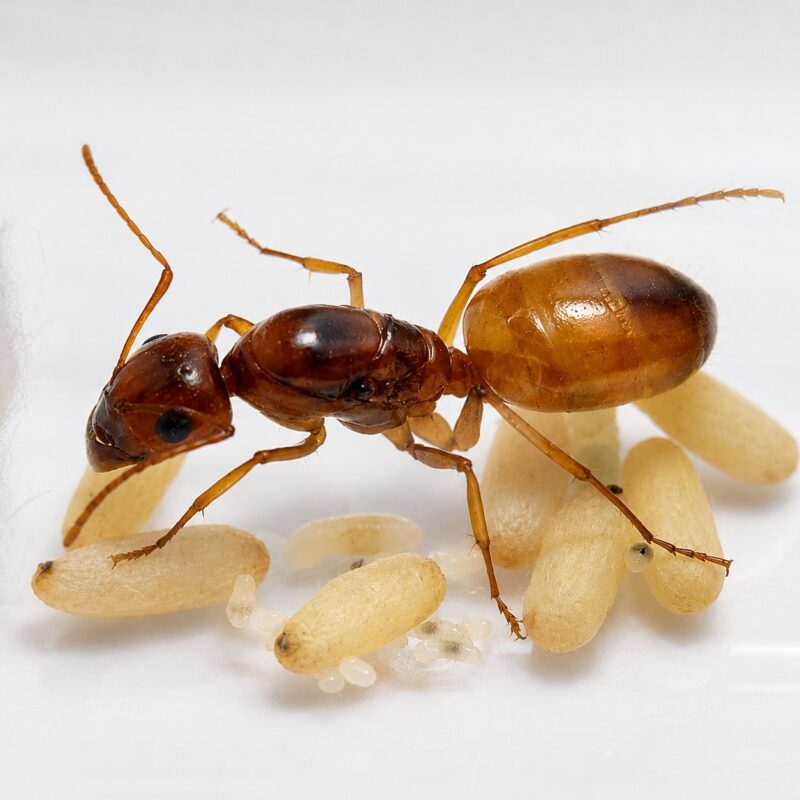
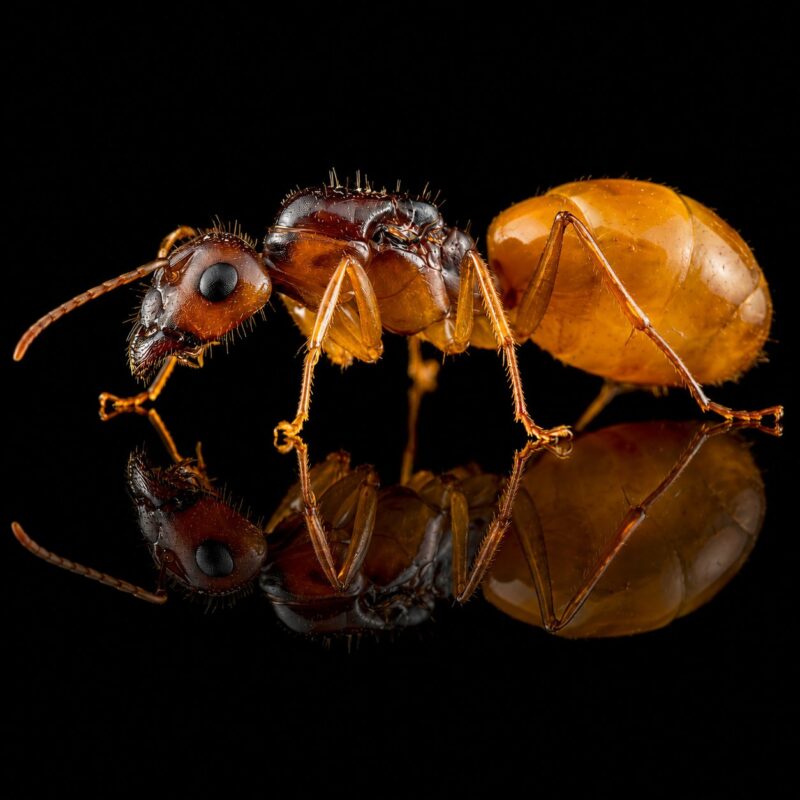
No hibernation
Ants For Beginners
Price range: 89,90 zł through 269,90 zł
Select options
This product has multiple variants. The options may be chosen on the product page

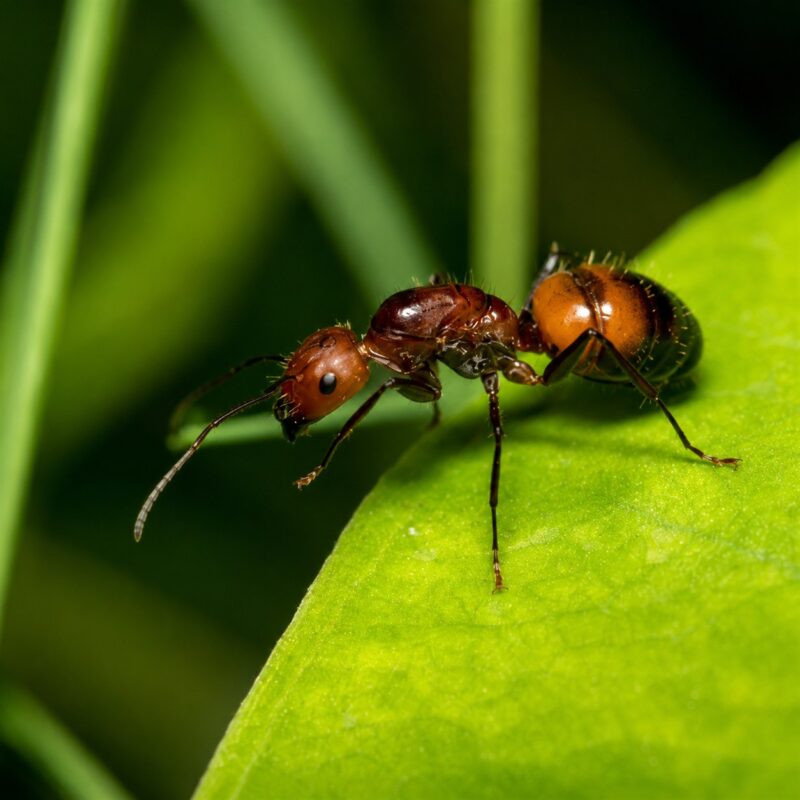
No hibernation
Ants For Beginners
Ants, Ants For Beginners, Camponotus species, Carpenter ants, Exotic Ants, No Hibernation Needed, Tropical Ants
Price range: 89,90 zł through 399,90 zł
Select options
This product has multiple variants. The options may be chosen on the product page
No hibernation
Ants, Camponotus species, Carpenter ants, Exotic Ants, Large Ant Species, No Hibernation Needed, Tropical Ants
Price range: 319,90 zł through 739,90 zł
Select options
This product has multiple variants. The options may be chosen on the product page
No hibernation
Ants For Beginners
Price range: 85,90 zł through 279,90 zł
Select options
This product has multiple variants. The options may be chosen on the product page

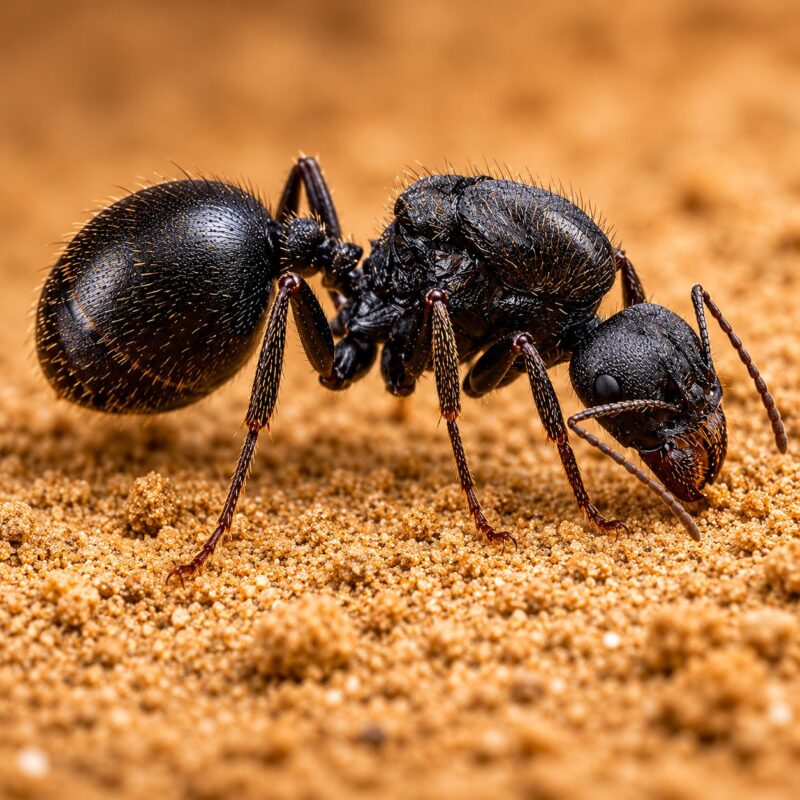
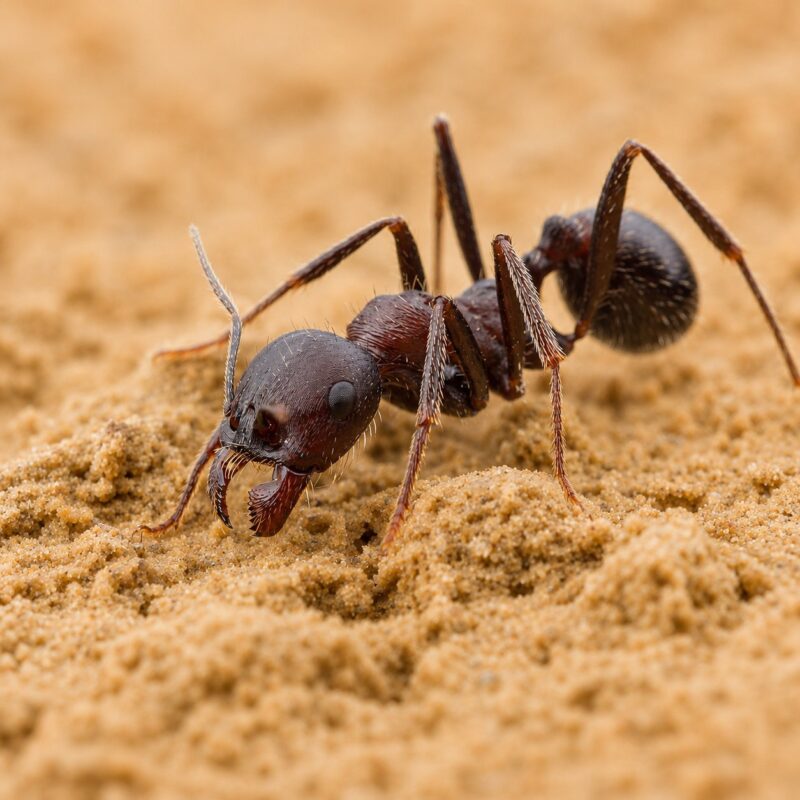
No hibernation
Ants For Beginners
Ants, Ants For Beginners, Exotic Ants, Harvester Ants, Large Ant Species, Messor species, No Hibernation Needed
Price range: 879,90 zł through 1299,90 zł
Select options
This product has multiple variants. The options may be chosen on the product page
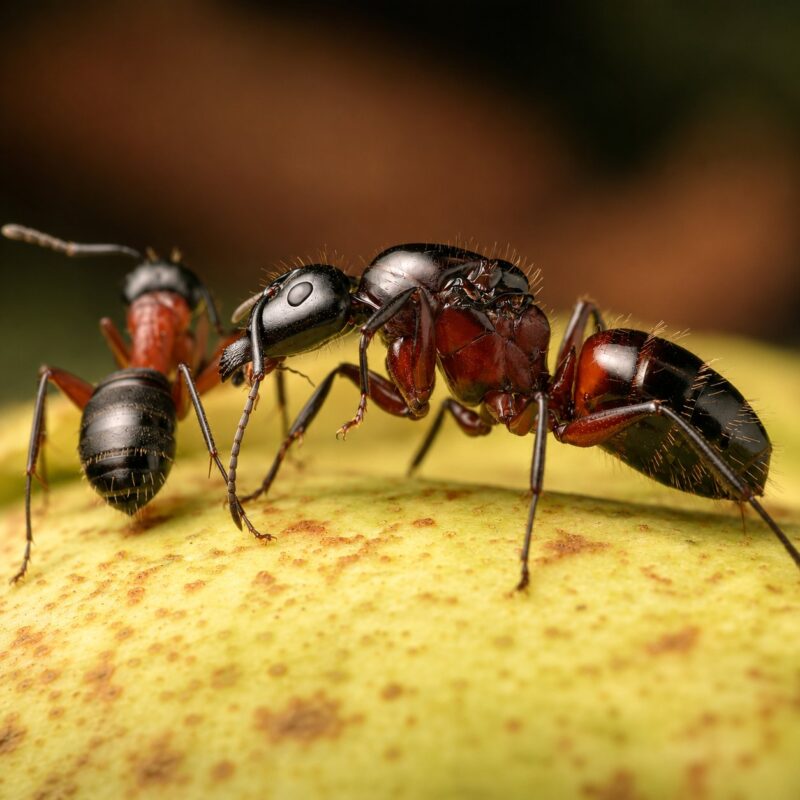
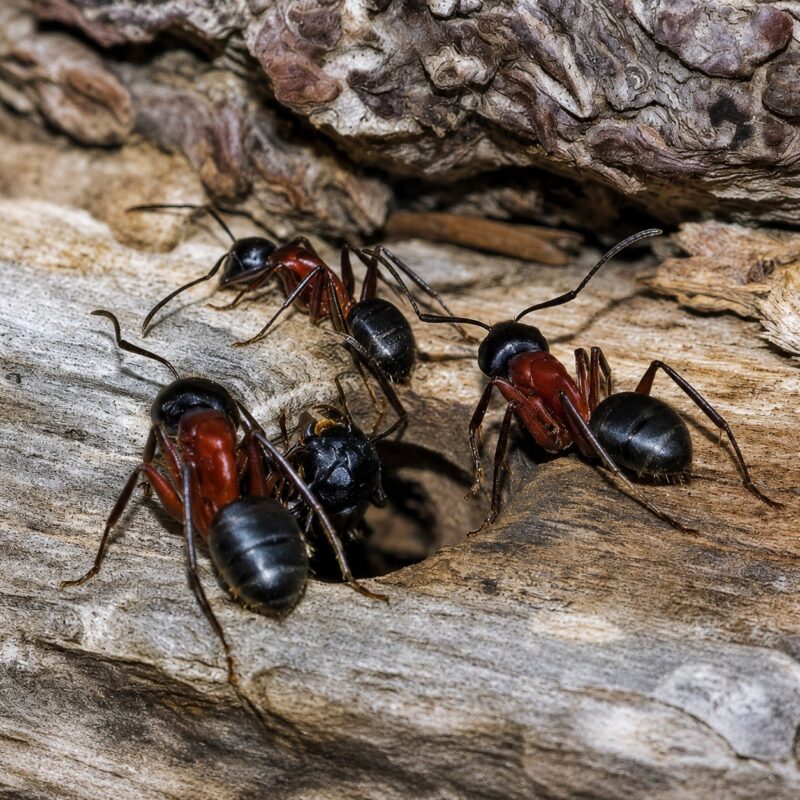
Camponotus ligniperda
Price range: 35,00 zł through 259,90 zł
Select options
This product has multiple variants. The options may be chosen on the product page
No hibernation
Price range: 139,90 zł through 469,90 zł
Select options
This product has multiple variants. The options may be chosen on the product page

No hibernation
Price range: 199,90 zł through 819,90 zł
Select options
This product has multiple variants. The options may be chosen on the product page
Reviews
Clear filtersThere are no reviews yet.