




Why You Should Start an Ant Farm – The Fascinating World of Ant Keeping

Every week, we get an email that reads roughly the same: “I really want to start an ant farm. Should I?”
The honest answer is: only if a handful of conditions are true for your life right now. Ant keeping is a beautiful, slow-burn hobby, but it is not a hands-off pet, it is not a quick payoff, and it does not forgive the wrong setup. Below is what we tell people before they buy, written by someone who ships colonies for a living and has no interest in selling you something you will regret in three months.
The case for keeping ants
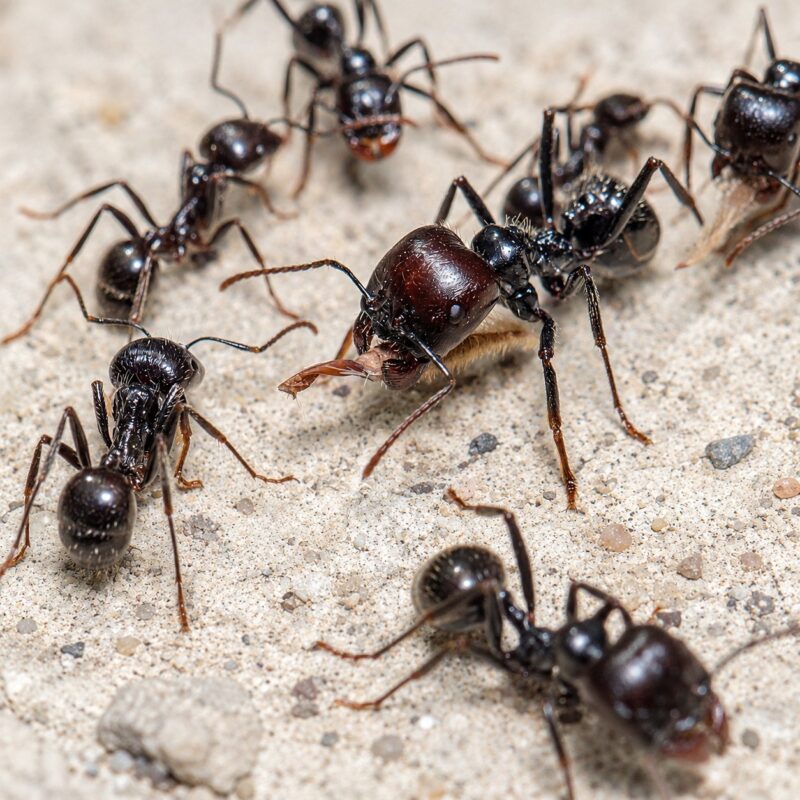
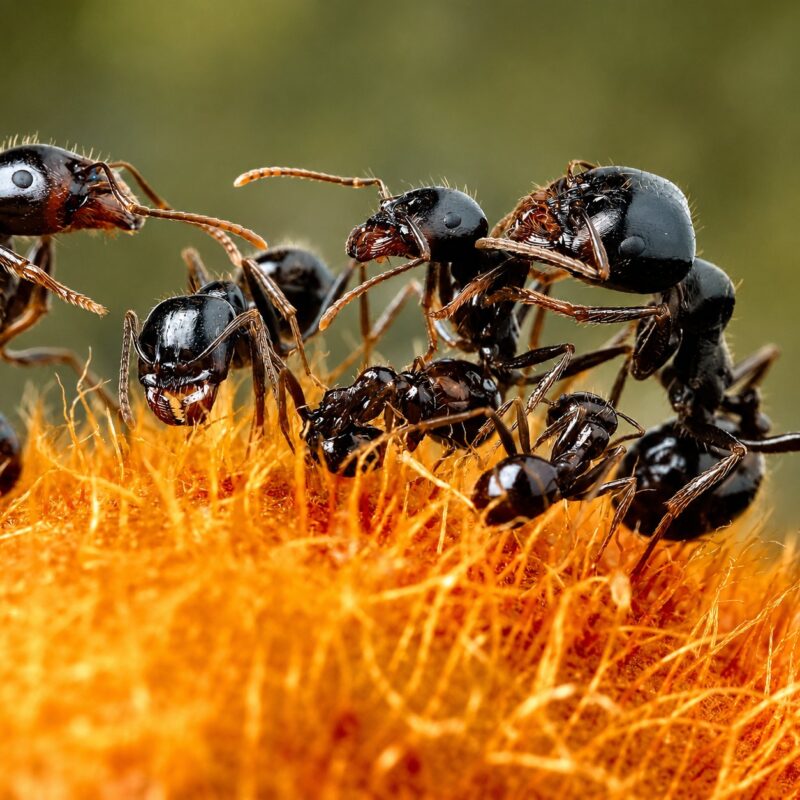
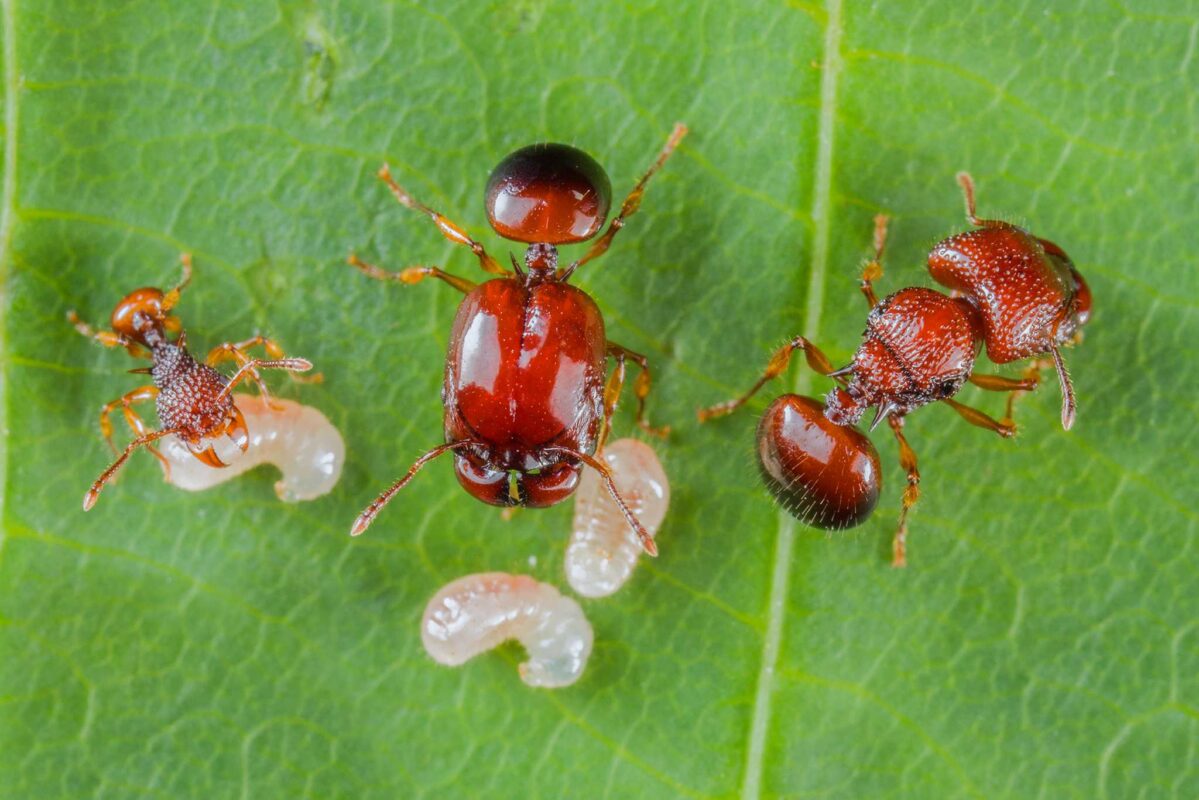
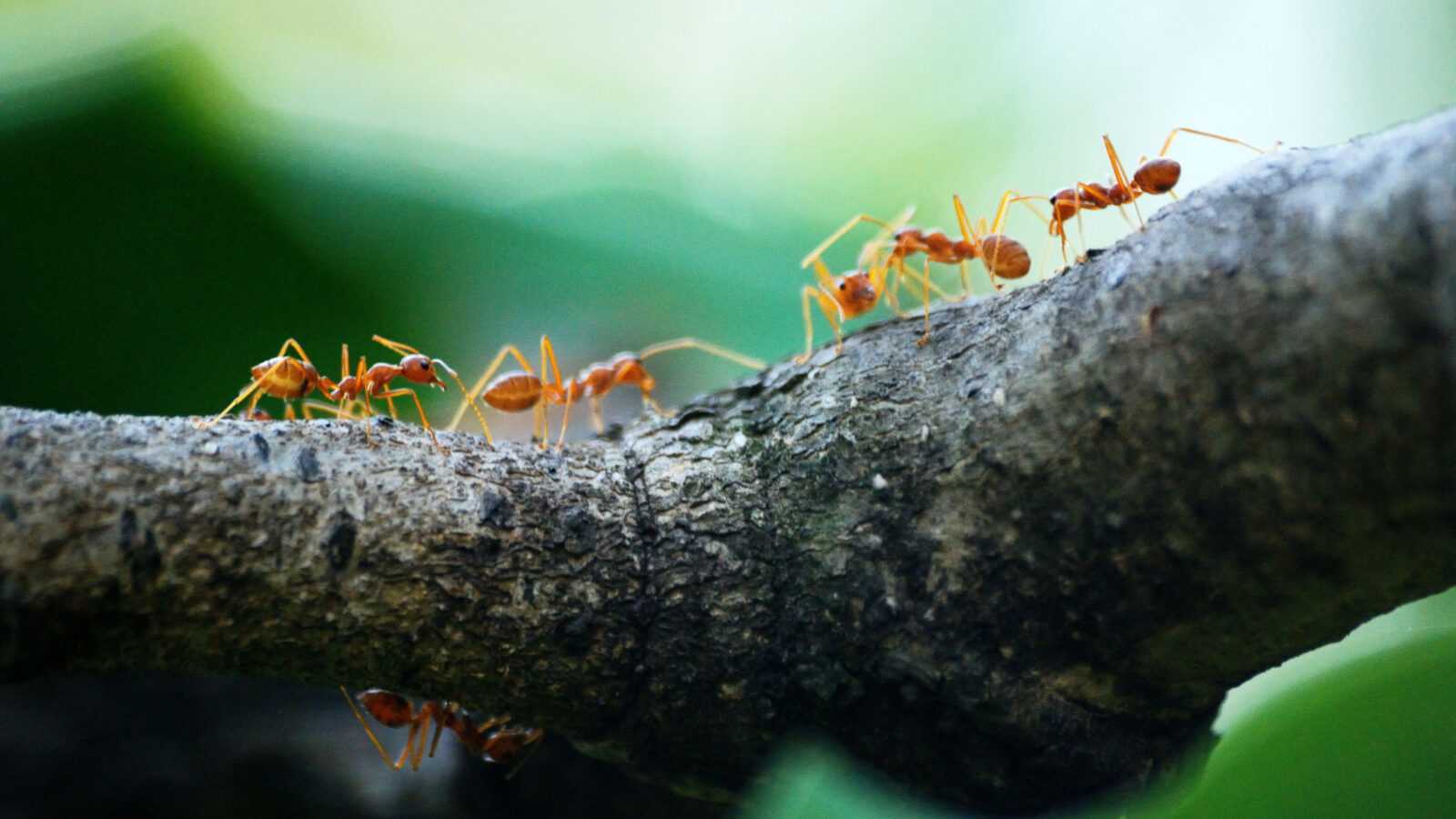
You watch a civilisation, not a pet. A colony is not one animal. It is hundreds, eventually thousands, organising themselves with no leader, no plan, no language as we understand it, and yet they build, they farm, they defend, they bury their dead. That is the draw.
It costs less than most pets over a lifetime. A starter setup runs €40-90. A colony, once stable, eats a few crumbs of fruit and a tiny piece of protein per week. Compare that to a dog, a cat, even a hamster. Year-on-year cost is the lowest of any pet we know.
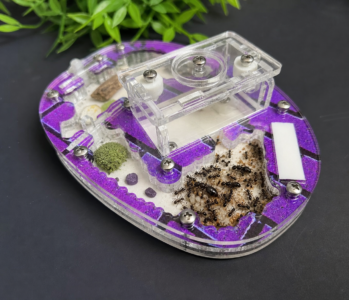
It fits a small apartment. A formicarium occupies less space than a paperback book. No noise. No smell, if you keep it clean. No allergens. Renters can keep ants.
The animals are not stressed by your absence. Ants do not pine. They do not need walks. Travel for a week and the colony will not even notice, see vacation care for longer trips.
It is genuinely educational. If you have children old enough to observe without poking, watching a queen lay, larvae develop, and the workforce grow is a year-long biology lesson nothing else can match.
The case against
The first six months feel slow. A new queen lays maybe 10-20 eggs in her first batch. They take weeks to become workers. If you expected an aquarium-style instant scene, you will not get it. The first colony of 50 ants takes 4-8 months depending on species.
Setup mistakes kill colonies. Wrong humidity, wrong temperature, too much food, too little food, escapees, the failure modes are quiet and irreversible. You will not get a warning. Most failed colonies die in the first two months because the keeper improvised the setup instead of preparing it correctly.
You cannot interact. Petting an ant is not a thing. If you want a pet that recognises you, looks at you, comes when called, get a dog. Ants tolerate observation through glass. That is the entire interaction.
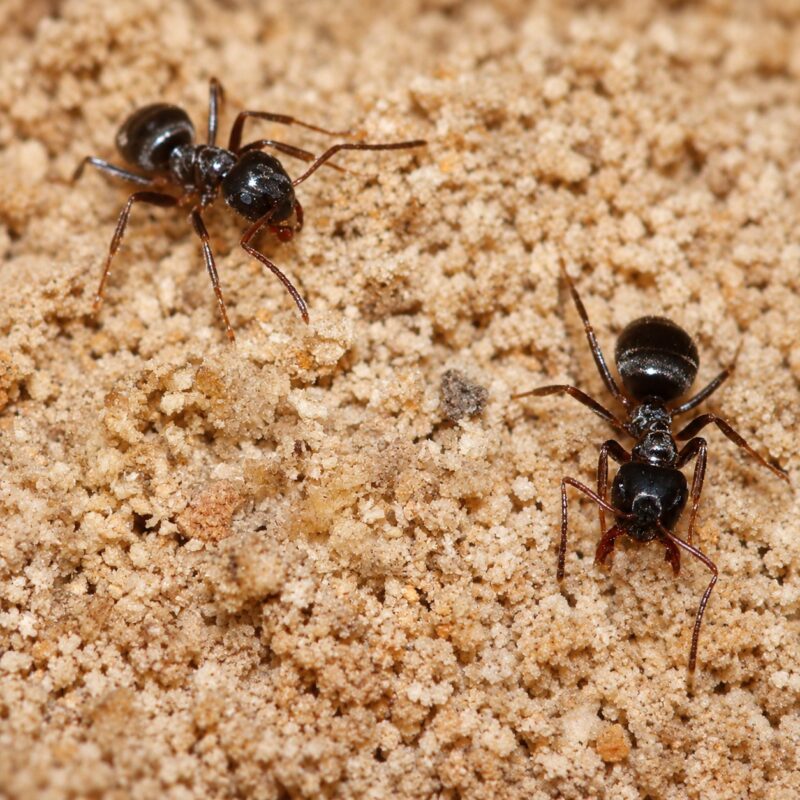
Some species need hibernation. European species like Lasius niger and Formica fusca require 3-4 months at 5-12°C every winter. If you cannot provide that (cool cellar, wine fridge, garage), pick a tropical species or skip the hobby.
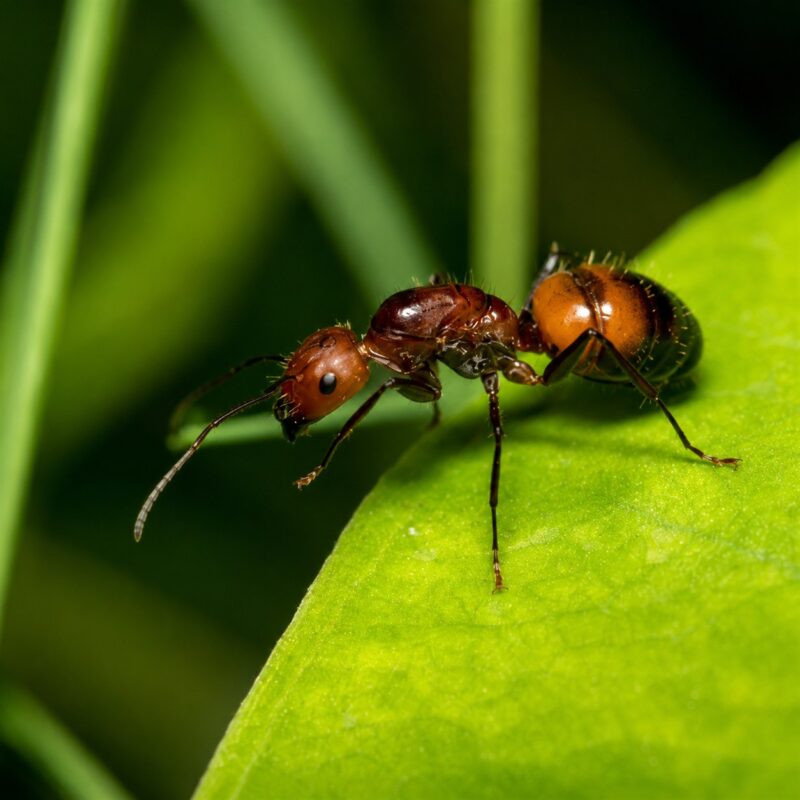
It is a long commitment. A healthy Lasius niger queen can live 15-25 years. A Camponotus queen, 10+. You are agreeing to maintain conditions for a decade or more if you want the colony to thrive. Boredom kills more colonies than disease.
Seven questions to answer before you buy
- Will your room sit between 18 and 28°C year-round? If no, narrow your species choice or skip.
- Do you have a cool place (5-12°C) for winter hibernation? If no, pick tropical only.
- Are you willing to wait 2-3 months for the colony to look “interesting”? If no, this hobby will frustrate you.
- Will you commit to checking on the colony once every 2-3 days for the first six months? Less often is fine after, but not at the start.
- Do you have a place where the formicarium will not be in direct sun and not next to a radiator? Both kill colonies in days.
- Are you OK with the colony being entirely behind glass, with zero physical interaction? If you wanted a pet that comes when called, this isn’t it.
- Do you have €50-150 for a complete first setup (formicarium + colony + accessories)? That is the realistic entry cost, not the bare minimum.
Three or more “no” answers, this is not the right hobby for you right now. Save the money, come back in a year when life looks different.
Five or more “yes” answers, keep reading. The next step is understanding how a colony actually works, then picking your species. Take it in order, most beginner failures come from skipping ahead to “buy a colony” before the room is ready.
If you are still unsure, write to us. We will not try to sell you a colony, we will tell you whether ant keeping fits your life. That is the only kind of customer who stays with this hobby long enough to enjoy it.
Did you like this article?
Thanks for your feedback!