
Coptotermes formosanus
439,90 zł
Medium stock
Hand-Picked
Complete Your Setup
Great Gift Idea
Learn the Hobby
Quality You Can Trust
Worldwide Shipping
Description
DHL across the EU · EMS worldwide · tracked shipping.
Free shipping across Europe over 1299 zł.
Coptotermes formosanus – a live colony of the famous Formosan subterranean termite, complete with workers, soldiers and an established royal pair. A pro-level tropical species (no hibernation, no sting) and a striking social-insect display for experienced keepers. Buy from ANTonTOP with our live arrival guarantee, backed by a 24 h unboxing video; shipped from Poland in 1–5 days across the EU, worldwide on request.
Additional information
| Behavior | |
|---|---|
| Keeping difficulty | |
| Origin | |
| Ant size | |
| Hibernation |
Coptotermes formosanus
| Common name | – |
|---|---|
| Origin | Taiwan (Originally East Asia; introduced widely) |
| Colony form | Monogyne (1 queen) |
| Mature colony | tens of thousands |
| Queen | 25 mm |
| Worker | 4–6 mm |
| Soldier (major) | 4–7 mm (mandibular) |
| Founding | Claustral |
| Temperature | Nest 26–30 °C / Arena 24–30 °C |
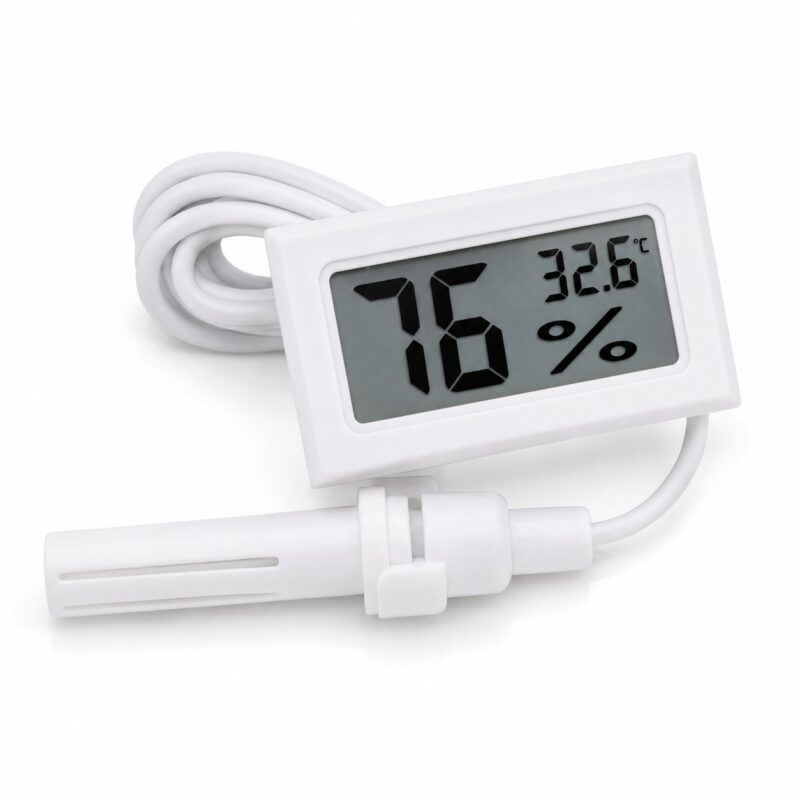
| Humidity | Nest 80–95% / Arena 70–85% |
| Hibernation | No hibernation (tropical) |
| Habitat (wild) | Originally East Asia; introduced widely |
| Difficulty | Pro |
| Stings or bites | No sting (termite) |
Why this species
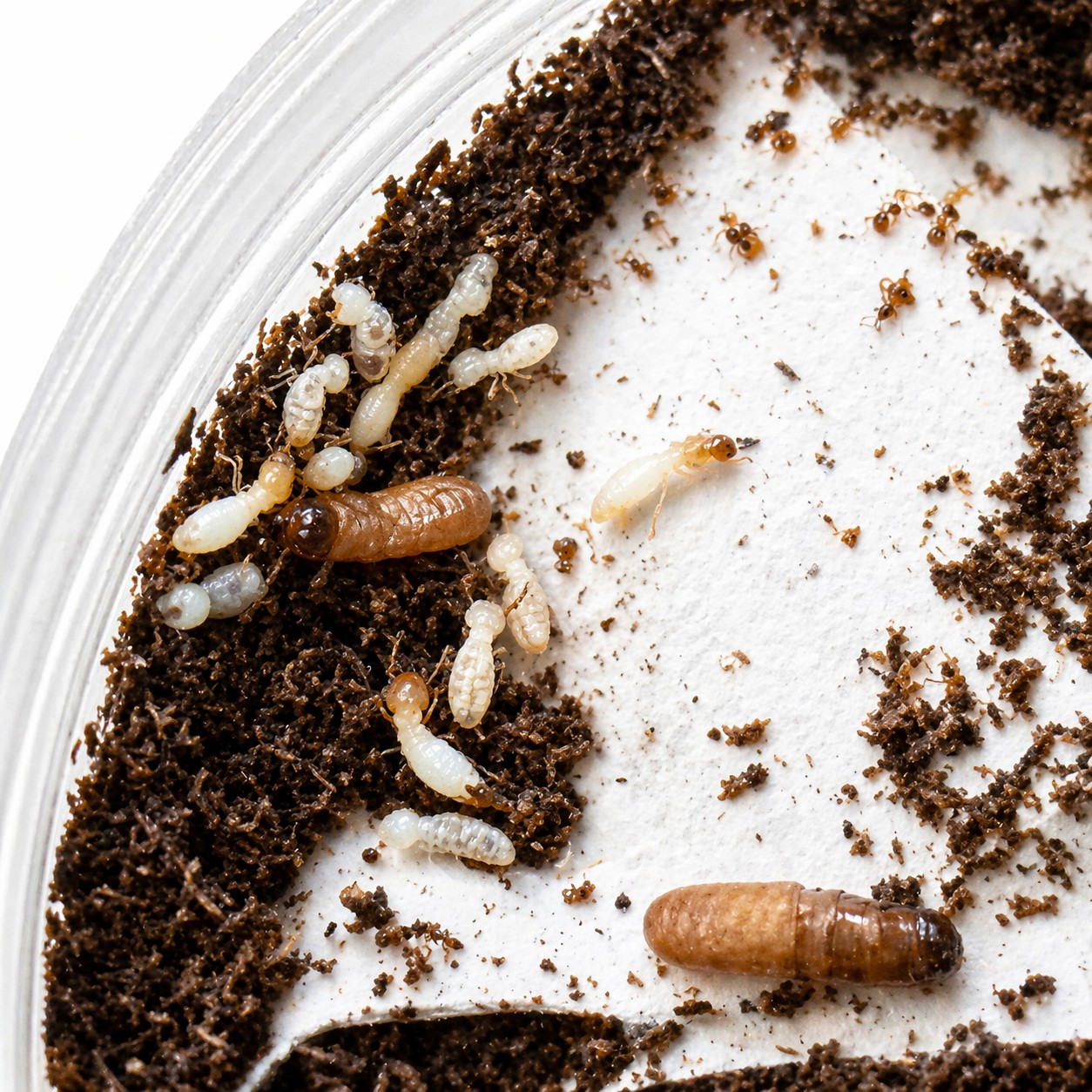
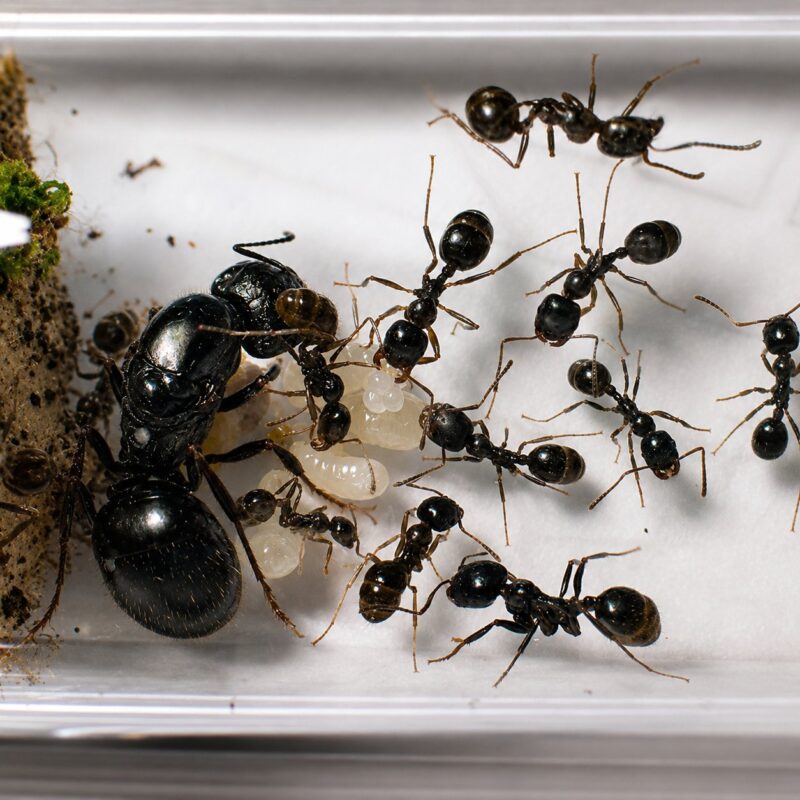
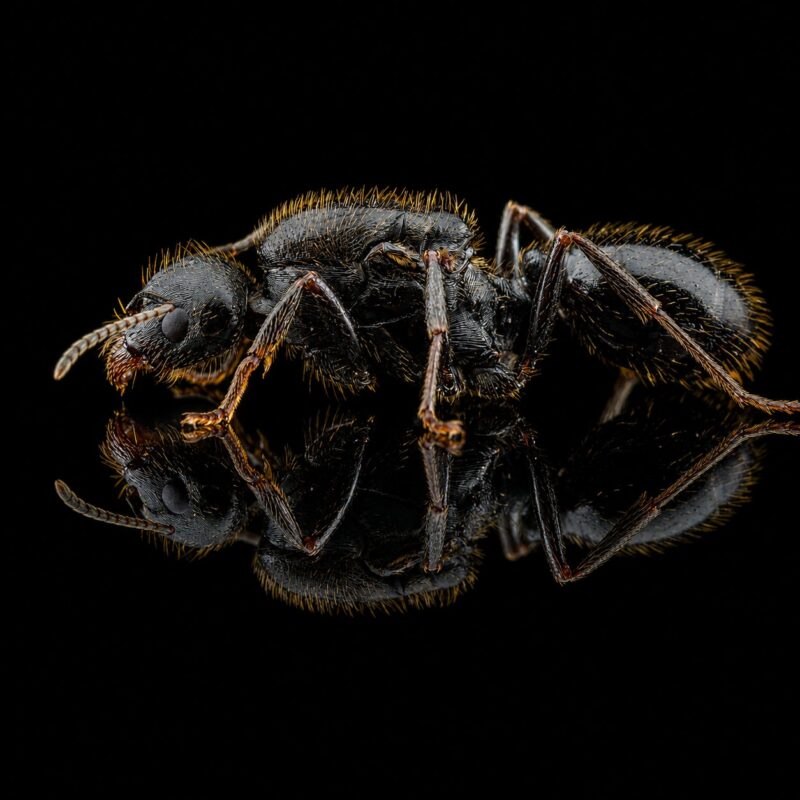
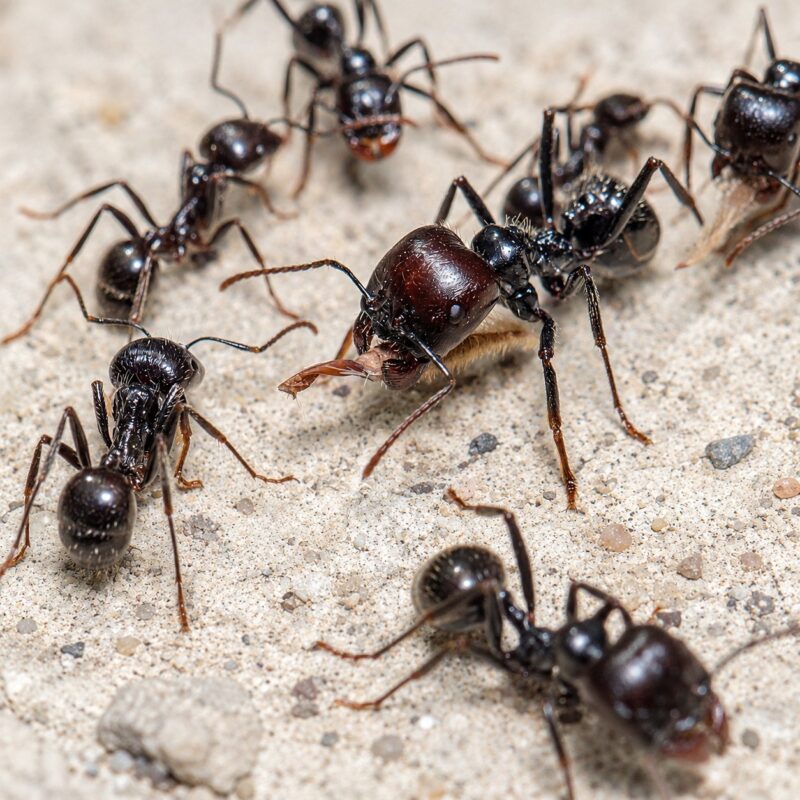
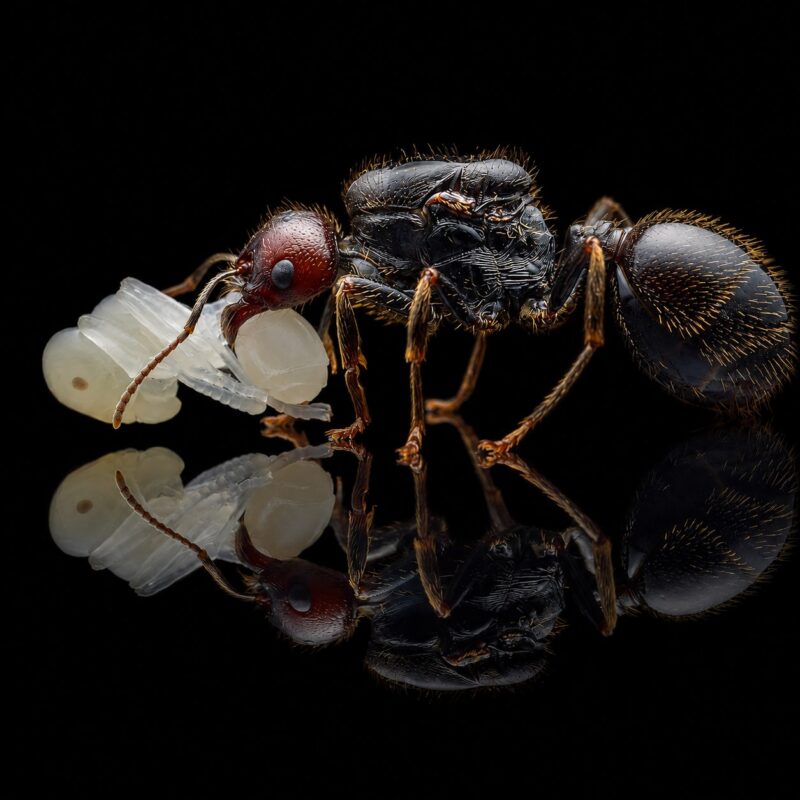
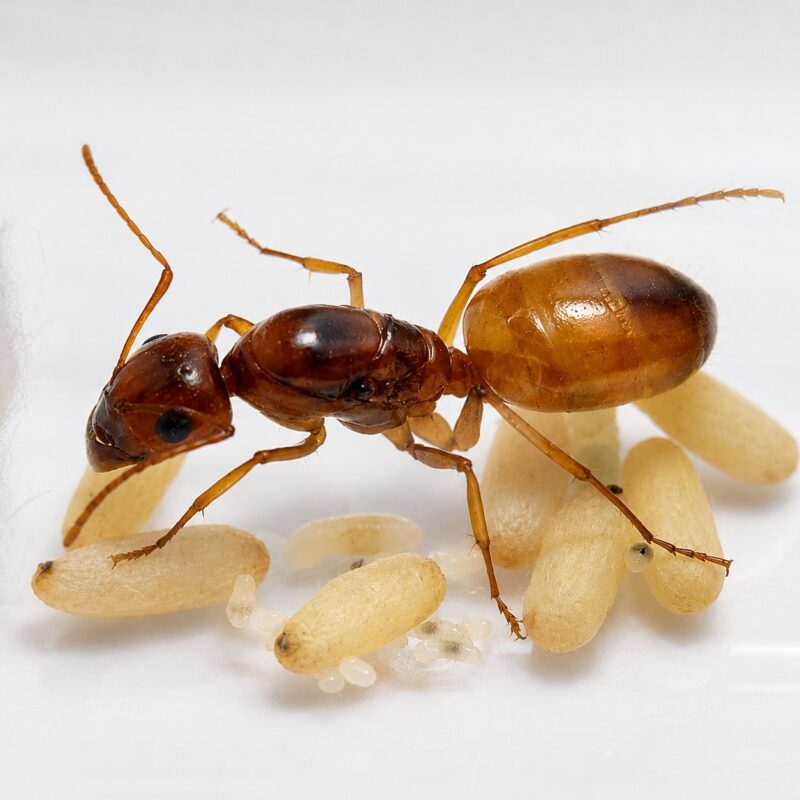
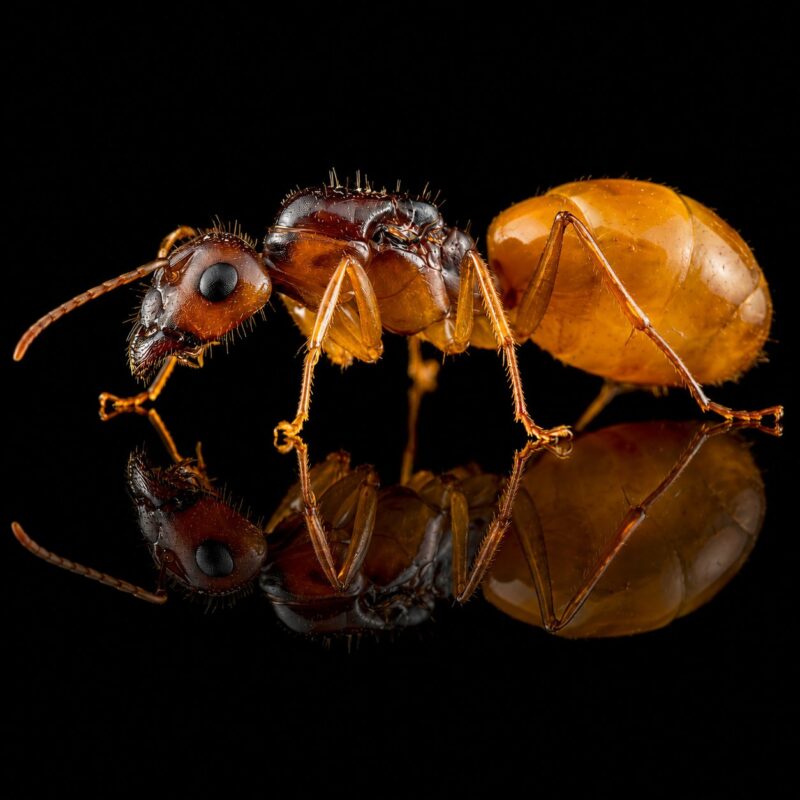
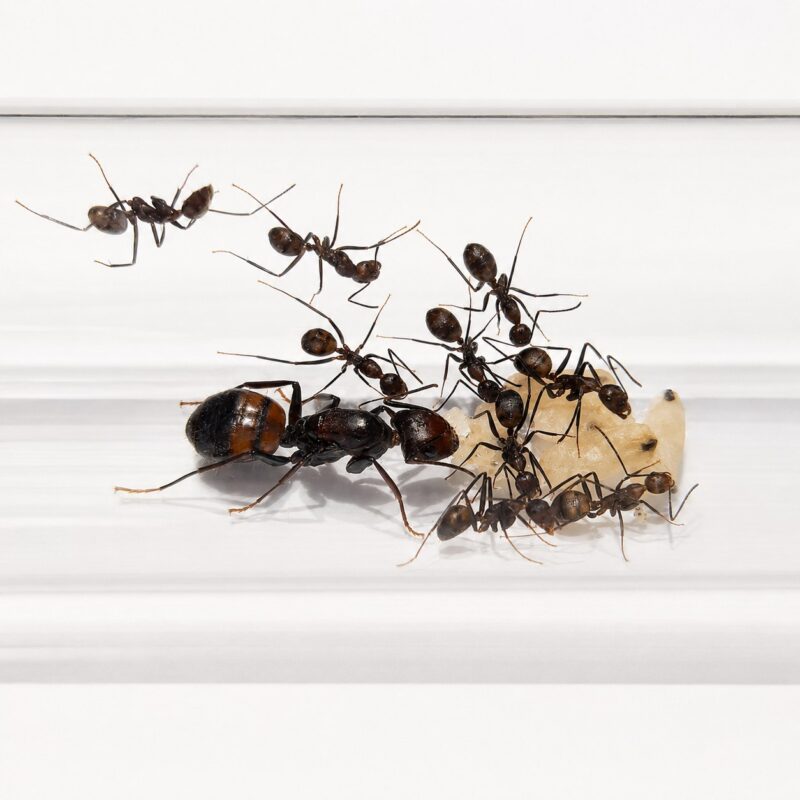
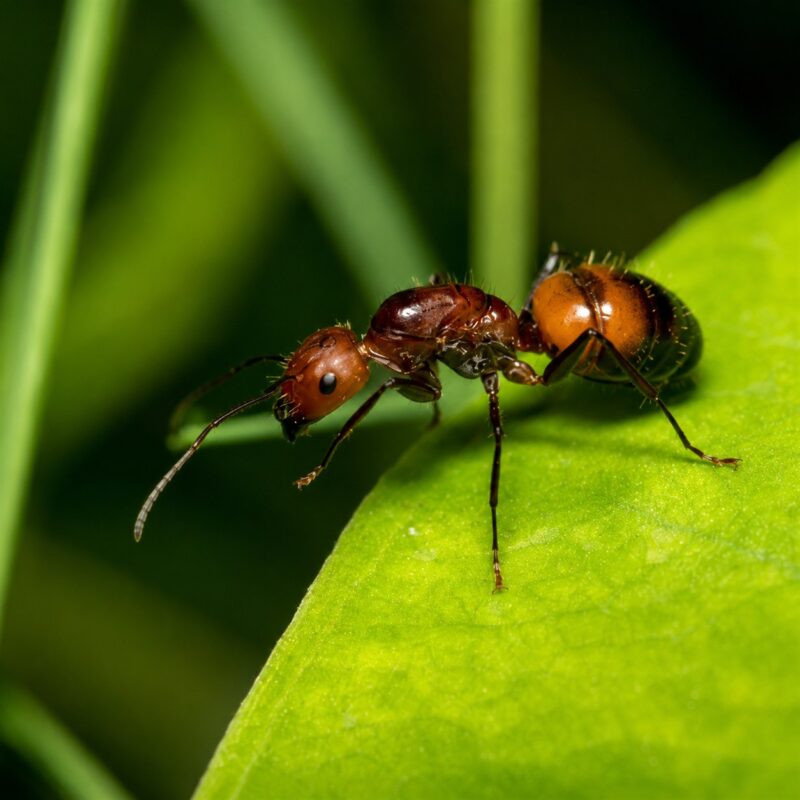
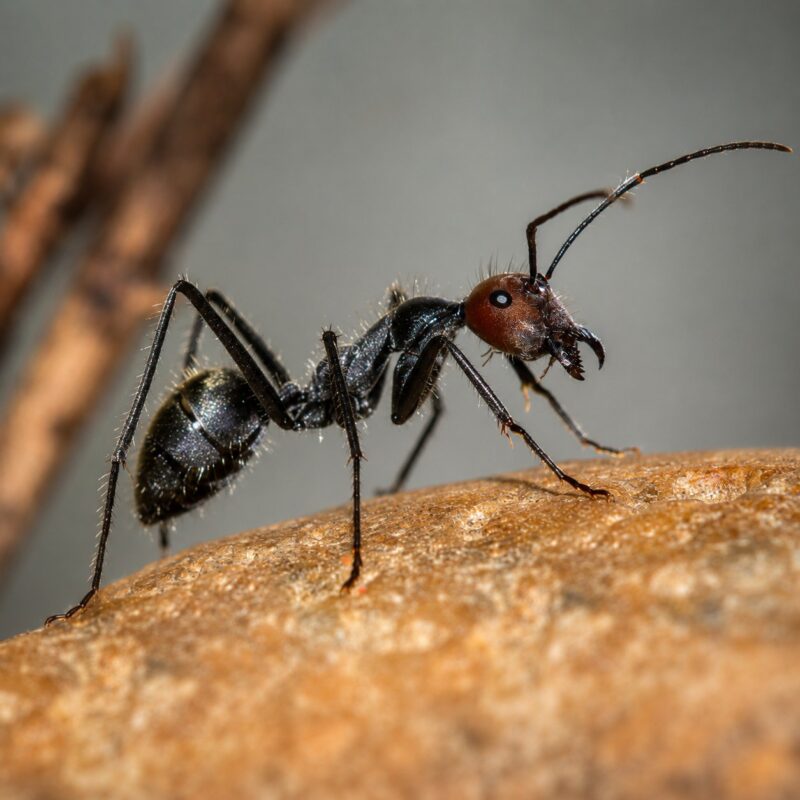
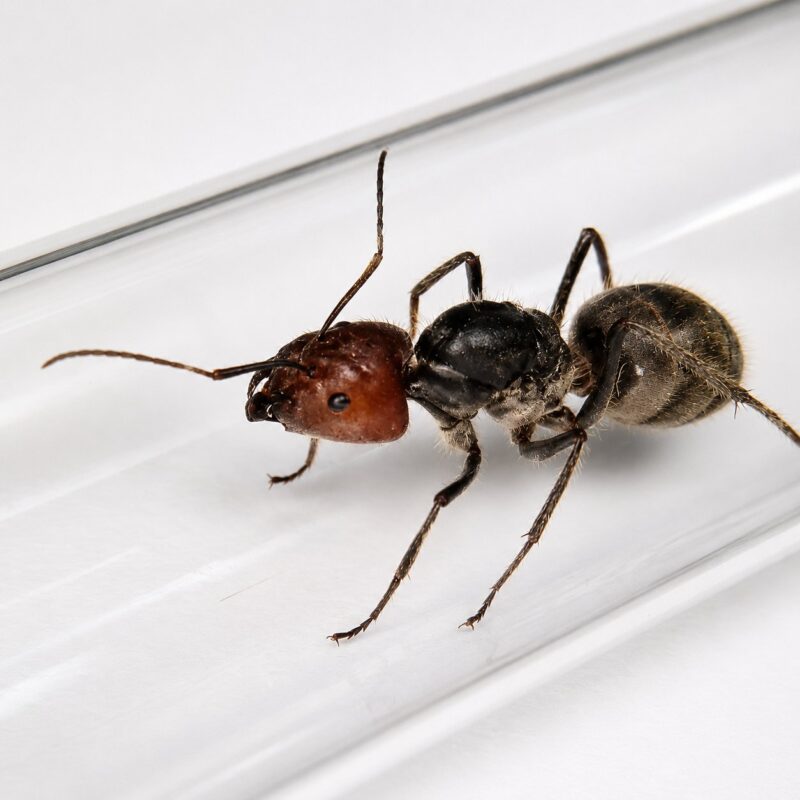
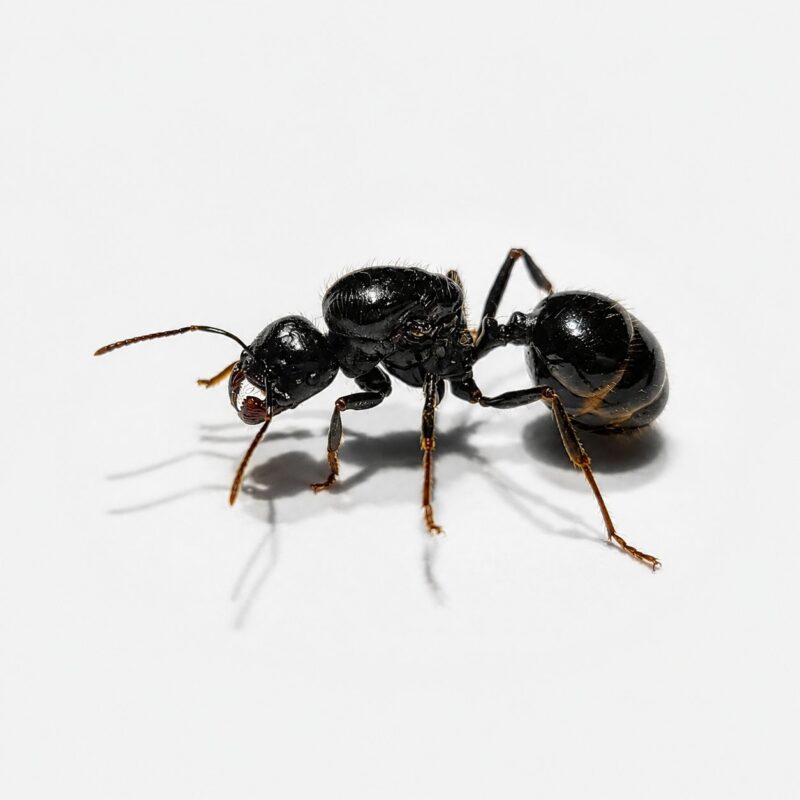
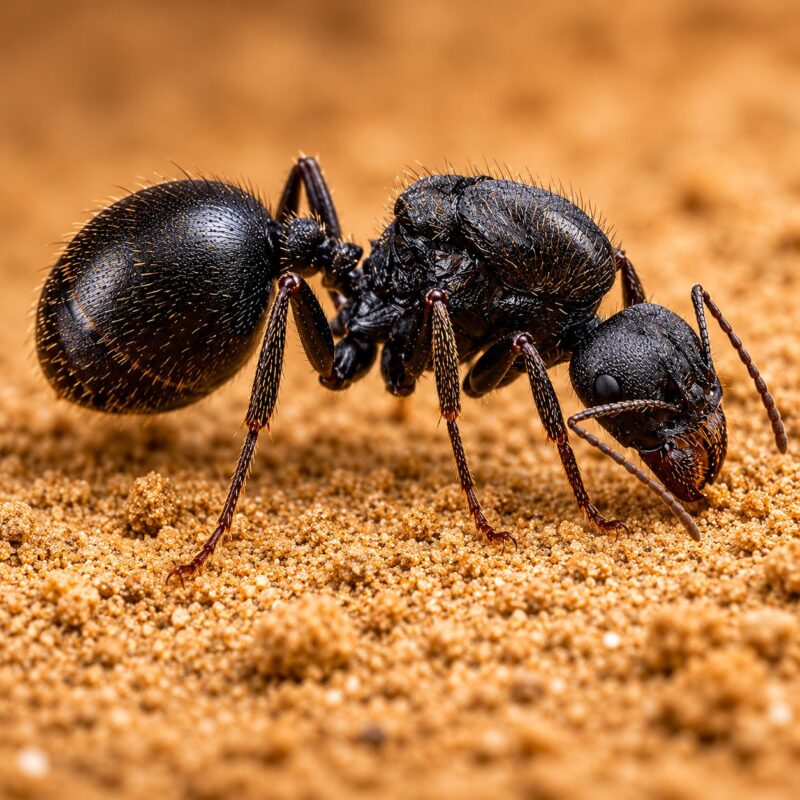
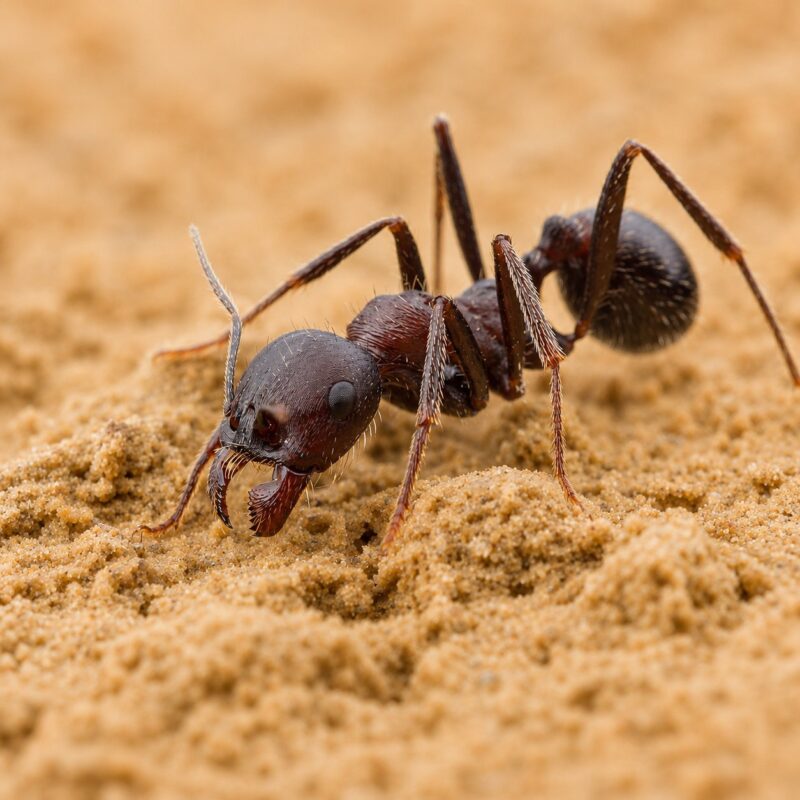
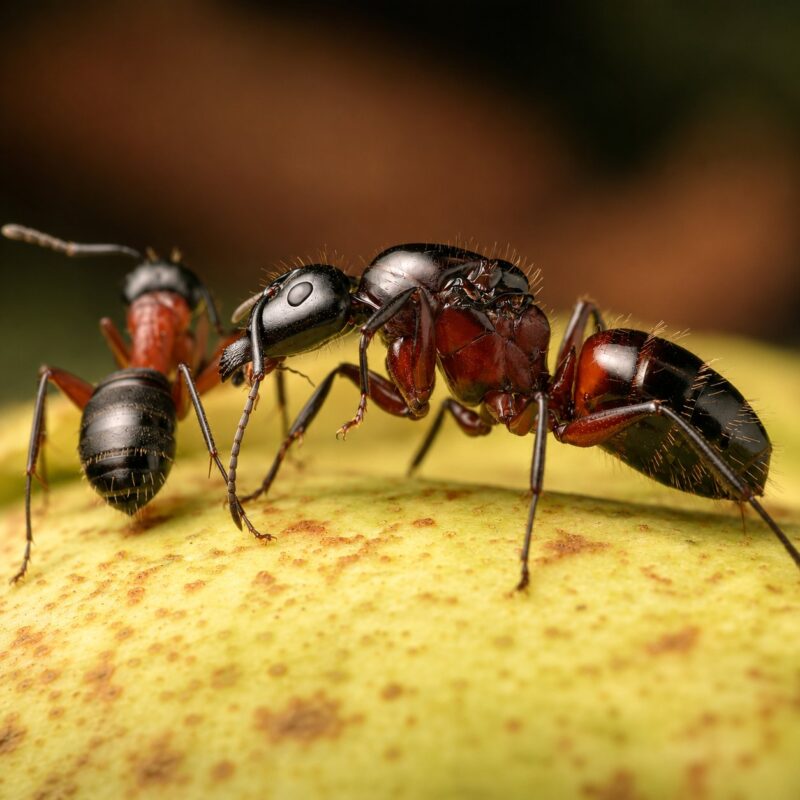
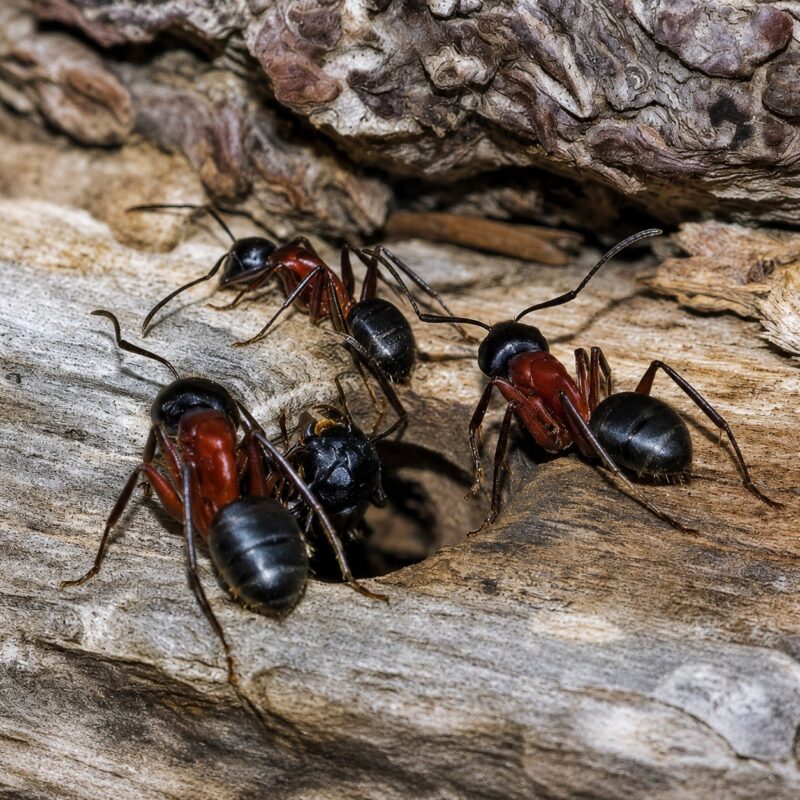
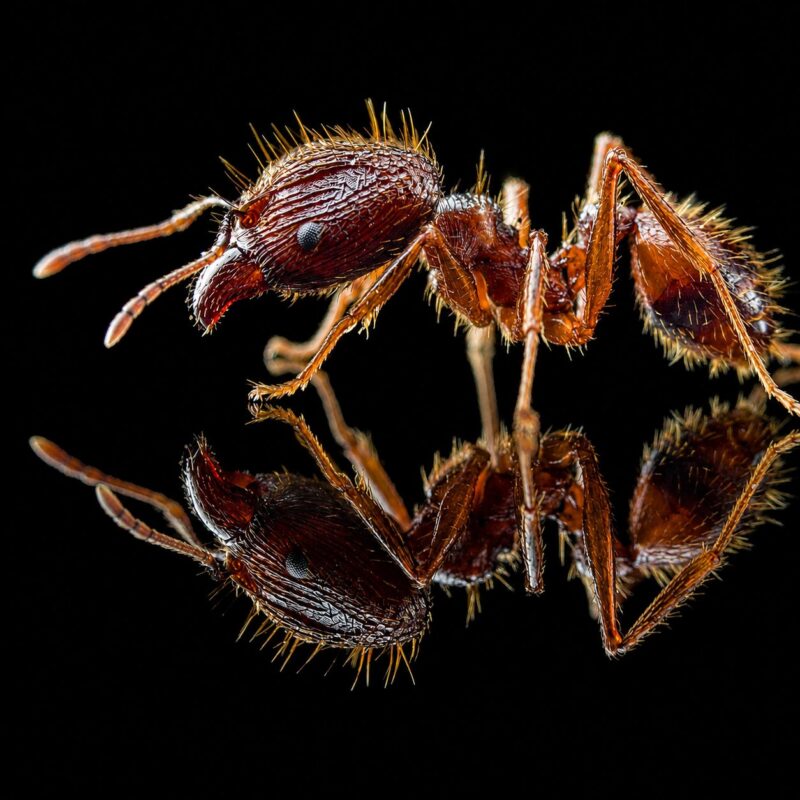
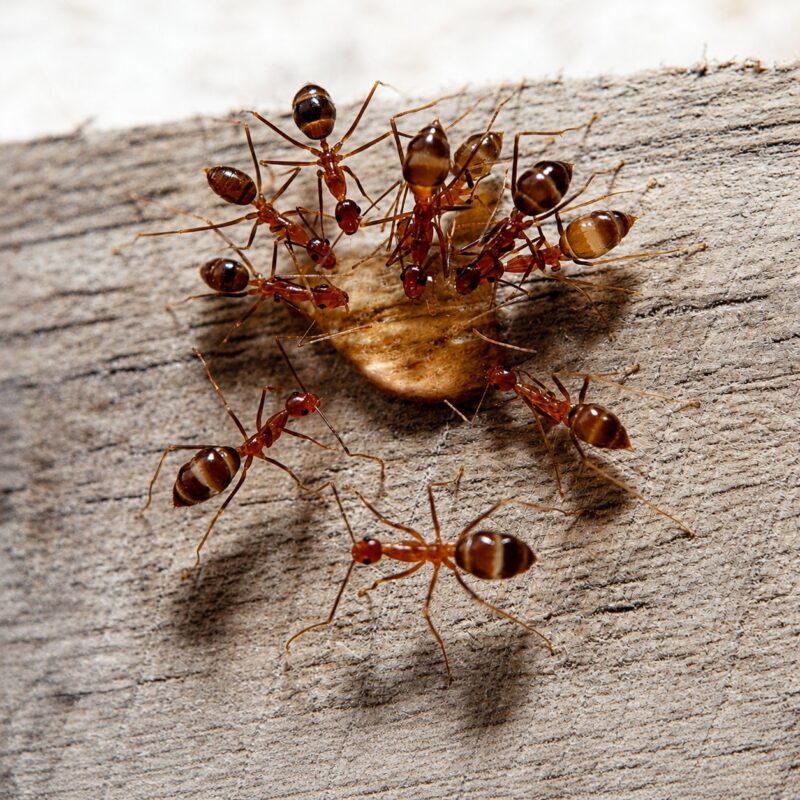
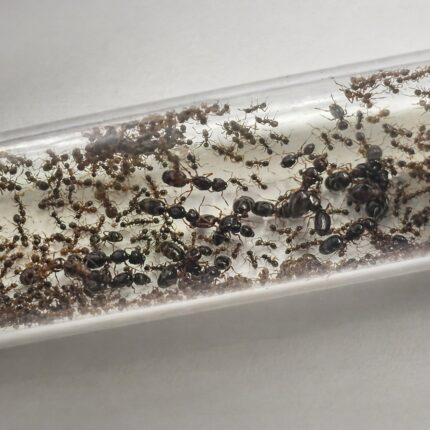
Coptotermes formosanus is a pro coptotermes termite from Originally East Asia; introduced widely. Pale yellow-brown workers; soldiers with darker amber heads and prominent mandibles. The Formosan subterranean termite – one of the most destructive wood-eating termites in the world. Coptotermes – subterranean termites (note: termites, not ants).
Housing
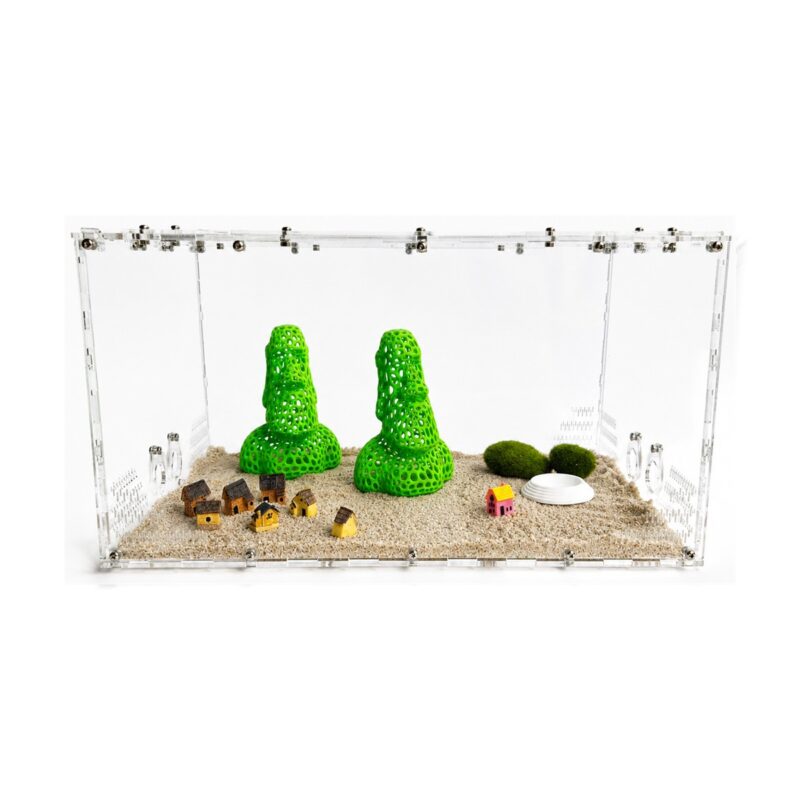
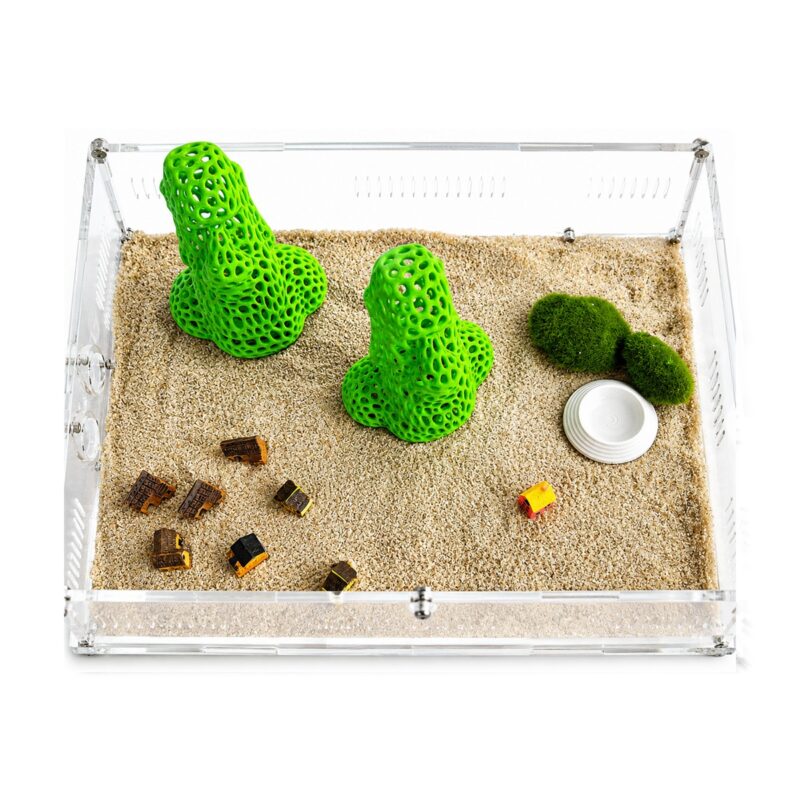
Termites require a closed-system terrarium of acrylic or glass with deep substrate of moistened wood, sand, and clay – at least 20 × 15 × 15 cm. Mature colonies need vertical space for mound or gallery construction. A reservoir of moist wood blocks gives the colony continuous cellulose access.
Temperature and humidity
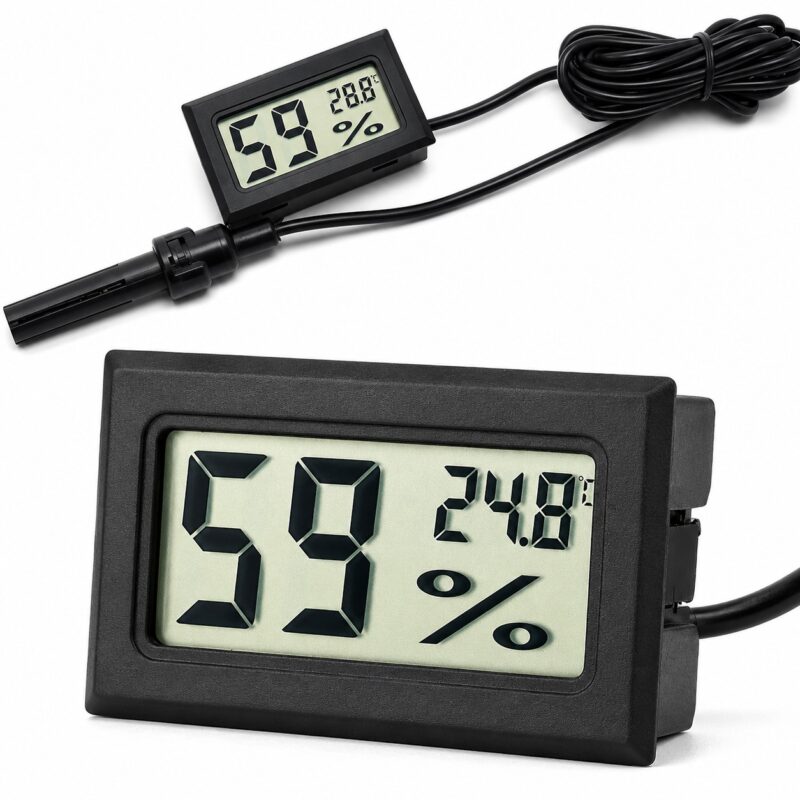
Keep the terrarium at 26–30 °C and humidity 80–95 % year-round. Termites are extraordinarily sensitive to drying out – workers and the king-queen pair die quickly in dry air. Never let the substrate dry. No light during day-night cycle is fine – termites are blind and live entirely in the dark.
Feeding
Dead wood blocks: untreated softwood blocks (pine, fir) are the staple food – workers tunnel through and digest cellulose with the help of gut protists.
Leaf litter and plain paper can supplement.
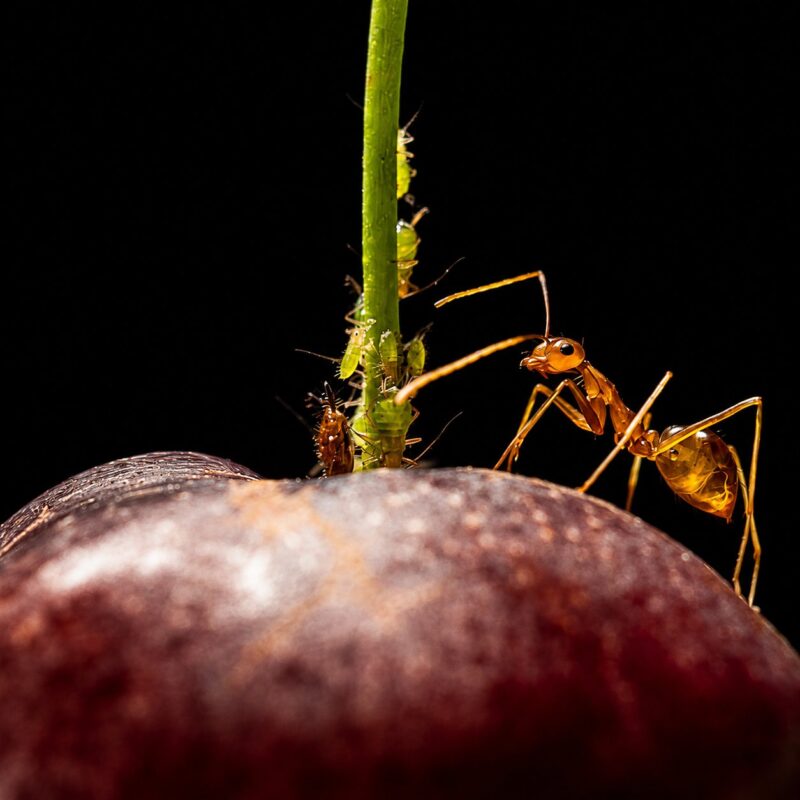
Never offer ant food (sugars, insects, jelly) – termites cannot digest these.
A replenishment cycle of fresh wood every 2–4 weeks keeps the colony fed.
Monitor humidity – dry wood is rejected.
Wintering
–
Escape prevention
Termite escape risk is real – workers can chew through wood and many soft plastics.
Use glass or thick acrylic (4+ mm) for the terrarium walls.
Lid must seal completely – gaps over 1 mm allow worker escape.
Do not house termites near wooden structures or untreated wood furniture.
Quarantine the colony from any cellulose surface you value.
Important keeping reminders
The king and queen must BOTH survive – losing either ends the colony.
Never introduce ant food. Termites need cellulose, not protein or sugar.
Maintain 80–95 % humidity constantly. Drying is fatal within hours.
Workers are blind – light cycle is not relevant. Keep the terrarium in stable temperature.
Do not house termites near active ant or roach colonies – territorial mixing is dangerous.
Before you buy
Termites are NOT ants – they belong to a separate insect order (Blattodea, infraorder Isoptera) and need fundamentally different husbandry. Both a king and a queen must survive for the colony to persist. Diet is cellulose only – wood, plant litter, fungus garden – never insects or sugar. Recommended only for keepers with prior termite experience.
What we ship
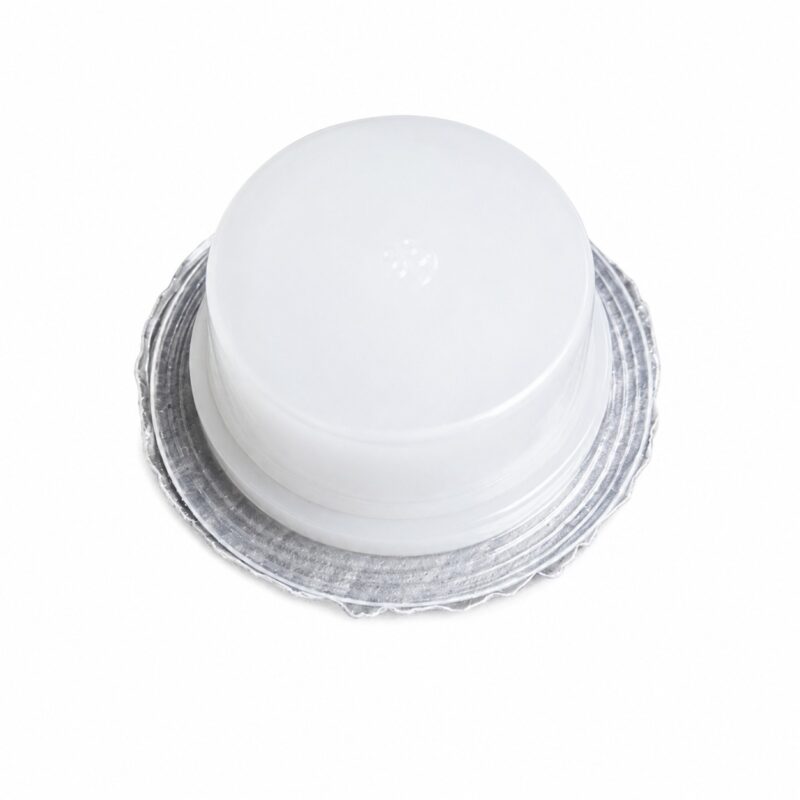
Your termite colony ships in a closed humid container with the king-queen pair, attending workers, and a starter substrate. Insured courier shipping with temperature control. We hand-pick every colony and inspect the reproductive pair on the day of dispatch.
Did you know?
- Described by Tokuichi Shiraki in 1909 from Taiwan (then called Formosa).
- Originally East Asian (Taiwan, southern China, Japan); now invasive in the southern USA, Hawaii, the Caribbean, and parts of Africa.
- Among the most economically destructive termite species in the world – billions of USD in damage annually in invaded ranges.
- Forms massive subterranean colonies with up to several million workers; mature colonies can persist for decades.
- Workers digest wood with the help of gut protists (Trichonympha and related flagellates) – a classic endosymbiosis.
Frequently asked questions
How big can the colony grow?
monogyne king+queen pair, claustral founding by both reproductives, mature colonies millions of workers. Mature colonies of large termite species can reach hundreds of thousands or millions of individuals over many years.
Is this a true ant?
No. Termites are in a completely separate insect order (Blattodea, infraorder Isoptera) – more closely related to cockroaches than to ants. They share the social colony lifestyle but diverged from the rest of insect biology over 150 million years ago.
Will the colony arrive alive?
Yes. We ship in temperature-controlled insured boxes. If anything goes wrong in transit, contact us within 24 hours with an unboxing video.
Can I feed it like an ant colony?
No. Termites cannot digest sugars or animal protein. Their entire diet is cellulose. Feeding ant food will kill the colony.
Are termites dangerous to my house?
Yes, if they escape. Use thick glass or acrylic and seal the lid carefully. Many termite species can damage wooden structures.

Reviews
Clear filtersThere are no reviews yet.