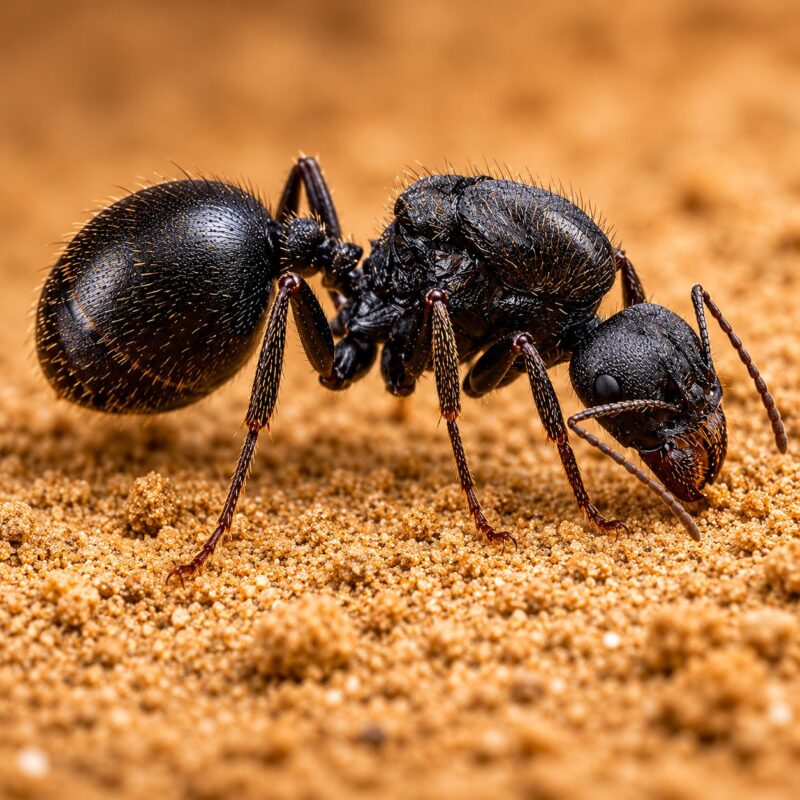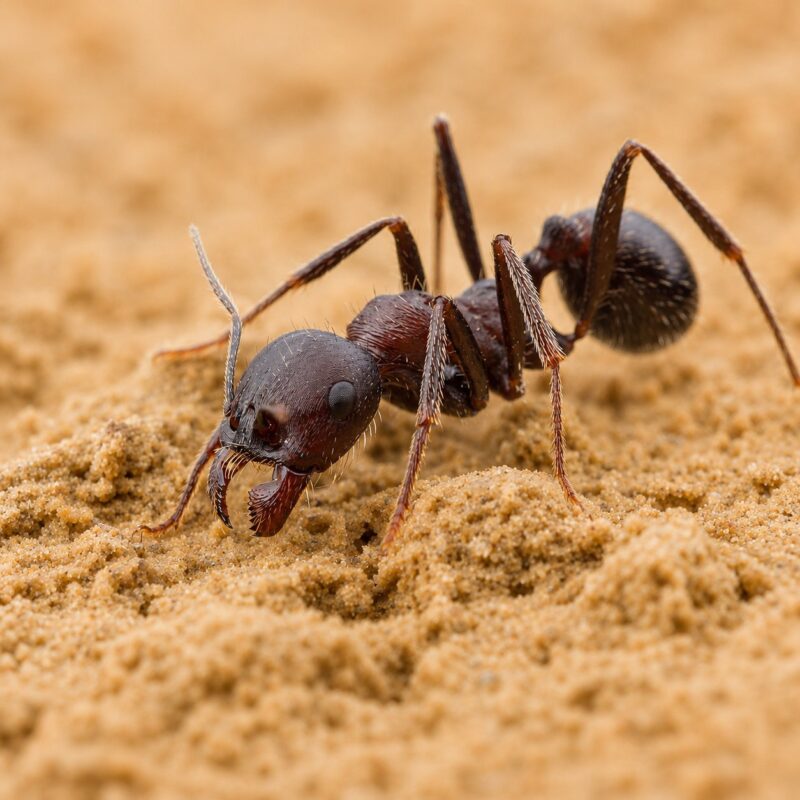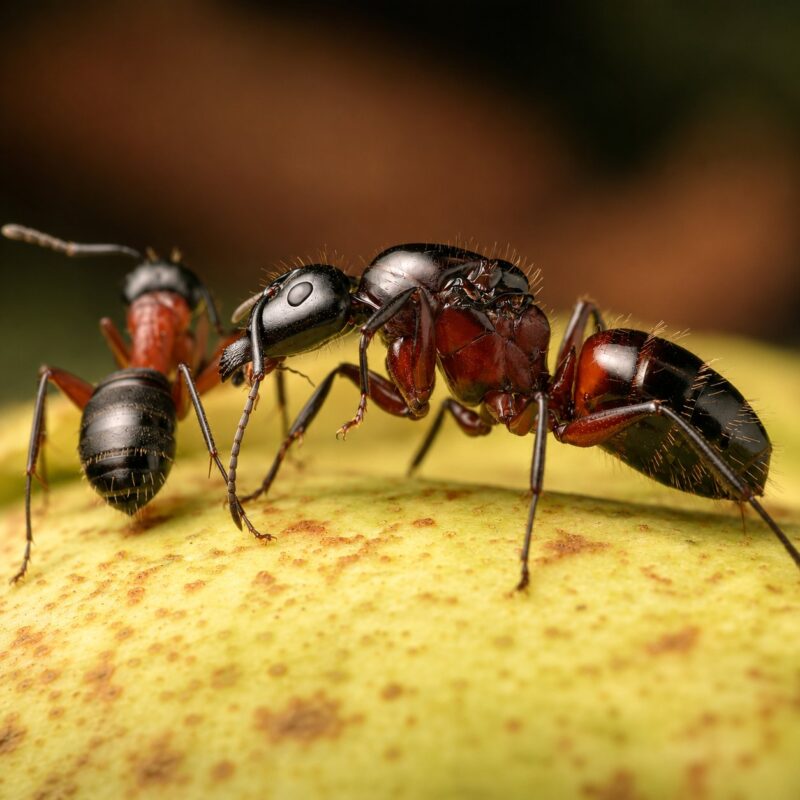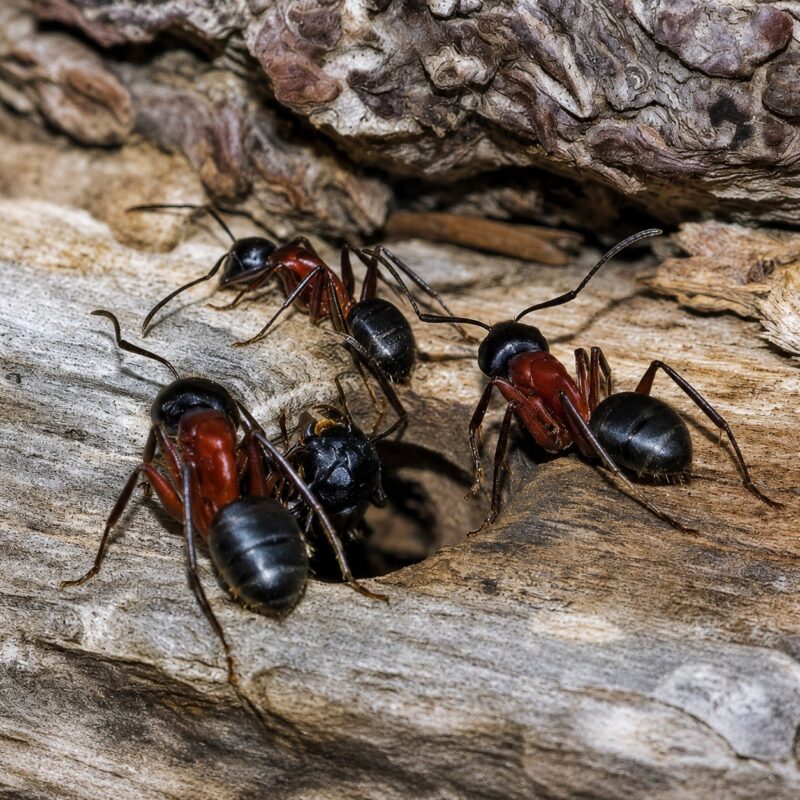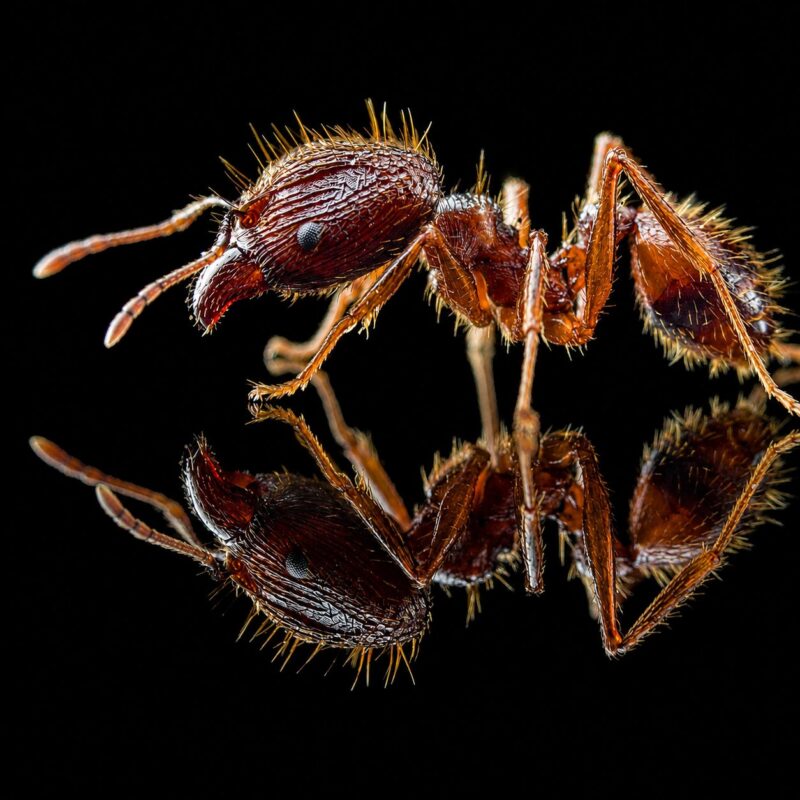

Messor semirufus
279,90 zł – 429,90 złPrice range: 279,90 zł through 429,90 zł
Live Queen Guarantee
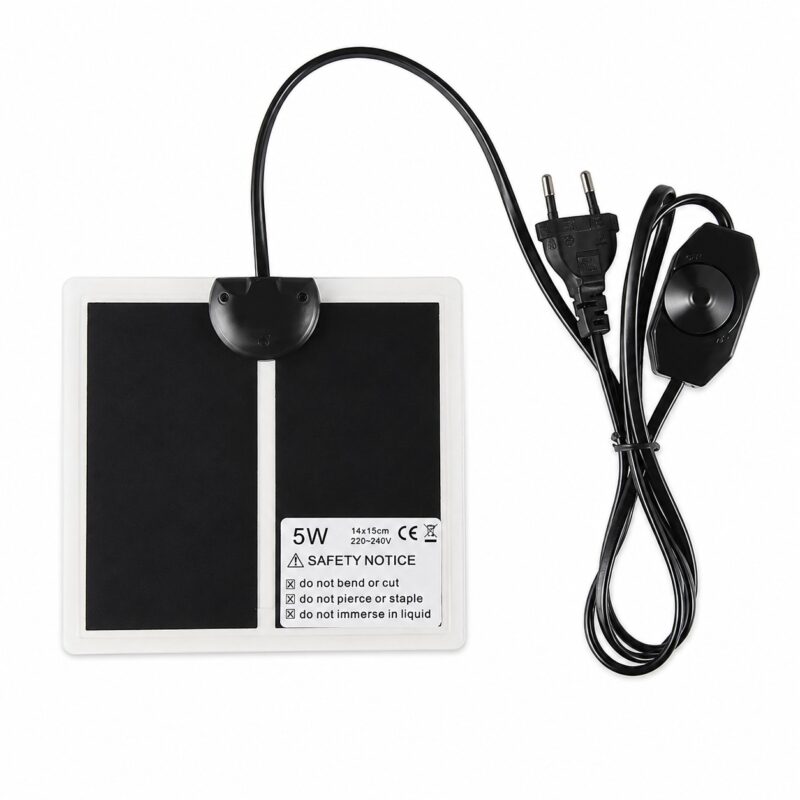
Heat Pack & Summer Cooling
Fertilised Queen in Every Colony
Ships Within 24 h
Free Care Guide
24/7 Expert Support
Description
Strong-jawed soldiers mill seeds in plain sight, and a more contained colony size keeps it easy to settle even in a small setup. Start your first colony of Messor semirufus at ANTonTOP.
Free shipping across Europe over 1299 zł.
DHL / InPost / EMS · ships the EU & worldwide.
Beginner · Q 10-14 mm / W 4-8 mm / S 8-12 mm · Up to 5,000 workers · Not required · Granivore · Algeria (Mediterranean Europe and North Africa) · Sting (mild), mild bite
Additional information
| Behavior | |
|---|---|
| Keeping difficulty | |
| Origin | |
| Ant size | |
| Hibernation | |
| Sting |
Has sting |
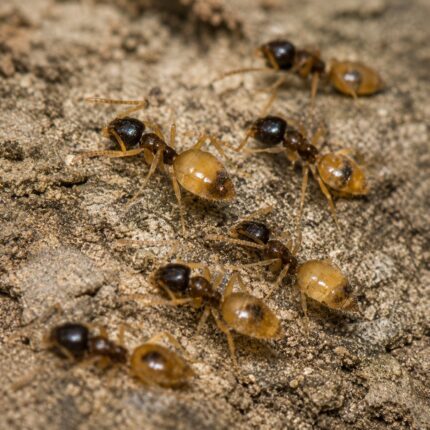
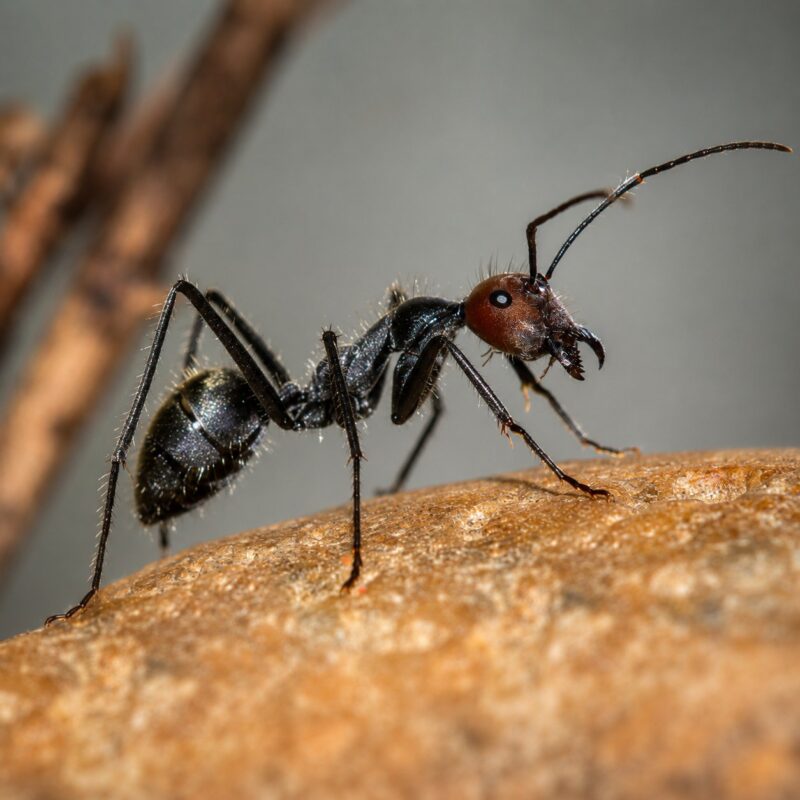
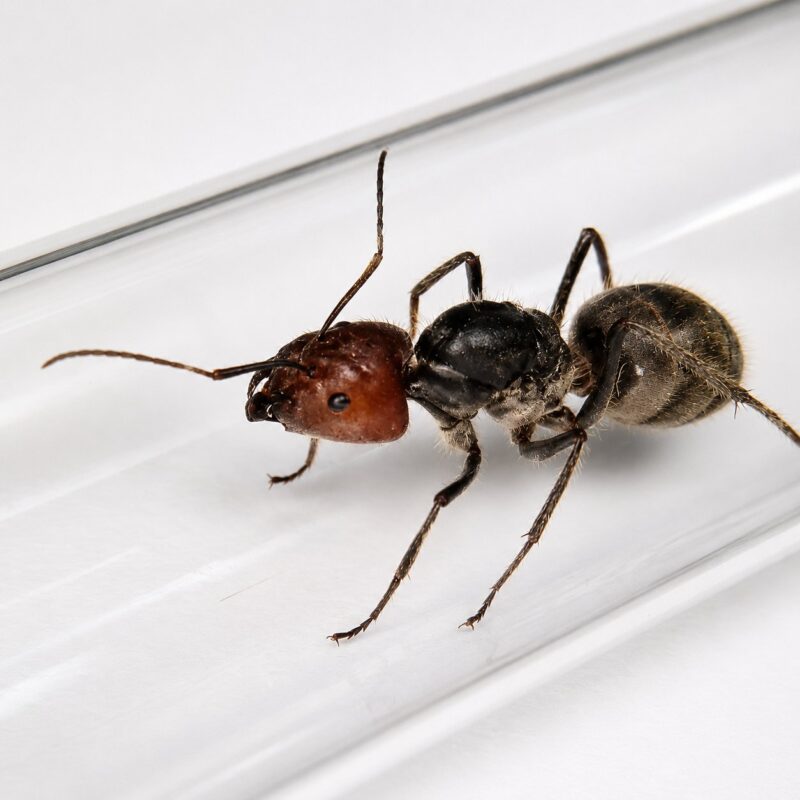
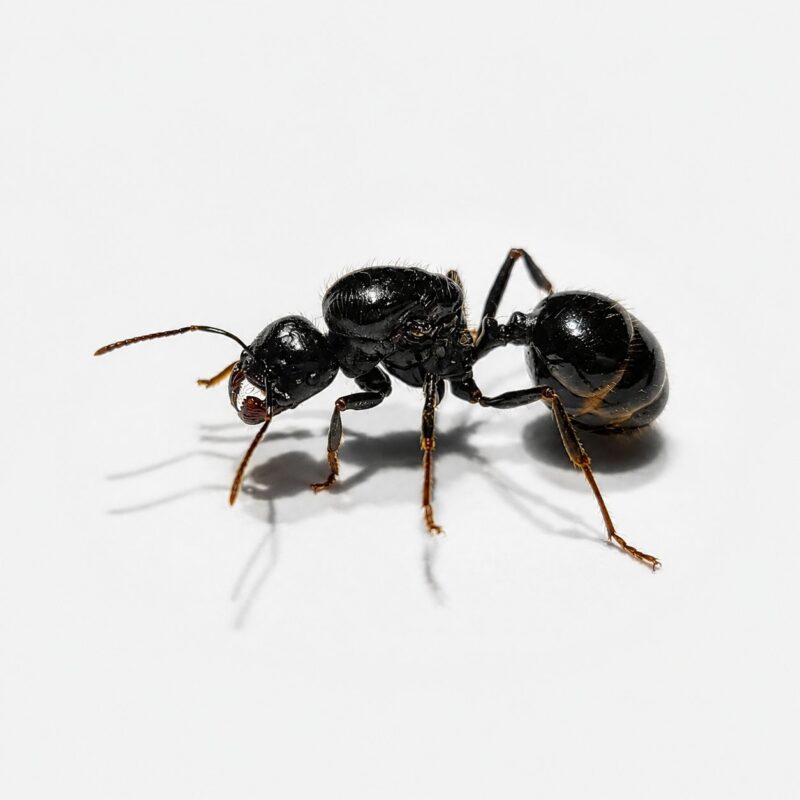
Messor semirufus – Harvester ant
| Origin | Algeria (Mediterranean Europe and North Africa) |
|---|---|
| Difficulty | Beginner |
| Colony form | Monogyne (1 queen) |
| Max workers | Up to 5,000 workers |
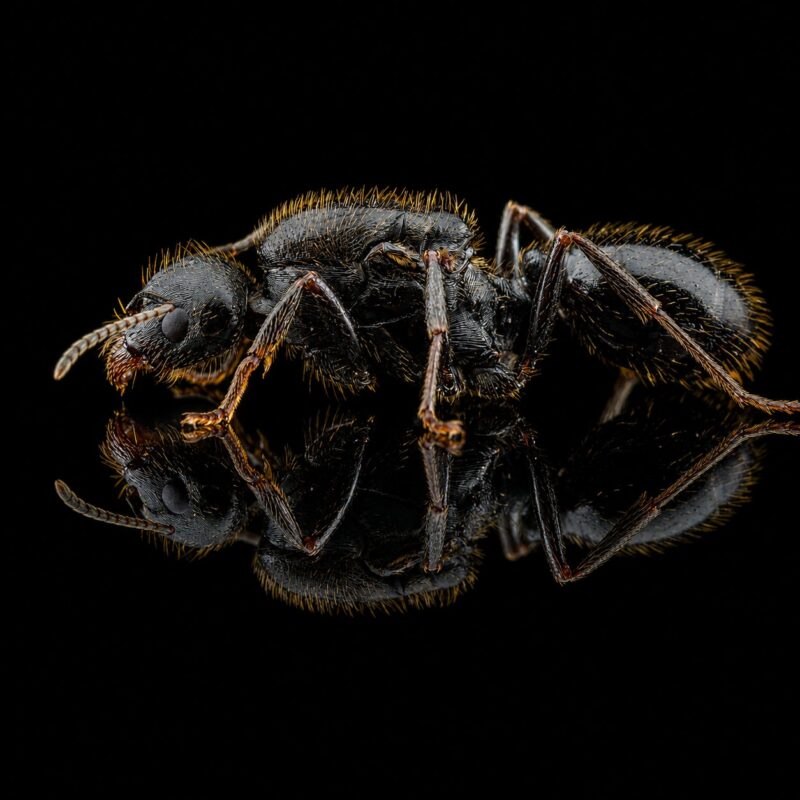
| Queen | 10-14 mm |
| Worker | 4-8 mm |
| Soldier / major | 8-12 mm |
| Founding | Claustral |
| Temperature | Nest 22-26 °C / Arena 24-28 °C |
| Humidity | Nest 45-60% / Arena 30-50% |
| Hibernation | Not required |
| Diet | Granivore |
| Sting / bite | Sting (mild), mild bite |
| Egg to first worker | ~90+ (eggs ~2 months post-flight, workers >3 months later) |
| Queen lifespan | up to ~20 years |
| Nuptial flight | spring (first workers emerge in spring) |
| Activity | diurnal (steady daytime activity) |
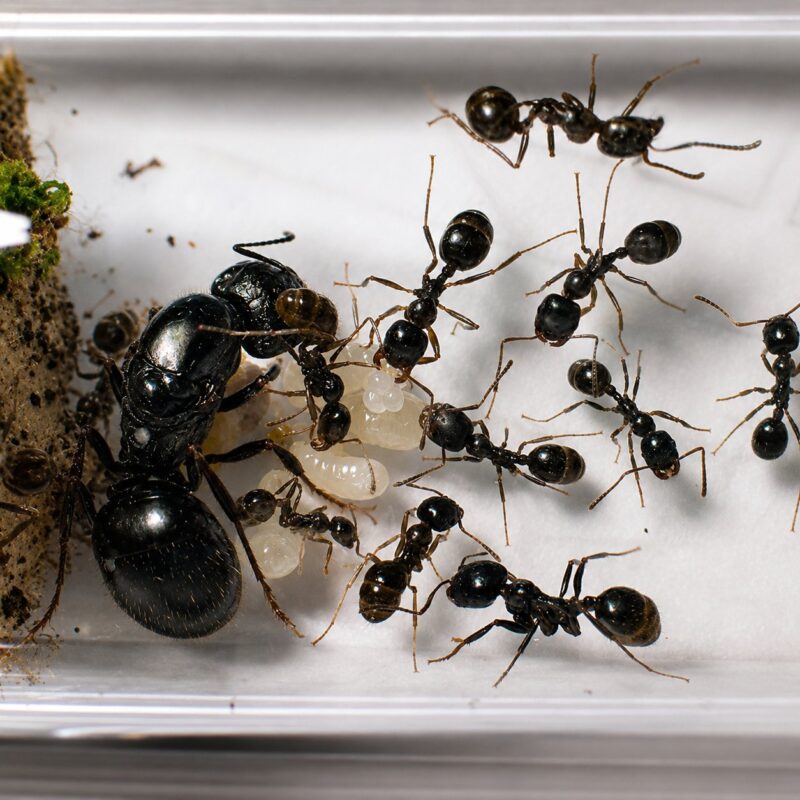
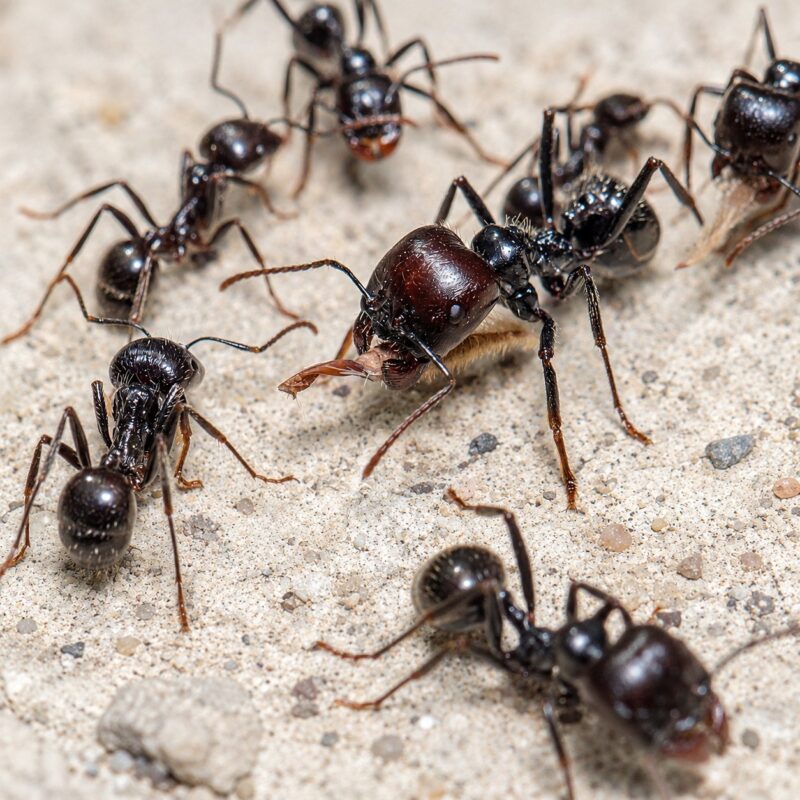
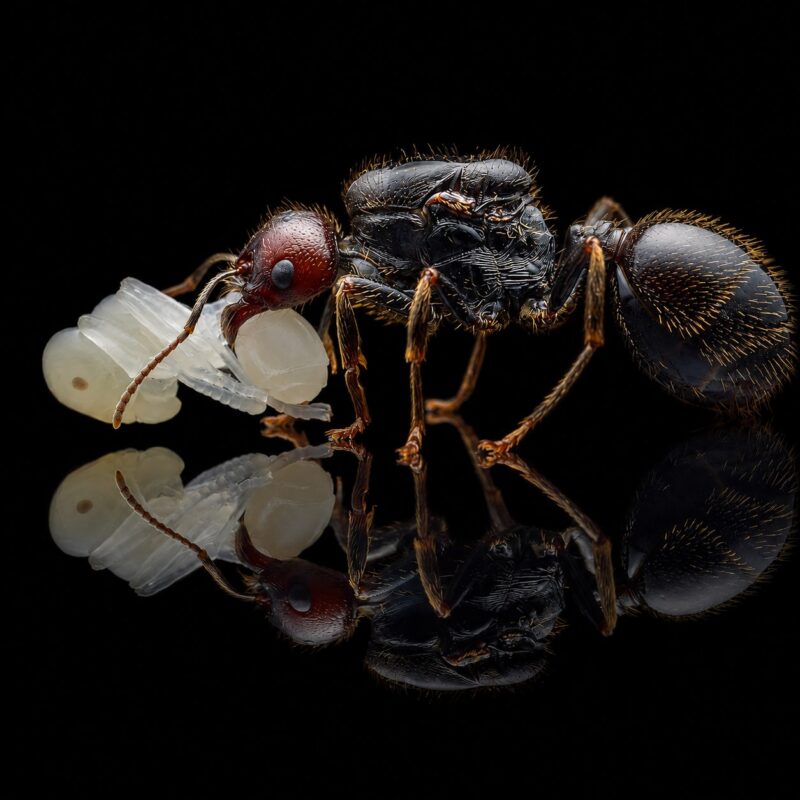
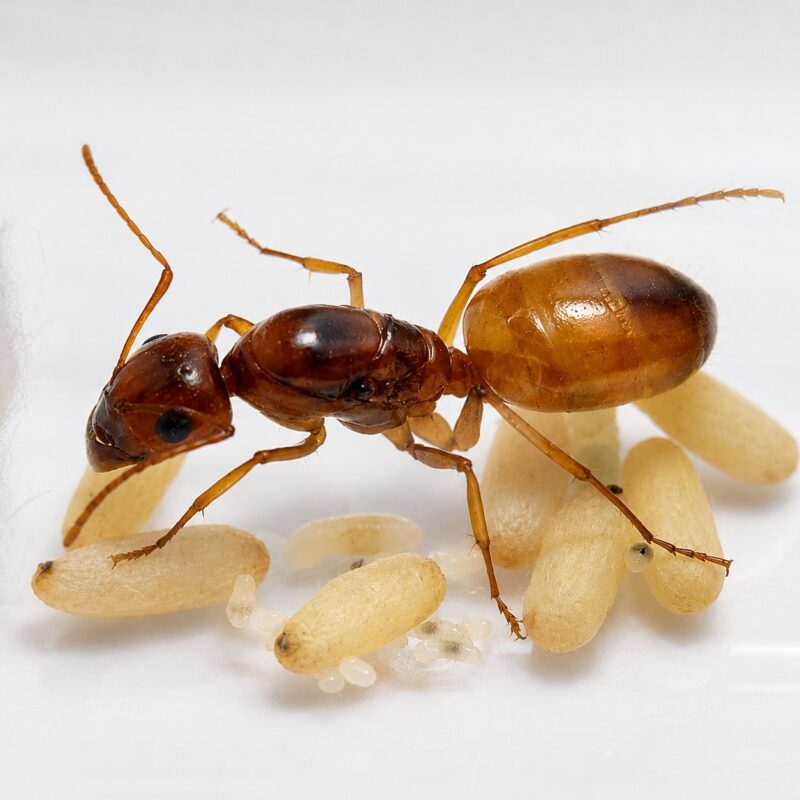
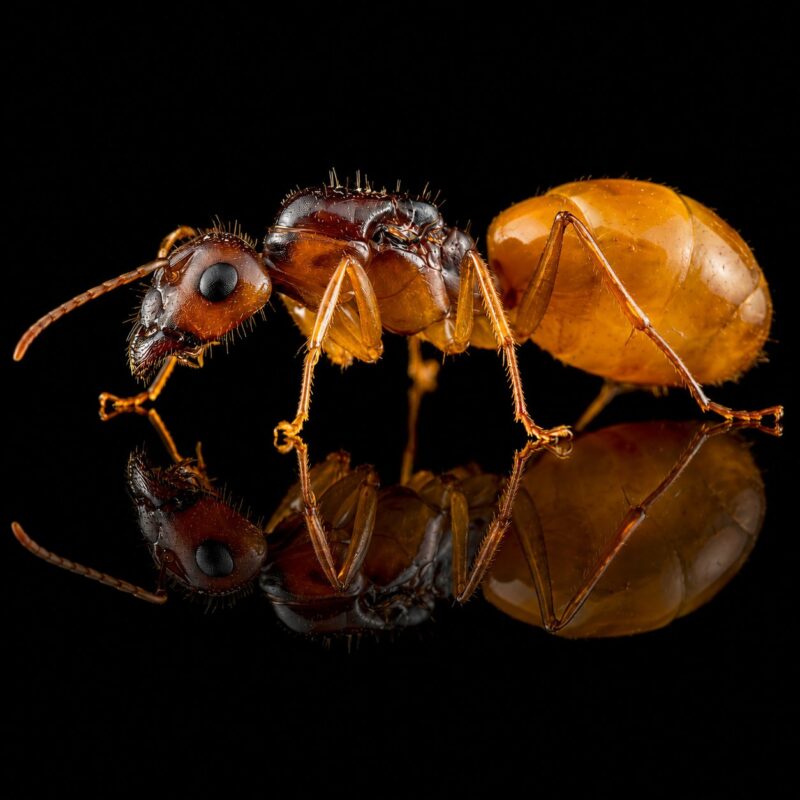
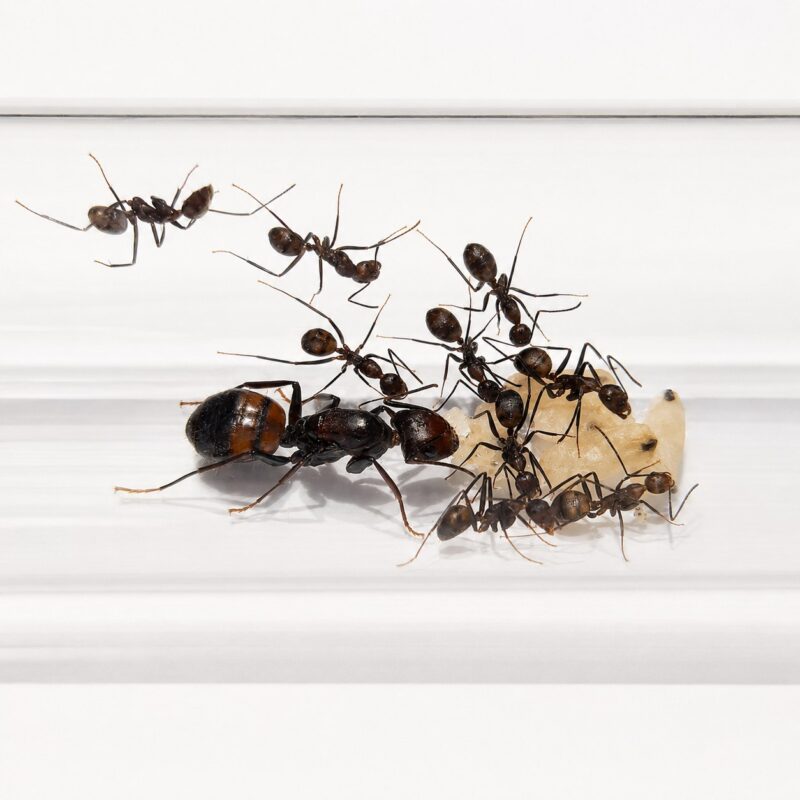
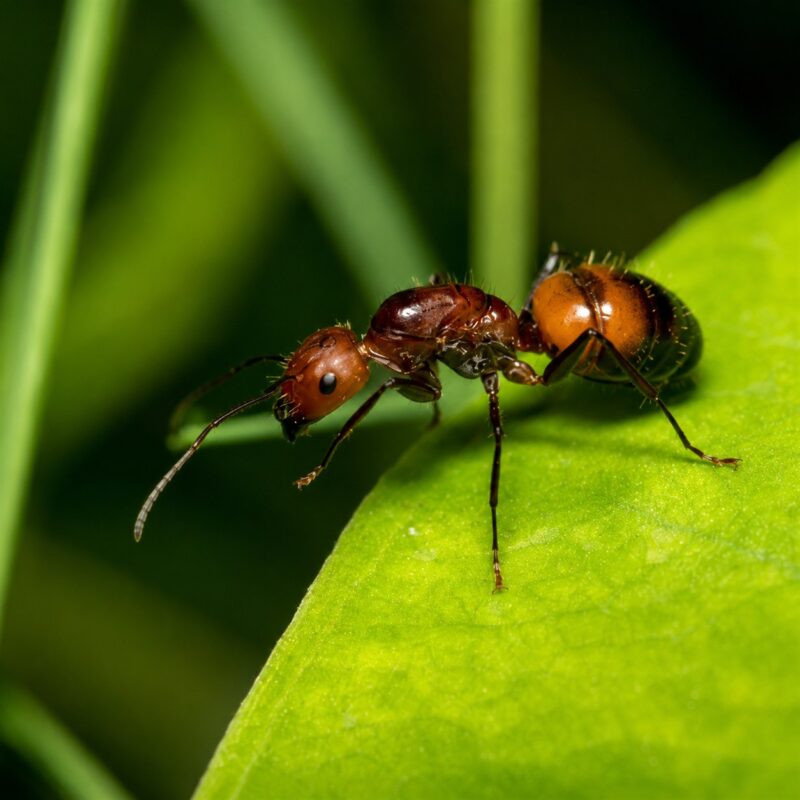
Messor semirufus is an Algerian harvester ant with strong seed-milling habits and a more contained colony size, a friendly starting point for new keepers short on space.
Why this species
Messor semirufus gives you the full harvester experience in a slightly more manageable package. Workers collect seeds, husk them and mill the kernels into ant bread, and you can watch the granaries fill through the nest wall. Coming from Algeria in the Mediterranean Europe and North Africa range, it handles warm, dry conditions with ease. Because it tops out lower than some of its bulkier relatives, housing stays simpler and the colony is easier to plan around. It forgives early mistakes and rewards a keeper who lets the colony build at its own pace.
Feeding
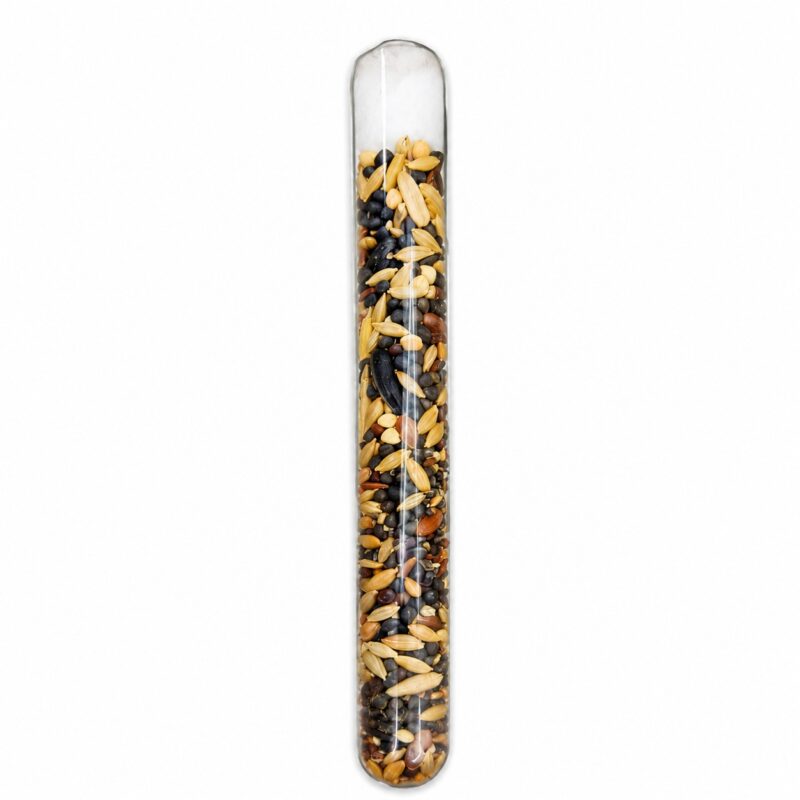
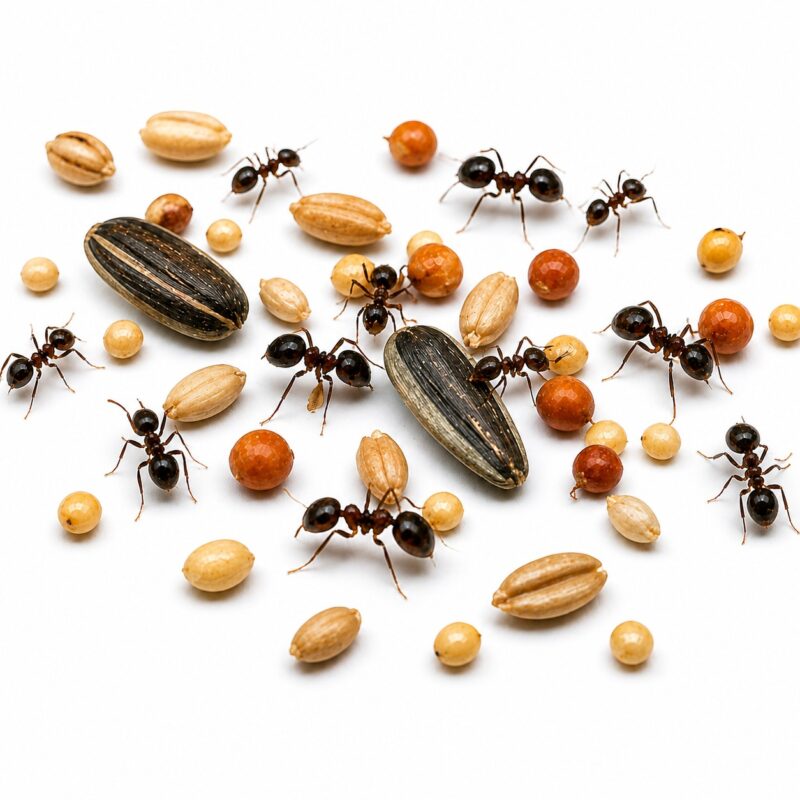
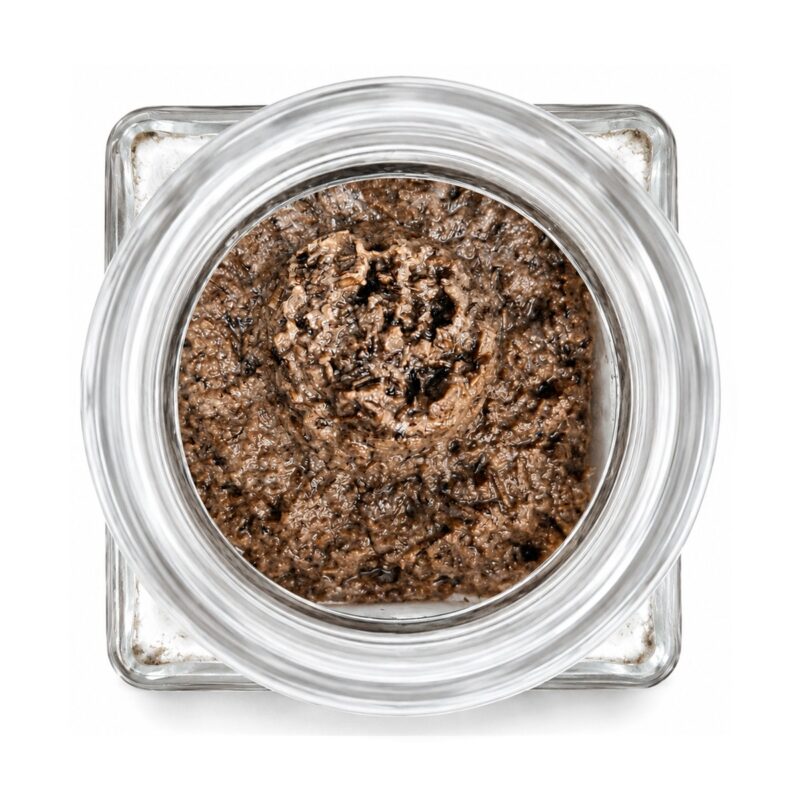
A granivore that lives on seeds. Workers gather and husk them, then mill the kernels into stored ant bread, with a little insect protein added during brood-rearing.
| Soft seeds (poppy, sesame, chia, niger) | ★★★ |
| Hard seeds (canary, millet, grass, dandelion) | ★★★ |
| Quinoa / amaranth | ★★ |
| Crickets / flies (for brood) | ★★ |
| Sugar water / honey water | ★ |
| Mealworms | ★ |
| Boiled egg yolk | ★ |
| Soft fruit | ★ |
| Dried insects | ★ |
| Live plant matter | ✗ |
★★★ readily · ★★ moderately · ★ occasionally · ✗ not eaten
Housing & formicarium
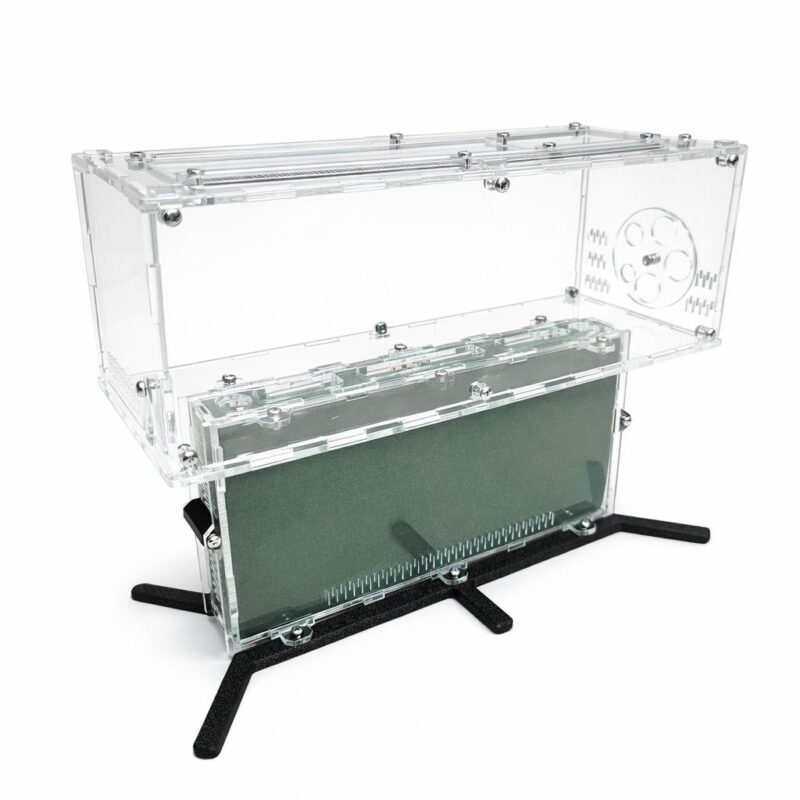
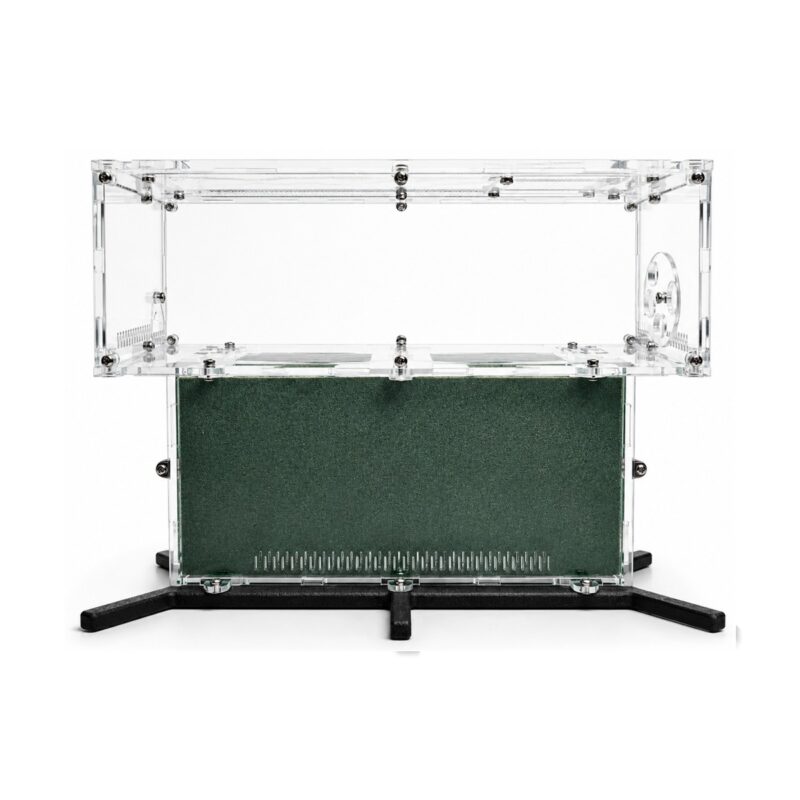
Found the colony in a test tube and let the first nanitics harden off before any move. Once they cover the tube floor, settle them in a hard gypsum or aerated-concrete nest with a lightly damp brood chamber and a dry granary so the seed stores stay dry and mould-free. Skim off husks now and then and fit a roomier nest as the colony builds. Wrap the arena rim with fluon (PTFE), oil, or talc-and-water for the climbers among them. ANTonTOP formicaria and starter kits give you a nest, arena and escape barrier in one set, sized for a young Messor colony.
Climate & wintering
Lead with a dry arena and a slightly moister nest: nest humidity 45-60% against 30-50% in the arena, with the nest at 22-26 °C and the arena at 24-28 °C. Warm one end only so the colony can move between its warm and cool zones. No winter rest is required, so the ants stay active across the year on steady feeding.
Growth forecast + what you receive
Founding rewards patience: eggs appear about 2 months after the flight, first workers follow more than 3 months later and emerge in spring, then the colony gathers pace toward up to 5,000 workers. Your colony arrives as a fertilised queen with workers and brood.
Did you know
- Its name nods to the part-reddish colouring (semi-rufous) that sets it apart from plainer dark harvesters.
- A modest ceiling of around 5,000 workers keeps housing simpler than for the larger Messor.
- Harvesters store seeds dry and away from the brood, then mill them into ant bread as needed.
- Across North Africa, Messor seed-collecting helps redistribute and bury plant seeds in the soil.
Frequently asked questions
Is Messor semirufus suitable for beginners?
Yes, it is Beginner-rated and forgiving.
Does Messor semirufus need a winter rest?
No, hibernation is not required; it stays active year-round.
Does this Algerian harvester sting or bite?
It has a mild bite and a sting, but it is manageable.
How big does the colony get?
Up to 5,000 workers.
How big is the queen?
The queen measures 10-14 mm.
How fast does it grow?
Slowly at first, with first workers emerging in spring, then faster as the colony builds.
What does Messor semirufus eat?
Mostly seeds milled into ant bread, plus insects and sugar water.
How is it shipped?
As a queen with workers and brood, with a heat or cool pack, dispatched within 24 hours with tracking.
Keeping & shipping essentials
Escape prevention. Coat the inner rim of every open arena with fluon (PTFE), or use talc-and-water or an oil barrier as a backup, and keep a tight, fine-mesh lid on top. Check the barrier regularly, since dust, condensation and feeding debris break a fluon line over time. Keep tubing connectors tight and seal any gaps in the nest.
Keeping reminders. Always offer fresh water and never let the nest dry out completely. Give carbohydrates continuously and protein a few times a week, and remove uneaten insect prey within 24 hours before it moulds. Keep the formicarium out of direct sunlight and away from constant vibration, which stresses a young colony. A water-filled test tube plugged with cotton makes an ideal spare incubator whenever you need one.
Before you buy – do not rehouse too early. Have a test-tube setup or a small formicarium with an outworld and a working barrier ready before your colony arrives. A founding colony grows slowly at first, which is normal. Moving a small colony into a large nest too soon invites mould, mites and stress, and the workers die off one by one. Keep the colony in its open test tube on the arena, plug the nest entrance with cotton, and open up the next chambers only once the colony fills roughly 10-15% of the space.
What we ship. Every colony ships with a live-arrival guarantee, backed by our 24h unboxing-video guarantee: if the queen does not arrive alive, we reship free. Parcels travel with DHL, InPost (PL) or EMS, with a heat or cold pack to suit the season, packed discreetly and securely. We ship across the EU and worldwide, with free shipping over the Europe threshold.

Reviews
Clear filtersThere are no reviews yet.